Dondra Lighthouse | A Guiding Beacon of Couthern Coast

SHARE

Introduction

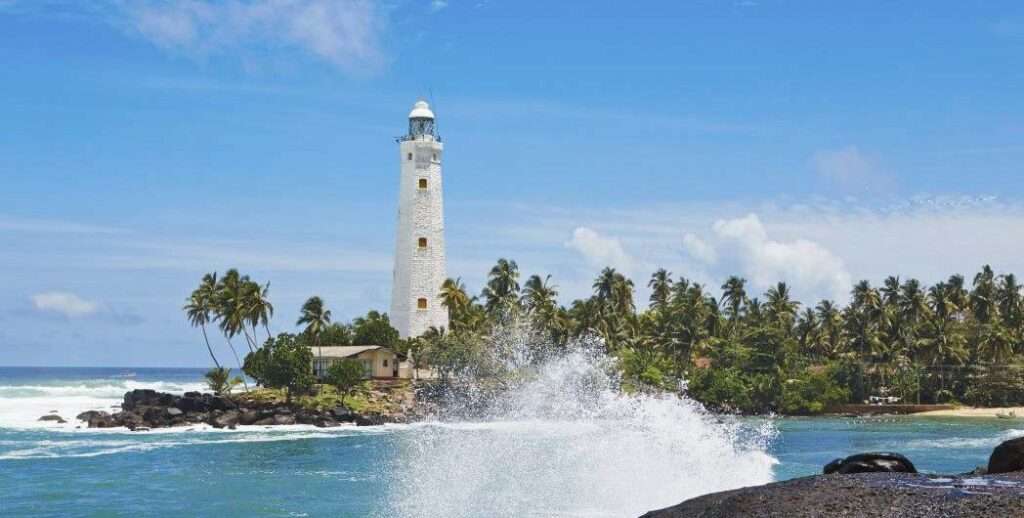
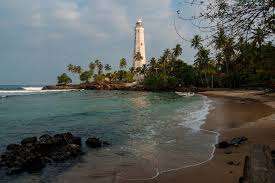
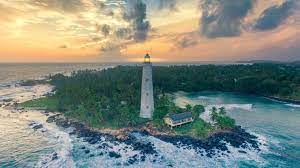
The Dondra Lighthouse, situated on the southernmost tip of Sri Lanka, is an iconic structure that has been guiding ships and sailors since its construction in the 19th century. This historical landmark stands tall as a symbol of maritime heritage, illuminating the Indian Ocean’s vast expanse and safeguarding vessels from treacherous waters. In this article, we will delve into the rich history of the Dondra Lighthouse, its significance to the local community and tourists alike, and the breathtaking views it offers to those who visit.

A Historical Marvel: The Construction of Dondra Lighthouse

Early Navigational Challenges

The treacherous coastline of Sri Lanka’s southern region has always posed challenges for sailors navigating the Indian Ocean. The lack of adequate navigational aids led to numerous shipwrecks, loss of life, and cargo. To address this issue, the British colonial administration, during the 19th century, recognized the necessity of a lighthouse to improve maritime safety.

The Visionary Design

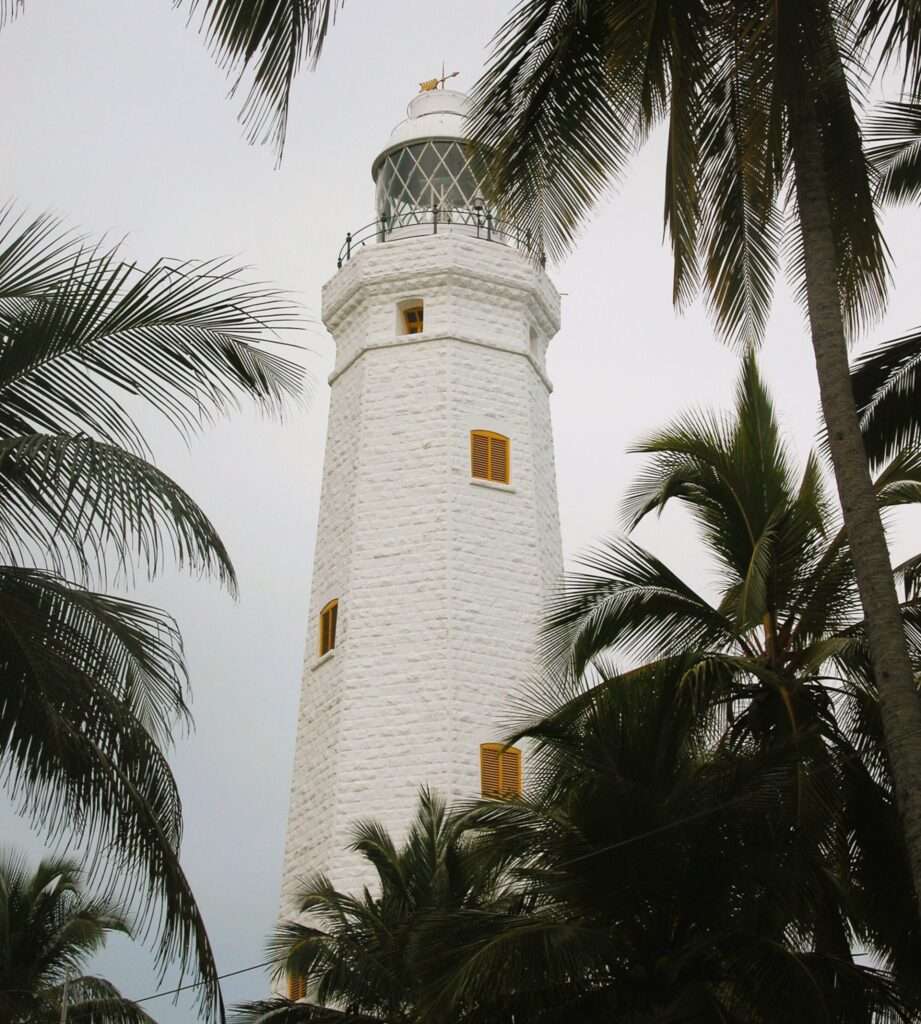
Designed by renowned Scottish engineer James Douglass, the Dondra Lighthouse was constructed in 1889. Its architecture showcases a harmonious blend of British and Indo-Saracenic influences, reflecting the colonial era’s prevailing architectural trends.
Guiding Light for Over a Century

For more than a century, the Dondra Lighthouse has stood tall, guiding countless ships through the darkness of the night. Initially fueled by oil lamps, the lighthouse underwent modernization over the years, adopting electric lamps and other technological advancements, without compromising its historical charm.

The Significance of Dondra Lighthouse

A Symbol of Maritime Heritage

The Dondra Lighthouse holds immense significance as a symbol of Sri Lanka’s maritime heritage. It stands as a tribute to the maritime history of the island nation and the invaluable contribution of its sailors and lighthouse keepers in ensuring safe navigation.
Boosting Local Economy and Tourism

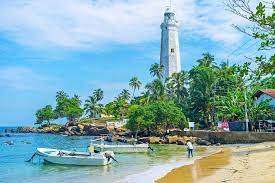
Apart from its historical significance, the lighthouse has become a major attraction for both local and international tourists. Its majestic structure and picturesque surroundings draw visitors from far and wide, providing an economic boost to the local communities through tourism.

Awe-Inspiring Views and Sunsets

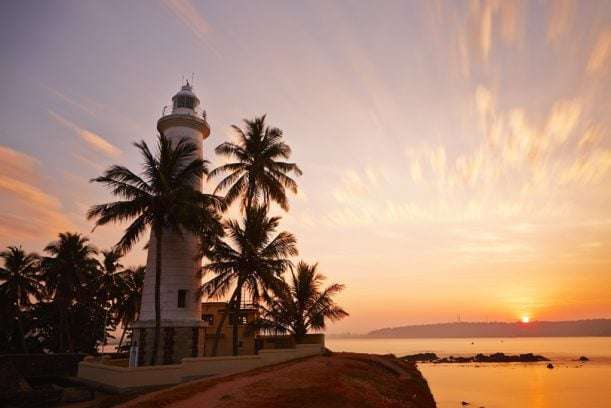
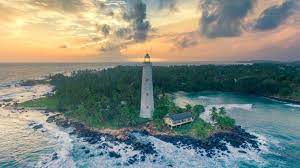
Perched atop a rocky outcrop, the Dondra Lighthouse offers panoramic views of the Indian Ocean and the surrounding landscapes. Tourists flock to witness the breathtaking sunsets, where the sun seems to melt into the horizon, casting a golden glow over the vast sea.
The Lighthouse Keepers: Guardians of the Light

Throughout its existence, the Dondra Lighthouse has relied on the dedication and commitment of lighthouse keepers to ensure its efficient operation. These keepers, often residing near the lighthouse with their families, have been unsung heroes, braving the elements to keep the light shining bright.

The Cultural and Social Impact

Inspiring Local Art and Literature

The iconic Dondra Lighthouse has not only captured the hearts of tourists but also inspired numerous artists, writers, and poets. Its portrayal in paintings, literature, and local folklore adds to its cultural significance, connecting it deeply with the fabric of Sri Lankan society.
Ceremonies and Festivals

The Dondra Lighthouse has become a focal point for local ceremonies and festivals. One such significant celebration is the annual lighting of the lighthouse, which attracts both locals and visitors, making it a vibrant cultural event.

Conclusion

The Dondra Lighthouse, with its rich history and cultural importance, stands as a beacon of hope and a testament to human ingenuity. Its enduring presence has guided countless sailors and continues to mesmerize tourists with its timeless beauty. The lighthouse is not just a structure but a living testament to the enduring connection between Sri Lanka and the sea.

FAQs

  1. Can visitors climb the Dondra Lighthouse?Unfortunately, the interior of the lighthouse is not accessible to the public. However, visitors can explore the surrounding area and admire the exterior beauty.
  2. What is the best time to visit Dondra Lighthouse?The best time to visit is during the late afternoon, to witness the stunning sunset views over the Indian Ocean.
  3. Is there an entry fee to visit the lighthouse?Yes, there is a nominal entry fee for tourists to visit the lighthouse and its premises.
  4. Are there any guided tours available?Yes, guided tours are available for tourists interested in learning about the lighthouse’s history and architecture.
  5. Can I take photographs of the lighthouse?Absolutely! Photography enthusiasts will find numerous opportunities to capture the beauty of the Dondra Lighthouse.

SHARE

Lipton’s Seat | The Significance to Sir Thomas Lipton

SHARE

Introduction

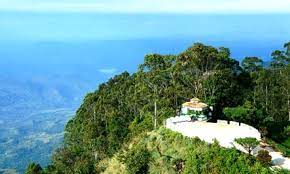
When it comes to exploring the diverse and mesmerizing landscapes of Sri Lanka, Lipton’s Seat stands tall, quite literally. Nestled amidst the lush hills of Haputale, this iconic viewpoint offers a breathtaking panoramic view that captivates the hearts of visitors from all around the world. In this article, we will take you on a virtual journey to Lipton’s Seat, exploring its history, significance, natural beauty, and how to get the most out of your visit.

Table of Contents

  1. The Legacy of Sir Thomas Lipton
  2. The Enchanting Journey to Lipton’s Seat
  3. Embracing Nature’s Masterpiece
    • The Verdant Surroundings
    • Misty Mornings and Golden Sunsets
    • Biodiversity and Wildlife
  4. Experiencing Sri Lanka’s Tea Culture
    • A Brief History of Ceylon Tea
    • The Tea Plantations of Lipton’s Seat
    • Tea Tasting and Factory Tours
  5. Unraveling Lipton’s Seat’s Mystique
    • Folklore and Local Legends
    • A Meeting Place of Gods and Spirits
    • The Mythical Stairway to Heaven
  6. Best Time to Visit Lipton’s Seat
  7. How to Reach Lipton’s Seat
    • From Haputale Town
    • By Train
    • Trekking Adventures
  8. Tips for an Enriching Visit
    • Dress Comfortably for the Climate
    • Bring Your Camera and Binoculars
    • Respect the Environment and Locals
    • Be Prepared for Changing Weather
  9. Conclusion

The Legacy of Sir Thomas Lipton

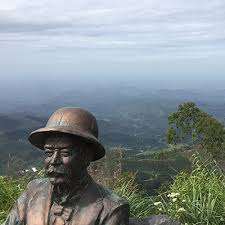
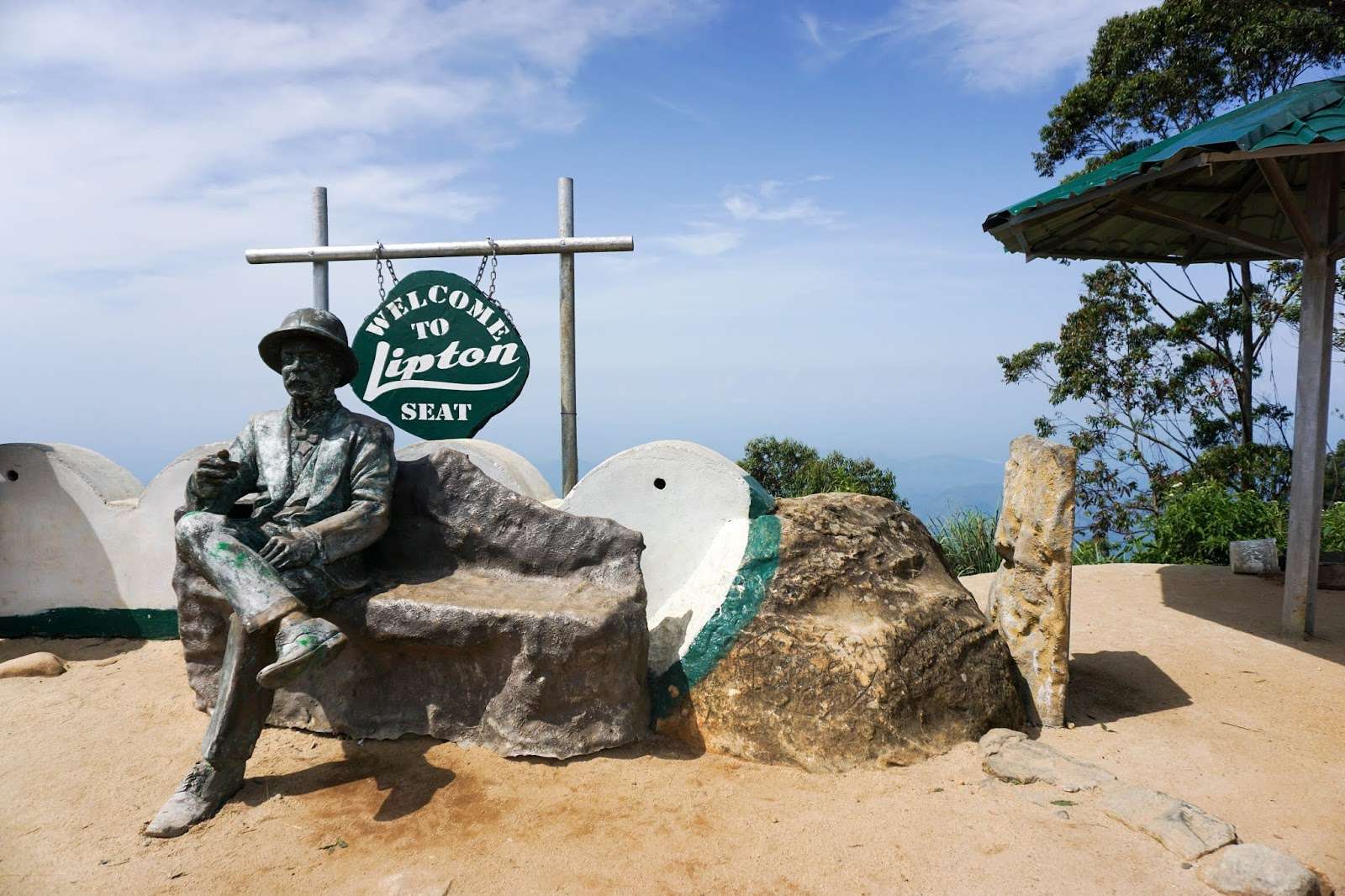
Lipton’s Seat owes its name and historical significance to Sir Thomas Lipton, a Scottish entrepreneur, and tea magnate. He was renowned for his significant contributions to the tea industry in Sri Lanka during the colonial era. Sir Thomas Lipton’s passion for tea cultivation led him to establish vast tea estates in the region, and the viewpoint of Lipton’s Seat was his favorite spot to oversee his flourishing tea empire.

The Enchanting Journey to Lipton’s Seat

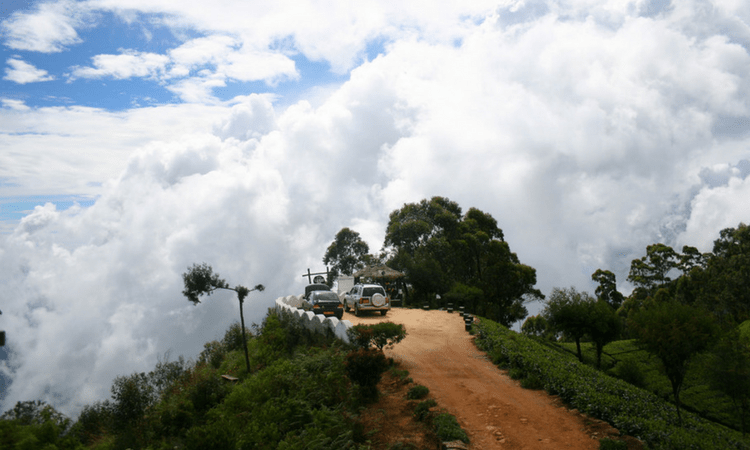
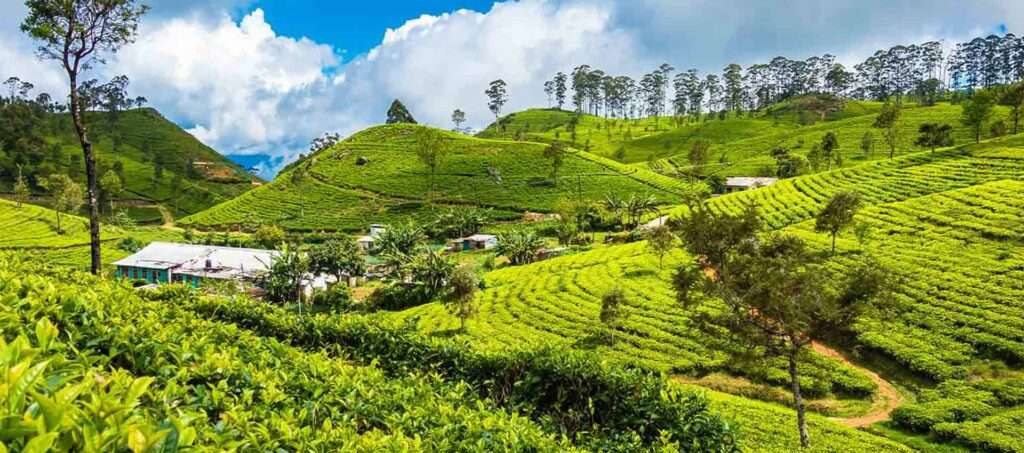
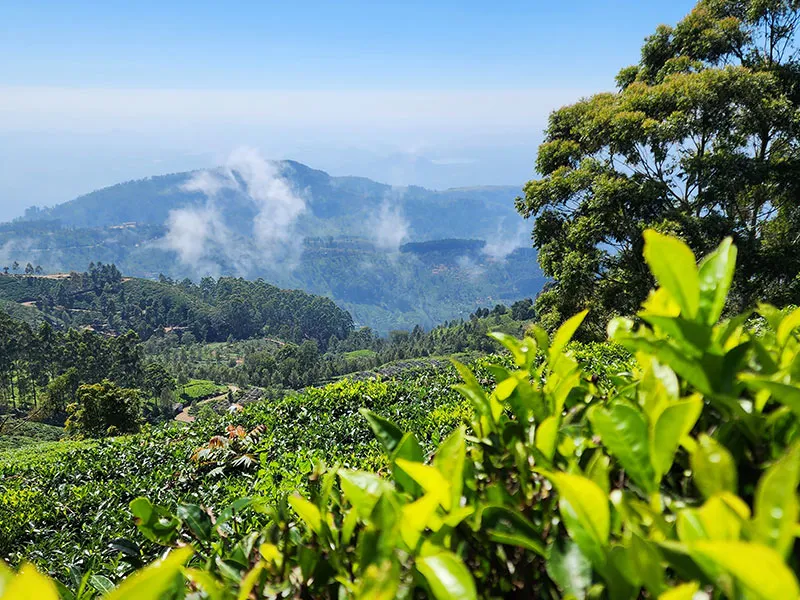
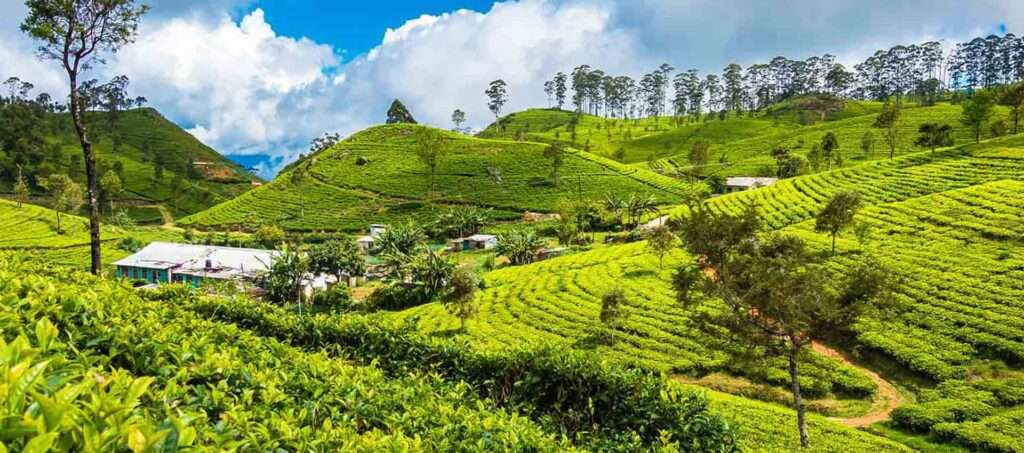
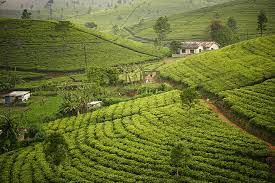
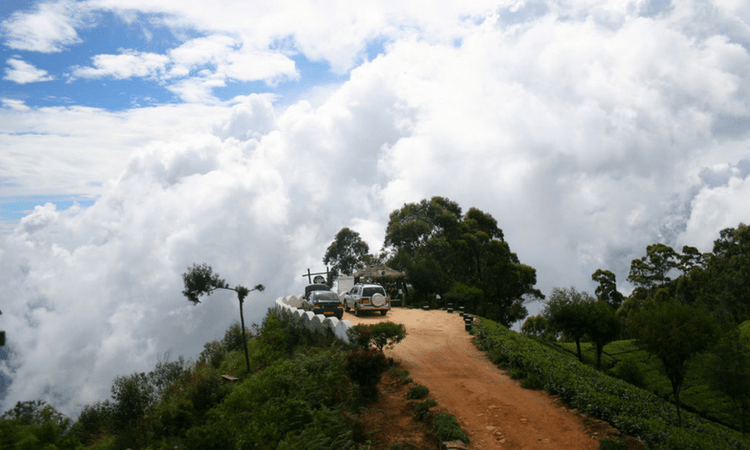
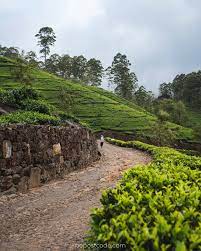
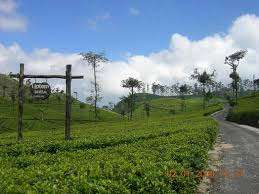
As you venture towards Lipton’s Seat, you’ll be rewarded with a journey through stunning landscapes and picturesque tea plantations. The scenic route takes you along winding roads and lush hills, offering glimpses of terraced tea gardens that seem to stretch endlessly into the horizon. The journey itself becomes an unforgettable part of the Lipton’s Seat experience.

Embracing Nature’s Masterpiece

The Verdant Surroundings

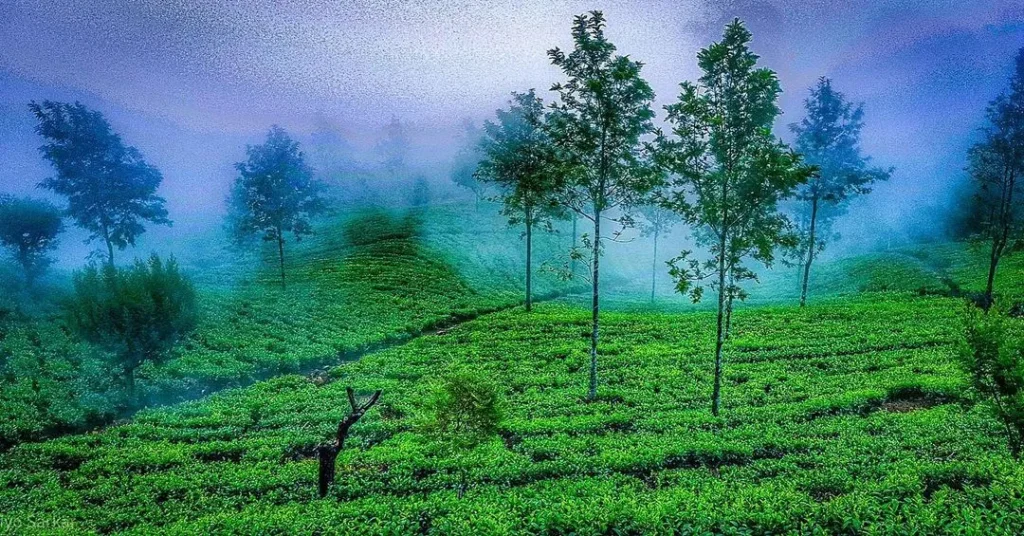
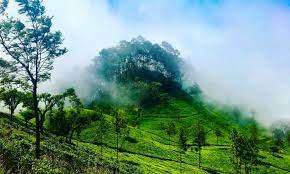
Arriving at Lipton’s Seat, you’ll be greeted by a sea of emerald-green tea bushes that carpet the rolling hills. The symphony of colors and the gentle rustling of leaves create an atmosphere of tranquility, making it an ideal place for relaxation and meditation.

Misty Mornings and Golden Sunsets

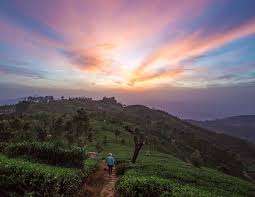
The early mornings at Lipton’s Seat are often veiled in a mystical blanket of mist, adding an ethereal touch to the already enchanting landscape. During the evening, the setting sun paints the skies with hues of gold and orange, casting a magical glow over the hills.

Biodiversity and Wildlife

Lipton’s Seat is not just about tea plantations; it is also a sanctuary for a diverse array of flora and fauna. Keep an eye out for colorful birds, playful monkeys, and even elusive leopards that inhabit the surrounding forests.

Experiencing Sri Lanka’s Tea Culture

A Brief History of Ceylon Tea

Sri Lanka, formerly known as Ceylon, has a rich tea heritage that dates back to the 19th century. Introduced by the British, the island’s favorable climate and fertile soil proved ideal for cultivating tea. Today, Ceylon tea is renowned globally for its exceptional quality and taste.

The Tea Plantations of Lipton’s Seat

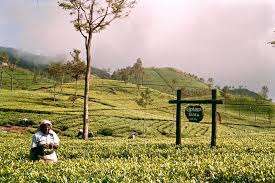
At Lipton’s Seat, you can witness the meticulous process of tea cultivation. Local tea pluckers skillfully harvest the tea leaves, and the plantations offer guided tours where you can learn about the tea-making process from leaf to cup.

Tea Tasting and Factory Tours

No visit to Lipton’s Seat is complete without indulging in a delightful tea tasting session. You’ll get the chance to savor a variety of teas and appreciate the nuances of each blend. Additionally, factory tours provide insight into the tea production methods, making it an educational and enjoyable experience.

Unraveling Lipton’s Seat’s Mystique

Folklore and Local Legends

Lipton’s Seat holds a special place in the hearts of locals, as it is enveloped in captivating folklore and mythical tales. From ancient legends of spirits to tales of love and bravery, the site exudes an air of mystery and enchantment.

A Meeting Place of Gods and Spirits

According to local beliefs, Lipton’s Seat is considered a sacred location where gods and spirits gather. It is believed that the spirits protect the tea estates, bringing blessings and prosperity to those who nurture the land.

The Mythical Stairway to Heaven

One of the most intriguing aspects of Lipton’s Seat is the “Stairway to Heaven.” This natural formation, shaped like a staircase, appears as if it leads directly to the heavens. Witnessing this awe-inspiring sight leaves visitors with a sense of wonder and reverence.

Best Time to Visit Lipton’s Seat

The best time to visit Lipton’s Seat is during the dry season, from January to April, and from June to September. During these months, the weather is pleasant, and the skies are clear, offering unobstructed views of the breathtaking surroundings.

How to Reach Lipton’s Seat

From Haputale Town

The journey to Lipton’s Seat begins from Haputale town, where you can hire a tuk-tuk or a taxi to reach the viewpoint. The ride is around 7 kilometers long, taking you through scenic landscapes and lush greenery.

By Train

For a more adventurous route, you can take the train from Haputale to Dambethenna, which is the nearest railway station to Lipton’s Seat. The train ride itself is an experience, passing through numerous tunnels and offering stunning vistas of the tea estates.

Trekking Adventures

For nature enthusiasts and adventurers, trekking to Lipton’s Seat is a popular option. There are several trekking trails that lead you through forests, tea gardens, and small villages, providing an up-close and personal encounter with nature.

Tips for an Enriching Visit

  • Dress comfortably for the climate, as the weather can change quickly in the hills.
  • Bring your camera and binoculars to capture the stunning views and wildlife.
  • Respect the environment and locals, and avoid littering.
  • Be prepared for changing weather conditions, including sudden rain showers.

Conclusion

Lipton’s Seat offers more than just a breathtaking view; it is a gateway to the rich history, culture, and natural wonders of Sri Lanka. As you stand at this vantage point, you’ll be immersed in the beauty and mystique that has enchanted travelers for generations. Whether you are a nature lover, history buff, or simply seeking tranquility, Lipton’s Seat promises an experience that will leave you with cherished memories.

FAQs

  1. Is Lipton’s Seat suitable for all ages?
    • Yes, Lipton’s Seat is accessible to people of all ages. However, keep in mind that the terrain might be uneven in certain areas.
  2. Can I buy fresh tea from the plantations?
    • Absolutely! Many tea estates offer fresh tea for purchase, making for a delightful souvenir.
  3. Are there any accommodations near Lipton’s Seat?
    • While there are no accommodations directly at Lipton’s Seat, you can find several hotels and guesthouses in nearby towns like Haputale.
  4. Are there any local guides available at the viewpoint?
    • Yes, local guides are available at Lipton’s Seat. They can enhance your experience by providing valuable insights and stories.
  5. Can I visit Lipton’s Seat during sunrise and sunset?
    • Yes, visiting during sunrise or sunset offers a magical experience as you witness the sky’s stunning colors blending with the landscape.

SHARE
Verified by MonsterInsights