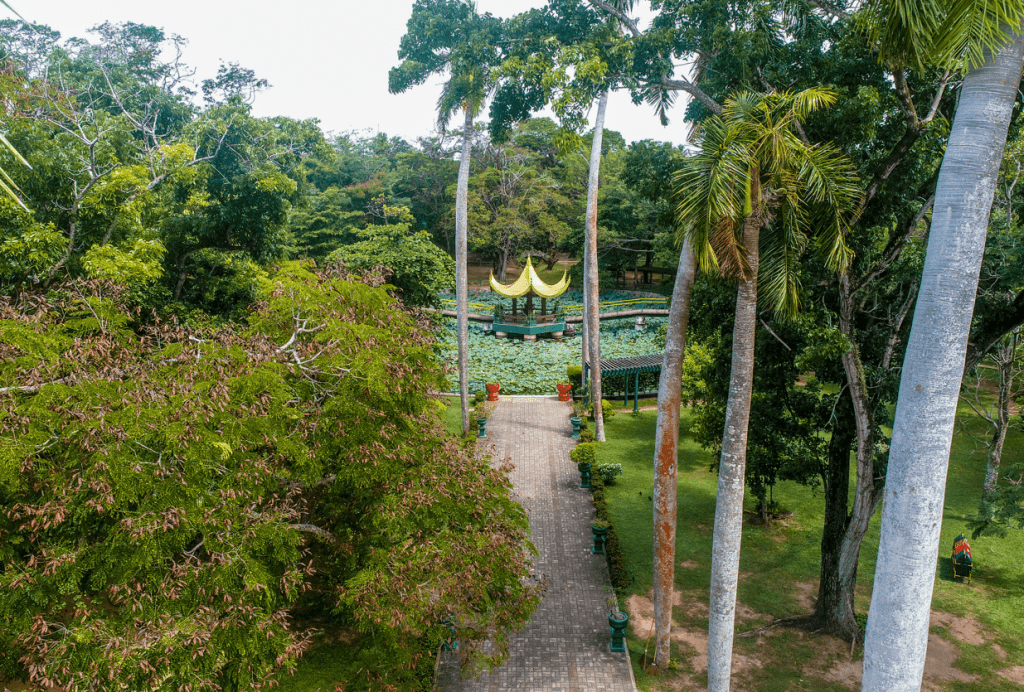
Best Beaches in Sri Lanka for Summer 2026

best beacg in sri lanka
SHARE

A Complete East Coast Travel Guide


Most travel guides tell you Sri Lanka’s beach season runs from December to March. That’s true — but only for one side of the island. If you’re planning a summer trip to Sri Lanka (May to September), the south and west coasts are in monsoon, and you should be looking east instead.

Sri Lanka sits between two monsoon systems, so while Colombo, Bentota, and Mirissa turn grey and rough between May and September, the east coast comes alive. This is when Arugam Bay, Trincomalee, Nilaveli, and Pasikudah get their calmest seas, clearest skies, and best swimming conditions of the year.

At VisitSriLankan.com, we’re based right on this coast — in Pottuvil, next to Arugam Bay — so this guide is built from local knowledge, not just research. Here’s our full ranking of Sri Lanka’s best summer beaches, along with the history, nearby attractions, hotels, and practical facilities (transport, markets, hospitals) you’ll need for each one.
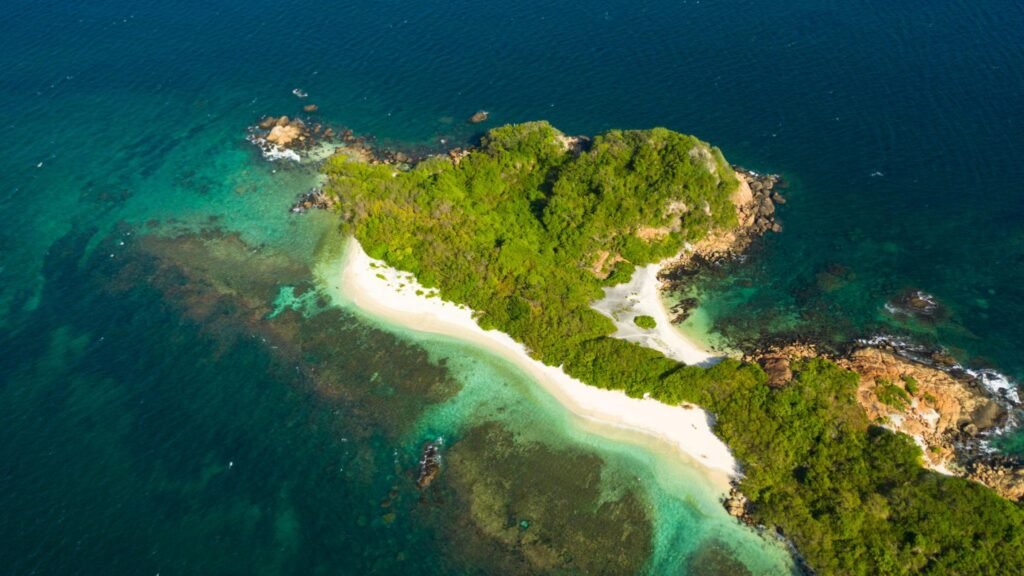
Why the East Coast Is Sri Lanka’s Best Summer Destination

Sri Lanka has two separate monsoon seasons that affect opposite coasts:

  • Southwest monsoon (May–September): brings rain to the south and west coasts (Mirissa, Hikkaduwa, Bentota, Unawatuna)
  • Northeast monsoon (October–January): brings rain to the north and east coasts

That means from May to September, the east coast enjoys dry weather, flat seas, and warm sunshine — exactly while the rest of the island is wet. This makes it the smartest choice for a Sri Lankan summer beach holiday.


Ranked: Best Beaches in Sri Lanka for Summer

1. Arugam Bay — Best for Surfing & Laid-Back Beach Life

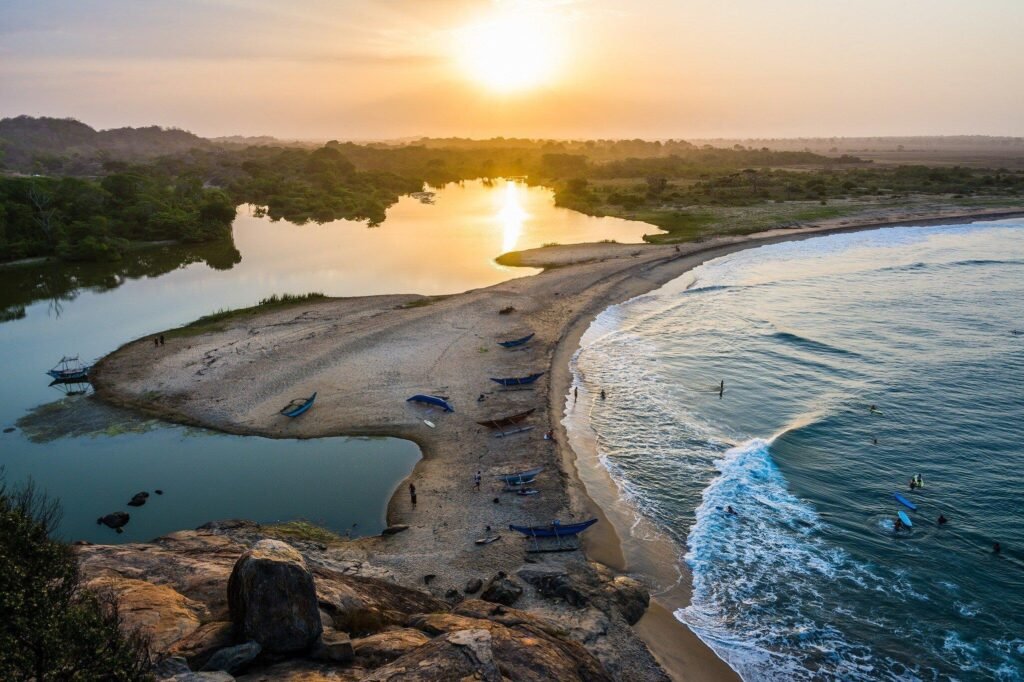
Arugam Bay is consistently ranked Sri Lanka’s number-one summer beach destination, and it’s the beach we know best.

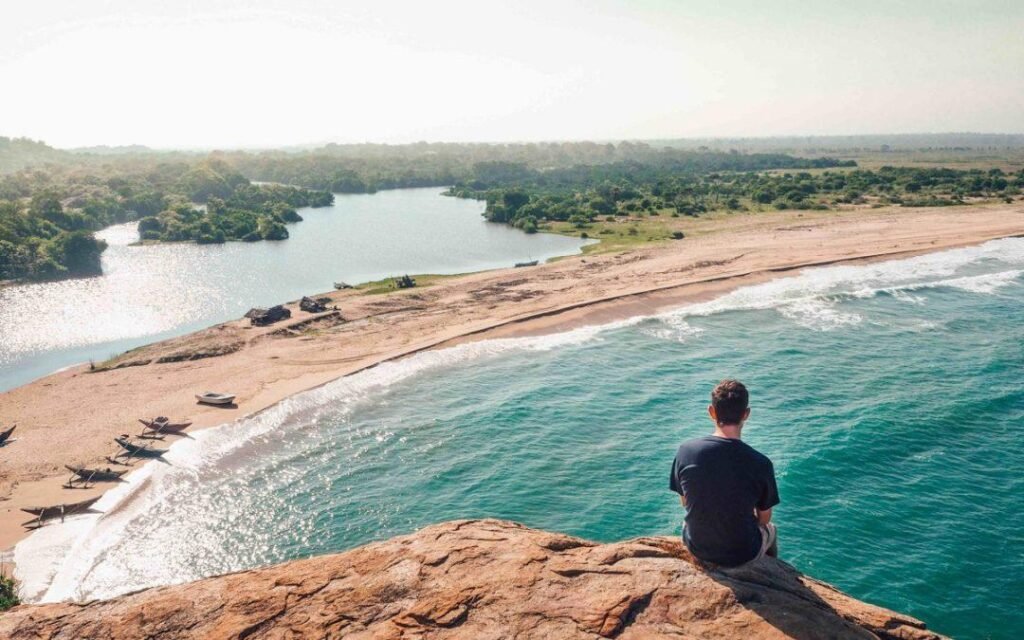
History: Known locally as Arugam Kudah, the bay was historically part of the ancient Batticaloa Territory (Mattakallappu Desam). The area carries centuries of heritage — ruins near Pottuvil linked to the mother of the ancient warrior king Dutugemunu are still found near the ancient dunes and inside the nearby Lahugala sanctuary. Long isolated by poor roads and decades of civil conflict, Arugam Bay has only opened up to the wider world in the past 20 years, which is part of why it still feels so unspoiled.

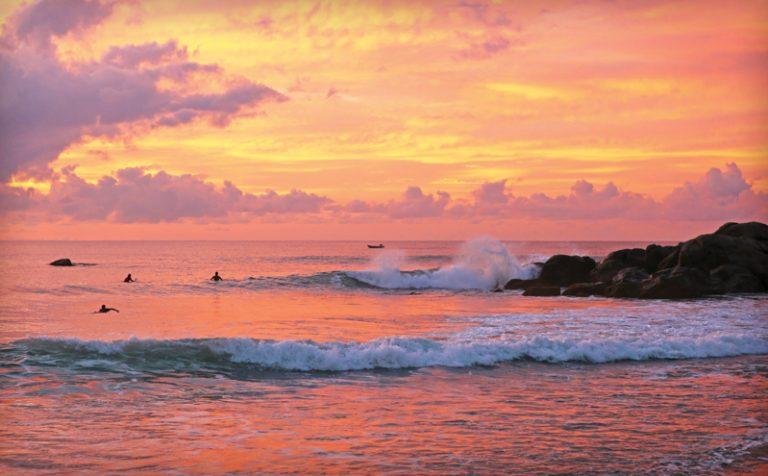
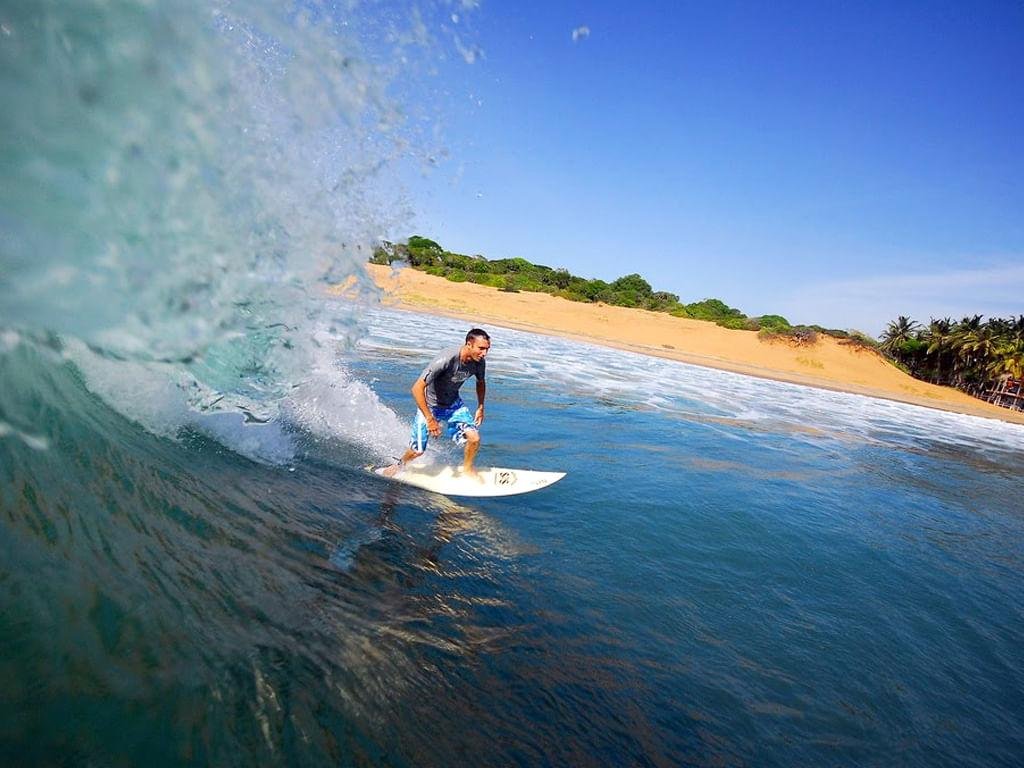
What makes it special: World-class point-break surf (peak season April–October), a relaxed backpacker-meets-boutique vibe, golden sand, and legendary sunsets. Surf breaks range from beginner-friendly to advanced spots like Whisky Point and Pottuvil Point.
Nearby attractions:

  • Kumana National Park – jeep safaris for elephants, leopards, and 200+ bird species
  • Lahugala National Park – large wild elephant herds
  • Pottuvil Lagoon – mangrove boat safaris with crocodiles and birdlife
  • Kudumbigala archaeological reserve – 12th-century monastic caves
  • Okanda Temple – an ancient shrine on a rocky outcrop with legendary links to Sinbad the Sailor
  • Muhudu Maha Viharaya – a 2nd-century BCE Buddhist ruin
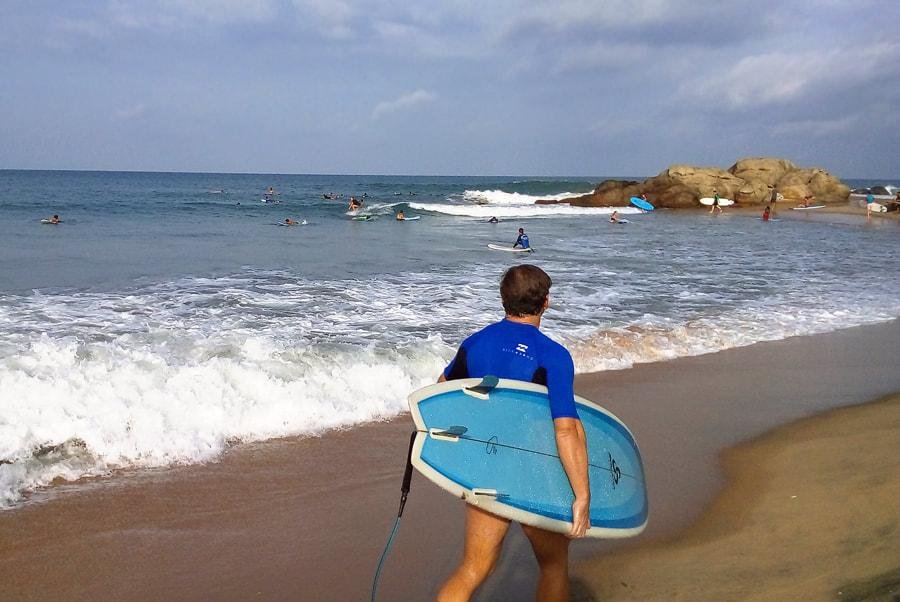
Hotels: Options range from beachfront luxury cabanas to mid-range boutique stays and social backpacker hostels, mostly strung along the beach road south of Pottuvil.

Markets & town: Pottuvil, about 4 km north, is the commercial hub — the place for banks, shops, tailors, and hardware, and where you’ll find handloom textiles, mats, and baskets sold in small local markets. Arugam Bay’s own main street has surf shops, cafés, and casual restaurants.

Transportation: Reachable by private taxi/tuk-tuk, long-distance bus, or train to Ampara district followed by road transfer. Colombo to Arugam Bay is roughly 320 km by road.

Hospitals: Pottuvil Base Hospital is the main government hospital, recently upgraded with a new surgical complex, emergency unit, and blood bank. Arugam Bay itself has a government clinic and a private clinic; Pottuvil also has a private clinic and pharmacy.


2. Nilaveli & Uppuveli (Trincomalee) — Best for Families & Snorkeling

History: Trincomalee is one of the world’s finest natural deep-water harbours and has been fought over for centuries — by the Portuguese, Dutch, French, and British. The town’s landmark, Fort Frederick, was originally built by the Portuguese in 1623 using rubble from the destroyed Koneswaram Temple, then rebuilt by the Dutch and expanded by the British into the Eastern Province’s administrative hub.

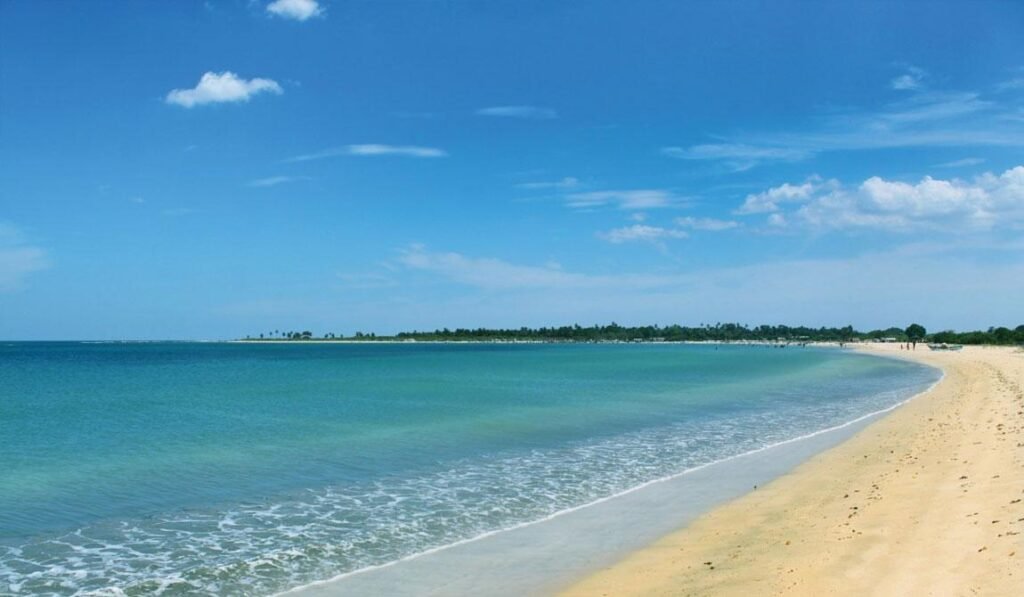
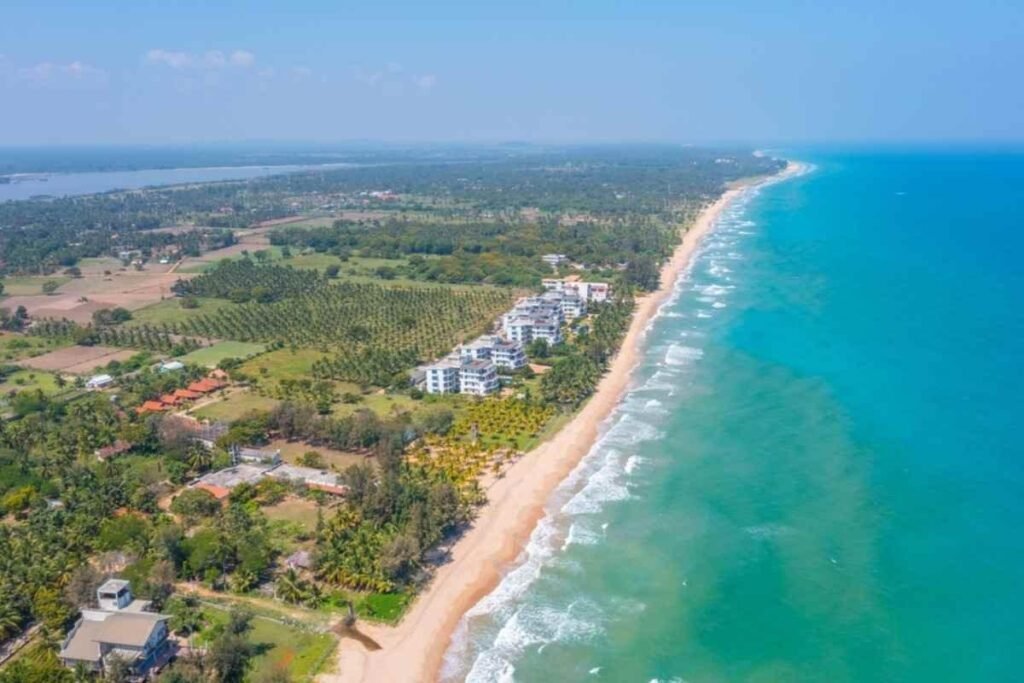
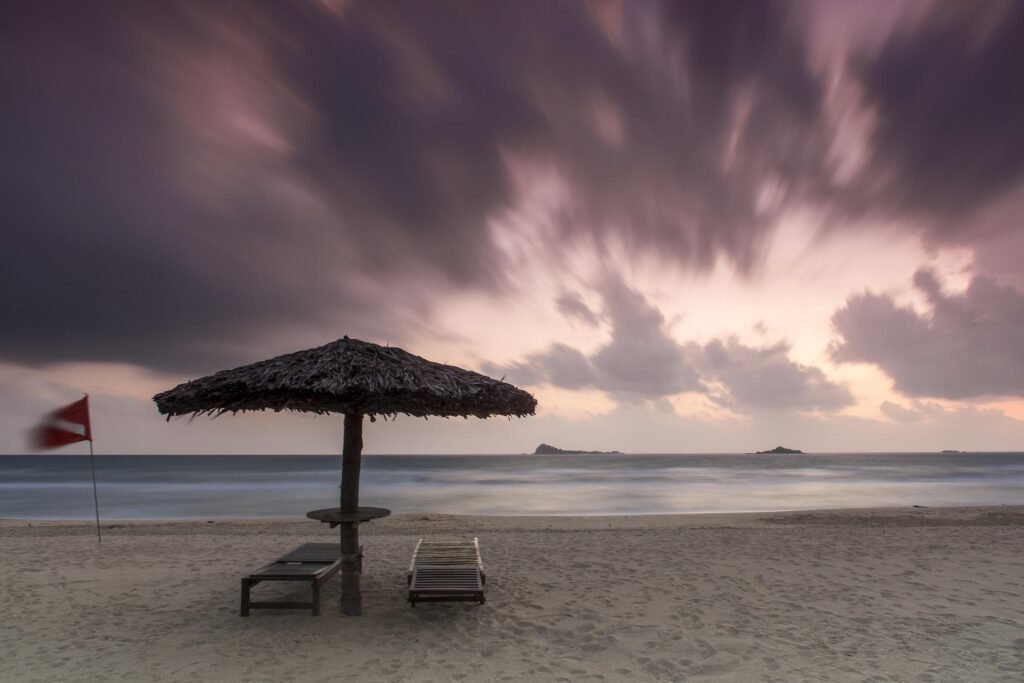
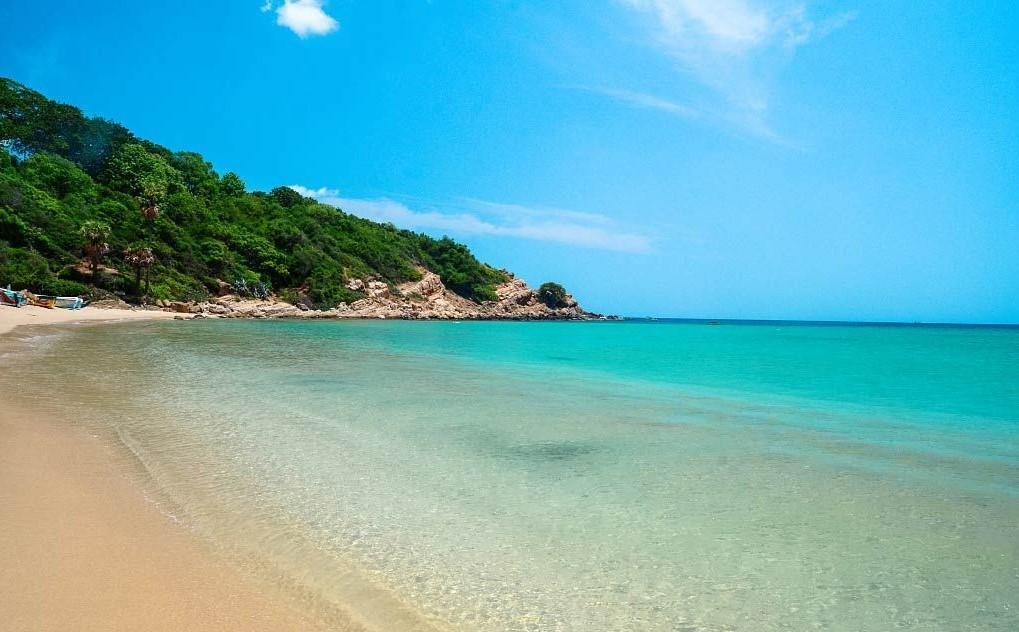
What makes it special: Wide stretches of powder-white sand, calm turquoise water, and some of the best snorkeling and diving in the country. Nilaveli Beach stretches about 4 km, backed by jungle.
Nearby attractions:

  • Pigeon Island National Park – coral reefs, reef sharks, and hawksbill turtles
  • Koneswaram Temple – a revered Hindu shrine atop Swami Rock with sweeping ocean views
  • Fort Frederick – colonial fortress with a cemetery, Governor’s Mansion, and panoramic harbor views
  • Kanniya Hot Springs – natural hot-water wells
  • Marble Beach – a secluded, jungle-fringed cove nearby

Hotels: Trincomalee and Nilaveli have everything from beachfront resorts (e.g., resorts directly on Nilaveli Beach) to mid-range hotels in Trinco town, many within walking distance of the fish market and Fort Frederick.

Markets & town: Trincomalee town centers around a clock tower and central bus station, with a lively fresh fruit and vegetable market, a separate fish market, and streets full of textile and tailor shops.

Transportation: Trincomalee is well connected by train and bus from Colombo and Kandy; China Bay Airport also serves the area. Nilaveli/Uppuveli are a short tuk-tuk or taxi ride north of Trinco town.
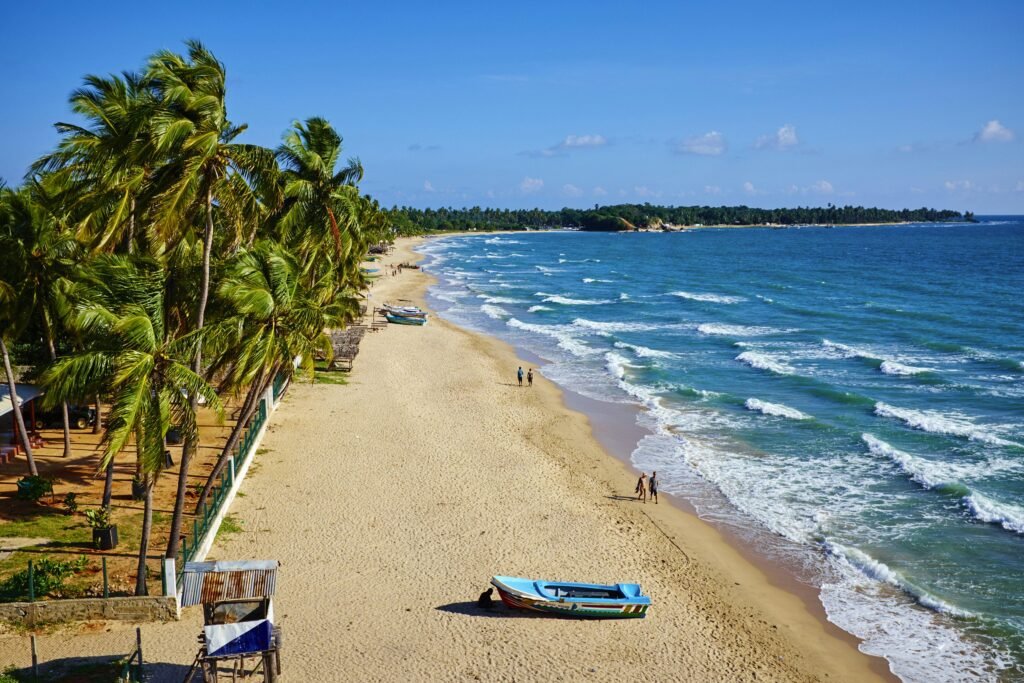
Hospitals: Trincomalee has a government General Hospital serving the district, along with private clinics and pharmacies in the town center.


3. Pasikudah & Kalkudah — Best for Calm, Shallow Swimming

History: Kalkudah, whose name comes from a Tamil term meaning “rock bay,” is a coastal resort town roughly 35 km northwest of Batticaloa. Like much of the east coast, tourism here was badly damaged by the 2004 Indian Ocean tsunami, but the area has since rebuilt into one of the region’s most popular resort strips.

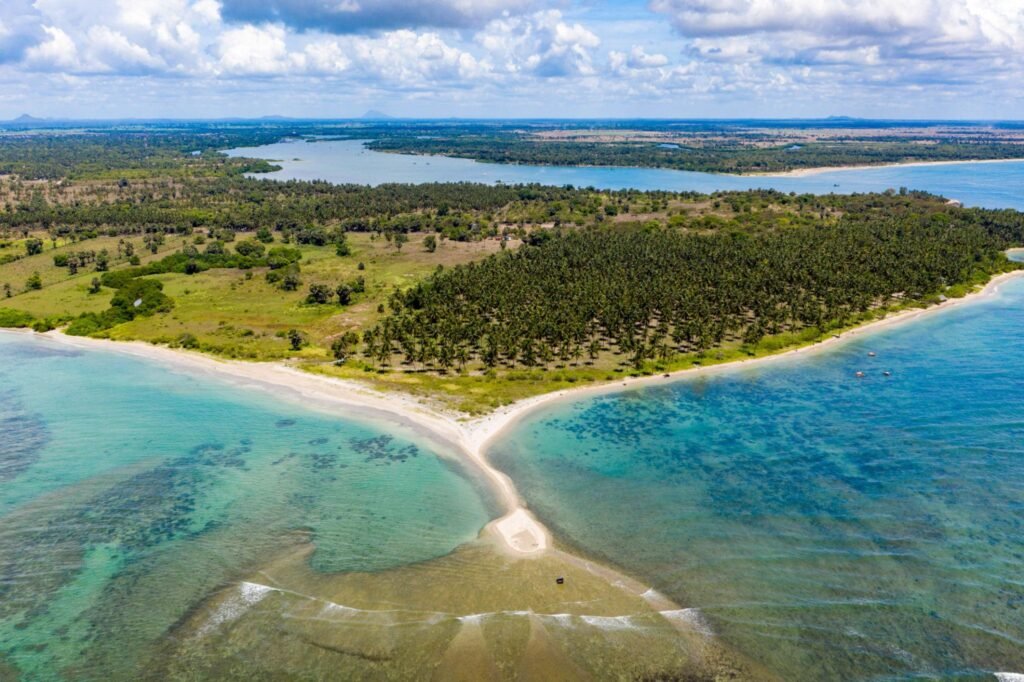
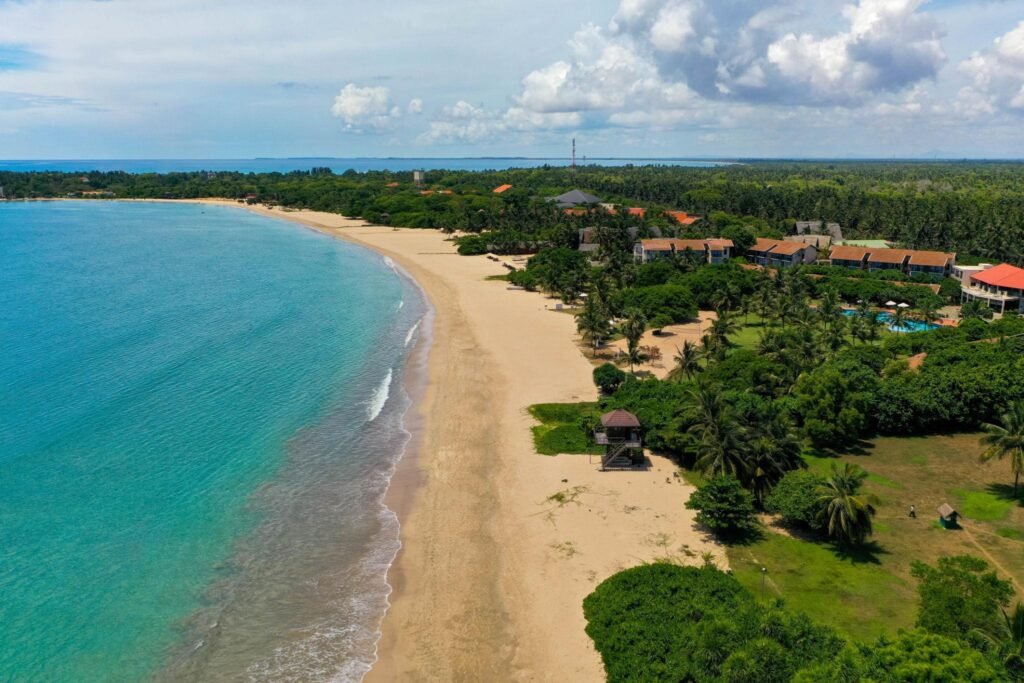
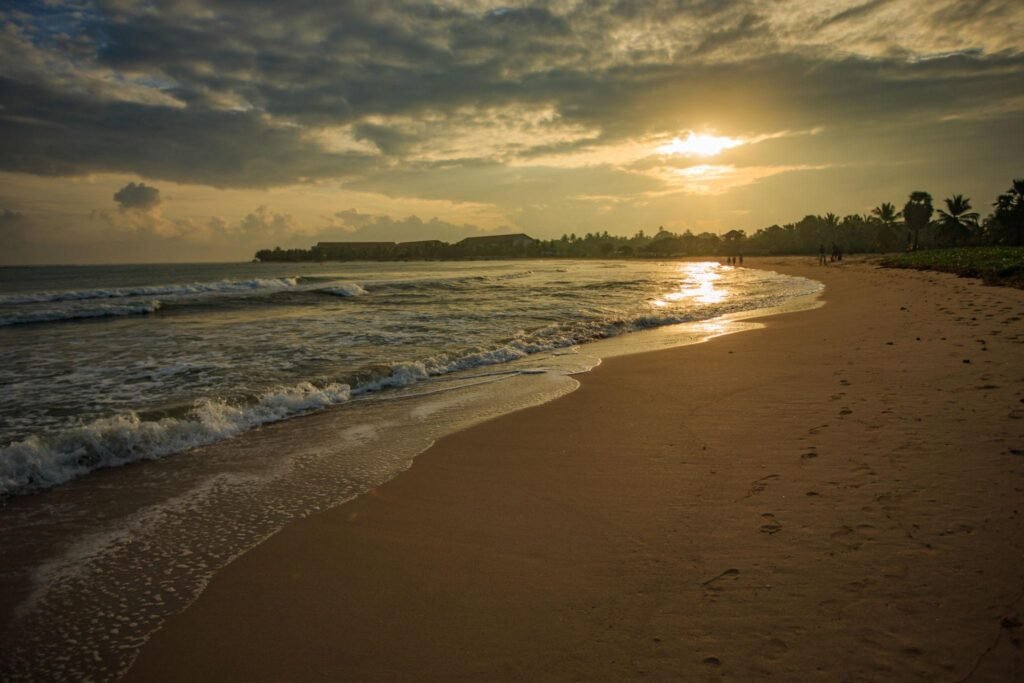
What makes it special: Pasikudah is famous for its shallow, horseshoe-shaped bay with unusually calm, warm water — ideal for families, children, and inexperienced swimmers. Kalkudah, just next door, offers a longer, wilder 4 km stretch of golden sand backed by coconut palms.
Nearby attractions:

  • Batticaloa Lagoon and Batticaloa Fort
  • Batticaloa Lighthouse – built by the British in 1913
  • Elephant Rock Beach – a sandstone rock naturally eroded into an elephant-like shape
  • Kallady Beach and Saint Nicholas Church, Chenkalady
  • Day trips to Polonnaruwa’s ancient ruins and Minneriya/Kaudulla for elephant safaris

Hotels: This stretch is home to some of the east coast’s most polished resorts, from 5-star beachfront properties to boutique glamping-style stays and simple guesthouses.

Markets & town: Batticaloa town, about 30 minutes away, has the main markets, shops, and the historic Batticaloa Fort area. The small town of Valaichchenai is the nearest local hub to Kalkudah/Pasikudah itself.

Transportation: Daily trains run from Colombo Fort Station to Batticaloa, from which it’s a short taxi or bus ride to Pasikudah/Kalkudah. Regular buses also run from Batticaloa’s main bus station.

Hospitals: Batticaloa Teaching Hospital is the main referral hospital for the district; smaller government and private clinics serve Valaichchenai and the resort area directly.


Quick Comparison Table

BeachBest ForPeak SeasonNearest Hospital Town
Arugam BaySurfing, nightlife, backpacker vibeApril–OctoberPottuvil
Nilaveli/UppuveliFamilies, snorkeling, divingMay–SeptemberTrincomalee
Pasikudah/KalkudahCalm swimming, luxury resortsMay–SeptemberBatticaloa

Practical Travel Tips for the East Coast in Summer

  • Best months: May to September for the driest, calmest conditions across all three areas.
  • Getting there: Fly into Colombo (Bandaranaike International Airport), then travel by private car, bus, or train. Arugam Bay is roughly 6–7 hours by road from Colombo; Trincomalee and Pasikudah are closer, around 4–5 hours.
  • Getting around locally: Tuk-tuks and small taxi services are the easiest way to move between beaches, markets, and attractions within each town.
  • Money & connectivity: Carry cash for smaller towns like Pottuvil or Valaichchenai, where card facilities can be limited; ATMs are available in the main towns (Trincomalee, Batticaloa, Pottuvil).
  • Health & safety: Each area has at least one government hospital plus private clinics for tourists — details listed above for each beach. Basic travel insurance is strongly recommended given some facilities are limited outside main towns.
  • Pack for the sun: Reef-safe sunscreen, a hat, and light cotton clothing — the east coast in summer is hot, dry, and sunny with little rain.

Final Word

If you’re chasing sun, calm seas, and fewer crowds this summer, Sri Lanka’s east coast — Arugam Bay, Nilaveli, and Pasikudah — is where the good weather actually is between May and September. Each stretch has its own character: Arugam Bay for surf and atmosphere, Nilaveli for snorkeling and family-friendly calm, and Pasikudah for shallow water and polished resorts.

For more detailed guides on transportation, hotel bookings, and things to do in each of these towns, browse the rest of our travel guides at VisitSriLankan.com.

SHARE

Kandy Esala Perahera: Everything You Need to Plan Your Visit

SHARE

A Comprehensive Travel Guide to the Esala Perahera in Kandy, Sri Lanka

The History and Significance of the Esala Perahera

The Esala Perahera, held annually in Kandy, Sri Lanka, is a vibrant testament to the country’s rich historical and cultural heritage. The origins of this grand festival can be traced back to the ancient Kandyan Kingdom, with its roots deeply embedded in the traditions and religious practices of Buddhism. Historically, the festival commemorates the arrival of the sacred tooth relic of the Buddha, which is housed within the Temple of the Sacred Tooth Relic.

This relic is not merely a physical artifact; it represents a profound spiritual connection for Buddhists. Thus, the Esala Perahera serves as a homage to the relic, showcasing the reverence and devotion of the Buddhist community in Sri Lanka. The festival is characterized by a series of elaborate processions filled with vibrant decorations, traditional dances, and ceremonies that manifest the cultural heritage of the nation. The significance of the event lies not only in its religious devotion but also in its role as a unifying force for the diverse communities across Sri Lanka, as people from various backgrounds come together to partake in this splendid festival.

Over the centuries, the Esala Perahera has evolved into a massive celebration, drawing both local and international visitors. Its rituals are imbued with symbols and meanings that reflect the Buddhist faith and Sri Lankan culture. For instance, the presence of caparisoned elephants, dancers, drummers, and fire performers enlivens the streets, portraying a spectacle that embodies centuries of tradition. Furthermore, the festival resonates with the themes of purification, merit-making, and cultural continuation, ensuring that the historical significance of the Esala Perahera remains relevant in contemporary society. As such, it stands as a beacon of Kandy’s cultural landscape, celebrated with great enthusiasm each year.

Processions and Cultural Elements of the Esala Perahera

The Esala Perahera is one of the most majestic and culturally rich festivals in Sri Lanka, held annually in Kandy. At the heart of this vibrant celebration are the various processions, each with its own unique significance and characteristics. The festival primarily features two main processions: the Kumbal Perahera and the Randoli Perahera, which take place in successive nights leading up to the final grand procession.

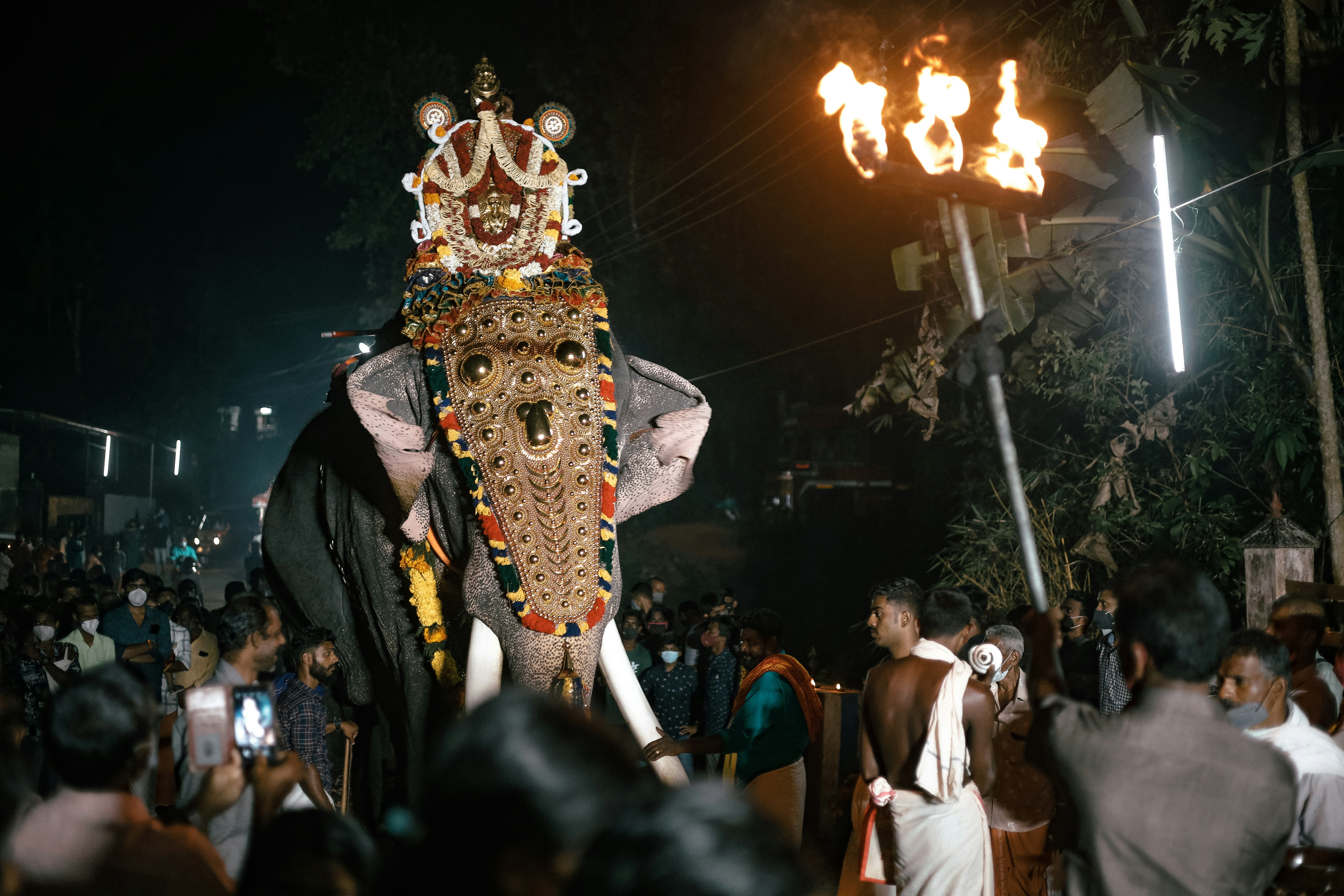
The Kumbal Perahera marks the initial phase, focusing on the veneration of the sacred tooth relic of Lord Buddha. Processions during this stage feature breathtaking displays, where traditionally adorned elephants participate, showcasing the elegance and majesty of these remarkable creatures. These caparisoned elephants are adorned with intricate textiles and ornaments, symbolizing the rich cultural heritage of Sri Lanka.

As the festival progresses, the Randoli Perahera unfolds, highlighted by a more elaborate and larger spectacle. This stage is renowned for its captivating performances that include traditional dancers, drummers, and whip crackers. The dancers, dressed in colorful attire and intricate masks, tell stories through their movements, enhancing the religious themes associated with the procession. The drumming provides a lively rhythm, entrancing attendees while the whip crackers showcase their skills, adding an exhilarating atmosphere to the event.

A central element of the Esala Perahera is the sacred casket procession, during which the replica of the relic is carried through the streets with great reverence. This procession holds immense spiritual significance, as it symbolizes the dissemination of supreme wisdom and teachings of Buddhism across the community. It is a moment of great devotion, reflecting the unwavering faith of the spectators, who gather to capture a glimpse of the sacred casket as it passes through Kandy.

Festival Schedule, Viewing Locations, and Travel Tips

The Esala Perahera, an annual festival celebrated in Kandy, Sri Lanka, showcases the rich cultural heritage of the region. Scheduled to take place during the full moon of the Esala month (typically July or August), the festival spans ten days, culminating in the grand procession known as the Diya Gamedda, which is renowned for its colorful parades and majestic elephants. Attendees can expect vibrant displays of traditional drumming, dance performances, and the iconic relic casket that holds the Sacred Tooth Relic of Buddha. The main festivities occur on the final five nights, particularly the last night, which is the most opulent and well-attended.

To make the most of this extraordinary event, choosing the right viewing location is crucial. Prime spots include strategically located areas around the Temple of the Tooth, such as the Maligawa entrance and the Kandy Lake viewing platform. Additionally, securing tickets for grandstand seating provides an unobstructed view of the parades, allowing visitors to fully appreciate the intricacies of the procession. It is advisable to purchase tickets in advance through authorized vendors as they can sell out quickly, particularly for peak days.

When attending the Esala Perahera, dressing modestly is important due to the religious significance of the festival. Lightweight, breathable clothing is recommended due to the warm weather, but attire should also be respectful, avoiding revealing outfits. For photography enthusiasts, it is essential to be mindful of photography etiquette; flash photography may be prohibited in certain areas, particularly during religious moments, so it’s best to seek permission when in doubt. By adhering to these guidelines, visitors can enhance their experience and participate in the celebration respectfully.

Accommodation, Transportation, and Nearby Attractions

Finding suitable accommodation in Kandy during the Esala Perahera festival is essential for a comfortable visit. The city offers a range of lodging options that cater to various budgets. For budget travelers, hostels and guesthouses such as the Kandy View Hotel and The Backpacker’s Hostel provide economical yet pleasant stays. Mid-range options like the Hotel Hilltop and OZO Kandy blend comfort with affordability, featuring modern amenities and beautiful views. For those seeking luxury, the Earl’s Regency Hotel and Mahaweli Reach Hotel offer an upscale experience, complete with fine dining and premium services.

Transportation options are plentiful in Kandy, especially during the festival period. The city is accessible via public bus services, which connect Kandy with major cities in Sri Lanka. Additionally, the Kandy railway station serves as a hub for train travel, offering a scenic journey through the hills. Once in Kandy, tuk-tuks are a popular mode of transport for short distances and can be easily hailed throughout the city. For a more comfortable experience, visitors can opt for taxis or app-based ride services.

While in Kandy, there are several nearby attractions worth exploring. The Temple of the Tooth, a UNESCO World Heritage site, is a must-see, renowned for housing the sacred relic of the Buddha. Nature enthusiasts will appreciate the serene Royal Botanical Gardens at Peradeniya, where a diverse collection of flora thrives. Additionally, the Kandy Lake, situated in the heart of the city, offers a picturesque setting for leisurely strolls and relaxation. Visitors can also immerse themselves in local culture at the Kandy Cultural Centre, which showcases traditional dance and arts. By taking advantage of these accommodation, transportation, and attraction options, visitors can enhance their travel experience during the Esala Perahera festival in Kandy.


SHARE
Nilwala River
SHARE

🐊Discover the Magic of the Nilwala River

Sri Lanka is famous for its golden beaches, ancient temples, and wildlife adventures — but one hidden treasure that continues to amaze travelers is the breathtaking Nilwala River.

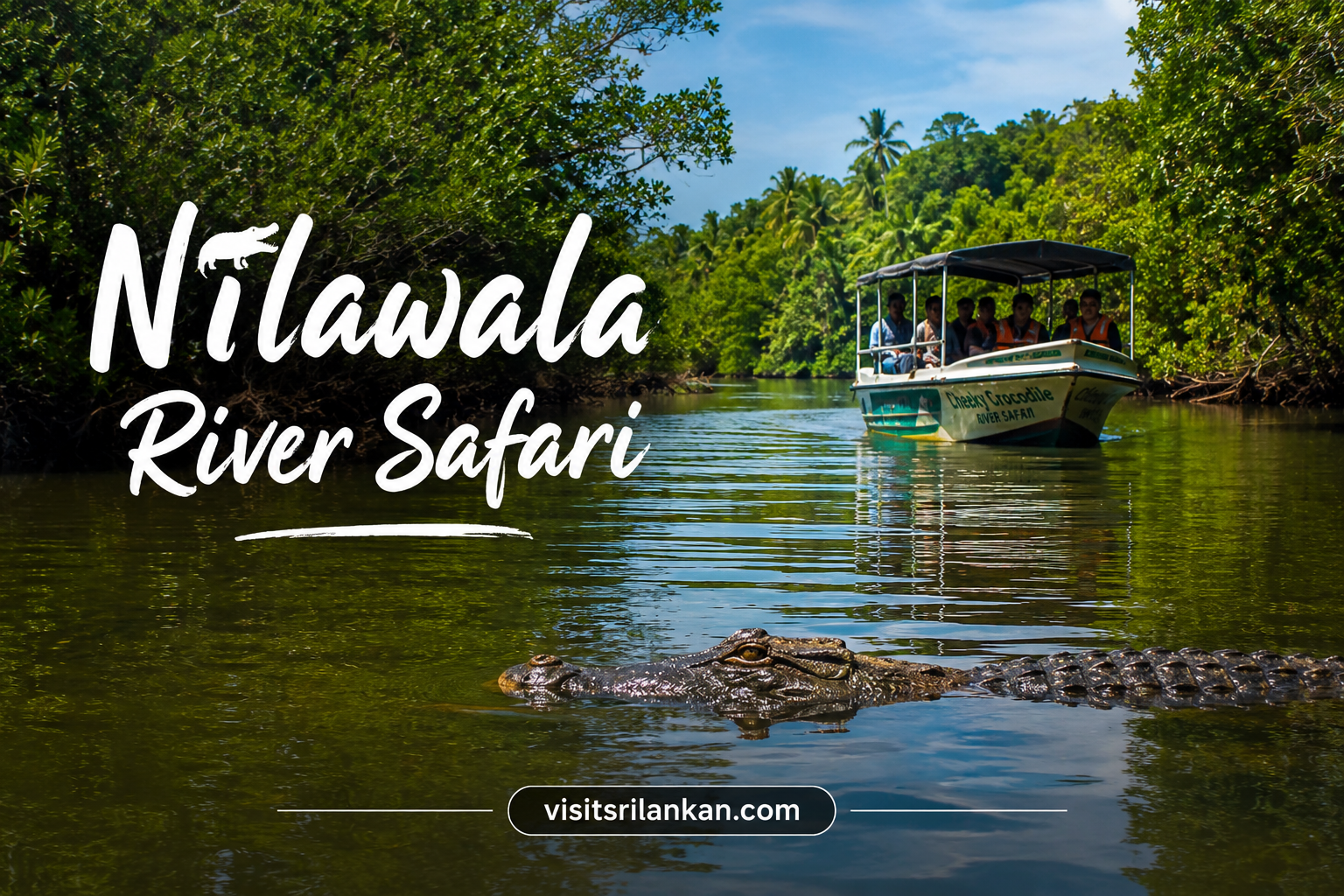
Flowing through the lush southern landscapes of Sri Lanka, the Nilwala River offers one of the most exciting eco-adventures in the country: the unforgettable River Safari experience.

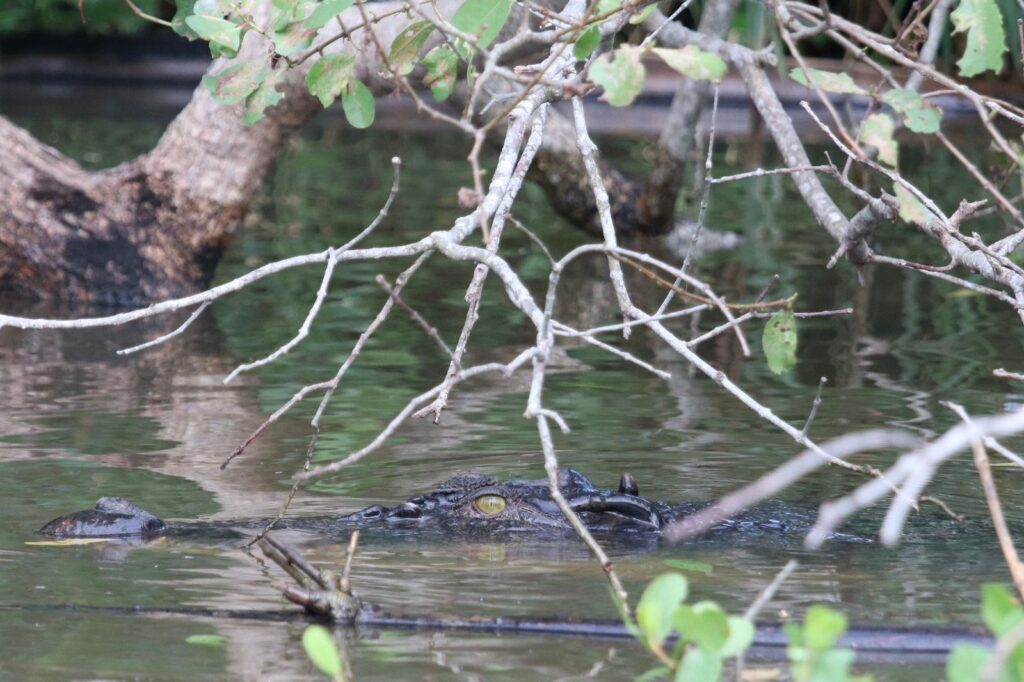
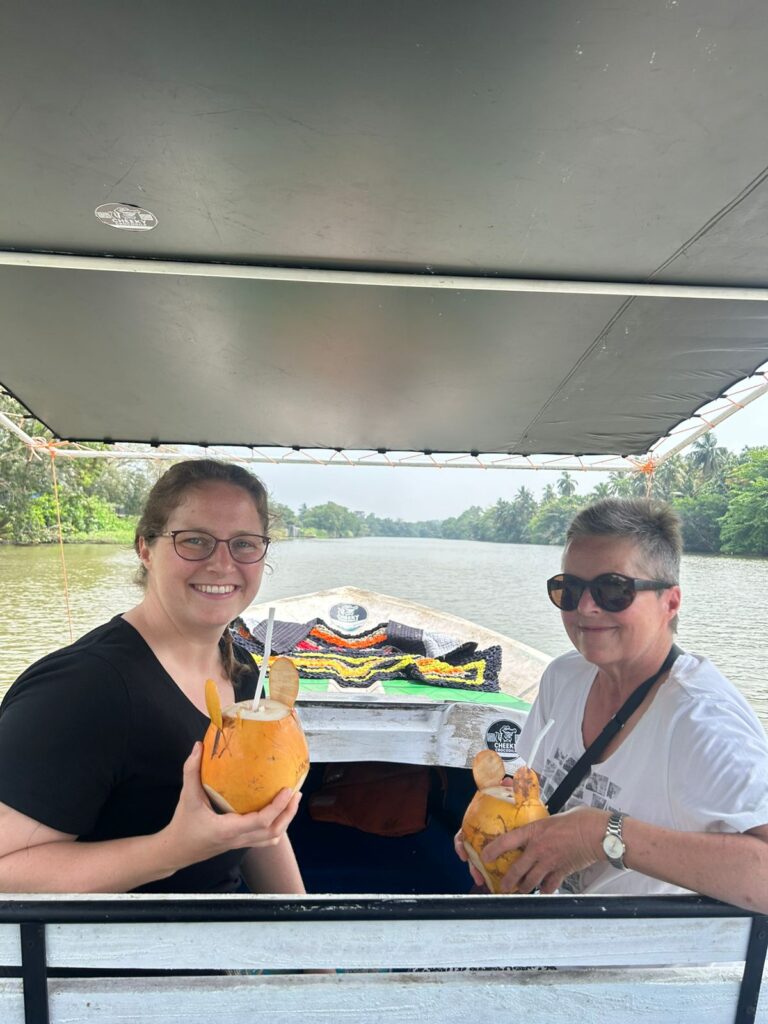
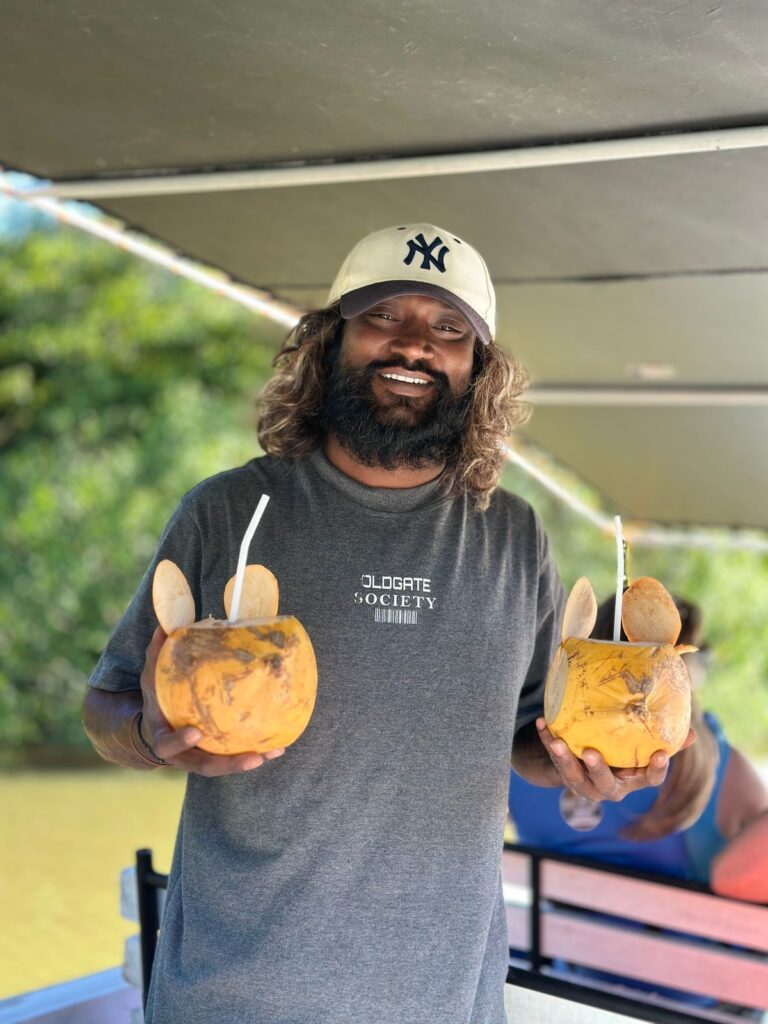
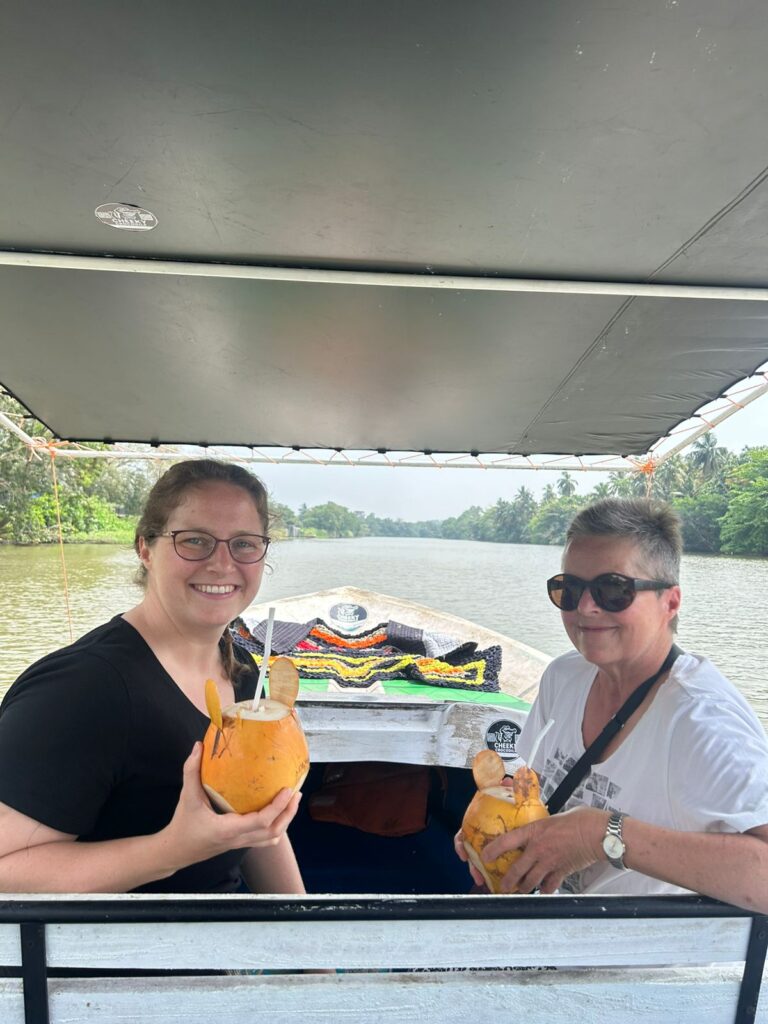
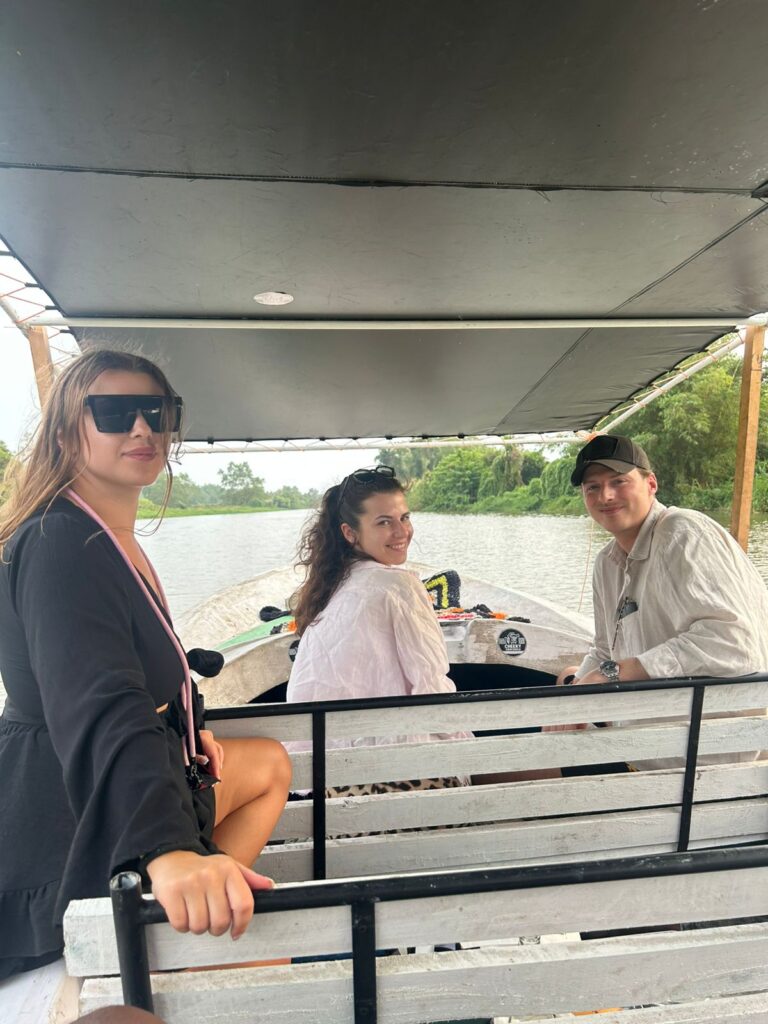
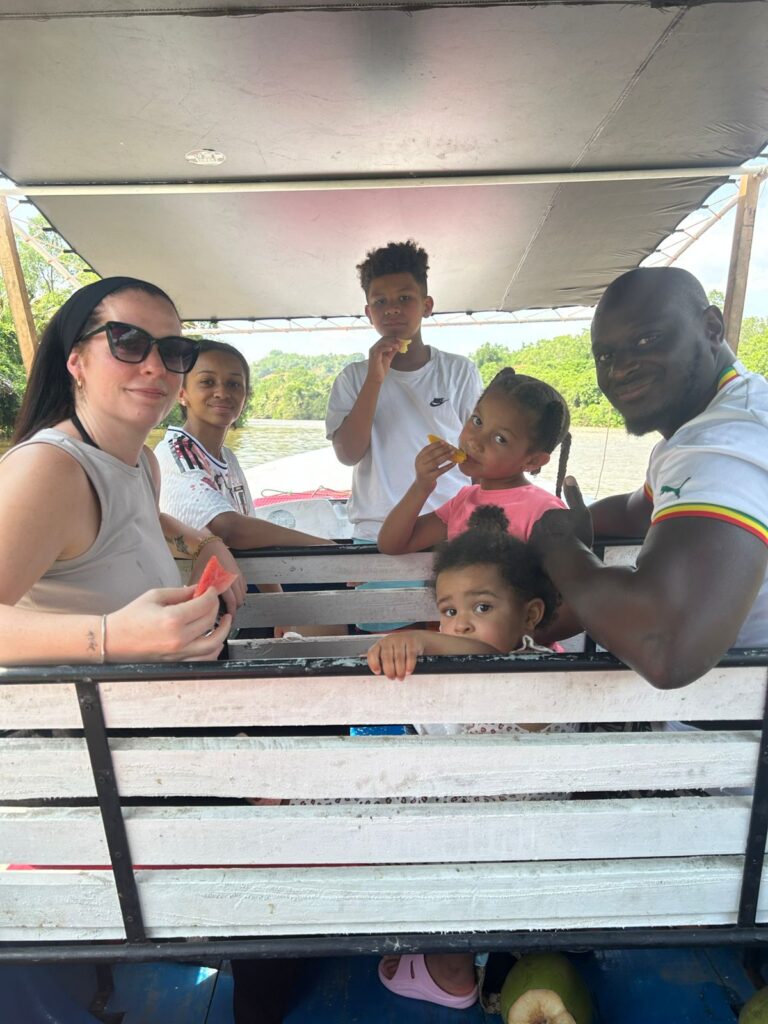
Whether you are a nature lover, wildlife photographer, bird watcher, or adventure seeker, the Nilwala River Safari promises a peaceful yet thrilling journey through mangroves, tropical forests, and crocodile habitats.


🌿 Why Visit the Nilwala River?

The Nilwala River is one of the longest rivers in southern Sri Lanka and is famous for its rich biodiversity and scenic beauty. The calm waters, green mangrove tunnels, and untouched natural surroundings create a truly relaxing atmosphere.

Visitors can experience:

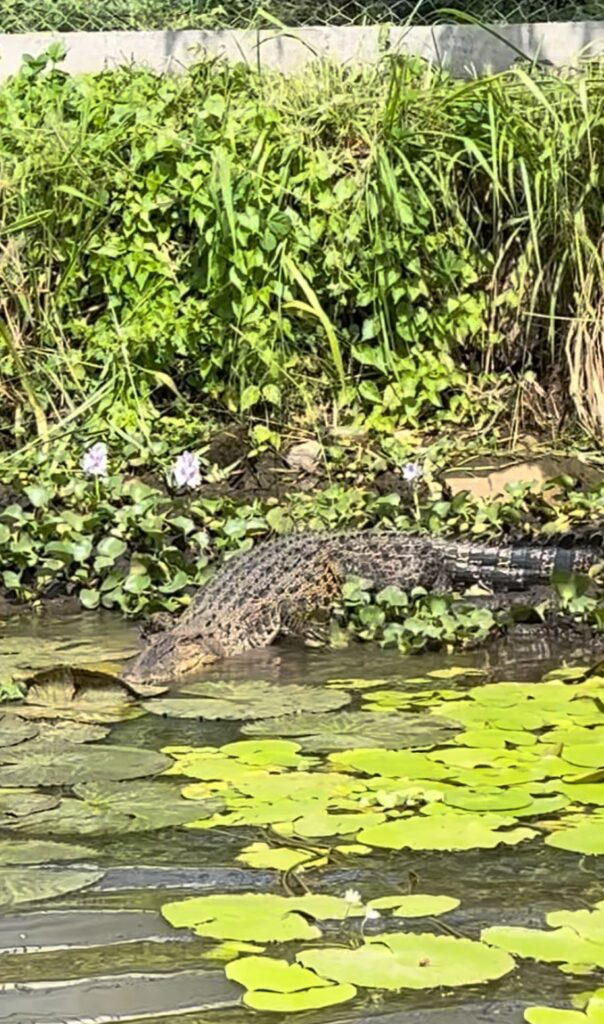
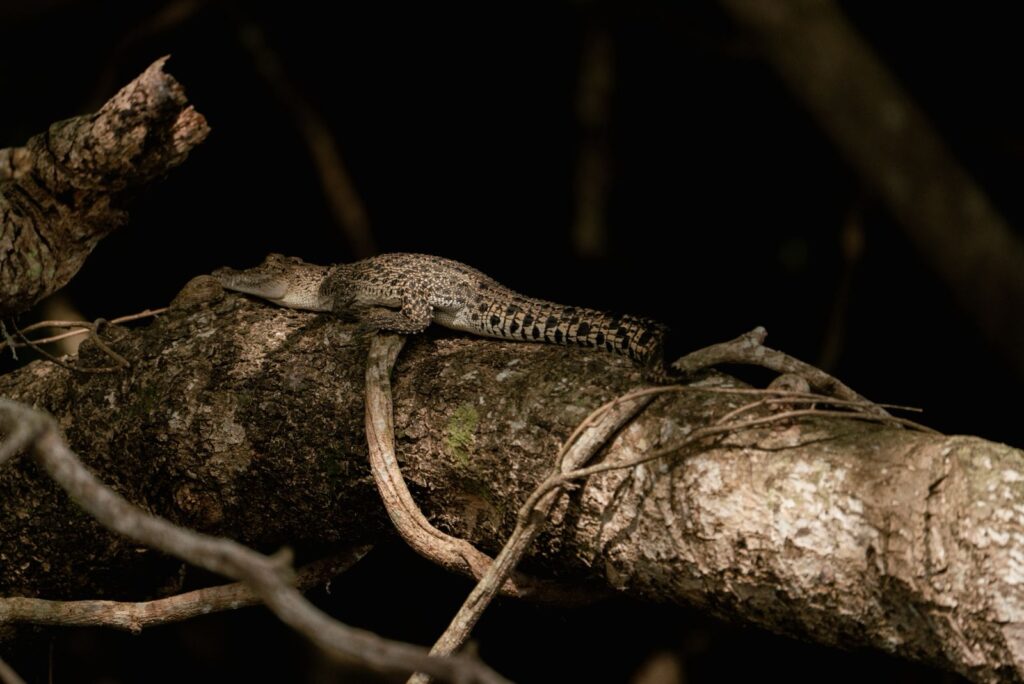
  • 🐊 Crocodile spotting in the wild
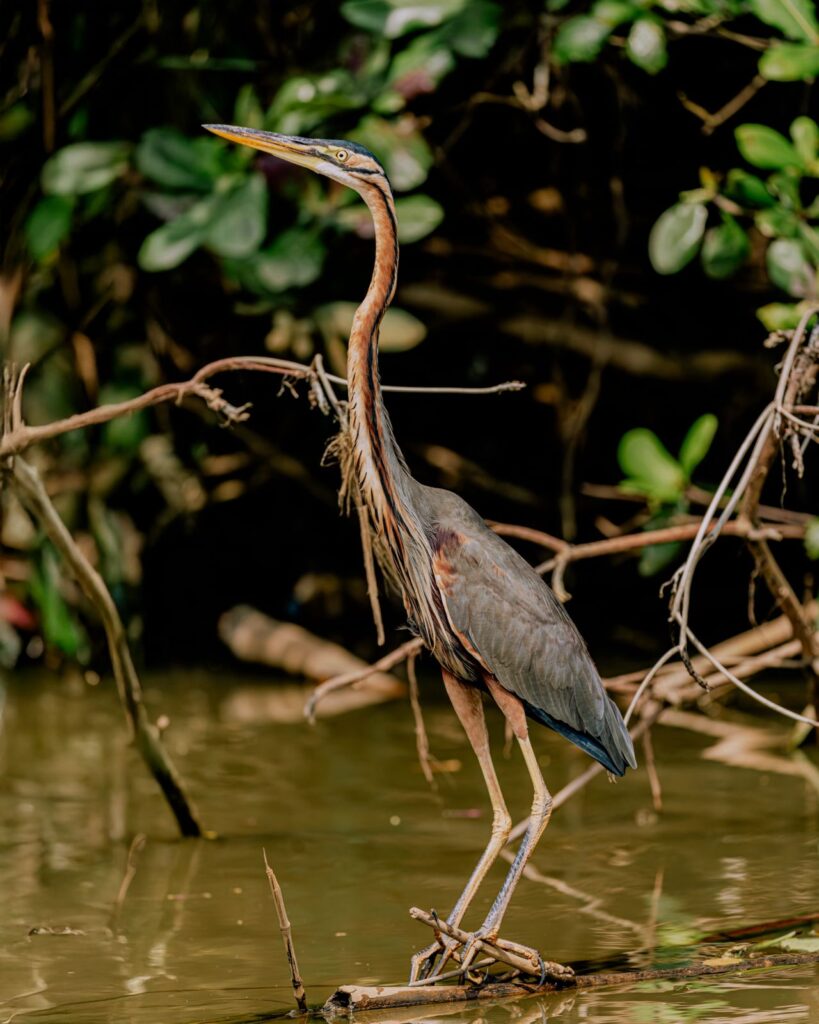
  • 🐦 Rare birds and kingfishers
  • 🌿 Beautiful mangrove ecosystems
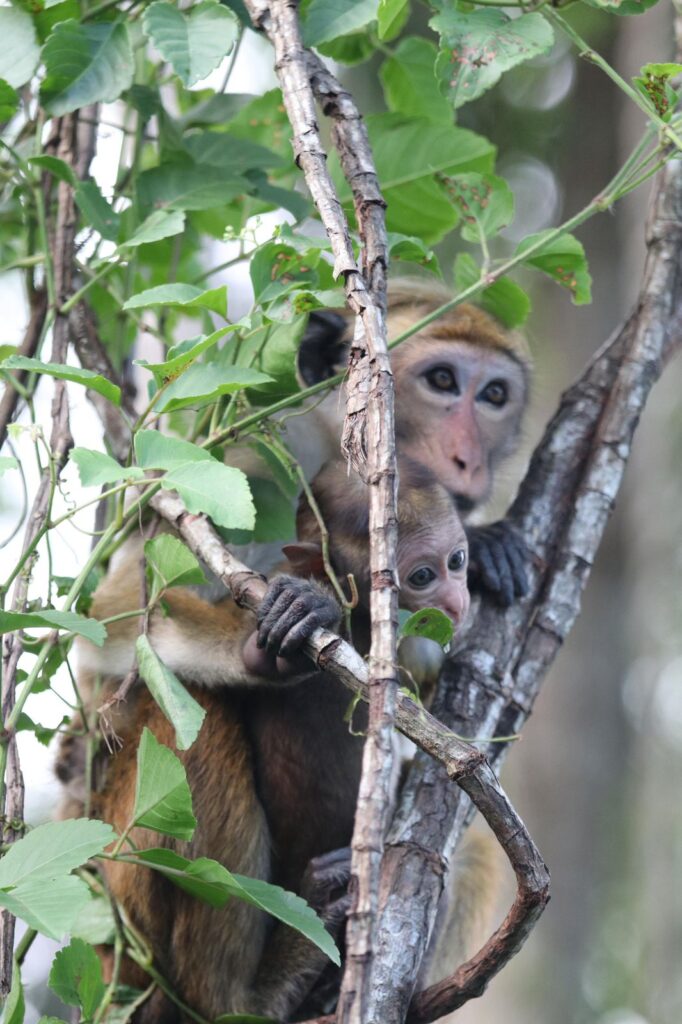
  • 🐒 Monkeys and river wildlife
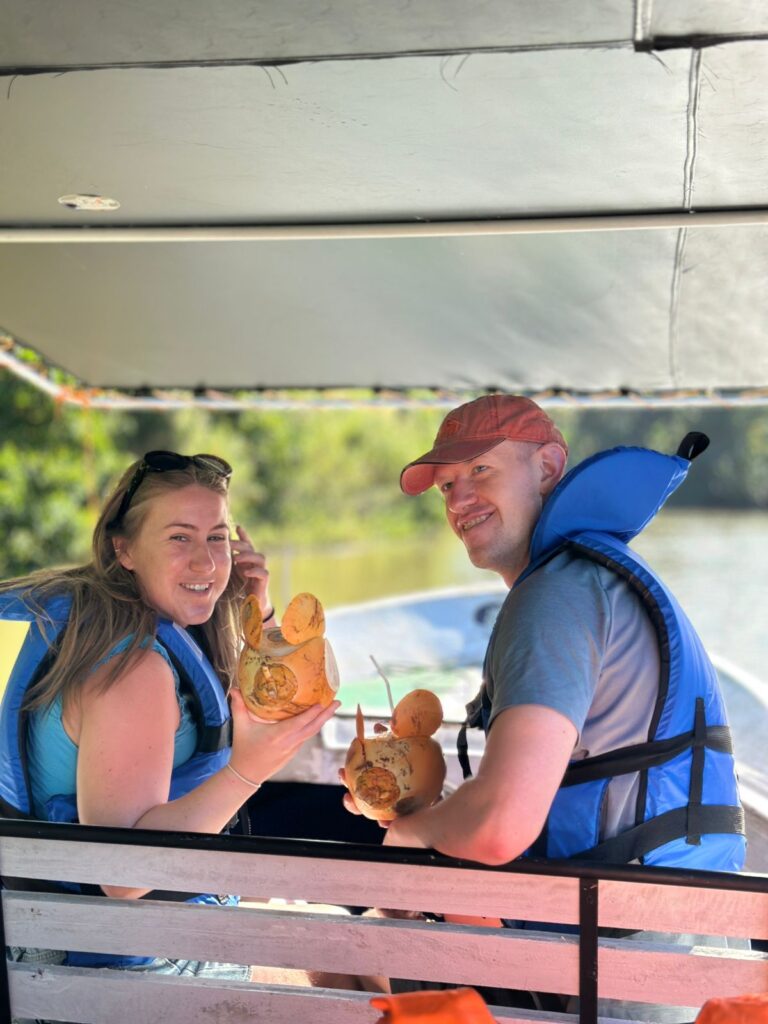
  • 🚤 Peaceful boat rides
  • 📸 Amazing photography opportunities

This safari is one of the best nature experiences near Matara and the southern coast of Sri Lanka.


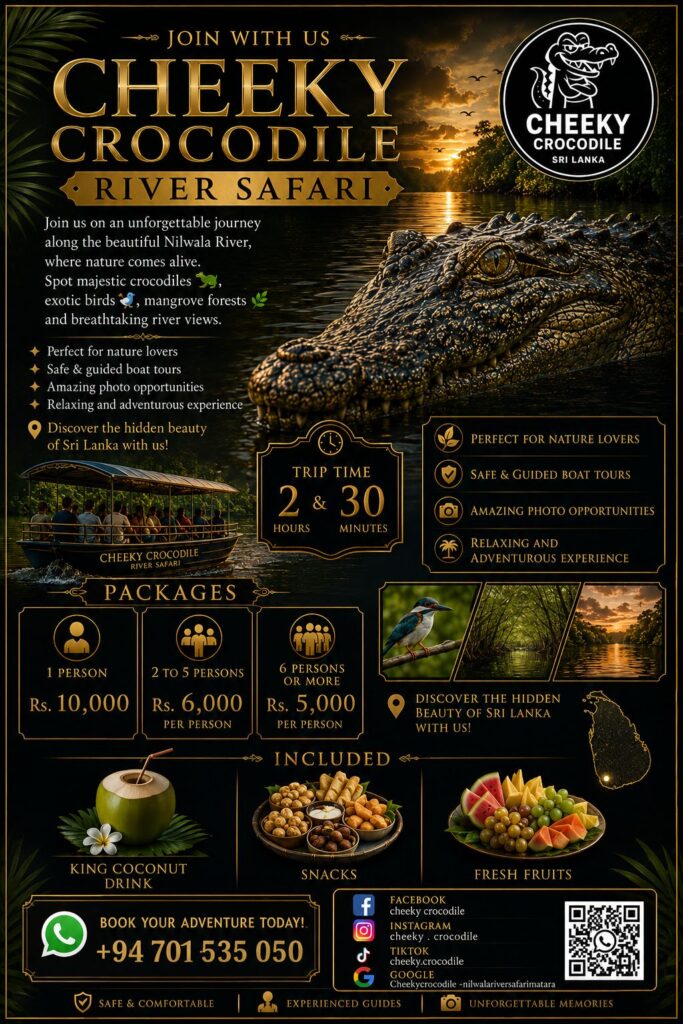
🐊 Cheeky Crocodile River Safari – Your Ultimate River Adventure

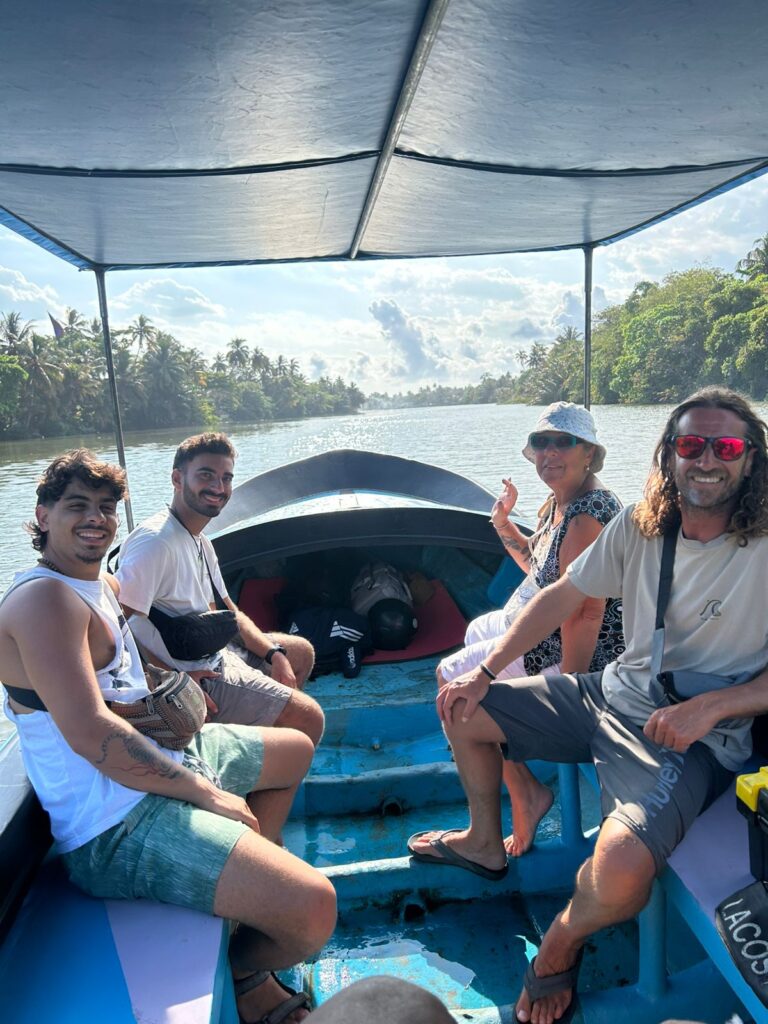
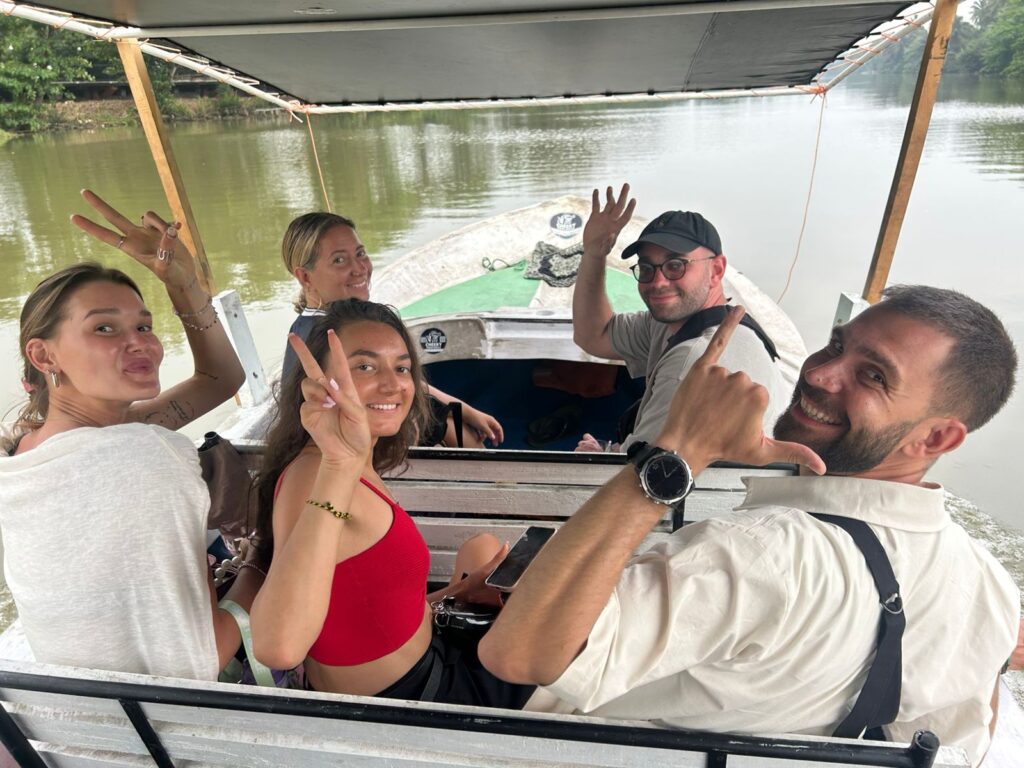
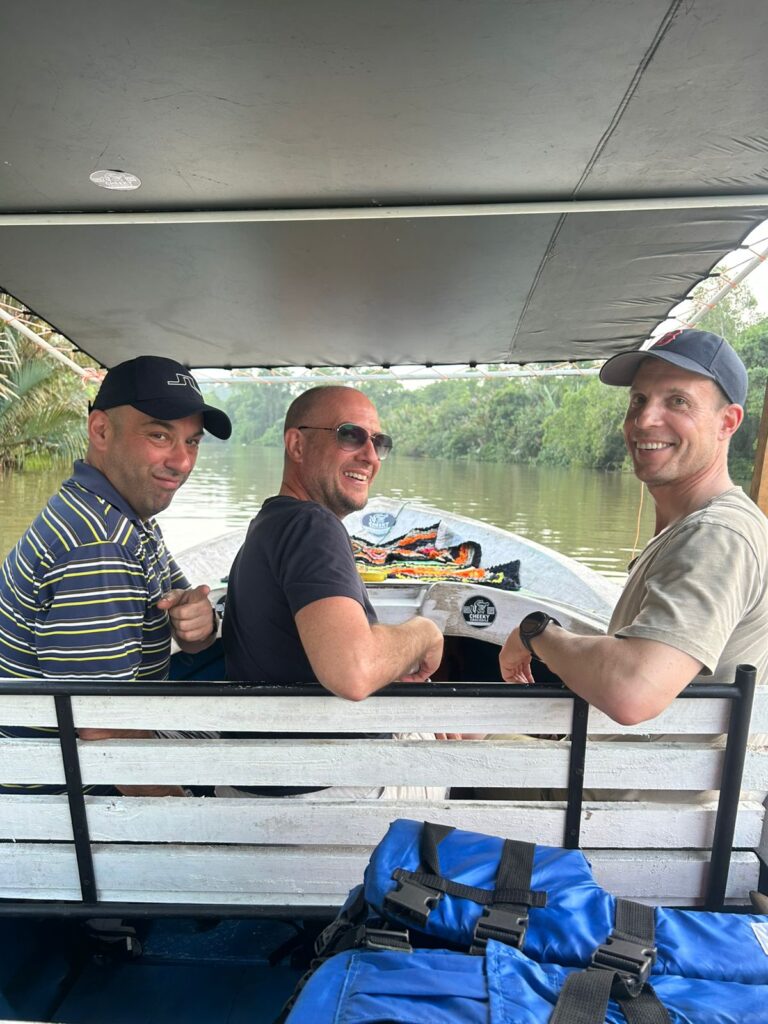
If you are looking for a safe, exciting, and memorable river safari experience, Cheeky Crocodile River Safari offers professional guided tours along the Nilwala River.

With experienced local guides and comfortable safari boats, visitors can safely explore the river while learning about Sri Lanka’s fascinating wildlife and ecosystem.

🌟 What Makes Cheeky Crocodile River Safari Special?

✔️ Experienced local safari guides
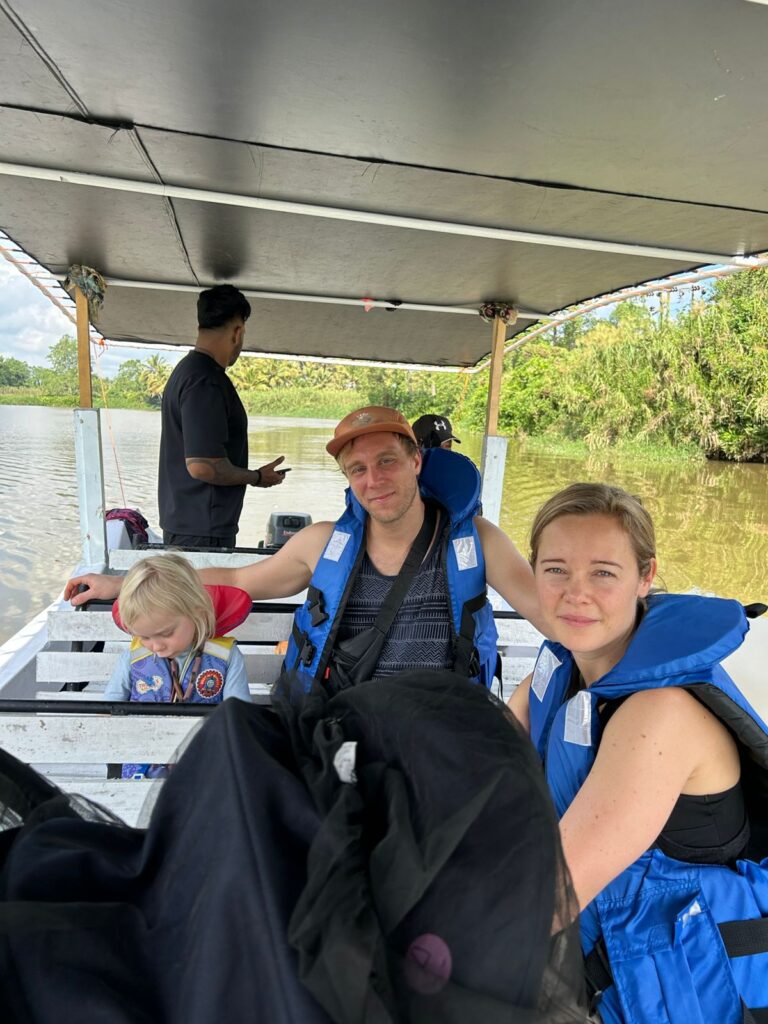
✔️ Safe and comfortable boat rides
✔️ Close-up crocodile sightings
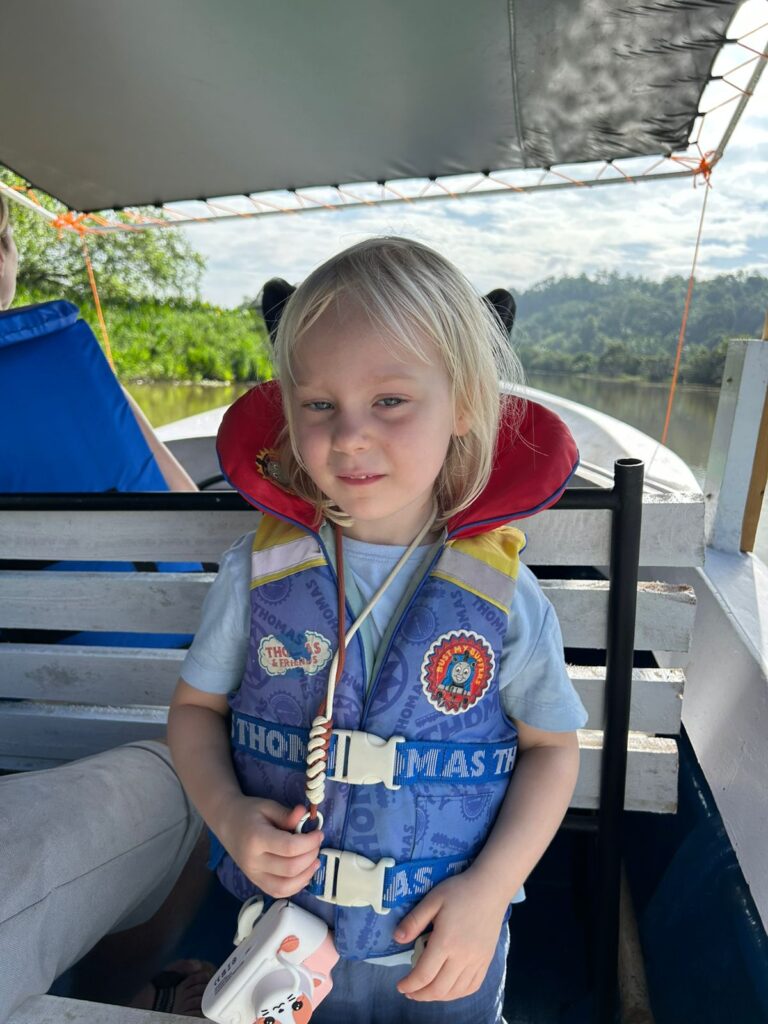
✔️ Family-friendly adventure
✔️ Eco-friendly river exploration
✔️ Ideal for couples, families & groups
✔️ Perfect for photographers & vloggers

Whether you want a relaxing nature ride or an adventurous crocodile safari, Cheeky Crocodile River Safari delivers an unforgettable experience in southern Sri Lanka.


📍 Best Time for a Nilwala River Safari

The best times to enjoy the safari are:

  • 🌅 Early Morning – for bird watching and calm weather
  • 🌇 Evening – for sunset views and crocodile activity

The peaceful environment during these hours makes the experience even more magical.


📸 A Must-Visit Attraction in Southern Sri Lanka

If you are traveling through Matara, Mirissa, Weligama, or Tangalle, adding a Nilwala River Safari to your itinerary is highly recommended.

It’s one of Sri Lanka’s most underrated wildlife adventures and a perfect escape into nature.


🚤 Book Your Adventure Today!

Nilwala River

Experience the beauty of Sri Lanka’s wildlife and nature with Cheeky Crocodile River Safari on the magnificent Nilwala River.

🌿 Adventure
🐊 Wildlife
📸 Nature Photography
🚤 River Exploration

Your unforgettable Sri Lankan river safari starts here!


SHARE
Sri Lanka Transport
SHARE

VisitSrilankan.com Introduces Premium Sri Lanka Transport Services 🚗🇱🇰

Explore Sri Lanka with Comfort, Safety & Freedom

Welcome to VisitSrilankan.com Transport Services — your trusted travel partner for reliable, comfortable, and professional transportation across Sri Lanka.

Whether you’re arriving for a tropical holiday, family vacation, surfing adventure, cultural tour, or business trip, we now proudly offer island-wide transport solutions designed to make your journey smooth, stress-free, and unforgettable.

transport

Our Professional Transport Services Include:

  • Airport Pick-Up & Drop-Off Services
  • Private Family Tours
  • Solo Traveler Transport
  • Group Travel Solutions
  • Tourism & Sightseeing Trips
  • Pre-Booked Custom Travel Packages
  • Long Distance Island-Wide Transfers
  • Safe, Professional Driver Service

From Arugambay or Airport to Colombo, Ella, Kandy, Sigiriya, Nuwara Eliya, Mirissa, Yala, Galle, Jaffna, Trincomalee, and beyond — we cover the entire island.


Choose Your Ideal Vehicle

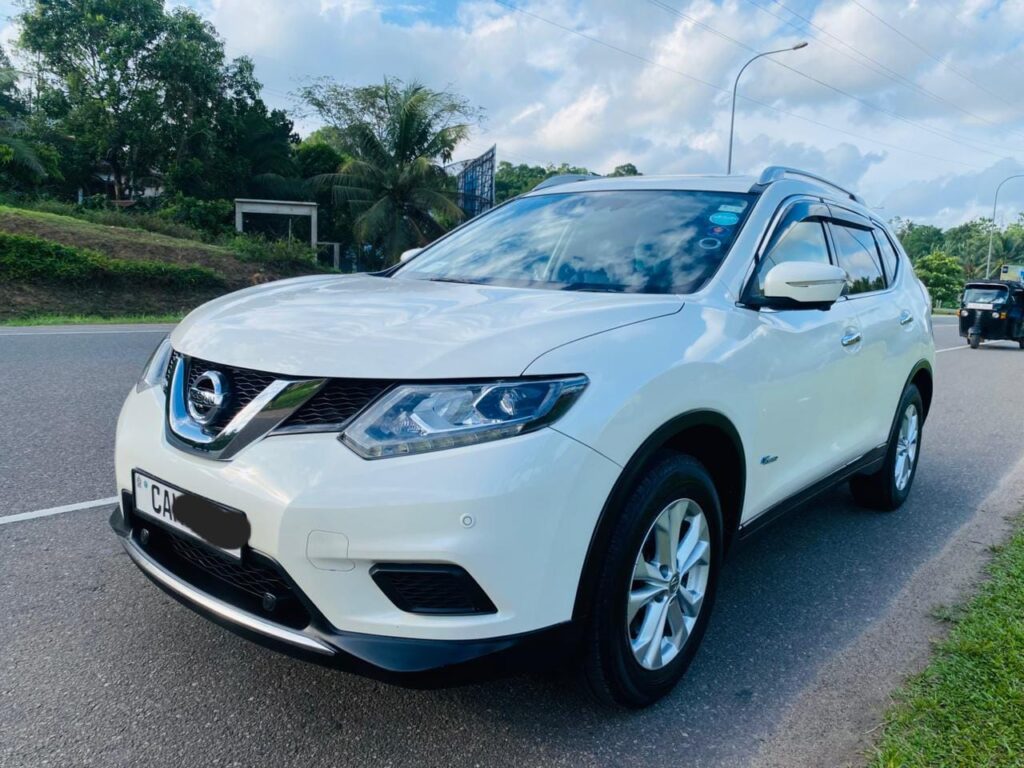
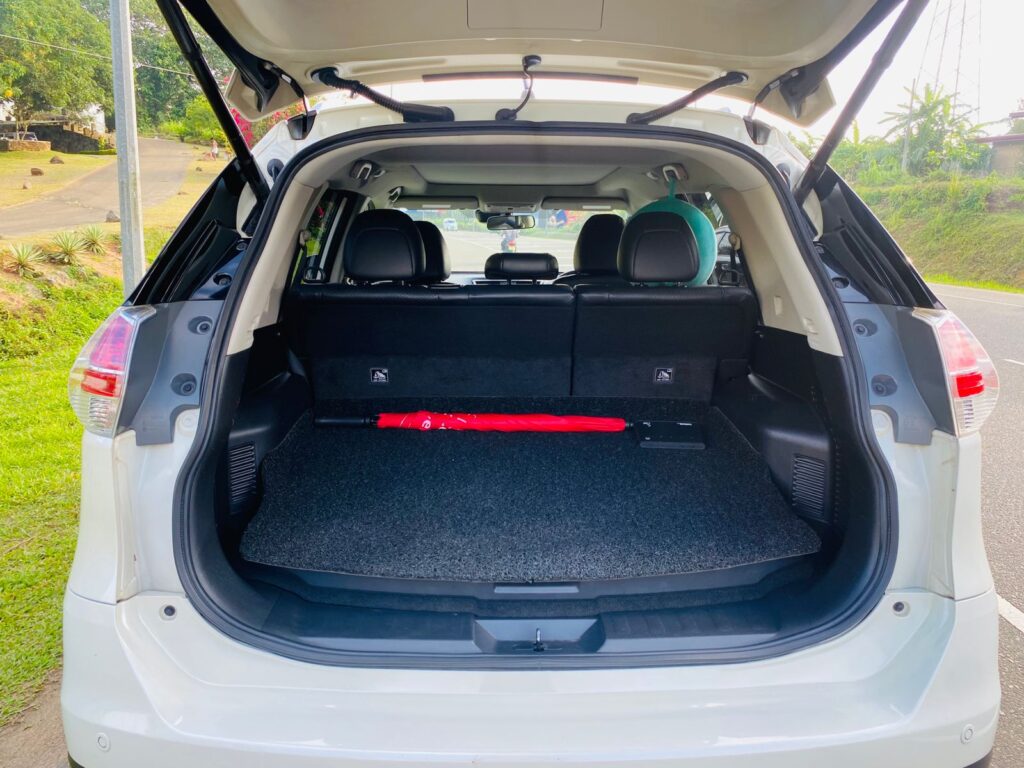
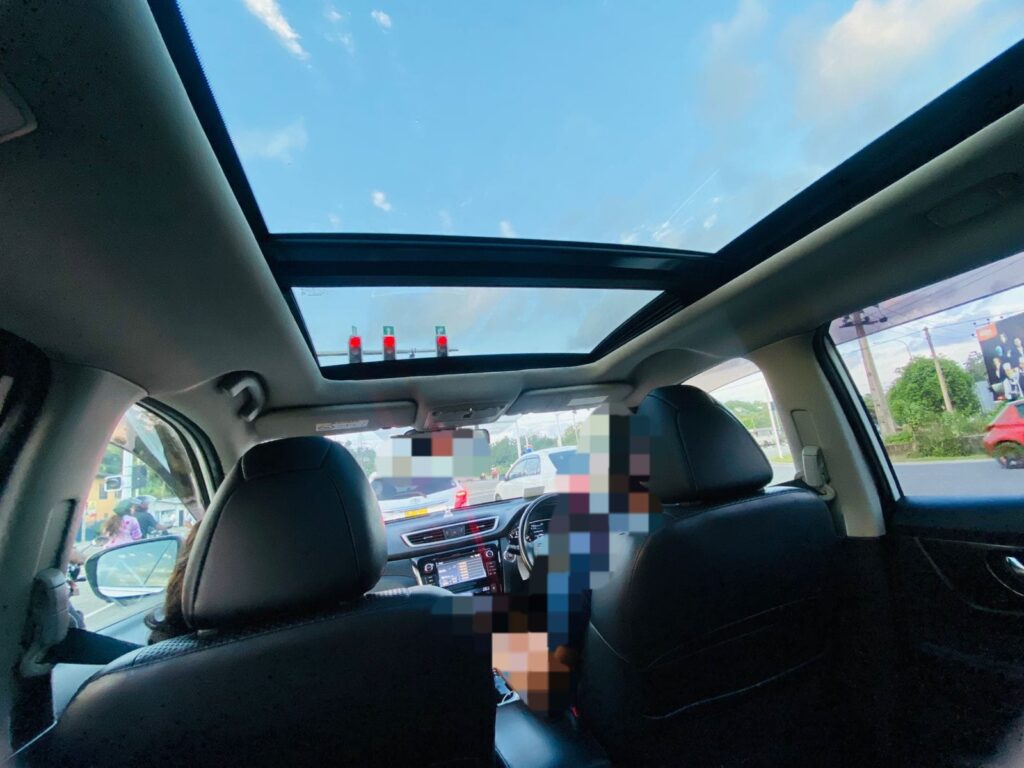
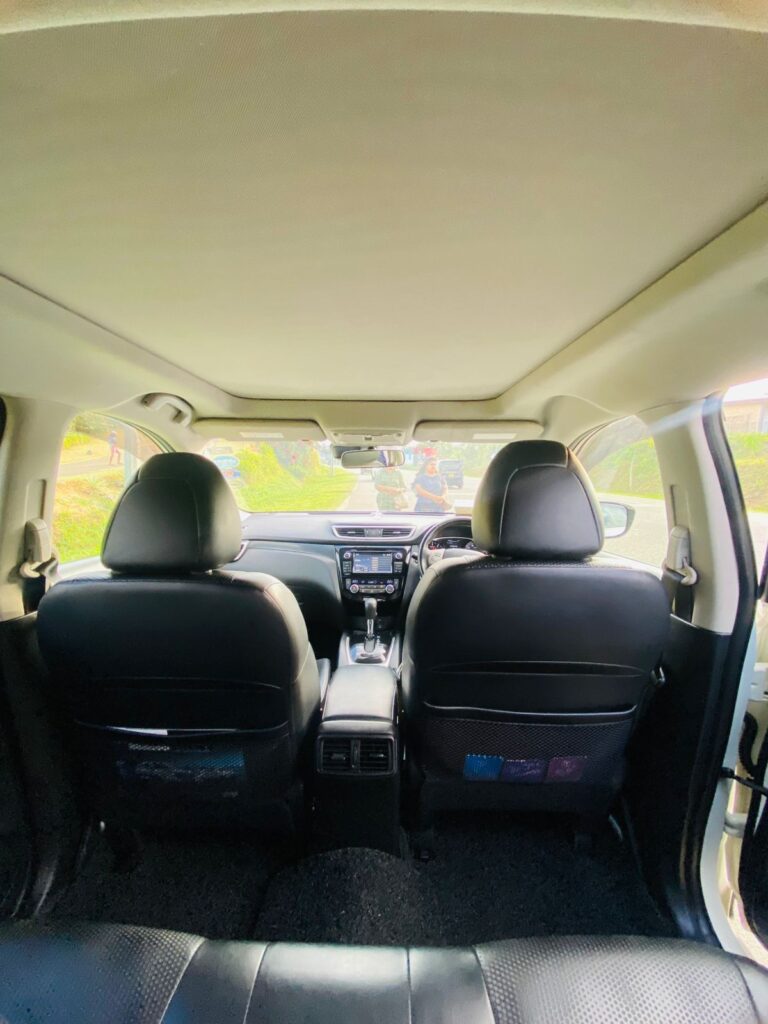
🚙 Nissan X-Trail – Premium Comfort for Family & Group Travel

Travel in style with our spacious Nissan X-Trail, perfect for travelers who want premium comfort and extra room.
Features:

  • Panoramic Sunroof for scenic island drives
  • Spacious interior with large luggage capacity
  • Comfortable seating for family or small groups
  • Powerful air-conditioning
  • Luxury travel experience
  • Professional driver included
  • Ideal for long tours, airport transfers, and sightseeing

Best For:

  • Family vacations
  • Group tours
  • Airport pick-up/drop-off
  • Luxury travel experiences
  • Long-distance travel across Sri Lanka

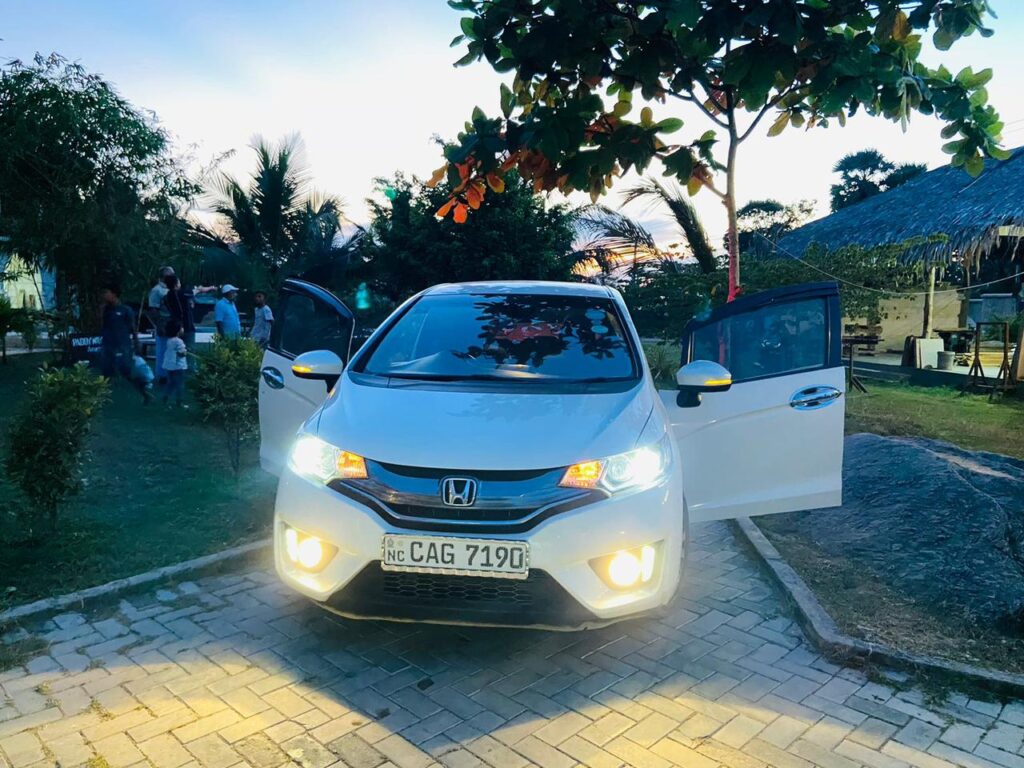
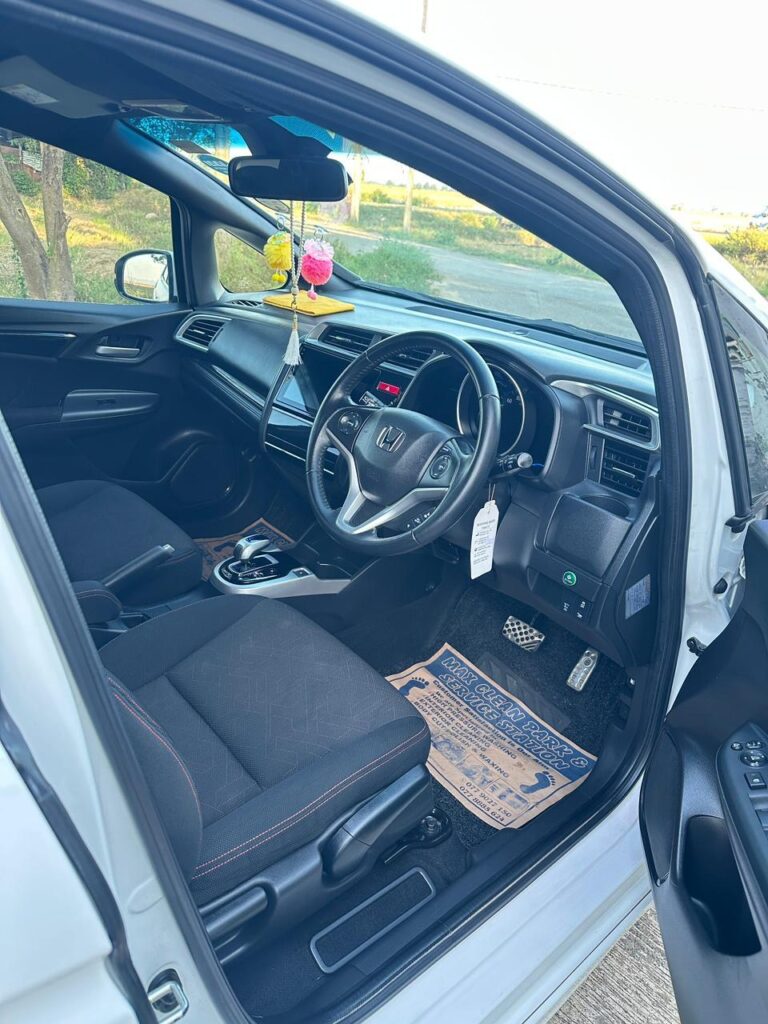
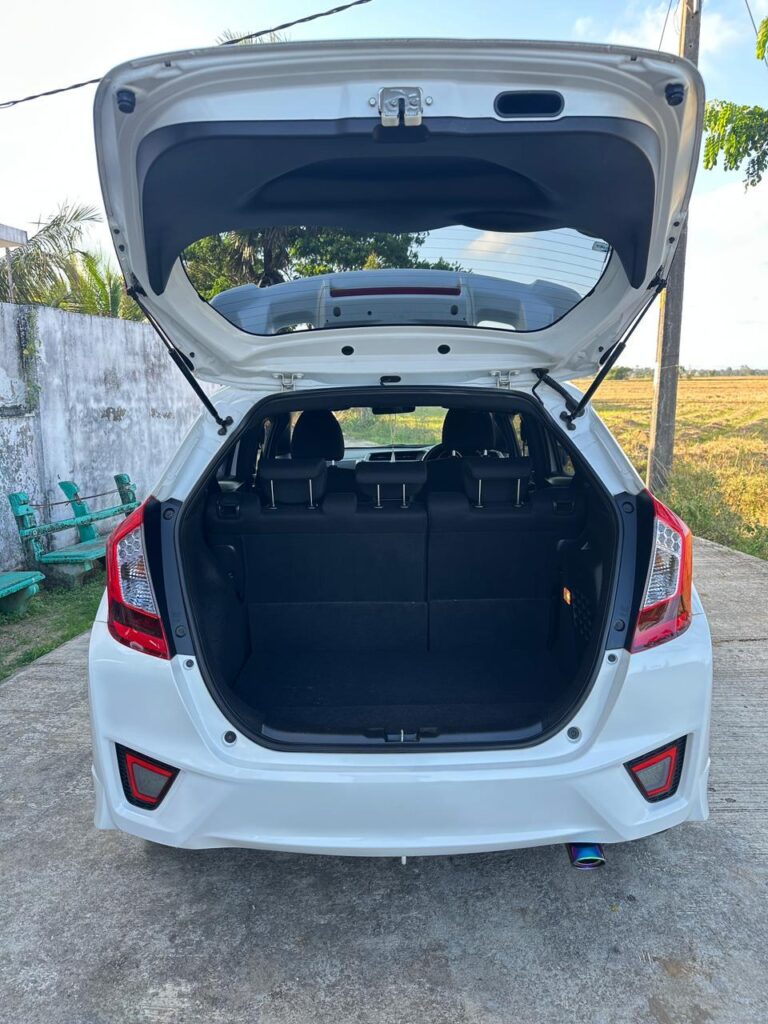
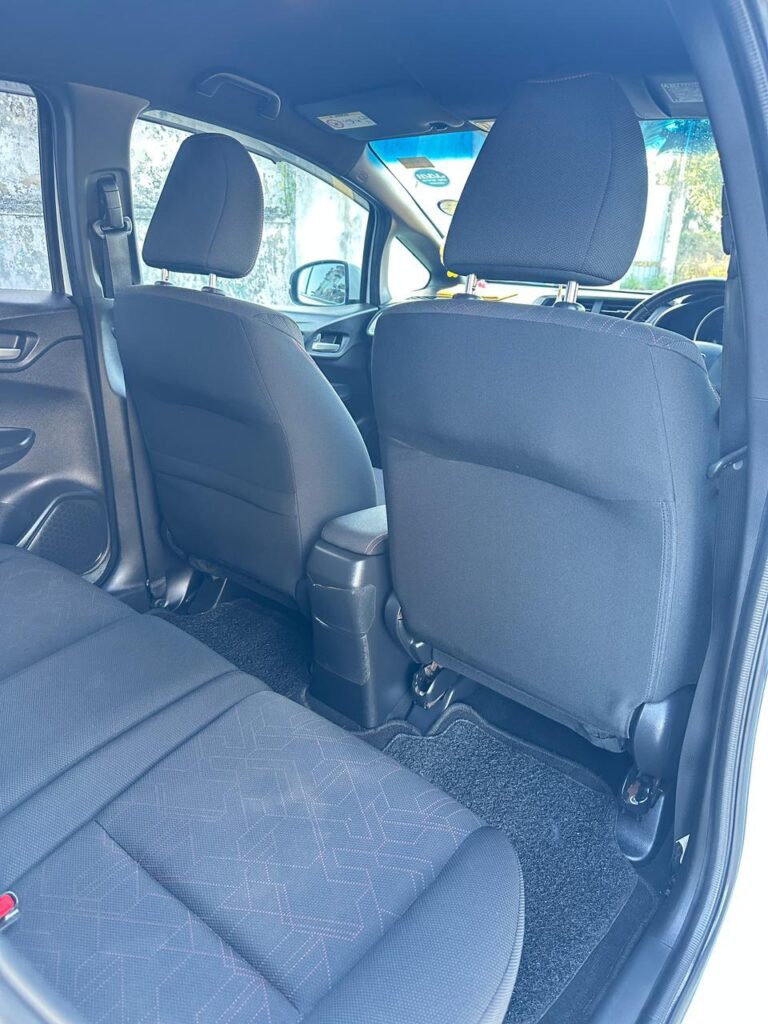
🚗 Honda Fit GP5 – Smart, Full-Option Comfort

Our Honda Fit GP5 offers efficient, stylish, and budget-friendly travel without compromising comfort.

Features:

  • Full option vehicle
  • Modern, comfortable interior
  • Fuel-efficient and eco-friendly
  • Smooth air-conditioned rides
  • Perfect for solo travelers, couples, or small families
  • Reliable and affordable transport solution

Best For:

  • Solo trips
  • Couple getaways
  • City travel
  • Budget-friendly island exploration
  • Daily transport needs

Why Choose VisitSrilankan.com Transport Services?

✔ Reliable & On-Time Service

We prioritize punctuality and professionalism.
✔ Safe & Comfortable Travel

Your safety and convenience are our top priorities.
✔ Island-Wide Coverage

Travel anywhere in Sri Lanka with confidence.

✔ Tourism-Focused Experience

We understand what travelers need for unforgettable journeys.

✔ Affordable & Flexible Packages

Custom solutions tailored to your travel plans.


Base Location: Arugambay

Strategically based in Arugambay, one of Sri Lanka’s top tourism destinations, we provide seamless transportation services throughout the country.


Book Your Ride Today!

Contact Us:

WhatsApp: +94 777 157 114
Call: +94 770 440 256
Website: www.visitsrilankan.com


VisitSrilankan.com Transport Services

Travel More. Worry Less.

Experience Sri Lanka with dependable transport, premium vehicles, and personalized service.

Pre-book now and let us drive your journey!


SHARE

Victoria Park : Everything You Need to Know Before You Visit

SHARE

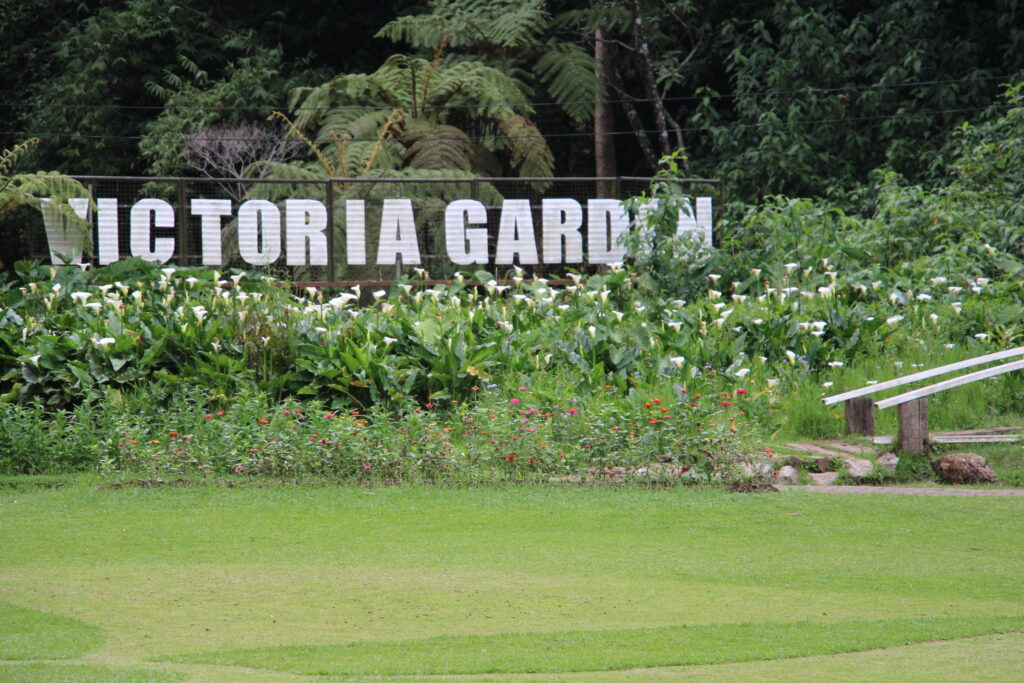
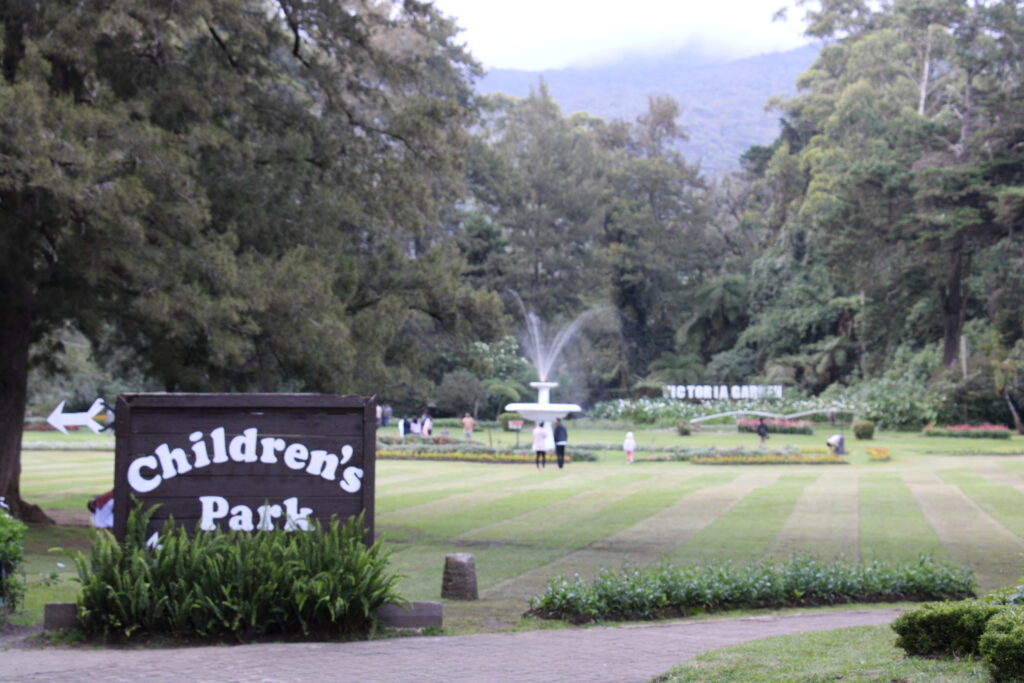
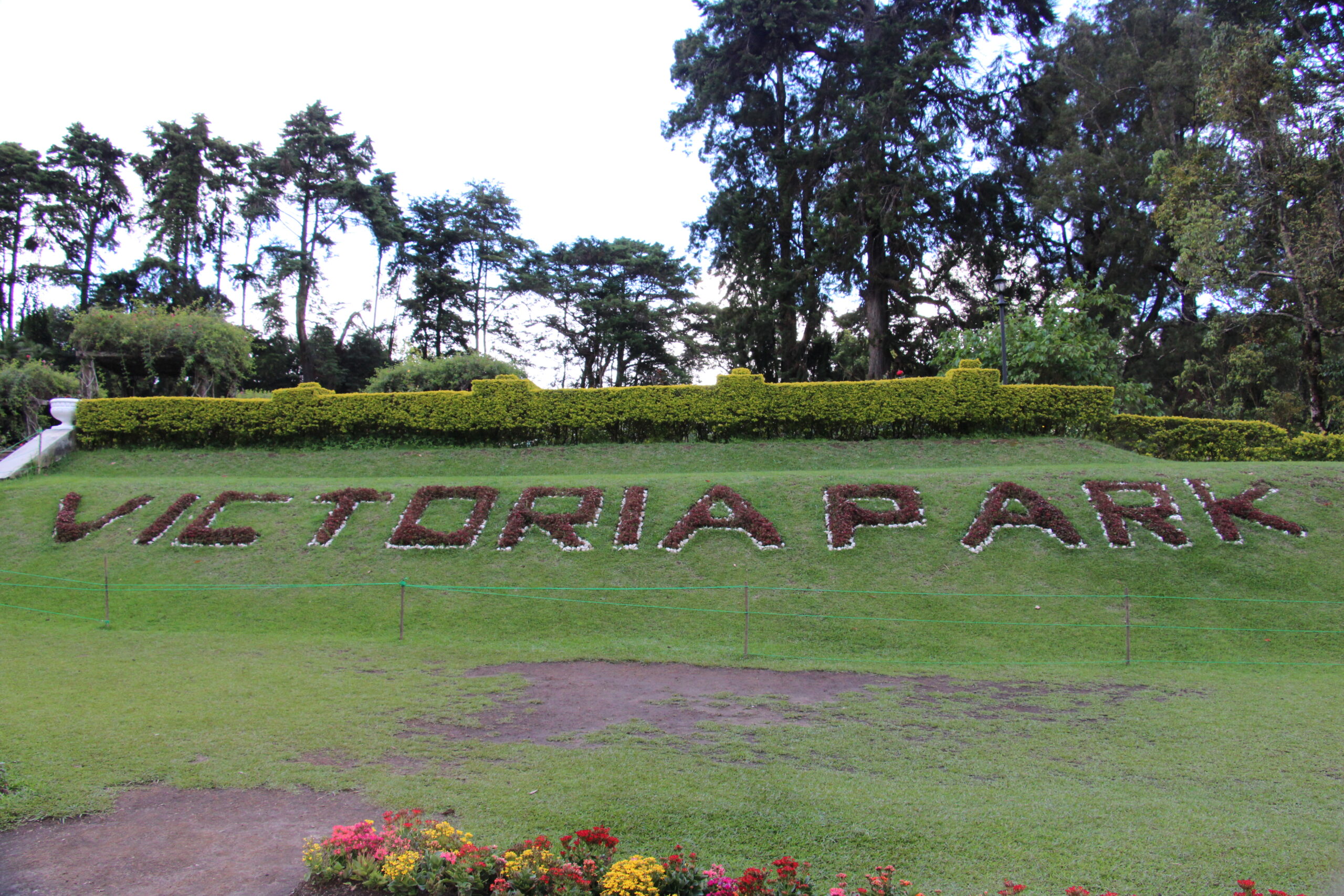
Victoria Garden - Nuwaraeliya, Sri lanka

Victoria Garden – Nuwara eliya – Sri Lanka

Victoria Park, Nuwara Eliya, known as “Little England” for its cool climate and colonial charm, is home to some of Sri Lanka’s most beautiful landscapes. Among its many attractions, Victoria Park stands out as a peaceful oasis in the heart of the town. Whether you’re a nature lover, birdwatcher, or simply seeking a quiet place to relax, Victoria Park offers a delightful experience for all visitors.

“While enjoying the tranquility of Victoria Park, visitors can also explore the nearby Gregory Lake, take a tour at the Pedro Tea Estate, or visit the sacred Seetha Amman Temple.”

A Brief History of Victoria

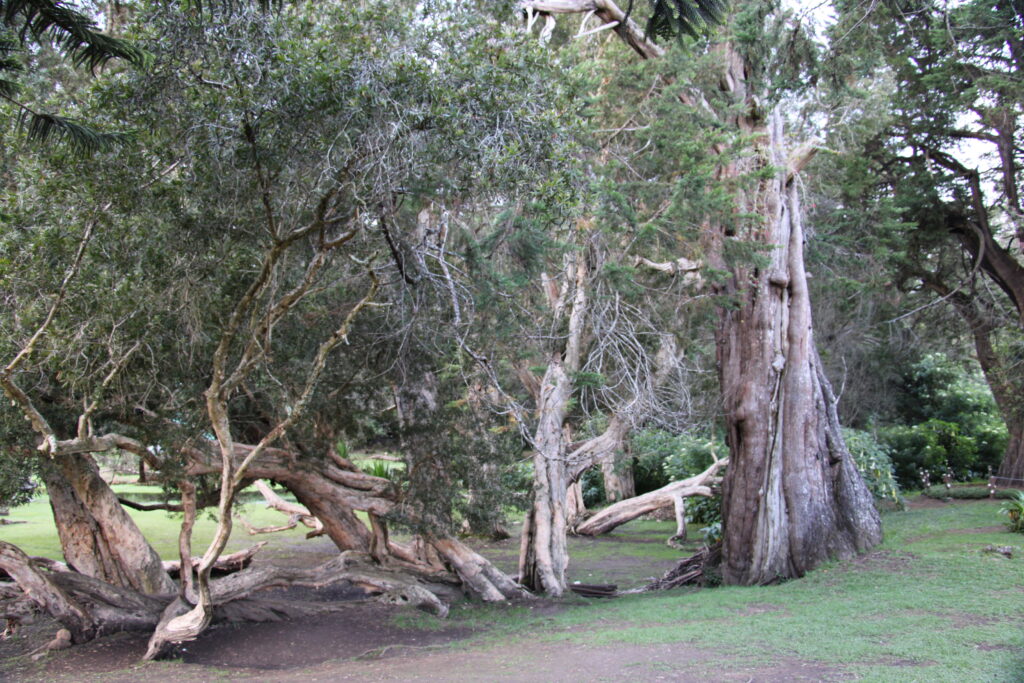
Victoria Park was established in 1897 to commemorate the 60th Jubilee of Queen Victoria. Spanning over 25 acres, it is one of the most well-maintained and lush botanical parks in Sri Lanka. Over the years, it has become a favorite destination for both locals and tourists looking to enjoy nature in a quiet and beautifully landscaped environment.

Victoria Garden - Nuwaraeliya, Sri lanka

What to Expect

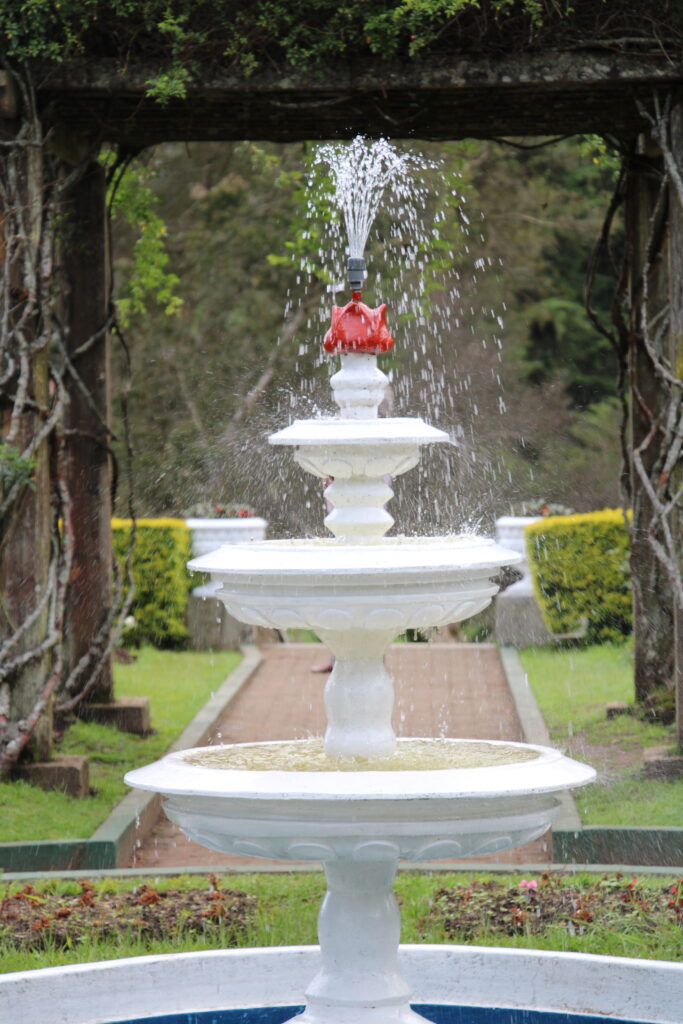
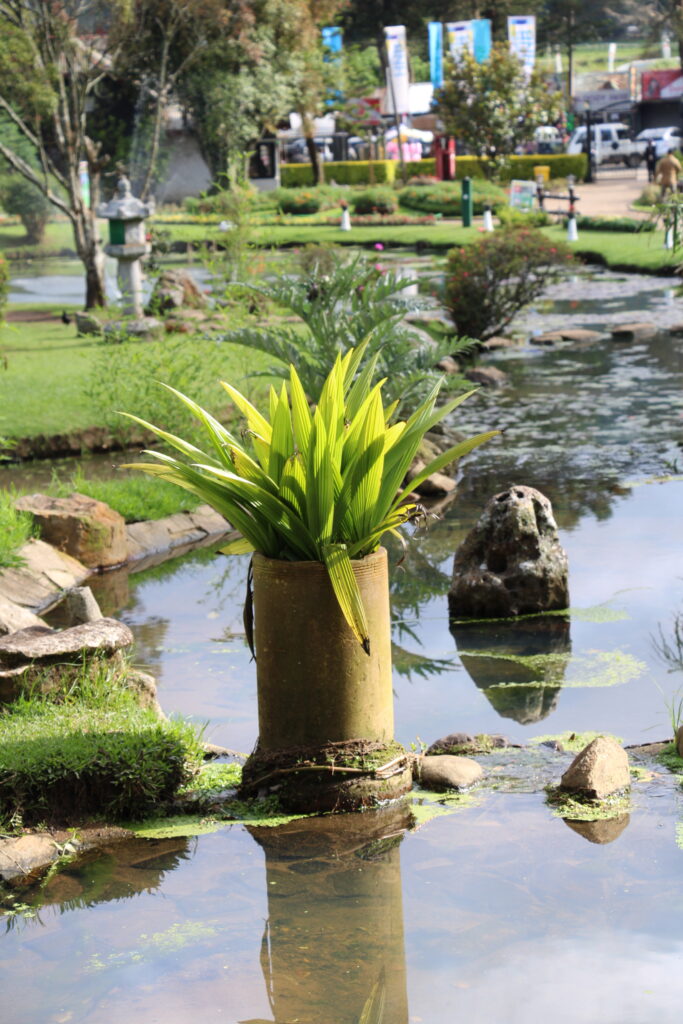
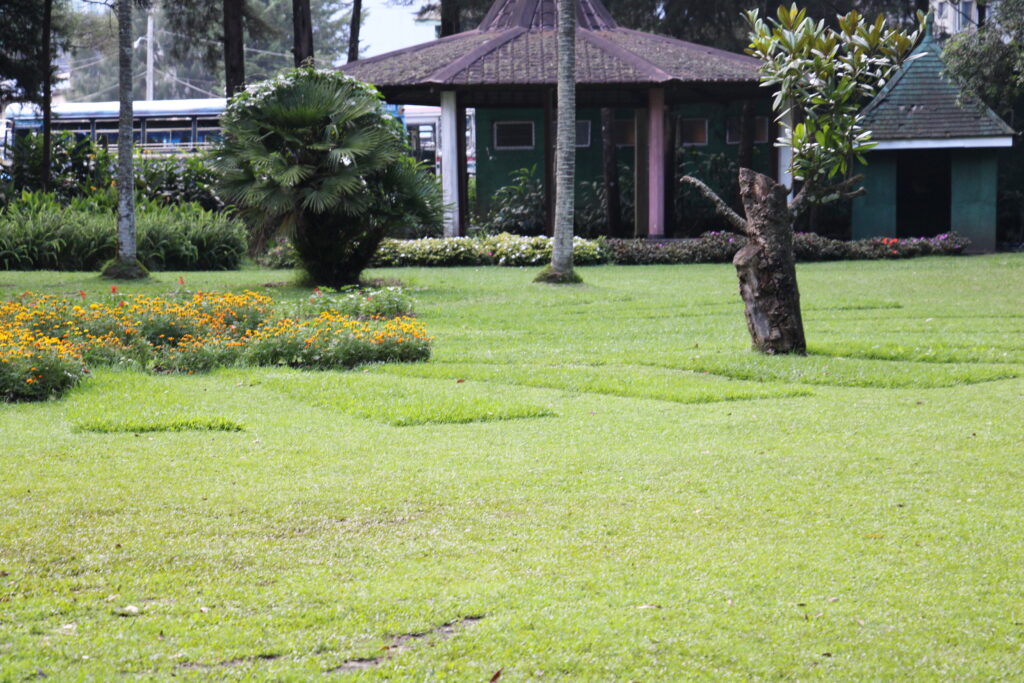
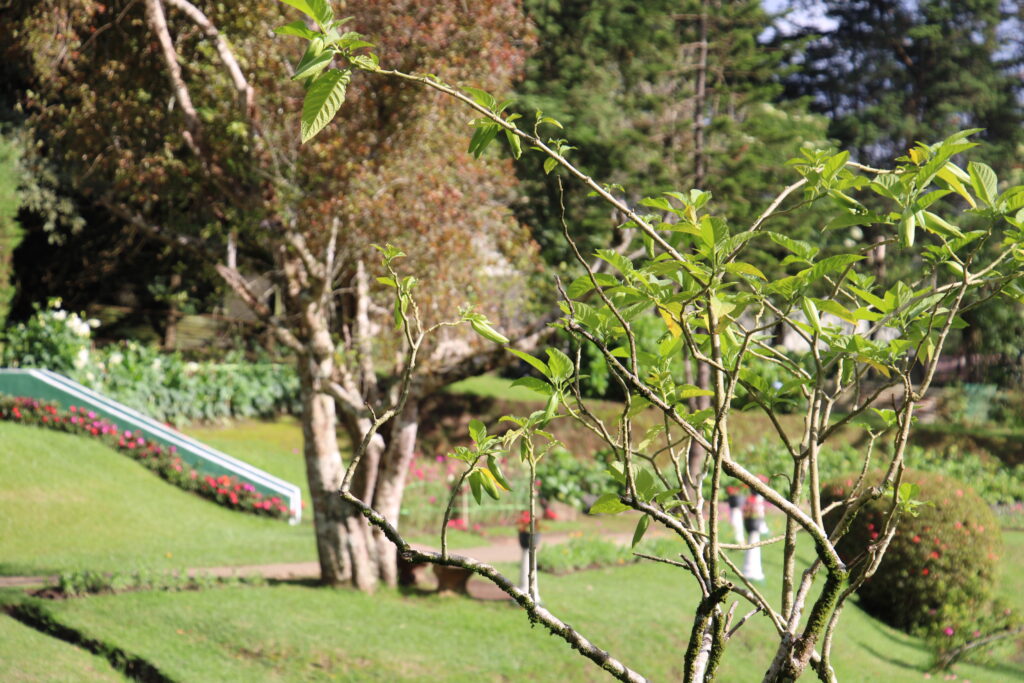
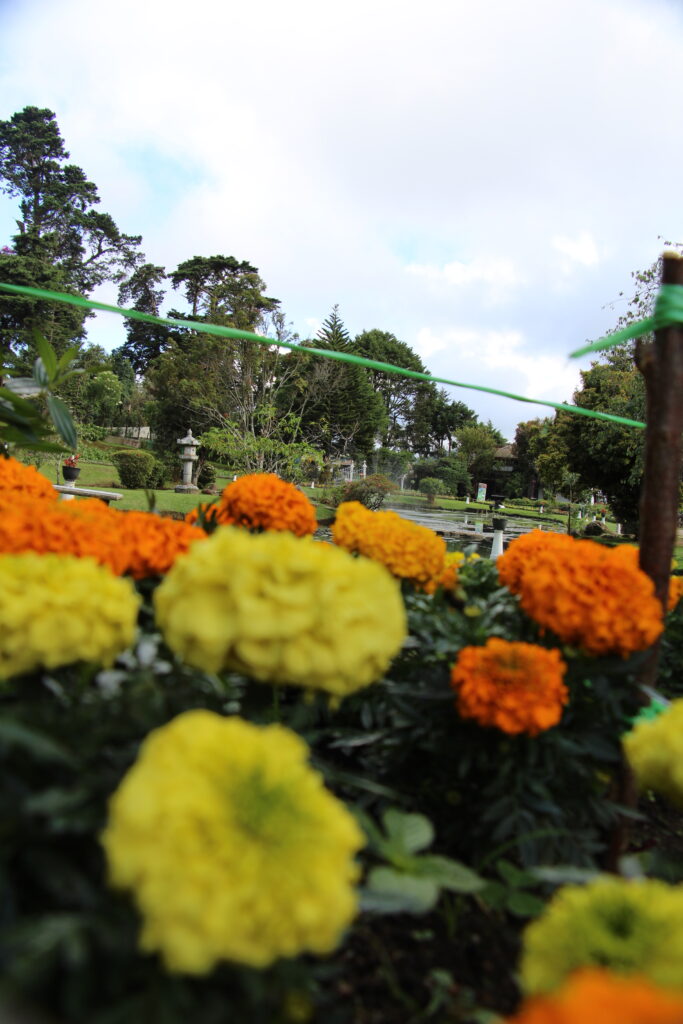
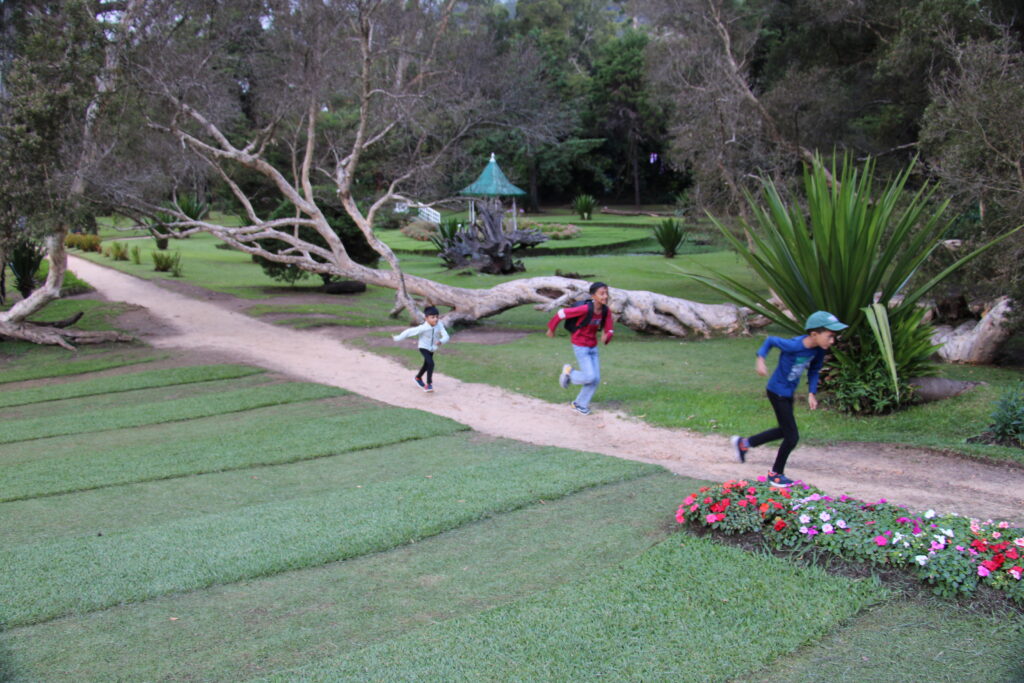
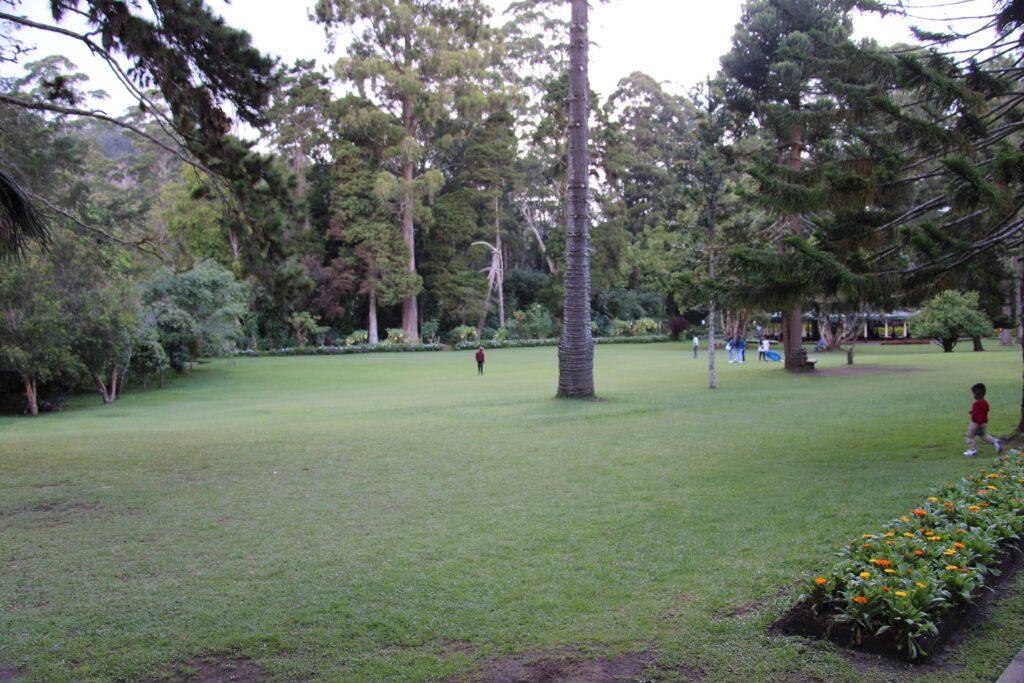
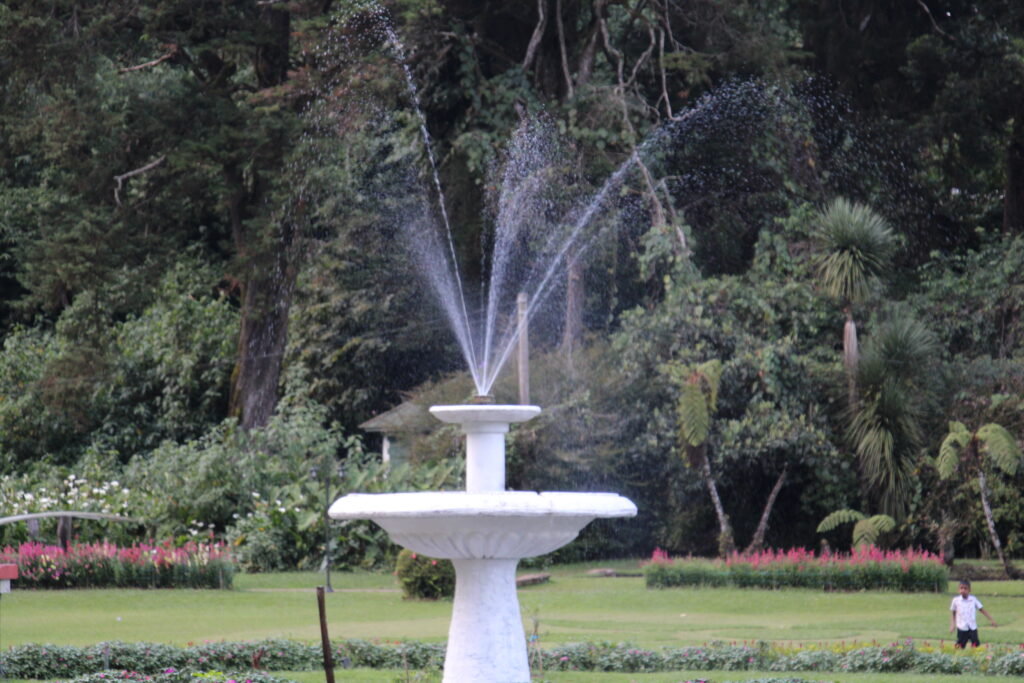
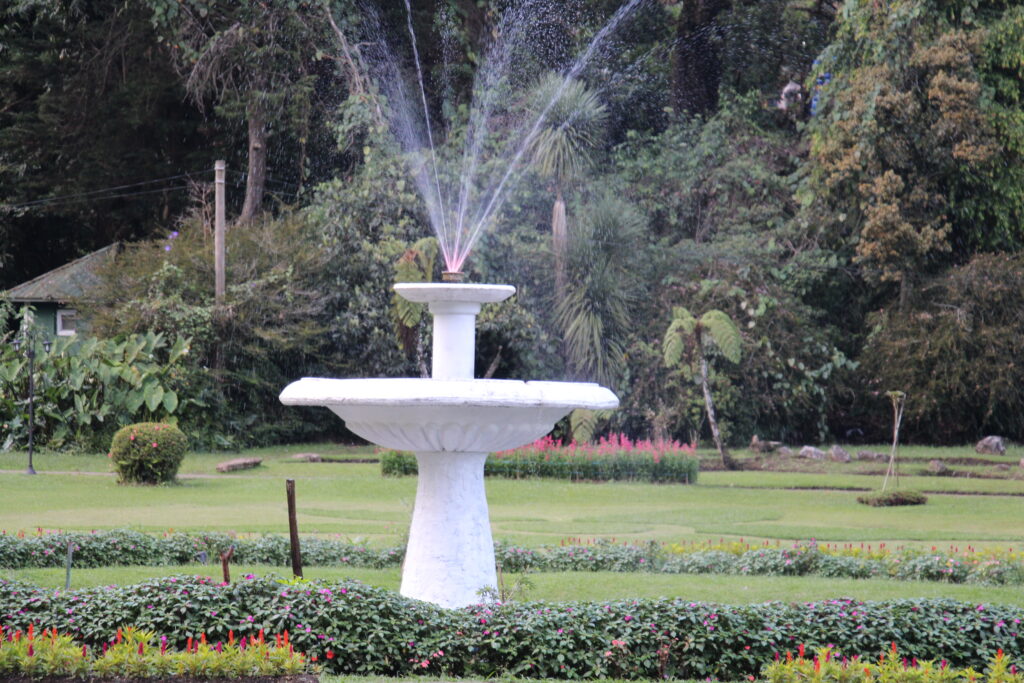
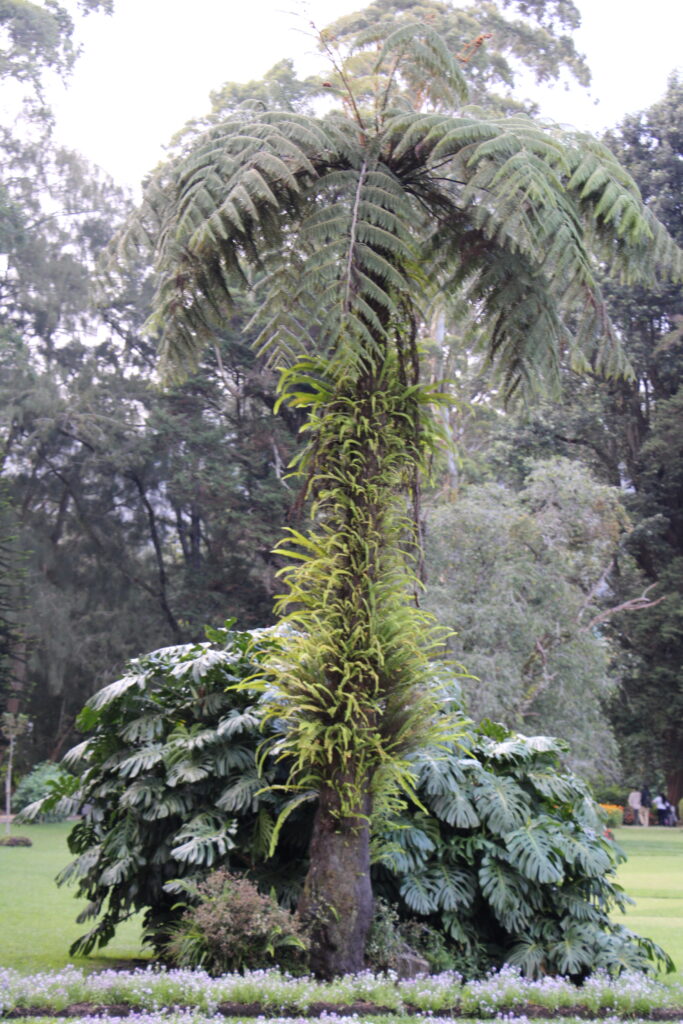
Upon entering the park, visitors are greeted by vibrant flower beds, manicured lawns, and a variety of trees and shrubs. The pathways are ideal for a leisurely walk, with several benches placed throughout the park to sit and soak in the tranquil atmosphere.

Victoria Highlights:

  • Floral Displays: Depending on the time of year, the park bursts into color with roses, daisies, and other seasonal blooms.
  • Birdwatching: The park is a hotspot for bird enthusiasts, especially in the early morning. Species such as the Indian Blue Robin, Pied Thrush, and Kashmir Flycatcher are often seen.
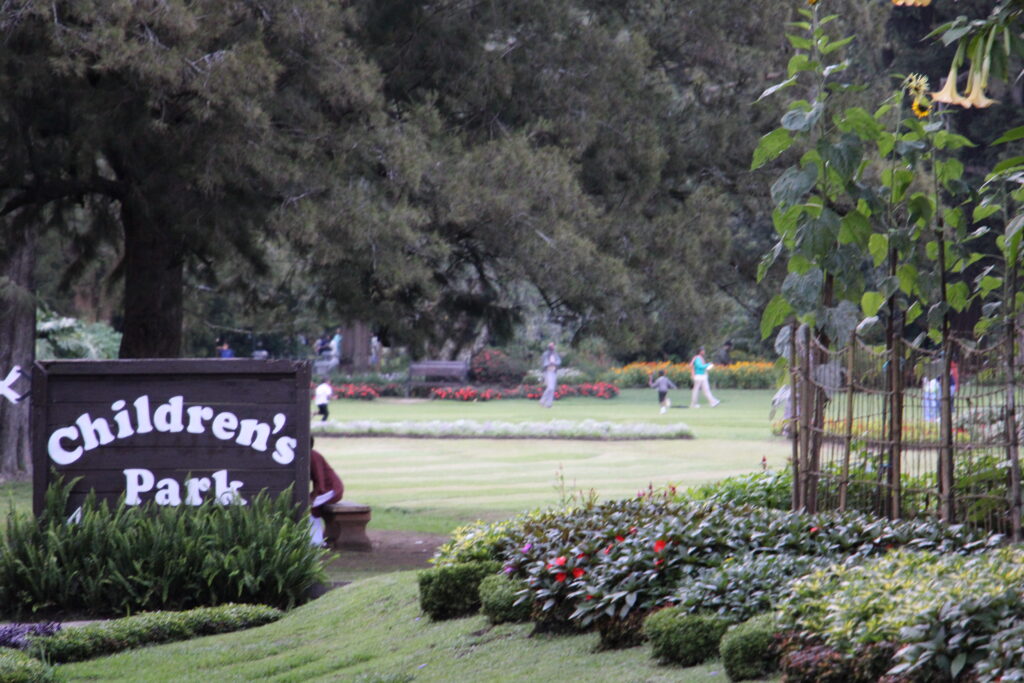
  • Family-friendly Atmosphere: A small children’s playground and open spaces make it a great spot for families to relax and play.
  • Scenic Photography: With its picturesque layout and changing colors throughout the seasons, the park offers plenty of photo opportunities.

Best Time to Visit Victoria

The ideal time to visit Victoria Park is during the blooming season, from April to June and again from September to November, when the flowers are in full bloom and the weather is pleasant. Mornings and late afternoons are perfect for walks and photography, offering soft light and fewer crowds.

Entry Details of Victoria

  • Opening Hours: 8:00 AM to 6:00 PM daily
  • Entry Fee: A small fee is charged for entry (subject to change for locals and foreigners)
  • Location: Right in the center of Nuwara Eliya, near the Post Office and Gregory Lake

Travel Tips to Victoria

  • Wear comfortable shoes for walking through the park’s pathways.
  • Bring binoculars if you’re interested in birdwatching.
  • Visit on a weekday to avoid crowds, especially during school holidays or long weekends.

Final Thoughts about Victoria

Victoria Park is more than just a garden—it’s a place where you can disconnect from the fast pace of life and reconnect with nature. Whether you’re on a romantic getaway, a family vacation, or exploring solo, this park adds a peaceful and refreshing touch to your Nuwara Eliya itinerary.


Plan your visit now and explore more hidden gems in Sri Lanka at www.visitsrilankan.com – your trusted guide to unforgettable travel experiences across the island.

Must-visit attractions in Nuwara EliyaNuwara Eliya Travel Guide
Best hotels in Nuwara EliyaAccommodation in Nuwara Eliya
Adventure activities in Nuwara EliyaAdventure Activities in Nuwara Eliya
Day trips from Nuwara EliyaNuwara Eliya Day Trips


SHARE

Rajapaksa Park – A unique park in Sri Lanka

SHARE

Rajapaksa Park

Rajapaksa Park Sri Lanka

Introduction about Rajapaksa Park Sri Lanka

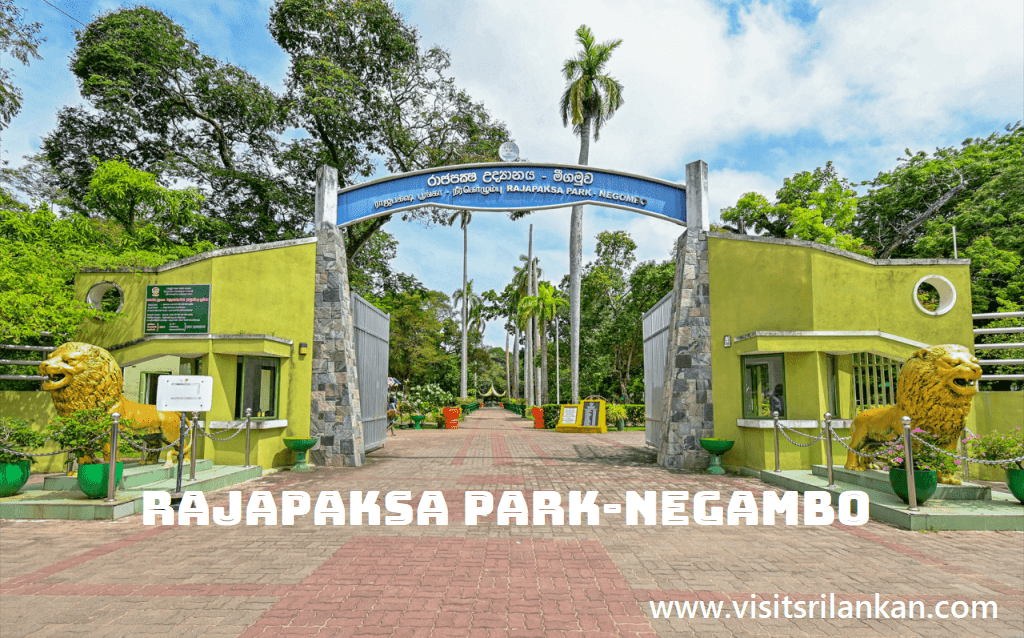
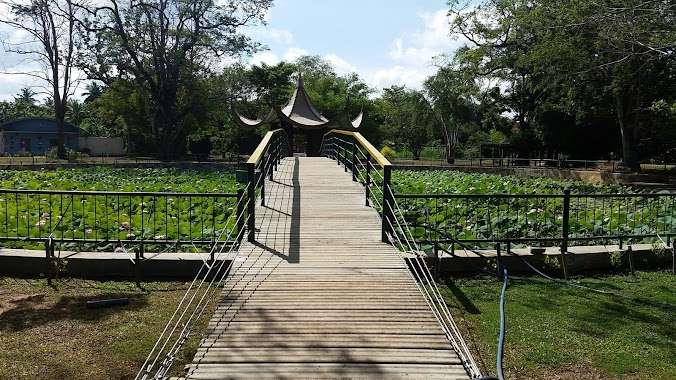
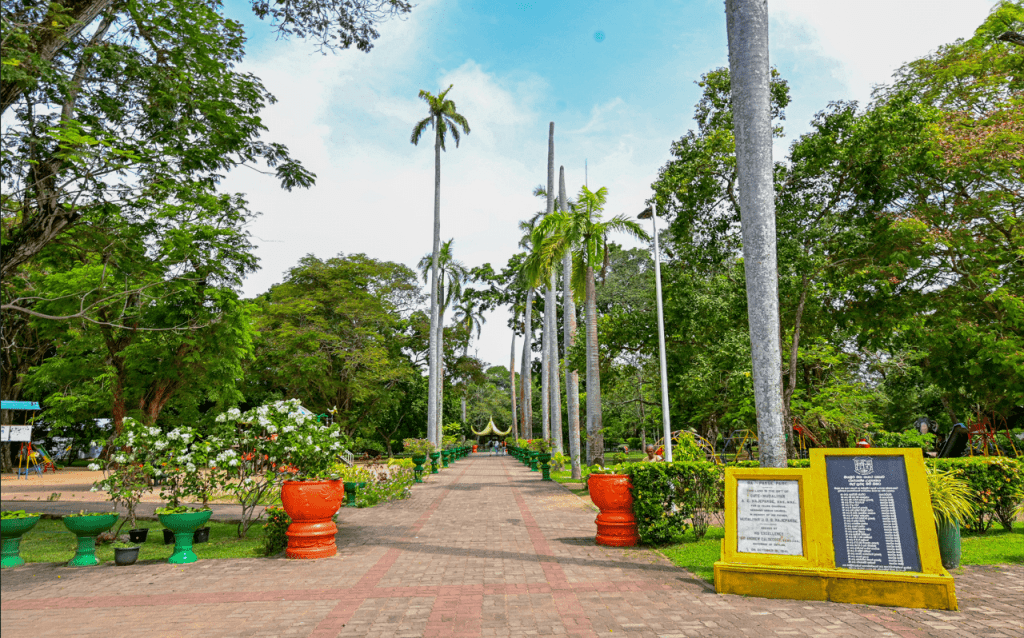
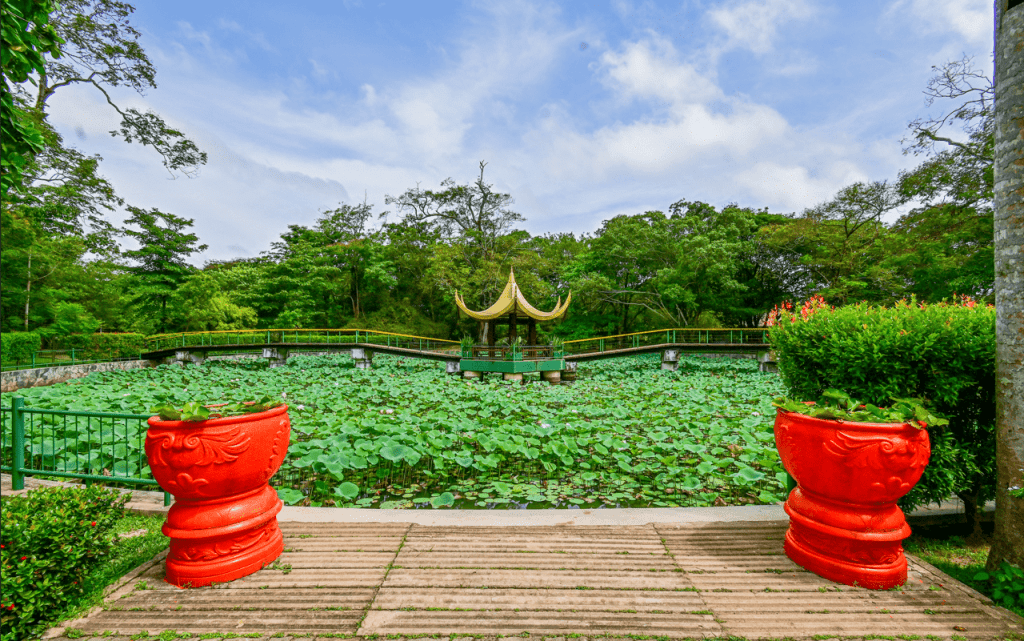
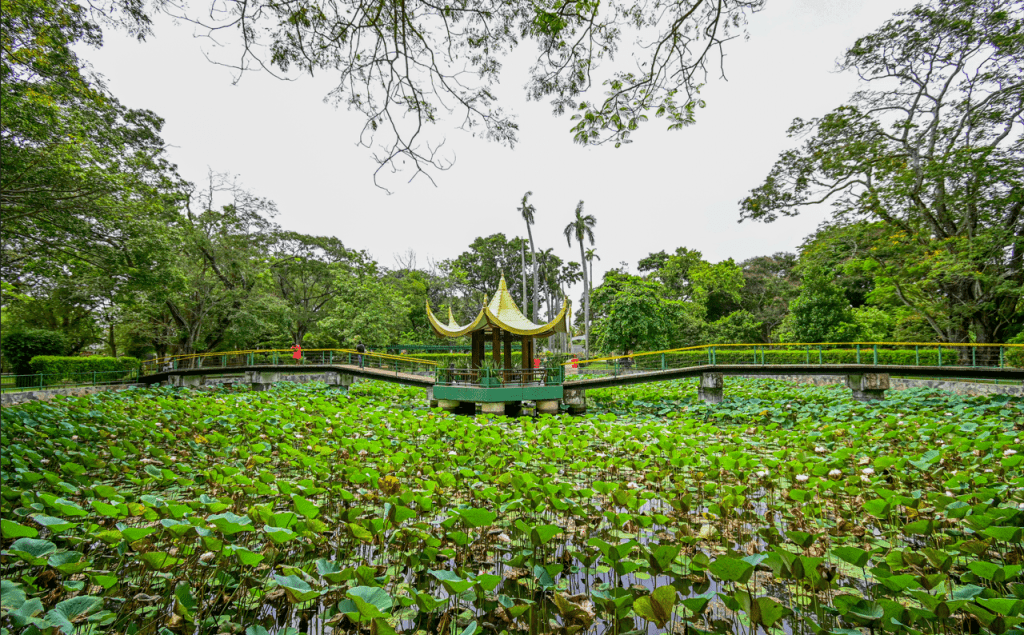
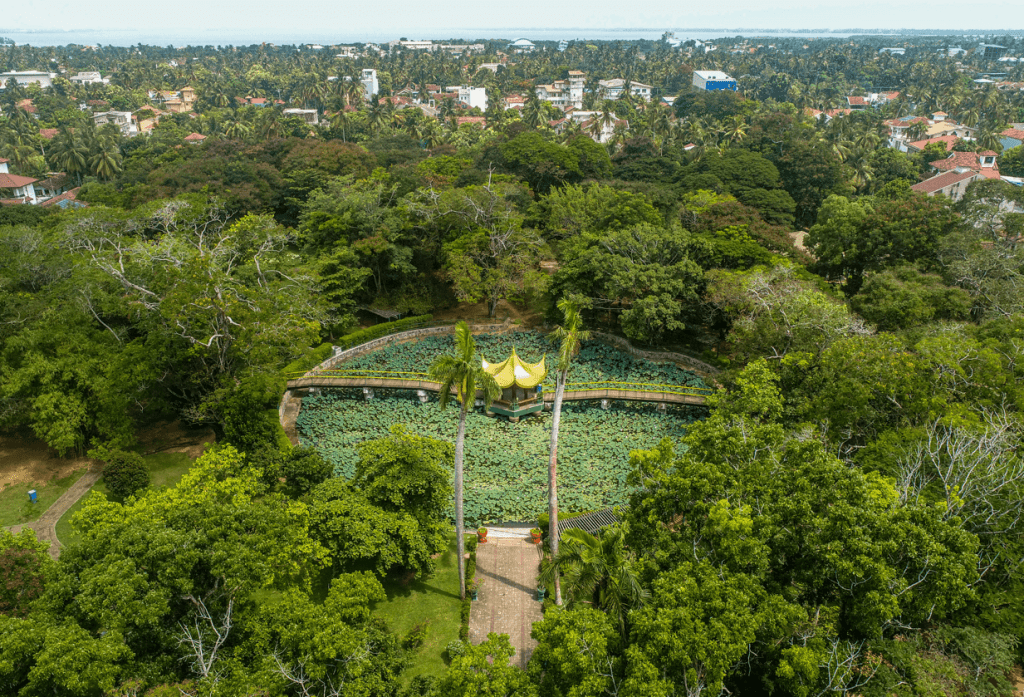
Rajapaksa Park Sri Lanka, Negombo, a vibrant coastal city in Sri Lanka, is famous for its stunning beaches, rich history, and lively markets. Amidst its bustling atmosphere, Rajapaksa Park Negombo offers a peaceful escape for visitors looking to unwind in nature. With its lush greenery, walking trails, and serene ambiance, this park is a must-visit destination for families, couples, and solo travelers alike. Whether you’re seeking a quiet place to relax, a scenic spot for photography, or a pleasant environment for a morning jog, Rajapaksa Park is the perfect place to visit.

After enjoying the tranquility of Rajapaksha Park, visitors can explore the nearby Negombo Beach, delve into history at the Dutch Fort, admire the murals at Angurukaramulla Temple, embark on a boat tour of Negombo Lagoon, or appreciate the architecture of St. Mary’s Church

Rajapaksa Park

A Glimpse into Rajapaksa Park, Negombo

History and Significance

Rajapaksa Park is named after a member of the Rajapaksa family, a well-known political dynasty in Sri Lanka. It was developed as part of an effort to create more green spaces in Negombo, enhancing the city’s appeal as a tourist and recreational destination. The park serves as a peaceful oasis where locals and visitors can connect with nature.

Location and Accessibility at Rajapaksa Park

Rajapaksa Park is conveniently located in the heart of Negombo, making it easily accessible from various parts of the city. It is situated near the Dutch Canal, offering a scenic setting that enhances its charm. The park is just a short drive from Negombo Beach, the Fish Market, and St. Mary’s Church, making it an ideal stop for tourists exploring the city.
Rajapaksa Park

How to Get Rajapaksa Park

  • By Car or Tuk-Tuk: If you’re traveling from Colombo, it takes about 40-50 minutes to reach Negombo via the Katunayake Expressway. From Negombo town, you can take a tuk-tuk or taxi to the park.
  • By Train: The Negombo Railway Station is approximately 10 minutes away from the park by tuk-tuk.
  • By Bus: Several public buses operate between Colombo and Negombo, making the park easily reachable for budget travelers.

Opening Hours and Entry Fees

  • Opening Hours: 6:00 AM – 9:00 PM (daily)
  • Entry Fee: Free (some events or special areas may require a small fee)

Things to Do at Rajapaksa Park

1. Enjoy a Peaceful Walk

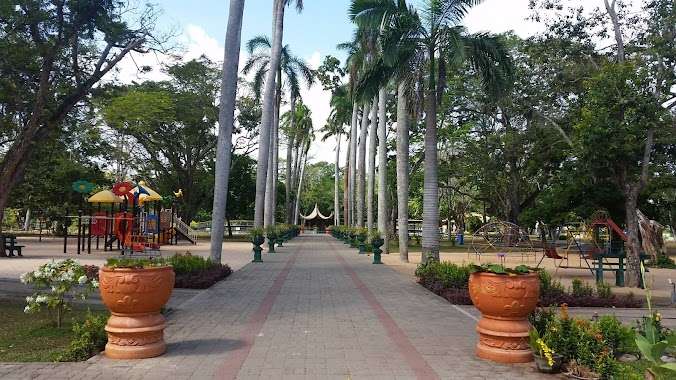
The park features well-maintained walking paths, making it an ideal place for a morning or evening stroll. The lush greenery and gentle breeze from the nearby Dutch Canal provide a relaxing atmosphere.

Rajapaksa Park

2. Photography and Sightseeing

Nature lovers and photographers will find plenty of picturesque spots within the park. From the beautifully landscaped gardens to the stunning sunsets by the canal, every corner of Rajapaksa Park is worth capturing.

Rajapaksa Park

3. Family Outings and Picnics

With ample seating areas and open spaces, Rajapaksa Park is perfect for family gatherings and picnics. Bring some snacks, relax under the shade of trees, and enjoy quality time with your loved ones.

4. Jogging and Exercise

Fitness enthusiasts can take advantage of the jogging trails within the park. The fresh air and peaceful surroundings create the perfect environment for a morning run or light exercise.

5. Bird Watching and Nature Exploration

Due to its proximity to the canal and its lush vegetation, Rajapaksa Park attracts various bird species, making it an excellent spot for bird watching. If you’re lucky, you might spot exotic birds during your visit.

Rajapaksa Park

6. Attend Local Events

The park often hosts cultural events, exhibitions, and community gatherings. Check the local event calendar to see if any special programs coincide with your visit.


Best Time to Visit Rajapaksa Park

The park is open year-round, but the best time to visit is during the early morning or late afternoon when the weather is cooler. December to April is the ideal season, as Sri Lanka experiences less rainfall during this period.


Nearby Attractions

If you’re visiting Rajapaksa Park, consider exploring these nearby attractions:

  • Negombo Beach (2 km): A popular spot for sunbathing, water sports, and seafood restaurants.
  • Dutch Canal (Adjacent to the Park): Enjoy a boat ride or explore the historical significance of this canal built by the Dutch.
  • St. Mary’s Church (3 km): One of the largest and most beautiful churches in Sri Lanka.
  • Negombo Fish Market (3.5 km): Experience the lively atmosphere of one of the country’s biggest fish markets.

Tips for Visiting Rajapaksa Park

Wear Comfortable Shoes: The park has long walking trails, so comfortable footwear is recommended.
Bring Water and Snacks: While there are a few vendors around, it’s always good to carry your own refreshments.
Protect Yourself from the Sun: If visiting during the daytime, wear a hat and use sunscreen.
Respect Nature: Avoid littering and help keep the park clean for others to enjoy.
Stay Safe: If visiting in the evening, stick to well-lit areas and be mindful of your belongings.

Rajapaksa Park

FAQs about Rajapaksa Park, Negombo

Is Rajapaksa Park suitable for children?
Yes, the park is family-friendly, with open spaces where children can play safely.

Are pets allowed in Rajapaksa Park?
Pets are generally not allowed inside the park to maintain cleanliness and safety for all visitors.

Is there parking available near Rajapaksa Park?
Yes, there is ample parking space near the entrance of the park.

Can I bring food and drinks to the park?
Yes, you can bring your own food for a picnic, but be sure to clean up after yourself.

Are there public restrooms in the park?
Yes, public restrooms are available, but it’s advisable to carry your own tissues or sanitizer.

Is Rajapaksa Park wheelchair accessible?
Yes, the park has paved pathways suitable for wheelchairs and strollers.


Conclusion

Rajapaksa Park in Negombo is a hidden gem offering a tranquil escape from the city’s hustle and bustle. Whether you’re a nature lover, a fitness enthusiast, or someone looking for a peaceful spot to relax, this park has something for everyone. With free entry, stunning landscapes, and proximity to major attractions, it’s a must-visit location in Negombo. So, the next time you’re in Sri Lanka, don’t miss the chance to explore this beautiful green oasis!

Must-visit attractions in Sri LankaSri Lanka Travel Guide
Family-friendly parks in Sri LankaParks Guide / Victoria Park page
Nearby hotels in NegamboAccommodation page for the city
Adventure activities in Sri LankaAdventure Activities page

Nuwara Eliya Travel Guide

Accommodation in Nuwara Eliya

Things to do in NegomboActivities in Negombo
Explore other parks in NegomboOther Parks in Negombo

Adventure Activities in Nuwara Eliya

Top Attractions in Nuwara Eliya

Must-visit attractions in NegomboNegombo Travel Guide
Best hotels in NegomboAccommodation in Negombo

SHARE
Verified by MonsterInsights