Dehiwala Zoo | A Fascinating Journey into Wildlife

SHARE

Introduction

Welcome to the captivating world of Dehiwala Zoo, a renowned zoological garden located in Dehiwala-Mount Lavinia, Sri Lanka. This article will take you on an exhilarating journey through the diverse range of animal species, educational exhibits, and conservation efforts that make Dehiwala Zoo a must-visit destination for nature enthusiasts, families, and wildlife lovers alike.
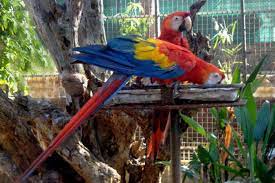
Table of Contents

  1. History and Location
  2. Layout and Attractions
  3. Exotic Wildlife
  4. Educational Initiatives
  5. Conservation Efforts
  6. Interactions and Experiences
  7. Events and Entertainment
  8. Dining and Refreshments
  9. Visitor Facilities
  10. Sustainability and Environmental Responsibility
  11. Zoo’s Contribution to Research
  12. Local and International Collaborations
  13. Future Developments
  14. Visiting Information
  15. Conclusion

1. History and Location

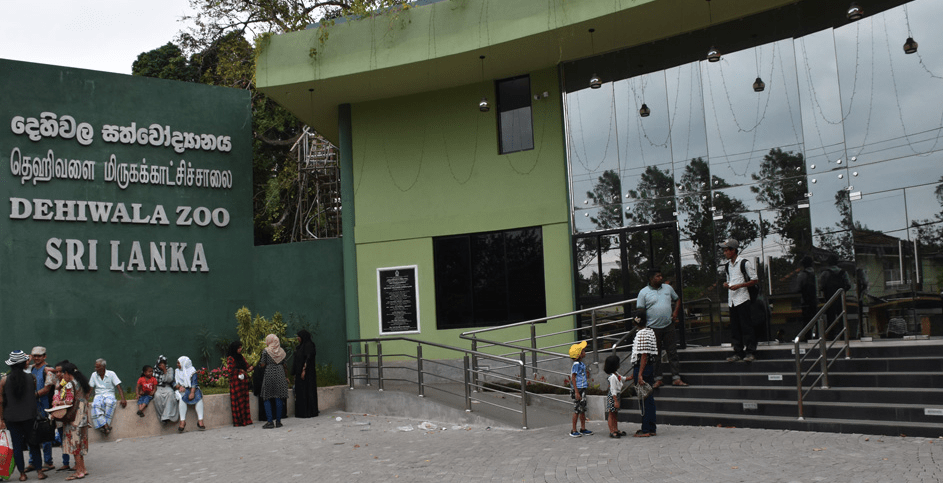
Dehiwala Zoo, officially known as the National Zoological Gardens of Sri Lanka, was established in 1936 and is one of the oldest zoos in Asia. It is situated approximately 10 kilometers south of Colombo, the capital city of Sri Lanka. The zoo spans over 30 acres of lush greenery and provides a safe haven for various species of animals.
2. Layout and Attractions

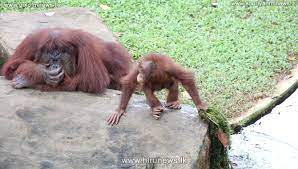
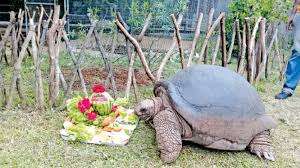
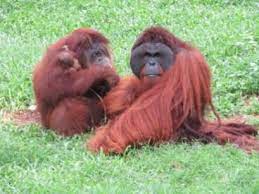
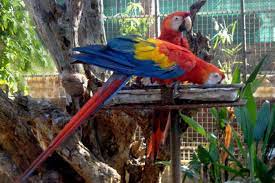
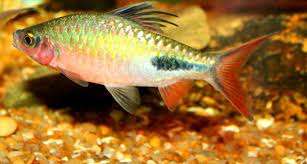
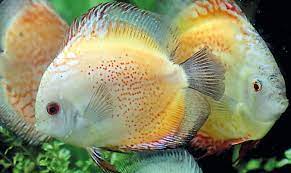
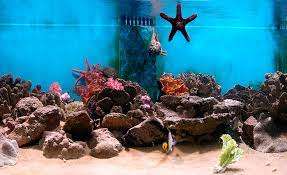
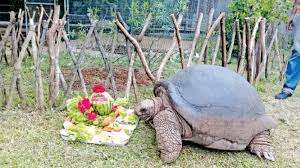
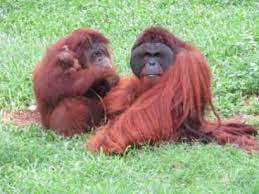
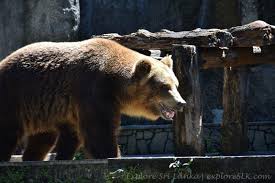
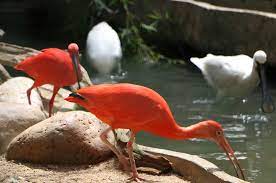
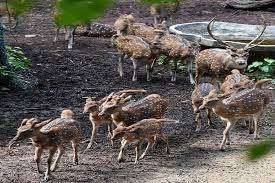
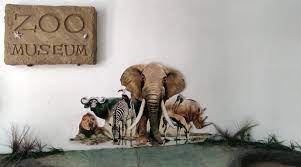
The zoo is thoughtfully designed with spacious enclosures that closely resemble the natural habitats of the animals. Visitors can explore different sections, each dedicated to specific types of animals such as mammals, birds, reptiles, and fish. There are also separate areas for nocturnal animals, primates, and a butterfly garden. The zoo boasts an impressive collection of over 300 species, including both native and exotic animals.
3. Exotic Wildlife

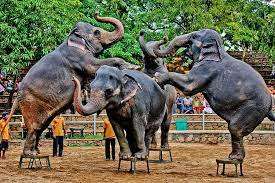
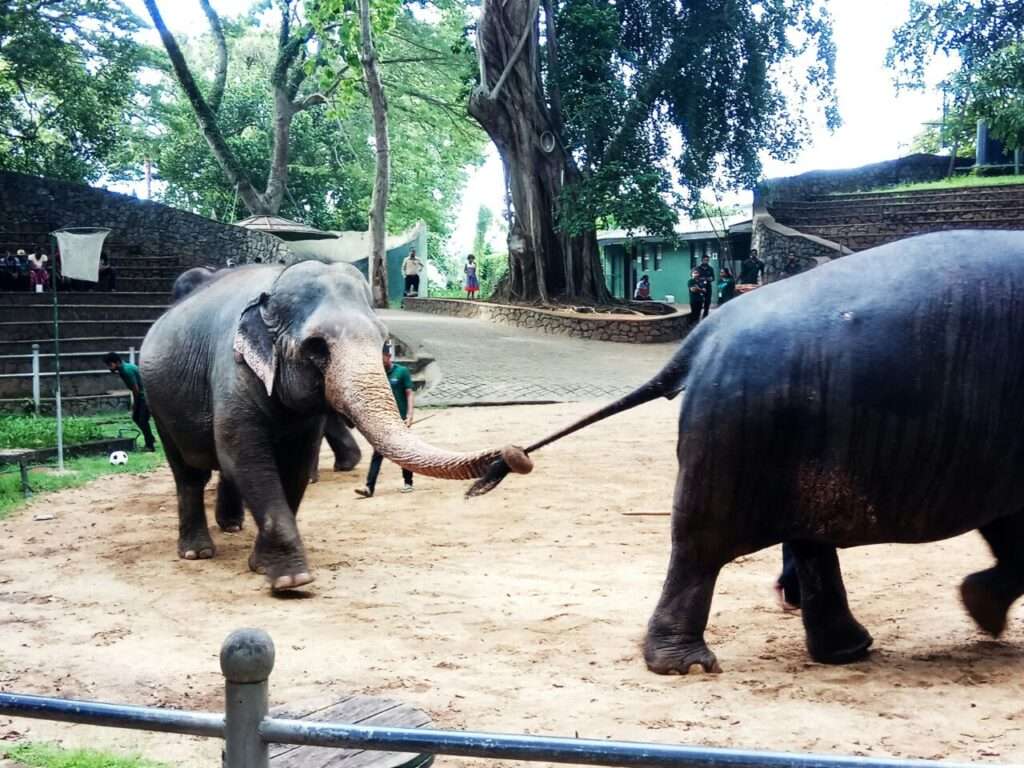
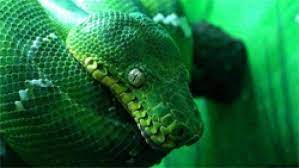
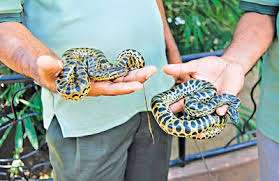
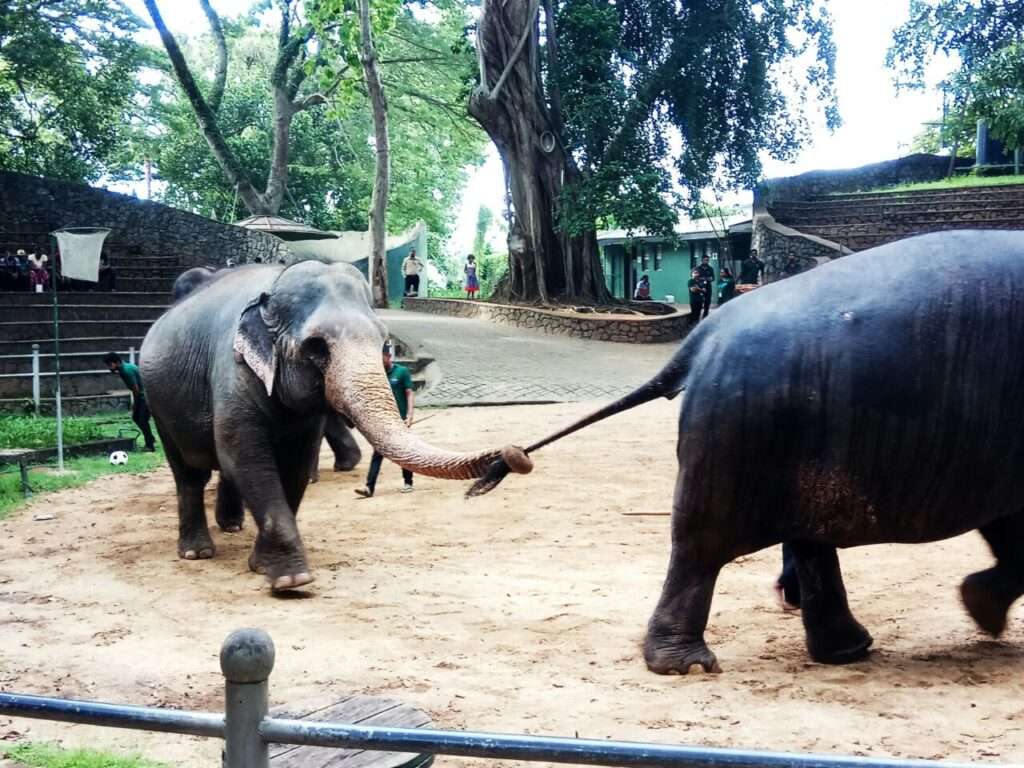
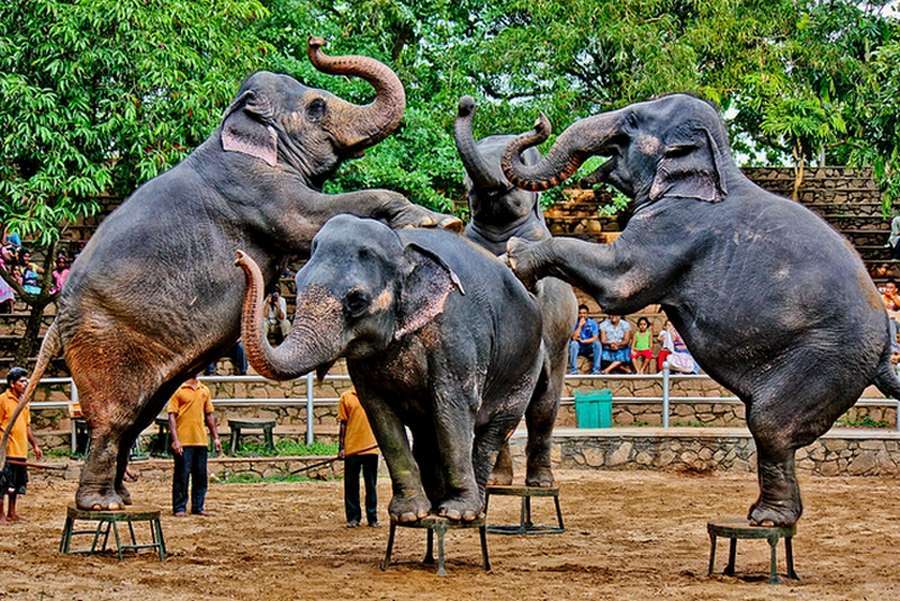
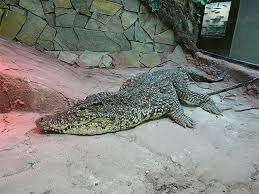
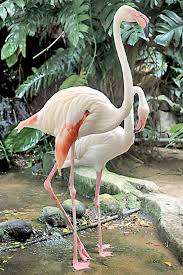
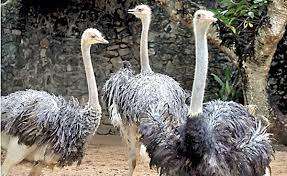
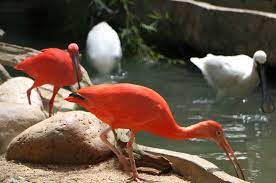
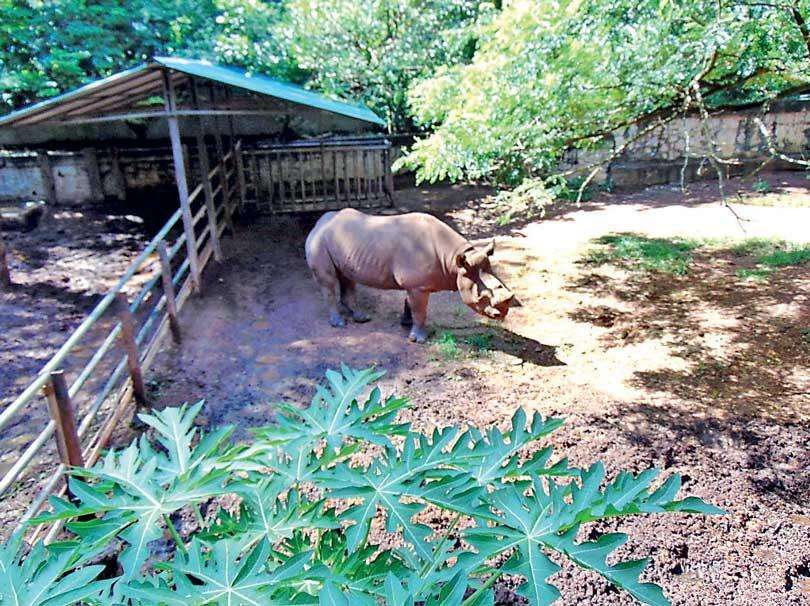
At Dehiwala Zoo, visitors have the opportunity to witness an extraordinary variety of wildlife from all corners of the globe. From majestic lions and graceful elephants to colorful birds and slithering reptiles, the zoo is home to an array of captivating creatures. Visitors can observe rare species like the white tiger, jaguar, giraffe, zebra, and many more up close and personal.

4. Educational Initiatives

Dehiwala Zoo plays a vital role in promoting wildlife education and awareness. It offers informative and interactive exhibits that teach visitors about the importance of biodiversity, conservation, and animal welfare. The zoo organizes educational programs, guided tours, and workshops to enlighten visitors, especially children, about the wonders of the natural world and the need for its preservation.


5. Conservation Efforts

As an advocate for wildlife conservation, Dehiwala Zoo actively participates in breeding programs and conservation initiatives. The zoo collaborates with local and international organizations to protect endangered species, rehabilitate injured animals, and contribute to global conservation efforts. By raising awareness and implementing sustainable practices, the zoo strives to create a better future for the world’s wildlife.

6. Interactions and Experiences

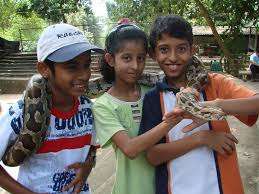
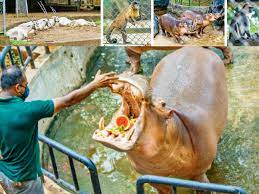
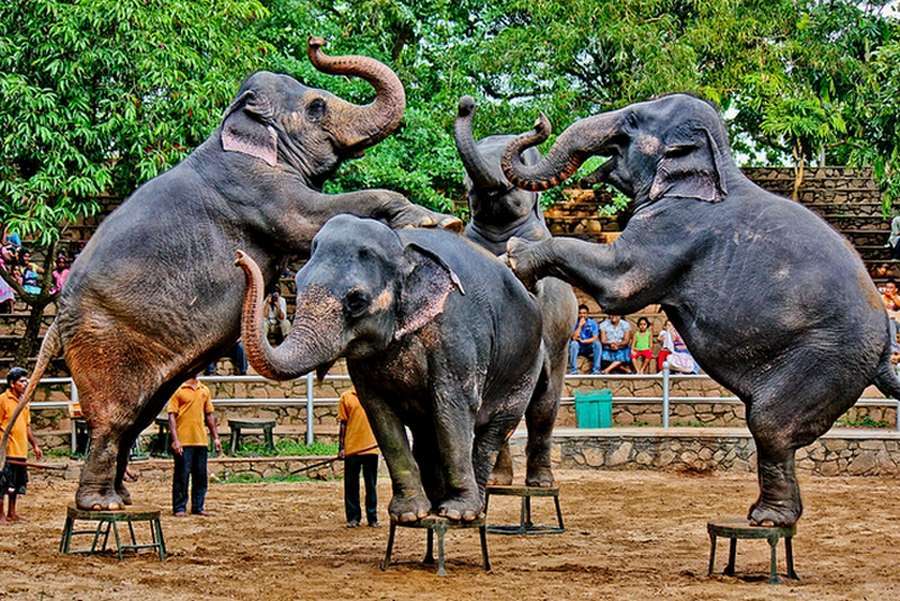
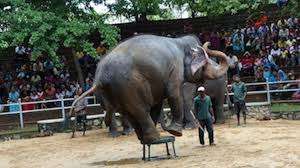
Visitors to Dehiwala Zoo can engage in various exciting experiences to make their visit even more memorable. They can take part in feeding sessions, where they can hand-feed elephants, giraffes, and other friendly animals. Additionally, visitors can enjoy elephant rides, watch captivating animal shows, and have the opportunity to hold and take pictures with certain reptiles under expert supervision.

7. Events and Entertainment

Dehiwala Zoo hosts a range of exciting events throughout the year, catering to visitors of all ages. These events include wildlife exhibitions, cultural performances, nature-themed festivals, and special shows featuring talented animals. The zoo’s calendar is filled with delightful activities, ensuring there is always something new and captivating to experience during every visit.


8. Dining and Refreshments

To enhance visitors’ experiences, Dehiwala Zoo offers a selection of dining options and refreshment stalls within its premises. Whether you crave a quick snack or a full meal, you can find a variety of local and international cuisine to satisfy your taste buds. The zoo provides ample seating areas where visitors can relax, enjoy their meals, and recharge before continuing their exploration.

9. Visitor Facilities

Dehiwala Zoo prioritizes visitor comfort and convenience by providing essential facilities. These include restrooms, baby care rooms, first aid stations, wheelchair accessibility, and ample parking spaces. Friendly staff members are available throughout the zoo to assist visitors with any queries or concerns, ensuring a pleasant and hassle-free experience for everyone.
10. Sustainability and Environmental Responsibility

The zoo is committed to practicing sustainable operations and promoting environmental responsibility. It actively implements waste management systems, promotes recycling, and encourages the use of renewable energy sources. By setting an example and raising awareness among visitors, Dehiwala Zoo aims to inspire environmentally conscious behaviors that contribute to a greener future.

11. Zoo’s Contribution to Research

Dehiwala Zoo actively engages in scientific research projects and collaborates with universities and conservation organizations. The zoo’s dedicated research team conducts studies on animal behavior, reproduction, and conservation techniques. Through these efforts, valuable knowledge is gained, which can be applied to enhance the welfare and conservation of various animal species.

12. Local and International Collaborations

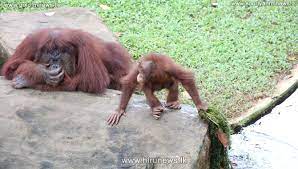
Dehiwala Zoo actively collaborates with local and international partners to foster wildlife conservation and exchange knowledge. Through partnerships with reputable organizations, the zoo contributes to global conservation strategies, shares best practices, and participates in the exchange of endangered species for breeding purposes. These collaborations play a crucial role in the long-term preservation of biodiversity.

13. Future Developments

The management of Dehiwala Zoo continually strives to enhance visitor experiences and the welfare of its animal residents. With ongoing improvements and expansion plans, the zoo aims to introduce new exhibits, increase the diversity of species, and implement advanced conservation technologies. These future developments will ensure that Dehiwala Zoo remains at the forefront of wildlife conservation and education.

14. Visiting Information

  • Opening Hours: Dehiwala Zoo is open from 8:30 am to 6:00 pm every day, including public holidays.
  • Entrance Fees: The entrance fees vary for locals and foreign visitors. Children and senior citizen discounts are available.
  • Getting There: The zoo is easily accessible by public transportation, taxi, or private vehicle. Parking facilities are available.
  • Safety Guidelines: Visitors are advised to follow safety guidelines, respect the animals, and refrain from any actions that may harm or disturb them.
Conclusion

Dehiwala Zoo offers an unforgettable experience, immersing visitors in the wonders of the animal kingdom and promoting wildlife conservation. From its rich history and diverse wildlife collection to its educational initiatives and sustainability efforts, the zoo is a testament to the beauty and importance of our natural world. So, plan your visit to Dehiwala Zoo and embark on a remarkable journey filled with discovery, adventure, and a deeper appreciation for the incredible creatures that share our planet.

Frequently Asked Questions

1. Can I bring outside food and drinks to Dehiwala Zoo?

Yes, visitors are allowed to bring outside food and non-aloholic beverages to Dehiwala Zoo. However, there are also dining options and refreshment stalls available within the zoo premises.

2. Are there any age restrictions for interacting with the animals?

Certain animal interactions may have age restrictions or specific guidelines for safety purposes. It is recommended to check with the zoo staff or refer to the guidelines provided at the respective animal exhibits.

3. Does Dehiwala Zoo offer guided tours?

Yes, Dehiwala Zoo offers guided tours conducted by knowledgeable staff members. These tours provide insightful information about the different animal species, their habitats, and conservation efforts.

4. Are there any special discounts or offers for group visits?

Dehiwala Zoo may offer special discounts or offers for group visits, such as school trips or large tour groups. It is advisable to contact the zoo administration in advance to inquire about any available discounts and make necessary arrangements.

5. How can I contribute to the conservation efforts of Dehiwala Zoo?

You can contribute to the conservation efforts of Dehiwala Zoo by supporting their initiatives, spreading awareness about wildlife conservation, and participating in their fundraising programs. Additionally, you can follow sustainable practices in your own life to help protect the environment and preserve biodiversity.

Get ready to embark on a thrilling adventure at Dehiwala Zoo, where you’ll encounter fascinating wildlife, gain knowledge about conservation, and create lasting memories. Plan your visit today and embrace the magic of this remarkable zoological garden.

SHARE

The Natural Marvel of Madulsima Mini World’s End

SHARE

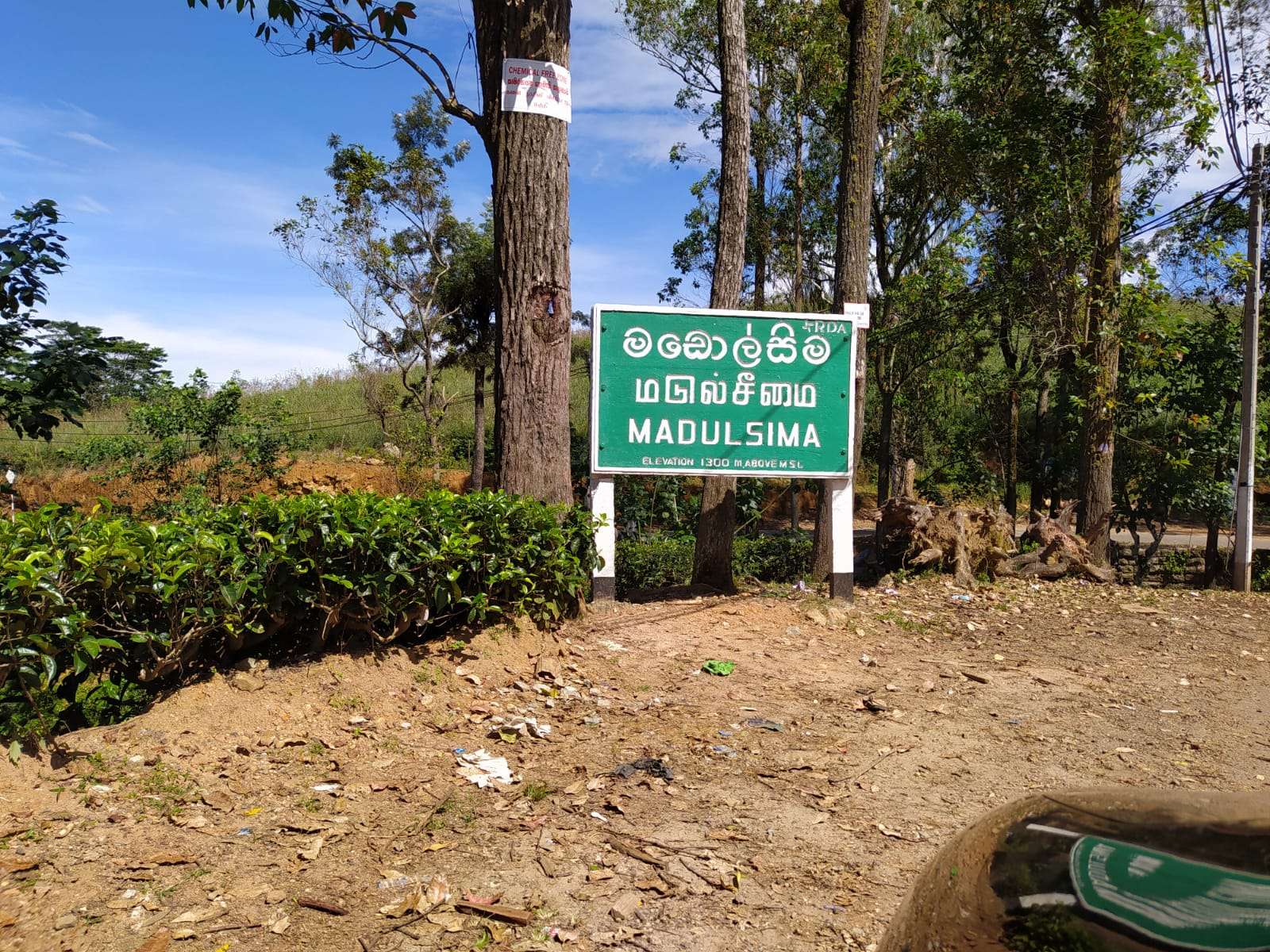
Are you a nature enthusiast seeking a unique and awe-inspiring destination? Look no further than Madulsima Mini World’s End in Sri Lanka. Nestled amidst the lush greenery of the country’s central highlands, this picturesque location offers a captivating experience that will leave you in awe. Also, Madulsima offers a perfect setting for camping enthusiasts to immerse themselves in nature’s embrace. In this article, we will take you on a virtual journey to Madulsima Mini World’s End, exploring its stunning landscapes, rich biodiversity, and the adventures that await.

Table of Contents

  1. Introduction: Unveiling the Wonder
  2. The Natural Marvel of Madulsima Mini World’s End
    • 2.1 The Majestic Cliffs, Panoramic Views and Camping
    • 2.2 The Enchanting Waterfalls
    • 2.3 The Flourishing Flora and Fauna
  3. Exploring the Treasures of Madulsima Mini World’s End
    • 3.1 Hiking Trails and Nature Walks
    • 3.2 Birdwatching and Wildlife Spotting
    • 3.3 Photography Opportunities
  4. How to Reach Madulsima Mini World’s End
    • 4.1 From Colombo
    • 4.2 From Kandy
    • 4.3 From Nuwara Eliya
  5. Best Time to Visit Madulsima Mini World’s End
  6. Essential Tips for a Memorable Trip
    • 6.1 Dress Appropriately and Carry Essentials
    • 6.2 Hire a Local Guide
    • 6.3 Respect Nature and Wildlife
  7. Conclusion

1. Introduction: Unveiling the Wonder

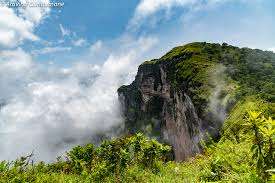
Madulsima Mini World’s End is a hidden gem located in the Badulla District of Sri Lanka. This natural wonder is renowned for its breathtaking cliffs, lush greenery, and stunning vistas that resemble the famous World’s End in Horton Plains National Park. However, what sets Madulsima Mini World’s End apart is its serene and less crowded ambiance, allowing visitors to immerse themselves in the tranquility of nature.

2. The Natural of Madulsima Mini World’s End

2.1 The Majestic Cliffs, Panoramic Views and Camping

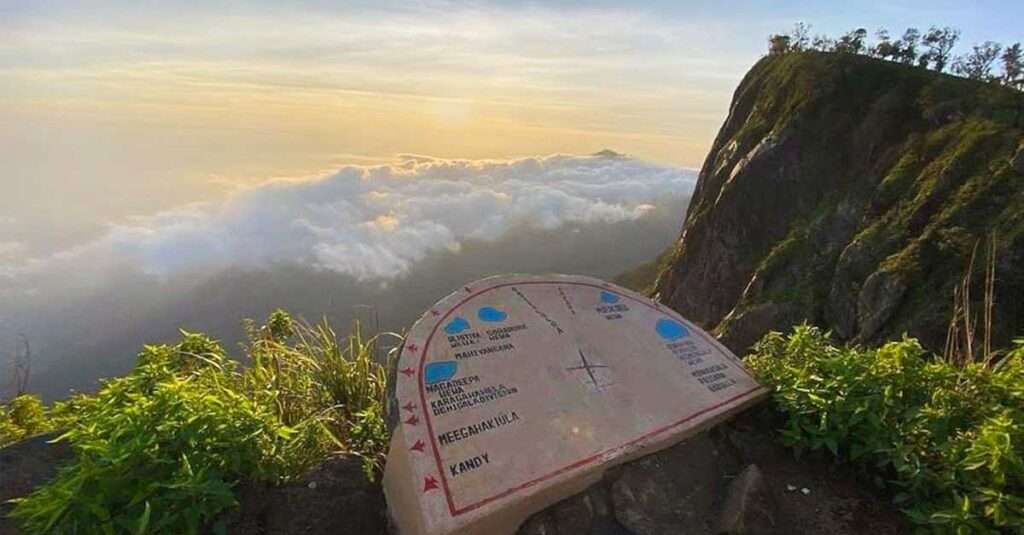
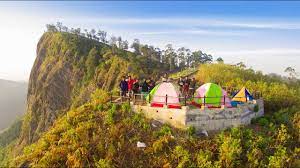
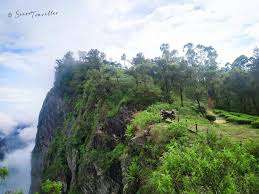
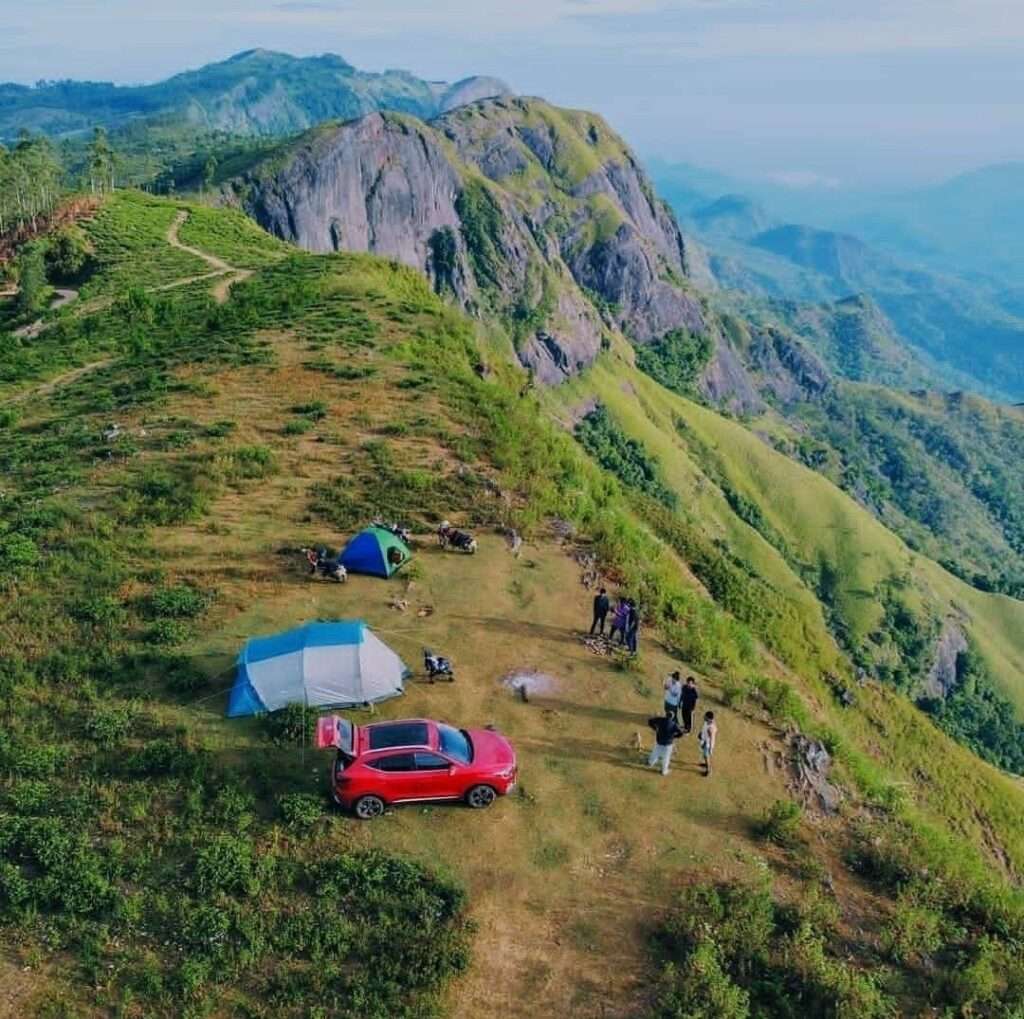
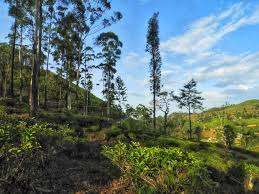
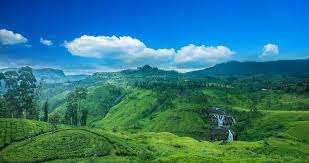
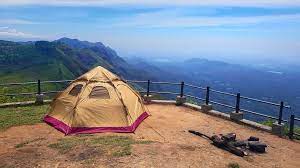
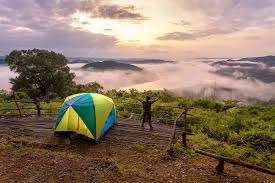
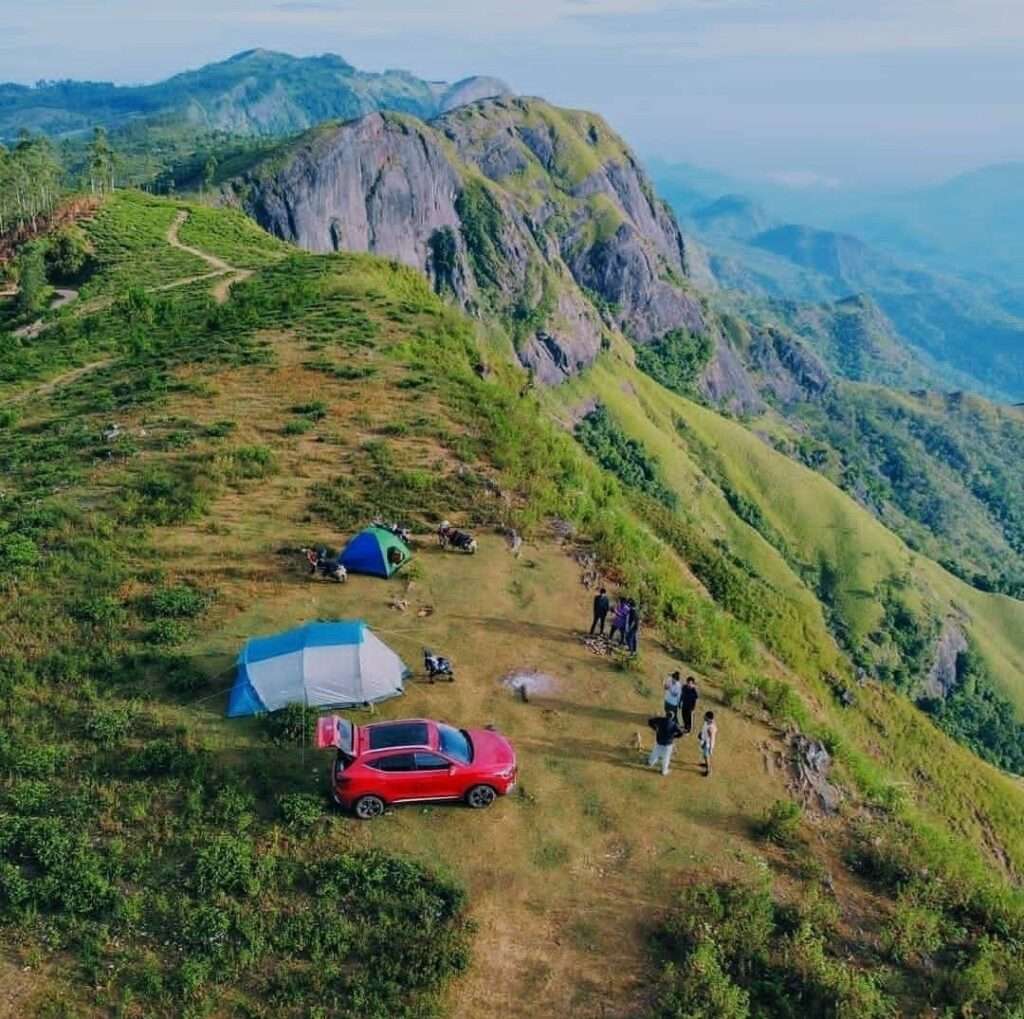
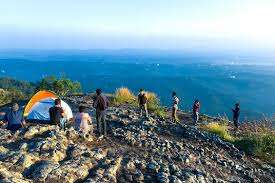
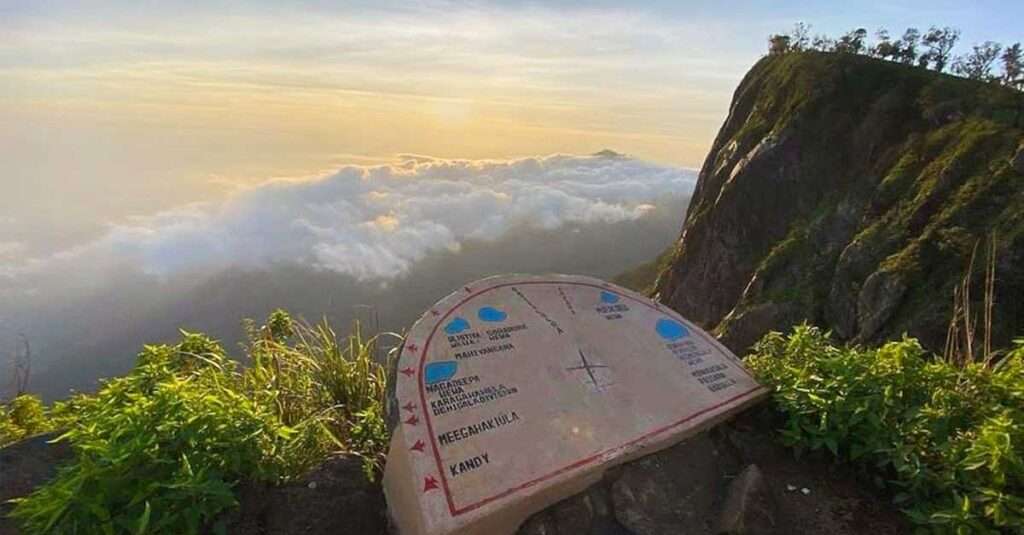
At Madulsima Mini World’s End, you’ll be greeted by dramatic cliffs that offer panoramic views of the surrounding landscapes. As you stand on the edge, you’ll feel like you’re on top of the world, with vast valleys and mist-covered mountains stretching as far as the eye can see. The sight of clouds rolling in and the gentle breeze brushing against your face will create a sense of serenity and wonder. Madulsima offers a perfect setting for camping enthusiasts to immerse themselves in nature’s embrace.

2.2 The Enchanting Waterfalls

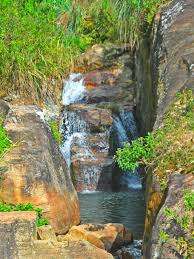
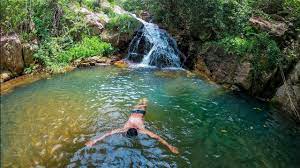
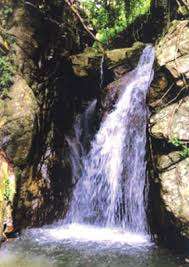
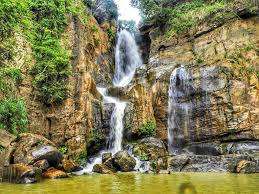
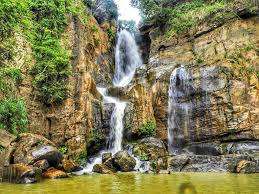
One of the highlights of Madulsima Mini World’s End is the presence of enchanting waterfalls. The cascading waters create a soothing ambiance while adding to the visual splendor of the location. The most famous waterfall in the area is the Diyaluma Falls, which plunges from a staggering height and forms a natural pool at its base. Taking a dip in the crystal-clear waters surrounded by lush greenery is an experience you won’t want to miss.

2.3 The Flourishing Flora and Fauna

Madulsima Mini World’s End is a haven for biodiversity enthusiasts. The region is teeming with a diverse range of plant species, including endemic orchids, ferns, and mosses. As you explore the area, you’ll encounter numerous birds, butterflies, and small mammals, adding a touch of magic to your journey. Keep your camera ready to capture the vibrant colors and unique wildlife that call this place home.

3. Exploring the Treasures of Madulsima Mini World’s End

3.1 Hiking Trails and Nature Walks

For adventure seekers and nature lovers, Madulsima Mini World’s End offers a network of hiking trails and nature walks. These paths wind through the captivating landscapes, allowing you to immerse yourself in the sights, sounds, and scents of the wilderness. Whether you’re an experienced hiker or a novice explorer, there are trails suitable for all levels of fitness.

3.2 Birdwatching and Wildlife Spotting

Birdwatching enthusiasts will be delighted by the avian diversity in Madulsima Mini World’s End. From colorful endemic species to migratory birds, the area provides ample opportunities for birdwatching. In addition, keep an eye out for monkeys, deer, and other wildlife that roam freely in their natural habitat. Observing these creatures in their element will create lasting memories.

3.3 Photography Opportunities

With its stunning landscapes and abundant flora and fauna, Madulsima Mini World’s End offers endless possibilities for photography enthusiasts. Capture the vibrant colors of flowers, the elegance of butterflies, and the awe-inspiring views from the cliffs. Don’t forget to immortalize the magical moments spent amidst nature’s masterpiece.

4. How to Reach Madulsima Mini World’s End

4.1 From Colombo

If you’re traveling from Colombo, the capital city of Sri Lanka, you can reach Madulsima Mini World’s End by taking a scenic train ride to Badulla. From Badulla, hire a local taxi or tuk-tuk to reach the location.

4.2 From Kandy

Travelers coming from Kandy can take a train or bus to Badulla and then proceed to Madulsima Mini World’s End by road.

4.3 From Nuwara Eliya

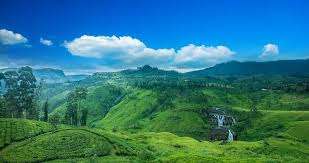
From the picturesque town of Nuwara Eliya, you can hire a taxi or tuk-tuk to reach Madulsima Mini World’s End. The journey will treat you to breathtaking views of tea plantations and mist-covered mountains.

5. Best Time to Visit Madulsima Mini World’s End

The best time to visit Madulsima Mini World’s End is during the dry season, which spans from January to March and July to September. During these months, the weather is pleasant, and you’ll have a higher chance of clear skies, offering uninterrupted views of the landscapes. However, keep in mind that the region experiences occasional showers, so it’s advisable to carry appropriate rain gear.

6. Essential Tips for a Memorable Trip

6.1 Dress Appropriately and Carry Essentials

When visiting Madulsima Mini World’s End, it’s essential to wear comfortable clothing and sturdy footwear suitable for outdoor activities. Additionally, carry sunblock, insect repellent, drinking water, and a camera to capture the memories.

6.2 Hire a Local Guide

To make the most of your trip and learn about the flora, fauna, and local culture, consider hiring a local guide. They can provide valuable insights, ensure your safety, and take you to hidden gems off the beaten path.

6.3 Respect Nature and Wildlife

While exploring Madulsima Mini World’s End, it’s crucial to respect the environment and wildlife. Refrain from littering, plucking flowers, or disturbing animals. By preserving the natural beauty, we can ensure future generations can enjoy this mesmerizing destination.

7. Conclusion

Madulsima Mini World’s End is a true wonder that showcases the beauty of Sri Lanka’s natural landscapes. From the majestic cliffs and panoramic views to the enchanting waterfalls and flourishing flora and fauna, every moment spent in this serene location is filled with awe and tranquility. Whether you embark on hiking trails, indulge in birdwatching, or capture breathtaking photographs, Madulsima Mini World’s End offers an unforgettable experience for nature enthusiasts and adventure seekers alike.

Plan your visit during the dry season, dress appropriately, and hire a local guide to maximize your trip’s potential. Remember to respect the environment and wildlife, leaving behind only footprints and taking away cherished memories. As you witness the magic of Madulsima Mini World’s End, you’ll realize why it’s a destination worth exploring and cherishing.


FAQs (Frequently Asked Questions)

1. Is Madulsima Mini World’s End suitable for beginners in hiking?

Yes, Madulsima Mini World’s End offers hiking trails suitable for hikers of all levels, including beginners. Just make sure to choose a trail that matches your fitness level and always prioritize safety.

2. Can I swim in the natural pool at Diyaluma Falls?

Yes, you can take a refreshing swim in the natural pool at the base of Diyaluma Falls. It’s a delightful experience, but remember to exercise caution and respect any safety guidelines in place.

3. Are there accommodation options near Madulsima Mini World’s End?

While Madulsima Mini World’s End itself does not offer accommodation, you can find various hotels, guesthouses, and resorts in nearby towns like Badulla and Nuwara Eliya.

4. Can I visit Madulsima Mini World’s End during the rainy season?

While it’s advisable to visit during the dry season for better weather conditions, you can still visit Madulsima Mini World’s End during the rainy season. Just be prepared for occasional showers and make sure to carry appropriate rain gear.

5. Are there any restrictions on photography in Madulsima Mini World’s End?

Photography is permitted and encouraged in Madulsima Mini World’s End. Capture the stunning landscapes, vibrant flora, and diverse wildlife. However, always be mindful of your surroundings and respect any guidelines or restrictions related to protected areas or wildlife conservation.


SHARE

Botanical Garden – Peradeniya | Explore its Diverse Flora

SHARE

Discover the enchanting beauty of Peradeniya Botanical Garden, a renowned research and conservation center. Explore its diverse flora, educational programs, and sustainable practices. Plan your visit now!

Peradeniya Botanical Garden is a mesmerizing oasis of botanical wonders. From its rich history and layout to its educational programs and conservation efforts, this article provides a comprehensive guide to one of nature’s masterpieces.

Introduction

Peradeniya Botanical Garden is a paradise for nature enthusiasts, nestled in the heart of Sri Lanka. If you’re looking for a breathtaking experience, this garden offers a unique blend of beauty, educational opportunities, and conservation efforts. Let’s embark on a journey to discover the wonders of Peradeniya Botanical Garden together.

Did you know that Peradeniya Botanical Garden is home to over 4,000 species of plants?

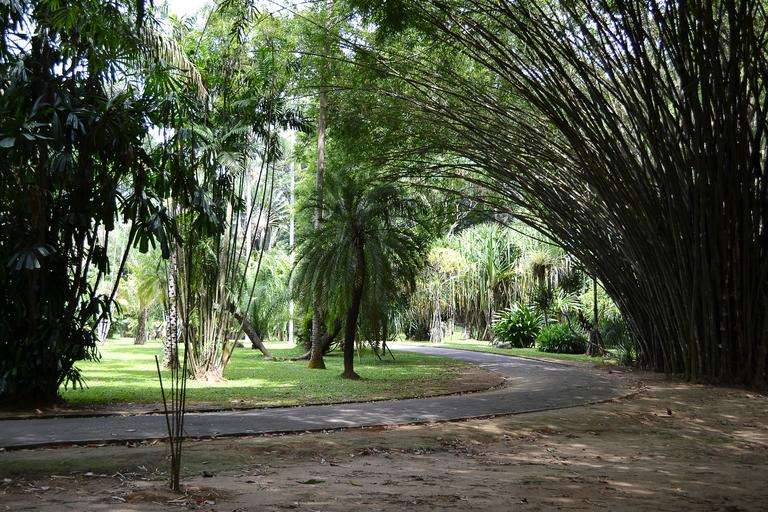
As I strolled through the lush green pathways of Peradeniya Botanical Garden, I was captivated by the symphony of colors and scents that surrounded me. It was a truly enchanting experience that left an indelible mark on my heart.

Peradeniya Botanical Garden offers a myriad of benefits to its visitors. Its serene atmosphere provides an escape from the bustling city life, allowing you to reconnect with nature. The garden’s carefully curated collection of plants showcases the beauty and diversity of Sri Lanka’s flora. Whether you’re a botany enthusiast or simply seeking a peaceful retreat, Peradeniya Botanical Garden has something to offer everyone.

This article aims to serve as a comprehensive guide to Peradeniya Botanical Garden, providing valuable information about its history, layout, flora and fauna, educational programs, events, visitor tips, and sustainability efforts. Whether you’re planning a visit or seeking knowledge about this botanical wonder, this guide has got you covered.

History of Peradeniya Botanical Garden

Established in 1821, Peradeniya Botanical Garden holds a rich historical significance. Initially conceived as a pleasure garden for Kandyan royalty, it has evolved into a prominent research and conservation center over the years. The garden’s establishment was spearheaded by the British colonial administration, who recognized its potential as a hub for botanical studies.

Layout and Features of the Garden

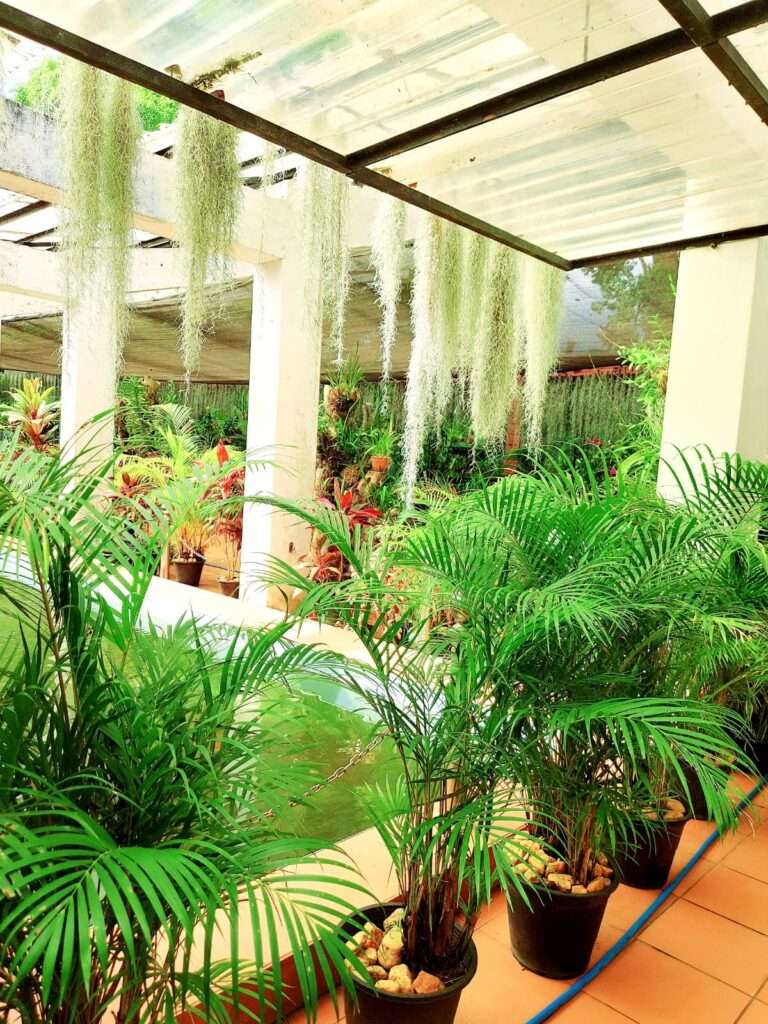
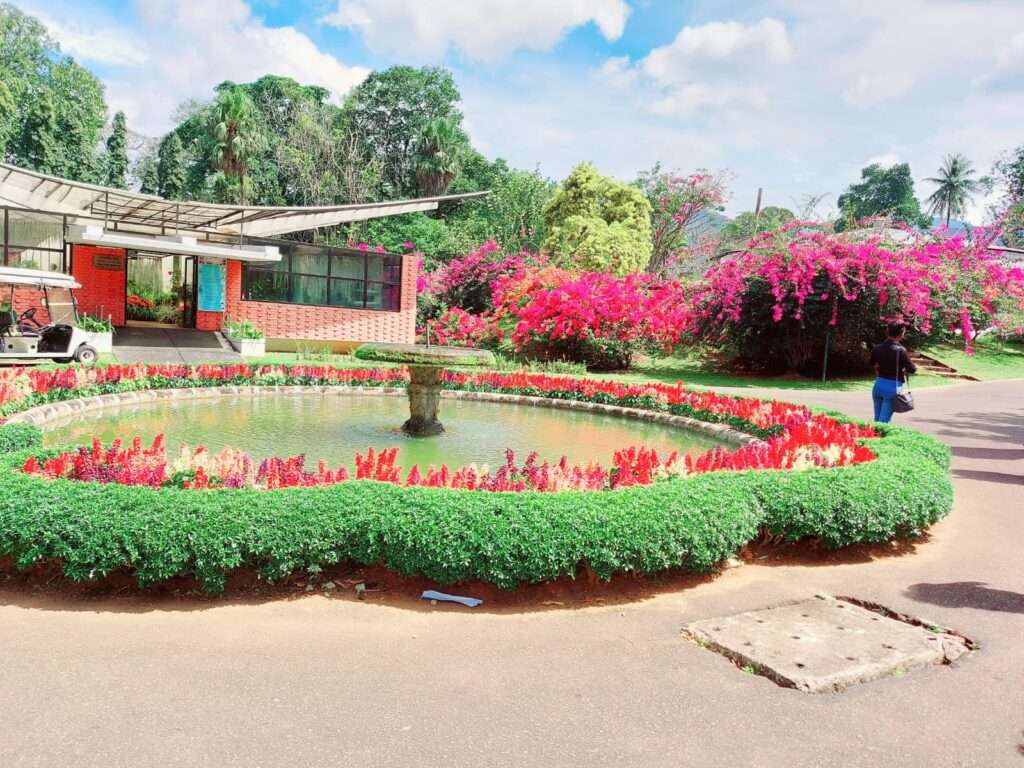
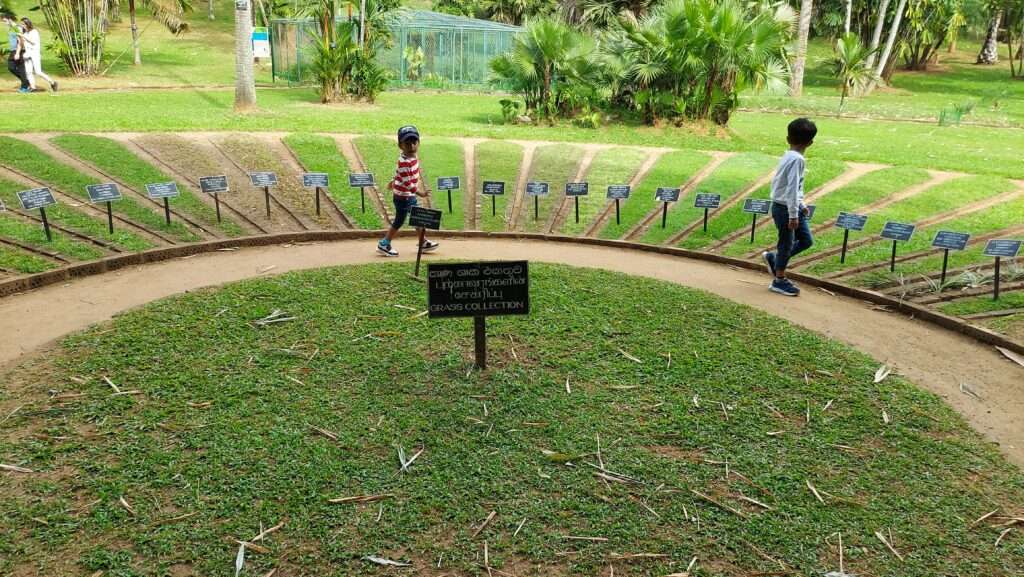
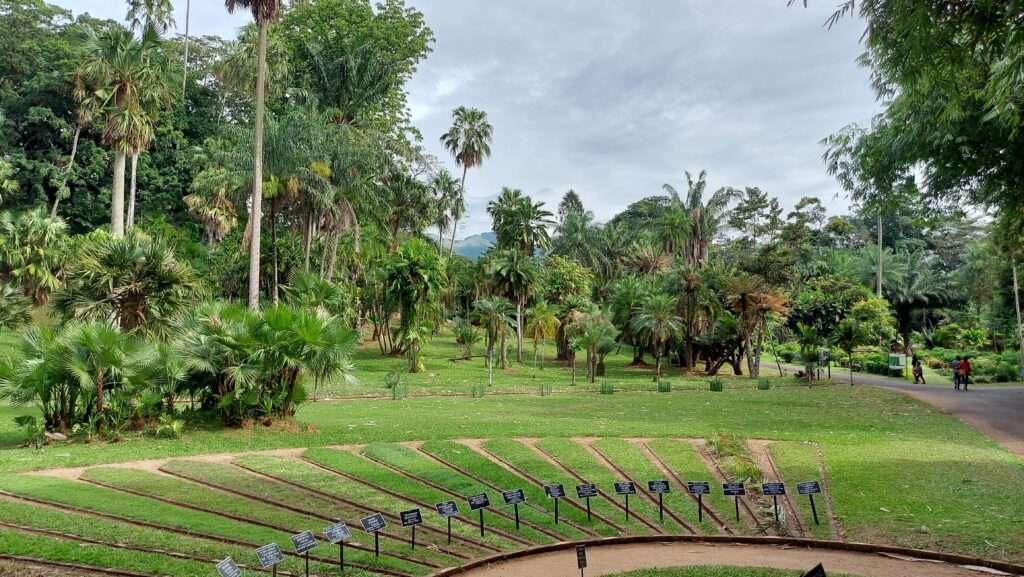
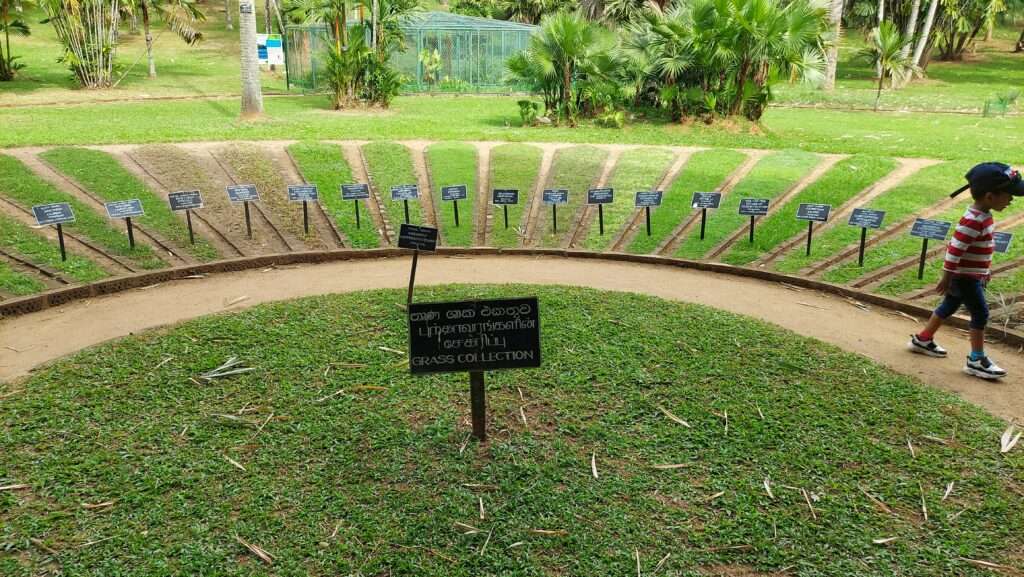
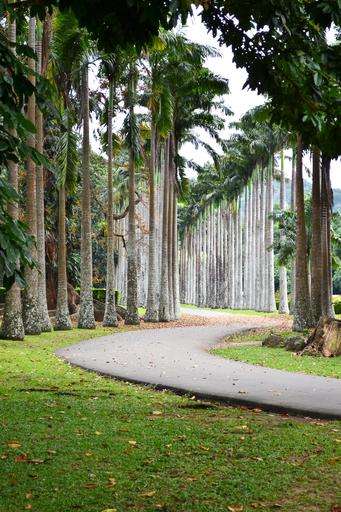
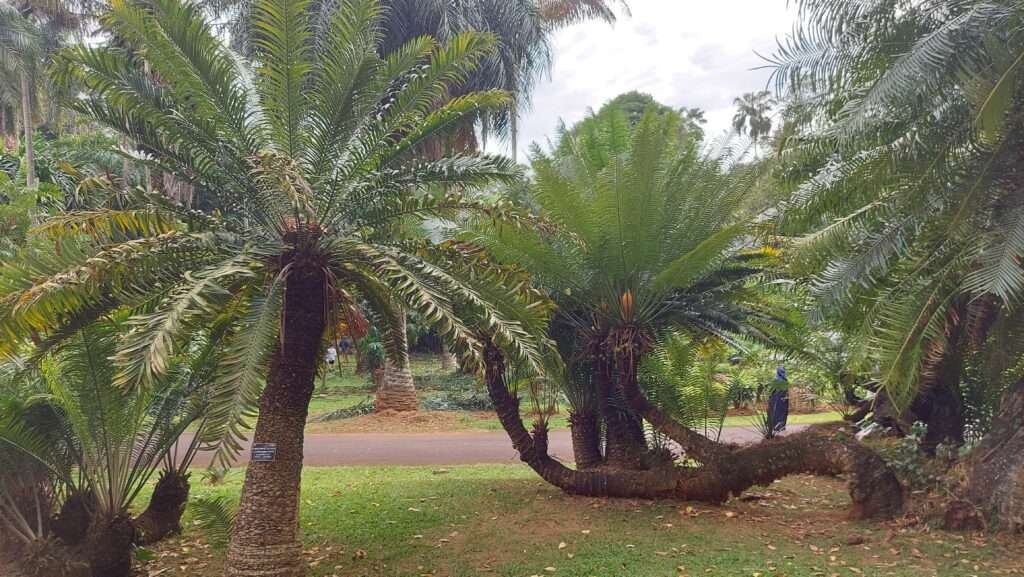
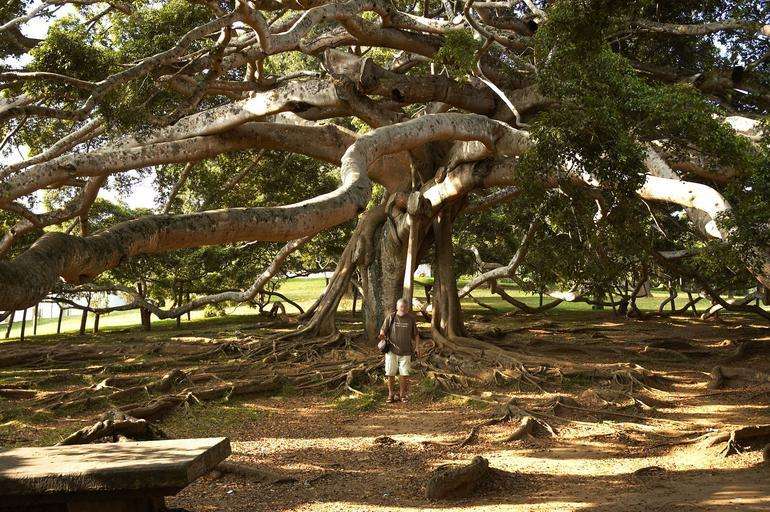
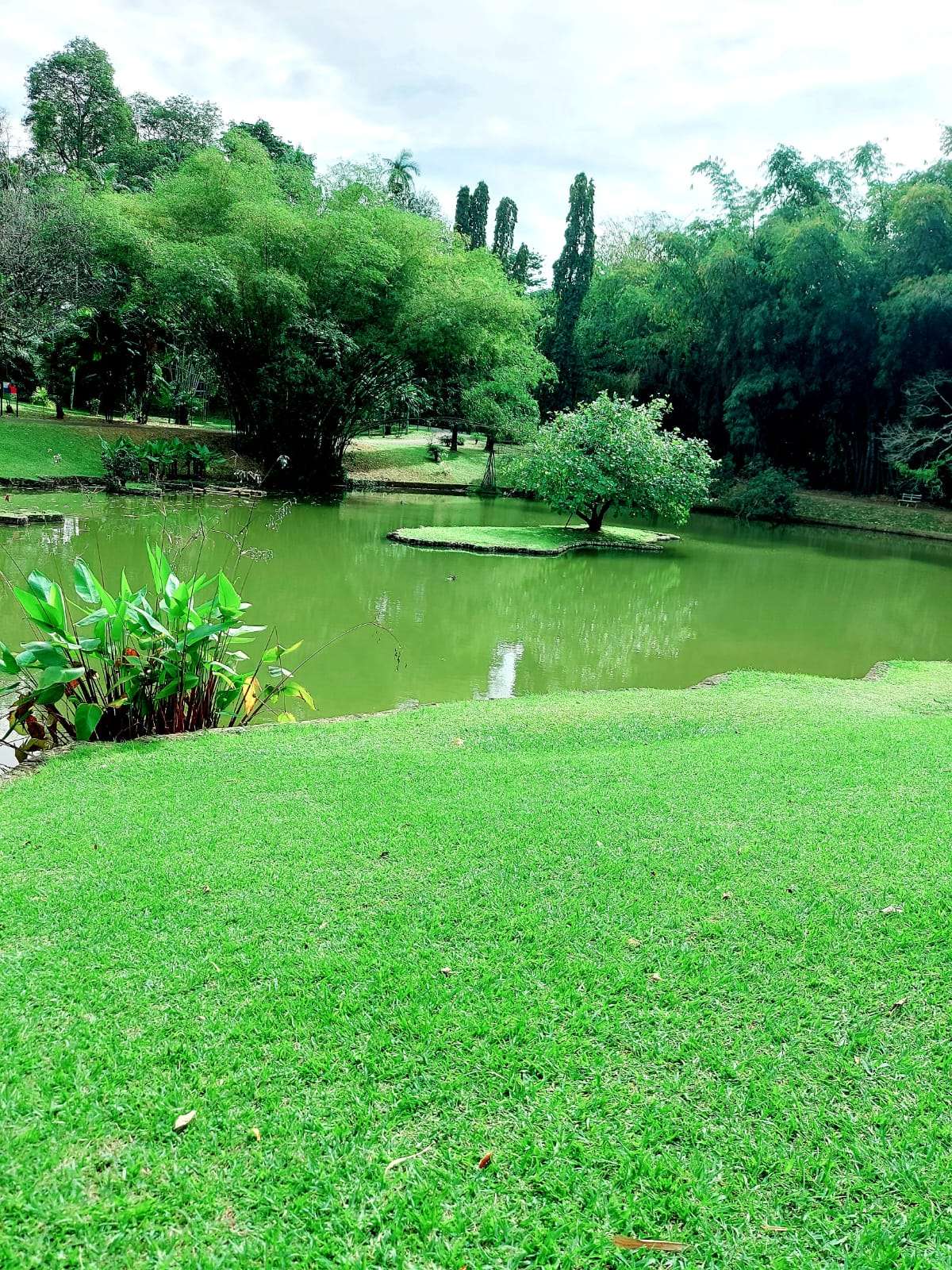
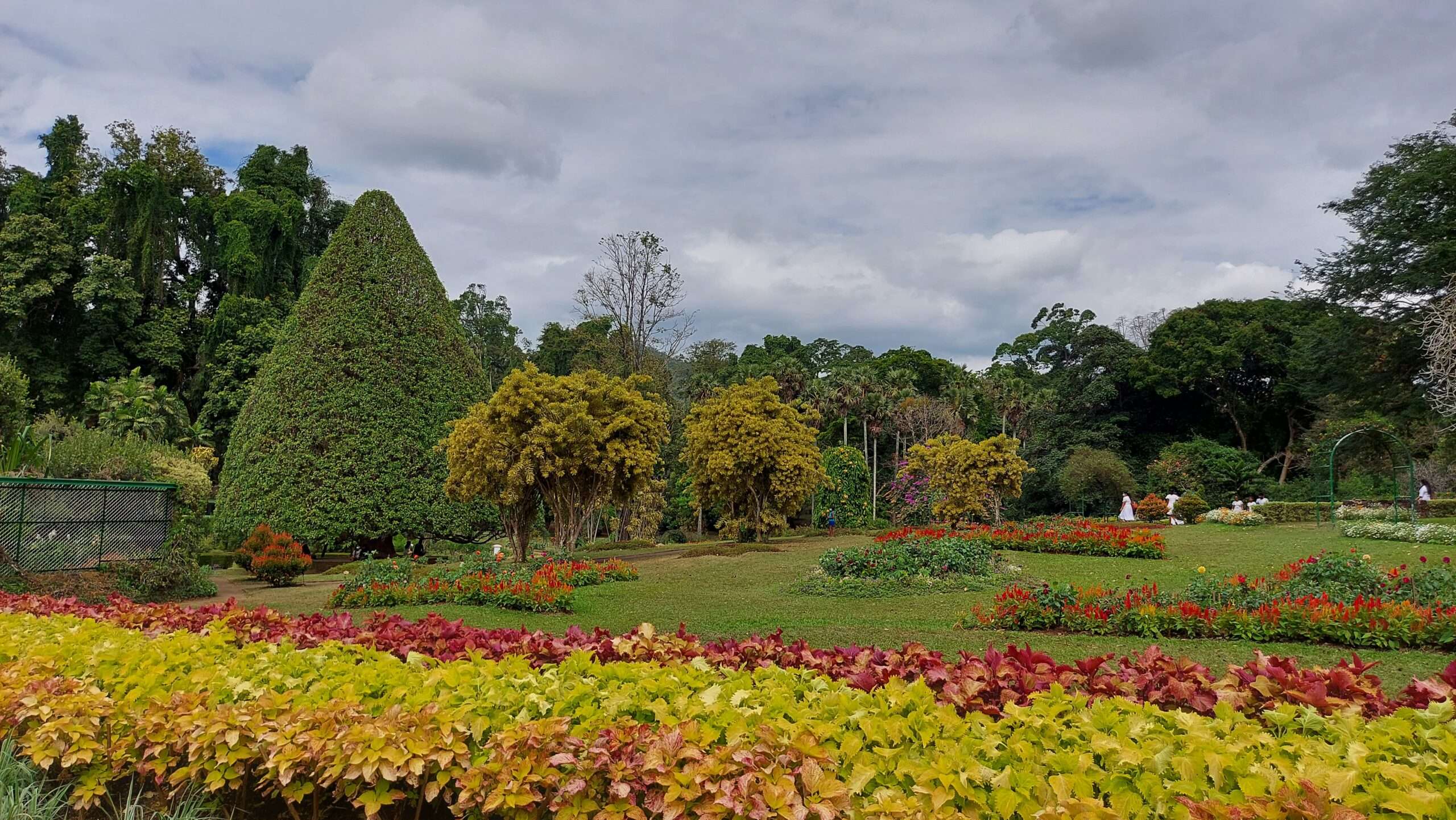
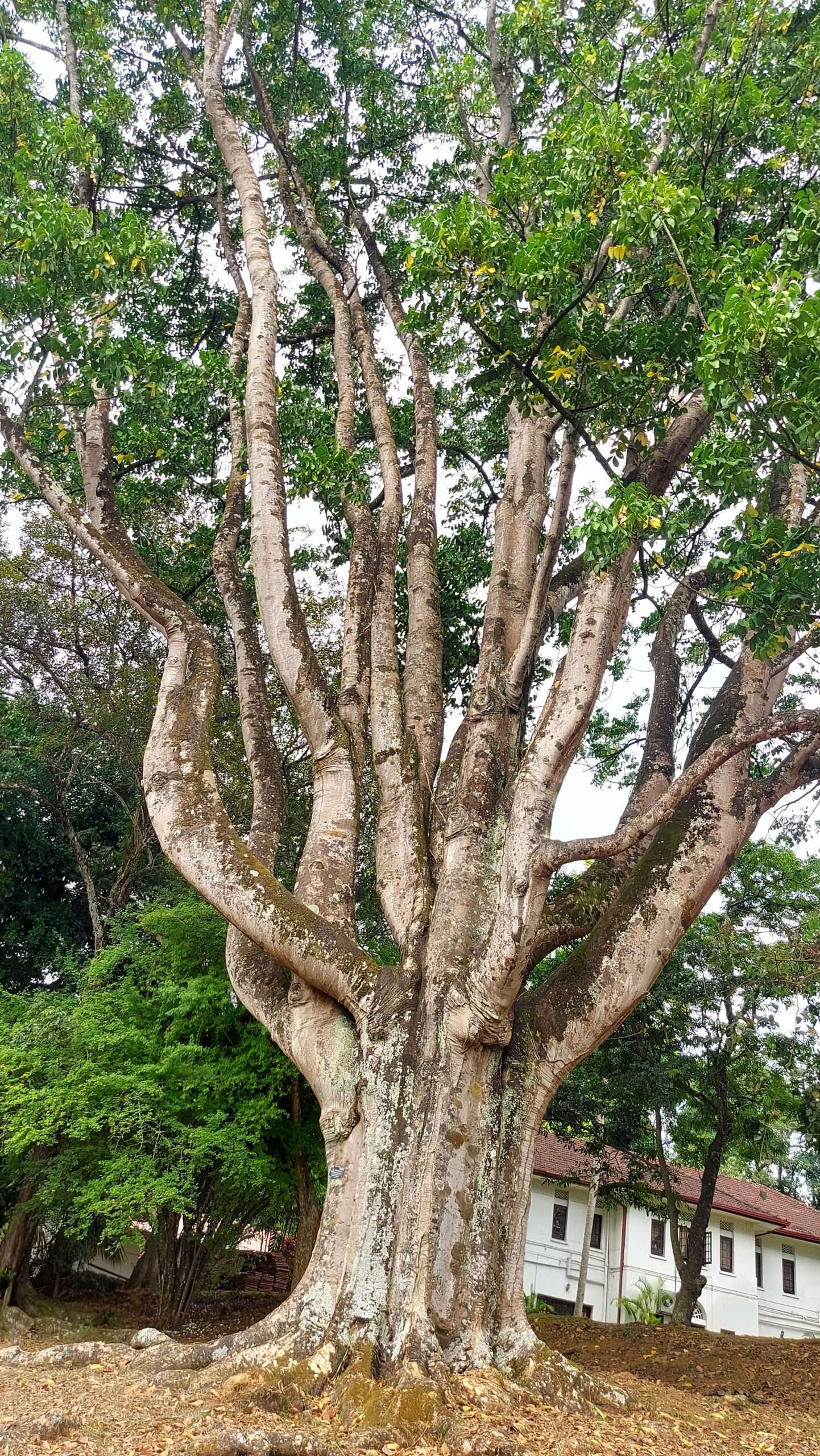
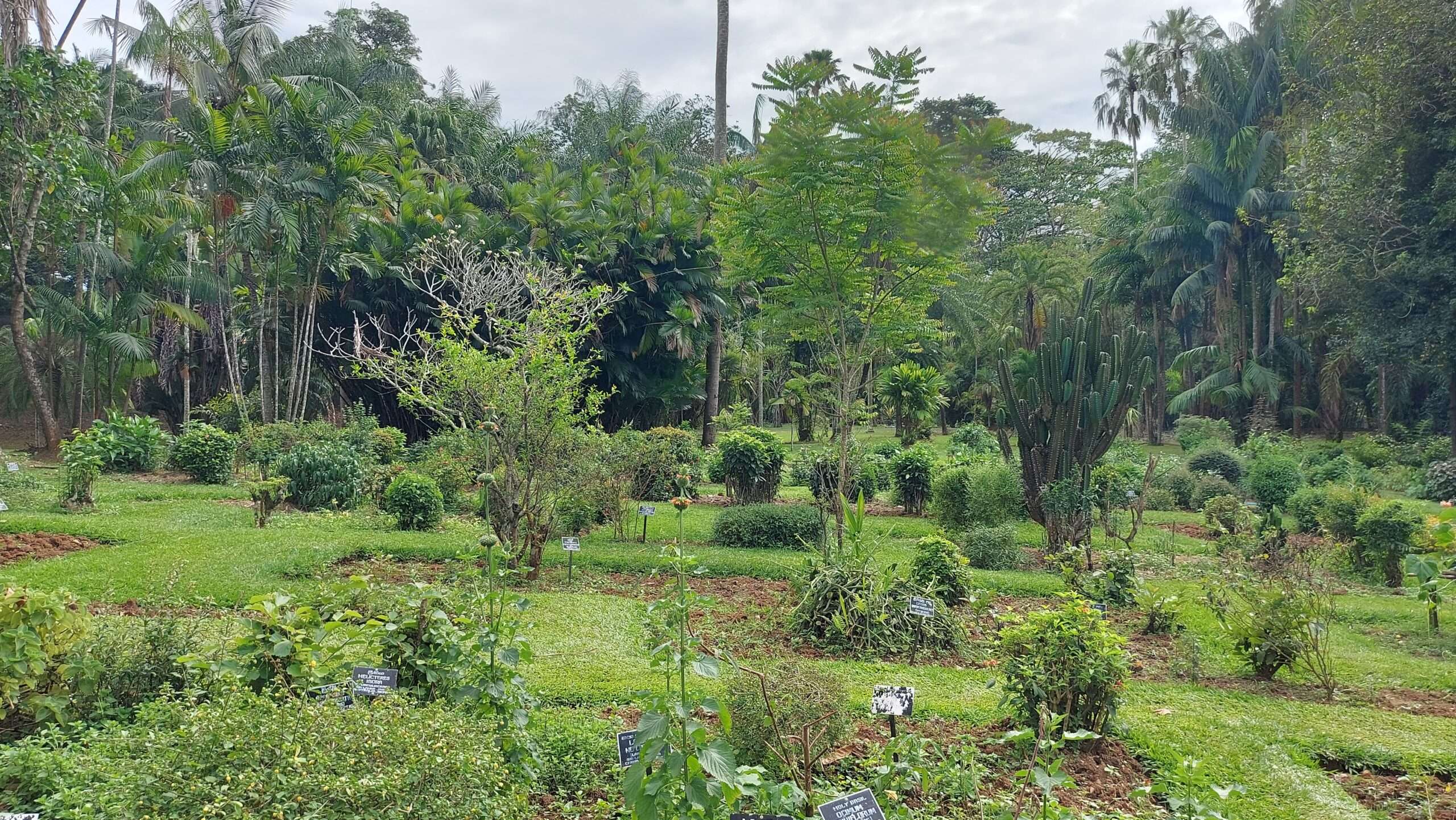
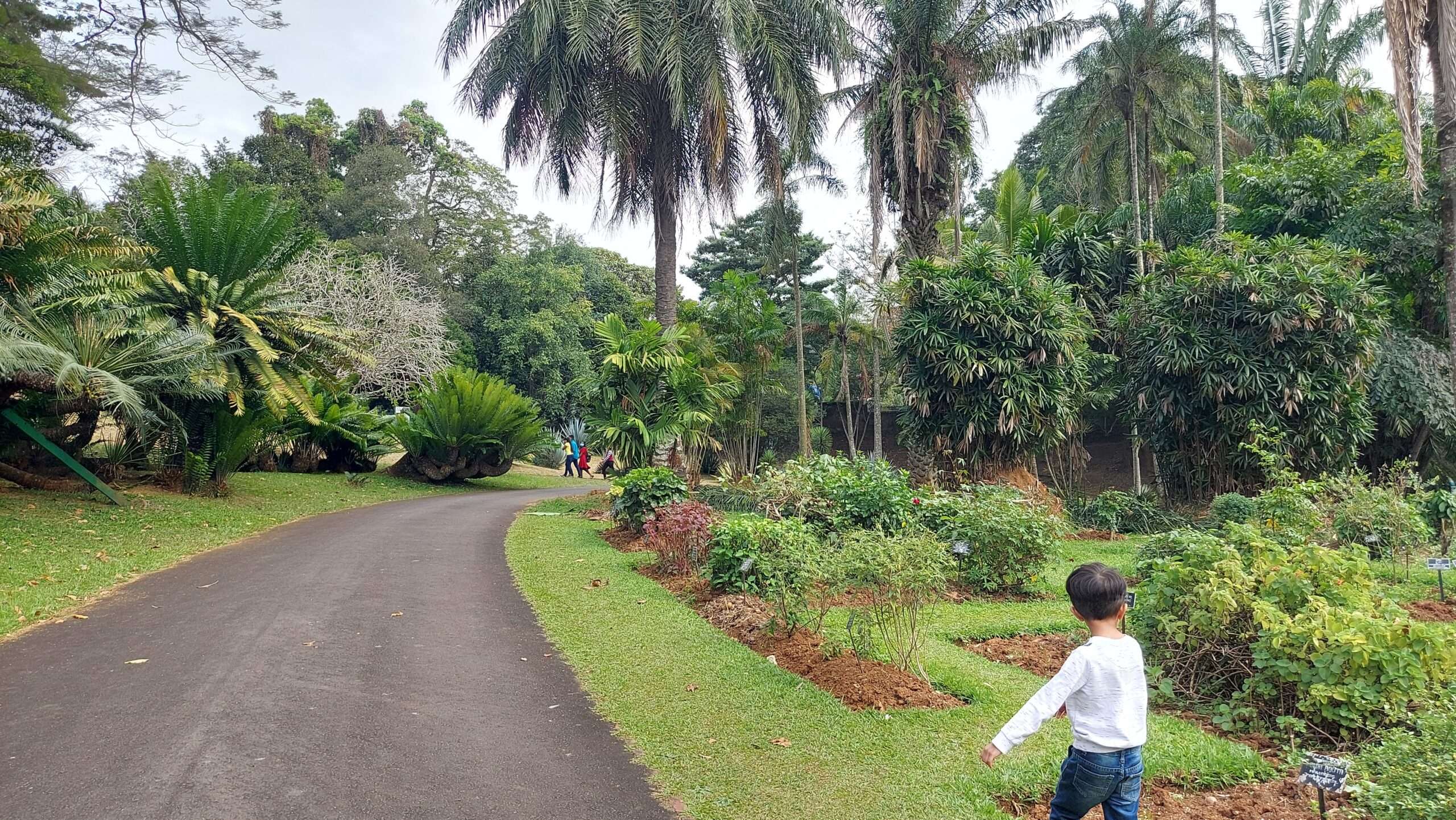
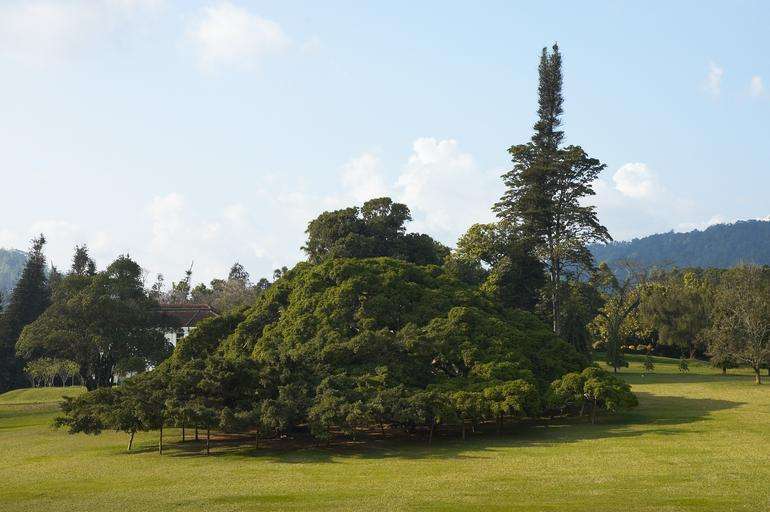
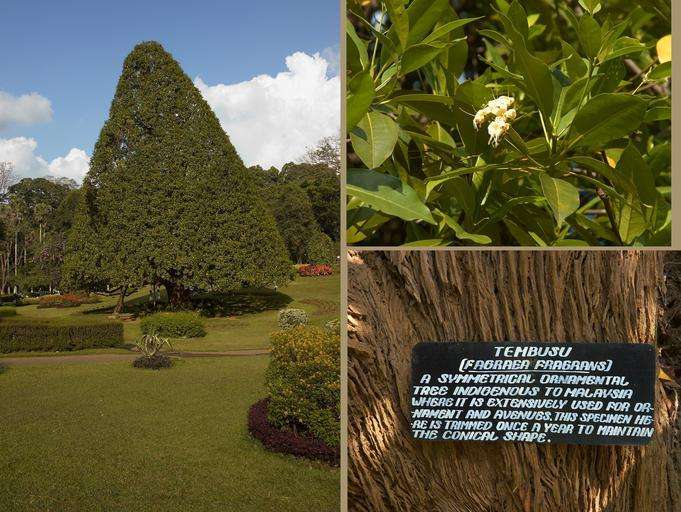
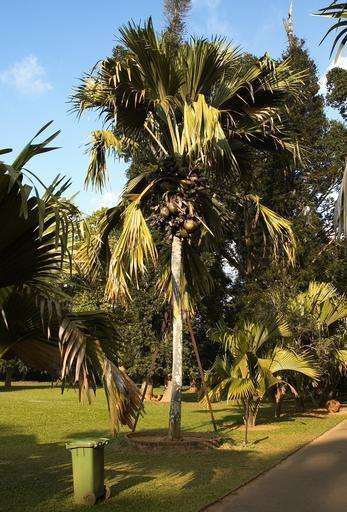
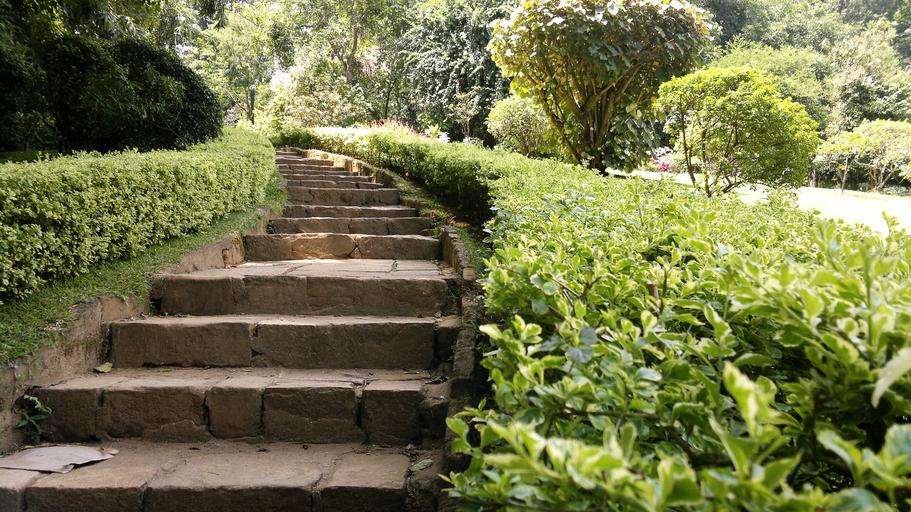
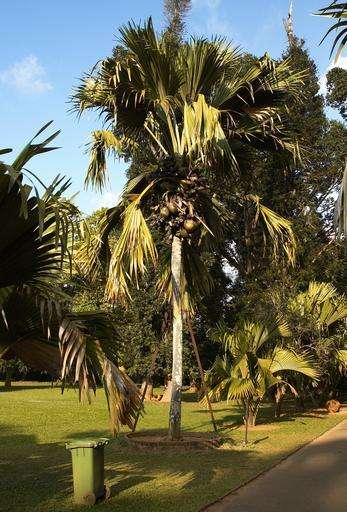
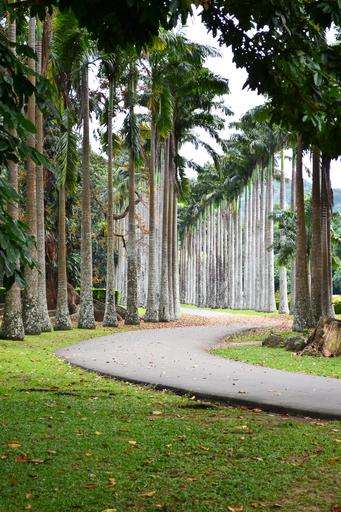
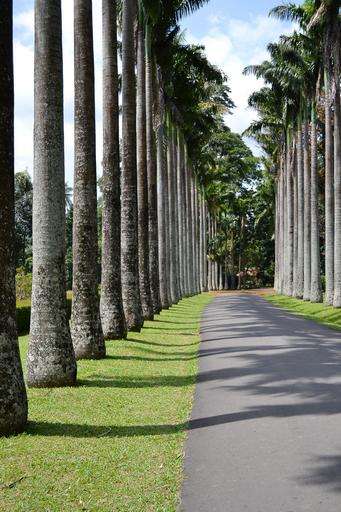
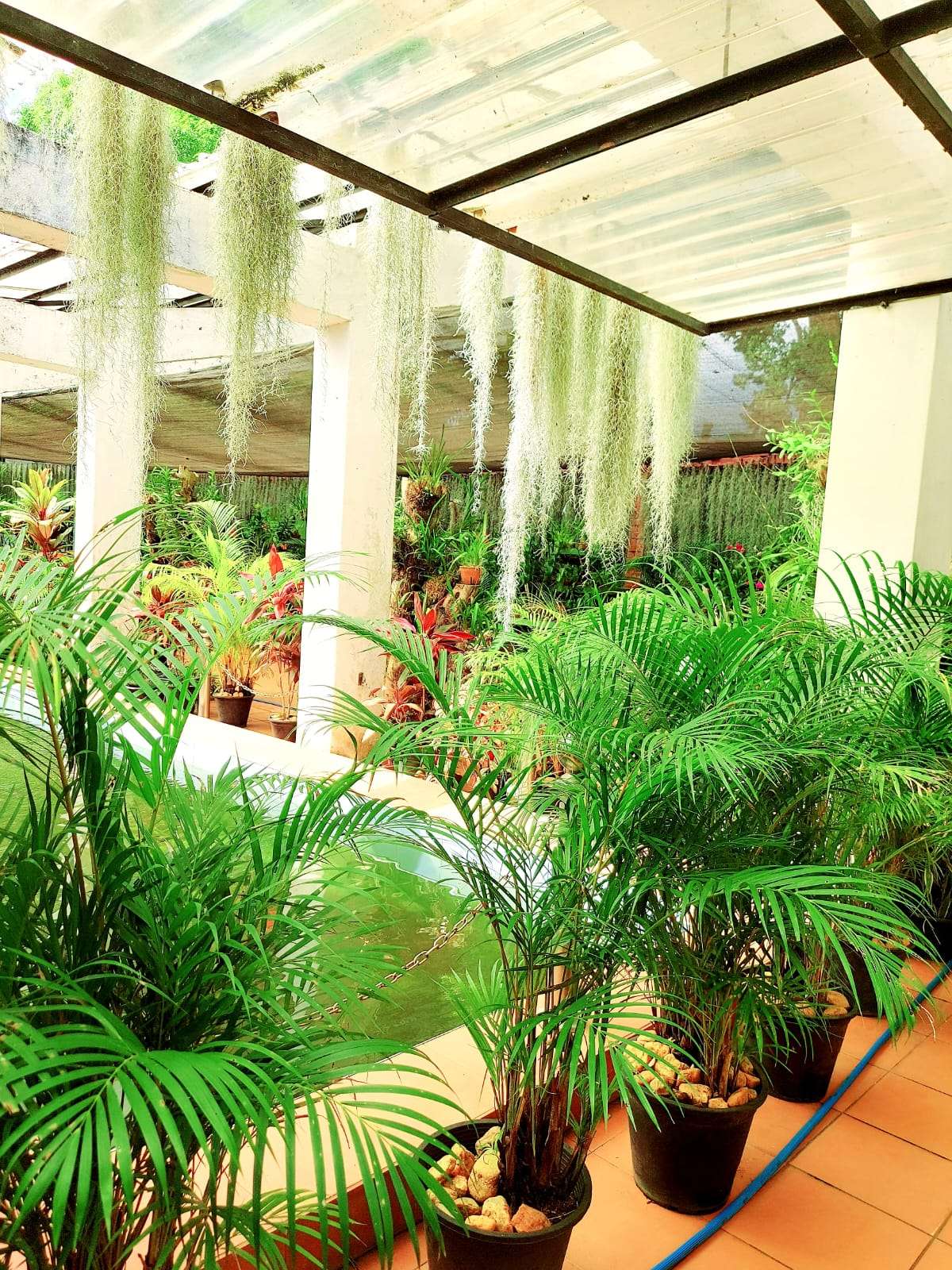
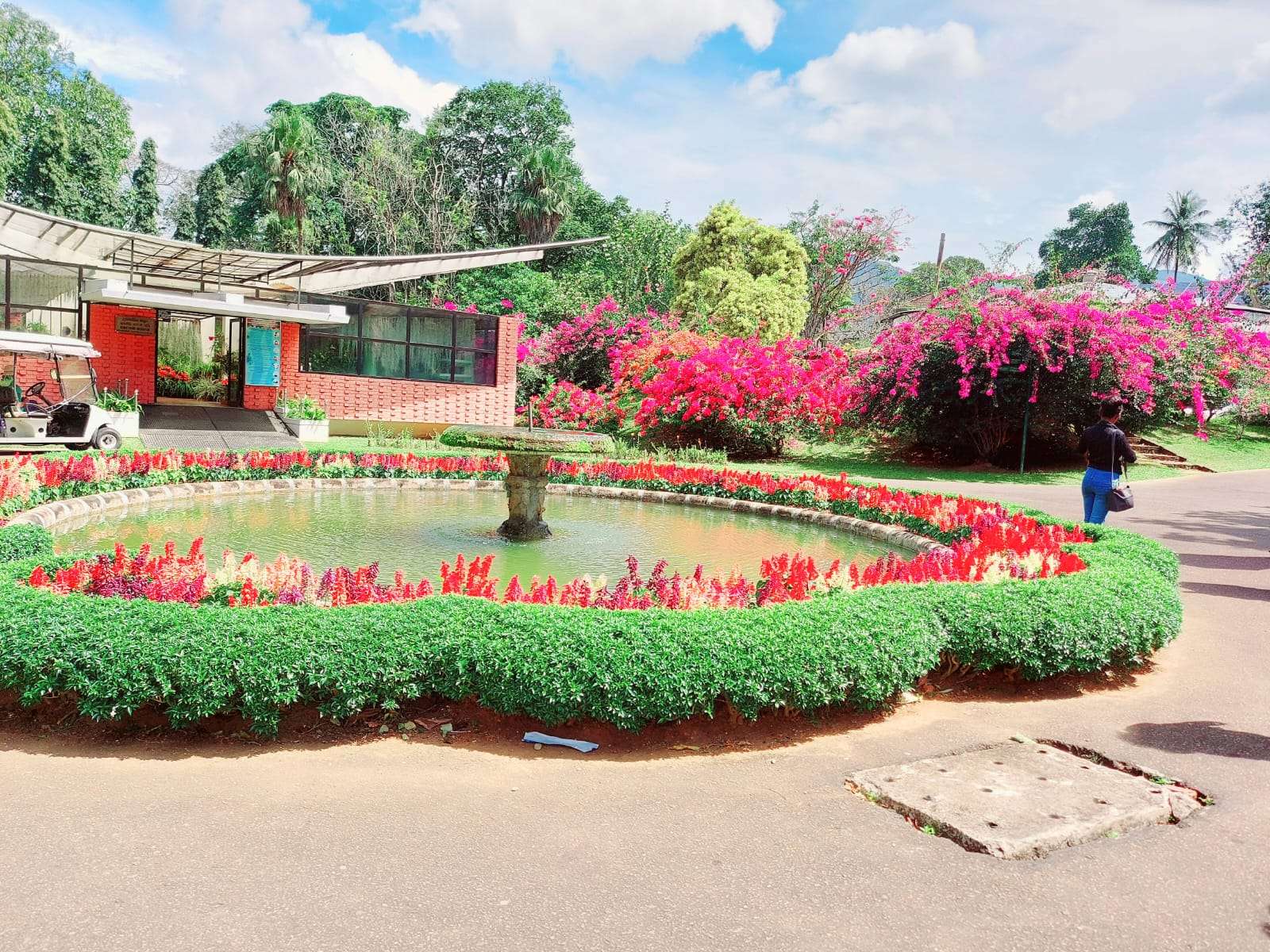
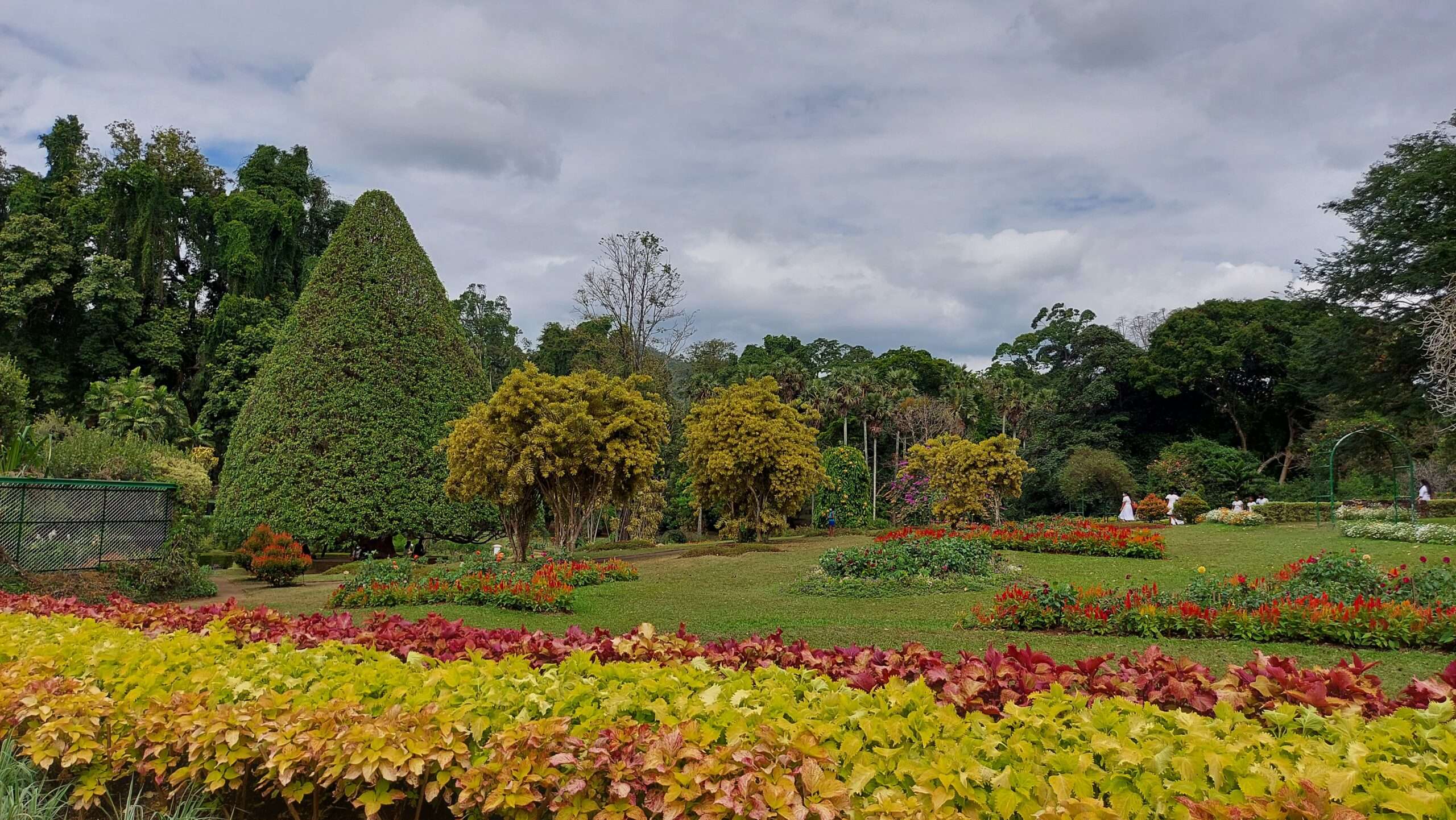
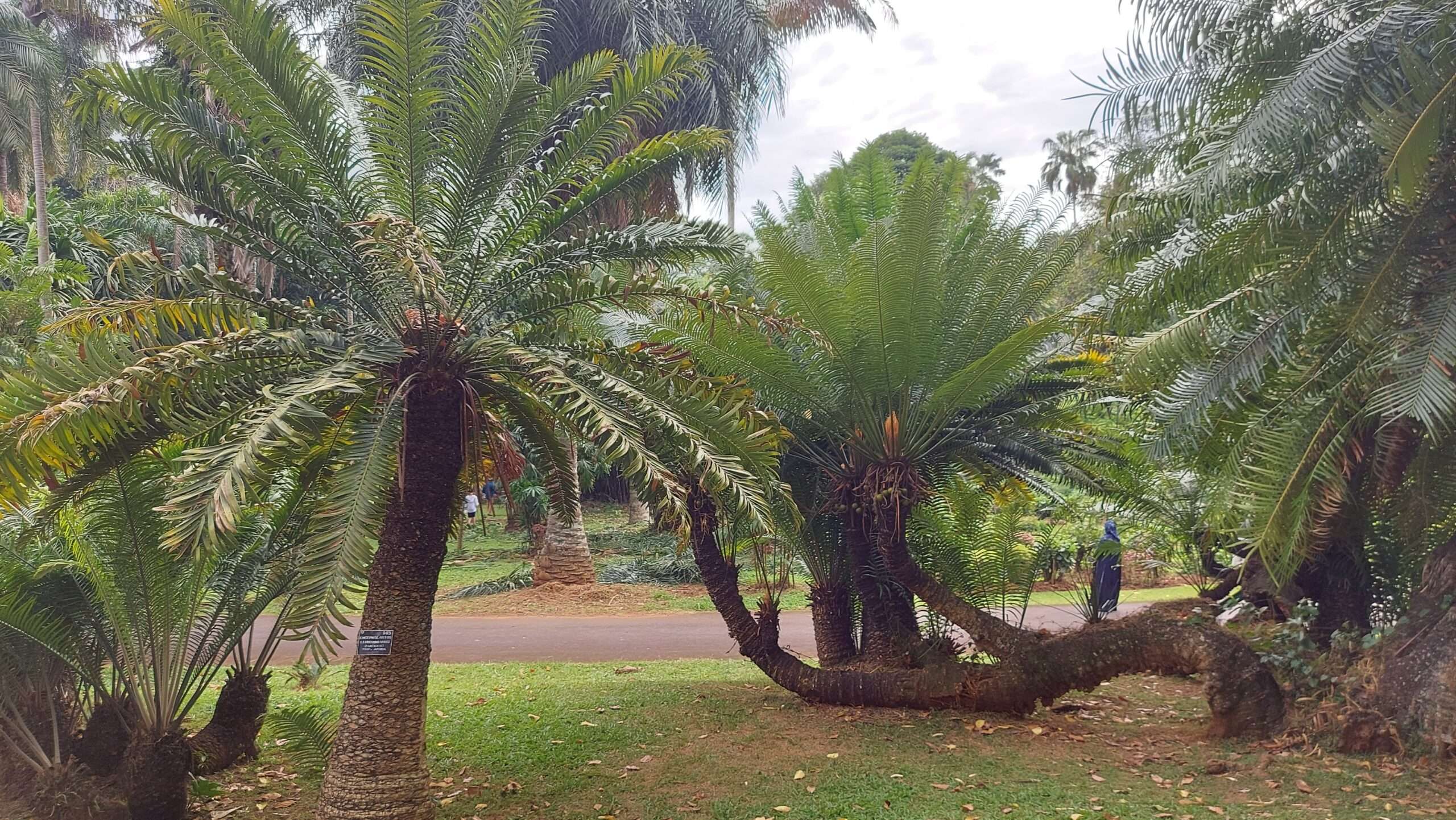
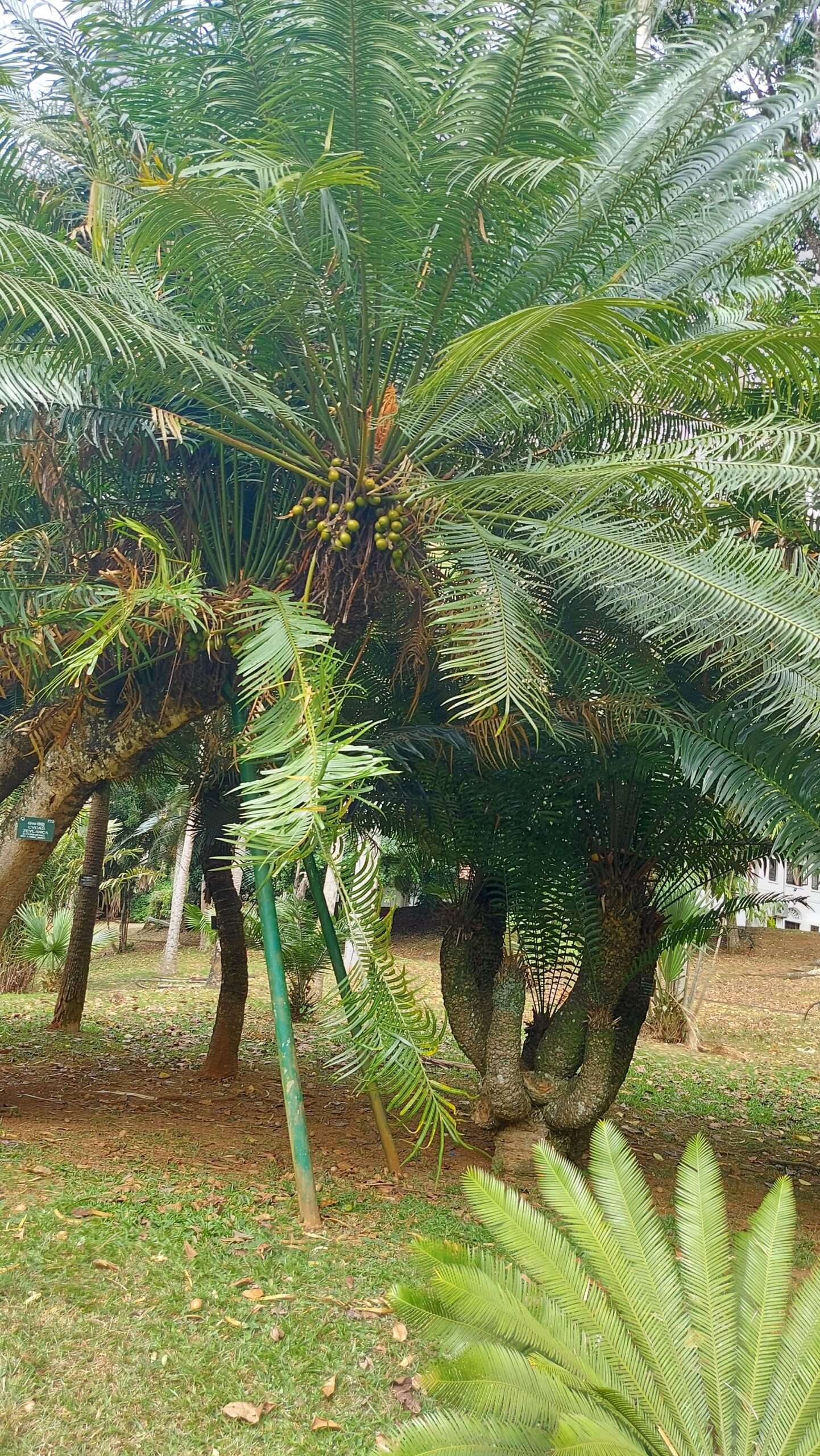
Peradeniya Botanical Garden spans across 147 acres, featuring a meticulously designed layout that seamlessly blends natural beauty with architectural marvels. The garden is home to several iconic features, including the giant Javan fig tree, which stands as a testament to the passage of time. The Orchid House, a true gem of the garden, showcases a stunning collection of orchid species from around the world. Additionally, visitors can explore themed sections dedicated to medicinal plants, palms, spices, and much more.

Flora and Fauna

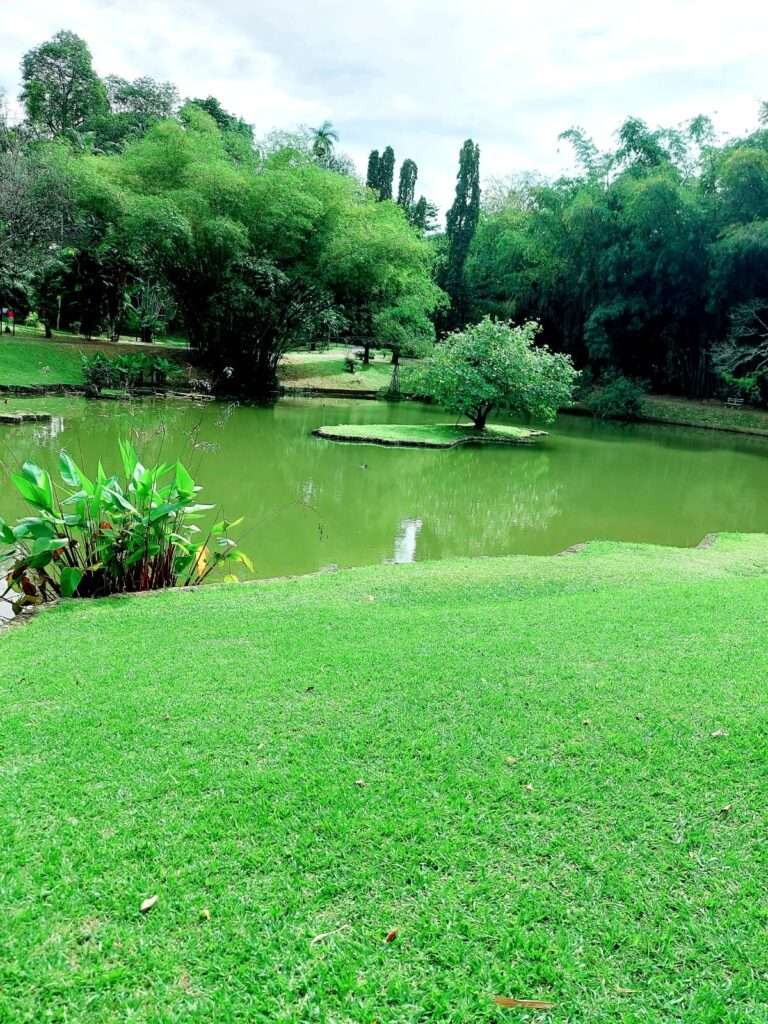
Peradeniya Botanical Garden boasts an extensive collection of plant species, making it a botanical haven. From vibrant orchids and towering palms to exotic tropical plants, the garden showcases the diversity of Sri Lanka’s flora. Conservation efforts play a vital role in preserving rare and endangered plant species within the garden’s boundaries. The garden’s lush greenery also attracts a variety of bird species, providing an opportunity for birdwatching enthusiasts to indulge in their passion.

Educational and Research Opportunities

Peradeniya Botanical Garden offers a range of educational programs aimed at fostering a deeper understanding of botany and environmental conservation. These programs cater to students, researchers, and nature enthusiasts alike. The garden also serves as a research hub, conducting projects that contribute to botanical knowledge and conservation efforts. By visiting the garden, you not only gain knowledge but also support vital research initiatives.

Events and Activities

Throughout the year, Peradeniya Botanical Garden hosts a myriad of events and activities that add vibrancy to its serene surroundings. Flower shows, held annually, showcase the garden’s floral splendor and attract visitors from all corners of the globe. Guided tours provide an immersive experience, allowing visitors to delve deeper into the garden’s history and significance. The garden also collaborates with other organizations to organize special events, further enriching the visitor experience.

Tips for Visitors

Planning a visit to Peradeniya Botanical Garden? Here are some practical tips to make your experience even more enjoyable:

  1. Timing is key: The best time to visit is during the early morning or late afternoon when the weather is pleasant, and the garden is less crowded.
  2. Entry fees: The garden charges a nominal entry fee, with discounted rates available for students and senior citizens. Make sure to check the latest pricing information before your visit.
  3. Navigation made easy: Guided tours and detailed maps are available to help you navigate the expansive garden effortlessly.
  4. Respect nature: To preserve the garden’s beauty and integrity, follow the guidelines provided, such as refraining from littering and avoiding stepping on delicate plants.

Sustainability and Conservation Efforts

Peradeniya Botanical Garden takes pride in its sustainable practices and commitment to conservation. Water conservation measures, such as rainwater harvesting and efficient irrigation systems, ensure the garden’s lush greenery thrives while minimizing water wastage. Waste management strategies, including recycling initiatives, contribute to reducing the garden’s environmental footprint. The garden actively promotes environmental awareness through various educational programs and initiatives, inspiring visitors to become stewards of nature.

Frequently Asked Questions

How can I reach Peradeniya Botanical Garden?

Answer: Peradeniya Botanical Garden is easily accessible from major cities in Sri Lanka. If you’re traveling from Colombo, you can take a train or bus to Kandy and then reach the garden via a short tuk-tuk or taxi ride.

Are there any entrance fees?

Answer: Yes, there is a nominal entrance fee for visiting Peradeniya Botanical Garden. The fee varies based on the visitor category, with discounted rates available for students and senior citizens. Please refer to the official website for the latest pricing information.
Can I bring food or have a picnic in the garden?

Answer: Peradeniya Botanical Garden has designated picnic areas where you can enjoy your meals amidst the natural beauty. However, it is advisable to follow the garden’s policies and guidelines regarding food consumption and cleanliness.
Are pets allowed in Peradeniya Botanical Garden?

Answer: Unfortunately, pets are not allowed inside the garden premises to ensure the safety and wellbeing of both the animals and the plant life.

Are there restroom facilities in the garden?

Answer: Yes, there are restroom facilities available within Peradeniya Botanical Garden for visitors’ convenience.

Can I take photographs in Peradeniya Botanical Garden?

Answer: Photography is allowed in the garden; however, certain areas or exhibits may have restrictions or special guidelines. Please adhere to the signage and instructions provided to protect the plants and maintain the garden’s serene ambiance.

Peradeniya Botanical Garden is a true gem of Sri Lanka, where nature’s beauty, educational opportunities, and conservation efforts harmoniously coexist. From its historical significance to its layout and diverse flora, the garden offers a captivating experience for visitors of all ages. Immerse yourself in its wonders, learn about botanical research, and be inspired to become a champion of conservation. Plan your visit to Peradeniya Botanical Garden and witness nature’s masterpiece firsthand.

SHARE

Kalkudah Beach | All you must know befor you Go

SHARE

Are you yearning for a serene getaway amidst nature’s breathtaking beauty? Look no further than Kalkuda Beach! Nestled on the eastern coast of Sri Lanka, Kalkuda Beach is a hidden gem that offers pristine sandy shores, crystal-clear turquoise waters, and a plethora of natural wonders. In this article, we will take you on a virtual tour of Kalkuda Beach, exploring its captivating landscapes, thrilling activities, and the overall charm it holds for travelers. So pack your bags, and let’s embark on a journey to this tropical paradise!

Table of Contents

  1. Introduction: The Allure of Kalkuda Beach
  2. The Stunning Beauty of the Shoreline
  3. A Snorkeler’s Delight: Exploring the Underwater World
  4. Thrilling Water Sports Adventures
  5. Indulge in Relaxation: Sunbathing and Beachside Retreats
  6. Experience the Local Culture and Cuisine
  7. Nearby Attractions: Exploring Beyond Kalkuda Beach
  8. Sustainable Tourism: Preserving the Delicate Ecosystem
  9. Best Time to Visit Kalkuda Beach
  10. How to Get There: Travel Tips and Transportation
  11. Accommodation Options: Where to Stay in Kalkuda
  12. Safety and Precautions: Enjoying a Hassle-Free Trip
  13. Immersive Experiences: Engaging with the Local Community
  14. Capturing Memories: Photography Tips for Kalkuda Beach
  15. Conclusion: Unforgettable Moments Await at Kalkuda Beach

1. Introduction: The Allure of Kalkuda Beach

Welcome to Kalkuda Beach, where azure skies meet pristine shores, and gentle waves caress the sandy coastline. Situated in the Batticaloa District of Sri Lanka, Kalkuda Beach is renowned for its untouched beauty and tranquil ambiance. Far away from the bustling city life, this paradise offers a rejuvenating escape for travelers seeking solace in nature’s embrace.

2. The Stunning Beauty of the Shoreline

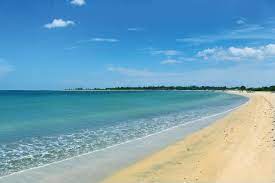
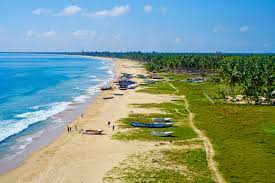
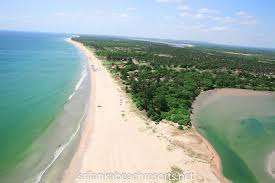
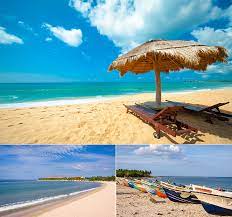
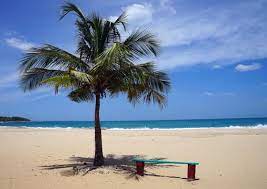
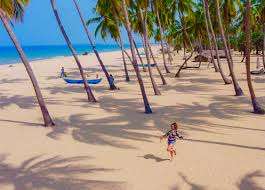
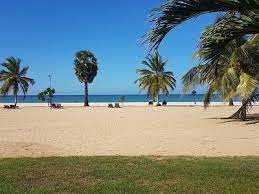
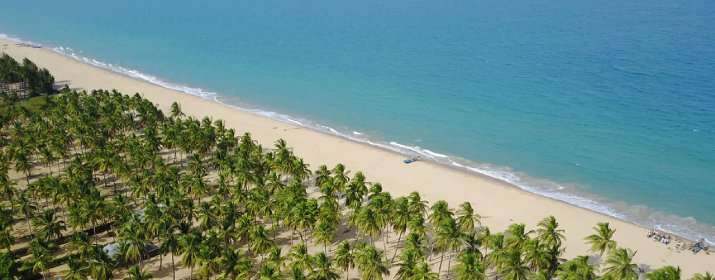
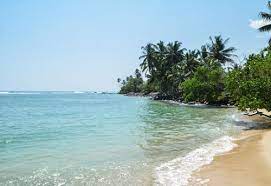
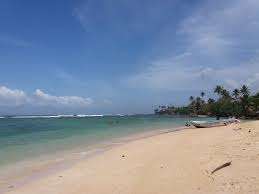
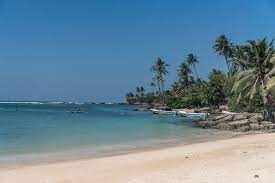
As you step onto Kalkuda Beach, you’ll be mesmerized by its endless stretch of soft white sand and the gentle lapping of the turquoise waters. The beach boasts a unique characteristic with its shallow waters extending for a considerable distance, allowing visitors to wade out into the sea for a significant distance. The calmness and serenity of the shoreline create a perfect setting for relaxation and peaceful contemplation.

3. A Snorkeler’s Delight: Exploring the Underwater World

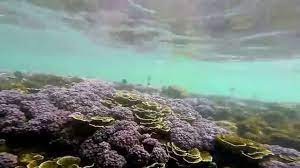
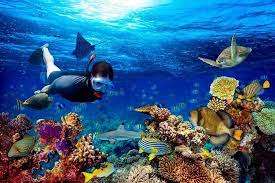
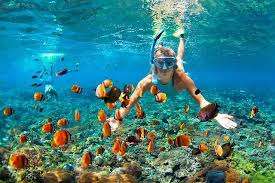
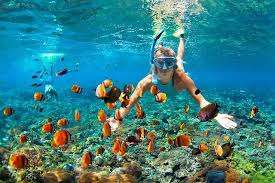
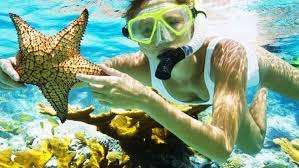
Underneath the tranquil surface of Kalkuda’s waters lies a vibrant marine ecosystem brimming with life. Snorkeling enthusiasts will be delighted to discover a kaleidoscope of colorful coral reefs and exotic fish species. Dive into the crystal-clear waters and be prepared to encounter an underwater wonderland filled with mesmerizing sights that will leave you in awe.

4. Thrilling Water Sports Adventures

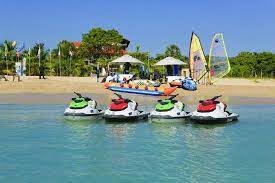
For those seeking more adventurous experiences, Kalkuda Beach offers an array of exhilarating water sports activities. Feel the adrenaline rush as you hop on a jet ski and zoom across the waves, or try your hand at windsurfing and ride the gusts of wind that sweep along the coast. With options like kayaking, paddleboarding, and banana boat rides, there’s no shortage of excitement for thrill-seekers.

5. Indulge in Relaxation: Sunbathing and Beachside Retreats

If relaxation is your primary goal, Kalkuda Beach provides the perfect backdrop for unwinding under the warm tropical sun. Spread your towel on the soft sand, soak up the sunshine, and let the gentle sea breeze lull you into a state of pure bliss. Beachside resorts and boutique hotels offer comfortable accommodations just a stone’s throw away from the shoreline, ensuring a tranquil and rejuvenating stay.

6. Experience the Local Culture and Cuisine

Immerse yourself in the rich local culture surrounding Kalkuda Beach. Engage with the warm and friendly locals, learn about their traditions, and savor the mouthwatering local cuisine. From freshly caught seafood delicacies to aromatic spices and exotic fruits, the culinary delights of Kalkuda will tantalize your taste buds and leave you craving for more.

7. Nearby Attractions: Exploring Beyond Kalkuda Beach

While Kalkuda Beach alone offers an abundance of natural beauty, the surrounding area has much more to offer. Take a short trip to Pasikuda Beach, known for its calm waters and vibrant coral reefs. Explore the historical sites of Batticaloa, such as the Dutch Fort and Koneswaram Temple. Delve into the lush greenery of Gal Oya National Park or embark on a cultural excursion to nearby villages to witness the traditional way of life.

8. Sustainable Tourism: Preserving the Delicate Ecosystem

As visitors, it is essential to appreciate and preserve the delicate ecosystem of Kalkuda Beach. Practice responsible tourism by respecting the environment, avoiding littering, and supporting local initiatives that promote sustainability. By doing so, we can ensure that future generations will continue to enjoy the pristine beauty and biodiversity that this tropical paradise has to offer.

9. Best Time to Visit Kalkuda Beach

The best time to visit Kalkuda Beach is during the dry season, which falls between May and September. During this period, you can bask in the warm sunshine and enjoy the calm sea conditions. It is advisable to check the weather forecast before planning your trip to ensure optimal beach conditions and avoid any unexpected rain showers.

10. How to Get There: Travel Tips and Transportation

To reach Kalkuda Beach, you can take a domestic flight to Batticaloa Airport, which is approximately 45 kilometers away from the beach. Alternatively, you can opt for a scenic road trip from Colombo, covering a distance of around 310 kilometers. Private taxis, buses, and rental cars are available for convenient transportation within the region.

11. Accommodation Options: Where to Stay in Kalkuda

Kalkuda Beach offers a range of accommodation options to suit every traveler’s preference and budget. Whether you prefer luxury beachfront resorts or cozy boutique hotels, you will find a variety of choices that cater to your needs. Some popular establishments include The Calm Resort & Spa, Maalu Maalu Resort & Spa, and Sun Aqua Pasikudah.

12. Safety and Precautions: Enjoying a Hassle-Free Trip

While Kalkuda Beach is generally safe for visitors, it is always prudent to take certain precautions to ensure a hassle-free trip. Remember to apply sunscreen regularly to protect your skin from the sun’s rays, stay hydrated, and be cautious while engaging in water sports activities. It is advisable to follow the instructions of professional guides and seek their assistance if needed.

13. Immersive Experiences: Engaging with the Local Community

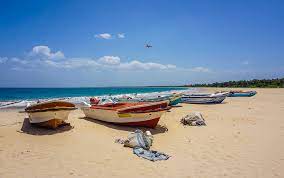
To truly immerse yourself in the charm of Kalkuda Beach, consider engaging with the local community. Participate in cultural activities, interact with fishermen to learn about their traditional fishing techniques, or join a cooking class to discover the secrets of authentic Sri Lankan cuisine. By connecting with the locals, you can gain a deeper understanding of the region’s heritage and create unforgettable memories.

14. Capturing Memories: Photography Tips for Kalkuda Beach

Kalkuda Beach presents endless opportunities for capturing stunning photographs. Here are a few tips to enhance your photography experience:

  • Embrace the golden hour: The soft, warm light during sunrise and sunset adds a magical touch to your images.
  • Experiment with angles: Play with different perspectives to capture unique shots of the beach, palm trees, and captivating landscapes.
  • Focus on details: Zoom in on the intricate patterns of seashells, the textures of the sand, or the vibrant hues of the coral reefs to capture the essence of Kalkuda Beach.
  • Incorporate human elements: Include people in your photographs to showcase the scale and add a sense of life and activity to the frame.

15. Conclusion: Unforgettable Moments Await at Kalkuda Beach

In conclusion, Kalkuda Beach offers a tropical haven for nature enthusiasts and travelers seeking tranquility amidst natural beauty. From its pristine shores and vibrant marine life to thrilling water sports adventures and cultural encounters, Kalkuda Beach has something to offer for everyone. So, make your way to this hidden paradise and create memories that will last a lifetime.


FAQs (Frequently Asked Questions)

1. Is Kalkuda Beach suitable for families?

Absolutely! Kalkuda Beach is a family-friendly destination with its calm waters and a variety of activities suitable for all ages. Children can enjoy building sandcastles, swimming in the shallow waters, and participating in water sports under proper supervision.

2. Are there any safety precautions for snorkeling at Kalkuda Beach?

While snorkeling is generally safe at Kalkuda Beach, it is important to practice caution. Always wear a life jacket, stay within designated snorkeling areas, and be mindful of your surroundings. If you’re a beginner, consider taking a guided snorkeling tour for added safety and guidance.

3. Are there any wildlife encounters at Kalkuda Beach?

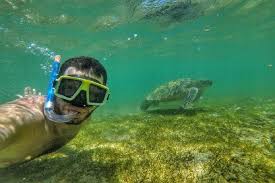
Kalkuda Beach is home to a diverse range of marine life. While snorkeling, you may have the opportunity to spot colorful fish, coral reefs, and even sea turtles. However, it is essential to respect the marine ecosystem and avoid touching or disturbing any wildlife you encounter.

4. Can I visit Kalkuda Beach year-round?

While you can visit Kalkuda Beach throughout the year, the best time to visit is during the dry season from May to September when the weather is favorable and the sea conditions are calm. However, do check the weather forecast before planning your trip to ensure optimal beach conditions.

5. How can I contribute to sustainable tourism at Kalkuda Beach?

To contribute to sustainable tourism at Kalkuda Beach, ensure you dispose of waste responsibly, minimize the use of single-use plastics, and support local initiatives that promote environmental conservation. Respect the local culture, traditions, and wildlife, and be mindful of your impact on the delicate ecosystem of the beach.


SHARE

The Polhena Beach – An Idyllic Tropical Paradise

SHARE

Are you dreaming of pristine sandy shores, crystal-clear turquoise waters, and a tranquil escape from the hustle and bustle of everyday life? Look no further than Polhena Beach. Tucked away in the beautiful island nation of Sri Lanka, Polhena Beach offers a slice of paradise for beach lovers and nature enthusiasts alike. In this article, we will explore the mesmerizing beauty of Polhena Beach and all that it has to offer.

Table of Contents

  1. Introduction
  2. Location and Accessibility
  3. Natural Marvels at Polhena Beach
    • 3.1 Coral Reef
    • 3.2 Sea Turtles
    • 3.3 Marine Life
  4. Water Sports and Activities
    • 4.1 Snorkeling and Diving
    • 4.2 Whale Watching
    • 4.3 Surfing
  5. Relaxation and Wellness
    • 5.1 Sunbathing
    • 5.2 Ayurvedic Treatments
    • 5.3 Yoga and Meditation
  6. Local Culture and Cuisine
    • 6.1 Traditional Fishing Techniques
    • 6.2 Seafood Delights
    • 6.3 Cultural Festivals
  7. Accommodation Options
    • 7.1 Beachfront Resorts
    • 7.2 Eco-Friendly Villas
    • 7.3 Budget-Friendly Guesthouses
  8. Safety and Travel Tips
    • 8.1 Swim with Caution
    • 8.2 Sun Protection
    • 8.3 Respect the Environment
  9. Conclusion
  10. FAQs (Frequently Asked Questions)

1. Introduction

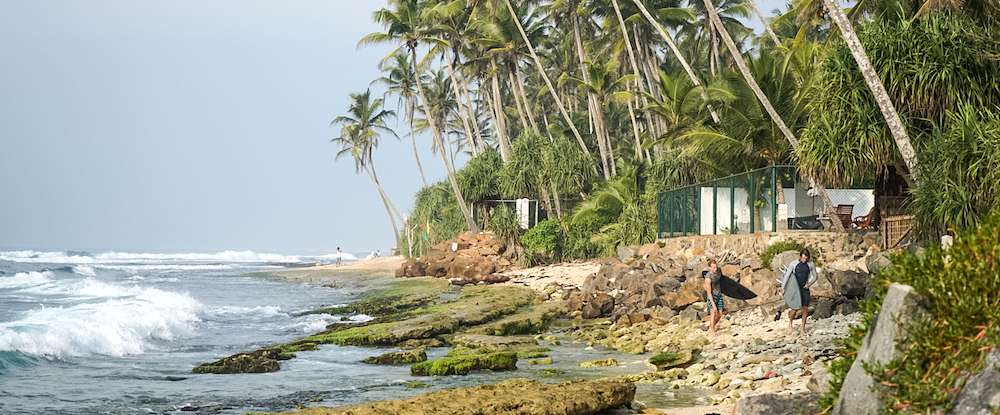
Nestled along the southern coast of Sri Lanka, Polhena Beach is a tropical paradise renowned for its untouched beauty and breathtaking vistas. The beach offers a tranquil and serene ambiance, making it an ideal destination for relaxation, exploration, and adventure.

2. Location and Accessibility

Polhena Beach is located in the town of Matara, approximately 160 kilometers south of Colombo, the capital city of Sri Lanka. The beach is easily accessible by road, and public transportation options are available from various parts of the country. Visitors can reach Polhena Beach by bus, taxi, or private vehicle.

3. Natural Marvels at Polhena Beach

3.1 Coral Reef

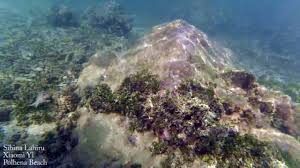
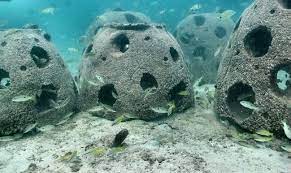
One of the most captivating features of Polhena Beach is its vibrant coral reef. The coral reef stretches along the coast, creating a natural barrier that protects the beach from strong waves. Snorkeling enthusiasts can explore the mesmerizing underwater world and witness the kaleidoscope of colors offered by the diverse marine life.

3.2 Sea Turtles

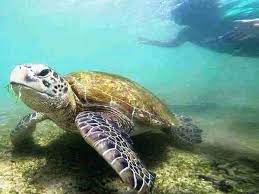
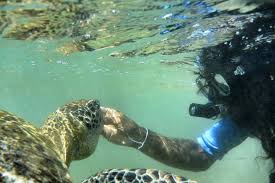
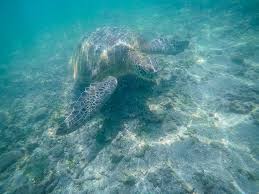
Polhena Beach is a haven for sea turtles, and visitors have the opportunity to witness these majestic creatures in their natural habitat. Green turtles and hawksbill turtles frequent the beach, and lucky observers might even witness turtle hatchings during the nesting season.

3.3 Marine Life

Beyond the coral reef, Polhena Beach is home to an abundance of marine life. Shoals of colorful fish, rays, and even occasional dolphins can be spotted swimming gracefully in the azure waters. Snorkeling or taking a boat trip to explore the nearby marine sanctuaries is an experience that should not be missed.

4. Water Sports and Activities

4.1 Snorkeling and Diving

Polhena Beach offers excellent snorkeling and diving opportunities for both beginners and experienced enthusiasts. The calm and clear waters, coupled with the rich biodiversity, provide an unforgettable underwater adventure. Snorkeling gear and diving equipment can be rented from local shops.

4.2 Whale Watching

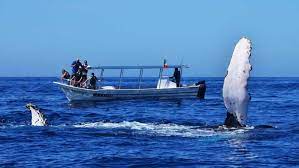
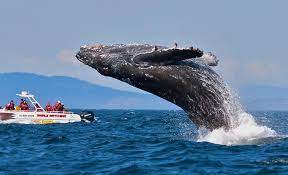
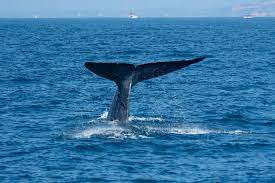
If you are a fan of marine giants, Polhena Beach is an ideal spot for whale watching. During the migration seasons, from November to April and June to September, visitors have the chance to witness magnificent whales such as blue whales and sperm whales as they pass through the deep waters near the beach.

4.3 Surfing

For those seeking an adrenaline rush, Polhena Beach offers great surfing opportunities. The beach features consistent waves, especially during the monsoon seasons, which are ideal for both beginners and experienced surfers. Surfboard rentals and surfing lessons are available for those who want to ride the waves.

5. Relaxation and Wellness

5.1 Sunbathing

Polhena Beach boasts a wide stretch of golden sand where visitors can bask under the tropical sun. Whether you prefer lounging on a beach towel, reading a book, or simply soaking in the warm rays, Polhena Beach provides the perfect backdrop for relaxation and rejuvenation.

5.2 Ayurvedic Treatments

Indulge in the ancient healing traditions of Ayurveda at one of the wellness centers near Polhena Beach. Experience invigorating massages, therapeutic treatments, and herbal remedies that will revitalize your body and mind. Ayurvedic practitioners offer personalized wellness programs tailored to individual needs.

5.3 Yoga and Meditation

Find your inner peace amidst the serenity of Polhena Beach by participating in yoga and meditation sessions. Qualified instructors conduct classes on the beach, allowing you to connect with nature while harmonizing your body and soul.

6. Local Culture and Cuisine

6.1 Traditional Fishing Techniques

Immerse yourself in the vibrant local culture by observing the traditional fishing techniques practiced by the fishermen of Polhena Beach. Witness their remarkable skills as they cast their nets or engage in stilt fishing, a unique method where fishermen perch on stilts in the water to catch fish.

6.2 Seafood Delights

Savor the freshest catch of the day at the local seafood restaurants near Polhena Beach. From succulent prawns to delectable crab curries, the coastal cuisine will tantalize your taste buds and leave you craving for more. Don’t miss the opportunity to indulge in a beachfront seafood feast.

6.3 Cultural Festivals

Discover the rich cultural heritage of Sri Lanka by joining in the vibrant festivals celebrated in the vicinity of Polhena Beach. The locals enthusiastically embrace their traditions, and visitors can witness colorful processions, traditional dances, and mesmerizing music performances during festive occasions.

7. Accommodation Options

7.1 Beachfront Resorts

Experience luxury and comfort by staying at one of the beachfront resorts near Polhena Beach. These resorts offer a range of amenities, including spacious rooms, private balconies with stunning ocean views, swimming pools, and world-class dining options.

7.2 Eco-Friendly Villas

For eco-conscious travelers, eco-friendly villas provide a sustainable and tranquil retreat. These villas are designed to minimize environmental impact while providing modern amenities. Enjoy the harmony of nature and comfort during your stay.

7.3 Budget-Friendly Guesthouses

Budget travelers can find affordable guesthouses near Polhena Beach that offer comfortable accommodation and warm hospitality. These guesthouses provide a cozy atmosphere and are an excellent option for those looking to explore the beauty of Polhena Beach on a limited budget.

8. Safety and Travel Tips

8.1 Swim with Caution

While the waters of Polhena Beach are generally calm, it is essential to practice caution when swimming, especially during the monsoon seasons. Observe warning signs, follow lifeguard instructions, and be aware of any currents or undertows.

8.2 Sun Protection

Protect yourself from the tropical sun by applying sunscreen regularly, wearing a hat, and using sunglasses. Seek shade during the hottest hours of the day to avoid sunburn or heatstroke.

8.3 Respect the Environment

Polhena Beach is a pristine natural environment that should be preserved for future generations. Dispose of waste responsibly, avoid littering, and refrain from damaging coral reefs or other marine ecosystems. Respect the local flora and fauna, and help maintain the cleanliness of the beach.

9. Conclusion

Polhena Beach is a captivating destination that offers an enchanting blend of natural wonders, water sports, relaxation, cultural experiences, and mouthwatering cuisine. Whether you seek adventure or serenity, this tropical paradise has something to offer every traveler. Visit Polhena Beach and create memories that will last a lifetime.

10. FAQs (Frequently Asked Questions)

  1. Is Polhena Beach suitable for families with children?
    • Absolutely! Polhena Beach’s calm waters and family-friendly atmosphere make it a great choice for a family vacation.
  2. Can I rent snorkeling or diving equipment at Polhena Beach?
    • Yes, there are shops near the beach that offer snorkeling and diving gear for rent.
  3. Are there any restrictions on swimming due to the coral reef?
    • Swimming is allowed at Polhena Beach, but visitors are advised to be cautious and avoid stepping on or damaging the coral reef.
  4. What is the best time to visit Polhena Beach for surfing?
    • The best time for surfing at Polhena Beach is during the monsoon seasons, which are from May to September and November to March.
  5. Are there any cultural festivals celebrated near Polhena Beach?
    • Yes, you may have the chance to witness colorful cultural festivals, especially during the months of January and February. It’s a wonderful opportunity to immerse yourself in the local traditions.

SHARE

Stunning Nine Arch Bridge | A Spectacular Marvel of Engineering

SHARE

Introduction

The Nine Arch Bridge is an iconic landmark located in Sri Lanka, renowned for its magnificent architecture and breathtaking natural surroundings. This architectural marvel, also known as “The Bridge in the Sky,” is a testament to human ingenuity and engineering prowess. In this article, we will delve into the fascinating history, construction, and significance of the Nine Arch Bridge.

Table of Contents

  1. A Glimpse into the History of the Nine Arch Bridge
  2. The Majestic Design and Construction of the Bridge
  3. The Significance of the Nine Arch Bridge
  4. The Beauty of the Surrounding Landscape
  5. Exploring Nine Arch Bridge: A Journey through Time
  6. The Bridge’s Role in Tourism and Local Economy
  7. Preserving the Nine Arch Bridge for Future Generations
  8. The Nine Arch Bridge: An Iconic Film Location
  9. The Intriguing Legends and Stories Associated with the Bridge
  10. The Bridge’s Connection with Sri Lankan Culture and Heritage
  11. Understanding the Challenges and Maintenance of the Bridge
  12. The Nine Arch Bridge: A Symbol of Unity and Connectivity
  13. Promoting Sustainable Tourism around the Bridge
  14. Exploring Other Architectural Marvels in Sri Lanka
  15. Conclusion

1. A Glimpse into the History of the Nine Arch Bridge

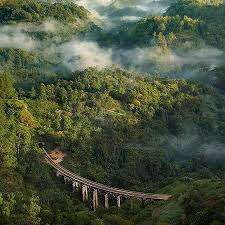
The Nine Arch Bridge, situated near the town of Ella in the central highlands of Sri Lanka, holds a rich historical significance. Built during the British colonial era, this bridge dates back to the early 20th century. Its purpose was to establish a railway connection between the towns of Demodara and Ella. The bridge stands as a living testament to the skill and expertise of the engineers of that time.

2. The Majestic Design and Construction of the Bridge

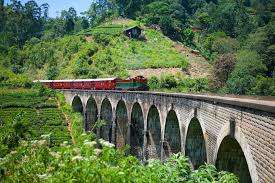
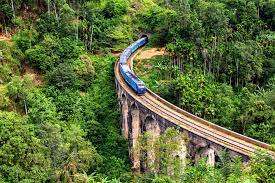
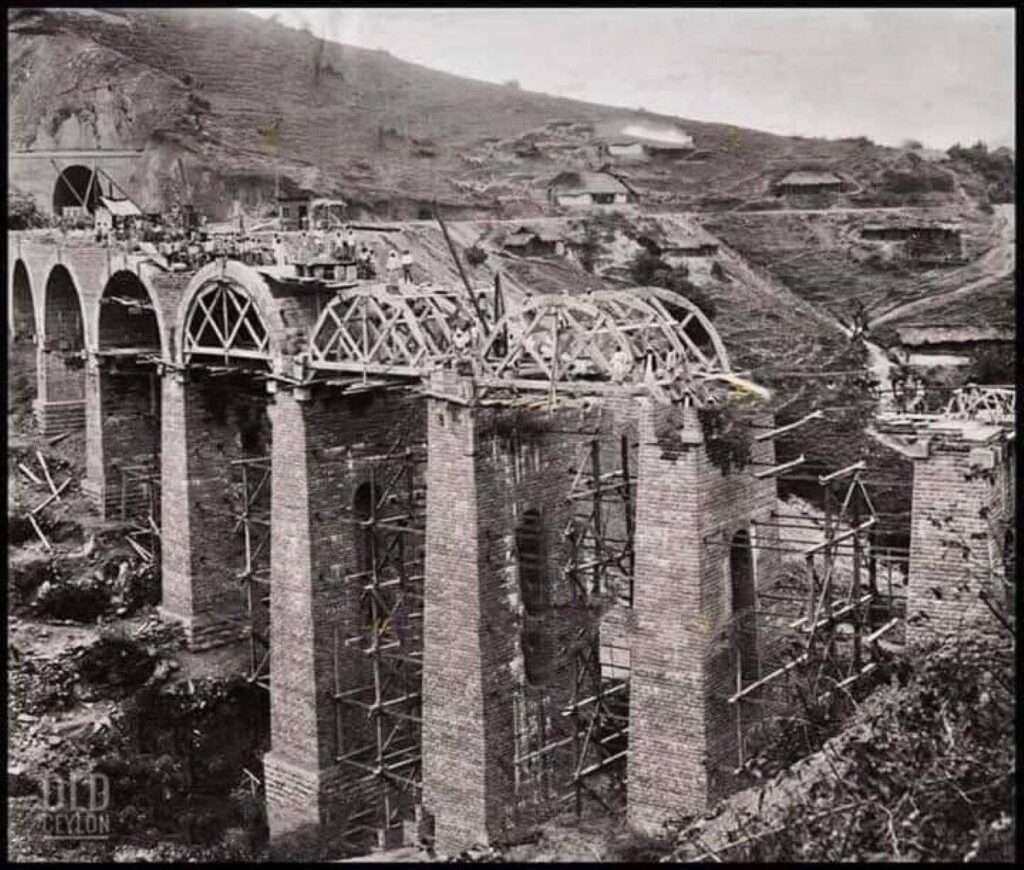
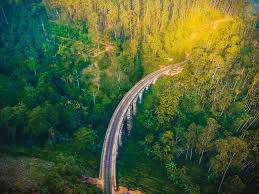
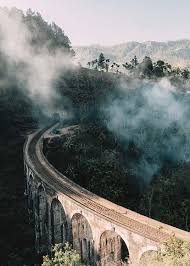
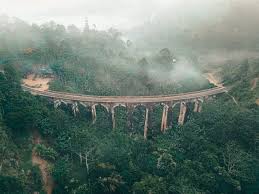
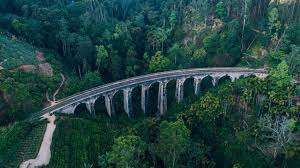
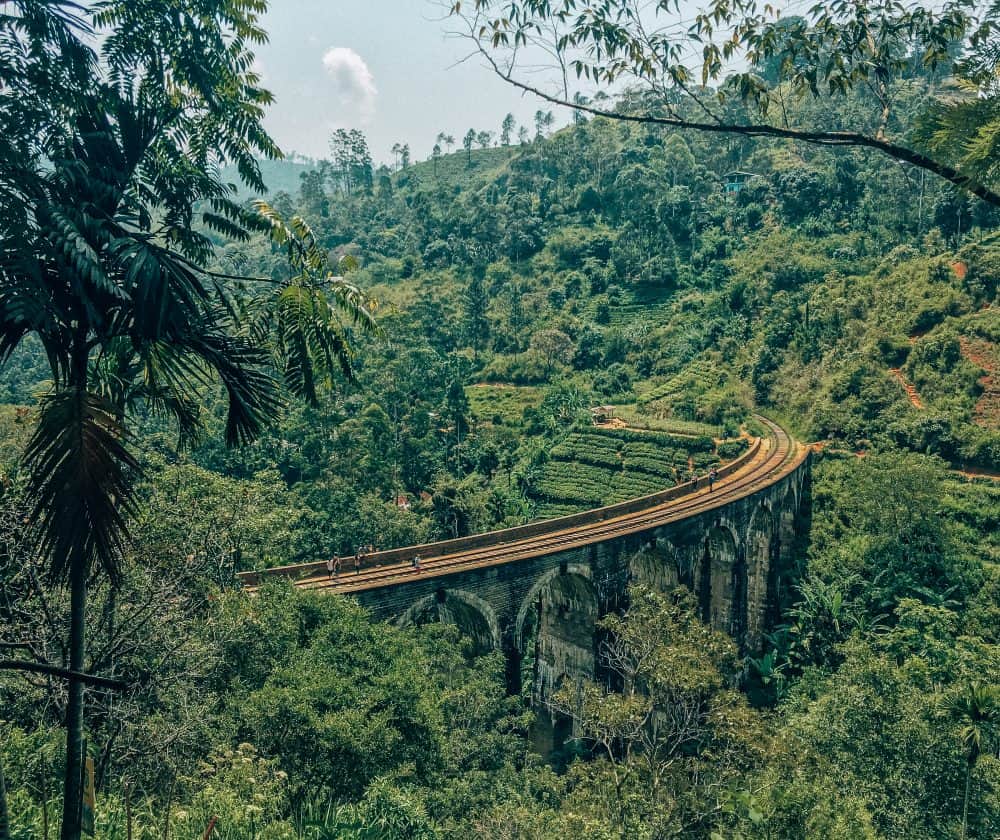
The design of the Nine Arch Bridge showcases a perfect blend of functionality and aesthetics. The bridge spans across a picturesque gorge, supported by nine magnificent arches that complement the natural beauty of the surroundings. Constructed using bricks, stones, and cement, the bridge stands as a testament to the engineering genius of its time. Its arches, each with a different radius, create a visually stunning effect that attracts visitors from all around the world.

The Nine arch bridge under construction at Demodara. Photo Credit to Original respectable Owner.

3. The Significance of the Nine Arch Bridge

The Nine Arch Bridge is not only a remarkable engineering feat but also holds great symbolic significance. It symbolizes the connection between the past and the present, bridging the gap between generations and cultures. For the local communities, the bridge serves as a reminder of Sri Lanka’s colonial history and the resilience of its people.

4. The Beauty of the Surrounding Landscape

The Nine Arch Bridge is nestled amidst the lush greenery of the Ella Gap, offering a breathtaking view of the surrounding landscape. Visitors are captivated by the verdant tea plantations, rolling hills, and cascading waterfalls that paint a picture-perfect backdrop for the bridge. This natural beauty creates an awe-inspiring experience that lingers in the memories of those fortunate enough to witness it.

5. Exploring Nine Arch Bridge: A Journey through Time

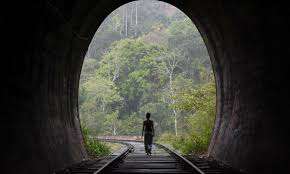
Walking along the Nine Arch Bridge is like taking a step back in time. Visitors can stroll along the railway tracks and marvel at the architectural brilliance that has withstood the test of time. The bridge provides an excellent vantage point to soak in the tranquil ambiance and immerse oneself in the history and charm of the region.

Visiting the Nine Arch Bridge is an unforgettable experience. As you approach the bridge, you will be greeted by breathtaking views of the lush green valleys and tea plantations that surround it. Walking along the bridge, you can appreciate the intricate stonework and the harmonious blending of human-made structure with the natural environment.

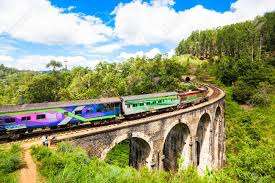
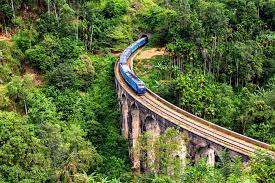
To fully enjoy the beauty of the Nine Arch Bridge, it is recommended to be there during the train schedule, as you can witness the iconic blue train passing over the bridge, creating a postcard-perfect scene. The bridge also offers excellent opportunities for photography, allowing you to capture the scenic vistas and the timeless charm of this architectural masterpiece.

6. The Bridge’s Role in Tourism and Local Economy

The Nine Arch Bridge has become a major tourist attraction in Sri Lanka, drawing travelers from across the globe. Its popularity has contributed significantly to the growth of the local economy. The bridge has prompted the development of accommodations, restaurants, and souvenir shops, providing employment opportunities for the local community and boosting the region’s overall prosperity.

7. Preserving the Nine Arch Bridge for Future Generations

Preservation efforts are crucial to maintain the historical and cultural value of the Nine Arch Bridge. Regular maintenance, restoration, and awareness campaigns are essential to ensure that this architectural gem continues to inspire and fascinate generations to come. The bridge serves as a reminder of the nation’s heritage, and it is our responsibility to protect and cherish it.

8. The Nine Arch Bridge: An Iconic Film Location

The awe-inspiring beauty and unique architecture of the Nine Arch Bridge have captured the attention of filmmakers around the world. It has served as a backdrop for several movies, both local and international, adding to its allure. The bridge’s timeless charm and cinematic appeal have further contributed to its global recognition.

9. The Intriguing Legends and Stories Associated with the Bridge

Like any iconic landmark, the Nine Arch Bridge has its fair share of legends and stories. Locals believe that the construction of the bridge was made possible with the help of mythical creatures. These tales add a sense of mystery and enchantment to the already captivating atmosphere surrounding the bridge, further enhancing its allure.

10. The Bridge’s Connection with Sri Lankan Culture and Heritage

The Nine Arch Bridge holds immense cultural and historical importance for the people of Sri Lanka. It stands as a reminder of the nation’s colonial past and showcases the architectural brilliance of that era. The bridge has become a symbol of national pride, representing the cultural heritage and resilience of the Sri Lankan people.

11. Understanding the Challenges and Maintenance of the Bridge

Maintaining a structure as grand as the Nine Arch Bridge comes with its own set of challenges. The constant exposure to natural elements, such as rain and wind, can cause wear and tear over time. Regular inspections, repairs, and appropriate preservation techniques are crucial to ensure the longevity of this architectural wonder.

12. The Nine Arch Bridge: A Symbol of Unity and Connectivity

The Nine Arch Bridge not only connects two geographical locations but also symbolizes unity and connectivity. It serves as a testament to human collaboration and engineering excellence, showcasing the power of collective effort. The bridge unifies people from diverse backgrounds, creating a shared experience and fostering a sense of togetherness.

13. Promoting Sustainable Tourism around the Bridge

Sustainable tourism practices are vital to preserve the ecological integrity of the Nine Arch Bridge and its surroundings. Encouraging responsible tourism, promoting waste management, and minimizing the impact on the natural environment are essential steps towards ensuring the long-term sustainability of this remarkable attraction.

14. Exploring Other Architectural Marvels in Sri Lanka

While the Nine Arch Bridge is undoubtedly a highlight of Sri Lanka’s architectural heritage, the country boasts several other marvels worth exploring. From ancient temples to colonial buildings, Sri Lanka offers a treasure trove of architectural wonders that reflect the nation’s rich history and cultural diversity.

15. Conclusion

The Nine Arch Bridge stands tall as an engineering masterpiece and a testament to the human spirit of innovation. With its breathtaking beauty and historical significance, it continues to captivate visitors from around the world. As we traverse this awe-inspiring bridge, we are reminded of the interconnectedness of our past, present, and future. Let us cherish and protect this architectural gem, ensuring that it remains an emblem of Sri Lanka’s cultural heritage for generations to come.


FAQs

Q1. Can visitors walk on the Nine Arch Bridge? Yes, visitors are allowed to walk on the Nine Arch Bridge, providing an up-close experience of its architectural beauty and the surrounding landscape.

Q2. Are there any restrictions for photography on the bridge? There are no specific restrictions on photography; visitors are encouraged to capture the scenic views and the bridge’s grandeur.

Q3. Are there any guided tours available for the Nine Arch Bridge? Yes, guided tours are available for visitors who wish to learn more about the history, architecture, and significance of the Nine Arch Bridge.

Q4. Can the Nine Arch Bridge be accessed by public transportation? Yes, the Nine Arch Bridge is easily accessible by public transportation. Regular train and bus services are available to reach the nearby town of Ella.

Q5. Are there any safety measures in place for visitors walking on the bridge? To ensure the safety of visitors, there are guardrails on the bridge. However, it is advisable to exercise caution and adhere to any guidelines provided by the local authorities.


SHARE
Verified by MonsterInsights