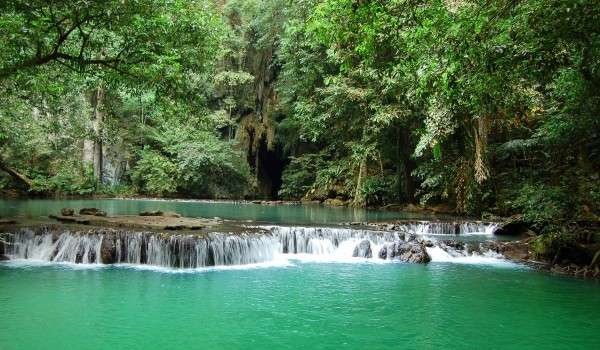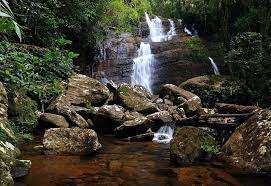
The Sinharaja Forest Reserve | A Tropical Rainforest

SHARE

Introduction

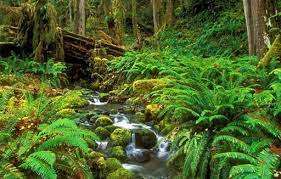
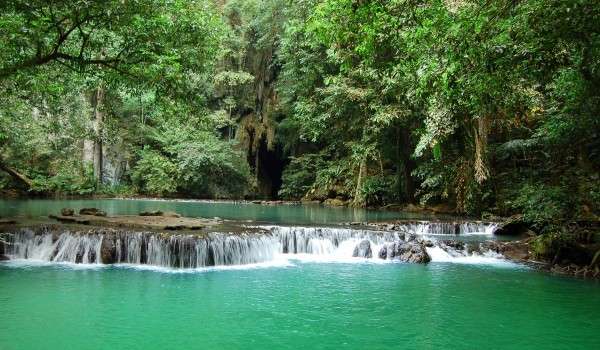
Sinharaja Forest Reserve is a stunning and ecologically diverse tropical rainforest located in the southwestern part of Sri Lanka. This majestic forest, recognized as a UNESCO World Heritage Site, is renowned for its rich biodiversity, pristine beauty, and significant conservation value. In this article, we will explore the wonders of Sinharaja Forest Reserve, diving into its natural treasures, importance, and efforts to preserve this invaluable ecosystem.

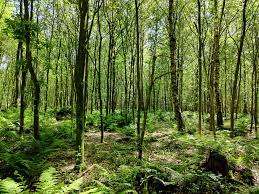
Table of Contents

  1. What is Sinharaja Forest Reserve?
  2. Geographical Location
  3. Flora and Fauna
  4. Importance of Sinharaja Forest Reserve
  5. Conservation Efforts
  6. Visiting Sinharaja Forest Reserve
  7. Guidelines for Visitors
  8. Threats and Challenges
  9. Research and Education
  10. Impacts of Sinharaja Forest Reserve
  11. The Future of Sinharaja Forest Reserve
  12. Conclusion
  13. FAQs

1. What is Sinharaja Forest Reserve?

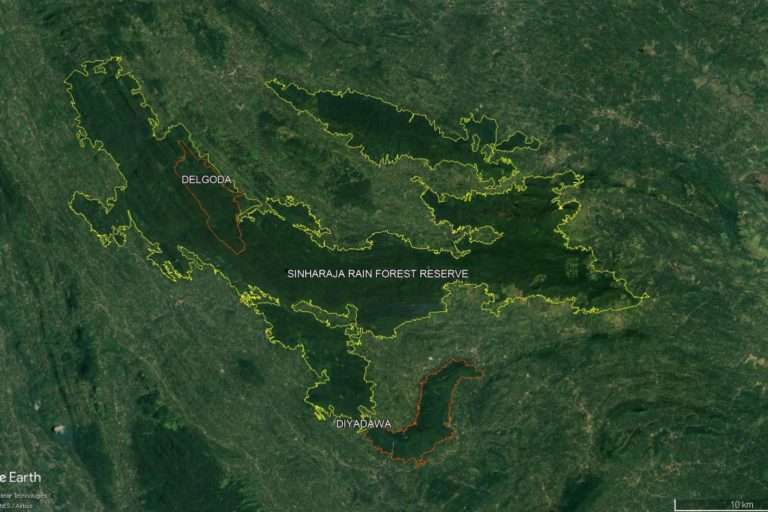
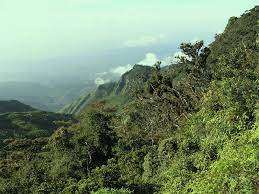
Sinharaja Forest Reserve is a pristine tropical rainforest spanning approximately 11,187 hectares. It is one of the few remaining lowland rainforests in Sri Lanka, offering a sanctuary for numerous plant and animal species. The name “Sinharaja” translates to “Lion Kingdom” in Sinhalese, symbolizing the regal nature of this forest.

2. Geographical Location

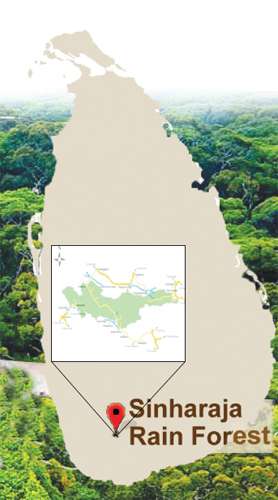
Situated in the southwestern part of Sri Lanka, Sinharaja Forest Reserve is nestled between the districts of Ratnapura, Galle, and Matara. It is located within the Sabaragamuwa and Southern provinces, making it easily accessible from various parts of the country.
3. Flora and Fauna

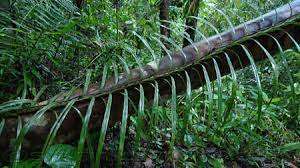
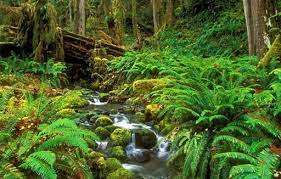
Sinharaja Forest Reserve is a treasure trove of biodiversity, boasting an impressive array of flora and fauna. The forest is home to over 830 plant species, including numerous endemic and endangered ones. Towering trees such as Dipterocarpus, Mesua, and Dillenia form the majestic canopy of Sinharaja, creating a dense and vibrant ecosystem.

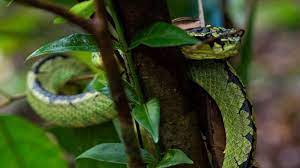
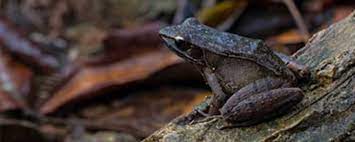
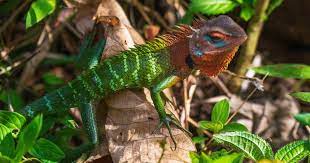
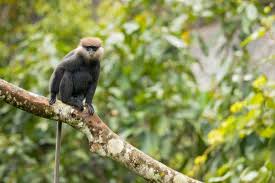
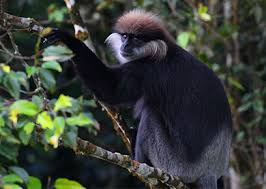
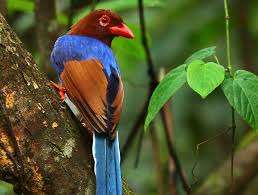
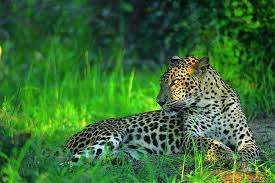
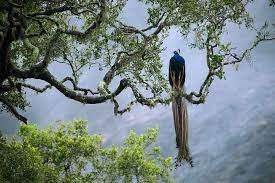
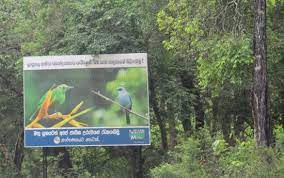
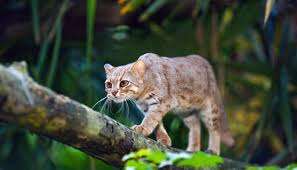
In terms of fauna, Sinharaja is equally awe-inspiring. The forest is inhabited by a diverse range of animal species, including 44 species of mammals, 160 species of birds, 33 species of reptiles, and 15 species of amphibians. Notable wildlife found in the reserve includes the purple-faced langur, Sri Lankan leopard, and the endemic Sri Lankan blue magpie.

4. Importance of Sinharaja Forest Reserve

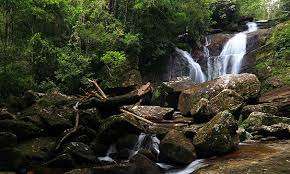
Sinharaja Forest Reserve holds immense ecological, cultural, and scientific importance. As a UNESCO World Heritage Site, it has been recognized for its outstanding universal value. The forest acts as a vital watershed, contributing to the water supply of numerous rivers and streams in the region. It also plays a crucial role in mitigating climate change by acting as a carbon sink.

From a cultural perspective, Sinharaja is deeply ingrained in Sri Lanka’s heritage. It has spiritual significance and is associated with ancient rituals and beliefs. The forest serves as a living laboratory for scientists and researchers, offering valuable insights into evolutionary processes, endemic species, and ecological dynamics.

5. Conservation Efforts

Preserving the fragile ecosystem of Sinharaja Forest Reserve has been a top priority for the Sri Lankan government and various conservation organizations. Strict regulations are in place to protect the forest from human encroachment, illegal logging, and poaching. The Forest Department and other entities work tirelessly to enforce these regulations and raise awareness about the importance of conservation.

Collaborative efforts between local communities, researchers, and conservationists have resulted in successful projects aimed at reforestation, wildlife monitoring, and sustainable tourism initiatives. These endeavors strive to strike a balance between the needs of local communities and the long-term preservation of the forest.

6. Visiting Sinharaja Forest Reserve

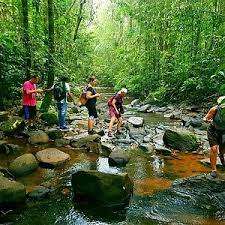
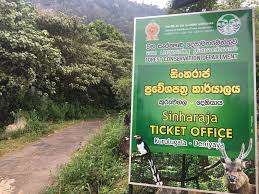
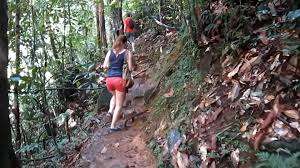
Sinharaja Forest Reserve offers a remarkable opportunity for nature enthusiasts and adventurers to immerse themselves in its unparalleled beauty. The forest provides various trails and trekking routes, allowing visitors to explore its wonders while being guided by experienced naturalists.
7. Guidelines for Visitors

To ensure the conservation of Sinharaja Forest Reserve, it is essential for visitors to adhere to certain guidelines. These guidelines include:

  • Obtaining necessary permits and following the designated trails.
  • Avoiding littering and disposing of waste responsibly.
  • Respecting the flora and fauna by not plucking plants or disturbing animals.
  • Refraining from making excessive noise to maintain the serene environment.
  • Following the guidance of experienced guides and naturalists.

8. Threats and Challenges

Despite the conservation efforts, Sinharaja Forest Reserve faces various threats and challenges. The encroachment of human settlements, illegal logging, and poaching pose significant risks to the delicate balance of this ecosystem. Climate change, invasive species, and habitat fragmentation further exacerbate the challenges faced by the forest.

9. Research and Education

Research and education play crucial roles in understanding and preserving the unique ecosystem of Sinharaja Forest Reserve. Scientists and researchers conduct studies on various aspects of the forest, contributing to our knowledge of biodiversity, ecological processes, and conservation strategies. Educational programs and awareness campaigns help instill a sense of responsibility and stewardship among the local communities and visitors.

10. Impacts of Sinharaja Forest Reserve

The preservation of Sinharaja Forest Reserve has far-reaching impacts. The forest acts as a natural haven for biodiversity, ensuring the survival of numerous endemic and endangered species. It also supports the livelihoods of local communities through sustainable tourism, providing economic opportunities while safeguarding the forest’s integrity.

Furthermore, Sinharaja Forest Reserve contributes to global efforts in combating climate change by sequestering carbon and maintaining vital ecosystem services. Its preservation serves as a testament to the importance of safeguarding our planet’s natural heritage.

11. The Future of Sinharaja Forest Reserve

The future of Sinharaja Forest Reserve lies in our hands. It requires continued dedication, collaborative efforts, and sustainable practices to ensure its survival for future generations. Strengthening conservation measures, promoting research and education, and fostering community engagement are crucial steps towards securing the future of this remarkable rainforest.

Conclusion

Sinharaja Forest Reserve stands as a remarkable testament to the beauty and significance of tropical rainforests. Its rich biodiversity, cultural heritage, and conservation efforts make it a jewel among UNESCO World Heritage Sites. By embracing sustainable practices and preserving this natural treasure, we can contribute to the protection of our planet’s invaluable ecosystems.

FAQs

1. Are there accommodation options available near Sinharaja Forest Reserve? Yes, there are several accommodation options available near Sinharaja Forest Reserve, ranging from eco-lodges to guesthouses. It is advisable to make prior arrangements and book accommodations in advance.

2. Can I visit Sinharaja Forest Reserve without a guide? No, visiting Sinharaja Forest Reserve without a guide is not allowed. The expertise of experienced guides is essential to ensure a safe and informative visit while minimizing the impact on the ecosystem.

3. Are there any restrictions on photography within the reserve? Photography is allowed in Sinharaja Forest Reserve, but it is important to be mindful of the environment and respect the guidelines provided by the authorities. Avoid using flash photography, as it can disturb wildlife.

4. Can I swim in the rivers or waterfalls within Sinharaja Forest Reserve? Swimming in the rivers or waterfalls within Sinharaja Forest Reserve is generally not permitted for safety reasons. However, there are designated areas nearby where visitors can enjoy water activities.

5. How can I contribute to the conservation of Sinharaja Forest Reserve? You can contribute to the conservation of Sinharaja Forest Reserve by supporting sustainable tourism practices, respecting the guidelines, spreading awareness about its importance, and supporting local conservation organizations through donations or volunteer work.
SHARE

The Horton Plains National Park | A Breathtaking Nature Beauty in The Island

SHARE

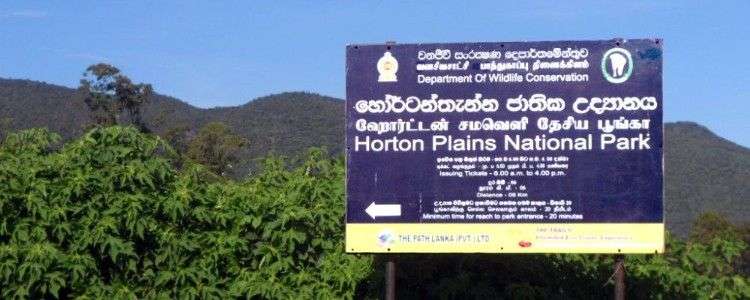
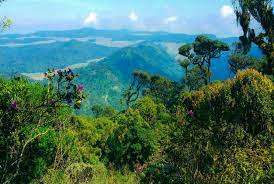
Horton Plains National Park, located in the central highlands of Sri Lanka, is a magnificent natural wonder that attracts visitors from around the world. Spread over an area of approximately 3,160 hectares, this national park is known for its breathtaking landscapes, diverse wildlife, and unique ecosystem. In this article, we will explore the wonders of Horton Plains National Park, its stunning features, and the experiences it offers to its visitors.

Table of Contents

  1. Introduction to Horton Plains National Park
  2. Geographical Location and Climate
  3. Flora and Fauna
  4. The Iconic World’s End
  5. Baker’s Falls: A Cascading Beauty
  6. Trekking Trails and Hiking Routes
  7. Important Tips for Visitors
  8. Conservation Efforts and Sustainability
  9. Nearby Attractions
  10. Accommodation and Facilities
  11. Best Time to Visit
  12. Safety Measures and Regulations
  13. Exploring the Cultural Heritage
  14. Photography and Birdwatching Opportunities
  15. Conclusion
  16. FAQs (Frequently Asked Questions)

1. Introduction to Horton Plains National Park

Horton Plains National Park is a UNESCO World Heritage Site that offers a pristine and untouched natural environment. Established in 1988, it is one of the most important protected areas in Sri Lanka, safeguarding its unique biodiversity and providing a sanctuary for numerous endemic species.

2. Geographical Location and Climate

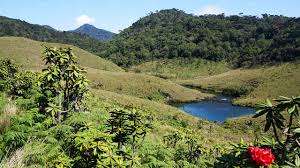
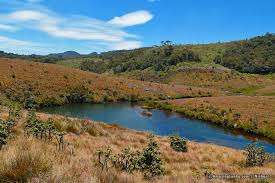
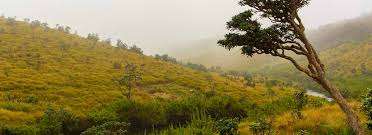
Situated in the central highlands of Sri Lanka, Horton Plains National Park is nestled at an altitude of 2,100 meters above sea level. It is part of the wet montane zone, characterized by its cool and misty climate. The park receives an ample amount of rainfall throughout the year, making it a lush and green paradise.

3. Flora and Fauna

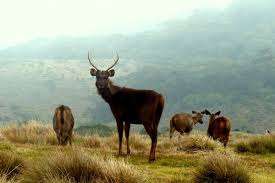
Horton Plains National Park is a treasure trove of biodiversity, boasting a rich variety of flora and fauna. The park is home to several endemic species, including the elusive Horton Plains slender loris and the Sri Lankan leopard. The vegetation is predominantly montane cloud forest, adorned with vibrant orchids, rhododendrons, and ferns.

4. The Iconic World’s End

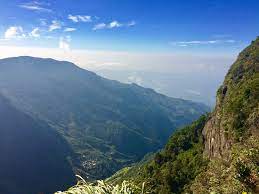
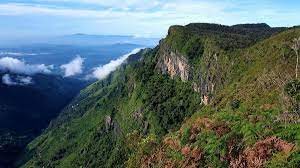
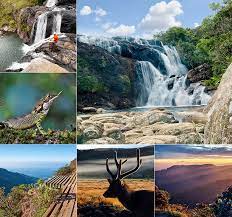
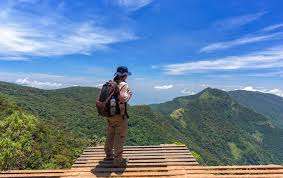
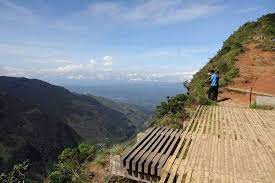
One of the most awe-inspiring attractions within Horton Plains National Park is the World’s End. This dramatic escarpment offers a panoramic view of the surrounding landscape, with a sheer drop of nearly 1,200 meters. The mist-covered valleys and rolling hills create a mesmerizing spectacle that leaves visitors in awe.

5. Baker’s Falls: A Cascading Beauty

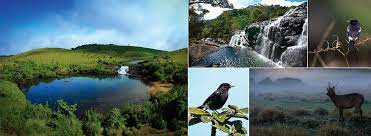
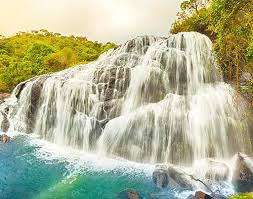
Baker’s Falls is another natural wonder that awaits explorers in Horton Plains National Park. This picturesque waterfall cascades down a series of rock formations, surrounded by lush greenery. The sight and sound of the cascading water create a soothing ambiance, making it a favorite spot for nature lovers.
6. Trekking Trails and Hiking Routes

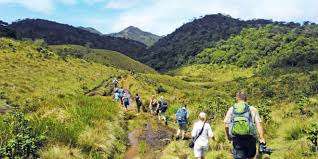
Horton Plains National Park offers a range of trekking trails and hiking routes that cater to different levels of fitness and adventure. The most popular trail is the 9-kilometer circular route, which takes visitors through the park’s main attractions, including World’s End and Baker’s Falls. The trekking experience allows visitors to immerse themselves in the park’s natural beauty and encounter its diverse wildlife up close.

7. Important Tips for Visitors

To make the most of your visit to Horton Plains National Park, it is essential to be well-prepared. Here are some important tips:

  • Wear comfortable and sturdy footwear.
  • Carry sufficient drinking water and snacks.
  • Dress in layers to accommodate the changing weather.
  • Respect the wildlife and do not disturb their natural habitats.
  • Follow the designated trails and adhere to park regulations.

8. Conservation Efforts and Sustainability

Horton Plains National Park is committed to preserving its pristine environment and promoting sustainable tourism practices. The park authorities work diligently to protect the delicate ecosystems, conserve wildlife habitats, and raise awareness about the importance of environmental conservation among visitors and local communities.

9. Nearby Attractions

In addition to its natural wonders, Horton Plains National Park is surrounded by several other attractions that are worth exploring. Some of the nearby attractions include:

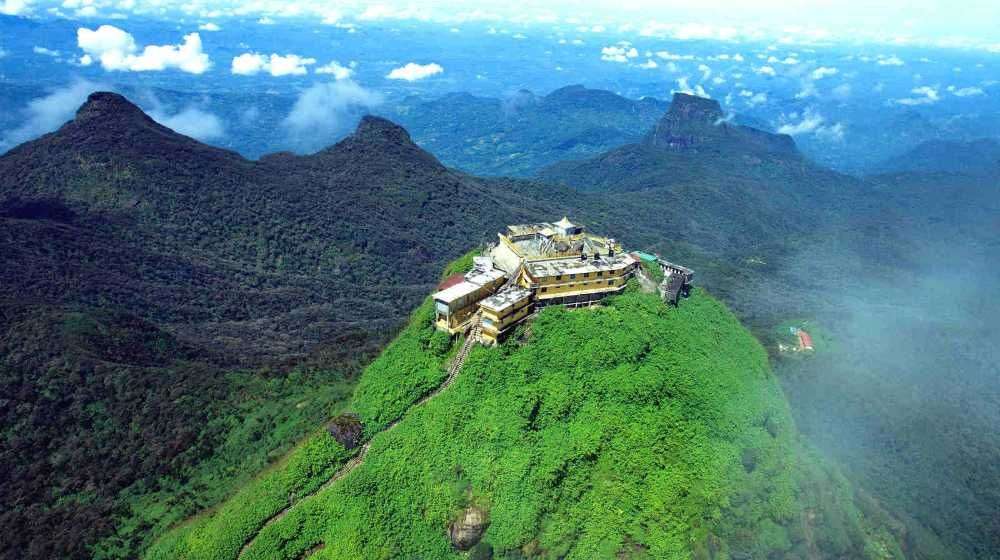
  • Adam’s Peak
  • Nuwara Eliya
  • Ella Rock
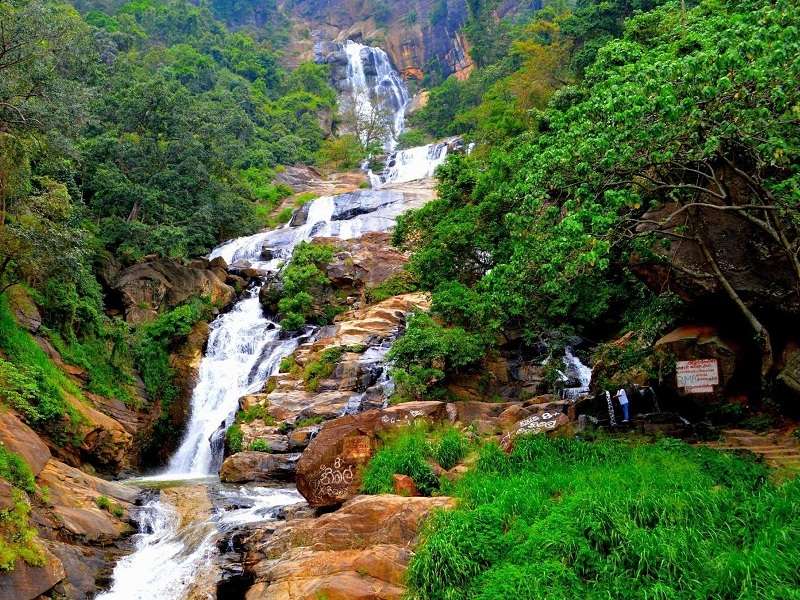
  • Ravana Falls

10. Accommodation and Facilities

While Horton Plains National Park does not offer accommodation within its boundaries, there are several options available in the nearby towns and cities. From luxury resorts to budget-friendly guesthouses, visitors can choose accommodations that suit their preferences and budgets. Additionally, the park provides basic facilities such as restrooms, picnic areas, and information centers.

11. Best Time to Visit

The best time to visit Horton Plains National Park is during the dry season, which lasts from December to March. During this period, the weather is relatively stable, and the chances of rain are lower. It is important to note that the park has a daily visitor limit, so it is advisable to arrive early to secure entry.

12. Safety Measures and Regulations

To ensure a safe and enjoyable experience, it is crucial to adhere to the safety measures and regulations set by Horton Plains National Park. Some key guidelines include:

  • Do not litter or leave any trace behind.
  • Stay on the designated trails and paths.
  • Do not feed or approach the wildlife.
  • Carry a valid entry ticket at all times.
  • Follow the instructions of park rangers and guides.

13. Exploring the Cultural Heritage

Horton Plains National Park is not only a haven for natural beauty but also showcases Sri Lanka’s rich cultural heritage. Nearby attractions, such as the ancient city of Nuwara Eliya, provide insights into the country’s colonial past and traditional tea plantations. Visitors can explore the charming architecture, taste local cuisine, and engage with the warm hospitality of the local communities.

14. Photography and Birdwatching Opportunities

For photography enthusiasts and birdwatchers, Horton Plains National Park offers abundant opportunities. The picturesque landscapes, diverse wildlife, and endemic bird species make it a paradise for capturing stunning photographs and observing avian wonders. The park provides a peaceful and undisturbed setting, allowing visitors to enjoy these experiences to the fullest.

15. Conclusion

Horton Plains National Park is a mesmerizing destination that showcases the breathtaking beauty of Sri Lanka’s central highlands. From its mist-covered valleys and cascading waterfalls to its diverse wildlife and endemic species, the park offers a unique and immersive experience for nature lovers and adventure enthusiasts alike. By preserving its natural wonders and promoting sustainable tourism practices, Horton Plains National Park continues to captivate visitors and contribute to the conservation of Sri Lanka’s precious biodiversity.

FAQs (Frequently Asked Questions)

  1. Can I camp inside Horton Plains National Park?
    • No, camping is not permitted inside the park. However, there are camping sites available in the surrounding areas.
  2. Are there any restrictions on photography within the park?
    • Photography is allowed within the park, but the use of drones is prohibited. Additionally, commercial photography requires prior permission.
  3. Can I hire a guide for trekking in Horton Plains National Park?
    • Yes, hiring a guide is recommended, especially for first-time visitors. Guides can provide valuable insights and ensure your safety during the trek.
  4. Are there any entrance fees for visiting the park?
    • Yes, there is an entrance fee for Horton Plains National Park. The fee may vary for local and foreign visitors.
  5. Are there any restrictions on the number of visitors allowed per day?
    • Yes, there is a daily visitor limit to manage the park’s sustainability and preserve its natural environment. It is advisable to arrive early to secure entry.

In conclusion, Horton Plains National Park is a natural gem that offers a blend of breathtaking landscapes, diverse wildlife, and unique experiences. Whether you are an adventure seeker, a nature lover, or a photography enthusiast, this national park promises to leave you awe-inspired. Explore the wonders of Horton Plains National Park, immerse yourself in its pristine beauty, and create memories that will last a lifetime.


SHARE

Lahugala National Park | Exploring Sri Lanka’s Hidden Gem

SHARE

If you’re an adventurous traveler seeking to escape the bustling crowds and immerse yourself in nature’s wonders, Lahugala in Sri Lanka is a hidden gem worth discovering. Tucked away in the southeastern part of the country, Lahugala offers a serene and enchanting experience that will leave you captivated. From its lush landscapes and diverse wildlife to its ancient ruins and cultural heritage, Lahugala has something for everyone. In this article, we will take you on a journey to explore the beauty and charm of Lahugala, uncovering its secrets and attractions that make it a must-visit destination.

Table of Contents

  1. Introduction
  2. The History of Lahugala
  3. Getting to Lahugala
  4. Lahugala National Park: A Wildlife Wonderland
  5. Lahugala Tank: A Man-Made Marvel
  6. The Ancient Rock Temple of Magul Maha Viharaya
  7. The Enigmatic Godavaya Archaeological Site
  8. Experiencing Lahugala’s Cultural Festivals
  9. Traditional Handicrafts of Lahugala
  10. Indulging in Local Cuisine
  11. Accommodation Options in Lahugala
  12. Exploring Nearby Attractions
  13. Sustainable Tourism Initiatives in Lahugala
  14. Tips for a Memorable Trip to Lahugala
  15. Conclusion

Introduction

Nestled in the Ampara District of Sri Lanka, Lahugala is a destination that beckons nature enthusiasts, history buffs, and culture lovers alike. Away from the well-trodden tourist paths, Lahugala offers a tranquil setting where you can immerse yourself in the beauty of untouched wilderness and connect with the rich heritage of the region. Whether you’re embarking on a solo adventure or traveling with your family, Lahugala promises to leave an indelible mark on your heart.

The History of Lahugala

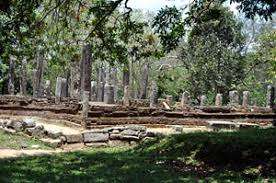
The history of Lahugala dates back centuries, with evidence of human settlements and ancient civilizations found in the area. The region has been ruled by various kingdoms, including the Anuradhapura, Polonnaruwa, and Kandy kingdoms. Lahugala played a significant role in the country’s history, serving as a strategic location for trade and defense. The remnants of ancient temples, monasteries, and royal complexes stand as a testament to the rich historical legacy of Lahugala.

Getting to Lahugala

To reach Lahugala, you can take a scenic drive from Colombo, the capital city of Sri Lanka, or from the nearby town of Ampara. The journey offers breathtaking views of the countryside, with picturesque landscapes and traditional villages along the way. You can also opt to take public transportation, such as buses or trains, which provide a more immersive experience of local life.

Lahugala National Park: A Wildlife Wonderland

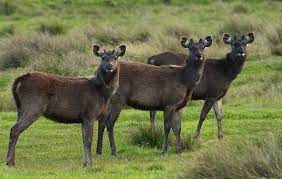
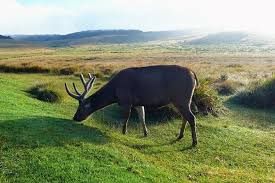
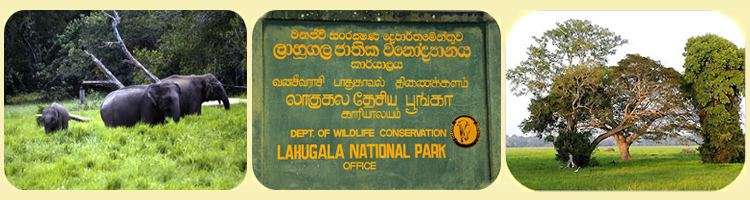
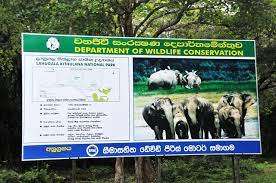
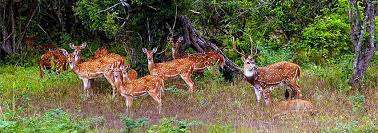
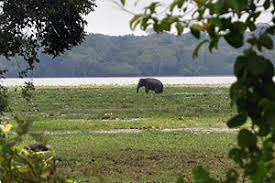
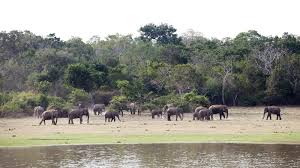
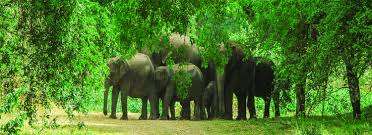
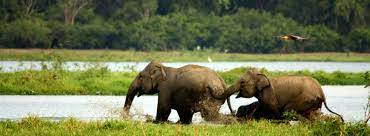
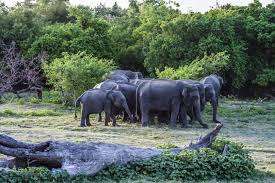
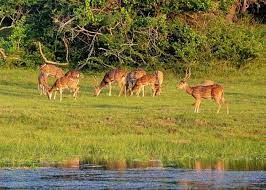
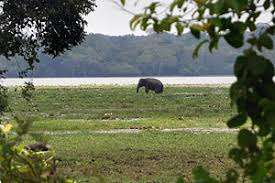
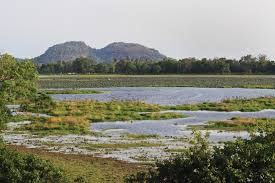
One of the main highlights of Lahugala is its national park, a sanctuary for wildlife enthusiasts. Spread across an expansive area, Lahugala National Park is home to a diverse range of animal and bird species. As you venture into the park, you’ll have the chance to spot elephants, leopards, deer, monkeys, and a myriad of colorful birdlife. Guided safaris and nature walks allow you to explore the park’s hidden treasures while learning about its unique ecosystem.

Lahugala Tank: A Man-Made Marvel

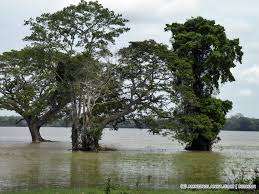
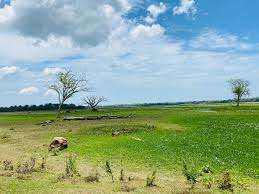
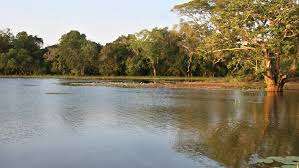
The Lahugala Tank, an ancient irrigation reservoir, is a testament to the advanced engineering skills of ancient Sri Lankans. Built during the reign of King Datusena in the 5th century, the tank served as a vital water source for agriculture in the region. Today, it stands as a picturesque site, surrounded by lush greenery and offering a peaceful ambiance. Visitors can take leisurely walks along the tank’s bunds, enjoying the tranquility and spotting wildlife that frequents the area.

The Ancient Rock Temple of Magul Maha Viharaya

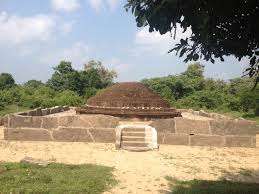
Perched atop a rocky outcrop, the Magul Maha Viharaya is an ancient Buddhist temple that holds great historical and religious significance. Believed to have been established during the reign of King Kavantissa in the 2nd century BC, the temple features intricate stone carvings and paintings. The serene atmosphere and panoramic views from the temple premises make it a must-visit site for spiritual seekers and history enthusiasts.

The Enigmatic Godavaya Archaeological Site

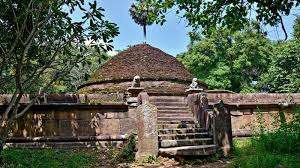
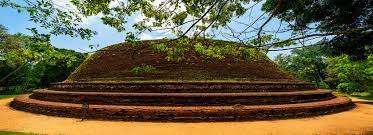
For archaeology enthusiasts, the Godavaya site near Lahugala offers a captivating glimpse into the past. This archaeological site showcases the remnants of a once-thriving port city that flourished during ancient times. Excavations have unearthed artifacts, pottery, and architectural structures, shedding light on the region’s trade and cultural interactions. Exploring Godavaya allows you to unravel the mysteries of this ancient civilization and appreciate its historical significance.

Experiencing Lahugala’s Cultural Festivals

Lahugala is known for its vibrant cultural festivals that celebrate the local traditions and customs. The Lahugala Perahera, a grand procession of elephants adorned with colorful garments and traditional dancers, is a spectacle that shouldn’t be missed. The rhythmic beats of traditional drums and the mesmerizing performances create an atmosphere filled with joy and excitement. Attending these festivals provides a unique opportunity to immerse yourself in the local culture and witness the deep-rooted traditions of Lahugala.

Traditional Handicrafts of Lahugala

Lahugala is renowned for its exquisite handicrafts, which are a testament to the creativity and craftsmanship of the local artisans. From intricately woven baskets and mats to vibrant hand-painted masks and pottery, the handicrafts of Lahugala reflect the region’s cultural heritage. Visitors can explore workshops and interact with the artisans to gain insights into their traditional techniques and purchase unique souvenirs to commemorate their visit.

Indulging in Local Cuisine

No trip to Lahugala is complete without savoring the authentic flavors of Sri Lankan cuisine. The region’s culinary delights feature a delightful blend of aromatic spices, fresh seafood, and tropical fruits. Don’t miss the opportunity to try traditional dishes such as rice and curry, hoppers, and string hoppers. Engage your taste buds and embark on a culinary adventure that will leave you craving for more.

Accommodation Options in Lahugala

Lahugala offers a range of accommodation options to suit various preferences and budgets. From eco-lodges nestled in the heart of nature to comfortable guesthouses and hotels, there’s something for every traveler. Staying amidst the lush surroundings of Lahugala allows you to wake up to the sounds of birds chirping and immerse yourself in the tranquility of the area.

Exploring Nearby Attractions

While Lahugala itself has much to offer, it also serves as a gateway to several nearby attractions. Within a short distance, you can visit the iconic Yala National Park, renowned for its leopard sightings, or explore the ancient city of Polonnaruwa, a UNESCO World Heritage site. These excursions allow you to further expand your exploration and make the most of your visit to this captivating region.

Sustainable Tourism Initiatives in Lahugala

Lahugala is committed to promoting sustainable tourism practices to preserve its natural beauty and cultural heritage. Local communities actively participate in conservation efforts and engage in eco-friendly initiatives. By supporting responsible tourism, visitors contribute to the preservation of Lahugala’s unique ecosystems and the well-being of its residents.

Tips for a Memorable Trip to Lahugala

  • Pack light and comfortable clothing suitable for the tropical climate.
  • Apply sunscreen and carry insect repellent for protection against the sun and bugs.
  • Stay hydrated by carrying a water bottle and drink plenty of fluids.
  • Respect the local customs and traditions while visiting temples and cultural sites.
  • Engage with the local community and learn about their way of life.
  • Capture the beauty of Lahugala through photography but remember to be mindful of the environment and wildlife.
  • Plan your visit during the dry season (April to September) for optimal wildlife sightings.

Conclusion

Lahugala offers a remarkable travel experience for those seeking an off-the-beaten-path adventure in Sri Lanka. From its breathtaking natural landscapes to its historical sites and vibrant cultural traditions, Lahugala has something to captivate every traveler. Embrace the tranquility, immerse yourself in the wonders of nature, and connect with the rich heritage of this hidden gem. Explore Lahugala and create memories that will last a lifetime.

FAQs

1. Is Lahugala a safe destination to visit?

Yes, Lahugala is considered a safe destination for travelers. However, it is always advisable to take necessary precautions and follow any travel advisories issued by the local authorities.

2. What is the best time to visit Lahugala?

The best time to visit Lahugala is during the dry season, which runs from April to September. During this time, the weather is pleasant, and wildlife sightings are more frequent.

3. Are there any accommodation options within Lahugala National Park?

No, there are no accommodation options within Lahugala National Park. However, there are several places to stay in the nearby town of Lahugala and other surrounding areas.

4. Can I spot elephants in Lahugala National Park?

Yes, Lahugala National Park is home to a significant population of elephants. Safari tours within the park offer excellent opportunities to spot these majestic creatures in their natural habitat.

5. Are there any restrictions on photography within Lahugala?

While there are no specific restrictions on photography, it is essential to be respectful of the environment and wildlife. Avoid using flash photography or disturbing the animals for ethical reasons.

In conclusion

Lahugala is a captivating destination that offers a perfect blend of natural beauty, historical richness, and cultural heritage. Embark on a journey to this hidden gem in Sri Lanka and discover its wonders for yourself. From exploring wildlife-filled national parks to marveling at ancient temples and indulging in local traditions, Lahugala promises an unforgettable experience that will leave you with cherished memories. So pack your bags, embrace the adventure, and immerse yourself in the magic of Lahugala.


SHARE
Verified by MonsterInsights