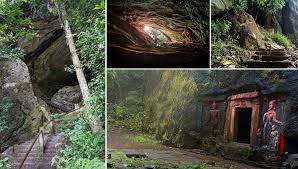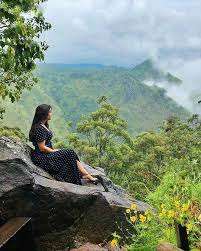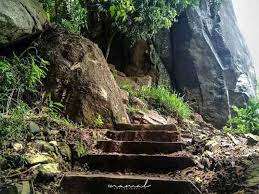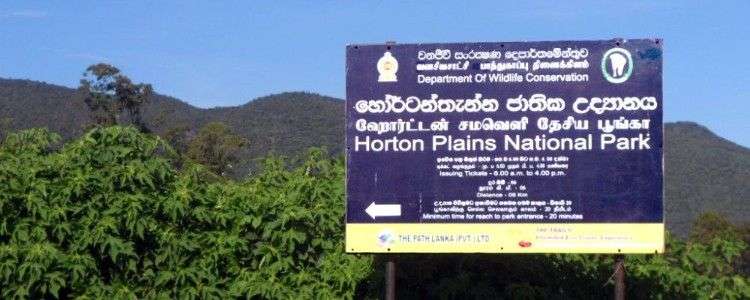
The Horton Plains National Park | A Breathtaking Nature Beauty in The Island

SHARE

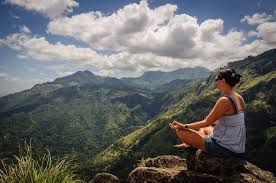
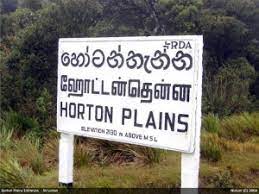
Horton Plains National Park, located in the central highlands of Sri Lanka, is a magnificent natural wonder that attracts visitors from around the world. Spread over an area of approximately 3,160 hectares, this national park is known for its breathtaking landscapes, diverse wildlife, and unique ecosystem. In this article, we will explore the wonders of Horton Plains National Park, its stunning features, and the experiences it offers to its visitors.
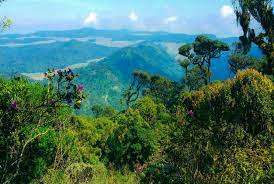
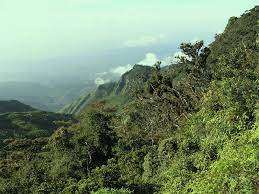
Table of Contents

  1. Introduction to Horton Plains National Park
  2. Geographical Location and Climate
  3. Flora and Fauna
  4. The Iconic World’s End
  5. Baker’s Falls: A Cascading Beauty
  6. Trekking Trails and Hiking Routes
  7. Important Tips for Visitors
  8. Conservation Efforts and Sustainability
  9. Nearby Attractions
  10. Accommodation and Facilities
  11. Best Time to Visit
  12. Safety Measures and Regulations
  13. Exploring the Cultural Heritage
  14. Photography and Birdwatching Opportunities
  15. Conclusion
  16. FAQs (Frequently Asked Questions)

1. Introduction to Horton Plains National Park

Horton Plains National Park is a UNESCO World Heritage Site that offers a pristine and untouched natural environment. Established in 1988, it is one of the most important protected areas in Sri Lanka, safeguarding its unique biodiversity and providing a sanctuary for numerous endemic species.

2. Geographical Location and Climate

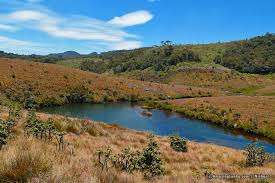
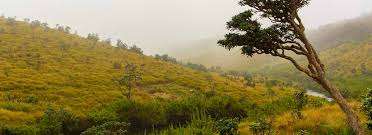
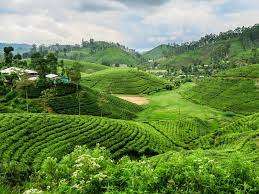
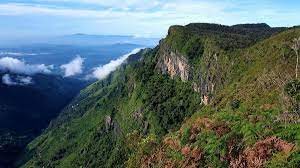
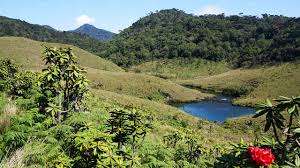
Situated in the central highlands of Sri Lanka, Horton Plains National Park is nestled at an altitude of 2,100 meters above sea level. It is part of the wet montane zone, characterized by its cool and misty climate. The park receives an ample amount of rainfall throughout the year, making it a lush and green paradise.
3. Flora and Fauna

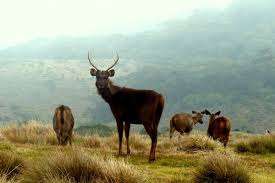
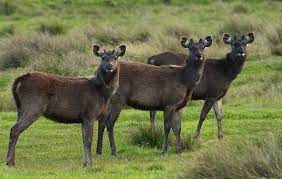
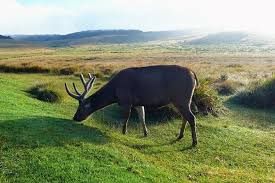
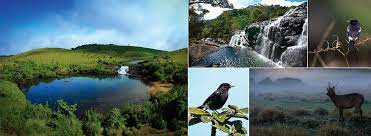
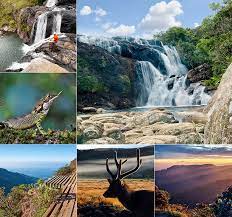
Horton Plains National Park is a treasure trove of biodiversity, boasting a rich variety of flora and fauna. The park is home to several endemic species, including the elusive Horton Plains slender loris and the Sri Lankan leopard. The vegetation is predominantly montane cloud forest, adorned with vibrant orchids, rhododendrons, and ferns.
4. The Iconic World’s End

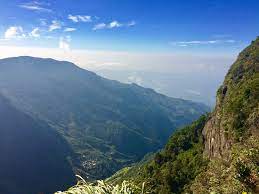
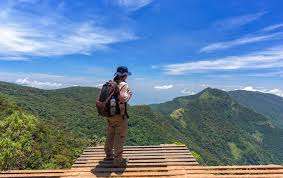
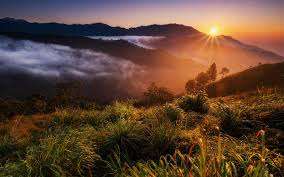
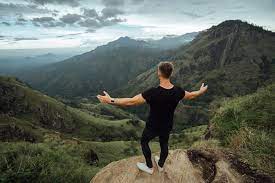
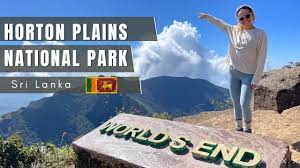
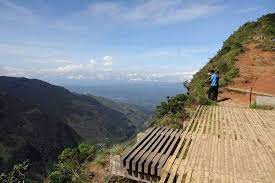
One of the most awe-inspiring attractions within Horton Plains National Park is the World’s End. This dramatic escarpment offers a panoramic view of the surrounding landscape, with a sheer drop of nearly 1,200 meters. The mist-covered valleys and rolling hills create a mesmerizing spectacle that leaves visitors in awe.
5. Baker’s Falls: A Cascading Beauty

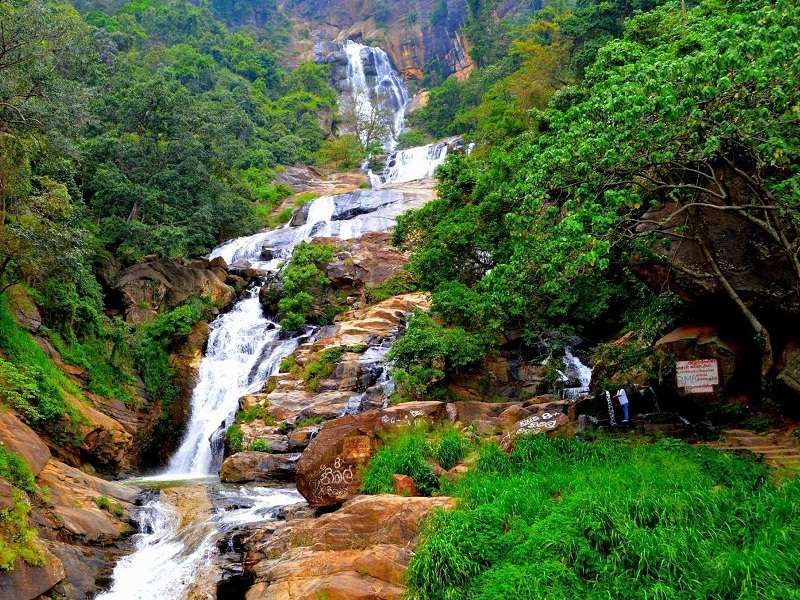
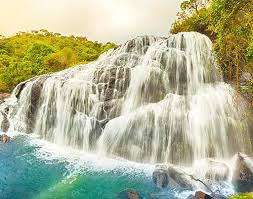
Baker’s Falls is another natural wonder that awaits explorers in Horton Plains National Park. This picturesque waterfall cascades down a series of rock formations, surrounded by lush greenery. The sight and sound of the cascading water create a soothing ambiance, making it a favorite spot for nature lovers.
6. Trekking Trails and Hiking Routes

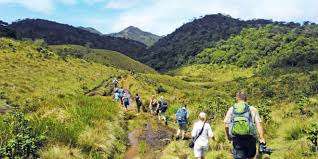
Horton Plains National Park offers a range of trekking trails and hiking routes that cater to different levels of fitness and adventure. The most popular trail is the 9-kilometer circular route, which takes visitors through the park’s main attractions, including World’s End and Baker’s Falls. The trekking experience allows visitors to immerse themselves in the park’s natural beauty and encounter its diverse wildlife up close.
7. Important Tips for Visitors

To make the most of your visit to Horton Plains National Park, it is essential to be well-prepared. Here are some important tips:

  • Wear comfortable and sturdy footwear.
  • Carry sufficient drinking water and snacks.
  • Dress in layers to accommodate the changing weather.
  • Respect the wildlife and do not disturb their natural habitats.
  • Follow the designated trails and adhere to park regulations.

8. Conservation Efforts and Sustainability

Horton Plains National Park is committed to preserving its pristine environment and promoting sustainable tourism practices. The park authorities work diligently to protect the delicate ecosystems, conserve wildlife habitats, and raise awareness about the importance of environmental conservation among visitors and local communities.

9. Nearby Attractions

In addition to its natural wonders, Horton Plains National Park is surrounded by several other attractions that are worth exploring. Some of the nearby attractions include:

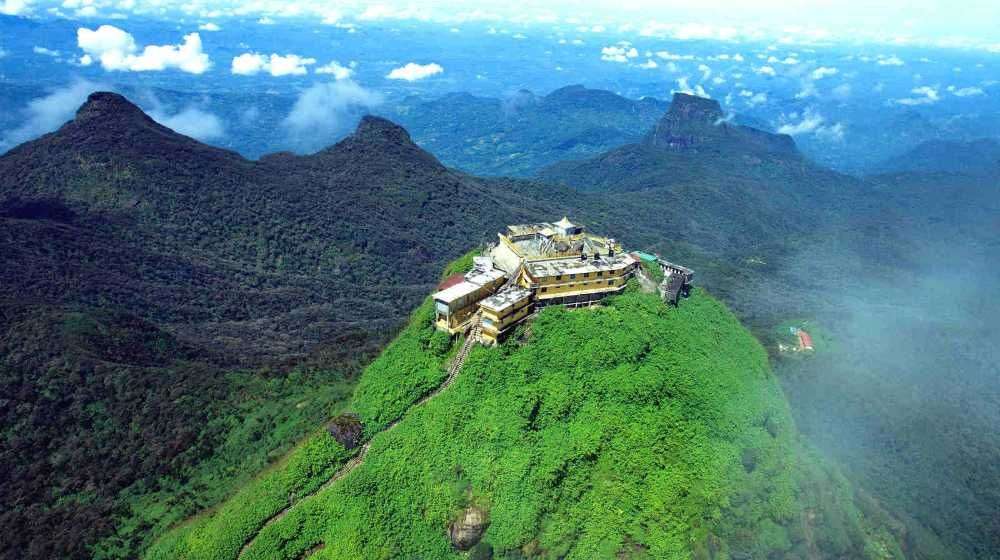
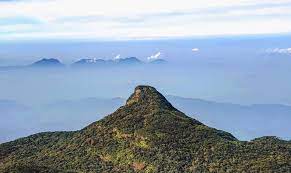
  • Adam’s Peak
  • Nuwara Eliya
  • Ella Rock
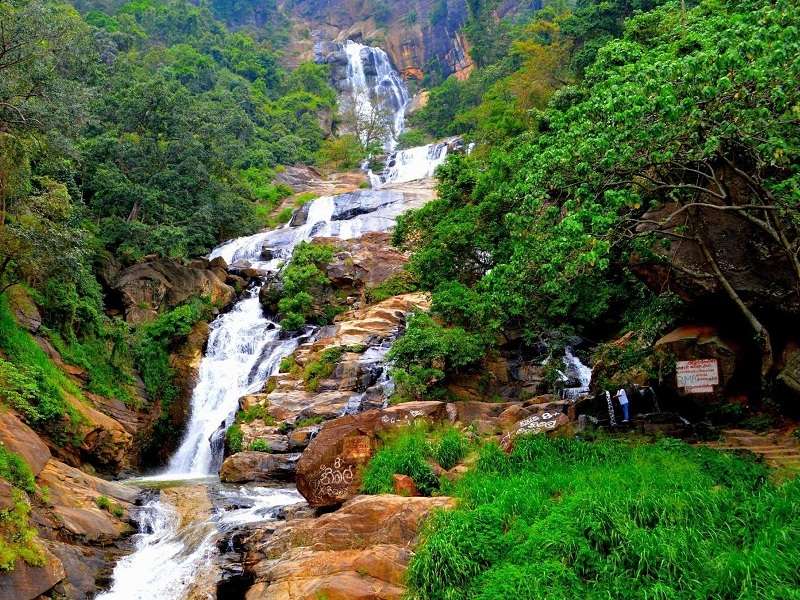
  • Ravana Falls

10. Accommodation and Facilities

While Horton Plains National Park does not offer accommodation within its boundaries, there are several options available in the nearby towns and cities. From luxury resorts to budget-friendly guesthouses, visitors can choose accommodations that suit their preferences and budgets. Additionally, the park provides basic facilities such as restrooms, picnic areas, and information centers.

11. Best Time to Visit

The best time to visit Horton Plains National Park is during the dry season, which lasts from December to March. During this period, the weather is relatively stable, and the chances of rain are lower. It is important to note that the park has a daily visitor limit, so it is advisable to arrive early to secure entry.

12. Safety Measures and Regulations

To ensure a safe and enjoyable experience, it is crucial to adhere to the safety measures and regulations set by Horton Plains National Park. Some key guidelines include:

  • Do not litter or leave any trace behind.
  • Stay on the designated trails and paths.
  • Do not feed or approach the wildlife.
  • Carry a valid entry ticket at all times.
  • Follow the instructions of park rangers and guides.

13. Exploring the Cultural Heritage

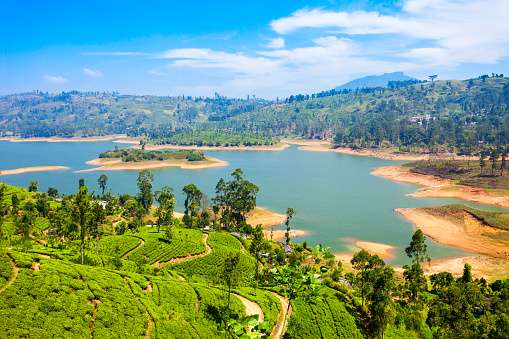
Horton Plains National Park is not only a haven for natural beauty but also showcases Sri Lanka’s rich cultural heritage. Nearby attractions, such as the ancient city of Nuwara Eliya, provide insights into the country’s colonial past and traditional tea plantations. Visitors can explore the charming architecture, taste local cuisine, and engage with the warm hospitality of the local communities.

14. Photography and Birdwatching Opportunities

For photography enthusiasts and birdwatchers, Horton Plains National Park offers abundant opportunities. The picturesque landscapes, diverse wildlife, and endemic bird species make it a paradise for capturing stunning photographs and observing avian wonders. The park provides a peaceful and undisturbed setting, allowing visitors to enjoy these experiences to the fullest.

15. Conclusion

Horton Plains National Park is a mesmerizing destination that showcases the breathtaking beauty of Sri Lanka’s central highlands. From its mist-covered valleys and cascading waterfalls to its diverse wildlife and endemic species, the park offers a unique and immersive experience for nature lovers and adventure enthusiasts alike. By preserving its natural wonders and promoting sustainable tourism practices, Horton Plains National Park continues to captivate visitors and contribute to the conservation of Sri Lanka’s precious biodiversity.

FAQs (Frequently Asked Questions)

  1. Can I camp inside Horton Plains National Park?
    • No, camping is not permitted inside the park. However, there are camping sites available in the surrounding areas.
  2. Are there any restrictions on photography within the park?
    • Photography is allowed within the park, but the use of drones is prohibited. Additionally, commercial photography requires prior permission.
  3. Can I hire a guide for trekking in Horton Plains National Park?
    • Yes, hiring a guide is recommended, especially for first-time visitors. Guides can provide valuable insights and ensure your safety during the trek.
  4. Are there any entrance fees for visiting the park?
    • Yes, there is an entrance fee for Horton Plains National Park. The fee may vary for local and foreign visitors.
  5. Are there any restrictions on the number of visitors allowed per day?
    • Yes, there is a daily visitor limit to manage the park’s sustainability and preserve its natural environment. It is advisable to arrive early to secure entry.

In conclusion, Horton Plains National Park is a natural gem that offers a blend of breathtaking landscapes, diverse wildlife, and unique experiences. Whether you are an adventure seeker, a nature lover, or a photography enthusiast, this national park promises to leave you awe-inspired. Explore the wonders of Horton Plains National Park, immerse yourself in its pristine beauty, and create memories that will last a lifetime.

SHARE

Adam’s Peak | The Mystical Beauty of Spiritual and Natural Wonder

SHARE

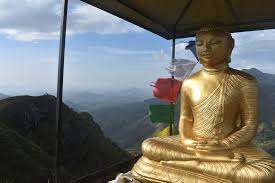
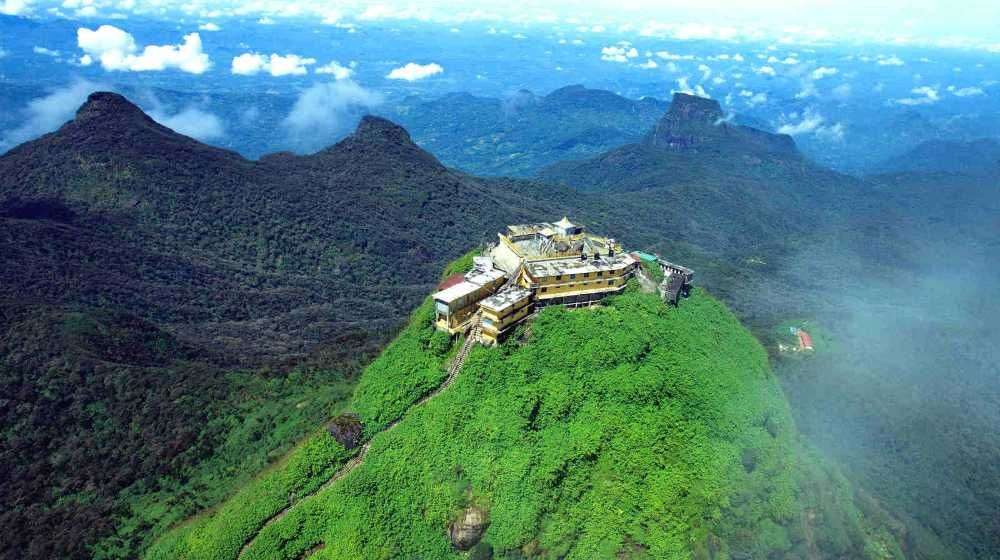
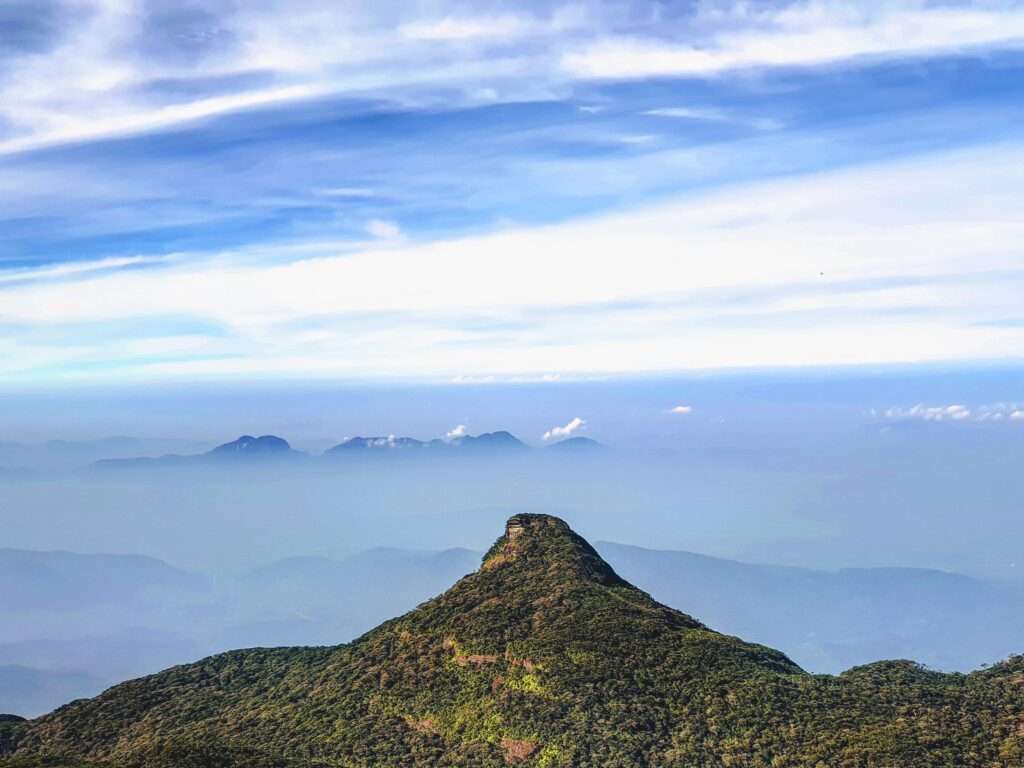
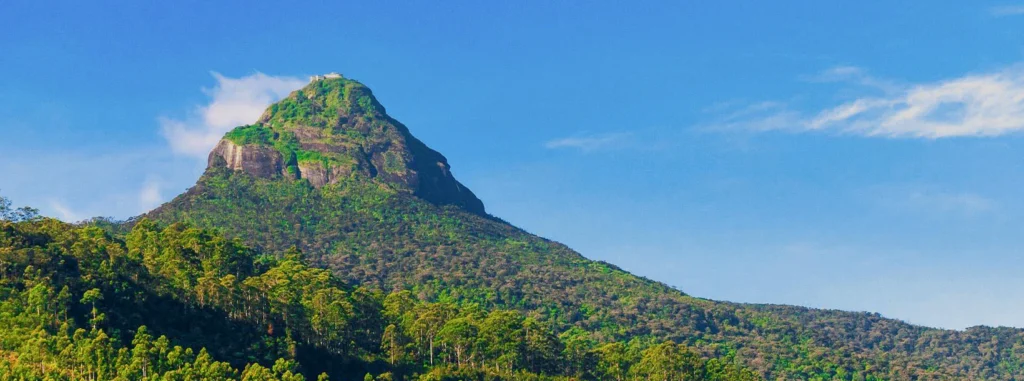
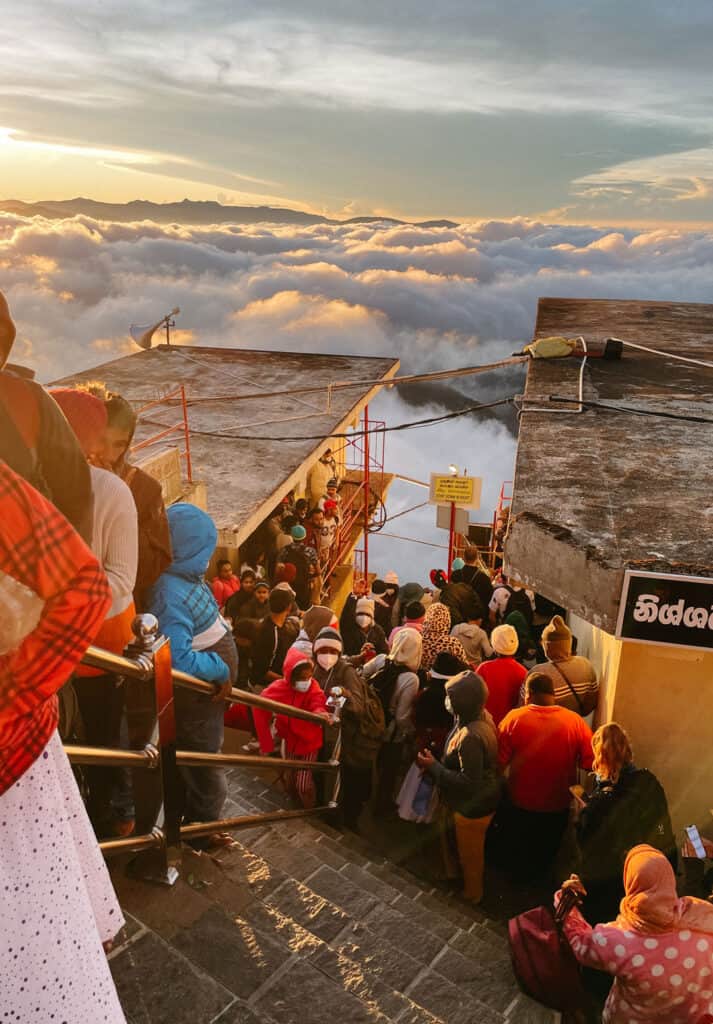
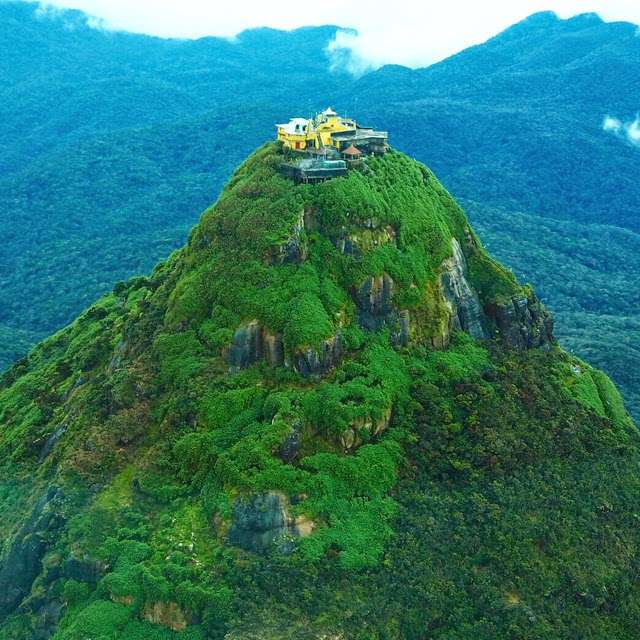
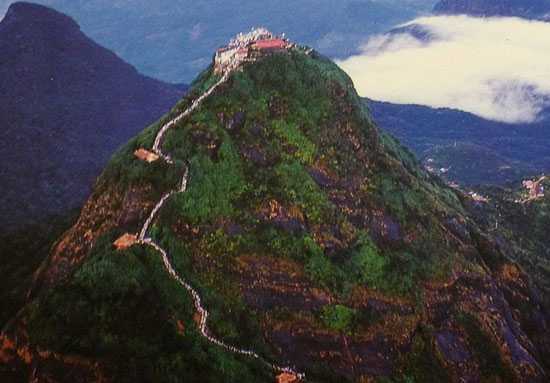
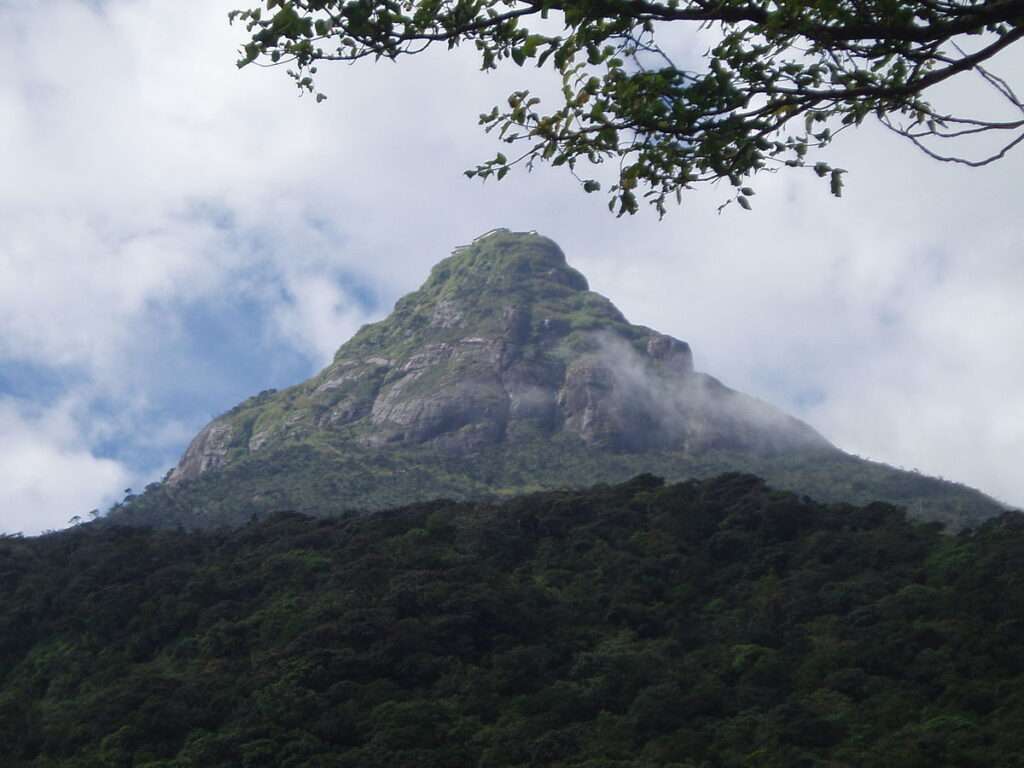
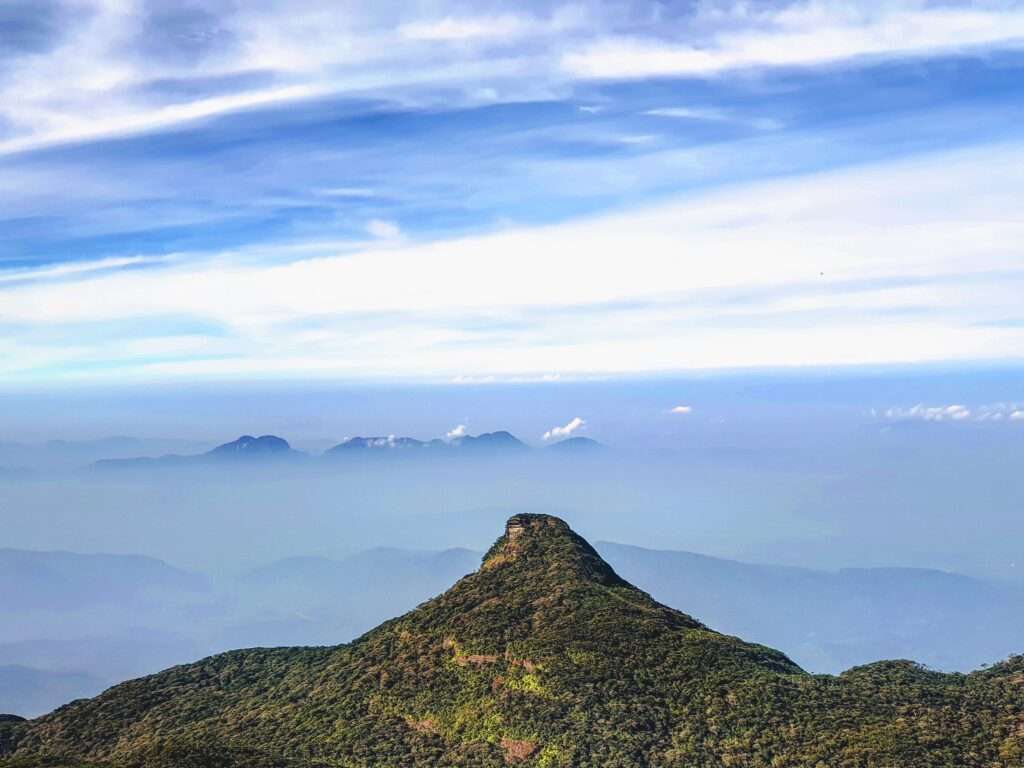
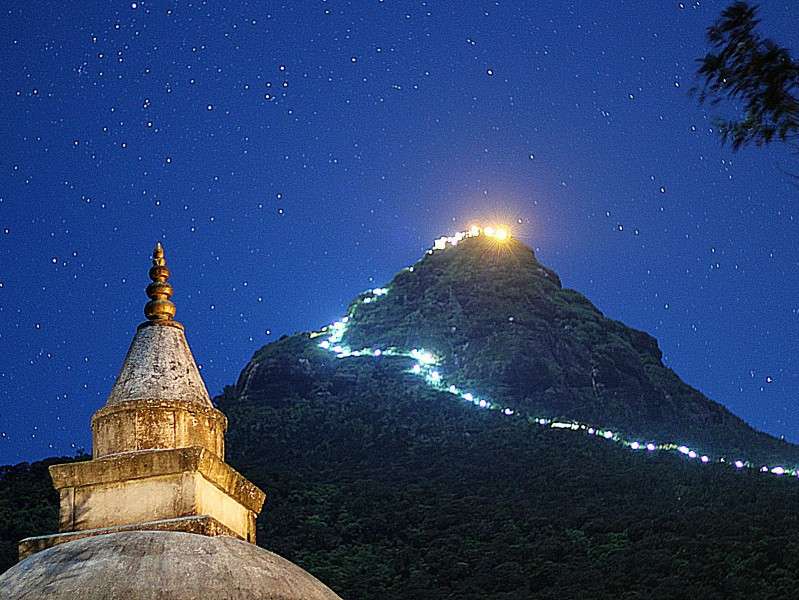
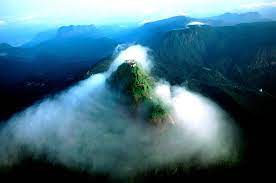
Adam’s Peak, also known as Sri Pada, is a captivating and revered mountain located in the central highlands of Sri Lanka. This iconic landmark holds immense cultural, religious, and natural significance, drawing pilgrims, nature enthusiasts, and curious travelers from all corners of the globe. Rising to a majestic height of 2,243 meters (7,359 feet), the peak offers a journey of both physical exertion and spiritual fulfillment. Let’s embark on a journey to discover the enchanting allure of Adam’s Peak.

Table of Contents

  1. Introduction
  2. The Mythical and Religious Significance
  3. Breathtaking Natural Beauty
  4. The Challenging Ascent
  5. Sunrise Spectacle
  6. Cultural Diversity and Harmony
  7. Pilgrimage Season and Rituals
  8. Flora and Fauna of the Region
  9. Preserving the Ecological Balance
  10. Local Cuisine and Souvenirs
  11. Accommodation and Nearby Attractions
  12. Weather and Best Time to Visit
  13. Transportation and Accessibility
  14. Capturing Memories: Photography Tips
  15. Conclusion

1. Introduction

Nestled in the heart of Sri Lanka, Adam’s Peak is an awe-inspiring mountain that has been captivating hearts for centuries. Its distinct pyramid-like silhouette against the horizon beckons travelers to embark on an unforgettable journey.

2. The Mythical and Religious Significance

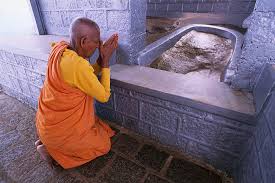
Legend has it that the foot-shaped impression at the summit of Adam’s Peak is attributed to Adam, Buddha, or Lord Shiva, depending on one’s beliefs. For Buddhists, it’s believed to be the footprint of Lord Buddha, while Hindus consider it to be the footprint of Lord Shiva. This diversity of beliefs adds to the mountain’s spiritual magnetism.

3. Breathtaking Natural Beauty

Beyond its spiritual aura, Adam’s Peak boasts breathtaking natural beauty. Lush greenery, cascading waterfalls, and diverse flora adorn the trail, making the journey as visually stunning as it is spiritually enriching.

4. The Challenging Ascent

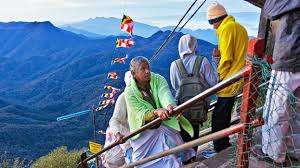
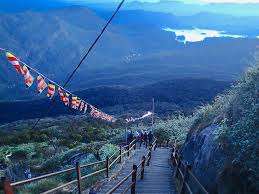
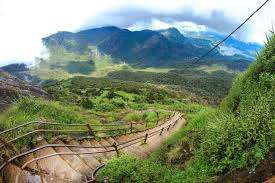
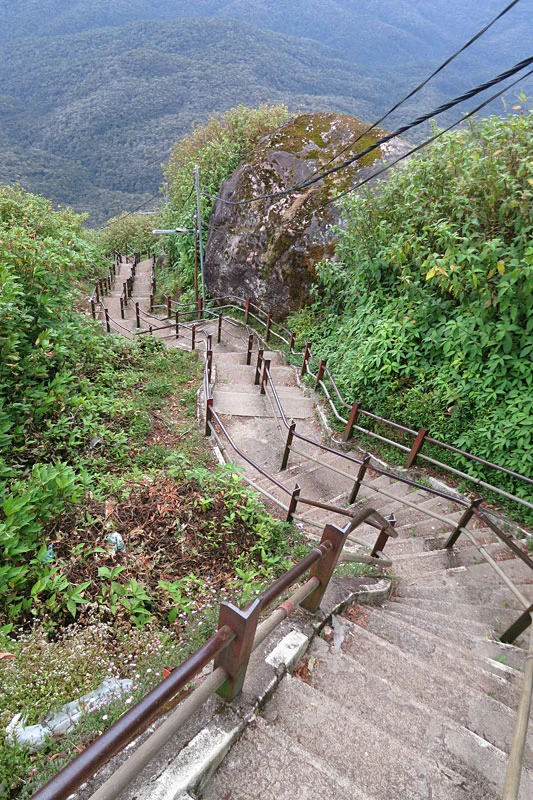
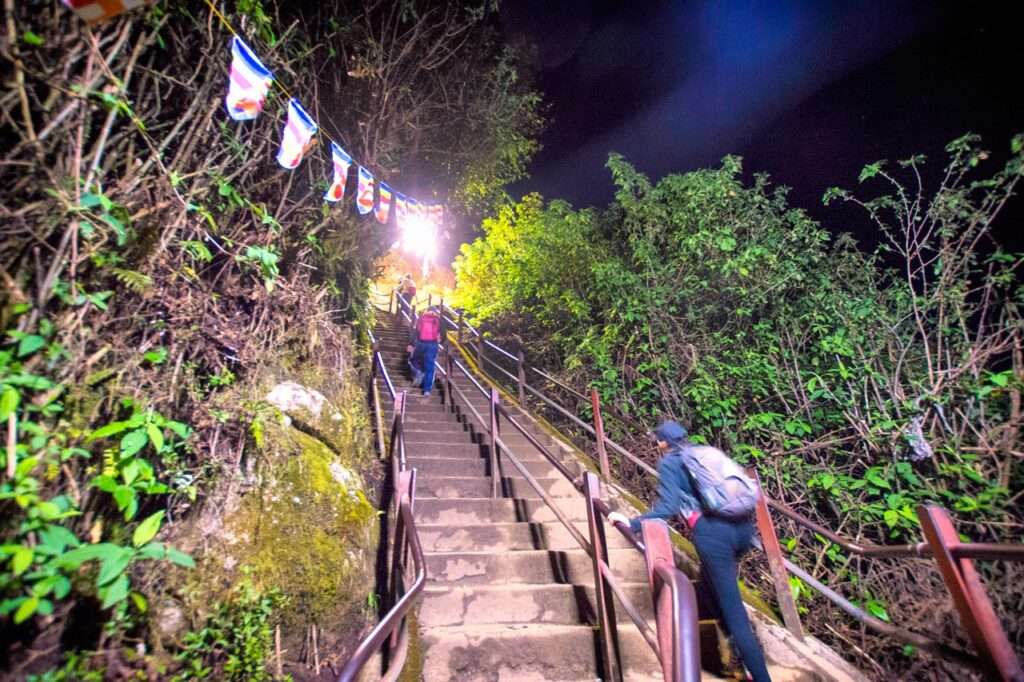
The climb to the summit is not for the faint-hearted. The journey consists of around 5,500 steps, each step fostering a sense of accomplishment. The ascent is arduous but rewarding, with fellow climbers encouraging one another along the way.

5. Sunrise Spectacle

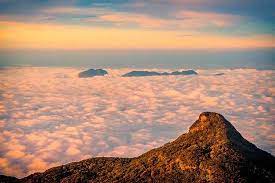
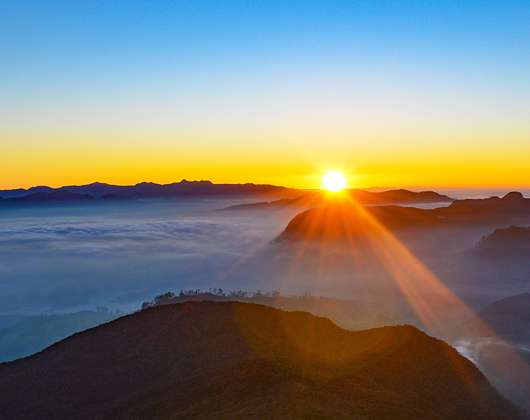
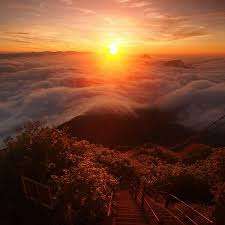
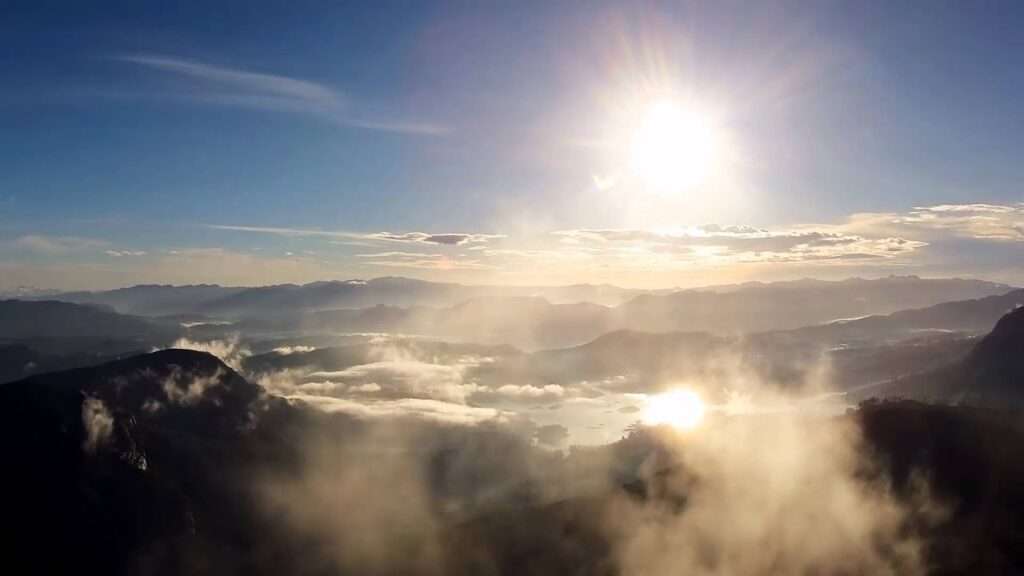
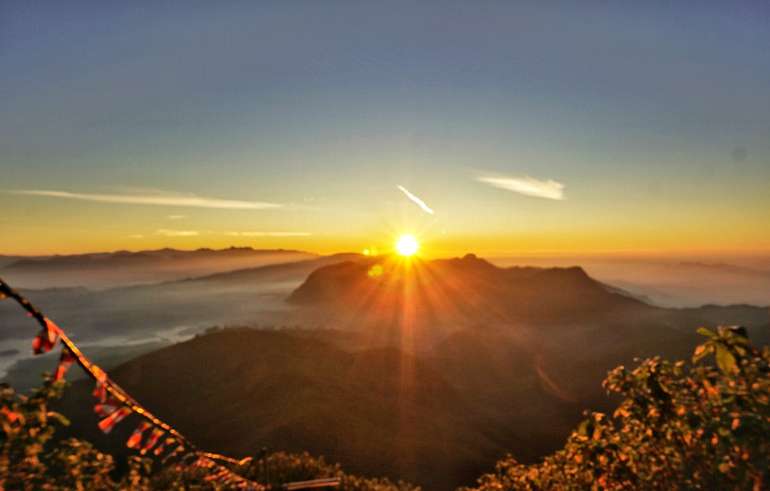
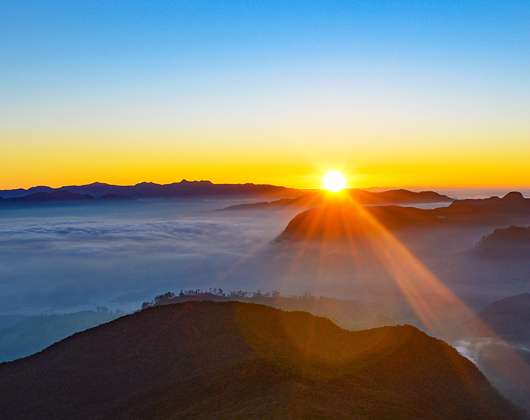
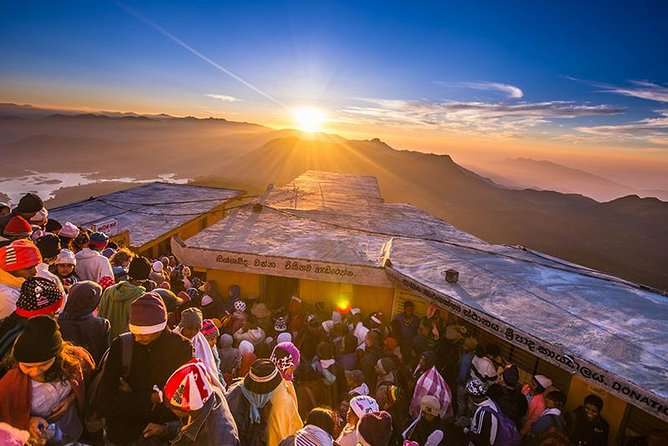
Reaching the summit before dawn rewards trekkers with a celestial spectacle. The sunrise from the peak casts a spellbinding play of colors across the landscape, a sight that’s etched into memory forever.

6. Cultural Diversity and Harmony

Adam’s Peak is a harmonious convergence of various faiths. Pilgrims of different religions ascend the mountain, showcasing the island nation’s religious coexistence.

7. Pilgrimage Season and Rituals

The pilgrimage season typically begins in December and extends until May. Pilgrims undertake this journey to seek blessings, perform rituals, and experience a sense of unity with fellow devotees.

8. Flora and Fauna of the Region

The ascent through diverse ecosystems introduces trekkers to an array of flora and fauna. From dense forests to open terrain, the journey offers an opportunity to connect with nature.

9. Preserving the Ecological Balance

Efforts are underway to ensure responsible tourism to preserve the fragile ecosystem of Adam’s Peak. Trekkers are encouraged to minimize their environmental footprint and respect the sanctity of the place.

10. Local Cuisine and Souvenirs

Exploring the nearby villages offers a chance to savor local delicacies and purchase traditional souvenirs, creating a deeper connection to the local culture.

11. Accommodation and Nearby Attractions

Various accommodations cater to the needs of trekkers. Nearby attractions like tea plantations and waterfalls provide an opportunity to extend your journey.

12. Weather and Best Time to Visit

The best time to visit is during the pilgrimage season when the weather is conducive to trekking. However, be prepared for occasional rain and cooler temperatures.

13. Transportation and Accessibility

Accessing Adam’s Peak is relatively convenient, with transportation options available from major cities. Buses and trains offer scenic routes to the starting point of the trek.

14. Capturing Memories: Photography Tips

Photographers will find Adam’s Peak a paradise for capturing both natural beauty and cultural diversity. Sunrise and sunset shots are especially magical.

15. Conclusion

Adam’s Peak stands as a testament to the harmonious coexistence of culture, spirituality, and nature. The journey to the summit is more than a physical climb—it’s a journey of the soul, offering an experience that touches the heart and mind alike.

FAQs

  1. Is the trek to Adam’s Peak suitable for beginners? The trek can be challenging, so it’s recommended to have a reasonable level of fitness before attempting it.
  2. Can I visit Adam’s Peak during the offseason? While the pilgrimage season is the ideal time, some trekkers do visit during the offseason, but be prepared for more unpredictable weather.
  3. Are there any age restrictions for the trek? There’s no strict age limit, but keep in mind that the climb involves a considerable number of steps and can be physically demanding.
  4. Are there guides available for the trek? Yes, local guides are available to assist you on the trek, providing insights into the mountain’s history and significance.
  5. Is camping allowed on the peak? Camping at the summit is not encouraged due to the need for environmental conservation.

SHARE

Bentota

SHARE

A Tropical Paradise for Relaxation and Adventure

Introduction

Nestled on the southwestern coast of Sri Lanka, Bentota is a captivating destination that combines serene beaches, lush greenery, and an array of thrilling activities. This idyllic town is a haven for travelers seeking both relaxation and adventure. Whether you’re looking to unwind on pristine beaches, explore exotic wildlife, indulge in water sports, or immerse yourself in cultural experiences, Bentota has something for everyone. In this article, we will delve into the beauty and attractions of Bentota, taking you on a virtual journey through this tropical paradise.

Table of Contents

  1. Discovering Bentota’s Beaches
  2. Exploring the Breathtaking Bentota River
  3. Unveiling Bentota’s Wildlife and Nature
  4. Adventurous Water Sports in Bentota
  5. Immersing in Cultural Experiences
  6. Indulging in Ayurvedic Treatments
  7. Delightful Cuisine and Dining Options
  8. Shopping in Bentota’s Vibrant Markets
  9. Accommodation Options in Bentota
  10. Transportation and Getting Around
  11. Safety Tips for Travelers
  12. Best Time to Visit Bentota
  13. Day Trips and Excursions from Bentota
  14. Captivating Bentota Festivals and Events
  15. Conclusion

1. Discovering Bentota’s Beaches

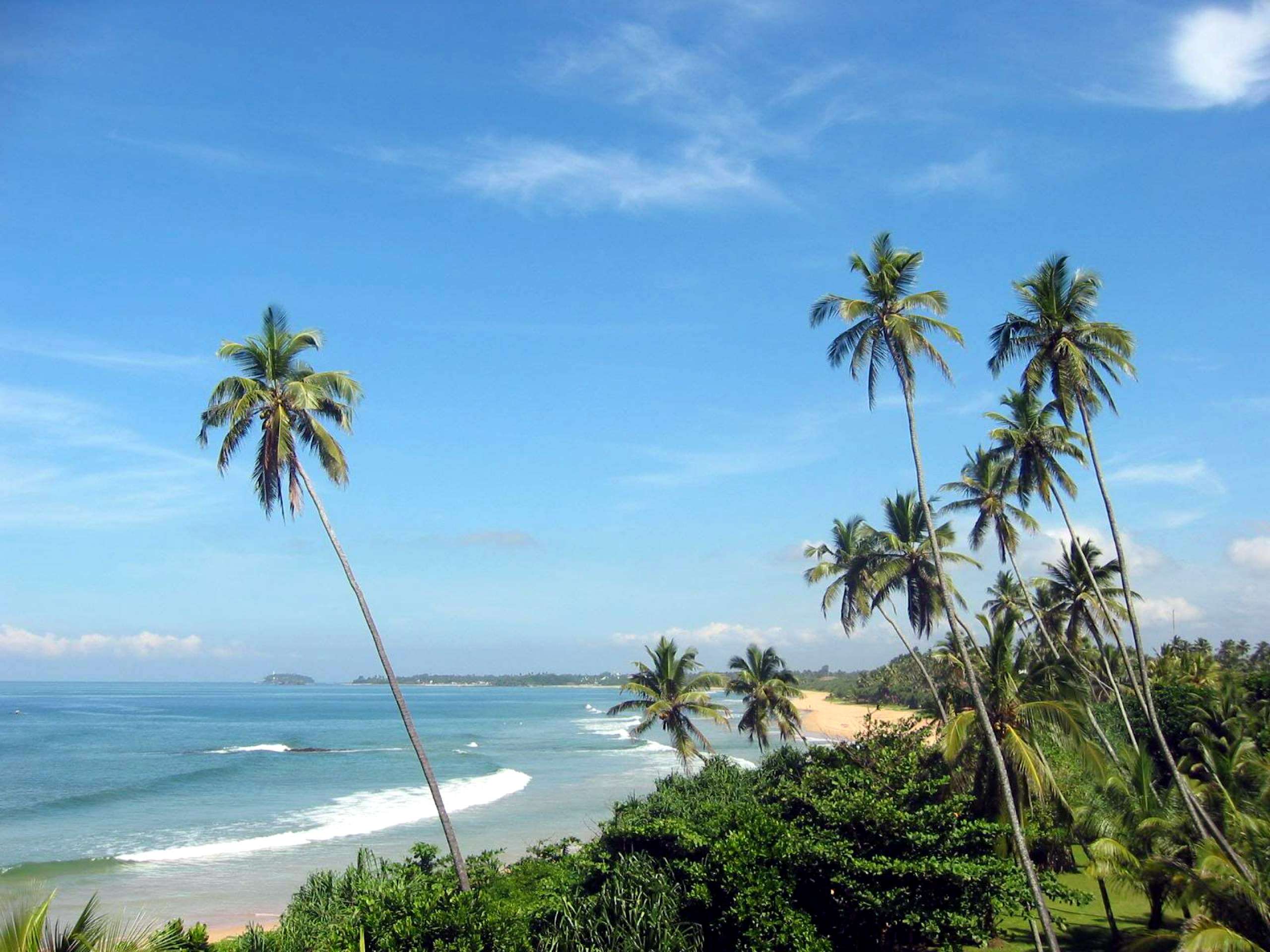
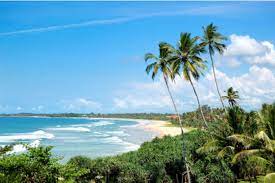
Bentota boasts some of the most pristine and picturesque beaches in Sri Lanka. With its golden sands and crystal-clear waters, the beaches offer a tranquil escape for sunbathing, swimming, or simply taking leisurely walks along the shore. The main Bentota Beach, also known as Paradise Island, is a popular spot where you can relax under swaying palm trees and enjoy breathtaking sunsets.

2. Exploring the Breathtaking Bentota River

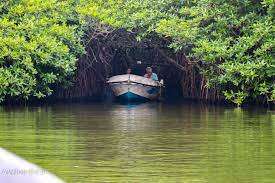
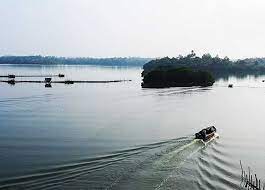
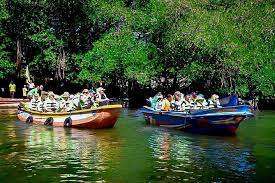
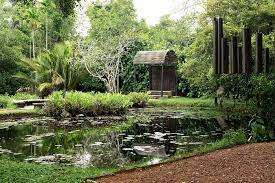
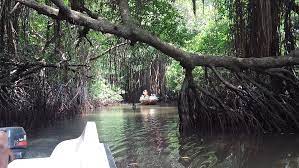
The Bentota River flows through the heart of the town, offering enchanting landscapes and opportunities for exploration. Embark on a river safari and cruise along the tranquil waters, witnessing mangroves, exotic birds, and even crocodiles. You can also take a boat ride to Brief Garden, an enchanting oasis of tropical flora created by renowned Sri Lankan architect Bevis Bawa.

3. Unveiling Bentota’s Wildlife and Nature

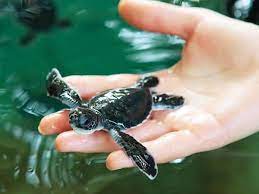
Bentota is blessed with an abundance of wildlife and nature reserves. The Brief Garden mentioned earlier is just one example of the region’s lush greenery. To witness diverse wildlife, visit the Lunuganga Estate or the Kosgoda Turtle Hatchery, where you can observe and learn about sea turtles in a conservation setting. For a truly immersive experience, take a guided tour through the nearby Madu River Wetlands, renowned for its biodiversity and rich ecosystems.

4. Adventurous Water Sports in Bentota

If you’re seeking some adrenaline-pumping activities, Bentota offers an array of water sports to choose from. Try your hand at jet skiing, windsurfing, water skiing, or banana boat rides. For a more serene experience, go snorkeling or scuba diving to explore the vibrant marine life beneath the surface. The warm waters of the Indian Ocean provide the perfect playground for aquatic adventures.

5. Immersing in Cultural Experiences

Bentota provides an opportunity to immerse yourself in the rich culture and traditions of Sri Lanka. Visit the Kande Viharaya Temple, a sacred Buddhist temple that offers panoramic views of the surrounding area. Attend a traditional dance performance or explore the nearby historic city of Galle, known for its well-preserved Dutch colonial architecture. Don’t miss the chance to savor authentic Sri Lankan cuisine and engage with the friendly locals to truly embrace the cultural essence of Bentota.

6. Indulging in Ayurvedic Treatments

For those seeking rejuvenation and wellness, Bentota is renowned for its Ayurvedic treatments. Ayurveda, the traditional healing system of Sri Lanka, offers a holistic approach to well-being. Indulge in soothing spa therapies, Ayurvedic massages, and yoga sessions to revitalize your mind, body, and soul. The tranquil surroundings of Bentota provide the perfect setting for a blissful wellness retreat.

7. Delightful Cuisine and Dining Options

Bentota’s culinary scene is a gastronomic delight, with a wide variety of restaurants and eateries catering to diverse tastes. Indulge in freshly caught seafood delicacies or relish authentic Sri Lankan rice and curry. From beachfront dining to charming riverside restaurants, there are plenty of options to satisfy your palate and experience the flavors of Sri Lanka.

8. Shopping in Bentota’s Vibrant Markets

Exploring the local markets in Bentota is a must for those seeking unique souvenirs and handicrafts. Visit the Bentota Market and immerse yourself in a vibrant atmosphere filled with colorful textiles, handwoven items, spices, and intricate wood carvings. Bargaining is a common practice, so unleash your negotiation skills to secure memorable keepsakes of your visit.

9. Accommodation Options in Bentota

Bentota offers a range of accommodation options to suit different preferences and budgets. From luxurious beachfront resorts to cozy guesthouses, you’ll find the perfect place to unwind after a day of exploration. Many hotels and resorts in Bentota offer stunning views, excellent amenities, and warm hospitality to enhance your stay in this tropical paradise.

10. Transportation and Getting Around

Getting to Bentota is convenient, with Colombo’s Bandaranaike International Airport located approximately 110 kilometers away. You can hire a taxi or take a train or bus from Colombo to reach Bentota. Once in Bentota, you can easily get around by tuk-tuks, rented bicycles, or by foot, as most attractions are within a reasonable distance from each other.

11. Safety Tips for Travelers

While Bentota is generally a safe destination, it’s essential to take necessary precautions to ensure a hassle-free trip. Avoid swimming in unfamiliar areas without a lifeguard, stay hydrated, and apply sunscreen to protect yourself from the sun’s rays. It’s also advisable to carry a copy of your identification and maintain general awareness of your surroundings.

12. Best Time to Visit Bentota

The best time to visit Bentota is during the dry season, which spans from December to April. During this period, you can expect pleasant weather with minimal rainfall, ideal for outdoor activities and beach relaxation. However, Bentota’s tropical climate means that even during other months, you can still enjoy its beauty and activities, albeit with occasional showers.

13. Day Trips and Excursions from Bentota

Bentota serves as a gateway to several fascinating day trip options. Embark on a journey to the nearby city of Colombo, Sri Lanka’s commercial capital, to explore its bustling markets, colonial architecture, and vibrant street food scene. You can also venture further inland to visit the enchanting tea plantations in Nuwara Eliya or witness the awe-inspiring Sigiriya Rock Fortress.

14. Captivating Bentota Festivals and Events

Bentota comes alive with vibrant festivals and events throughout the year. The Bentota Beach Festival, held annually, showcases a range of cultural performances, water sports competitions, and fireworks. The Kandy Esala Perahera, one of Sri Lanka’s grandest processions, is another significant event worth experiencing if you’re visiting during July or August.

15. Conclusion

Bentota offers a perfect blend of relaxation, adventure, and cultural immersion. From its pristine beaches to thrilling water sports, lush greenery, and captivating wildlife, this tropical paradise has something for every traveler. Immerse yourself in the warmth of Sri Lankan hospitality, indulge in delectable cuisine, and create lasting memories amidst the natural beauty of Bentota.


Frequently Asked Questions (FAQs)

  1. Is Bentota suitable for a family vacation? Bentota is an excellent destination for a family vacation, offering a wide range of activities and attractions suitable for all age groups. From beach outings to wildlife encounters and cultural experiences, there’s something for everyone in Bentota.
  2. What are the must-try water sports in Bentota? Bentota is renowned for its water sports offerings. Jet skiing, windsurfing, water skiing, banana boat rides, snorkeling, and scuba diving are some of the thrilling water sports activities you can enjoy in Bentota.
  3. Are there any eco-friendly accommodations in Bentota? Yes, Bentota has several eco-friendly accommodations that promote sustainability and environmental conservation. These establishments focus on minimizing their carbon footprint and providing responsible tourism experiences.
  4. What are some popular day trips from Bentota? Popular day trip options from Bentota include visiting the historic city of Galle, exploring the tea plantations in Nuwara Eliya, and witnessing the ancient wonders of Sigiriya Rock Fortress.
  5. How can I experience Ayurvedic treatments in Bentota? Bentota offers various Ayurvedic centers and spas where you can experience rejuvenating Ayurvedic treatments. These treatments include massages, herbal therapies, and yoga sessions, all aimed at promoting wellness and relaxation.

SHARE

The Village of Ella – The Picturesque Village

SHARE

Ella, a picturesque village nestled in the central highlands of Sri Lanka, is a hidden gem that offers a blend of natural beauty, cultural heritage, and adventure. Surrounded by lush green hills, cascading waterfalls, and tea plantations, Ella has become a popular destination for travelers seeking tranquility and a break from the bustling cities. In this article, we will explore the enchanting village of Ella and discover its captivating attractions and experiences.

Table of Contents

  1. Introduction
  2. History of Ella
  3. Getting to Ella
  4. Attractions in Ella
    1. Ella Rock
    2. Nine Arch Bridge
    3. Ravana Falls
    4. Little Adam’s Peak
  5. Tea Plantations and Factory Visits
  6. Ella’s Culinary Delights
  7. Hiking and Trekking Adventures
  8. Yoga and Meditation Retreats
  9. Local Culture and Traditions
  10. Accommodation Options in Ella
  11. Best Time to Visit Ella
  12. Safety Tips for Travelers
  13. Transportation within Ella
  14. Shopping in Ella
  15. Conclusion
  16. FAQs (Frequently Asked Questions)

1. Introduction

Welcome to Ella, a charming village located in the Badulla District of Sri Lanka. With its mild climate, scenic landscapes, and warm hospitality, Ella has gained popularity among both local and international tourists.

2. History of Ella

Ella’s history dates back to the British colonial era when it was an important hub for tea production. The British introduced tea cultivation to this region, taking advantage of its favorable climate and fertile soil. Today, remnants of the colonial era can still be seen in the form of colonial-era bungalows and tea factories.

3. Getting to Ella

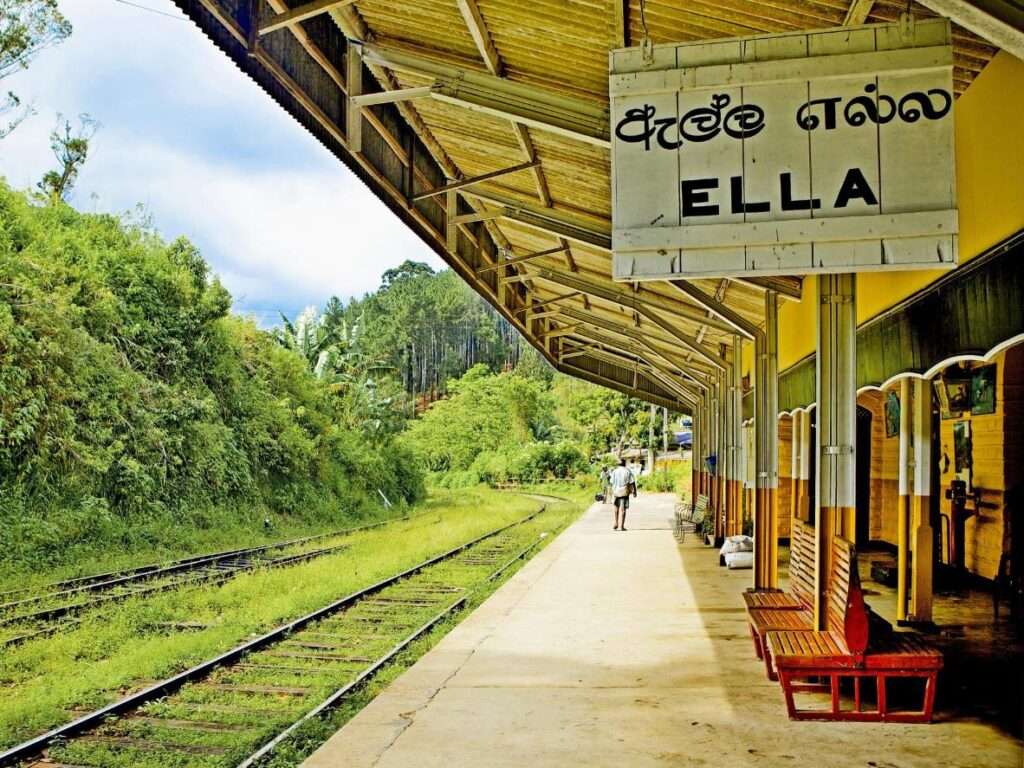
To reach Ella, you can take a scenic train journey from Colombo or Kandy, which offers breathtaking views of the countryside. Alternatively, you can also hire a private vehicle or take a public bus to reach this beautiful village.

4. Attractions in Ella

4.1 Ella Rock

Ella Rock is a popular hiking trail that rewards adventurers with panoramic views of the surrounding hills and tea plantations. The hike takes approximately two to three hours, and the trail passes through lush forests and scenic landscapes.

4.2 Nine Arch Bridge

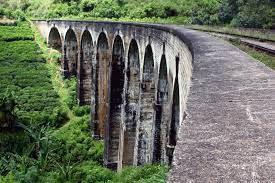
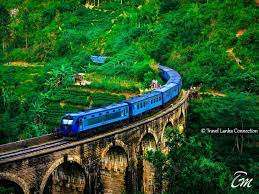
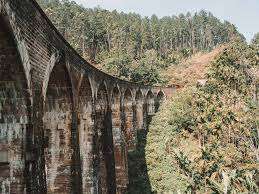
The Nine Arch Bridge is an architectural marvel that attracts visitors from all over the world. This picturesque bridge is made of brick, stone, and cement, and its unique design blends harmoniously with the natural surroundings. It is a perfect spot for photography enthusiasts.

4.3 Ravana Falls

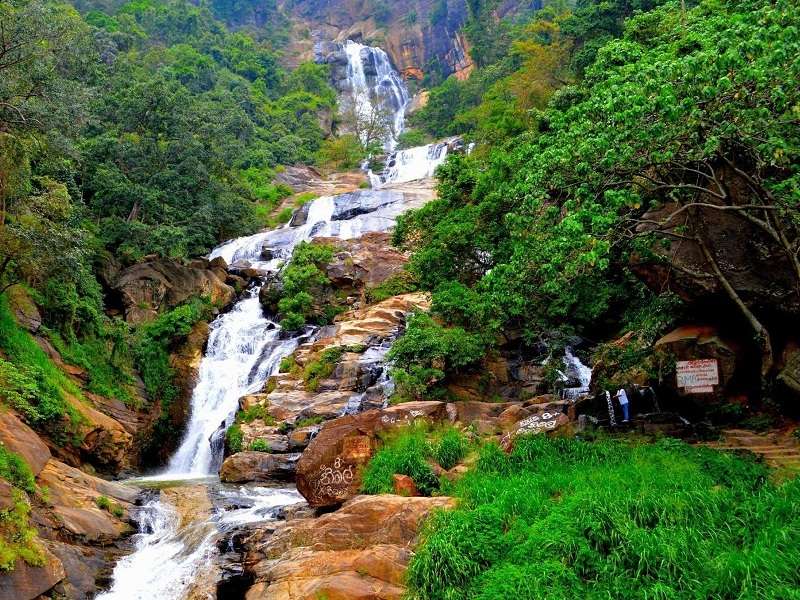
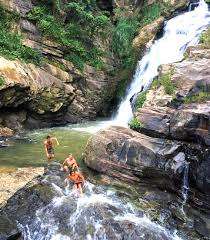
Ravana Falls, named after the mythical character Ravana from the Indian epic Ramayana, is a magnificent waterfall located near Ella. Its cascading waters create a mesmerizing sight, and visitors can take a refreshing dip in the natural pool at the base of the falls.

4.4 Little Adam’s Peak

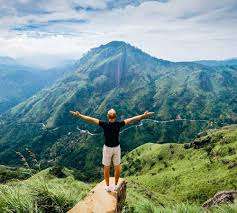
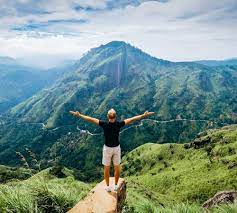
For those seeking a less strenuous hike, Little Adam’s Peak offers a rewarding experience. The trail is relatively easy, and the summit provides breathtaking views of Ella’s lush green valleys and tea plantations.

5. Tea Plantations and Factory Visits

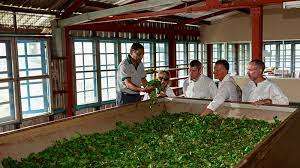
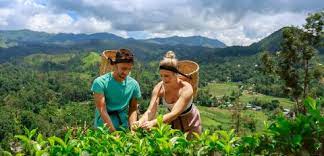
Ella is surrounded by sprawling tea plantations that produce some of Sri Lanka’s finest teas. Visitors can take guided tours of the tea factories to learn about the tea-making process and indulge in tea tasting sessions. It is a great opportunity to savor the flavors of Ceylon tea.

6. Ella’s Culinary Delights

Ella is known for its vibrant culinary scene, offering a variety of cuisines to suit every palate. From traditional Sri Lankan delicacies to international dishes, the village is a food lover’s paradise. Don’t miss the opportunity to try some authentic Sri Lankan rice and curry, hoppers, and kottu roti.

7. Hiking and Trekking Adventures

Apart from Ella Rock and Little Adam’s Peak, the village is surrounded by numerous hiking and trekking trails that cater to adventure enthusiasts. Whether it’s exploring the Diyaluma Falls, embarking on the Demodara Loop trek, or venturing into the Horton Plains National Park, there are plenty of options to satisfy your adventurous spirit.

8. Yoga and Meditation Retreats

Ella’s serene and tranquil environment makes it an ideal destination for yoga and meditation retreats. Many guesthouses and resorts offer yoga classes and meditation sessions, allowing visitors to rejuvenate their mind, body, and soul amidst the natural beauty of Ella.

9. Local Culture and Traditions

Immerse yourself in the rich cultural heritage of Ella by interacting with the friendly locals. Witness traditional ceremonies and rituals, learn about their customs and traditions, and explore the vibrant arts and crafts scene. The locals are always eager to share their stories and make your visit a memorable one.

10. Accommodation Options in Ella

Ella offers a range of accommodation options to suit different budgets and preferences. From cozy guesthouses and boutique hotels to luxury resorts, you can find a place to stay that meets your requirements. Wake up to breathtaking views of misty mountains and enjoy the warm hospitality of the locals.

11. Best Time to Visit Ella

The best time to visit Ella is during the dry season, which falls between December and March. During this period, the weather is pleasant, and you can enjoy clear skies and comfortable temperatures. However, Ella’s beauty shines all year round, and each season brings its own charm.

12. Safety Tips for Travelers

While Ella is generally a safe destination, it’s always advisable to take certain precautions. Avoid walking alone in isolated areas at night and be cautious of your belongings. It’s also essential to stay hydrated and carry a sufficient supply of water during your outdoor activities.

13. Transportation within Ella

Getting around Ella is relatively easy, with tuk-tuks and taxis readily available. You can also rent a bicycle or a scooter to explore the village at your own pace. Walking is another great way to discover Ella’s hidden treasures and immerse yourself in its natural beauty.

14. Shopping in Ella

Ella offers a unique shopping experience, with a variety of handicrafts, souvenirs, and tea-related products available in the local markets. Don’t forget to take home some aromatic Ceylon tea and beautiful handwoven textiles as a memento of your visit.

15. Conclusion

The village of Ella is a paradise for nature lovers, adventure enthusiasts, and those seeking a peaceful retreat. Its idyllic setting, awe-inspiring landscapes, and warm hospitality make it a must-visit destination in Sri Lanka. Whether you’re hiking to Ella Rock, sipping tea in a plantation, or immersing yourself in the local culture, Ella promises an unforgettable experience.

FAQs (Frequently Asked Questions)

  1. Q: How far is Ella from Colombo? A: Ella is located approximately 200 kilometers east of Colombo, and the journey takes around 5-6 hours by road.
  2. Q: Are there any luxury accommodation options in Ella? A: Yes, Ella offers luxury resorts and boutique hotels that provide top-notch amenities and stunning views of the surrounding landscapes.
  3. Q: Can I visit Ella with my family? A: Absolutely! Ella is a family-friendly destination with activities and attractions suitable for all age groups.
  4. Q: Are there any vegan or vegetarian restaurants in Ella? A: Yes, Ella has several vegan and vegetarian-friendly restaurants that serve delicious plant-based meals.
  5. Q: Can I swim in Ravana Falls? A: It is generally safe to swim in the natural pool at the base of Ravana Falls. However, it’s essential to exercise caution and check the water conditions before taking a dip.

In conclusion, the village of Ella offers a delightful escape into nature’s embrace. From its breathtaking viewpoints to its tea-filled valleys, Ella beckons travelers seeking serenity and adventure. Immerse yourself in its beauty, explore its trails, and indulge in the warmth of Sri Lankan hospitality. Ella is waiting to captivate your heart and create memories that will last a lifetime.

SHARE

Mirissa | Unveiling the Serene Beauty of Sri Lanka’s Coastal Gem

SHARE

Introduction

Nestled along the southern coast of Sri Lanka, Mirissa is a hidden gem renowned for its breathtaking beaches, tranquil atmosphere, and vibrant marine life. This small coastal town exudes a sense of serenity, making it an ideal destination for those seeking relaxation, natural beauty, and exciting adventures. In this article, we will explore the allure of Mirissa, taking you on a virtual journey through its pristine shores, diverse marine ecosystem, thrilling water activities, and much more.
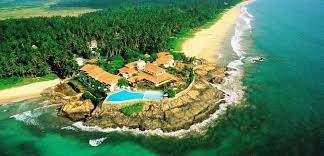
Table of Contents

  1. Introduction to Mirissa
  2. Mirissa Beach: A Tropical Paradise
  3. Whale and Dolphin Watching in Mirissa
  4. Snorkeling and Diving in Mirissa’s Marine Wonderland
  5. Weligama Bay: Surfing Haven near Mirissa
  6. Exploring Secret Beaches and Coves
  7. Discovering the Coconut Tree Hill
  8. Delectable Seafood Delights in Mirissa
  9. Relaxation and Yoga Retreats in Mirissa
  10. Mirissa Fisheries Harbor and the Fish Market
  11. Accommodation Options in Mirissa
  12. Getting to Mirissa
  13. Safety Tips for a Memorable Trip
  14. Best Time to Visit Mirissa
  15. Conclusion

1. Introduction to Mirissa

Mirissa is a picturesque coastal town located approximately 150 kilometers south of Colombo, the capital city of Sri Lanka. It is known for its pristine beaches, clear turquoise waters, and a laid-back atmosphere that captivates every visitor. Mirissa is a destination where you can unwind, rejuvenate, and connect with nature in all its glory.

2. Mirissa Beach: A Tropical Paradise

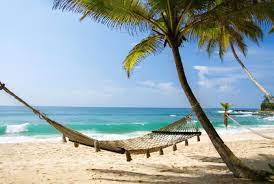
Mirissa Beach is the centerpiece of this coastal haven, offering a postcard-perfect tropical setting. The soft golden sands, palm-fringed shoreline, and gentle waves create an inviting ambiance for beach lovers. Relax under the shade of a swaying palm tree, soak up the sun, or take a leisurely stroll along the shore as the turquoise waters caress your feet. Mirissa Beach is a haven for peace and tranquility.

3. Whale and Dolphin Watching in Mirissa

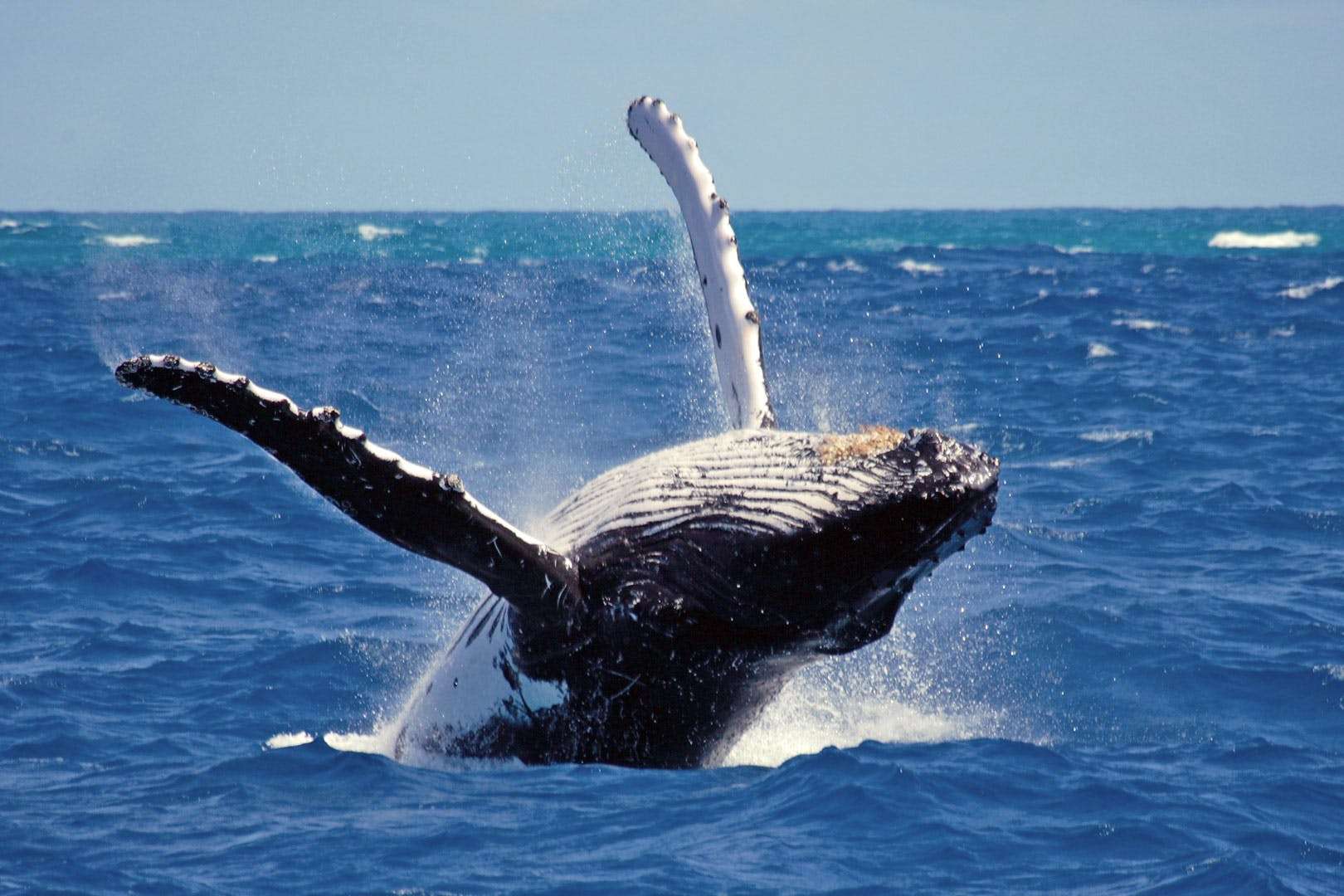
One of the main attractions in Mirissa is the opportunity to witness majestic whales and playful dolphins in their natural habitat. Embark on a thrilling whale watching excursion and sail into the deep waters of the Indian Ocean. Mirissa’s strategic location makes it an ideal spot to spot the gentle giants, including blue whales, sperm whales, and humpback whales. Dolphins, such as spinner dolphins and bottlenose dolphins, often accompany the boats, adding to the enchanting experience.

4. Snorkeling and Diving in Mirissa’s Marine Wonderland

Mirissa is a paradise for snorkeling and diving enthusiasts, with its vibrant coral reefs and diverse marine life. Explore the underwater world teeming with colorful fish, exotic corals, and other fascinating creatures. The warm waters provide excellent visibility, making it an unforgettable experience for both beginners and experienced divers. Snorkeling trips and diving courses are readily available, allowing you to discover the wonders of the sea.

5. Weligama Bay: Surfing Haven near Mirissa

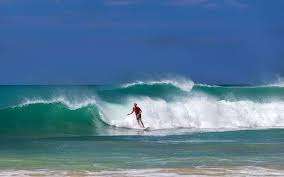
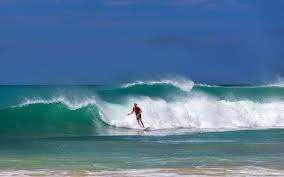
For those seeking a thrilling adventure, Weligama Bay is a short distance away from Mirissa and offers fantastic surfing opportunities. Weligama Bay is known for its beginner-friendly waves, making it an ideal spot for beginners to learn and ride their first wave. Lessons and board rentals are readily available, allowing you to immerse yourself in the exhilarating world of surfing.

6. Exploring Secret Beaches and Coves

Mirissa is not just about its main beach; it is also home to several hidden gems waiting to be discovered. Explore the secret beaches and coves tucked away along the coastline. These secluded spots offer privacy, tranquility, and breathtaking views. Unwind in a serene setting, surrounded by nature’s beauty and the soothing sound of the waves.

7. Discovering the Coconut Tree Hill

The Coconut Tree Hill in Mirissa is an iconic spot that offers panoramic views of the coastline and the Indian Ocean. As the name suggests, this picturesque hill is adorned with swaying coconut palms, creating a postcard-worthy scene. Climb to the top of the hill and soak in the breathtaking vistas, especially during sunrise or sunset, when the sky is painted with vibrant hues.

8. Delectable Seafood Delights in Mirissa

As a coastal town, Mirissa is renowned for its fresh and flavorsome seafood. Indulge in a culinary adventure and savor mouthwatering seafood delicacies. From freshly caught fish to succulent prawns and delectable crab dishes, Mirissa’s restaurants offer a wide array of options to satisfy your taste buds. Don’t miss the opportunity to relish a seafood feast while enjoying the stunning views of the ocean.

9. Relaxation and Yoga Retreats in Mirissa

Mirissa provides the perfect setting for relaxation and rejuvenation. Immerse yourself in the tranquility of this coastal haven by joining a yoga retreat or indulging in wellness activities. Many resorts and wellness centers in Mirissa offer yoga classes, meditation sessions, spa treatments, and holistic therapies to nurture your mind, body, and soul.

10. Mirissa Fisheries Harbor and the Fish Market

A visit to the Mirissa Fisheries Harbor and the Fish Market offers a glimpse into the local fishing industry and a chance to witness the vibrant hustle and bustle. Experience the sights, sounds, and aromas as fishermen bring in their fresh catches of the day. It’s an opportunity to observe the local culture, interact with the friendly fishermen, and gain insights into their way of life.

11. Accommodation Options in Mirissa

Mirissa offers a range of accommodation options to suit different preferences and budgets. From luxurious beachfront resorts to cozy guesthouses, you’ll find the perfect place to unwind after a day of exploration. Many accommodations in Mirissa offer stunning ocean views, comfortable amenities, and warm hospitality, ensuring a memorable stay.

12. Getting to Mirissa

To reach Mirissa, you can take a scenic coastal drive from Colombo or hire a taxi. The journey takes approximately 3-4 hours, depending on traffic conditions. If you prefer public transportation, you can take a train or bus from Colombo to Matara, followed by a short tuk-tuk or taxi ride to Mirissa.

13. Safety Tips for a Memorable Trip

While Mirissa is generally a safe destination, it’s essential to take some precautions to ensure a memorable trip. Swim only in designated areas with lifeguards present, and be cautious of strong currents. Apply sunscreen regularly to protect your skin from the sun’s rays and stay hydrated to avoid dehydration. It’s also advisable to carry a copy of your identification and maintain general awareness of your surroundings.

14. Best Time to Visit Mirissa

The best time to visit Mirissa is during the dry season, which spans from November to April. During this period, you can expect sunny days, calm seas, and optimal conditions for outdoor activities. The months of December to March are particularly popular for whale watching. However, even during other months, Mirissa retains its charm, and you can still enjoy its natural beauty and attractions.

15. Conclusion

Mirissa is a coastal paradise that captivates with its pristine beaches, vibrant marine life, and serene atmosphere. Whether you seek relaxation, adventure, or a connection with nature, Mirissa has it all. Immerse yourself in the beauty of this coastal gem, indulge in thrilling water activities, savor delicious seafood, and embrace the tranquility of this enchanting destination.


Frequently Asked Questions (FAQs)

  1. Can I swim in Mirissa Beach? Yes, Mirissa Beach is safe for swimming, but it’s always advisable to be cautious and swim in designated areas with lifeguards present.
  2. What is the best time for whale watching in Mirissa? The best time for whale watching in Mirissa is from December to March, during the dry season when the seas are calm and the chances of spotting whales are higher.
  3. Are there surfing spots near Mirissa? Yes, Weligama Bay, located near Mirissa, offers excellent surfing spots, especially for beginners. Lessons and board rentals are readily available.
  4. Are there yoga retreats in Mirissa? Yes, Mirissa is home to several resorts and wellness centers that offer yoga retreats, meditation sessions, and holistic wellness activities.
  5. How far is Mirissa from Colombo? Mirissa is approximately 150 kilometers south of Colombo, and the journey by road takes around 3-4 hours, depending on traffic conditions.

SHARE

The Most Impressive Ancient Kingdom of Sri Lanka – Anuradhapura

SHARE

Introduction to Anuradhapura

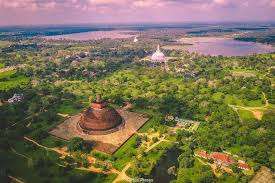
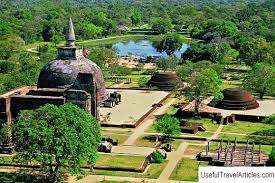
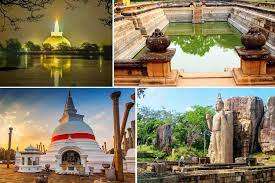
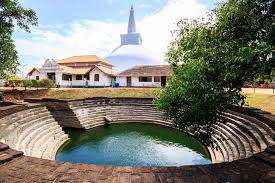
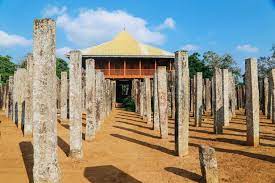
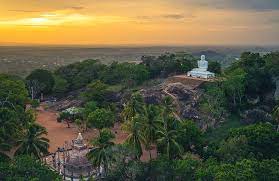
Anuradhapura, Sri Lanka’s ancient capital, stands as a UNESCO World Heritage Site and a symbol of the island’s rich history and cultural heritage. Famed for its well-preserved ancient ruins, sacred Buddhist temples, and centuries-old stupas, Anuradhapura is a must-visit destination for anyone interested in Sri Lanka’s past. Located in the North Central Province, this historic city offers visitors an unparalleled journey through the heart of Sinhala civilization and Buddhist tradition. Discover why Anuradhapura remains one of the most important cultural and religious sites in Sri Lanka.

Historical Significance

The Founding of Anuradhapura

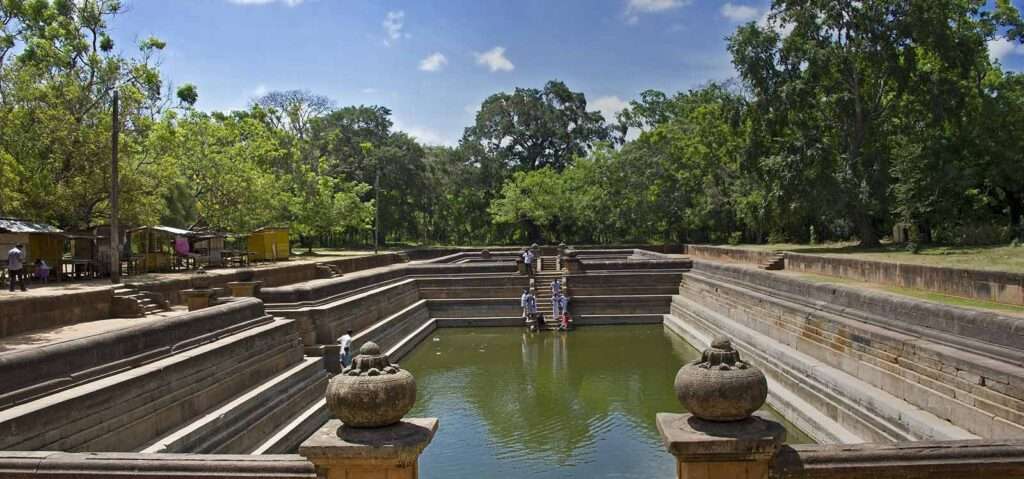
Anuradhapura’s origins trace back to the 5th century BCE when it was established by King Pandukabhaya. It became the first established kingdom in ancient Sri Lanka, marking the beginning of a sophisticated and organized civilization. The city’s layout, including the construction of reservoirs and intricate irrigation systems, demonstrates the advanced engineering skills of its ancient inhabitants.

Buddhism and Anuradhapura

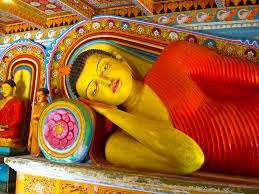
The introduction of Buddhism in the 3rd century BCE by King Devanampiya Tissa, following the missionary work of Mahinda Thera, profoundly influenced Anuradhapura. The city became a major center of Theravada Buddhism, and its landscape is dotted with numerous stupas, monasteries, and temples. The sacred Bodhi Tree, grown from a sapling of the original Bodhi Tree under which Buddha attained enlightenment, remains a pivotal pilgrimage site.

Architectural Marvels

Ruwanwelisaya Stupa

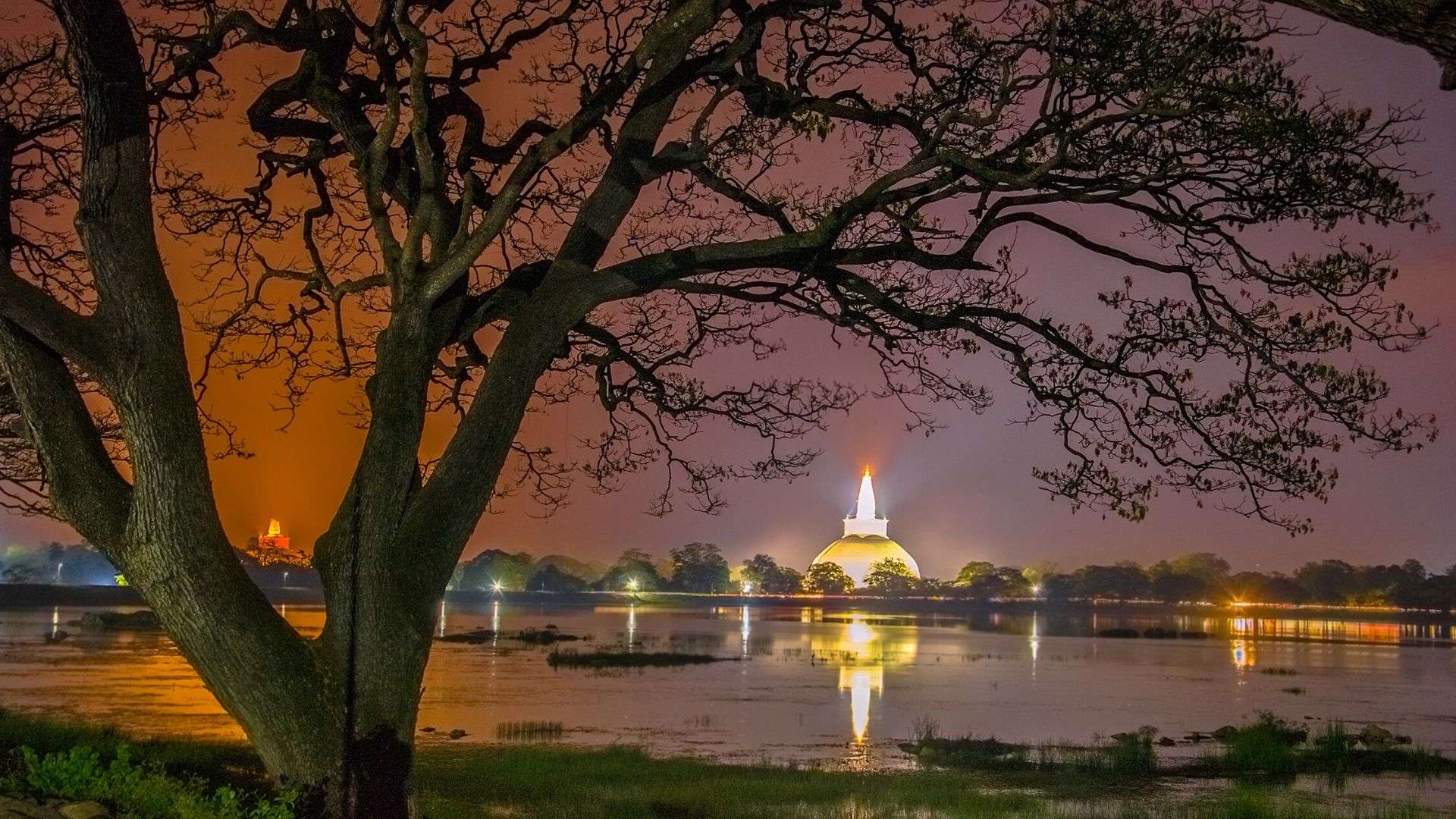
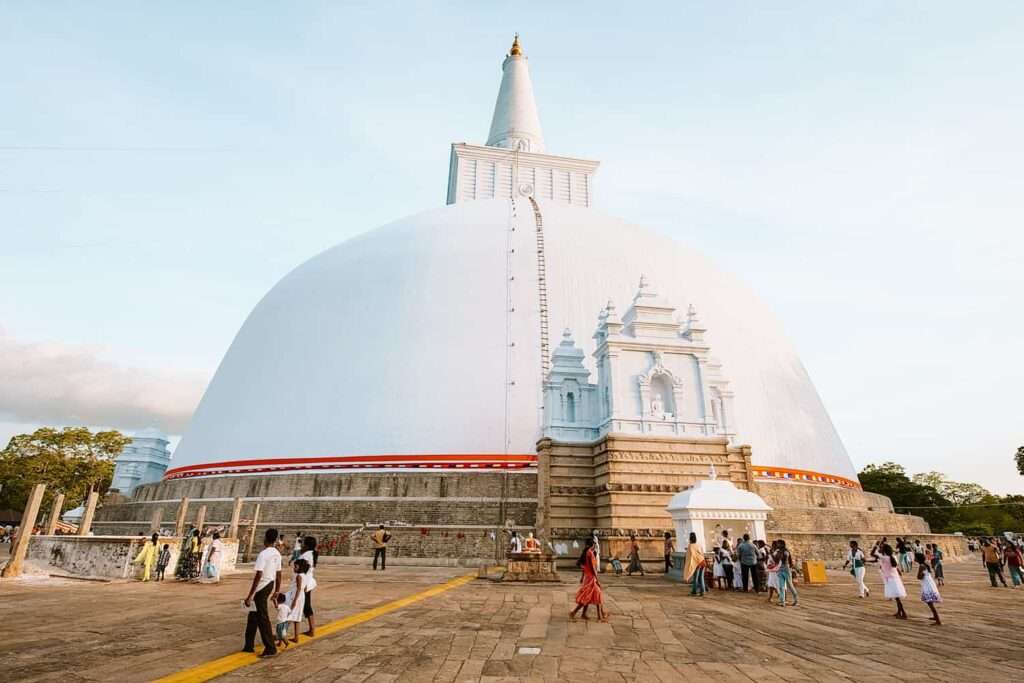
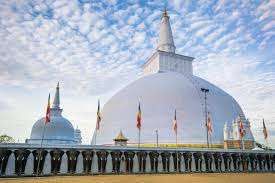
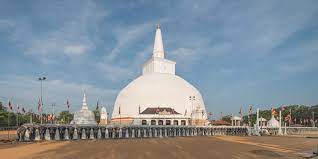
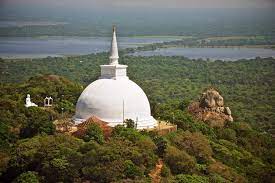
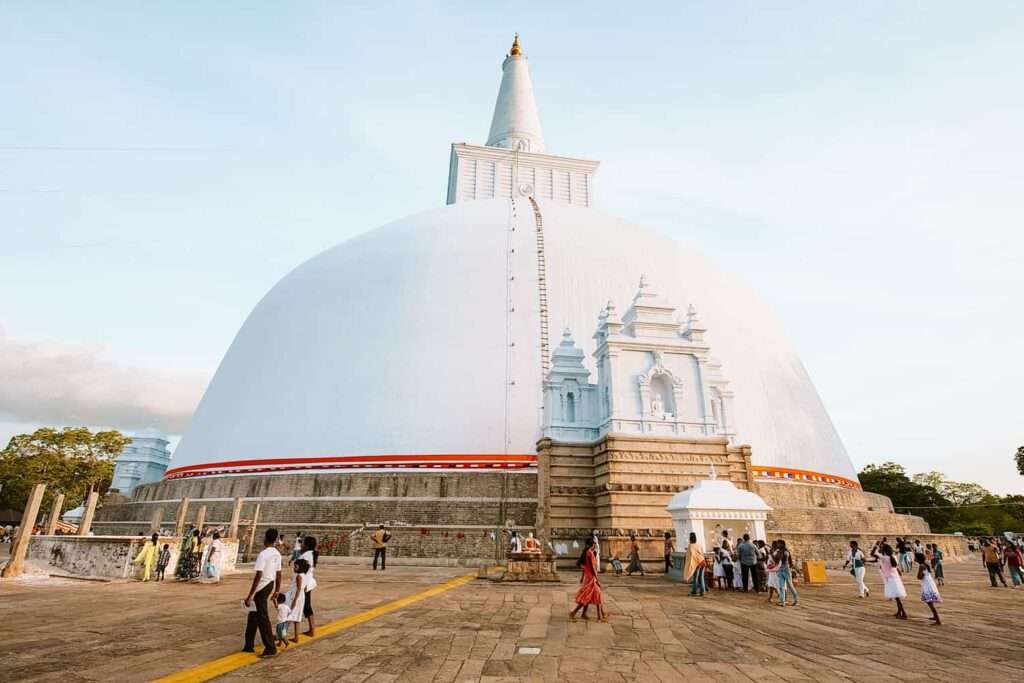
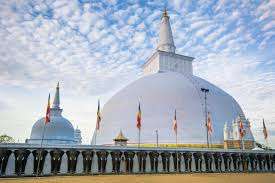
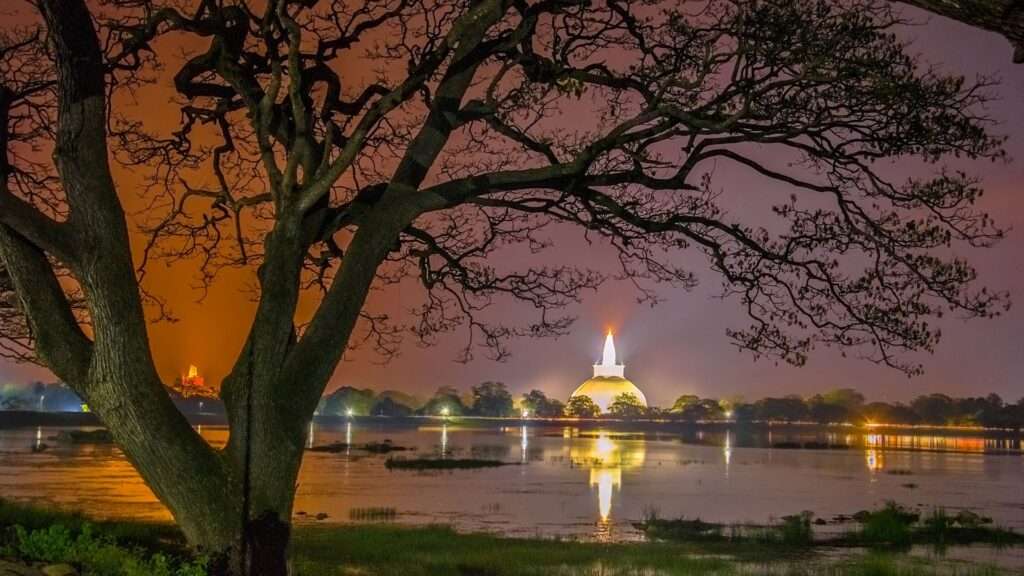
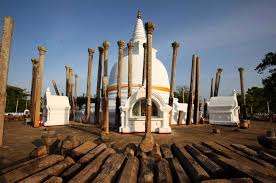
The Ruwanwelisaya Stupa, built by King Dutugemunu in 140 BCE, is one of Anuradhapura’s most iconic structures. This magnificent stupa stands 103 meters tall and has a diameter of 290 meters. Its white dome is a symbol of purity and is revered by Buddhists worldwide. The stupa is surrounded by a stone-paved terrace and a ring of smaller stupas, enhancing its grandeur.

Abhayagiri Monastery Complex

The Abhayagiri Monastery, established in the 2nd century BCE, was one of the largest monasteries in Anuradhapura, accommodating up to 5,000 monks. The centerpiece of this complex is the Abhayagiri Dagoba, standing at 75 meters. The monastery was a hub of Buddhist learning and artistic endeavors, with remnants of intricate carvings and sculptures showcasing the skill of ancient craftsmen.

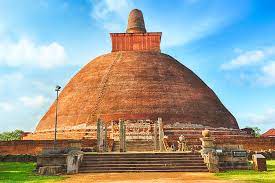
Jetavanaramaya Stupa

Jetavanaramaya, constructed by King Mahasena in the 3rd century CE, is one of the tallest stupas in the world, originally reaching a height of 122 meters. Though partially ruined, it still stands as a colossal brick structure. Jetavanaramaya reflects the zenith of Sinhalese stupa construction and was an important religious site for centuries.

The Sacred Bodhi Tree

The Jaya Sri Maha Bodhi is the oldest living human-planted tree in the world with a known planting date, planted in 288 BCE. This sacred fig tree, a sapling from the original Bodhi Tree in India, is deeply venerated by Buddhists. The tree symbolizes the rich spiritual heritage of Anuradhapura and attracts pilgrims from around the globe.

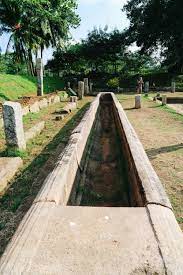
Ancient Reservoirs and Irrigation Systems

Tissa Wewa

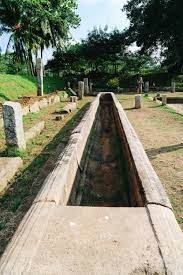
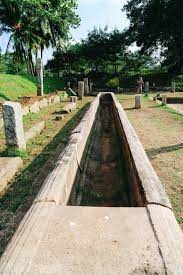
Tissa Wewa, an ancient reservoir built by King Devanampiya Tissa, remains a crucial water source for Anuradhapura. This artificial lake, covering an area of approximately 550 acres, exemplifies the ingenuity of ancient Sri Lankan hydrological engineering. The reservoir supported agriculture and sustained the city’s population for centuries.

Kala Wewa

Kala Wewa, constructed by King Dathusena in the 5th century CE, is another marvel of ancient engineering. This massive reservoir, with a capacity of over 123 million cubic meters, played a vital role in the irrigation network of the region. The reservoir is connected to the Jayaganga (Yoda Ela), a 54-mile-long canal that facilitated efficient water distribution.

Cultural and Religious Practices

Poson Festival

The Poson Festival, celebrated in June, commemorates the introduction of Buddhism to Sri Lanka. Anuradhapura becomes a focal point of festivities, with thousands of pilgrims gathering to pay homage at the sacred sites. The city is adorned with lanterns and decorations, and various religious activities, including processions and chanting, take place.

Poya Days

Poya Days, marking the full moon, are significant in the Buddhist calendar. Anuradhapura, with its numerous temples and stupas, becomes a center of worship and reflection. Devotees participate in rituals, offering alms, and engaging in meditation. These observances underscore the city’s enduring spiritual legacy.

Archaeological Discoveries in Anuradhapura

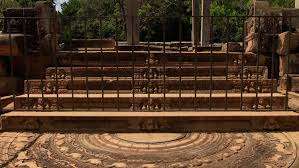
The Moonstone

Anuradhapura is renowned for its intricately carved moonstones (Sandakada Pahana). These semi-circular stone slabs are found at the entrances of monasteries and depict a detailed representation of animals, plants, and divine figures. The moonstones are considered masterpieces of ancient Sinhalese art, reflecting religious and cultural symbolism.

The Aukana Buddha Statue

The Aukana Buddha statue, located near Anuradhapura, is a remarkable example of ancient stone carving. This 12-meter tall statue, dating back to the 5th century CE, stands majestically, embodying serenity and grace. It is a testament to the artistic excellence achieved during the Anuradhapura period.

Preservation and Tourism

UNESCO World Heritage Site

Anuradhapura was designated a UNESCO World Heritage Site in 1982, recognizing its outstanding cultural value. Efforts to preserve its monuments and relics are ongoing, ensuring that future generations can appreciate its historical significance. Conservation projects focus on maintaining the structural integrity and aesthetic appeal of the ancient ruins.

Visitor Experience

Tourism plays a pivotal role in Anuradhapura’s economy. The city offers a rich experience for visitors, with guided tours available to explore its archaeological and religious sites. The Anuradhapura Museum provides in-depth insights into the city’s history and culture. Sustainable tourism practices are promoted to protect and enhance the heritage site.

Conclusion

Anuradhapura stands as a beacon of Sri Lanka’s ancient glory, a city where history, culture, and spirituality converge. Its architectural marvels, sacred relics, and innovative engineering continue to inspire awe and reverence. Visiting Anuradhapura is not just a journey through time but an immersion into the heart of a civilization that has profoundly shaped the cultural and religious landscape of Sri Lanka.


SHARE
Verified by MonsterInsights