Kadulla National Park | Exploring the Wilderness of East Cost

SHARE

Introduction

Located in the enchanting island of Sri Lanka, Kadulla National Park stands as a captivating haven of biodiversity and natural wonders. This national park, although less renowned than some of its counterparts, offers a unique and unforgettable experience for nature enthusiasts and wildlife lovers. In this article, we will delve into the beauty and significance of Kadulla National Park, uncovering its history, diverse ecosystem, notable wildlife, and the adventures that await those who embark on a journey to this magnificent destination.

Table of Contents

  1. A Brief History of Kadulla National Park
  2. Geographical Features and Biodiversity
  3. Wildlife in Kadulla National Park
  4. Exploring Kadulla: Safari Adventures
  5. Conservation Efforts and Challenges
  6. Best Time to Visit Kadulla National Park
  7. Accommodation Options near the Park
  8. Essential Tips for Visitors
  9. Nearby Attractions to Explore
  10. Conclusion
  11. FAQs (Frequently Asked Questions)

A Brief History of Kadulla National Park

Kadulla National Park, previously known as Yala East National Park, was established in 1983 as a protected area to conserve the region’s unique flora and fauna. Located in the southeastern part of Sri Lanka, it was later renamed Kadulla National Park to distinguish it from its more famous counterpart, Yala National Park. The park’s history is deeply intertwined with the efforts to preserve and protect its diverse ecosystem for future generations.

Geographical Features and Biodiversity

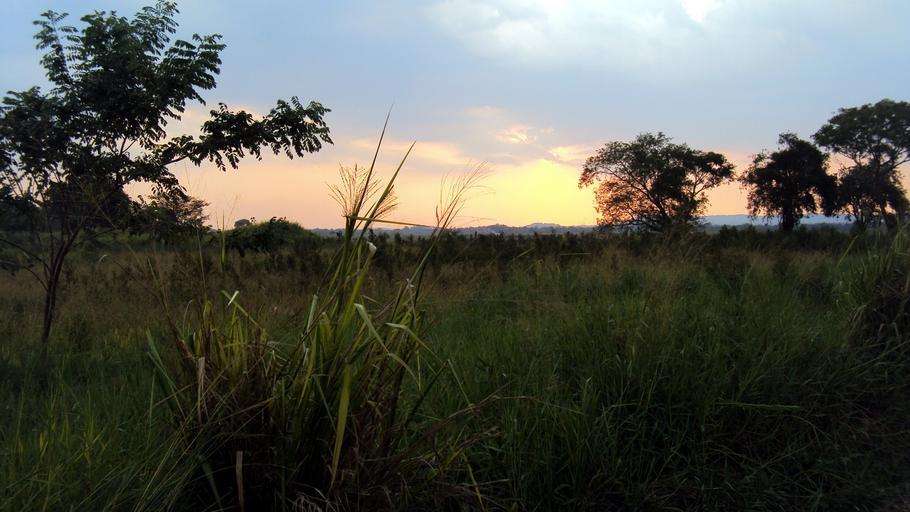
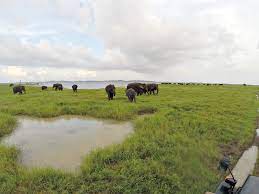
Spanning an area of approximately 67,000 hectares, Kadulla National Park boasts a diverse range of geographical features. From dense forests to open grasslands, the park showcases various ecosystems, providing a habitat for a wide array of plant and animal species. The park is home to several natural lakes, known as “katus,” which serve as crucial water sources for the park’s wildlife.

Wildlife in Kadulla National Park

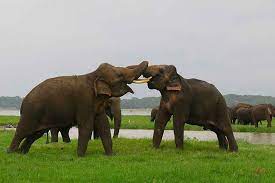
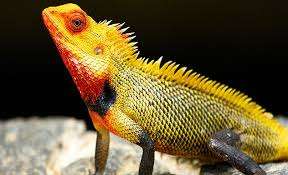
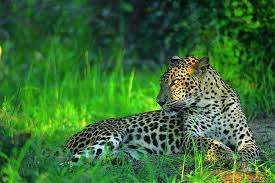
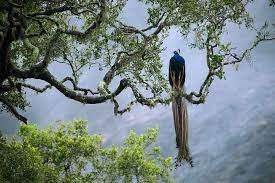
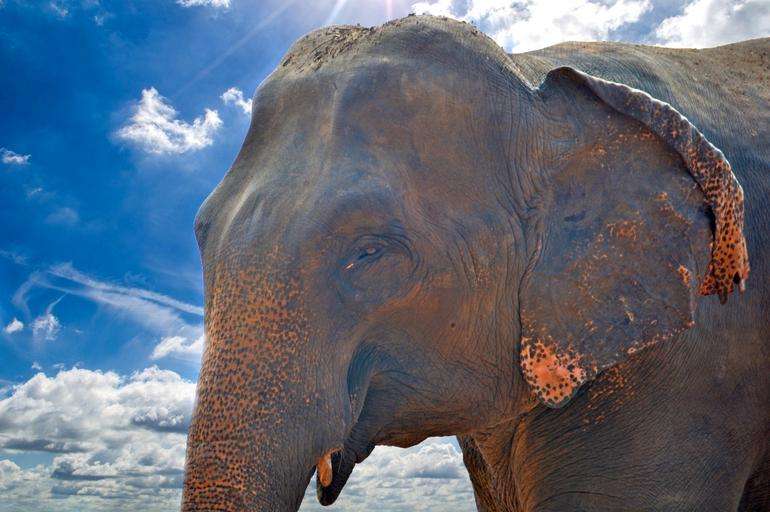
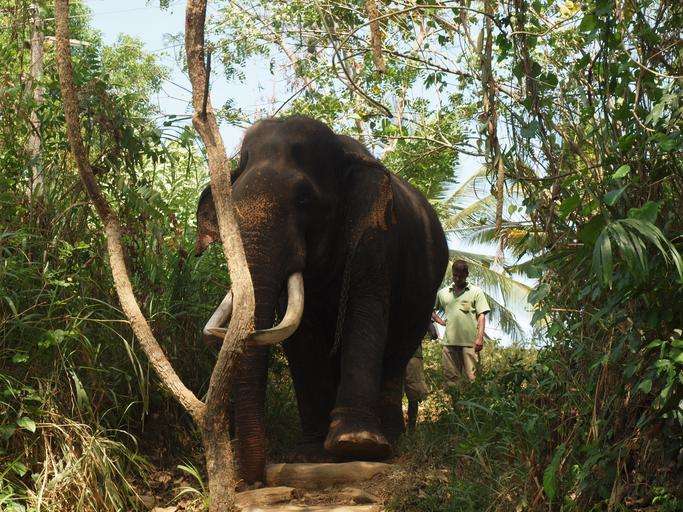
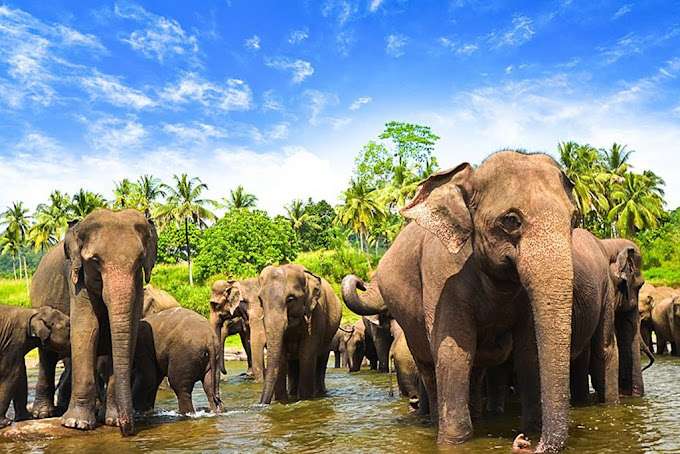
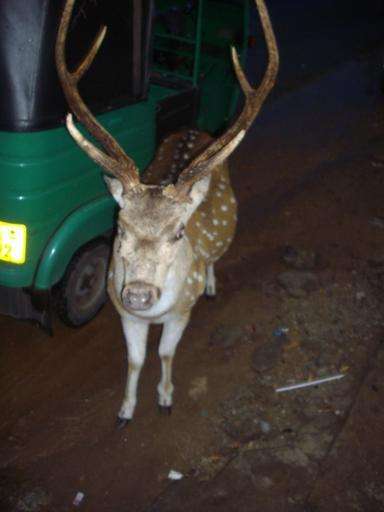
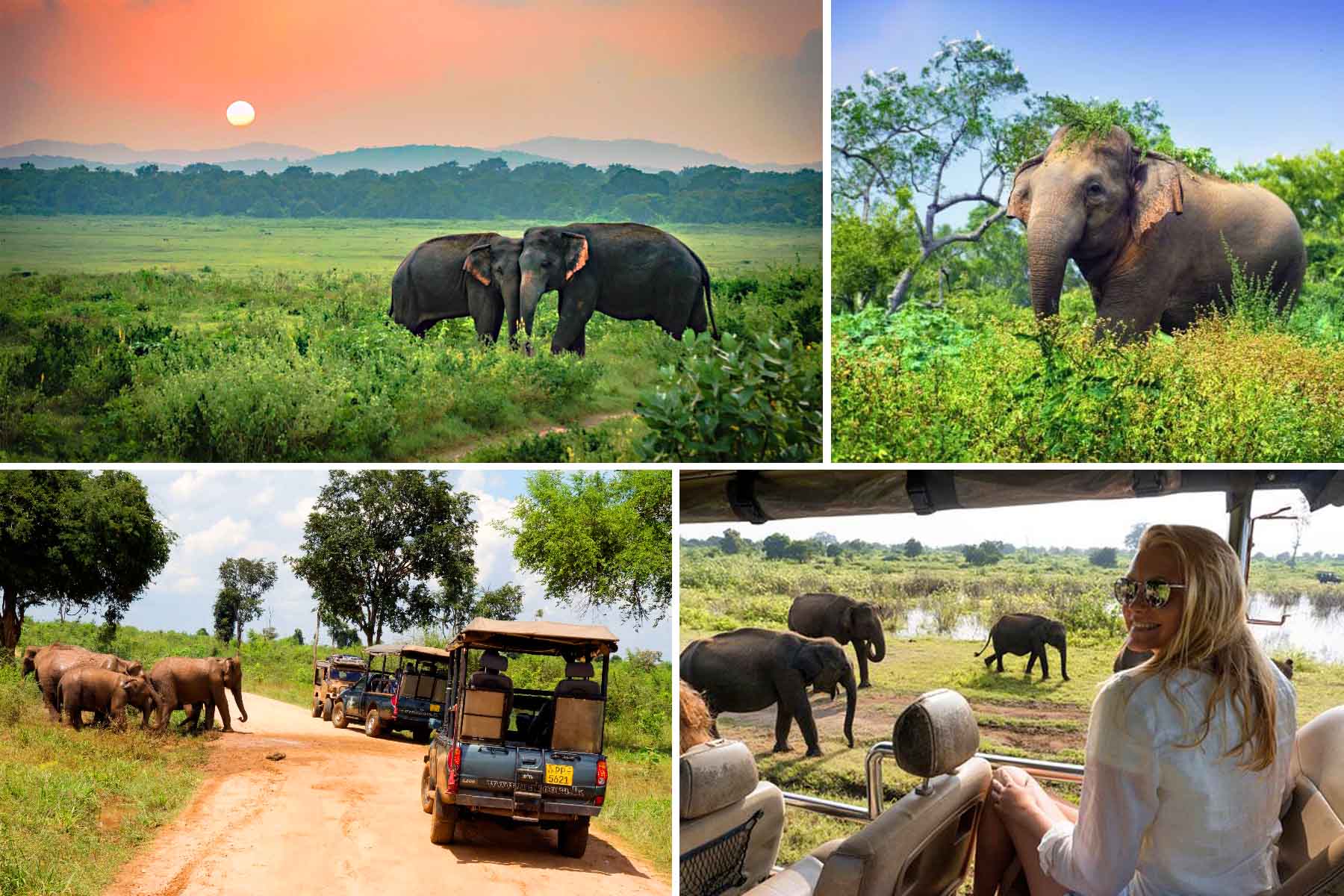
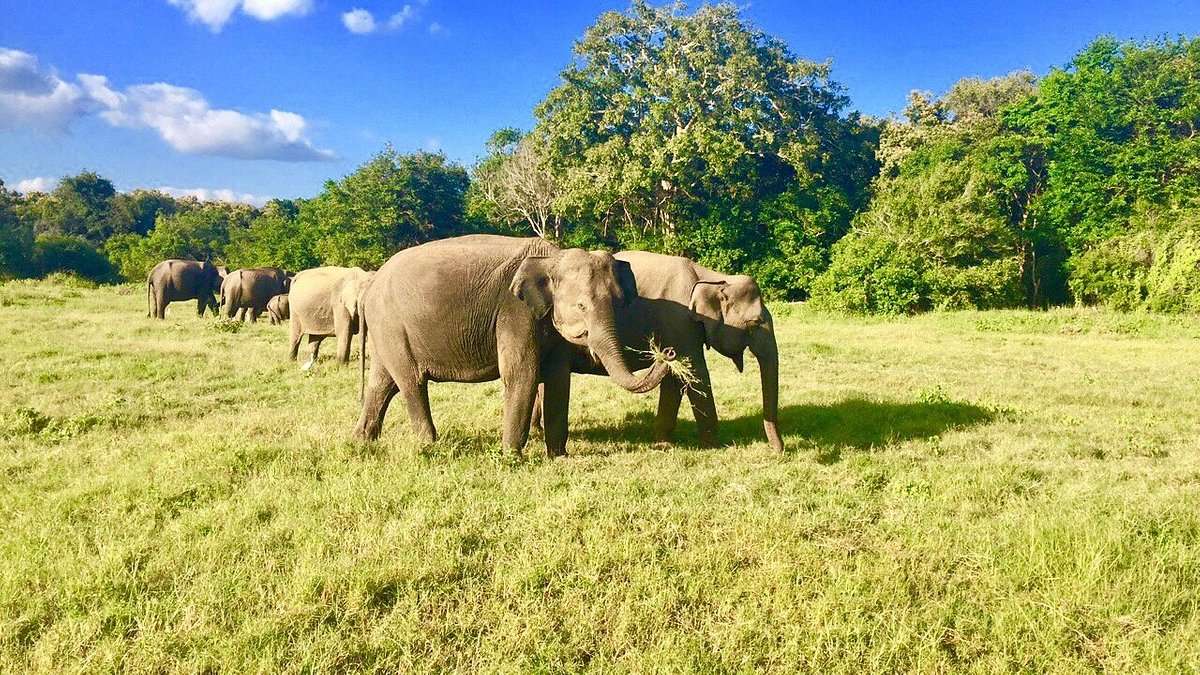
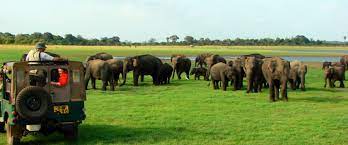
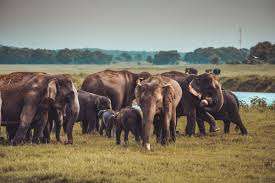
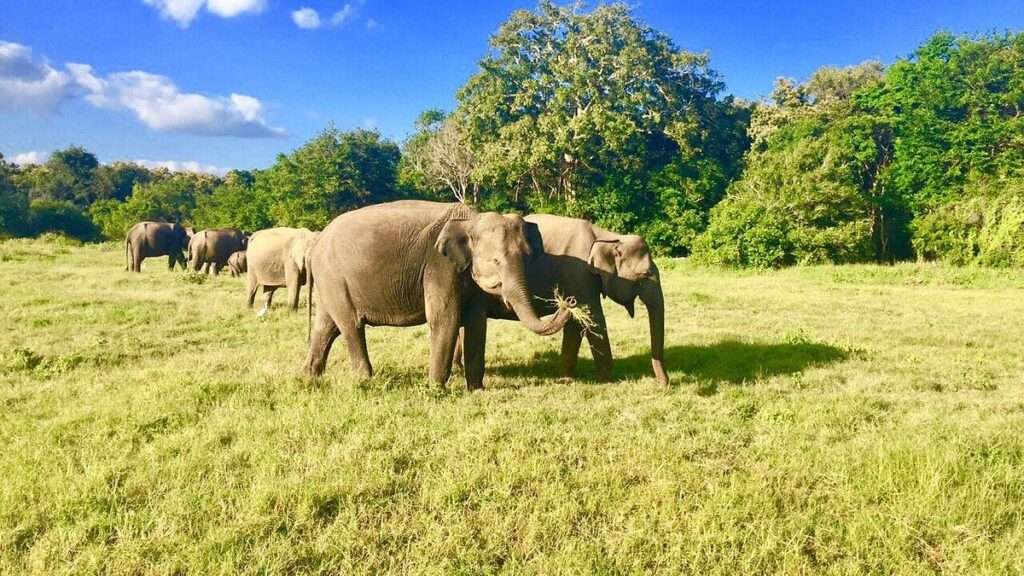
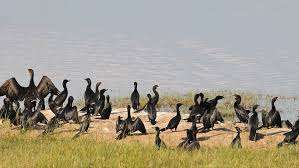
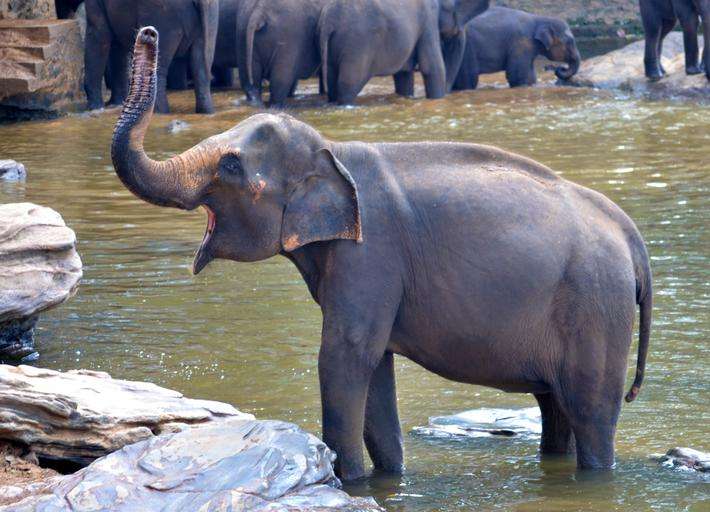
One of the main highlights of Kadulla National Park is its rich and diverse wildlife. The park is renowned for its population of Asian elephants, which can be seen roaming freely throughout the park. Other notable wildlife species include leopards, sloth bears, wild boars, spotted deer, water buffalos, and crocodiles. Additionally, Kadulla National Park is a haven for birdwatchers, with over 150 species of birds recorded within its boundaries.
Exploring Kadulla: Safari Adventures

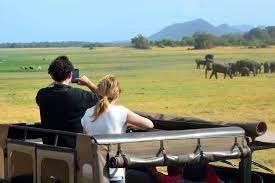
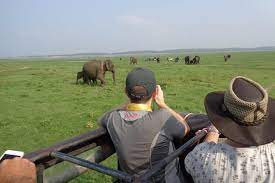
Embarking on a safari adventure in Kadulla National Park is an exhilarating experience. The park offers various safari options, including jeep safaris and guided nature walks. These safaris provide visitors with the opportunity to witness the park’s magnificent wildlife up close and capture stunning photographs. Experienced guides accompany visitors, sharing their knowledge and ensuring a safe and informative journey through the park.
Conservation Efforts and Challenges

Kadulla National Park faces numerous conservation challenges, including habitat encroachment, illegal poaching, and deforestation. Efforts are being made to combat these threats and preserve the park’s delicate ecosystem. The park management, along with local communities and conservation organizations, works diligently to raise awareness, enforce regulations, and implement sustainable practices to protect the park’s natural heritage.
Best Time to Visit Kadulla National Park

The best time to visit Kadulla National Park is during the dry season, which runs from May to September. During this period, the park experiences less rainfall, and the wildlife tends to gather near water sources, making it easier to spot animals. It is important to note that the park is closed for a few months during the wet season to allow the animals and their habitats to recover.

Accommodation Options near the Park

There are several accommodation options available near Kadulla National Park to suit different preferences and budgets. Visitors can choose from luxurious resorts, eco-lodges, and guesthouses that offer comfortable amenities and a close proximity to the park. Staying near the park allows for early morning safari departures, maximizing the chances of wildlife sightings.

Essential Tips for Visitors

  • Dress in light and comfortable clothing suitable for outdoor activities.
  • Apply sunscreen and insect repellent to protect yourself from the sun and insect bites.
  • Carry a pair of binoculars and a camera to enhance your wildlife viewing experience.
  • Follow the instructions of your safari guide and maintain a respectful distance from the animals.
  • Help preserve the park’s pristine beauty by avoiding littering and respecting the natural environment.

Nearby Attractions to Explore

While visiting Kadulla National Park, consider exploring the surrounding areas to make the most of your trip. The nearby town of Arugam Bay is renowned for its stunning beaches and is a popular destination for surfing enthusiasts. The ancient city of Kataragama, with its rich cultural and religious heritage, is also worth a visit for those interested in history and spirituality.

Conclusion

Kadulla National Park stands as a hidden gem within the natural splendor of Sri Lanka. Its breathtaking landscapes, diverse wildlife, and captivating experiences make it a must-visit destination for nature enthusiasts. By embracing sustainable tourism practices and supporting conservation efforts, we can ensure that Kadulla National Park continues to thrive for generations to come, providing a sanctuary for both wildlife and humans to appreciate and cherish.

FAQs (Frequently Asked Questions)

  1. Is Kadulla National Park the same as Yala National Park?
    • No, Kadulla National Park is a separate national park located in the southeastern part of Sri Lanka. It was previously known as Yala East National Park.
  2. Can I see elephants during a safari in Kadulla National Park?
    • Yes, Kadulla National Park is known for its population of Asian elephants, and visitors have a good chance of spotting them during a safari.
  3. Are there any restrictions on visiting Kadulla National Park?
    • Yes, the park is closed for a few months during the wet season to protect the animals and their habitats. It is advisable to check the park’s opening dates before planning your visit.
  4. How can I contribute to the conservation of Kadulla National Park?
    • You can contribute to the conservation of Kadulla National Park by practicing responsible tourism, supporting local conservation initiatives, and spreading awareness about the park’s importance.
  5. Are there guided tours available in Kadulla National Park?
    • Yes, guided tours and safari options are available in Kadulla National Park. Experienced guides accompany visitors to ensure a safe and informative experience.
SHARE

The Sinharaja Forest Reserve | A Tropical Rainforest

SHARE

Introduction

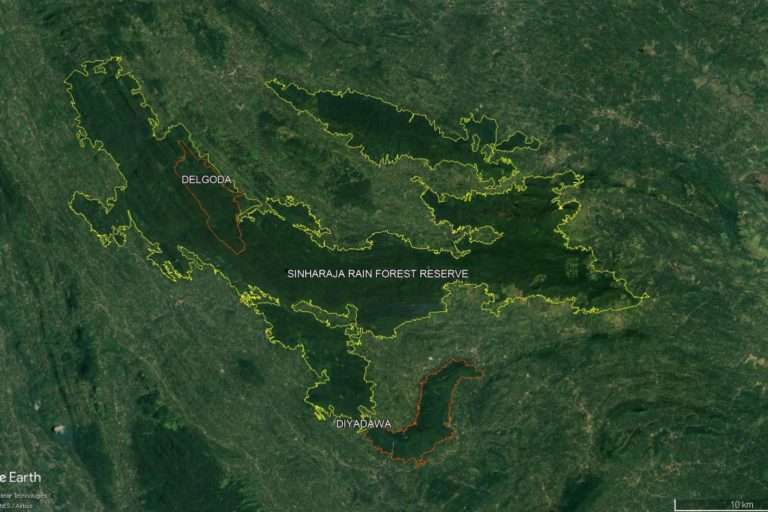
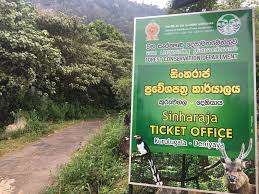
Sinharaja Forest Reserve is a stunning and ecologically diverse tropical rainforest located in the southwestern part of Sri Lanka. This majestic forest, recognized as a UNESCO World Heritage Site, is renowned for its rich biodiversity, pristine beauty, and significant conservation value. In this article, we will explore the wonders of Sinharaja Forest Reserve, diving into its natural treasures, importance, and efforts to preserve this invaluable ecosystem.

Table of Contents

  1. What is Sinharaja Forest Reserve?
  2. Geographical Location
  3. Flora and Fauna
  4. Importance of Sinharaja Forest Reserve
  5. Conservation Efforts
  6. Visiting Sinharaja Forest Reserve
  7. Guidelines for Visitors
  8. Threats and Challenges
  9. Research and Education
  10. Impacts of Sinharaja Forest Reserve
  11. The Future of Sinharaja Forest Reserve
  12. Conclusion
  13. FAQs

1. What is Sinharaja Forest Reserve?

Sinharaja Forest Reserve is a pristine tropical rainforest spanning approximately 11,187 hectares. It is one of the few remaining lowland rainforests in Sri Lanka, offering a sanctuary for numerous plant and animal species. The name “Sinharaja” translates to “Lion Kingdom” in Sinhalese, symbolizing the regal nature of this forest.

2. Geographical Location

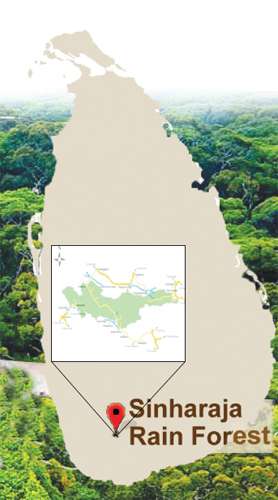
Situated in the southwestern part of Sri Lanka, Sinharaja Forest Reserve is nestled between the districts of Ratnapura, Galle, and Matara. It is located within the Sabaragamuwa and Southern provinces, making it easily accessible from various parts of the country.

3. Flora and Fauna

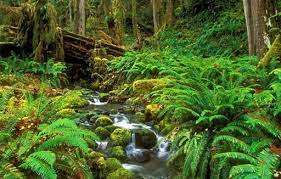
Sinharaja Forest Reserve is a treasure trove of biodiversity, boasting an impressive array of flora and fauna. The forest is home to over 830 plant species, including numerous endemic and endangered ones. Towering trees such as Dipterocarpus, Mesua, and Dillenia form the majestic canopy of Sinharaja, creating a dense and vibrant ecosystem.

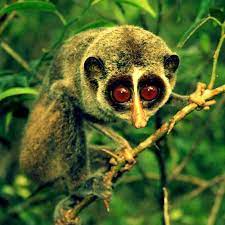
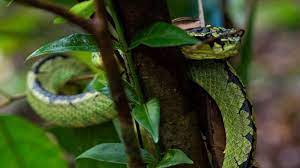
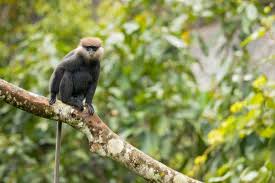
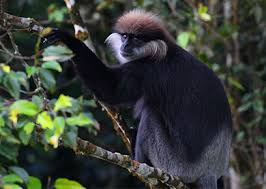
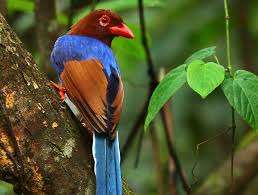
In terms of fauna, Sinharaja is equally awe-inspiring. The forest is inhabited by a diverse range of animal species, including 44 species of mammals, 160 species of birds, 33 species of reptiles, and 15 species of amphibians. Notable wildlife found in the reserve includes the purple-faced langur, Sri Lankan leopard, and the endemic Sri Lankan blue magpie.

4. Importance of Sinharaja Forest Reserve

Sinharaja Forest Reserve holds immense ecological, cultural, and scientific importance. As a UNESCO World Heritage Site, it has been recognized for its outstanding universal value. The forest acts as a vital watershed, contributing to the water supply of numerous rivers and streams in the region. It also plays a crucial role in mitigating climate change by acting as a carbon sink.

From a cultural perspective, Sinharaja is deeply ingrained in Sri Lanka’s heritage. It has spiritual significance and is associated with ancient rituals and beliefs. The forest serves as a living laboratory for scientists and researchers, offering valuable insights into evolutionary processes, endemic species, and ecological dynamics.

5. Conservation Efforts

Preserving the fragile ecosystem of Sinharaja Forest Reserve has been a top priority for the Sri Lankan government and various conservation organizations. Strict regulations are in place to protect the forest from human encroachment, illegal logging, and poaching. The Forest Department and other entities work tirelessly to enforce these regulations and raise awareness about the importance of conservation.

Collaborative efforts between local communities, researchers, and conservationists have resulted in successful projects aimed at reforestation, wildlife monitoring, and sustainable tourism initiatives. These endeavors strive to strike a balance between the needs of local communities and the long-term preservation of the forest.

6. Visiting Sinharaja Forest Reserve

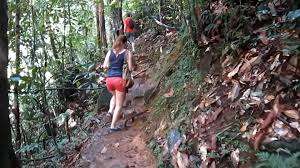
Sinharaja Forest Reserve offers a remarkable opportunity for nature enthusiasts and adventurers to immerse themselves in its unparalleled beauty. The forest provides various trails and trekking routes, allowing visitors to explore its wonders while being guided by experienced naturalists.

7. Guidelines for Visitors

To ensure the conservation of Sinharaja Forest Reserve, it is essential for visitors to adhere to certain guidelines. These guidelines include:

  • Obtaining necessary permits and following the designated trails.
  • Avoiding littering and disposing of waste responsibly.
  • Respecting the flora and fauna by not plucking plants or disturbing animals.
  • Refraining from making excessive noise to maintain the serene environment.
  • Following the guidance of experienced guides and naturalists.

8. Threats and Challenges

Despite the conservation efforts, Sinharaja Forest Reserve faces various threats and challenges. The encroachment of human settlements, illegal logging, and poaching pose significant risks to the delicate balance of this ecosystem. Climate change, invasive species, and habitat fragmentation further exacerbate the challenges faced by the forest.

9. Research and Education

Research and education play crucial roles in understanding and preserving the unique ecosystem of Sinharaja Forest Reserve. Scientists and researchers conduct studies on various aspects of the forest, contributing to our knowledge of biodiversity, ecological processes, and conservation strategies. Educational programs and awareness campaigns help instill a sense of responsibility and stewardship among the local communities and visitors.

10. Impacts of Sinharaja Forest Reserve

The preservation of Sinharaja Forest Reserve has far-reaching impacts. The forest acts as a natural haven for biodiversity, ensuring the survival of numerous endemic and endangered species. It also supports the livelihoods of local communities through sustainable tourism, providing economic opportunities while safeguarding the forest’s integrity.

Furthermore, Sinharaja Forest Reserve contributes to global efforts in combating climate change by sequestering carbon and maintaining vital ecosystem services. Its preservation serves as a testament to the importance of safeguarding our planet’s natural heritage.

11. The Future of Sinharaja Forest Reserve

The future of Sinharaja Forest Reserve lies in our hands. It requires continued dedication, collaborative efforts, and sustainable practices to ensure its survival for future generations. Strengthening conservation measures, promoting research and education, and fostering community engagement are crucial steps towards securing the future of this remarkable rainforest.

Conclusion

Sinharaja Forest Reserve stands as a remarkable testament to the beauty and significance of tropical rainforests. Its rich biodiversity, cultural heritage, and conservation efforts make it a jewel among UNESCO World Heritage Sites. By embracing sustainable practices and preserving this natural treasure, we can contribute to the protection of our planet’s invaluable ecosystems.

FAQs

1. Are there accommodation options available near Sinharaja Forest Reserve? Yes, there are several accommodation options available near Sinharaja Forest Reserve, ranging from eco-lodges to guesthouses. It is advisable to make prior arrangements and book accommodations in advance.

2. Can I visit Sinharaja Forest Reserve without a guide? No, visiting Sinharaja Forest Reserve without a guide is not allowed. The expertise of experienced guides is essential to ensure a safe and informative visit while minimizing the impact on the ecosystem.

3. Are there any restrictions on photography within the reserve? Photography is allowed in Sinharaja Forest Reserve, but it is important to be mindful of the environment and respect the guidelines provided by the authorities. Avoid using flash photography, as it can disturb wildlife.

4. Can I swim in the rivers or waterfalls within Sinharaja Forest Reserve? Swimming in the rivers or waterfalls within Sinharaja Forest Reserve is generally not permitted for safety reasons. However, there are designated areas nearby where visitors can enjoy water activities.

5. How can I contribute to the conservation of Sinharaja Forest Reserve? You can contribute to the conservation of Sinharaja Forest Reserve by supporting sustainable tourism practices, respecting the guidelines, spreading awareness about its importance, and supporting local conservation organizations through donations or volunteer work.


SHARE

Pinnawala Elephant Orphanage | A Haven for Gentle Giants

SHARE

Introduction

Pinnawala Elephant Orphanage is a renowned conservation center located in Sri Lanka, dedicated to the care and rehabilitation of orphaned and injured elephants. Established in 1975, this sanctuary has become a popular tourist destination that offers visitors a unique opportunity to observe these majestic creatures up close while supporting their well-being.

Table of Contents

  1. History of Pinnawala Elephant Orphanage
  2. Objectives and Conservation Efforts
  3. The Elephants of Pinnawala
  4. Feeding and Care
  5. Daily Bathing Ritual
  6. Conservation Challenges and Solutions
  7. Eco-Tourism and Sustainable Practices
  8. Elephant Rides and Interactions
  9. Visitor Experience at Pinnawala
  10. Impact on Local Communities
  11. Future Plans and Expansion
  12. Conservation Partnerships
  13. Conclusion
  14. FAQs

History of Pinnawala Elephant Orphanage

Pinnawala Elephant Orphanage was initially established with the noble aim of providing care and shelter for orphaned elephants found in the wild. As encroachment on elephant habitats increased, the number of orphaned elephants grew, necessitating the establishment of a dedicated facility to address their needs. Over the years, the orphanage has evolved and expanded, becoming a prominent conservation center globally.

Objectives and Conservation Efforts

The primary objective of Pinnawala Elephant Orphanage is to provide a safe haven for orphaned and injured elephants, with the ultimate goal of rehabilitating them and reintroducing them to the wild whenever possible. The orphanage focuses on rescue operations, veterinary care, and breeding programs to ensure the preservation of this iconic species.

The Elephants of Pinnawala

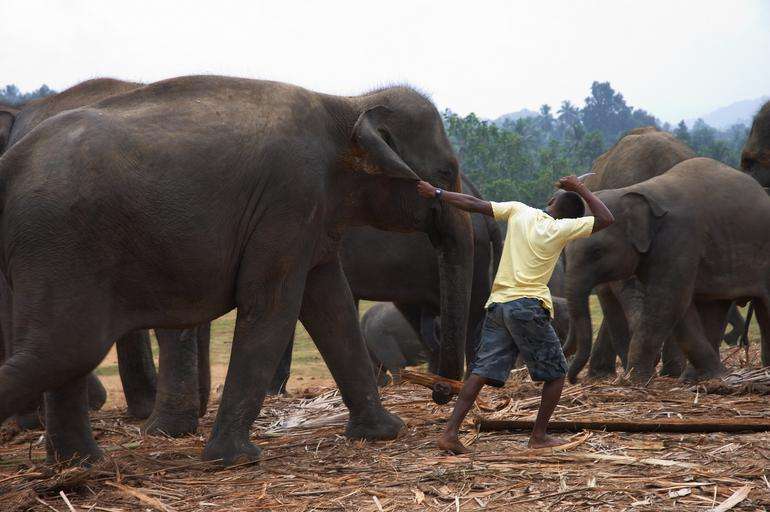
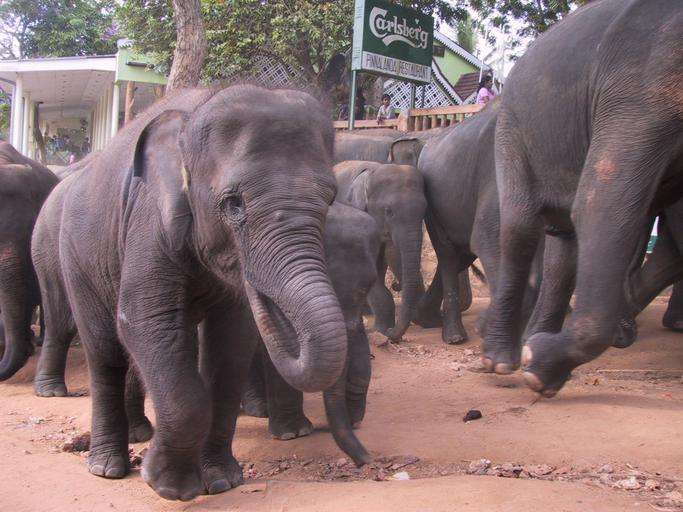
Pinnawala Elephant Orphanage is home to a diverse group of elephants, including orphaned calves, injured adults, and retired elephants from logging and other labor-intensive activities. Currently, the orphanage houses a substantial number of elephants, each with its own unique background and story.

Feeding and Care

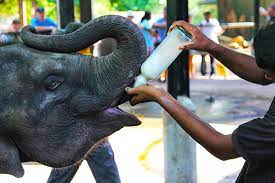
At Pinnawala, the elephants receive specialized care, including a well-balanced diet of fruits, vegetables, and grass. The staff closely monitors their health and nutrition, ensuring that each elephant receives the necessary nutrients to thrive. The orphanage also provides veterinary care, regular check-ups, and medical treatment for injured or sick elephants.

Daily Bathing Ritual

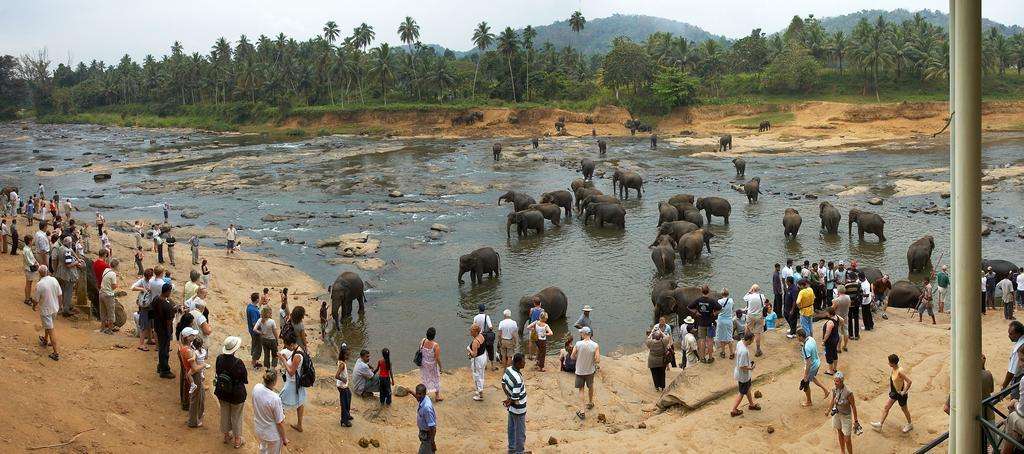
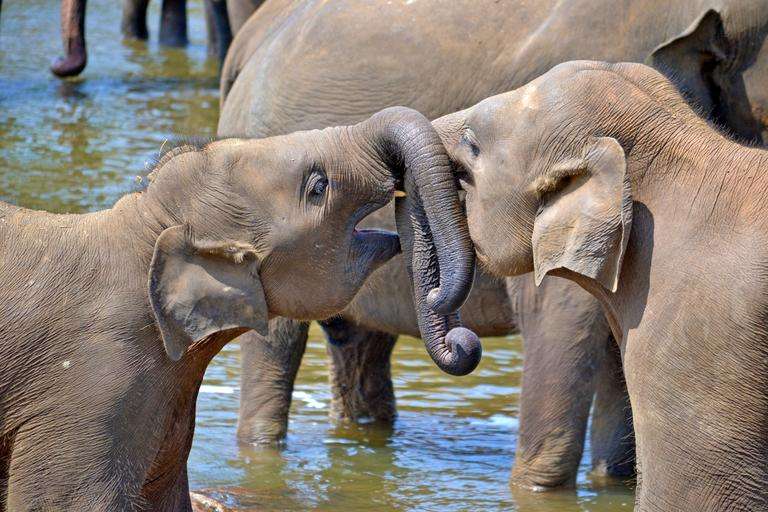
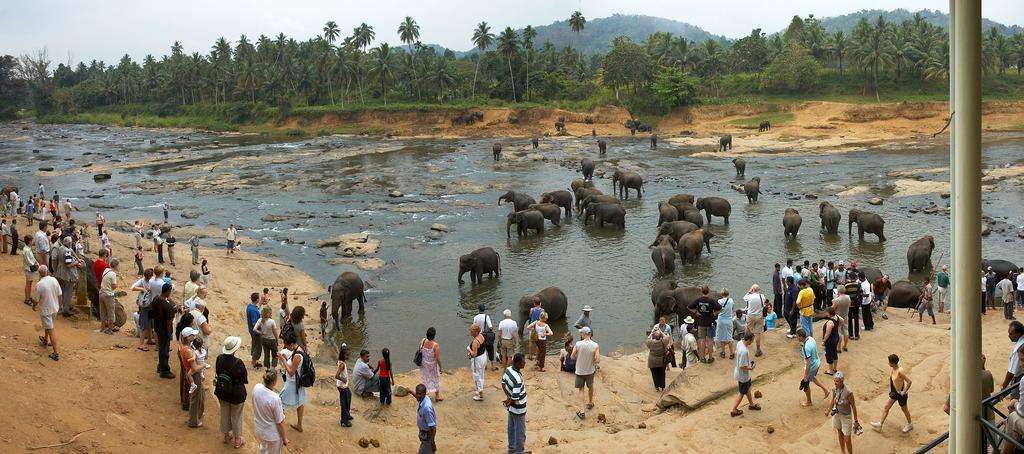
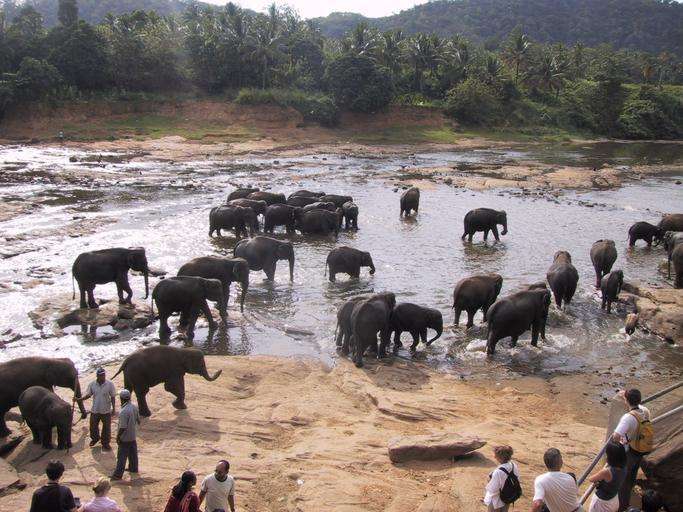
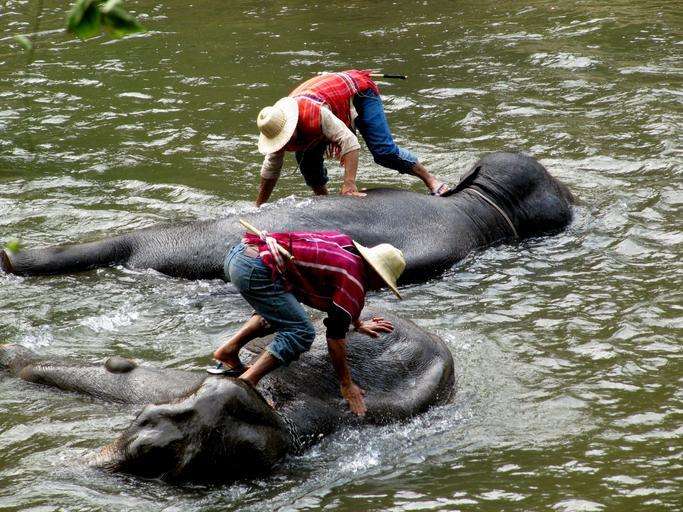
One of the most captivating experiences at Pinnawala Elephant Orphanage is witnessing the elephants’ daily bathing ritual. Every morning, the elephants are led to the nearby river, where they joyfully splash and play in the water, creating a mesmerizing spectacle. This ritual not only helps them cool down but also provides a natural form of exercise and enrichment.

Conservation Challenges and Solutions

While Pinnawala Elephant Orphanage has achieved remarkable success in its conservation efforts, it faces several challenges. Habitat loss, human-elephant conflict, and illegal poaching are significant threats to the elephant population. The orphanage collaborates with local and international organizations to address these challenges, implementing measures such as habitat restoration, public awareness campaigns, and anti-poaching initiatives.

Eco-Tourism and Sustainable Practices

Pinnawala Elephant Orphanage promotes eco-tourism as a means to generate funds for the elephants’ care and conservation programs. The income generated from visitor entrance fees and donations supports the orphanage’s operations and helps sustain their valuable work. Furthermore, the orphanage prioritizes sustainable practices, such as waste management and renewable energy, to minimize its environmental footprint.

Elephant Rides and Interactions

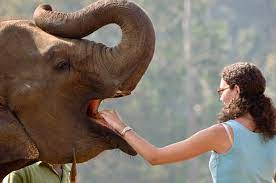
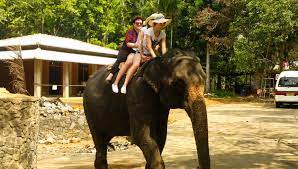
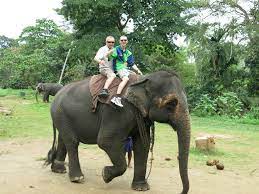
To offer visitors a closer experience with elephants, Pinnawala Elephant Orphanage organizes elephant rides and interactions under strict supervision. These activities are designed to be educational and respectful, providing an opportunity for visitors to appreciate the intelligence, strength, and gentle nature of these incredible animals.

Visitor Experience at Pinnawala

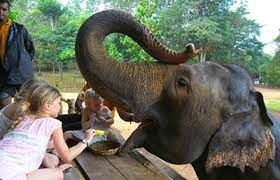
Visiting Pinnawala Elephant Orphanage is a memorable experience for both locals and tourists. The sanctuary offers various attractions, including informative exhibits, educational programs, and the chance to observe elephants in their natural habitat. Visitors can witness feeding sessions, bathing rituals, and learn about the conservation efforts undertaken to protect these magnificent creatures.

Impact on Local Communities

Pinnawala Elephant Orphanage plays a vital role in the socio-economic development of the surrounding communities. It provides employment opportunities to locals, fosters cultural preservation, and stimulates tourism-related businesses. The orphanage also collaborates with nearby villages to promote sustainable livelihoods and raise awareness about elephant conservation.

Future Plans and Expansion

With its continued success, Pinnawala Elephant Orphanage aims to expand its facilities and enhance its conservation efforts. The orphanage plans to create more spacious enclosures, improve veterinary facilities, and strengthen partnerships with local and international organizations. These initiatives will enable the orphanage to accommodate a larger elephant population and contribute further to their welfare.

Conservation Partnerships

Pinnawala Elephant Orphanage actively collaborates with other conservation organizations and wildlife authorities to maximize its impact. These partnerships facilitate knowledge sharing, research initiatives, and coordinated conservation strategies. By working together, these entities can address the complex challenges faced by elephants and contribute to their long-term survival.

Conclusion

Pinnawala Elephant Orphanage stands as a beacon of hope for the preservation of elephants in Sri Lanka. Through its dedication to rescue, care, and conservation, the orphanage has become a vital institution in safeguarding these magnificent creatures. Visitors and supporters of Pinnawala play a crucial role in contributing to the welfare and sustainability of elephants, both at the orphanage and beyond.

FAQs

  1. Q: Can I adopt an elephant at Pinnawala Elephant Orphanage? A: Yes, you can participate in their adoption program and support the well-being of an individual elephant.
  2. Q: Are there any volunteering opportunities available at the orphanage? A: Currently, Pinnawala Elephant Orphanage offers volunteering programs for individuals interested in assisting with various tasks and contributing to the elephants’ care.
  3. Q: Is photography allowed at Pinnawala Elephant Orphanage? A: Yes, visitors are welcome to take photographs of the elephants and their activities. However, it is essential to respect the animals’ space and follow the guidelines provided by the orphanage.
  4. Q: Are there any souvenir shops or gift stores at the orphanage? A: Yes, Pinnawala Elephant Orphanage has on-site gift shops where visitors can purchase elephant-themed souvenirs and support the conservation efforts.
  5. Q: How can I contribute to the conservation initiatives of Pinnawala Elephant Orphanage? A: You can make a donation directly to the orphanage or participate in their fundraising campaigns to support their conservation programs and initiatives.

SHARE

Jaffna | Exploring the Cultural Hub of Northern Sri Lanka

SHARE

Introduction

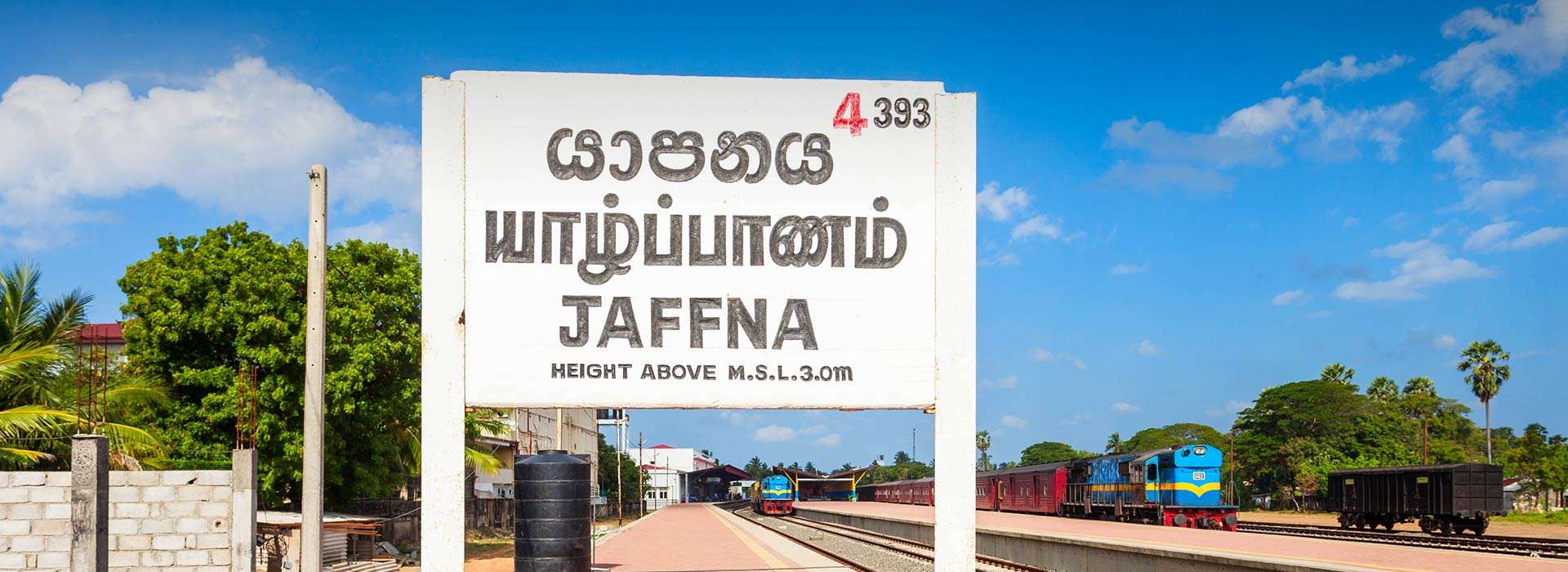
Nestled in the northernmost region of Sri Lanka, Jaffna is a vibrant city that serves as the cultural hub of the region. With its rich history, distinct cuisine, and captivating landmarks, Jaffna offers visitors a unique and immersive experience. In this article, we will delve into the enchanting world of Jaffna, exploring its historical significance, cultural heritage, mouthwatering cuisine, and must-visit attractions. So, let’s embark on a virtual journey to this fascinating city and discover the treasures it holds.
Table of Contents

  1. Historical Significance of Jaffna
  2. Cultural Heritage and Traditions
  3. Exploring Jaffna’s Cuisine
  4. Iconic Landmarks in Jaffna
  5. The Natural Beauty of Jaffna
  6. Festivals and Celebrations
  7. Jaffna’s Arts and Crafts
  8. Religious Sites in Jaffna
  9. Shopping in Jaffna
  10. Jaffna’s Educational Institutions
  11. Discovering the Islands of Jaffna
  12. Transportation in Jaffna
  13. Accommodation Options in Jaffna
  14. Safety Tips for Visitors
  15. Conclusion

Historical Significance of Jaffna

Jaffna has a rich history that dates back centuries. It was a major trading port and played a crucial role in maritime commerce, attracting merchants from around the world. The city has witnessed the influence of various civilizations, including the Chola, Pandyan, and Portuguese, each leaving their mark on its architecture and culture.

Cultural Heritage and Traditions

Jaffna is renowned for its vibrant cultural heritage and traditions. The Tamil community, predominantly residing in this region, has preserved their unique customs and rituals throughout the years. The city’s cultural landscape is adorned with colorful festivals, traditional music and dance forms, and intricate arts and crafts.

Exploring Jaffna’s Cuisine

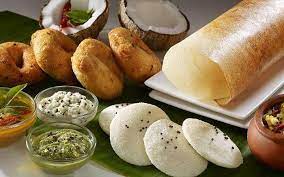
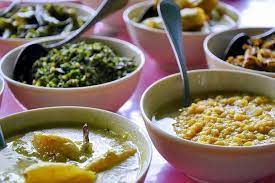
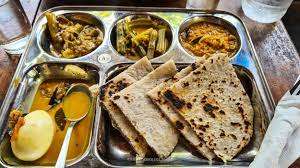
Jaffna’s cuisine is a gastronomic delight, reflecting the region’s rich culinary heritage. The local cuisine features a variety of flavorful dishes, including seafood delicacies, aromatic curries, and traditional sweets. Don’t miss the opportunity to savor signature dishes like crab curry, Jaffna-style dosai, and palmyrah-based treats.

Iconic Landmarks in Jaffna

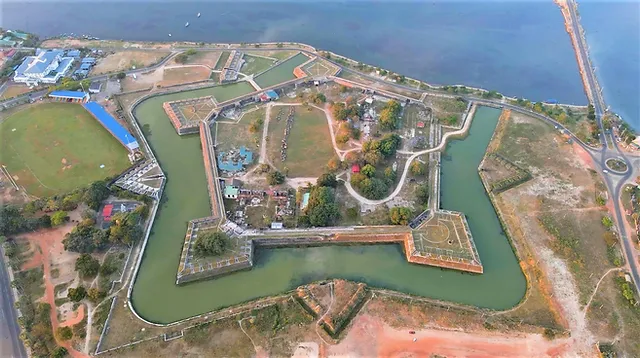
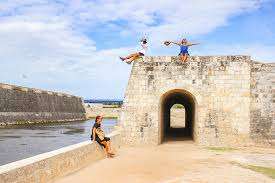
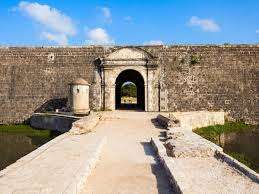
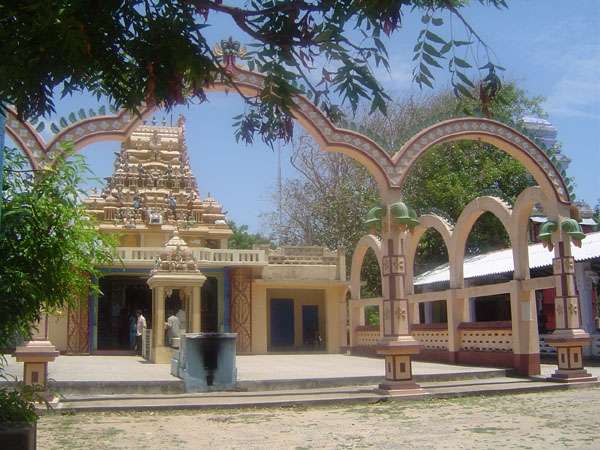
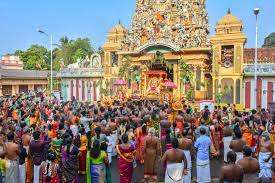
Jaffna boasts several iconic landmarks that showcase its architectural grandeur and historical significance. The Jaffna Fort, a 17th-century Dutch fortification, stands as a testament to the city’s colonial past. Other notable landmarks include the Nallur Kandaswamy Kovil, a magnificent Hindu temple, and the Jaffna Public Library, a symbol of knowledge and cultural revival.

The Natural Beauty of Jaffna

Beyond its historical and cultural treasures, Jaffna is blessed with natural beauty. The city is surrounded by pristine beaches, such as Casuarina Beach and Point Pedro Beach, where visitors can unwind and enjoy the tranquil coastal ambiance. The serene lagoons and picturesque landscapes add to Jaffna’s allure, providing ample opportunities for nature lovers to explore.

Festivals and Celebrations

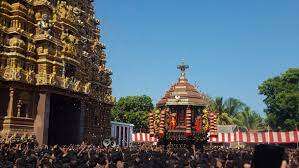
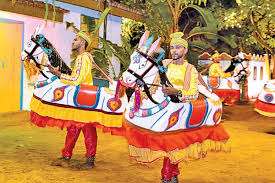
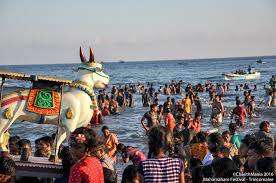
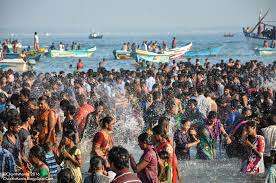
Jaffna is known for its vibrant festivals and celebrations that bring the community together in a joyous spirit. The annual Nallur Festival, dedicated to Lord Murugan, is a grand spectacle featuring colorful processions, traditional music, and elaborate rituals. The Thai Pongal harvest festival and the Karthigai Deepam festival are also celebrated with great enthusiasm.

Jaffna’s Arts and Crafts

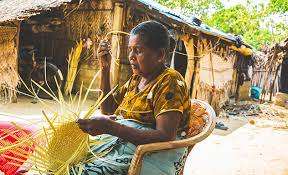
The artistic traditions of Jaffna are renowned for their intricacy and beauty. From exquisite wood carvings and pottery to woven textiles and traditional jewelry, Jaffna’s arts and crafts reflect the region’s rich cultural heritage. Visitors can explore local markets and artisan workshops to witness the skilled craftsmanship firsthand.

Religious Sites in Jaffna

Jaffna is home to numerous religious sites that hold great significance for the local community. Apart from the Nallur Kandaswamy Kovil, other notable religious landmarks include the Nagapooshani Amman Kovil, the St. Mary’s Cathedral, and the Jummah Mosque. These places of worship serve as spiritual sanctuaries and architectural marvels.

Shopping in Jaffna

Jaffna offers a unique shopping experience with its bustling markets and traditional bazaars. Visitors can browse through a wide array of handicrafts, spices, textiles, and traditional attire. The Jaffna Central Market is a treasure trove of local produce and spices, where you can immerse yourself in the vibrant sights and aromas of the city.

Jaffna’s Educational Institutions

Jaffna is renowned for its educational institutions, which have played a significant role in shaping the intellectual landscape of Sri Lanka. The University of Jaffna, established in 1974, is a prestigious institution known for its academic excellence. The city also boasts a rich literary tradition, with many renowned writers and scholars hailing from Jaffna.

Discovering the Islands of Jaffna

Jaffna is surrounded by a cluster of enchanting islands that offer a serene and secluded retreat. Nainativu, Delft Island, and Karaitivu are among the islands waiting to be explored. These islands are known for their pristine beaches, diverse wildlife, and remnants of ancient civilizations, making them a paradise for nature enthusiasts and history buffs alike.

Transportation in Jaffna

Getting around Jaffna is relatively easy, with various transportation options available. Bicycles and motorcycles can be rented for exploring the city and its outskirts. Tuk-tuks, a popular mode of transportation, provide a convenient and affordable way to navigate the city streets. Public buses and private taxis are also available for longer journeys.

Accommodation Options in Jaffna

Jaffna offers a range of accommodation options to suit every traveler’s preferences and budget. From luxury hotels to guesthouses and homestays, visitors can find comfortable and welcoming places to stay. Many accommodations provide a glimpse into Jaffna’s traditional architecture and offer warm hospitality that reflects the local culture.

Safety Tips for Visitors

While Jaffna is generally a safe destination, it’s essential to take certain precautions to ensure a smooth and enjoyable trip. It is advisable to stay updated on the current political situation and follow any travel advisories. Respect the local customs and dress modestly when visiting religious sites. Additionally, it’s always recommended to carry a copy of important documents and maintain awareness of your surroundings.

Conclusion

Jaffna is a city that encapsulates the rich heritage and cultural tapestry of northern Sri Lanka. From its historical landmarks and vibrant festivals to its mouthwatering cuisine and natural beauty, Jaffna offers a delightful and immersive experience for visitors. Exploring the city’s hidden gems and connecting with its warm-hearted residents will leave you with lasting memories. So, plan your visit to Jaffna and unlock the treasures of this captivating cultural hub.


FAQs (Frequently Asked Questions)

Q1: How do I reach Jaffna? To reach Jaffna, you can take a domestic flight to the Jaffna International Airport or opt for a scenic train journey from Colombo. There are also bus services available from major cities in Sri Lanka.

Q2: Is Jaffna safe for solo female travelers? Jaffna is generally safe for solo female travelers. However, it is advisable to take basic safety precautions, such as avoiding secluded areas at night and being aware of your surroundings.

Q3: What is the best time to visit Jaffna? The best time to visit Jaffna is during the dry season, which falls between May and September. The weather is pleasant, and it is the ideal time to explore the city’s outdoor attractions.

Q4: Can I try vegetarian food in Jaffna? Yes, Jaffna offers a variety of delicious vegetarian dishes. The cuisine includes flavorful vegetarian curries, dosai, and traditional sweets that cater to vegetarian preferences.

Q5: Are credit cards widely accepted in Jaffna? While some establishments in Jaffna accept credit cards, it is advisable to carry sufficient cash, especially when visiting local markets and smaller establishments.


SHARE

Trincomalee | A Gem on Sri Lanka’s Eastern Coast

SHARE

Trincomalee, located on the northeastern coast of Sri Lanka, is a hidden gem that offers breathtaking beauty, rich history, and a diverse range of attractions. With its pristine beaches, ancient temples, and vibrant culture, Trincomalee has become an increasingly popular destination for travelers seeking an off-the-beaten-path experience. In this article, we will delve into the wonders of Trincomalee, exploring its history, natural wonders, cultural highlights, and more. So pack your bags and get ready to embark on a captivating journey to Trincomalee!

Table of Contents

  1. Introduction
  2. Historical Significance
  3. Natural Splendors
  4. Kanniyai Hot Water Springs
  5. Cultural Heritage
  6. Exquisite Cuisine
  7. Water Sports and Adventure
  8. Peaceful Beaches
  9. Accommodation Options
  10. Festivals and Celebrations
  11. Wildlife Encounters
  12. Exploring the City
  13. Shopping Extravaganza
  14. Local Handicrafts
  15. Sustainable Tourism Efforts
  16. Conclusion

1. Introduction

Nestled on the eastern coast of Sri Lanka, Trincomalee is a coastal town renowned for its scenic beauty and historical significance. The city boasts a rich tapestry of cultural heritage, beautiful beaches, and a wide array of outdoor activities. Whether you’re a history buff, nature lover, or adventure enthusiast, Trincomalee has something to offer for everyone.

2. Historical Significance

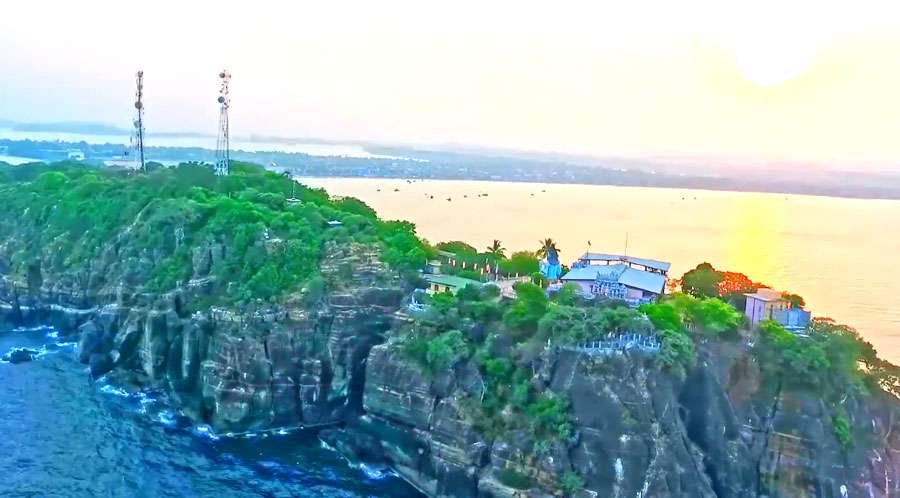
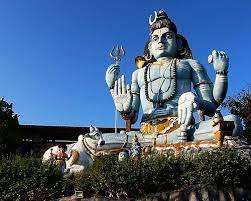
Trincomalee’s history dates back to ancient times, with evidence of human habitation dating back over 2,500 years. The city has been ruled by various empires, including the Chola, Pandyan, and Vijayanagara kingdoms. Its strategic location made it a vital trading hub and a coveted prize for many colonial powers. Today, remnants of these historical eras can be explored through ancient ruins, such as the Koneswaram Temple and Fort Frederick.

3. Natural Splendors

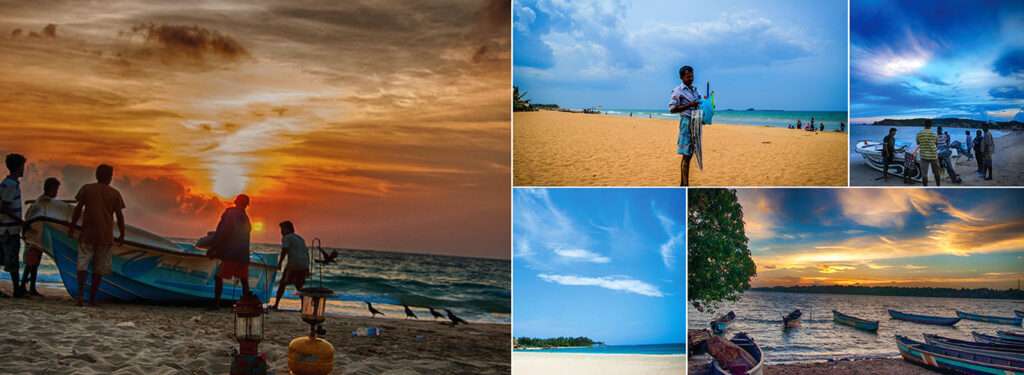
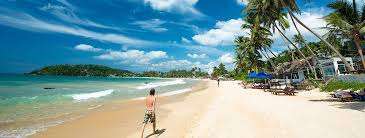
Trincomalee is blessed with breathtaking natural beauty. The city is home to some of the most stunning beaches in Sri Lanka, including Nilaveli and Uppuveli. The crystal-clear waters, golden sands, and swaying palm trees create a picturesque setting that is perfect for relaxation and sunbathing. Additionally, Trincomalee is a gateway to the Pigeon Island National Park, a marine sanctuary renowned for its vibrant coral reefs and diverse marine life.

4. Kanniyai Hot Water Springs

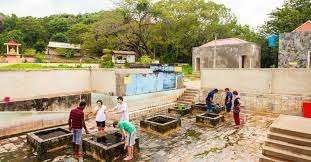
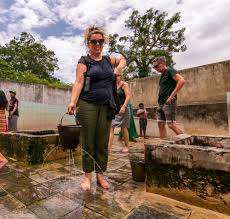
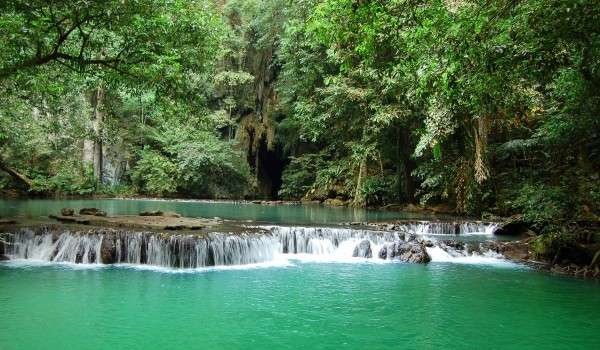
The Kanniyai Hot Water Springs, located in the outskirts of Trincomalee, are a natural wonder that offers a unique experience to visitors. These thermal springs are believed to have healing properties, making them a popular destination for those seeking relaxation and relief from various ailments.

The Kanniyai Hot Water Springs are a result of geothermal activity beneath the Earth’s surface. The hot water that emerges from the springs is heated by volcanic activity and travels through fissures and cracks in the rocks before reaching the surface. The exact temperature of the water can vary, but it is generally warm to hot, providing a soothing and therapeutic experience.

The warm mineral-rich water of the Kanniyai Hot Water Springs is believed to possess healing properties. Many locals and visitors alike claim that soaking in the springs can help alleviate various ailments such as arthritis, rheumatism, and skin conditions. The high mineral content, including sulfur, is said to have therapeutic effects on the body, promoting relaxation and improving blood circulation.

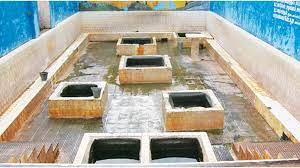
When visiting the Kanniyai Hot Water Springs, it is important to follow certain guidelines to ensure a safe and enjoyable experience. The springs are open to the public, and there may be small bathing enclosures or pools available for visitors to enjoy. It is recommended to check with local authorities or guides for the best time to visit, as the springs may be crowded during peak tourist seasons.
5. Cultural Heritage

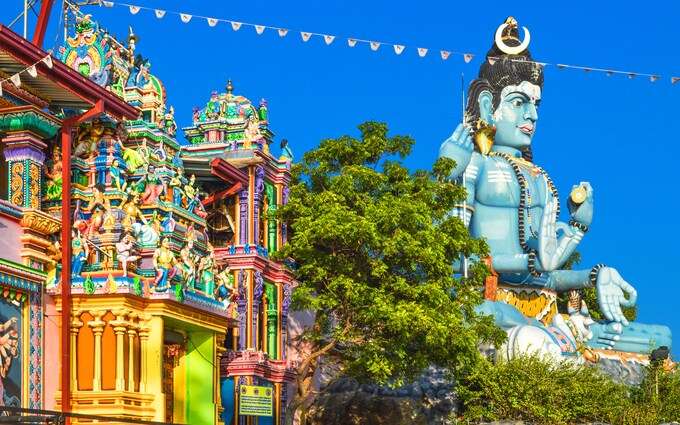
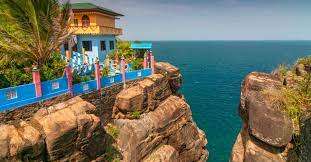
Trincomalee is steeped in cultural heritage, with a blend of Hindu, Buddhist, and Islamic influences. The Koneswaram Temple, perched on a cliff overlooking the sea, is a sacred Hindu pilgrimage site and a testament to the city’s religious significance. The annual Koneswaram Kovil festival attracts devotees from around the world, offering a glimpse into the rich traditions and customs of the region. The city also boasts several Buddhist temples and mosques, showcasing its multicultural fabric.

6. Exquisite Cuisine

No trip to Trincomalee is complete without indulging in its delectable cuisine. The city offers a variety of culinary delights, with an emphasis on fresh seafood dishes. From succulent prawn curries to mouthwatering crab preparations, Trincomalee is a haven for seafood lovers. Don’t forget to try the local delicacy, “kottu roti,” a flavorful dish made from chopped roti, vegetables, and meat.

7. Water Sports and Adventure

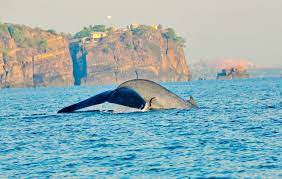
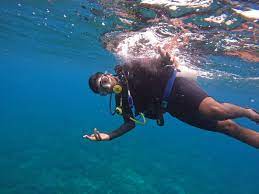
For adventure enthusiasts, Trincomalee is a paradise waiting to be explored. The city offers a plethora of water sports activities, including snorkeling, diving, and whale watching. Embark on a diving excursion to explore the vibrant coral reefs and encounter exotic marine species. If you’re lucky, you might spot magnificent blue whales and dolphins in their natural habitat.

8. Peaceful Beaches

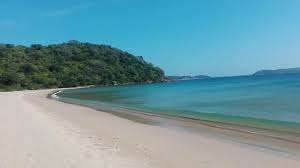
Trincomalee is renowned for its tranquil and secluded beaches, perfect for those seeking solace and serenity. Marble Beach, with its pristine white sands and calm turquoise waters, provides an idyllic setting for relaxation and rejuvenation. Other hidden gems include Kuchchaveli Beach and Seruwila Beach, where you can bask in the sun and immerse yourself in the beauty of nature.

9. Accommodation Options

Trincomalee offers a range of accommodation options to suit every budget and preference. From luxury beach resorts to cozy guesthouses, you’ll find a variety of choices to make your stay comfortable. Many accommodations provide stunning ocean views, easy access to the beach, and world-class amenities to enhance your experience.
10. Festivals and Celebrations

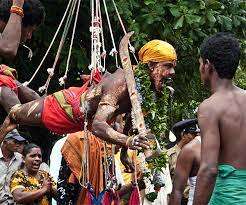
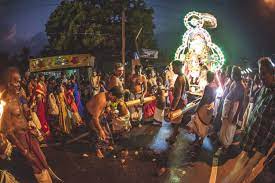
Trincomalee’s vibrant cultural scene comes alive during its numerous festivals and celebrations. The city hosts colorful processions, traditional dance performances, and musical concerts throughout the year. The Vel Festival, which pays homage to the Hindu god Murugan, is a spectacle to behold, with devotees carrying ornately decorated “kavadis” and piercing their bodies with hooks as acts of devotion.

11. Wildlife Encounters

Nature enthusiasts will delight in Trincomalee’s abundant wildlife. The nearby Minneriya National Park is home to a large population of elephants, which can be observed during thrilling jeep safaris. The park also offers sightings of other wildlife, including deer, leopards, and a variety of bird species. A visit to Trincomalee wouldn’t be complete without experiencing the wonders of Sri Lanka’s diverse fauna.

12. Exploring the City

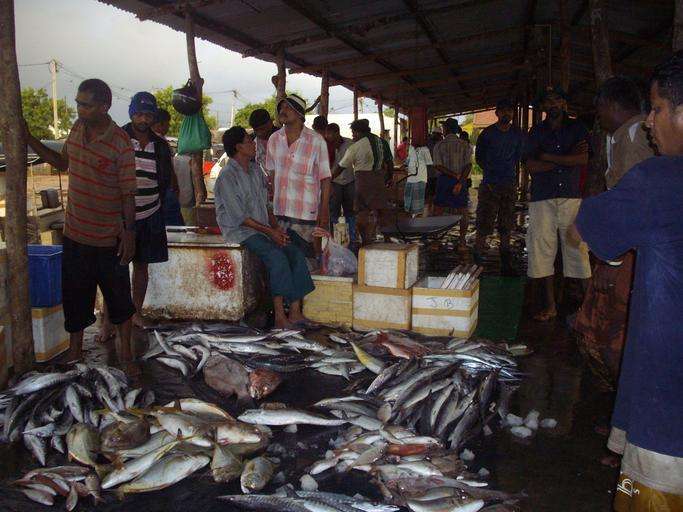
Trincomalee’s bustling streets offer a glimpse into local life and present numerous opportunities for exploration. Take a stroll through the vibrant bazaars, where you can find everything from handicrafts to spices. Visit the Fish Market to witness the daily catch being sold, or delve into the city’s history at the Trincomalee Maritime Museum. Exploring the city on foot allows you to immerse yourself in its unique charm.

13. Shopping Extravaganza

Trincomalee is a shopper’s paradise, offering a wide range of unique souvenirs and traditional crafts. From handwoven textiles to intricately carved wooden figurines, you’ll find a treasure trove of items to take home as mementos. Don’t forget to bargain at the local markets to secure the best deals and immerse yourself in the vibrant atmosphere.

14. Local Handicrafts

Trincomalee is renowned for its traditional handicrafts, which reflect the region’s rich cultural heritage. The city is famous for its exquisite woodcarvings, pottery, and intricate lacework. Supporting local artisans not only allows you to bring home a piece of Trincomalee’s heritage but also contributes to the preservation of these traditional crafts.

15. Sustainable Tourism Efforts

Trincomalee is committed to promoting sustainable tourism practices to preserve its natural and cultural assets for future generations. Efforts are underway to minimize the environmental impact of tourism activities and empower local communities. By supporting eco-friendly initiatives and responsible tourism, visitors can contribute to the preservation of Trincomalee’s unique charm.

16. Conclusion

Trincomalee, with its breathtaking beauty, rich history, and vibrant culture, is a destination that captivates the hearts of all who visit. From pristine beaches to ancient temples, this coastal gem offers a diverse range of attractions for every traveler. Whether you seek relaxation, adventure, or cultural immersion, Trincomalee promises an unforgettable experience. So pack your bags and embark on a journey to discover the wonders of this hidden treasure on Sri Lanka’s eastern coast.

FAQs

  1. Is Trincomalee safe for tourists? Trincomalee is generally considered safe for tourists. However, it’s always advisable to exercise caution and follow safety guidelines while traveling.
  2. How do I get to Trincomalee? Trincomalee can be reached by road or air. The city has its own airport, and there are also bus and train services available from major cities in Sri Lanka.
  3. What is the best time to visit Trincomalee? The best time to visit Trincomalee is during the dry season, which extends from May to October. This period offers favorable weather conditions for outdoor activities and beach exploration.
  4. Can I go whale watching in Trincomalee? Yes, Trincomalee is a popular destination for whale watching. The best time to spot blue whales is from March to April and August to September.
  5. Are there vegetarian food options available in Trincomalee? Yes, Trincomalee offers a variety of vegetarian food options. Many restaurants and eateries cater to vegetarian preferences and provide delicious plant-based meals.

SHARE

Udawalawa National Park

SHARE

Udawalawa National Park is one of the most popular national parks in Sri Lanka. It is located in the southern part of the country, in the district of Monaragala. The park covers an area of about 30,821 hectares and is home to a wide variety of flora and fauna. Udawalawa National Park is most famous for its elephant population, and it is estimated that there are around 500 elephants in the park. In this article, we will explore Udawalawa National Park in detail, including its history, geography, climate, flora and fauna, and tourism.
History: The history of Udawalawa National Park dates back to the 1950s when it was established as a sanctuary for wild animals. At that time, the area was heavily forested and was home to a large number of elephants. However, due to human encroachment, the elephant population began to decline rapidly. In 1972, the Udawalawa National Park was declared a national park with the aim of protecting the wildlife in the area. Since then, the park has become a major tourist attraction and a popular destination for wildlife enthusiasts.
Geography: Udawalawa National Park is located in the dry zone of Sri Lanka, and the terrain is predominantly flat. The park is bordered by the Udawalawa Reservoir to the north and the Walawe River to the south. The park is also surrounded by several mountain ranges, including the Uva, Sabaragamuwa, and Rakwana mountain ranges. The highest point in the park is the Diyawinna Mountain, which is about 357 meters high.
Climate: The climate in Udawalawa National Park is characterized by hot and dry weather. The park experiences two distinct seasons, the wet season and the dry season. The wet season lasts from May to September, while the dry season lasts from October to April. The average temperature in the park ranges from 27°C to 32°C, and the average annual rainfall is about 1,700mm.
Flora: Udawalawa National Park is home to a wide variety of flora, including dry zone vegetation such as grasslands, shrubs, and trees. The park is also home to several species of aquatic plants, including water lilies and lotuses. The vegetation in the park is an important source of food for the wildlife in the area, especially the elephants.
Fauna: The fauna in Udawalawa National Park is diverse, and the park is home to over 200 species of birds, including the endemic Sri Lankan junglefowl. The park is also home to several species of reptiles, including the mugger crocodile and the Indian python. However, the most famous inhabitants of the park are the elephants. The park has one of the highest densities of elephants in Sri Lanka, and visitors can often see these magnificent animals roaming freely in the park. Other mammals in the park include the Sri Lankan sambar deer, the Sri Lankan axis deer, the Sri Lankan leopard, and the water buffalo.
Tourism: Udawalawa National Park is one of the most popular tourist destinations in Sri Lanka. The park offers visitors a unique opportunity to observe wildlife in their natural habitat. Visitors can take a jeep safari through the park, which is the best way to see the wildlife. The park is open from 6 am to 6 pm, and the best time to visit is during the dry season when the animals congregate around the watering holes.
A Jeep Safari is one of the most popular ways to explore Udawalawa National Park. Visitors can hire a jeep and an experienced driver/guide to take them on a tour of the park. The jeeps are specially designed for safari tours and are open-air, allowing visitors to have an unobstructed view of the wildlife.
During the safari, visitors can expect to see a wide variety of wildlife, including elephants, deer, crocodiles, monkeys, and a variety of bird species. The park’s diverse flora and fauna make for a unique and unforgettable experience. Visitors are often amazed by the sheer number of elephants in the park and can get quite close to these majestic creatures.
The best time for a Jeep Safari is early in the morning or late in the afternoon when the animals are most active. The weather can get quite hot during the day, so it’s important to bring plenty of water and wear appropriate clothing.
The guides are knowledgeable and experienced, and they will provide visitors with information about the park, its history, and the wildlife that lives there. They will also ensure that visitors follow the park’s rules and regulations, such as not getting too close to the animals or littering.
Overall, a Jeep Safari is an exciting and unforgettable way to experience Udawalawa National Park. Visitors should be sure to add this activity to their itinerary when visiting Sri Lanka.
 
Conclusion: Udawalawa National Park is a must-visit destination for wildlife enthusiasts and nature lovers. The park offers visitors a unique opportunity to observe a wide variety of wildlife in their natural habitat. From elephants to Sri Lankan leopards, visitors can see these magnificent creatures up close and in their natural environment. The park’s diverse flora and fauna make it an ideal destination for anyone interested in ecology and conservation. The park is also an important source of revenue for the local community and is a testament to the success of Sri Lanka’s conservation efforts. Overall, a visit to Udawalawa National Park is an unforgettable experience that should not be missed by anyone visiting Sri Lanka.
When visiting Udawalawe National Park, there are several exciting activities and attractions to experience.

Here are some things to do in Udawalawe National Park:
 
  1. Jeep Safari: Embark on a thrilling jeep safari through Udawalawe National Park, which is renowned for its abundant wildlife, especially its elephant population. A safari allows you to observe elephants, as well as other animals like sambar deer, water buffalo, crocodiles, and a variety of bird species.
  2. Elephant Transit Home: Visit the Elephant Transit Home located near Udawalawe National Park. It is a rehabilitation center for orphaned elephant calves. You can witness the feeding sessions and observe the elephants as they prepare for their eventual release back into the wild.
  3. Nature Photography: Udawalawe National Park offers incredible opportunities for nature photography. Capture the stunning landscapes, wildlife, and bird species found in the park. The park’s scenic beauty and diverse wildlife make it a photographer’s paradise.
  4. Udawalawe Reservoir: Explore the Udawalawe Reservoir, a man-made lake adjacent to the national park. Take a boat ride or simply enjoy the serene surroundings. The reservoir attracts various bird species, providing excellent birdwatching opportunities.
  5. Udawalawe Transit Home: Visit the Udawalawe Transit Home, which serves as a rehabilitation center for injured or orphaned wildlife other than elephants. You can learn about their conservation efforts and see the animals in their care.
  6. Birdwatching: Udawalawe National Park is home to a wide range of bird species, making it a paradise for birdwatchers. Spot colorful birds like the Malabar pied hornbill, Sri Lanka grey hornbill, crested serpent eagle, and many more.
  7. Udawalawe Dam: Visit the Udawalawe Dam, which is located close to the national park. Enjoy the scenic views of the reservoir and learn about the dam’s significance in irrigation and providing water to the surrounding areas.
  8. Nature Trails: Explore the park’s nature trails on foot. Guided walks allow you to experience the park’s flora and fauna up close while learning about the local ecosystems and conservation efforts.
  9. Visit Local Villages: Take a cultural tour to nearby villages and interact with the local community. Learn about their way of life, traditions, and customs. Some villages offer traditional cooking demonstrations and handicraft workshops.
  10. Picnic by the Lake: Enjoy a picnic by the Udawalawe Reservoir, surrounded by the tranquil beauty of nature. Many tour operators and hotels can arrange a picnic lunch or snacks to enhance your experience.
  11. Udawalawe Interpretation Center: Visit the Udawalawe Interpretation Center to learn about the park’s history, wildlife, and conservation efforts. The center provides educational displays and interactive exhibits that offer insights into the park’s biodiversity.
  12. Night Safari: Experience the thrill of a night safari in Udawalawe National Park. With the assistance of a knowledgeable guide and a spotlight, you can spot nocturnal animals such as owls, nightjars, civets, and maybe even a leopard if you’re lucky.
  13. Visit the Ath Athuru Sevana Elephant Transit Home: Located within the national park, this facility provides care and rehabilitation for injured and orphaned elephants. You can witness the elephants during their feeding sessions and learn about the conservation efforts dedicated to their well-being.
  14. Udawalawe Elephant Research Project: Take part in the Udawalawe Elephant Research Project, where you can learn about ongoing research and conservation efforts to protect the park’s elephant population. You may have the opportunity to observe researchers in action and contribute to their work.
  15. Visit the Udawalawe Elephant Museum: Explore the Udawalawe Elephant Museum, which showcases exhibits on elephants, their natural history, and the challenges they face. It’s a great place to gain a deeper understanding of these majestic creatures.
  16. Udawalawe Transit Camp: Pay a visit to the Udawalawe Transit Camp, which serves as a temporary home for displaced or injured wild animals before they are released back into their natural habitats. You can see various animals up close, such as monkeys, deer, and birds.
  17. Visit Local Fruit Orchards: Discover the fruit orchards near Udawalawe National Park, where you can taste and learn about the diverse tropical fruits grown in the region. It’s a refreshing experience to savor the flavors of fresh, locally grown produce.
  18. Village Walks: Take a village walk to immerse yourself in the local culture and way of life. Engage with the villagers, learn about their traditions, and witness traditional activities such as pottery making, weaving, or farming.
  19. Wildlife Photography Workshops: Join wildlife photography workshops conducted by experienced photographers in the area. Learn techniques and tips to capture stunning images of the park’s wildlife and landscapes.
  20. Relax and Enjoy Nature: Take time to simply relax and enjoy the tranquility of Udawalawe National Park. Find a quiet spot, listen to the sounds of nature, and appreciate the beauty of the surroundings. It’s an opportunity to unwind and connect with the natural world.
  21. Birdwatching: Udawalawe is a haven for birdwatchers, with over 200 species of birds recorded in the park. Grab your binoculars and spot various endemic and migratory birds such as the Sri Lankan grey hornbill, painted stork, purple heron, and black-headed ibis.
  22. Boat Safari: Explore the Udawalawe Reservoir on a boat safari. Enjoy the scenic views, spot wildlife along the water’s edge, and take in the peaceful ambiance of the reservoir. It’s a different perspective of the park and a great way to observe birds and other animals.
  23. Nature Photography: Capture the stunning landscapes, wildlife, and flora of Udawalawe National Park through nature photography. The park offers a plethora of opportunities for nature photographers to showcase their skills and capture breathtaking shots.
  24. Picnic by the Reservoir: Pack a picnic and find a scenic spot near the Udawalawe Reservoir to enjoy a relaxing meal amidst nature. It’s a wonderful way to soak in the surroundings, watch wildlife, and spend quality time with friends and family.
  25. Wildlife Conservation Volunteer Programs: Consider participating in wildlife conservation volunteer programs in Udawalawe National Park. These programs allow you to contribute to the park’s conservation efforts, work alongside rangers and researchers, and engage in activities such as habitat restoration and wildlife monitoring.
  26. Meditation and Yoga: Find tranquility in the park’s serene surroundings by practicing meditation or yoga. Many resorts and accommodations near Udawalawe offer yoga and meditation sessions, allowing you to connect with nature and rejuvenate your mind and body.
  27. Camping: Experience a unique adventure by camping in Udawalawe National Park. Several camping sites are available, allowing you to spend a night under the stars and immerse yourself in the sounds and sights of the wilderness.
  28. Visit the Udawalawe Dam: Explore the Udawalawe Dam, which is an impressive feat of engineering and provides water for irrigation and hydroelectric power generation. Take a walk along the dam and enjoy panoramic views of the reservoir and surrounding landscapes.
  29. Cultural Experiences: Udawalawe is situated in close proximity to traditional Sri Lankan villages. Take the opportunity to visit nearby villages, interact with the locals, and learn about their customs, traditions, and traditional crafts.
  30. Elephant Photography Workshops: If you’re passionate about photographing elephants, consider joining an elephant photography workshop. Learn techniques and tips from professionals, and capture incredible images of these gentle giants in their natural habitat.
  31. Nature Walks: Embark on guided nature walks within the park with knowledgeable guides who can provide insights into the flora, fauna, and ecosystem of Udawalawe. Explore different trails and observe the smaller details of the park’s biodiversity.
  32. Sunset Safari: Take a sunset safari in Udawalawe National Park to witness the magical colors of the sky as the sun sets over the wilderness. It’s a beautiful time to spot wildlife and capture stunning photographs.
  33. Wildlife Research and Conservation: Get involved in wildlife research and conservation efforts by participating in programs or volunteering opportunities. Assist park rangers or conservation organizations in collecting data, monitoring wildlife populations, or engaging in conservation initiatives.
  34. Elephant Transit Home: Visit the Elephant Transit Home, which is located near Udawalawe National Park. This facility rescues and rehabilitates orphaned elephant calves with the goal of releasing them back into the wild. Witness their feeding sessions and learn about the conservation efforts for these magnificent creatures.
  35. Nature Interpretation Centers: Visit the nature interpretation centers located near the park, which provide valuable information about the wildlife, ecosystems, and conservation efforts in Udawalawe National Park. Learn about the park’s history, biodiversity, and ongoing initiatives.
  36. Wildlife Spotting from Observation Decks: Head to observation decks strategically located within the park for panoramic views and excellent wildlife spotting opportunities. These decks offer a safe and elevated vantage point to observe animals in their natural habitats.
  37. Night Safari: Experience the thrill of a night safari in Udawalawe National Park. With the assistance of spotlights and trained guides, explore the park after dark to observe nocturnal animals such as the Sri Lankan leopard, civets, owls, and other fascinating creatures.
  38. Wildlife Photography Workshops: Enhance your wildlife photography skills by joining a photography workshop in Udawalawe National Park. Learn techniques, receive guidance from professional photographers, and capture stunning images of the park’s diverse wildlife.
  39. Visit the Udawalawe Transit Hotel: Located near the park, the Udawalawe Transit Hotel is a unique place where injured or displaced animals are provided with medical care and rehabilitation. Take a tour of the facility and learn about their efforts to rescue and protect wildlife.
  40. Visit Nearby Attractions: Explore the surrounding area of Udawalawe National Park by visiting nearby attractions such as the Udawalawe Reservoir, Udawalawe Elephant Junction, or the Udawalawe Dam. These attractions offer additional opportunities for sightseeing and experiencing the natural beauty of the region.
Remember to plan your visit according to the best time to spot wildlife, follow park regulations, and prioritize the well-being and conservation of the park’s inhabitants. Enjoy your time in Udawalawe National Park and create unforgettable memories of Sri Lanka’s remarkable wilderness.
 When visiting Udawalawe National Park, you will find a range of hotels and accommodation options to suit different budgets and preferences.
Here are some popular hotels near Udawalawe National Park:
  • Grand Udawalawe Safari Resort: This resort offers comfortable rooms, a swimming pool, and a restaurant. It’s located just a short distance from the park entrance.
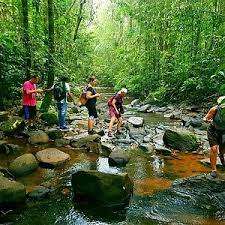
  • Centauria Wild: This eco-friendly hotel provides chalet-style accommodation surrounded by nature. It features a pool, a restaurant, and beautiful views of the surrounding landscape.
  • Kalu’s Hideaway: Situated near the park, this boutique hotel offers spacious rooms, a pool, and a restaurant. It provides a peaceful retreat in a lush setting.
  • Athgira River Camping: For a unique experience, consider staying at this riverside camping site. You can enjoy glamping-style accommodations, riverside dining, and wildlife encounters.

  • Udawalawe Safari Village: This budget-friendly hotel offers comfortable rooms and an on-site restaurant. It’s located close to the park entrance and provides easy access to safari activities.
  • The Grand Udawalawe Safari Resort: Nestled amidst nature, this resort offers spacious rooms, a pool, and a restaurant. It provides a tranquil setting for relaxation after a day of wildlife exploration.
As for transportation, there are several options to reach Udawalawe National Park:
  • Private Transportation: You can hire a private vehicle such as a car or van with a driver to reach the park. This allows for flexibility and convenience, especially if you’re traveling with a group or have specific requirements.
  • Public Transportation: Public buses and trains operate to nearby towns like Embilipitiya or Thanamalwila. From there, you can take a taxi or tuk-tuk to reach the park. However, public transportation may have limited schedules and may not be as direct or comfortable as private transportation.
  • Guided Tours: Many tour operators offer guided tours to Udawalawe National Park, which include transportation to and from the park. These tours often include safari drives and may have additional activities and services included.
It’s advisable to book your accommodation and transportation in advance, especially during peak seasons, to ensure availability and to secure the best rates. Additionally, confirm the details of your chosen accommodation and inquire about their transportation services or recommendations.
Udawalawe National Park in Sri Lanka experiences a tropical climate throughout the year.
The park has two main seasons: the dry season and the wet season.
  • Dry Season (May to September): The dry season is considered the best time to visit Udawalawe National Park. During this period, the weather is generally sunny, with minimal rainfall. The vegetation is drier, making it easier to spot wildlife as they gather around water sources. The dry season offers excellent opportunities for wildlife sightings, including elephants, birds, and other animals.
  • Wet Season (October to April): The wet season in Udawalawe National Park brings more rainfall and occasional thunderstorms. The park becomes lush and green during this time, creating a beautiful landscape. The wet season is also the birthing season for many animals, which can provide unique wildlife experiences. However, wildlife sightings may be a bit more challenging due to denser vegetation, and some areas of the park may be inaccessible due to flooding.
It’s important to note that wildlife sightings can occur throughout the year, and each season has its own advantages. The dry season offers better visibility and the chance to witness wildlife gathering around water sources, while the wet season offers a vibrant and lush environment.
When planning your visit, it’s a good idea to check the weather forecast and consider your personal preferences. The dry season is generally more popular among tourists, so the park may be more crowded during this time. On the other hand, the wet season can offer a quieter and more serene experience, with fewer tourists.
Remember to bring appropriate clothing and gear based on the season you’re visiting. In the dry season, lightweight and breathable clothing, a hat, sunscreen, and insect repellent are recommended. In the wet season, pack waterproof gear, including a rain jacket or poncho, and consider wearing sturdy shoes or boots for muddy trails.
Overall, Udawalawe National Park can be visited throughout the year, but the dry season from May to September is often considered the peak season for wildlife sightings and optimal weather conditions.
Enjoy your visit to Udawalawe National Park and the surrounding area!

SHARE
Verified by MonsterInsights