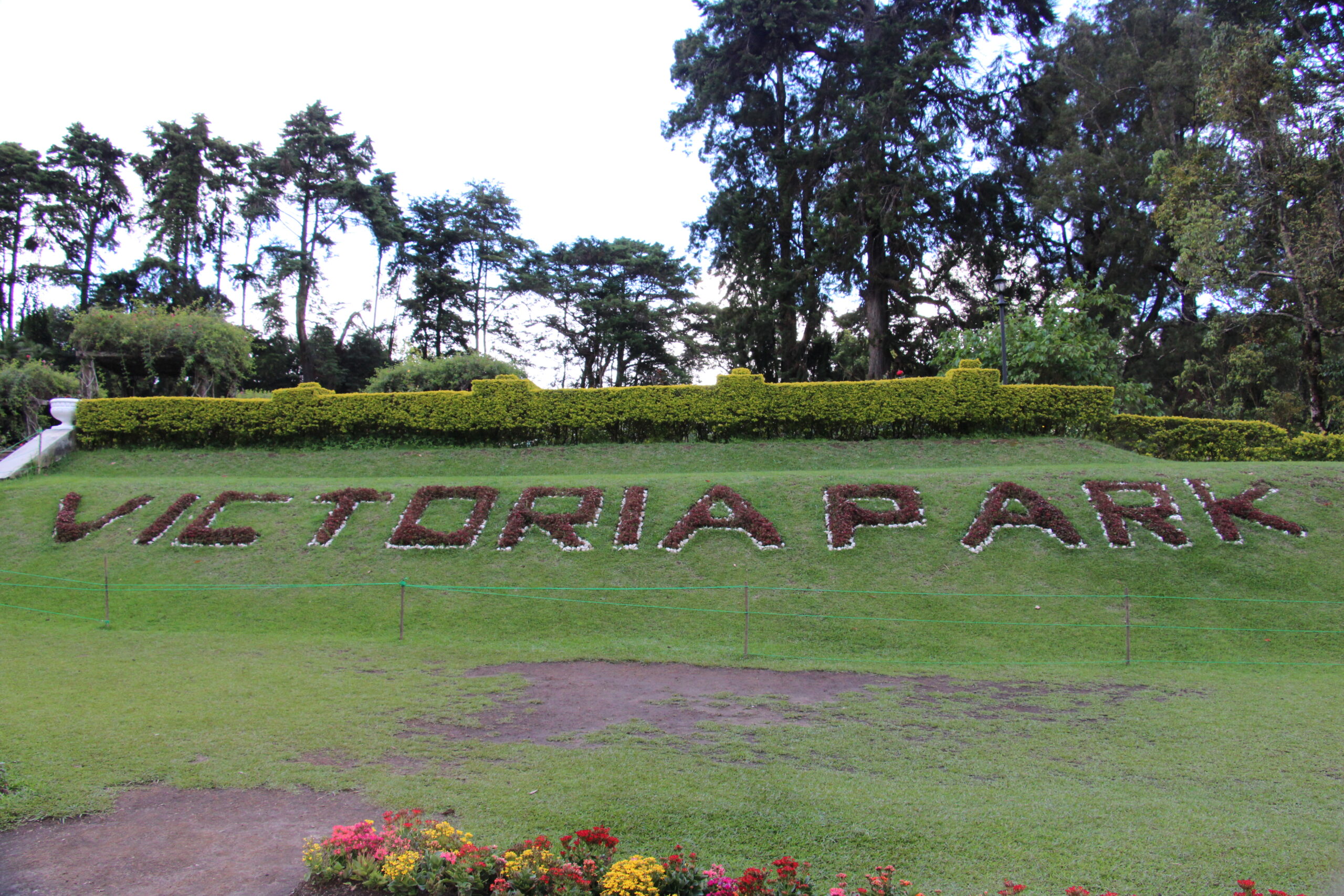
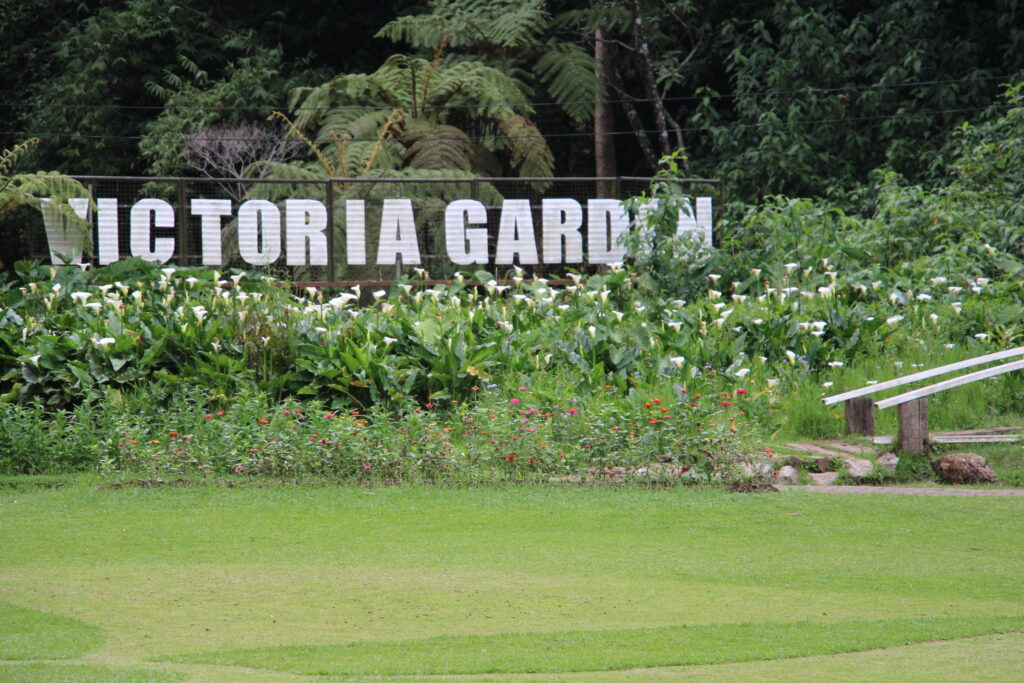
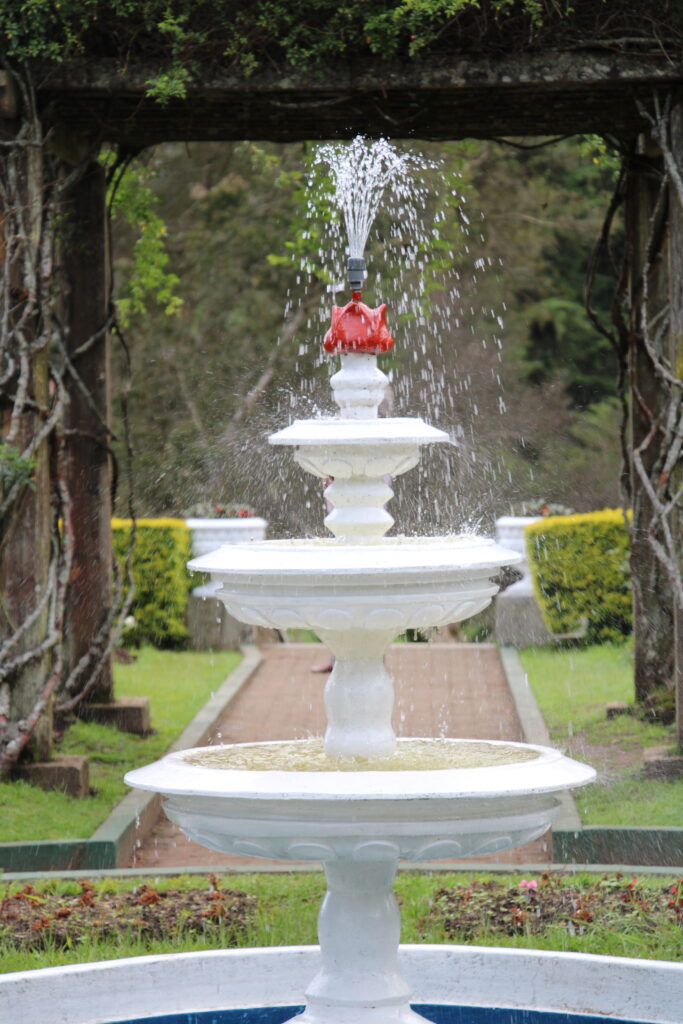
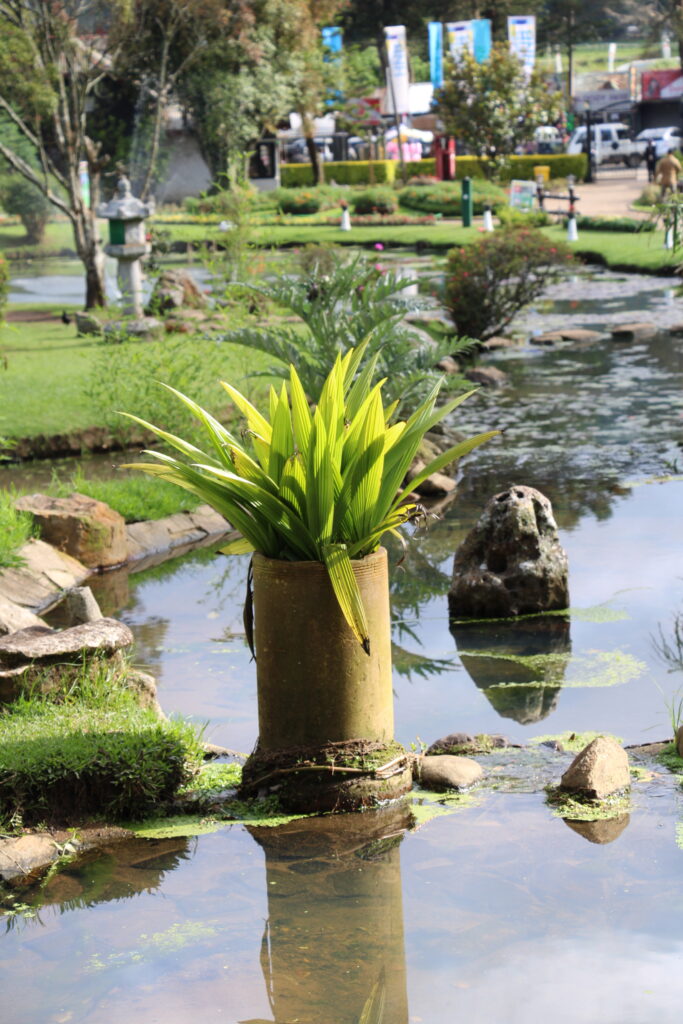
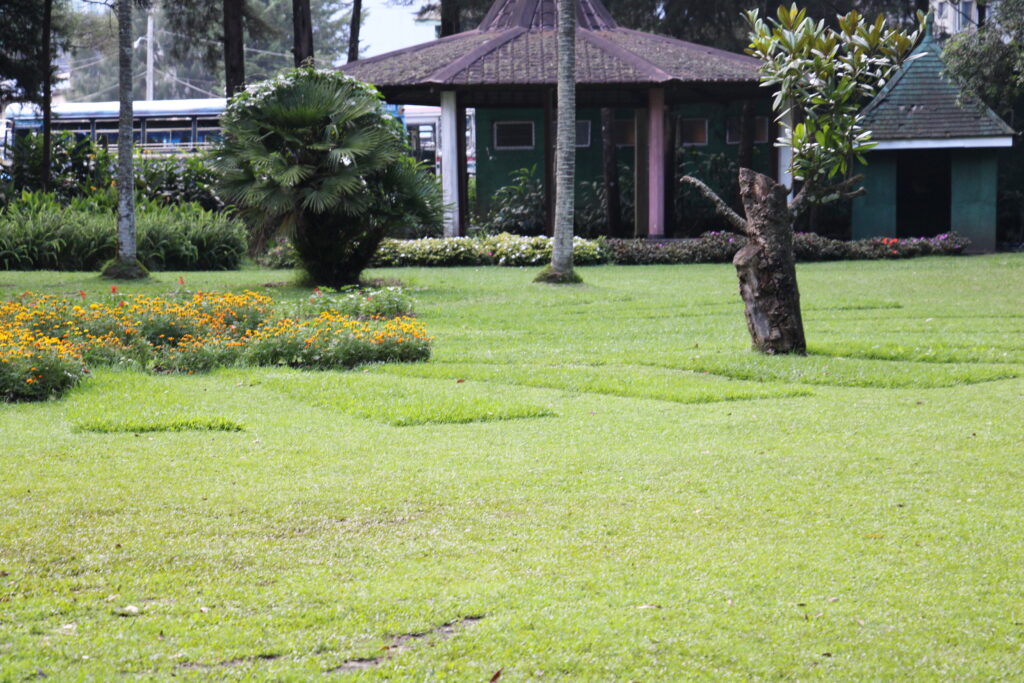
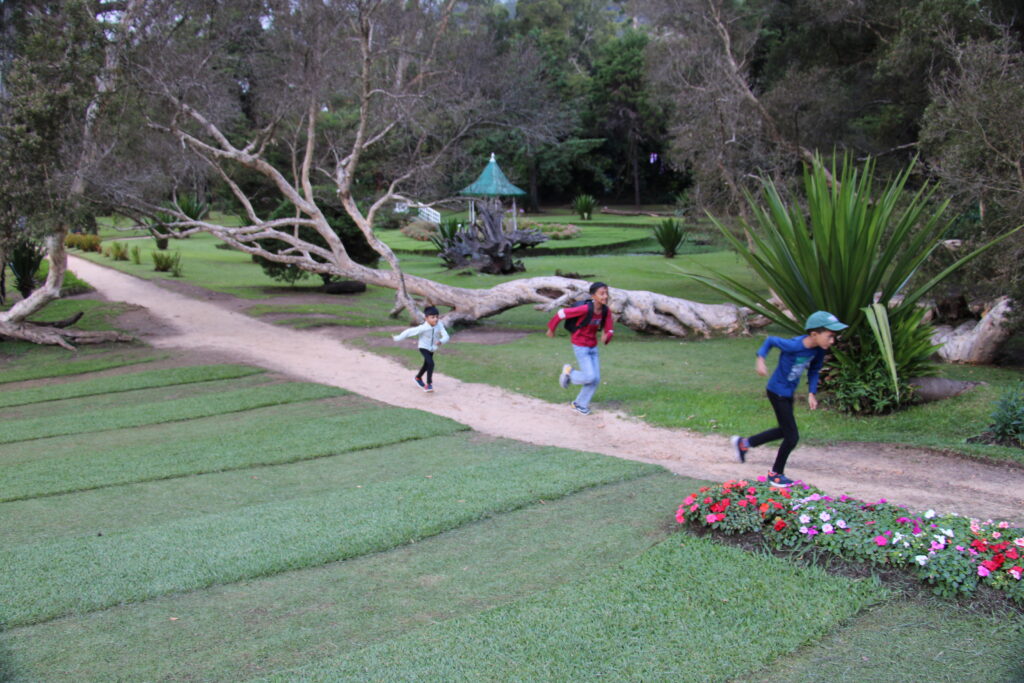
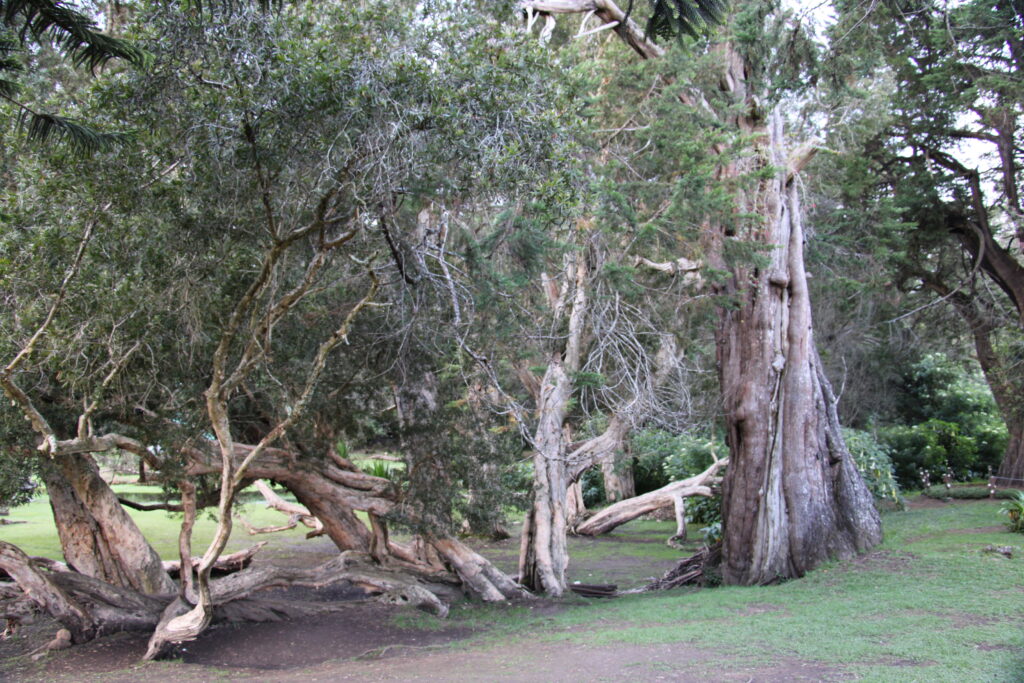
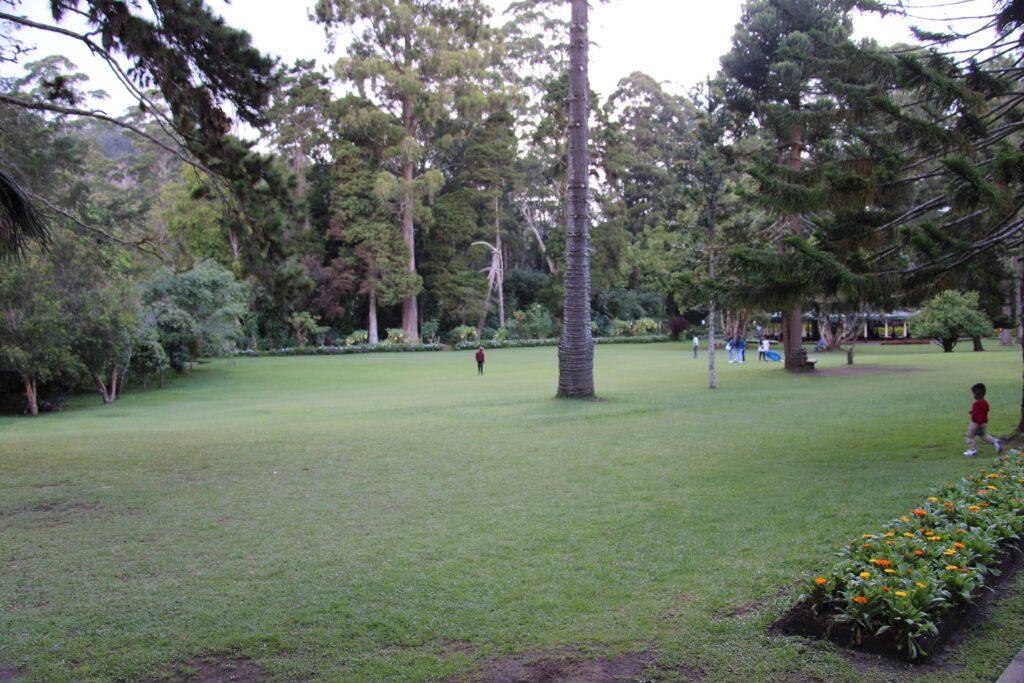
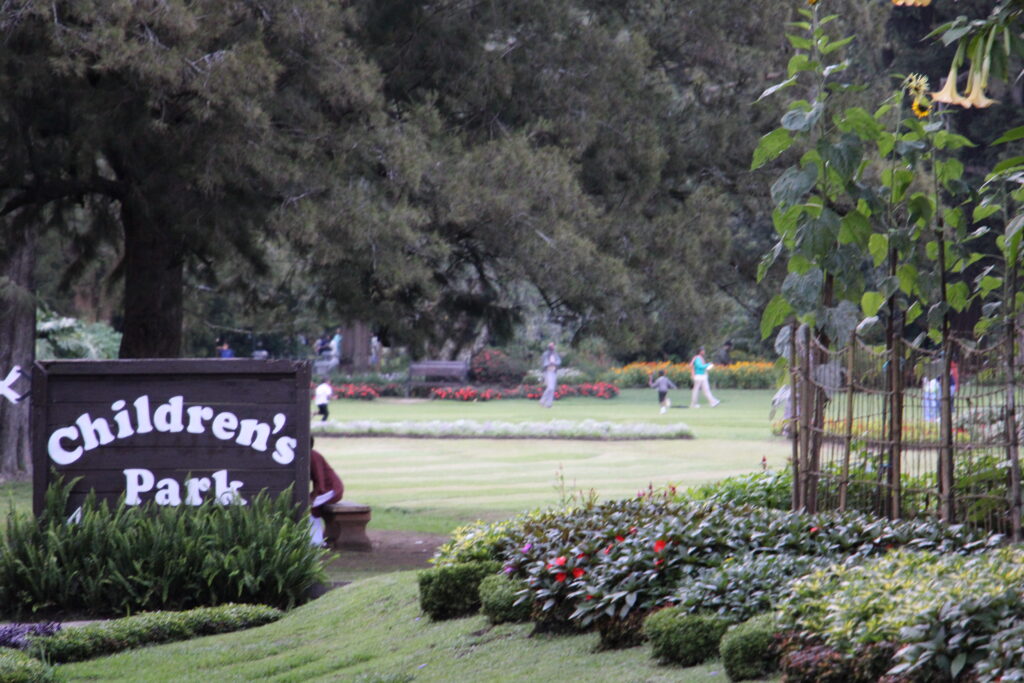
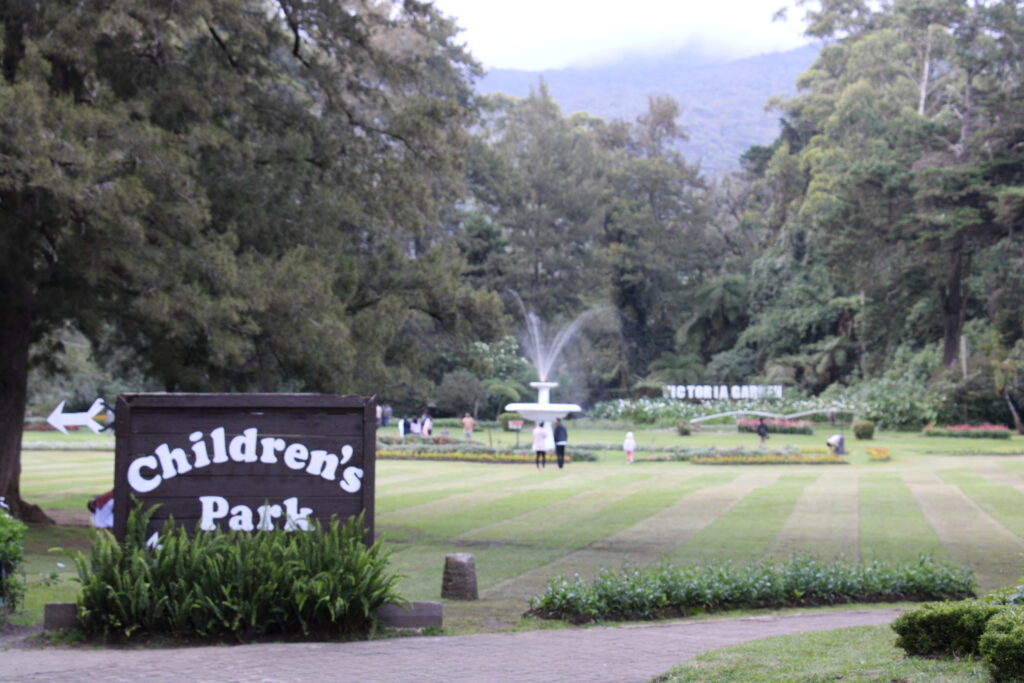
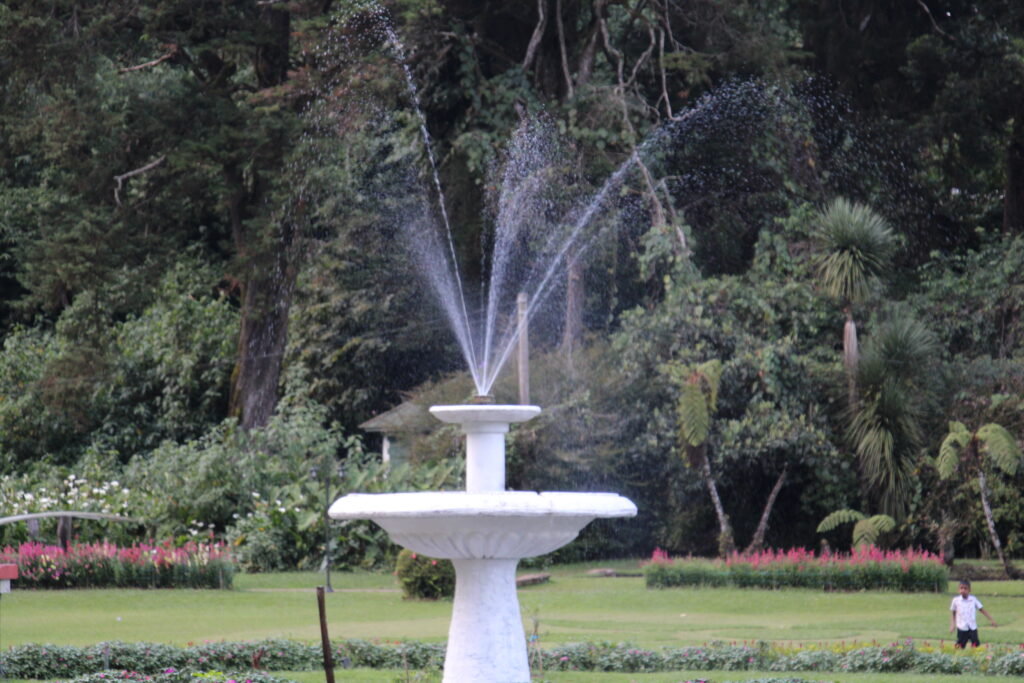
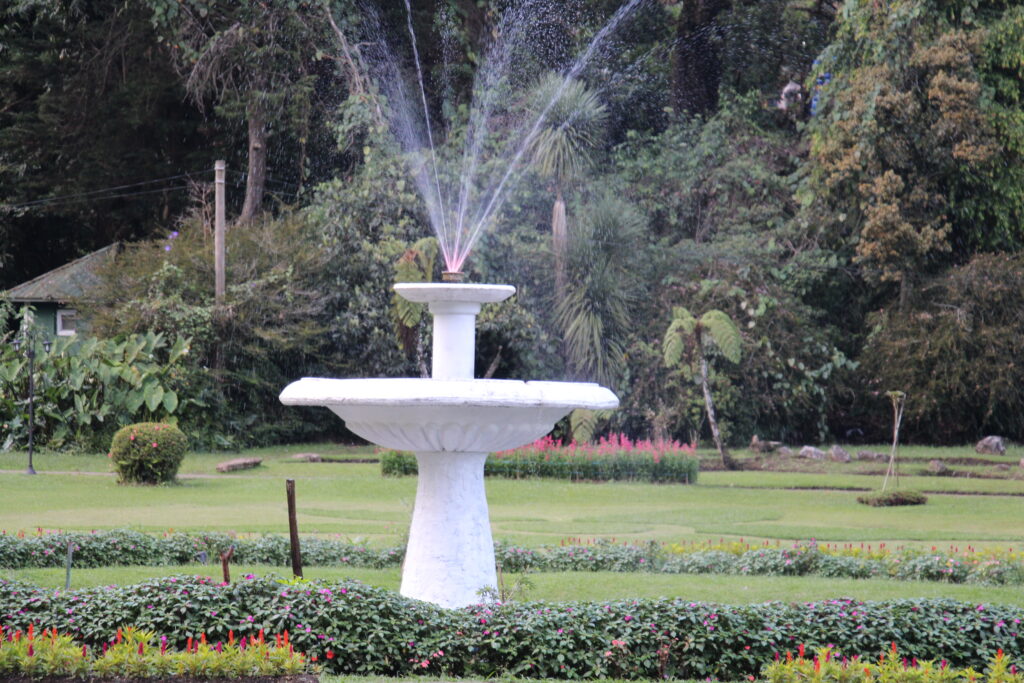
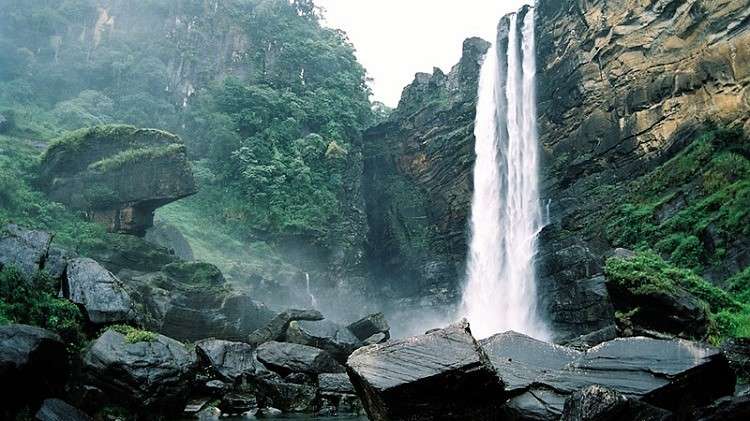
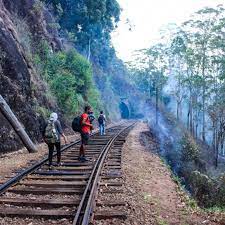
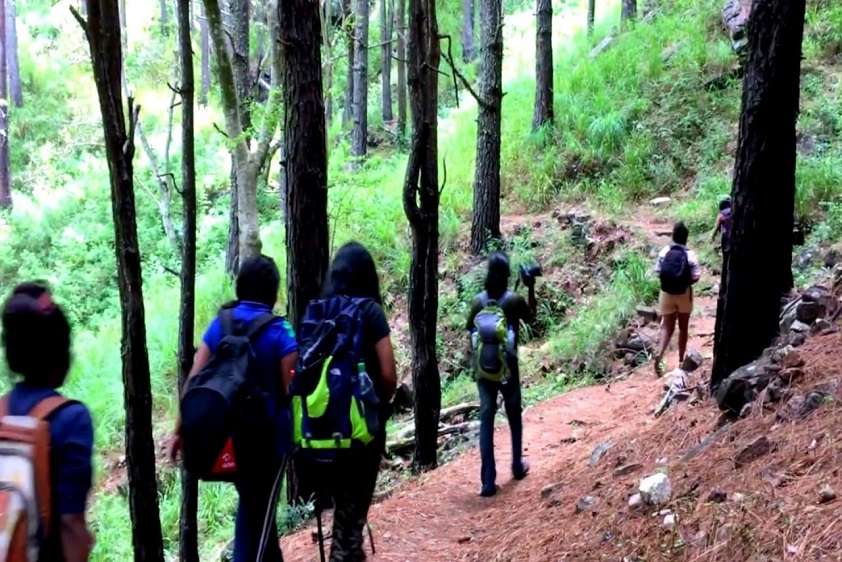
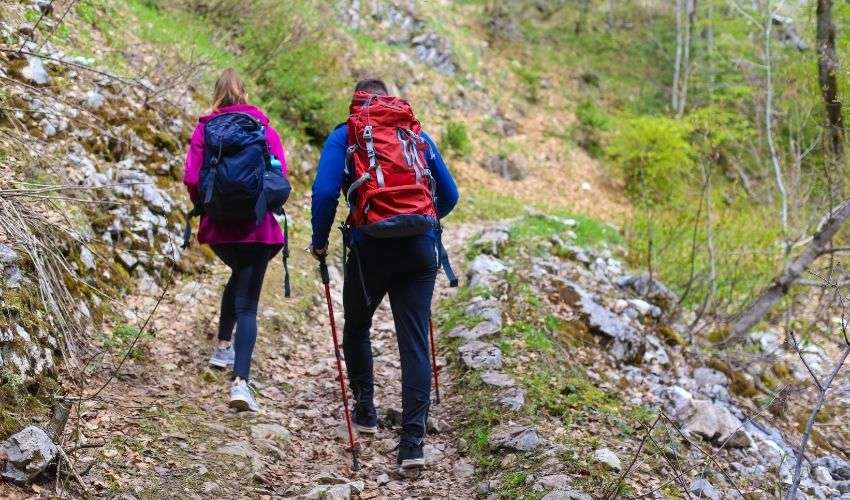
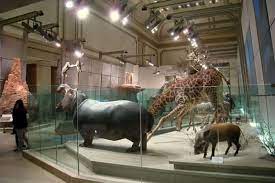
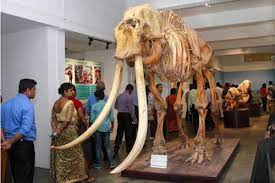
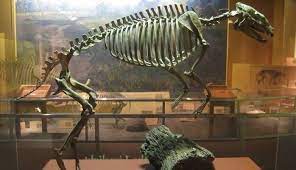
Victoria Park, Nuwara Eliya, known as “Little England” for its cool climate and colonial charm, is home to some of Sri Lanka’s most beautiful landscapes. Among its many attractions, Victoria Park stands out as a peaceful oasis in the heart of the town. Whether you’re a nature lover, birdwatcher, or simply seeking a quiet place to relax, Victoria Park offers a delightful experience for all visitors.
Victoria Park was established in 1897 to commemorate the 60th Jubilee of Queen Victoria. Spanning over 25 acres, it is one of the most well-maintained and lush botanical parks in Sri Lanka. Over the years, it has become a favorite destination for both locals and tourists looking to enjoy nature in a quiet and beautifully landscaped environment.
What to Expect
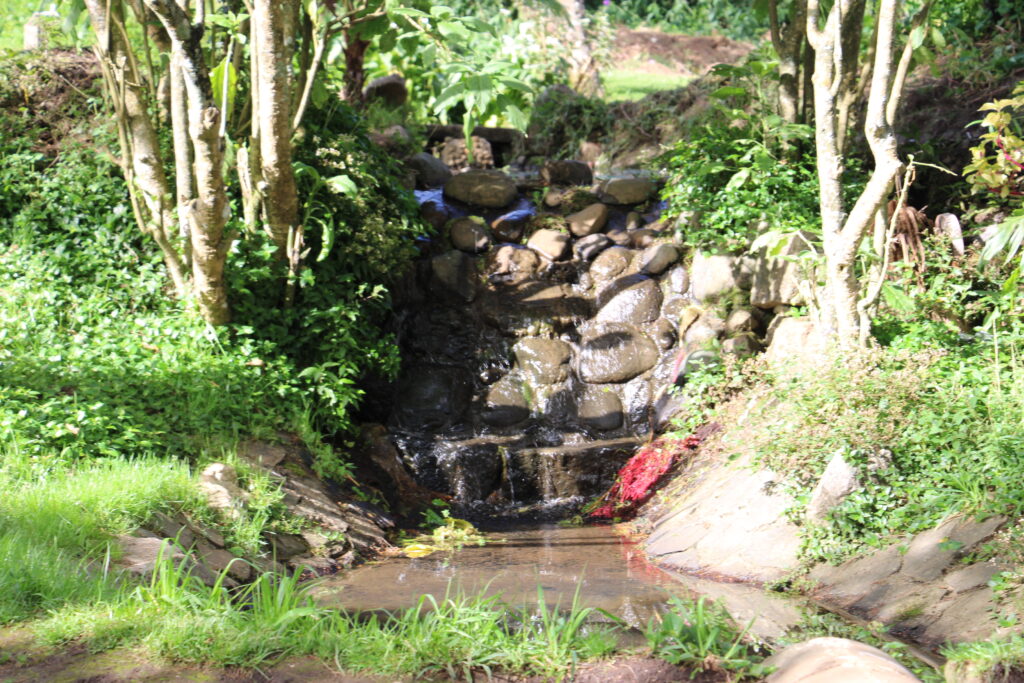
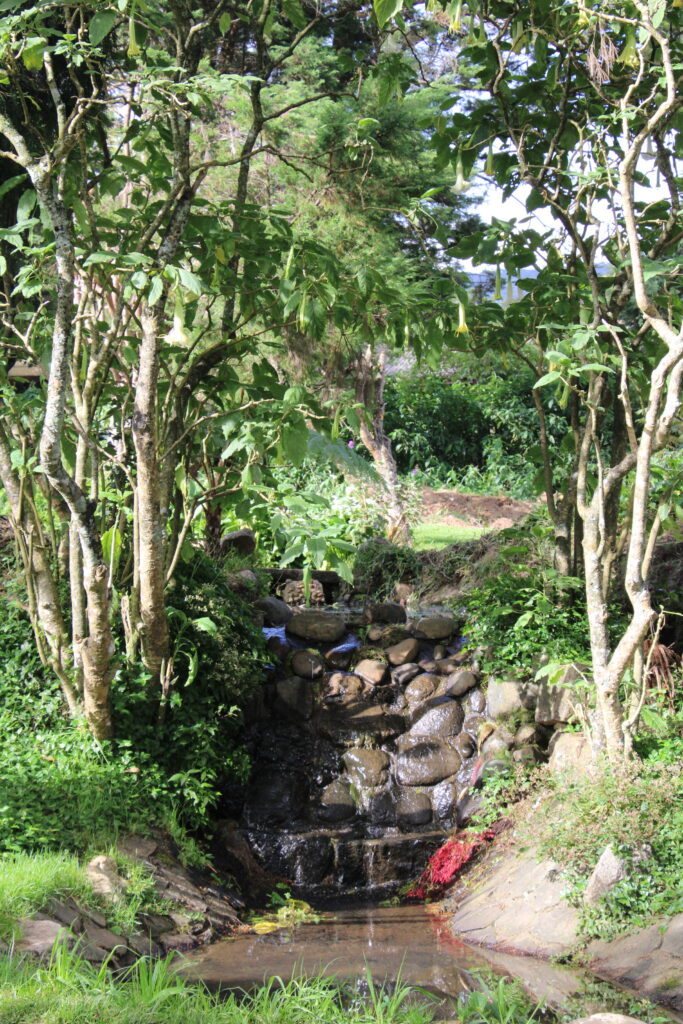
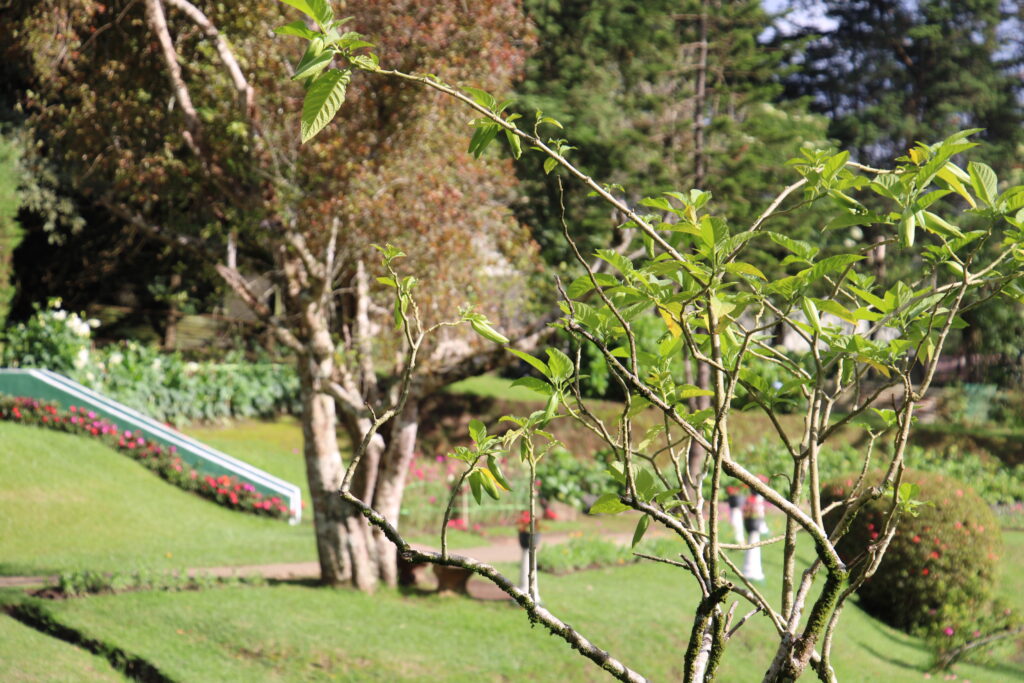
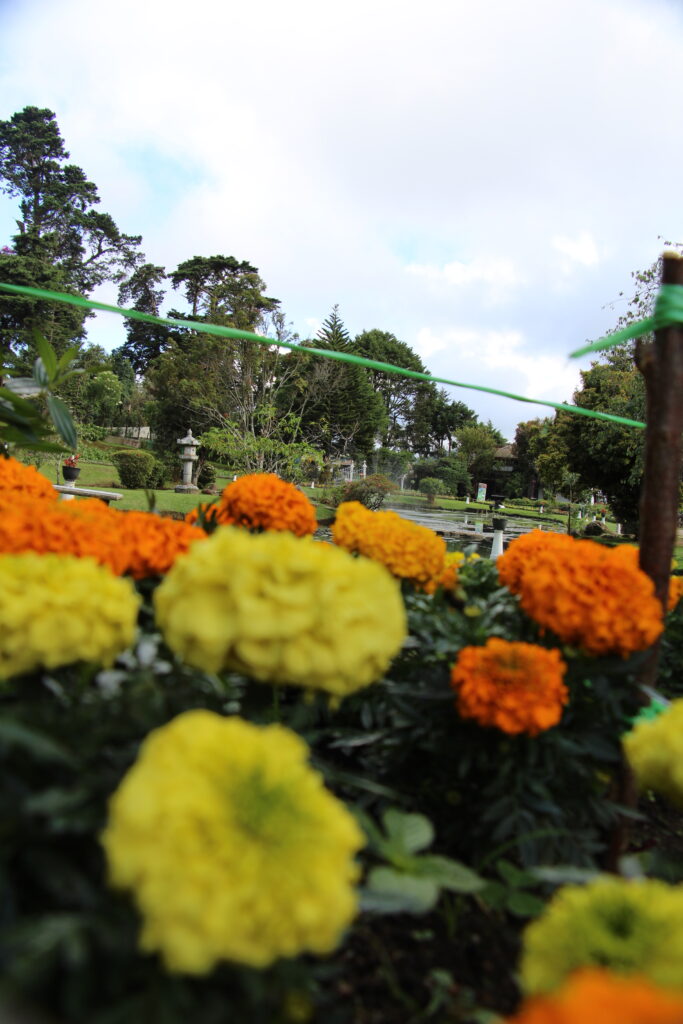
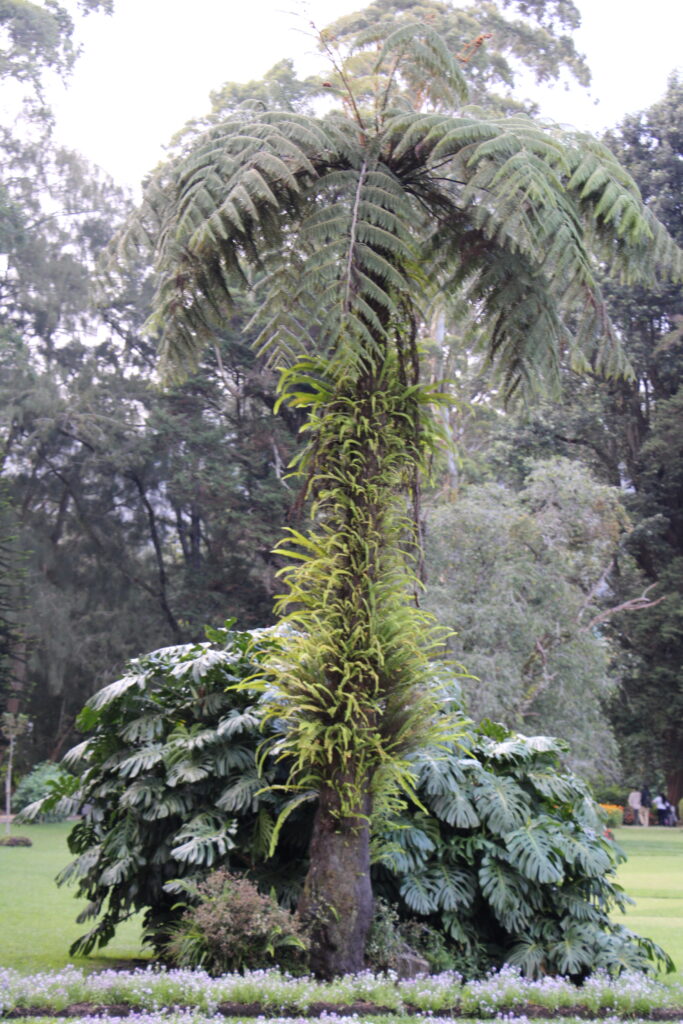
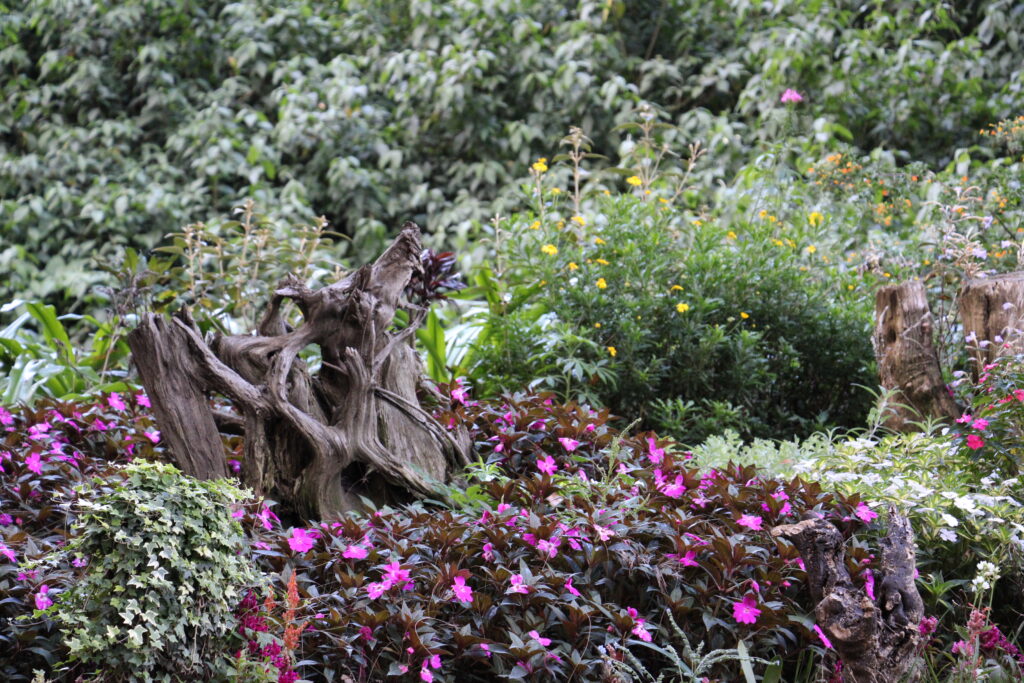
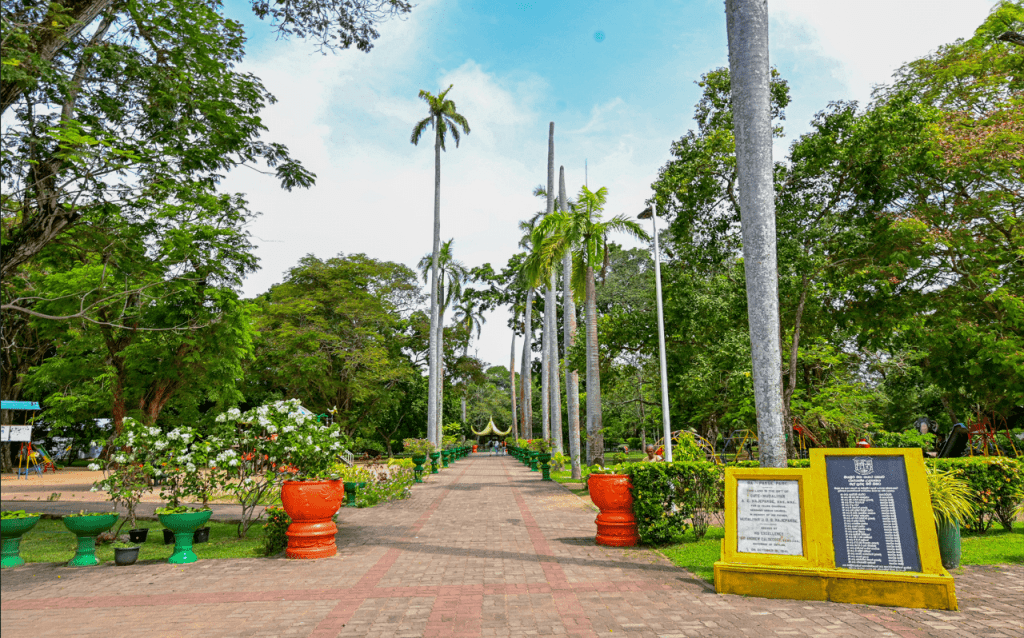
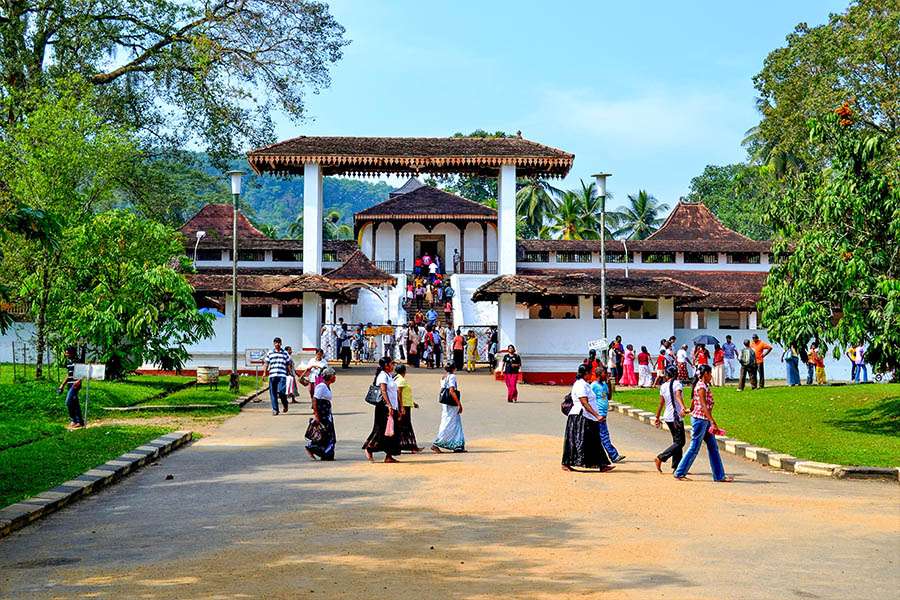
Upon entering the park, visitors are greeted by vibrant flower beds, manicured lawns, and a variety of trees and shrubs. The pathways are ideal for a leisurely walk, with several benches placed throughout the park to sit and soak in the tranquil atmosphere.
Victoria Highlights:
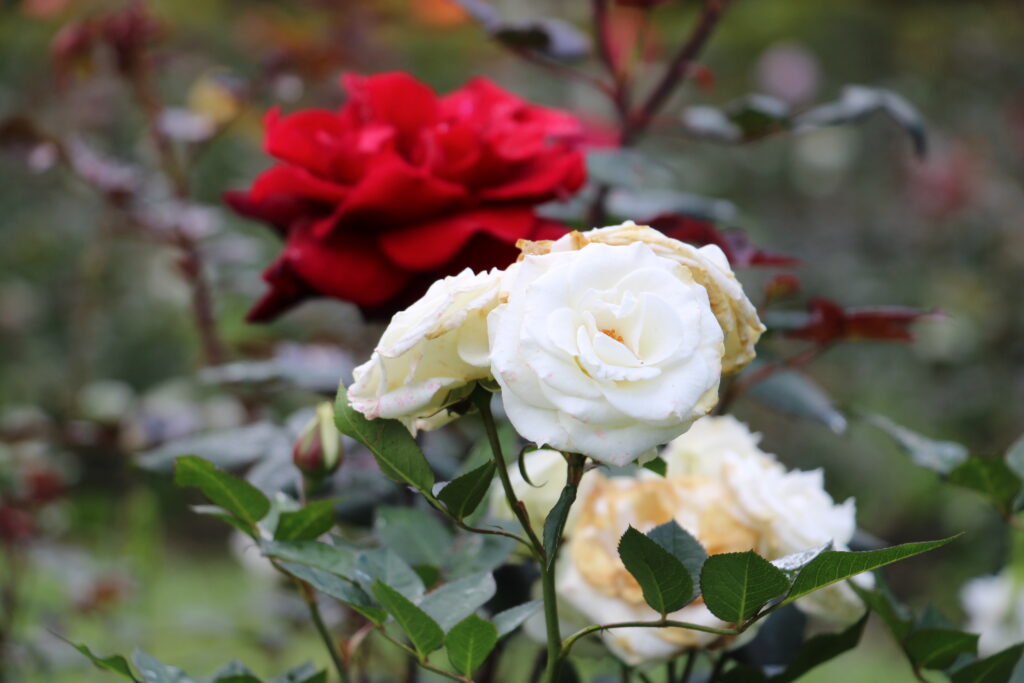
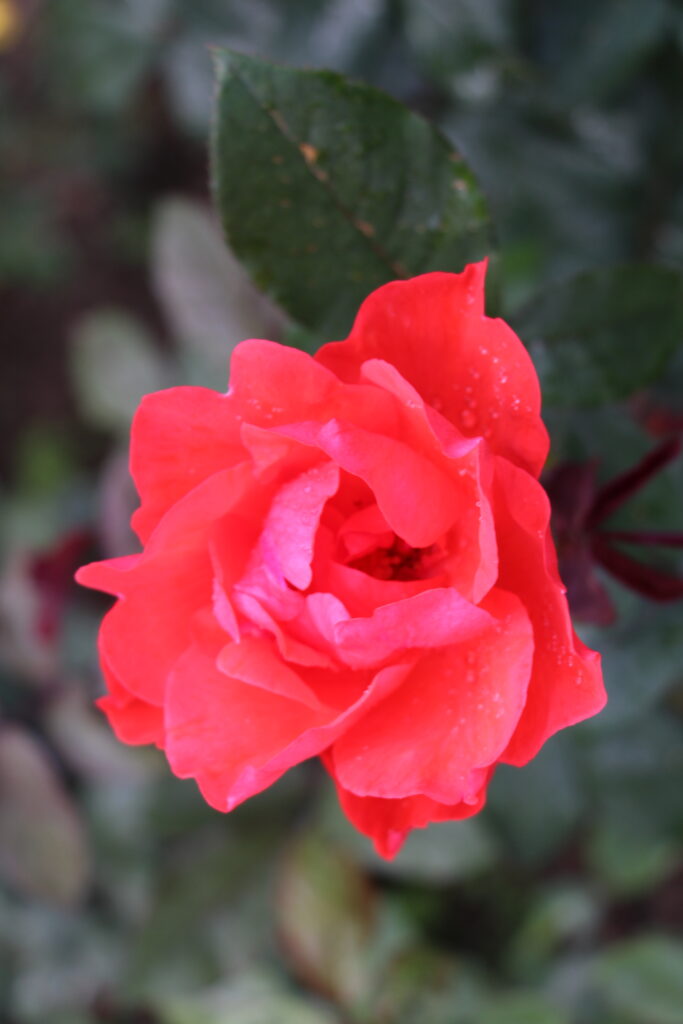
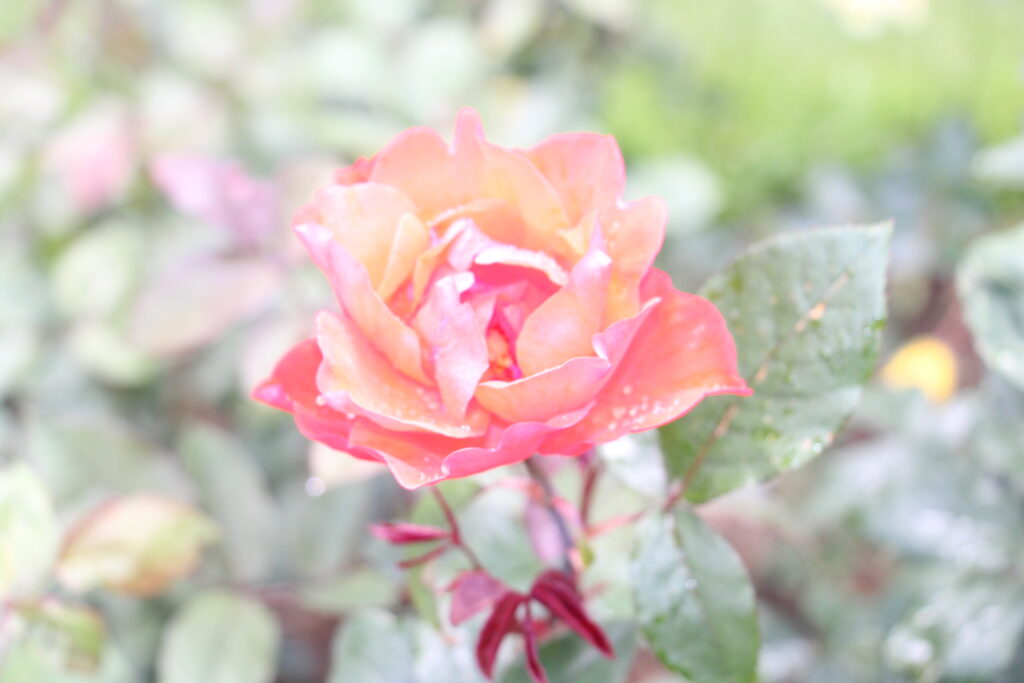
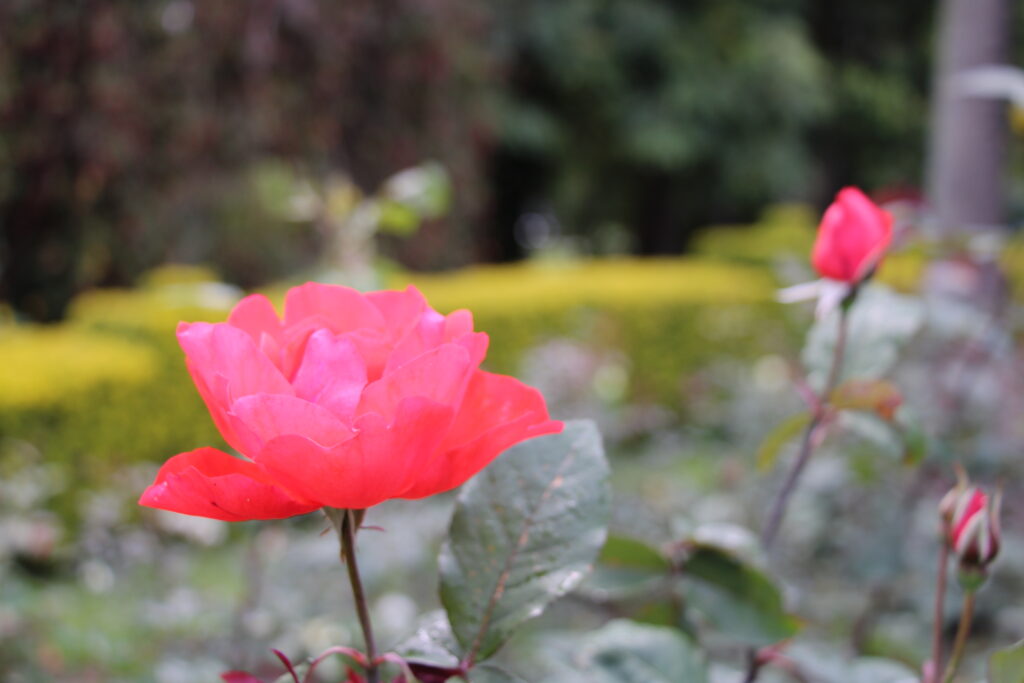
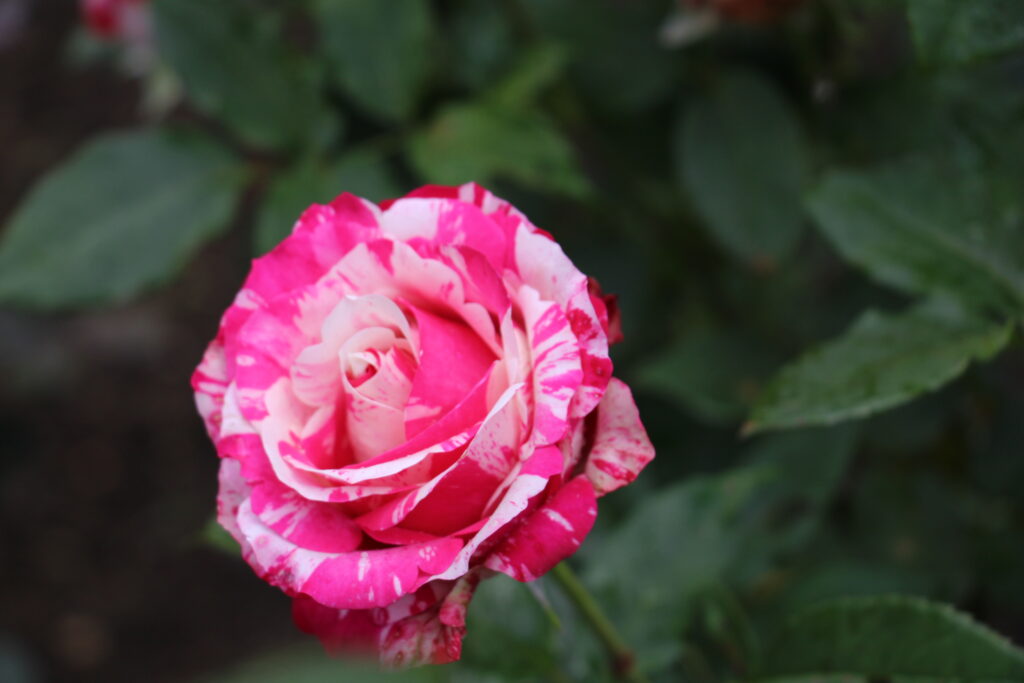
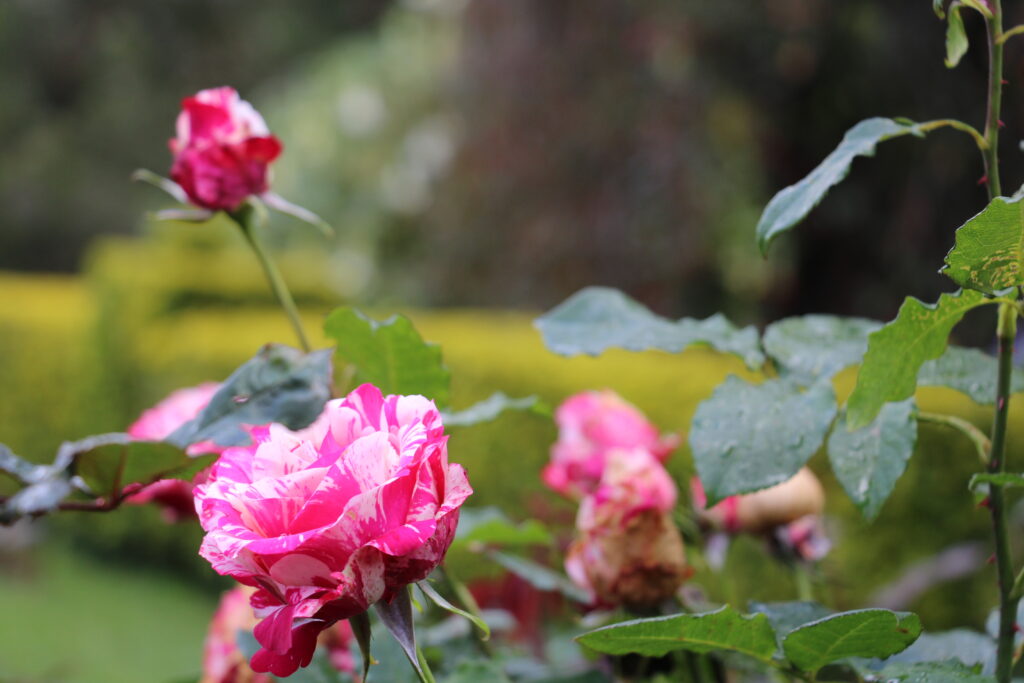
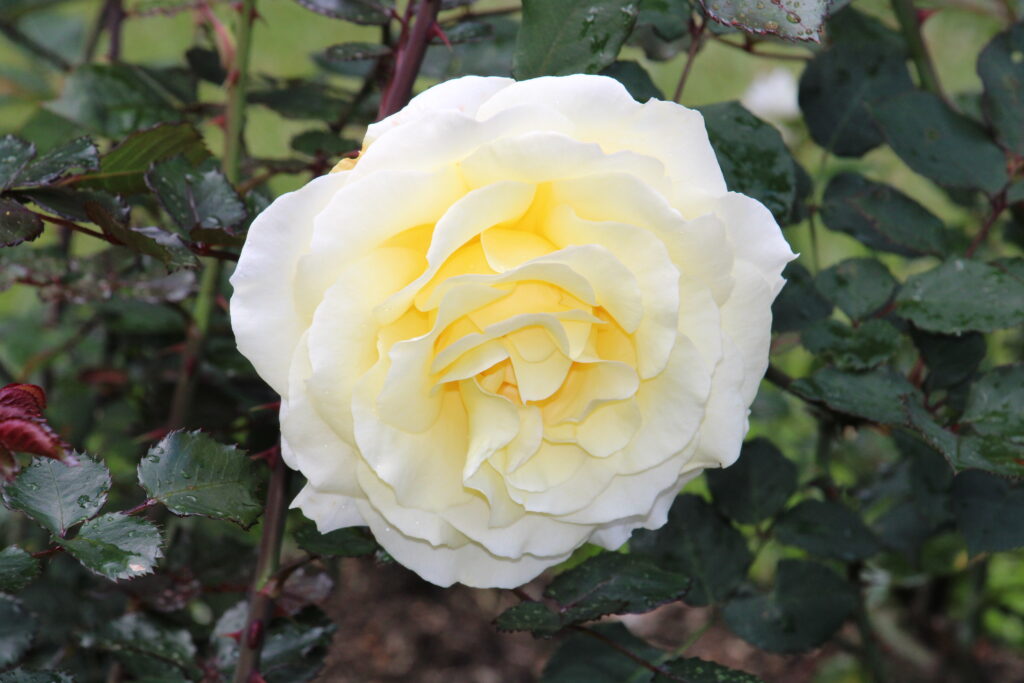
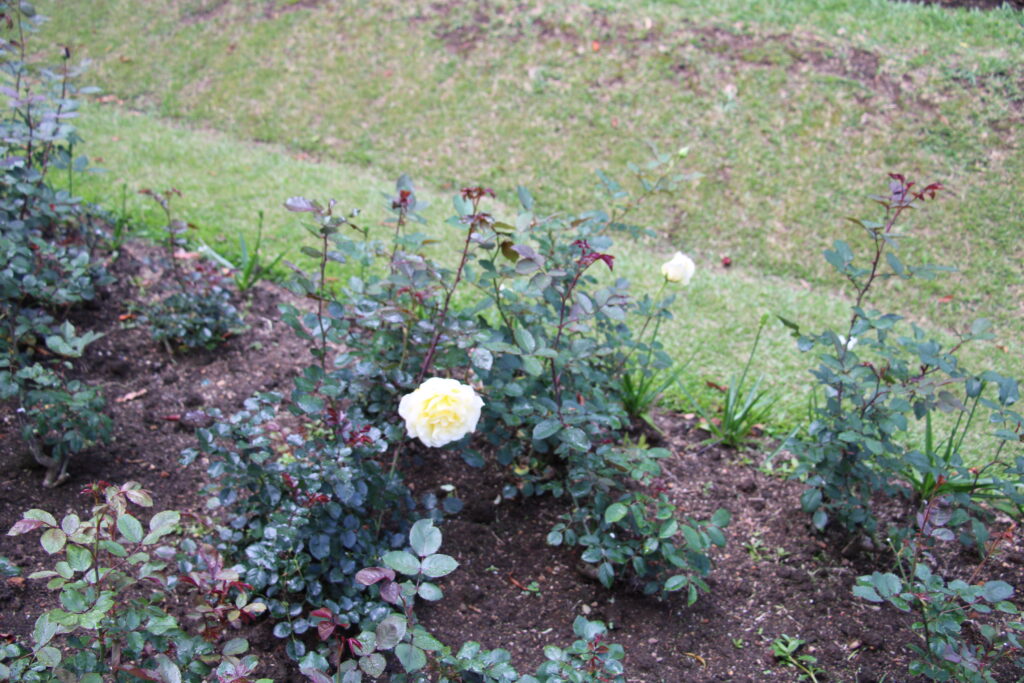
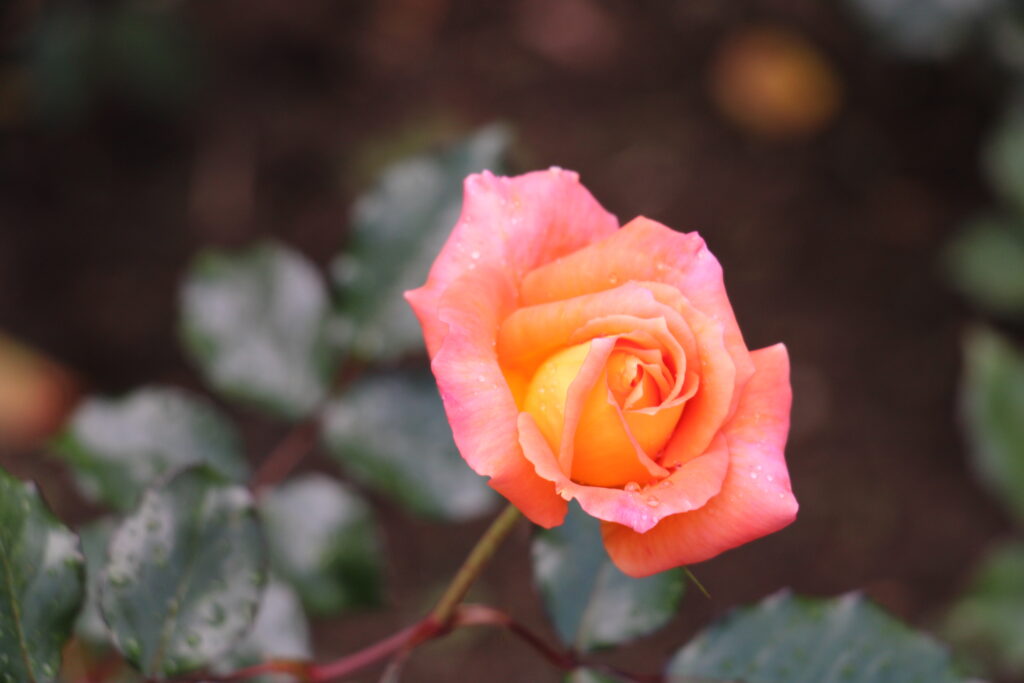
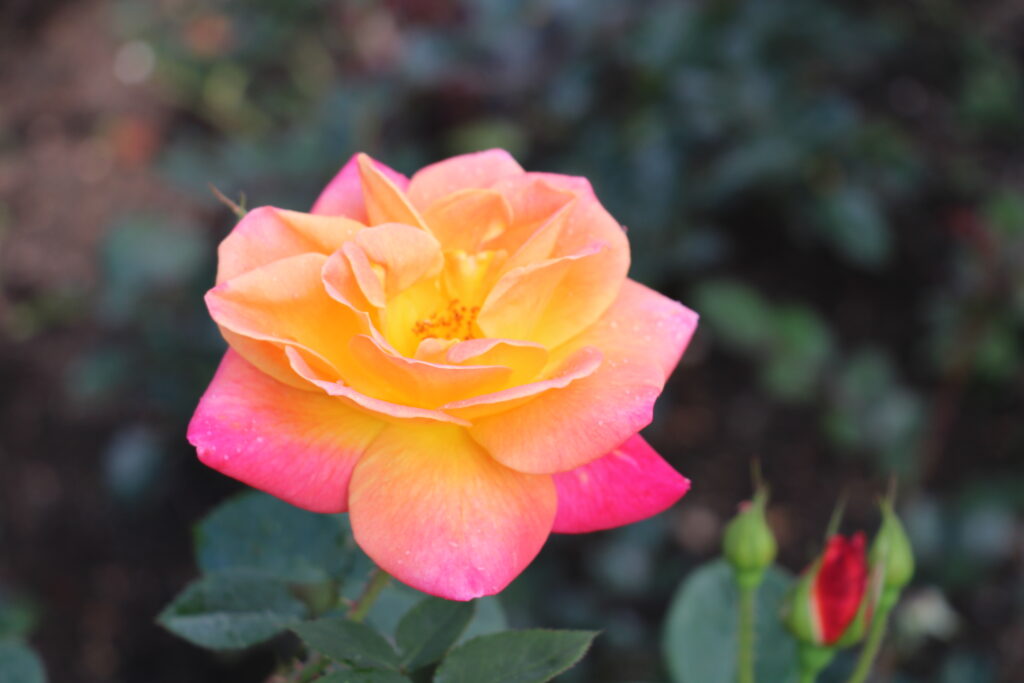
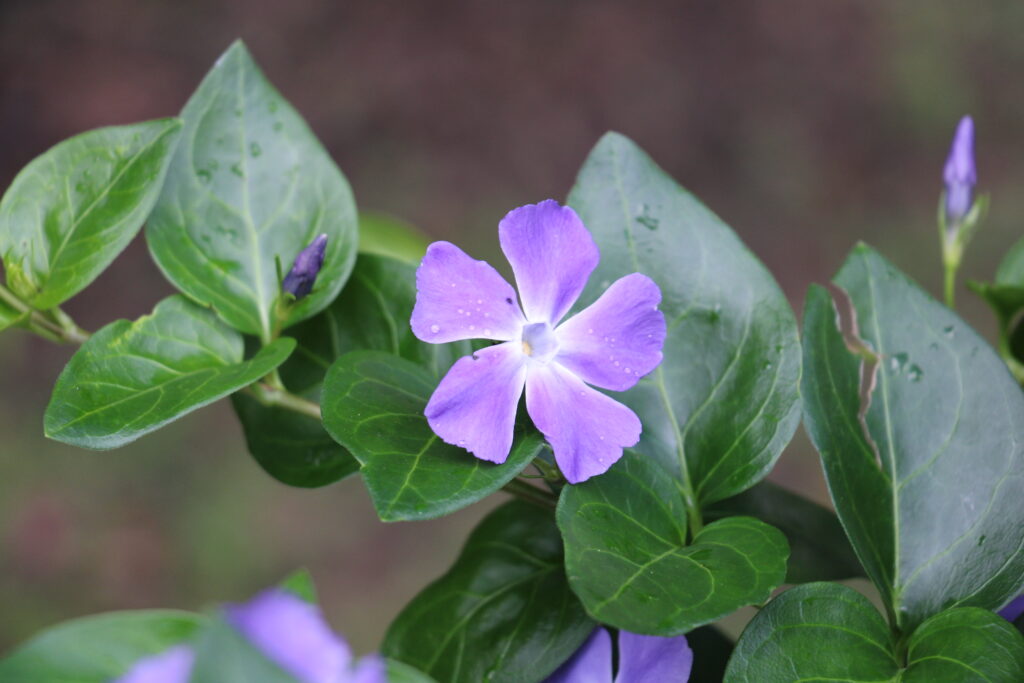
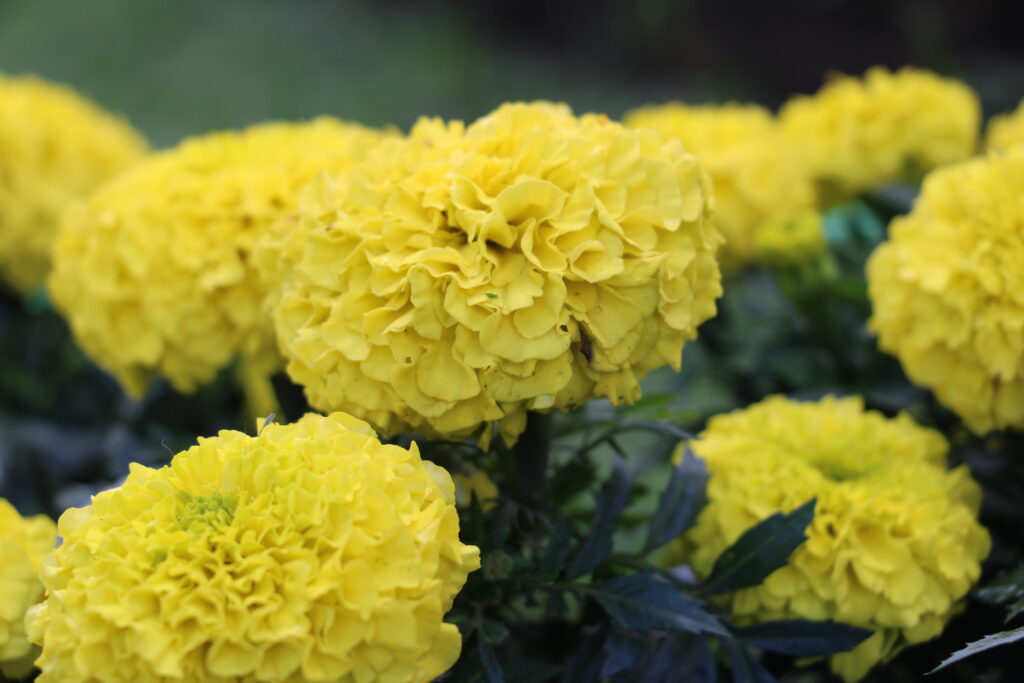
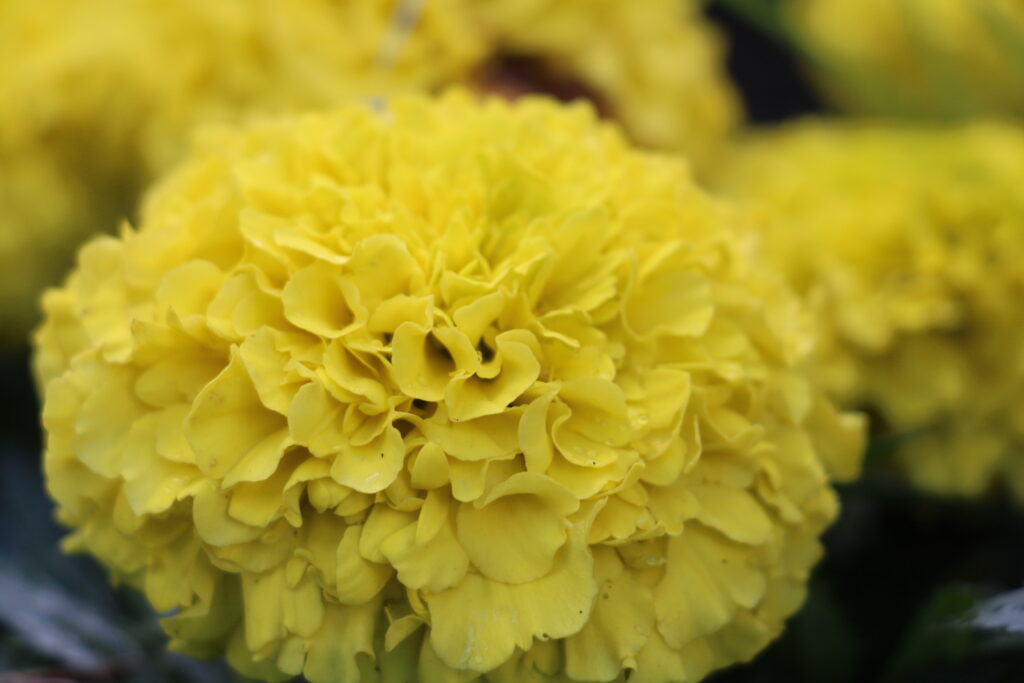
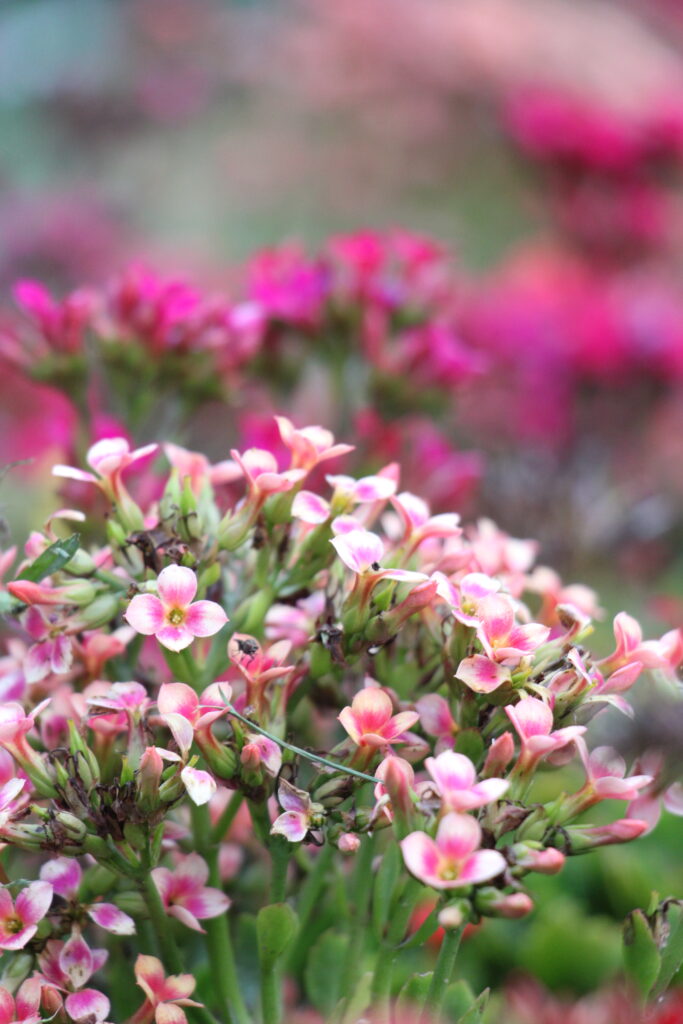
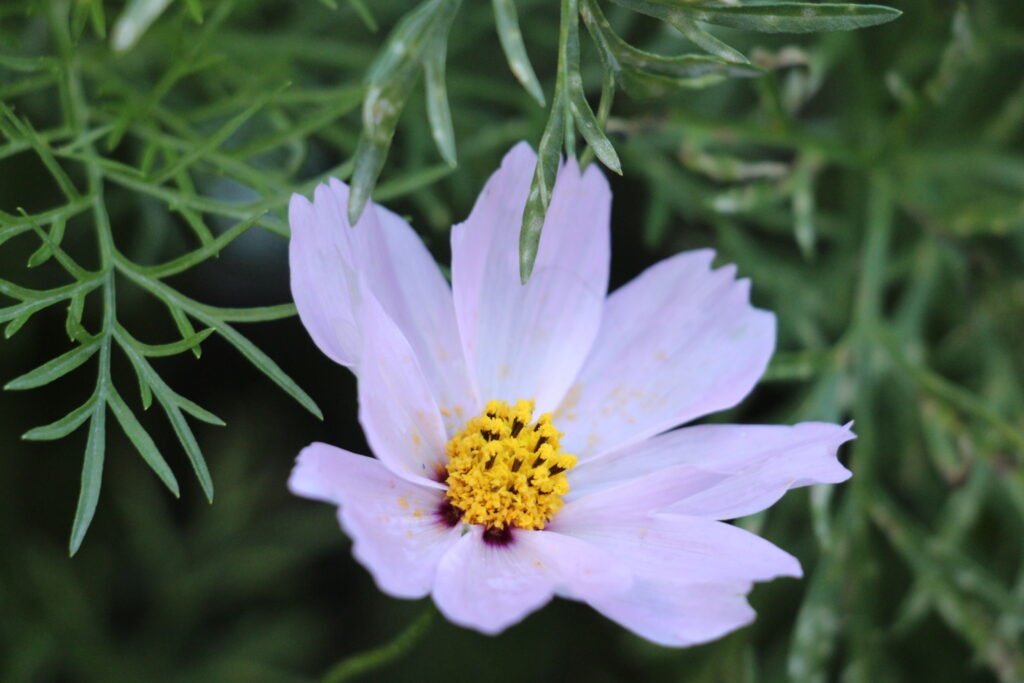
Floral Displays: Depending on the time of year, the park bursts into color with roses, daisies, and other seasonal blooms.
Birdwatching: The park is a hotspot for bird enthusiasts, especially in the early morning. Species such as the Indian Blue Robin, Pied Thrush, and Kashmir Flycatcher are often seen.
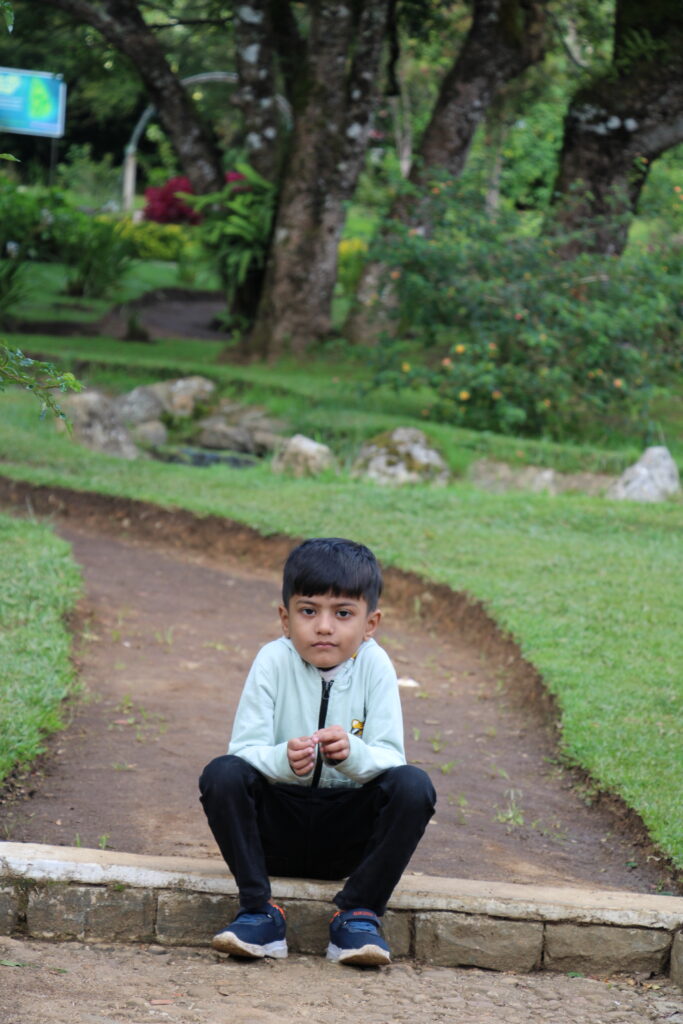
Family-friendly Atmosphere: A small children’s playground and open spaces make it a great spot for families to relax and play.
Scenic Photography: With its picturesque layout and changing colors throughout the seasons, the park offers plenty of photo opportunities.
Best Time to Visit Victoria
The ideal time to visit Victoria Park is during the blooming season, from April to June and again from September to November, when the flowers are in full bloom and the weather is pleasant. Mornings and late afternoons are perfect for walks and photography, offering soft light and fewer crowds.
Entry Details of Victoria
Opening Hours: 8:00 AM to 6:00 PM daily
Entry Fee: A small fee is charged for entry (subject to change for locals and foreigners)
Location: Right in the center of Nuwara Eliya, near the Post Office and Gregory Lake
Travel Tips to Victoria
Wear comfortable shoes for walking through the park’s pathways.
Bring binoculars if you’re interested in birdwatching.
Visit on a weekday to avoid crowds, especially during school holidays or long weekends.
Final Thoughts about Victoria
Victoria Park is more than just a garden—it’s a place where you can disconnect from the fast pace of life and reconnect with nature. Whether you’re on a romantic getaway, a family vacation, or exploring solo, this park adds a peaceful and refreshing touch to your Nuwara Eliya itinerary.
Plan your visit now and explore more hidden gems in Sri Lanka at www.visitsrilankan.com – your trusted guide to unforgettable travel experiences across the island.
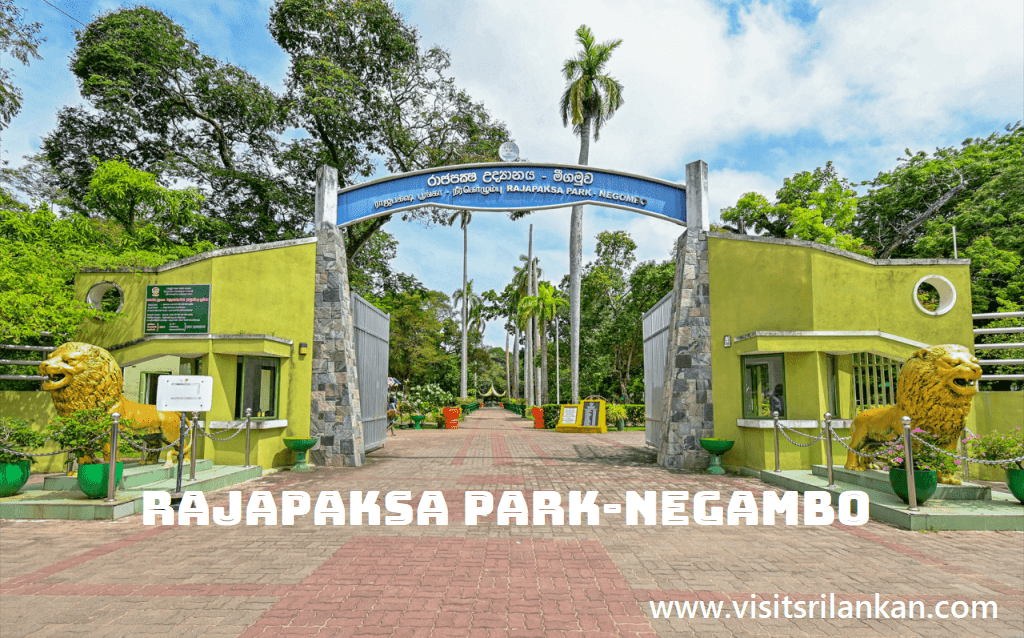
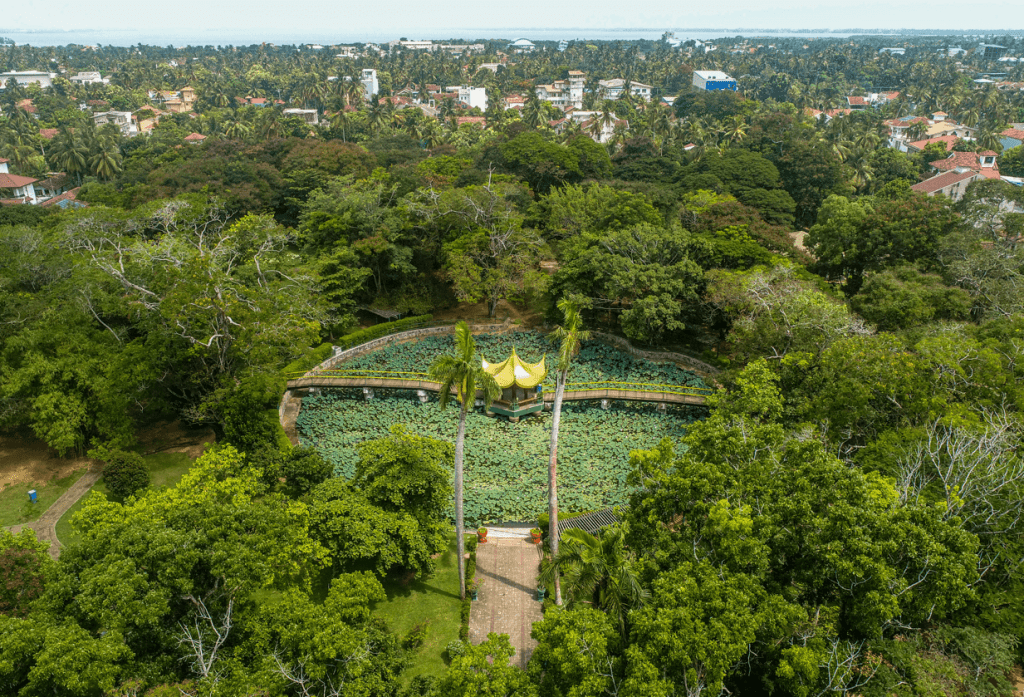
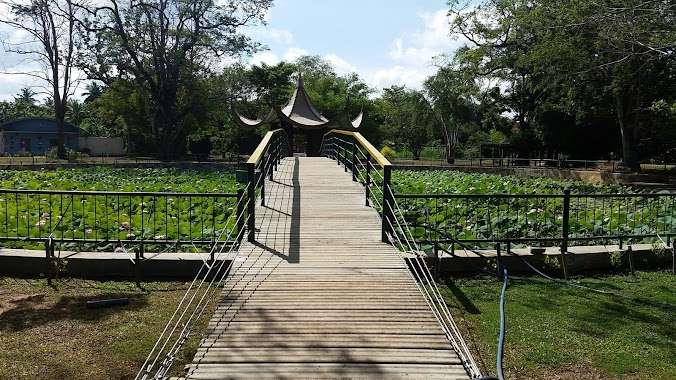
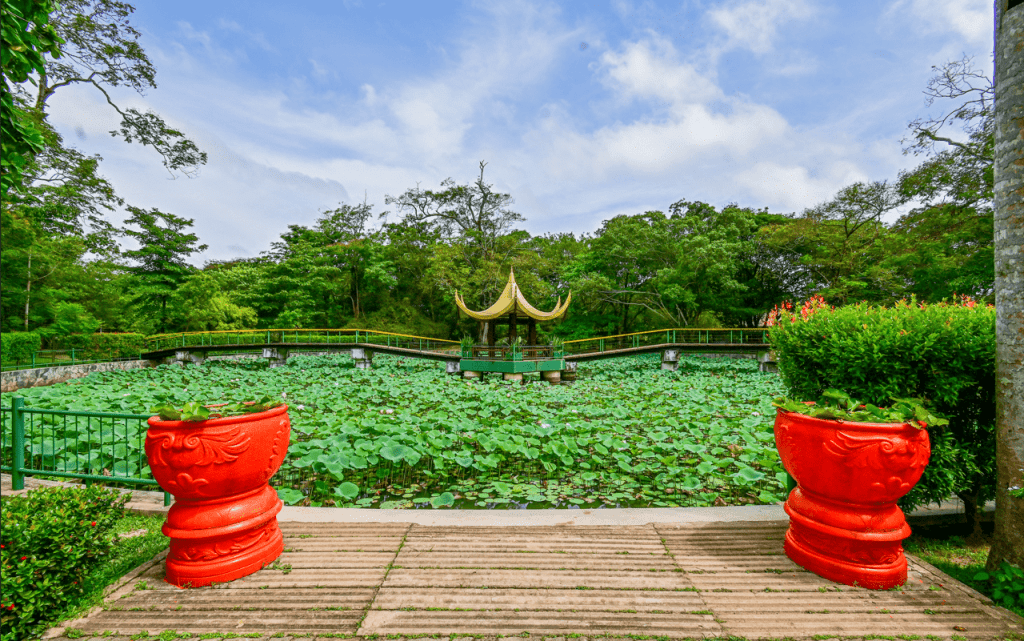
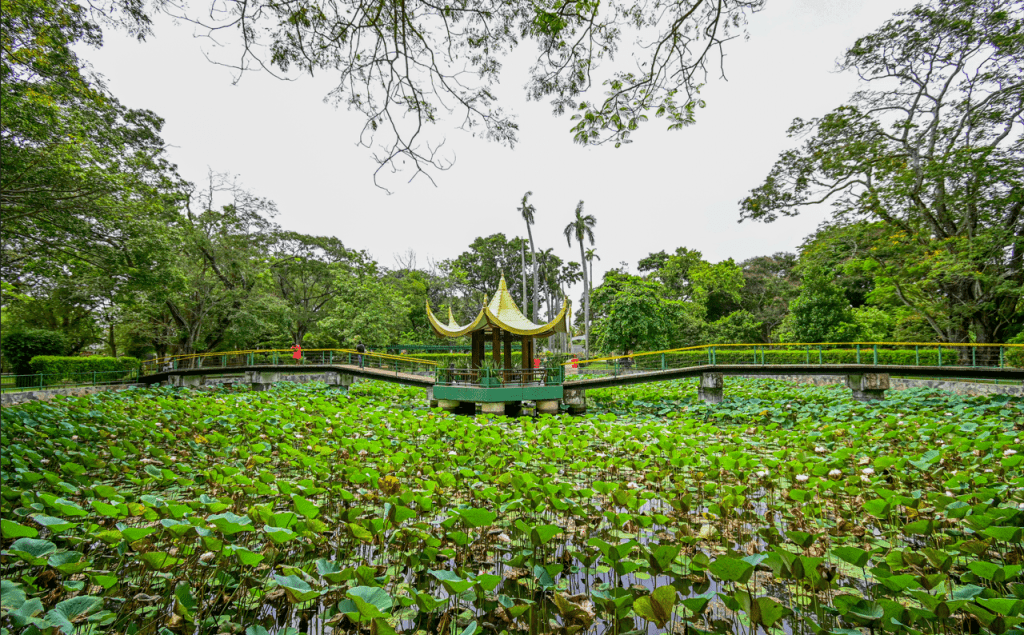
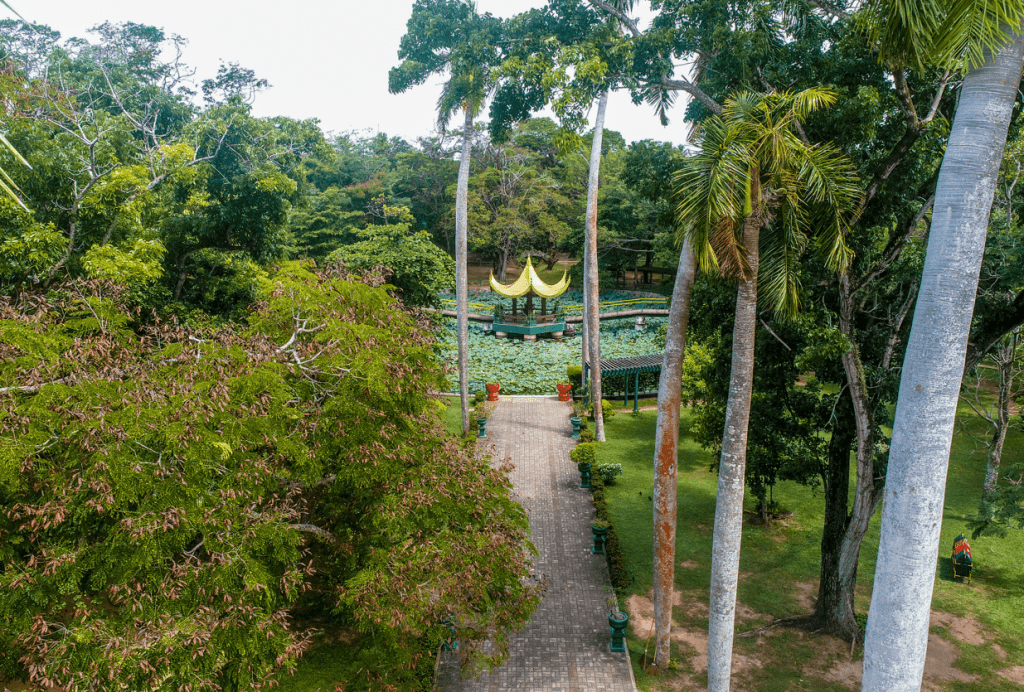
Rajapaksa Park Sri Lanka, Negombo, a vibrant coastal city in Sri Lanka, is famous for its stunning beaches, rich history, and lively markets. Amidst its bustling atmosphere,Rajapaksa Park Negombo offers a peaceful escape for visitors looking to unwind in nature. With its lush greenery, walking trails, and serene ambiance, this park is a must-visit destination for families, couples, and solo travelers alike. Whether you’re seeking a quiet place to relax, a scenic spot for photography, or a pleasant environment for a morning jog, Rajapaksa Park is the perfect place to visit.
Rajapaksa Park is named after a member of the Rajapaksa family, a well-known political dynasty in Sri Lanka. It was developed as part of an effort to create more green spaces in Negombo, enhancing the city’s appeal as a tourist and recreational destination. The park serves as a peaceful oasis where locals and visitors can connect with nature.
Location and Accessibility at Rajapaksa Park
Rajapaksa Park is conveniently located in the heart of Negombo, making it easily accessible from various parts of the city. It is situated near the Dutch Canal, offering a scenic setting that enhances its charm. The park is just a short drive from Negombo Beach, the Fish Market, and St. Mary’s Church, making it an ideal stop for tourists exploring the city.
How to Get Rajapaksa Park
By Car or Tuk-Tuk: If you’re traveling from Colombo, it takes about 40-50 minutes to reach Negombo via the Katunayake Expressway. From Negombo town, you can take a tuk-tuk or taxi to the park.
By Train: The Negombo Railway Station is approximately 10 minutes away from the park by tuk-tuk.
By Bus: Several public buses operate between Colombo and Negombo, making the park easily reachable for budget travelers.
Opening Hours and Entry Fees
Opening Hours: 6:00 AM – 9:00 PM (daily)
Entry Fee: Free (some events or special areas may require a small fee)
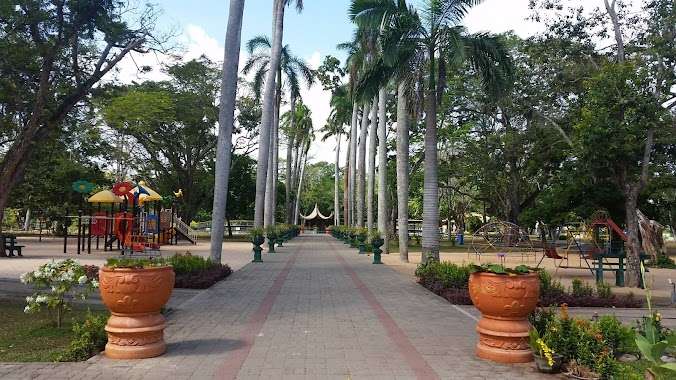
The park features well-maintained walking paths, making it an ideal place for a morning or evening stroll. The lush greenery and gentle breeze from the nearby Dutch Canal provide a relaxing atmosphere.
2. Photography and Sightseeing
Nature lovers and photographers will find plenty of picturesque spots within the park. From the beautifully landscaped gardens to the stunning sunsets by the canal, every corner of Rajapaksa Park is worth capturing.
3. Family Outings and Picnics
With ample seating areas and open spaces, Rajapaksa Park is perfect for family gatherings and picnics. Bring some snacks, relax under the shade of trees, and enjoy quality time with your loved ones.
4. Jogging and Exercise
Fitness enthusiasts can take advantage of the jogging trails within the park. The fresh air and peaceful surroundings create the perfect environment for a morning run or light exercise.
5. Bird Watching and Nature Exploration
Due to its proximity to the canal and its lush vegetation, Rajapaksa Park attracts various bird species, making it an excellent spot forbird watching. If you’re lucky, you might spot exotic birds during your visit.
6. Attend Local Events
The park often hosts cultural events, exhibitions, and community gatherings. Check the local event calendar to see if any special programs coincide with your visit.
Best Time to Visit Rajapaksa Park
The park is open year-round, but the best time to visit is during the early morning or late afternoon when the weather is cooler. December to April is the ideal season, as Sri Lanka experiences less rainfall during this period.
Nearby Attractions
If you’re visiting Rajapaksa Park, consider exploring these nearby attractions:
Negombo Beach (2 km): A popular spot for sunbathing, water sports, and seafood restaurants.
Dutch Canal (Adjacent to the Park): Enjoy a boat ride or explore the historical significance of this canal built by the Dutch.
St. Mary’s Church (3 km): One of the largest and most beautiful churches in Sri Lanka.
Negombo Fish Market (3.5 km): Experience the lively atmosphere of one of the country’s biggest fish markets.
Tips for Visiting Rajapaksa Park
✔ Wear Comfortable Shoes: The park has long walking trails, so comfortable footwear is recommended. ✔ Bring Water and Snacks: While there are a few vendors around, it’s always good to carry your own refreshments. ✔ Protect Yourself from the Sun: If visiting during the daytime, wear a hat and use sunscreen. ✔ Respect Nature: Avoid littering and help keep the park clean for others to enjoy. ✔ Stay Safe: If visiting in the evening, stick to well-lit areas and be mindful of your belongings.
Is Rajapaksa Park suitable for children? Yes, the park is family-friendly, with open spaces where children can play safely.
Are pets allowed in Rajapaksa Park? Pets are generally not allowed inside the park to maintain cleanliness and safety for all visitors.
Is there parking available near Rajapaksa Park? Yes, there is ample parking space near the entrance of the park.
Can I bring food and drinks to the park? Yes, you can bring your own food for a picnic, but be sure to clean up after yourself.
Are there public restrooms in the park? Yes, public restrooms are available, but it’s advisable to carry your own tissues or sanitizer.
Is Rajapaksa Park wheelchair accessible? Yes, the park has paved pathways suitable for wheelchairs and strollers.
Conclusion
Rajapaksa Park in Negombo is a hidden gem offering a tranquil escape from the city’s hustle and bustle. Whether you’re a nature lover, a fitness enthusiast, or someone looking for a peaceful spot to relax, this park has something for everyone. With free entry, stunning landscapes, and proximity to major attractions, it’s a must-visit location in Negombo. So, the next time you’re in Sri Lanka, don’t miss the chance to explore this beautiful green oasis!
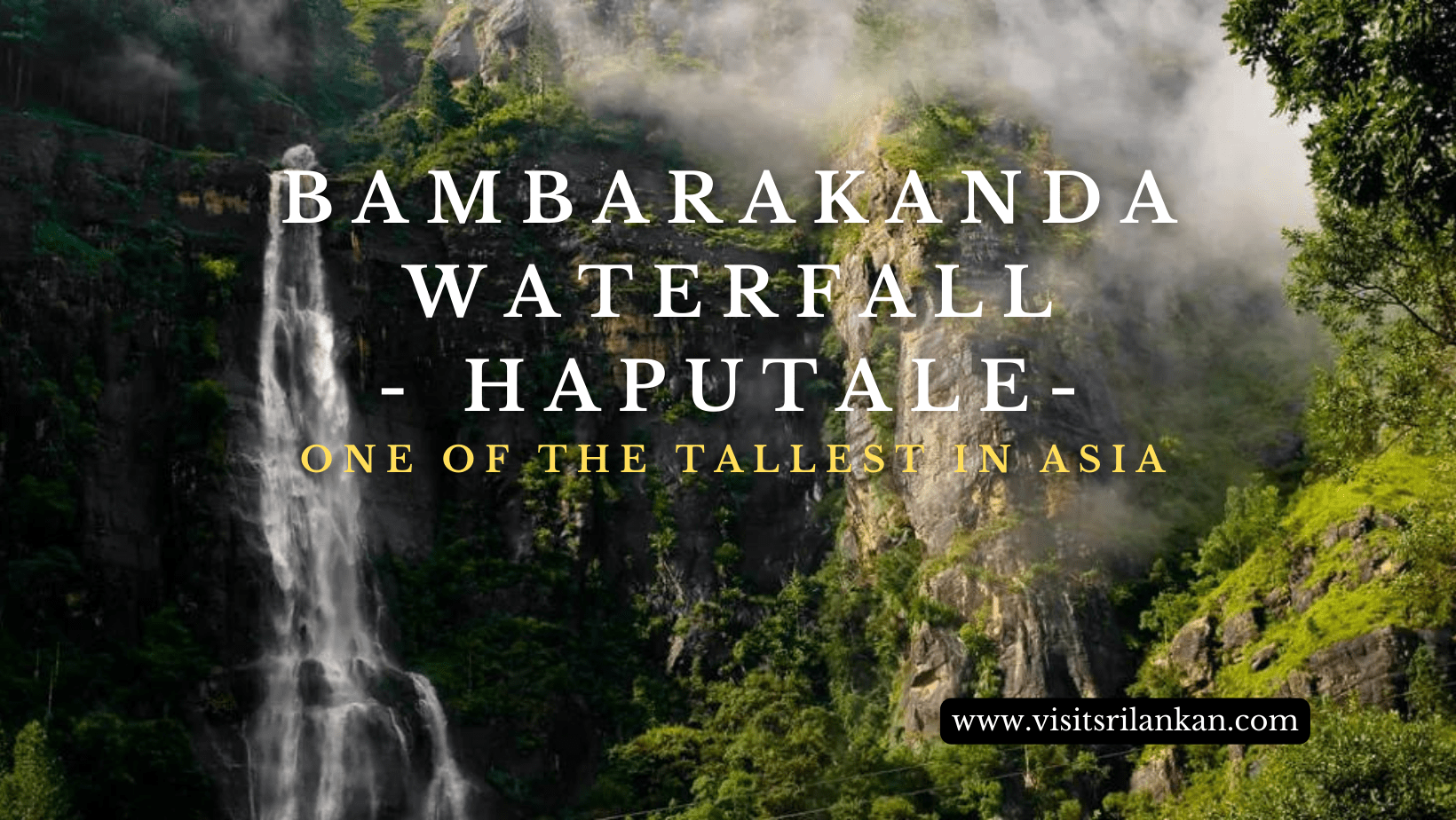
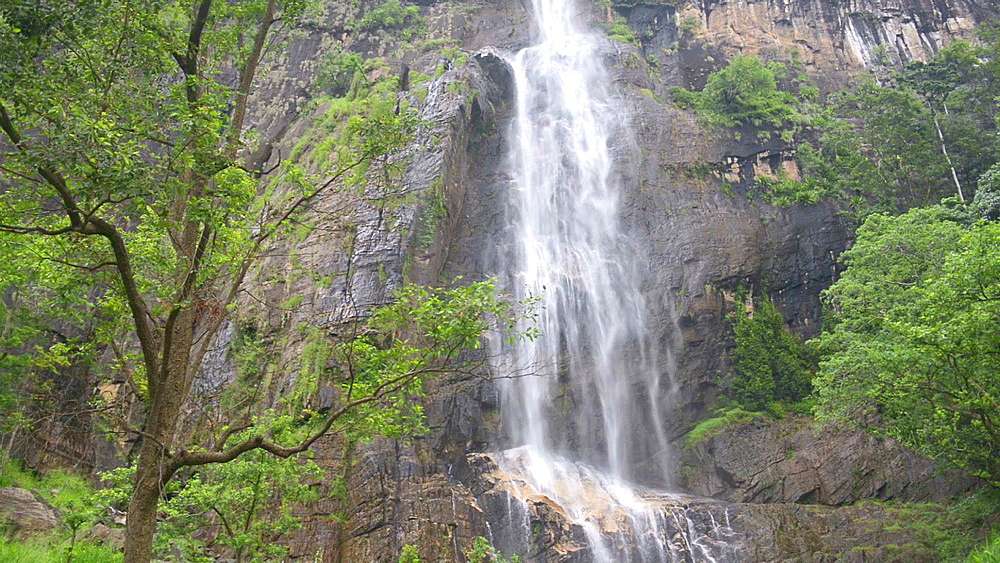
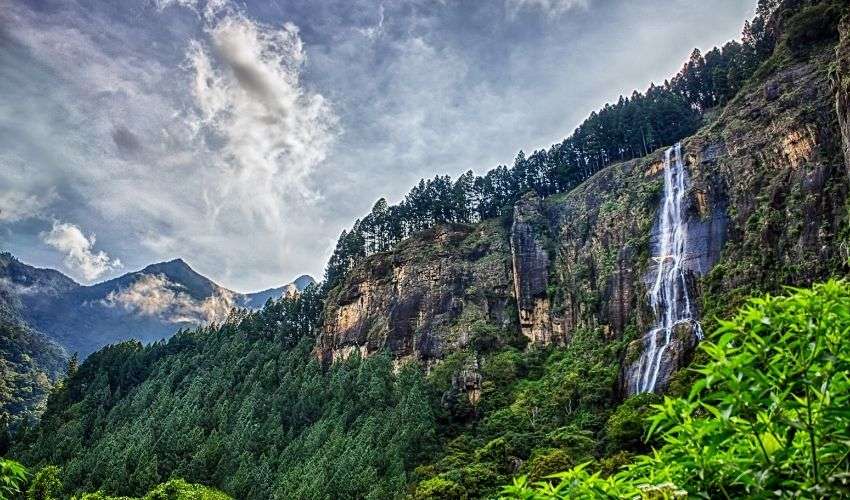
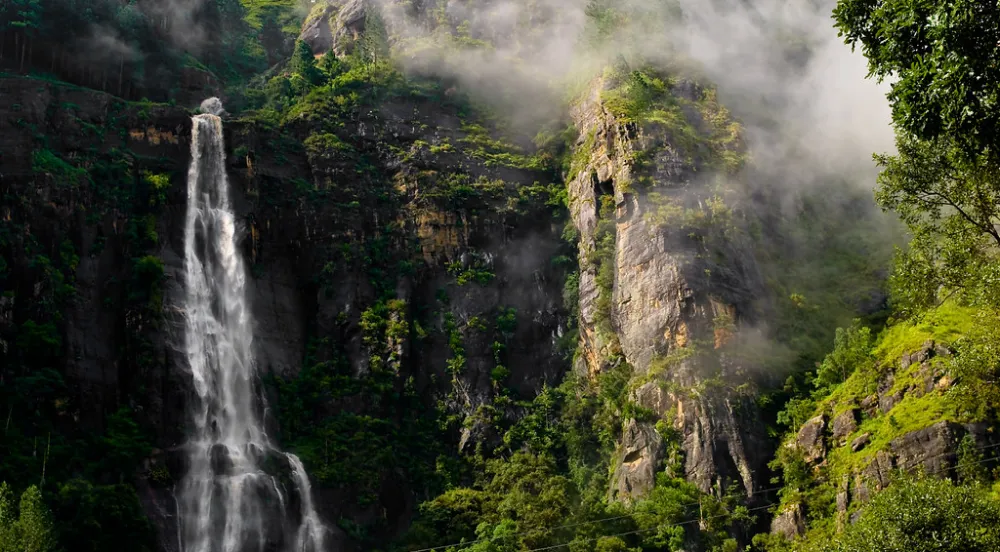
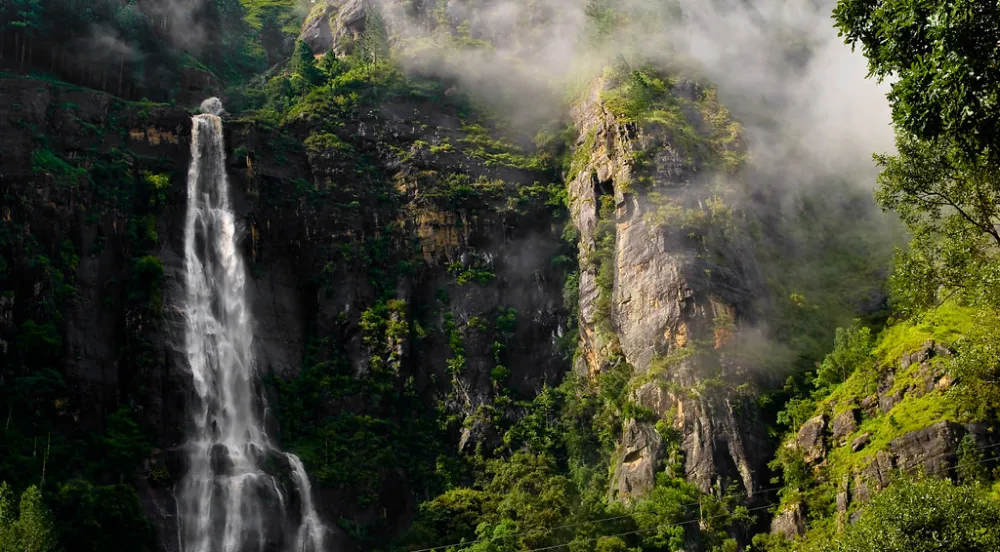
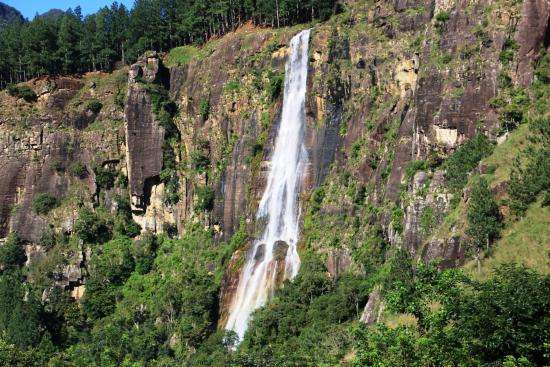
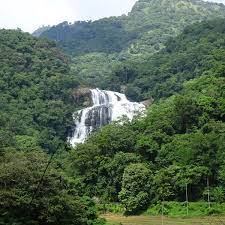
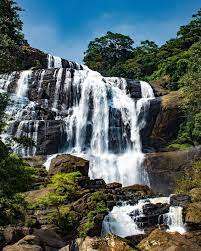
Bambarakanda Waterfall, situated in the lush green landscape of Haputale, is a natural wonder that beckons adventurers and nature lovers from all over the world. Nestled in the heart of Sri Lanka, this magnificent waterfall is a must-visit destination for those who seek to explore the marvels of nature.
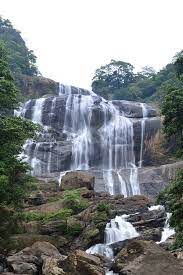
Bambarakanda Falls, a waterfall near Haputale, Sri Lanka Hill Country, Nuwara Eliya District, Asia
Introduction to Bambarakanda Waterfall
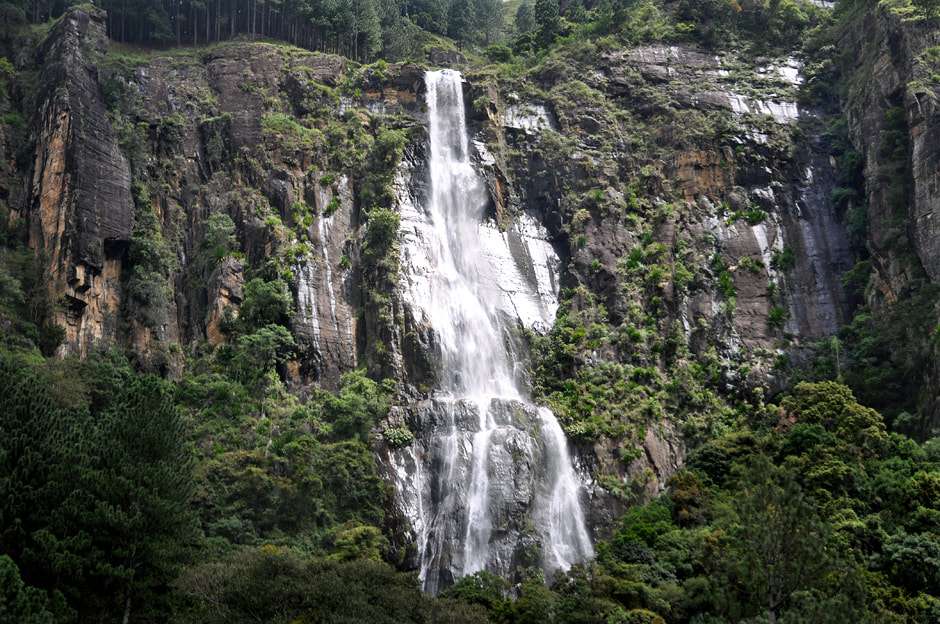
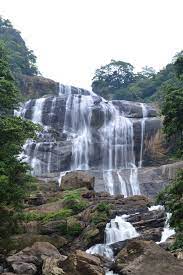
Bambarakanda Waterfall is the tallest waterfall in Sri Lanka and one of the tallest in Asia, with a staggering height of 263 meters. Its name derives from the Sinhalese words “Bambara” meaning “Bee” and “Kanda” meaning “Hill,” which reflects its location amidst the hilly terrain of Haputale.
Location and Accessibility
Bambarakanda is located in the Badulla District of Sri Lanka, in the Uva Province. The waterfall is surrounded by a lush, forested area, making it a serene and pristine location for nature enthusiasts. Visitors can reach Bambarakanda by road, and the journey is a picturesque one, with winding roads offering breathtaking views of the countryside.
The Natural Beauty of Bambarakanda
As you approach the waterfall, you’ll be greeted by the thundering roar of cascading water. The sight of the water plummeting from great heights and the mist that envelops the area create a truly enchanting experience. The lush greenery and the cool, refreshing breeze make this place a paradise for anyone seeking tranquility in nature.
Bambarakanda in Sri Lankan Culture
Bambarakanda holds cultural significance in Sri Lanka. It is often mentioned in local legends, and its beauty has inspired poets and artists for generations. The waterfall’s serene surroundings also make it a popular meditation spot for Buddhists.
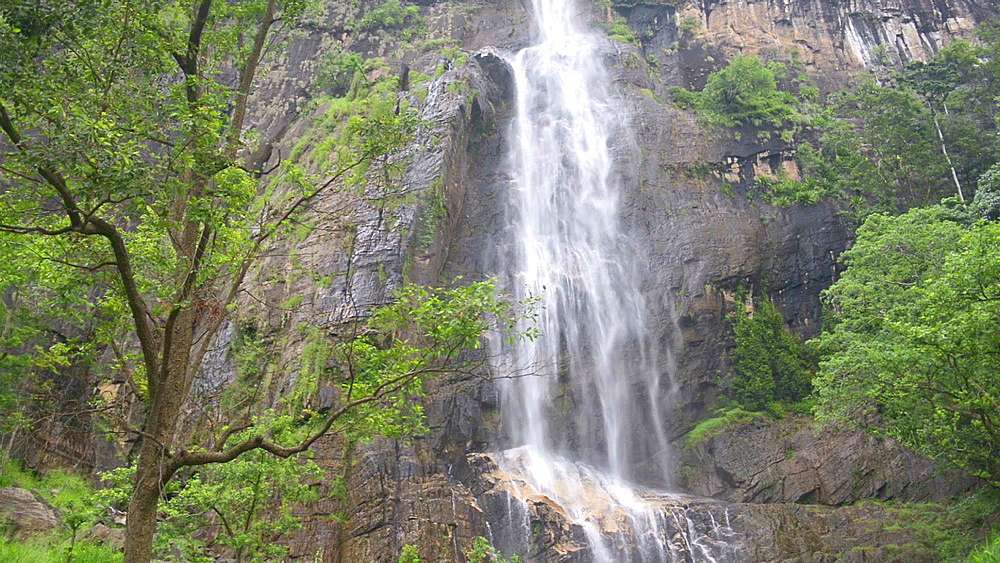
Bambarakanda Falls, a waterfall near Haputale, Sri Lanka Hill Country, Nuwara Eliya District, Asia
Best Time to Visit Bambarakanda
The best time to visit Bambarakanda is during the monsoon season, from October to March, when the waterfall is at its fullest. The lush vegetation surrounding the waterfall is also at its most vibrant during this time, making it a photographer’s dream.
Hiking Trails Around Bambarakanda
For adventure seekers, Bambarakanda offers an array of hiking trails that allow you to get up close and personal with the waterfall. The most popular trail is the one that takes you to the base of the waterfall, where you can feel the spray of the cascading water.
Flora and Fauna
The area around Bambarakanda is a biodiversity hotspot. It’s home to a variety of plant and animal species, making it a great location for nature enthusiasts and birdwatchers. The forest is filled with vibrant orchids and other exotic flora.
Photography Tips
Capturing the grandeur of Bambarakanda requires some photography skills. To get the perfect shot, use a tripod to avoid blurry images caused by the mist, and experiment with different angles and lighting conditions.
Local Cuisine and Souvenirs
After a day of exploration, indulge in the local cuisine at nearby eateries. You can also purchase handmade souvenirs to remember your visit.
Accommodation Options
While Bambarakanda offers a rustic experience, there are comfortable guesthouses and cottages nearby for those who prefer a more cozy stay.
Safety Tips
Visitors should be cautious when exploring the area around the waterfall, especially during the rainy season. Pay attention to safety warnings and guidelines provided by local authorities.
Preservation and Conservation
Bambarakanda’s natural beauty must be preserved. Support local conservation efforts and follow eco-friendly practices when visiting.
Local Legends and Myths
The locals believe that Bambarakanda is the abode of a deity, and there are fascinating legends associated with the waterfall. Take some time to learn about the rich cultural heritage of the area.
Visitor Experiences and Reviews
Don’t just take our word for it. Read reviews and experiences shared by other visitors to get a better sense of what to expect at Bambarakanda.
Conclusion
Bambarakanda Waterfall in Haputale is a treasure trove of natural beauty, culture, and adventure. It’s a place that allows you to connect with the purest form of nature and immerse yourself in the enchanting tales of Sri Lanka. So, pack your bags and embark on a journey to Bambarakanda, where the wonders of nature await.
FAQs (Frequently Asked Questions)
1. Can I swim in Bambarakanda Waterfall?
Swimming in Bambarakanda is not recommended due to strong currents and safety concerns. It’s best to enjoy the view from a safe distance.
2. Are there guided tours available?
Yes, there are local guides who can take you on a tour of the area and provide valuable insights into its history and ecology.
3. What should I wear when visiting Bambarakanda?
Wear comfortable clothing and sturdy shoes suitable for hiking. Don’t forget to bring a raincoat or umbrella, especially during the rainy season.
4. Is it safe to visit Bambarakanda during the monsoon season?
While it’s possible to visit, exercise caution and be prepared for wet and slippery conditions.
5. How can I contribute to Bambarakanda’s conservation efforts?
You can support local conservation organizations and follow responsible tourism practices to help protect this natural wonder for future generations.
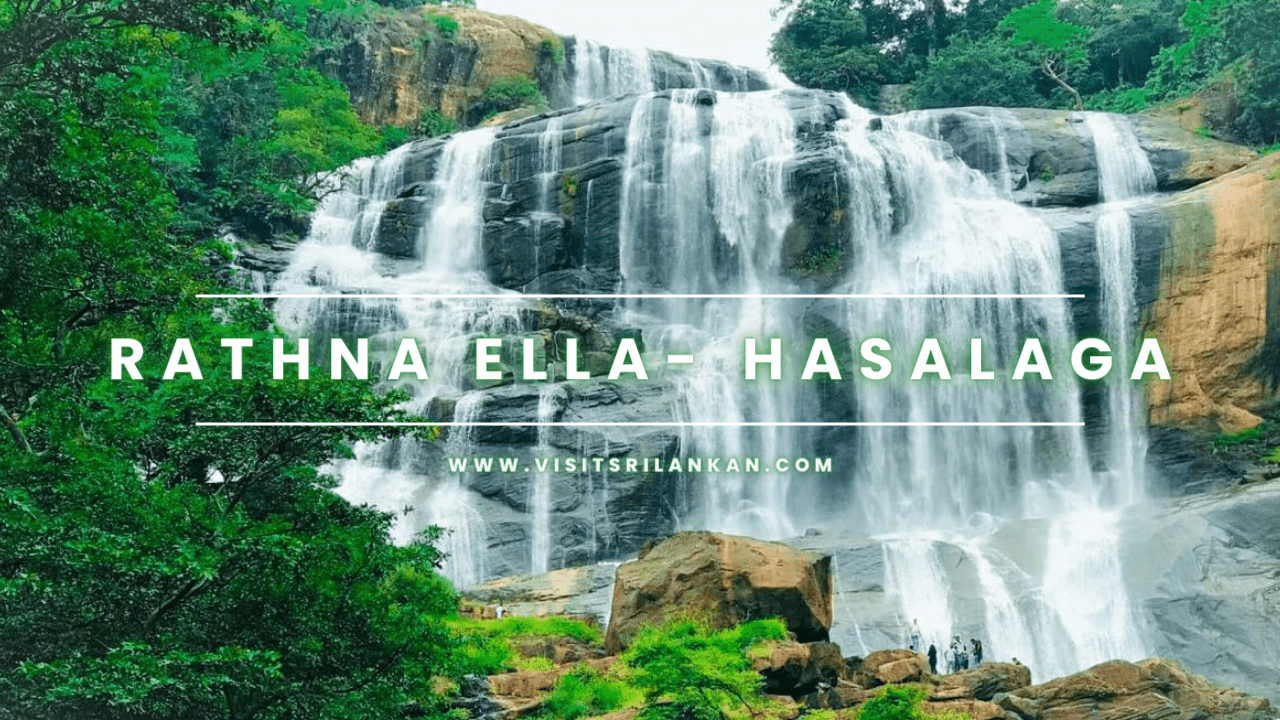
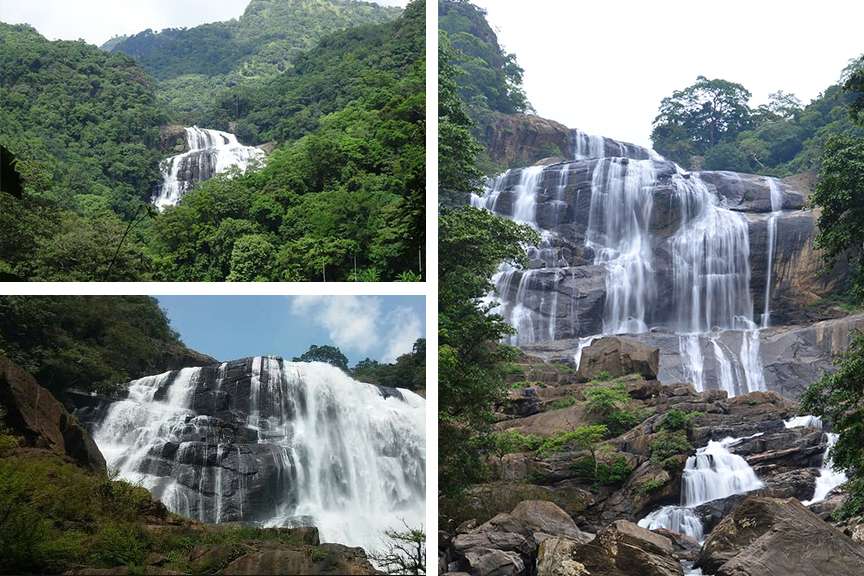
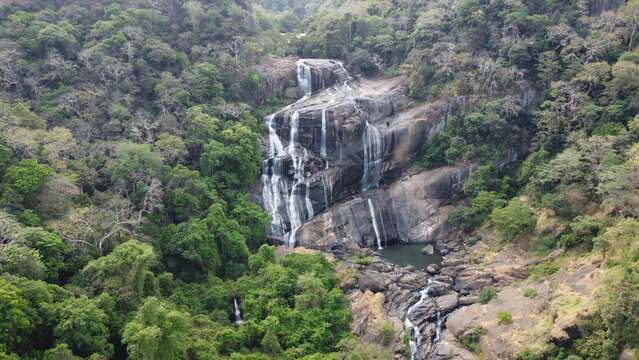
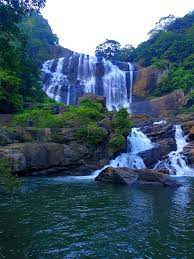
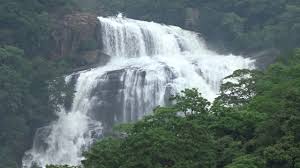
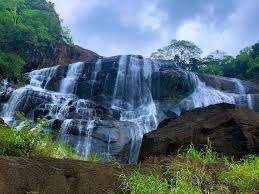
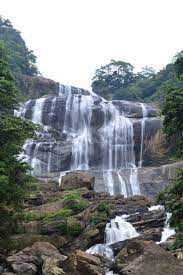
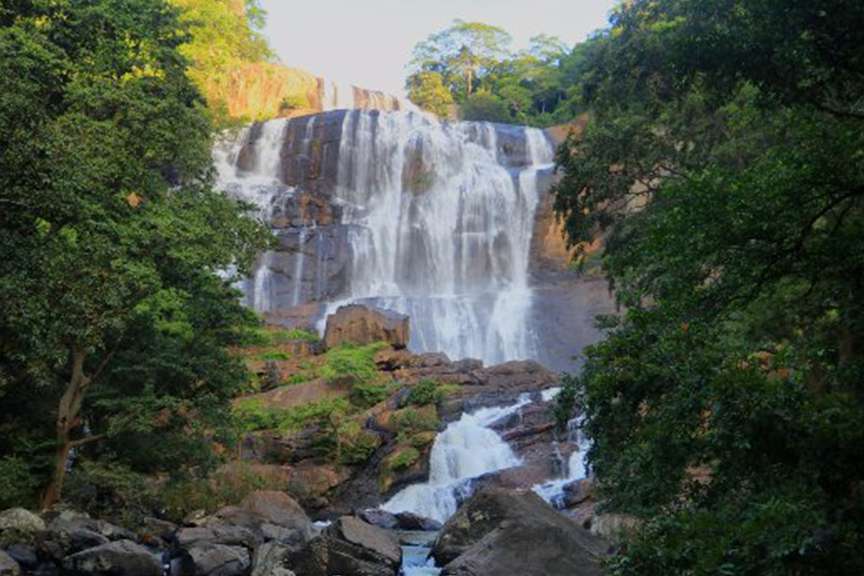
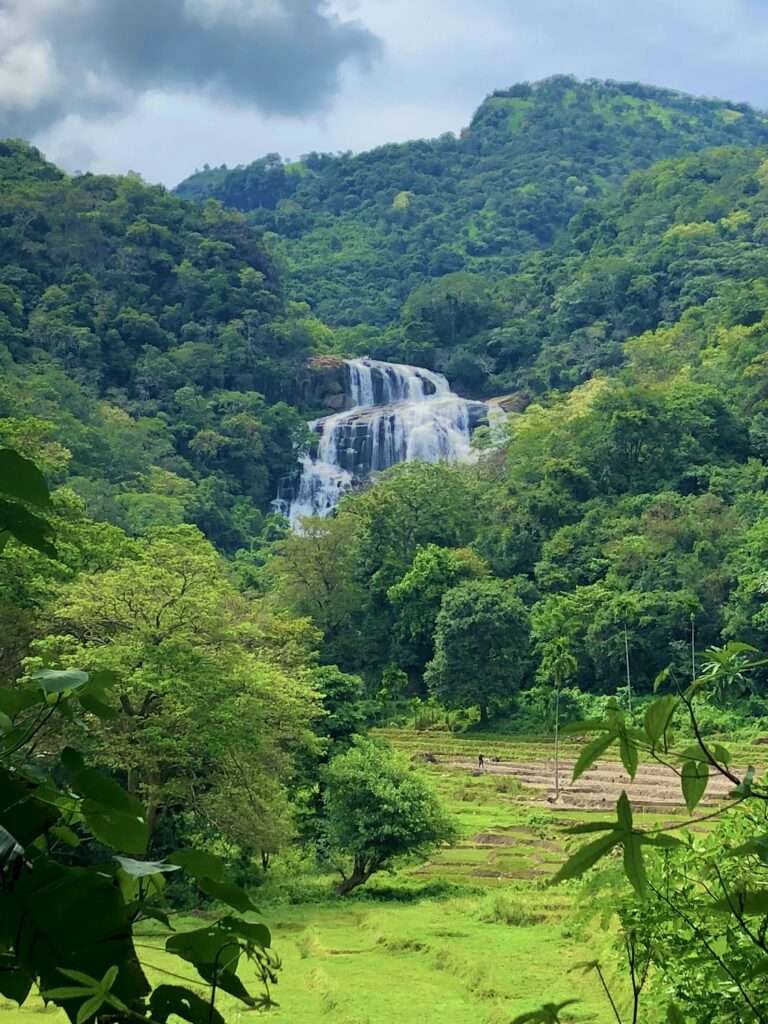
Nestled in the heart of Sri Lanka, amidst lush greenery and pristine landscapes, lies a hidden gem known as Rathna Ella in Hasalaka. This enchanting waterfall, often overshadowed by its more famous counterparts, is a must-visit destination for nature enthusiasts and adventure seekers. In this article, we will take you on a journey to discover the beauty, mystery, and allure of Rathna Ella.
Rathna Ella, which translates to “Golden Falls,” is aptly named for its stunning golden hue that glistens in the sunlight. Tucked away in the central highlands of Sri Lanka, this waterfall cascades gracefully from a height of approximately 111 feet (34 meters). The water plunges into a crystal-clear pool below, creating a picturesque scene that will leave you mesmerized.
The Journey to Rathna Ella
1. Getting There
Reaching Rathna Ella can be an adventure in itself. The journey begins in Kandy, a vibrant city in Sri Lanka, where you can hire a private vehicle or take a scenic bus ride to Hasalaka.
2. Trekking through the Forest
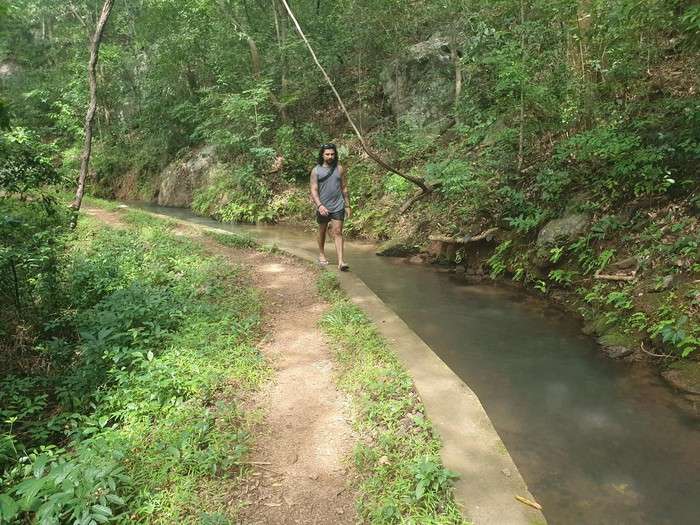
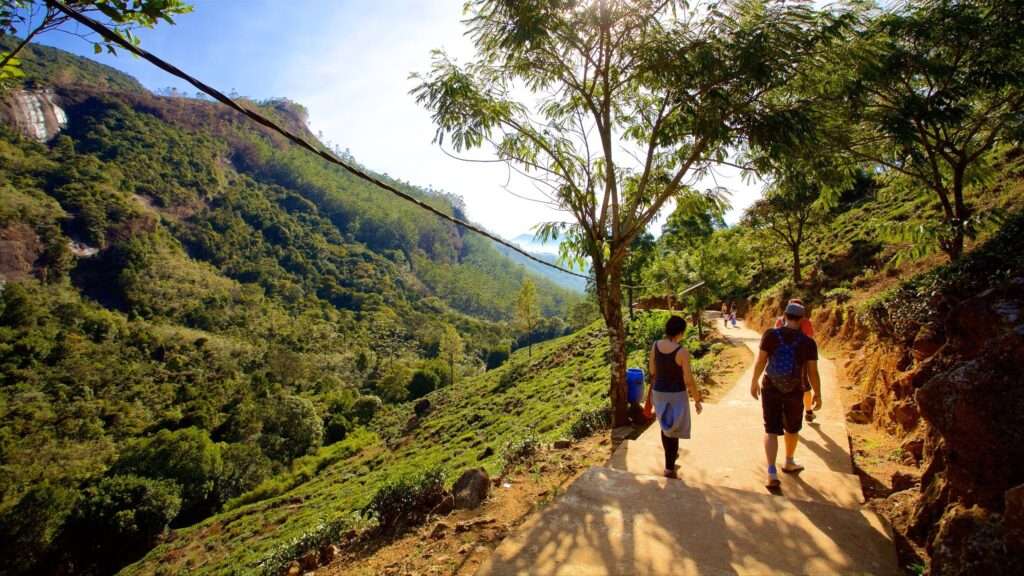
Upon arriving in Hasalaka, the real adventure commences. A trek through dense forests and tea plantations awaits you. It’s advisable to hire a local guide who can navigate the trails and provide valuable insights into the area’s flora and fauna.
Experiencing the Magic
3. A Refreshing Dip
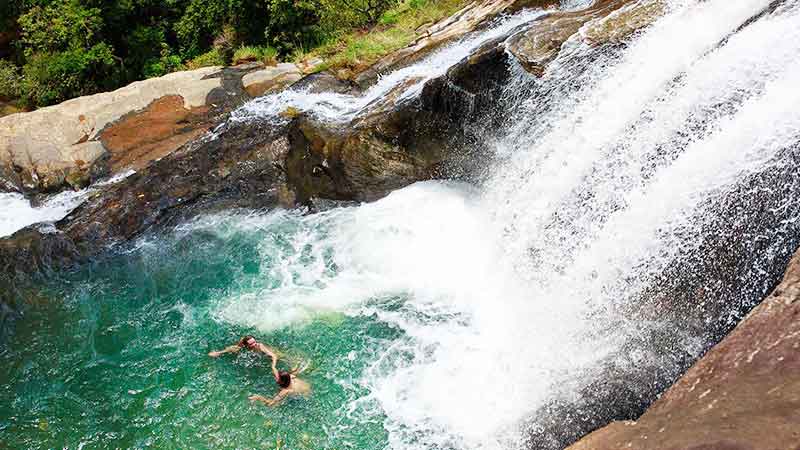
As you approach Rathna Ella, the sound of rushing water grows louder, heightening your anticipation. The cool mist from the waterfall greets you as you draw nearer. Take a refreshing dip in the pool beneath the falls and feel the stresses of daily life wash away.
4. Picnic Amidst Nature
Rathna Ella offers the perfect setting for a picnic. Spread out a blanket, savor a delicious meal, and enjoy the symphony of nature’s sounds. Don’t forget to capture the moment with your camera; the scenery is postcard-worthy.
The Hidden Treasures
5. A Cave of Legends
Adjacent to Rathna Ella is a mystical cave known as the “Batadomba Lena.” It’s believed to be a place of historical significance and is home to an array of fascinating rock formations and cave paintings.
6. Birdwatching Paradise
For birdwatching enthusiasts, Rathna Ella and its surrounding forests are a paradise. Keep your binoculars handy, and you might spot some of Sri Lanka’s exotic avian residents.
Safety Tips and Considerations
7. Respect Nature
While exploring Rathna Ella, it’s crucial to respect the environment. Avoid littering, and follow the guidance of your local guide to protect the delicate ecosystem.
8. Safety First
Ensure your safety by wearing appropriate footwear and carrying essentials like water, insect repellent, and sunscreen.
Conclusion
Rathna Ella in Hasalaka is a testament to the untamed beauty of nature. Its secluded location, golden waters, and surrounding mysteries make it a destination worth exploring. So, if you’re seeking a unique adventure off the beaten path, make your way to Rathna Ella and immerse yourself in the tranquility of this hidden gem.
Frequently Asked Questions
1. How difficult is the trek to Rathna Ella?
The trek can be moderately challenging, but with a local guide, it becomes more manageable for all skill levels.
2. Can you swim in the pool beneath Rathna Ella?
Yes, the pool is suitable for swimming, but always exercise caution and check with your guide for safety recommendations.
3. Are there accommodations near Rathna Ella?
While there are no accommodations at the waterfall itself, you can find lodging options in Hasalaka and Kandy.
4. What is the best time to visit Rathna Ella?
The best time to visit is during the dry season, from December to April, when the weather is most favorable for trekking and exploring.
5. Is Rathna Ella suitable for families with children?
Yes, Rathna Ella can be a great family adventure, but ensure children are supervised, especially near the waterfall and pool areas.
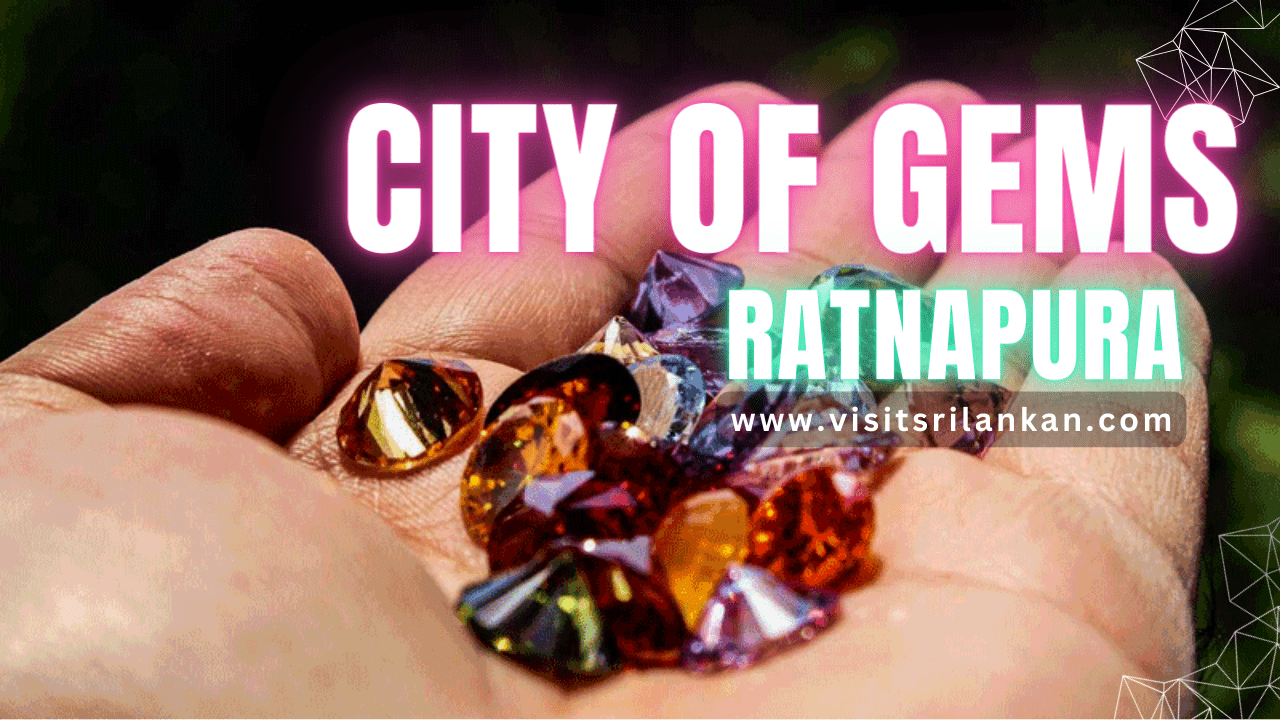
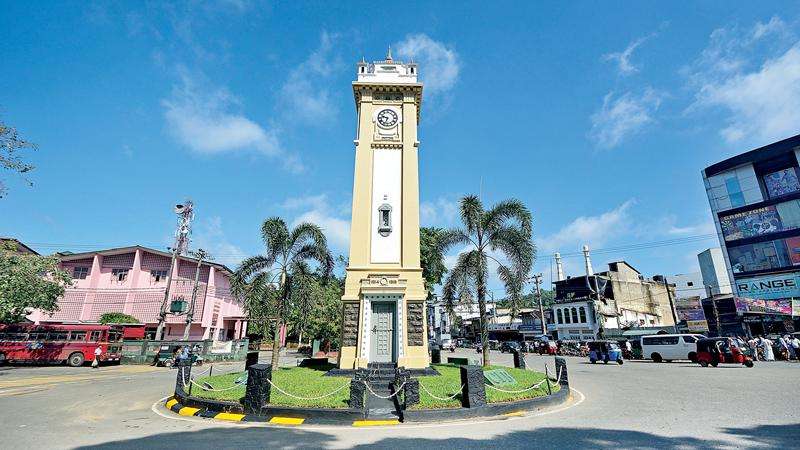
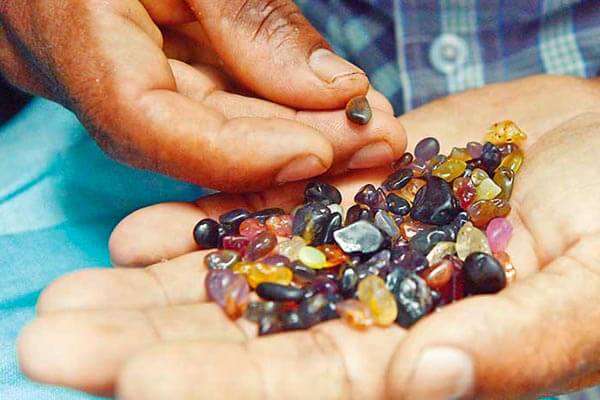
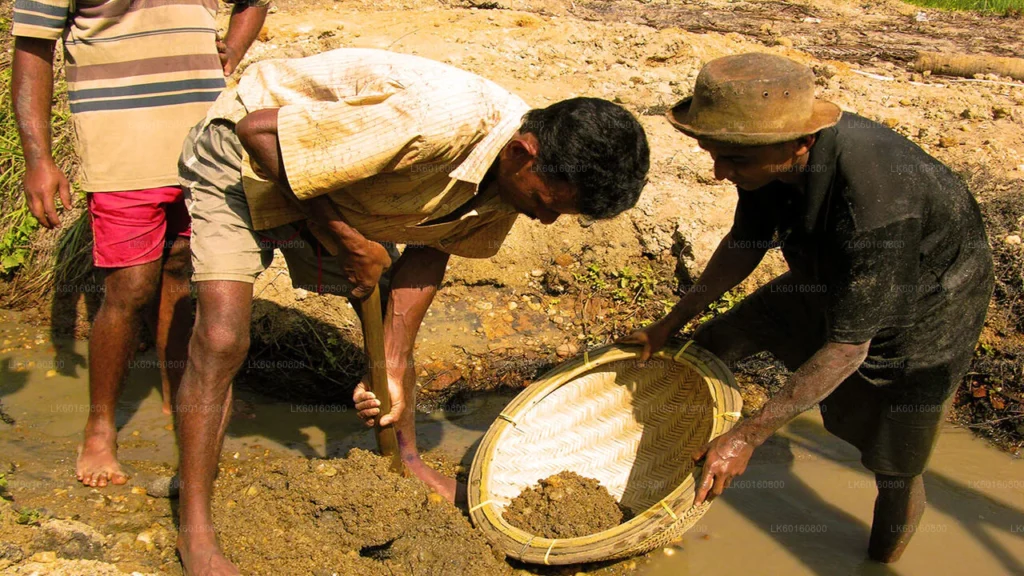
Rathnapura, a name that resonates with the sparkle of gemstones, is a city located in the heart of Sri Lanka. Often referred to as the “City of Gems,” Rathnapura boasts a rich cultural heritage, stunning natural landscapes, and a thriving gemstone industry that has fascinated people from all corners of the globe. In this article, we’ll take you on a journey through the enchanting realms of Rathnapura, uncovering its hidden treasures, vibrant culture, and the allure of its gem trade.
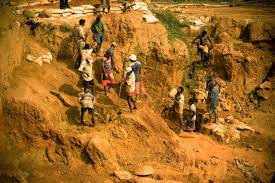
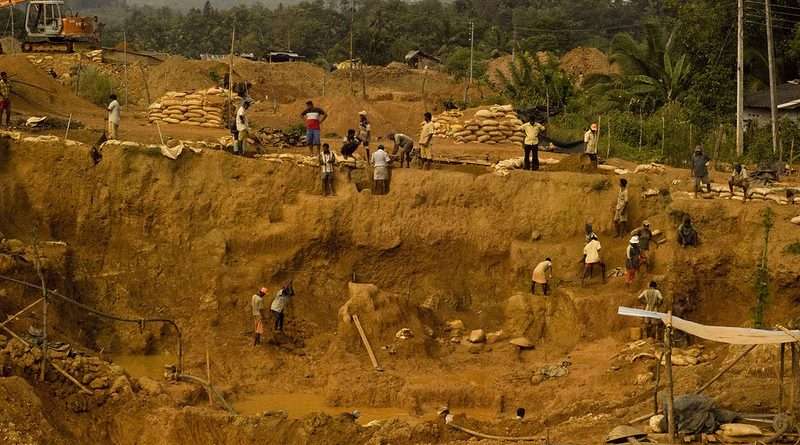
Rathnapura’s geological significance is at the core of its reputation as the gem capital of Sri Lanka. Situated in the Sabaragamuwa Province, this city is nestled amid the Ratnapura District, where the earth’s crust has generously bestowed a bounty of precious gemstones.
Precious Stones Underground
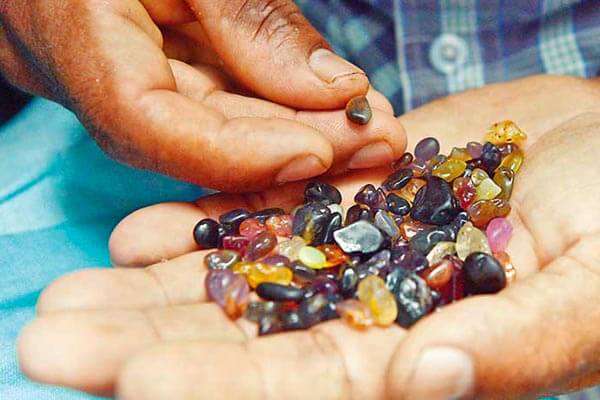
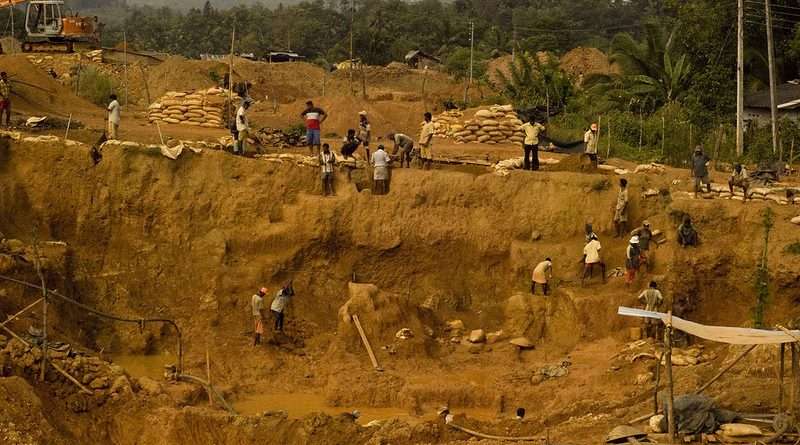
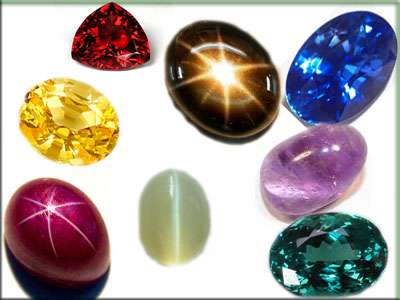
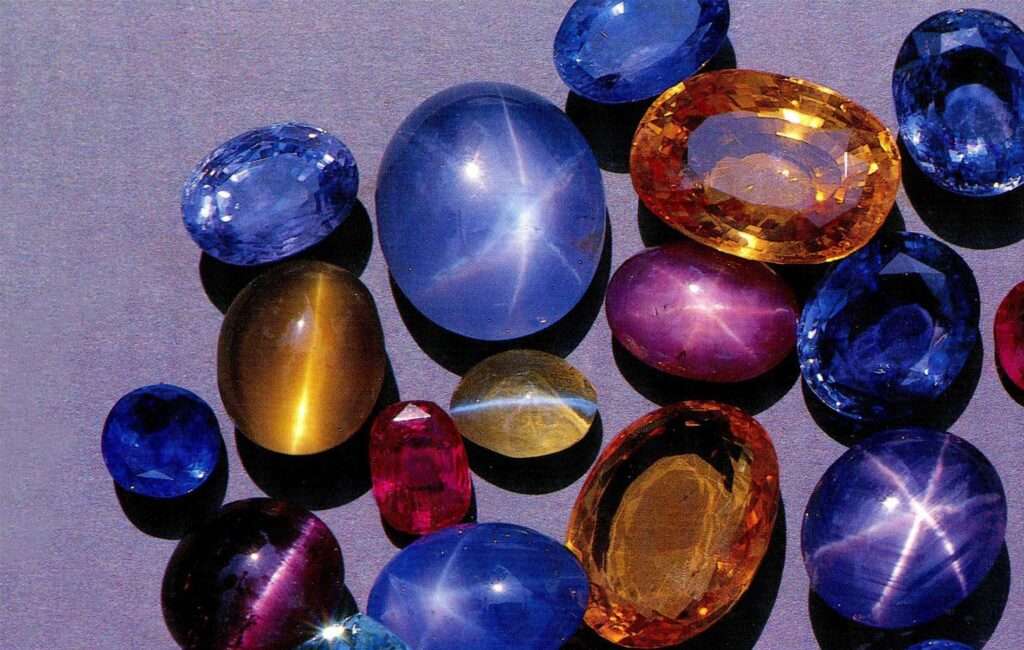
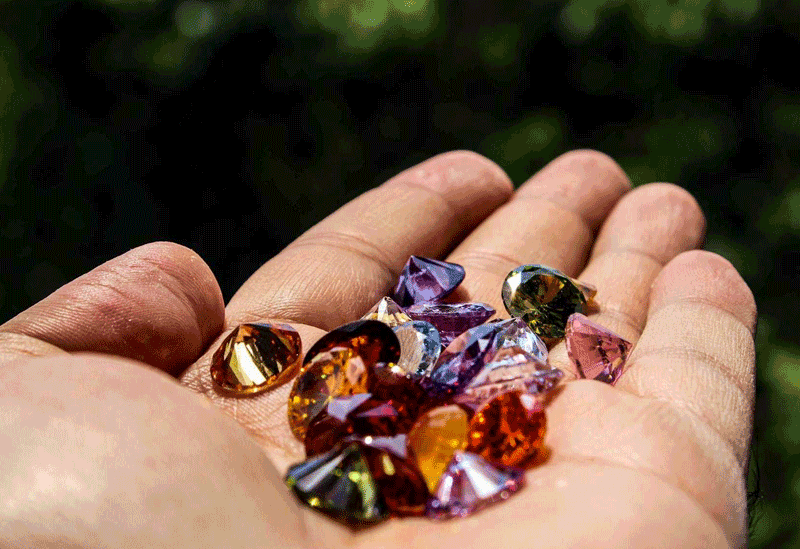
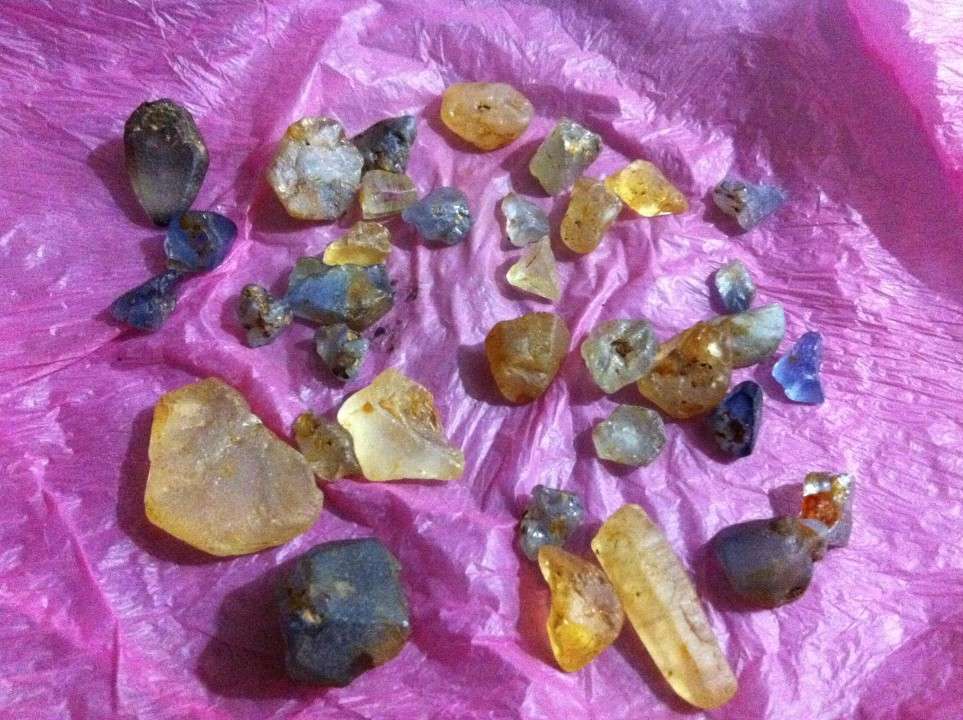
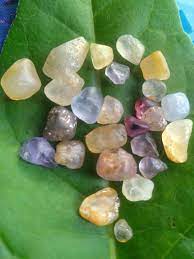
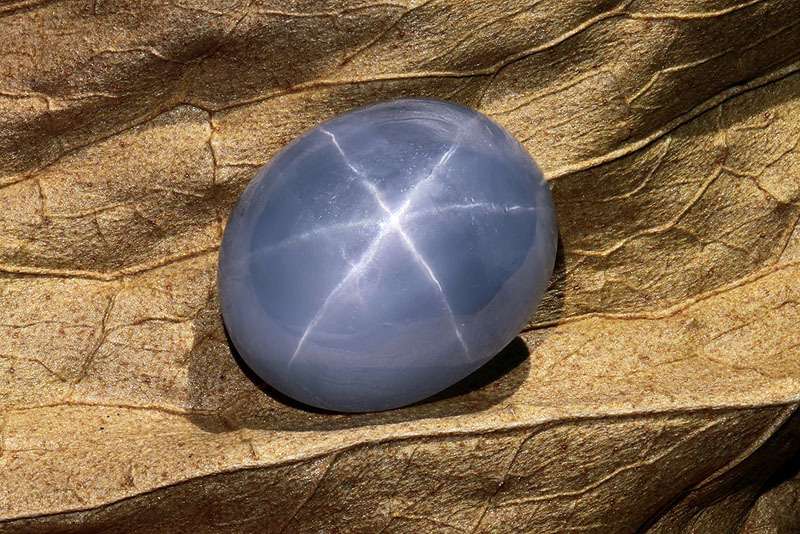
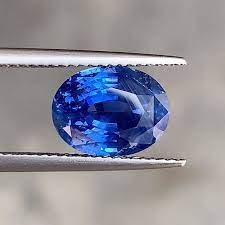
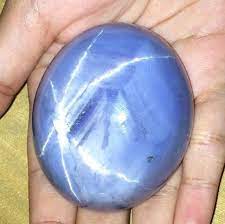
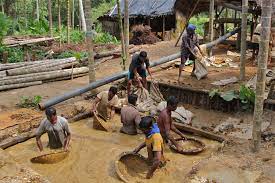
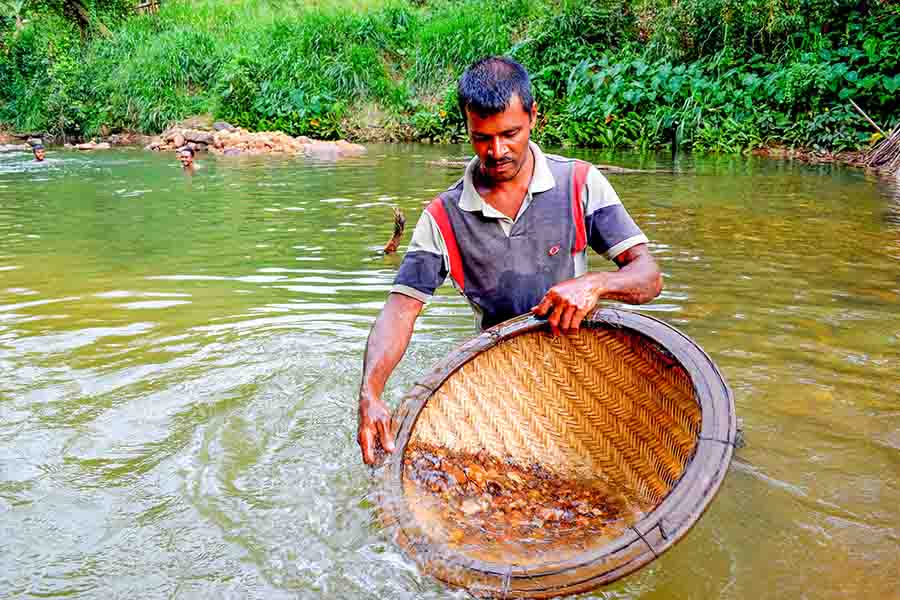
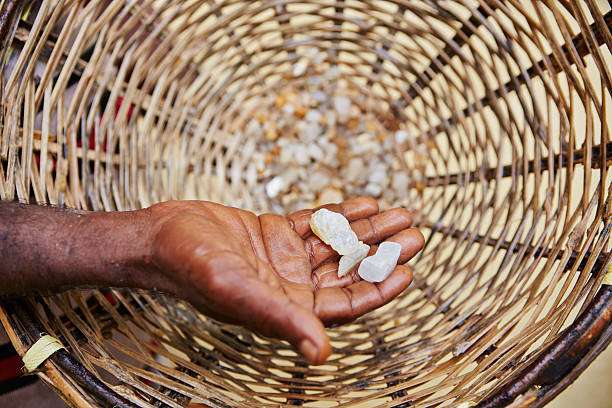
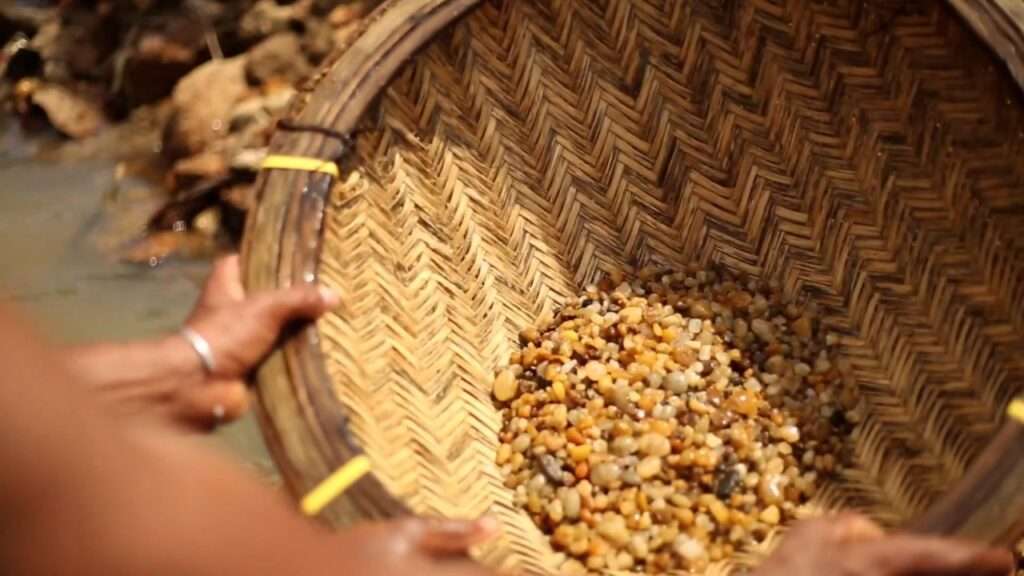
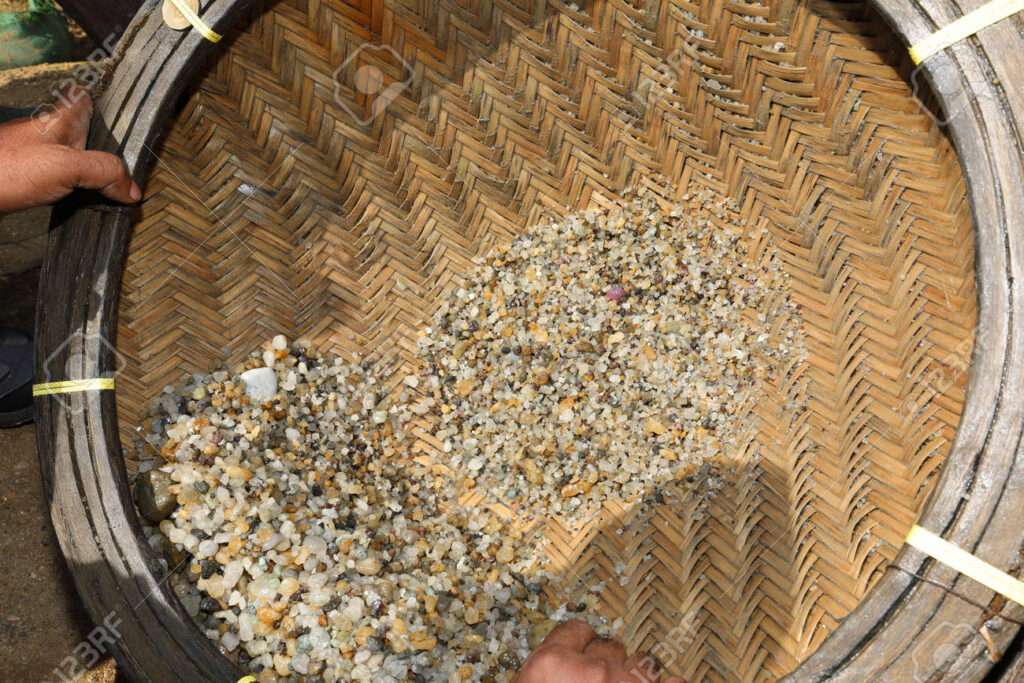
Rathnapura is famed for its deposits of rubies, sapphires, and cat’s-eye chrysoberyls. These gems have been meticulously mined for centuries, drawing the attention of gem collectors, jewelers, and adventurers from far and wide.
The Gem Markets
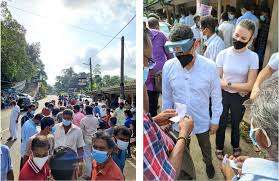
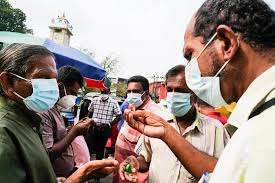
Visiting Rathnapura means immersing oneself in a bustling marketplace, filled with the glittering allure of gemstones.
Ratnapura Gem Market
The Ratnapura Gem Market, located in the city center, is a vibrant hub where gem merchants gather to showcase their treasures. Here, you can find a wide range of gemstones, from the mesmerizing blue sapphires to the fiery rubies that have captured hearts for generations.
The Art of Gem Cutting
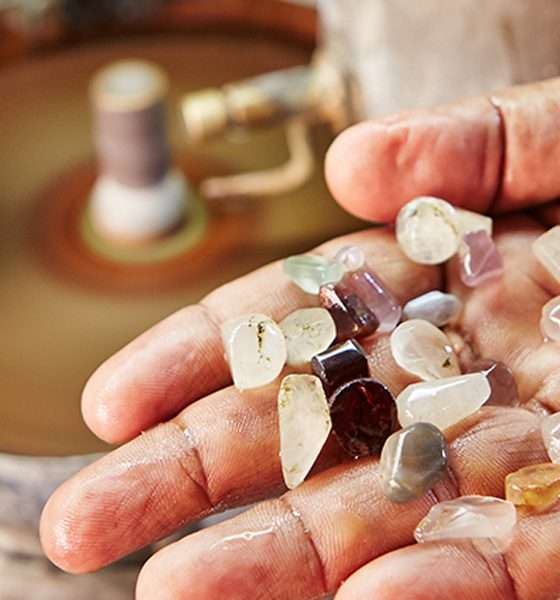
To appreciate the true beauty of Rathnapura’s gems, one must understand the meticulous craft of gem cutting.
Master Gem Cutters
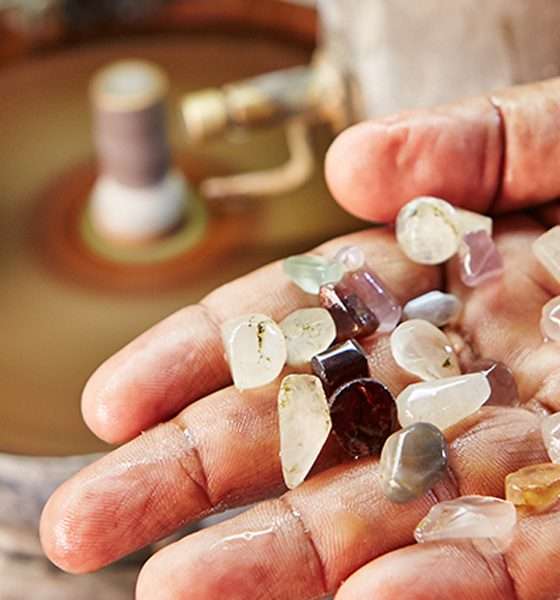
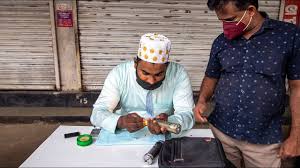
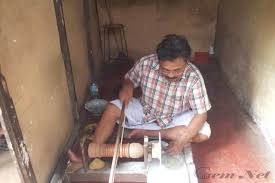
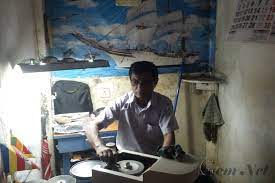
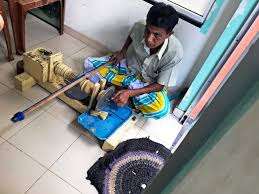
The city is home to master gem cutters who transform raw gemstones into dazzling works of art. The precision and artistry involved in this process are awe-inspiring.
The Cultural Heritage
Rathnapura’s charm extends beyond its gemstones. The city is steeped in rich cultural heritage.
Temples and Festivals
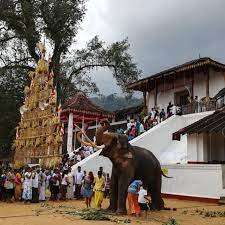
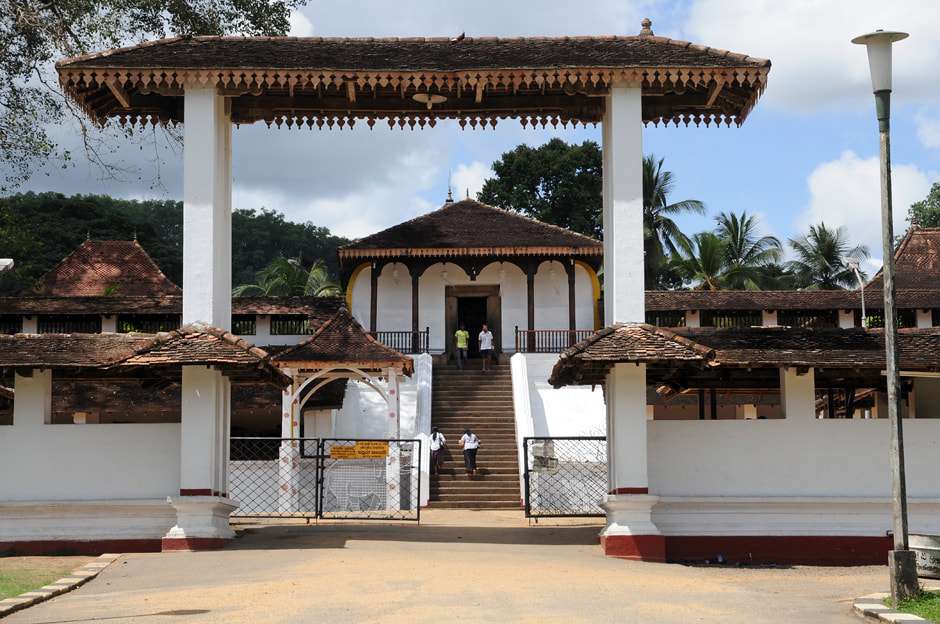
Rathnapura boasts several ancient temples, each with its own unique history and architectural beauty. The city comes alive during religious festivals, where vibrant processions and traditional ceremonies create an unforgettable experience.
Natural Wonders
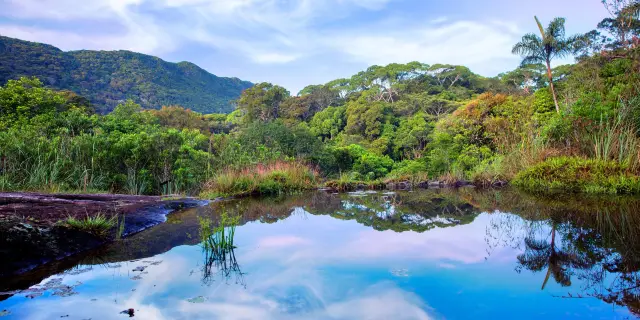
Beyond the world of gemstones and culture, Rathnapura is blessed with stunning natural landscapes.
Adam’s Peak
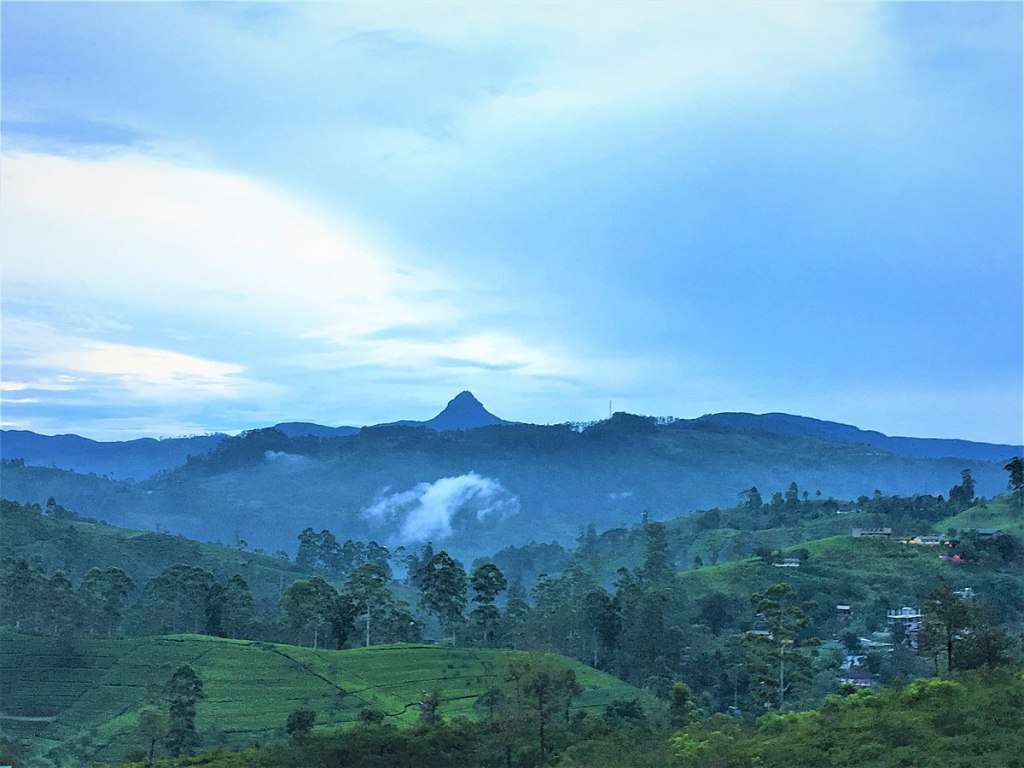
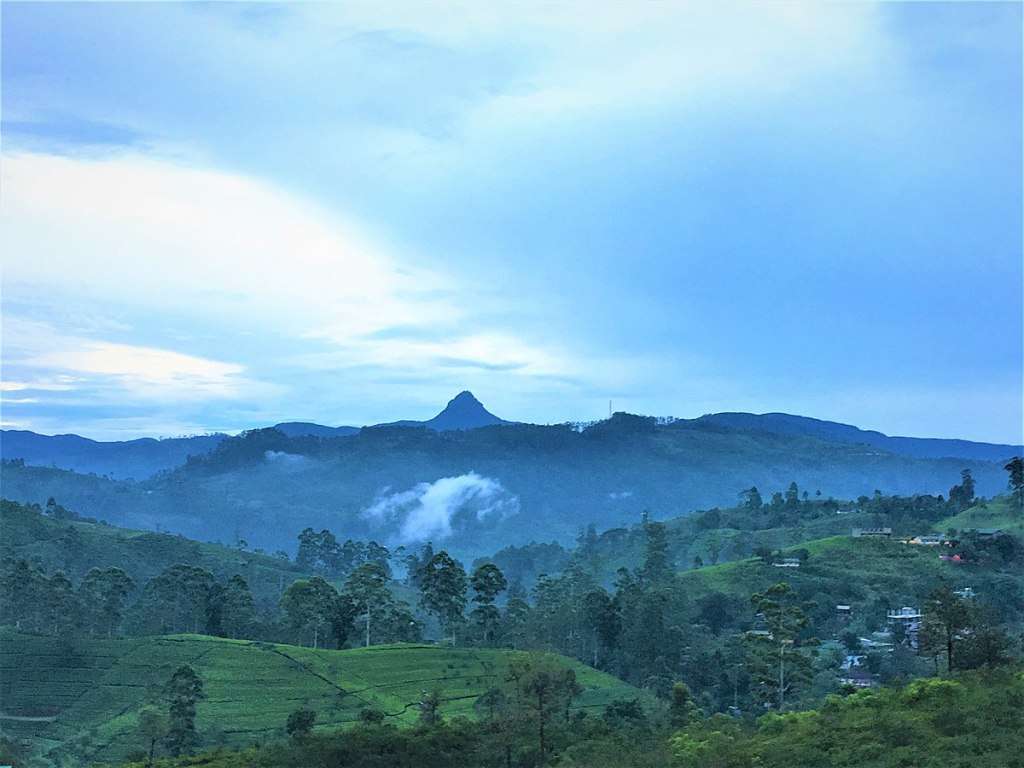
The iconic Adam’s Peak, also known as Sri Pada, is a revered pilgrimage site. It offers a breathtaking sunrise view that is worth the challenging trek to the summit.
Conclusion
In conclusion, Rathnapura is not just a city; it is a treasure trove of history, culture, and natural wonders. Its gemstone industry has made it famous, but it is the warmth of its people and the splendor of its surroundings that make it truly remarkable.
Frequently Asked Questions
What makes Rathnapura’s gemstones special? Rathnapura’s gemstones are renowned for their quality and variety. The city’s rich geological deposits have given rise to exquisite rubies, sapphires, and more.
How can I visit Rathnapura’s gem markets? Rathnapura’s gem markets are open to the public. You can visit them during regular business hours and explore the dazzling array of gemstones on display.
Are there guided tours available in Rathnapura? Yes, Rathnapura offers guided tours that provide insights into the gemstone industry, cultural heritage, and natural attractions of the city.
What is the best time to visit Rathnapura? The best time to visit Rathnapura is during the dry season, from December to April, when the weather is pleasant and outdoor activities are more enjoyable.
Can I purchase gemstones in Rathnapura and take them home? Yes, you can purchase gemstones in Rathnapura, but it’s essential to follow legal procedures and ensure that you are buying from reputable sources to avoid any issues when taking them home.
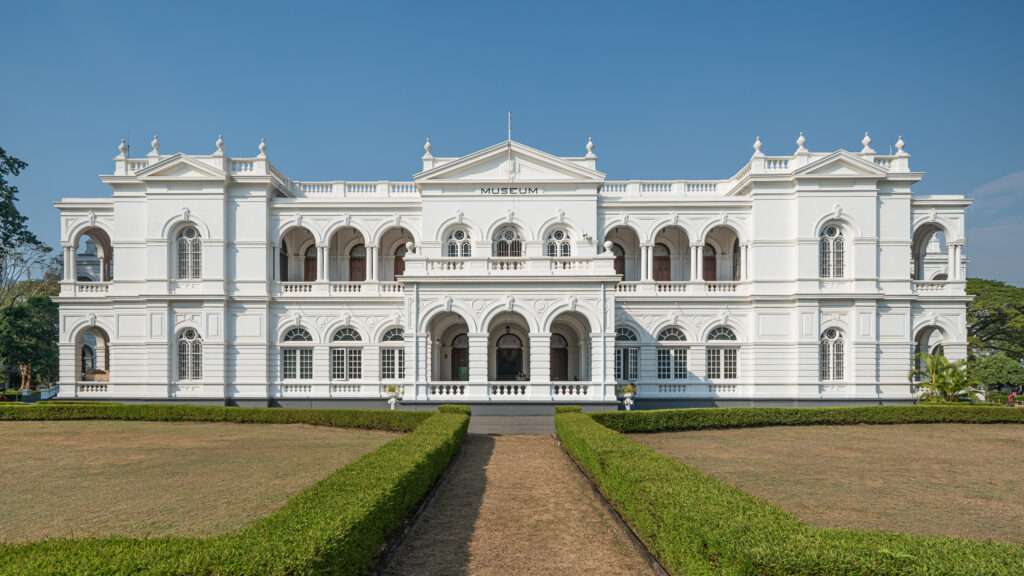
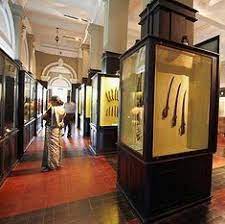
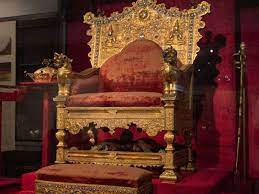
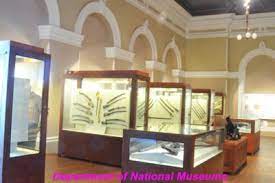
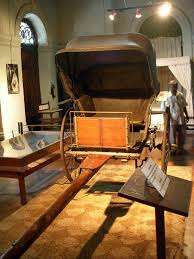
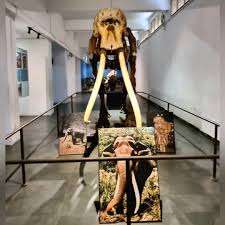
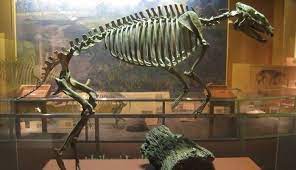
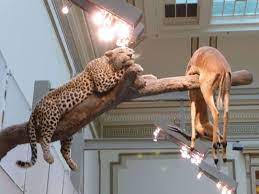
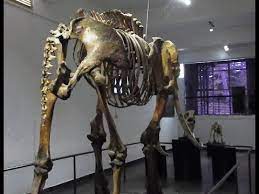
The Sri Lankan National Museum stands as a testament to the island nation’s rich and diverse cultural heritage. Nestled in the heart of Colombo, the capital city, this museum serves as a treasure trove of historical artifacts, art pieces, and archaeological wonders that provide a captivating glimpse into Sri Lanka’s past. In this article, we’ll take an enchanting journey through the halls of the National Museum, uncovering its significance, key exhibits, and the stories they tell.
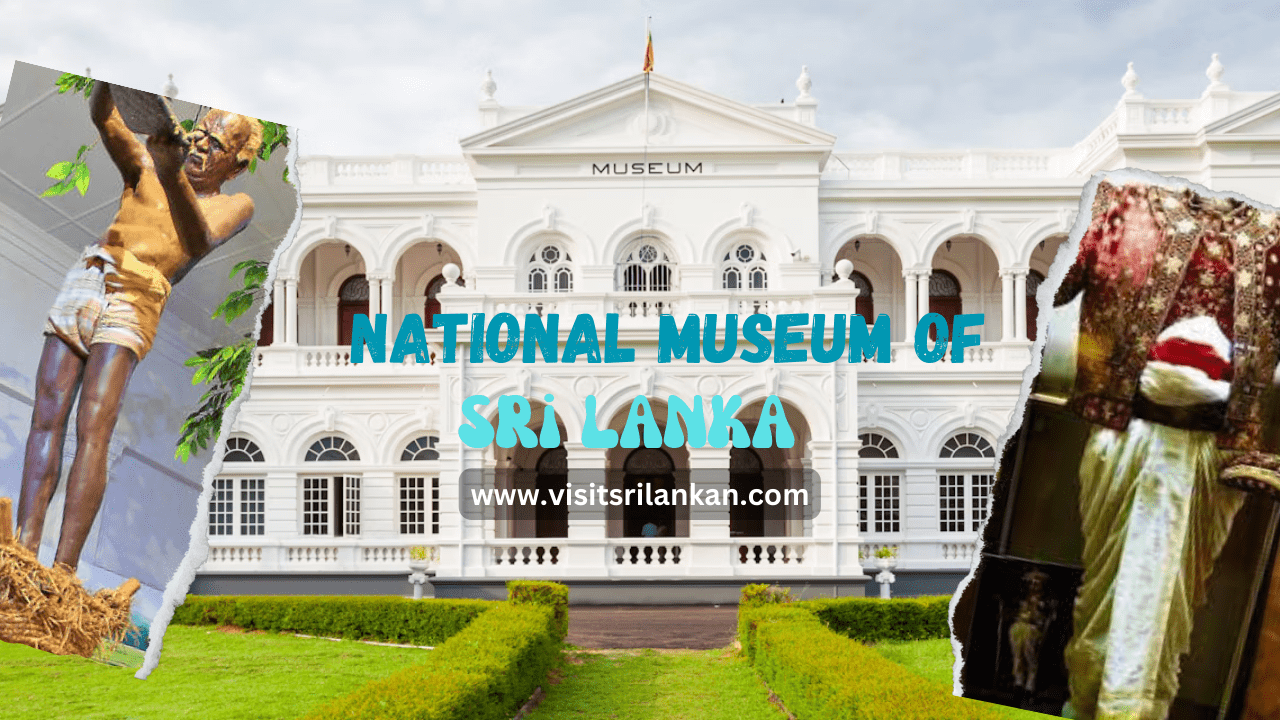
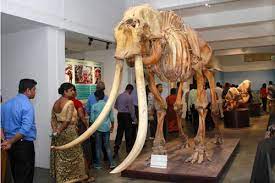
The National Museum of Sri Lanka, founded in 1877, holds the distinction of being the oldest museum in the country. Its impressive collection offers visitors an opportunity to journey through time and witness the evolution of Sri Lankan culture, art, and history.
2. A Glimpse into History of Sri Lankan National Museum
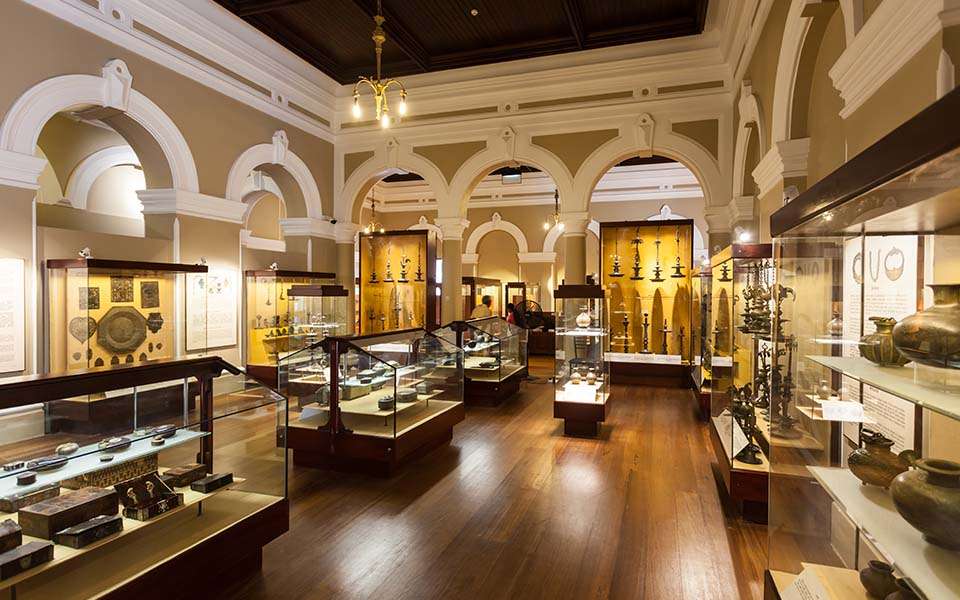
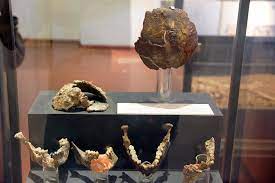
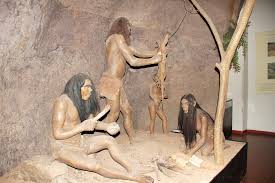
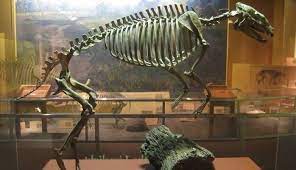
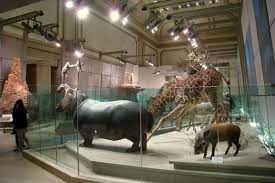
Stepping into the museum is like stepping back in time. The vast corridors are adorned with relics that span millennia, showcasing the island’s remarkable journey from prehistoric times to the modern era.
3. Architectural Marvel of the Museum
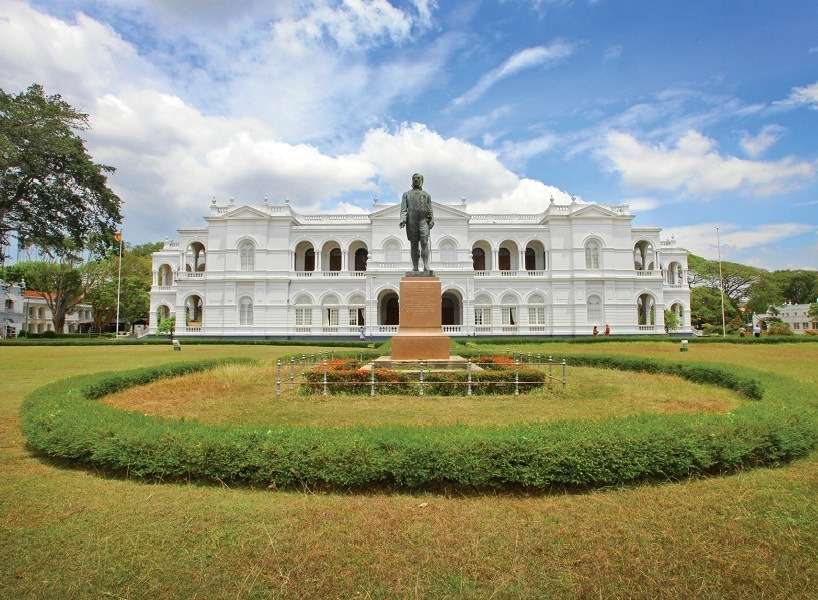
The museum’s architecture is an attraction in itself, blending colonial and traditional elements. The stately facade welcomes visitors, hinting at the treasures that lie within.
4. Exquisite Artifacts on Display
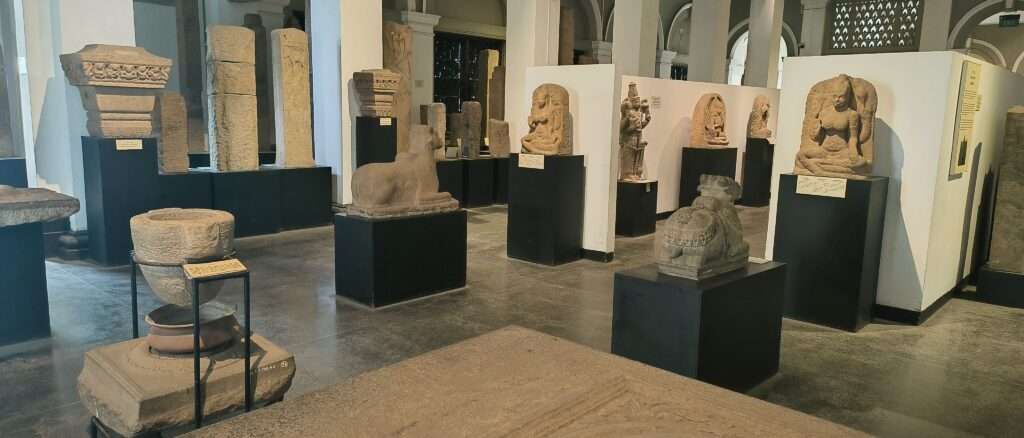
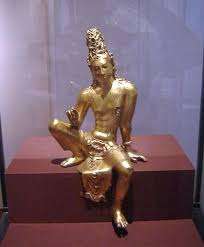
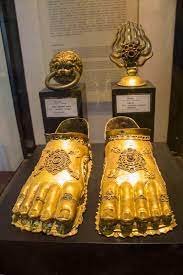
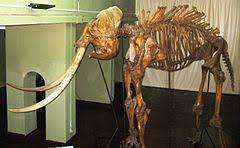
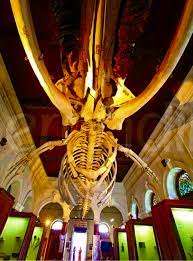
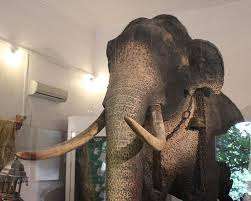
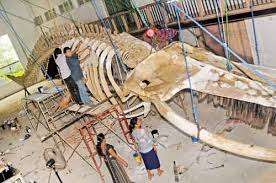
Each exhibit hall within the museum is a trove of exquisite artifacts. Intricately carved sculptures, delicate pottery, and ancient manuscripts offer a glimpse into the artistic prowess of generations past.
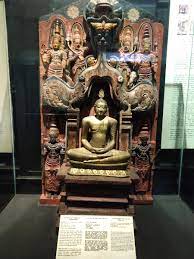
5. Buddhist Heritage Collection at Sri Lankan National Museum
Sri Lanka’s rich Buddhist heritage takes center stage with a dedicated collection of artifacts. Statues, relics, and paintings narrate the story of Buddhism’s profound influence on the island.
6. Ancient Kingdoms and Monarchies
The rise and fall of ancient kingdoms are beautifully depicted through artifacts that depict royal life, governance, and cultural practices.
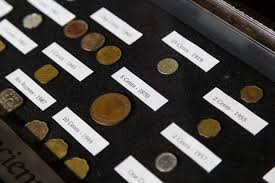
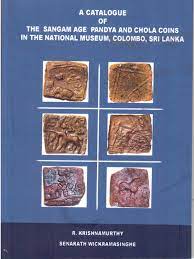
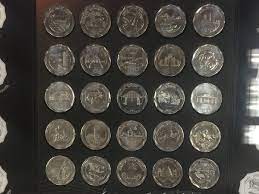
7. Numismatic Treasures in Sri Lankan National Museum
The museum boasts an impressive collection of coins and currency notes, showcasing the evolution of trade, economy, and craftsmanship over centuries.
8. Colonial Era Chronicles
The colonial period comes to life through exhibits that detail the interactions between Sri Lanka and colonial powers, shedding light on a complex historical era.
9. Cultural Diversity and Ethnographic Displays
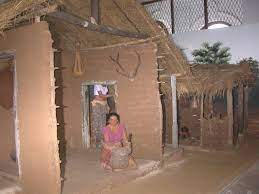
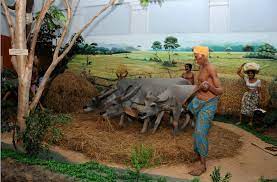
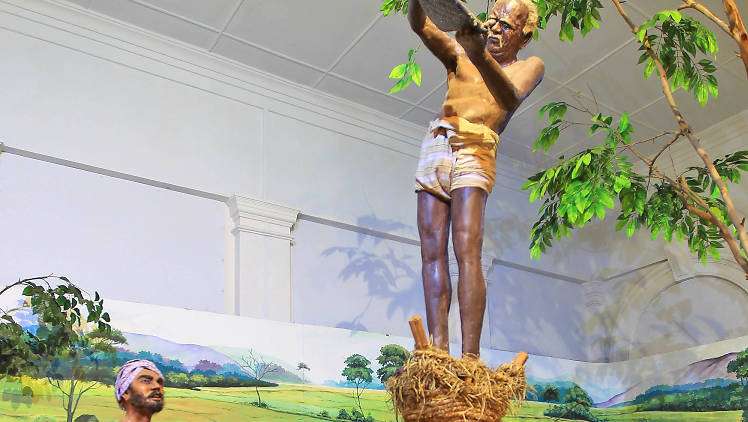
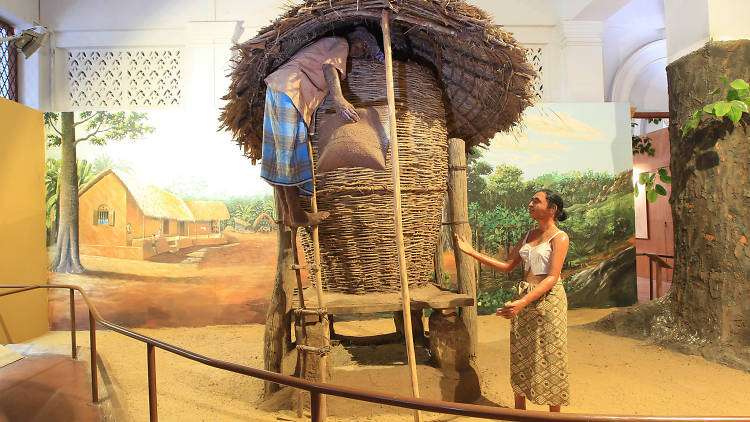
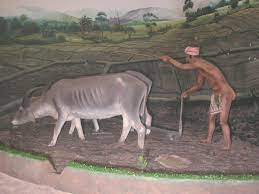
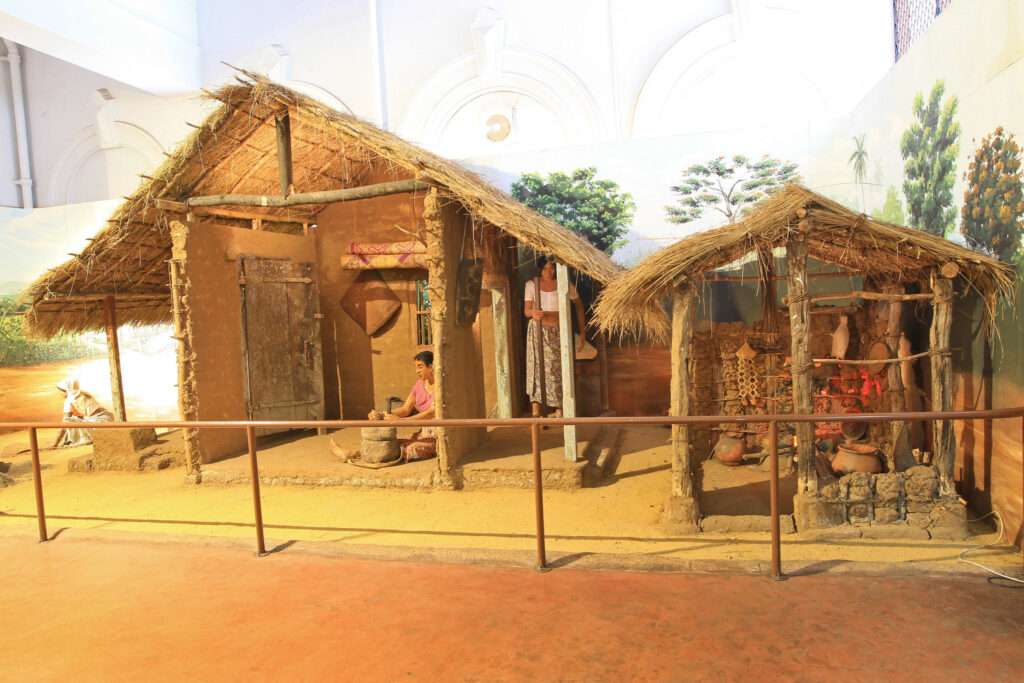
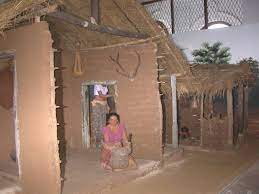
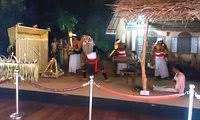
Sri Lanka’s vibrant cultural diversity is celebrated through ethnographic displays that highlight the traditions, rituals, and lifestyles of various communities.
10. Textiles and Traditional Costumes in Sri Lankan National Museum
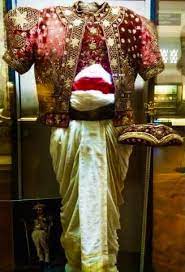
The elegance of Sri Lankan attire unfolds through a range of textiles and traditional costumes, reflecting the island’s deep-rooted fashion heritage.
11. Folk Art and Traditional Crafts
The creativity and craftsmanship of local artisans are showcased through folk art and traditional crafts, offering insights into everyday life throughout history.
12. Sri Lankan Theatre and Music
The museum also pays homage to the performing arts, with exhibits that delve into the captivating world of Sri Lankan theatre, music, and dance.
13. Preserving Maritime History
Given its strategic location, maritime history is a crucial part of Sri Lanka’s story. The museum’s maritime exhibit explores the nation’s seafaring heritage.
14. Modern and Contemporary Art at Sri Lankan National Museum
The journey through history culminates in a celebration of modern and contemporary art, reflecting the island’s evolution into the 21st century.
15. Educational Programs and Outreach
The National Museum is not only a repository of artifacts but also a center of learning. It hosts educational programs, workshops, and lectures to engage visitors of all ages.
16. Conclusion
The National Museum of Sri Lanka stands as a custodian of the nation’s heritage, offering a captivating journey through time, culture, and art. It serves as a reminder of the island’s rich and diverse past, shaping its present and future.
17. FAQs
What are the museum’s opening hours? The museum is open from 9:00 AM to 6:00 PM every day except on public holidays.
Is photography allowed inside the museum? Yes, photography is allowed, but without flash.
Are guided tours available for visitors? Absolutely! The museum offers guided tours that provide in-depth insights into the exhibits.
Is there an entrance fee for visitors? Yes, there’s a nominal entrance fee for visitors, with discounted rates for students and seniors.
Can I purchase souvenirs at the museum? Of course! The museum has a gift shop where you can find a variety of souvenirs and cultural items.