Batticalo lagoon | A Jewel of Nature and Heritage

SHARE

Outline:

  1. Introduction
  2. The Location and Geography of Batticalo Lagoon
  3. Biodiversity and Ecosystem of Batticalo Lagoon
    • 3.1. Flora and Fauna
    • 3.2. Birdlife
    • 3.3. Aquatic Life
  4. Cultural Significance and History of Batticalo Lagoon
    • 4.1. Indigenous Communities
    • 4.2. Historical Events
  5. Recreational Activities and Tourism
    • 5.1. Boating and Canoeing
    • 5.2. Wildlife Watching
    • 5.3. Cultural Tours
  6. Environmental Threats and Conservation Efforts
    • 6.1. Pollution and Waste
    • 6.2. Climate Change Impact
    • 6.3. Conservation Initiatives
  7. Economic Importance of Batticalo Lagoon
    • 7.1. Fishing and Aquaculture
    • 7.2. Agriculture and Livelihood
  8. Conclusion
  9. FAQs

Introduction

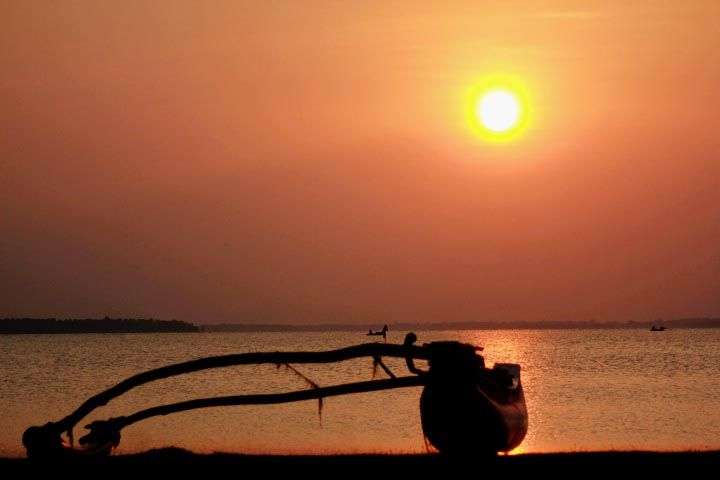
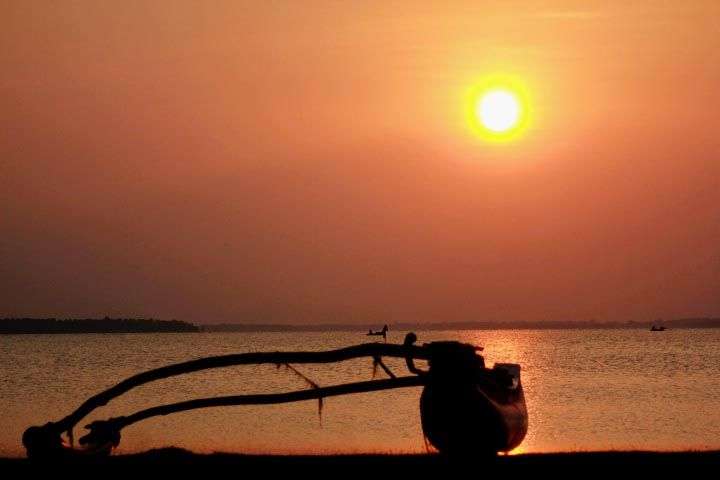
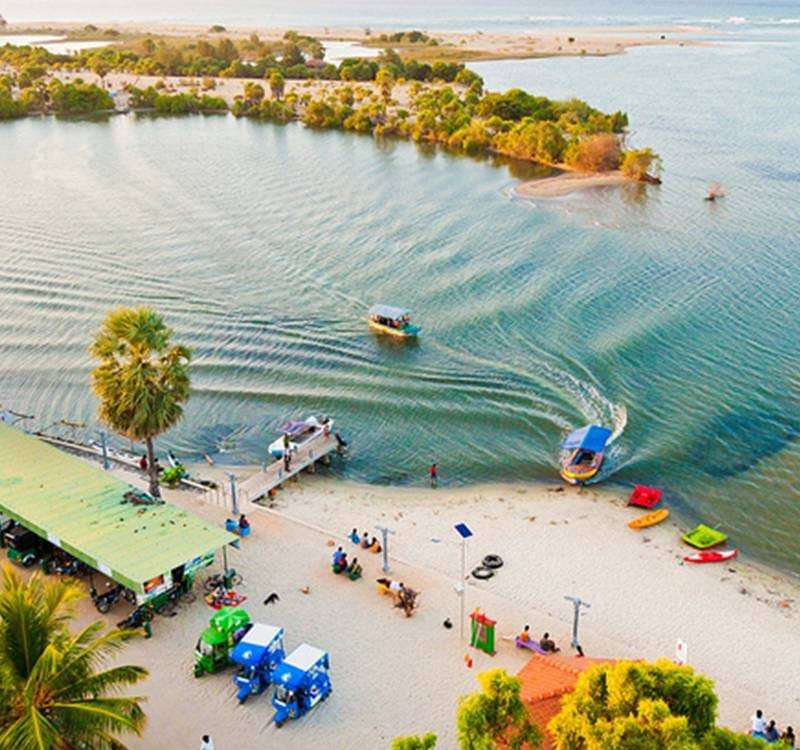
Batticalo Lagoon, situated on the eastern coast of Sri Lanka, is a mesmerizing natural wonder that enchants visitors with its diverse ecosystems, rich biodiversity, and fascinating cultural history. This brackish water lagoon is a haven for nature enthusiasts, history lovers, and adventure seekers alike. In this article, we will delve deep into the enchanting beauty of Batticalo Lagoon, exploring its unique features, ecological significance, cultural heritage, and much more.
The Location and Geography of Batticalo Lagoon

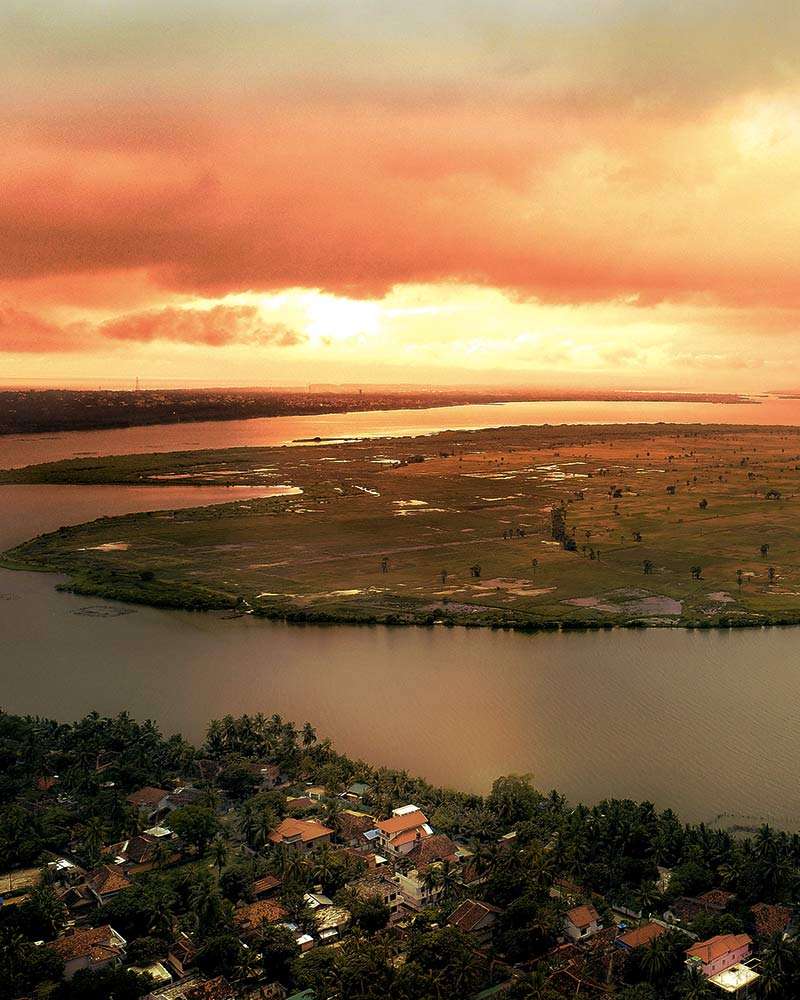
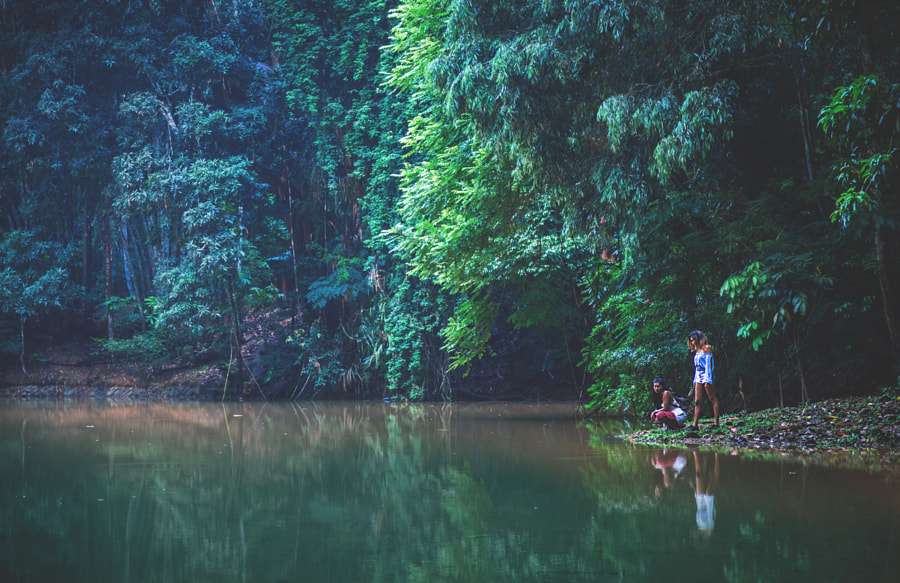
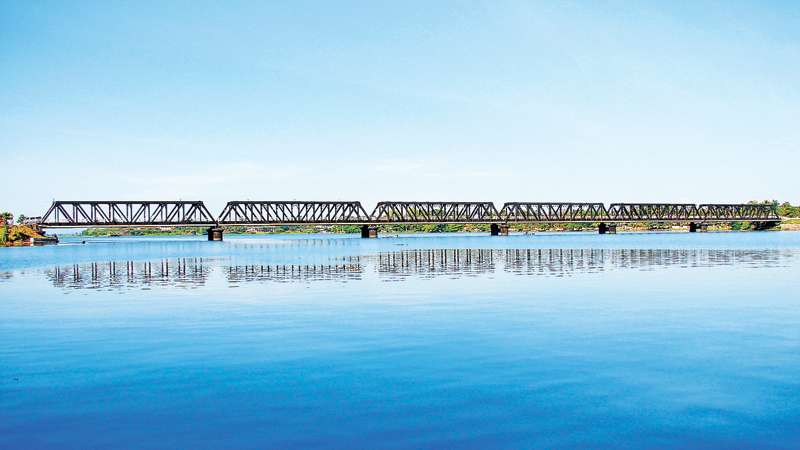
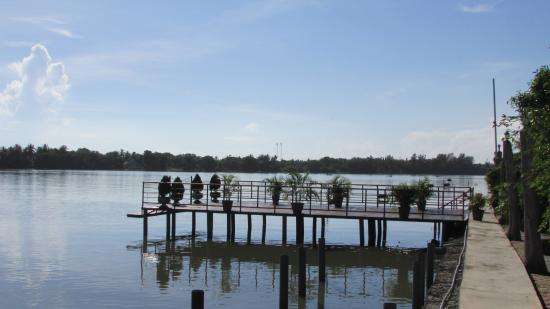
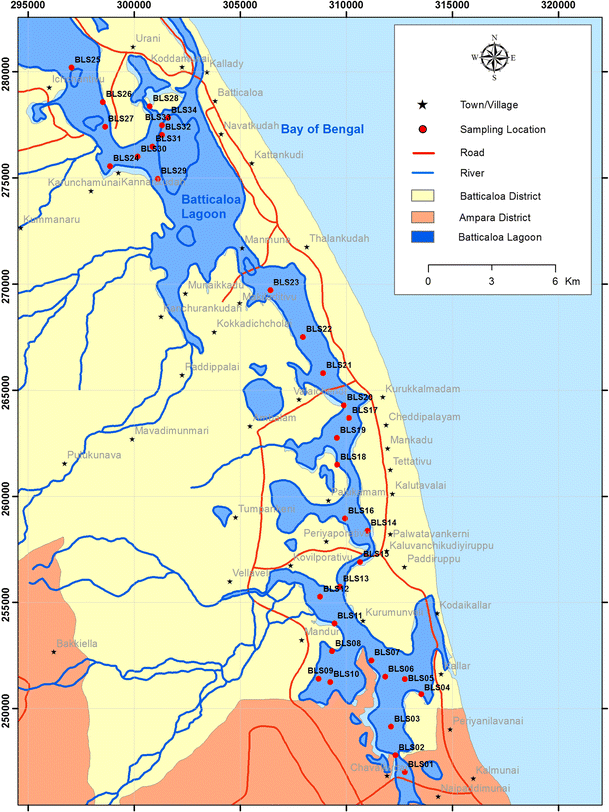
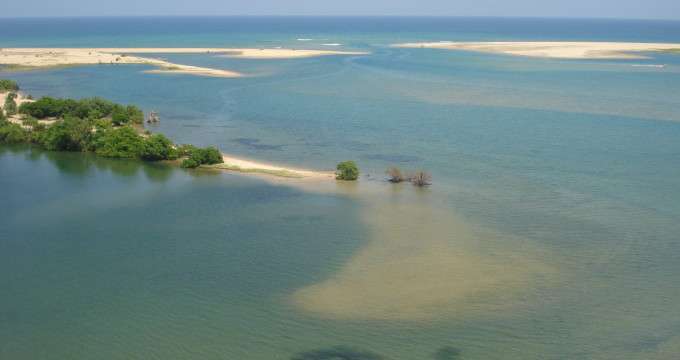
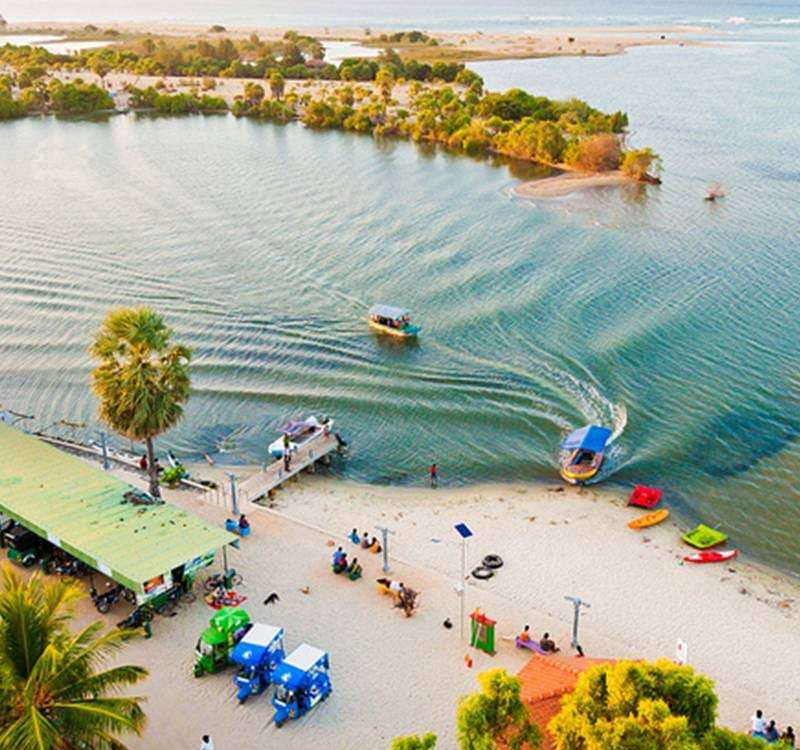
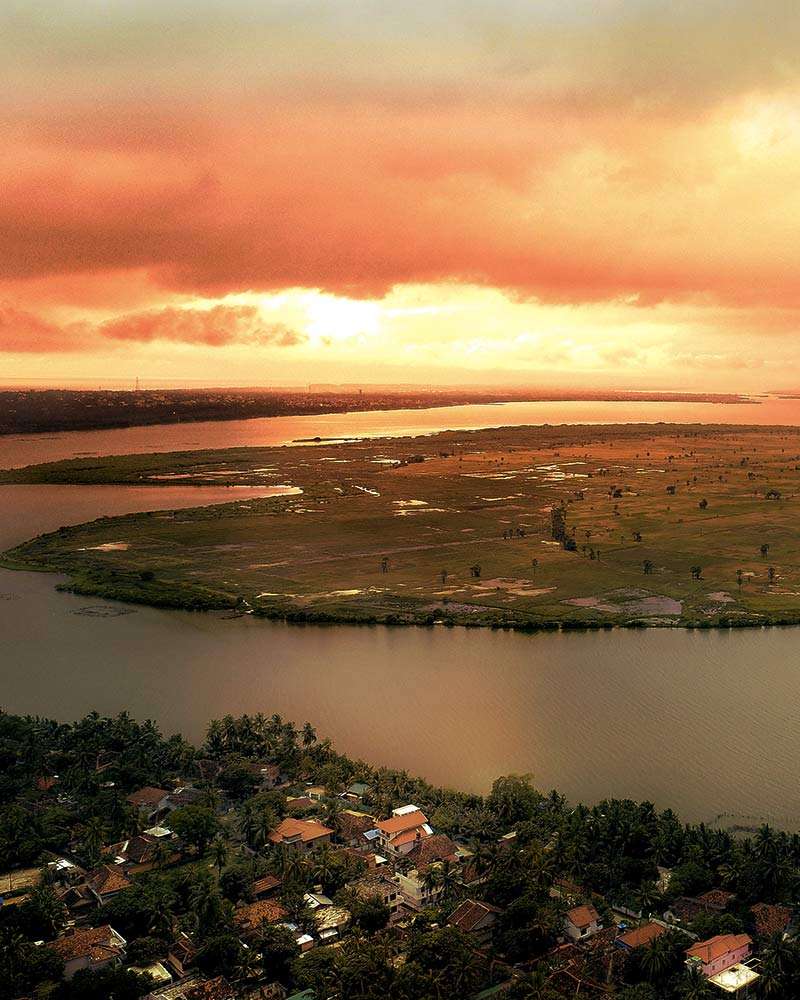
Batticalo Lagoon is located in the district of Batticaloa, on the eastern coast of Sri Lanka, adjacent to the sparkling waters of the Bay of Bengal. It covers a vast area and is separated from the ocean by a narrow strip of land, forming a serene and picturesque lagoon. The lagoon is fed by several small rivers and connected to the sea by narrow channels, creating a delicate balance between freshwater and saltwater.
Biodiversity and Ecosystem of Batticalo Lagoon

Flora and Fauna

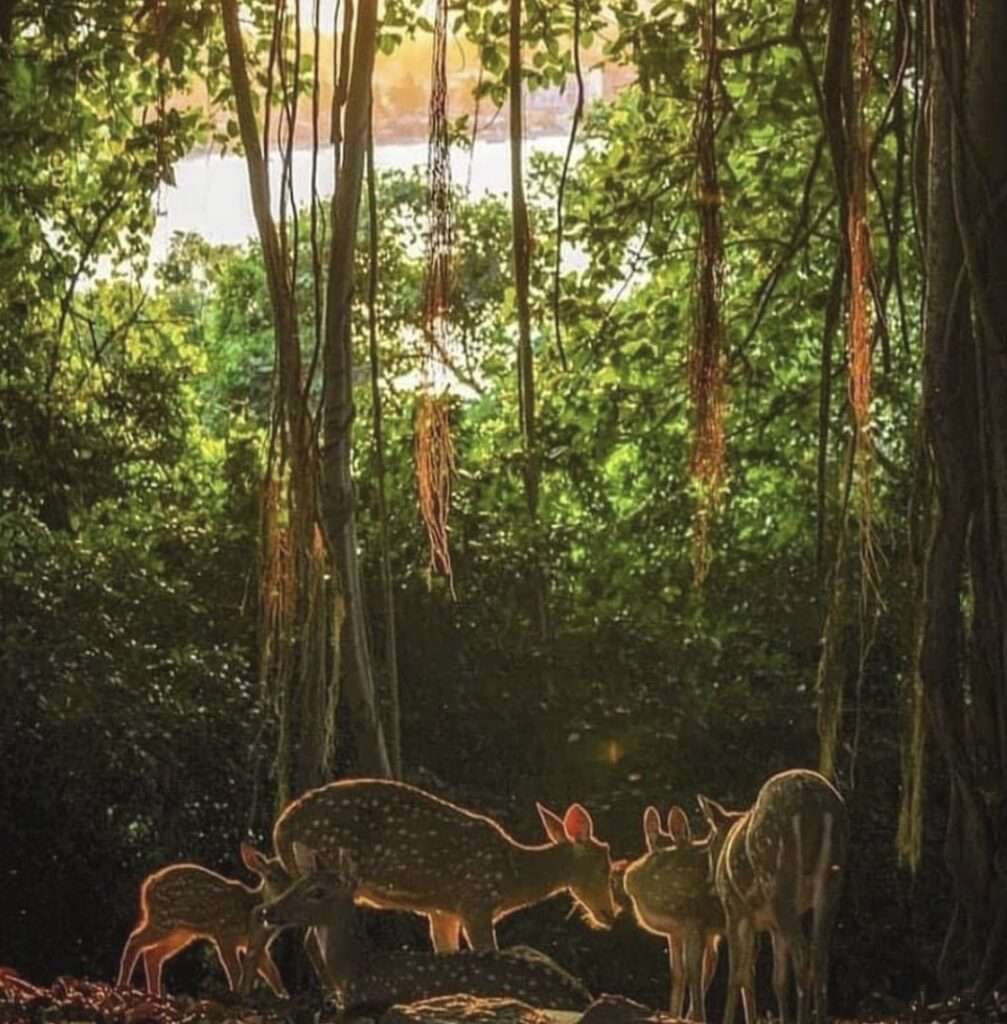
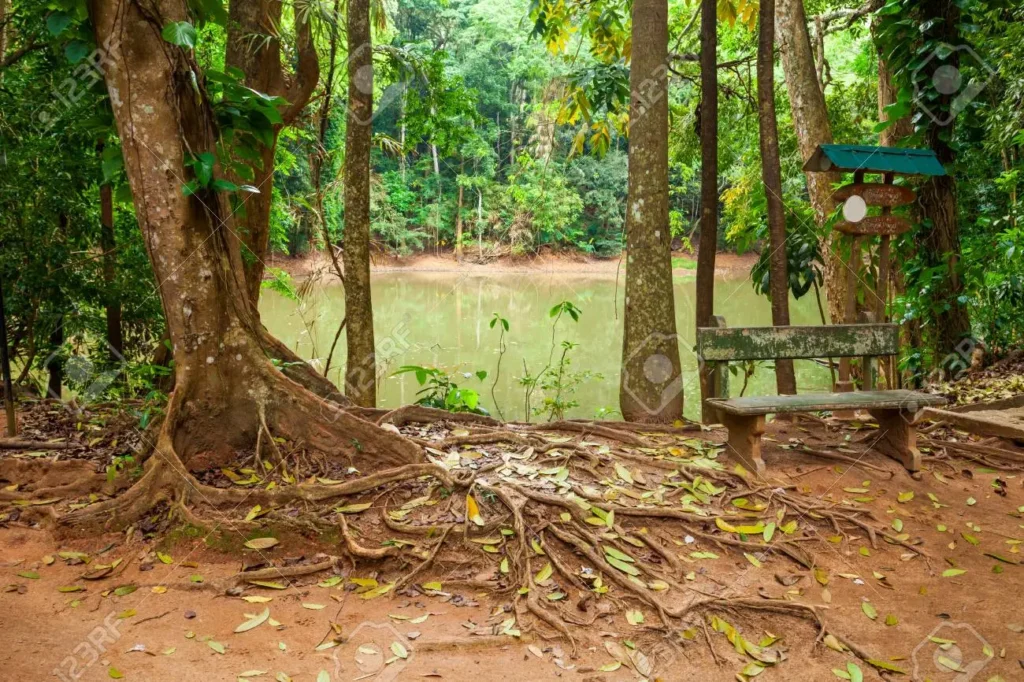
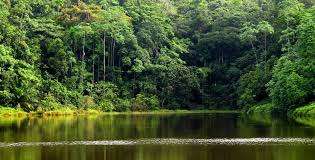
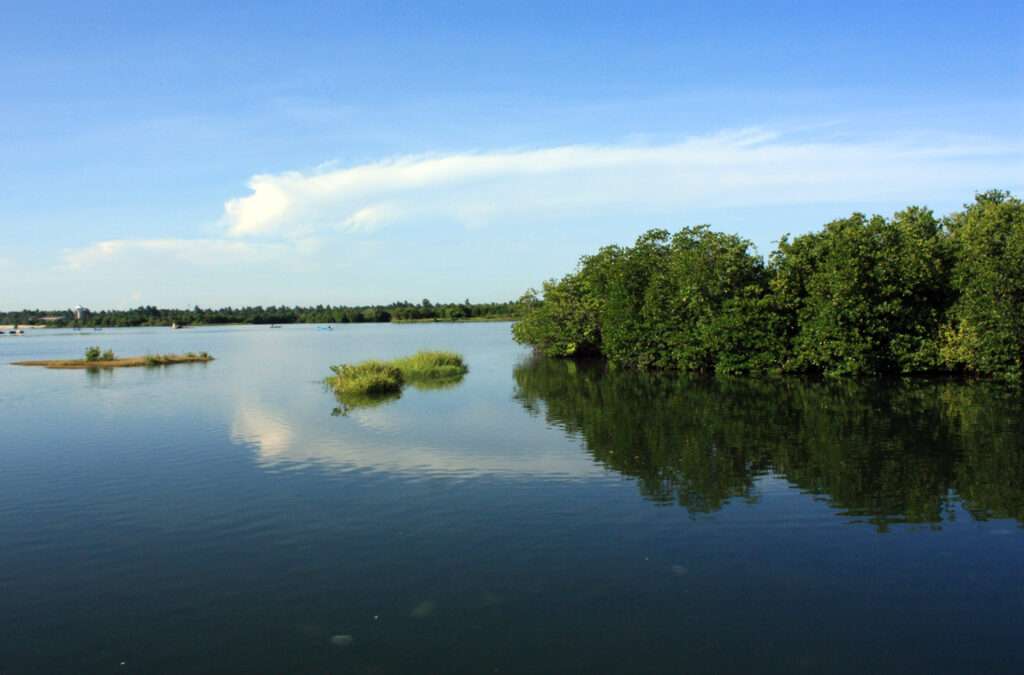
The lagoon’s ecosystem boasts an incredible variety of flora and fauna, making it a hotspot for biodiversity. The lush mangrove forests lining its shores provide a vital habitat for numerous species of plants and animals. From vibrant corals and seagrasses beneath the water’s surface to the canopy of mangroves above, the lagoon supports a delicate web of life.
Birdlife

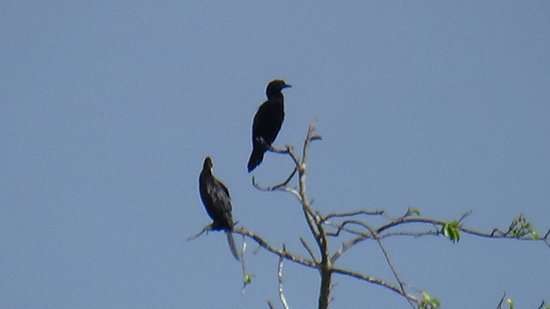
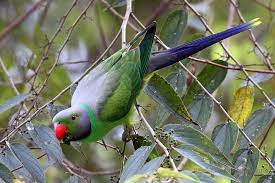
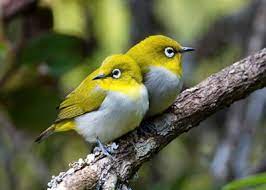
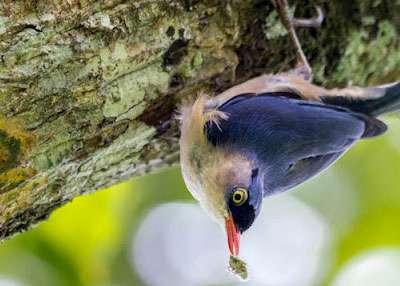
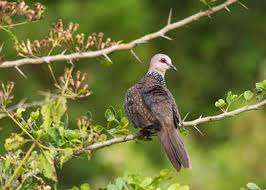
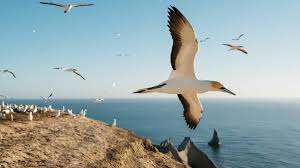
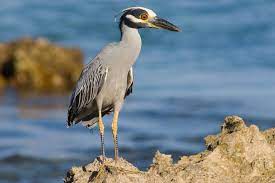
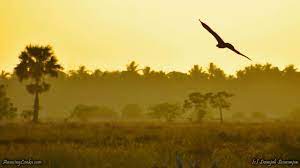
Batticalo Lagoon is a paradise for birdwatchers, as it serves as a migratory stopover for a plethora of avian species. Various migratory birds from distant lands make their temporary homes here, adding a kaleidoscope of colors to the landscape. Among the feathered residents are elegant herons, majestic eagles, and the rare sight of pink flamingos gracefully wading through the shallows.
Aquatic Life

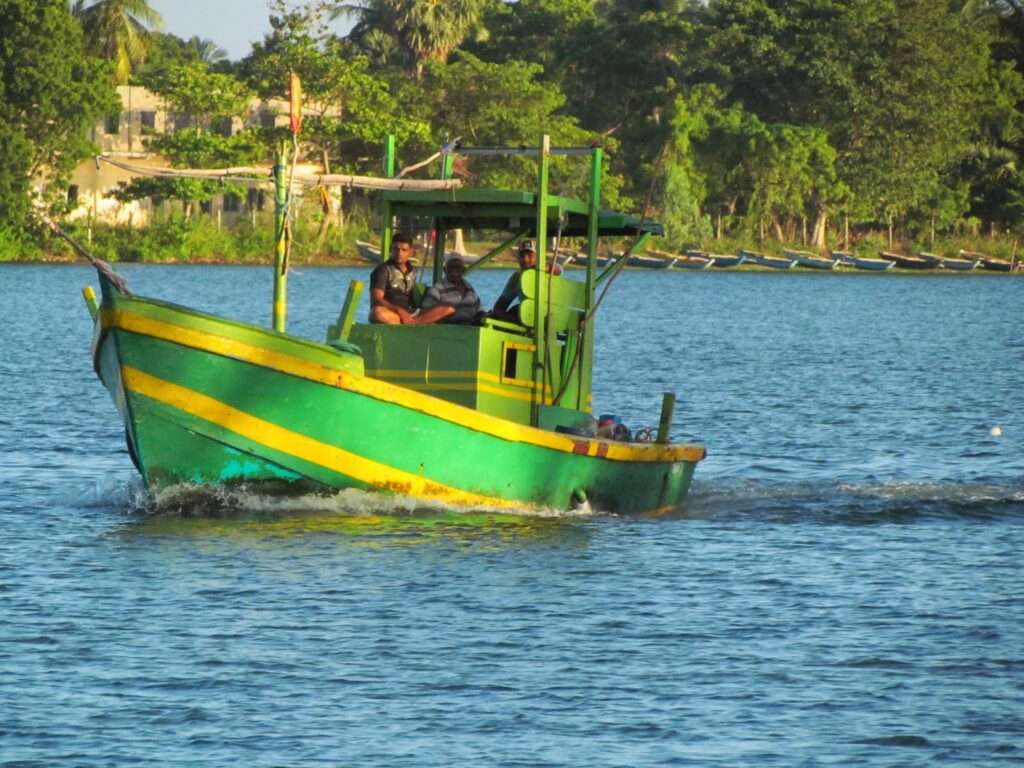
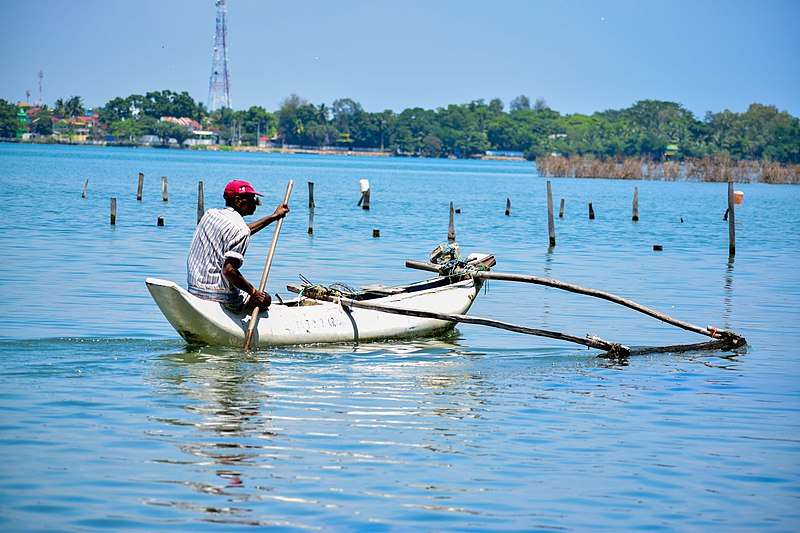
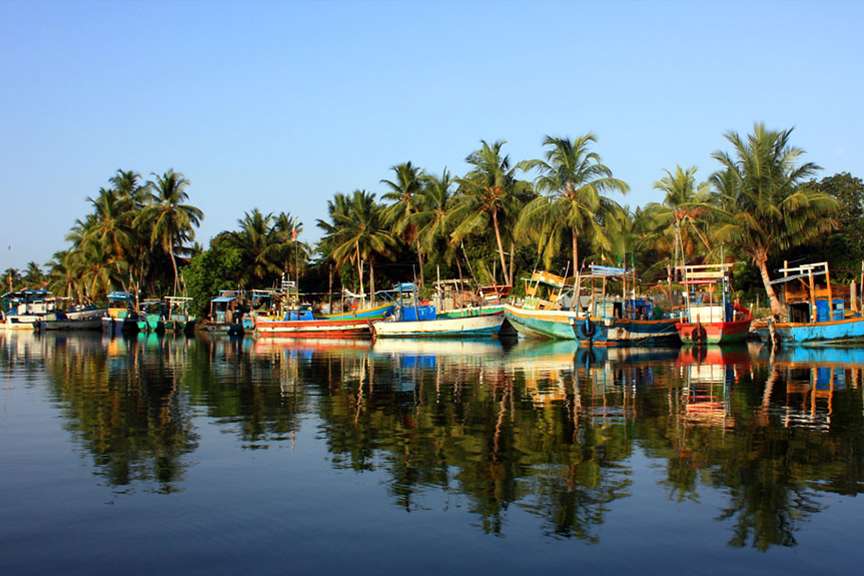
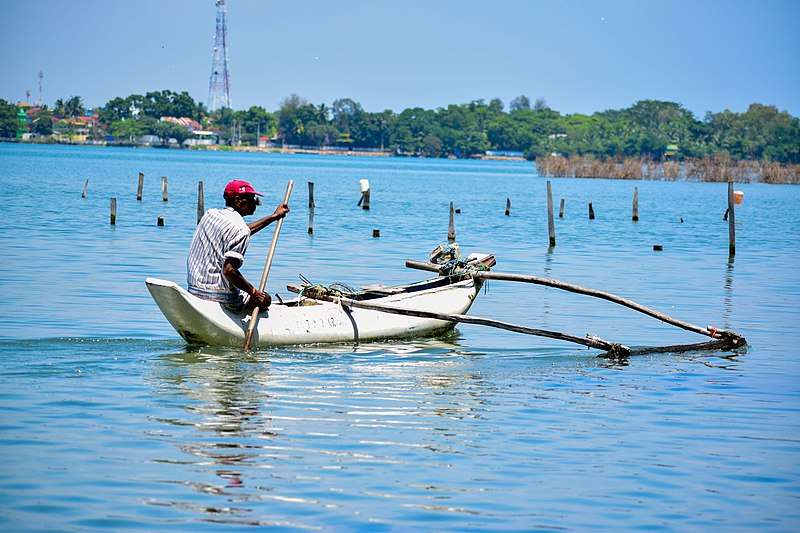
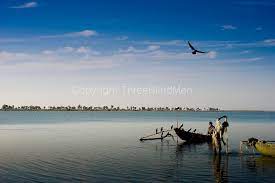
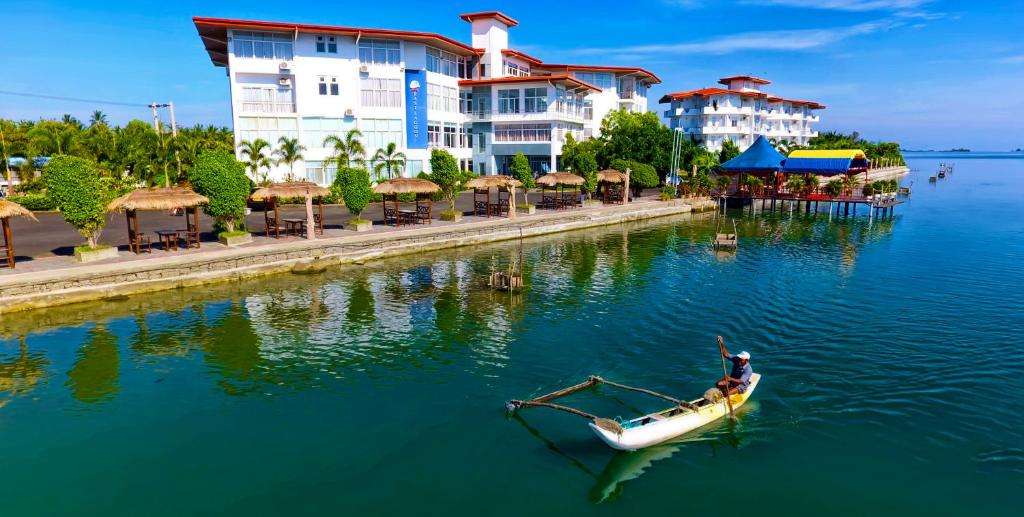
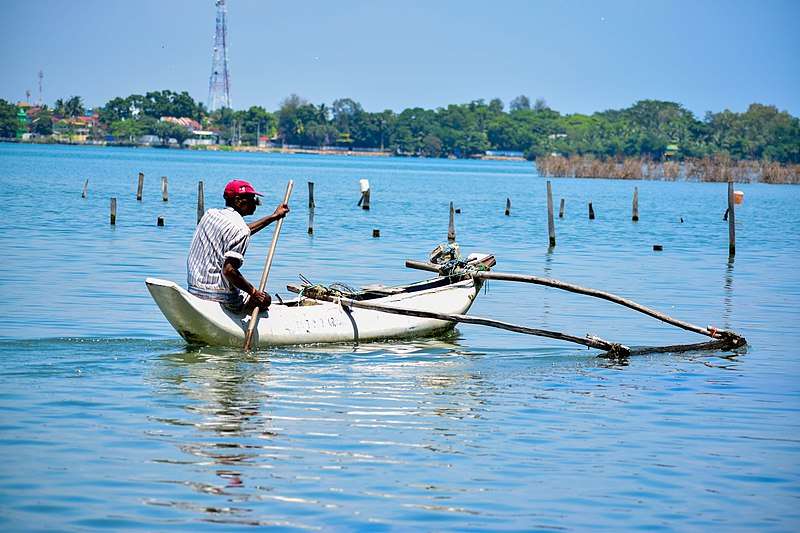
The lagoon’s waters are teeming with diverse aquatic life, including a variety of fish, crustaceans, and mollusks. Local fishermen rely on the lagoon’s abundance for their livelihoods, using traditional fishing techniques passed down through generations.
Cultural Significance and History of Batticalo Lagoon

Indigenous Communities

The area surrounding Batticalo Lagoon has been inhabited by indigenous communities for centuries. These communities have a deep-rooted connection to the lagoon and its resources, using sustainable practices to coexist with nature. Their cultural heritage is entwined with the lagoon’s existence, and they have fascinating stories and traditions to share.

Historical Events

Batticalo Lagoon has been a witness to various historical events that have shaped the region’s past. From colonial influences to ancient trade routes, the lagoon has played a significant role in the region’s history. Exploring the historical landmarks around the lagoon offers a glimpse into the area’s rich past.

Recreational Activities and Tourism

Boating and Canoeing

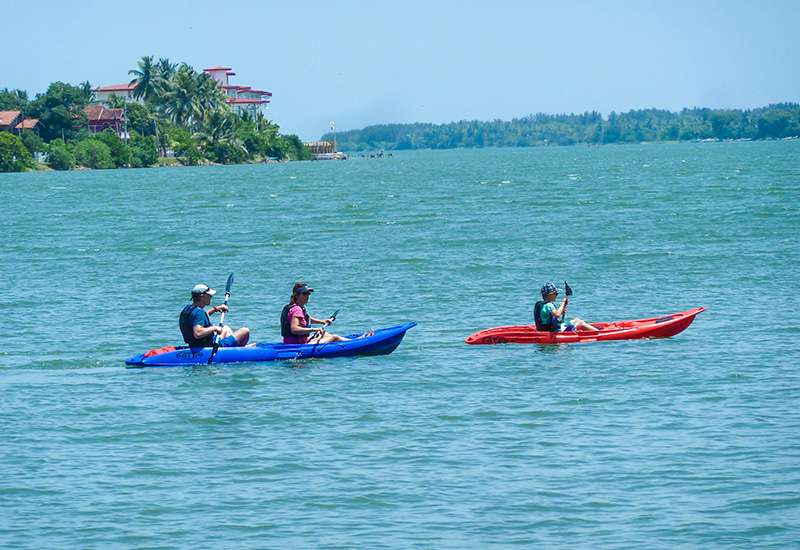
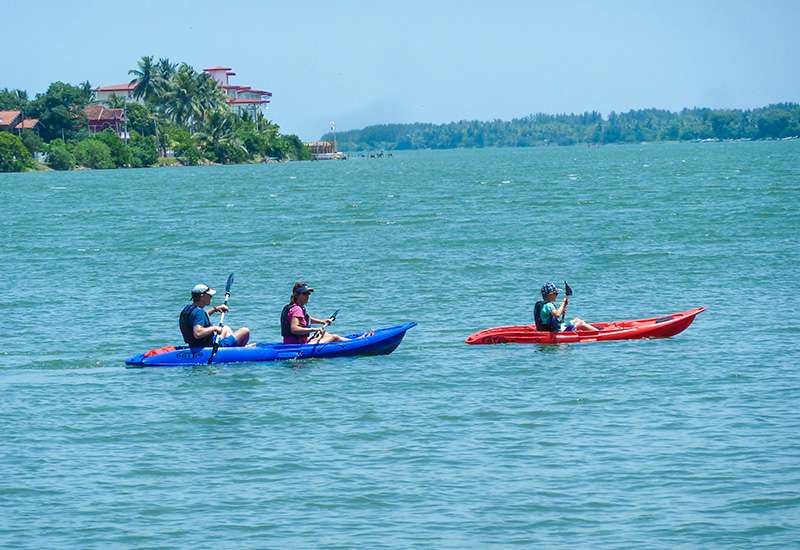
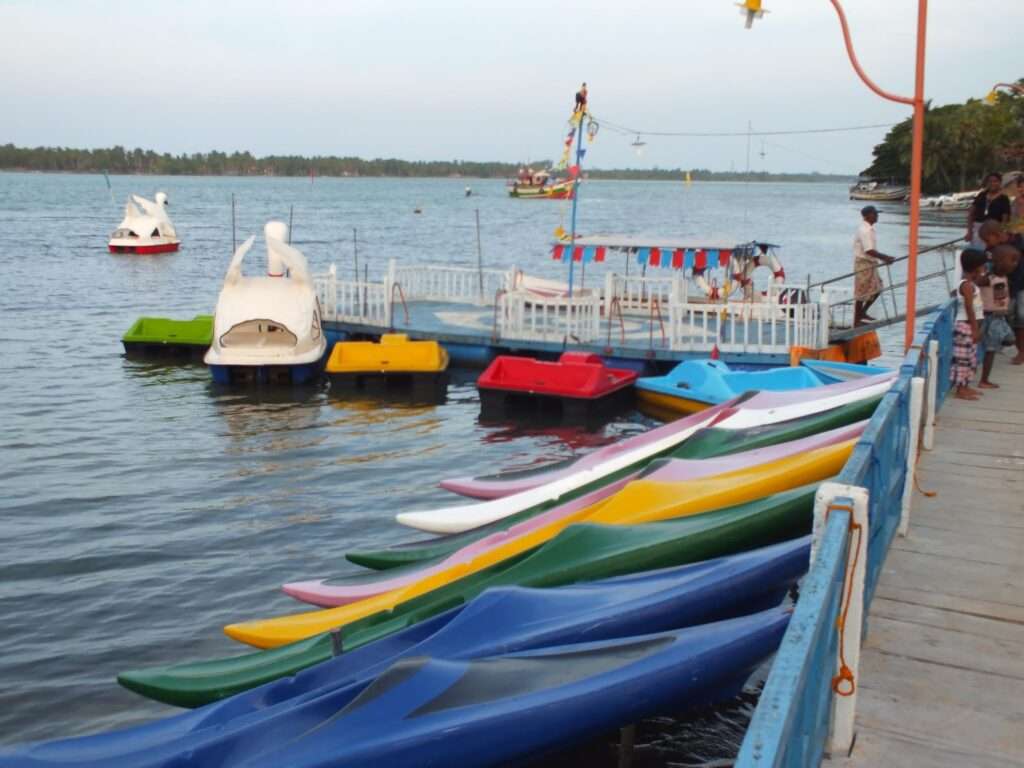
One of the best ways to experience the serenity of Batticalo Lagoon is by taking a boat or canoe ride across its calm waters. As you glide through the mangroves and witness the vibrant life around you, you will feel a profound connection with nature.
Wildlife Watching

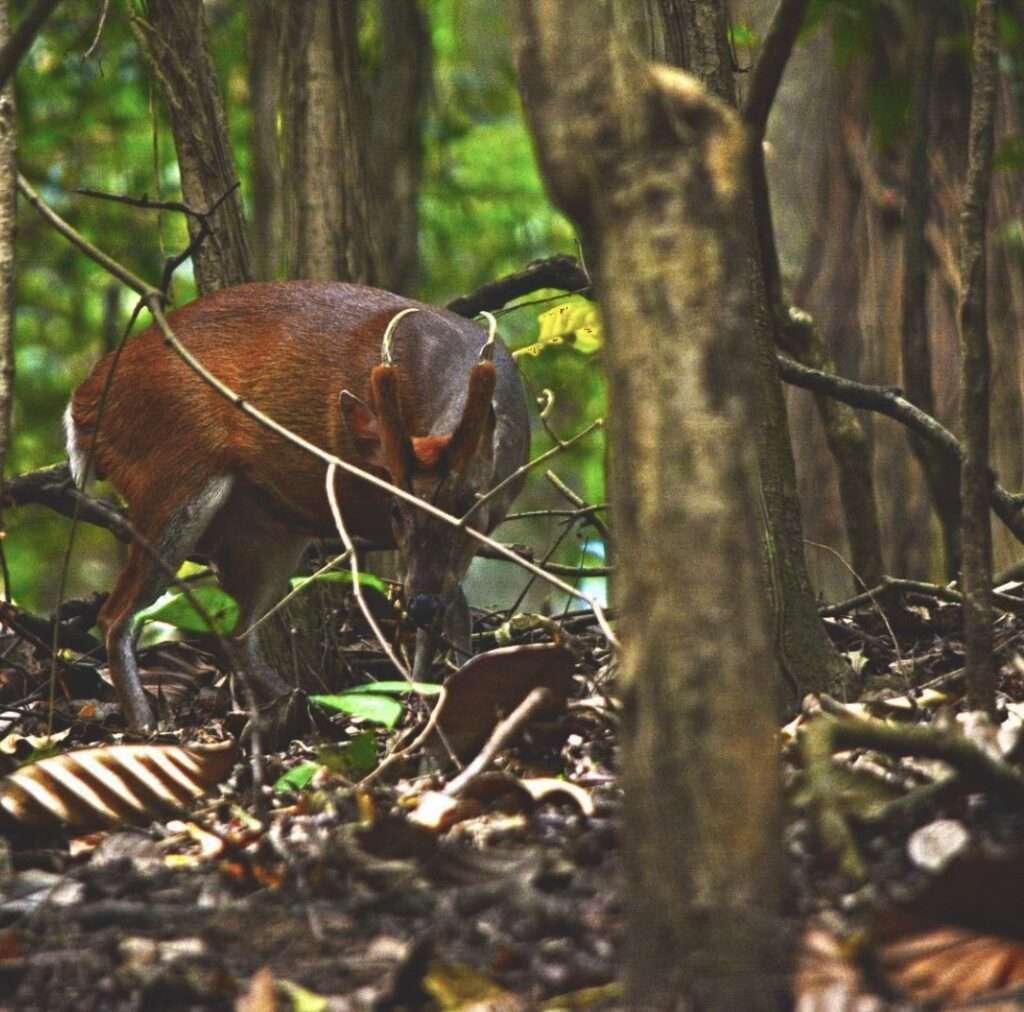
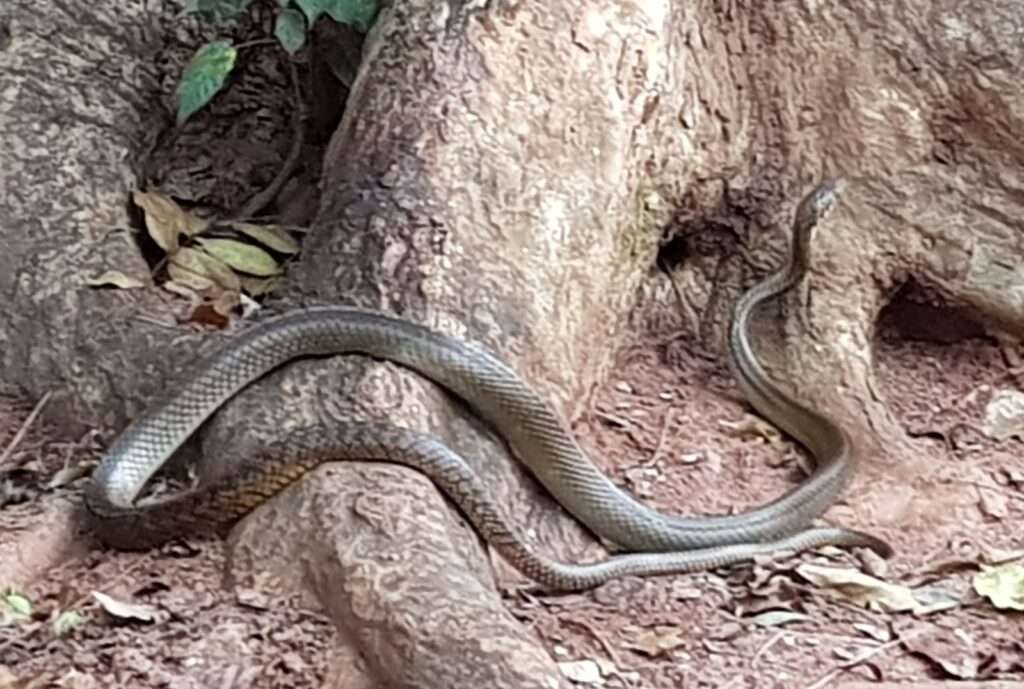
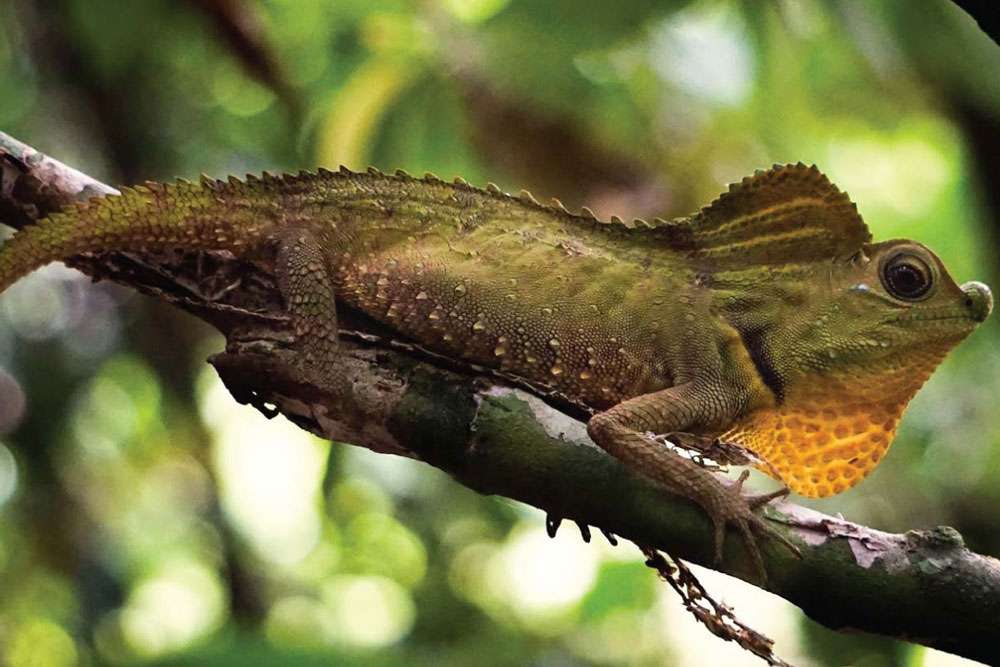
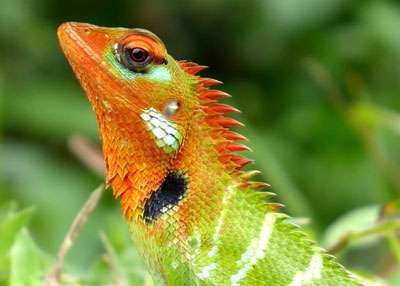
For wildlife enthusiasts, the lagoon offers a treasure trove of opportunities to spot fascinating creatures in their natural habitat. From elusive reptiles to exotic birds, a wildlife-watching expedition here is truly rewarding.

Cultural Tours

Embracing the local culture and traditions is an integral part of the Batticalo Lagoon experience. Guided cultural tours allow visitors to interact with the indigenous communities, participate in traditional activities, and savor authentic local cuisine.

Environmental Threats and Conservation Efforts
Pollution and Waste

Unfortunately, Batticalo Lagoon faces environmental threats from pollution and waste. Increased human activities and improper waste disposal have led to water pollution and habitat degradation, endangering the delicate balance of this unique ecosystem.

Climate Change Impact

Climate change poses a significant threat to Batticalo Lagoon and its surrounding communities. Rising sea levels and extreme weather events have the potential to disrupt the lagoon’s ecosystem and threaten the livelihoods of those dependent on it.
Conservation Initiatives

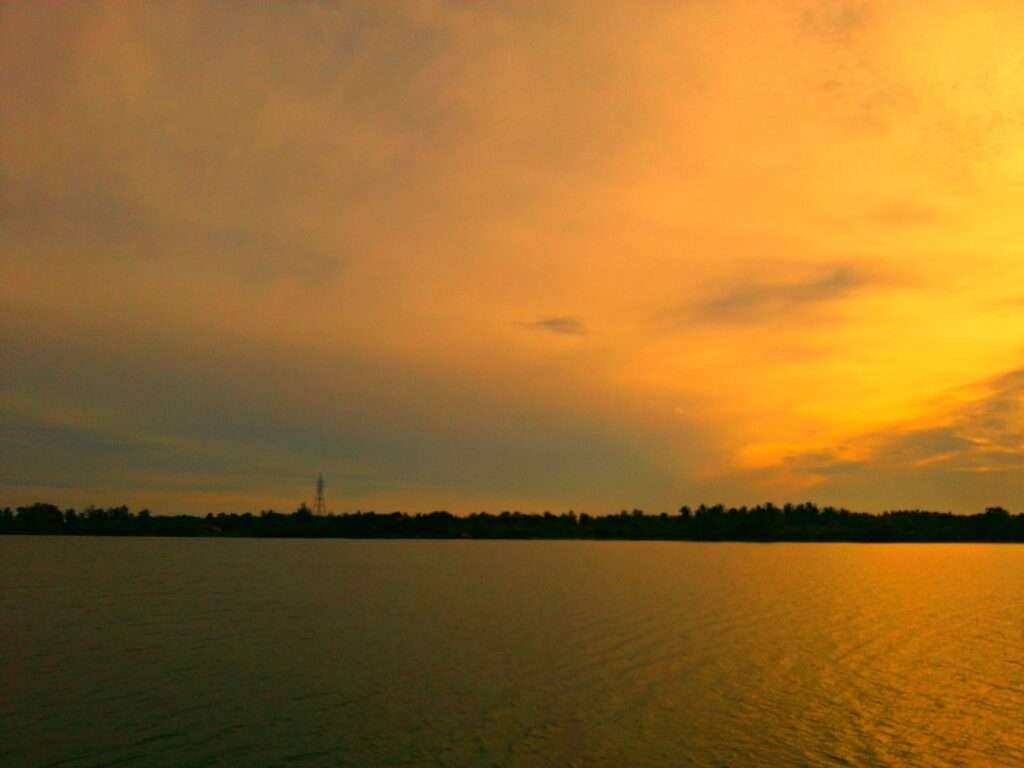
In response to these challenges, various conservation organizations and local communities have come together to protect and preserve Batticalo Lagoon. Efforts include regular cleanup drives, awareness campaigns, and sustainable tourism practices.

Economic Importance of Batticalo Lagoon

Fishing and Aquaculture

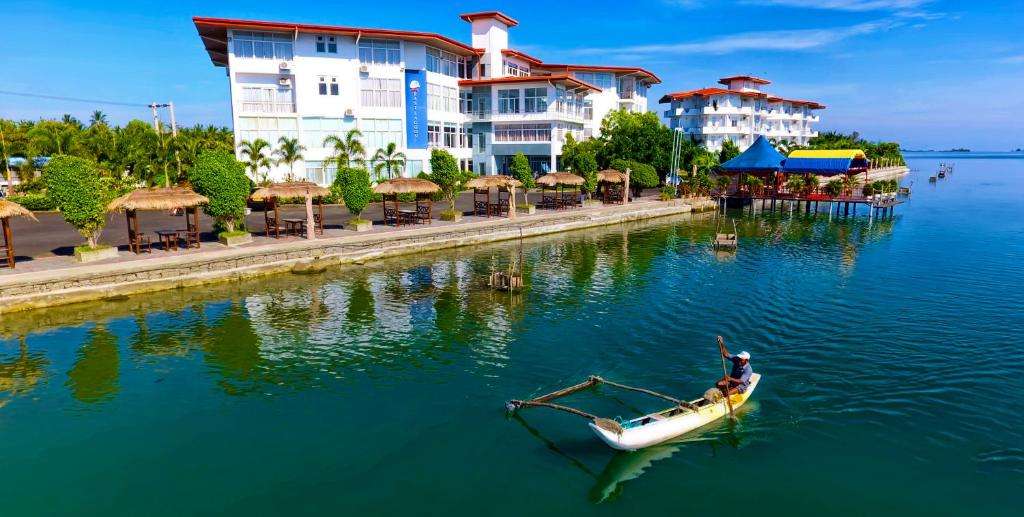
Fishing is a crucial economic activity for the people living around the lagoon. The abundant fish and prawns caught here not only support local consumption but also contribute to the region’s economy through exports.
Agriculture and Livelihood

The fertile soil around the lagoon enables agriculture to thrive, providing a source of livelihood for many locals. Rice paddies and vegetable gardens flourish, creating a vibrant agricultural landscape.

Conclusion

Batticalo Lagoon stands as a testament to the intrinsic link between nature and culture. Its breathtaking beauty and ecological significance make it a destination of immense value. However, preserving this fragile ecosystem requires collective responsibility and sustainable practices. By cherishing and protecting Batticalo Lagoon, we ensure that future generations can also revel in the splendor of this natural gem.

FAQs

  1. Is Batticalo Lagoon suitable for family visits?
    • Absolutely! Batticalo Lagoon offers a family-friendly environment with various recreational activities suitable for all ages.
  2. What is the best time to visit Batticalo Lagoon for birdwatching?
    • The best time for birdwatching is during the migratory season, which typically falls between November and March.
  3. Are there any restrictions on fishing in Batticalo Lagoon?
    • Yes, there are certain regulations in place to ensure sustainable fishing practices and protect the lagoon’s biodiversity.
  4. Can I participate in conservation efforts at Batticalo Lagoon as a tourist?
    • Yes, many conservation organizations welcome tourists who want to actively contribute to preserving the lagoon’s ecosystem.

SHARE

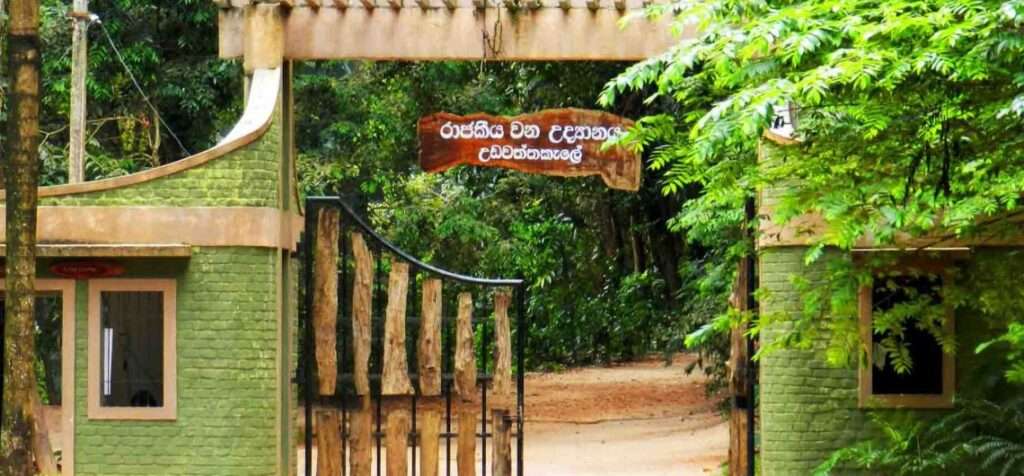
Udawatta Kele Sanctuary – The Green Haven in Sri Lanka

SHARE

Introduction

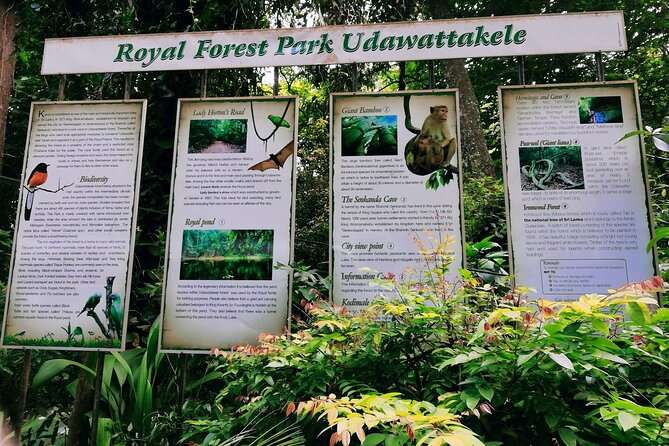
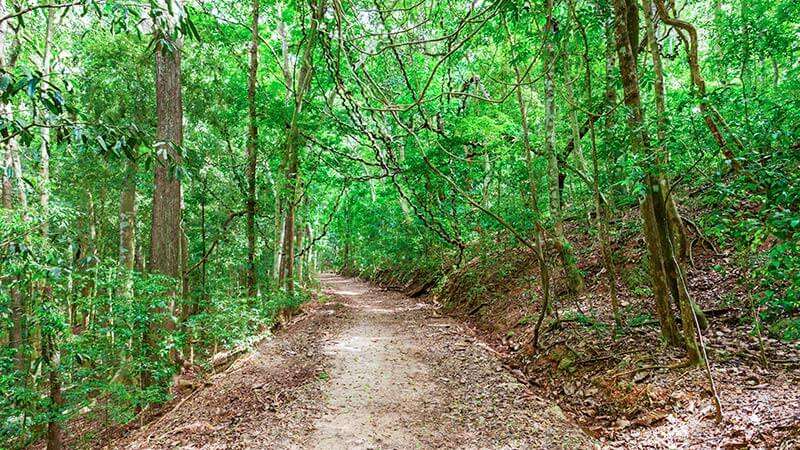
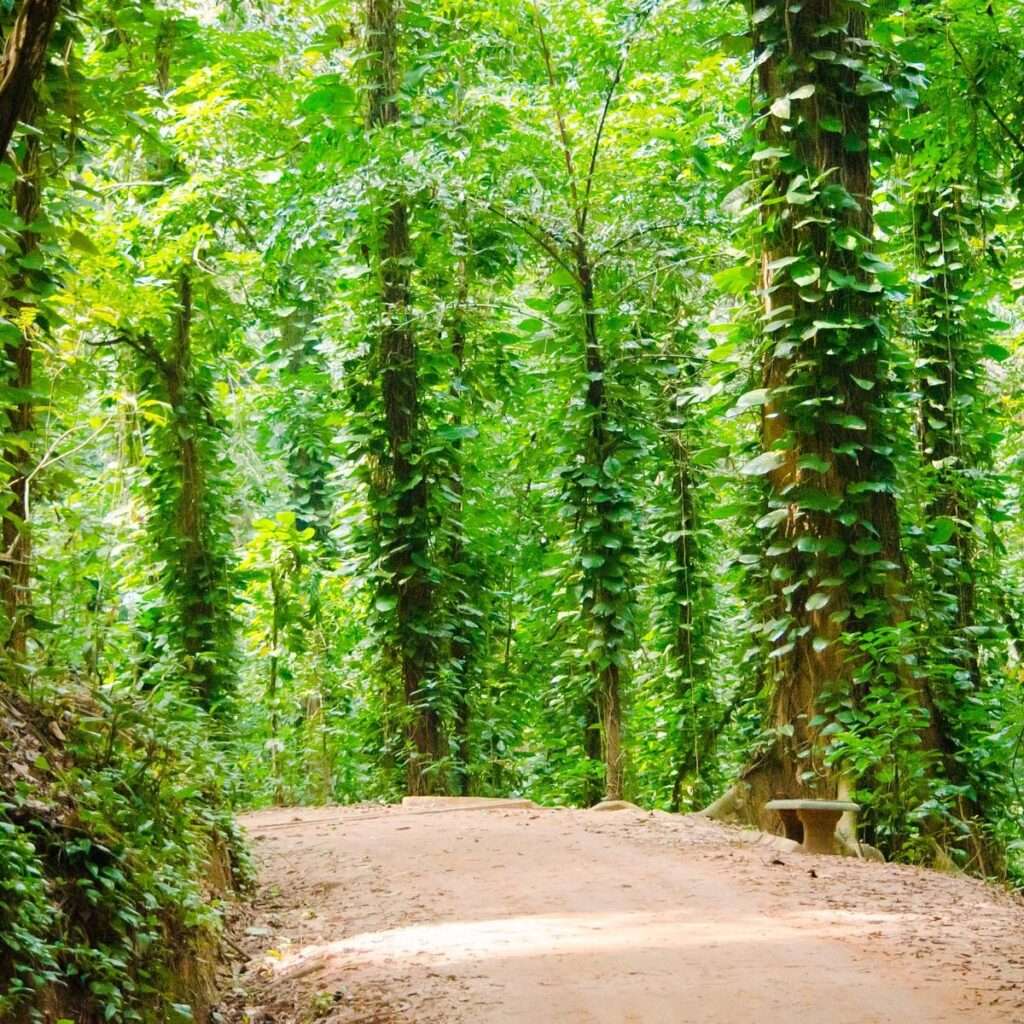
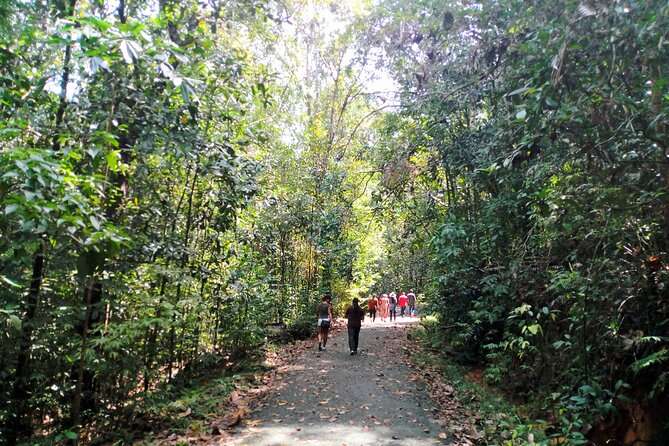
When it comes to exploring the breathtaking natural beauty of Sri Lanka, the Udawatta Kele Sanctuary in Kandy stands out as a must-visit destination. Located just a stone’s throw away from the bustling city center, this sanctuary offers a tranquil escape into the lap of nature. In this article, we will delve into the history, biodiversity, attractions, and conservation efforts of Udawatta Kele Sanctuary, providing you with all the information you need to plan an unforgettable visit.

1. History of Udawatta Kele Sanctuary

The Udawatta Kele Sanctuary has a rich historical background that dates back to ancient times. Originally used as a pleasure garden by the Kandyan kings, the sanctuary was later protected by the British colonial administration to preserve its natural splendor. Today, it stands as a testament to the harmonious coexistence of cultural heritage and ecological conservation.

2. The Lush Biodiversity

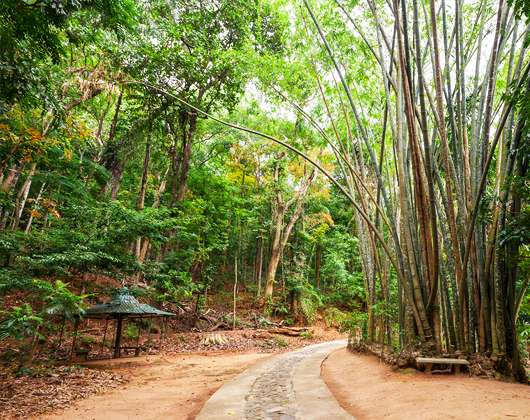
The sanctuary spans approximately 257 acres, encompassing a diverse range of flora and fauna. Towering tropical trees, vibrant orchids, and endemic plants paint a lush green canvas, providing a sanctuary for various wildlife species. Among the most notable inhabitants are colorful birds, elusive monkeys, and even occasional leopards, making it a paradise for nature enthusiasts and wildlife photographers.

3. Exploring the Trails

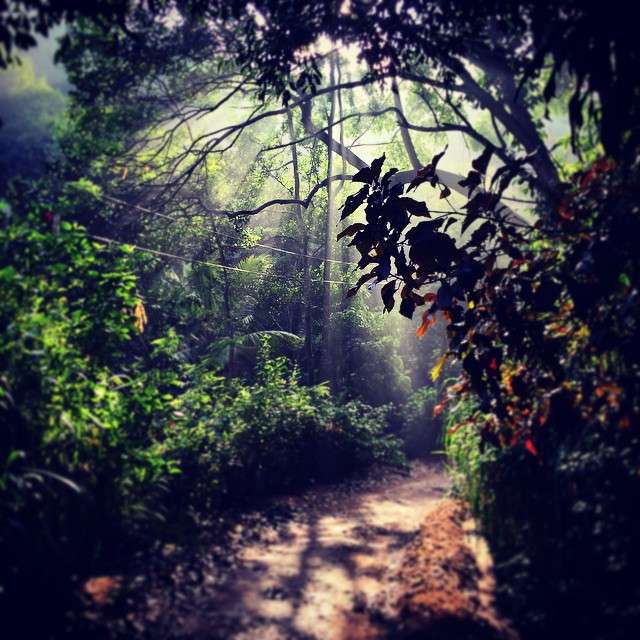
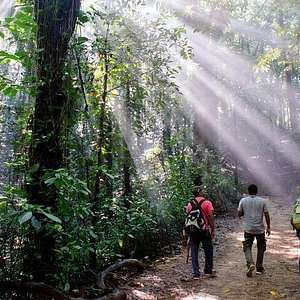
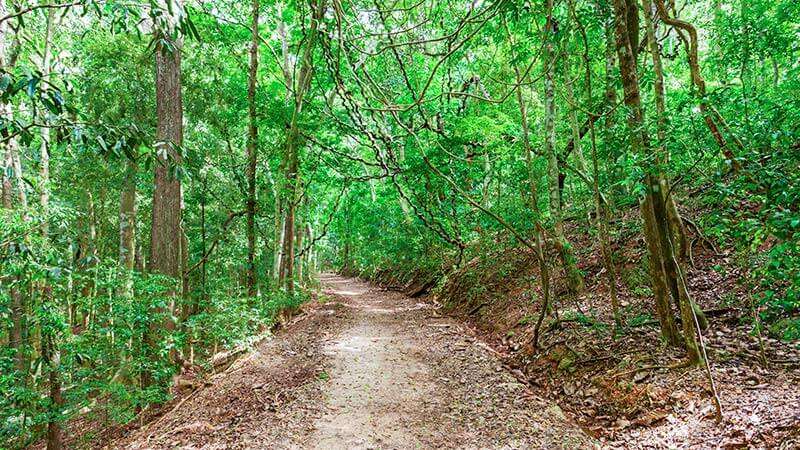
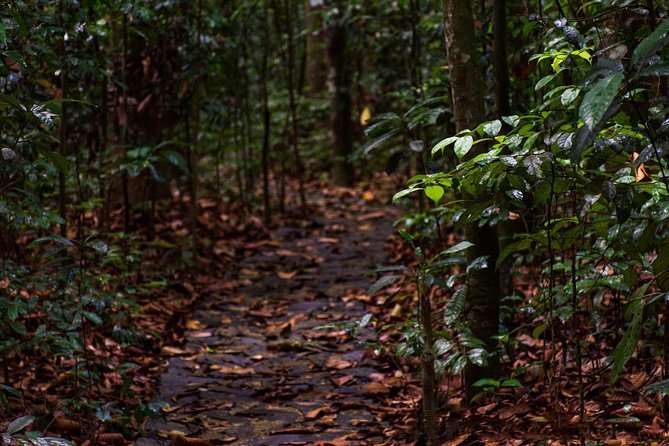
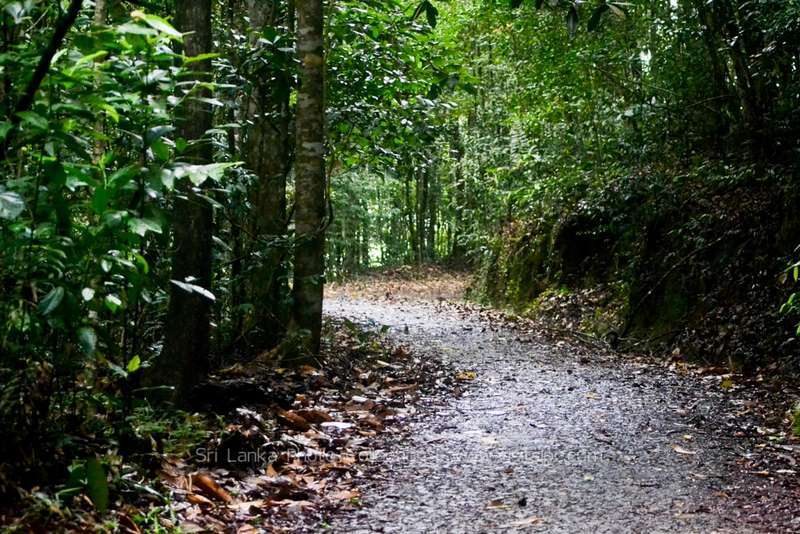
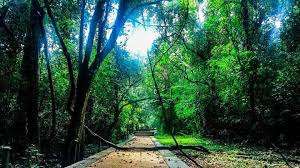
Udawatta Kele Sanctuary boasts a network of well-maintained trails that wind through the forested landscape. The trails cater to all levels of hikers, from easy walks to more challenging treks. Each trail leads to scenic viewpoints, ancient ruins, and natural ponds, allowing visitors to immerse themselves in the unspoiled beauty of the sanctuary.

4. Cultural and Historical Sites

Amidst the verdant greenery, Udawatta Kele conceals several ancient cultural and historical sites. The Nilkambo Oruwa (Silver Temple Boat) is a captivating sight, featuring a stone boat-shaped structure that was once used for religious rituals. The Senkada Cave Temple, adorned with intricate murals and Buddha statues, is another treasure hidden within the sanctuary.

5. Conservation and Sustainability

Preserving the ecological balance of Udawatta Kele Sanctuary is of utmost importance. Local authorities and conservationists have undertaken significant efforts to protect and nurture the diverse ecosystem within its boundaries. Eco-friendly initiatives, such as waste management and sustainable tourism practices, contribute to the long-term preservation of this natural wonder.

6. A Picturesque Picnic Spot

For visitors seeking relaxation and tranquility, Udawatta Kele Sanctuary offers an ideal spot for picnics. The serene ambiance, fresh air, and the soothing sounds of nature create an unforgettable setting for a peaceful day with loved ones.

7. Best Time to Visit

The best time to explore Udawatta Kele Sanctuary is during the dry season, which runs from December to April. During this period, the weather is pleasant, and the chances of spotting wildlife are higher as they gather around the water sources.

8. Nearby Attractions

Kandy, the bustling city that surrounds the sanctuary, offers various other attractions for visitors. The Temple of the Sacred Tooth Relic, Kandy Lake, and the Royal Botanical Gardens in Peradeniya are just a few places that you can explore during your trip to this region.

9. Conclusion

In conclusion, Udawatta Kele Sanctuary in Kandy is a hidden gem waiting to be discovered. Its lush greenery, diverse wildlife, and cultural treasures make it a remarkable destination for nature lovers, history enthusiasts, and anyone seeking an enriching experience. By embracing sustainable practices and preserving its natural beauty, this sanctuary continues to captivate the hearts of all who venture into its embrace.

FAQs

1. Can I spot leopards within the sanctuary? While leopards are occasionally sighted in Udawatta Kele, they are elusive creatures and not commonly seen.

2. Are the trails suitable for families with young children? Yes, the sanctuary offers trails of varying difficulty levels, making it suitable for families with young children.

3. Is there an entrance fee to visit Udawatta Kele Sanctuary? Yes, there is a nominal entrance fee for visitors, and the proceeds go towards conservation efforts.

4. Are guided tours available within the sanctuary? Yes, guided tours are available, and they provide valuable insights into the sanctuary’s history and biodiversity.

5. Can I bring my own food for a picnic in the sanctuary? Yes, visitors are welcome to bring their own food for a delightful picnic amidst nature’s splendor.


SHARE

The Kanneliya Rainforest – Biodiversity Hotspot in Sri Lanka

SHARE

Table of Contents

  1. Introduction
  2. The Biodiversity of Kanneliya Rainforest
  3. Importance of Kanneliya Rainforest
  4. Flora and Fauna in Kanneliya Rainforest
  5. Threats and Conservation Efforts
  6. Exploring Kanneliya Rainforest: Eco-Tourism Opportunities
  7. Unique Features of Kanneliya Rainforest
  8. The Kanneliya Rainforest Canopy Walk
  9. Best Time to Visit Kanneliya Rainforest
  10. How to Reach Kanneliya Rainforest
  11. Tips for a Memorable Visit
  12. Accommodation Options Near Kanneliya Rainforest
  13. Experiencing Wildlife in Kanneliya Rainforest
  14. Kanneliya Rainforest and Traditional Medicine
  15. Conclusion
  16. FAQs

Introduction

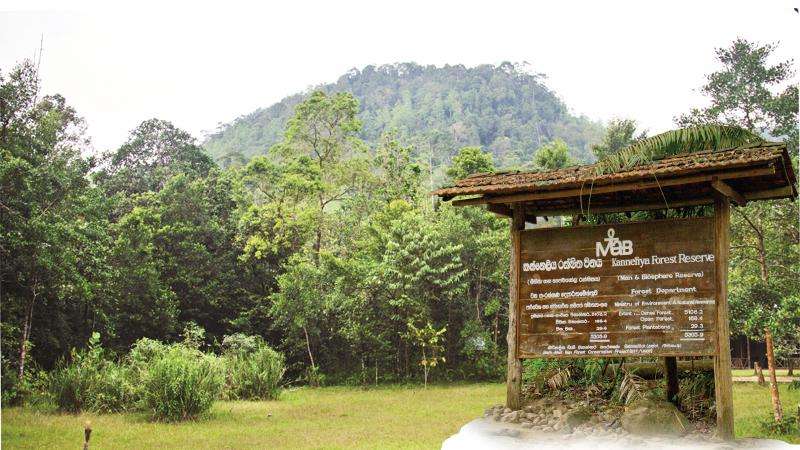
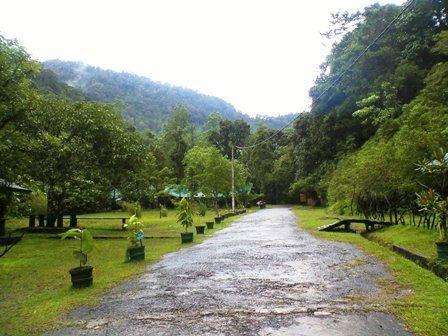
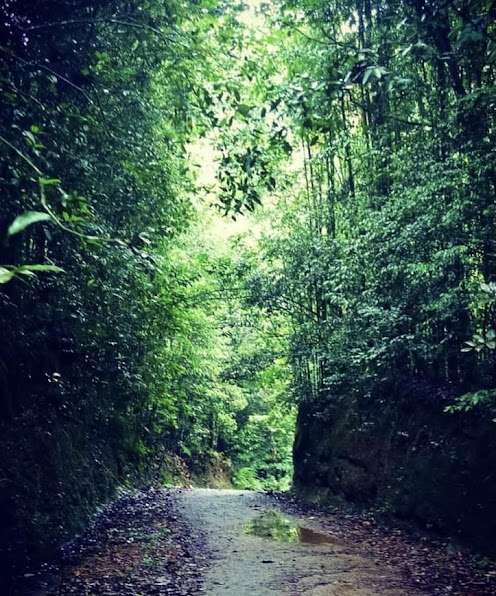
Nestled in the lush landscape of southern Sri Lanka, Kanneliya Rainforest stands as a testament to the island’s rich biodiversity. This pristine rainforest, often referred to as a hidden gem, is teeming with a wide array of flora and fauna, making it a paradise for nature enthusiasts, researchers, and eco-tourists alike. In this article, we will delve into the wonders of Kanneliya Rainforest, exploring its ecological significance, unique features, conservation efforts, and the captivating experiences it offers.

The Biodiversity of Kanneliya Rainforest

Kanneliya Rainforest, part of the larger Kanneliya-Dediyagala-Nakiyadeniya (KDN) forest complex, is renowned for its incredible biodiversity. With its roots dating back over 120 million years, this rainforest has evolved into a haven for a myriad of plant and animal species, some of which are endemic to Sri Lanka. The unique geographical location and favorable climatic conditions have fostered the growth of diverse ecosystems, making Kanneliya a hotspot for researchers seeking to unravel the secrets of its ancient origins.

Importance of Kanneliya Rainforest

Beyond its ecological significance, Kanneliya Rainforest plays a crucial role in maintaining the ecological balance of the region. The forest acts as a natural barrier, protecting nearby villages and towns from soil erosion, floods, and other natural calamities. Additionally, Kanneliya serves as a carbon sink, absorbing vast amounts of carbon dioxide, which contributes to mitigating the effects of climate change.

Flora and Fauna in Kanneliya Rainforest

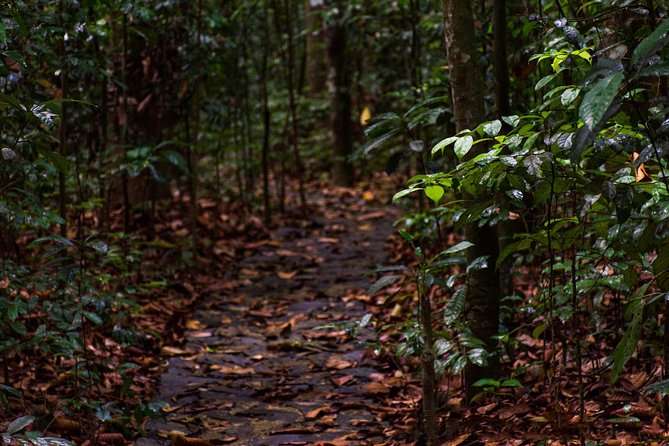
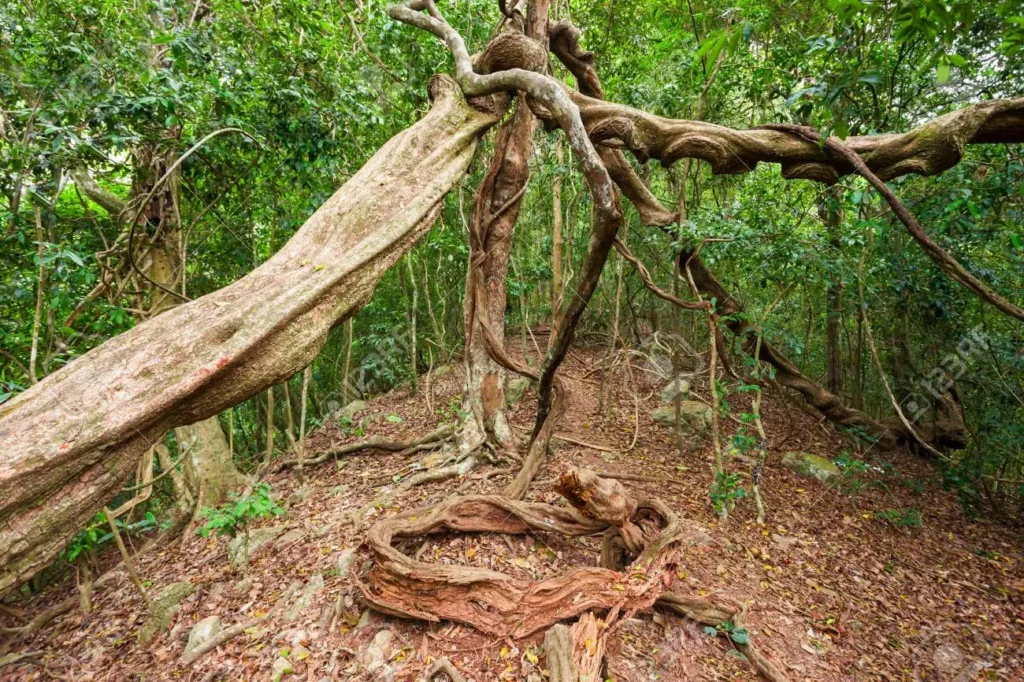
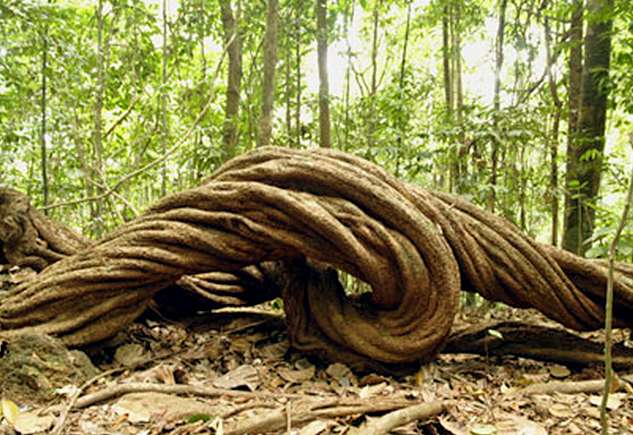
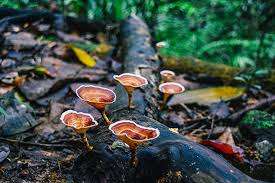
Venturing into Kanneliya Rainforest reveals a breathtaking display of plant life, including towering trees, exotic orchids, and rare medicinal herbs. The forest canopy, alive with the symphony of bird calls and the chirping of insects, shelters an array of wildlife species. Elephants, leopards, and various monkey species roam freely in their natural habitat, while colorful butterflies and endemic bird species flit gracefully through the treetops.

Threats and Conservation Efforts

Despite its ecological importance, Kanneliya Rainforest faces various threats, primarily from human activities. Illegal logging, encroachment, and habitat destruction pose significant challenges to the delicate ecosystem. However, numerous conservation initiatives led by governmental and non-governmental organizations strive to protect and preserve this natural wonder. Community-based conservation projects have also played a vital role in creating awareness and involving local communities in safeguarding their precious heritage.
Exploring Kanneliya Rainforest: Eco-Tourism Opportunities

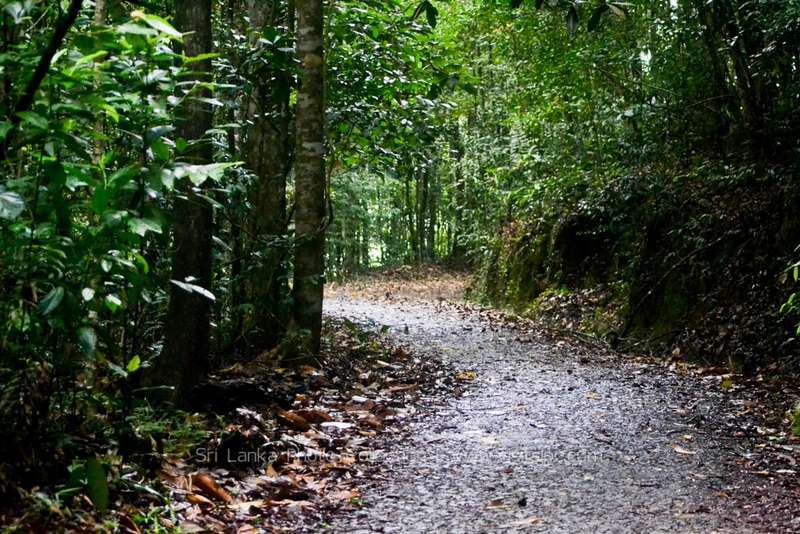
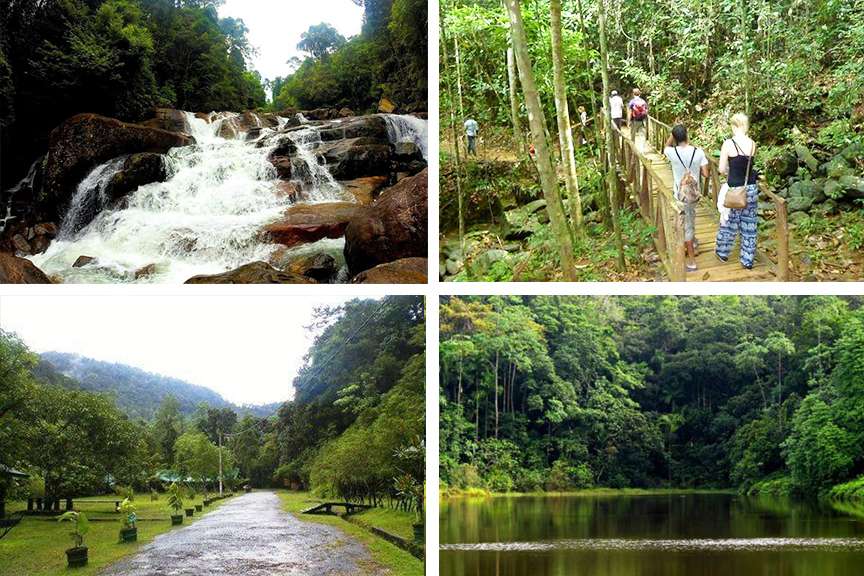
For the intrepid traveler seeking an unforgettable experience, Kanneliya Rainforest offers a range of eco-tourism opportunities. Guided nature walks, birdwatching excursions, and wildlife safaris provide visitors with a chance to immerse themselves in the wonders of the rainforest. The famed canopy walk allows one to walk amidst the treetops, offering a unique perspective of the forest’s intricate ecosystem.

Unique Features of Kanneliya Rainforest

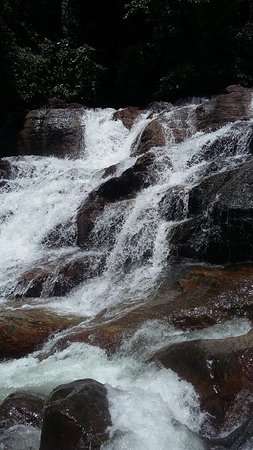
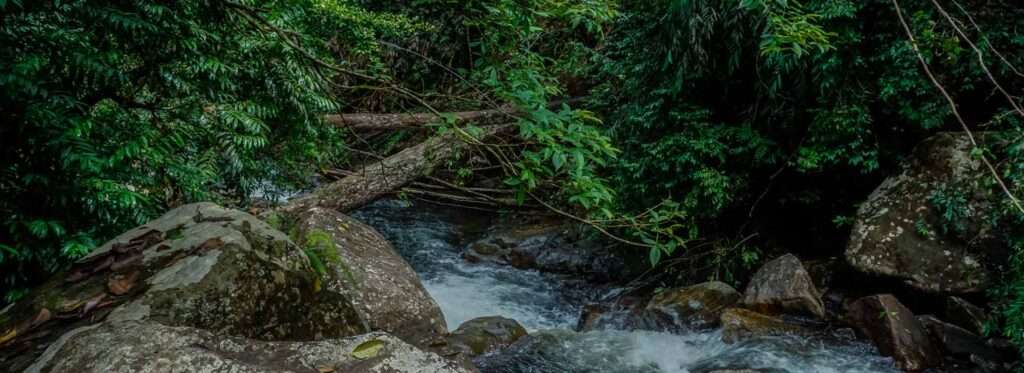
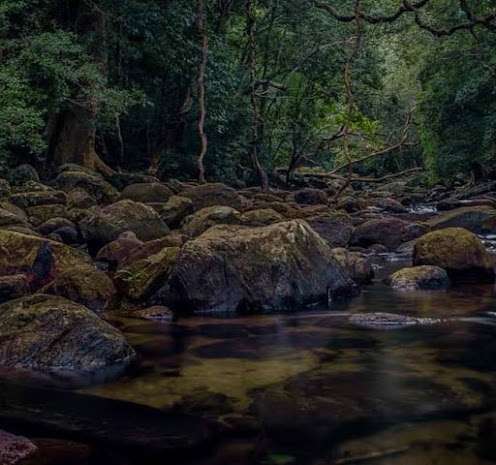
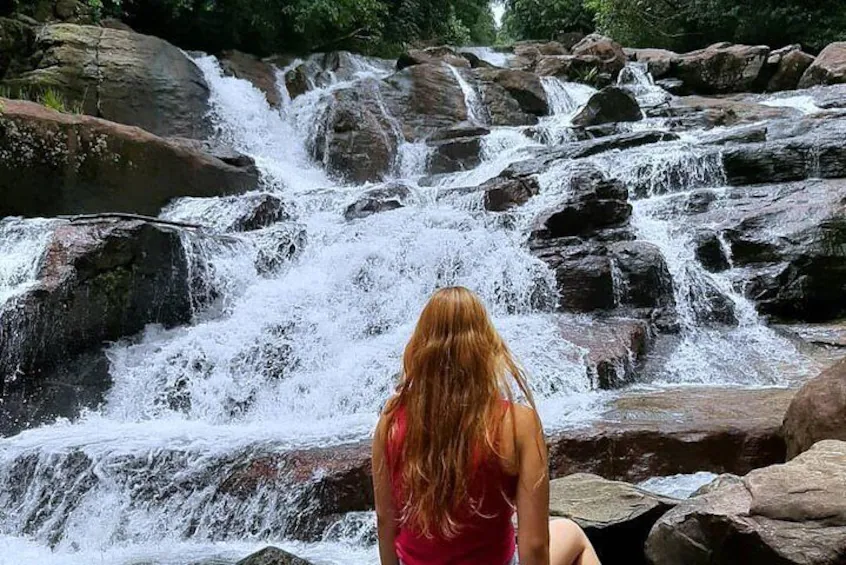
Kanneliya Rainforest distinguishes itself with its striking characteristics. One notable feature is its abundance of natural streams and cascading waterfalls, providing a refreshing respite for both wildlife and visitors. The forest’s dense vegetation and well-preserved landscapes evoke a sense of timelessness, transporting visitors to a prehistoric era.

The Kanneliya Rainforest Canopy Walk

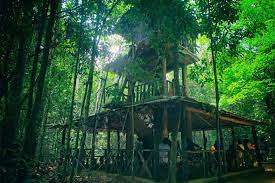
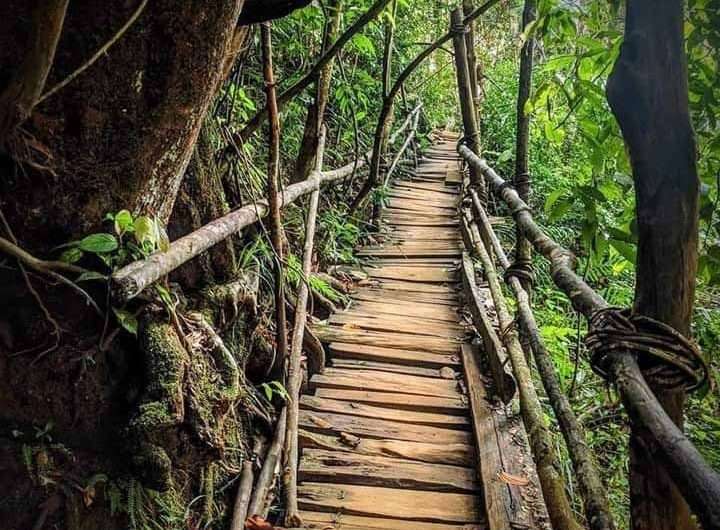
Among the highlights of visiting Kanneliya Rainforest is the awe-inspiring canopy walk. This suspended walkway, constructed with minimal impact on the environment, allows visitors to walk at canopy level. As one navigates the walkway, they are treated to panoramic views of the forest’s flora and fauna, offering an unforgettable experience of being one with nature.

Best Time to Visit Kanneliya Rainforest

To make the most of a visit to Kanneliya Rainforest, it is essential to choose the right time of the year. The dry season, from December to April, offers optimal conditions for exploration, with lower chances of rainfall and more opportunities to spot wildlife. However, the rainy season, from May to November, brings out the vibrant beauty of the rainforest, with lush foliage and glistening streams.

How to Reach Kanneliya Rainforest

Kanneliya Rainforest is accessible from several major cities in Sri Lanka. The most convenient way to reach the forest is by taking a scenic drive from Galle or Colombo. Alternatively, public transportation options, such as buses and trains, provide an authentic local experience for those seeking adventure.

Tips for a Memorable Visit

For a memorable and safe visit to Kanneliya Rainforest, it’s essential to adhere to certain guidelines. Respect the natural environment by not leaving behind any waste and maintaining a low impact on the surroundings. Follow the instructions of knowledgeable guides during nature walks and safaris to ensure a rewarding and educational experience.

Accommodation Options Near Kanneliya Rainforest

While Kanneliya Rainforest itself offers limited accommodation facilities, several eco-lodges and resorts are available in the nearby towns. These establishments blend seamlessly with the natural surroundings, providing a tranquil retreat after a day of exploration.

Experiencing Wildlife in Kanneliya Rainforest

For wildlife enthusiasts, Kanneliya Rainforest offers a plethora of opportunities to witness animals in their natural habitat. Patient observation from safe distances often rewards visitors with sightings of elephants, leopards, and a diverse range of bird species. It is essential, however, to maintain a respectful distance and refrain from disturbing the wildlife.

Kanneliya Rainforest and Traditional Medicine

The rich biodiversity of Kanneliya Rainforest has long been intertwined with traditional medicine practices in Sri Lanka. Many plants found in the rainforest possess medicinal properties, and local communities have utilized these resources for generations. However, it is essential to balance the need for traditional knowledge with sustainable harvesting practices to protect the forest’s delicate ecosystem.
Conclusion

Kanneliya Rainforest stands as a beacon of ecological wonder in Sri Lanka, beckoning nature enthusiasts and curious travelers to explore its hidden treasures. With its remarkable biodiversity, unique features, and conservation efforts, the rainforest leaves an indelible mark on every visitor. By fostering sustainable tourism and conservation, we can ensure that this natural paradise thrives for generations to come.

FAQs

  1. Is Kanneliya Rainforest suitable for family visits?
    • Yes, Kanneliya Rainforest is family-friendly, offering nature walks and experiences suitable for all ages.
  2. Are there guided tours available in Kanneliya Rainforest?
    • Absolutely, the forest offers guided tours conducted by knowledgeable experts who provide valuable insights into its ecosystems.
  3. What should I wear during a visit to Kanneliya Rainforest?
    • Wear comfortable clothing and sturdy shoes suitable for walking on uneven terrain.
  4. Is photography allowed in the rainforest?
    • Yes, photography is permitted, but avoid using flash to not disturb the wildlife.
  5. Can I visit Kanneliya Rainforest during the rainy season?
    • Yes, visiting during the rainy season offers a unique and lush experience, but be prepared for occasional showers.

SHARE

Pigeon Island National Park | Exploring Nature’s Treasure in Sri Lanka

SHARE

Table of Contents

  1. Introduction
  2. History and Location of Pigeon Island National Park
  3. Biodiversity and Wildlife
  4. Exploring the Marine Life
  5. Pigeon Island: A Haven for Birdwatchers
  6. Activities and Attractions for Visitors
  7. Snorkeling Adventures
  8. Scuba Diving: Delving into the Deep
  9. Beaches and Picnicking Spots
  10. The Historical Ruins: A Glimpse into the Past
  11. Conservation Efforts and Sustainability
  12. Best Time to Visit
  13. How to Get There
  14. Accommodation Options
  15. Conclusion

Introduction

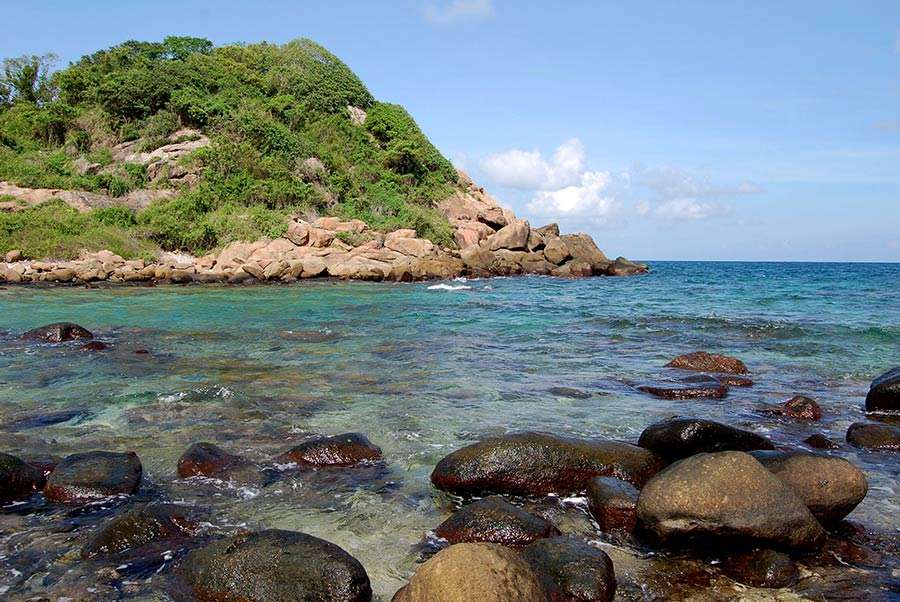
Welcome to Pigeon Island National Park, an enchanting natural haven nestled off the northeastern coast of Sri Lanka. This protected marine and terrestrial area is a paradise for nature enthusiasts, history buffs, and adventure seekers alike. In this article, we will take you on a journey through the wonders of Pigeon Island National Park, uncovering its rich biodiversity, breathtaking marine life, historical significance, and exciting activities that await visitors.

History and Location of Pigeon Island National Park

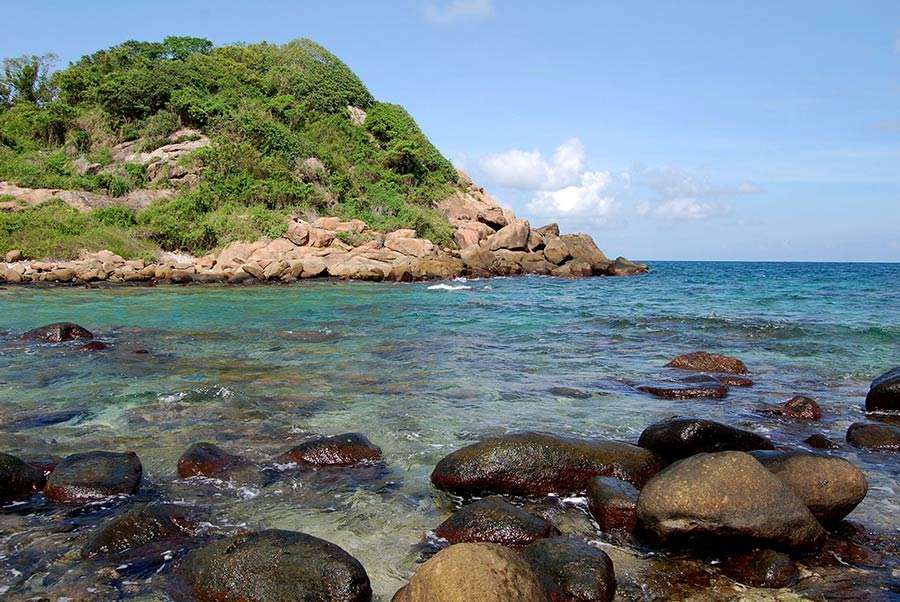
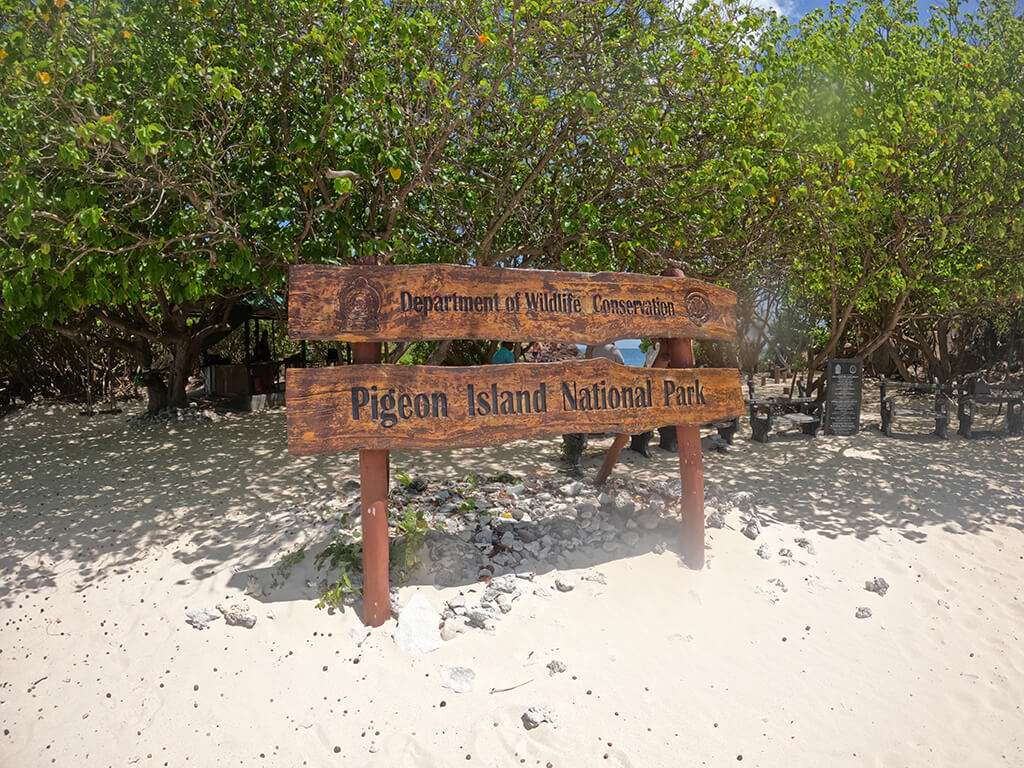
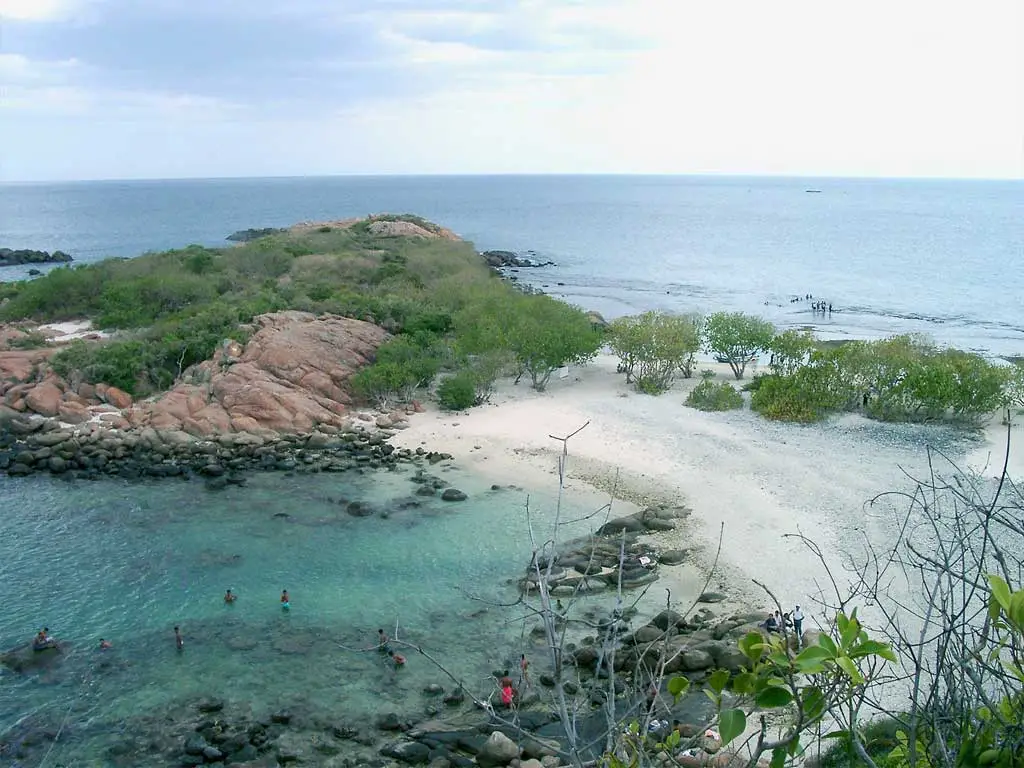
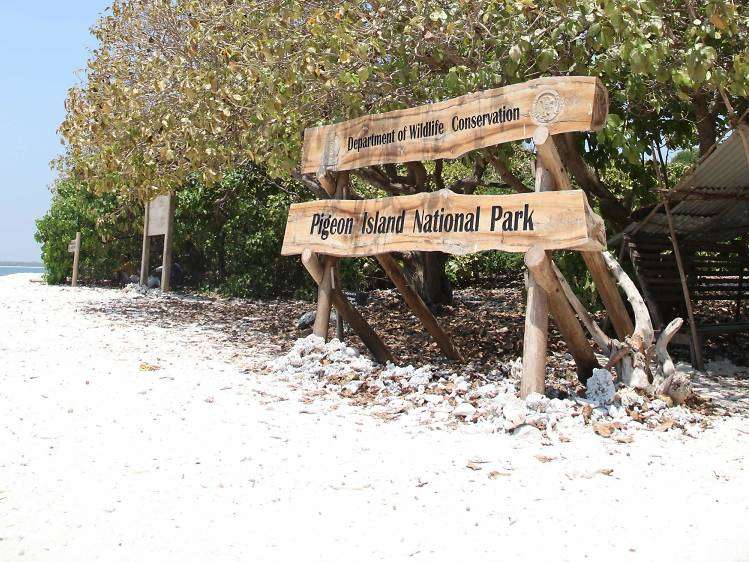
Pigeon Island, known as “Piduruthalagala” in the local tongue, was declared a national park in 2003. Situated in the district of Trincomalee, it comprises two islands – Large Pigeon Island and Small Pigeon Island. The park’s history dates back to the British colonial era when it served as a shooting range for sport. Today, it stands as a protected sanctuary, covering a total area of 471.43 acres.

Biodiversity and Wildlife

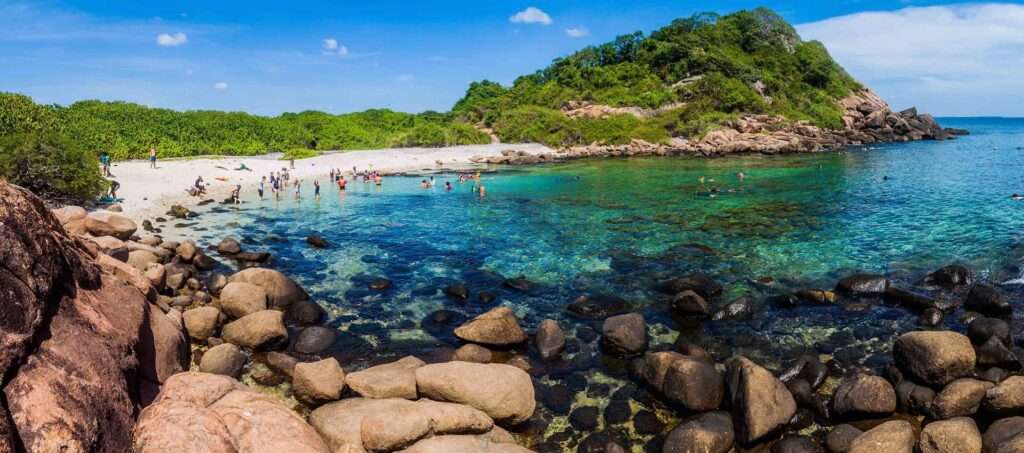
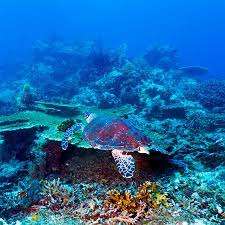
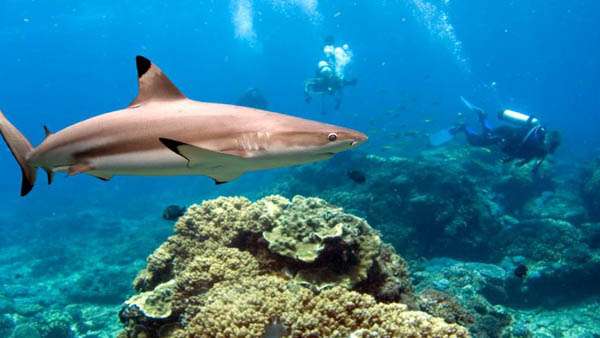
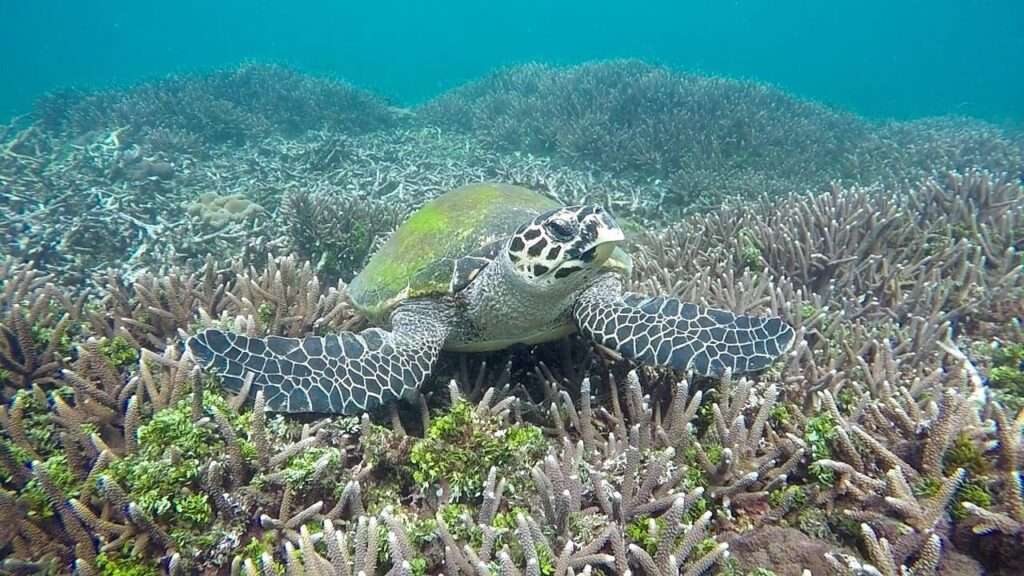
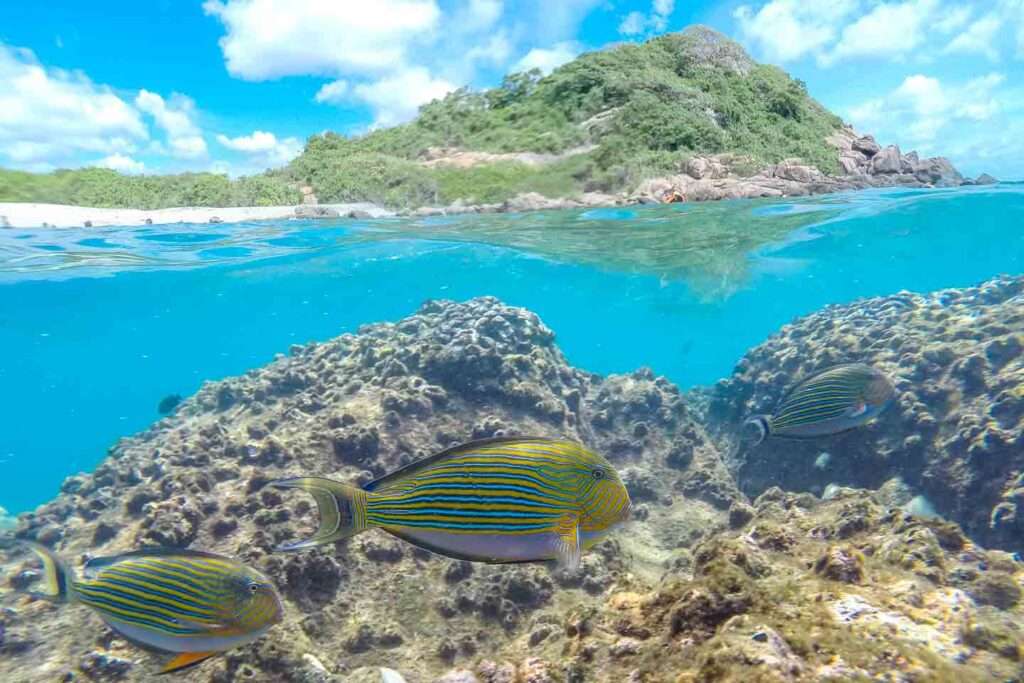
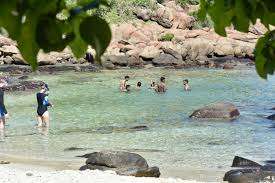
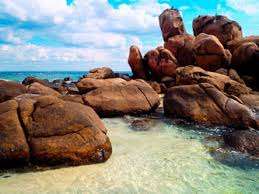
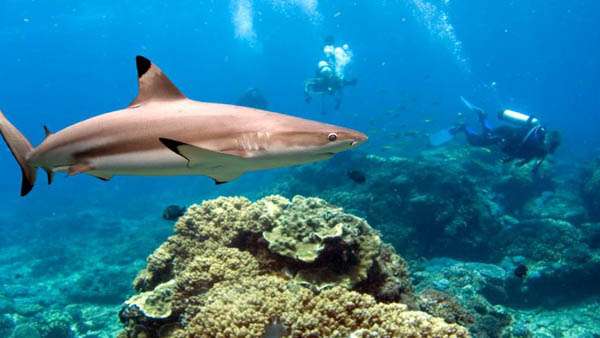
Diving into the crystal-clear waters surrounding Pigeon Island, visitors are treated to a kaleidoscope of marine life. The park is renowned for its vibrant coral reefs, home to a diverse array of marine species, including parrotfish, angelfish, and reef sharks. Snorkelers and divers can witness the colorful marine inhabitants dancing amidst the corals, creating a mesmerizing underwater spectacle.

Exploring the Marine Life

For those who prefer to stay dry, glass-bottom boat rides offer a captivating view of the underwater world. As the boat glides over the shallow reefs, you can witness the bustling activity beneath the surface, making it an excellent option for families and non-swimmers.

Pigeon Island: A Haven for Birdwatchers

Apart from its marine wonders, Pigeon Island is a sanctuary for avian enthusiasts. The park is a nesting ground for several migratory bird species, including the famous Blue Rock Pigeon, which lends its name to the island. Birdwatchers can spot a variety of feathered creatures perched on the rocks and soaring through the skies.

Activities and Attractions for Visitors

  1. Snorkeling Adventures

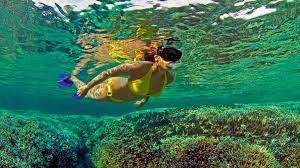
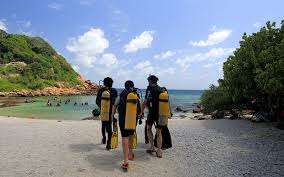
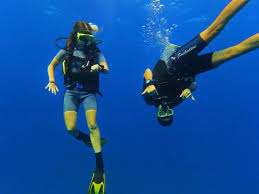
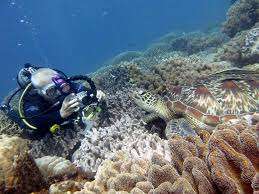
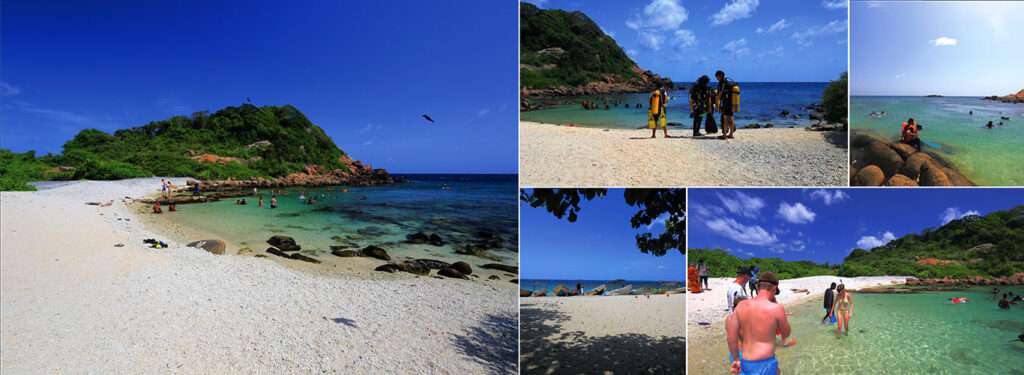
Snorkeling in the pristine waters of Pigeon Island is an otherworldly experience. Gear up, and you’ll find yourself in an aquatic wonderland, swimming alongside schools of fish and encountering graceful sea turtles gliding through the water.

  1. Scuba Diving: Delving into the Deep

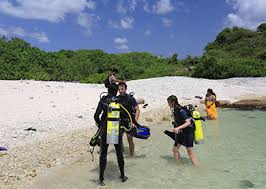
For more adventurous souls, scuba diving offers an opportunity to explore the deeper realms of the Indian Ocean. Experienced divers can venture to the park’s outer reefs, where encounters with reef sharks and rays leave lasting memories.

  1. Beaches and Picnicking Spots

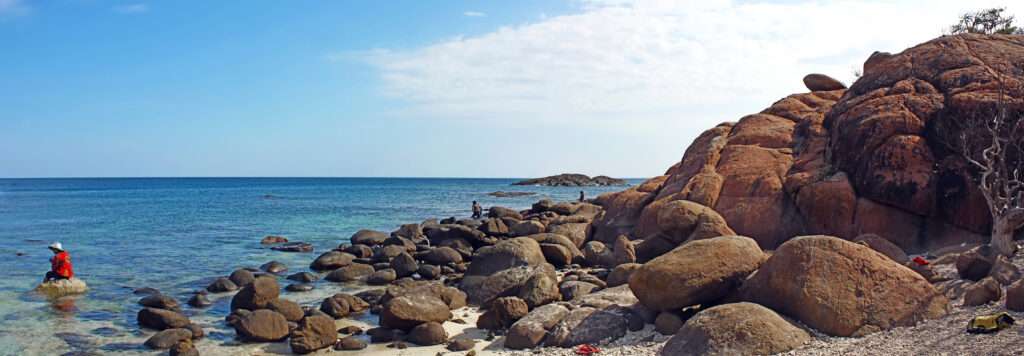
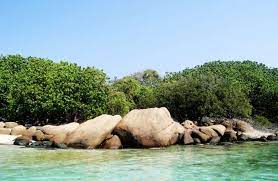
Pigeon Island boasts pristine beaches with soft, golden sands perfect for relaxation and picnicking. The shade of overhanging trees invites visitors to unwind and soak in the tranquil atmosphere.

  1. The Historical Ruins: A Glimpse into the Past

History aficionados can delve into the island’s past through the remains of a British-built pigeon shooting range and a Dutch fort. These historical ruins provide a glimpse into the island’s colonial heritage.

Conservation Efforts and Sustainability

The park authorities and local organizations have undertaken commendable efforts to preserve the natural beauty of Pigeon Island. Conservation projects and strict regulations have been put in place to protect the delicate marine ecosystem and the diverse wildlife that thrives within its boundaries.

Best Time to Visit

The ideal time to visit Pigeon Island National Park is during the dry season, which runs from May to October. During this period, the seas are calmer, offering better visibility for snorkeling and diving adventures.

How to Get There

Pigeon Island National Park is accessible from the coastal town of Trincomalee. Regular boat services transport visitors to the island, providing a scenic journey amidst the azure waters.

Accommodation Options

While the national park itself does not offer accommodations, nearby Trincomalee provides a range of hotels, resorts, and guesthouses to suit various budgets and preferences.

Conclusion

Pigeon Island National Park is a true gem in Sri Lanka’s natural crown, captivating all who venture to its shores. From its vibrant marine life to its historical treasures, the park offers a unique and unforgettable experience. Whether you seek adventure, relaxation, or a rendezvous with nature, Pigeon Island has it all.

FAQs

  1. Are there restrictions for visiting Pigeon Island National Park? Yes, to preserve the delicate ecosystem, a limited number of visitors are allowed each day. It is advisable to book in advance.
  2. Can I bring my own snorkeling or diving gear? Yes, you can bring your equipment, but rentals are also available near the park.
  3. Are there lifeguards on the beaches? Yes, trained lifeguards are stationed on the beaches for added safety.
  4. Is Pigeon Island suitable for a family outing? Absolutely! The park offers activities and sights suitable for visitors of all ages.
  5. Can I visit the park all year round? While the park is open year-round, the best time to visit is during the dry season (May to October) for optimal conditions.

SHARE

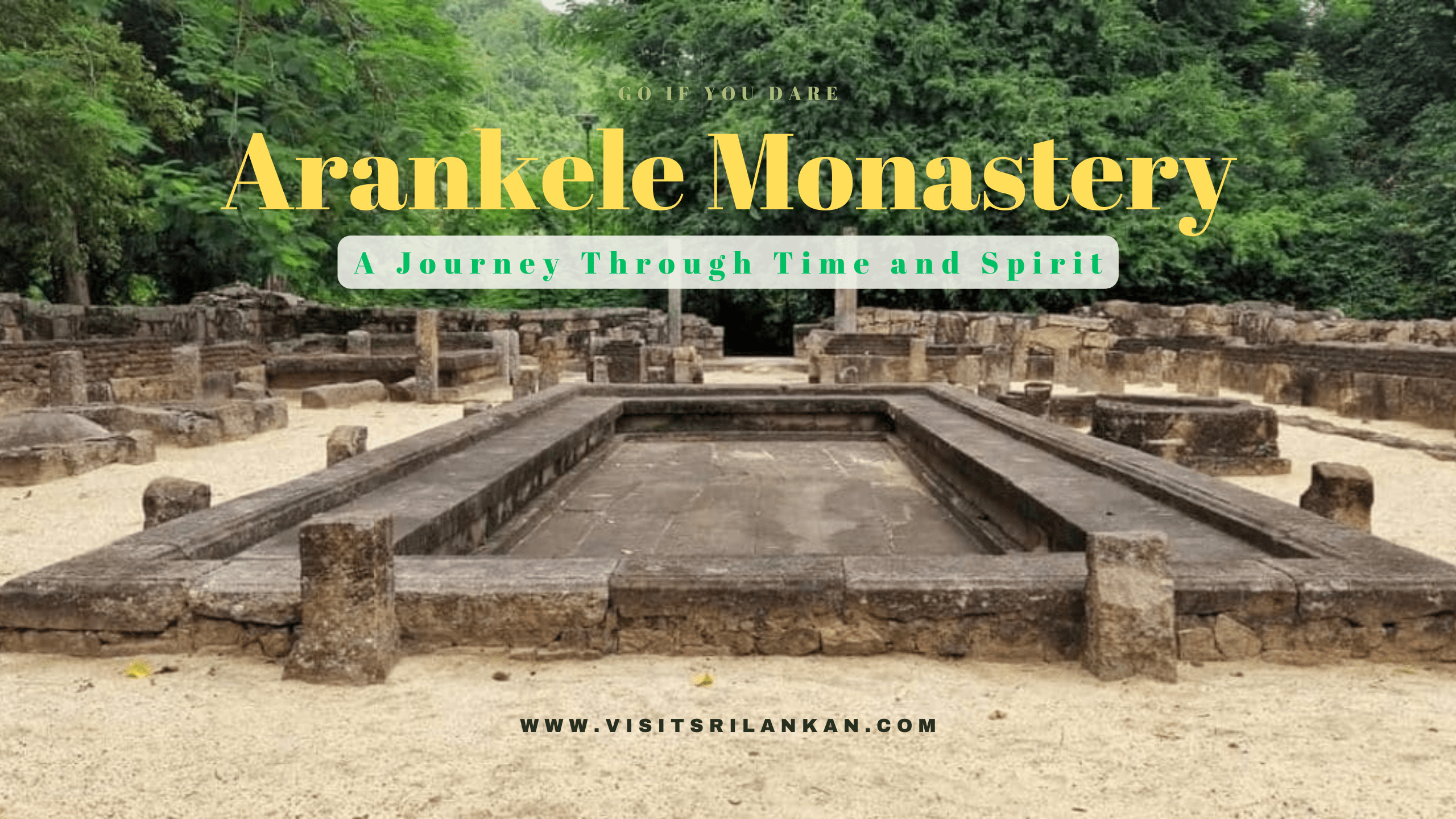
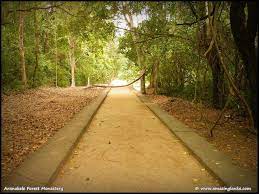
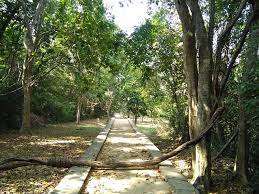
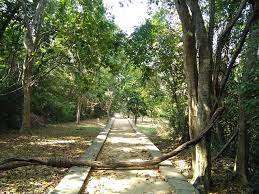
Arankele Monastery | A Journey Through Time and Spirit

SHARE

Outline:

  1. Introduction
  2. The History of Arankele Monastery (H1)
    • Origins and Founding (H2)
    • Growth and Development (H2)
  3. Architecture and Design (H1)
    • Main Buildings and Structures (H2)
    • Art and Sculptures (H2)
  4. Monastic Life at Arankele (H1)
    • Daily Routines and Practices (H2)
    • Spiritual Teachings and Traditions (H2)
  5. Renowned Monks and Teachers (H1)
    • Influential Figures in Arankele’s History (H2)
    • Their Contributions to Buddhism (H2)
  6. Arankele’s Cultural and Historical Significance (H1)
    • Contributions to Buddhism in the Region (H2)
    • Preservation Efforts and Tourist Attractions (H2)
  7. Conclusion
  8. FAQs

Introduction:

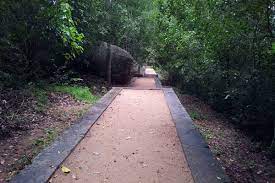
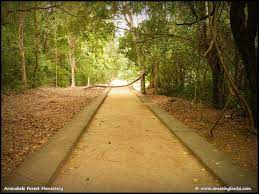
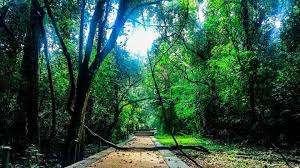
Nestled amidst the lush greenery and tranquil landscapes of Sri Lanka, Arankele Monastery stands as a testament to the rich heritage and spiritual traditions of Buddhism. This ancient monastery, steeped in history, has captivated the hearts of pilgrims and history enthusiasts alike. In this article, we embark on a journey through time to explore the captivating history, architecture, monastic life, and cultural significance of Arankele Monastery.

1. The History of Arankele Monastery:

Origins and Founding:

Arankele Monastery traces its roots back to the 6th century BCE, during the reign of King Kavantissa. It is believed to have been founded by the revered monk, Ven. Mahinda, who played a pivotal role in introducing Buddhism to Sri Lanka. The serene surroundings of the monastery were chosen with great care to provide a peaceful environment for meditation and spiritual practices.

Growth and Development:

Over the centuries, Arankele Monastery flourished and expanded under the patronage of various rulers and generous devotees. It served as a center for Buddhist learning, attracting scholars and monks from far-flung regions. The monastery’s growth mirrored the spread of Buddhism across the island, becoming a significant hub of religious and cultural activities.

2. Architecture and Design:

Main Buildings and Structures:

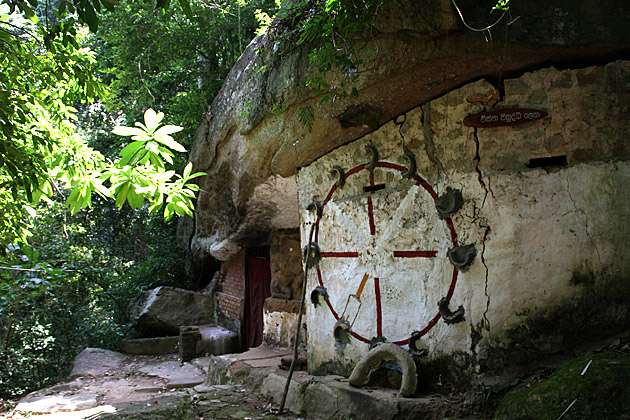
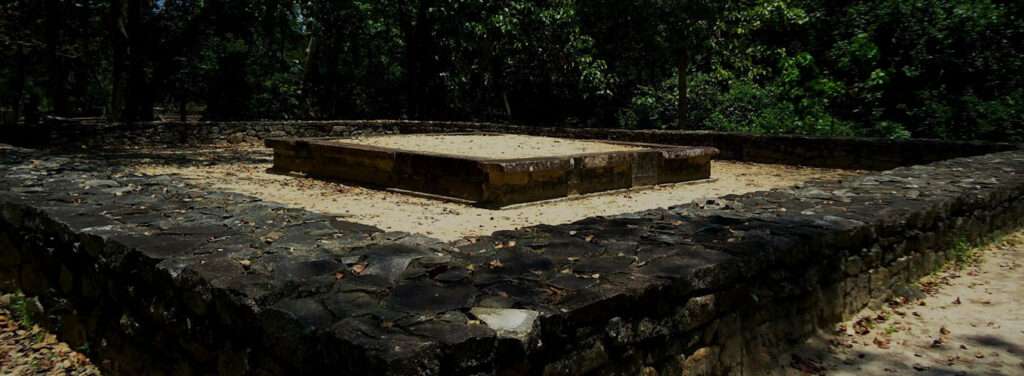
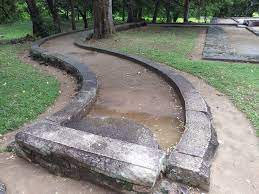
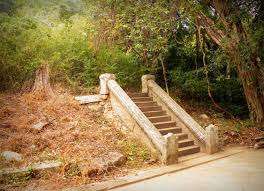
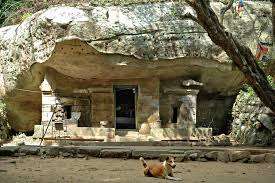
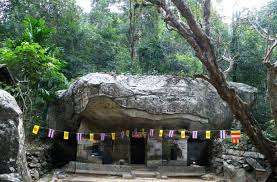
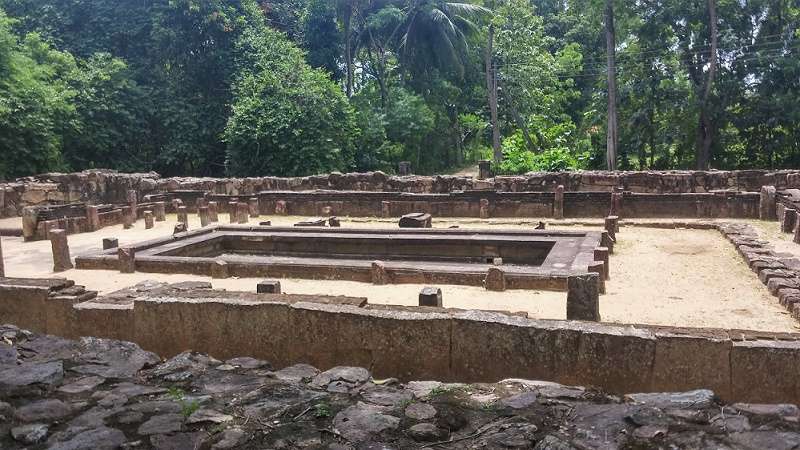
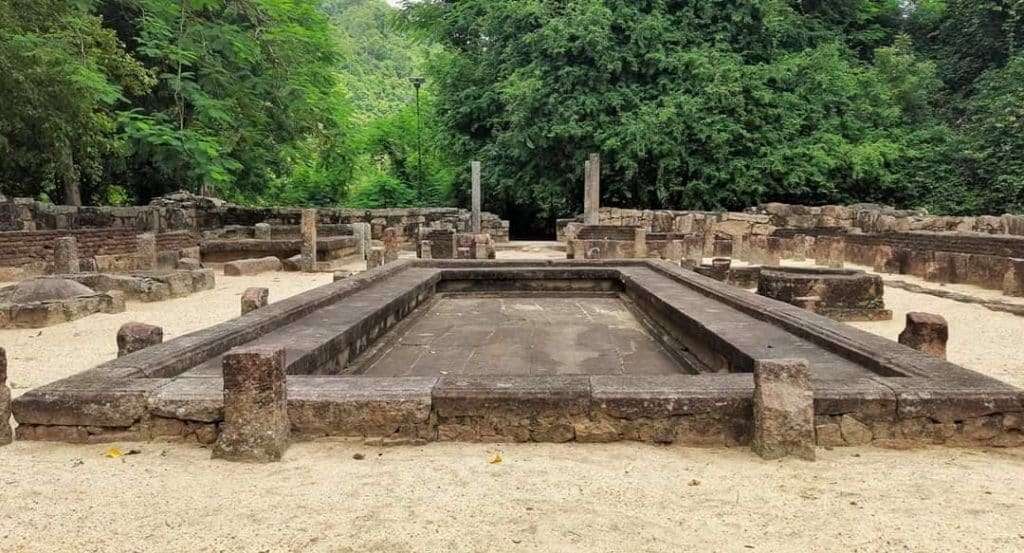
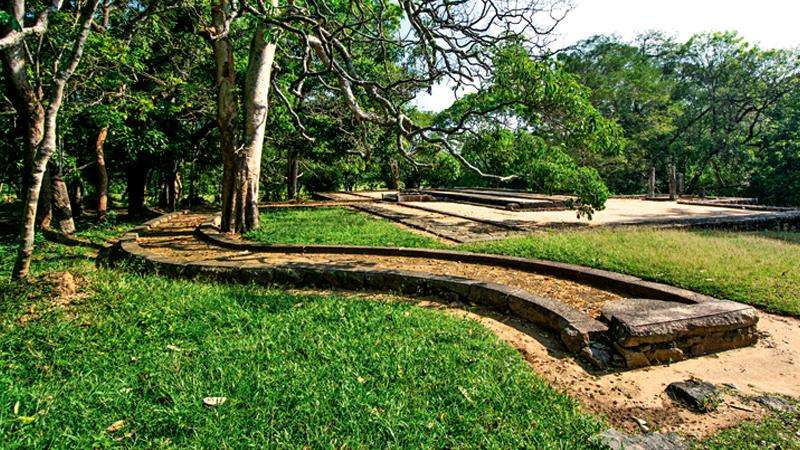
Arankele Monastery boasts an awe-inspiring architectural marvel, reflecting a harmonious blend of ancient Sinhalese craftsmanship and Buddhist symbolism. The main stupa, a symbol of enlightenment, rises majestically against the skyline, drawing visitors into a world of spiritual transcendence. The image house, viharas, and meditation halls stand as silent witnesses to the skilled craftsmanship and devotion of the artisans who built them.
Art and Sculptures:

The walls of Arankele Monastery are adorned with exquisite frescoes and intricate carvings that narrate stories from the life of Lord Buddha. The sculptures of Bodhisattvas and other divine beings evoke a sense of awe and wonder, leaving visitors mesmerized by their beauty and artistry. These art forms not only showcase the artistic brilliance of ancient Sri Lanka but also serve as a means of imparting spiritual teachings to the devotees.

3. Monastic Life at Arankele:

Daily Routines and Practices:

Life within the monastery follows a disciplined routine that revolves around meditation, study, and communal practices. The monks engage in early morning chanting and meditation, seeking inner peace and enlightenment. The tranquil atmosphere and natural surroundings of Arankele Monastery provide an ideal setting for contemplation and self-discovery.

Spiritual Teachings and Traditions:

At Arankele Monastery, the teachings of Lord Buddha are revered and passed down through generations of monastic disciples. The resident monks conduct Dhamma talks and discussions, imparting profound wisdom and guidance to both fellow monks and lay practitioners. The monastery serves as a spiritual sanctuary, nurturing the growth of the Buddhist community.

4. Renowned Monks and Teachers:

Influential Figures in Arankele’s History:

Throughout its long history, Arankele Monastery has been blessed with the presence of enlightened monks and revered teachers. Ven. Kassapa Thera, one of the most eminent figures in the monastery’s history, made significant contributions to the spread of Theravada Buddhism. His teachings and writings have had a lasting impact on Buddhist philosophy.

Their Contributions to Buddhism:

The great monks of Arankele Monastery played instrumental roles in preserving and propagating Buddhist scriptures and teachings. Their profound insights and dedication to the Dhamma enriched the spiritual landscape of Sri Lanka and influenced the evolution of Buddhism in Southeast Asia.

5. Arankele’s Cultural and Historical Significance:

Contributions to Buddhism in the Region:

Arankele Monastery stands as a living legacy of Sri Lanka’s profound Buddhist heritage. It has been a vital center for preserving ancient scriptures, fostering monastic education, and nurturing spiritual seekers. The monastery’s influence has transcended borders, attracting pilgrims and scholars from different corners of the world.

Preservation Efforts and Tourist Attractions:

With the passage of time, Arankele Monastery faced various challenges, but dedicated conservation efforts have ensured its preservation for future generations. Today, the monastery stands as a captivating tourist attraction, drawing visitors from around the globe who seek solace in its serene ambiance and wish to witness the brilliance of ancient Buddhist architecture.

Conclusion:

Arankele Monastery is not merely a historical site but a living embodiment of Sri Lanka’s spiritual and cultural identity. Its ancient walls resonate with the echoes of profound wisdom and devotion that have enriched countless lives over the millennia. Visiting this sacred site provides an opportunity to connect with the essence of Buddhism and immerse oneself in the tranquility of a bygone era.

FAQs:

  1. Is Arankele Monastery still an active place of worship?
    • Yes, Arankele Monastery continues to be a vibrant center of monastic life and spiritual practice.
  2. Can visitors meditate within the monastery premises?
    • Yes, visitors are welcome to meditate and experience the serene ambiance of the monastery.
  3. Are there any specific dress code requirements for visitors?
    • While there are no strict dress code requirements, it is advisable to dress modestly out of respect for the sacred site.
  4. Is photography allowed inside the monastery?
    • Yes, photography is usually allowed, but visitors are requested to refrain from using flash or disrupting the peaceful atmosphere.
  5. Are there any accommodation options available for those who wish to stay longer?
    • Some basic accommodations may be available for monastic guests, but nearby towns offer more extensive lodging options for tourists.

Embarking on a pilgrimage to Arankele Monastery is not just a physical journey but a spiritual odyssey that allows one to delve deep into the profound teachings of Buddhism while marveling at the timeless beauty of ancient architecture.


SHARE

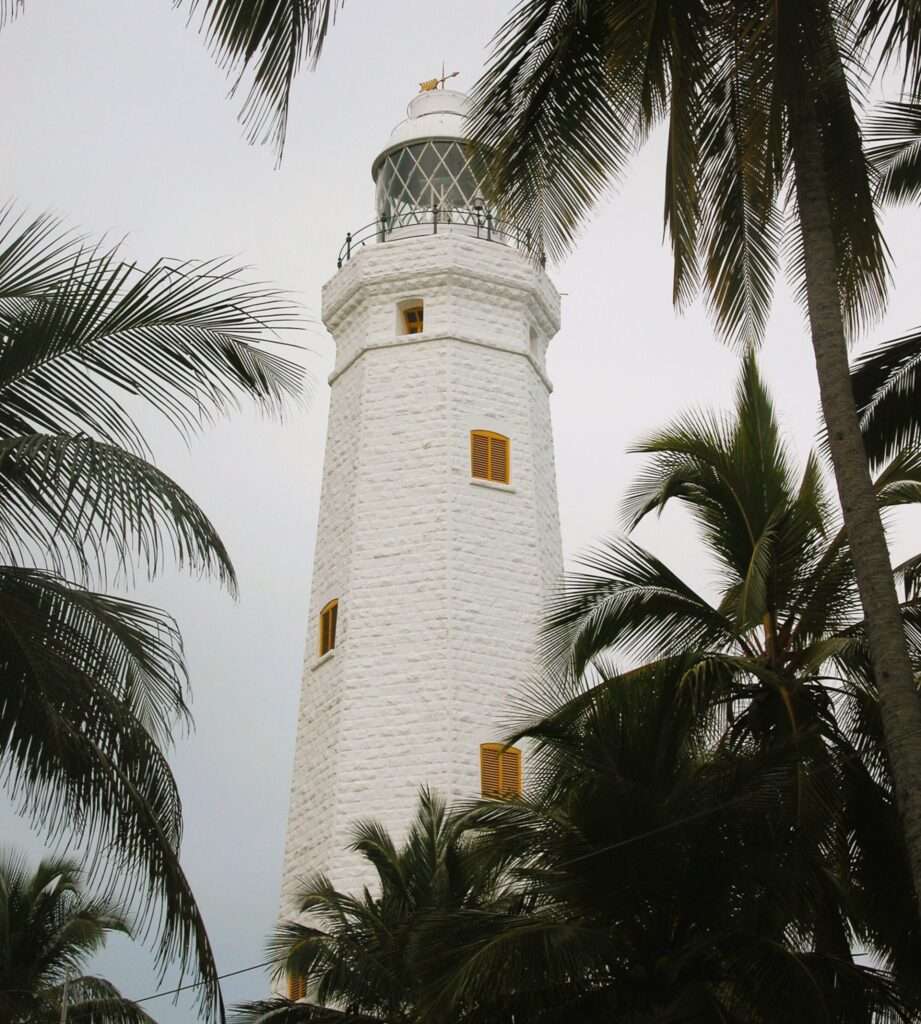
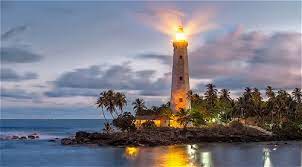
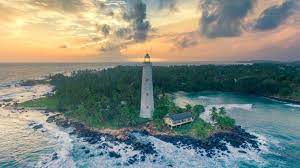
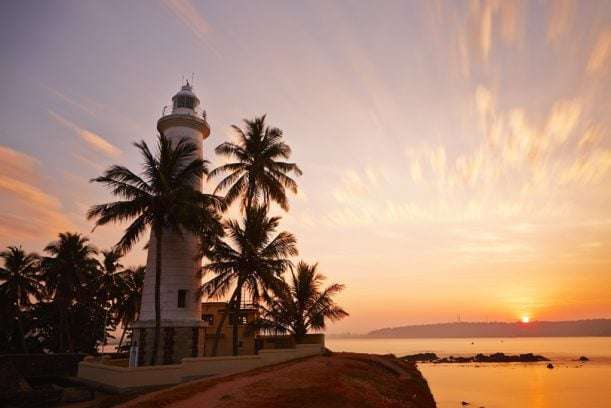
Dondra Lighthouse | A Guiding Beacon of Couthern Coast

SHARE

Introduction

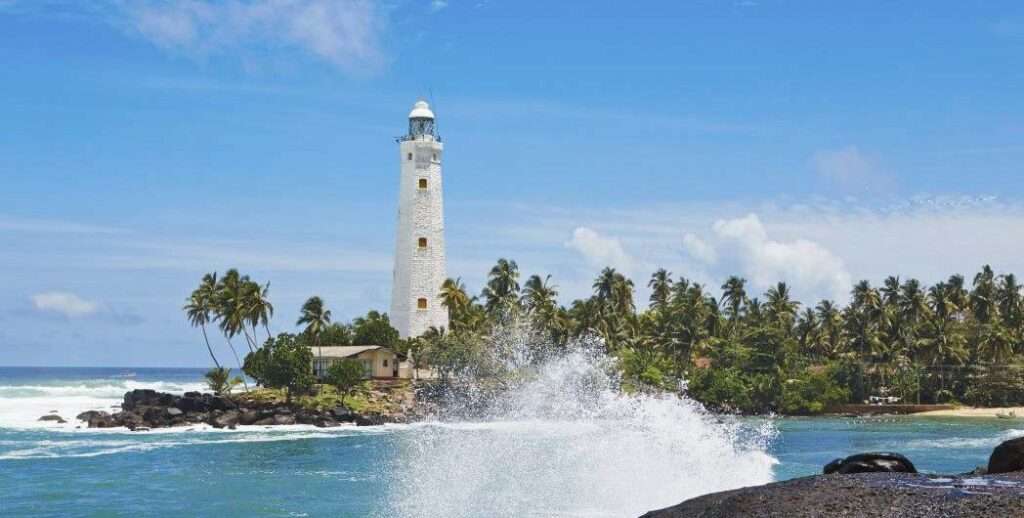
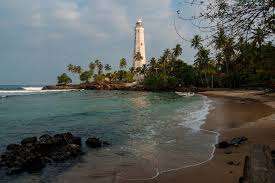
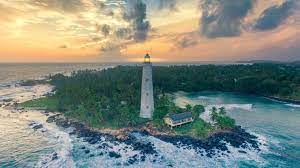
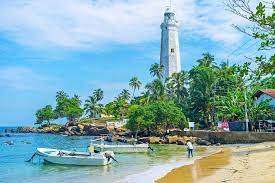
The Dondra Lighthouse, situated on the southernmost tip of Sri Lanka, is an iconic structure that has been guiding ships and sailors since its construction in the 19th century. This historical landmark stands tall as a symbol of maritime heritage, illuminating the Indian Ocean’s vast expanse and safeguarding vessels from treacherous waters. In this article, we will delve into the rich history of the Dondra Lighthouse, its significance to the local community and tourists alike, and the breathtaking views it offers to those who visit.

A Historical Marvel: The Construction of Dondra Lighthouse

Early Navigational Challenges

The treacherous coastline of Sri Lanka’s southern region has always posed challenges for sailors navigating the Indian Ocean. The lack of adequate navigational aids led to numerous shipwrecks, loss of life, and cargo. To address this issue, the British colonial administration, during the 19th century, recognized the necessity of a lighthouse to improve maritime safety.

The Visionary Design

Designed by renowned Scottish engineer James Douglass, the Dondra Lighthouse was constructed in 1889. Its architecture showcases a harmonious blend of British and Indo-Saracenic influences, reflecting the colonial era’s prevailing architectural trends.

Guiding Light for Over a Century

For more than a century, the Dondra Lighthouse has stood tall, guiding countless ships through the darkness of the night. Initially fueled by oil lamps, the lighthouse underwent modernization over the years, adopting electric lamps and other technological advancements, without compromising its historical charm.
The Significance of Dondra Lighthouse

A Symbol of Maritime Heritage

The Dondra Lighthouse holds immense significance as a symbol of Sri Lanka’s maritime heritage. It stands as a tribute to the maritime history of the island nation and the invaluable contribution of its sailors and lighthouse keepers in ensuring safe navigation.
Boosting Local Economy and Tourism

Apart from its historical significance, the lighthouse has become a major attraction for both local and international tourists. Its majestic structure and picturesque surroundings draw visitors from far and wide, providing an economic boost to the local communities through tourism.

Awe-Inspiring Views and Sunsets

Perched atop a rocky outcrop, the Dondra Lighthouse offers panoramic views of the Indian Ocean and the surrounding landscapes. Tourists flock to witness the breathtaking sunsets, where the sun seems to melt into the horizon, casting a golden glow over the vast sea.

The Lighthouse Keepers: Guardians of the Light

Throughout its existence, the Dondra Lighthouse has relied on the dedication and commitment of lighthouse keepers to ensure its efficient operation. These keepers, often residing near the lighthouse with their families, have been unsung heroes, braving the elements to keep the light shining bright.

The Cultural and Social Impact

Inspiring Local Art and Literature

The iconic Dondra Lighthouse has not only captured the hearts of tourists but also inspired numerous artists, writers, and poets. Its portrayal in paintings, literature, and local folklore adds to its cultural significance, connecting it deeply with the fabric of Sri Lankan society.

Ceremonies and Festivals

The Dondra Lighthouse has become a focal point for local ceremonies and festivals. One such significant celebration is the annual lighting of the lighthouse, which attracts both locals and visitors, making it a vibrant cultural event.

Conclusion

The Dondra Lighthouse, with its rich history and cultural importance, stands as a beacon of hope and a testament to human ingenuity. Its enduring presence has guided countless sailors and continues to mesmerize tourists with its timeless beauty. The lighthouse is not just a structure but a living testament to the enduring connection between Sri Lanka and the sea.

FAQs

  1. Can visitors climb the Dondra Lighthouse?Unfortunately, the interior of the lighthouse is not accessible to the public. However, visitors can explore the surrounding area and admire the exterior beauty.
  2. What is the best time to visit Dondra Lighthouse?The best time to visit is during the late afternoon, to witness the stunning sunset views over the Indian Ocean.
  3. Is there an entry fee to visit the lighthouse?Yes, there is a nominal entry fee for tourists to visit the lighthouse and its premises.
  4. Are there any guided tours available?Yes, guided tours are available for tourists interested in learning about the lighthouse’s history and architecture.
  5. Can I take photographs of the lighthouse?Absolutely! Photography enthusiasts will find numerous opportunities to capture the beauty of the Dondra Lighthouse.

SHARE
Verified by MonsterInsights