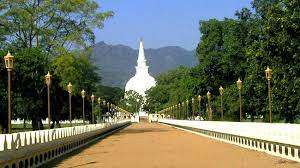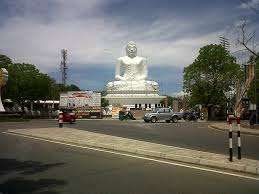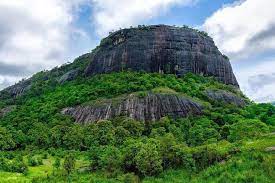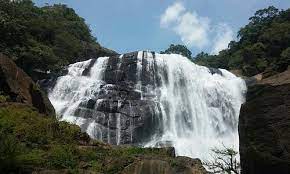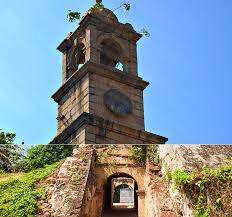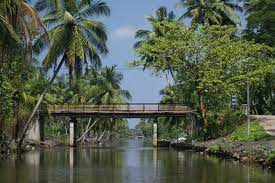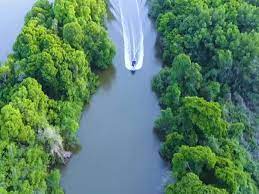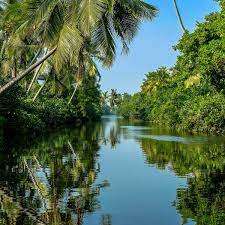
The Enchanting Hill Station | Haputale

SHARE

Introduction

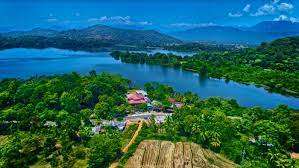
Happutala, nestled in the heart of the majestic mountains, is a captivating hill station that attracts nature enthusiasts and adventure seekers from all around the world. With its picturesque landscapes, pleasant climate, and diverse flora and fauna, Happutala offers a serene getaway for those seeking tranquility and natural beauty. In this article, we will delve into the wonders of Happutala, exploring its breathtaking sights, outdoor activities, cultural heritage, and more.

Table of Contents

  1. The Mesmerizing Beauty of Happutala
  2. Exploring Nature’s Bounty
    1. Discovering Happutala’s Tea Gardens
    2. Hiking Trails and Scenic Walks
    3. Waterfalls: Nature’s Spectacle
    4. Adisham Bungalow
  3. Immersing in Cultural Delights
    1. Historic Temples and Monasteries
    2. Local Festivals: Celebrations of Tradition
  4. Adventure and Thrills
    1. Paragliding: Soaring Above the Clouds
    2. Trekking Expeditions: Conquering the Peaks
    3. Wildlife Safaris: A Glimpse into the Wild
  5. Indulging in Local Cuisine
    1. Culinary Delights of Happutala
    2. Traditional Tea Tasting
  6. Best Time to Visit Happutala
  7. Accommodation and Travel Tips
  8. Conclusion
  9. FAQs

The Mesmerizing Beauty of Happutala

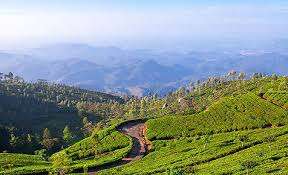
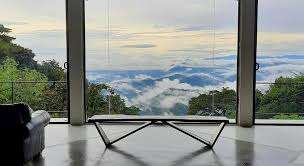
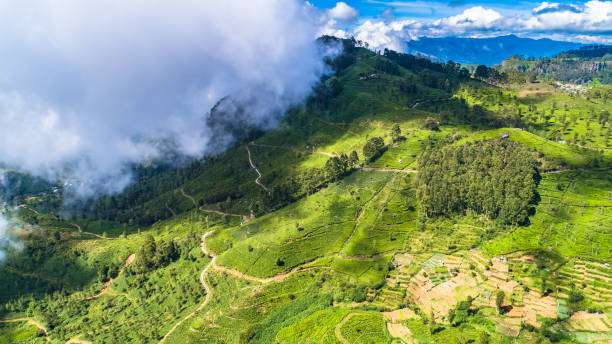
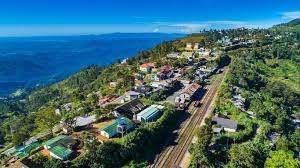
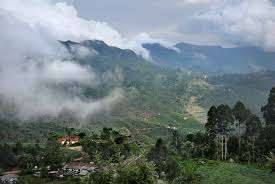
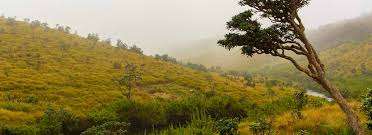
Happutala, with its verdant landscapes and breathtaking vistas, enchants visitors from the moment they arrive. Surrounded by misty mountains and lush green valleys, this hill station offers a perfect escape from the hustle and bustle of city life. The cool and refreshing climate adds to the charm, creating a soothing ambiance for travelers seeking respite.
Exploring Nature’s Bounty

Discovering Happutala’s Tea Gardens

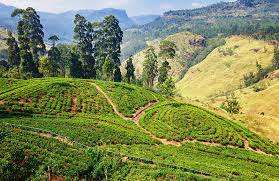
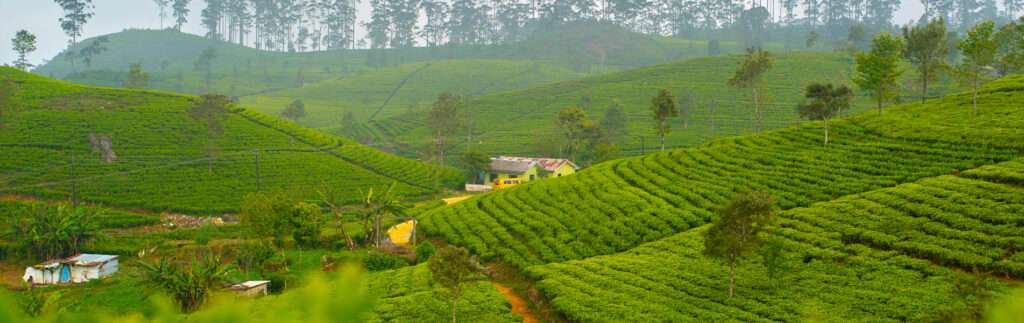
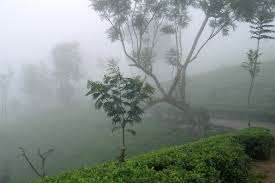
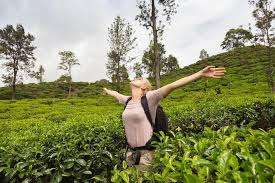
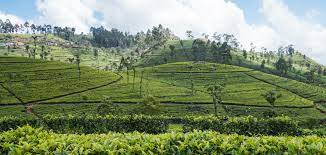
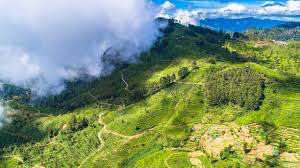
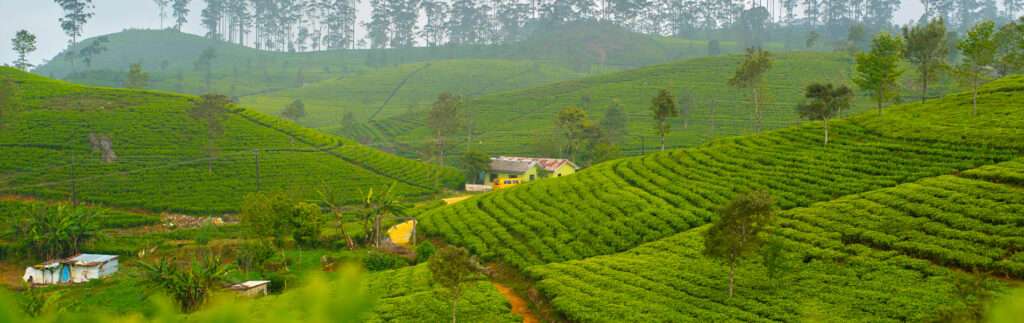
Happutala is renowned for its vast tea plantations that carpet the rolling hillsides. Visitors can take leisurely walks through the tea gardens, immersing themselves in the aromatic scent of freshly brewed tea. Witnessing the meticulous process of tea plucking and processing is an experience that should not be missed.
Hiking Trails and Scenic Walks

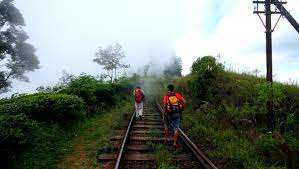
For adventure enthusiasts, Happutala offers a myriad of hiking trails and scenic walks. From easy treks suitable for beginners to challenging routes for seasoned hikers, there is something for everyone. These trails take you through dense forests, cascading waterfalls, and awe-inspiring viewpoints, providing a glimpse into the region’s natural wonders.
Waterfalls: Nature’s Spectacle

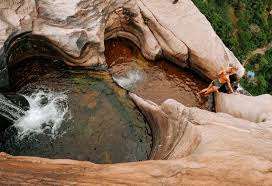
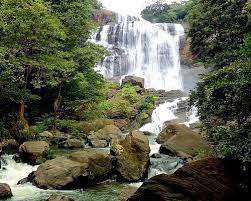
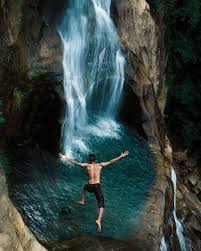
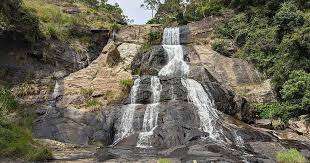
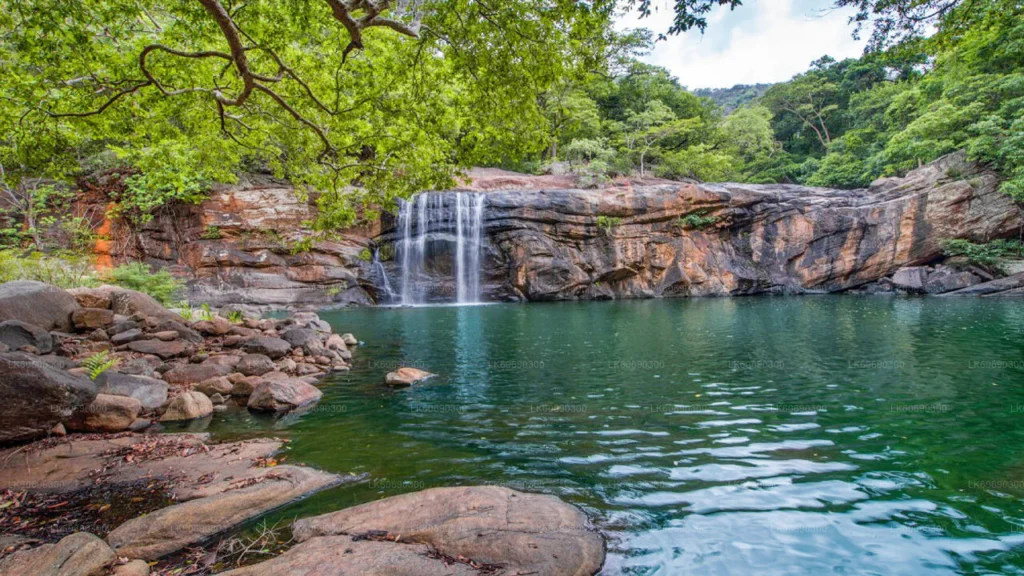
Happutala is home to several magnificent waterfalls that cascade down the mountainsides, creating a mesmerizing spectacle. The most famous among them is the Happutala Ella, where water gushes down from great heights, creating a misty spray. Visitors can marvel at the sheer power and beauty of these waterfalls, making for perfect photo opportunities.
Adisham Bungalow

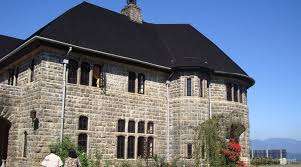
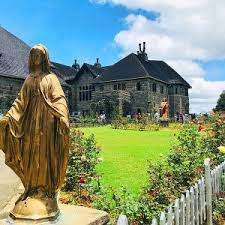
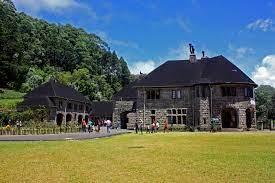
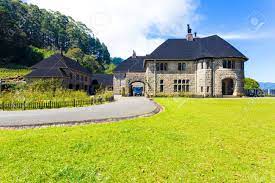
Nestled amidst the lush greenery of Happutala, the Adisham Bungalow stands as a testament to the colonial charm of Sri Lanka. With its captivating architecture, serene surroundings, and rich history, this enchanting estate offers visitors a glimpse into a bygone era. In this article, we will explore the allure of Adisham Bungalow, uncovering its intriguing past, architectural splendor, and the experiences it offers to those who venture within its walls.
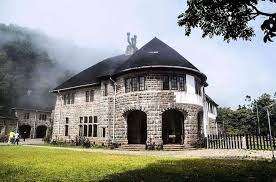
Adisham Bungalow, also known as Adisham Monastery, was originally built in the early 20th century by Sir Thomas Lester Villiers, a wealthy Englishman. The estate served as his country retreat and was later converted into a monastery by a Roman Catholic religious order called the Sylvestro-Benedictines. The order resided in Adisham until 1961 when it was eventually handed over to the Sri Lankan government.
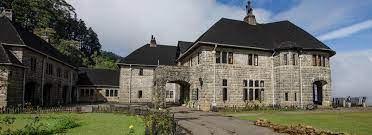
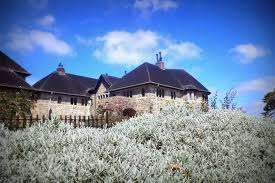
The architecture of Adisham Bungalow is a delightful blend of English and Sri Lankan influences. The bungalow features Tudor-style exteriors with red brick walls, white window frames, and sloping roofs. The interiors are adorned with elegant wooden furnishings, stained glass windows, and intricate woodwork. The attention to detail and the preservation of its original character make Adisham a true architectural gem.

Surrounded by meticulously landscaped gardens, Adisham Bungalow offers a tranquil oasis for visitors to unwind and soak in the natural beauty. The gardens are adorned with vibrant flowers, lush green lawns, and charming pathways, creating a serene ambiance that invites moments of reflection and relaxation.
Immersing in Cultural Delights

Historic Temples and Monasteries

Happutala boasts a rich cultural heritage, evident in its ancient temples and monasteries. The Dhowa Rock Temple, dating back to the 1st century BC, showcases intricate rock carvings and beautiful murals. The Adisham Bungalow, a former monastery built during the colonial era, offers a glimpse into the region’s history and architectural marvels.

Local Festivals: Celebrations of Tradition

Throughout the year, Happutala comes alive with vibrant festivals that celebrate the region’s traditions and religious beliefs. The Esala Perahera, a grand procession featuring beautifully adorned elephants, dancers, and traditional music, is a sight to behold. The festivities provide an opportunity for visitors to immerse themselves in the local culture and witness the colorful customs of the region.

Adventure and Thrills

Paragliding: Soaring Above the Clouds

For adrenaline junkies, Happutala offers the exhilarating experience of paragliding. Launching from the hilltops, visitors can glide through the skies, enjoying panoramic views of the surrounding mountains and valleys. The feeling of weightlessness combined with the awe-inspiring scenery creates an unforgettable adventure.
Trekking Expeditions: Conquering the Peaks

Happutala is a paradise for trekkers, with its challenging mountain trails and peaks waiting to be conquered. The trek to Kirigalpotta, the second-highest peak in Sri Lanka, rewards hikers with breathtaking vistas and a sense of accomplishment. Experienced guides are available to ensure a safe and enjoyable trekking experience.

Wildlife Safaris: A Glimpse into the Wild

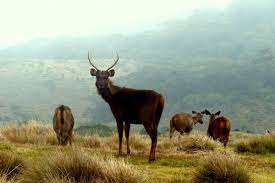
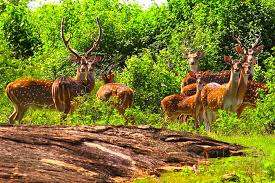
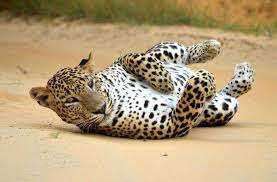
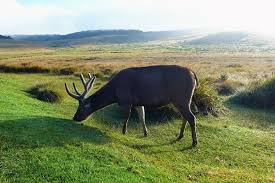
Nature enthusiasts can embark on wildlife safaris in the nearby Horton Plains National Park, home to a diverse range of flora and fauna. The park is renowned for its endemic species, including the elusive Sri Lankan leopard. Visitors can spot herds of sambar deer, colorful bird species, and marvel at the beauty of the endemic cloud forests.
Indulging in Local Cuisine

Culinary Delights of Happutala

No visit to Happutala is complete without savoring the local cuisine. The hill station offers a delectable array of dishes influenced by Sri Lankan and colonial flavors. From spicy curries to aromatic rice dishes, the culinary delights of Happutala are sure to tantalize your taste buds. Don’t miss the opportunity to try traditional snacks and sweets, such as hoppers and wattalappam.

Traditional Tea Tasting

As a renowned tea-producing region, Happutala provides an opportunity for tea enthusiasts to indulge in a traditional tea tasting experience. Visit a tea factory to learn about the tea-making process, from plucking the leaves to the final infusion. Sip on a cup of freshly brewed Ceylon tea while admiring the scenic beauty of the tea gardens.

Best Time to Visit Happutala

The best time to visit Happutala is during the months of April to September when the weather is pleasantly cool and the skies are clear. This period allows visitors to explore the outdoor attractions comfortably and enjoy the scenic beauty to the fullest. It is advisable to check the weather conditions before planning your trip to ensure a memorable experience.

Accommodation and Travel Tips

When visiting Happutala, there are several accommodation options available to suit various budgets and preferences. From luxury resorts to cozy guesthouses, you can find a place that caters to your needs. It is recommended to book your accommodation in advance, especially during the peak tourist season, to secure the best options.

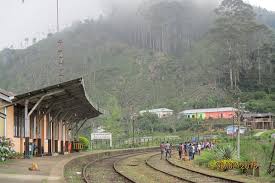
To reach Happutala, you can fly into Bandaranaike International Airport in Colombo and then take a scenic train or bus journey to the hill station. The train ride is particularly popular, offering breathtaking views along the way. It is advisable to check the train schedules and book your tickets in advance, as they can fill up quickly.

Conclusion

Happutala, with its enchanting landscapes, cultural heritage, and thrilling adventures, is a destination that captivates the hearts of travelers. Whether you seek tranquility in nature, seek adrenaline-pumping experiences, or wish to immerse yourself in the local culture, Happutala offers something for everyone. Plan your visit to this mesmerizing hill station and create memories that will last a lifetime.
FAQs

1. Is Happutala suitable for families with children? Yes, Happutala offers a family-friendly environment with various activities suitable for children, such as nature walks and tea factory visits.

2. Are there any accommodation options with scenic views in Happutala? Yes, many accommodations in Happutala provide stunning views of the surrounding mountains and tea gardens.

3. Can I visit Happutala as a day trip from nearby cities? While it is possible to visit Happutala on a day trip, it is recommended to stay at least one night to fully explore the attractions and enjoy the tranquility of the hill station.

4. Are there any restrictions on hiking and trekking in Happutala? Certain hiking and trekking routes in Happutala may require permits or the presence of a licensed guide. It is advisable to inquire beforehand and follow the necessary guidelines for a safe and enjoyable experience.

5. Can I purchase locally produced tea in Happutala? Yes, there are several tea shops and boutiques where you can purchase locally produced tea as souvenirs to take back home.
SHARE

Mahiyangana | Exploring the Rich History and Natural Beauty

SHARE

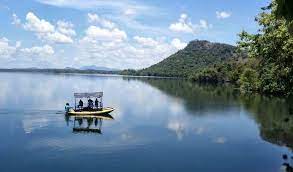
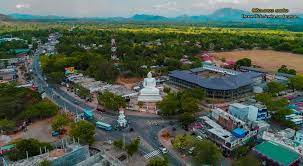
Mahiyangana, a small town nestled in the Badulla District of Sri Lanka, is a place of immense historical and natural significance. With its captivating legends, ancient temples, and breathtaking landscapes, Mahiyangana offers visitors a unique opportunity to immerse themselves in the rich tapestry of Sri Lankan heritage. In this article, we will delve into the enchanting history, cultural landmarks, and natural wonders that make Mahiyangana a must-visit destination. So, let’s embark on a journey to uncover the hidden gems of Mahiyangana.

Table of Contents

  1. Introduction to Mahiyangana
  2. Legends and Mythology
  3. Historical Landmarks
  4. Cultural Heritage
  5. Mahiyangana Rajamaha Viharaya
  6. Mahiyangana National Museum
  7. Natural Attractions
  8. Udawalawe National Park
  9. Dambana Indigenous Village
  10. The Beauty of Sorabora Wewa
  11. Exploring Mahiyangana Town
  12. Exquisite Local Cuisine
  13. Traditional Festivals
  14. Accommodation Options
  15. Conclusion

1. Introduction to Mahiyangana

Mahiyangana, located in the eastern region of Sri Lanka, is a town steeped in history and natural beauty. It is believed to be one of the earliest inhabited areas in the country, dating back thousands of years. Surrounded by lush greenery, picturesque mountains, and serene lakes, Mahiyangana is a paradise for nature enthusiasts and history buffs alike.

2. Legends and Mythology

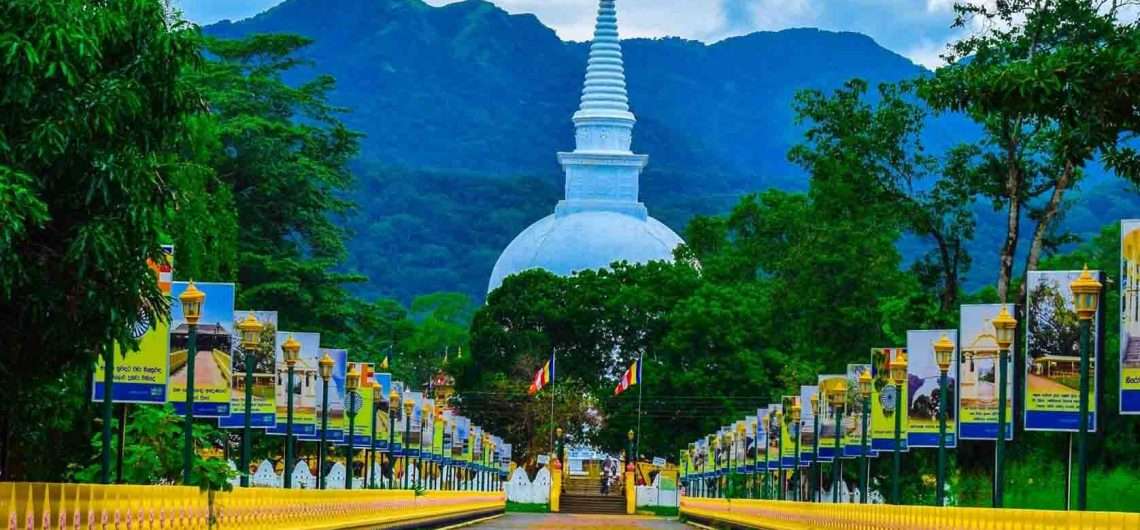
Mahiyangana is shrouded in fascinating legends and mythology that add to its allure. According to popular belief, Lord Buddha visited Mahiyangana during his third visit to Sri Lanka and left his hair relic, known as the “Sakkatissa Relic,” in a stupa. This event holds great significance for Buddhists, making Mahiyangana a revered pilgrimage site.

3. Historical Landmarks

The town boasts several historical landmarks that provide a glimpse into its rich past. The Magul Maha Viharaya, believed to be the location of the royal wedding between King Kavantissa and Princess Viharamahadevi, stands as a testament to the ancient architectural marvels of Mahiyangana. The beautifully carved stone pillars and intricate designs are a treat for history enthusiasts.

4. Cultural Heritage

Mahiyangana’s cultural heritage is vibrant and deeply rooted in its traditions. The town’s inhabitants take great pride in preserving their customs and rituals, which can be witnessed during religious ceremonies and festivals. The harmonious blend of various cultures and traditions is a testament to the multicultural fabric of Sri Lanka.

5. Mahiyangana Rajamaha Viharaya

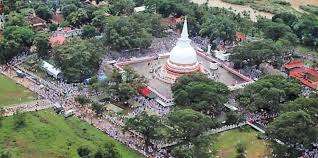
The Mahiyangana Rajamaha Viharaya is one of the most sacred Buddhist temples in Sri Lanka. This ancient temple is believed to be one of the first establishments in the country. The serene ambiance, intricate architecture, and tranquil surroundings make it an ideal place for meditation and spiritual contemplation.

6. Mahiyangana National Museum

To gain a deeper understanding of the region’s history, a visit to the Mahiyangana National Museum is highly recommended. The museum houses a remarkable collection of artifacts, sculptures, and historical relics, providing visitors with insights into the rich cultural heritage of Mahiyangana and its surrounding areas.

7. Natural Attractions

Nature enthusiasts will find themselves captivated by the natural wonders surrounding Mahiyangana. From lush tea plantations to majestic waterfalls, the region is a treasure trove of scenic beauty. Let’s explore some of the must-visit natural attractions in and around Mahiyangana.

8. Udawalawe National Park

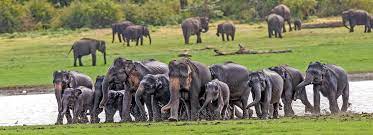
Located in close proximity to Mahiyangana, Udawalawe National Park is a haven for wildlife lovers. Spread over a vast area, the park is home to diverse flora and fauna, including elephants, leopards, and various bird species. A safari through the park offers an unforgettable opportunity to witness these majestic creatures in their natural habitat.

9. Dambana Indigenous Village

Immerse yourself in the rich cultural heritage of Sri Lanka by visiting the Dambana Indigenous Village near Mahiyangana. This village is inhabited by the indigenous Vedda people, who have preserved their unique way of life for generations. Visitors can engage in cultural activities, witness traditional dances, and learn about their ancient traditions.

10. The Beauty of Sorabora Wewa

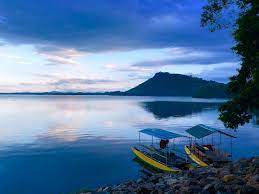
Sorabora Wewa, an ancient reservoir located near Mahiyangana, is a sight to behold. Built by King Dutugemunu in the 2nd century BC, it covers a vast area and is surrounded by scenic landscapes. The tranquil atmosphere and stunning views make it an ideal spot for picnics and leisurely walks.

11. Exploring Mahiyangana Town

Take a stroll through the charming streets of Mahiyangana town and soak in the local ambiance. From bustling markets to quaint shops selling handmade crafts and souvenirs, the town offers a glimpse into the daily lives of its friendly residents. Engage in conversations with locals, savor delicious street food, and experience the warm hospitality for which Sri Lanka is renowned.

12. Exquisite Local Cuisine

No visit to Mahiyangana would be complete without indulging in its delectable local cuisine. From aromatic rice and curry dishes to mouthwatering sweets and snacks, the town offers a gastronomic delight for food enthusiasts. Don’t miss the opportunity to savor authentic Sri Lankan flavors and explore the local culinary traditions.

13. Traditional Festivals

Mahiyangana comes alive during its vibrant festivals, where ancient customs and rituals take center stage. The Esala Perahera, a grand procession held annually, showcases beautifully adorned elephants, traditional dancers, and musicians. The festival offers a captivating spectacle and provides an opportunity to witness the rich cultural heritage of the region.

14. Accommodation Options

Mahiyangana offers a range of accommodation options to suit every traveler’s needs. From luxury resorts to budget-friendly guesthouses, visitors can find a comfortable place to stay and immerse themselves in the town’s unique ambiance. Wake up to picturesque views, warm hospitality, and a memorable stay in Mahiyangana.

15. Conclusion

Mahiyangana, with its deep-rooted history, cultural heritage, and stunning natural beauty, is a destination that should not be missed. Whether you are a history enthusiast, a nature lover, or simply seeking a tranquil escape, Mahiyangana has something to offer everyone. Explore its ancient temples, immerse yourself in the local culture, and create memories that will last a lifetime.

FAQs (Frequently Asked Questions)

  1. Q: What is the best time to visit Mahiyangana?
    • A: The best time to visit Mahiyangana is during the dry season, from May to September, when the weather is pleasant and ideal for outdoor activities.
  2. Q: How can I reach Mahiyangana?
    • A: Mahiyangana can be reached by road from major cities in Sri Lanka. Buses and taxis are available for transportation.
  3. Q: Are there any hiking trails near Mahiyangana?
    • A: Yes, there are several hiking trails in the surrounding mountains and forests, offering stunning views and opportunities for adventure.
  4. Q: Is Mahiyangana suitable for family vacations?
    • A: Absolutely! Mahiyangana offers a range of family-friendly activities and attractions, making it an ideal destination for a memorable family vacation.
  5. Q: Are there any restrictions for visiting the Mahiyangana Rajamaha Viharaya?
    • A: Visitors are advised to dress modestly and remove footwear before entering the temple premises as a sign of respect.

In conclusion, Mahiyangana is a hidden gem in Sri Lanka that combines history, culture, and natural beauty to offer a truly unforgettable experience. Whether you are a history enthusiast, a nature lover, or simply seeking a peaceful retreat, Mahiyangana has something for everyone. Plan your visit to this captivating town and immerse yourself in its rich heritage and scenic landscapes.


SHARE

Discover Tangalle | A Complete Guide to Sri Lanka’s Coastal Gem

SHARE

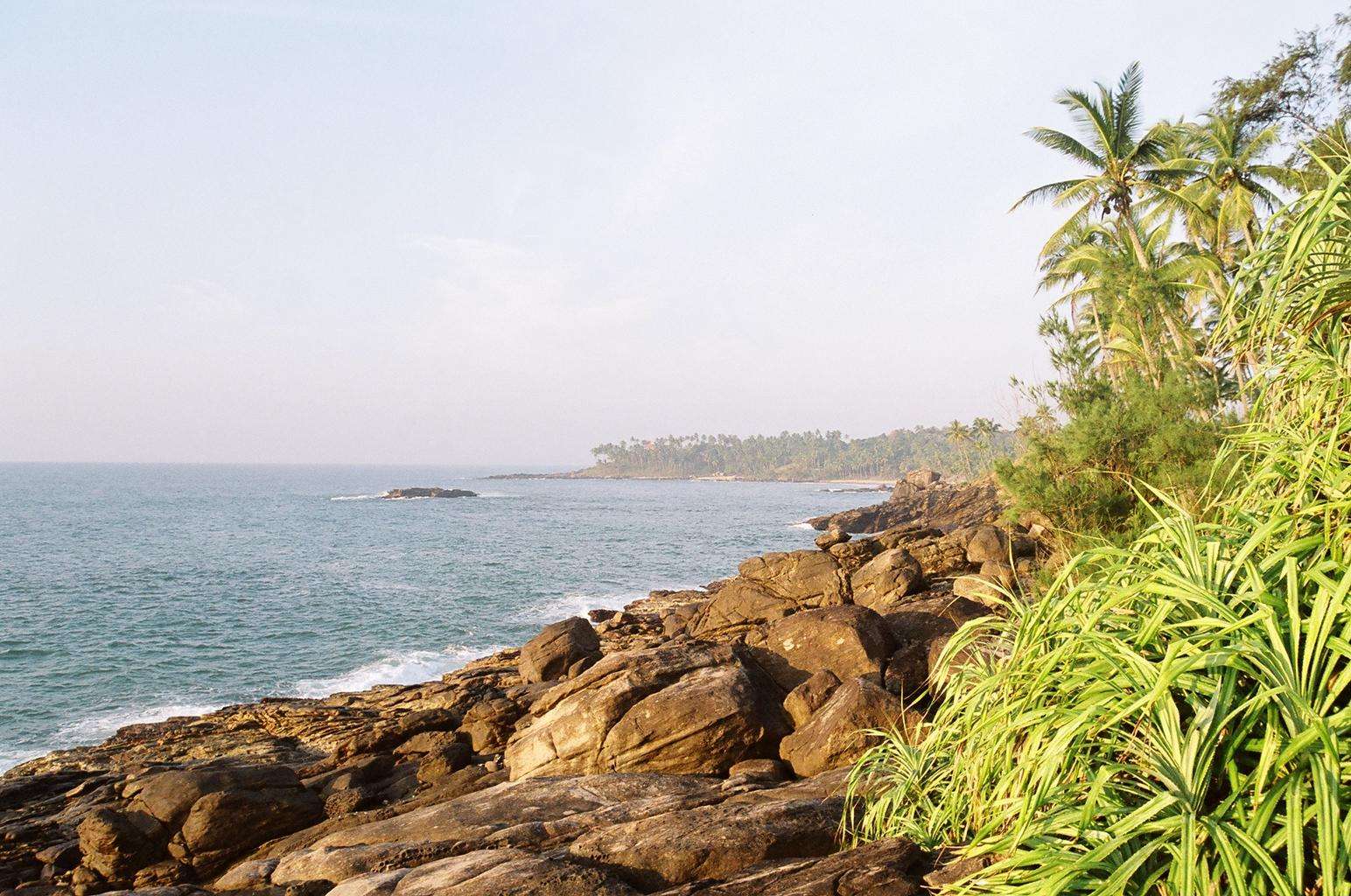
Tangalle is a coastal town located in the Hambantota District of Sri Lanka. It is situated on the southernmost tip of the island, approximately 195 kilometers (121 miles) from Colombo, the capital city of Sri Lanka. With its pristine beaches, palm trees, and serene atmosphere, Tangalle is a popular tourist destination known for its natural beauty and tranquility.
 
Here are some key details about Tangalle:
 
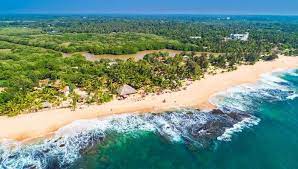
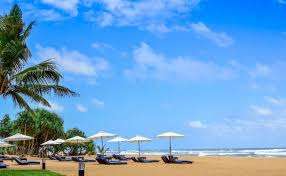
  • Beaches: Tangalle is famous for its stunning beaches. The main beach, Tangalle Bay, offers a long stretch of golden sand, clear turquoise waters, and scenic views. It is an ideal spot for swimming, sunbathing, and enjoying beach activities.
 
  • Attractions:
 
  • Mulkirigala Rock Temple: Located near Tangalle, this ancient temple is carved into a massive rock formation. It features magnificent murals, Buddha statues, and panoramic views from the top.
 
  • Goyambokka Beach: This picturesque beach is known for its calm waters, making it suitable for swimming and snorkeling.
 
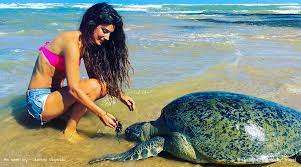
  • Rekawa Turtle Conservation Project: A few kilometers east of Tangalle, this project focuses on the conservation of sea turtles. Visitors can witness the nesting and hatching process of various turtle species.
 
  • Blowhole of Kudawella: Located in Kudawella, a short distance from Tangalle, this natural phenomenon occurs when seawater rushes through a submerged cavity, resulting in a high-pressure water column and a spectacular water spout.
 
  • Nature Reserves and National Parks:
 
  • Yala National Park: While not in Tangalle itself, Yala National Park is one of Sri Lanka’s most popular wildlife sanctuaries. It is home to diverse wildlife, including elephants, leopards, crocodiles, and numerous bird species.
 
  • Bundala National Park: Situated near Tangalle, Bundala is a haven for birdwatchers, offering a significant habitat for migratory and resident birds. It is also home to reptiles, mammals, and unique flora.
 
  • Accommodation and Dining: Tangalle offers a range of accommodation options, including luxury resorts, boutique hotels, guesthouses, and beachfront villas. There are also several restaurants and cafes serving a variety of cuisines, including fresh seafood and traditional Sri Lankan dishes.
 
  • Nearby Attractions: Tangalle serves as a convenient base for exploring other nearby attractions, such as Mirissa, famous for its whale and dolphin watching tours, and the colonial city of Galle, known for its UNESCO World Heritage-listed Galle Fort.
 
  • Climate: Tangalle experiences a tropical climate with high temperatures and humidity throughout the year. The dry season from November to April is considered the best time to visit, with calm seas and clear skies. The monsoon season from May to October brings occasional rainfall and rougher seas.
 
  • Water Sports: Tangalle offers a range of water sports and activities for visitors to enjoy. These include snorkeling, diving, surfing, and sailing. The clear waters and vibrant marine life make it an excellent destination for underwater exploration.
 
  • Cultural Sites: Tangalle and its surrounding areas have a rich cultural heritage. Visitors can explore ancient temples, such as the Wewurukannala Vihara, known for its giant seated Buddha statue and colorful murals. The Kalametiya Raja Maha Viharaya is another notable temple with historical and religious significance.
 
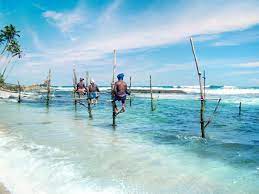
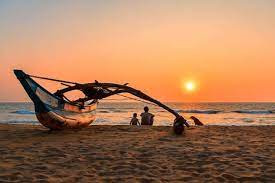
  • Fishing Villages: Tangalle is surrounded by traditional fishing villages where visitors can witness the daily routines of local fishermen. It is possible to join them on a fishing excursion or observe the traditional fishing methods, such as stilt fishing.
 
 
  • Day Trips: Tangalle serves as a convenient starting point for various day trips and excursions. Some popular options include:
 
Udawalawe National Park: Located northeast of Tangalle, Udawalawe National Park is renowned for its elephant sightings. The park is home to a large population of elephants, and visitors can embark on safari tours to observe these majestic creatures in their natural habitat. Other wildlife species, such as sambar deer, water buffalo, crocodiles, and numerous bird species, can also be spotted in the park.
 
Ussangoda National Park: Situated near Tangalle, Ussangoda National Park is characterized by its unique red soil and coastal views. It is a protected area known for its unusual landscape and archaeological significance. Visitors can explore the park, enjoy panoramic vistas, and learn about its geological features and folklore.
 
  • Ayurveda and Wellness: Tangalle is home to several wellness retreats and Ayurvedic centers. Ayurveda is an ancient holistic healing system originating in India, and it has gained popularity in Sri Lanka as well. Visitors to Tangalle can indulge in rejuvenating spa treatments, yoga sessions, and Ayurvedic therapies. These practices aim to promote wellness, balance, and relaxation, providing a holistic and rejuvenating experience.
 
  • Local Culture and Cuisine: Tangalle offers an opportunity to immerse oneself in the local culture. Visitors can explore traditional village life and witness cultural performances such as traditional dance and music. The region’s culinary delights are also worth exploring. Tangalle is known for its fresh seafood, including a variety of fish, prawns, and crabs. Visitors can savor delicious seafood curries, coconut-based dishes, and tropical fruits that are abundant in the area.
 
  • Accessibility: Tangalle is easily accessible by road from Colombo, which is approximately a 4-5 hour drive depending on traffic. Private taxis and public buses are available for transportation to and from Tangalle. The nearest airport to Tangalle is Mattala Rajapaksa International Airport, located about 50 kilometers (31 miles) away. From the airport, travelers can take a taxi or arrange for transportation to reach Tangalle.
 
  • Sustainability and Conservation: Tangalle and its surrounding areas are committed to sustainable tourism practices and conservation efforts. There are initiatives focused on preserving the environment, protecting marine life, and promoting responsible tourism. Visitors can support these efforts by being mindful of their environmental impact, participating in eco-friendly activities, and supporting local businesses and initiatives that prioritize sustainability and conservation.
 
  • Water Sports: Tangalle is a great destination for water sports enthusiasts. Visitors can engage in activities such as snorkeling, diving, and surfing. The clear waters and abundant marine life make it an ideal spot for exploring underwater ecosystems and enjoying thrilling water sports adventures.
 
  • Bird Watching: Tangalle and its surrounding areas are rich in birdlife. Birdwatchers can visit places like Kalametiya Bird Sanctuary, which is a wetland reserve known for its diverse bird species. It provides an excellent opportunity to spot both resident and migratory birds in their natural habitat.
 
  • Traditional Handicrafts: Tangalle is known for its traditional handicrafts made by skilled artisans. Visitors can explore local workshops and markets to see and purchase items such as handmade pottery, wood carvings, woven baskets, and intricate lacework.
 
  • Cultural Festivals: Throughout the year, Tangalle hosts various cultural festivals and events that showcase the local traditions and customs. These festivals often feature colorful processions, traditional dances, music performances, and religious ceremonies. Attending these festivals allows visitors to immerse themselves in the vibrant local culture.
 
  • Village Tours: Tangalle offers opportunities to explore nearby traditional villages and experience the authentic rural life of Sri Lanka. Visitors can join guided village tours to learn about local livelihoods, farming practices, and traditional crafts. It’s a chance to interact with the friendly locals and gain insights into their daily routines and customs.
 
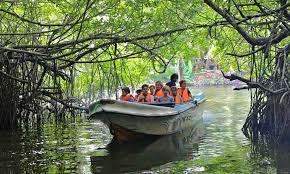
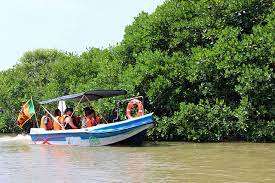
  • Boat Safaris: Tangalle is surrounded by picturesque lagoons and estuaries, offering the chance to embark on scenic boat safaris. These boat tours allow visitors to explore the mangrove forests, observe the diverse ecosystem, spot wildlife, and enjoy the tranquil beauty of the surroundings.
 
  • Historical Sites: Tangalle and its surroundings are dotted with historical sites and ruins. One notable attraction is the Mulkirigala Raja Maha Vihara, an ancient Buddhist temple carved into a massive rock. The temple complex features intricate murals, Buddha statues, and offers breathtaking views from the top.
 
  • Sunset Watching: Tangalle’s coastal location provides stunning opportunities to witness breathtaking sunsets. Visitors can relax on the beach, find a cozy spot, and marvel at the vibrant colors as the sun dips below the horizon, creating a magical ambiance.
 
  • Cycling and Nature Walks: Tangalle’s scenic landscapes and countryside make it an excellent destination for cycling and nature walks. Visitors can rent bicycles or join guided tours to explore the rural areas, pass through paddy fields, interact with locals, and discover hidden gems off the beaten path.
 
  • Meditation and Yoga Retreats: Tangalle’s tranquil environment and natural beauty make it an ideal setting for meditation and yoga retreats. Several retreat centers offer programs and workshops where visitors can relax, rejuvenate, and find inner peace through meditation, yoga, and mindfulness practices.
 
  • Coral Reefs and Snorkeling: Tangalle’s coastal waters are home to vibrant coral reefs teeming with marine life. Snorkeling enthusiasts can explore these underwater ecosystems, witnessing colorful corals, tropical fish, and other fascinating sea creatures. Hikkaduwa Marine National Park, located within a reasonable distance from Tangalle, is known for its excellent snorkeling opportunities.
 
  • Fishing Excursions: Tangalle is a traditional fishing town, and visitors have the opportunity to join local fishermen on fishing excursions. Experience the traditional fishing methods, such as stilt fishing, where fishermen perch on stilts and cast their lines into the sea. It’s a unique cultural experience and a chance to learn about the livelihood of the local community.
 
  • Caving: Near Tangalle, there are several caves waiting to be explored. The Mulgirigala Cave Temple, mentioned earlier, is an example of a cave temple where you can admire ancient rock-cut architecture and religious artifacts. Additionally, there are other caves in the surrounding areas, such as the Wewurukannala Cave Temple and the Andahelena Cave, that offer fascinating insights into the region’s history and spiritual practices.
 
  • Cycling along Coastal Routes: Tangalle’s coastal area is ideal for cycling enthusiasts. Rent a bicycle and embark on a scenic ride along the coastline, passing by picturesque beaches, coconut groves, and charming fishing villages. It’s a great way to immerse yourself in the local environment and enjoy the refreshing sea breeze.
 
  • Cooking Classes: Tangalle provides an opportunity to learn about Sri Lankan cuisine through cooking classes. Join a local cooking school or culinary workshop and discover the secrets of authentic Sri Lankan dishes. Learn how to prepare traditional curries, sambols, and other flavorful dishes using local spices and ingredients.
 
  • Turtle Watching: Tangalle is known for its turtle conservation efforts, and visitors can witness these magnificent creatures up close. Head to Rekawa Beach, which is a nesting site for sea turtles. With the guidance of local conservationists, you can observe the nesting process or witness baby turtles making their way to the sea during the hatching season.
 
  • Traditional Ayurvedic Treatments: Tangalle is a hub for Ayurvedic treatments and therapies. Visit Ayurvedic spas and wellness centers to experience rejuvenating massages, herbal treatments, and holistic therapies that promote well-being and balance. The natural surroundings and peaceful atmosphere enhance the healing effects of these ancient practices.
 
  • Tea Plantations: While not in Tangalle itself, the surrounding region is known for its tea plantations. Take a day trip to areas like Ella or Haputale to explore lush tea estates, enjoy scenic views of rolling hills, and learn about the tea production process through guided tours. You can even sample various types of Ceylon tea and purchase your favorite blends.
 
  • Surfing: Tangalle’s coastline offers excellent surfing conditions for both beginners and experienced surfers. Hiriketiya Beach, located near Tangalle, is a popular spot for surfing. You can rent surfboards and take lessons from local instructors to ride the waves and experience the thrill of surfing in a beautiful tropical setting.
 
  • Batik Workshops: Batik is a traditional Sri Lankan art form involving the creation of intricate designs on fabric using wax and dyes. Tangalle is home to several batik workshops where you can learn about this ancient craft and even try your hand at creating your own batik masterpiece under the guidance of skilled artisans.
 
  • Traditional Drumming and Dancing Performances: Immerse yourself in the vibrant culture of Sri Lanka by attending traditional drumming and dancing performances in Tangalle. Local performers showcase traditional dances such as Kandyan, Low Country, and Sabaragamuwa, accompanied by rhythmic drumming, creating a lively and captivating atmosphere.
 
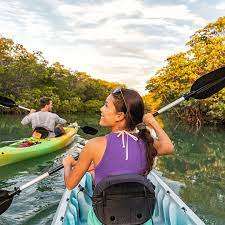
  • Lagoon Safaris: Explore the scenic lagoons and estuaries of Tangalle on a lagoon safari. Hop on a boat or kayak and navigate through the calm waters, surrounded by mangroves and abundant birdlife. It’s a peaceful and picturesque way to appreciate the natural beauty of the region.
 
  • Rock Climbing: Adventure enthusiasts can enjoy rock climbing at various locations near Tangalle. Mulkirigala Rock, mentioned earlier as a historical site, also offers opportunities for rock climbing. Ascend the rock surface under the guidance of experienced climbers and enjoy panoramic views as a reward for your efforts.
 
  • Moonstone Mines: Tangalle is close to the village of Meetiyagoda, known for its moonstone mines. Take a trip to these mines and witness the mining process of this unique gemstone. You can also purchase beautiful moonstone jewelry directly from the local artisans.
 
  • Cinnamon Plantations: Sri Lanka is renowned for its high-quality cinnamon, and Tangalle is situated in a region where cinnamon plantations thrive. Visit a cinnamon plantation to learn about the cultivation and processing of this aromatic spice. You can also buy freshly harvested cinnamon and related products.
 
  • Sunset Catamaran Cruises: Enjoy a romantic sunset cruise along the coast of Tangalle on a catamaran. Sail the tranquil waters, savoring breathtaking views of the setting sun painting the sky with vibrant colors. It’s a memorable experience to share with a loved one or to unwind in a serene setting.
 
  • Elephant Watching: Although Tangalle itself is not known for elephant sightings, you can take a day trip to Udawalawe National Park, which is located nearby. Udawalawe is famous for its population of wild elephants, and visitors can embark on safari tours to observe these majestic creatures in their natural habitat.
 
  • Handloom Weaving: Discover the art of handloom weaving by visiting weaving centers in Tangalle. Witness skilled weavers at work, creating beautiful textiles using traditional techniques. You can purchase intricately woven fabrics, sarongs, and other handmade products as souvenirs.
 
  • Seafood Markets: Tangalle is a paradise for seafood lovers. Visit local seafood markets where you can find an array of fresh catches, including fish, prawns, crabs, and lobsters. You can either savor delicious seafood dishes at nearby restaurants or prepare your own culinary delights using the fresh ingredients.
 
  • Nature Photography: Tangalle’s natural beauty provides ample opportunities for nature photography. Capture stunning landscapes, vibrant sunsets, exotic wildlife, and the unique flora of the region. Whether you’re an amateur or professional photographer, Tangalle offers countless picture-perfect moments.
 
  • Agricultural Tours: Gain insight into Sri Lanka’s agricultural practices by joining agricultural tours in the surrounding areas of Tangalle. Explore tea, rubber, and coconut plantations, and learn about the cultivation and processing methods. Engage with local farmers and experience the agricultural heritage of the region.
 
  • Bird Watching: Tangalle and its surrounding areas are a haven for birdwatching enthusiasts. Explore the diverse ecosystems, including wetlands, lagoons, and coastal areas, which attract a wide variety of bird species. Spot colorful kingfishers, herons, eagles, and migratory birds in their natural habitats.
 
  • Scenic Drives: The roads around Tangalle offer scenic drives with stunning views. Take a leisurely drive along the coastal roads, passing by pristine beaches, lush greenery, and charming villages. It’s a wonderful way to soak in the natural beauty of the region at your own pace.
 
  • Yoga and Meditation Retreats: Tangalle is home to several yoga and meditation retreat centers that offer immersive experiences for relaxation and self-discovery. Join retreat programs that combine yoga, meditation, mindfulness, and wellness activities to rejuvenate your mind, body, and soul in a tranquil setting.
 
  • Traditional Mask Making: Visit a mask-making workshop in the nearby village of Ambalantota to witness the intricate craftsmanship involved in creating traditional Sri Lankan masks. Learn about the cultural significance of these masks, which are used in traditional dance performances and rituals.
 
  • Waterfall Exploration: Explore the picturesque waterfalls near Tangalle, such as Ravana Falls and Diyaluma Falls. Enjoy the refreshing spray of water, swim in natural pools, and bask in the beauty of these cascading wonders amidst lush green surroundings.
 
  • Village Walks and Home Visits: Immerse yourself in the local culture by taking village walks and visiting traditional homes in the vicinity of Tangalle. Interact with friendly locals, learn about their way of life, and get a glimpse into the traditions, customs, and hospitality of rural Sri Lanka.
 
  • Kalametiya Bird Sanctuary: Located near Tangalle, Kalametiya Bird Sanctuary is a wetland reserve that is home to a wide variety of resident and migratory bird species. Explore the sanctuary on foot or by boat and witness the beauty of the wetlands while observing the vibrant birdlife.
 
  • Handicraft Workshops: Discover the craftsmanship of local artisans by participating in handicraft workshops. Learn traditional crafts such as pottery, basket weaving, wood carving, or coconut leaf art. Create your own unique piece of artwork to take home as a memento of your time in Tangalle.
 
  • Traditional Drum Making: Tangalle is known for its traditional drum-making industry. Visit a drum-making workshop and witness the skilled craftsmen as they create intricate percussion instruments. Learn about the history and cultural significance of Sri Lankan drums and even try your hand at playing them.
 
  • Cycling through Paddy Fields: Embark on a cycling tour through the scenic paddy fields surrounding Tangalle. Pedal along peaceful rural roads, passing by lush green rice paddies and picturesque landscapes. It’s a great way to connect with nature and experience the tranquility of the countryside.
In addition, Tangalle offers a range of hotels and resorts with various facilities to cater to different preferences and budgets. Here are some common hotel facilities you can expect to find in Tangalle:
 
  • Accommodation Options: Tangalle provides a wide range of accommodation options, including luxury resorts, boutique hotels, guesthouses, beachfront villas, and budget-friendly hotels. Choose from a variety of room types, such as standard rooms, suites, bungalows, or private villas, depending on your needs and preferences.
 
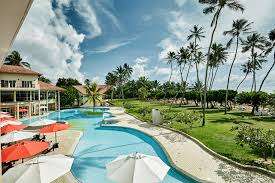
  • Swimming Pools: Many hotels in Tangalle feature swimming pools, allowing guests to cool off and relax under the tropical sun. Whether you prefer a refreshing dip or lounging by the poolside, you can enjoy leisurely moments in the water.
 
  • Spa and Wellness Facilities: Several hotels in Tangalle offer spa and wellness facilities where you can indulge in rejuvenating treatments and therapies. Pamper yourself with massages, facials, body scrubs, and aromatherapy sessions to unwind and rejuvenate.
 
  • Fitness Centers: Stay active and maintain your workout routine at the fitness centers available in some hotels. These facilities provide a range of exercise equipment and amenities to help you stay fit during your stay.
 
  • Restaurants and Bars: Most hotels in Tangalle have their own on-site restaurants and bars, offering a variety of cuisines and dining experiences. From traditional Sri Lankan dishes to international flavors, you can savor a diverse range of culinary delights without leaving the comfort of your hotel.
 
  • Beach Access: Many hotels in Tangalle are located along the coastline or in close proximity to the beach, providing easy access to the stunning beaches. Enjoy leisurely walks, sunbathe on the sandy shores, or engage in beach activities right outside your hotel.
 
  • Outdoor Spaces and Gardens: Hotels in Tangalle often feature well-manicured gardens and outdoor spaces where guests can relax, read a book, or enjoy a picnic. These spaces offer tranquil settings to unwind amidst the natural beauty of the surroundings.
 
  • Conference and Event Facilities: Some hotels in Tangalle provide conference and event facilities, making them suitable for business meetings, seminars, or special events. These facilities typically offer audiovisual equipment, meeting rooms, and catering services.
 
  • Kids’ Facilities: Family-friendly hotels in Tangalle may have dedicated facilities for children, such as play areas, kids’ pools, and organized activities to keep the little ones entertained and engaged during their stay.
 
  • Wi-Fi and Connectivity: Most hotels in Tangalle provide Wi-Fi access, allowing guests to stay connected and browse the internet. Some may offer complimentary Wi-Fi, while others may have it available for an additional fee.
 
It’s important to note that the availability of specific facilities may vary from one hotel to another. It’s recommended to check the facilities and amenities provided by the hotel you are interested in to ensure they meet your requirements.
 
Additionally, it’s worth considering the location and proximity of the hotel to the attractions and activities you plan to explore in Tangalle to ensure convenient access and a fulfilling stay.

SHARE

Negombo: Vibrant Coastal Paradise in Sri Lanka

SHARE

Introduction about Negambo

Negombo, located on the western coast of Sri Lanka, is a vibrant coastal paradise renowned for its stunning beaches, rich culture, and fascinating history. As a top travel destination and the gateway to Sri Lanka via Bandaranaike International Airport, Negombo offers visitors a unique blend of attractions, local life, and delicious cuisine. Whether you’re looking to relax on sandy shores, explore cultural landmarks, or experience the lively atmosphere, Negombo stands out as one of Sri Lanka’s must-visit destinations. Discover all that this beautiful city has to offer as we uncover its hidden gems and captivating appeal.


    The History of Negombo

    Negombo’s history dates back to the time of the ancient Sinhalese kingdoms. However, its prominence rose during the colonial era when it became a key trade hub. The city showcases a fusion of influences from various civilizations, including the Portuguese, Dutch, and British.

    Exploring the Beaches in Negambo

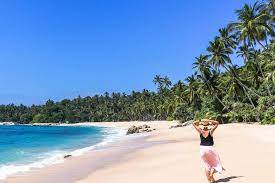
    Negombo boasts a stretch of pristine sandy beaches, making it a paradise for beach lovers. Whether you’re seeking a tranquil escape or an adventure-packed experience, the beaches of Negombo offer something for everyone. Take a leisurely stroll along the shore, soak up the sun, or engage in thrilling water sports activities.

    The Dutch Fort and Colonial Heritage in Negambo

    A visit to Negombo is incomplete without exploring the remnants of its colonial past. The Dutch Fort, built during the 17th century, stands as a testament to the city’s historical significance. Immerse yourself in the fascinating stories of the past as you wander through the fort’s sturdy walls and explore its hidden corners.

    The Lagoon and Muthurajawela Marsh – Negambo

    The Negombo Lagoon and the nearby Muthurajawela Marsh form a unique ecosystem teeming with biodiversity. Embark on a boat ride through the lagoon and marvel at the mangrove forests, vibrant birdlife, and other fascinating flora and fauna. This tranquil experience allows you to connect with nature in a serene setting.

    Delving into Negombo’s Fishing Industry

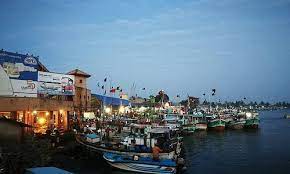
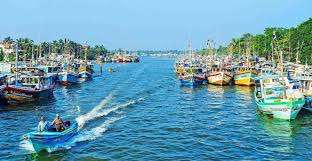
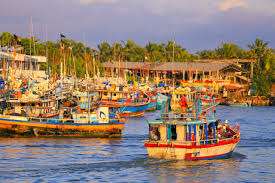
    Negombo is renowned for its thriving fishing industry, and witnessing the bustling activities of the local fishermen is a must. Explore the vibrant fish markets, where fresh catches are displayed in abundance. Engage in conversations with the fishermen and learn about their traditional fishing methods passed down through generations.The Negombo Fish Market

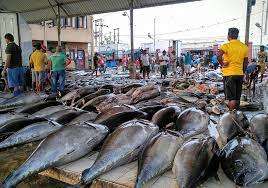
    A visit to the Negombo Fish Market is a sensory delight. Experience the lively atmosphere as fishermen bring in their daily hauls, and vendors enthusiastically negotiate prices. From colorful fish and crustaceans to a variety of seafood, the market showcases the rich marine bounty of the region.

    The Rich Cultural Tapestry in Negambo

    Negombo is a melting pot of cultures, with influences from various communities, including Sinhalese, Tamils, Muslims, and Burghers. Explore the vibrant neighborhoods, witness the harmonious coexistence of different religious and ethnic groups, and immerse yourself in the local traditions and festivals that bring the city to life.

    The Angurukaramulla Temple in Negambo Cost

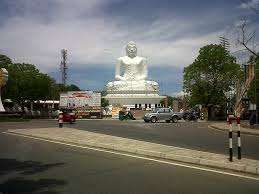
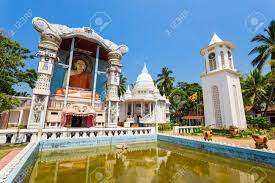
    The Angurukaramulla Temple is a significant Buddhist temple in Negombo, known for its intricate architecture and vibrant murals. Pay a visit to this spiritual haven and marvel at the giant Buddha statue that stands tall, offering solace and tranquility to all who seek it.

    Exquisite Churches and Cathedrals in Negambo

    Negombo is often referred to as the “Little Rome” due to its numerous churches and cathedrals. These architectural marvels bear witness to the city’s strong Christian heritage. Step into the magnificent St. Mary’s Church or the breathtaking St. Sebastian’s Church and soak in the peaceful ambiance.

    Indulging in Local Cuisine in Negambo

    Negombo is a food lover’s paradise, with a wide array of culinary delights to savor. Sample the fresh seafood delicacies prepared in traditional Sri Lankan flavors. From mouthwatering curries to aromatic rice dishes, the local cuisine will tantalize your taste buds and leave you craving for more.

    The Negombo Lagoon Boat Ride

    Embark on a scenic boat ride through the Negombo Lagoon, surrounded by picturesque landscapes and abundant birdlife. As you glide along the tranquil waters, witness the local fishermen going about their daily activities, casting their nets and collecting their catch. This immersive experience offers a glimpse into the livelihoods of the people of Negombo.

    Thrilling Water Sports Activities in Negambo beach

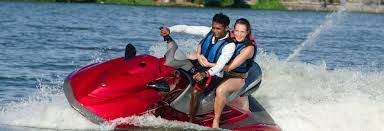
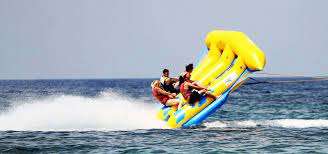
    For adrenaline junkies, Negombo offers an exciting range of water sports activities. From jet skiing and windsurfing to banana boat rides and kiteboarding, there’s no shortage of adventure on the azure waters. Dive into the waves and feel the rush of adrenaline as you engage in these thrilling experiences.

    Exploring Negombo on Two Wheels

    Rent a bicycle and explore Negombo at your own pace. Pedal through the scenic coastal roads, passing by traditional fishing villages and lush green paddy fields. Feel the gentle sea breeze on your face as you immerse yourself in the local culture and the everyday life of the friendly locals.

    Excursions to Nearby Attractions at Negambo

    Negombo serves as a convenient base for exploring nearby attractions. Take a day trip to the iconic Pinnawala Elephant Orphanage or the sacred city of Kandy, home to the Temple of the Tooth Relic. These excursions allow you to witness the diverse beauty and cultural heritage of Sri Lanka beyond Negombo’s borders.

    Relaxation and Rejuvenation at Beachside Resorts in Negambo

    After a day of exploration, unwind and rejuvenate at one of the many beachside resorts in Negombo. Bask in the luxurious amenities, indulge in soothing spa treatments, and savor delectable cuisine while overlooking the pristine shores. Allow yourself to be pampered and embrace the serenity of this coastal paradise.

    Conclusion

    Negombo truly encapsulates the beauty and charm of Sri Lanka’s western coast. With its stunning beaches, rich history, cultural diversity, and delectable cuisine, the city offers a unique and immersive experience for travelers. From exploring its colonial heritage to indulging in thrilling water sports activities, Negombo caters to a wide range of interests. So, pack your bags, embrace the enchantment of this coastal paradise, and create unforgettable memories in the tropical haven of Negombo.

    FAQs

    1. Is Negombo a suitable destination for a family vacation? Yes, Negombo offers a variety of family-friendly activities and resorts, making it an ideal destination for a memorable family vacation.
    2. Are there any water sports activities suitable for beginners in Negombo? Absolutely! Negombo provides options for beginners, such as jet skiing and banana boat rides, ensuring everyone can enjoy the thrill of water sports.
    3. What is the best time to visit Negombo? The best time to visit Negombo is during the dry season, from November to April, when the weather is sunny and ideal for beach activities.
    4. Are there any eco-tourism opportunities in Negombo? Yes, a boat ride through the Negombo Lagoon and Muthurajawela Marsh allows visitors to appreciate the region’s diverse ecosystem and engage in eco-tourism activities.
    5. How far is Negombo from Colombo, the capital city of Sri Lanka? Negombo is located approximately 37 kilometers north of Colombo, making it easily accessible for travelers.

    SHARE

    Hikkaduwa | A Tropical Paradise in Sri Lanka

    SHARE

    Introduction

    Hikkaduwa, located on the southwestern coast of Sri Lanka, is a vibrant and picturesque town renowned for its stunning beaches, vibrant marine life, and laid-back atmosphere. This tropical paradise has become a popular destination for travelers seeking a perfect blend of sun, sand, and sea. With its pristine coastline, vibrant coral reefs, and rich cultural heritage, Hikkaduwa offers a plethora of experiences that will captivate any visitor. In this article, we will explore the beauty, attractions, activities, and culture of Hikkaduwa.

    Table of Contents

    1. The History of Hikkaduwa
    2. Hikkaduwa Beach: A Tropical Haven
    3. Exploring the Coral Reefs
    4. Water Sports and Adventure Activities
    5. Unforgettable Wildlife Encounters
    6. Cultural Immersion in Hikkaduwa
    7. Mouthwatering Culinary Delights
    8. Accommodation Options in Hikkaduwa
    9. Shopping in Hikkaduwa
    10. Festivals and Events
    11. Excursions to Nearby Destinations
    12. Sustainable Tourism Initiatives
    13. Safety and Travel Tips
    14. Best Time to Visit Hikkaduwa
    15. Conclusion

    1. The History of Hikkaduwa

    Hikkaduwa has a rich history that dates back centuries. It was an important trading port during ancient times, frequented by Arab, Chinese, and European merchants. The town’s name is believed to be derived from the Sinhala words “Hikka” (meaning “mask”) and “Dova” (meaning “land”), referring to the traditional masks produced in the region. Hikkaduwa also played a significant role in Sri Lanka’s colonial past, with the Dutch leaving behind architectural remnants that can still be seen today.

    2. Hikkaduwa Beach: A Tropical Haven

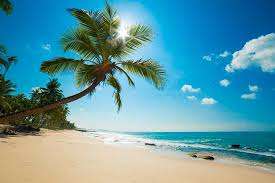
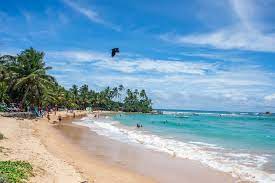
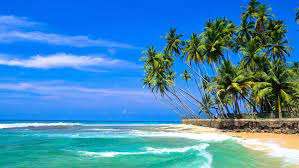
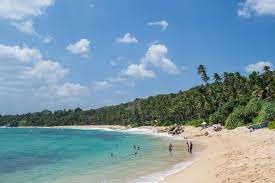
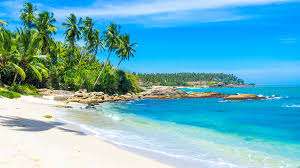
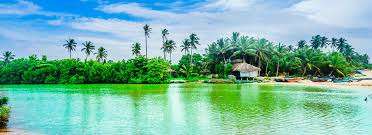
    Hikkaduwa’s main attraction is its pristine beach, stretching along the coast for several kilometers. The soft golden sand, swaying palm trees, and turquoise waters create a postcard-perfect setting. The beach is ideal for leisurely walks, sunbathing, and enjoying mesmerizing sunsets. Visitors can also find numerous beachfront cafes, restaurants, and bars offering delicious cuisine and refreshing beverages.

    3. Exploring the Coral Reefs

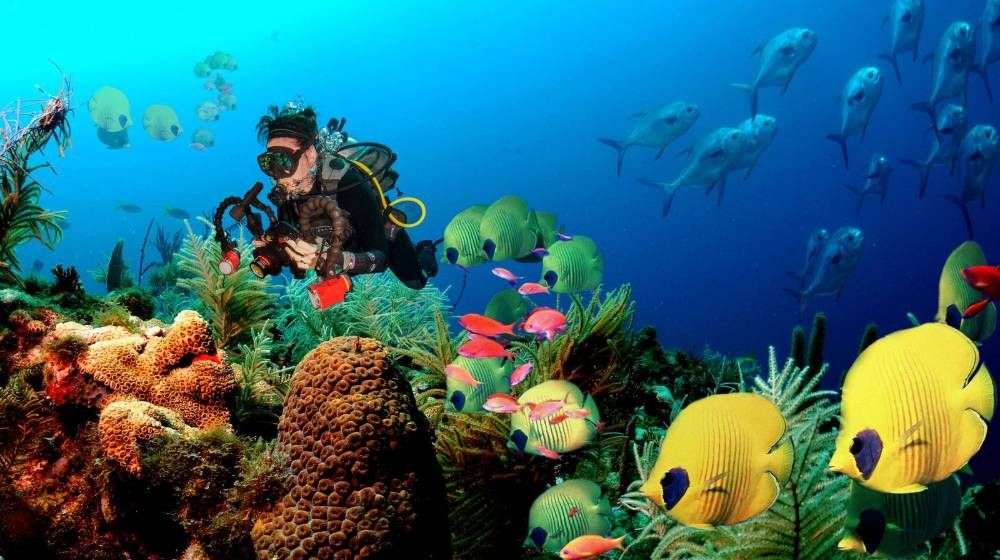
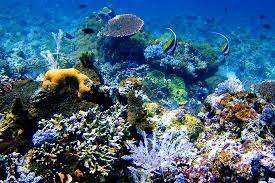
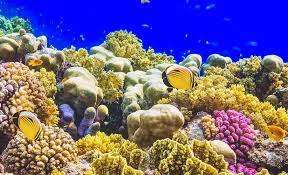
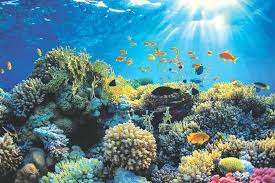
    Hikkaduwa is famous for its vibrant coral reefs, making it a haven for snorkeling and diving enthusiasts. The Hikkaduwa National Park, located just offshore, is a protected marine reserve boasting an array of colorful corals and diverse marine life. Snorkelers and divers can witness the beauty of the underwater world, encountering exotic fish, sea turtles, and even majestic manta rays. It’s an experience that will leave visitors in awe of nature’s wonders.

    4. Water Sports and Adventure Activities

    For those seeking a more adrenaline-fueled experience, Hikkaduwa offers a variety of water sports and adventure activities. From thrilling jet skiing and windsurfing to exhilarating banana boat rides and kiteboarding, there is something for everyone. The warm waters and consistent waves also make Hikkaduwa a popular destination for surfing enthusiasts of all skill levels.

    5. Unforgettable Wildlife Encounters

    Beyond the coral reefs, Hikkaduwa is surrounded by lush greenery and diverse ecosystems. Visitors can embark on a river safari along the Madu Ganga River, where they will encounter mangroves, exotic bird species, and maybe even a glimpse of a crocodile or a monkey. Additionally, a visit to the nearby Kosgoda Turtle Hatchery allows travelers to learn about the conservation efforts to protect endangered sea turtles and witness the release of these majestic creatures back into the ocean.

    6. Cultural Immersion in Hikkaduwa

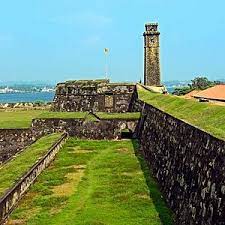
    Hikkaduwa offers an opportunity to immerse oneself in the rich cultural heritage of Sri Lanka. The town is dotted with ancient Buddhist temples, showcasing intricate architecture and serene surroundings. The Seenigama Vihara Temple, situated on a small island, is a popular pilgrimage site and offers panoramic views of the coastline. Visitors can also explore the nearby city of Galle, known for its well-preserved Dutch fort and colonial architecture.

    7. Mouthwatering Culinary Delights

    No visit to Hikkaduwa is complete without savoring the local cuisine. From fresh seafood delicacies to spicy curries and delectable tropical fruits, the culinary offerings in Hikkaduwa are a treat for the taste buds. Travelers can indulge in a wide range of dishes, including the famous Sri Lankan rice and curry, hoppers, and seafood BBQ. The town also hosts vibrant beachside seafood markets where visitors can feast on the catch of the day.

    8. Accommodation Options in Hikkaduwa

    Hikkaduwa caters to a diverse range of travelers with its wide array of accommodation options. From luxury resorts and boutique hotels to budget-friendly guesthouses and homestays, there is something for every preference and budget. Many of the accommodations offer stunning beachfront views, comfortable amenities, and warm hospitality, ensuring a memorable stay in this tropical paradise.

    9. Shopping in Hikkaduwa

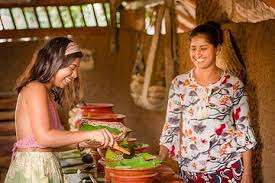
    Hikkaduwa presents a delightful shopping experience for visitors. The town is known for its local handicrafts, including intricately designed masks, batik textiles, and handwoven products. Travelers can explore the bustling markets and boutique stores, where they can find unique souvenirs and gifts to take back home. Shopping in Hikkaduwa allows tourists to support local artisans and take a piece of Sri Lankan culture with them.
    10. Festivals and Events

    Throughout the year, Hikkaduwa hosts various festivals and events that showcase the vibrant culture and traditions of the region. The Hikkaduwa Beach Fest, held annually, attracts music enthusiasts and beach lovers from around the world. The festival features live performances by local and international artists, beach parties, and cultural shows. It’s an opportunity to immerse oneself in the lively atmosphere and create unforgettable memories.

    11. Excursions to Nearby Destinations

    Hikkaduwa serves as an excellent base for exploring the surrounding areas. Travelers can take day trips to nearby destinations such as Galle, known for its colonial charm, or the UNESCO World Heritage Site of Sigiriya, with its ancient rock fortress. The scenic landscapes, historical sites, and cultural landmarks in the vicinity of Hikkaduwa offer a diverse range of experiences for curious explorers.

    12. Sustainable Tourism Initiatives

    Hikkaduwa is committed to sustainable tourism practices that preserve its natural beauty and cultural heritage. The town actively promotes eco-friendly initiatives, including beach cleanups, responsible snorkeling and diving practices, and community-based tourism projects. Visitors are encouraged to support these initiatives and engage in responsible travel practices to ensure the long-term preservation of Hikkaduwa’s pristine environment.

    13. Safety and Travel Tips

    While Hikkaduwa is generally a safe destination, it is always important to exercise caution and follow common travel safety practices. Travelers should be mindful of their belongings, avoid isolated areas at night, and adhere to local customs and regulations. It is also recommended to stay updated on weather conditions and follow any advisories or warnings issued by local authorities.

    14. Best Time to Visit Hikkaduwa

    Hikkaduwa enjoys a tropical climate, with warm temperatures throughout the year. The best time to visit is during the dry season, which extends from November to April. During this period, the weather is sunny and the sea is calm, making it perfect for beach activities and water sports. However, Hikkaduwa can be visited year-round, and even during the monsoon season, the town showcases its own unique charm.

    15. Conclusion

    Hikkaduwa is a tropical paradise that offers a remarkable blend of natural beauty, adventure, culture, and relaxation. Whether you’re seeking thrilling water sports, tranquil beach moments, or cultural immersion, Hikkaduwa has something to offer every traveler. From its breathtaking beaches and vibrant coral reefs to its rich history and mouthwatering cuisine, Hikkaduwa captivates the hearts of all who visit. Plan your journey to Hikkaduwa and create memories that will last a lifetime.

    FAQs

    Q1: Is Hikkaduwa safe for tourists?

    Yes, Hikkaduwa is generally safe for tourists. However, it’s always important to exercise caution and follow common safety practices. Avoid isolated areas at night, be mindful of your belongings, and adhere to local regulations.

    Q2: What are some popular water sports in Hikkaduwa?

    Hikkaduwa offers a range of water sports for adventure enthusiasts. Some popular activities include snorkeling, diving, surfing, jet skiing, windsurfing, and kiteboarding.

    Q3: Are there any cultural sites to visit in Hikkaduwa?

    Yes, Hikkaduwa is home to several cultural sites, including ancient Buddhist temples and the Seenigama Vihara Temple. Visitors can explore these landmarks to immerse themselves in the rich cultural heritage of Sri Lanka.
    Q4: What is the best time to visit Hikkaduwa?

    The best time to visit Hikkaduwa is during the dry season, from November to April. The weather is sunny, and the sea is calm, perfect for beach activities and water sports. However, Hikkaduwa can be enjoyed year-round.

    Q5: What are some nearby attractions to visit from Hikkaduwa?

    There are several nearby attractions worth visiting from Hikkaduwa. Galle, with its Dutch fort and colonial architecture, and Sigiriya, known for its ancient rock fortress, are popular day trip destinations. These places offer unique experiences and insights into Sri Lanka’s history and culture.


    SHARE

    Kalutara – A Jewel on Sri Lanka’s Western CoastKalutara

    SHARE

    Kalutara is a coastal town located in the Western Province of Sri Lanka, approximately 40 kilometers south of Colombo. The town is known for its beautiful beaches, cultural heritage, and religious sites, making it a popular destination for tourists visiting Sri Lanka. In this article, we will explore the history, culture, attractions, and tourism opportunities in Kalutara.
     History
     The history of Kalutara dates back to the 11th century when it was a trading port and a center of Ayurvedic medicine. The town was a major producer of coconut fiber, which was used for the production of ropes, brushes, and mats. The Portuguese arrived in Kalutara in the early 16th century and built a fort in the town to protect their trade interests. The Dutch captured the town in the 17th century and expanded the fortifications.
     In the 19th century, the British took control of Kalutara and developed it into a major center of cinnamon production. The town was also a center of missionary activity, and several Christian churches were built in the area. Today, Kalutara is a bustling town with a rich cultural heritage and a thriving tourism industry.
     Attractions
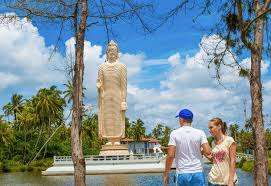
     Kalutara has several attractions that draw tourists to the area. One of the most popular attractions is the Kalutara Bodhiya, a Buddhist temple located on a small hill overlooking the town. The temple is known for its giant Buddha statue, which is one of the tallest in Sri Lanka. The temple also houses a sacred Bodhi tree, which is believed to be a sapling of the original tree under which the Buddha attained enlightenment.
     Another popular attraction in Kalutara is the Richmond Castle, a colonial mansion built in the late 19th century. The mansion was built by a wealthy Sri Lankan landowner and features a mix of British and Sri Lankan architectural styles. The mansion is now open to the public and serves as a museum of Sri Lankan history and culture.
     Kalutara is also known for its beautiful beaches, which stretch for miles along the town’s coastline. The beaches are ideal for swimming, sunbathing, and water sports such as surfing and jet skiing. The beaches are also home to several luxury resorts and hotels, which offer visitors a range of accommodation options.
     Culture
     Kalutara is a town with a rich cultural heritage, and this is reflected in its architecture, art, and cuisine. The town has a mix of traditional Sri Lankan and colonial-era buildings, which give it a unique character. The traditional buildings are made of wood and thatch and feature intricate carvings and decorations.
     Kalutara is also known for its traditional crafts, such as coconut shell carving, weaving, and pottery. Visitors can watch craftsmen at work and purchase their products at local markets and shops.
     The cuisine of Kalutara is also a reflection of its cultural heritage. The town is known for its seafood dishes, which feature fresh fish and prawns caught from the nearby ocean. Other popular dishes include rice and curry, hoppers, and roti.
     Tourism
     Kalutara is a popular destination for tourists visiting Sri Lanka, thanks to its beautiful beaches, cultural heritage, and religious sites. The town has several luxury resorts and hotels, which offer visitors a range of accommodation options. Visitors can also stay in guesthouses, homestays, and budget hotels.
     One of the most popular activities for tourists in Kalutara is visiting the town’s religious sites. The Kalutara Bodhiya is a must-visit destination for Buddhist pilgrims, while the town’s churches and mosques are also popular with visitors.
     Kalutara is home to several beautiful beaches that attract visitors from around the world. The town’s long coastline stretches for several kilometers, offering plenty of opportunities for sunbathing, swimming, and water sports. Here are some of the best beaches in Kalutara:
    1. Kalutara Beach: This is the main beach in Kalutara and is a popular destination for both locals and tourists. The beach is known for its golden sand and calm waters, making it ideal for swimming and sunbathing. The beach is also home to several restaurants and bars, where visitors can enjoy food and drinks while taking in the stunning views.
    1. Waskaduwa Beach: Located just a few kilometers south of Kalutara, Waskaduwa Beach is a quieter alternative to Kalutara Beach. The beach is less developed than Kalutara Beach, but still offers plenty of opportunities for swimming, snorkeling, and diving. Visitors can also take a boat tour of the nearby coral reefs and explore the underwater world.
    1. Beruwala Beach: Beruwala Beach is located about 10 kilometers north of Kalutara and is one of the most popular beaches in the area. The beach is known for its long stretch of sand, clear waters, and excellent water sports facilities. Visitors can go jet skiing, banana boating, and parasailing, or simply relax on the beach and soak up the sun.
    1. Bentota Beach: Located about 20 kilometers south of Kalutara, Bentota Beach is one of the most famous beaches in Sri Lanka. The beach is known for its pristine sand and crystal-clear waters, making it a great destination for swimming and water sports. Visitors can also take a boat ride along the Bentota River or explore the nearby mangrove forests.
    1. Moragalla Beach: Moragalla Beach is a quieter alternative to the more crowded beaches in Kalutara. The beach is known for its calm waters and scenic views, and is a great place to relax and enjoy the sun. Visitors can also take a stroll along the beach and enjoy the peaceful surroundings.
    Overall, Kalutara’s beaches offer something for everyone, whether you’re looking for a lively beach with plenty of activities or a peaceful spot to relax and unwind. With its stunning coastline and warm waters, Kalutara is a great destination for beach lovers and water sports enthusiasts.
    Another popular activity in Kalutara is visiting the Richmond Castle. The mansion is a popular destination for history buffs and those interested in Sri Lankan culture. Visitors can take guided tours of the mansion and learn about its history and architecture.
     
    Kalutara is also a great destination for nature lovers. The town is home to several parks and nature reserves, including the Kalutara Bodhiya Forest Reserve and the Kanneliya Forest Reserve. These reserves are home to a variety of flora and fauna, including monkeys, birds, and reptiles.
    Visitors to Kalutara can also take part in cultural activities such as traditional dance performances and cookery demonstrations. The town has several cultural centers that offer these activities, giving visitors the chance to learn about Sri Lankan culture and traditions.
     When to Visit
     The best time to visit Kalutara is between December and April, when the weather is dry and sunny. This is also peak tourist season, so visitors can expect crowds and higher prices. The monsoon season in Kalutara runs from May to September, with heavy rains and strong winds. This is not a good time to visit if you want to enjoy the beaches or outdoor activities.
     Conclusion
     Kalutara is a town with a rich cultural heritage and a range of attractions that draw tourists from around the world. The town’s beautiful beaches, religious sites, and cultural activities make it a popular destination for visitors to Sri Lanka. With its range of accommodation options and activities, Kalutara is a great destination for those looking to explore Sri Lankan culture and enjoy the country’s natural beauty.
    Here’s an overview of Kalutara:
    • Kalutara Beach: The town is famous for its pristine beaches. Kalutara Beach is a long stretch of golden sand lined with coconut palms. It offers a tranquil setting for sunbathing, swimming, and beach activities.
    • Kalutara Bodhiya: One of the prominent landmarks in Kalutara is the Kalutara Bodhiya, a sacred Buddhist shrine. It is believed to house a sapling from the sacred Bodhi Tree in India under which Lord Buddha attained enlightenment.
    • Richmond Castle: Located in Kalutara, Richmond Castle is a magnificent mansion built during the colonial era. It showcases a blend of architectural styles, including British, Indian, and Moorish influences. The castle is now a popular tourist attraction and offers a glimpse into Sri Lanka’s colonial past.
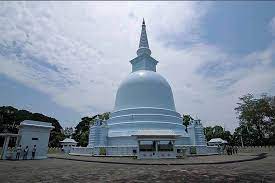
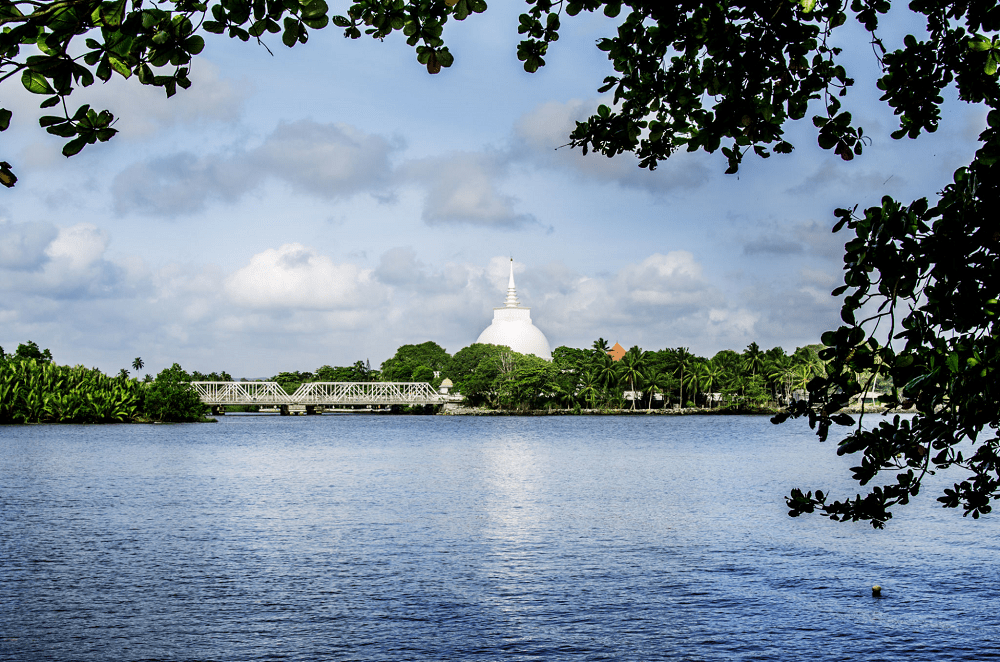
    • Kalutara Vihara: Also known as Gangatilaka Vihara, this temple is known for its impressive architecture and serene atmosphere. It features intricate carvings, colorful murals, and a large white stupa. The temple is situated on a hilltop, offering panoramic views of the surrounding area.
    • Boat Rides on Kalu Ganga: Kalu Ganga, also known as the Black River, flows through Kalutara. Visitors can enjoy boat rides along the river, taking in the scenic beauty, lush greenery, and birdwatching opportunities.
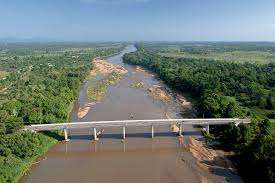
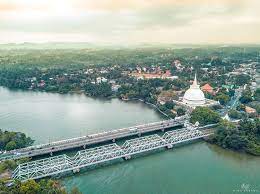
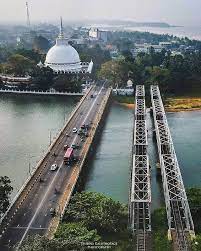
    • Kalutara Bridge: The Kalutara Bridge is a landmark structure that connects the town with the rest of the country. It is an iconic symbol of Kalutara and offers picturesque views of the river and surrounding landscapes.
    • Asokaramaya Buddhist Temple: This temple is known for its tranquil surroundings and meditation centers. It provides a peaceful environment for meditation and spiritual retreats.
    • Kalutara Market: The bustling market in Kalutara offers a vibrant shopping experience. Visitors can explore the market to find a variety of local produce, handicrafts, spices, and traditional Sri Lankan items.
    • Ayurvedic Wellness: Kalutara is known for its Ayurvedic wellness centers and spas. Visitors can indulge in traditional Ayurvedic treatments, massages, and therapies to relax and rejuvenate.
    • Water Sports: Kalutara’s coastal location makes it a popular destination for water sports enthusiasts. Activities such as jet skiing, banana boat rides, and windsurfing are available for visitors to enjoy.
    • Kalutara Craft Village: The Kalutara Craft Village showcases the traditional arts and crafts of the region. Visitors can witness artisans at work, producing intricate wood carvings, batik textiles, and other handicrafts.
    • Gangatilaka Viharaya Annual Perahera: The Gangatilaka Viharaya in Kalutara hosts an annual grand procession known as the Perahera. It involves beautifully decorated elephants, traditional dancers, and musicians parading through the streets, attracting large crowds.
    • Richmond Wetland: Located near Kalutara, the Richmond Wetland is a biodiversity-rich area. It is home to various bird species, including migratory birds, making it a popular spot for birdwatching.
    • Kalutara District Museum: The Kalutara District Museum showcases the history, culture, and heritage of the region. It displays artifacts, archaeological finds, and exhibits that provide insights into the area’s past.
    • Kalutara Puppets Art Center: This center promotes the art of puppetry and offers puppet shows and workshops. Visitors can learn about the traditional Sri Lankan puppetry techniques and enjoy entertaining performances.
    • Thudugala Ella Waterfall: Located near Kalutara, Thudugala Ella is a beautiful waterfall nestled amidst lush greenery. It is a popular spot for picnics and nature lovers.
    • Turtle Conservation Projects: Kalutara is known for its efforts in sea turtle conservation. Visitors can learn about these projects and even participate in turtle hatchery programs, where baby turtles are released into the sea.
    • Kalutara Beach Park: Situated adjacent to the Kalutara Beach, the Beach Park offers a peaceful atmosphere for leisurely walks, jogging, and enjoying the scenic views of the ocean.
    • Kalutara Bodiya New Town: This newly developed area near Kalutara Bodhiya offers a modern shopping experience with malls, boutiques, and restaurants. It is a bustling hub for locals and tourists alike.
    • Adam’s Bridge: Kalutara is located in close proximity to Adam’s Bridge, also known as Rama Setu. It is a chain of limestone shoals connecting Sri Lanka to India and holds religious and mythological significance.
    • Kalutara Chaithya: Situated on the banks of the Kalu Ganga, Kalutara Chaithya is a modern Buddhist shrine with a towering white stupa. It offers a peaceful setting for meditation and religious activities.
    • Pahiyangala Caves: Located a short distance from Kalutara, Pahiyangala Caves are believed to be one of the oldest prehistoric human settlements in South Asia. The caves provide insights into the early human habitation in the region.
    • Boat Safari on Kalu Ganga: Visitors can take a boat safari along the Kalu Ganga to explore the mangrove forests, spot wildlife, and experience the tranquility of the river.
    • Food and Dining: Kalutara offers a wide range of dining options, from local street food to international cuisine. Visitors can savor fresh seafood, traditional Sri Lankan dishes, and culinary delights at various restaurants and cafes.
    • Kalutara Calido Beach: Located a short distance from the town center, Calido Beach is a picturesque beach with calm waters. It is an ideal spot for swimming, sunbathing, and enjoying the sunset.
    • Kalutara District Secretariat Building: The District Secretariat Building is an architectural landmark in Kalutara. Its colonial-style building showcases the town’s historical significance.
    • Kalutara Railway Station: The Kalutara Railway Station is an important transportation hub and a beautiful colonial-era building. It serves as a gateway to explore other parts of Sri Lanka by train.
    • Kalutara Basket Center: The Kalutara Basket Center is known for its traditional craftsmanship in creating beautiful handwoven baskets and other products. Visitors can witness the artisans at work and purchase unique souvenirs.
    • Richmond Park: Richmond Park is a public park in Kalutara with lush green spaces, walking paths, and playgrounds. It is a popular spot for locals to relax and enjoy outdoor activities.
    • Kalutara Spice Gardens: Visitors can explore the aromatic world of spices at the Kalutara Spice Gardens. These gardens showcase various spices and herbs used in Sri Lankan cuisine and offer insights into their cultivation and uses.
    • Water Sports: Kalutara’s beaches offer opportunities for water sports activities such as snorkeling, diving, jet skiing, and fishing. Adventure enthusiasts can indulge in thrilling water adventures.
    • Kalutara Saturday Market: The Saturday market in Kalutara is a vibrant open-air market where locals gather to buy and sell fresh produce, spices, handicrafts, and clothing. It provides a glimpse into the local culture and traditions.
    • Ayurveda and Wellness: Kalutara is home to several Ayurvedic wellness centers and spas. Visitors can enjoy Ayurvedic treatments, herbal massages, and therapies for relaxation and rejuvenation.
    • Kalutara Vihara: Kalutara Vihara is a Buddhist temple located near the Kalutara Bridge. It is famous for its large white dagoba and beautiful paintings depicting the life of Lord Buddha.
    • Kalutara Bodhiya Perahera: The Kalutara Bodhiya Perahera is an annual religious procession that takes place in July/August, attracting large crowds. It features colorful parades, traditional dances, and music, showcasing the rich cultural heritage of Sri Lanka.
    • Kalutara Beach: Kalutara is renowned for its pristine beaches, and Kalutara Beach is the main attraction. It offers a picturesque coastline with golden sands and clear turquoise waters. Visitors can enjoy sunbathing, swimming, beach walks, and water sports.
     
    • Kalutara Bridge: The Kalutara Bridge is an iconic landmark in the town. Spanning the Kalu Ganga River, it is a significant engineering marvel and offers stunning views of the river and the surrounding landscape.
    • Gangatilaka Vihara: Also known as the Kalutara Chaithya, Gangatilaka Vihara is a Buddhist temple situated on a hilltop. It features a massive white stupa adorned with intricate carvings and offers panoramic views of the town and the ocean.
    • Richmond Castle: Richmond Castle is a magnificent mansion built during the colonial era. It showcases a blend of architectural styles, including British, Indian, and Islamic influences. Visitors can explore the well-preserved interiors and learn about the history of the place.
    • Fa Hien Caves: Located in the outskirts of Kalutara, the Fa Hien Caves are named after the Chinese Buddhist monk Fa Hien, who is believed to have resided there. The caves house ancient inscriptions and offer a serene and mystical atmosphere.
    • Brief Garden: Situated in the village of Kalawila, the Brief Garden is a beautifully landscaped garden that was once the home of renowned Sri Lankan architect Geoffrey Bawa. It features lush vegetation, sculptures, and artistic elements that showcase Bawa’s unique style.
    • Kande Viharaya: Kande Viharaya is a Buddhist temple located in Aluthgama, near Kalutara. It is famous for its giant Buddha statue, colorful murals, and the panoramic view it offers from its hilltop location.
    • Boat Rides on Kalu Ganga: Visitors can take boat rides along the Kalu Ganga River, exploring the mangrove forests, spotting birdlife, and experiencing the tranquility of the waterways. It is a peaceful and scenic experience.
    • Kalutara District Museum: The Kalutara District Museum is a small museum that showcases artifacts, photographs, and exhibits related to the history, culture, and traditions of the Kalutara District. It provides insights into the local heritage.
    • Kalutara Fish Market: The bustling Kalutara Fish Market is a vibrant place to witness the local fishing industry in action. Visitors can observe the fishermen bringing in their catches and experience the vibrant atmosphere of the market.
    • Kalutara Bodhiya Temple Fair: The Kalutara Bodhiya Temple hosts an annual fair, attracting large crowds of devotees and visitors. It features religious ceremonies, cultural performances, food stalls, and vibrant festivities.
    • Surfing: Kalutara’s coastal area is known for its surfing spots, particularly near Hikkaduwa and Bentota. Surfing enthusiasts can enjoy riding the waves and experiencing the thrill of the sport.
    • Shopping: Kalutara offers a variety of shopping options, including local markets, boutiques, and craft shops. Visitors can purchase souvenirs, handicrafts, gems, spices, and traditional Sri Lankan products.
    • Water Sports: Kalutara’s beaches provide opportunities for a range of water sports activities, including jet skiing, banana boat rides, kayaking, and windsurfing. Adventurous visitors can enjoy these thrilling experiences.
    • Nightlife: Kalutara has a modest nightlife scene with beachfront bars, pubs, and restaurants offering live music, karaoke, and cultural performances. It is a great way to unwind and enjoy the evening atmosphere.
    • Kalutara Bodhi: The Kalutara Bodhi is a sacred Buddhist tree located near the Kalutara Bridge. It is believed to be a sapling of the Jaya Sri Maha Bodhi in Anuradhapura, one of the oldest trees in the world. The site is considered a place of worship and attracts devotees throughout the year.
    • Mangrove Boat Safari: Kalutara is surrounded by mangrove forests, and visitors can take a boat safari to explore these unique ecosystems. The boat ride offers a chance to observe diverse flora and fauna, including birds, reptiles, and aquatic life.
    • Traditional Handicrafts: Kalutara is known for its traditional handicrafts, including intricate wooden carvings, brassware, and batik textiles. Visitors can visit local workshops and showrooms to witness the craftsmanship and purchase authentic Sri Lankan handicrafts.
    • Kalutara Chaithya Perahera: The Kalutara Chaithya Perahera is an annual religious procession held in Kalutara. It features traditional dancers, drummers, and beautifully decorated elephants parading through the streets, creating a vibrant and colorful spectacle.
    • River Safari on the Kalu Ganga: Visitors can embark on a river safari on the Kalu Ganga, exploring the river’s scenic beauty and wildlife. The safari offers opportunities for birdwatching, observing water monitor lizards, and enjoying the tranquility of the river.
    • Meditation and Yoga Retreats: Kalutara is a popular destination for meditation and yoga retreats. Several wellness centers and retreats offer programs that combine meditation, yoga sessions, and holistic healing practices to promote relaxation and inner peace.
    • Kalutara Basket Weaving: The art of basket weaving is a traditional craft in Kalutara. Visitors can witness the skillful weaving techniques and purchase intricately designed baskets and other woven products as souvenirs.
    • Boat Rides to Mangrove Island: There are boat rides available from Kalutara to Mangrove Island, where visitors can explore the mangrove forests and witness the unique biodiversity of the area. It is a serene and peaceful experience close to nature.
    • Traditional Ayurvedic Treatments: Kalutara is known for its Ayurvedic treatments and wellness centers. Visitors can indulge in rejuvenating Ayurvedic therapies, massages, and spa treatments that promote holistic well-being and relaxation.
    • Turtle Hatcheries: Kalutara is home to several turtle hatcheries where visitors can learn about turtle conservation efforts and witness baby turtles being released into the ocean. It is a unique and educational experience for all ages.
    • Waterfall Visits: Kalutara is surrounded by lush greenery and beautiful waterfalls. Visitors can take short trips to nearby waterfalls such as the Thudugala Ella Waterfall and experience the natural beauty and tranquility of these cascades.
    • Seafood Cuisine: Kalutara is known for its delicious seafood cuisine. Visitors can savor fresh seafood dishes, including prawns, crabs, fish curries, and lobster, prepared in traditional Sri Lankan flavors.
    • Bicycle Tours: Exploring Kalutara and its surroundings on a bicycle is a popular activity for adventure enthusiasts. Bicycle tours allow visitors to discover the scenic landscapes, villages, and cultural sites at their own pace.
    • Golfing: Kalutara is home to a few golf courses where visitors can enjoy a round of golf amidst picturesque surroundings. It is a great opportunity to indulge in the sport while enjoying the natural beauty of the area.
    • Batik Workshops: Batik is a traditional textile art form in Sri Lanka, and visitors to Kalutara can participate in batik workshops. These workshops provide hands-on experience in creating batik designs on fabric using wax and dyes.
    • Boat Building Industry: Kalutara is known for its boat building industry, where traditional fishing boats and catamarans are constructed. Visitors can witness the craftsmanship involved in building these vessels and learn about the local fishing traditions.
    • Traditional Drumming and Dance Performances: Kalutara offers opportunities to witness traditional drumming and dance performances, showcasing the rich cultural heritage of the region. These performances are often held at cultural centers or during special festivals and events.
    • Cycling along the Coastline: Kalutara’s coastal roads are perfect for cycling enthusiasts. Visitors can rent bicycles and enjoy scenic rides along the coastline, taking in the refreshing sea breeze and picturesque views.
    • Wildlife Excursions: Kalutara is a gateway to various wildlife sanctuaries and national parks in the region. Visitors can embark on wildlife excursions to places like the Sinharaja Forest Reserve, where they can spot unique flora and fauna, including endemic bird species.
    • Spice Gardens: There are spice gardens in Kalutara where visitors can learn about Sri Lanka’s spice industry. These gardens offer guided tours where visitors can explore the cultivation of spices, such as cinnamon, cardamom, and cloves, and learn about their uses in traditional medicine and cooking.
    Kalutara offers a diverse range of attractions and experiences, combining natural beauty, cultural heritage, and outdoor activities. Whether you’re interested in exploring historical sites, enjoying water sports, immersing yourself in the local culture, or seeking relaxation and wellness, Kalutara has something to offer every visitor.

    SHARE
    Verified by MonsterInsights