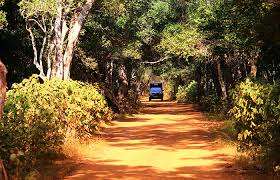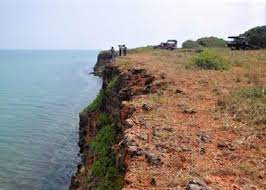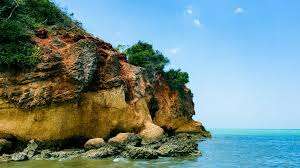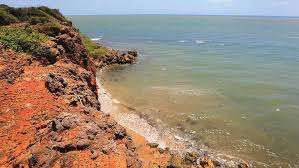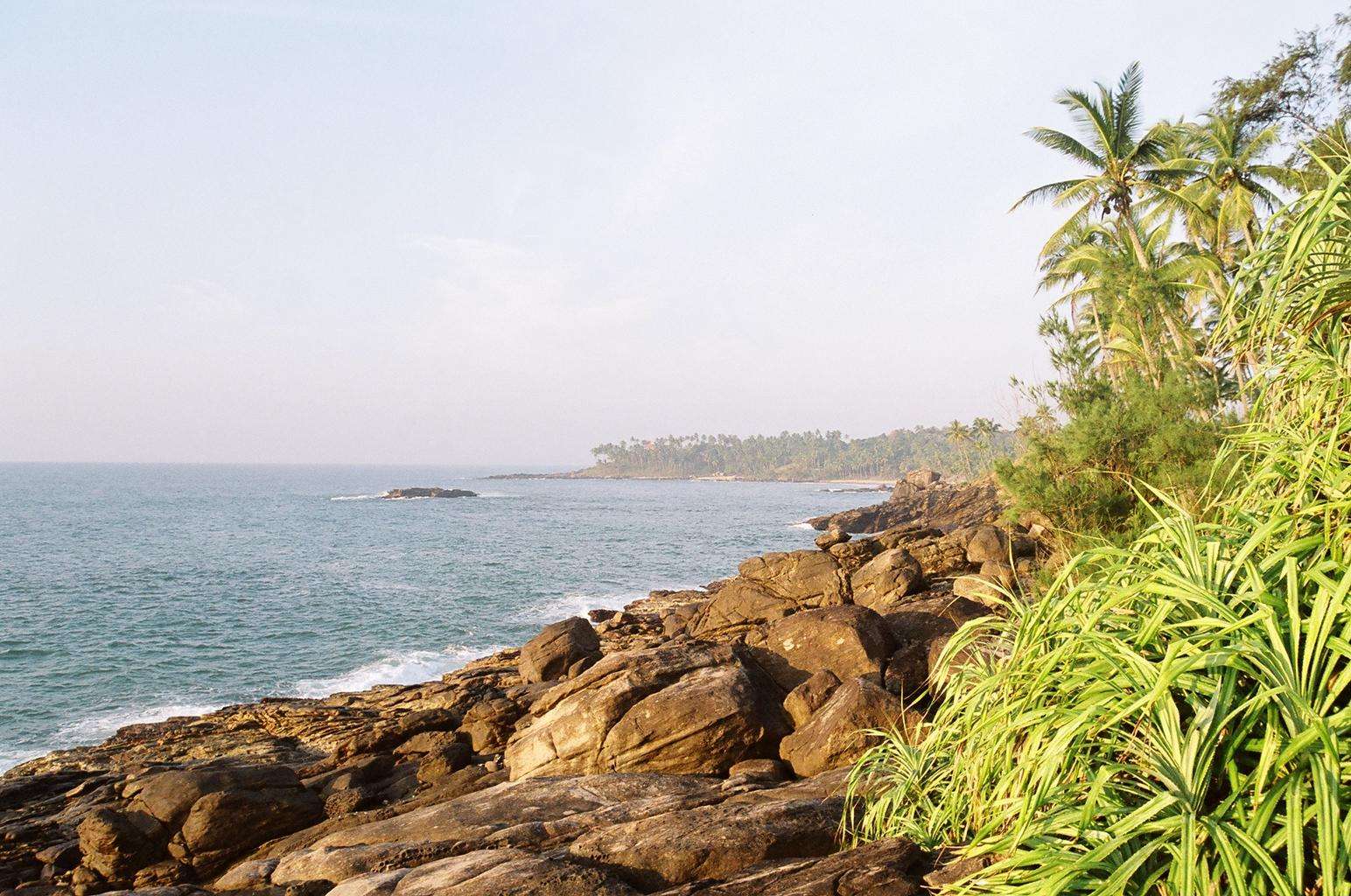
Hikkaduwa | A Tropical Paradise in Sri Lanka

SHARE

Introduction

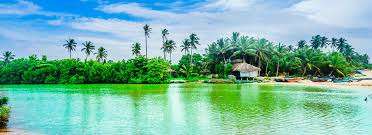
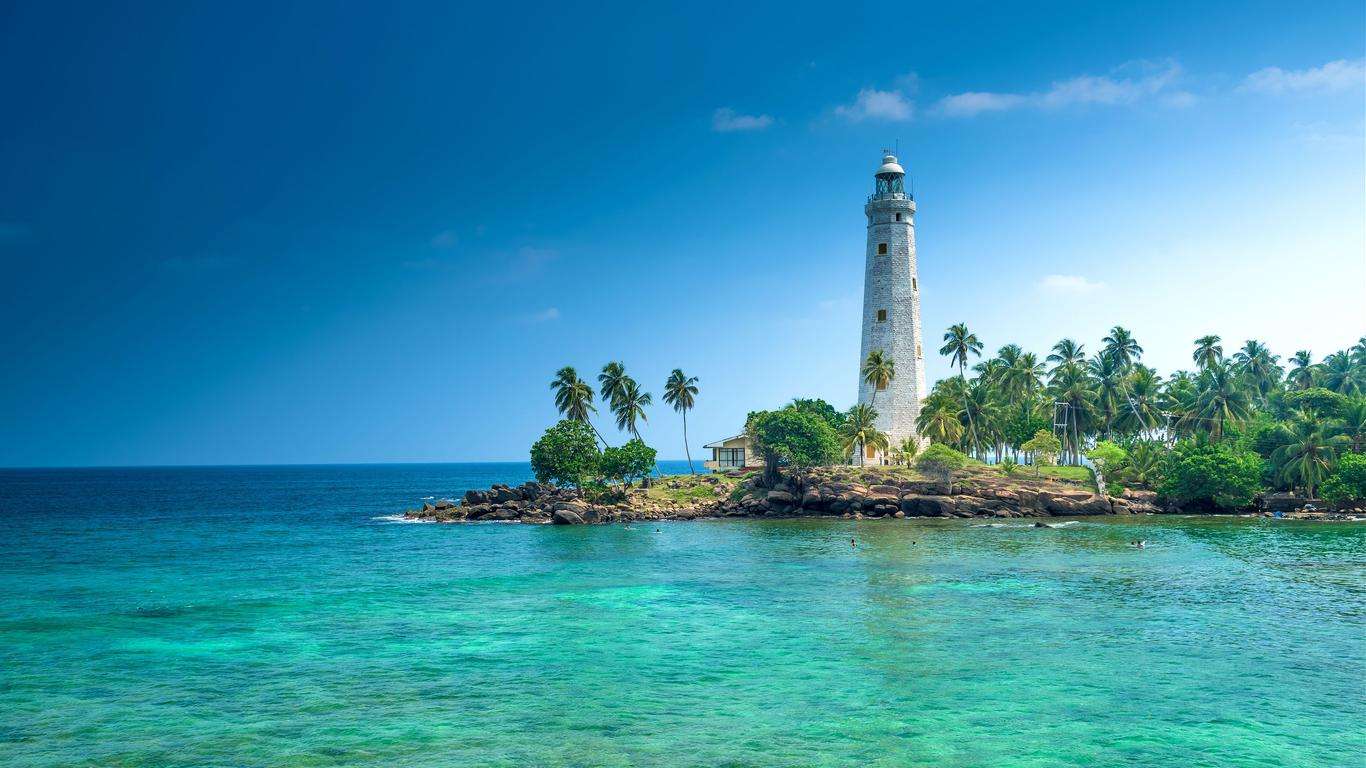
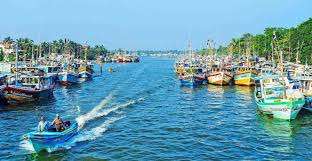
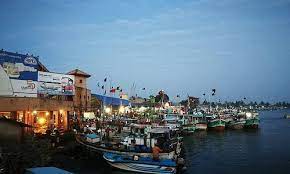
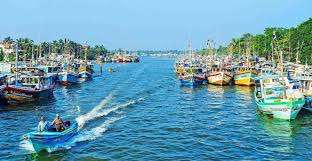
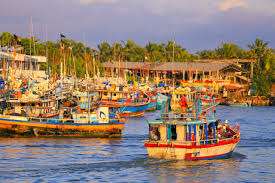
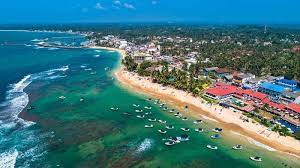
Hikkaduwa, located on the southwestern coast of Sri Lanka, is a vibrant and picturesque town renowned for its stunning beaches, vibrant marine life, and laid-back atmosphere. This tropical paradise has become a popular destination for travelers seeking a perfect blend of sun, sand, and sea. With its pristine coastline, vibrant coral reefs, and rich cultural heritage, Hikkaduwa offers a plethora of experiences that will captivate any visitor. In this article, we will explore the beauty, attractions, activities, and culture of Hikkaduwa.

Table of Contents

  1. The History of Hikkaduwa
  2. Hikkaduwa Beach: A Tropical Haven
  3. Exploring the Coral Reefs
  4. Water Sports and Adventure Activities
  5. Unforgettable Wildlife Encounters
  6. Cultural Immersion in Hikkaduwa
  7. Mouthwatering Culinary Delights
  8. Accommodation Options in Hikkaduwa
  9. Shopping in Hikkaduwa
  10. Festivals and Events
  11. Excursions to Nearby Destinations
  12. Sustainable Tourism Initiatives
  13. Safety and Travel Tips
  14. Best Time to Visit Hikkaduwa
  15. Conclusion

1. The History of Hikkaduwa

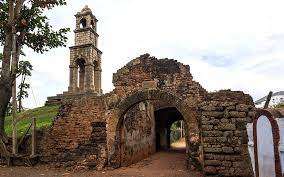
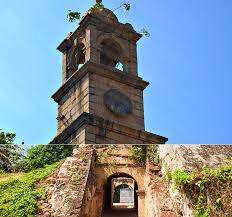
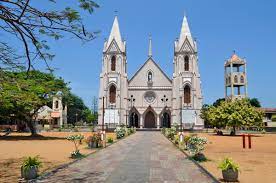
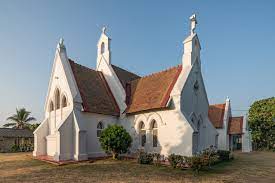
Hikkaduwa has a rich history that dates back centuries. It was an important trading port during ancient times, frequented by Arab, Chinese, and European merchants. The town’s name is believed to be derived from the Sinhala words “Hikka” (meaning “mask”) and “Dova” (meaning “land”), referring to the traditional masks produced in the region. Hikkaduwa also played a significant role in Sri Lanka’s colonial past, with the Dutch leaving behind architectural remnants that can still be seen today.
2. Hikkaduwa Beach: A Tropical Haven

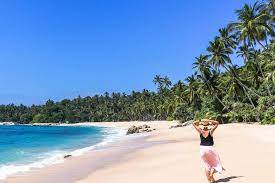
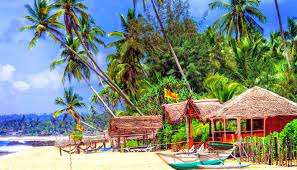
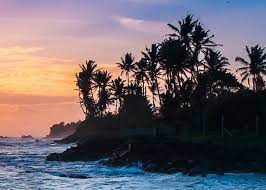
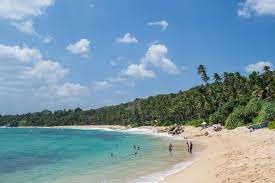
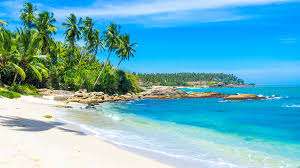
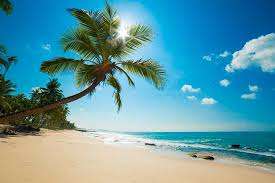
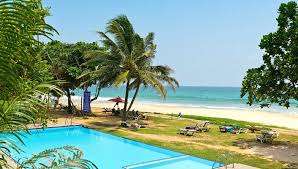
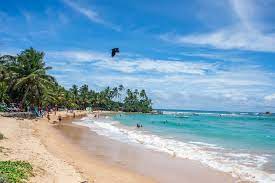
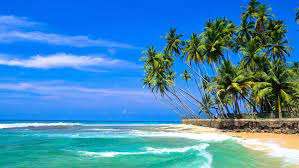
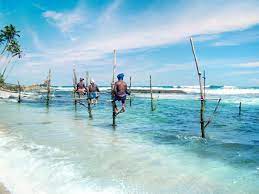
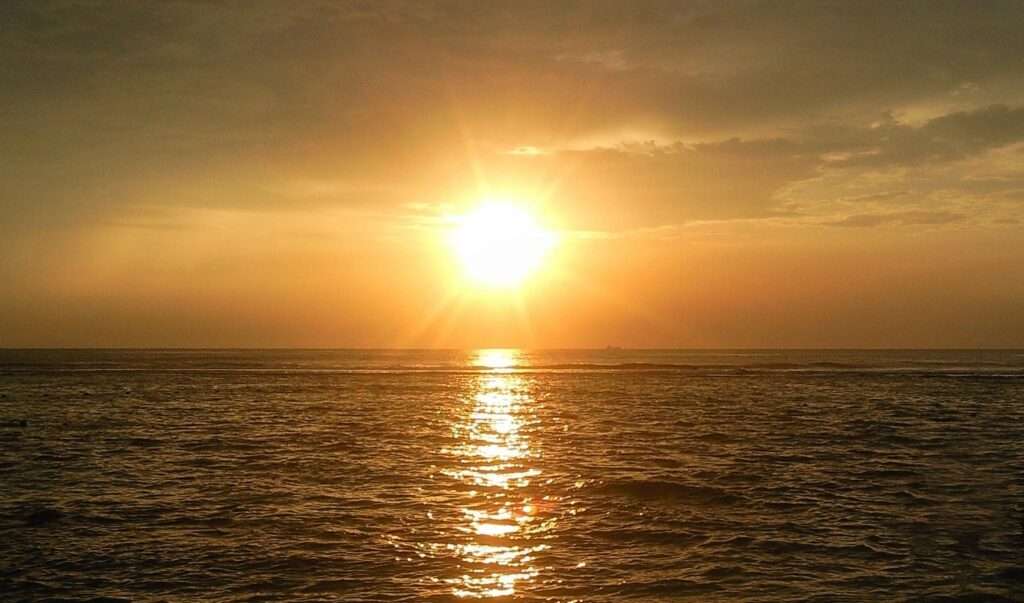
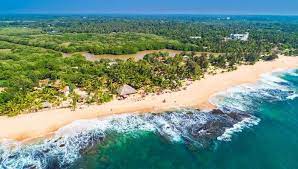
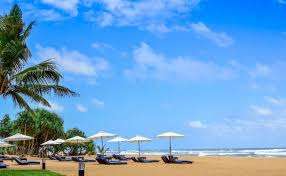
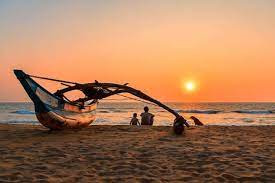
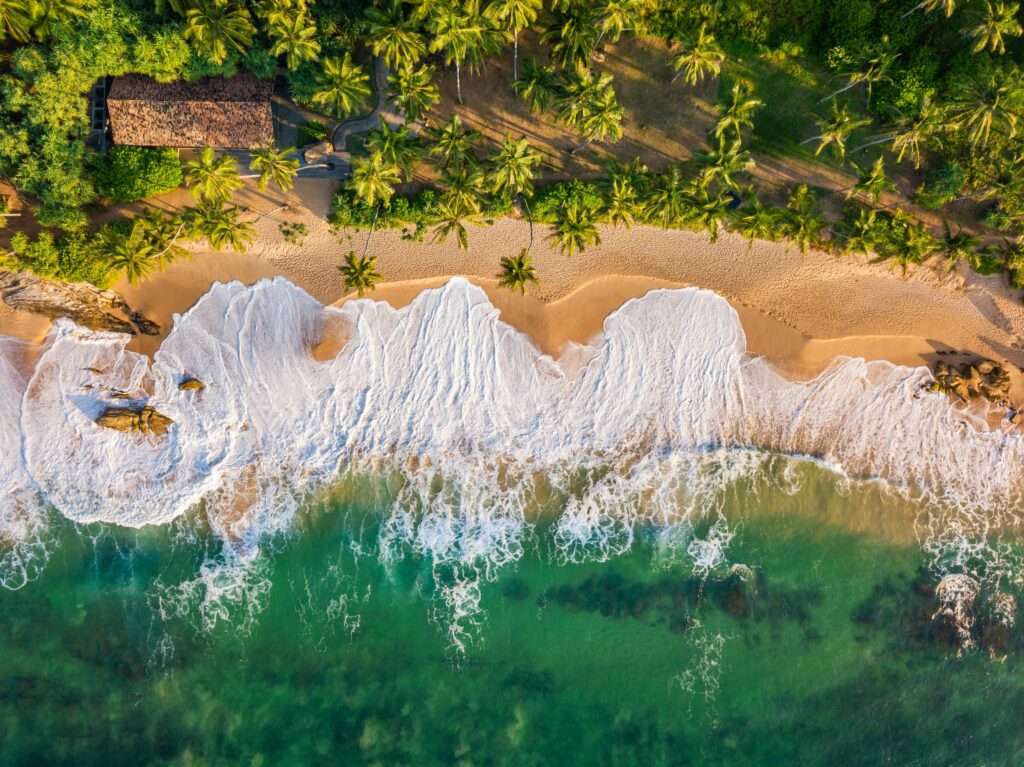
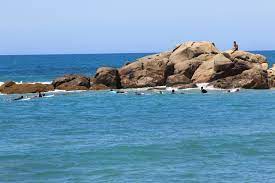
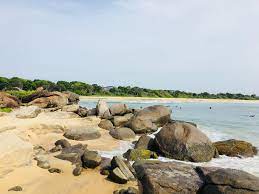
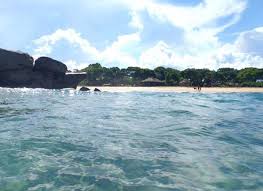
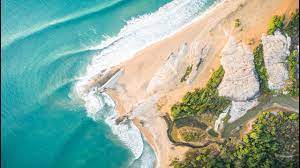
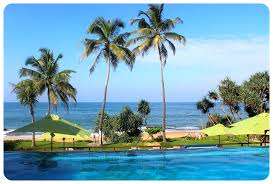
Hikkaduwa’s main attraction is its pristine beach, stretching along the coast for several kilometers. The soft golden sand, swaying palm trees, and turquoise waters create a postcard-perfect setting. The beach is ideal for leisurely walks, sunbathing, and enjoying mesmerizing sunsets. Visitors can also find numerous beachfront cafes, restaurants, and bars offering delicious cuisine and refreshing beverages.

3. Exploring the Coral Reefs

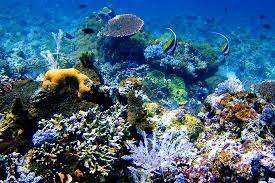
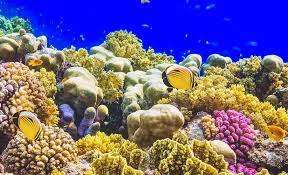
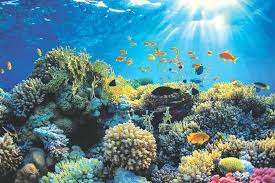
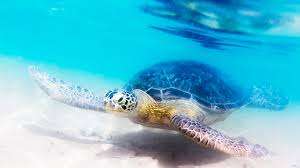
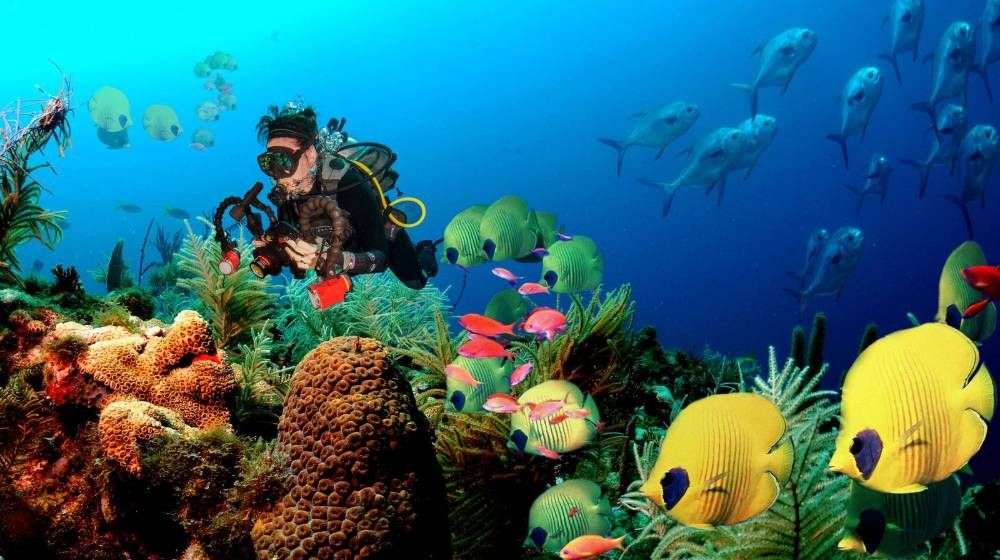
Hikkaduwa is famous for its vibrant coral reefs, making it a haven for snorkeling and diving enthusiasts. The Hikkaduwa National Park, located just offshore, is a protected marine reserve boasting an array of colorful corals and diverse marine life. Snorkelers and divers can witness the beauty of the underwater world, encountering exotic fish, sea turtles, and even majestic manta rays. It’s an experience that will leave visitors in awe of nature’s wonders.

4. Water Sports and Adventure Activities

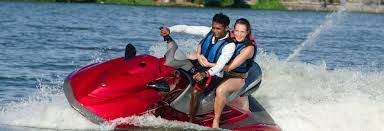
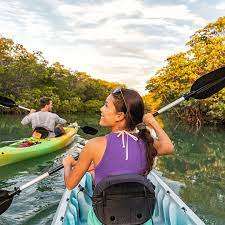
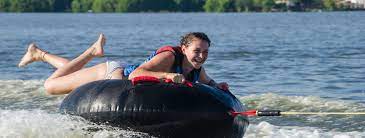
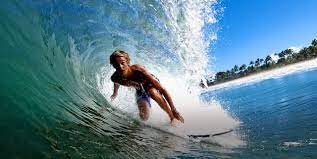
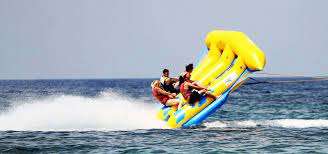
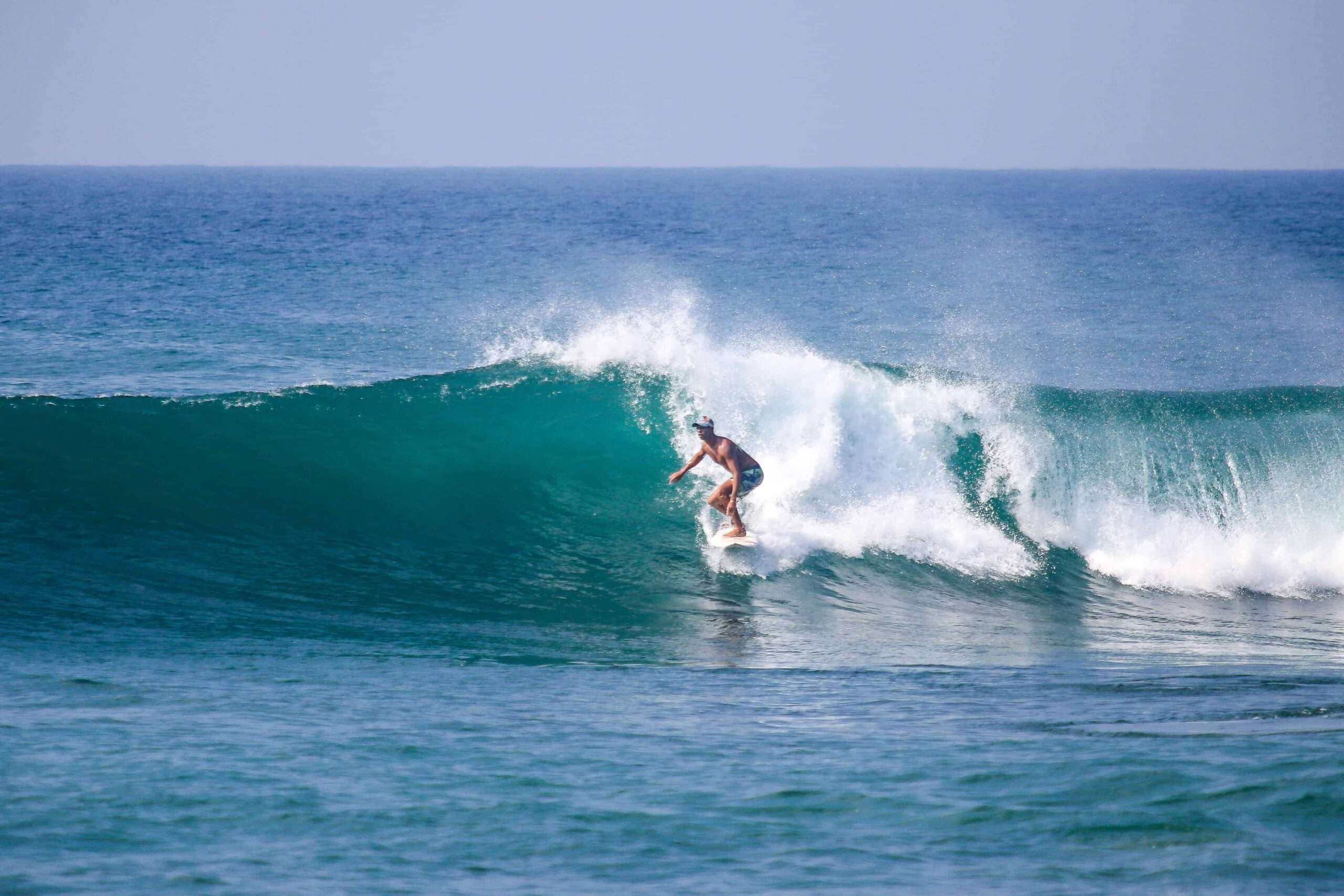
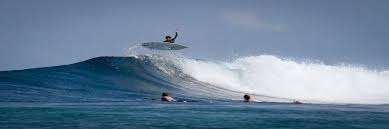
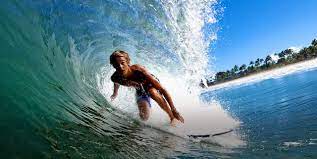
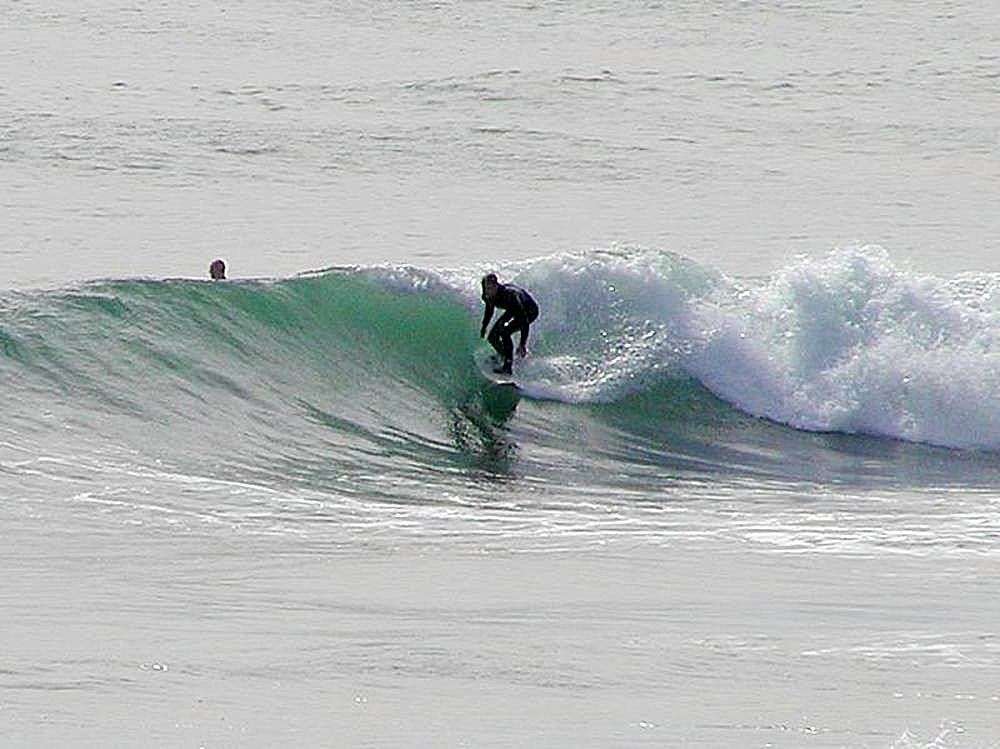
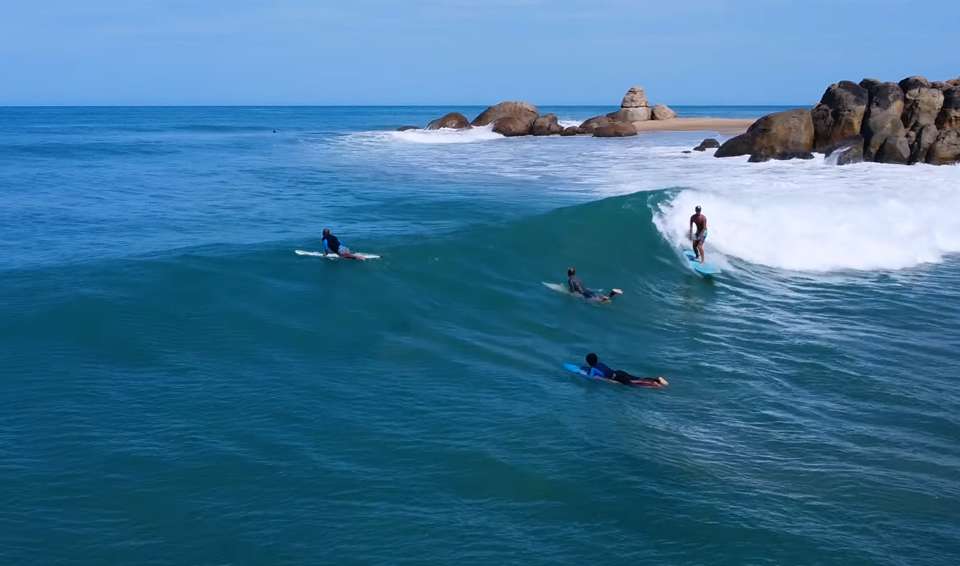
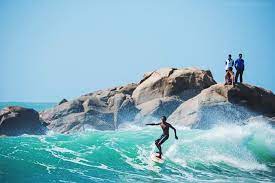
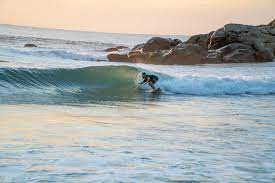
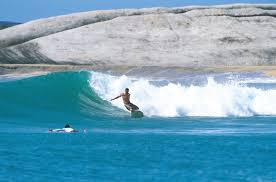
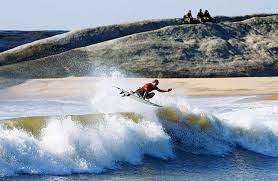
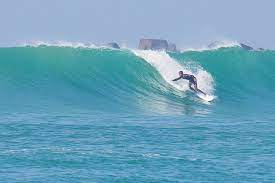
For those seeking a more adrenaline-fueled experience, Hikkaduwa offers a variety of water sports and adventure activities. From thrilling jet skiing and windsurfing to exhilarating banana boat rides and kiteboarding, there is something for everyone. The warm waters and consistent waves also make Hikkaduwa a popular destination for surfing enthusiasts of all skill levels.

5. Unforgettable Wildlife Encounters

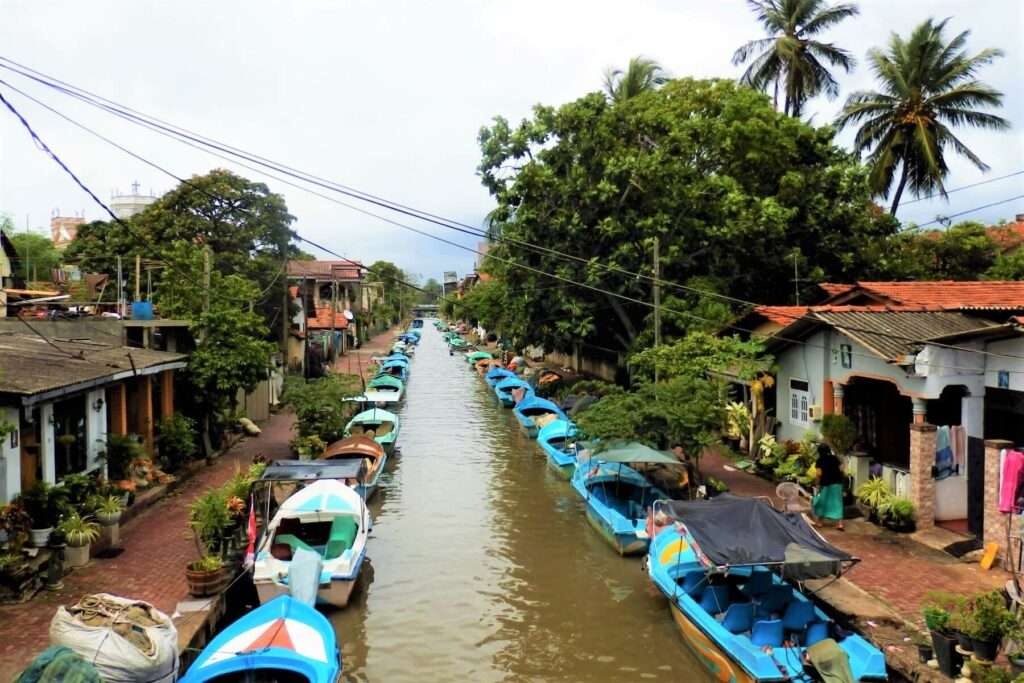
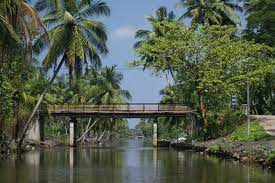
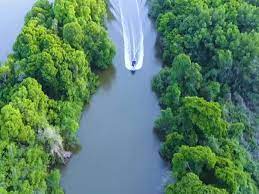
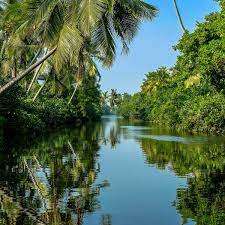
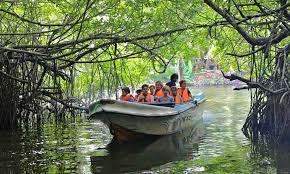
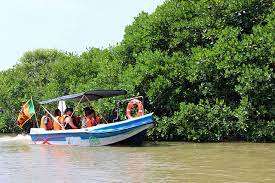
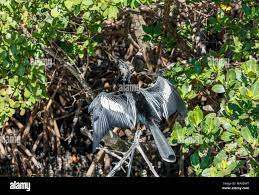
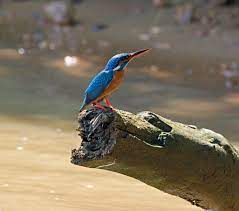
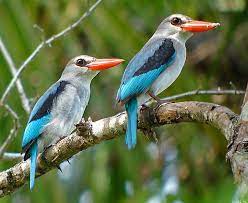
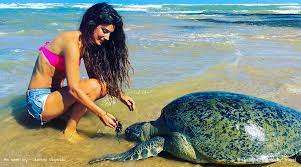
Beyond the coral reefs, Hikkaduwa is surrounded by lush greenery and diverse ecosystems. Visitors can embark on a river safari along the Madu Ganga River, where they will encounter mangroves, exotic bird species, and maybe even a glimpse of a crocodile or a monkey. Additionally, a visit to the nearby Kosgoda Turtle Hatchery allows travelers to learn about the conservation efforts to protect endangered sea turtles and witness the release of these majestic creatures back into the ocean.
6. Cultural Immersion in Hikkaduwa

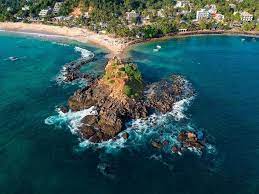
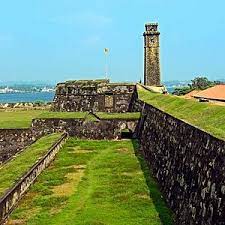
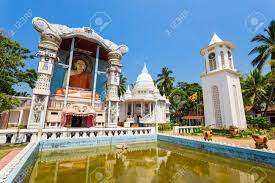
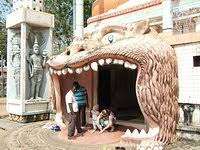
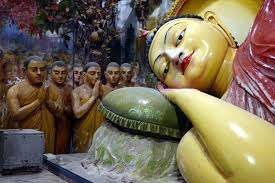
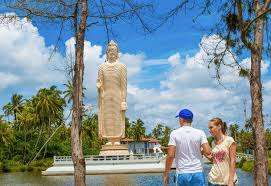
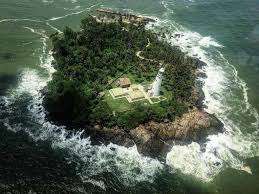
Hikkaduwa offers an opportunity to immerse oneself in the rich cultural heritage of Sri Lanka. The town is dotted with ancient Buddhist temples, showcasing intricate architecture and serene surroundings. The Seenigama Vihara Temple, situated on a small island, is a popular pilgrimage site and offers panoramic views of the coastline. Visitors can also explore the nearby city of Galle, known for its well-preserved Dutch fort and colonial architecture.

7. Mouthwatering Culinary Delights

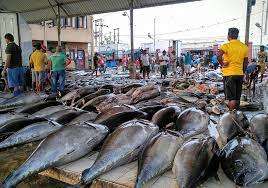
No visit to Hikkaduwa is complete without savoring the local cuisine. From fresh seafood delicacies to spicy curries and delectable tropical fruits, the culinary offerings in Hikkaduwa are a treat for the taste buds. Travelers can indulge in a wide range of dishes, including the famous Sri Lankan rice and curry, hoppers, and seafood BBQ. The town also hosts vibrant beachside seafood markets where visitors can feast on the catch of the day.
8. Accommodation Options in Hikkaduwa

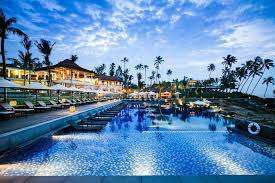
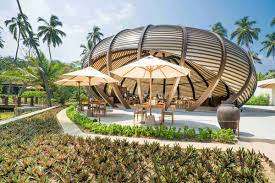
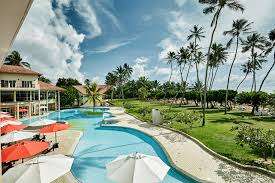
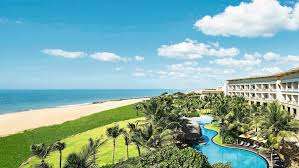
Hikkaduwa caters to a diverse range of travelers with its wide array of accommodation options. From luxury resorts and boutique hotels to budget-friendly guesthouses and homestays, there is something for every preference and budget. Many of the accommodations offer stunning beachfront views, comfortable amenities, and warm hospitality, ensuring a memorable stay in this tropical paradise.

9. Shopping in Hikkaduwa

Hikkaduwa presents a delightful shopping experience for visitors. The town is known for its local handicrafts, including intricately designed masks, batik textiles, and handwoven products. Travelers can explore the bustling markets and boutique stores, where they can find unique souvenirs and gifts to take back home. Shopping in Hikkaduwa allows tourists to support local artisans and take a piece of Sri Lankan culture with them.

10. Festivals and Events

Throughout the year, Hikkaduwa hosts various festivals and events that showcase the vibrant culture and traditions of the region. The Hikkaduwa Beach Fest, held annually, attracts music enthusiasts and beach lovers from around the world. The festival features live performances by local and international artists, beach parties, and cultural shows. It’s an opportunity to immerse oneself in the lively atmosphere and create unforgettable memories.

11. Excursions to Nearby Destinations

Hikkaduwa serves as an excellent base for exploring the surrounding areas. Travelers can take day trips to nearby destinations such as Galle, known for its colonial charm, or the UNESCO World Heritage Site of Sigiriya, with its ancient rock fortress. The scenic landscapes, historical sites, and cultural landmarks in the vicinity of Hikkaduwa offer a diverse range of experiences for curious explorers.

12. Sustainable Tourism Initiatives

Hikkaduwa is committed to sustainable tourism practices that preserve its natural beauty and cultural heritage. The town actively promotes eco-friendly initiatives, including beach cleanups, responsible snorkeling and diving practices, and community-based tourism projects. Visitors are encouraged to support these initiatives and engage in responsible travel practices to ensure the long-term preservation of Hikkaduwa’s pristine environment.

13. Safety and Travel Tips

While Hikkaduwa is generally a safe destination, it is always important to exercise caution and follow common travel safety practices. Travelers should be mindful of their belongings, avoid isolated areas at night, and adhere to local customs and regulations. It is also recommended to stay updated on weather conditions and follow any advisories or warnings issued by local authorities.

14. Best Time to Visit Hikkaduwa

Hikkaduwa enjoys a tropical climate, with warm temperatures throughout the year. The best time to visit is during the dry season, which extends from November to April. During this period, the weather is sunny and the sea is calm, making it perfect for beach activities and water sports. However, Hikkaduwa can be visited year-round, and even during the monsoon season, the town showcases its own unique charm.

15. Conclusion

Hikkaduwa is a tropical paradise that offers a remarkable blend of natural beauty, adventure, culture, and relaxation. Whether you’re seeking thrilling water sports, tranquil beach moments, or cultural immersion, Hikkaduwa has something to offer every traveler. From its breathtaking beaches and vibrant coral reefs to its rich history and mouthwatering cuisine, Hikkaduwa captivates the hearts of all who visit. Plan your journey to Hikkaduwa and create memories that will last a lifetime.


FAQs

Q1: Is Hikkaduwa safe for tourists?

Yes, Hikkaduwa is generally safe for tourists. However, it’s always important to exercise caution and follow common safety practices. Avoid isolated areas at night, be mindful of your belongings, and adhere to local regulations.

Q2: What are some popular water sports in Hikkaduwa?

Hikkaduwa offers a range of water sports for adventure enthusiasts. Some popular activities include snorkeling, diving, surfing, jet skiing, windsurfing, and kiteboarding.

Q3: Are there any cultural sites to visit in Hikkaduwa?

Yes, Hikkaduwa is home to several cultural sites, including ancient Buddhist temples and the Seenigama Vihara Temple. Visitors can explore these landmarks to immerse themselves in the rich cultural heritage of Sri Lanka.

Q4: What is the best time to visit Hikkaduwa?

The best time to visit Hikkaduwa is during the dry season, from November to April. The weather is sunny, and the sea is calm, perfect for beach activities and water sports. However, Hikkaduwa can be enjoyed year-round.

Q5: What are some nearby attractions to visit from Hikkaduwa?

There are several nearby attractions worth visiting from Hikkaduwa. Galle, with its Dutch fort and colonial architecture, and Sigiriya, known for its ancient rock fortress, are popular day trip destinations. These places offer unique experiences and insights into Sri Lanka’s history and culture.


SHARE

Kalutara – A Jewel on Sri Lanka’s Western CoastKalutara

SHARE

Kalutara is a coastal town located in the Western Province of Sri Lanka, approximately 40 kilometers south of Colombo. The town is known for its beautiful beaches, cultural heritage, and religious sites, making it a popular destination for tourists visiting Sri Lanka. In this article, we will explore the history, culture, attractions, and tourism opportunities in Kalutara.
 History
 The history of Kalutara dates back to the 11th century when it was a trading port and a center of Ayurvedic medicine. The town was a major producer of coconut fiber, which was used for the production of ropes, brushes, and mats. The Portuguese arrived in Kalutara in the early 16th century and built a fort in the town to protect their trade interests. The Dutch captured the town in the 17th century and expanded the fortifications.
 In the 19th century, the British took control of Kalutara and developed it into a major center of cinnamon production. The town was also a center of missionary activity, and several Christian churches were built in the area. Today, Kalutara is a bustling town with a rich cultural heritage and a thriving tourism industry.
 Attractions
 Kalutara has several attractions that draw tourists to the area. One of the most popular attractions is the Kalutara Bodhiya, a Buddhist temple located on a small hill overlooking the town. The temple is known for its giant Buddha statue, which is one of the tallest in Sri Lanka. The temple also houses a sacred Bodhi tree, which is believed to be a sapling of the original tree under which the Buddha attained enlightenment.
 Another popular attraction in Kalutara is the Richmond Castle, a colonial mansion built in the late 19th century. The mansion was built by a wealthy Sri Lankan landowner and features a mix of British and Sri Lankan architectural styles. The mansion is now open to the public and serves as a museum of Sri Lankan history and culture.
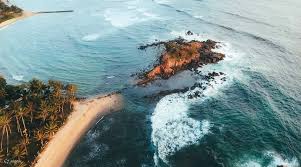
 Kalutara is also known for its beautiful beaches, which stretch for miles along the town’s coastline. The beaches are ideal for swimming, sunbathing, and water sports such as surfing and jet skiing. The beaches are also home to several luxury resorts and hotels, which offer visitors a range of accommodation options.
 Culture
 Kalutara is a town with a rich cultural heritage, and this is reflected in its architecture, art, and cuisine. The town has a mix of traditional Sri Lankan and colonial-era buildings, which give it a unique character. The traditional buildings are made of wood and thatch and feature intricate carvings and decorations.
 Kalutara is also known for its traditional crafts, such as coconut shell carving, weaving, and pottery. Visitors can watch craftsmen at work and purchase their products at local markets and shops.
 The cuisine of Kalutara is also a reflection of its cultural heritage. The town is known for its seafood dishes, which feature fresh fish and prawns caught from the nearby ocean. Other popular dishes include rice and curry, hoppers, and roti.
 Tourism
 Kalutara is a popular destination for tourists visiting Sri Lanka, thanks to its beautiful beaches, cultural heritage, and religious sites. The town has several luxury resorts and hotels, which offer visitors a range of accommodation options. Visitors can also stay in guesthouses, homestays, and budget hotels.
 One of the most popular activities for tourists in Kalutara is visiting the town’s religious sites. The Kalutara Bodhiya is a must-visit destination for Buddhist pilgrims, while the town’s churches and mosques are also popular with visitors.
 Kalutara is home to several beautiful beaches that attract visitors from around the world. The town’s long coastline stretches for several kilometers, offering plenty of opportunities for sunbathing, swimming, and water sports. Here are some of the best beaches in Kalutara:
  1. Kalutara Beach: This is the main beach in Kalutara and is a popular destination for both locals and tourists. The beach is known for its golden sand and calm waters, making it ideal for swimming and sunbathing. The beach is also home to several restaurants and bars, where visitors can enjoy food and drinks while taking in the stunning views.
  1. Waskaduwa Beach: Located just a few kilometers south of Kalutara, Waskaduwa Beach is a quieter alternative to Kalutara Beach. The beach is less developed than Kalutara Beach, but still offers plenty of opportunities for swimming, snorkeling, and diving. Visitors can also take a boat tour of the nearby coral reefs and explore the underwater world.
  1. Beruwala Beach: Beruwala Beach is located about 10 kilometers north of Kalutara and is one of the most popular beaches in the area. The beach is known for its long stretch of sand, clear waters, and excellent water sports facilities. Visitors can go jet skiing, banana boating, and parasailing, or simply relax on the beach and soak up the sun.
  1. Bentota Beach: Located about 20 kilometers south of Kalutara, Bentota Beach is one of the most famous beaches in Sri Lanka. The beach is known for its pristine sand and crystal-clear waters, making it a great destination for swimming and water sports. Visitors can also take a boat ride along the Bentota River or explore the nearby mangrove forests.
  1. Moragalla Beach: Moragalla Beach is a quieter alternative to the more crowded beaches in Kalutara. The beach is known for its calm waters and scenic views, and is a great place to relax and enjoy the sun. Visitors can also take a stroll along the beach and enjoy the peaceful surroundings.
Overall, Kalutara’s beaches offer something for everyone, whether you’re looking for a lively beach with plenty of activities or a peaceful spot to relax and unwind. With its stunning coastline and warm waters, Kalutara is a great destination for beach lovers and water sports enthusiasts.
Another popular activity in Kalutara is visiting the Richmond Castle. The mansion is a popular destination for history buffs and those interested in Sri Lankan culture. Visitors can take guided tours of the mansion and learn about its history and architecture.
 
Kalutara is also a great destination for nature lovers. The town is home to several parks and nature reserves, including the Kalutara Bodhiya Forest Reserve and the Kanneliya Forest Reserve. These reserves are home to a variety of flora and fauna, including monkeys, birds, and reptiles.
Visitors to Kalutara can also take part in cultural activities such as traditional dance performances and cookery demonstrations. The town has several cultural centers that offer these activities, giving visitors the chance to learn about Sri Lankan culture and traditions.
 When to Visit
 The best time to visit Kalutara is between December and April, when the weather is dry and sunny. This is also peak tourist season, so visitors can expect crowds and higher prices. The monsoon season in Kalutara runs from May to September, with heavy rains and strong winds. This is not a good time to visit if you want to enjoy the beaches or outdoor activities.
 Conclusion
 Kalutara is a town with a rich cultural heritage and a range of attractions that draw tourists from around the world. The town’s beautiful beaches, religious sites, and cultural activities make it a popular destination for visitors to Sri Lanka. With its range of accommodation options and activities, Kalutara is a great destination for those looking to explore Sri Lankan culture and enjoy the country’s natural beauty.
Here’s an overview of Kalutara:
  • Kalutara Beach: The town is famous for its pristine beaches. Kalutara Beach is a long stretch of golden sand lined with coconut palms. It offers a tranquil setting for sunbathing, swimming, and beach activities.
  • Kalutara Bodhiya: One of the prominent landmarks in Kalutara is the Kalutara Bodhiya, a sacred Buddhist shrine. It is believed to house a sapling from the sacred Bodhi Tree in India under which Lord Buddha attained enlightenment.
  • Richmond Castle: Located in Kalutara, Richmond Castle is a magnificent mansion built during the colonial era. It showcases a blend of architectural styles, including British, Indian, and Moorish influences. The castle is now a popular tourist attraction and offers a glimpse into Sri Lanka’s colonial past.
  • Kalutara Vihara: Also known as Gangatilaka Vihara, this temple is known for its impressive architecture and serene atmosphere. It features intricate carvings, colorful murals, and a large white stupa. The temple is situated on a hilltop, offering panoramic views of the surrounding area.
  • Boat Rides on Kalu Ganga: Kalu Ganga, also known as the Black River, flows through Kalutara. Visitors can enjoy boat rides along the river, taking in the scenic beauty, lush greenery, and birdwatching opportunities.
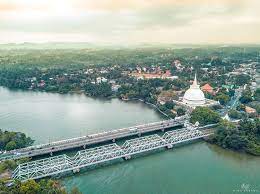
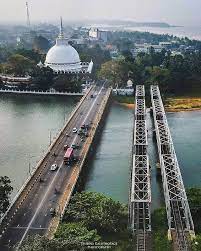
  • Kalutara Bridge: The Kalutara Bridge is a landmark structure that connects the town with the rest of the country. It is an iconic symbol of Kalutara and offers picturesque views of the river and surrounding landscapes.
  • Asokaramaya Buddhist Temple: This temple is known for its tranquil surroundings and meditation centers. It provides a peaceful environment for meditation and spiritual retreats.
  • Kalutara Market: The bustling market in Kalutara offers a vibrant shopping experience. Visitors can explore the market to find a variety of local produce, handicrafts, spices, and traditional Sri Lankan items.
  • Ayurvedic Wellness: Kalutara is known for its Ayurvedic wellness centers and spas. Visitors can indulge in traditional Ayurvedic treatments, massages, and therapies to relax and rejuvenate.
  • Water Sports: Kalutara’s coastal location makes it a popular destination for water sports enthusiasts. Activities such as jet skiing, banana boat rides, and windsurfing are available for visitors to enjoy.
  • Kalutara Craft Village: The Kalutara Craft Village showcases the traditional arts and crafts of the region. Visitors can witness artisans at work, producing intricate wood carvings, batik textiles, and other handicrafts.
  • Gangatilaka Viharaya Annual Perahera: The Gangatilaka Viharaya in Kalutara hosts an annual grand procession known as the Perahera. It involves beautifully decorated elephants, traditional dancers, and musicians parading through the streets, attracting large crowds.
  • Richmond Wetland: Located near Kalutara, the Richmond Wetland is a biodiversity-rich area. It is home to various bird species, including migratory birds, making it a popular spot for birdwatching.
  • Kalutara District Museum: The Kalutara District Museum showcases the history, culture, and heritage of the region. It displays artifacts, archaeological finds, and exhibits that provide insights into the area’s past.
  • Kalutara Puppets Art Center: This center promotes the art of puppetry and offers puppet shows and workshops. Visitors can learn about the traditional Sri Lankan puppetry techniques and enjoy entertaining performances.
  • Thudugala Ella Waterfall: Located near Kalutara, Thudugala Ella is a beautiful waterfall nestled amidst lush greenery. It is a popular spot for picnics and nature lovers.
  • Turtle Conservation Projects: Kalutara is known for its efforts in sea turtle conservation. Visitors can learn about these projects and even participate in turtle hatchery programs, where baby turtles are released into the sea.
  • Kalutara Beach Park: Situated adjacent to the Kalutara Beach, the Beach Park offers a peaceful atmosphere for leisurely walks, jogging, and enjoying the scenic views of the ocean.
  • Kalutara Bodiya New Town: This newly developed area near Kalutara Bodhiya offers a modern shopping experience with malls, boutiques, and restaurants. It is a bustling hub for locals and tourists alike.
  • Adam’s Bridge: Kalutara is located in close proximity to Adam’s Bridge, also known as Rama Setu. It is a chain of limestone shoals connecting Sri Lanka to India and holds religious and mythological significance.
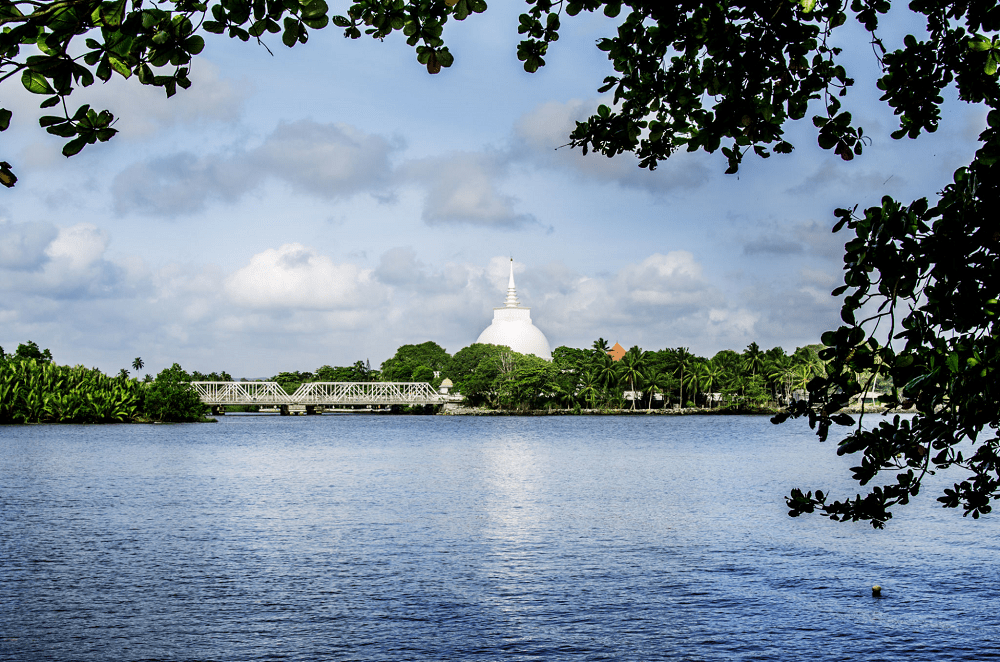
  • Kalutara Chaithya: Situated on the banks of the Kalu Ganga, Kalutara Chaithya is a modern Buddhist shrine with a towering white stupa. It offers a peaceful setting for meditation and religious activities.
  • Pahiyangala Caves: Located a short distance from Kalutara, Pahiyangala Caves are believed to be one of the oldest prehistoric human settlements in South Asia. The caves provide insights into the early human habitation in the region.
  • Boat Safari on Kalu Ganga: Visitors can take a boat safari along the Kalu Ganga to explore the mangrove forests, spot wildlife, and experience the tranquility of the river.
  • Food and Dining: Kalutara offers a wide range of dining options, from local street food to international cuisine. Visitors can savor fresh seafood, traditional Sri Lankan dishes, and culinary delights at various restaurants and cafes.
  • Kalutara Calido Beach: Located a short distance from the town center, Calido Beach is a picturesque beach with calm waters. It is an ideal spot for swimming, sunbathing, and enjoying the sunset.
  • Kalutara District Secretariat Building: The District Secretariat Building is an architectural landmark in Kalutara. Its colonial-style building showcases the town’s historical significance.
  • Kalutara Railway Station: The Kalutara Railway Station is an important transportation hub and a beautiful colonial-era building. It serves as a gateway to explore other parts of Sri Lanka by train.
  • Kalutara Basket Center: The Kalutara Basket Center is known for its traditional craftsmanship in creating beautiful handwoven baskets and other products. Visitors can witness the artisans at work and purchase unique souvenirs.
  • Richmond Park: Richmond Park is a public park in Kalutara with lush green spaces, walking paths, and playgrounds. It is a popular spot for locals to relax and enjoy outdoor activities.
  • Kalutara Spice Gardens: Visitors can explore the aromatic world of spices at the Kalutara Spice Gardens. These gardens showcase various spices and herbs used in Sri Lankan cuisine and offer insights into their cultivation and uses.
  • Water Sports: Kalutara’s beaches offer opportunities for water sports activities such as snorkeling, diving, jet skiing, and fishing. Adventure enthusiasts can indulge in thrilling water adventures.
  • Kalutara Saturday Market: The Saturday market in Kalutara is a vibrant open-air market where locals gather to buy and sell fresh produce, spices, handicrafts, and clothing. It provides a glimpse into the local culture and traditions.
  • Ayurveda and Wellness: Kalutara is home to several Ayurvedic wellness centers and spas. Visitors can enjoy Ayurvedic treatments, herbal massages, and therapies for relaxation and rejuvenation.
  • Kalutara Vihara: Kalutara Vihara is a Buddhist temple located near the Kalutara Bridge. It is famous for its large white dagoba and beautiful paintings depicting the life of Lord Buddha.
  • Kalutara Bodhiya Perahera: The Kalutara Bodhiya Perahera is an annual religious procession that takes place in July/August, attracting large crowds. It features colorful parades, traditional dances, and music, showcasing the rich cultural heritage of Sri Lanka.
  • Kalutara Beach: Kalutara is renowned for its pristine beaches, and Kalutara Beach is the main attraction. It offers a picturesque coastline with golden sands and clear turquoise waters. Visitors can enjoy sunbathing, swimming, beach walks, and water sports.
 
  • Kalutara Bridge: The Kalutara Bridge is an iconic landmark in the town. Spanning the Kalu Ganga River, it is a significant engineering marvel and offers stunning views of the river and the surrounding landscape.
  • Gangatilaka Vihara: Also known as the Kalutara Chaithya, Gangatilaka Vihara is a Buddhist temple situated on a hilltop. It features a massive white stupa adorned with intricate carvings and offers panoramic views of the town and the ocean.
  • Richmond Castle: Richmond Castle is a magnificent mansion built during the colonial era. It showcases a blend of architectural styles, including British, Indian, and Islamic influences. Visitors can explore the well-preserved interiors and learn about the history of the place.
  • Fa Hien Caves: Located in the outskirts of Kalutara, the Fa Hien Caves are named after the Chinese Buddhist monk Fa Hien, who is believed to have resided there. The caves house ancient inscriptions and offer a serene and mystical atmosphere.
  • Brief Garden: Situated in the village of Kalawila, the Brief Garden is a beautifully landscaped garden that was once the home of renowned Sri Lankan architect Geoffrey Bawa. It features lush vegetation, sculptures, and artistic elements that showcase Bawa’s unique style.
  • Kande Viharaya: Kande Viharaya is a Buddhist temple located in Aluthgama, near Kalutara. It is famous for its giant Buddha statue, colorful murals, and the panoramic view it offers from its hilltop location.
  • Boat Rides on Kalu Ganga: Visitors can take boat rides along the Kalu Ganga River, exploring the mangrove forests, spotting birdlife, and experiencing the tranquility of the waterways. It is a peaceful and scenic experience.
  • Kalutara District Museum: The Kalutara District Museum is a small museum that showcases artifacts, photographs, and exhibits related to the history, culture, and traditions of the Kalutara District. It provides insights into the local heritage.
  • Kalutara Fish Market: The bustling Kalutara Fish Market is a vibrant place to witness the local fishing industry in action. Visitors can observe the fishermen bringing in their catches and experience the vibrant atmosphere of the market.
  • Kalutara Bodhiya Temple Fair: The Kalutara Bodhiya Temple hosts an annual fair, attracting large crowds of devotees and visitors. It features religious ceremonies, cultural performances, food stalls, and vibrant festivities.
  • Surfing: Kalutara’s coastal area is known for its surfing spots, particularly near Hikkaduwa and Bentota. Surfing enthusiasts can enjoy riding the waves and experiencing the thrill of the sport.
  • Shopping: Kalutara offers a variety of shopping options, including local markets, boutiques, and craft shops. Visitors can purchase souvenirs, handicrafts, gems, spices, and traditional Sri Lankan products.
  • Water Sports: Kalutara’s beaches provide opportunities for a range of water sports activities, including jet skiing, banana boat rides, kayaking, and windsurfing. Adventurous visitors can enjoy these thrilling experiences.
  • Nightlife: Kalutara has a modest nightlife scene with beachfront bars, pubs, and restaurants offering live music, karaoke, and cultural performances. It is a great way to unwind and enjoy the evening atmosphere.
  • Kalutara Bodhi: The Kalutara Bodhi is a sacred Buddhist tree located near the Kalutara Bridge. It is believed to be a sapling of the Jaya Sri Maha Bodhi in Anuradhapura, one of the oldest trees in the world. The site is considered a place of worship and attracts devotees throughout the year.
  • Mangrove Boat Safari: Kalutara is surrounded by mangrove forests, and visitors can take a boat safari to explore these unique ecosystems. The boat ride offers a chance to observe diverse flora and fauna, including birds, reptiles, and aquatic life.
  • Traditional Handicrafts: Kalutara is known for its traditional handicrafts, including intricate wooden carvings, brassware, and batik textiles. Visitors can visit local workshops and showrooms to witness the craftsmanship and purchase authentic Sri Lankan handicrafts.
  • Kalutara Chaithya Perahera: The Kalutara Chaithya Perahera is an annual religious procession held in Kalutara. It features traditional dancers, drummers, and beautifully decorated elephants parading through the streets, creating a vibrant and colorful spectacle.
  • River Safari on the Kalu Ganga: Visitors can embark on a river safari on the Kalu Ganga, exploring the river’s scenic beauty and wildlife. The safari offers opportunities for birdwatching, observing water monitor lizards, and enjoying the tranquility of the river.
  • Meditation and Yoga Retreats: Kalutara is a popular destination for meditation and yoga retreats. Several wellness centers and retreats offer programs that combine meditation, yoga sessions, and holistic healing practices to promote relaxation and inner peace.
  • Kalutara Basket Weaving: The art of basket weaving is a traditional craft in Kalutara. Visitors can witness the skillful weaving techniques and purchase intricately designed baskets and other woven products as souvenirs.
  • Boat Rides to Mangrove Island: There are boat rides available from Kalutara to Mangrove Island, where visitors can explore the mangrove forests and witness the unique biodiversity of the area. It is a serene and peaceful experience close to nature.
  • Traditional Ayurvedic Treatments: Kalutara is known for its Ayurvedic treatments and wellness centers. Visitors can indulge in rejuvenating Ayurvedic therapies, massages, and spa treatments that promote holistic well-being and relaxation.
  • Turtle Hatcheries: Kalutara is home to several turtle hatcheries where visitors can learn about turtle conservation efforts and witness baby turtles being released into the ocean. It is a unique and educational experience for all ages.
  • Waterfall Visits: Kalutara is surrounded by lush greenery and beautiful waterfalls. Visitors can take short trips to nearby waterfalls such as the Thudugala Ella Waterfall and experience the natural beauty and tranquility of these cascades.
  • Seafood Cuisine: Kalutara is known for its delicious seafood cuisine. Visitors can savor fresh seafood dishes, including prawns, crabs, fish curries, and lobster, prepared in traditional Sri Lankan flavors.
  • Bicycle Tours: Exploring Kalutara and its surroundings on a bicycle is a popular activity for adventure enthusiasts. Bicycle tours allow visitors to discover the scenic landscapes, villages, and cultural sites at their own pace.
  • Golfing: Kalutara is home to a few golf courses where visitors can enjoy a round of golf amidst picturesque surroundings. It is a great opportunity to indulge in the sport while enjoying the natural beauty of the area.
  • Batik Workshops: Batik is a traditional textile art form in Sri Lanka, and visitors to Kalutara can participate in batik workshops. These workshops provide hands-on experience in creating batik designs on fabric using wax and dyes.
  • Boat Building Industry: Kalutara is known for its boat building industry, where traditional fishing boats and catamarans are constructed. Visitors can witness the craftsmanship involved in building these vessels and learn about the local fishing traditions.
  • Traditional Drumming and Dance Performances: Kalutara offers opportunities to witness traditional drumming and dance performances, showcasing the rich cultural heritage of the region. These performances are often held at cultural centers or during special festivals and events.
  • Cycling along the Coastline: Kalutara’s coastal roads are perfect for cycling enthusiasts. Visitors can rent bicycles and enjoy scenic rides along the coastline, taking in the refreshing sea breeze and picturesque views.
  • Wildlife Excursions: Kalutara is a gateway to various wildlife sanctuaries and national parks in the region. Visitors can embark on wildlife excursions to places like the Sinharaja Forest Reserve, where they can spot unique flora and fauna, including endemic bird species.
  • Spice Gardens: There are spice gardens in Kalutara where visitors can learn about Sri Lanka’s spice industry. These gardens offer guided tours where visitors can explore the cultivation of spices, such as cinnamon, cardamom, and cloves, and learn about their uses in traditional medicine and cooking.
Kalutara offers a diverse range of attractions and experiences, combining natural beauty, cultural heritage, and outdoor activities. Whether you’re interested in exploring historical sites, enjoying water sports, immersing yourself in the local culture, or seeking relaxation and wellness, Kalutara has something to offer every visitor.

SHARE

The Wilpattu National Park | A Serene Wilderness in Sri Lanka

SHARE

Introduction

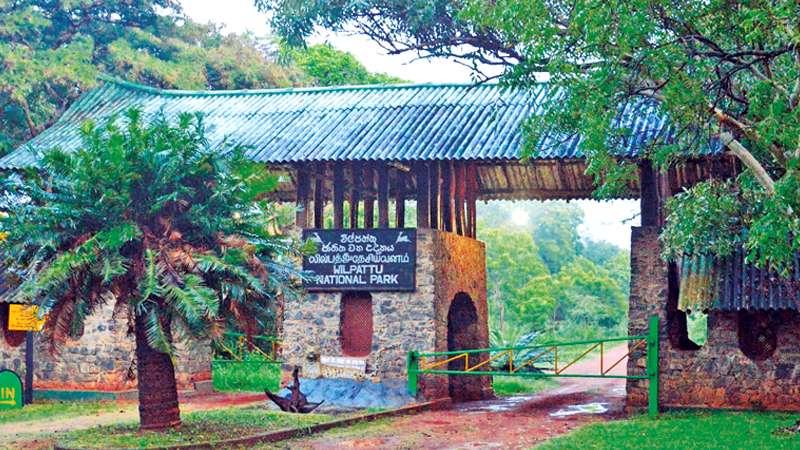
Nestled on the northwest coast of Sri Lanka, Wilpattu National Park stands as a pristine sanctuary of nature’s wonders. With its vast expanse of untamed wilderness and diverse wildlife, this national park offers a captivating experience for nature enthusiasts and wildlife lovers. In this article, we will explore the beauty and significance of Wilpattu National Park, delving into its history, ecosystem, attractions, and conservation efforts.


Table of Contents

  1. History of Wilpattu National Park
  2. Biodiversity and Ecosystem
  3. Notable Wildlife in Wilpattu National Park
  4. Exploring the Park: Safari Adventures
  5. Cultural and Historical Significance
  6. Conservation Initiatives and Challenges
  7. Best Time to Visit Wilpattu National Park
  8. Accommodation Options near the Park
  9. Essential Tips for Visitors
  10. Exploring Beyond Wilpattu: Nearby Attractions
  11. The Future of Wilpattu National Park
  12. Conclusion
  13. FAQs (Frequently Asked Questions)

History of Wilpattu National Park

Wilpattu National Park holds a rich historical background, with evidence of human settlements dating back to the 5th century BCE. It served as a hunting ground for ancient Sri Lankan kings and was officially designated as a national park in 1938. However, during the country’s civil war, the park suffered from neglect and environmental damage. Thanks to subsequent conservation efforts, it has been restored to its former glory.

Biodiversity and Ecosystem

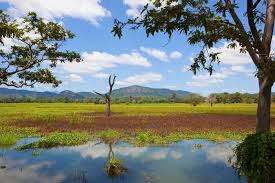
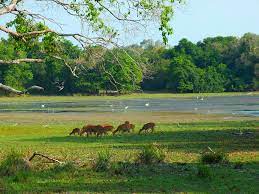
Wilpattu National Park encompasses a vast area of approximately 1,317 square kilometers, making it the largest national park in Sri Lanka. The park’s landscape is characterized by dense forests, scrublands, and numerous natural lakes known as “villus.” These villus play a crucial role in supporting the park’s diverse ecosystem by providing water sources and attracting a wide range of wildlife.

Notable Wildlife in Wilpattu National Park

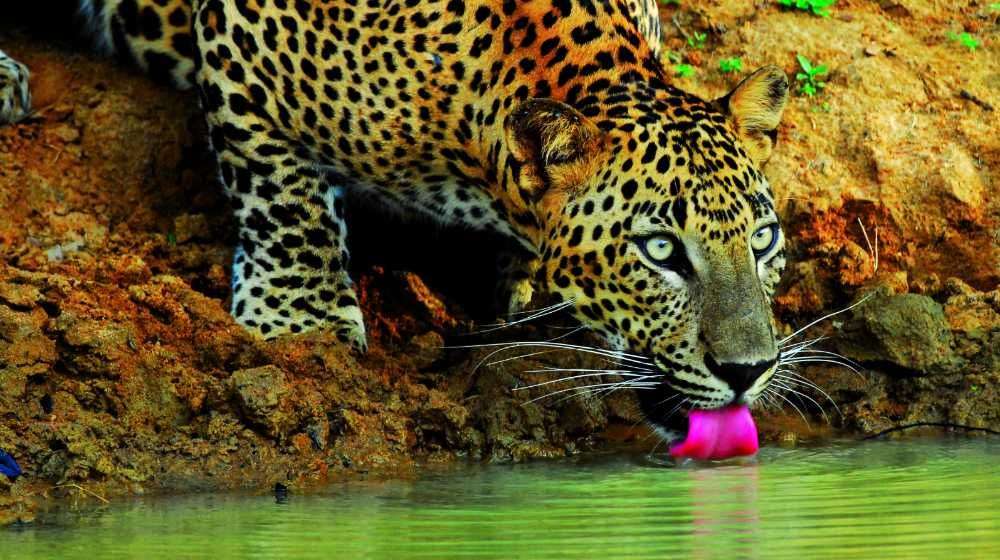
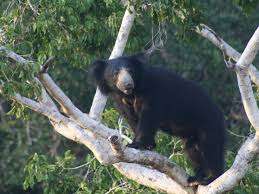
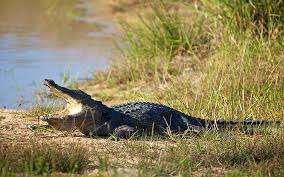
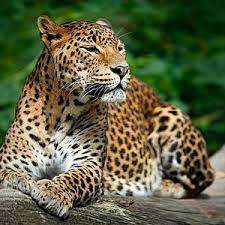
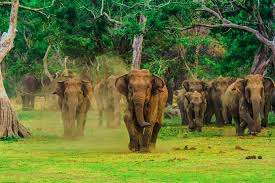
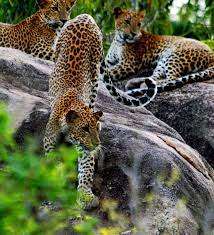
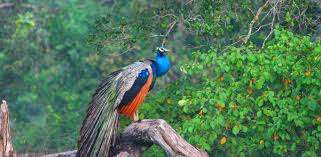
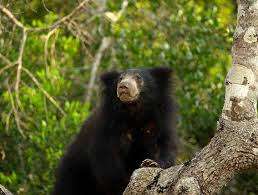
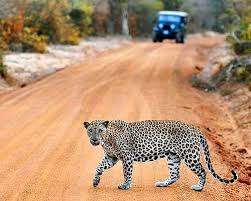
The park’s thriving biodiversity is a testament to its ecological significance. Wilpattu National Park is home to a diverse array of wildlife, including iconic species such as the Sri Lankan leopard, Asian elephant, sloth bear, water buffalo, and mugger crocodile. The park also boasts an impressive bird population, with over 200 species recorded, including migratory birds that visit during the winter months.

Exploring the Park: Safari Adventures

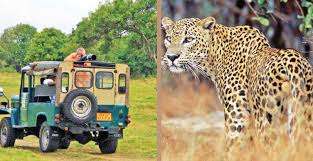
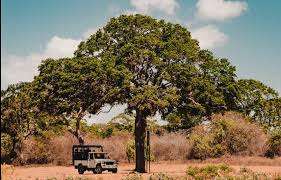
Embarking on a safari in Wilpattu National Park is an adventure like no other. Visitors have the opportunity to witness the park’s majestic creatures in their natural habitat. The park offers various safari options, including jeep safaris and walking safaris, allowing visitors to immerse themselves in the park’s untamed beauty and capture breathtaking photographs of wildlife encounters.

Cultural and Historical Significance

Wilpattu National Park is not only a sanctuary for wildlife but also holds cultural and historical importance. The park is scattered with ancient ruins and sacred sites, including the “Kudiramalai Point” where Lord Buddha is believed to have visited. Exploring these remnants of the past adds an extra layer of fascination to the overall experience of visiting the park.

Conservation Initiatives and Challenges

Conservation efforts play a vital role in preserving the natural heritage of Wilpattu National Park. Various organizations and governmental bodies work together to safeguard the park’s delicate ecosystem, combat illegal activities, and promote sustainable tourism. However, challenges such as deforestation, poaching, and encroachment still pose threats to the park’s conservation efforts, calling for continued vigilance and support.

Best Time to Visit Wilpattu National Park

The best time to visit Wilpattu National Park is during the dry season, which extends from February to October. During this period, the vegetation is less dense, and animals gather near the villus, making it easier to spot wildlife. It is advisable to check the weather conditions before planning a visit and to book safari tours in advance to ensure availability.

Accommodation Options near the Park

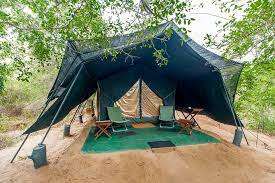
For those planning a visit to Wilpattu National Park, there are several accommodation options available nearby. From luxury resorts to cozy guesthouses, visitors can choose from a range of options to suit their preferences and budget. Staying in close proximity to the park allows for early morning safaris and maximizes the time spent exploring the natural wonders it offers.

Essential Tips for Visitors

  • Wear comfortable and breathable clothing suitable for outdoor activities.
  • Carry sunscreen, insect repellent, and a hat to protect yourself from the sun.
  • Bring binoculars and a camera to capture the park’s awe-inspiring wildlife and landscapes.
  • Follow the instructions of your safari guide and maintain a respectful distance from the animals.
  • Do not litter or disturb the natural environment; help preserve the park’s beauty for future generations.

Exploring Beyond Wilpattu: Nearby Attractions

While Wilpattu National Park is a destination in itself, there are other attractions worth exploring in the surrounding areas. One such place is the sacred city of Anuradhapura, a UNESCO World Heritage Site famous for its ancient ruins and Buddhist temples. The coastal town of Kalpitiya is also nearby, offering opportunities for dolphin and whale watching, snorkeling, and kiteboarding.

The Future of Wilpattu National Park

As Wilpattu National Park continues to thrive and attract visitors from around the world, its future lies in the hands of sustainable tourism practices and conservation efforts. It is essential to strike a balance between preserving the park’s natural heritage and providing a memorable experience for visitors. By supporting responsible tourism and raising awareness about its significance, we can ensure the long-term survival of this remarkable wilderness.

Conclusion

Wilpattu National Park is a true gem of Sri Lanka, where nature’s beauty and wildlife reign supreme. From its intriguing history to its vibrant ecosystem, every aspect of this national park leaves a lasting impression on those fortunate enough to explore its grounds. By venturing into the heart of Wilpattu, visitors can discover the untamed wonders of Sri Lanka’s wilderness and create memories that will linger in their hearts forever.

FAQs (Frequently Asked Questions)

  1. Is Wilpattu National Park safe for visitors?
    • Yes, Wilpattu National Park is safe for visitors as long as they follow the instructions of their safari guide and adhere to park regulations.
  2. Can I see leopards during a safari in Wilpattu National Park?
    • Yes, Wilpattu National Park is known for its leopard population, and there is a chance of spotting these elusive creatures during a safari.
  3. Are there any accommodation options inside the national park?
    • No, there are no accommodation options inside Wilpattu National Park. However, there are several resorts and guesthouses available nearby.
  4. What is the significance of the villus in Wilpattu National Park?
    • The villus in Wilpattu National Park serve as vital water sources and attract a diverse range of wildlife, making them important for the park’s ecosystem.
  5. How can I contribute to the conservation of Wilpattu National Park?
    • You can contribute to the conservation of Wilpattu National Park by supporting sustainable tourism practices, spreading awareness about its significance, and avoiding any activities that may harm the park’s ecosystem.

SHARE

top surfing beaches and destinations in Sri Lanka

SHARE

Sri Lanka is a world-renowned destination for surfers, offering a diverse range of top surfing beaches and surf points along its beautiful coastline. From the famous waves of Arugam Bay to the hidden gems of the south and west coasts, Sri Lanka attracts surfers of all skill levels seeking the perfect ride. Whether you’re a beginner or a seasoned pro, the island’s warm waters, consistent swells, and vibrant surf culture make it an ideal spot for your next surfing adventure. In this guide, discover the best surfing destinations in Sri Lanka and find out which beaches offer the ultimate wave-riding experience.

Surfing in Sri Lanka | Best Surf Spots & Travel Guide

Arugam Bay:

Arugam Bay is the most popular surfing destination in Sri Lanka, and for good reason. Located on the east coast of the country, the bay offers some of the best surf breaks in the world, including the famous “Main Point.” The surf season runs from April to October, with the best waves usually in August and September.

While Arugam Bay and Whiskey Point are must-visit surfing destinations, travelers can also explore the vibrant city of Galle, enjoy nature at Victoria Park, or take a break at Rajapaksa Park.

Weligama:

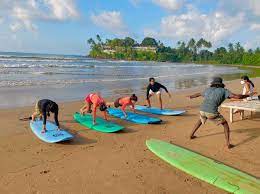
Weligama is a small town on the south coast of Sri Lanka that is known for its beginner-friendly surf breaks. The beach is long and sandy, and the waves are usually small and gentle. There are several surf schools in the area that offer lessons for beginners.

Mirissa:

Mirissa is another popular surf spot on the south coast of Sri Lanka. The waves are generally larger than in Weligama, but still suitable for beginners. The beach is also a great place to relax and watch the surfers in action.

Hikkaduwa:

Hikkaduwa is a coastal town on the west coast of Sri Lanka that offers a range of surf breaks suitable for all levels. The waves are usually best from November to April, and the beach is known for its lively atmosphere and nightlife.

Unawatuna:

Unawatuna is a beautiful beach town on the south coast of Sri Lanka that is known for its clear waters and coral reefs. The surf breaks here are usually best from November to April, and there are several surf schools in the area that offer lessons for beginners.

Pottuvil Point:

Pottuvil Point is located on the east coast of Sri Lanka, near Arugam Bay. The surf break here is known for its long, fast waves, and is popular among experienced surfers. The best time to surf here is from April to October.

Kabalana Beach:

Kabalana Beach is located on the south coast of Sri Lanka, near the town of Ahangama. The surf break here is known for its consistent waves, and is suitable for surfers of all levels. The best time to surf here is from November to April.

Elephant Rock:

Located near Arugam Bay, Elephant Rock is a popular surf spot that offers both left and right-hand waves. The waves here can go up to six feet, and the spot is suitable for intermediate and advanced surfers.

Whiskey Point:

Another surf spot located near Arugam Bay, Whiskey Point is known for its consistent waves that are suitable for both beginners and intermediate surfers. Surf schools are also available here for those who want to take lessons.

Surfers visiting Whiskey Point can also explore nearby Arugam Bay, enjoy the waves at Peanut Farm Beach, or relax at the scenic Elephant Rock.

Peanut Farm:

Located in Matara, Peanut Farm is a popular surf spot that is suitable for intermediate and advanced surfers. The waves here can go up to eight feet, and the spot is known for its right-hand waves.

Okanda:

Located near Arugam Bay, Okanda is a secluded beach that is known for its powerful waves that are suitable for advanced surfers. The beach is surrounded by lush forests and offers a stunning view of the Indian Ocean.

Secret Point:

Located near Mirissa, Secret Point is a popular surf spot that offers both left and right-hand waves. The spot is suitable for intermediate and advanced surfers, and the waves here can go up to six feet. The beach is also known for its stunning sunsets, making it a great spot for photography.

In addition to these popular surf spots, Sri Lanka also offers many other beaches and breaks that are worth exploring. Whether you’re a beginner or an experienced surfer, there’s no shortage of waves to catch in this tropical paradise. Just remember to always follow local surf etiquette, respect the environment, and have fun!

With over 1,300 kilometers of coastline, the country offers a range of surf breaks suitable for both beginners and experienced surfers.

Seasons and transportation options to surfing points in Sri Lanka:

1. Seasons: Sri Lanka has two primary surf seasons:

  • The southwest coast experiences the main surf season from November to April. During this time, surf spots like Hikkaduwa, Weligama, Mirissa, and Matara on the south and west coasts offer favorable conditions with consistent waves.
  • The east coast experiences its surf season from April to October. Arugam Bay and its surrounding areas, including Pottuvil Point and Whiskey Point, are the main attractions during this time, providing excellent surf conditions.

2. Transport Options:

  • Private Transport: Hiring a private vehicle, such as a car or a van, is a convenient option to reach surf spots in Sri Lanka. It gives you the flexibility to travel at your own pace and explore multiple surf spots. Private transport can be arranged through local rental services or with the assistance of your hotel.
  • Public Buses: Sri Lanka has an extensive network of public buses that connect major cities and towns. It is an affordable option to travel to popular surf spots. However, be prepared for longer travel times and potential crowded conditions, especially during peak seasons.
  • Tuk-tuks: Tuk-tuks, three-wheeled motorized vehicles, are a common mode of transport in Sri Lanka. They are readily available and can be a convenient and economical option for short-distance travel within towns or from your accommodation to nearby surf spots.
  • Surf School/Shuttle Services: Many surf schools and surf camps in popular surfing areas offer transportation services for their guests. These services typically include transportation to and from the surf spots as part of their surf packages or lessons. Check with your chosen surf school or accommodation for availability.
  • Train: Sri Lanka’s train system covers some coastal areas, making it a scenic option to reach certain surf spots. However, train schedules may not be as frequent or reliable as buses, so it’s essential to plan accordingly and check the train timings in advance.

It’s advisable to plan your transportation in advance, considering the distance between your accommodation and the surf spots, as well as the availability of transportation options in the specific area. Local knowledge and guidance from your hotel, surf schools, or experienced surfers can be valuable in determining the best transportation options to reach your desired surf spots.

Arugam Bay surfing paradise → Whiskey Point

Beautiful coastal city → Galle

Iconic waterfalls → Diyaluma Waterfalls

Peaceful green escape → Victoria Park Nuwara Eliya

Family-friendly park → Handana Birds Park

Relaxing nature spot → Rajapaksa Park Negombo


SHARE

Kadulla National Park | Exploring the Wilderness of East Cost

SHARE

Introduction

Located in the enchanting island of Sri Lanka, Kadulla National Park stands as a captivating haven of biodiversity and natural wonders. This national park, although less renowned than some of its counterparts, offers a unique and unforgettable experience for nature enthusiasts and wildlife lovers. In this article, we will delve into the beauty and significance of Kadulla National Park, uncovering its history, diverse ecosystem, notable wildlife, and the adventures that await those who embark on a journey to this magnificent destination.

Table of Contents

  1. A Brief History of Kadulla National Park
  2. Geographical Features and Biodiversity
  3. Wildlife in Kadulla National Park
  4. Exploring Kadulla: Safari Adventures
  5. Conservation Efforts and Challenges
  6. Best Time to Visit Kadulla National Park
  7. Accommodation Options near the Park
  8. Essential Tips for Visitors
  9. Nearby Attractions to Explore
  10. Conclusion
  11. FAQs (Frequently Asked Questions)

A Brief History of Kadulla National Park

Kadulla National Park, previously known as Yala East National Park, was established in 1983 as a protected area to conserve the region’s unique flora and fauna. Located in the southeastern part of Sri Lanka, it was later renamed Kadulla National Park to distinguish it from its more famous counterpart, Yala National Park. The park’s history is deeply intertwined with the efforts to preserve and protect its diverse ecosystem for future generations.

Geographical Features and Biodiversity

Spanning an area of approximately 67,000 hectares, Kadulla National Park boasts a diverse range of geographical features. From dense forests to open grasslands, the park showcases various ecosystems, providing a habitat for a wide array of plant and animal species. The park is home to several natural lakes, known as “katus,” which serve as crucial water sources for the park’s wildlife.

Wildlife in Kadulla National Park

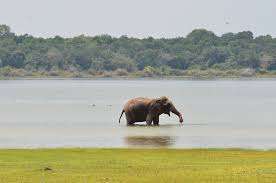
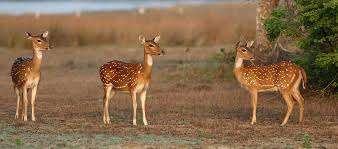
One of the main highlights of Kadulla National Park is its rich and diverse wildlife. The park is renowned for its population of Asian elephants, which can be seen roaming freely throughout the park. Other notable wildlife species include leopards, sloth bears, wild boars, spotted deer, water buffalos, and crocodiles. Additionally, Kadulla National Park is a haven for birdwatchers, with over 150 species of birds recorded within its boundaries.

Exploring Kadulla: Safari Adventures

Embarking on a safari adventure in Kadulla National Park is an exhilarating experience. The park offers various safari options, including jeep safaris and guided nature walks. These safaris provide visitors with the opportunity to witness the park’s magnificent wildlife up close and capture stunning photographs. Experienced guides accompany visitors, sharing their knowledge and ensuring a safe and informative journey through the park.

Conservation Efforts and Challenges

Kadulla National Park faces numerous conservation challenges, including habitat encroachment, illegal poaching, and deforestation. Efforts are being made to combat these threats and preserve the park’s delicate ecosystem. The park management, along with local communities and conservation organizations, works diligently to raise awareness, enforce regulations, and implement sustainable practices to protect the park’s natural heritage.

Best Time to Visit Kadulla National Park

The best time to visit Kadulla National Park is during the dry season, which runs from May to September. During this period, the park experiences less rainfall, and the wildlife tends to gather near water sources, making it easier to spot animals. It is important to note that the park is closed for a few months during the wet season to allow the animals and their habitats to recover.

Accommodation Options near the Park

There are several accommodation options available near Kadulla National Park to suit different preferences and budgets. Visitors can choose from luxurious resorts, eco-lodges, and guesthouses that offer comfortable amenities and a close proximity to the park. Staying near the park allows for early morning safari departures, maximizing the chances of wildlife sightings.

Essential Tips for Visitors

  • Dress in light and comfortable clothing suitable for outdoor activities.
  • Apply sunscreen and insect repellent to protect yourself from the sun and insect bites.
  • Carry a pair of binoculars and a camera to enhance your wildlife viewing experience.
  • Follow the instructions of your safari guide and maintain a respectful distance from the animals.
  • Help preserve the park’s pristine beauty by avoiding littering and respecting the natural environment.

Nearby Attractions to Explore

While visiting Kadulla National Park, consider exploring the surrounding areas to make the most of your trip. The nearby town of Arugam Bay is renowned for its stunning beaches and is a popular destination for surfing enthusiasts. The ancient city of Kataragama, with its rich cultural and religious heritage, is also worth a visit for those interested in history and spirituality.

Conclusion

Kadulla National Park stands as a hidden gem within the natural splendor of Sri Lanka. Its breathtaking landscapes, diverse wildlife, and captivating experiences make it a must-visit destination for nature enthusiasts. By embracing sustainable tourism practices and supporting conservation efforts, we can ensure that Kadulla National Park continues to thrive for generations to come, providing a sanctuary for both wildlife and humans to appreciate and cherish.

FAQs (Frequently Asked Questions)

  1. Is Kadulla National Park the same as Yala National Park?
    • No, Kadulla National Park is a separate national park located in the southeastern part of Sri Lanka. It was previously known as Yala East National Park.
  2. Can I see elephants during a safari in Kadulla National Park?
    • Yes, Kadulla National Park is known for its population of Asian elephants, and visitors have a good chance of spotting them during a safari.
  3. Are there any restrictions on visiting Kadulla National Park?
    • Yes, the park is closed for a few months during the wet season to protect the animals and their habitats. It is advisable to check the park’s opening dates before planning your visit.
  4. How can I contribute to the conservation of Kadulla National Park?
    • You can contribute to the conservation of Kadulla National Park by practicing responsible tourism, supporting local conservation initiatives, and spreading awareness about the park’s importance.
  5. Are there guided tours available in Kadulla National Park?
    • Yes, guided tours and safari options are available in Kadulla National Park. Experienced guides accompany visitors to ensure a safe and informative experience.

SHARE

The Sinharaja Forest Reserve | A Tropical Rainforest

SHARE

Introduction

Sinharaja Forest Reserve is a stunning and ecologically diverse tropical rainforest located in the southwestern part of Sri Lanka. This majestic forest, recognized as a UNESCO World Heritage Site, is renowned for its rich biodiversity, pristine beauty, and significant conservation value. In this article, we will explore the wonders of Sinharaja Forest Reserve, diving into its natural treasures, importance, and efforts to preserve this invaluable ecosystem.

Table of Contents

  1. What is Sinharaja Forest Reserve?
  2. Geographical Location
  3. Flora and Fauna
  4. Importance of Sinharaja Forest Reserve
  5. Conservation Efforts
  6. Visiting Sinharaja Forest Reserve
  7. Guidelines for Visitors
  8. Threats and Challenges
  9. Research and Education
  10. Impacts of Sinharaja Forest Reserve
  11. The Future of Sinharaja Forest Reserve
  12. Conclusion
  13. FAQs

1. What is Sinharaja Forest Reserve?

Sinharaja Forest Reserve is a pristine tropical rainforest spanning approximately 11,187 hectares. It is one of the few remaining lowland rainforests in Sri Lanka, offering a sanctuary for numerous plant and animal species. The name “Sinharaja” translates to “Lion Kingdom” in Sinhalese, symbolizing the regal nature of this forest.

2. Geographical Location

Situated in the southwestern part of Sri Lanka, Sinharaja Forest Reserve is nestled between the districts of Ratnapura, Galle, and Matara. It is located within the Sabaragamuwa and Southern provinces, making it easily accessible from various parts of the country.

3. Flora and Fauna

Sinharaja Forest Reserve is a treasure trove of biodiversity, boasting an impressive array of flora and fauna. The forest is home to over 830 plant species, including numerous endemic and endangered ones. Towering trees such as Dipterocarpus, Mesua, and Dillenia form the majestic canopy of Sinharaja, creating a dense and vibrant ecosystem.

In terms of fauna, Sinharaja is equally awe-inspiring. The forest is inhabited by a diverse range of animal species, including 44 species of mammals, 160 species of birds, 33 species of reptiles, and 15 species of amphibians. Notable wildlife found in the reserve includes the purple-faced langur, Sri Lankan leopard, and the endemic Sri Lankan blue magpie.

4. Importance of Sinharaja Forest Reserve

Sinharaja Forest Reserve holds immense ecological, cultural, and scientific importance. As a UNESCO World Heritage Site, it has been recognized for its outstanding universal value. The forest acts as a vital watershed, contributing to the water supply of numerous rivers and streams in the region. It also plays a crucial role in mitigating climate change by acting as a carbon sink.

From a cultural perspective, Sinharaja is deeply ingrained in Sri Lanka’s heritage. It has spiritual significance and is associated with ancient rituals and beliefs. The forest serves as a living laboratory for scientists and researchers, offering valuable insights into evolutionary processes, endemic species, and ecological dynamics.

5. Conservation Efforts

Preserving the fragile ecosystem of Sinharaja Forest Reserve has been a top priority for the Sri Lankan government and various conservation organizations. Strict regulations are in place to protect the forest from human encroachment, illegal logging, and poaching. The Forest Department and other entities work tirelessly to enforce these regulations and raise awareness about the importance of conservation.

Collaborative efforts between local communities, researchers, and conservationists have resulted in successful projects aimed at reforestation, wildlife monitoring, and sustainable tourism initiatives. These endeavors strive to strike a balance between the needs of local communities and the long-term preservation of the forest.

6. Visiting Sinharaja Forest Reserve

Sinharaja Forest Reserve offers a remarkable opportunity for nature enthusiasts and adventurers to immerse themselves in its unparalleled beauty. The forest provides various trails and trekking routes, allowing visitors to explore its wonders while being guided by experienced naturalists.

7. Guidelines for Visitors

To ensure the conservation of Sinharaja Forest Reserve, it is essential for visitors to adhere to certain guidelines. These guidelines include:

  • Obtaining necessary permits and following the designated trails.
  • Avoiding littering and disposing of waste responsibly.
  • Respecting the flora and fauna by not plucking plants or disturbing animals.
  • Refraining from making excessive noise to maintain the serene environment.
  • Following the guidance of experienced guides and naturalists.

8. Threats and Challenges

Despite the conservation efforts, Sinharaja Forest Reserve faces various threats and challenges. The encroachment of human settlements, illegal logging, and poaching pose significant risks to the delicate balance of this ecosystem. Climate change, invasive species, and habitat fragmentation further exacerbate the challenges faced by the forest.

9. Research and Education

Research and education play crucial roles in understanding and preserving the unique ecosystem of Sinharaja Forest Reserve. Scientists and researchers conduct studies on various aspects of the forest, contributing to our knowledge of biodiversity, ecological processes, and conservation strategies. Educational programs and awareness campaigns help instill a sense of responsibility and stewardship among the local communities and visitors.

10. Impacts of Sinharaja Forest Reserve

The preservation of Sinharaja Forest Reserve has far-reaching impacts. The forest acts as a natural haven for biodiversity, ensuring the survival of numerous endemic and endangered species. It also supports the livelihoods of local communities through sustainable tourism, providing economic opportunities while safeguarding the forest’s integrity.

Furthermore, Sinharaja Forest Reserve contributes to global efforts in combating climate change by sequestering carbon and maintaining vital ecosystem services. Its preservation serves as a testament to the importance of safeguarding our planet’s natural heritage.

11. The Future of Sinharaja Forest Reserve

The future of Sinharaja Forest Reserve lies in our hands. It requires continued dedication, collaborative efforts, and sustainable practices to ensure its survival for future generations. Strengthening conservation measures, promoting research and education, and fostering community engagement are crucial steps towards securing the future of this remarkable rainforest.

Conclusion

Sinharaja Forest Reserve stands as a remarkable testament to the beauty and significance of tropical rainforests. Its rich biodiversity, cultural heritage, and conservation efforts make it a jewel among UNESCO World Heritage Sites. By embracing sustainable practices and preserving this natural treasure, we can contribute to the protection of our planet’s invaluable ecosystems.

FAQs

1. Are there accommodation options available near Sinharaja Forest Reserve? Yes, there are several accommodation options available near Sinharaja Forest Reserve, ranging from eco-lodges to guesthouses. It is advisable to make prior arrangements and book accommodations in advance.

2. Can I visit Sinharaja Forest Reserve without a guide? No, visiting Sinharaja Forest Reserve without a guide is not allowed. The expertise of experienced guides is essential to ensure a safe and informative visit while minimizing the impact on the ecosystem.

3. Are there any restrictions on photography within the reserve? Photography is allowed in Sinharaja Forest Reserve, but it is important to be mindful of the environment and respect the guidelines provided by the authorities. Avoid using flash photography, as it can disturb wildlife.

4. Can I swim in the rivers or waterfalls within Sinharaja Forest Reserve? Swimming in the rivers or waterfalls within Sinharaja Forest Reserve is generally not permitted for safety reasons. However, there are designated areas nearby where visitors can enjoy water activities.

5. How can I contribute to the conservation of Sinharaja Forest Reserve? You can contribute to the conservation of Sinharaja Forest Reserve by supporting sustainable tourism practices, respecting the guidelines, spreading awareness about its importance, and supporting local conservation organizations through donations or volunteer work.


SHARE
Verified by MonsterInsights