Trincomalee | A Gem on Sri Lanka’s Eastern Coast

SHARE

Trincomalee, located on the northeastern coast of Sri Lanka, is a hidden gem that offers breathtaking beauty, rich history, and a diverse range of attractions. With its pristine beaches, ancient temples, and vibrant culture, Trincomalee has become an increasingly popular destination for travelers seeking an off-the-beaten-path experience. In this article, we will delve into the wonders of Trincomalee, exploring its history, natural wonders, cultural highlights, and more. So pack your bags and get ready to embark on a captivating journey to Trincomalee!
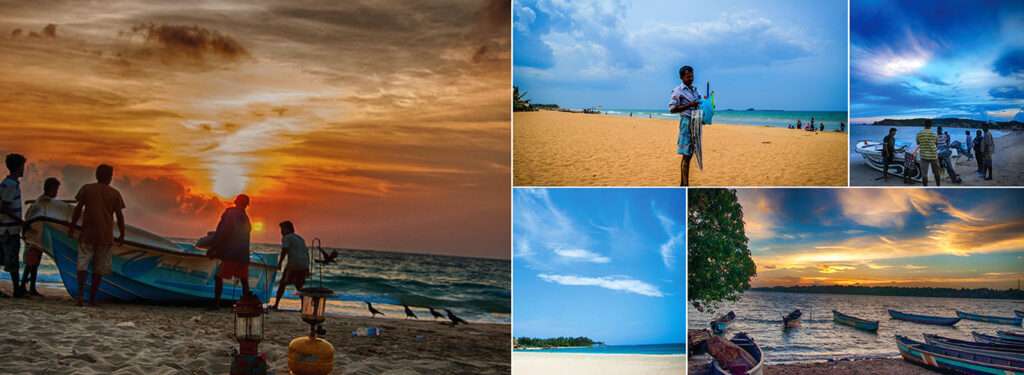
Table of Contents

  1. Introduction
  2. Historical Significance
  3. Natural Splendors
  4. Kanniyai Hot Water Springs
  5. Cultural Heritage
  6. Exquisite Cuisine
  7. Water Sports and Adventure
  8. Peaceful Beaches
  9. Accommodation Options
  10. Festivals and Celebrations
  11. Wildlife Encounters
  12. Exploring the City
  13. Shopping Extravaganza
  14. Local Handicrafts
  15. Sustainable Tourism Efforts
  16. Conclusion

1. Introduction

Nestled on the eastern coast of Sri Lanka, Trincomalee is a coastal town renowned for its scenic beauty and historical significance. The city boasts a rich tapestry of cultural heritage, beautiful beaches, and a wide array of outdoor activities. Whether you’re a history buff, nature lover, or adventure enthusiast, Trincomalee has something to offer for everyone.

2. Historical Significance

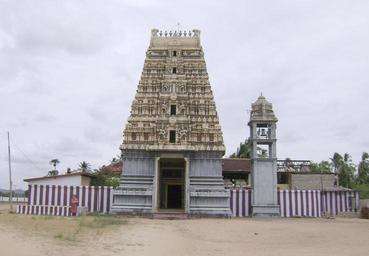
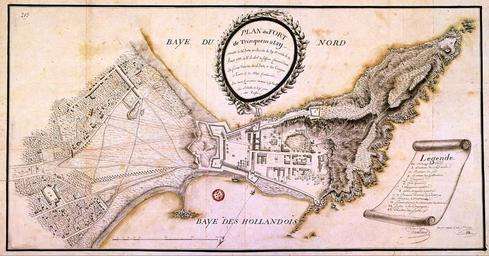
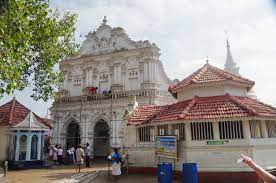
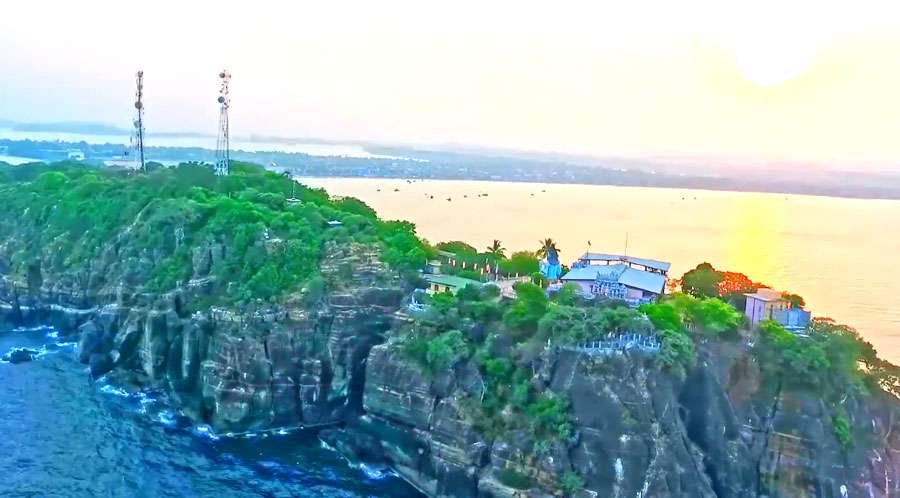
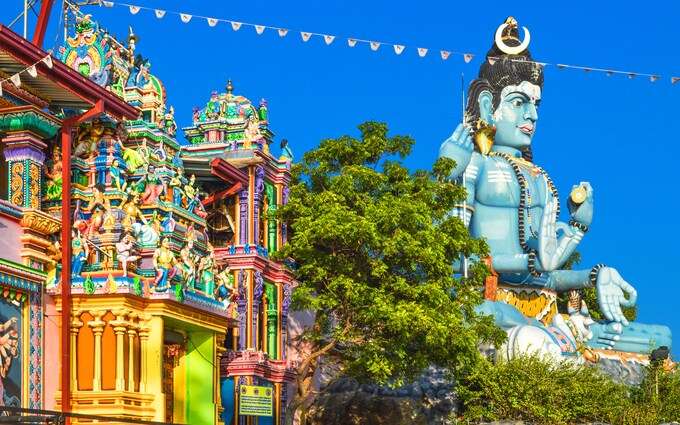
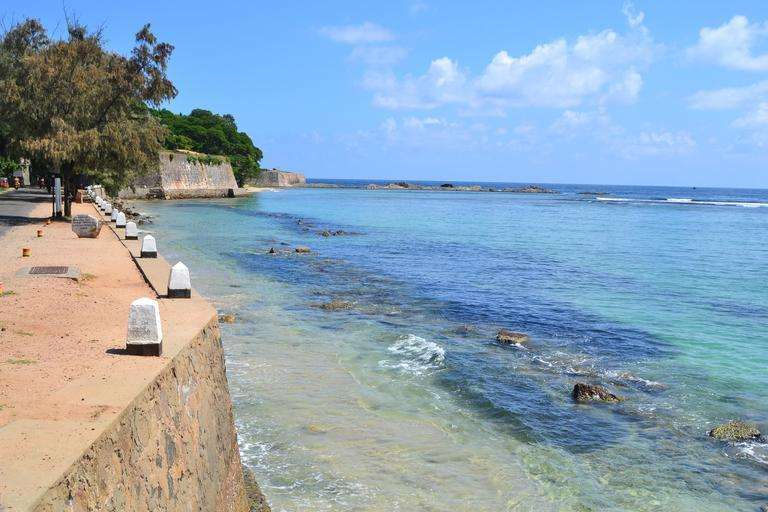
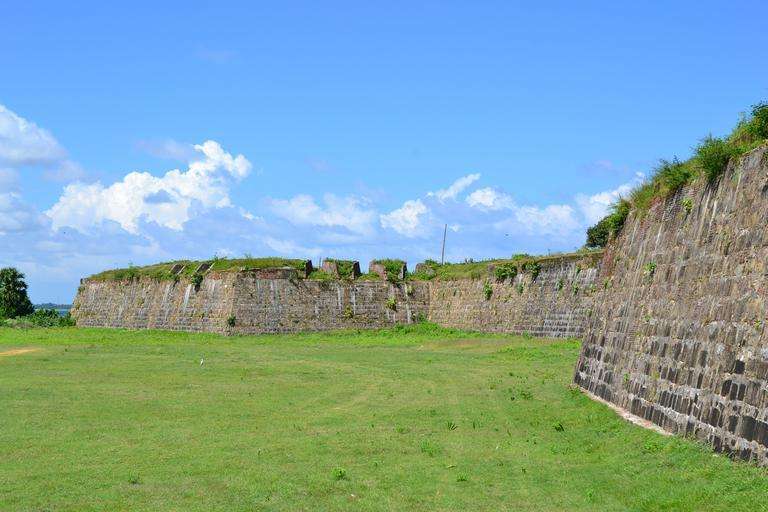
Trincomalee’s history dates back to ancient times, with evidence of human habitation dating back over 2,500 years. The city has been ruled by various empires, including the Chola, Pandyan, and Vijayanagara kingdoms. Its strategic location made it a vital trading hub and a coveted prize for many colonial powers. Today, remnants of these historical eras can be explored through ancient ruins, such as the Koneswaram Temple and Fort Frederick.
3. Natural Splendors

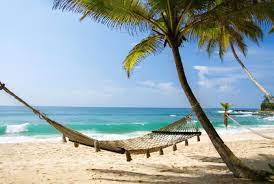
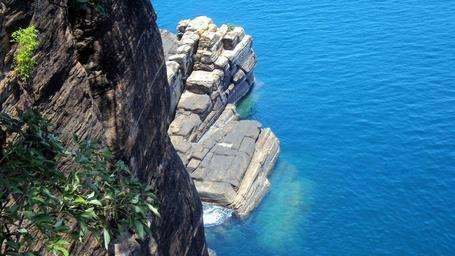
Trincomalee is blessed with breathtaking natural beauty. The city is home to some of the most stunning beaches in Sri Lanka, including Nilaveli and Uppuveli. The crystal-clear waters, golden sands, and swaying palm trees create a picturesque setting that is perfect for relaxation and sunbathing. Additionally, Trincomalee is a gateway to the Pigeon Island National Park, a marine sanctuary renowned for its vibrant coral reefs and diverse marine life.
4. Kanniyai Hot Water Springs

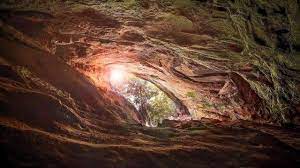
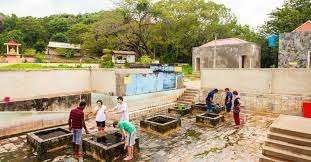
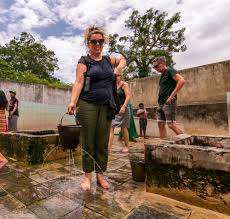
The Kanniyai Hot Water Springs, located in the outskirts of Trincomalee, are a natural wonder that offers a unique experience to visitors. These thermal springs are believed to have healing properties, making them a popular destination for those seeking relaxation and relief from various ailments.

The Kanniyai Hot Water Springs are a result of geothermal activity beneath the Earth’s surface. The hot water that emerges from the springs is heated by volcanic activity and travels through fissures and cracks in the rocks before reaching the surface. The exact temperature of the water can vary, but it is generally warm to hot, providing a soothing and therapeutic experience.

The warm mineral-rich water of the Kanniyai Hot Water Springs is believed to possess healing properties. Many locals and visitors alike claim that soaking in the springs can help alleviate various ailments such as arthritis, rheumatism, and skin conditions. The high mineral content, including sulfur, is said to have therapeutic effects on the body, promoting relaxation and improving blood circulation.

When visiting the Kanniyai Hot Water Springs, it is important to follow certain guidelines to ensure a safe and enjoyable experience. The springs are open to the public, and there may be small bathing enclosures or pools available for visitors to enjoy. It is recommended to check with local authorities or guides for the best time to visit, as the springs may be crowded during peak tourist seasons.
5. Cultural Heritage

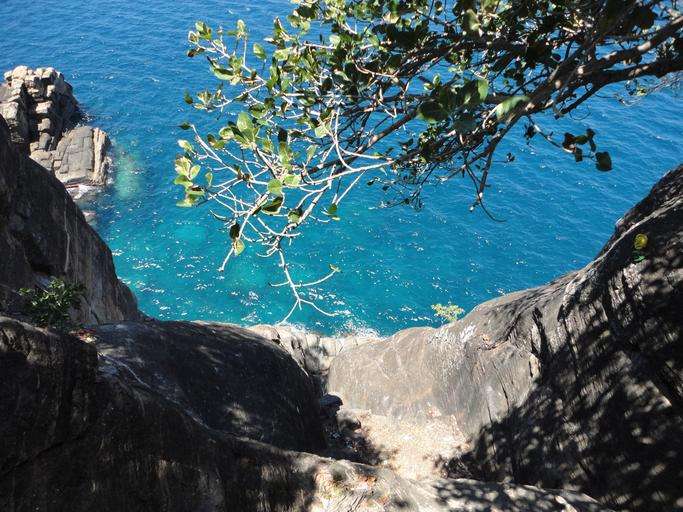
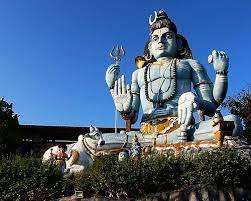
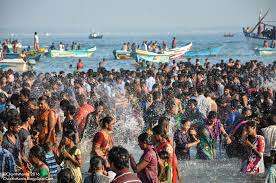
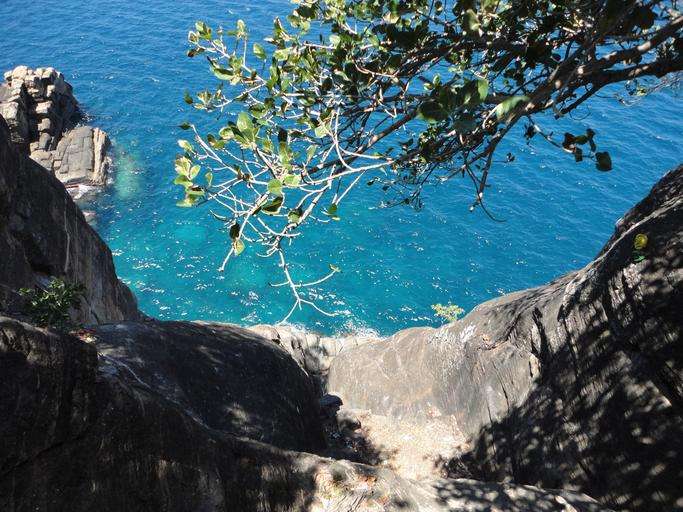
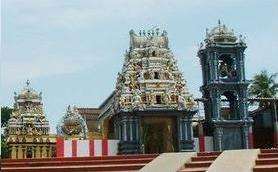
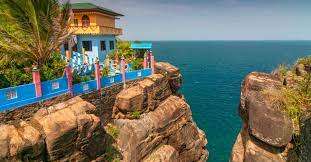
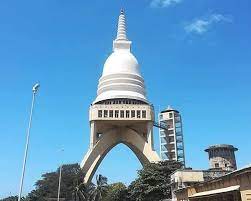
Trincomalee is steeped in cultural heritage, with a blend of Hindu, Buddhist, and Islamic influences. The Koneswaram Temple, perched on a cliff overlooking the sea, is a sacred Hindu pilgrimage site and a testament to the city’s religious significance. The annual Koneswaram Kovil festival attracts devotees from around the world, offering a glimpse into the rich traditions and customs of the region. The city also boasts several Buddhist temples and mosques, showcasing its multicultural fabric.
6. Exquisite Cuisine

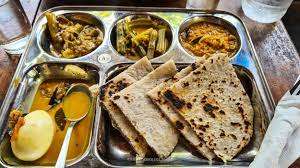
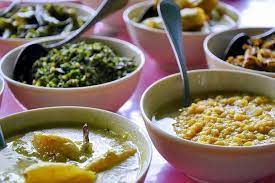
No trip to Trincomalee is complete without indulging in its delectable cuisine. The city offers a variety of culinary delights, with an emphasis on fresh seafood dishes. From succulent prawn curries to mouthwatering crab preparations, Trincomalee is a haven for seafood lovers. Don’t forget to try the local delicacy, “kottu roti,” a flavorful dish made from chopped roti, vegetables, and meat.

7. Water Sports and Adventure

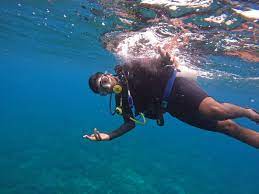
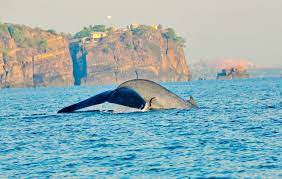
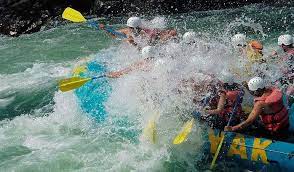
For adventure enthusiasts, Trincomalee is a paradise waiting to be explored. The city offers a plethora of water sports activities, including snorkeling, diving, and whale watching. Embark on a diving excursion to explore the vibrant coral reefs and encounter exotic marine species. If you’re lucky, you might spot magnificent blue whales and dolphins in their natural habitat.

8. Peaceful Beaches

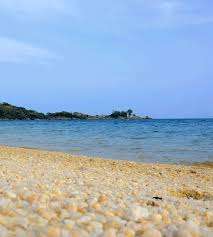
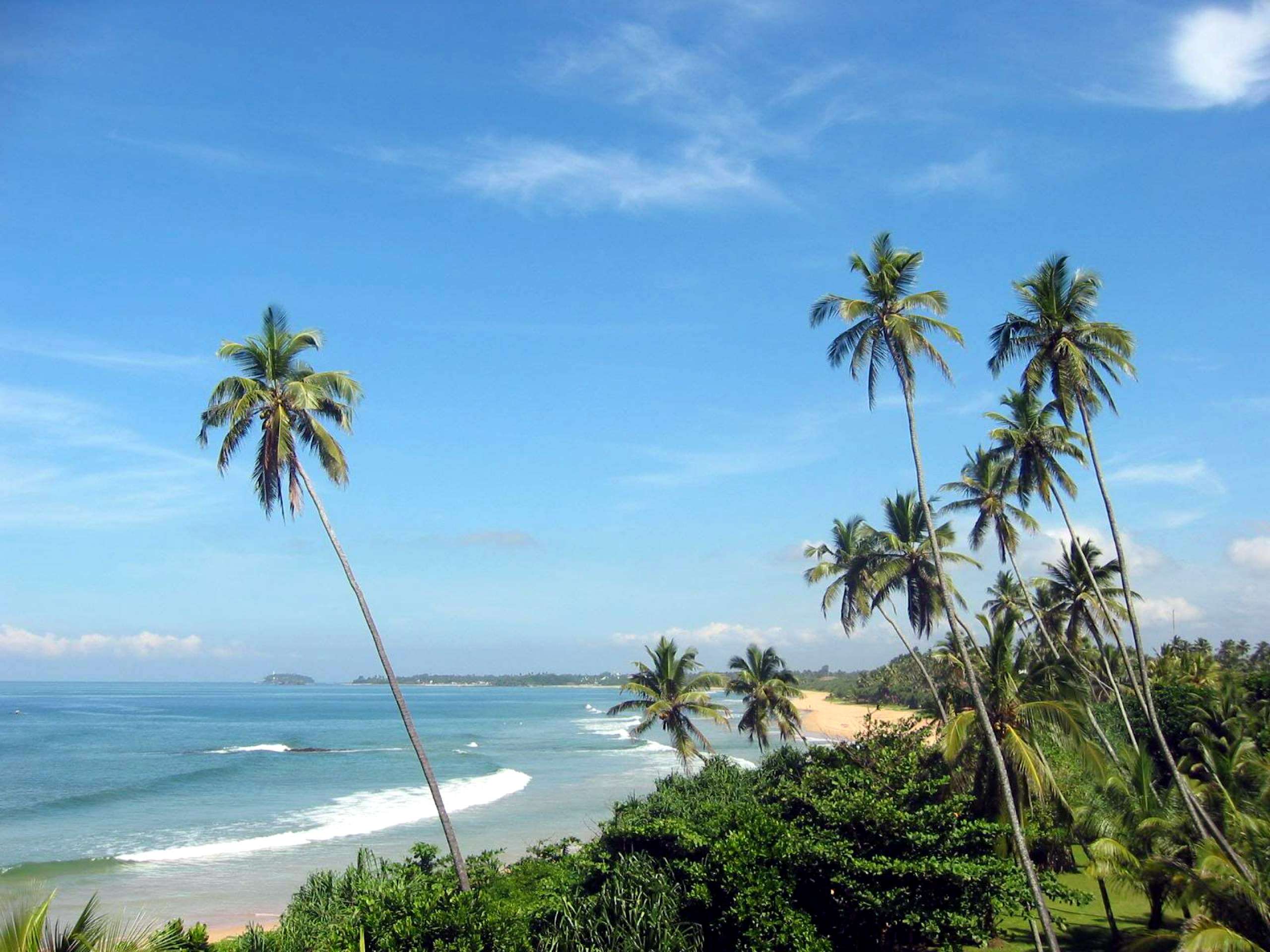
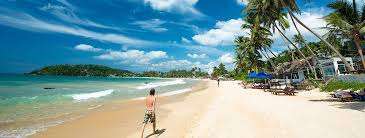
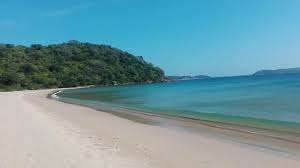
Trincomalee is renowned for its tranquil and secluded beaches, perfect for those seeking solace and serenity. Marble Beach, with its pristine white sands and calm turquoise waters, provides an idyllic setting for relaxation and rejuvenation. Other hidden gems include Kuchchaveli Beach and Seruwila Beach, where you can bask in the sun and immerse yourself in the beauty of nature.
9. Accommodation Options

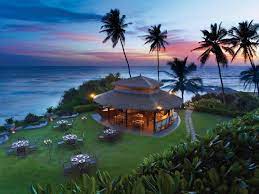
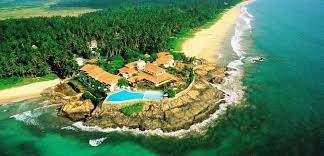
Trincomalee offers a range of accommodation options to suit every budget and preference. From luxury beach resorts to cozy guesthouses, you’ll find a variety of choices to make your stay comfortable. Many accommodations provide stunning ocean views, easy access to the beach, and world-class amenities to enhance your experience.

10. Festivals and Celebrations

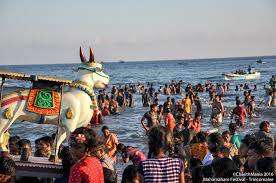
Trincomalee’s vibrant cultural scene comes alive during its numerous festivals and celebrations. The city hosts colorful processions, traditional dance performances, and musical concerts throughout the year. The Vel Festival, which pays homage to the Hindu god Murugan, is a spectacle to behold, with devotees carrying ornately decorated “kavadis” and piercing their bodies with hooks as acts of devotion.

11. Wildlife Encounters

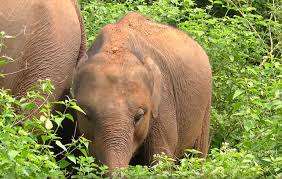
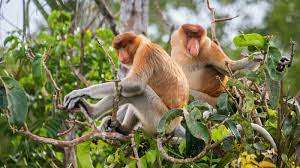
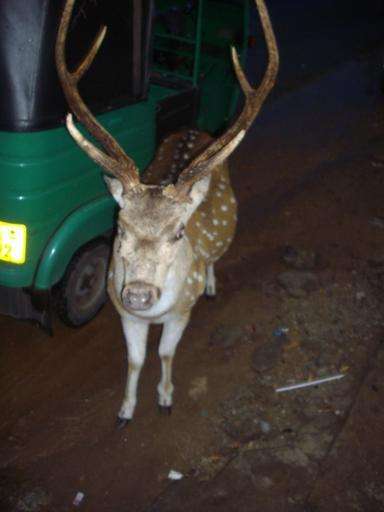
Nature enthusiasts will delight in Trincomalee’s abundant wildlife. The nearby Minneriya National Park is home to a large population of elephants, which can be observed during thrilling jeep safaris. The park also offers sightings of other wildlife, including deer, leopards, and a variety of bird species. A visit to Trincomalee wouldn’t be complete without experiencing the wonders of Sri Lanka’s diverse fauna.
12. Exploring the City

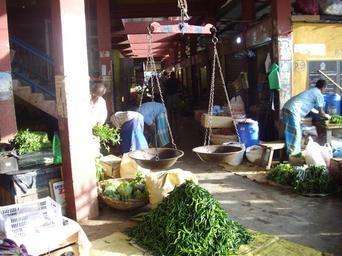
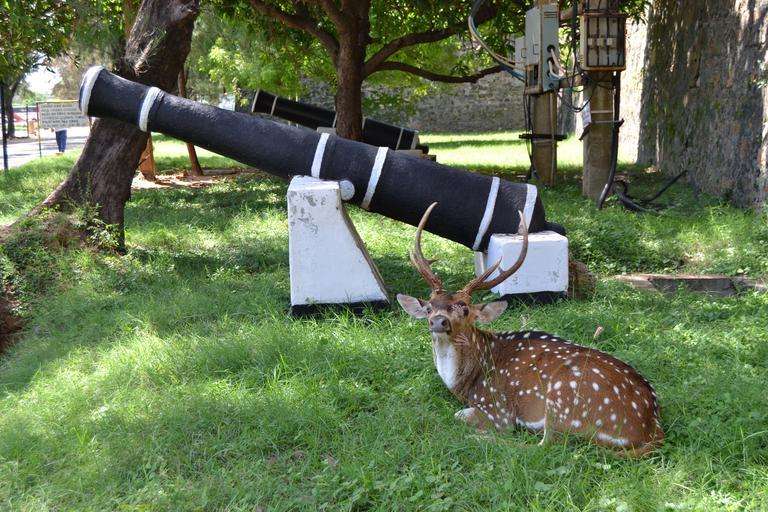
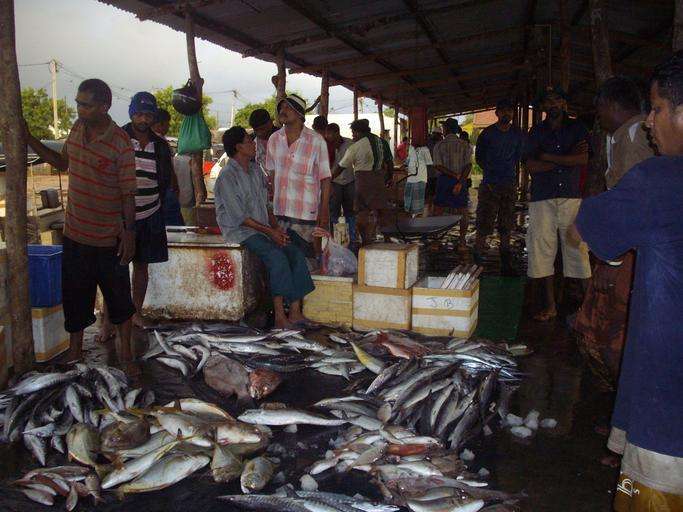
Trincomalee’s bustling streets offer a glimpse into local life and present numerous opportunities for exploration. Take a stroll through the vibrant bazaars, where you can find everything from handicrafts to spices. Visit the Fish Market to witness the daily catch being sold, or delve into the city’s history at the Trincomalee Maritime Museum. Exploring the city on foot allows you to immerse yourself in its unique charm.
13. Shopping Extravaganza

Trincomalee is a shopper’s paradise, offering a wide range of unique souvenirs and traditional crafts. From handwoven textiles to intricately carved wooden figurines, you’ll find a treasure trove of items to take home as mementos. Don’t forget to bargain at the local markets to secure the best deals and immerse yourself in the vibrant atmosphere.

14. Local Handicrafts

Trincomalee is renowned for its traditional handicrafts, which reflect the region’s rich cultural heritage. The city is famous for its exquisite woodcarvings, pottery, and intricate lacework. Supporting local artisans not only allows you to bring home a piece of Trincomalee’s heritage but also contributes to the preservation of these traditional crafts.

15. Sustainable Tourism Efforts

Trincomalee is committed to promoting sustainable tourism practices to preserve its natural and cultural assets for future generations. Efforts are underway to minimize the environmental impact of tourism activities and empower local communities. By supporting eco-friendly initiatives and responsible tourism, visitors can contribute to the preservation of Trincomalee’s unique charm.

16. Conclusion

Trincomalee, with its breathtaking beauty, rich history, and vibrant culture, is a destination that captivates the hearts of all who visit. From pristine beaches to ancient temples, this coastal gem offers a diverse range of attractions for every traveler. Whether you seek relaxation, adventure, or cultural immersion, Trincomalee promises an unforgettable experience. So pack your bags and embark on a journey to discover the wonders of this hidden treasure on Sri Lanka’s eastern coast.


FAQs

  1. Is Trincomalee safe for tourists? Trincomalee is generally considered safe for tourists. However, it’s always advisable to exercise caution and follow safety guidelines while traveling.
  2. How do I get to Trincomalee? Trincomalee can be reached by road or air. The city has its own airport, and there are also bus and train services available from major cities in Sri Lanka.
  3. What is the best time to visit Trincomalee? The best time to visit Trincomalee is during the dry season, which extends from May to October. This period offers favorable weather conditions for outdoor activities and beach exploration.
  4. Can I go whale watching in Trincomalee? Yes, Trincomalee is a popular destination for whale watching. The best time to spot blue whales is from March to April and August to September.
  5. Are there vegetarian food options available in Trincomalee? Yes, Trincomalee offers a variety of vegetarian food options. Many restaurants and eateries cater to vegetarian preferences and provide delicious plant-based meals.
SHARE

Udawalawa National Park

SHARE

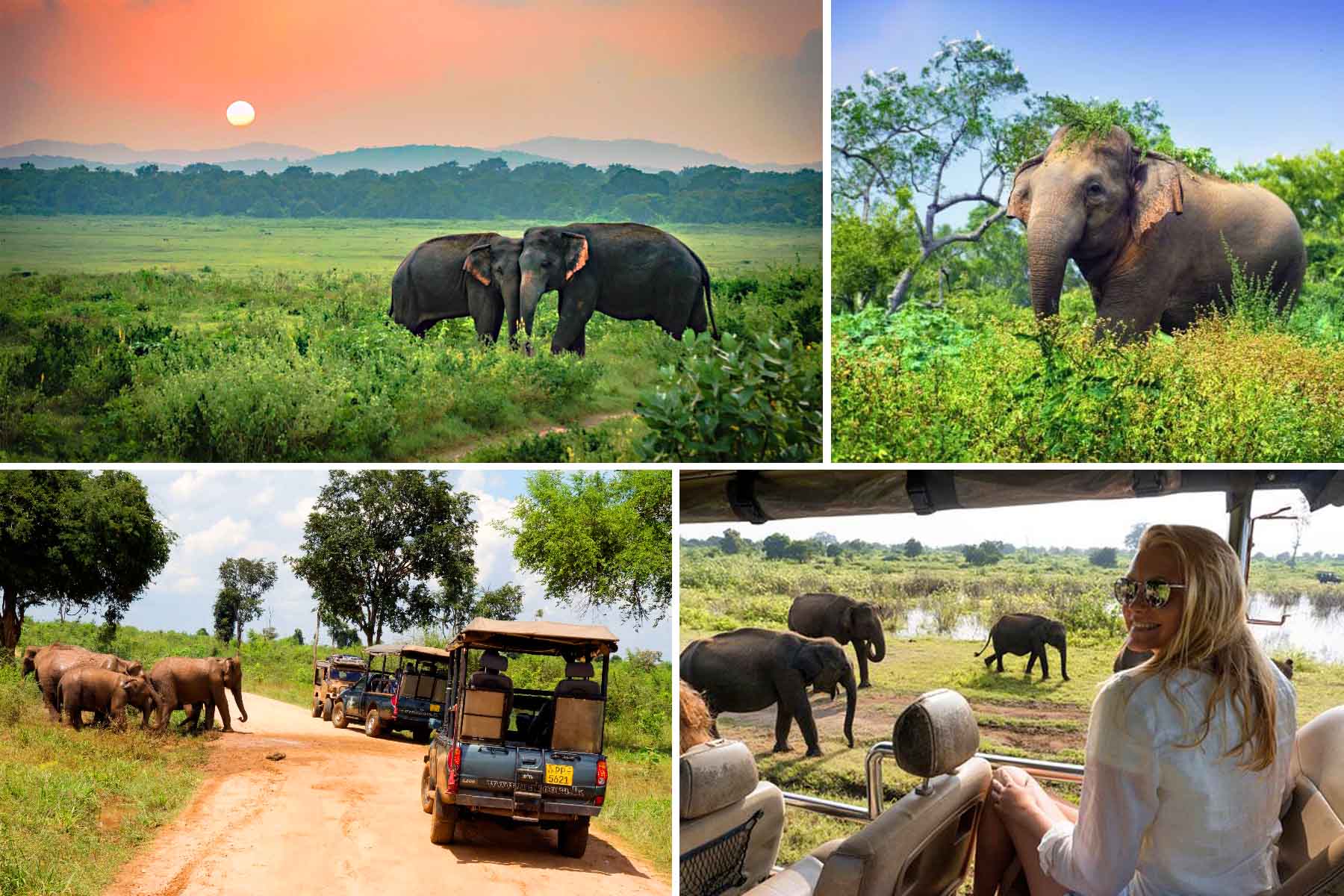
Udawalawa National Park is one of the most popular national parks in Sri Lanka. It is located in the southern part of the country, in the district of Monaragala. The park covers an area of about 30,821 hectares and is home to a wide variety of flora and fauna. Udawalawa National Park is most famous for its elephant population, and it is estimated that there are around 500 elephants in the park. In this article, we will explore Udawalawa National Park in detail, including its history, geography, climate, flora and fauna, and tourism.
History: The history of Udawalawa National Park dates back to the 1950s when it was established as a sanctuary for wild animals. At that time, the area was heavily forested and was home to a large number of elephants. However, due to human encroachment, the elephant population began to decline rapidly. In 1972, the Udawalawa National Park was declared a national park with the aim of protecting the wildlife in the area. Since then, the park has become a major tourist attraction and a popular destination for wildlife enthusiasts.
Geography: Udawalawa National Park is located in the dry zone of Sri Lanka, and the terrain is predominantly flat. The park is bordered by the Udawalawa Reservoir to the north and the Walawe River to the south. The park is also surrounded by several mountain ranges, including the Uva, Sabaragamuwa, and Rakwana mountain ranges. The highest point in the park is the Diyawinna Mountain, which is about 357 meters high.
Climate: The climate in Udawalawa National Park is characterized by hot and dry weather. The park experiences two distinct seasons, the wet season and the dry season. The wet season lasts from May to September, while the dry season lasts from October to April. The average temperature in the park ranges from 27°C to 32°C, and the average annual rainfall is about 1,700mm.
Flora: Udawalawa National Park is home to a wide variety of flora, including dry zone vegetation such as grasslands, shrubs, and trees. The park is also home to several species of aquatic plants, including water lilies and lotuses. The vegetation in the park is an important source of food for the wildlife in the area, especially the elephants.
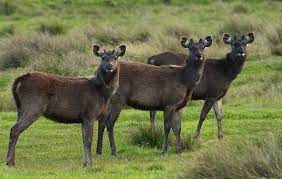
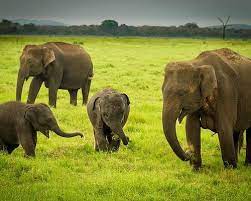
Fauna: The fauna in Udawalawa National Park is diverse, and the park is home to over 200 species of birds, including the endemic Sri Lankan junglefowl. The park is also home to several species of reptiles, including the mugger crocodile and the Indian python. However, the most famous inhabitants of the park are the elephants. The park has one of the highest densities of elephants in Sri Lanka, and visitors can often see these magnificent animals roaming freely in the park. Other mammals in the park include the Sri Lankan sambar deer, the Sri Lankan axis deer, the Sri Lankan leopard, and the water buffalo.
Tourism: Udawalawa National Park is one of the most popular tourist destinations in Sri Lanka. The park offers visitors a unique opportunity to observe wildlife in their natural habitat. Visitors can take a jeep safari through the park, which is the best way to see the wildlife. The park is open from 6 am to 6 pm, and the best time to visit is during the dry season when the animals congregate around the watering holes.
A Jeep Safari is one of the most popular ways to explore Udawalawa National Park. Visitors can hire a jeep and an experienced driver/guide to take them on a tour of the park. The jeeps are specially designed for safari tours and are open-air, allowing visitors to have an unobstructed view of the wildlife.
During the safari, visitors can expect to see a wide variety of wildlife, including elephants, deer, crocodiles, monkeys, and a variety of bird species. The park’s diverse flora and fauna make for a unique and unforgettable experience. Visitors are often amazed by the sheer number of elephants in the park and can get quite close to these majestic creatures.
The best time for a Jeep Safari is early in the morning or late in the afternoon when the animals are most active. The weather can get quite hot during the day, so it’s important to bring plenty of water and wear appropriate clothing.
The guides are knowledgeable and experienced, and they will provide visitors with information about the park, its history, and the wildlife that lives there. They will also ensure that visitors follow the park’s rules and regulations, such as not getting too close to the animals or littering.
Overall, a Jeep Safari is an exciting and unforgettable way to experience Udawalawa National Park. Visitors should be sure to add this activity to their itinerary when visiting Sri Lanka.
 
Conclusion: Udawalawa National Park is a must-visit destination for wildlife enthusiasts and nature lovers. The park offers visitors a unique opportunity to observe a wide variety of wildlife in their natural habitat. From elephants to Sri Lankan leopards, visitors can see these magnificent creatures up close and in their natural environment. The park’s diverse flora and fauna make it an ideal destination for anyone interested in ecology and conservation. The park is also an important source of revenue for the local community and is a testament to the success of Sri Lanka’s conservation efforts. Overall, a visit to Udawalawa National Park is an unforgettable experience that should not be missed by anyone visiting Sri Lanka.
When visiting Udawalawe National Park, there are several exciting activities and attractions to experience.
Here are some things to do in Udawalawe National Park:
 
  1. Jeep Safari: Embark on a thrilling jeep safari through Udawalawe National Park, which is renowned for its abundant wildlife, especially its elephant population. A safari allows you to observe elephants, as well as other animals like sambar deer, water buffalo, crocodiles, and a variety of bird species.
  2. Elephant Transit Home: Visit the Elephant Transit Home located near Udawalawe National Park. It is a rehabilitation center for orphaned elephant calves. You can witness the feeding sessions and observe the elephants as they prepare for their eventual release back into the wild.
  3. Nature Photography: Udawalawe National Park offers incredible opportunities for nature photography. Capture the stunning landscapes, wildlife, and bird species found in the park. The park’s scenic beauty and diverse wildlife make it a photographer’s paradise.
  4. Udawalawe Reservoir: Explore the Udawalawe Reservoir, a man-made lake adjacent to the national park. Take a boat ride or simply enjoy the serene surroundings. The reservoir attracts various bird species, providing excellent birdwatching opportunities.
  5. Udawalawe Transit Home: Visit the Udawalawe Transit Home, which serves as a rehabilitation center for injured or orphaned wildlife other than elephants. You can learn about their conservation efforts and see the animals in their care.
  6. Birdwatching: Udawalawe National Park is home to a wide range of bird species, making it a paradise for birdwatchers. Spot colorful birds like the Malabar pied hornbill, Sri Lanka grey hornbill, crested serpent eagle, and many more.
  7. Udawalawe Dam: Visit the Udawalawe Dam, which is located close to the national park. Enjoy the scenic views of the reservoir and learn about the dam’s significance in irrigation and providing water to the surrounding areas.
  8. Nature Trails: Explore the park’s nature trails on foot. Guided walks allow you to experience the park’s flora and fauna up close while learning about the local ecosystems and conservation efforts.
  9. Visit Local Villages: Take a cultural tour to nearby villages and interact with the local community. Learn about their way of life, traditions, and customs. Some villages offer traditional cooking demonstrations and handicraft workshops.
  10. Picnic by the Lake: Enjoy a picnic by the Udawalawe Reservoir, surrounded by the tranquil beauty of nature. Many tour operators and hotels can arrange a picnic lunch or snacks to enhance your experience.
  11. Udawalawe Interpretation Center: Visit the Udawalawe Interpretation Center to learn about the park’s history, wildlife, and conservation efforts. The center provides educational displays and interactive exhibits that offer insights into the park’s biodiversity.
  12. Night Safari: Experience the thrill of a night safari in Udawalawe National Park. With the assistance of a knowledgeable guide and a spotlight, you can spot nocturnal animals such as owls, nightjars, civets, and maybe even a leopard if you’re lucky.
  13. Visit the Ath Athuru Sevana Elephant Transit Home: Located within the national park, this facility provides care and rehabilitation for injured and orphaned elephants. You can witness the elephants during their feeding sessions and learn about the conservation efforts dedicated to their well-being.
  14. Udawalawe Elephant Research Project: Take part in the Udawalawe Elephant Research Project, where you can learn about ongoing research and conservation efforts to protect the park’s elephant population. You may have the opportunity to observe researchers in action and contribute to their work.
  15. Visit the Udawalawe Elephant Museum: Explore the Udawalawe Elephant Museum, which showcases exhibits on elephants, their natural history, and the challenges they face. It’s a great place to gain a deeper understanding of these majestic creatures.
  16. Udawalawe Transit Camp: Pay a visit to the Udawalawe Transit Camp, which serves as a temporary home for displaced or injured wild animals before they are released back into their natural habitats. You can see various animals up close, such as monkeys, deer, and birds.
  17. Visit Local Fruit Orchards: Discover the fruit orchards near Udawalawe National Park, where you can taste and learn about the diverse tropical fruits grown in the region. It’s a refreshing experience to savor the flavors of fresh, locally grown produce.
  18. Village Walks: Take a village walk to immerse yourself in the local culture and way of life. Engage with the villagers, learn about their traditions, and witness traditional activities such as pottery making, weaving, or farming.
  19. Wildlife Photography Workshops: Join wildlife photography workshops conducted by experienced photographers in the area. Learn techniques and tips to capture stunning images of the park’s wildlife and landscapes.
  20. Relax and Enjoy Nature: Take time to simply relax and enjoy the tranquility of Udawalawe National Park. Find a quiet spot, listen to the sounds of nature, and appreciate the beauty of the surroundings. It’s an opportunity to unwind and connect with the natural world.
  21. Birdwatching: Udawalawe is a haven for birdwatchers, with over 200 species of birds recorded in the park. Grab your binoculars and spot various endemic and migratory birds such as the Sri Lankan grey hornbill, painted stork, purple heron, and black-headed ibis.
  22. Boat Safari: Explore the Udawalawe Reservoir on a boat safari. Enjoy the scenic views, spot wildlife along the water’s edge, and take in the peaceful ambiance of the reservoir. It’s a different perspective of the park and a great way to observe birds and other animals.
  23. Nature Photography: Capture the stunning landscapes, wildlife, and flora of Udawalawe National Park through nature photography. The park offers a plethora of opportunities for nature photographers to showcase their skills and capture breathtaking shots.
  24. Picnic by the Reservoir: Pack a picnic and find a scenic spot near the Udawalawe Reservoir to enjoy a relaxing meal amidst nature. It’s a wonderful way to soak in the surroundings, watch wildlife, and spend quality time with friends and family.
  25. Wildlife Conservation Volunteer Programs: Consider participating in wildlife conservation volunteer programs in Udawalawe National Park. These programs allow you to contribute to the park’s conservation efforts, work alongside rangers and researchers, and engage in activities such as habitat restoration and wildlife monitoring.
  26. Meditation and Yoga: Find tranquility in the park’s serene surroundings by practicing meditation or yoga. Many resorts and accommodations near Udawalawe offer yoga and meditation sessions, allowing you to connect with nature and rejuvenate your mind and body.
  27. Camping: Experience a unique adventure by camping in Udawalawe National Park. Several camping sites are available, allowing you to spend a night under the stars and immerse yourself in the sounds and sights of the wilderness.
  28. Visit the Udawalawe Dam: Explore the Udawalawe Dam, which is an impressive feat of engineering and provides water for irrigation and hydroelectric power generation. Take a walk along the dam and enjoy panoramic views of the reservoir and surrounding landscapes.
  29. Cultural Experiences: Udawalawe is situated in close proximity to traditional Sri Lankan villages. Take the opportunity to visit nearby villages, interact with the locals, and learn about their customs, traditions, and traditional crafts.
  30. Elephant Photography Workshops: If you’re passionate about photographing elephants, consider joining an elephant photography workshop. Learn techniques and tips from professionals, and capture incredible images of these gentle giants in their natural habitat.
  31. Nature Walks: Embark on guided nature walks within the park with knowledgeable guides who can provide insights into the flora, fauna, and ecosystem of Udawalawe. Explore different trails and observe the smaller details of the park’s biodiversity.
  32. Sunset Safari: Take a sunset safari in Udawalawe National Park to witness the magical colors of the sky as the sun sets over the wilderness. It’s a beautiful time to spot wildlife and capture stunning photographs.
  33. Wildlife Research and Conservation: Get involved in wildlife research and conservation efforts by participating in programs or volunteering opportunities. Assist park rangers or conservation organizations in collecting data, monitoring wildlife populations, or engaging in conservation initiatives.
  34. Elephant Transit Home: Visit the Elephant Transit Home, which is located near Udawalawe National Park. This facility rescues and rehabilitates orphaned elephant calves with the goal of releasing them back into the wild. Witness their feeding sessions and learn about the conservation efforts for these magnificent creatures.
  35. Nature Interpretation Centers: Visit the nature interpretation centers located near the park, which provide valuable information about the wildlife, ecosystems, and conservation efforts in Udawalawe National Park. Learn about the park’s history, biodiversity, and ongoing initiatives.
  36. Wildlife Spotting from Observation Decks: Head to observation decks strategically located within the park for panoramic views and excellent wildlife spotting opportunities. These decks offer a safe and elevated vantage point to observe animals in their natural habitats.
  37. Night Safari: Experience the thrill of a night safari in Udawalawe National Park. With the assistance of spotlights and trained guides, explore the park after dark to observe nocturnal animals such as the Sri Lankan leopard, civets, owls, and other fascinating creatures.
  38. Wildlife Photography Workshops: Enhance your wildlife photography skills by joining a photography workshop in Udawalawe National Park. Learn techniques, receive guidance from professional photographers, and capture stunning images of the park’s diverse wildlife.
  39. Visit the Udawalawe Transit Hotel: Located near the park, the Udawalawe Transit Hotel is a unique place where injured or displaced animals are provided with medical care and rehabilitation. Take a tour of the facility and learn about their efforts to rescue and protect wildlife.
  40. Visit Nearby Attractions: Explore the surrounding area of Udawalawe National Park by visiting nearby attractions such as the Udawalawe Reservoir, Udawalawe Elephant Junction, or the Udawalawe Dam. These attractions offer additional opportunities for sightseeing and experiencing the natural beauty of the region.
Remember to plan your visit according to the best time to spot wildlife, follow park regulations, and prioritize the well-being and conservation of the park’s inhabitants. Enjoy your time in Udawalawe National Park and create unforgettable memories of Sri Lanka’s remarkable wilderness.
 When visiting Udawalawe National Park, you will find a range of hotels and accommodation options to suit different budgets and preferences.
Here are some popular hotels near Udawalawe National Park:
  • Grand Udawalawe Safari Resort: This resort offers comfortable rooms, a swimming pool, and a restaurant. It’s located just a short distance from the park entrance.
  • Centauria Wild: This eco-friendly hotel provides chalet-style accommodation surrounded by nature. It features a pool, a restaurant, and beautiful views of the surrounding landscape.
  • Kalu’s Hideaway: Situated near the park, this boutique hotel offers spacious rooms, a pool, and a restaurant. It provides a peaceful retreat in a lush setting.
  • Athgira River Camping: For a unique experience, consider staying at this riverside camping site. You can enjoy glamping-style accommodations, riverside dining, and wildlife encounters.
  • Udawalawe Safari Village: This budget-friendly hotel offers comfortable rooms and an on-site restaurant. It’s located close to the park entrance and provides easy access to safari activities.
  • The Grand Udawalawe Safari Resort: Nestled amidst nature, this resort offers spacious rooms, a pool, and a restaurant. It provides a tranquil setting for relaxation after a day of wildlife exploration.
As for transportation, there are several options to reach Udawalawe National Park:
  • Private Transportation: You can hire a private vehicle such as a car or van with a driver to reach the park. This allows for flexibility and convenience, especially if you’re traveling with a group or have specific requirements.
  • Public Transportation: Public buses and trains operate to nearby towns like Embilipitiya or Thanamalwila. From there, you can take a taxi or tuk-tuk to reach the park. However, public transportation may have limited schedules and may not be as direct or comfortable as private transportation.
  • Guided Tours: Many tour operators offer guided tours to Udawalawe National Park, which include transportation to and from the park. These tours often include safari drives and may have additional activities and services included.
It’s advisable to book your accommodation and transportation in advance, especially during peak seasons, to ensure availability and to secure the best rates. Additionally, confirm the details of your chosen accommodation and inquire about their transportation services or recommendations.
Udawalawe National Park in Sri Lanka experiences a tropical climate throughout the year.
The park has two main seasons: the dry season and the wet season.
  • Dry Season (May to September): The dry season is considered the best time to visit Udawalawe National Park. During this period, the weather is generally sunny, with minimal rainfall. The vegetation is drier, making it easier to spot wildlife as they gather around water sources. The dry season offers excellent opportunities for wildlife sightings, including elephants, birds, and other animals.
  • Wet Season (October to April): The wet season in Udawalawe National Park brings more rainfall and occasional thunderstorms. The park becomes lush and green during this time, creating a beautiful landscape. The wet season is also the birthing season for many animals, which can provide unique wildlife experiences. However, wildlife sightings may be a bit more challenging due to denser vegetation, and some areas of the park may be inaccessible due to flooding.
It’s important to note that wildlife sightings can occur throughout the year, and each season has its own advantages. The dry season offers better visibility and the chance to witness wildlife gathering around water sources, while the wet season offers a vibrant and lush environment.
When planning your visit, it’s a good idea to check the weather forecast and consider your personal preferences. The dry season is generally more popular among tourists, so the park may be more crowded during this time. On the other hand, the wet season can offer a quieter and more serene experience, with fewer tourists.
Remember to bring appropriate clothing and gear based on the season you’re visiting. In the dry season, lightweight and breathable clothing, a hat, sunscreen, and insect repellent are recommended. In the wet season, pack waterproof gear, including a rain jacket or poncho, and consider wearing sturdy shoes or boots for muddy trails.
Overall, Udawalawe National Park can be visited throughout the year, but the dry season from May to September is often considered the peak season for wildlife sightings and optimal weather conditions.
Enjoy your visit to Udawalawe National Park and the surrounding area!

SHARE

The Horton Plains National Park | A Breathtaking Nature Beauty in The Island

SHARE

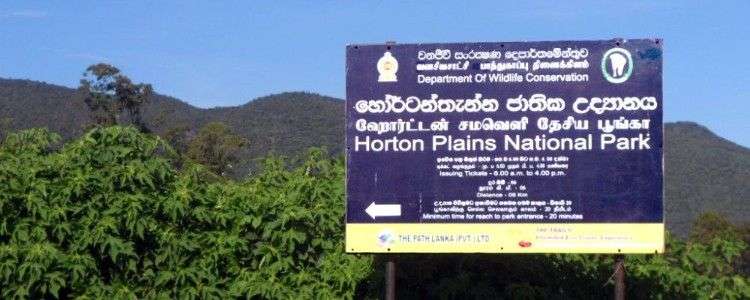
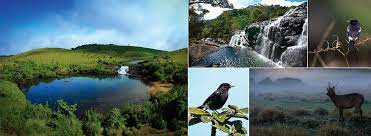
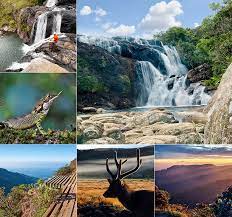
Horton Plains National Park, located in the central highlands of Sri Lanka, is a magnificent natural wonder that attracts visitors from around the world. Spread over an area of approximately 3,160 hectares, this national park is known for its breathtaking landscapes, diverse wildlife, and unique ecosystem. In this article, we will explore the wonders of Horton Plains National Park, its stunning features, and the experiences it offers to its visitors.

Table of Contents

  1. Introduction to Horton Plains National Park
  2. Geographical Location and Climate
  3. Flora and Fauna
  4. The Iconic World’s End
  5. Baker’s Falls: A Cascading Beauty
  6. Trekking Trails and Hiking Routes
  7. Important Tips for Visitors
  8. Conservation Efforts and Sustainability
  9. Nearby Attractions
  10. Accommodation and Facilities
  11. Best Time to Visit
  12. Safety Measures and Regulations
  13. Exploring the Cultural Heritage
  14. Photography and Birdwatching Opportunities
  15. Conclusion
  16. FAQs (Frequently Asked Questions)

1. Introduction to Horton Plains National Park

Horton Plains National Park is a UNESCO World Heritage Site that offers a pristine and untouched natural environment. Established in 1988, it is one of the most important protected areas in Sri Lanka, safeguarding its unique biodiversity and providing a sanctuary for numerous endemic species.

2. Geographical Location and Climate

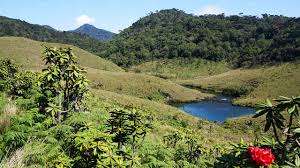
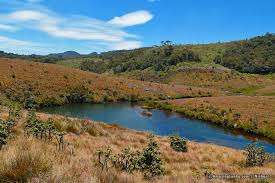
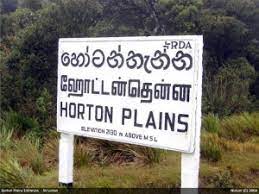
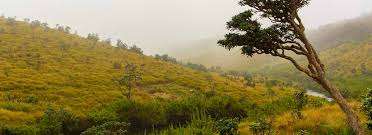
Situated in the central highlands of Sri Lanka, Horton Plains National Park is nestled at an altitude of 2,100 meters above sea level. It is part of the wet montane zone, characterized by its cool and misty climate. The park receives an ample amount of rainfall throughout the year, making it a lush and green paradise.

3. Flora and Fauna

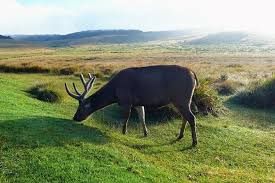
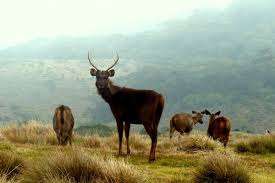
Horton Plains National Park is a treasure trove of biodiversity, boasting a rich variety of flora and fauna. The park is home to several endemic species, including the elusive Horton Plains slender loris and the Sri Lankan leopard. The vegetation is predominantly montane cloud forest, adorned with vibrant orchids, rhododendrons, and ferns.

4. The Iconic World’s End

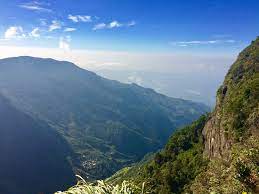
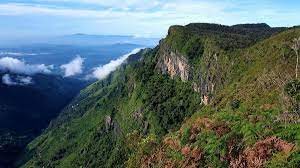
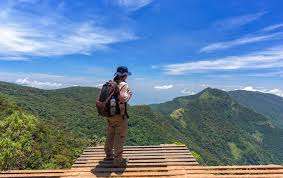
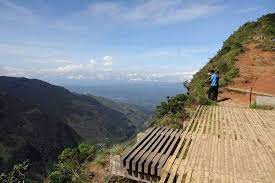
One of the most awe-inspiring attractions within Horton Plains National Park is the World’s End. This dramatic escarpment offers a panoramic view of the surrounding landscape, with a sheer drop of nearly 1,200 meters. The mist-covered valleys and rolling hills create a mesmerizing spectacle that leaves visitors in awe.

5. Baker’s Falls: A Cascading Beauty

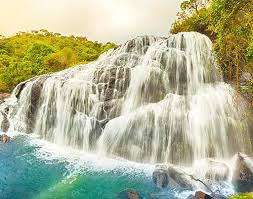
Baker’s Falls is another natural wonder that awaits explorers in Horton Plains National Park. This picturesque waterfall cascades down a series of rock formations, surrounded by lush greenery. The sight and sound of the cascading water create a soothing ambiance, making it a favorite spot for nature lovers.

6. Trekking Trails and Hiking Routes

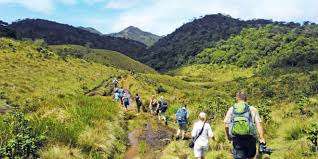
Horton Plains National Park offers a range of trekking trails and hiking routes that cater to different levels of fitness and adventure. The most popular trail is the 9-kilometer circular route, which takes visitors through the park’s main attractions, including World’s End and Baker’s Falls. The trekking experience allows visitors to immerse themselves in the park’s natural beauty and encounter its diverse wildlife up close.

7. Important Tips for Visitors

To make the most of your visit to Horton Plains National Park, it is essential to be well-prepared. Here are some important tips:

  • Wear comfortable and sturdy footwear.
  • Carry sufficient drinking water and snacks.
  • Dress in layers to accommodate the changing weather.
  • Respect the wildlife and do not disturb their natural habitats.
  • Follow the designated trails and adhere to park regulations.

8. Conservation Efforts and Sustainability

Horton Plains National Park is committed to preserving its pristine environment and promoting sustainable tourism practices. The park authorities work diligently to protect the delicate ecosystems, conserve wildlife habitats, and raise awareness about the importance of environmental conservation among visitors and local communities.

9. Nearby Attractions

In addition to its natural wonders, Horton Plains National Park is surrounded by several other attractions that are worth exploring. Some of the nearby attractions include:

  • Adam’s Peak
  • Nuwara Eliya
  • Ella Rock
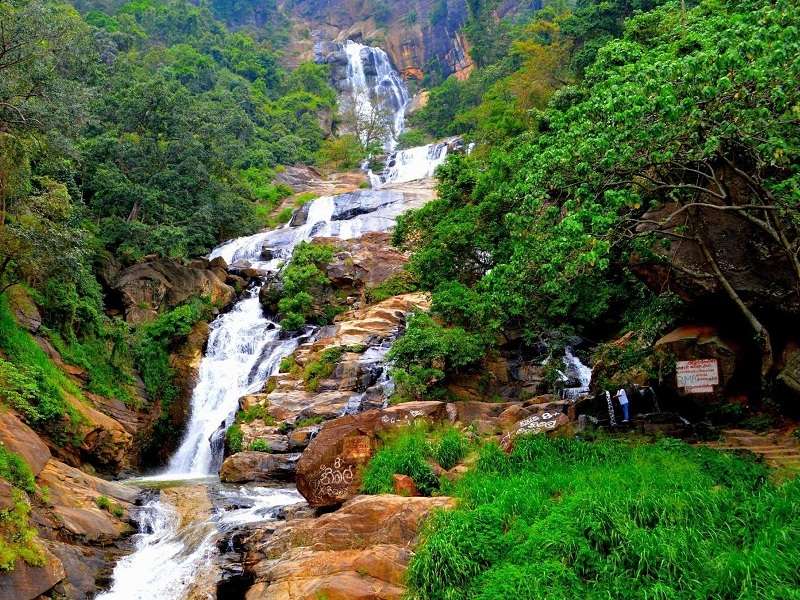
  • Ravana Falls

10. Accommodation and Facilities

While Horton Plains National Park does not offer accommodation within its boundaries, there are several options available in the nearby towns and cities. From luxury resorts to budget-friendly guesthouses, visitors can choose accommodations that suit their preferences and budgets. Additionally, the park provides basic facilities such as restrooms, picnic areas, and information centers.

11. Best Time to Visit

The best time to visit Horton Plains National Park is during the dry season, which lasts from December to March. During this period, the weather is relatively stable, and the chances of rain are lower. It is important to note that the park has a daily visitor limit, so it is advisable to arrive early to secure entry.

12. Safety Measures and Regulations

To ensure a safe and enjoyable experience, it is crucial to adhere to the safety measures and regulations set by Horton Plains National Park. Some key guidelines include:

  • Do not litter or leave any trace behind.
  • Stay on the designated trails and paths.
  • Do not feed or approach the wildlife.
  • Carry a valid entry ticket at all times.
  • Follow the instructions of park rangers and guides.

13. Exploring the Cultural Heritage

Horton Plains National Park is not only a haven for natural beauty but also showcases Sri Lanka’s rich cultural heritage. Nearby attractions, such as the ancient city of Nuwara Eliya, provide insights into the country’s colonial past and traditional tea plantations. Visitors can explore the charming architecture, taste local cuisine, and engage with the warm hospitality of the local communities.

14. Photography and Birdwatching Opportunities

For photography enthusiasts and birdwatchers, Horton Plains National Park offers abundant opportunities. The picturesque landscapes, diverse wildlife, and endemic bird species make it a paradise for capturing stunning photographs and observing avian wonders. The park provides a peaceful and undisturbed setting, allowing visitors to enjoy these experiences to the fullest.

15. Conclusion

Horton Plains National Park is a mesmerizing destination that showcases the breathtaking beauty of Sri Lanka’s central highlands. From its mist-covered valleys and cascading waterfalls to its diverse wildlife and endemic species, the park offers a unique and immersive experience for nature lovers and adventure enthusiasts alike. By preserving its natural wonders and promoting sustainable tourism practices, Horton Plains National Park continues to captivate visitors and contribute to the conservation of Sri Lanka’s precious biodiversity.

FAQs (Frequently Asked Questions)

  1. Can I camp inside Horton Plains National Park?
    • No, camping is not permitted inside the park. However, there are camping sites available in the surrounding areas.
  2. Are there any restrictions on photography within the park?
    • Photography is allowed within the park, but the use of drones is prohibited. Additionally, commercial photography requires prior permission.
  3. Can I hire a guide for trekking in Horton Plains National Park?
    • Yes, hiring a guide is recommended, especially for first-time visitors. Guides can provide valuable insights and ensure your safety during the trek.
  4. Are there any entrance fees for visiting the park?
    • Yes, there is an entrance fee for Horton Plains National Park. The fee may vary for local and foreign visitors.
  5. Are there any restrictions on the number of visitors allowed per day?
    • Yes, there is a daily visitor limit to manage the park’s sustainability and preserve its natural environment. It is advisable to arrive early to secure entry.

In conclusion, Horton Plains National Park is a natural gem that offers a blend of breathtaking landscapes, diverse wildlife, and unique experiences. Whether you are an adventure seeker, a nature lover, or a photography enthusiast, this national park promises to leave you awe-inspired. Explore the wonders of Horton Plains National Park, immerse yourself in its pristine beauty, and create memories that will last a lifetime.


SHARE

Adam’s Peak | The Mystical Beauty of Spiritual and Natural Wonder

SHARE

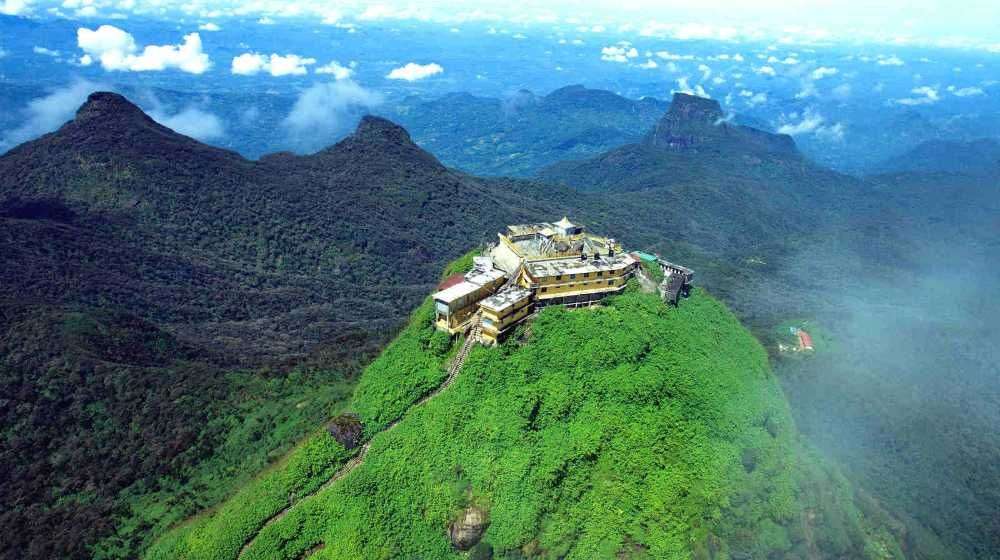
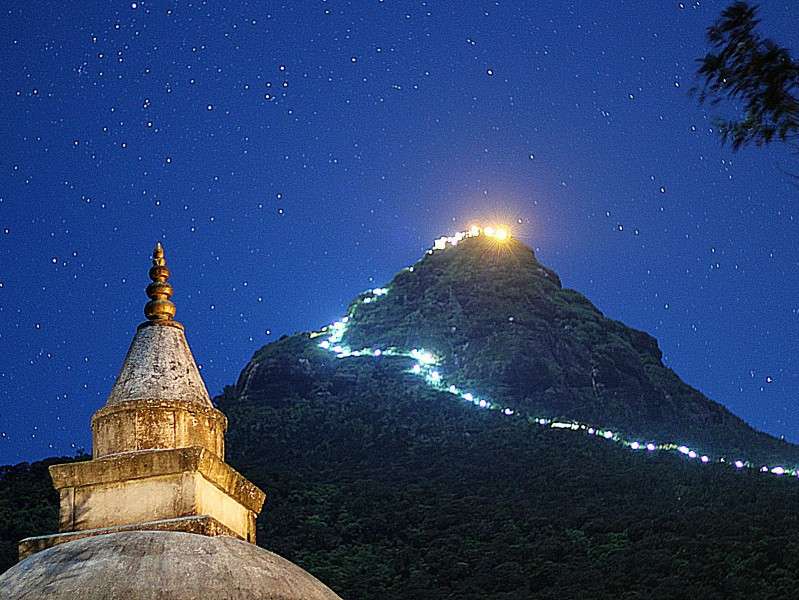
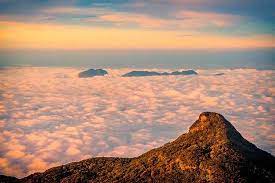
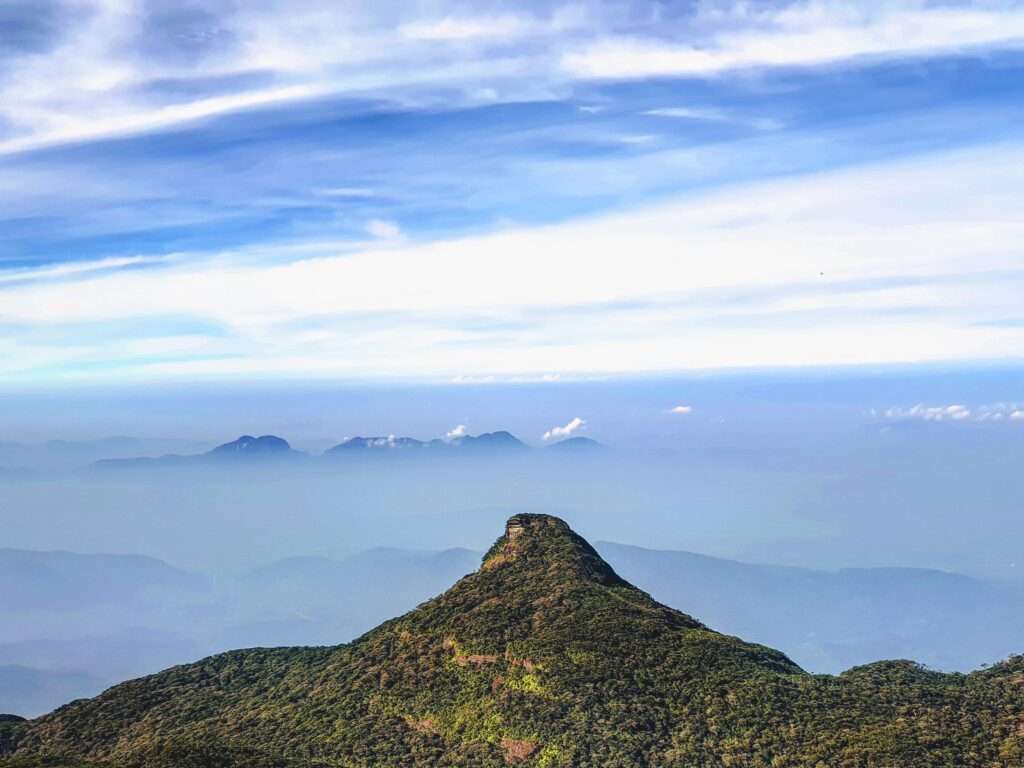
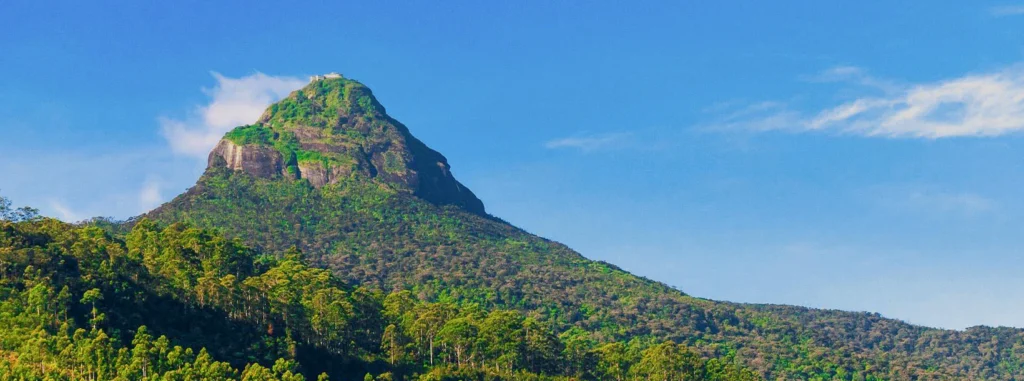
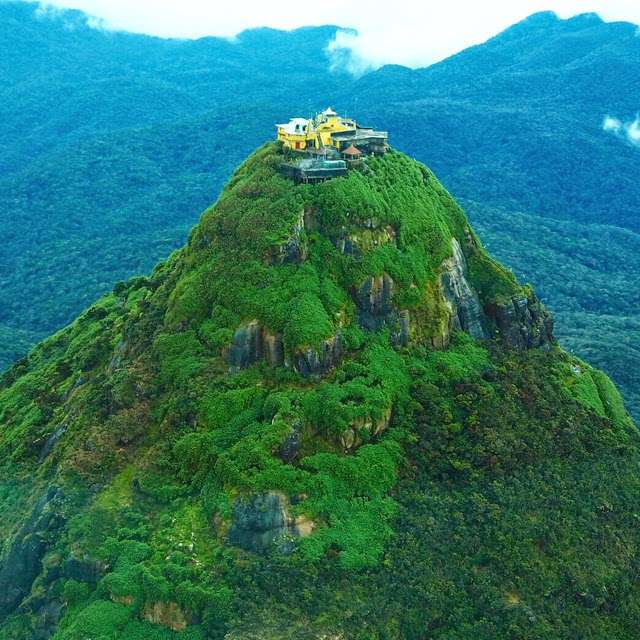
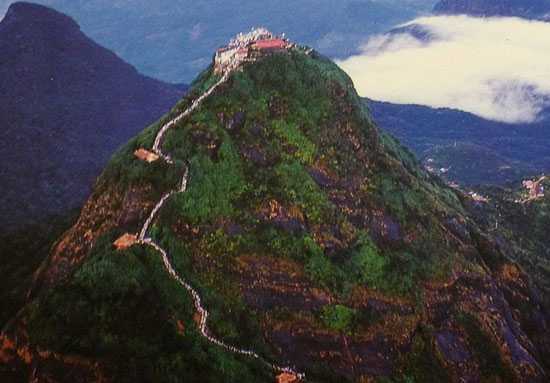
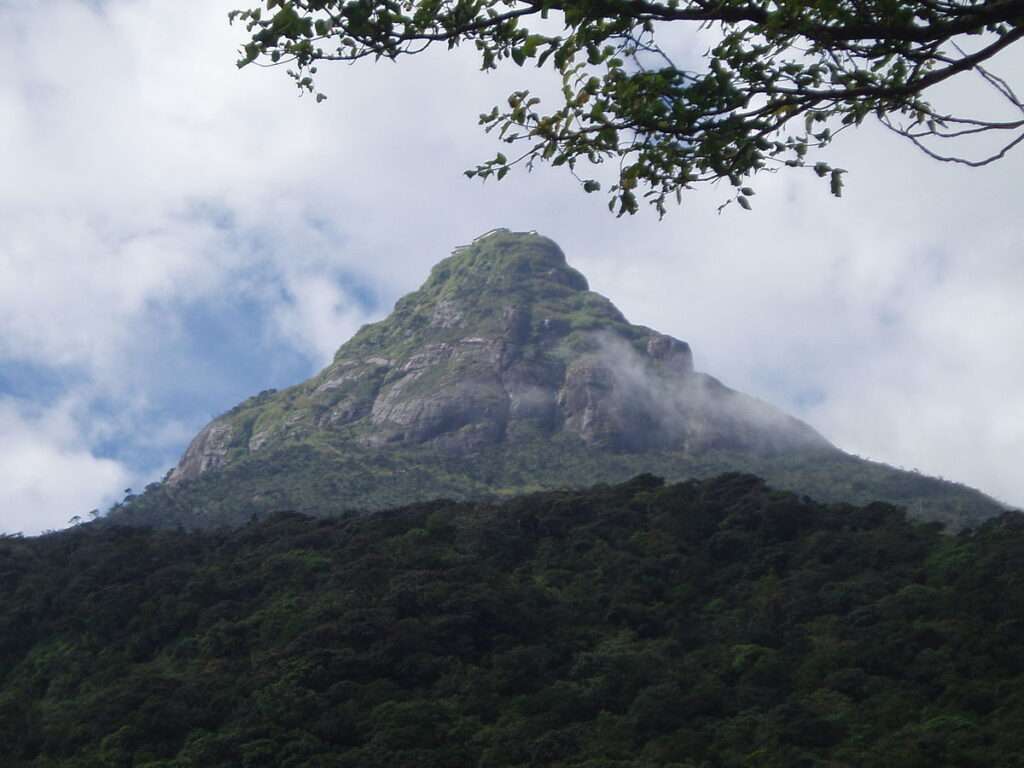
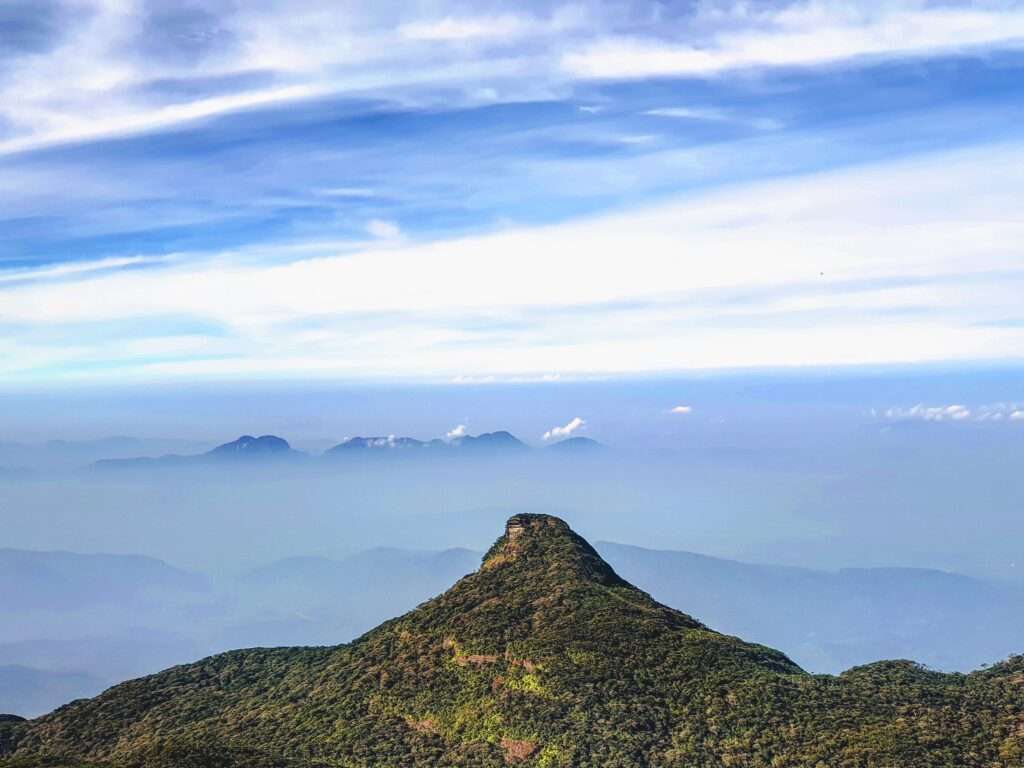
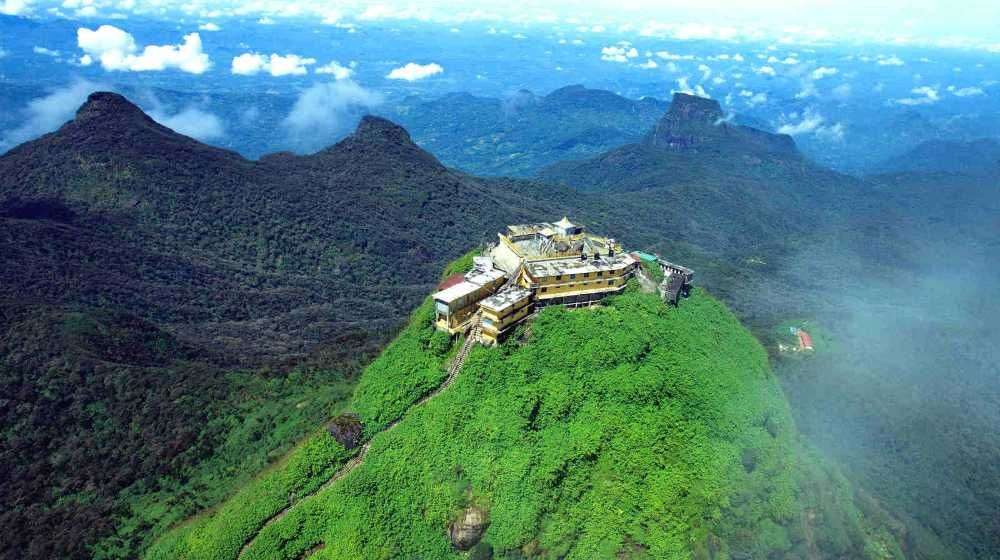
Adam’s Peak, also known as Sri Pada, is a captivating and revered mountain located in the central highlands of Sri Lanka. This iconic landmark holds immense cultural, religious, and natural significance, drawing pilgrims, nature enthusiasts, and curious travelers from all corners of the globe. Rising to a majestic height of 2,243 meters (7,359 feet), the peak offers a journey of both physical exertion and spiritual fulfillment. Let’s embark on a journey to discover the enchanting allure of Adam’s Peak.

Table of Contents

  1. Introduction
  2. The Mythical and Religious Significance
  3. Breathtaking Natural Beauty
  4. The Challenging Ascent
  5. Sunrise Spectacle
  6. Cultural Diversity and Harmony
  7. Pilgrimage Season and Rituals
  8. Flora and Fauna of the Region
  9. Preserving the Ecological Balance
  10. Local Cuisine and Souvenirs
  11. Accommodation and Nearby Attractions
  12. Weather and Best Time to Visit
  13. Transportation and Accessibility
  14. Capturing Memories: Photography Tips
  15. Conclusion

1. Introduction

Nestled in the heart of Sri Lanka, Adam’s Peak is an awe-inspiring mountain that has been captivating hearts for centuries. Its distinct pyramid-like silhouette against the horizon beckons travelers to embark on an unforgettable journey.

2. The Mythical and Religious Significance

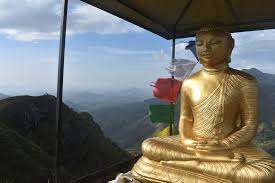
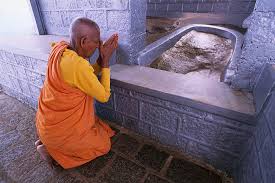
Legend has it that the foot-shaped impression at the summit of Adam’s Peak is attributed to Adam, Buddha, or Lord Shiva, depending on one’s beliefs. For Buddhists, it’s believed to be the footprint of Lord Buddha, while Hindus consider it to be the footprint of Lord Shiva. This diversity of beliefs adds to the mountain’s spiritual magnetism.

3. Breathtaking Natural Beauty

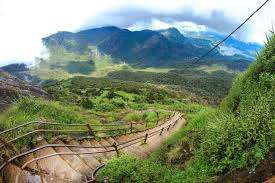
Beyond its spiritual aura, Adam’s Peak boasts breathtaking natural beauty. Lush greenery, cascading waterfalls, and diverse flora adorn the trail, making the journey as visually stunning as it is spiritually enriching.

4. The Challenging Ascent

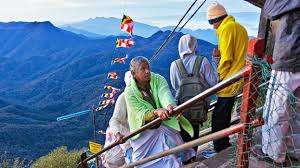
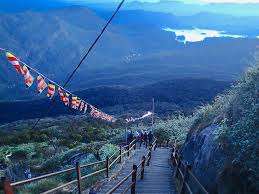
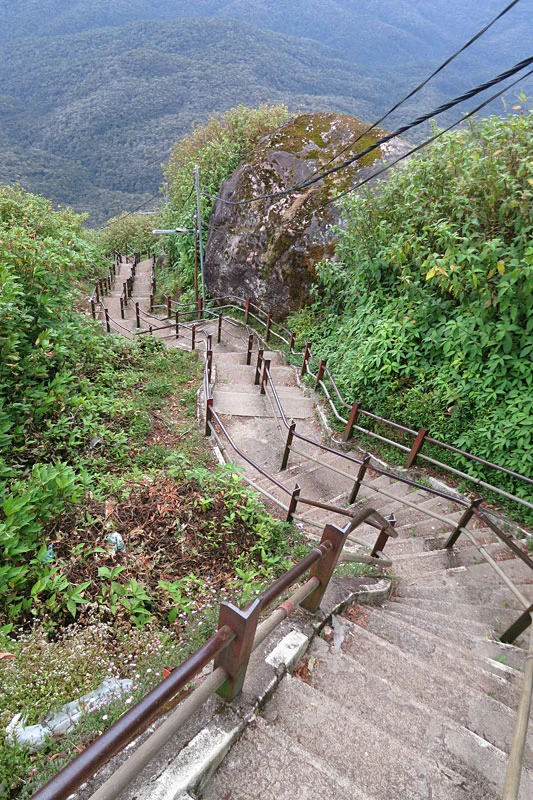
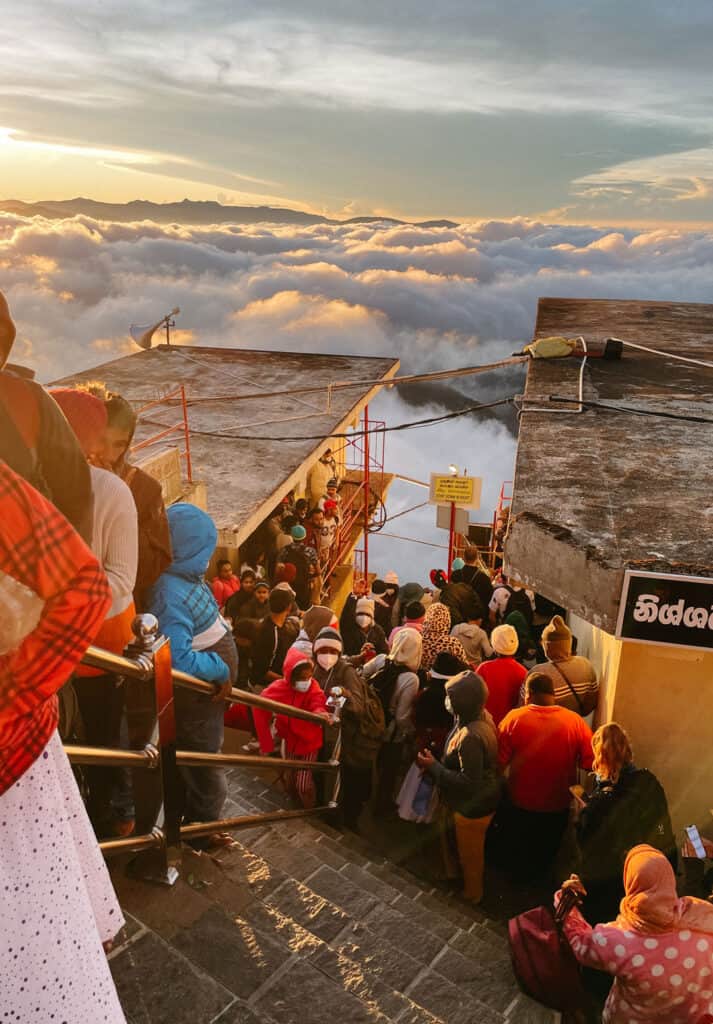
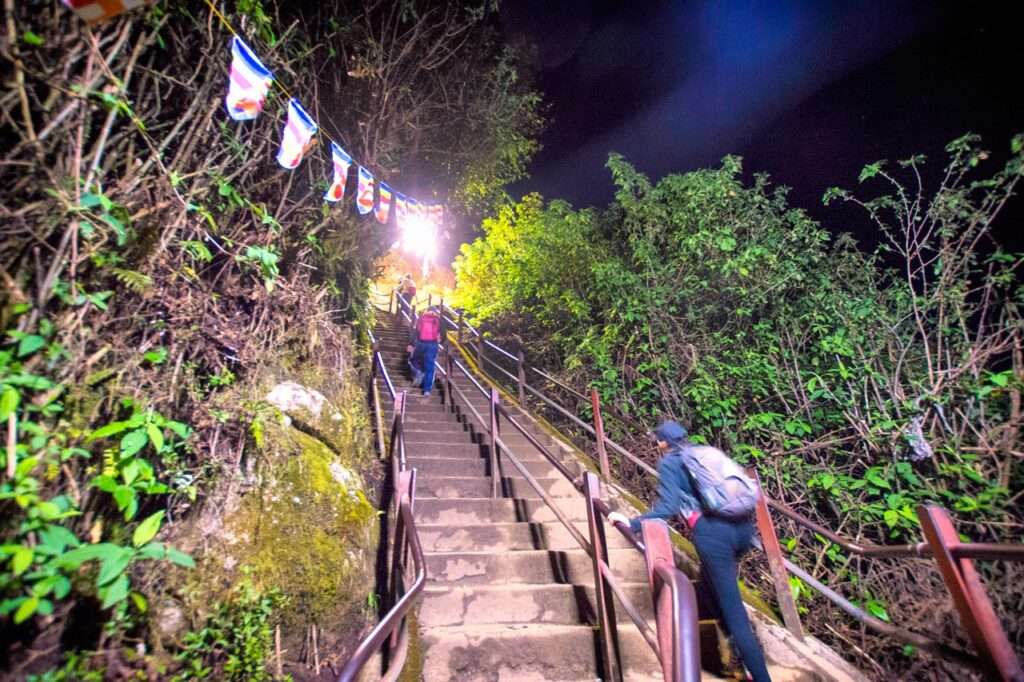
The climb to the summit is not for the faint-hearted. The journey consists of around 5,500 steps, each step fostering a sense of accomplishment. The ascent is arduous but rewarding, with fellow climbers encouraging one another along the way.

5. Sunrise Spectacle

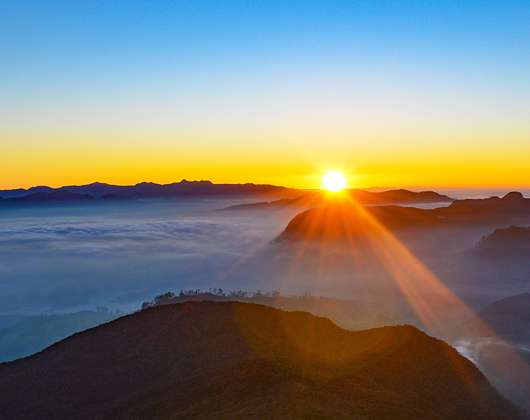
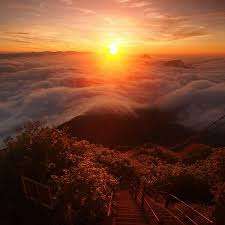
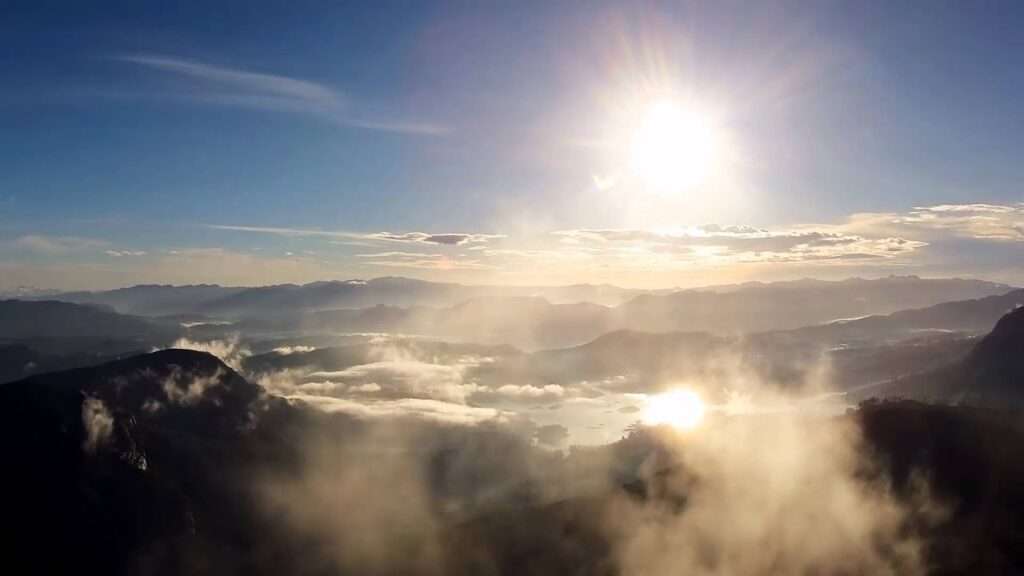
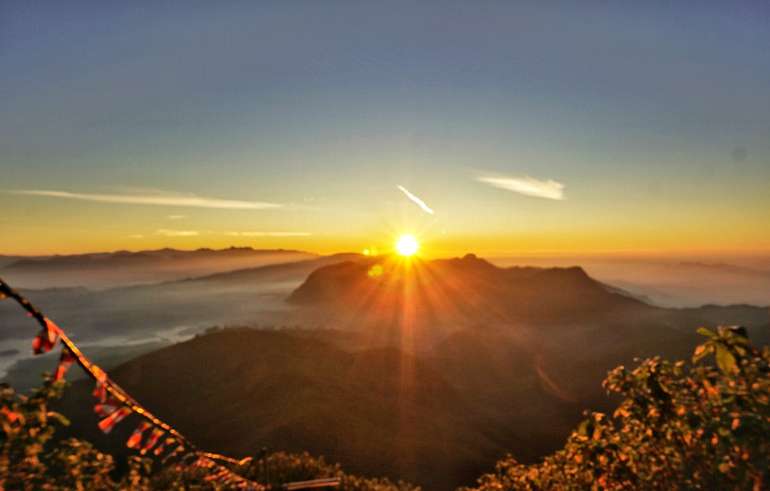
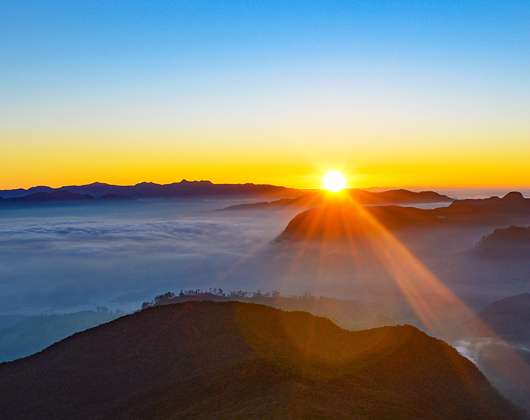
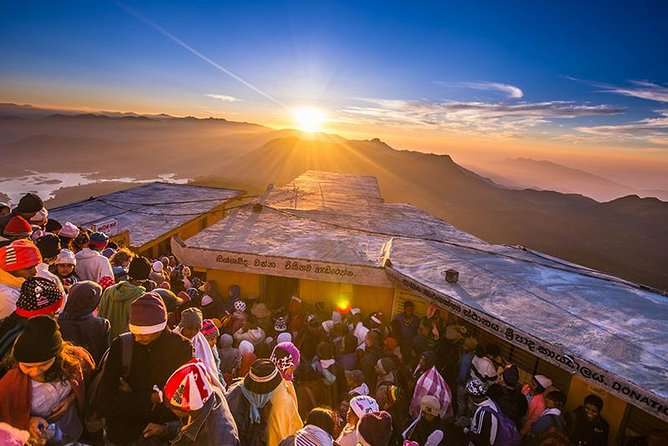
Reaching the summit before dawn rewards trekkers with a celestial spectacle. The sunrise from the peak casts a spellbinding play of colors across the landscape, a sight that’s etched into memory forever.

6. Cultural Diversity and Harmony

Adam’s Peak is a harmonious convergence of various faiths. Pilgrims of different religions ascend the mountain, showcasing the island nation’s religious coexistence.

7. Pilgrimage Season and Rituals

The pilgrimage season typically begins in December and extends until May. Pilgrims undertake this journey to seek blessings, perform rituals, and experience a sense of unity with fellow devotees.

8. Flora and Fauna of the Region

The ascent through diverse ecosystems introduces trekkers to an array of flora and fauna. From dense forests to open terrain, the journey offers an opportunity to connect with nature.

9. Preserving the Ecological Balance

Efforts are underway to ensure responsible tourism to preserve the fragile ecosystem of Adam’s Peak. Trekkers are encouraged to minimize their environmental footprint and respect the sanctity of the place.

10. Local Cuisine and Souvenirs

Exploring the nearby villages offers a chance to savor local delicacies and purchase traditional souvenirs, creating a deeper connection to the local culture.

11. Accommodation and Nearby Attractions

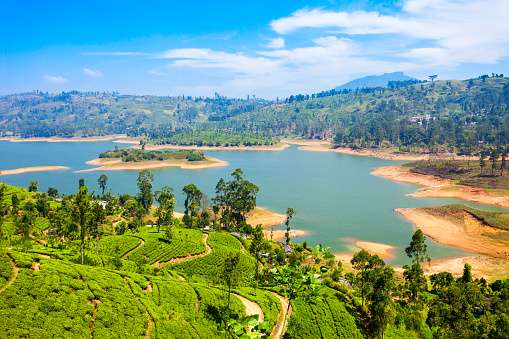
Various accommodations cater to the needs of trekkers. Nearby attractions like tea plantations and waterfalls provide an opportunity to extend your journey.

12. Weather and Best Time to Visit

The best time to visit is during the pilgrimage season when the weather is conducive to trekking. However, be prepared for occasional rain and cooler temperatures.

13. Transportation and Accessibility

Accessing Adam’s Peak is relatively convenient, with transportation options available from major cities. Buses and trains offer scenic routes to the starting point of the trek.

14. Capturing Memories: Photography Tips

Photographers will find Adam’s Peak a paradise for capturing both natural beauty and cultural diversity. Sunrise and sunset shots are especially magical.

15. Conclusion

Adam’s Peak stands as a testament to the harmonious coexistence of culture, spirituality, and nature. The journey to the summit is more than a physical climb—it’s a journey of the soul, offering an experience that touches the heart and mind alike.

FAQs

  1. Is the trek to Adam’s Peak suitable for beginners? The trek can be challenging, so it’s recommended to have a reasonable level of fitness before attempting it.
  2. Can I visit Adam’s Peak during the offseason? While the pilgrimage season is the ideal time, some trekkers do visit during the offseason, but be prepared for more unpredictable weather.
  3. Are there any age restrictions for the trek? There’s no strict age limit, but keep in mind that the climb involves a considerable number of steps and can be physically demanding.
  4. Are there guides available for the trek? Yes, local guides are available to assist you on the trek, providing insights into the mountain’s history and significance.
  5. Is camping allowed on the peak? Camping at the summit is not encouraged due to the need for environmental conservation.

SHARE

Bentota

SHARE

A Tropical Paradise for Relaxation and Adventure

Introduction

Nestled on the southwestern coast of Sri Lanka, Bentota is a captivating destination that combines serene beaches, lush greenery, and an array of thrilling activities. This idyllic town is a haven for travelers seeking both relaxation and adventure. Whether you’re looking to unwind on pristine beaches, explore exotic wildlife, indulge in water sports, or immerse yourself in cultural experiences, Bentota has something for everyone. In this article, we will delve into the beauty and attractions of Bentota, taking you on a virtual journey through this tropical paradise.

Table of Contents

  1. Discovering Bentota’s Beaches
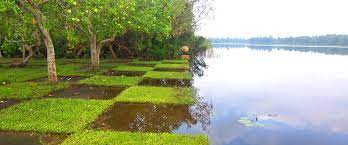
  2. Exploring the Breathtaking Bentota River
  3. Unveiling Bentota’s Wildlife and Nature
  4. Adventurous Water Sports in Bentota
  5. Immersing in Cultural Experiences
  6. Indulging in Ayurvedic Treatments
  7. Delightful Cuisine and Dining Options
  8. Shopping in Bentota’s Vibrant Markets
  9. Accommodation Options in Bentota
  10. Transportation and Getting Around
  11. Safety Tips for Travelers
  12. Best Time to Visit Bentota
  13. Day Trips and Excursions from Bentota
  14. Captivating Bentota Festivals and Events
  15. Conclusion

1. Discovering Bentota’s Beaches

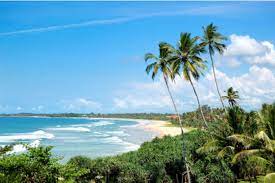
Bentota boasts some of the most pristine and picturesque beaches in Sri Lanka. With its golden sands and crystal-clear waters, the beaches offer a tranquil escape for sunbathing, swimming, or simply taking leisurely walks along the shore. The main Bentota Beach, also known as Paradise Island, is a popular spot where you can relax under swaying palm trees and enjoy breathtaking sunsets.

2. Exploring the Breathtaking Bentota River

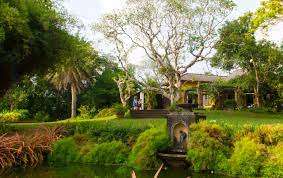
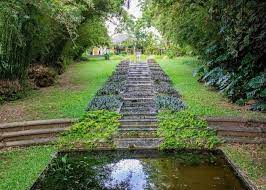
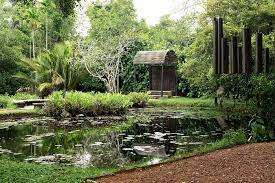
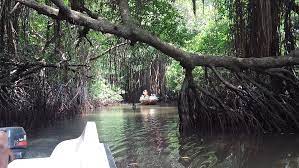
The Bentota River flows through the heart of the town, offering enchanting landscapes and opportunities for exploration. Embark on a river safari and cruise along the tranquil waters, witnessing mangroves, exotic birds, and even crocodiles. You can also take a boat ride to Brief Garden, an enchanting oasis of tropical flora created by renowned Sri Lankan architect Bevis Bawa.

3. Unveiling Bentota’s Wildlife and Nature

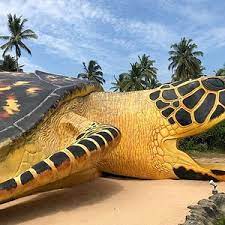
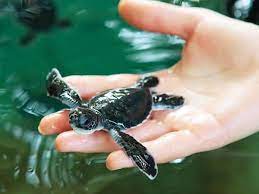
Bentota is blessed with an abundance of wildlife and nature reserves. The Brief Garden mentioned earlier is just one example of the region’s lush greenery. To witness diverse wildlife, visit the Lunuganga Estate or the Kosgoda Turtle Hatchery, where you can observe and learn about sea turtles in a conservation setting. For a truly immersive experience, take a guided tour through the nearby Madu River Wetlands, renowned for its biodiversity and rich ecosystems.

4. Adventurous Water Sports in Bentota

If you’re seeking some adrenaline-pumping activities, Bentota offers an array of water sports to choose from. Try your hand at jet skiing, windsurfing, water skiing, or banana boat rides. For a more serene experience, go snorkeling or scuba diving to explore the vibrant marine life beneath the surface. The warm waters of the Indian Ocean provide the perfect playground for aquatic adventures.

5. Immersing in Cultural Experiences

Bentota provides an opportunity to immerse yourself in the rich culture and traditions of Sri Lanka. Visit the Kande Viharaya Temple, a sacred Buddhist temple that offers panoramic views of the surrounding area. Attend a traditional dance performance or explore the nearby historic city of Galle, known for its well-preserved Dutch colonial architecture. Don’t miss the chance to savor authentic Sri Lankan cuisine and engage with the friendly locals to truly embrace the cultural essence of Bentota.

6. Indulging in Ayurvedic Treatments

For those seeking rejuvenation and wellness, Bentota is renowned for its Ayurvedic treatments. Ayurveda, the traditional healing system of Sri Lanka, offers a holistic approach to well-being. Indulge in soothing spa therapies, Ayurvedic massages, and yoga sessions to revitalize your mind, body, and soul. The tranquil surroundings of Bentota provide the perfect setting for a blissful wellness retreat.

7. Delightful Cuisine and Dining Options

Bentota’s culinary scene is a gastronomic delight, with a wide variety of restaurants and eateries catering to diverse tastes. Indulge in freshly caught seafood delicacies or relish authentic Sri Lankan rice and curry. From beachfront dining to charming riverside restaurants, there are plenty of options to satisfy your palate and experience the flavors of Sri Lanka.

8. Shopping in Bentota’s Vibrant Markets

Exploring the local markets in Bentota is a must for those seeking unique souvenirs and handicrafts. Visit the Bentota Market and immerse yourself in a vibrant atmosphere filled with colorful textiles, handwoven items, spices, and intricate wood carvings. Bargaining is a common practice, so unleash your negotiation skills to secure memorable keepsakes of your visit.

9. Accommodation Options in Bentota

Bentota offers a range of accommodation options to suit different preferences and budgets. From luxurious beachfront resorts to cozy guesthouses, you’ll find the perfect place to unwind after a day of exploration. Many hotels and resorts in Bentota offer stunning views, excellent amenities, and warm hospitality to enhance your stay in this tropical paradise.

10. Transportation and Getting Around

Getting to Bentota is convenient, with Colombo’s Bandaranaike International Airport located approximately 110 kilometers away. You can hire a taxi or take a train or bus from Colombo to reach Bentota. Once in Bentota, you can easily get around by tuk-tuks, rented bicycles, or by foot, as most attractions are within a reasonable distance from each other.

11. Safety Tips for Travelers

While Bentota is generally a safe destination, it’s essential to take necessary precautions to ensure a hassle-free trip. Avoid swimming in unfamiliar areas without a lifeguard, stay hydrated, and apply sunscreen to protect yourself from the sun’s rays. It’s also advisable to carry a copy of your identification and maintain general awareness of your surroundings.

12. Best Time to Visit Bentota

The best time to visit Bentota is during the dry season, which spans from December to April. During this period, you can expect pleasant weather with minimal rainfall, ideal for outdoor activities and beach relaxation. However, Bentota’s tropical climate means that even during other months, you can still enjoy its beauty and activities, albeit with occasional showers.

13. Day Trips and Excursions from Bentota

Bentota serves as a gateway to several fascinating day trip options. Embark on a journey to the nearby city of Colombo, Sri Lanka’s commercial capital, to explore its bustling markets, colonial architecture, and vibrant street food scene. You can also venture further inland to visit the enchanting tea plantations in Nuwara Eliya or witness the awe-inspiring Sigiriya Rock Fortress.

14. Captivating Bentota Festivals and Events

Bentota comes alive with vibrant festivals and events throughout the year. The Bentota Beach Festival, held annually, showcases a range of cultural performances, water sports competitions, and fireworks. The Kandy Esala Perahera, one of Sri Lanka’s grandest processions, is another significant event worth experiencing if you’re visiting during July or August.

15. Conclusion

Bentota offers a perfect blend of relaxation, adventure, and cultural immersion. From its pristine beaches to thrilling water sports, lush greenery, and captivating wildlife, this tropical paradise has something for every traveler. Immerse yourself in the warmth of Sri Lankan hospitality, indulge in delectable cuisine, and create lasting memories amidst the natural beauty of Bentota.


Frequently Asked Questions (FAQs)

  1. Is Bentota suitable for a family vacation? Bentota is an excellent destination for a family vacation, offering a wide range of activities and attractions suitable for all age groups. From beach outings to wildlife encounters and cultural experiences, there’s something for everyone in Bentota.
  2. What are the must-try water sports in Bentota? Bentota is renowned for its water sports offerings. Jet skiing, windsurfing, water skiing, banana boat rides, snorkeling, and scuba diving are some of the thrilling water sports activities you can enjoy in Bentota.
  3. Are there any eco-friendly accommodations in Bentota? Yes, Bentota has several eco-friendly accommodations that promote sustainability and environmental conservation. These establishments focus on minimizing their carbon footprint and providing responsible tourism experiences.
  4. What are some popular day trips from Bentota? Popular day trip options from Bentota include visiting the historic city of Galle, exploring the tea plantations in Nuwara Eliya, and witnessing the ancient wonders of Sigiriya Rock Fortress.
  5. How can I experience Ayurvedic treatments in Bentota? Bentota offers various Ayurvedic centers and spas where you can experience rejuvenating Ayurvedic treatments. These treatments include massages, herbal therapies, and yoga sessions, all aimed at promoting wellness and relaxation.

SHARE

The Village of Ella – The Picturesque Village

SHARE

Ella, a picturesque village nestled in the central highlands of Sri Lanka, is a hidden gem that offers a blend of natural beauty, cultural heritage, and adventure. Surrounded by lush green hills, cascading waterfalls, and tea plantations, Ella has become a popular destination for travelers seeking tranquility and a break from the bustling cities. In this article, we will explore the enchanting village of Ella and discover its captivating attractions and experiences.

Table of Contents

  1. Introduction
  2. History of Ella
  3. Getting to Ella
  4. Attractions in Ella
    1. Ella Rock
    2. Nine Arch Bridge
    3. Ravana Falls
    4. Little Adam’s Peak
  5. Tea Plantations and Factory Visits
  6. Ella’s Culinary Delights
  7. Hiking and Trekking Adventures
  8. Yoga and Meditation Retreats
  9. Local Culture and Traditions
  10. Accommodation Options in Ella
  11. Best Time to Visit Ella
  12. Safety Tips for Travelers
  13. Transportation within Ella
  14. Shopping in Ella
  15. Conclusion
  16. FAQs (Frequently Asked Questions)

1. Introduction

Welcome to Ella, a charming village located in the Badulla District of Sri Lanka. With its mild climate, scenic landscapes, and warm hospitality, Ella has gained popularity among both local and international tourists.

2. History of Ella

Ella’s history dates back to the British colonial era when it was an important hub for tea production. The British introduced tea cultivation to this region, taking advantage of its favorable climate and fertile soil. Today, remnants of the colonial era can still be seen in the form of colonial-era bungalows and tea factories.

3. Getting to Ella

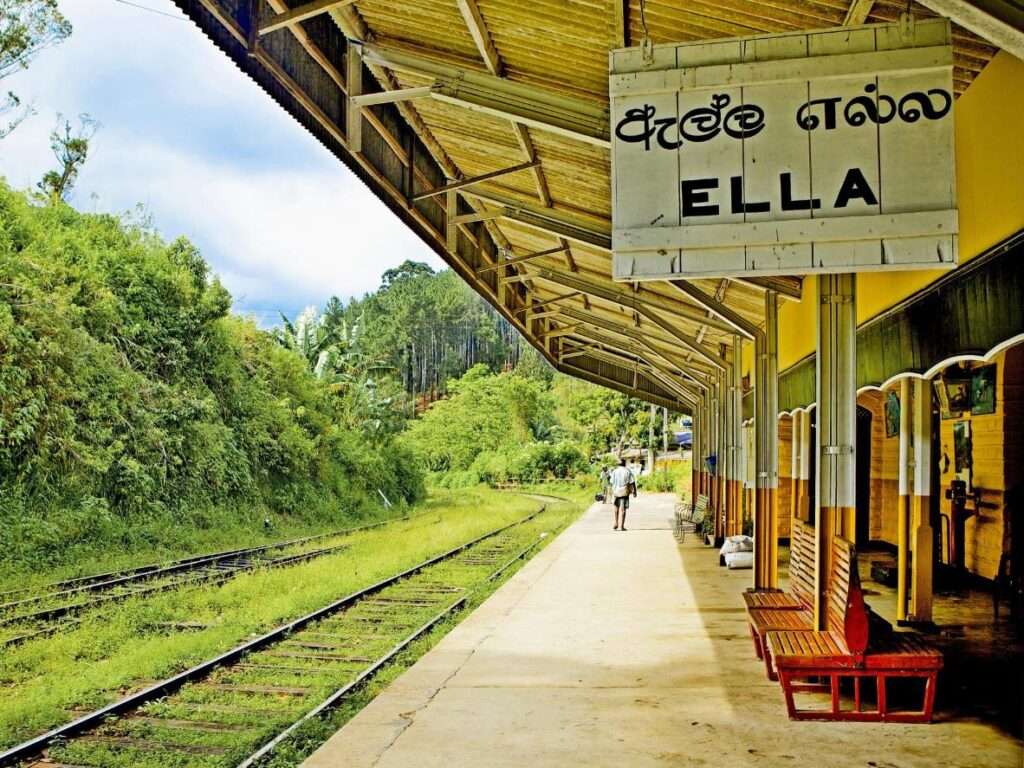
To reach Ella, you can take a scenic train journey from Colombo or Kandy, which offers breathtaking views of the countryside. Alternatively, you can also hire a private vehicle or take a public bus to reach this beautiful village.

4. Attractions in Ella

4.1 Ella Rock

Ella Rock is a popular hiking trail that rewards adventurers with panoramic views of the surrounding hills and tea plantations. The hike takes approximately two to three hours, and the trail passes through lush forests and scenic landscapes.

4.2 Nine Arch Bridge

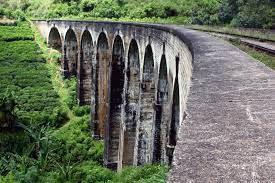
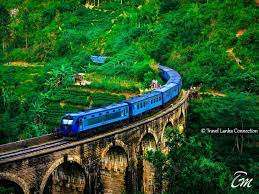
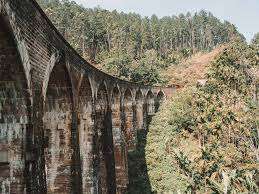
The Nine Arch Bridge is an architectural marvel that attracts visitors from all over the world. This picturesque bridge is made of brick, stone, and cement, and its unique design blends harmoniously with the natural surroundings. It is a perfect spot for photography enthusiasts.

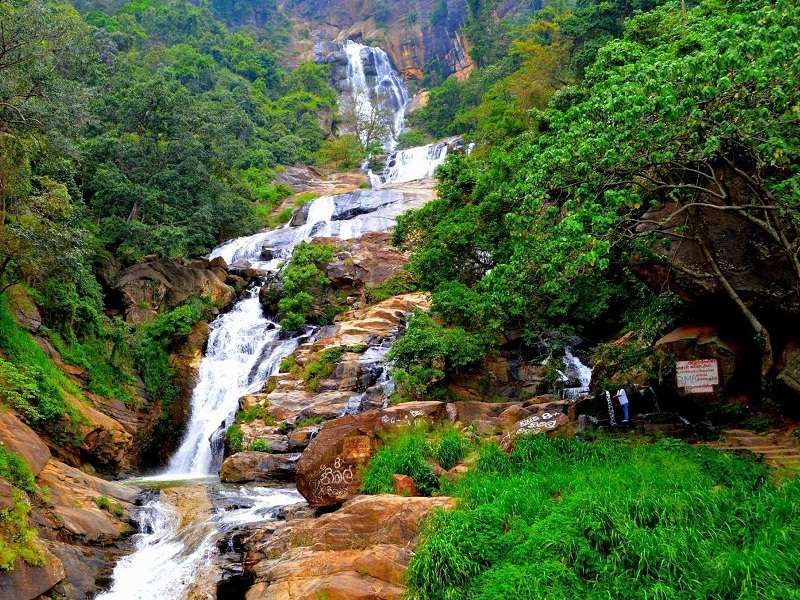
4.3 Ravana Falls

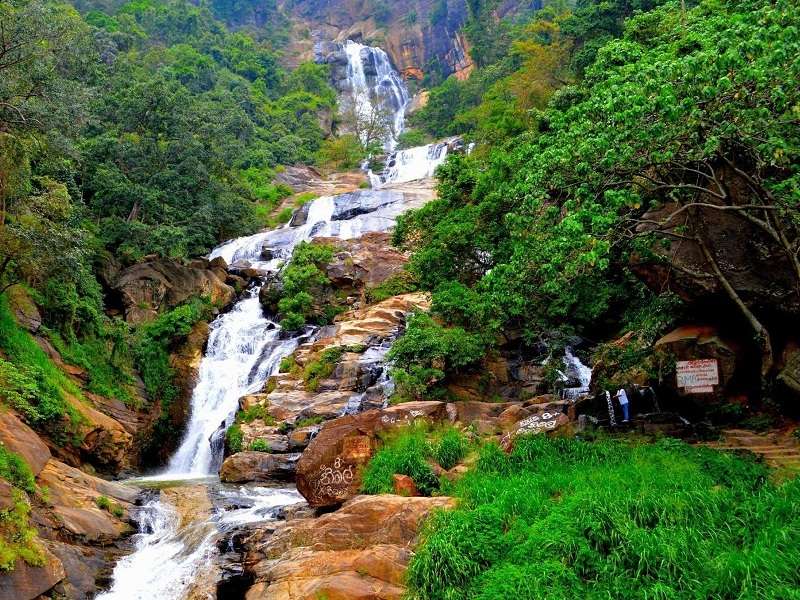
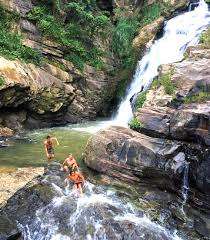
Ravana Falls, named after the mythical character Ravana from the Indian epic Ramayana, is a magnificent waterfall located near Ella. Its cascading waters create a mesmerizing sight, and visitors can take a refreshing dip in the natural pool at the base of the falls.

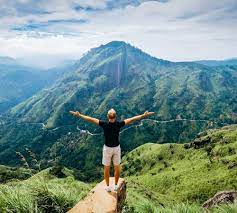
4.4 Little Adam’s Peak

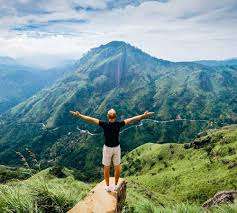
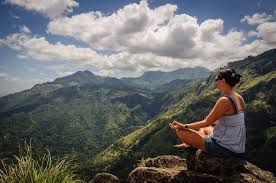
For those seeking a less strenuous hike, Little Adam’s Peak offers a rewarding experience. The trail is relatively easy, and the summit provides breathtaking views of Ella’s lush green valleys and tea plantations.

5. Tea Plantations and Factory Visits

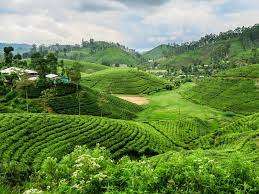
Ella is surrounded by sprawling tea plantations that produce some of Sri Lanka’s finest teas. Visitors can take guided tours of the tea factories to learn about the tea-making process and indulge in tea tasting sessions. It is a great opportunity to savor the flavors of Ceylon tea.

6. Ella’s Culinary Delights

Ella is known for its vibrant culinary scene, offering a variety of cuisines to suit every palate. From traditional Sri Lankan delicacies to international dishes, the village is a food lover’s paradise. Don’t miss the opportunity to try some authentic Sri Lankan rice and curry, hoppers, and kottu roti.

7. Hiking and Trekking Adventures

Apart from Ella Rock and Little Adam’s Peak, the village is surrounded by numerous hiking and trekking trails that cater to adventure enthusiasts. Whether it’s exploring the Diyaluma Falls, embarking on the Demodara Loop trek, or venturing into the Horton Plains National Park, there are plenty of options to satisfy your adventurous spirit.

8. Yoga and Meditation Retreats

Ella’s serene and tranquil environment makes it an ideal destination for yoga and meditation retreats. Many guesthouses and resorts offer yoga classes and meditation sessions, allowing visitors to rejuvenate their mind, body, and soul amidst the natural beauty of Ella.

9. Local Culture and Traditions

Immerse yourself in the rich cultural heritage of Ella by interacting with the friendly locals. Witness traditional ceremonies and rituals, learn about their customs and traditions, and explore the vibrant arts and crafts scene. The locals are always eager to share their stories and make your visit a memorable one.

10. Accommodation Options in Ella

Ella offers a range of accommodation options to suit different budgets and preferences. From cozy guesthouses and boutique hotels to luxury resorts, you can find a place to stay that meets your requirements. Wake up to breathtaking views of misty mountains and enjoy the warm hospitality of the locals.

11. Best Time to Visit Ella

The best time to visit Ella is during the dry season, which falls between December and March. During this period, the weather is pleasant, and you can enjoy clear skies and comfortable temperatures. However, Ella’s beauty shines all year round, and each season brings its own charm.

12. Safety Tips for Travelers

While Ella is generally a safe destination, it’s always advisable to take certain precautions. Avoid walking alone in isolated areas at night and be cautious of your belongings. It’s also essential to stay hydrated and carry a sufficient supply of water during your outdoor activities.

13. Transportation within Ella

Getting around Ella is relatively easy, with tuk-tuks and taxis readily available. You can also rent a bicycle or a scooter to explore the village at your own pace. Walking is another great way to discover Ella’s hidden treasures and immerse yourself in its natural beauty.

14. Shopping in Ella

Ella offers a unique shopping experience, with a variety of handicrafts, souvenirs, and tea-related products available in the local markets. Don’t forget to take home some aromatic Ceylon tea and beautiful handwoven textiles as a memento of your visit.

15. Conclusion

The village of Ella is a paradise for nature lovers, adventure enthusiasts, and those seeking a peaceful retreat. Its idyllic setting, awe-inspiring landscapes, and warm hospitality make it a must-visit destination in Sri Lanka. Whether you’re hiking to Ella Rock, sipping tea in a plantation, or immersing yourself in the local culture, Ella promises an unforgettable experience.

FAQs (Frequently Asked Questions)

  1. Q: How far is Ella from Colombo? A: Ella is located approximately 200 kilometers east of Colombo, and the journey takes around 5-6 hours by road.
  2. Q: Are there any luxury accommodation options in Ella? A: Yes, Ella offers luxury resorts and boutique hotels that provide top-notch amenities and stunning views of the surrounding landscapes.
  3. Q: Can I visit Ella with my family? A: Absolutely! Ella is a family-friendly destination with activities and attractions suitable for all age groups.
  4. Q: Are there any vegan or vegetarian restaurants in Ella? A: Yes, Ella has several vegan and vegetarian-friendly restaurants that serve delicious plant-based meals.
  5. Q: Can I swim in Ravana Falls? A: It is generally safe to swim in the natural pool at the base of Ravana Falls. However, it’s essential to exercise caution and check the water conditions before taking a dip.
In conclusion, the village of Ella offers a delightful escape into nature’s embrace. From its breathtaking viewpoints to its tea-filled valleys, Ella beckons travelers seeking serenity and adventure. Immerse yourself in its beauty, explore its trails, and indulge in the warmth of Sri Lankan hospitality. Ella is waiting to captivate your heart and create memories that will last a lifetime.

SHARE
Verified by MonsterInsights