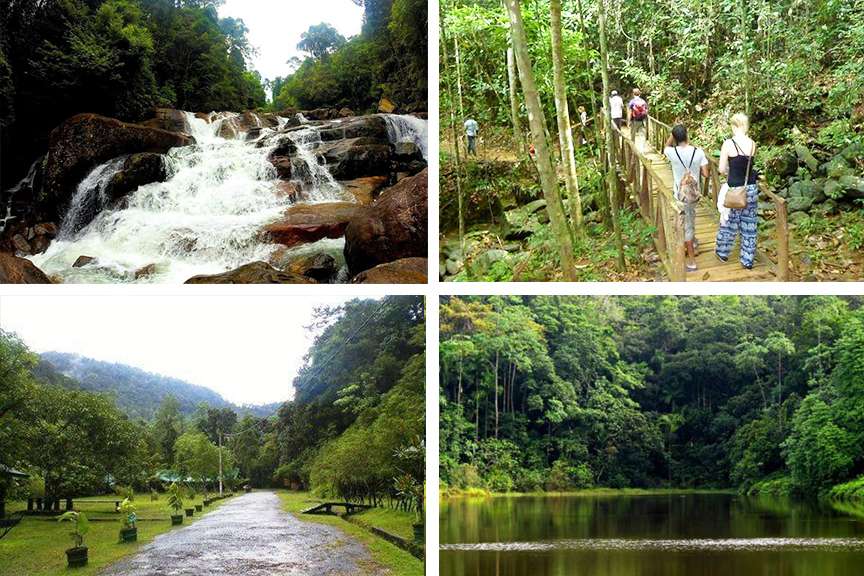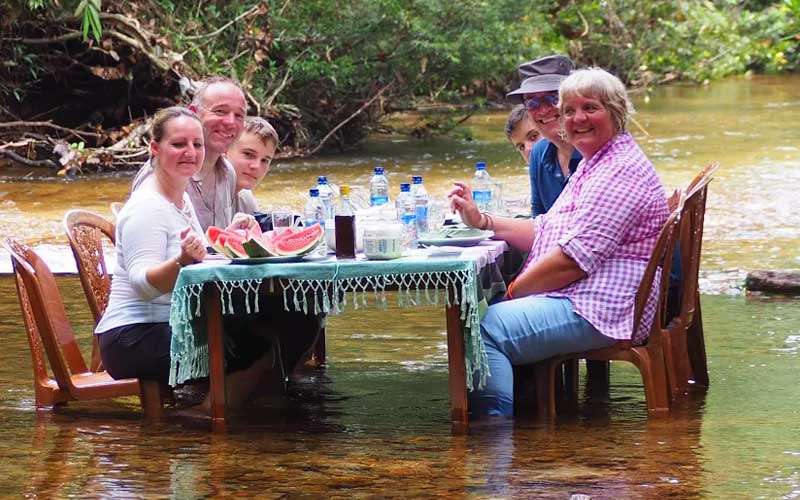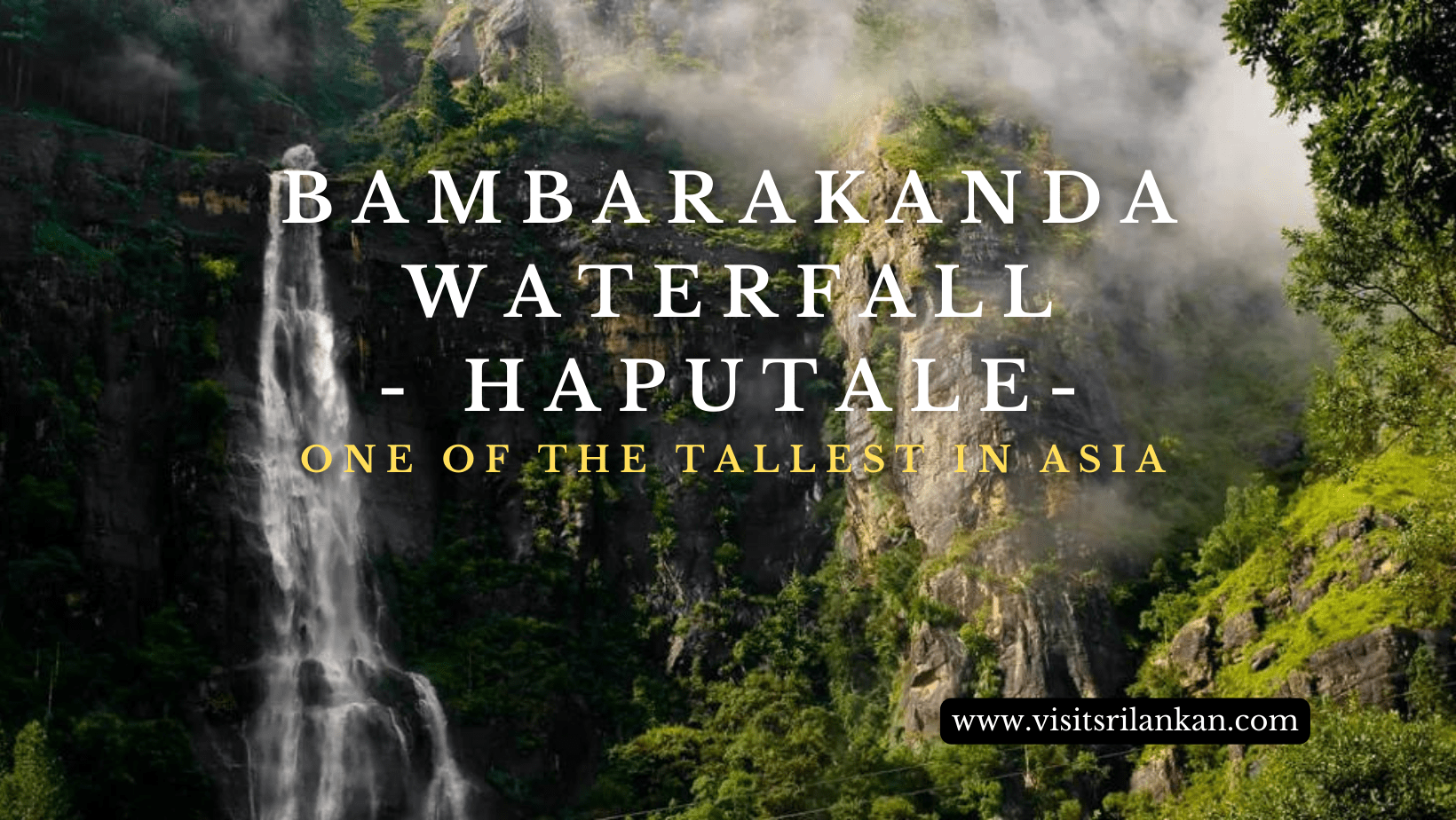
The Best Waterfall in Sri Lanka Bambarakanda

SHARE

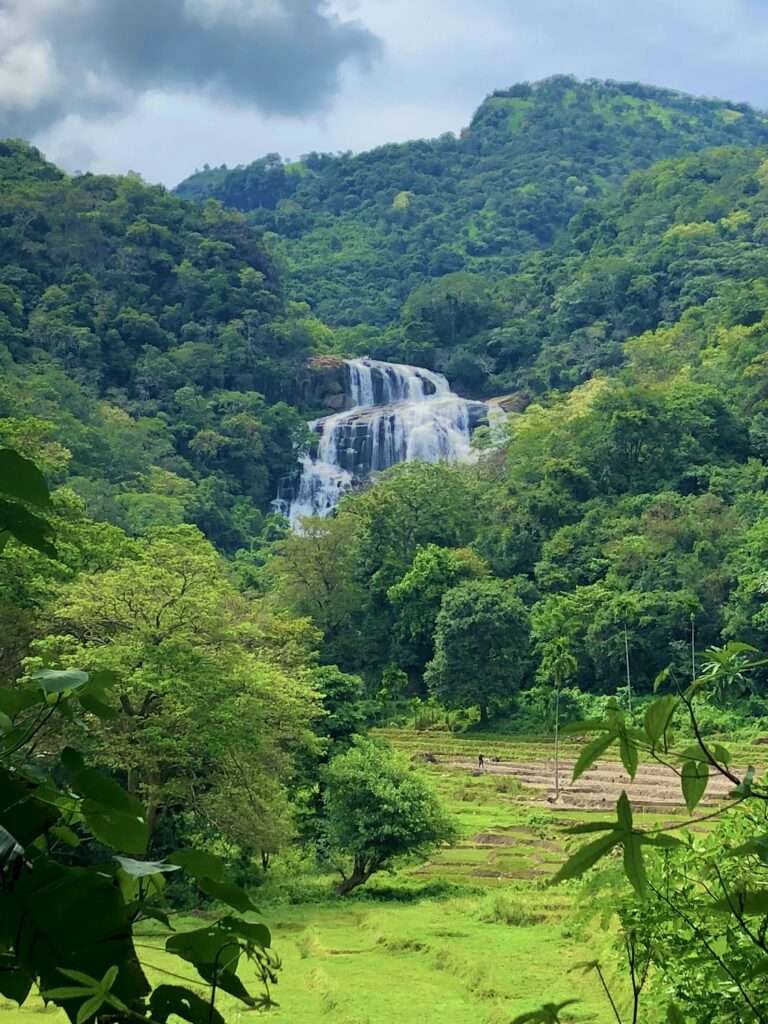
Bambarakanda Waterfall – Sri Lanka

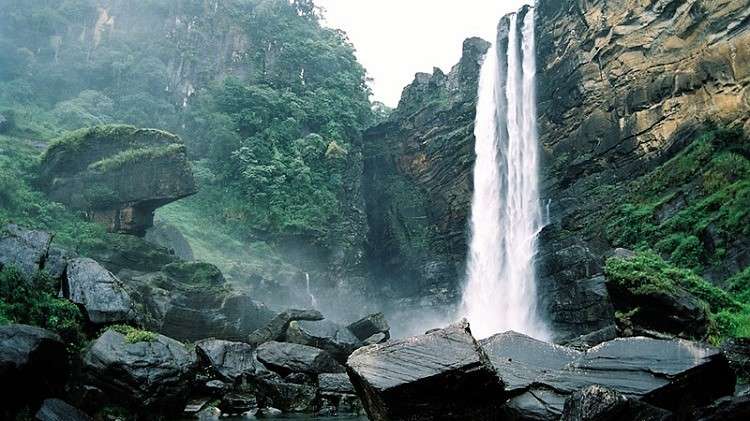
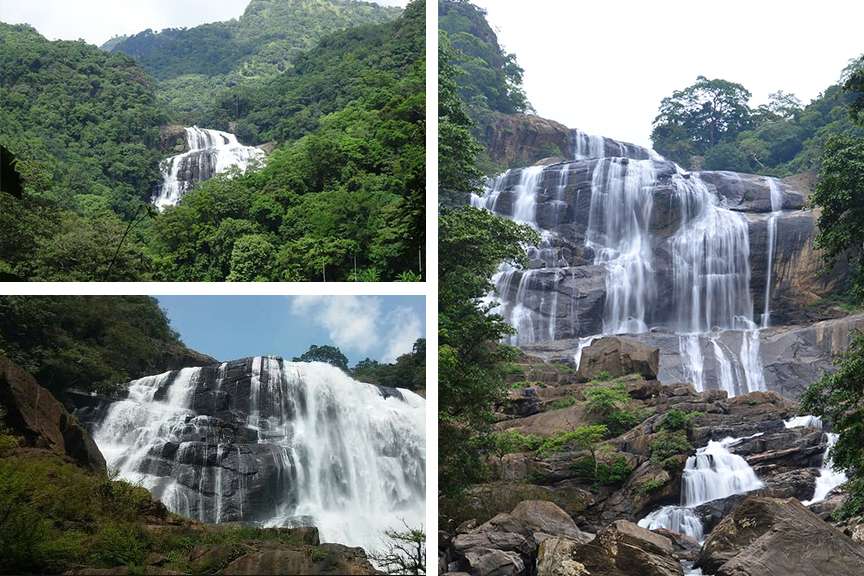
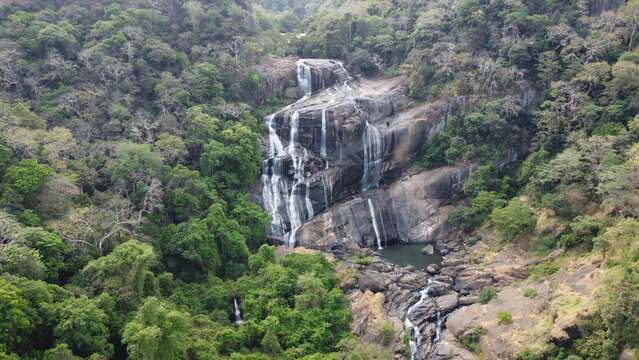
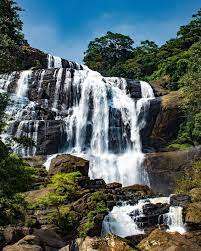
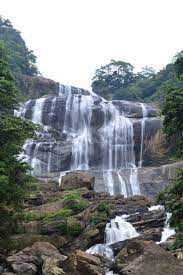
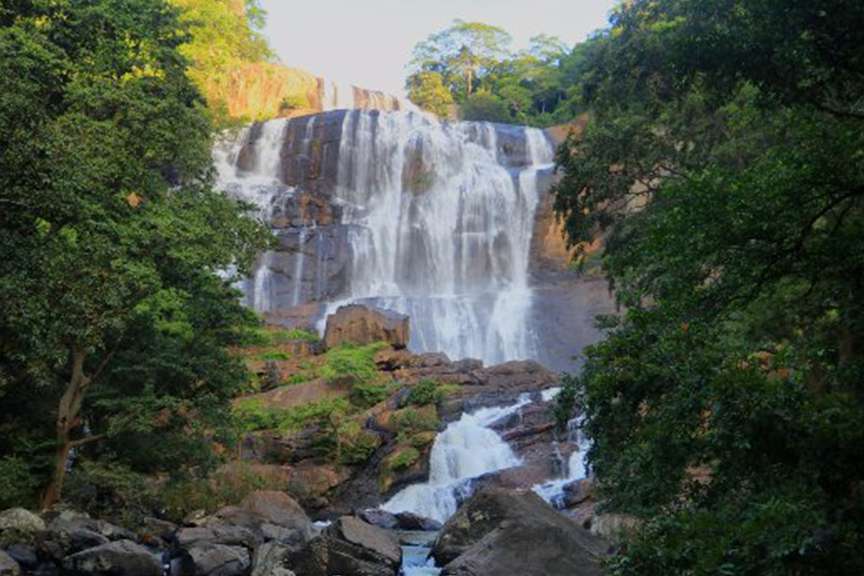
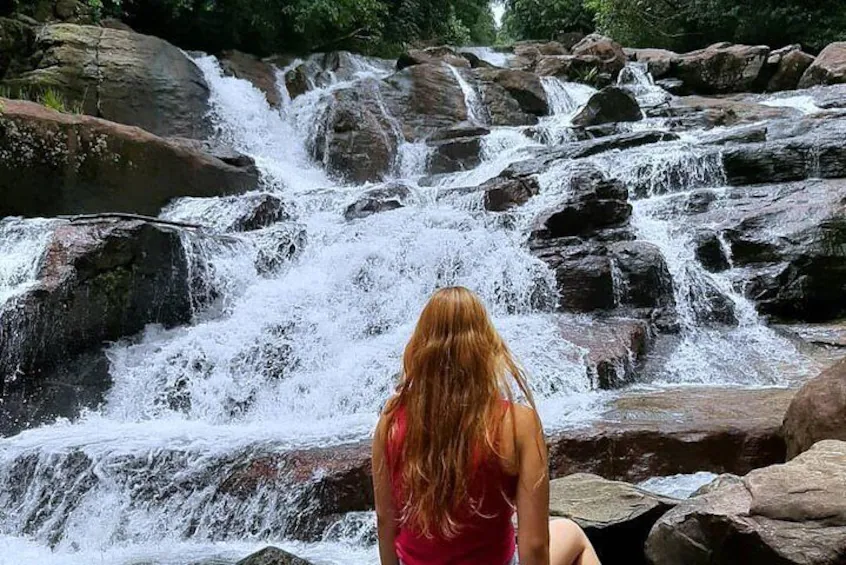
Bambarakanda Waterfall, situated in the lush green landscape of Haputale, is a natural wonder that beckons adventurers and nature lovers from all over the world. Nestled in the heart of Sri Lanka, this magnificent waterfall is a must-visit destination for those who seek to explore the marvels of nature.

After visiting the majestic Bambarakanda Waterfall, travelers can explore the nearby Diyaluma Falls, enjoy the tranquility of Koslanda Falls, immerse themselves in nature at Thangamale Sanctuary, hike through Horton Plains National Park, or experience the scenic beauty of Ohiya
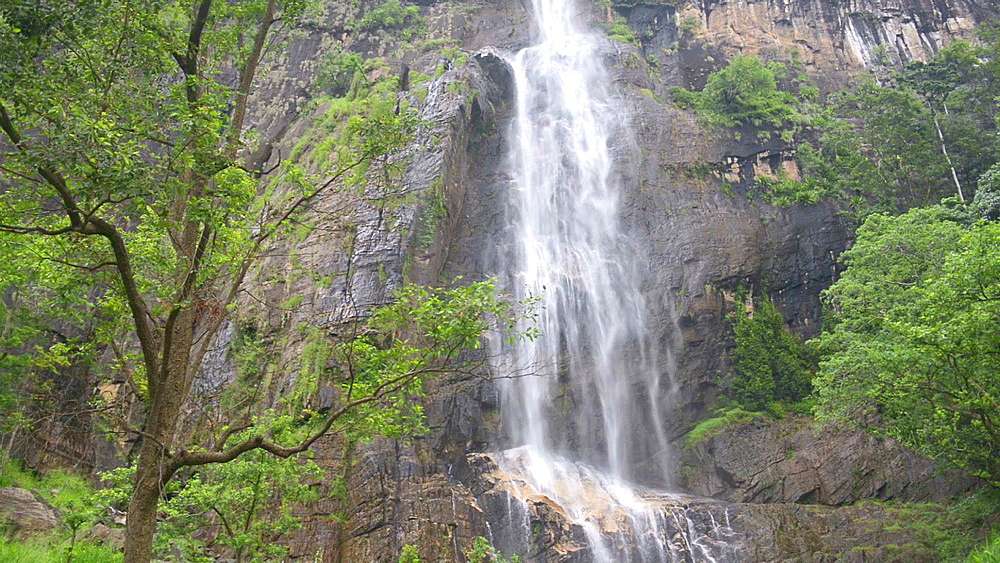
Bambarakanda Waterfall - Sri Lanka
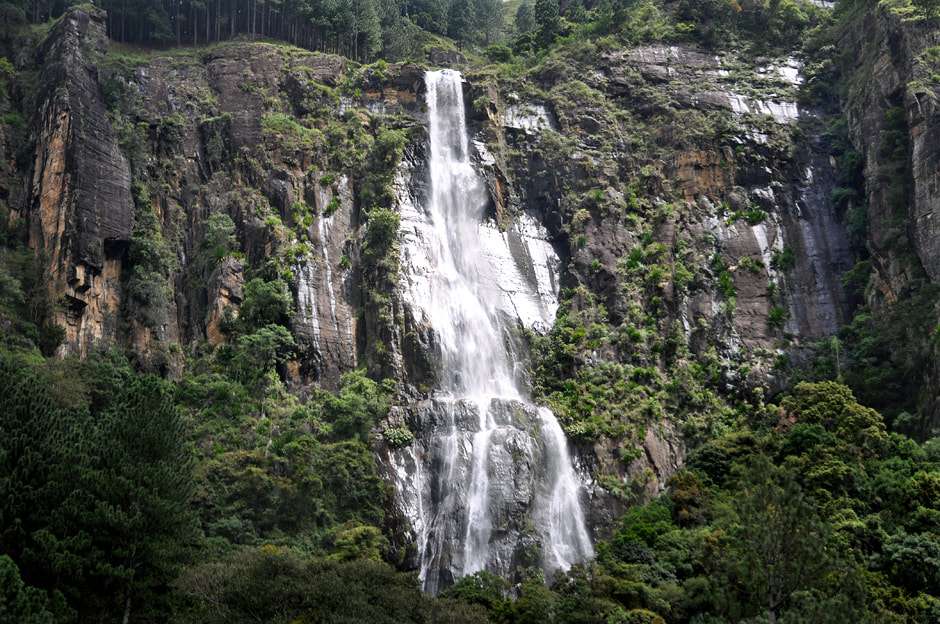
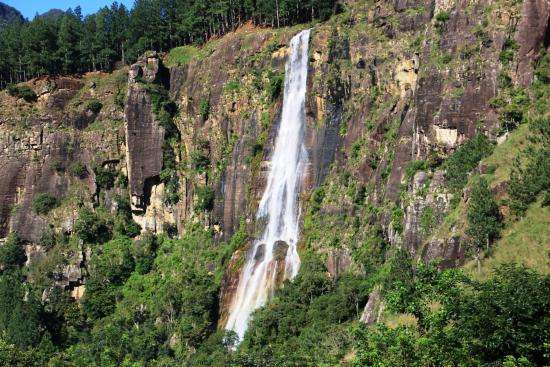
Bambarakanda Falls, a waterfall near Haputale, Sri Lanka Hill Country, Nuwara Eliya District, Asia

Introduction to Bambarakanda Waterfall

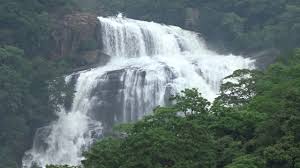
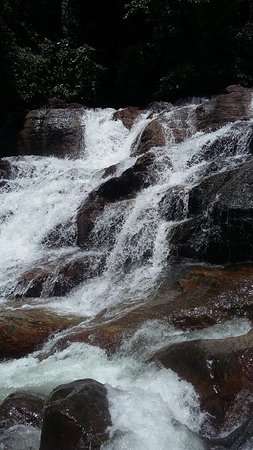
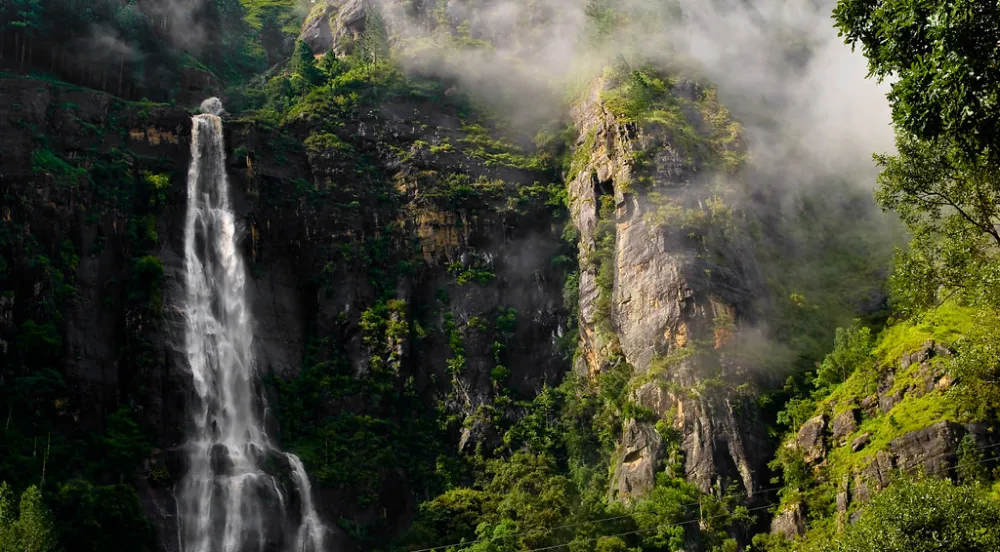
Bambarakanda Waterfall is the tallest waterfall in Sri Lanka and one of the tallest in Asia, with a staggering height of 263 meters. Its name derives from the Sinhalese words “Bambara” meaning “Bee” and “Kanda” meaning “Hill,” which reflects its location amidst the hilly terrain of Haputale.
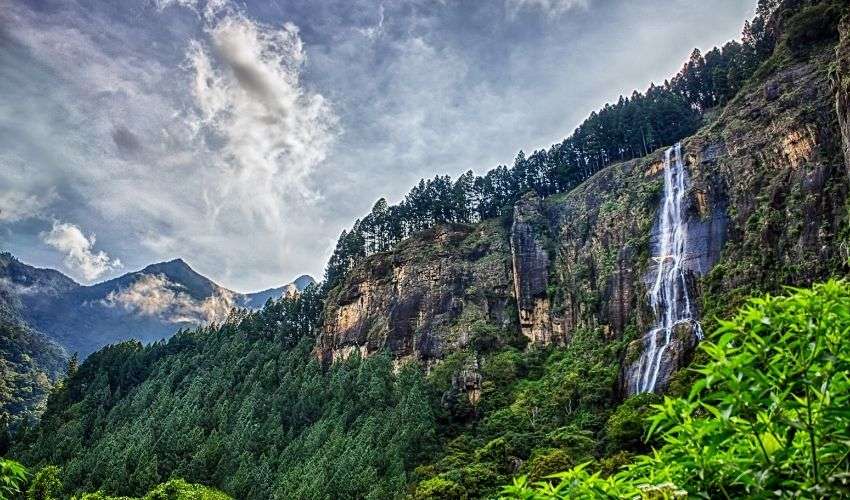
Bambarakanda Waterfall - Sri Lanka

Location and Accessibility

Bambarakanda is located in the Badulla District of Sri Lanka, in the Uva Province. The waterfall is surrounded by a lush, forested area, making it a serene and pristine location for nature enthusiasts. Visitors can reach Bambarakanda by road, and the journey is a picturesque one, with winding roads offering breathtaking views of the countryside.
The Natural Beauty of Bambarakanda

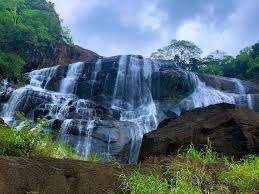
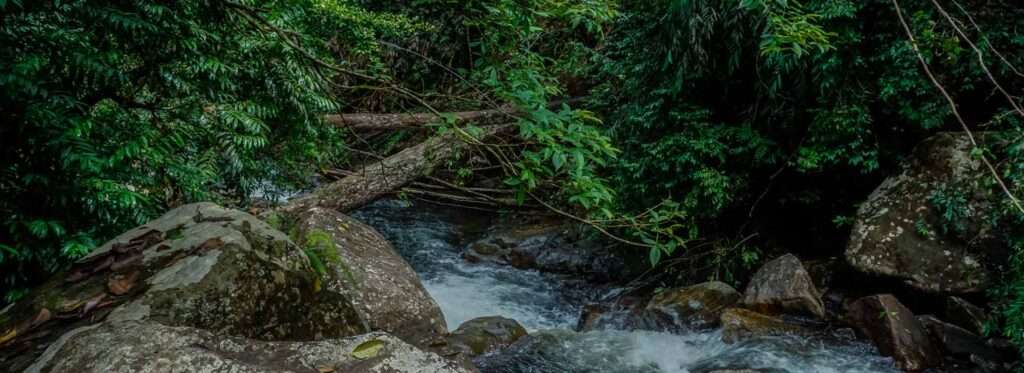
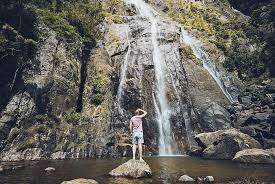
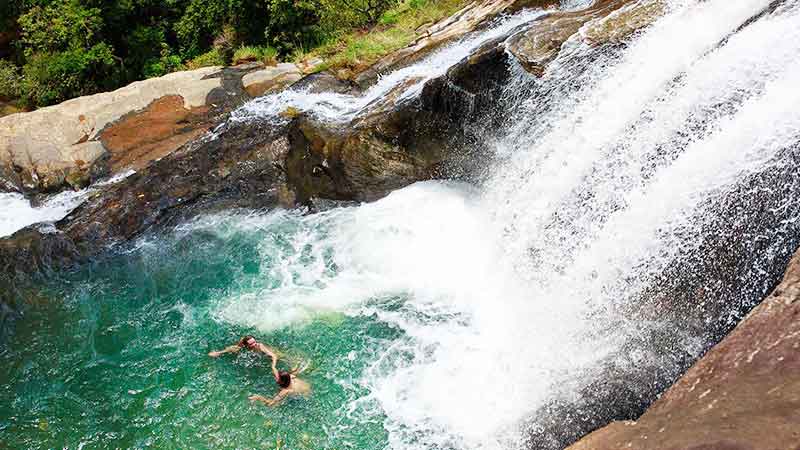
As you approach the waterfall, you’ll be greeted by the thundering roar of cascading water. The sight of the water plummeting from great heights and the mist that envelops the area create a truly enchanting experience. The lush greenery and the cool, refreshing breeze make this place a paradise for anyone seeking tranquility in nature.
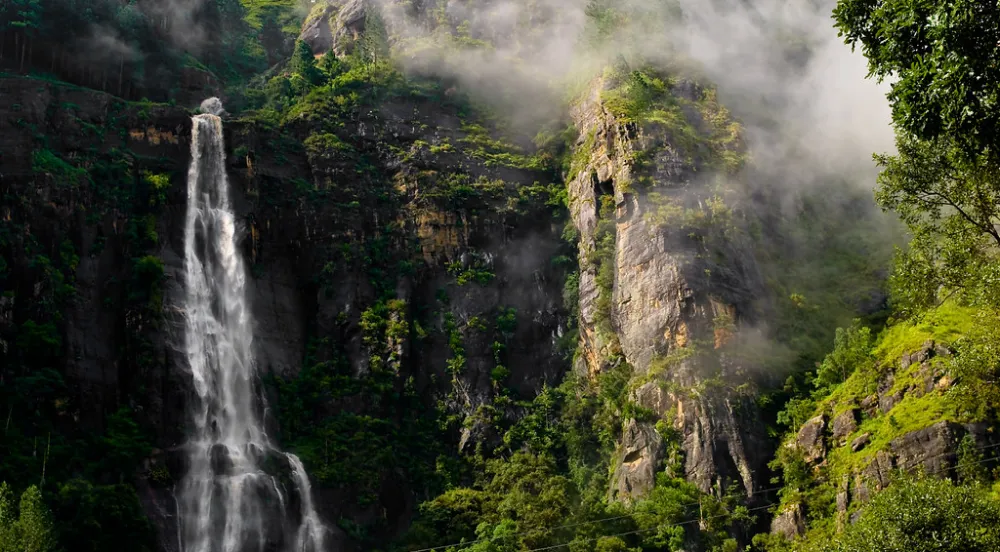
Bambarakanda Waterfall - Sri Lanka

Bambarakanda in Sri Lankan Culture

Bambarakanda holds cultural significance in Sri Lanka. It is often mentioned in local legends, and its beauty has inspired poets and artists for generations. The waterfall’s serene surroundings also make it a popular meditation spot for Buddhists.
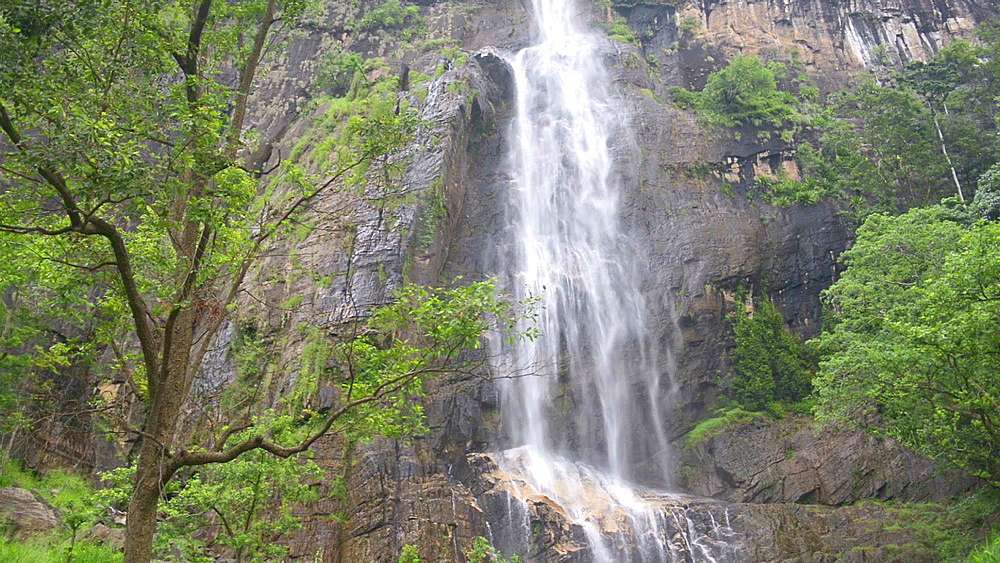
Bambarakanda Waterfall - Sri Lanka
Bambarakanda Falls, a waterfall near Haputale, Sri Lanka Hill Country, Nuwara Eliya District, Asia

Best Time to Visit Bambarakanda

The best time to visit Bambarakanda is during the monsoon season, from October to March, when the waterfall is at its fullest. The lush vegetation surrounding the waterfall is also at its most vibrant during this time, making it a photographer’s dream.

Hiking Trails Around Bambarakanda

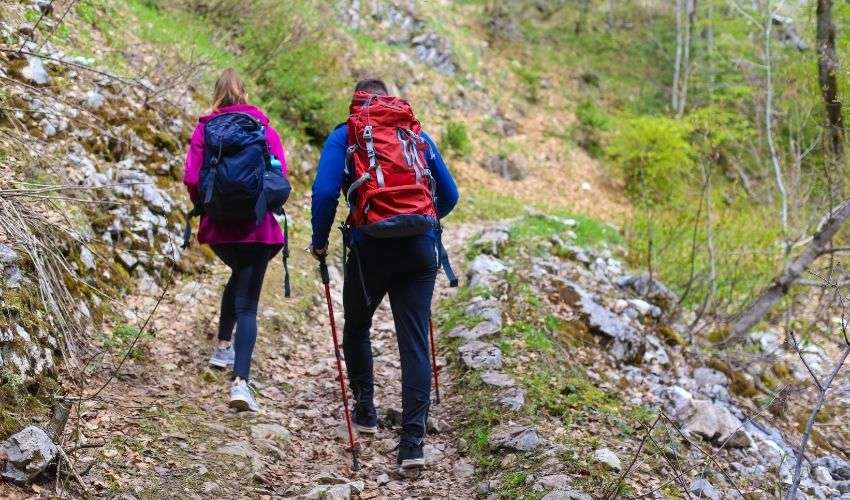
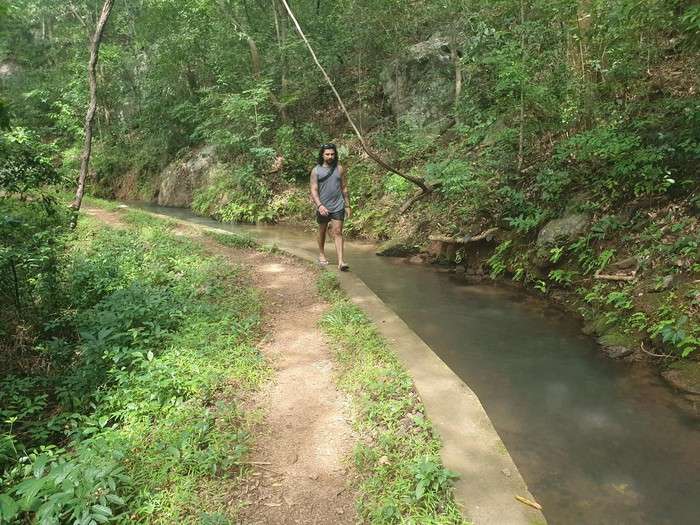
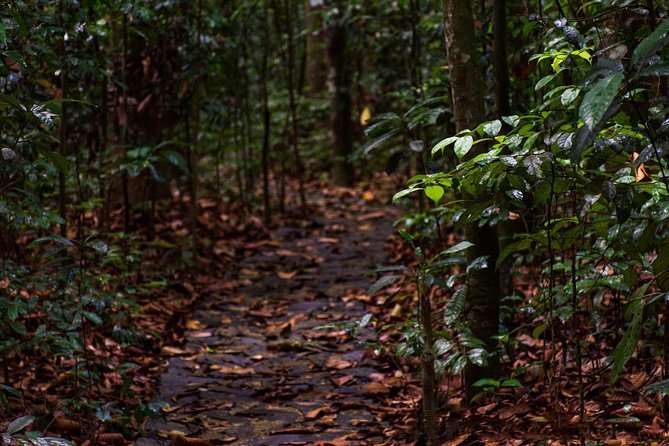
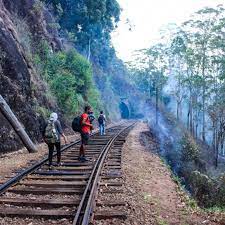
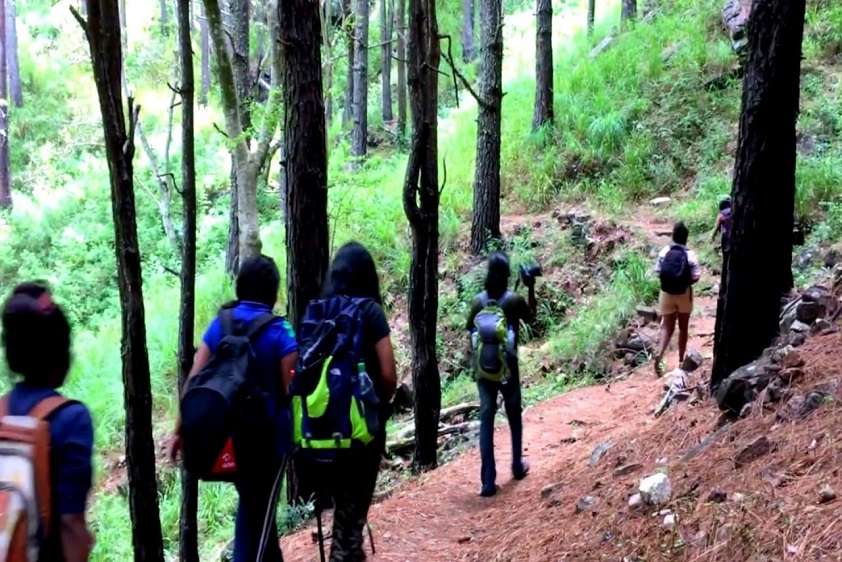
For adventure seekers, Bambarakanda offers an array of hiking trails that allow you to get up close and personal with the waterfall. The most popular trail is the one that takes you to the base of the waterfall, where you can feel the spray of the cascading water.
Flora and Fauna

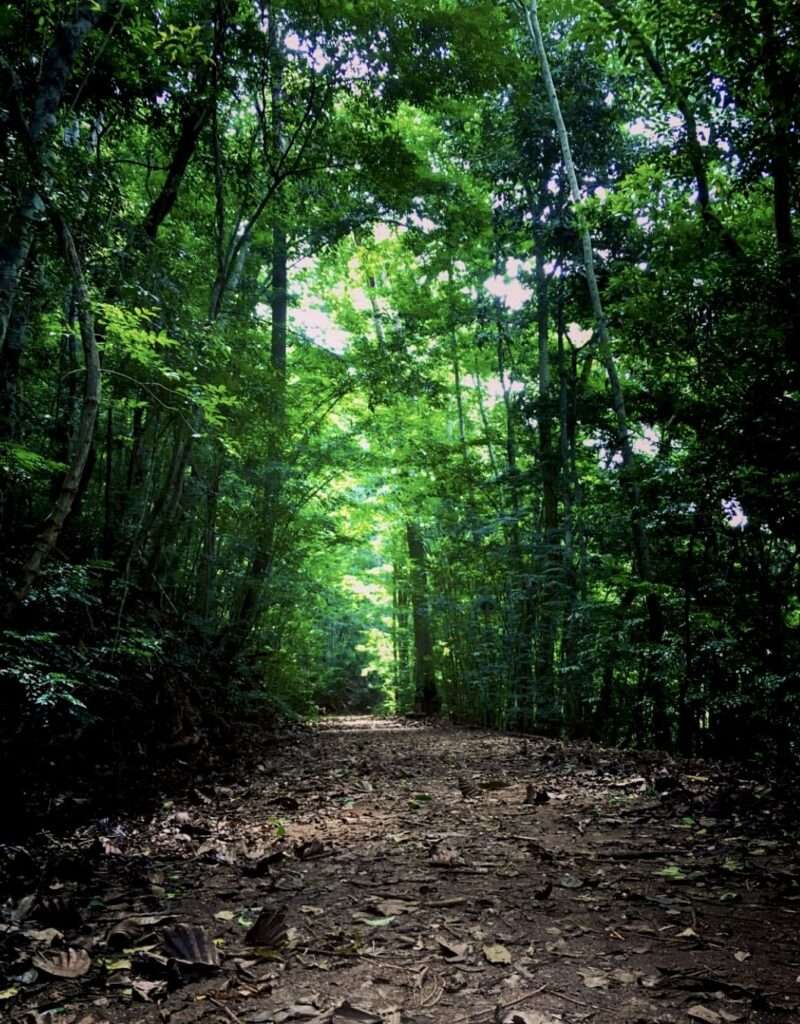
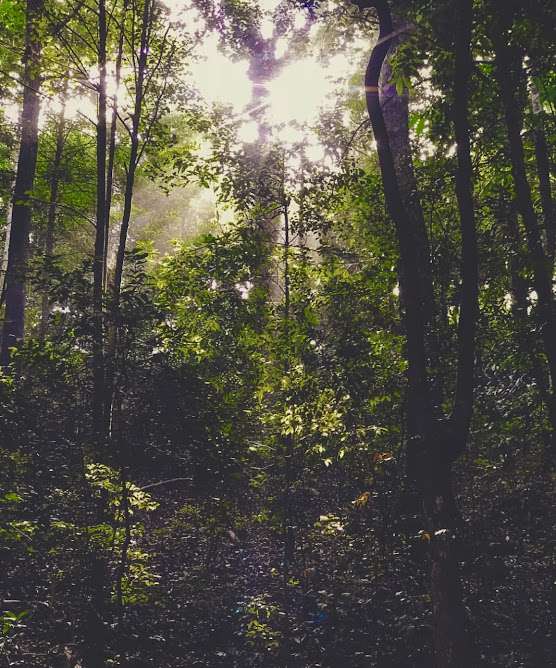
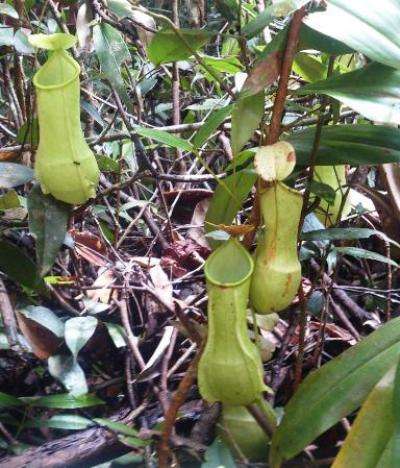
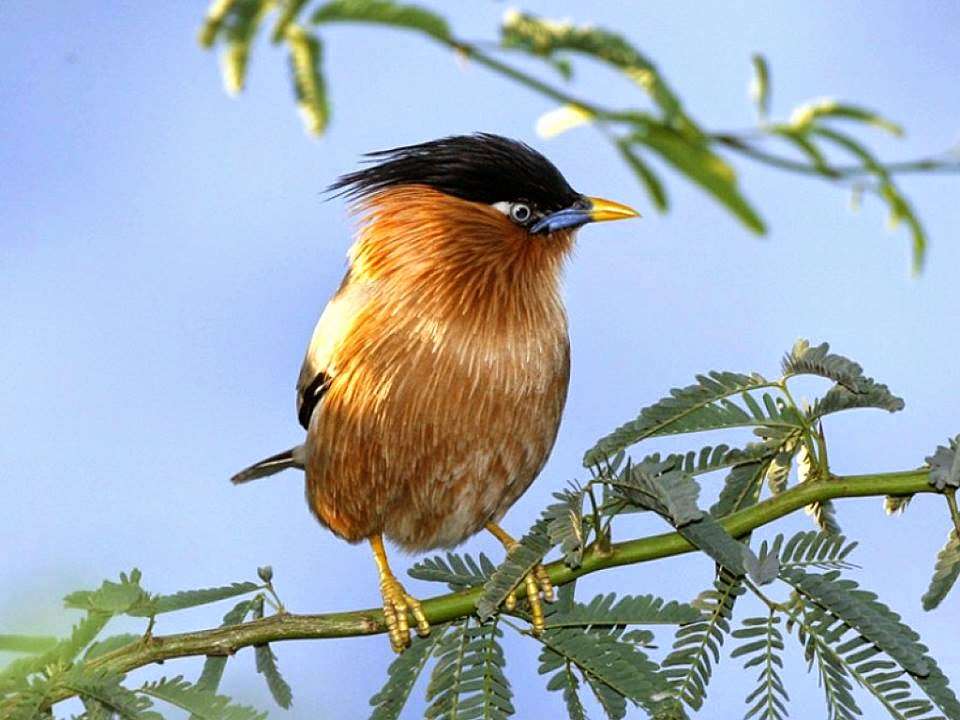
The area around Bambarakanda is a biodiversity hotspot. It’s home to a variety of plant and animal species, making it a great location for nature enthusiasts and birdwatchers. The forest is filled with vibrant orchids and other exotic flora.
Photography Tips

Capturing the grandeur of Bambarakanda requires some photography skills. To get the perfect shot, use a tripod to avoid blurry images caused by the mist, and experiment with different angles and lighting conditions.
Bambarakanda Waterfall - Sri Lanka

Local Cuisine and Souvenirs

After a day of exploration, indulge in the local cuisine at nearby eateries. You can also purchase handmade souvenirs to remember your visit.

Accommodation Options

While Bambarakanda offers a rustic experience, there are comfortable guesthouses and cottages nearby for those who prefer a more cozy stay.

Safety Tips

Visitors should be cautious when exploring the area around the waterfall, especially during the rainy season. Pay attention to safety warnings and guidelines provided by local authorities.

Preservation and Conservation

Bambarakanda’s natural beauty must be preserved. Support local conservation efforts and follow eco-friendly practices when visiting.

Local Legends and Myths

The locals believe that Bambarakanda is the abode of a deity, and there are fascinating legends associated with the waterfall. Take some time to learn about the rich cultural heritage of the area.

Visitor Experiences and Reviews

Don’t just take our word for it. Read reviews and experiences shared by other visitors to get a better sense of what to expect at Bambarakanda.

Conclusion

Bambarakanda Waterfall in Haputale is a treasure trove of natural beauty, culture, and adventure. It’s a place that allows you to connect with the purest form of nature and immerse yourself in the enchanting tales of Sri Lanka. So, pack your bags and embark on a journey to Bambarakanda, where the wonders of nature await.

FAQs (Frequently Asked Questions)

1. Can I swim in Bambarakanda Waterfall?

Swimming in Bambarakanda is not recommended due to strong currents and safety concerns. It’s best to enjoy the view from a safe distance.

2. Are there guided tours available?

Yes, there are local guides who can take you on a tour of the area and provide valuable insights into its history and ecology.

3. What should I wear when visiting Bambarakanda?

Wear comfortable clothing and sturdy shoes suitable for hiking. Don’t forget to bring a raincoat or umbrella, especially during the rainy season.

4. Is it safe to visit Bambarakanda during the monsoon season?

While it’s possible to visit, exercise caution and be prepared for wet and slippery conditions.

5. How can I contribute to Bambarakanda’s conservation efforts?

You can support local conservation organizations and follow responsible tourism practices to help protect this natural wonder for future generations.

SHARE

The Best Ocean Adventure – Mirissa

SHARE

Introduction

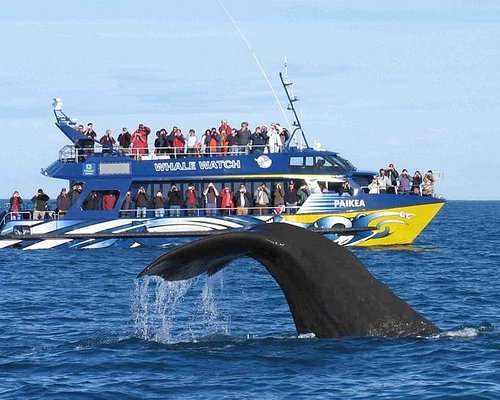
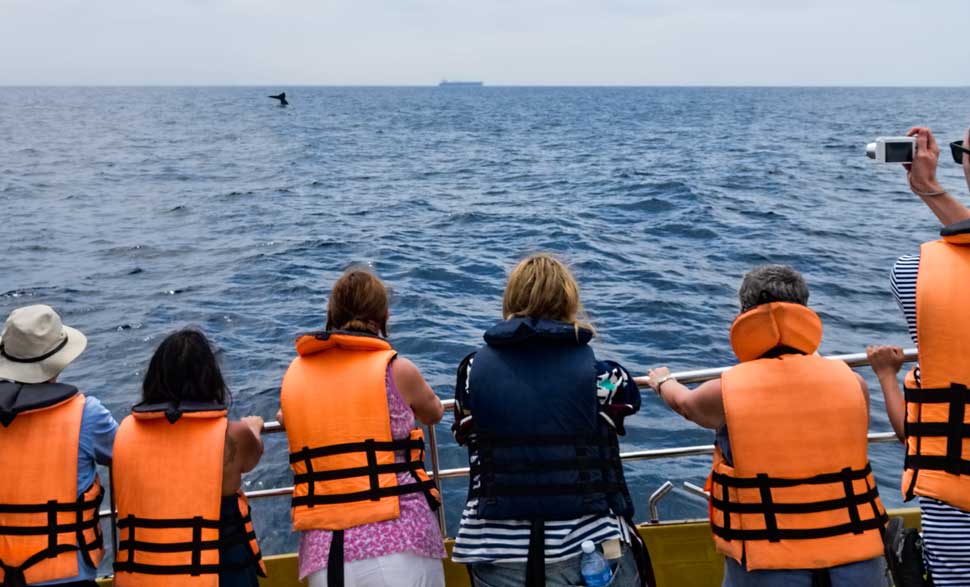
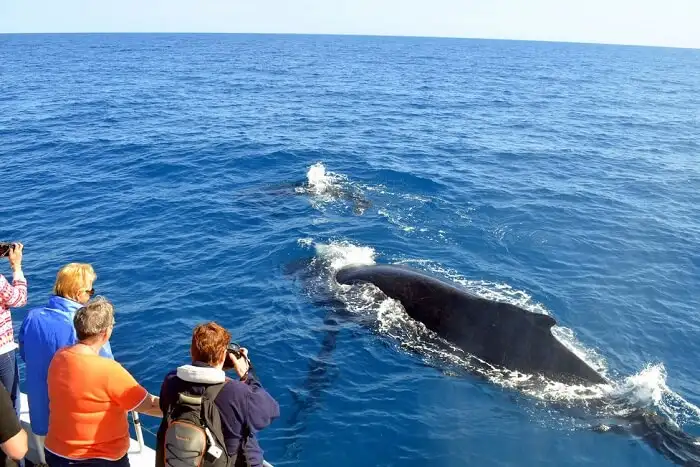
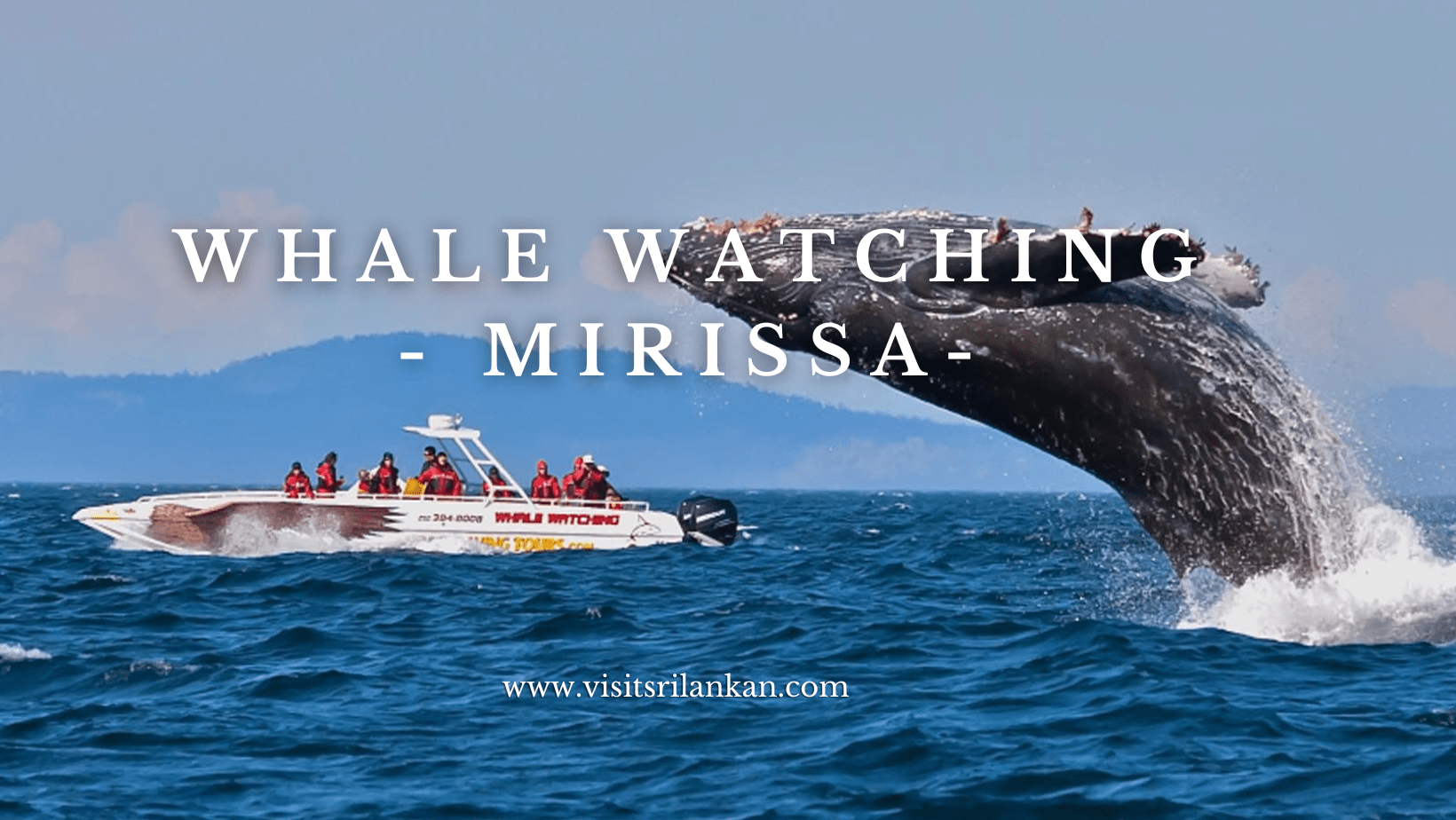
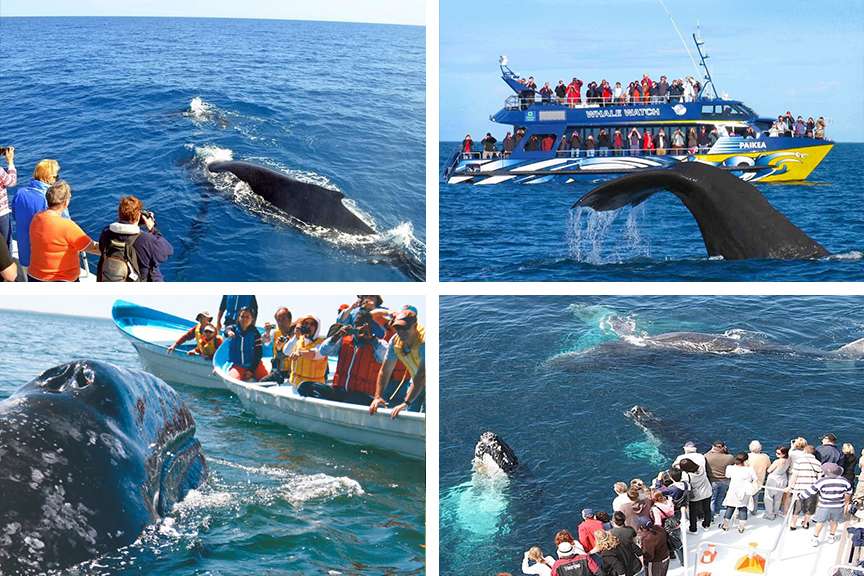
Whale watching in Mirissa has become an increasingly popular activity for travelers seeking a unique and awe-inspiring experience. Located on the southern coast of Sri Lanka, Mirissa offers an enchanting opportunity to witness these majestic marine giants in their natural habitat. In this article, we will take you on a journey through the world of whale watching in Mirissa, exploring everything from the best time to visit to the mesmerizing species you can encounter.

After experiencing the thrill of whale watching in Sri Lanka, visitors can explore the nearby Mirissa, enjoy the coastal beauty of Trincomalee, relax at the beaches of Kalpitiya, or visit the historic Dondra Point. For more information about Sri Lanka and its attractions, visit the Sri Lanka Tourism Board and for visa and travel requirements, check the Sri Lanka Immigration & Visa Services. Learn more about whale-watching tours on our site: VisitSriLankan.com

whale

Why Choose Mirissa for Whale Watching?

Mirissa, nestled along the picturesque coastline of Sri Lanka, has gained recognition as one of the premier destinations for whale watching. But what sets it apart from other locations?

Whale watching in Mirissa

Abundance of Marine Life

Mirissa’s waters are teeming with marine life, thanks to its location in the Indian Ocean. The convergence of warm and cold currents creates an ideal environment for a rich biodiversity of marine species, including various types of whales and dolphins.

Guaranteed Sightings

One of the standout features of Mirissa is its reputation for guaranteed sightings. The chances of spotting whales during your excursion are exceptionally high, ensuring an unforgettable experience.

When to Visit Mirissa for Whale Watching

To make the most of your whale watching adventure in Mirissa, it’s crucial to plan your trip during the right season.

Peak Season (November to April)

The peak season for whale watching in Mirissa is from November to April. During these months, the ocean remains calm, and the chances of spotting blue whales, the largest animals on Earth, are at their highest.

Off-Peak Season (May to October)

The off-peak season, from May to October, offers a different but equally captivating experience. This is when you’re more likely to encounter sperm whales and other species. It’s a great option if you prefer a quieter and less crowded experience.

Types of Whales You Can Spot

Mirissa is home to a diverse range of whale species, each with its unique characteristics and allure.

Blue Whales

The blue whale, often referred to as the gentle giant of the ocean, can grow up to 100 feet in length. Seeing these majestic creatures breach the surface is a sight to behold.

Sperm Whales

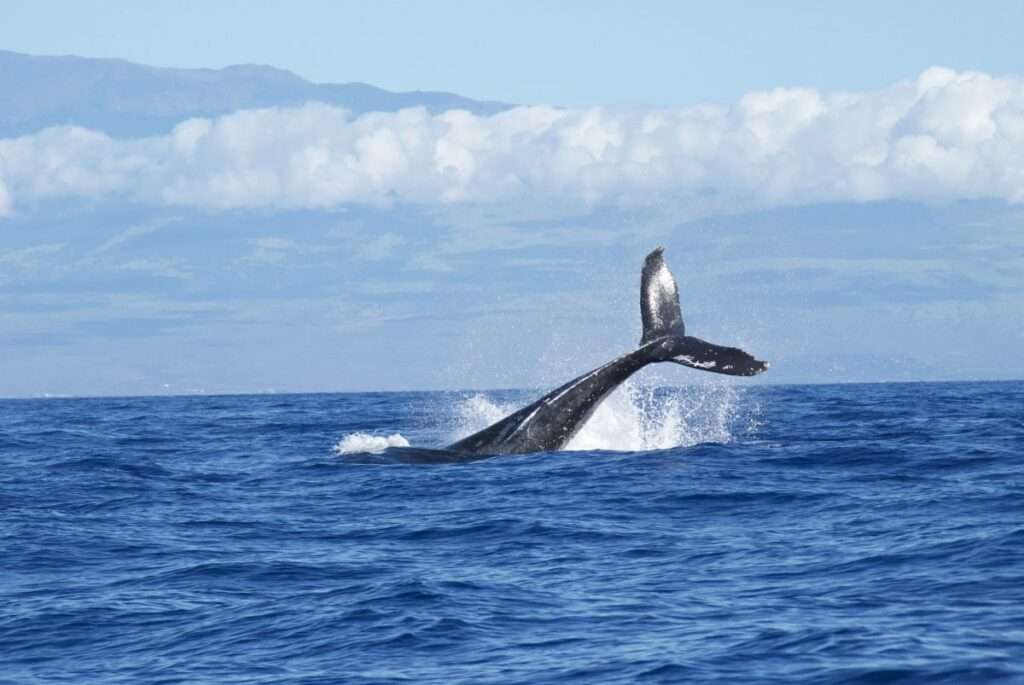
Sperm whales, known for their massive heads and oil-producing spermaceti organ, are a common sight in Mirissa. They are renowned for their distinctive dives and tail flukes.

Humpback Whales

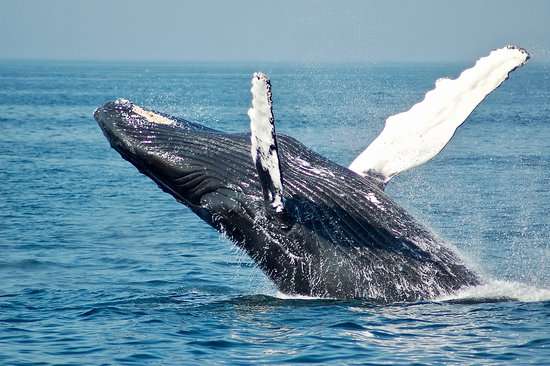
Humpback whales are famous for their acrobatic displays, including breaching and tail-slapping. Witnessing their elegant movements is a remarkable experience.

Preparing for Your Whale Watching Adventure

Before embarking on your whale watching journey, there are a few essential tips to keep in mind:

Booking a Reputable Tour

Choose a reputable tour operator that prioritizes the safety and well-being of both passengers and marine life. Ensure they have certified guides with extensive knowledge of the region.

Packing Essentials

Pack essentials such as sunscreen, sunglasses, a hat, and a light jacket. Seasickness medication may also come in handy for those prone to motion sickness.

The Magic of Whale Watching

As you set sail from Mirissa’s harbor, the anticipation builds. The vastness of the ocean unfolds before you, and the serenity of the open waters is both calming and invigorating. Then, it happens—a majestic creature breaches the surface, and you’re in awe of nature’s grandeur.

The experience of watching these magnificent creatures in their natural habitat is a humbling and transformative one. It reminds us of the importance of preserving our oceans and the incredible biodiversity they harbor.

Blue Whales

Conclusion

Whale watching in Mirissa is an adventure that combines the thrill of the unknown with the wonder of nature. It’s an opportunity to connect with the ocean’s gentle giants and create lasting memories. So, if you’re seeking a unique and awe-inspiring experience, head to Mirissa and embark on a whale watching journey you’ll cherish forever.

FAQs

1. Is it safe to go whale watching in Mirissa?

Yes, it is generally safe to go whale watching in Mirissa, as long as you choose a reputable tour operator that follows safety guidelines and respects marine life.

2. What is the best time of day for whale watching?

Early morning is often the best time for whale watching, as the sea is usually calmer, and marine life is more active.

3. Can children participate in whale watching tours?

Yes, many whale watching tours in Mirissa are family-friendly and welcome children, but it’s essential to check with the tour operator regarding age restrictions and safety measures.

4. Are there any conservation efforts for marine life in Mirissa?

Yes, Mirissa has various conservation initiatives aimed at protecting marine life. Some tour operators also contribute to these efforts through education and conservation programs.

5. What should I do if I encounter dolphins during the tour?

If you encounter dolphins during your whale watching tour, it’s essential to maintain a respectful distance and avoid disturbing them. Your guide will provide guidance on responsible wildlife viewing practices.


SHARE

Accessible and Beautiful | Rathna Ella

SHARE

Accessible and Beautiful | Rathna Ella

Nestled in the heart of Sri Lanka, amidst lush greenery and pristine landscapes, lies a hidden gem known as Rathna Ella in Hasalaka. This enchanting waterfall, often overshadowed by its more famous counterparts, is a must-visit destination for nature enthusiasts and adventure seekers. In this article, we will take you on a journey to discover the beauty, mystery, and allure of Rathna Ella.

After experiencing the breathtaking Rathna Ella Waterfall, visitors can explore the nearby Diyaluma Falls, enjoy the tranquility of Koslanda Falls, immerse themselves in nature at Thangamale Sanctuary, hike through Horton Plains National Park, or experience the scenic beauty of Ohiya. For more information about Sri Lanka and its attractions, visit the Sri Lanka Tourism Board and for visa and travel requirements, check the Sri Lanka Immigration & Visa Services.

Rathna Ella

Unveiling Rathna Ella’s Beauty

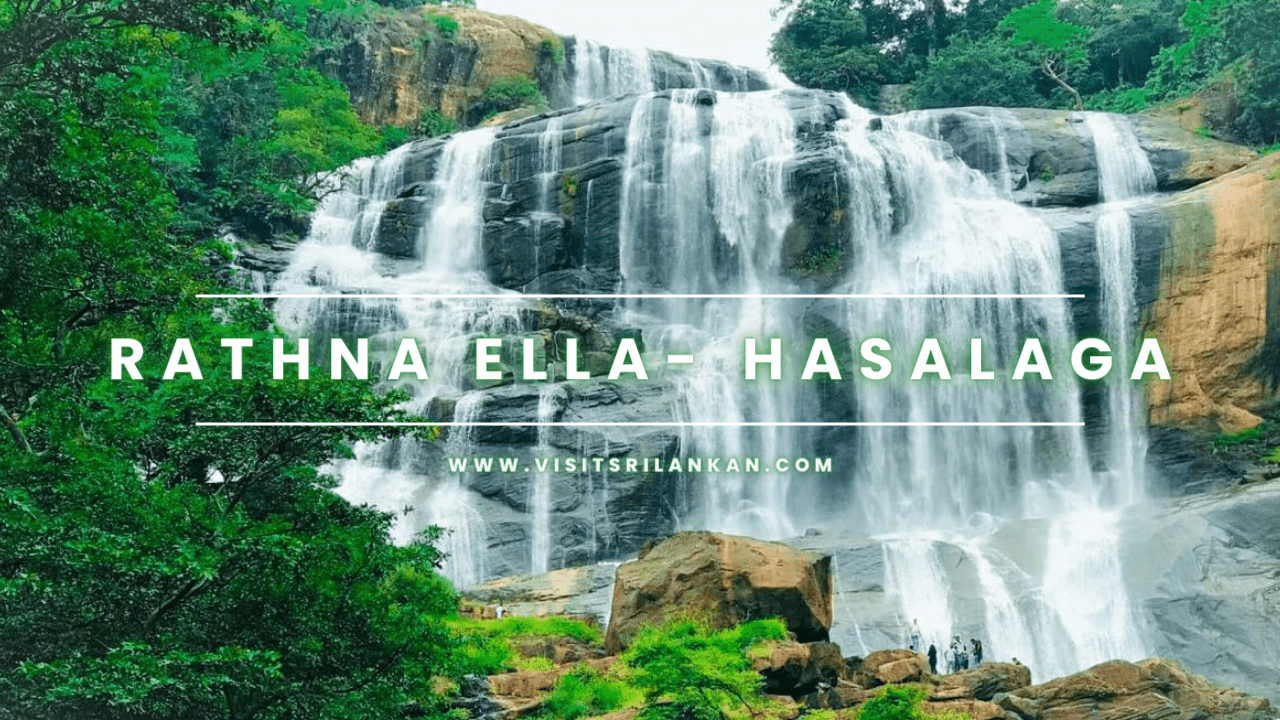
Rathna Ella, which translates to “Golden Falls,” is aptly named for its stunning golden hue that glistens in the sunlight. Tucked away in the central highlands of Sri Lanka, this waterfall cascades gracefully from a height of approximately 111 feet (34 meters). The water plunges into a crystal-clear pool below, creating a picturesque scene that will leave you mesmerized.

Rathna Ella

The Journey to Rathna Ella

1. Getting There

Reaching Rathna Ella can be an adventure in itself. The journey begins in Kandy, a vibrant city in Sri Lanka, where you can hire a private vehicle or take a scenic bus ride to Hasalaka.

2. Trekking through the Forest

Upon arriving in Hasalaka, the real adventure commences. A trek through dense forests and tea plantations awaits you. It’s advisable to hire a local guide who can navigate the trails and provide valuable insights into the area’s flora and fauna.

Rathna Ella

Experiencing the Magic

3. A Refreshing Dip

As you approach Rathna Ella, the sound of rushing water grows louder, heightening your anticipation. The cool mist from the waterfall greets you as you draw nearer. Take a refreshing dip in the pool beneath the falls and feel the stresses of daily life wash away.

4. Picnic Amidst Nature

Rathna Ella offers the perfect setting for a picnic. Spread out a blanket, savor a delicious meal, and enjoy the symphony of nature’s sounds. Don’t forget to capture the moment with your camera; the scenery is postcard-worthy.

Rathna Ella

The Hidden Treasures

5. A Cave of Legends

Adjacent to Rathna Ella is a mystical cave known as the “Batadomba Lena.” It’s believed to be a place of historical significance and is home to an array of fascinating rock formations and cave paintings.

6. Birdwatching Paradise

For birdwatching enthusiasts, Rathna Ella and its surrounding forests are a paradise. Keep your binoculars handy, and you might spot some of Sri Lanka’s exotic avian residents.

Safety Tips and Considerations

7. Respect Nature

While exploring Rathna Ella, it’s crucial to respect the environment. Avoid littering, and follow the guidance of your local guide to protect the delicate ecosystem.

8. Safety First

Ensure your safety by wearing appropriate footwear and carrying essentials like water, insect repellent, and sunscreen.

Conclusion

Rathna Ella in Hasalaka is a testament to the untamed beauty of nature. Its secluded location, golden waters, and surrounding mysteries make it a destination worth exploring. So, if you’re seeking a unique adventure off the beaten path, make your way to Rathna Ella and immerse yourself in the tranquility of this hidden gem.

Frequently Asked Questions

1. How difficult is the trek to Rathna Ella?

The trek can be moderately challenging, but with a local guide, it becomes more manageable for all skill levels.

2. Can you swim in the pool beneath Rathna Ella?

Yes, the pool is suitable for swimming, but always exercise caution and check with your guide for safety recommendations.

3. Are there accommodations near Rathna Ella?

While there are no accommodations at the waterfall itself, you can find lodging options in Hasalaka and Kandy.

4. What is the best time to visit Rathna Ella?

The best time to visit is during the dry season, from December to April, when the weather is most favorable for trekking and exploring.

5. Is Rathna Ella suitable for families with children?

Yes, Rathna Ella can be a great family adventure, but ensure children are supervised, especially near the waterfall and pool areas.


SHARE

The Madu River Or Madu Ganga | Wealth of Biodiversity

SHARE

Introduction

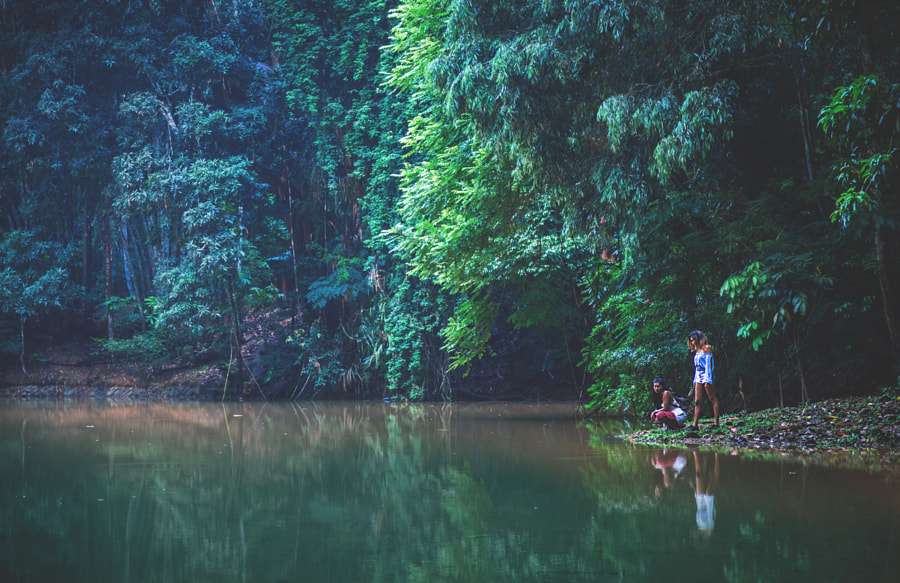
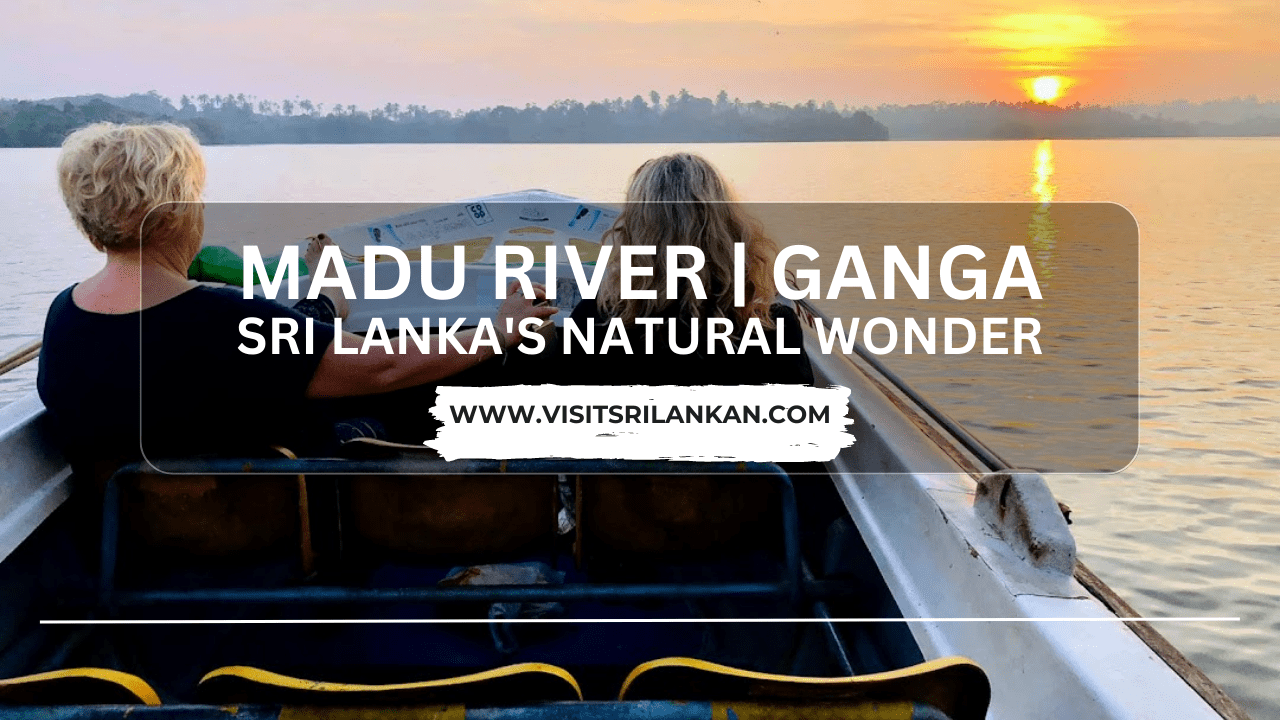
Nestled in the enchanting island nation of Sri Lanka, the Madu River stands as a captivating natural wonder, weaving its way through lush landscapes and diverse ecosystems. This majestic river is a testament to the extraordinary beauty that Mother Nature has bestowed upon the region. In this article, we will embark on a journey to explore the mesmerizing charm of the Madu River, understanding its significance, history, and the vibrant life it sustains. So, let’s set sail and immerse ourselves in the tranquil allure of the Madu River.

madu river, madu ganga, madu river safari, madu ganga sri lanka, madu river biodiversity, madu river boat safari, madu ganga wetland, sri lanka mangroves, balapitiya madu river, sri lanka nature tours, eco tourism sri lanka, wildlife sri lanka, madu ganga attractions

1. The Rich History of the Madu River

The Madu River holds a storied past, dating back centuries. Historically, it served as a crucial waterway for the inhabitants of Sri Lanka, supporting various activities like transportation and trade. The river’s banks were once inhabited by ancient civilizations, leaving behind remnants of their existence in the form of archaeological discoveries.

2. Biodiversity and Wildlife Along the River

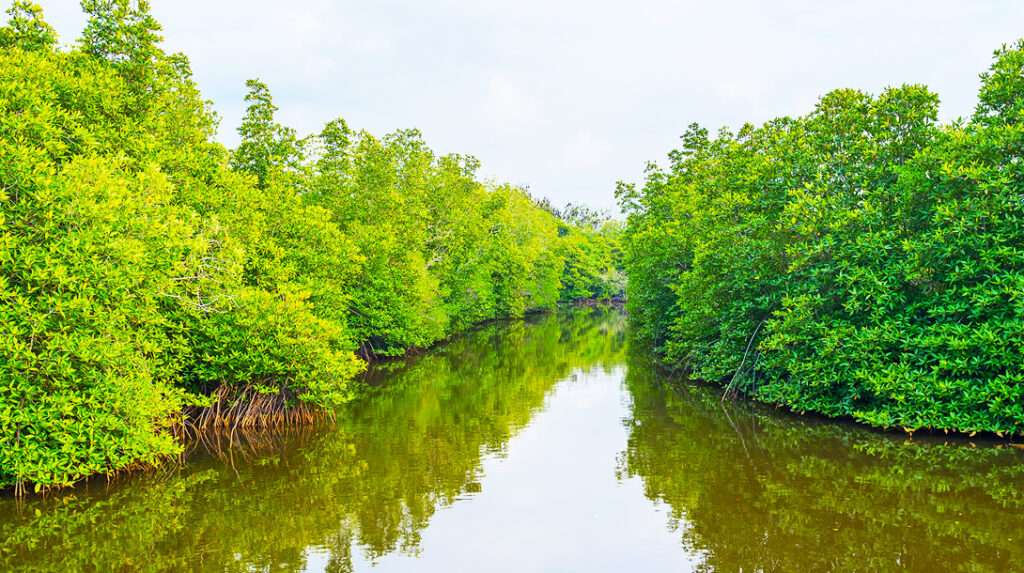
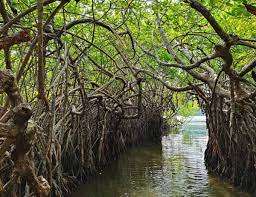
As we meander through the winding path of the Madu River, we encounter a wealth of biodiversity and thriving wildlife. The river basin boasts an impressive array of flora and fauna, making it an ecological hotspot. Mangrove forests fringe the riverbanks, providing a vital habitat for numerous species of birds, reptiles, and marine life.

madu river, madu ganga, madu river safari, madu ganga sri lanka, madu river biodiversity, madu river boat safari, madu ganga wetland, sri lanka mangroves, balapitiya madu river, sri lanka nature tours, eco tourism sri lanka, wildlife sri lanka, madu ganga attractions

3. The Allure of the Mangrove Forests

The Madu River is renowned for its extensive mangrove forests, which contribute significantly to the region’s ecological balance. These unique ecosystems play a vital role in protecting the coastline from erosion, acting as a buffer against storms and tidal surges. Moreover, they serve as breeding grounds for various marine species, supporting local fisheries and biodiversity.

4. A Boat Safari Adventure

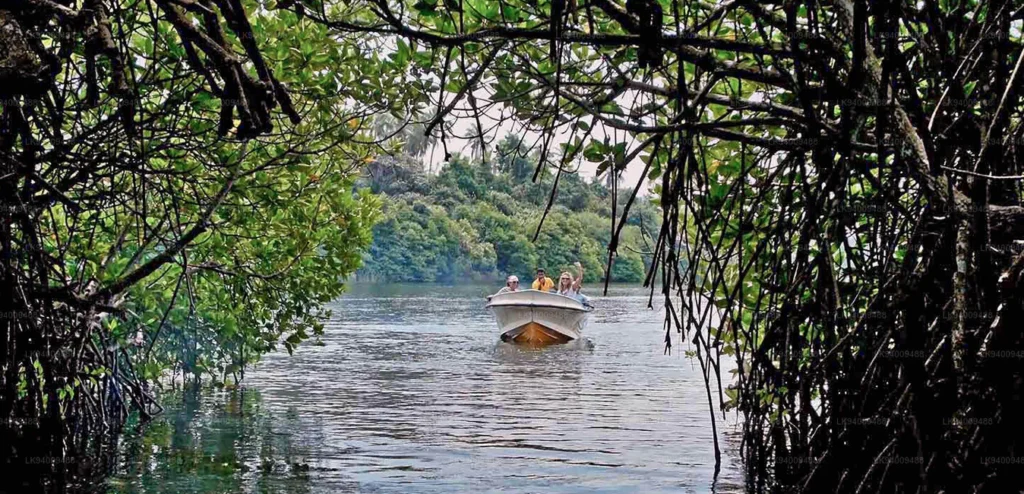
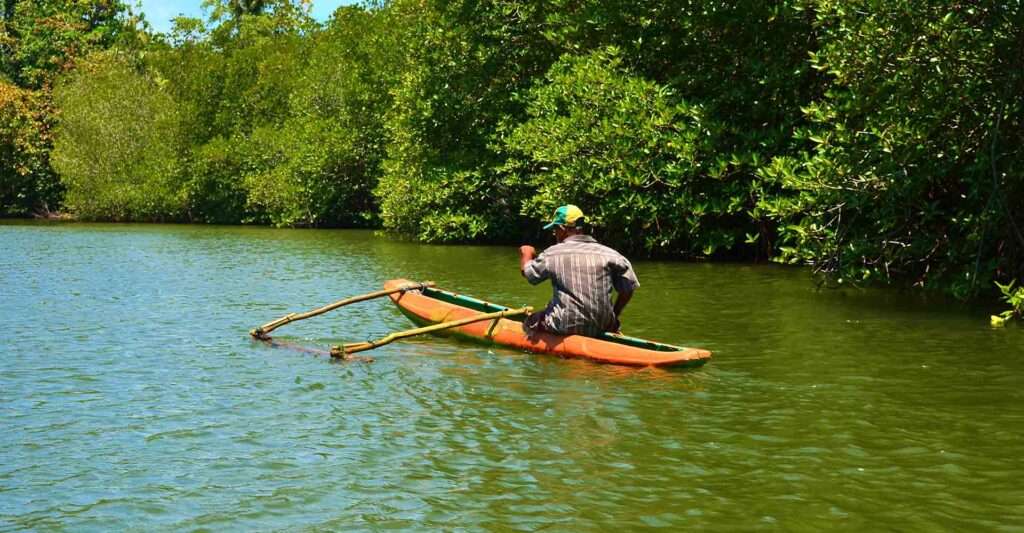
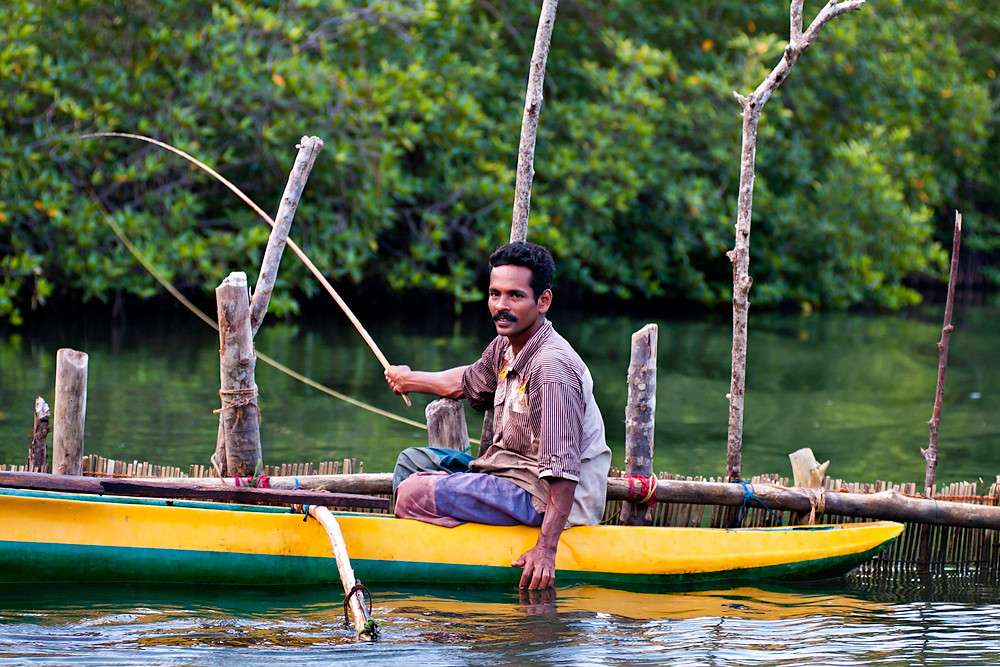
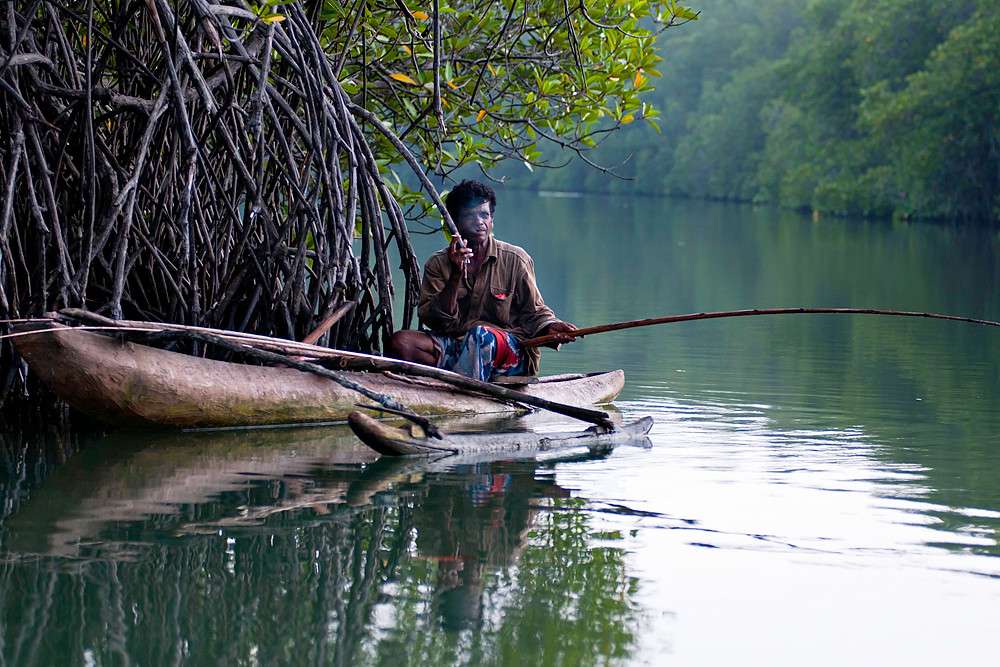
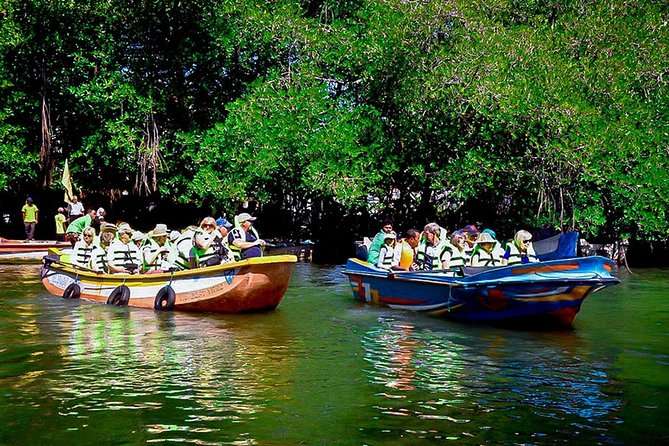
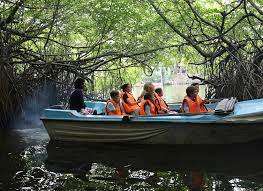
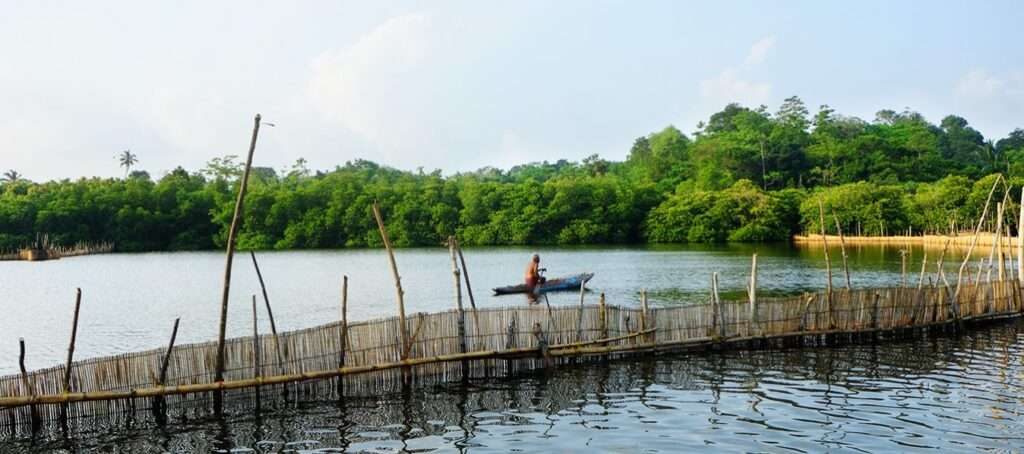
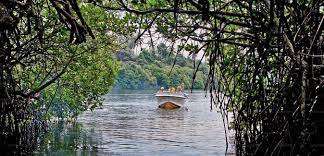
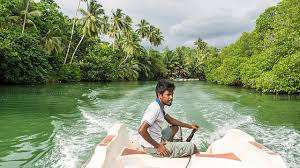
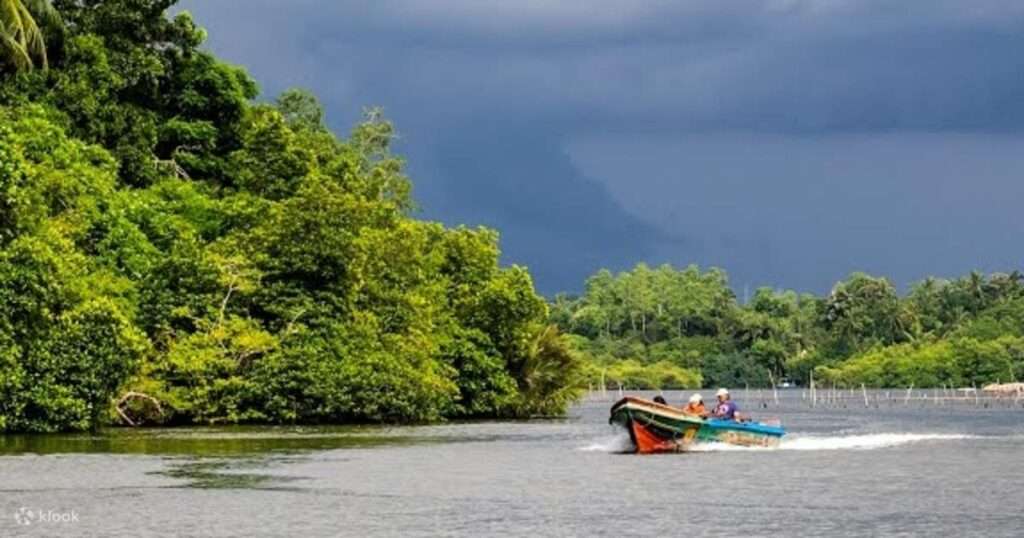
One of the best ways to explore the hidden treasures of the Madu River is through a boat safari. Visitors can embark on a serene boat ride, navigating through the twisting channels and under the canopy of mangroves. The boat safari allows you to witness the diverse wildlife, spot vibrant birds, and observe local fishermen engaging in traditional fishing practices.

5. Temple Island: A Spiritual Oasis

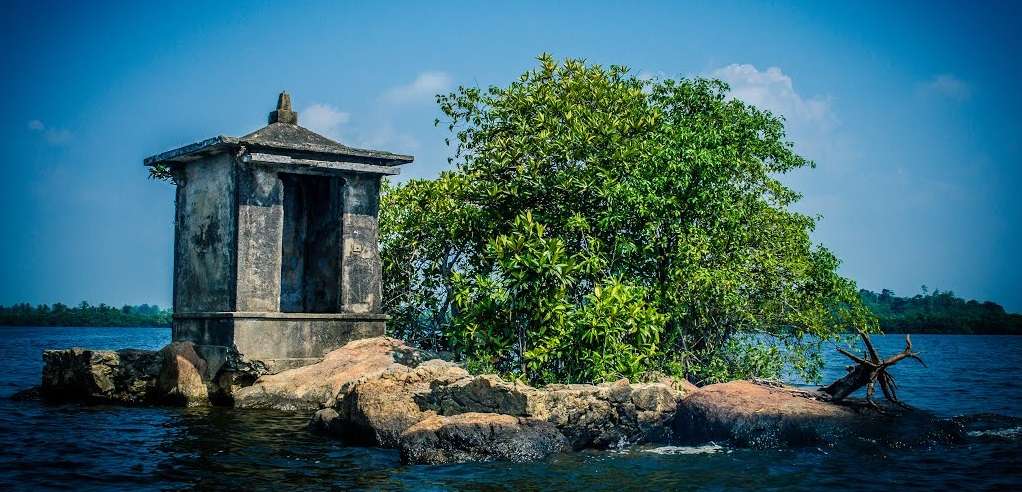
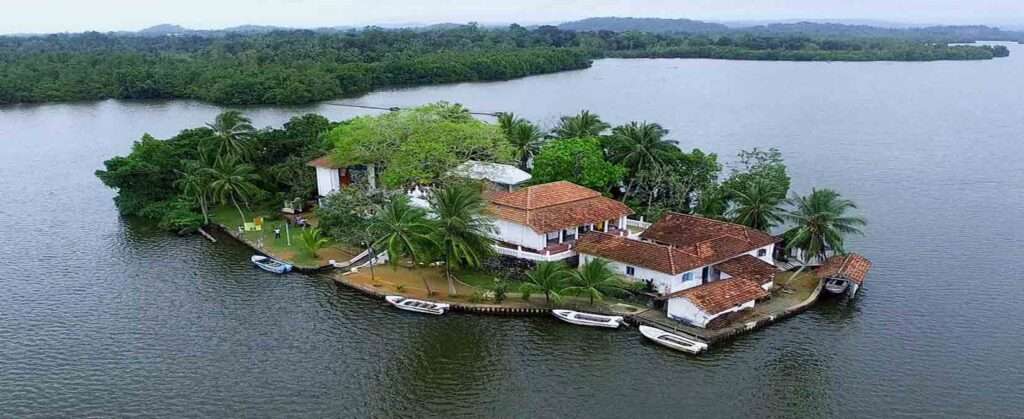
Within the Madu River lies the enchanting Temple Island, home to an ancient Buddhist monastery. Accessible by boat, this island offers a serene retreat where visitors can experience tranquility and immerse themselves in the spirituality of Sri Lanka.

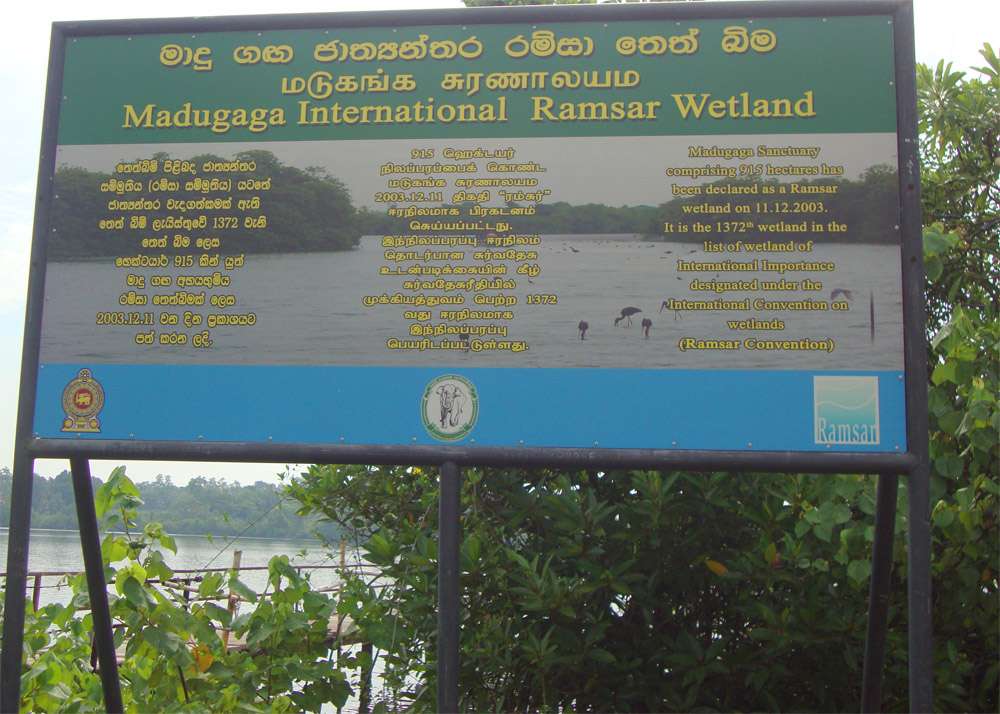
6. Madu Ganga Wetland: A Ramsar Wetland Site

The Madu Ganga Wetland, a section of the Madu River, has gained international recognition as a Ramsar Wetland site. This prestigious designation signifies its importance as a crucial habitat for migratory birds, including species that are endangered. Conservation efforts have been initiated to protect this delicate ecosystem and its inhabitants.

7. The Floating Market: A Cultural Experience

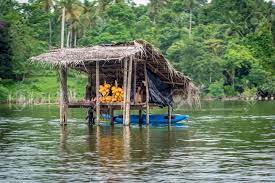
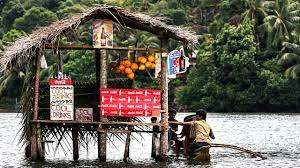
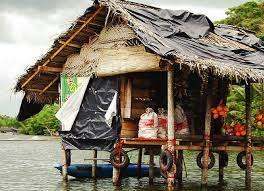
Another unique aspect of the Madu River is the vibrant floating market, where local vendors gather on boats to sell fresh produce, handicrafts, and traditional Sri Lankan delicacies. Exploring the market is an enriching cultural experience, offering a glimpse into the lives and customs of the riverine communities.

8. Ecotourism and Sustainability Initiatives

With an increasing focus on sustainability and ecotourism, the Madu River has become a prime destination for responsible travelers. Local communities are actively involved in preserving the river’s ecological balance while offering tourists an authentic experience that celebrates the region’s natural heritage.

9. Mangrove Reforestation Projects

To safeguard the delicate mangrove ecosystems, several conservation organizations have initiated mangrove reforestation projects along the Madu River. Tourists can participate in these efforts, contributing to the preservation of this invaluable environment.

10. The Future of the Madu River

As tourism continues to flourish in Sri Lanka, the future of the Madu River depends on responsible travel practices and sustainable development. It is essential for both visitors and locals to cherish this natural wonder and protect its unique ecosystems for generations to come.

Conclusion

The Madu River is not just a waterway; it’s a living testament to the harmony between man and nature. Its lush mangroves, diverse wildlife, and cultural richness make it a captivating destination for travelers seeking an authentic and soulful experience. By fostering responsible tourism and conservation efforts, we can ensure that this splendid river remains a treasure trove of natural wonders, allowing future generations to be captivated by its enchantment.

FAQs

  1. Is the Madu River suitable for a family trip? Absolutely! The Madu River offers a family-friendly experience with its boat safaris, wildlife sightings, and cultural encounters.
  2. What are the best months to visit the Madu River? The best time to visit is during the dry season, from November to April, when the weather is pleasant and conducive to exploration.
  3. Are boat safaris safe for children? Yes, boat safaris are safe for children, and life jackets are provided for all passengers.
  4. Can I buy souvenirs from the floating market? Yes, the floating market is an excellent place to purchase unique handicrafts and souvenirs crafted by local artisans.
  5. How can I contribute to mangrove reforestation efforts? Several local organizations accept volunteers and donations to support mangrove reforestation projects. You can inquire with them during your visit.

SHARE

Udawatta Kele Sanctuary – The Green Haven in Sri Lanka

SHARE

Introduction

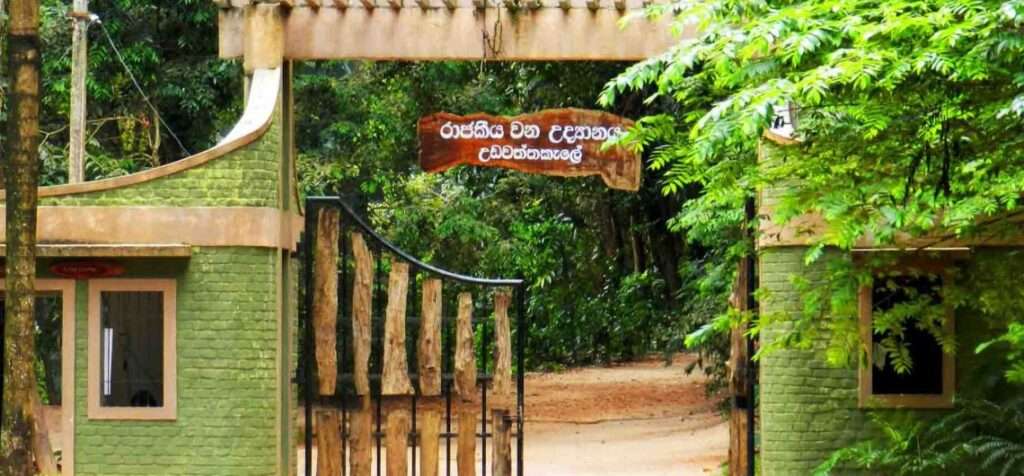
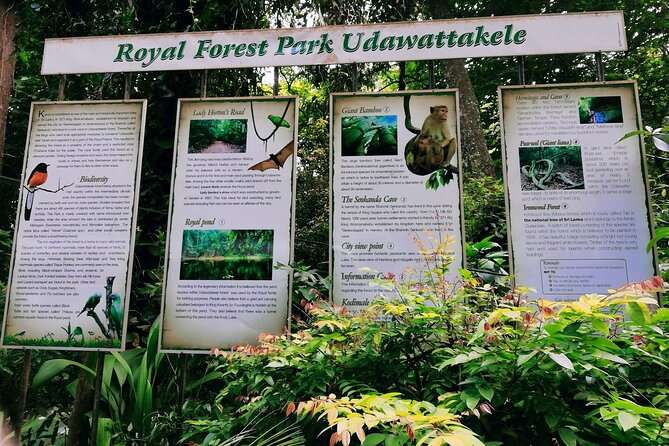
When it comes to exploring the breathtaking natural beauty of Sri Lanka, the Udawatta Kele Sanctuary in Kandy stands out as a must-visit destination. Located just a stone’s throw away from the bustling city center, this sanctuary offers a tranquil escape into the lap of nature. In this article, we will delve into the history, biodiversity, attractions, and conservation efforts of Udawatta Kele Sanctuary, providing you with all the information you need to plan an unforgettable visit.

1. History of Udawatta Kele Sanctuary

The Udawatta Kele Sanctuary has a rich historical background that dates back to ancient times. Originally used as a pleasure garden by the Kandyan kings, the sanctuary was later protected by the British colonial administration to preserve its natural splendor. Today, it stands as a testament to the harmonious coexistence of cultural heritage and ecological conservation.

2. The Lush Biodiversity

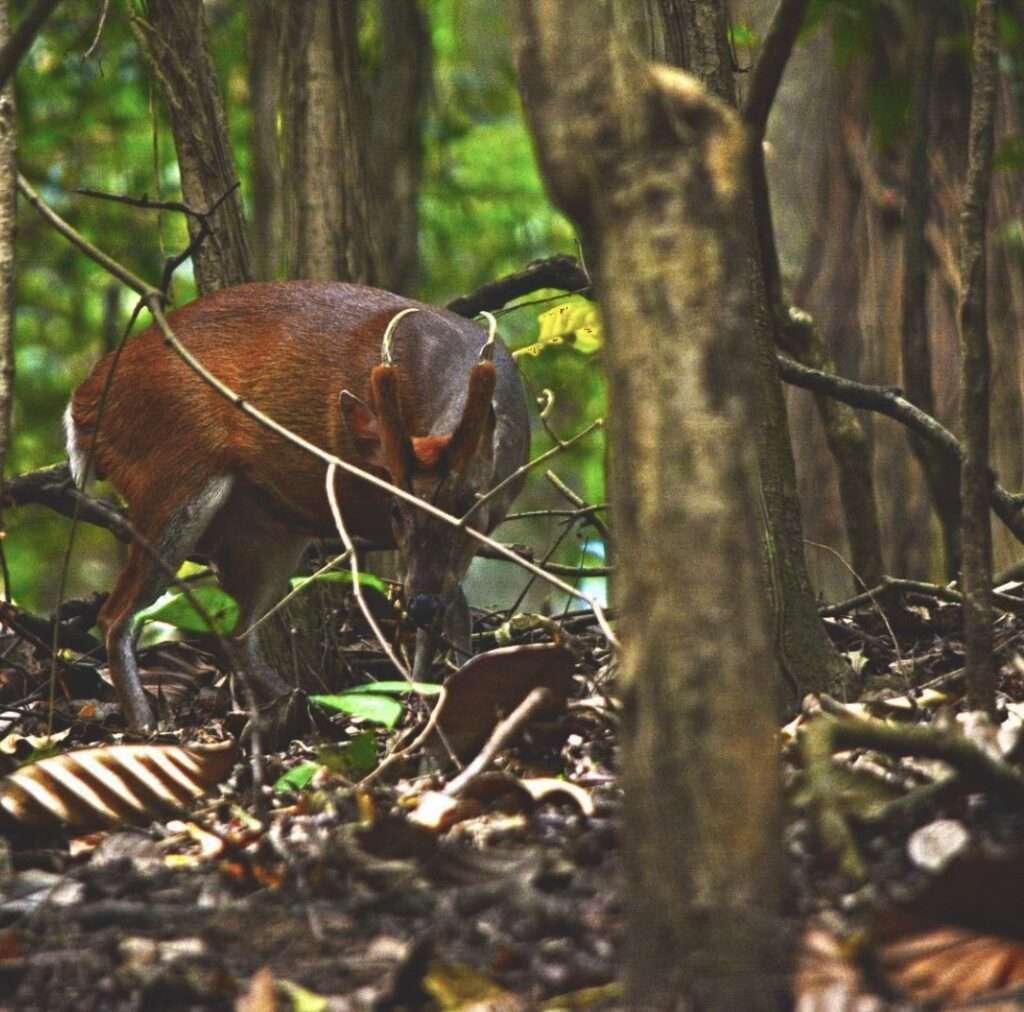
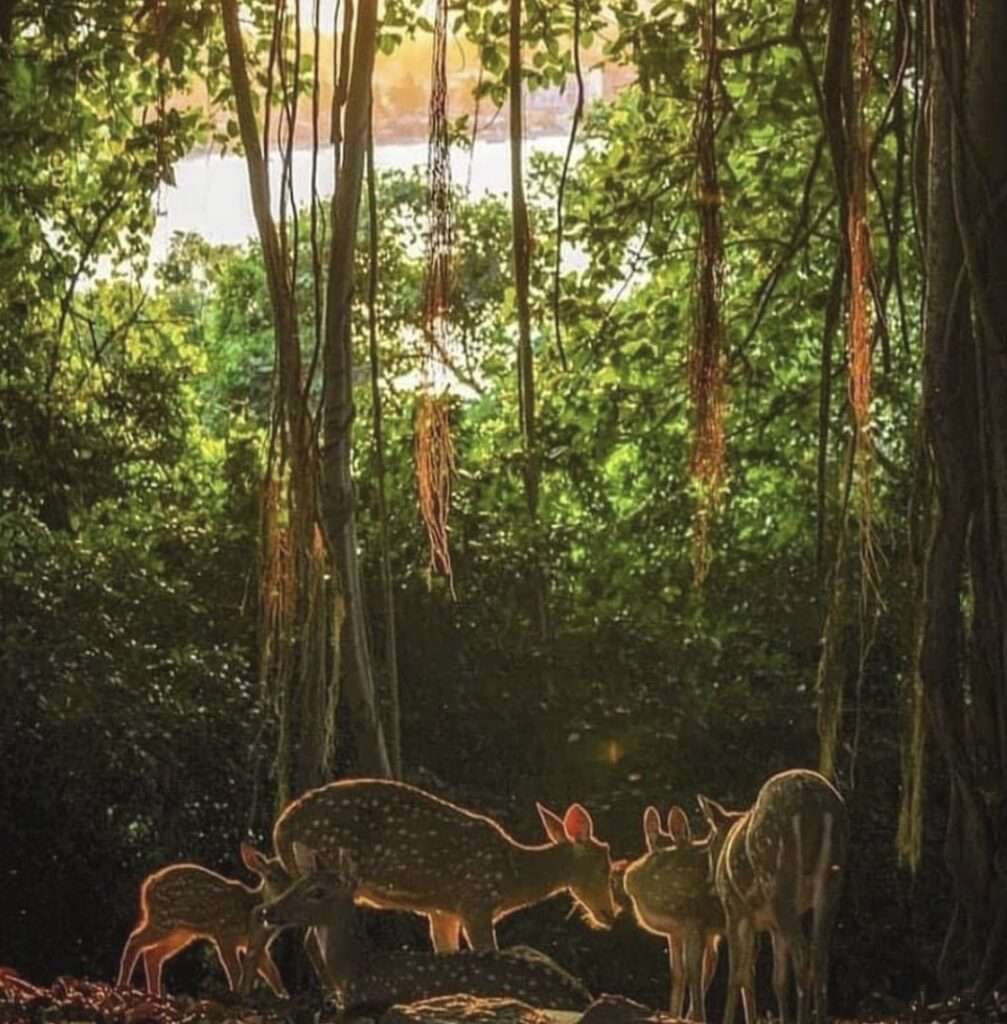
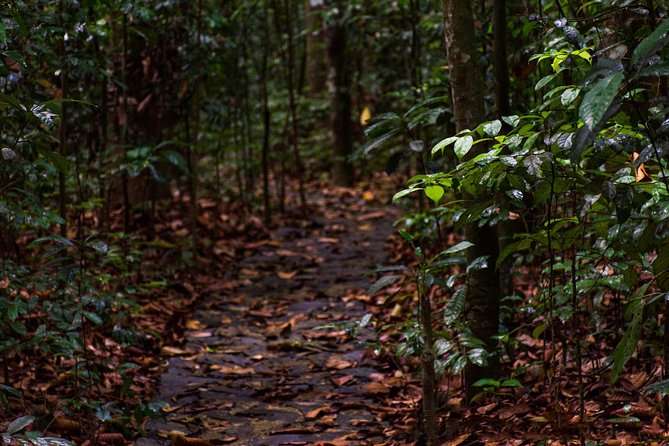
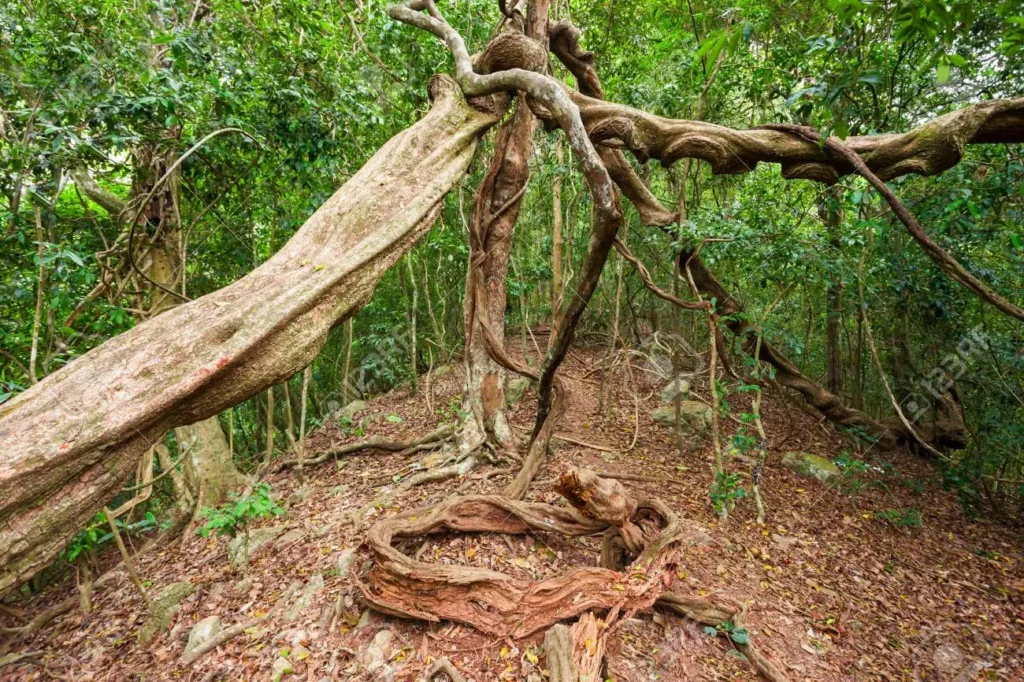
The sanctuary spans approximately 257 acres, encompassing a diverse range of flora and fauna. Towering tropical trees, vibrant orchids, and endemic plants paint a lush green canvas, providing a sanctuary for various wildlife species. Among the most notable inhabitants are colorful birds, elusive monkeys, and even occasional leopards, making it a paradise for nature enthusiasts and wildlife photographers.

3. Exploring the Trails

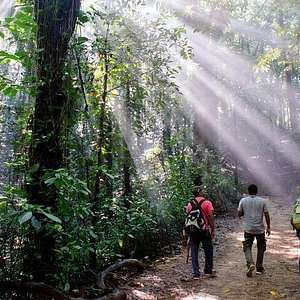
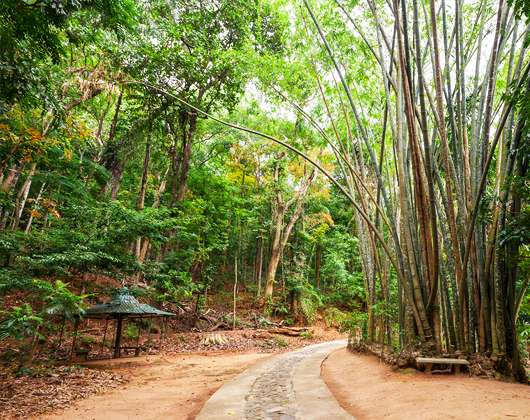
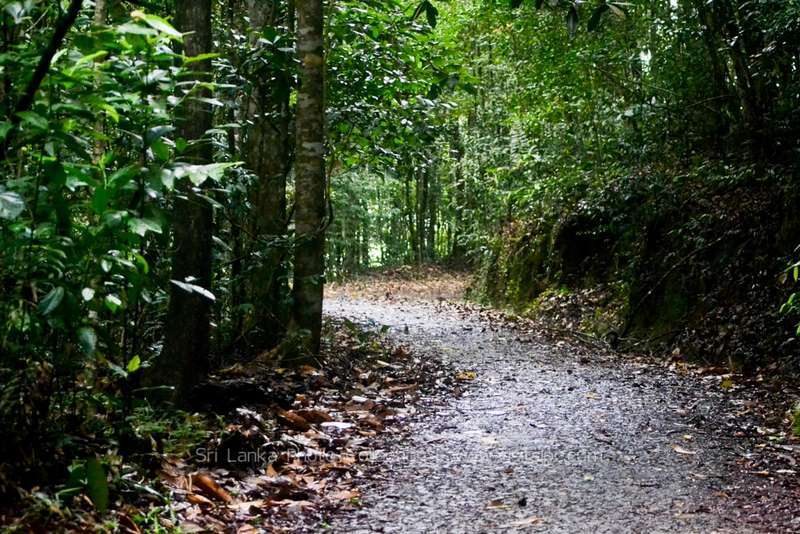
Udawatta Kele Sanctuary boasts a network of well-maintained trails that wind through the forested landscape. The trails cater to all levels of hikers, from easy walks to more challenging treks. Each trail leads to scenic viewpoints, ancient ruins, and natural ponds, allowing visitors to immerse themselves in the unspoiled beauty of the sanctuary.

4. Cultural and Historical Sites

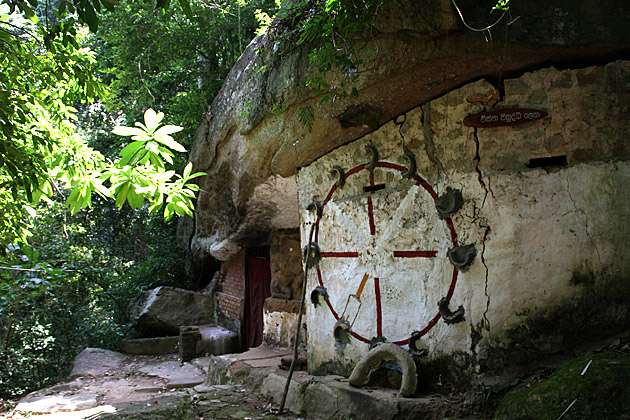
Amidst the verdant greenery, Udawatta Kele conceals several ancient cultural and historical sites. The Nilkambo Oruwa (Silver Temple Boat) is a captivating sight, featuring a stone boat-shaped structure that was once used for religious rituals. The Senkada Cave Temple, adorned with intricate murals and Buddha statues, is another treasure hidden within the sanctuary.

5. Conservation and Sustainability

Preserving the ecological balance of Udawatta Kele Sanctuary is of utmost importance. Local authorities and conservationists have undertaken significant efforts to protect and nurture the diverse ecosystem within its boundaries. Eco-friendly initiatives, such as waste management and sustainable tourism practices, contribute to the long-term preservation of this natural wonder.

6. A Picturesque Picnic Spot

For visitors seeking relaxation and tranquility, Udawatta Kele Sanctuary offers an ideal spot for picnics. The serene ambiance, fresh air, and the soothing sounds of nature create an unforgettable setting for a peaceful day with loved ones.

7. Best Time to Visit

The best time to explore Udawatta Kele Sanctuary is during the dry season, which runs from December to April. During this period, the weather is pleasant, and the chances of spotting wildlife are higher as they gather around the water sources.

8. Nearby Attractions

Kandy, the bustling city that surrounds the sanctuary, offers various other attractions for visitors. The Temple of the Sacred Tooth Relic, Kandy Lake, and the Royal Botanical Gardens in Peradeniya are just a few places that you can explore during your trip to this region.

9. Conclusion

In conclusion, Udawatta Kele Sanctuary in Kandy is a hidden gem waiting to be discovered. Its lush greenery, diverse wildlife, and cultural treasures make it a remarkable destination for nature lovers, history enthusiasts, and anyone seeking an enriching experience. By embracing sustainable practices and preserving its natural beauty, this sanctuary continues to captivate the hearts of all who venture into its embrace.

FAQs

1. Can I spot leopards within the sanctuary? While leopards are occasionally sighted in Udawatta Kele, they are elusive creatures and not commonly seen.

2. Are the trails suitable for families with young children? Yes, the sanctuary offers trails of varying difficulty levels, making it suitable for families with young children.

3. Is there an entrance fee to visit Udawatta Kele Sanctuary? Yes, there is a nominal entrance fee for visitors, and the proceeds go towards conservation efforts.

4. Are guided tours available within the sanctuary? Yes, guided tours are available, and they provide valuable insights into the sanctuary’s history and biodiversity.

5. Can I bring my own food for a picnic in the sanctuary? Yes, visitors are welcome to bring their own food for a delightful picnic amidst nature’s splendor.


SHARE

The Kanneliya Rainforest – Biodiversity Hotspot in Sri Lanka

SHARE

Table of Contents

  1. Introduction
  2. The Biodiversity of Kanneliya Rainforest
  3. Importance of Kanneliya Rainforest
  4. Flora and Fauna in Kanneliya Rainforest
  5. Threats and Conservation Efforts
  6. Exploring Kanneliya Rainforest: Eco-Tourism Opportunities
  7. Unique Features of Kanneliya Rainforest
  8. The Kanneliya Rainforest Canopy Walk
  9. Best Time to Visit Kanneliya Rainforest
  10. How to Reach Kanneliya Rainforest
  11. Tips for a Memorable Visit
  12. Accommodation Options Near Kanneliya Rainforest
  13. Experiencing Wildlife in Kanneliya Rainforest
  14. Kanneliya Rainforest and Traditional Medicine
  15. Conclusion
  16. FAQs

Introduction

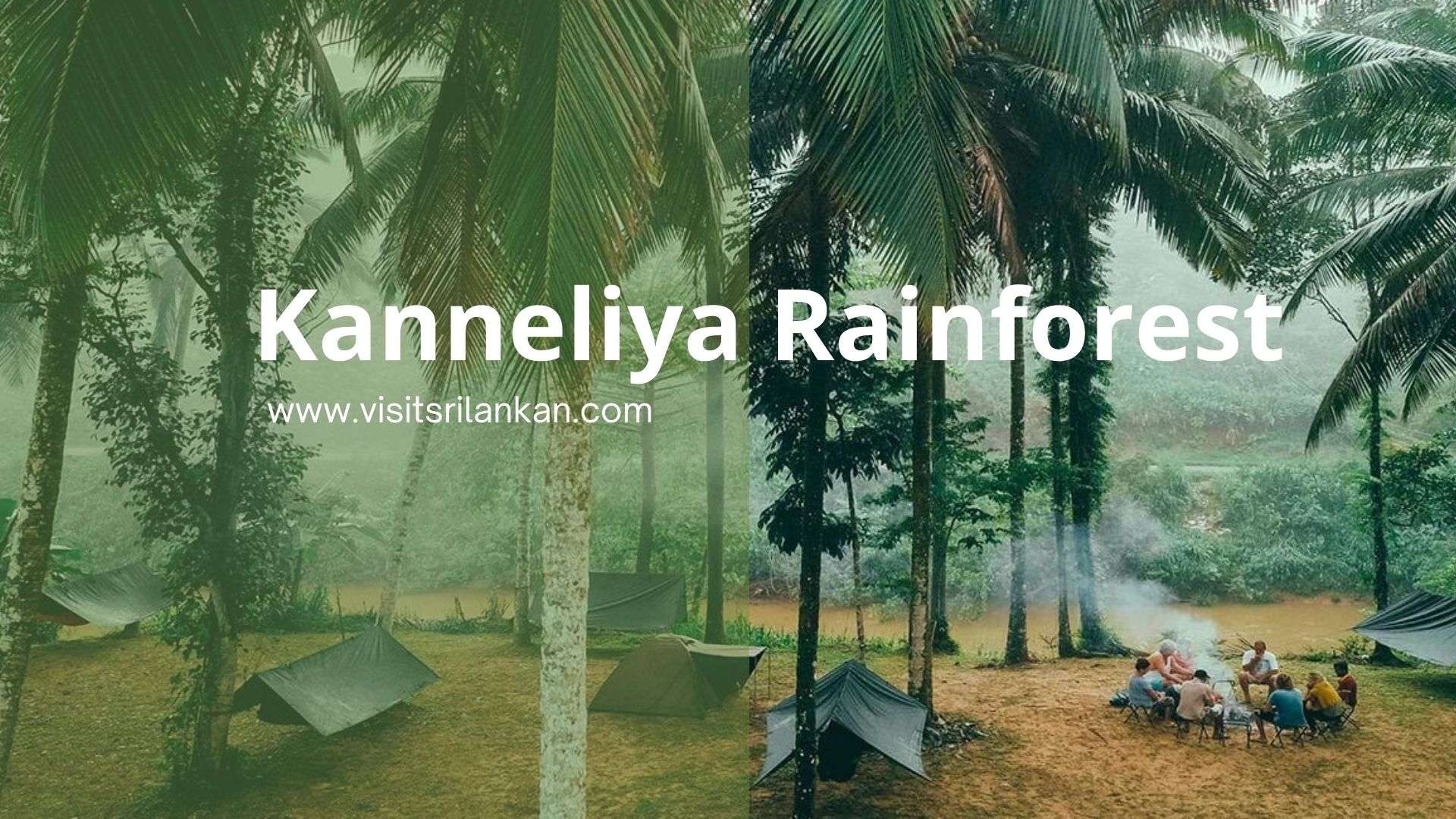
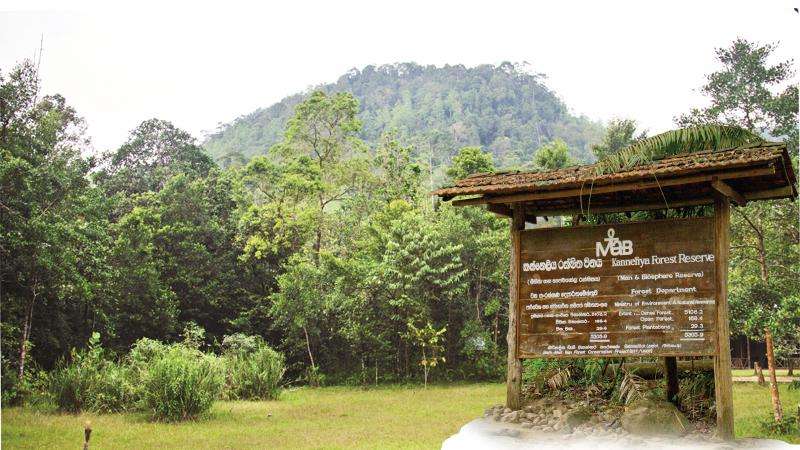
Nestled in the lush landscape of southern Sri Lanka, Kanneliya Rainforest stands as a testament to the island’s rich biodiversity. This pristine rainforest, often referred to as a hidden gem, is teeming with a wide array of flora and fauna, making it a paradise for nature enthusiasts, researchers, and eco-tourists alike. In this article, we will delve into the wonders of Kanneliya Rainforest, exploring its ecological significance, unique features, conservation efforts, and the captivating experiences it offers.

The Biodiversity of Kanneliya Rainforest

Kanneliya Rainforest, part of the larger Kanneliya-Dediyagala-Nakiyadeniya (KDN) forest complex, is renowned for its incredible biodiversity. With its roots dating back over 120 million years, this rainforest has evolved into a haven for a myriad of plant and animal species, some of which are endemic to Sri Lanka. The unique geographical location and favorable climatic conditions have fostered the growth of diverse ecosystems, making Kanneliya a hotspot for researchers seeking to unravel the secrets of its ancient origins.

Importance of Kanneliya Rainforest

Beyond its ecological significance, Kanneliya Rainforest plays a crucial role in maintaining the ecological balance of the region. The forest acts as a natural barrier, protecting nearby villages and towns from soil erosion, floods, and other natural calamities. Additionally, Kanneliya serves as a carbon sink, absorbing vast amounts of carbon dioxide, which contributes to mitigating the effects of climate change.

Flora and Fauna in Kanneliya Rainforest

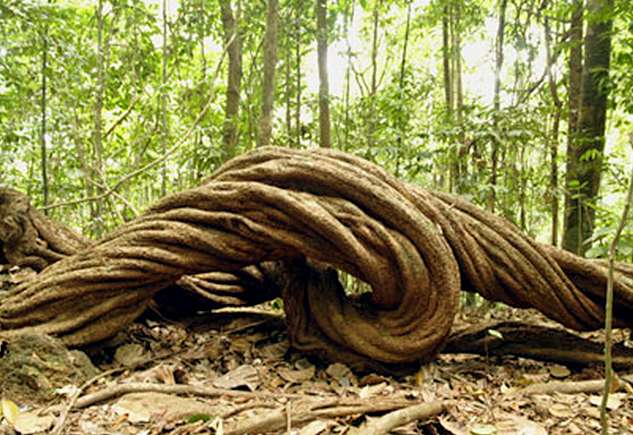
Venturing into Kanneliya Rainforest reveals a breathtaking display of plant life, including towering trees, exotic orchids, and rare medicinal herbs. The forest canopy, alive with the symphony of bird calls and the chirping of insects, shelters an array of wildlife species. Elephants, leopards, and various monkey species roam freely in their natural habitat, while colorful butterflies and endemic bird species flit gracefully through the treetops.

Threats and Conservation Efforts

Despite its ecological importance, Kanneliya Rainforest faces various threats, primarily from human activities. Illegal logging, encroachment, and habitat destruction pose significant challenges to the delicate ecosystem. However, numerous conservation initiatives led by governmental and non-governmental organizations strive to protect and preserve this natural wonder. Community-based conservation projects have also played a vital role in creating awareness and involving local communities in safeguarding their precious heritage.

Exploring Kanneliya Rainforest: Eco-Tourism Opportunities

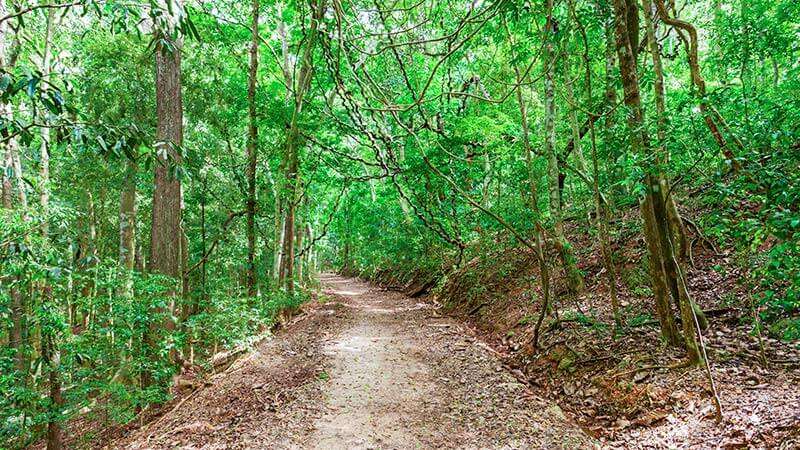
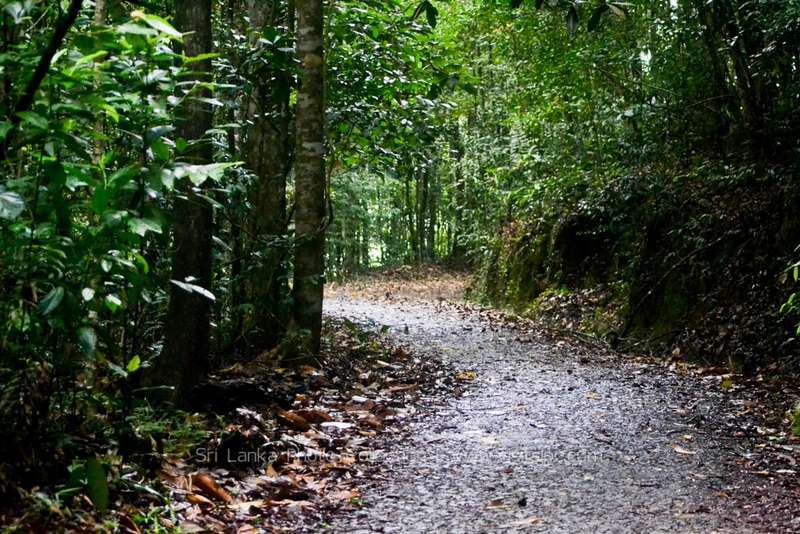
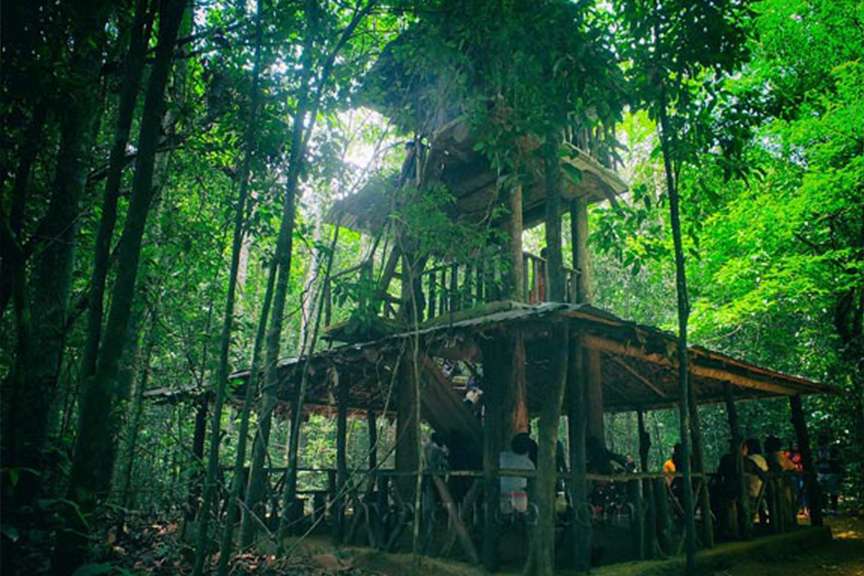
For the intrepid traveler seeking an unforgettable experience, Kanneliya Rainforest offers a range of eco-tourism opportunities. Guided nature walks, birdwatching excursions, and wildlife safaris provide visitors with a chance to immerse themselves in the wonders of the rainforest. The famed canopy walk allows one to walk amidst the treetops, offering a unique perspective of the forest’s intricate ecosystem.

Unique Features of Kanneliya Rainforest

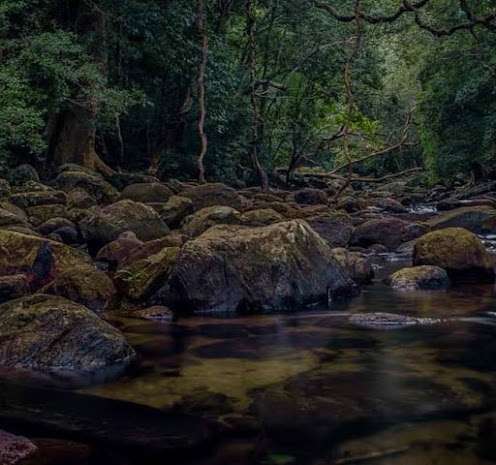
Kanneliya Rainforest distinguishes itself with its striking characteristics. One notable feature is its abundance of natural streams and cascading waterfalls, providing a refreshing respite for both wildlife and visitors. The forest’s dense vegetation and well-preserved landscapes evoke a sense of timelessness, transporting visitors to a prehistoric era.

The Kanneliya Rainforest Canopy Walk

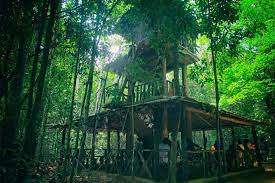
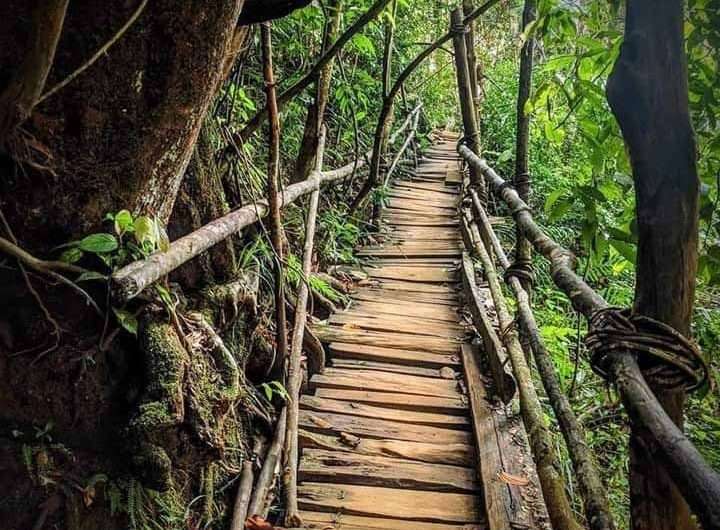
Among the highlights of visiting Kanneliya Rainforest is the awe-inspiring canopy walk. This suspended walkway, constructed with minimal impact on the environment, allows visitors to walk at canopy level. As one navigates the walkway, they are treated to panoramic views of the forest’s flora and fauna, offering an unforgettable experience of being one with nature.

Best Time to Visit Kanneliya Rainforest

To make the most of a visit to Kanneliya Rainforest, it is essential to choose the right time of the year. The dry season, from December to April, offers optimal conditions for exploration, with lower chances of rainfall and more opportunities to spot wildlife. However, the rainy season, from May to November, brings out the vibrant beauty of the rainforest, with lush foliage and glistening streams.

How to Reach Kanneliya Rainforest

Kanneliya Rainforest is accessible from several major cities in Sri Lanka. The most convenient way to reach the forest is by taking a scenic drive from Galle or Colombo. Alternatively, public transportation options, such as buses and trains, provide an authentic local experience for those seeking adventure.

Tips for a Memorable Visit

For a memorable and safe visit to Kanneliya Rainforest, it’s essential to adhere to certain guidelines. Respect the natural environment by not leaving behind any waste and maintaining a low impact on the surroundings. Follow the instructions of knowledgeable guides during nature walks and safaris to ensure a rewarding and educational experience.

Accommodation Options Near Kanneliya Rainforest

While Kanneliya Rainforest itself offers limited accommodation facilities, several eco-lodges and resorts are available in the nearby towns. These establishments blend seamlessly with the natural surroundings, providing a tranquil retreat after a day of exploration.

Experiencing Wildlife in Kanneliya Rainforest

For wildlife enthusiasts, Kanneliya Rainforest offers a plethora of opportunities to witness animals in their natural habitat. Patient observation from safe distances often rewards visitors with sightings of elephants, leopards, and a diverse range of bird species. It is essential, however, to maintain a respectful distance and refrain from disturbing the wildlife.

Kanneliya Rainforest and Traditional Medicine

The rich biodiversity of Kanneliya Rainforest has long been intertwined with traditional medicine practices in Sri Lanka. Many plants found in the rainforest possess medicinal properties, and local communities have utilized these resources for generations. However, it is essential to balance the need for traditional knowledge with sustainable harvesting practices to protect the forest’s delicate ecosystem.
Conclusion

Kanneliya Rainforest stands as a beacon of ecological wonder in Sri Lanka, beckoning nature enthusiasts and curious travelers to explore its hidden treasures. With its remarkable biodiversity, unique features, and conservation efforts, the rainforest leaves an indelible mark on every visitor. By fostering sustainable tourism and conservation, we can ensure that this natural paradise thrives for generations to come.
FAQs

  1. Is Kanneliya Rainforest suitable for family visits?
    • Yes, Kanneliya Rainforest is family-friendly, offering nature walks and experiences suitable for all ages.
  2. Are there guided tours available in Kanneliya Rainforest?
    • Absolutely, the forest offers guided tours conducted by knowledgeable experts who provide valuable insights into its ecosystems.
  3. What should I wear during a visit to Kanneliya Rainforest?
    • Wear comfortable clothing and sturdy shoes suitable for walking on uneven terrain.
  4. Is photography allowed in the rainforest?
    • Yes, photography is permitted, but avoid using flash to not disturb the wildlife.
  5. Can I visit Kanneliya Rainforest during the rainy season?
    • Yes, visiting during the rainy season offers a unique and lush experience, but be prepared for occasional showers.

SHARE
Verified by MonsterInsights