Proven Graduate Recruitment for Sri Lanka Teachers’ Service 2026

visit srilankan.com
SHARE

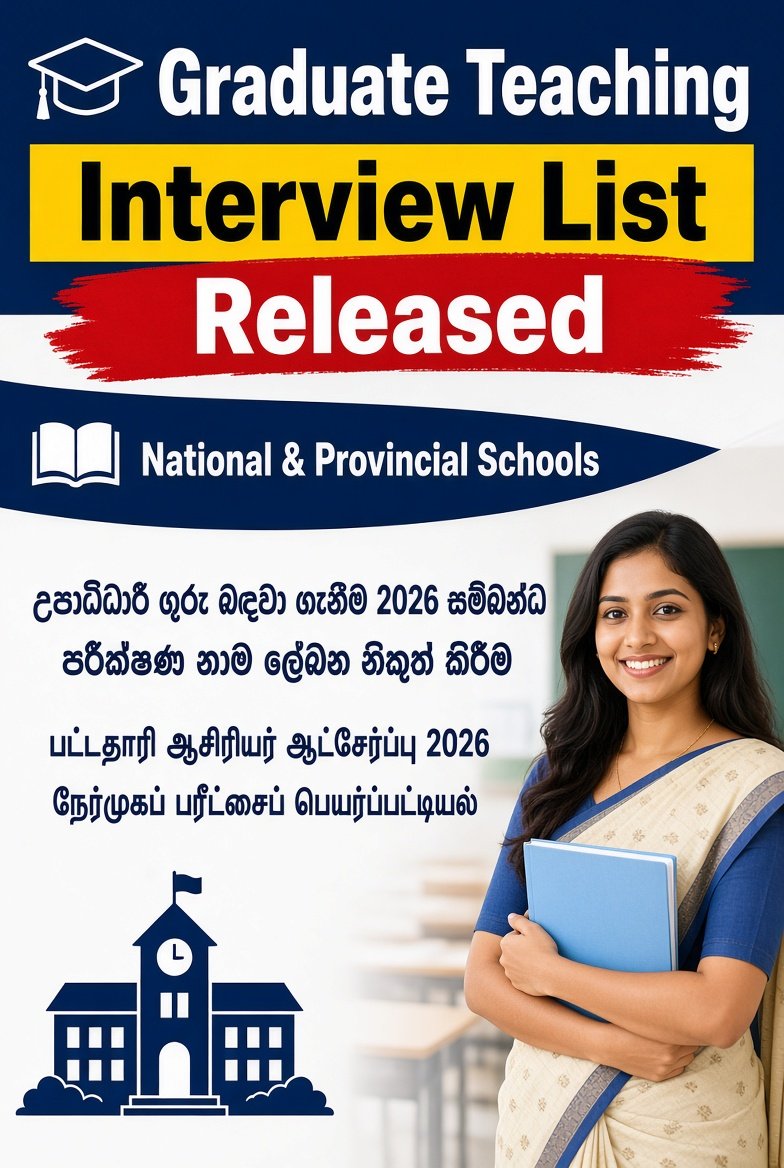
Graduate Teacher Recruitment 2026 – Full Provincial Interview Candidate Lists

The Ministry of Education, Sri Lanka, has provided province-wise links for the Graduate Teacher Recruitment Interview 2026. Candidates can visit the relevant provincial pages below to check the available interview candidate lists and related announcements.

Province-Wise Interview Candidate Lists

  1. Central Province – View Candidate List
  2. Eastern Province – View Candidate List
  3. North Central Province – View Candidate List
  4. Northern Province – View Candidate List
  5. North Western Province – View Candidate List
  6. Sabaragamuwa Province – View Candidate List
  7. Southern Province – View Candidate List
  8. Uva Province – View Candidate List
  9. Western Province – View Candidate List

Important Notice for Candidates

  • Select your relevant province from the list above.
  • Check the official Ministry of Education website for interview notices, candidate lists, dates, and further instructions.
  • Read the official announcements carefully and follow the instructions provided by the relevant authorities.
  • The lists and interview details may be updated. Please check the official website regularly for the latest information.

Official Website: Ministry of Education, Sri Lanka

SRI LANKA GRADUATE TEACHER RECRUITMENT 2026

The Ministry of Education, Higher Education and Vocational Education of Sri Lanka has announced the recruitment of graduates to the Sri Lanka Teachers’ Service in 2026 as part of the SRI LANKA GRADUATE TEACHER RECRUITMENT 2026 initiative to fill teacher vacancies in response to rising demand across the education system.

Vacancies cover Sinhala, Tamil and English mediums, and apply to both national and provincial schools, ensuring equal access nationwide. The program aims to attract graduates with diverse backgrounds who are prepared to teach core subjects and support student achievement across multiple regions.

The recruitment process is guided by Government Gazette notifications. In this system, a degree alone does not guarantee a teaching appointment. Applicants must meet prescribed educational and other eligibility requirements and complete selection stages for SRI LANKA GRADUATE TEACHER RECRUITMENT 2026.

According to the Gazette dated 2 February 2026, the recruitment process for graduates who are not currently employed in the public service includes a written competitive examination, a general interview and a practical test. Final selection depends on the applicable rules, available vacancies and the marks obtained at the relevant stages.

1. Who is conducting the recruitment?

The recruitment is conducted under the Ministry of Education, Higher Education and Vocational Education.

Additionally, the examination is administered by the Department of Examinations, with procedures for SRI LANKA GRADUATE TEACHER RECRUITMENT 2026.

The appointments are intended to fill specified vacancies in:

  • National schools.
  • Provincial schools.
  • Sinhala-medium teaching posts.
  • Tamil-medium teaching posts.
  • English-medium teaching posts.

Recruitment is carried out only for the subjects and vacancies specified in the relevant Gazette.

2. What are the stages of selection?

For the open recruitment category covered by Gazette No. 2474/19, the selection process consists of the following main stages.

Stage 1: Written competitive examination

Eligible applicants must sit the written competitive examination conducted by the Commissioner General of Examinations.

Candidates must obtain at least 40 marks for each question paper to qualify for consideration for the general interview.

Meeting the minimum marks requirement does not automatically guarantee an interview. Candidates are considered according to their total examination marks and the number of vacancies available.

Stage 2: General interview

Candidates are shortlisted for the general interview according to their written examination merit order.

The Gazette states that up to twice the number of existing vacancies will be called for the general interview from candidates who meet the minimum marks requirement for each paper.

For example, if 100 vacancies are available in a particular recruitment category, the relevant authorities may call up to 200 eligible candidates for the general interview, subject to the Gazette’s selection rules.

During the interview, the authorities verify whether candidates meet the prescribed eligibility requirements. Applicants who do not fulfil the required qualifications may be rejected.

Candidates should therefore prepare their original certificates and supporting documents, including their degree certificates, academic transcripts and other documents required by the interview notice.

Stage 3: Practical test

Candidates who qualify at the general interview must face the practical test prescribed by the recruitment notification.

The marks obtained at this stage are forwarded to the Department of Examinations by the Ministry of Education or the relevant Provincial Public Service Commission.

The practical test is an important stage because recruitment is made according to the marks obtained in this test, subject to the applicable eligibility and vacancy rules.

Applicants should carefully read the instructions issued for their subject and prepare according to the relevant practical-test requirements. The exact assessment arrangements should be confirmed through official instructions rather than assumed to be identical for every subject.

Stage 4: Selection according to practical-test marks

According to the Gazette, recruitment is conducted on a school-based system.

Candidates are selected according to the priority order of marks obtained in the practical test, taking into account:

  • The subject applied for.
  • The language medium.
  • The type of school.
  • The number of available vacancies.
  • The applicable school-placement and eligibility rules.

Therefore, candidates should not assume that passing the written examination or attending the interview means they will automatically receive an appointment.

Stage 5: School preference and placement

The relevant vacancy list is displayed to applicants at the time of the practical test. Candidates must indicate their preferences among the schools with vacancies.

However, obtaining a preferred school is not guaranteed. Placement depends on the applicable selection rules, marks and vacancies.

Where candidates seeking the same school receive equal marks, the relevant Ministry Secretary or Provincial Public Service Commission determines the placement in accordance with the Gazette.

3. Educational qualifications

Applicants must satisfy the educational requirements stated in the applicable Gazette and the Sri Lanka Teachers’ Service Minute.

For the open recruitment category in Gazette No. 2474/19, the main requirements include:

  • A degree from a university recognised by the University Grants Commission or a recognised degree-awarding institution.
  • Completion of the required subject content relevant to the teaching subject applied for.
  • Compliance with the specific degree and subject requirements listed in the Gazette.
  • Having passed Sinhala or Tamil as a subject at the G.C.E. Ordinary Level examination, or an examination recognised as equivalent under the notification.

The Gazette specifies that the degree qualifications and relevant conditions must have been fulfilled by 30 June 2025 for this recruitment category.

Why is the degree subject important?

Applicants cannot necessarily select any teaching subject simply because they hold a bachelor’s degree.

The authorities examine the main subject or subjects studied and the relevant credit content of the degree. In the applicable notification, at least one-third of the total subject content must relate to the subject applied for, subject to the specific qualification requirements for that subject.

Where the transcript does not show the relevant subject content or credit details, additional verification from the university may be required.

Candidates should consult the subject-qualification schedule in the Gazette before deciding which teaching post to apply for.

4. Which subjects are covered?

The Gazette includes a range of teaching subjects, depending on the prescribed qualifications and vacancies.

Examples include:

  • Chemistry, Physics and Biology.
  • Mathematics and related subjects.
  • Engineering Technology and Information and Communication Technology.
  • Accounting, Business Studies and Economics.
  • Geography, History and Political Science.
  • Sinhala, Tamil and English.
  • Arabic and other foreign languages.
  • Religious and civilisation-related subjects.
  • Art, music, dancing and performing arts.
  • Physical Education and Sport.
  • Other subjects specified in the official vacancy schedule.

This is an indicative list, not confirmation that vacancies exist in every subject or language medium. The official Gazette’s subject and vacancy schedules must be checked before drawing conclusions about available posts.

5. National schools and provincial schools

Candidates can apply for national schools, provincial schools, or both, as permitted by the relevant notification.

For the open recruitment category, the Gazette sets out separate recruitment arrangements for national and provincial schools.

Applicants selecting provincial schools are considered according to the permanent-residence rules stated in the notification. For this particular Gazette, the province recorded in the 2025 electoral register is used to determine permanent residence.

Applicants may also indicate an additional province under the conditions specified in the Gazette. Consideration for that province depends on the absence of relevant vacancies in the applicable category and the availability of vacancies after eligible permanent residents have been considered.

There is also a specific restriction for applicants who are not permanent residents of the Eastern Province: the Gazette limits their applications for Eastern Province posts to subjects including Science, Mathematics, English, Information Technology, the Technology Stream and Counselling.

Candidates should read these provisions carefully before choosing their school category or province.

6. Can a selected teacher request a transfer?

The open recruitment Gazette provides that candidates recruited under this school-based system will not be granted transfers under any circumstances until they complete five years.

This is an important condition for applicants who hope to work near their home or in a particular district.

Before accepting an appointment, candidates should understand the school-based placement rules and consider whether they can serve at the assigned school for the required period.

7. Salary and service conditions

The Gazette specifies the applicable salary scale under the relevant government salary provisions.

For the open recruitment category covered by Gazette No. 2474/19, the stated scale is:

Rs. 53,060 – Rs. 66,600 per month, with the appointment placed at the specified salary step of Rs. 64,440 for the relevant Grade I(a) entry arrangement under Class 3 of the Sri Lanka Teachers’ Service.

Other government allowances may be payable in accordance with the applicable rules.

The Gazette also states that:

  • The post is permanent and pensionable.
  • Appointees are subject to a three-year probation period.
  • The first Efficiency Bar Examination must be passed within the specified three-year period.
  • Official-language proficiency requirements apply.
  • Appointments are subject to the Sri Lanka Teachers’ Service Minute and other applicable public-service rules.

The figures and conditions above relate to the specific open recruitment notification. Applicants should check the applicable Gazette and subsequent official instructions before relying on them for an appointment.

8. What documents should candidates prepare?

Applicants should follow the exact checklist in their interview and practical-test notices. Depending on the applicable requirements, they may need:

  • National Identity Card or other accepted identification.
  • Printed application form.
  • Degree certificate.
  • Official academic transcript.
  • Documents verifying subject content or credits, if required.
  • G.C.E. Ordinary Level and other relevant examination certificates.
  • Birth certificate or other personal records, if requested.
  • Documents supporting eligibility under any special provision.
  • Any other original or certified documents specified in the official notice.

For the open recruitment category, the Gazette instructs applicants to download the submitted application, have their signature attested by a Justice of the Peace and produce it at the interview.

Candidates should not rely solely on photocopies if originals are requested. The interview notice takes precedence regarding the documents to bring.

9. How can candidates check the results and interview lists?

Candidates should use the official websites of the relevant authorities to check announcements, interview lists, practical-test instructions and appointment information.

Official websites:

The Ministry’s website is particularly important because the Gazette specifies that the list of candidates eligible for the general interview will be published there.

Candidates should check the official announcements regularly and verify their examination details carefully. They should not treat an unofficial social-media post or forwarded message as confirmation of selection.

10. Important points candidates must remember

  1. Passing the written examination does not guarantee an appointment.
  2. Candidates must obtain the prescribed minimum marks for each question paper.
  3. The general interview includes verification of eligibility.
  4. Candidates who qualify for the practical test are assessed according to the applicable arrangements.
  5. Final recruitment depends on practical-test merit, relevant vacancies and the official selection rules.
  6. School and province preferences do not guarantee placement at a preferred location.
  7. The five-year transfer restriction applies to the school-based recruitment covered by the open Gazette.
  8. Applicants must follow the instructions in the specific Gazette under which they applied.
  9. Candidates should check the Ministry of Education website for official interview and result announcements.

Frequently Asked Questions

1. Is a written examination required for graduate teacher recruitment in 2026?

Yes. For the open recruitment category covered by Gazette No. 2474/19, a written competitive examination is required.

2. What is the minimum mark required to qualify for the interview?

Candidates must obtain at least 40 marks for each question paper. The number called for the general interview is determined according to the merit order and the relevant vacancies.

3. Will everyone who passes the examination receive an interview?

No. Candidates must meet the minimum marks requirement and be within the number shortlisted according to the merit order and available vacancies.

4. Is the general interview the final selection stage?

No. Candidates who qualify at the general interview must also complete the prescribed practical test. Recruitment is based on the applicable selection rules and practical-test merit.

5. Can applicants choose their preferred school?

Candidates can indicate preferences from the vacancy list made available at the practical test. Final placement is subject to merit, vacancies and the applicable rules.

6. Can a newly appointed teacher transfer to another school immediately?

Under the open recruitment Gazette, transfers are not permitted until completion of five years under the specified school-based system.

7. Where can applicants check the interview list?

Candidates should check the official Ministry of Education website at https://moe.gov.lk/ and follow announcements relevant to their recruitment category.

8. Are the application dates still open?

The application period stated in Gazette No. 2474/19 was from 20 February 2026 at 9.00 a.m. until 5 March 2026 at 9.00 p.m. That application window has closed. Candidates should check the Ministry’s website for subsequent interview, examination-result or appointment announcements.

Conclusion

The 2026 recruitment of graduates to the Sri Lanka Teachers’ Service follows a structured selection process intended to fill specified teaching vacancies in national and provincial schools.

For the open recruitment category, the process includes a written competitive examination, a general interview and a practical test, followed by school-based selection according to practical-test merit and the applicable vacancy rules.

Graduates who applied should regularly check official announcements, prepare the required documents and carefully follow the instructions issued by the Ministry of Education and the relevant authorities. The applicable Gazette remains the primary reference for eligibility, selection and appointment conditions.

Official reference: Gazette Extraordinary No. 2474/19, dated 2 February 2026, Competitive Examination for the Recruitment of Graduates to the Sri Lanka Teachers’ Service for Sinhala, Tamil and English Medium Teacher Vacancies in National and Provincial Schools of the Island – 2026.
SHARE
visitsrilankan.com
SHARE

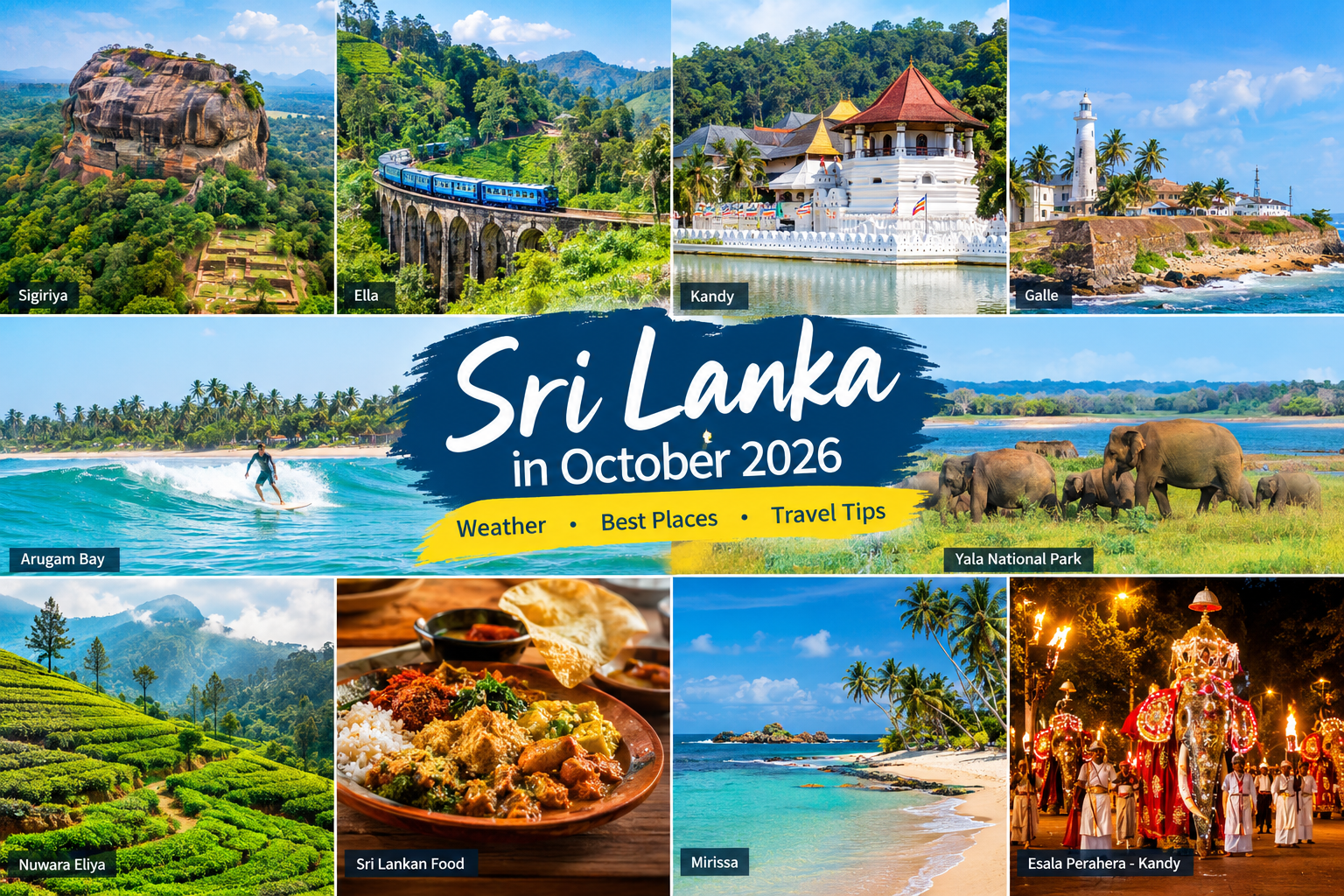
Sri Lanka in October 2026: Weather, Best Places to Visit and Essential Travel Tips

Planning a holiday to Sri Lanka in October 2026 can be rewarding.

Discover the island’s beaches, misty mountains, ancient cities, wildlife parks and cultural attractions.

October is a transition month between monsoon seasons, while rainfall varies by region.

Plan your itinerary around the weather to make the most of the trip.

From the golden beaches of the east coast to the green tea plantations of the hill country, Sri Lanka offers a remarkable variety of experiences. Whether you are travelling as a couple, with family or on a solo adventure, this guide will help you plan a more enjoyable and informed journey.

Is October a Good Time to Visit Sri Lanka?

October can be a rewarding month to visit Sri Lanka, particularly for travellers who are flexible with their plans. The island has a tropical climate, and weather conditions can change considerably between coastal areas, the central highlands and the dry zone.

October falls within the second inter-monsoon period, when showers and thunderstorms can occur across many parts of the island. Some days may offer sunshine and clear skies, while others may bring prolonged rain.

The best approach is to choose destinations according to current weather conditions rather than relying on a fixed seasonal itinerary.

Moreover, why consider visiting Sri Lanka in October 2026?

  • Explore Sri Lanka’s ancient heritage and cultural landmarks.
  • Enjoy scenic drives through tea-growing regions when conditions permit.
  • Discover wildlife and nature experiences with appropriate local guidance.
  • Experience Sri Lankan food, village life and cultural traditions.
  • Build a flexible itinerary that can be adjusted according to the forecast.

Important weather update: Sri Lanka’s Department of Meteorology forecast showers or thundershowers in most parts of the island for 13 October 2026. Heavy rainfall of around 100–150 mm was possible in some locations in the Central, Sabaragamuwa, Uva and Southern provinces. Travellers should check the latest official forecast before setting out. Conditions may change after this forecast was issued.
Best Places to Visit in Sri Lanka in October

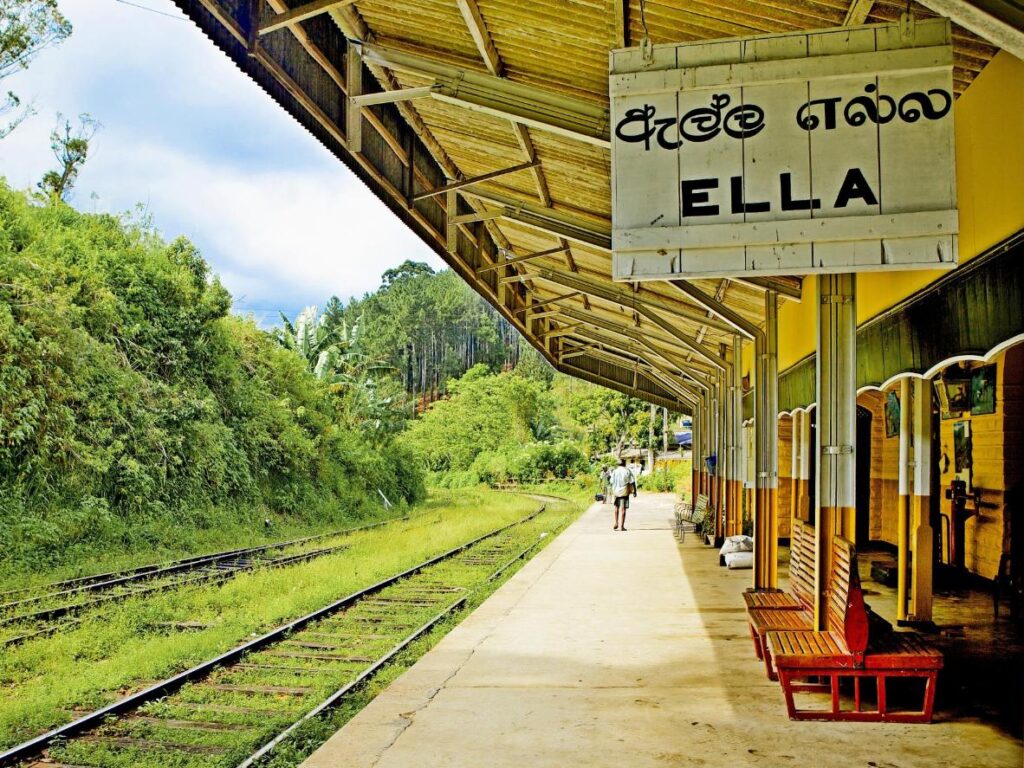
1. Ella – Mountains, Tea Plantations and Scenic Views

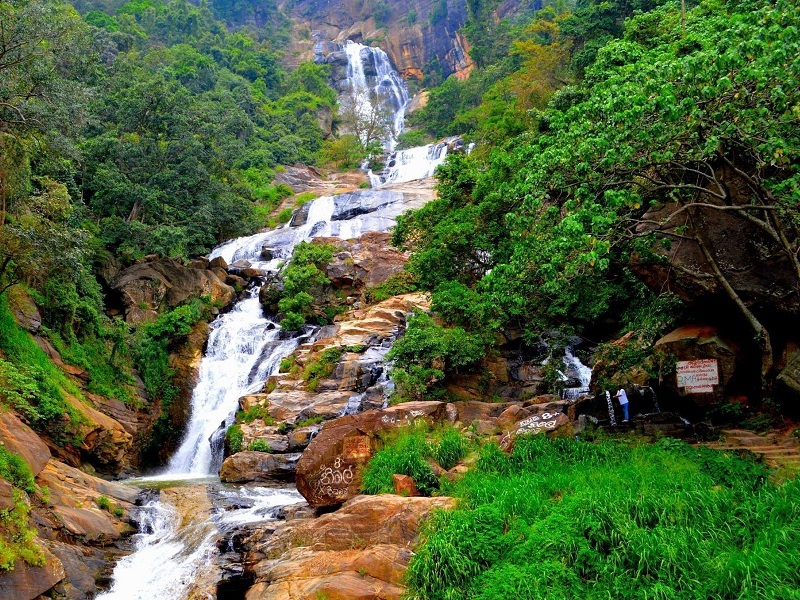
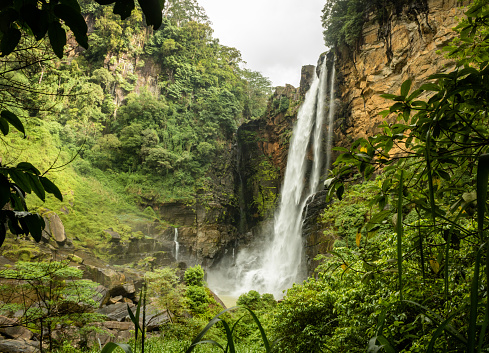
Ella is one of Sri Lanka’s best-known hill-country destinations, attracting visitors with its green landscapes, tea plantations and spectacular mountain scenery.

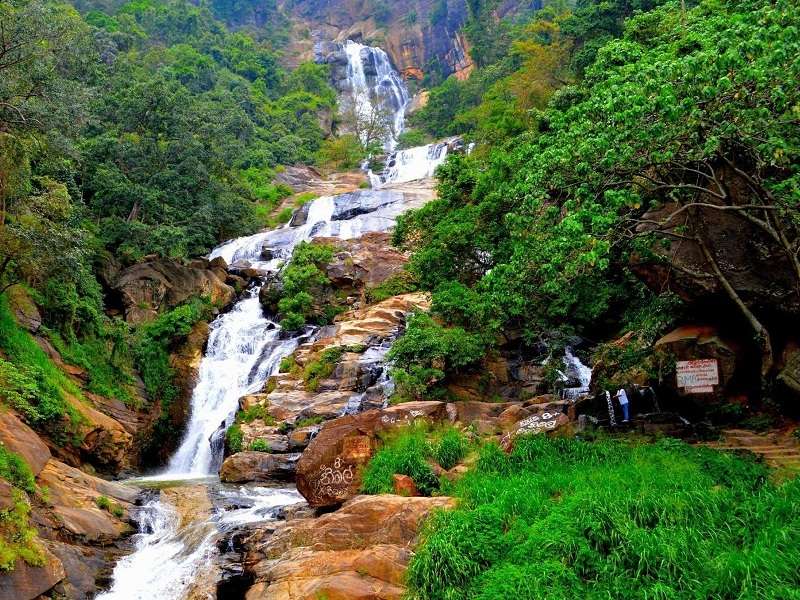
Popular attractions include Nine Arch Bridge, Little Adam’s Peak and Ravana Falls. On clear days, visitors can enjoy impressive views across the surrounding hills.

October’s mist and rainfall can create beautiful scenery, but heavy rain may make hiking trails slippery and affect road travel. Check local conditions before planning walks or visiting waterfalls.

Best for: Nature lovers, couples, photographers and mountain enthusiasts.

2. Sigiriya – Ancient History and Iconic Landscapes

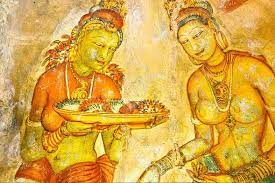
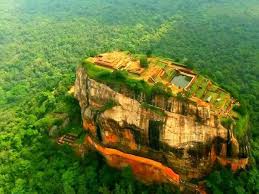
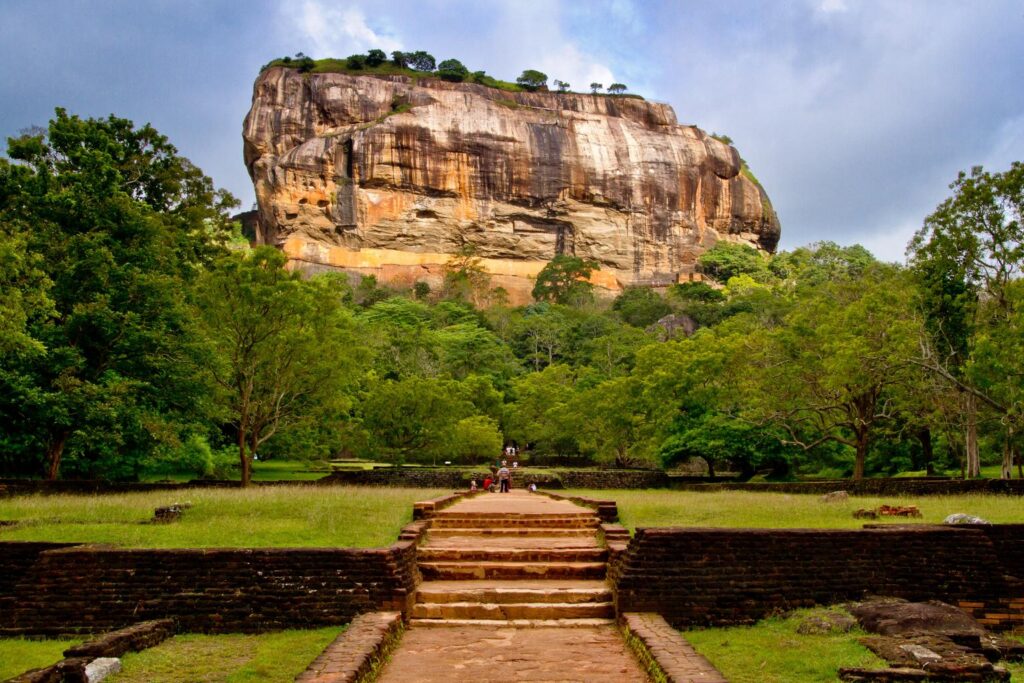
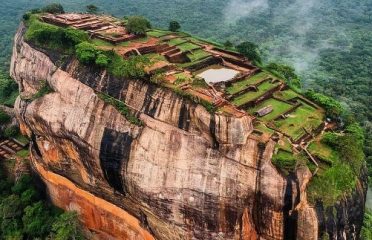
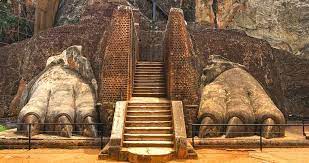
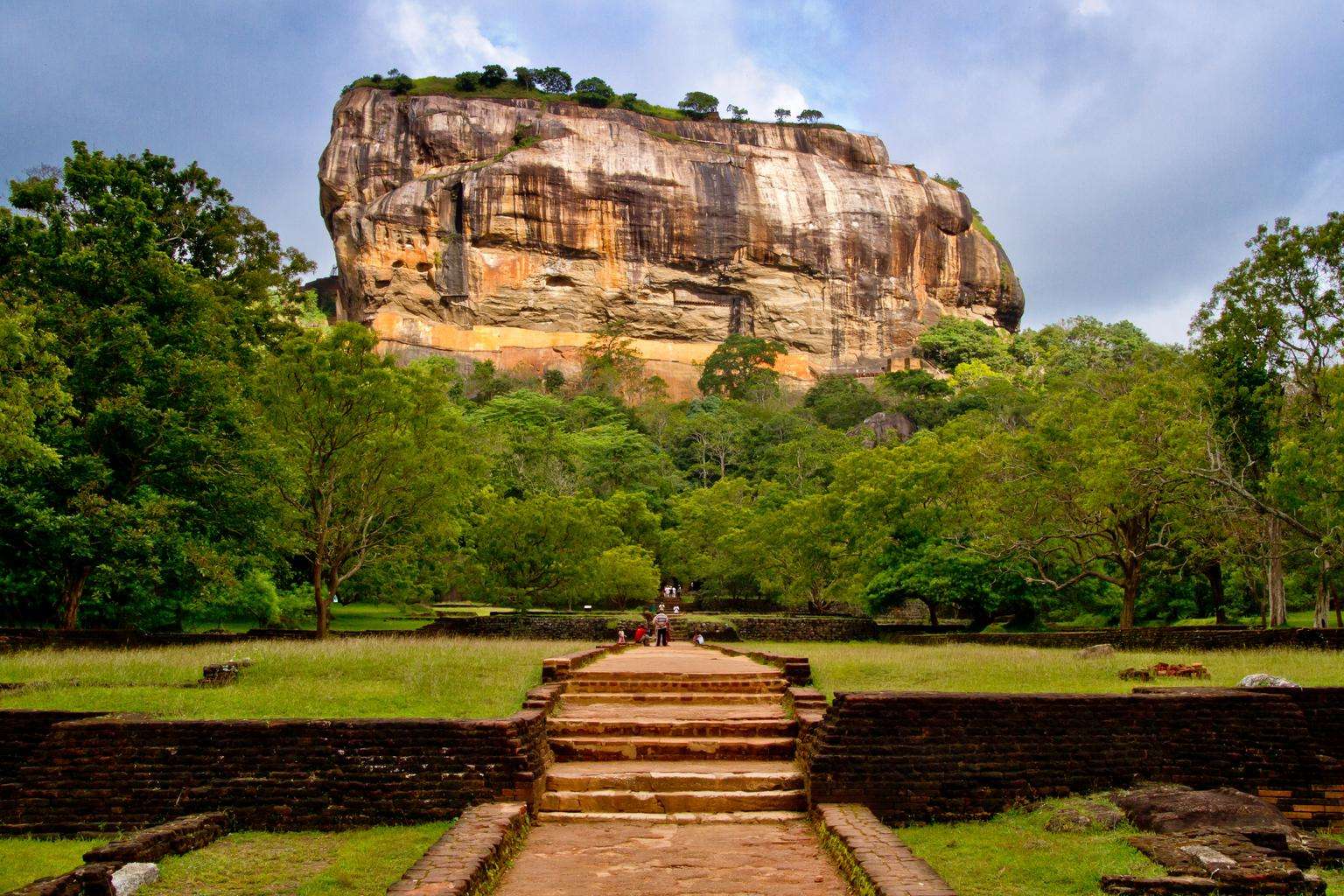
Sigiriya is one of Sri Lanka’s most famous cultural landmarks. Its enormous rock fortress rises above the surrounding plains and is celebrated for its ancient engineering, landscaped gardens and historic frescoes.

Visitors can explore the archaeological site, learn about Sri Lanka’s royal history and discover nearby rural communities.

For a more comfortable experience, start early in the morning and carry drinking water. If thunderstorms are forecast, follow site-management instructions and postpone climbing when necessary.

Best for: History lovers, families, photographers and cultural travellers.

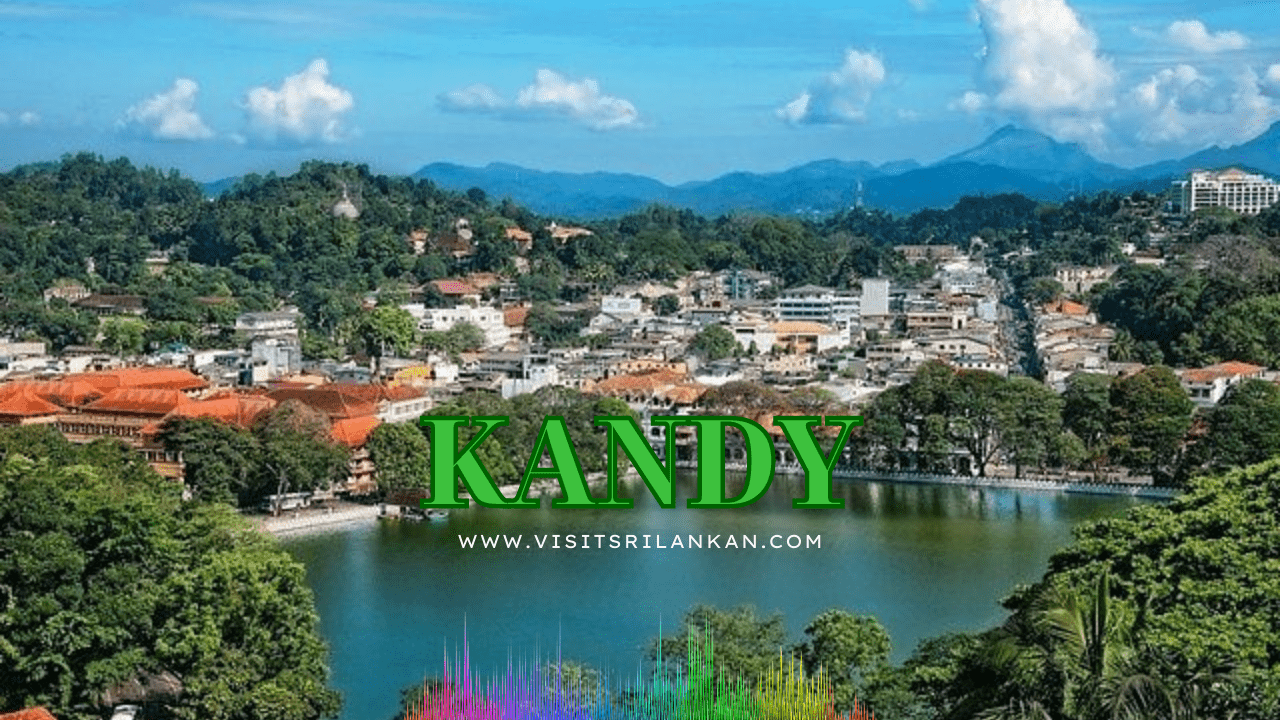
3. Kandy – Culture, Heritage and Hill-Country Charm

Kandy offers a combination of religious heritage, traditional culture and attractive mountain scenery. The Temple of the Sacred Tooth Relic is an important Buddhist pilgrimage site, while Kandy Lake provides a pleasant setting for a walk when conditions are suitable.

Visitors can also explore local markets, handicraft shops and traditional Sri Lankan cuisine.

Rain may affect outdoor sightseeing, so keep some indoor activities available as alternatives.

Best for: Cultural tourism, families and visitors interested in Sri Lankan traditions.

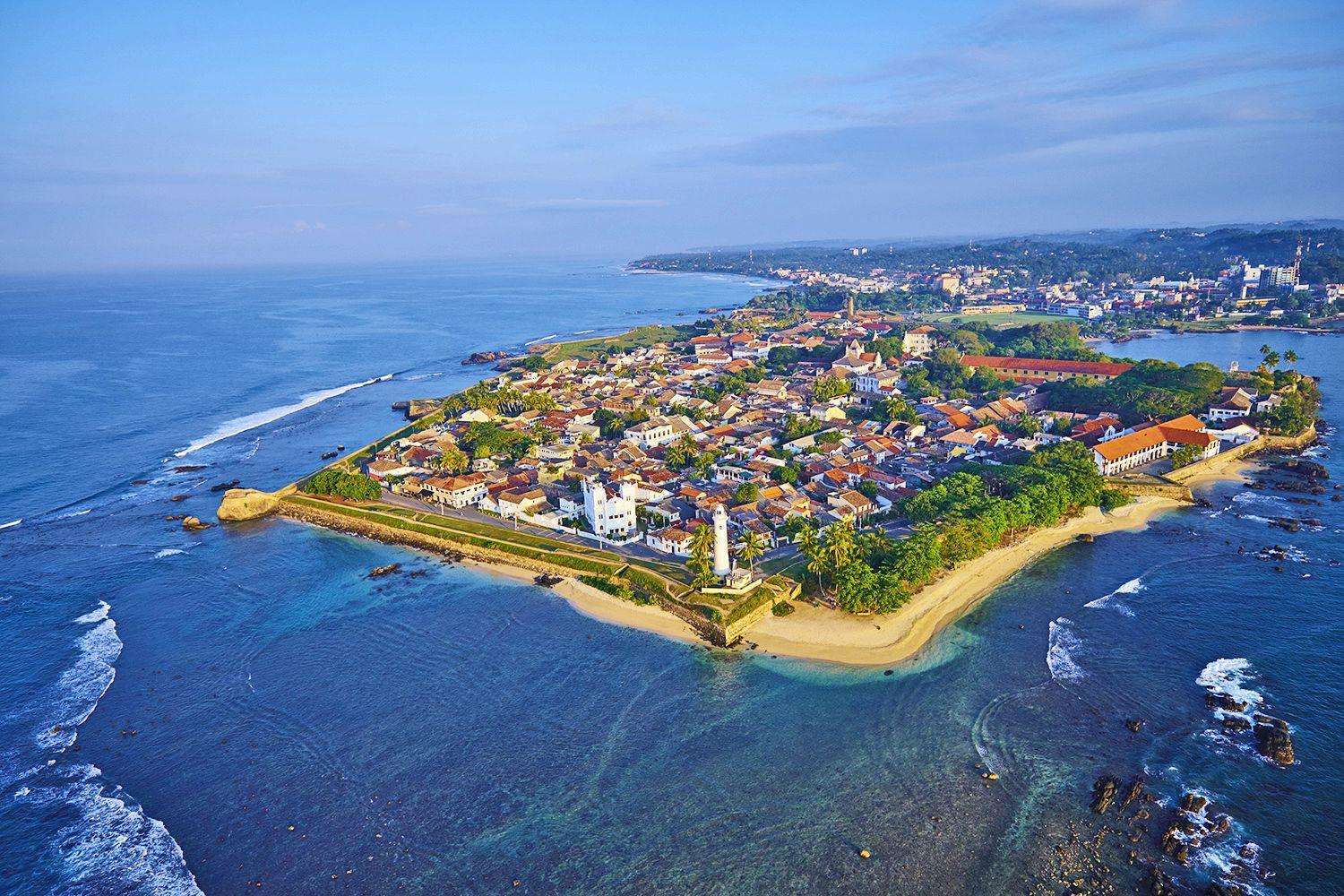
4. Galle – Colonial Architecture and Coastal Experiences

Galle Fort is a historic coastal destination known for its colonial-era buildings, narrow streets, cafés, boutiques and sea-facing ramparts.

Visitors can spend time exploring the fort, learning about its maritime history and enjoying the local food scene.

October weather along the southern coast can be changeable. Check sea conditions before swimming, surfing or booking boat trips, and avoid entering rough water.

Best for: Couples, history enthusiasts, architecture lovers and relaxed sightseeing.

5. Arugam Bay – Surf Culture and East Coast Scenery

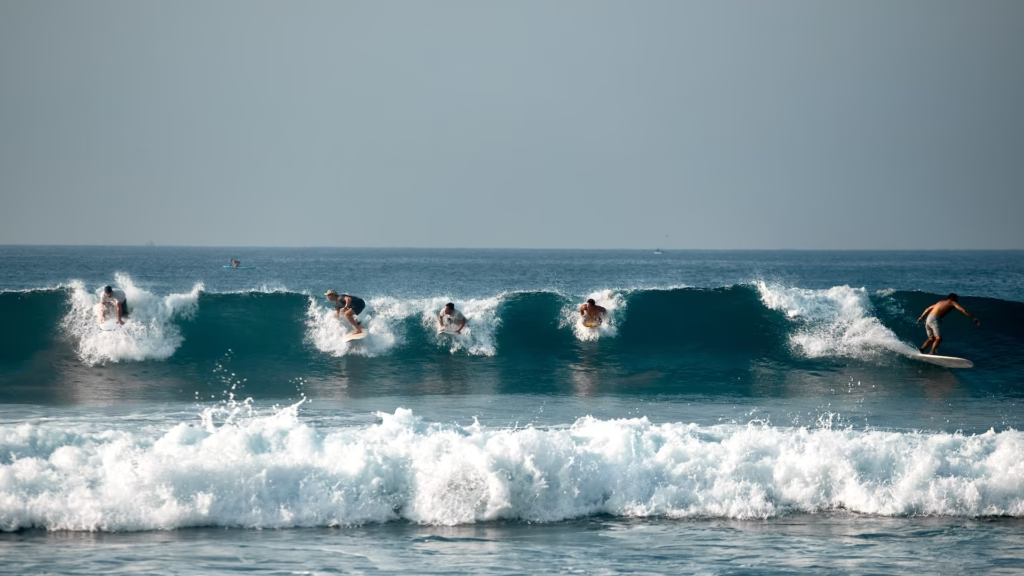
Arugam Bay is internationally known for surfing, its laid-back atmosphere and its connection to Sri Lanka’s east coast.

The main surfing season is generally associated with the period from around May to October, although actual conditions vary with the weather and ocean swell. By October, visitors should check local surf reports rather than assume that ideal waves will be available.

The surrounding region also offers lagoon experiences, local food and opportunities to discover coastal village life.

Best for: Surfers, backpackers and travellers interested in coastal culture.

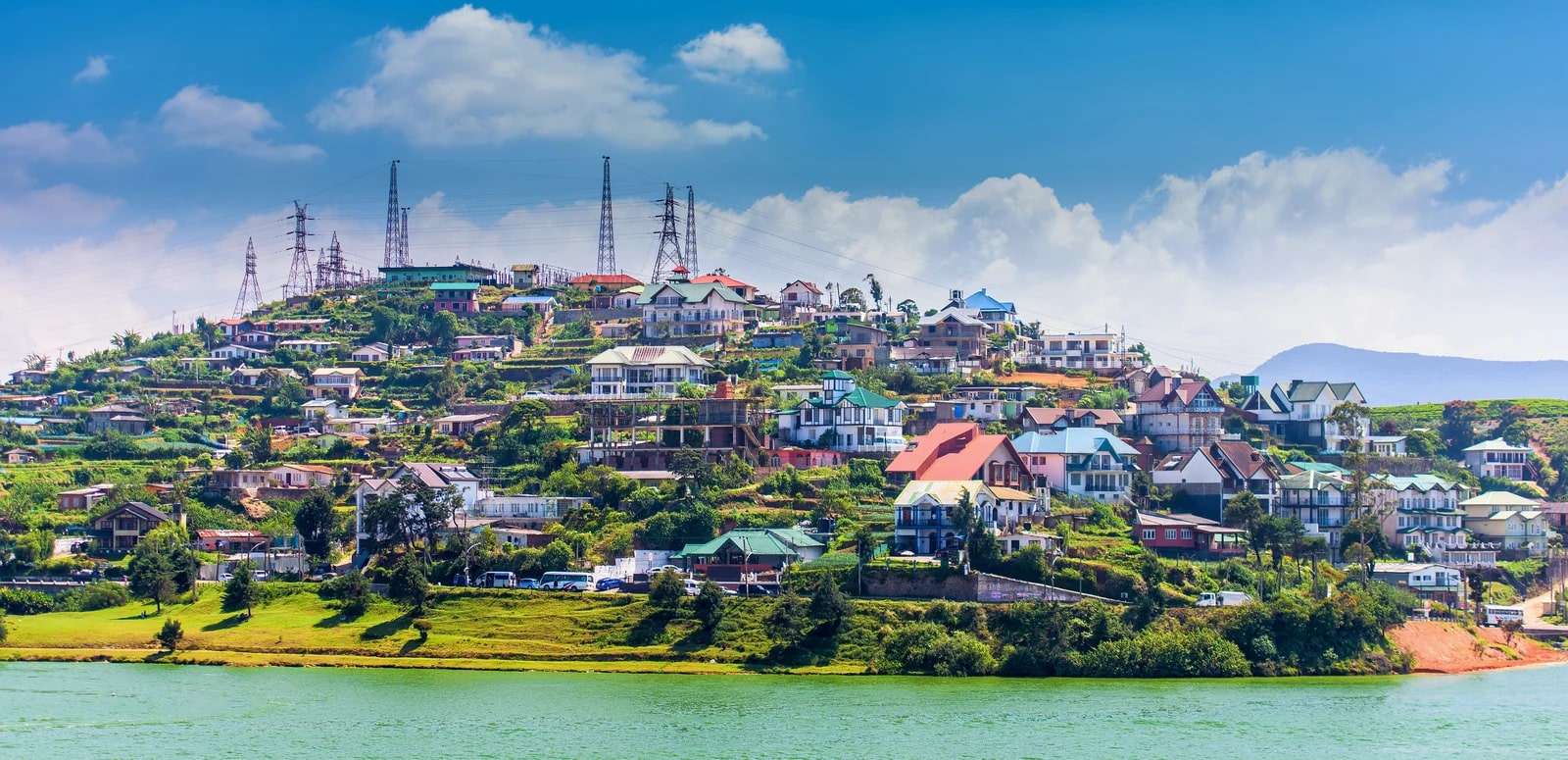
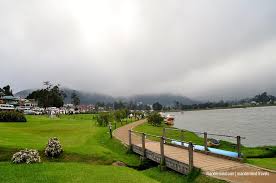
6. Nuwara Eliya – Tea Country and Cool-Climate Landscapes

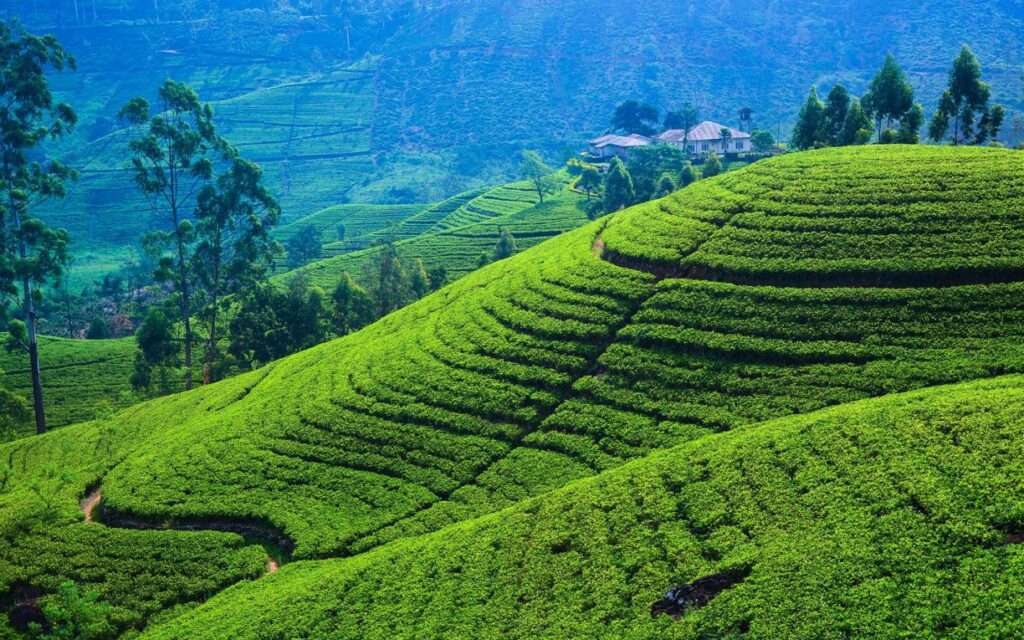
Nuwara Eliya is famous for its tea estates, cool climate, colonial-era architecture and green landscapes.

Visitors can explore tea factories, enjoy scenic drives and discover the region’s agricultural heritage. The town is also a useful stop for travellers exploring Sri Lanka’s central highlands.

Because October can bring substantial rainfall to the hill country, check road conditions and warnings before travelling. Avoid exposed viewpoints and steep trails during dangerous weather.

Best for: Tea tourism, scenic drives, couples and nature lovers.

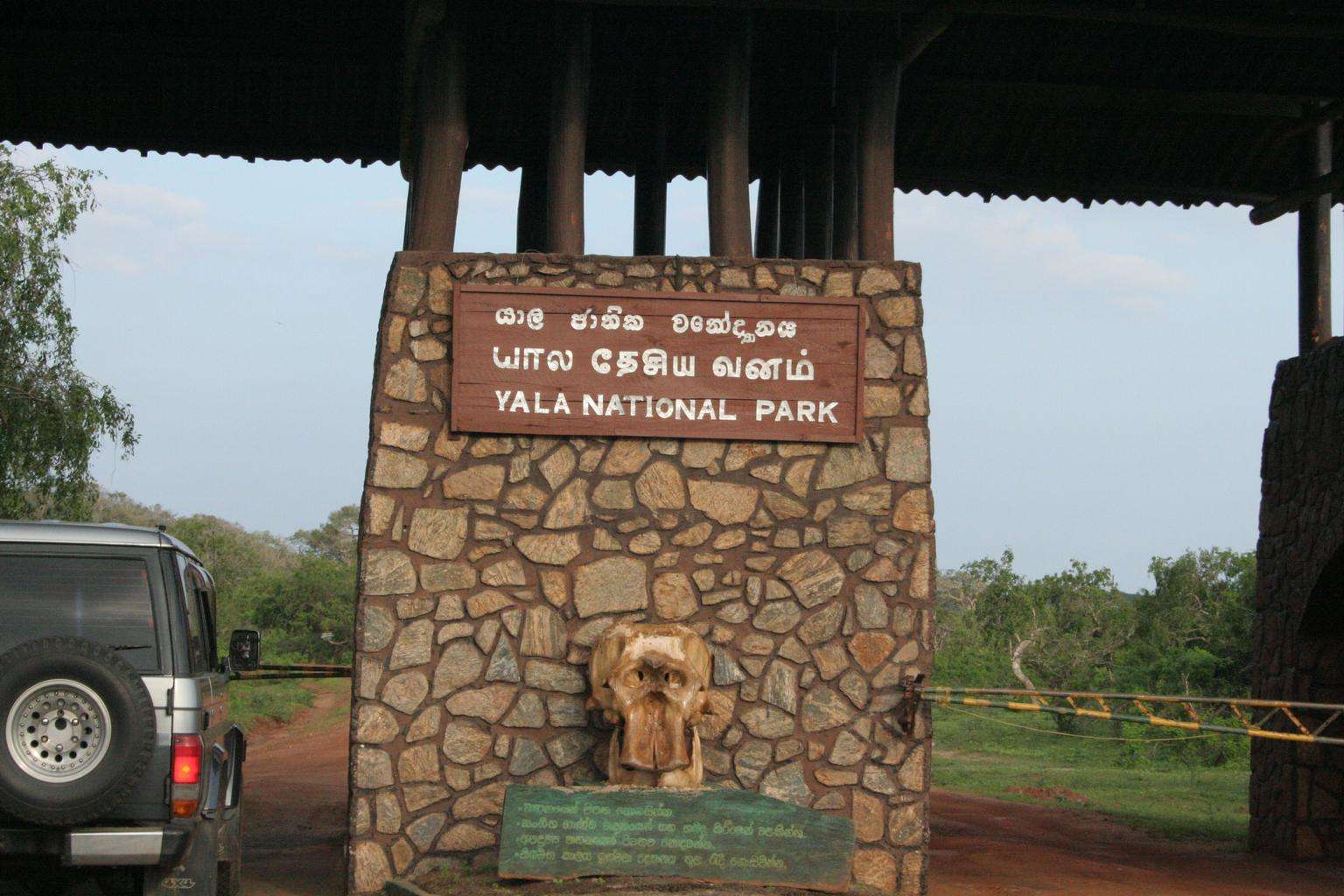
7. Yala National Park – A Wildlife Adventure

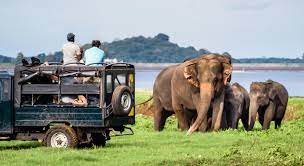
Yala National Park is one of Sri Lanka’s best-known wildlife destinations. The park is associated with elephants, crocodiles, deer, many bird species and the elusive Sri Lankan leopard.

Safari experiences depend on wildlife movements, park regulations and prevailing conditions. Rain may affect tracks, access and the comfort of game drives.

Book with a responsible safari operator, follow the instructions of park staff and never approach or feed wild animals.

Best for: Wildlife enthusiasts, photographers and families seeking a guided nature experience.

What Is the Weather Like in Sri Lanka in October?

October is generally a transitional weather period in Sri Lanka. Rainfall can occur across much of the island, and local conditions can change quickly.

The central highlands, including areas around Ella and Nuwara Eliya, may experience mist, heavy showers and slippery roads. Coastal conditions also vary, with rough seas possible during unsettled weather.

Rather than assuming that one coast will always be dry, check forecasts for each destination on your itinerary.

Before travelling:

  • Check the Sri Lanka Department of Meteorology’s latest forecast.
  • Monitor official flood, landslide and severe-weather warnings.
  • Confirm road access with your accommodation or tour operator.
  • Allow extra time for journeys during periods of heavy rain.
  • Keep alternative indoor activities available.

Official weather information: https://meteo.gov.lk/

What Should You Pack for Sri Lanka in October?

A little preparation can make a big difference during a tropical holiday.

Consider packing:

  • Lightweight, breathable clothing.
  • A compact raincoat or umbrella.
  • Comfortable walking shoes with good grip.
  • Waterproof bags for phones, cameras and travel documents.
  • Insect repellent and sunscreen.
  • Reusable drinking-water bottles.
  • A light jacket for cooler evenings in the hill country.
  • Any personal medicines and essential travel documents.

If you plan to visit temples, bring clothing that covers your shoulders and knees. Remove footwear when required and follow the instructions displayed at religious sites.

Is It Safe to Travel Around Sri Lanka During October?

Travel is possible during October, but weather-related risks deserve particular attention. Heavy rain can cause flash flooding, landslides, road closures and disruption to public transport.

Take extra care when travelling through mountainous areas and locations with a history of flooding. Do not attempt to cross flooded roads or walk through fast-moving water. Avoid hiking near steep slopes during heavy rain and obey instructions from local authorities.

Before departure, check:

  • Current weather and landslide warnings.
  • Road conditions and public transport updates.
  • Sea conditions for coastal activities.
  • Your travel insurance coverage for weather-related disruption.
  • Flight information directly with your airline.

For Sri Lanka travel assistance, the Sri Lanka Tourism hotline is 1912. For emergencies, follow the relevant local emergency instructions.

Official travel advice: https://www.gov.uk/foreign-travel-advice/sri-lanka

Suggested 5-Day Sri Lanka Itinerary for October

A short trip can combine cultural attractions, hill-country scenery and coastal experiences. The route below is an example, not a guarantee that every journey or activity will be suitable in current weather.

Day 1: Colombo

Arrive in Sri Lanka, settle into your accommodation and explore selected city attractions if time and conditions permit.

Day 2: Sigiriya area

Travel to the Cultural Triangle and explore local heritage attractions. Allow additional time for the journey and check the forecast before any outdoor climbing.

Day 3: Kandy

Visit cultural landmarks, explore the city and enjoy local food. Adjust outdoor activities according to rainfall.

Day 4: Ella or Nuwara Eliya

Travel into the hill country if roads are open and conditions are safe. Enjoy tea-country scenery and choose short walks only when conditions permit.

Day 5: Return to Colombo

Allow sufficient time for the return journey and your departure flight. Avoid planning a tight connection after a long road trip.

For a longer holiday, consider adding Galle, a suitable beach destination or a guided wildlife experience based on the latest regional forecast.

Sri Lankan Food You Should Try During Your Visit

Food is an essential part of discovering Sri Lanka. Depending on your preferences, look for:

  • Rice and curry with seasonal vegetables and sambols.
  • Hoppers and egg hoppers, often enjoyed at breakfast or dinner.
  • String hoppers served with curry and coconut sambol.
  • Kottu roti, a popular dish prepared with chopped flatbread.
  • Fresh tropical fruit and locally grown tea.
  • Traditional sweets and regional specialities.

Tell restaurant staff about any allergies or dietary requirements. If you prefer mild food, ask for less chilli when ordering.

Practical Travel Tips for October 2026

Plan with flexibility. Avoid building your holiday around a single outdoor activity that cannot be rescheduled.

Choose accommodation carefully. Confirm access, cancellation conditions and transport arrangements, particularly in hilly or flood-prone areas.

Use reliable transport. A reputable driver or tour operator can help check road conditions and adjust routes when necessary.

Respect local culture. Dress appropriately at religious sites, ask permission before photographing people and follow local customs.

Protect the environment. Avoid littering, respect wildlife and choose responsible tour operators.

Check official updates. Weather conditions and warnings can change, so review them again on the day of travel.

Frequently Asked Questions

Is October a good month to visit Sri Lanka?

Yes, October can be suitable for a Sri Lankan holiday, but the weather is variable. Check regional forecasts and plan a flexible itinerary.

Which places should I visit in Sri Lanka in October?

Sigiriya, Kandy, Ella, Nuwara Eliya, Galle and Arugam Bay offer different cultural, natural and coastal experiences. Choose your route according to current weather and access conditions.

Can I visit Sri Lanka’s beaches in October?

Beach visits may be possible, but sea conditions vary by location and day. Check local advice before swimming, surfing or taking boat trips.

Is it possible to go hiking in Ella in October?

It may be possible when trails are open and conditions are safe. Rain can make paths slippery, reduce visibility and increase hazards. Follow local advice and postpone hikes during dangerous weather.

Can I go on a safari in October?

Safari trips may operate depending on park access, weather and management decisions. Confirm conditions with the park or your safari operator before travelling.

What should I check before arriving in Sri Lanka?

Review your flight status, accommodation arrangements, weather forecasts, official safety advisories and any applicable entry requirements.

Final Thoughts: Plan Smart and Discover Sri Lanka

Sri Lanka in October 2026 travel overview

Sri Lanka offers an extraordinary mix of cultural heritage, wildlife, tropical coastlines, tea-covered mountains and welcoming local communities.

October can provide opportunities to experience many of these attractions.

For Sri Lanka in October 2026, travellers should stay flexible and monitor weather.

Plan your journey carefully, choose activities that suit the conditions and give yourself enough time to enjoy the island without rushing.

Ready to explore Sri Lanka? Discover more destinations, travel guides, cultural experiences and local travel inspiration with VisitSrilankan.com.

Travel responsibly. Check official weather and safety updates before visiting any destination.


SHARE

Why Sri Lanka is Trending in 2026 | Ultimate Travel Guide

Sri Lanka
SHARE

Why Sri Lanka is Trending in 2026: The Ultimate Travel Destination for Every Explorer

Sri Lanka tourism 2026, best places to visit in Sri Lanka, Sri Lanka travel guide, Sri Lanka beaches, Sri Lanka safari, luxury travel Sri Lanka, eco tourism Sri Lanka, Sri Lanka vacation packages, Visit Sri Lankan, Sri Lanka holiday destination

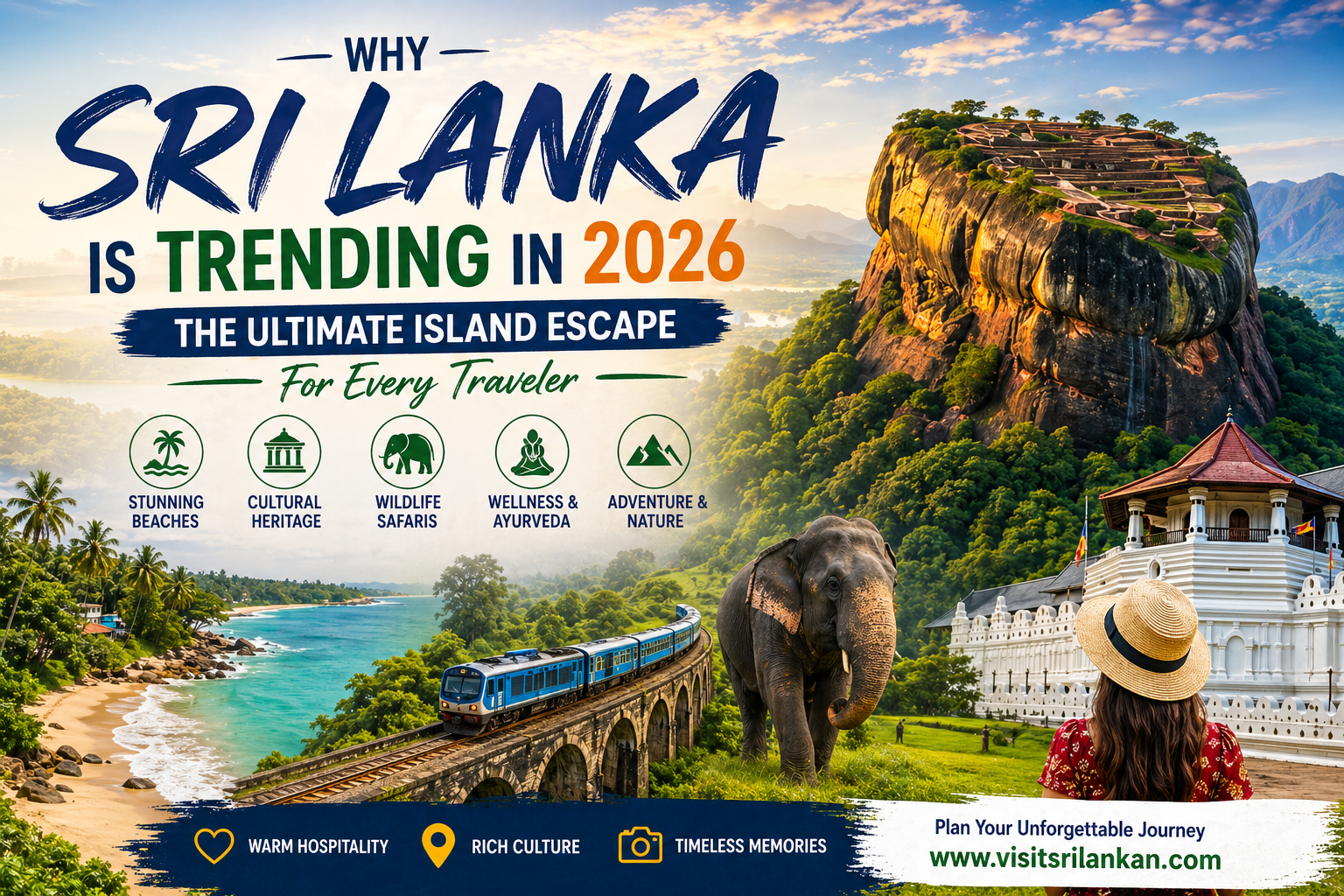
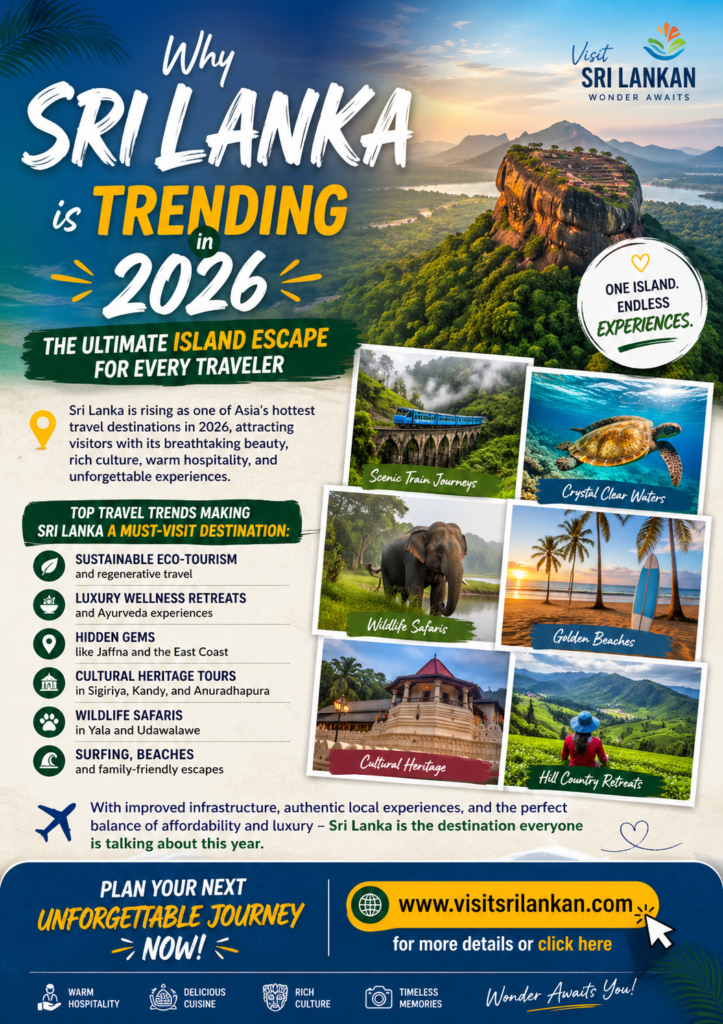
Sri Lanka has emerged as one of the world’s fastest-growing travel destinations in 2026, attracting tourists from around the globe with its breathtaking landscapes, pristine beaches, rich cultural heritage, wildlife safaris, luxury wellness retreats, and unforgettable adventures. As international travel trends shift toward authentic, sustainable, and experience-driven tourism, Sri Lanka stands out as the perfect island paradise for travelers seeking both relaxation and exploration.

Sri Lanka Tourism in 2026: A Rising Global Hotspot

Travel experts and tourism analysts consistently rank Sri Lanka among Asia’s top must-visit destinations for 2026. With improved tourism infrastructure, affordable luxury accommodations, eco-tourism opportunities, and diverse travel experiences, Sri Lanka is rapidly gaining popularity among solo travelers, families, honeymooners, and adventure seekers alike.
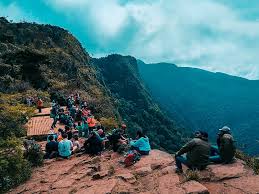
From the golden beaches of Mirissa, Unawatuna, Bentota, and Arugam Bay to the scenic hill country of Ella and Nuwara Eliya, Sri Lanka offers a complete travel package unlike any other destination.

Top Reasons Why Sri Lanka is Trending in 2026

1. Stunning Beaches and Coastal Escapes

Sri Lanka’s coastline offers some of the best beaches in Asia, making it ideal for surfing, whale watching, snorkeling, scuba diving, and family vacations.

Popular beach destinations include:

2. Rich Cultural Heritage and UNESCO Sites

Sri Lanka’s ancient history and spiritual landmarks continue to attract cultural travelers worldwide.

Top heritage attractions:

3. Wildlife Safaris and Nature Adventures

Sri Lanka is one of the best safari destinations outside Africa, offering extraordinary wildlife encounters.

Best national parks:

Travelers can witness elephants, leopards, sloth bears, exotic birds, and marine life.

4. Luxury Wellness Retreats and Ayurveda Tourism

The rise of wellness tourism has positioned Sri Lanka as a leading destination for:

5. Sustainable Eco-Tourism

Modern travelers increasingly seek responsible tourism, and Sri Lanka’s eco-lodges, conservation projects, and community-based tourism make it a leader in sustainable travel.

Hidden Gems Boosting Sri Lanka’s Tourism Growth

Beyond traditional attractions, lesser-known destinations are gaining popularity:

These emerging hotspots offer unique experiences for travelers seeking off-the-beaten-path adventures.

Best Time to Visit Sri Lanka in 2026

Sri Lanka’s dual monsoon seasons make it a year-round destination:

  • South & West Coast: December to April
  • East Coast: May to September
  • Hill Country: January to April

Why VisitSriLankan.com is Your Trusted Sri Lanka Travel Guide

At www.visitsrilankan.com, we provide:

Whether you are planning a luxury holiday, adventure tour, cultural exploration, or family getaway, our platform helps you discover the best of Sri Lanka.

Final Thoughts

Sri Lanka in 2026 is more than just a travel destination—it is a world-class experience combining nature, culture, adventure, and luxury in one extraordinary island. As global tourism continues to evolve, Sri Lanka’s unique offerings ensure it remains one of the top travel destinations on every traveler’s bucket list.

For more details, travel guides, and exclusive insights, visit:

www.visitsrilankan.com

Plan your unforgettable Sri Lankan journey today and discover why this island paradise is captivating travelers worldwide.

Sri Lanka tourism 2026, best places to visit in Sri Lanka, Sri Lanka travel guide, Sri Lanka beaches, Sri Lanka safari, luxury travel Sri Lanka, eco tourism Sri Lanka, Sri Lanka vacation packages, Visit Sri Lankan, Sri Lanka holiday destination


SHARE

Top Trending Places to Visit in Sri Lanka 2026

Visit Sri Lanka
SHARE

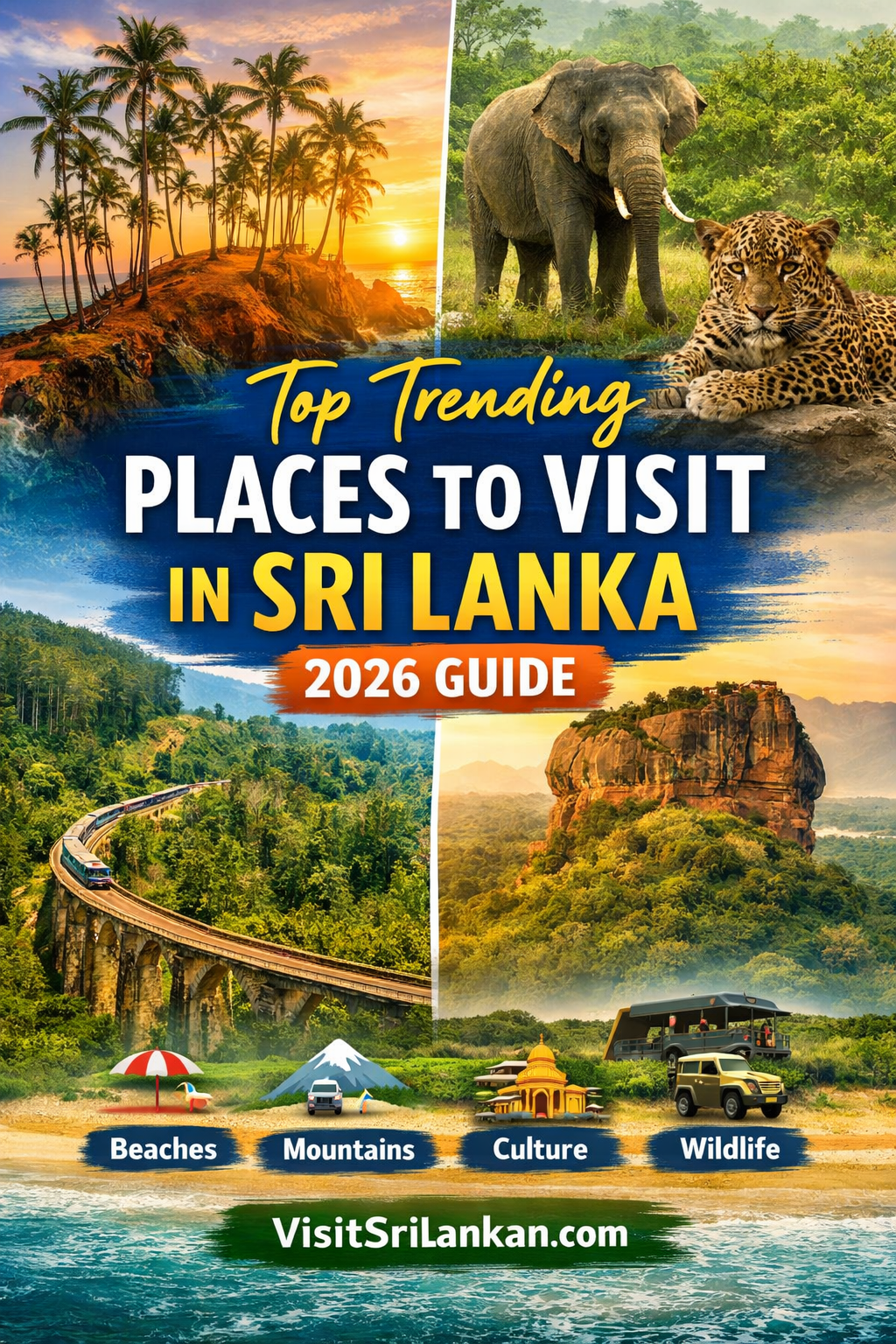
Sri Lanka is officially one of the hottest travel destinations in 2026, gaining global attention for its mix of beaches, mountains, wildlife, and culture.

👉 For more travel guides, visit Visit Sri Lankan


🏝️ 1. Mirissa & Coconut Tree Hill (Instagram Hotspot)

Mirissa is trending globally for its Instagram-worthy views and beach vibes. Coconut Tree Hill is one of the most photographed places in Sri Lanka.

👉 Explore more about Mirissa travel tips: Mirissa Travel Guide

✅ Whale watching
✅ Beach parties
✅ Luxury cafés

👉 Perfect for: Couples & influencers


🌿 2. Ella – The Green Paradise

Ella is one of the top trending mountain destinations in Sri Lanka right now.

👉 Full Ella travel guide: Ella Travel Guide

✅ Nine Arch Bridge
✅ Little Adam’s Peak
✅ Waterfalls & tea plantations

👉 Perfect for: Nature lovers & backpackers


🏖️ 3. South Coast Beaches (Unawatuna, Weligama, Hikkaduwa)

The south coast is booming in 2026 with tourists coming for surfing and nightlife.

👉 Discover best beaches: Sri Lanka Beaches Guide

✅ Surfing hotspots
✅ Beach nightlife
✅ Affordable resorts

👉 Perfect for: Young travelers & surfers


🏞️ 4. Sigiriya – The Iconic Lion Rock

Sigiriya is one of Sri Lanka’s most famous landmarks and a must-visit in 2026.
👉 Read full Sigiriya guide: Sigiriya Travel Guide

✅ Ancient rock fortress
✅ Panoramic views
✅ Cultural heritage

👉 Perfect for: History lovers


🐘 5. Yala National Park – Wildlife Adventure

Wildlife tourism is trending, and Yala is the best place for safari experiences.

👉 Safari booking tips: Yala Safari Guide

✅ Leopard sightings
✅ Elephant herds
✅ Nature photography

👉 Perfect for: Adventure seekers


🌄 6. Nuwara Eliya – Little England of Sri Lanka

A peaceful hill country escape with cool weather and scenic beauty.

👉 Plan your trip: Nuwara Eliya Guide

✅ Tea estates
✅ Scenic views
✅ Relaxing climate

👉 Perfect for: Families & couples


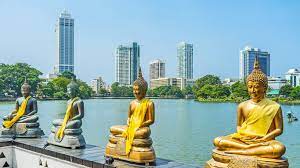
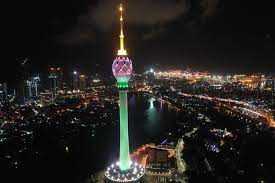
🌆 7. Colombo & Galle Face Green

Colombo is trending for city life, food, and ocean views.

👉 City guide here: Colombo Travel Guide

✅ Street food
✅ Night vibes
✅ Oceanfront walks

👉 Perfect for: City lovers


🌍 Why Sri Lanka is Trending in 2026

  • One of the top global travel destinations
  • Rapid increase in tourist arrivals
  • Affordable compared to other countries
  • Unique mix of nature, culture, and adventure

👉 More updates: Visit Sri Lankan


✍️ Final Thoughts

Sri Lanka is now a global travel hotspot in 2026. From beaches to mountains, it has everything travelers are looking for.
👉 For daily travel updates, visit Visit Sri Lankan


SHARE

Best things to do in arugambay 2026

Surfing Arugambay
SHARE

Arugam Bay 2026: Sri Lanka’s Surf Capital


Introduction

Arugam Bay 2026,Are you looking for the perfect mix of adrenaline, relaxation, and untouched nature for your next holiday? If you are planning to visit Sri Lanka, there is one destination that is currently topping every traveler’s “2026 Target” list: Arugam Bay.

Once known as a quiet secret for surfers, Arugam Bay is undergoing a massive transformation. With new government tourism targets aiming to turn this coastal gem into a world-class, high-income destination by 2026, there has never been a better time to visit. Whether you are a pro surfer chasing waves or a luxury traveler looking for pristine beaches, Arugam Bay is ready to welcome you.

Here is why Arugam Bay should be your number one priority when visiting Sri Lanka in 2026.
  • PROFESSIONAL SWIMMING GOGGLE WITH EAR PLUGS: Dive into water with confidence and comfort with our one-piece swimming gog…
  • ANTI-FOG TRANSPARENT LENS: Experience crystal-clear vision underwater with our professional adult swimming goggle. The P…
  • COMFORTABLE TO WEAR: Enjoy a comfortable and secure fit with swimming glasses for men. Swimming glasses eyeframe part fe…

1. World-Class Surfing (The Main Attraction)

Arugam Bay, Visit Sri Lanka, Sri Lanka Tourism 2026, Surfing in Sri Lanka, Arugam Bay Beach, Sri Lanka Travel Guide, East Coast Sri Lanka, Kumana National Park, Arugam Bay Hotels, Best Surf Spots Asia, Luxury Travel Sri Lanka, Pottuvil Tourism, Holiday in Sri Lanka, Arugam Bay Nightlife, Sri Lanka Vacation

Let’s start with what made Arugam Bay famous. It is consistently rated as one of the top 10 surf spots in the world.

  • Main Point: The legendary right-hand break that offers thrilling rides for intermediate and advanced surfers.
  • Whiskey Point & Peanut Farm: Perfect waves for beginners and those looking for a fun, relaxed session.
  • The Season: The best time to surf is from April to October, making it the perfect summer getaway.

2. The “Arugam Bay 2026 Target”: A New Era of Luxury and Comfort

Arugam Bay, Visit Sri Lanka, Sri Lanka Tourism 2026, Surfing in Sri Lanka, Arugam Bay Beach, Sri Lanka Travel Guide, East Coast Sri Lanka, Kumana National Park, Arugam Bay Hotels, Best Surf Spots Asia, Luxury Travel Sri Lanka, Pottuvil Tourism, Holiday in Sri Lanka, Arugam Bay Nightlife, Sri Lanka Vacation

Sri Lanka’s tourism master plan for 2026 targets the development of the Eastern Province, specifically the 45km stretch from Pottuvil to Okanda.
What does this mean for you as a tourist?

  • Better Infrastructure: Enhanced roads and bridges (like the new Arugam Bay bridge) make getting here smoother than ever.
  • Upgraded Experiences: The town is evolving from a backpacker-only hub to a destination offering boutique hotels, luxury villas, and high-end dining, without losing its laid-back “island vibe.”
  • Cleanliness & Safety: With the goal of becoming a high-income tourist zone, authorities are prioritizing beach cleanliness and tourist safety more than ever before.

3. Beyond the Beach: Wildlife and Safaris

Arugam Bay isn’t just about the ocean; it is the gateway to Sri Lanka’s wild side.

  • Kumana National Park: Located just 45 minutes away, this park is less crowded than Yala but packed with wildlife. You can spot leopards, elephants, bears, and rare birds in their natural habitat.
  • Pottuvil Lagoon Safari: Take a peaceful boat ride through the mangroves. Keep your camera ready—you might see wild elephants swimming in the lagoon!

4. The Vibe: Cafes, Yoga, and Nightlife

The unique charm of Arugam Bay is its atmosphere. By day, it’s a yoga and surf paradise. By night, the main street comes alive.

  • Foodie Heaven: Enjoy fresh seafood, wood-fired pizzas, and traditional Sri Lankan “Rice and Curry.”
  • Nightlife: Beach parties and chilled-out lounge bars offer the perfect way to end your day under the stars.

Frequently Asked Questions (FAQ)

Q: When is the best time to visit Arugam Bay?
A: The peak season is April to September. During these months, the weather is dry, sunny, and the surf conditions are world-class.

Q: Is Arugam Bay suitable for families?
A: Absolutely. While it is famous for surfing, the calm waters of the lagoon and the nearby wildlife parks make it an incredible adventure for children and families.

Q: How do I get to Arugam Bay from Colombo?
A: You can take a scenic seaplane flight, a private taxi (approx. 6-7 hours), or a luxury bus. For the best travel arrangements, we recommend booking in advance.


Ready to Visit Sri Lanka?

Arugam Bay is no longer just a stopover; it is the highlight of the East Coast.[1] With the exciting 2026 tourism targets set to elevate the experience, you will be one of the first to enjoy this new era of Sri Lankan travel.

Don’t wait until it’s fully booked. Start planning your dream island getaway today.

👉Click Here to Plan Your Trip at Paddyway tours

👉Click Here to find more places


SHARE

The Best Ocean Adventure – Mirissa

SHARE

Introduction

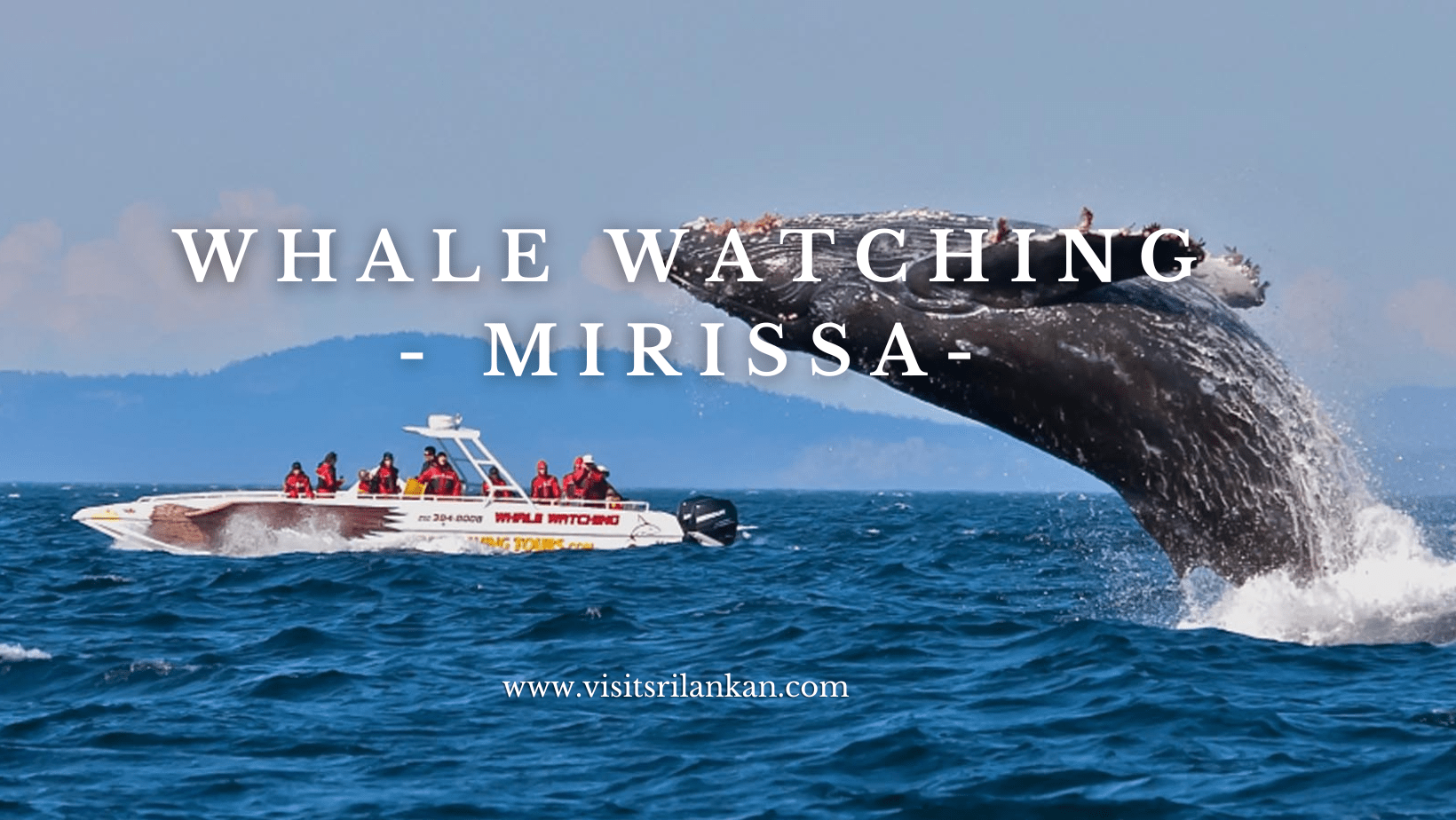
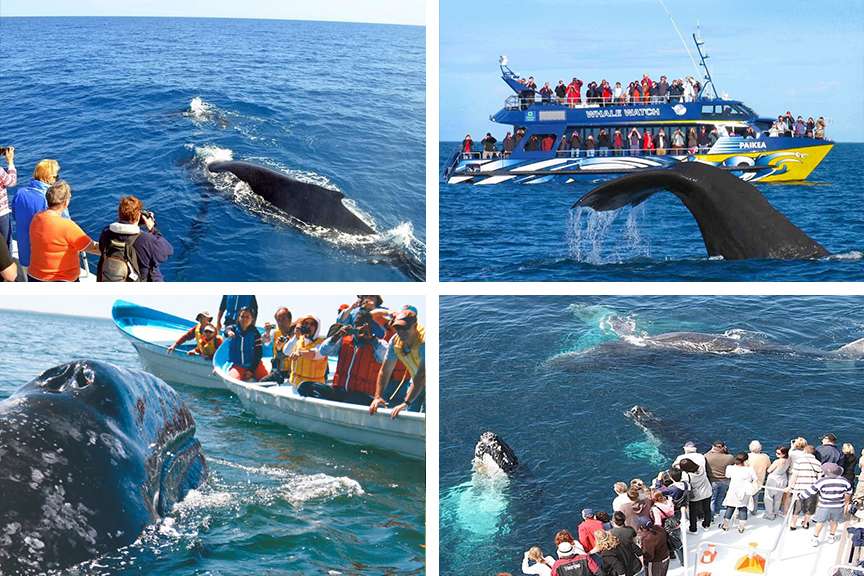
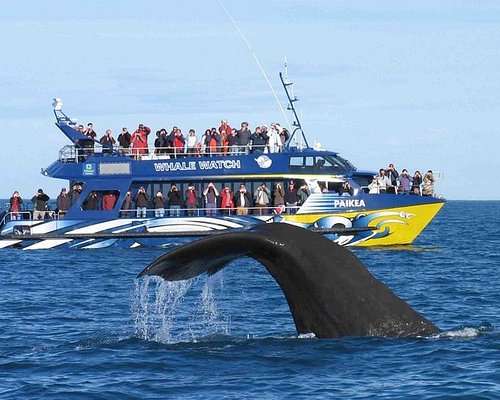
Whale watching in Mirissa has become an increasingly popular activity for travelers seeking a unique and awe-inspiring experience. Located on the southern coast of Sri Lanka, Mirissa offers an enchanting opportunity to witness these majestic marine giants in their natural habitat. In this article, we will take you on a journey through the world of whale watching in Mirissa, exploring everything from the best time to visit to the mesmerizing species you can encounter.

After experiencing the thrill of whale watching in Sri Lanka, visitors can explore the nearby Mirissa, enjoy the coastal beauty of Trincomalee, relax at the beaches of Kalpitiya, or visit the historic Dondra Point. For more information about Sri Lanka and its attractions, visit the Sri Lanka Tourism Board and for visa and travel requirements, check the Sri Lanka Immigration & Visa Services. Learn more about whale-watching tours on our site: VisitSriLankan.com

whale

Why Choose Mirissa for Whale Watching?

Mirissa, nestled along the picturesque coastline of Sri Lanka, has gained recognition as one of the premier destinations for whale watching. But what sets it apart from other locations?

Whale watching in Mirissa

Abundance of Marine Life

Mirissa’s waters are teeming with marine life, thanks to its location in the Indian Ocean. The convergence of warm and cold currents creates an ideal environment for a rich biodiversity of marine species, including various types of whales and dolphins.

Guaranteed Sightings

One of the standout features of Mirissa is its reputation for guaranteed sightings. The chances of spotting whales during your excursion are exceptionally high, ensuring an unforgettable experience.

When to Visit Mirissa for Whale Watching

To make the most of your whale watching adventure in Mirissa, it’s crucial to plan your trip during the right season.

Peak Season (November to April)

The peak season for whale watching in Mirissa is from November to April. During these months, the ocean remains calm, and the chances of spotting blue whales, the largest animals on Earth, are at their highest.

Off-Peak Season (May to October)

The off-peak season, from May to October, offers a different but equally captivating experience. This is when you’re more likely to encounter sperm whales and other species. It’s a great option if you prefer a quieter and less crowded experience.

Types of Whales You Can Spot

Mirissa is home to a diverse range of whale species, each with its unique characteristics and allure.

Blue Whales

The blue whale, often referred to as the gentle giant of the ocean, can grow up to 100 feet in length. Seeing these majestic creatures breach the surface is a sight to behold.

Sperm Whales

Sperm whales, known for their massive heads and oil-producing spermaceti organ, are a common sight in Mirissa. They are renowned for their distinctive dives and tail flukes.

Humpback Whales

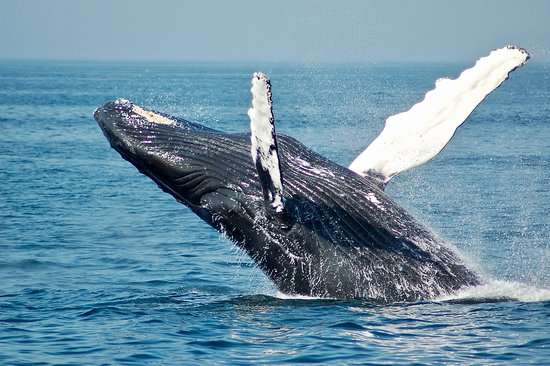
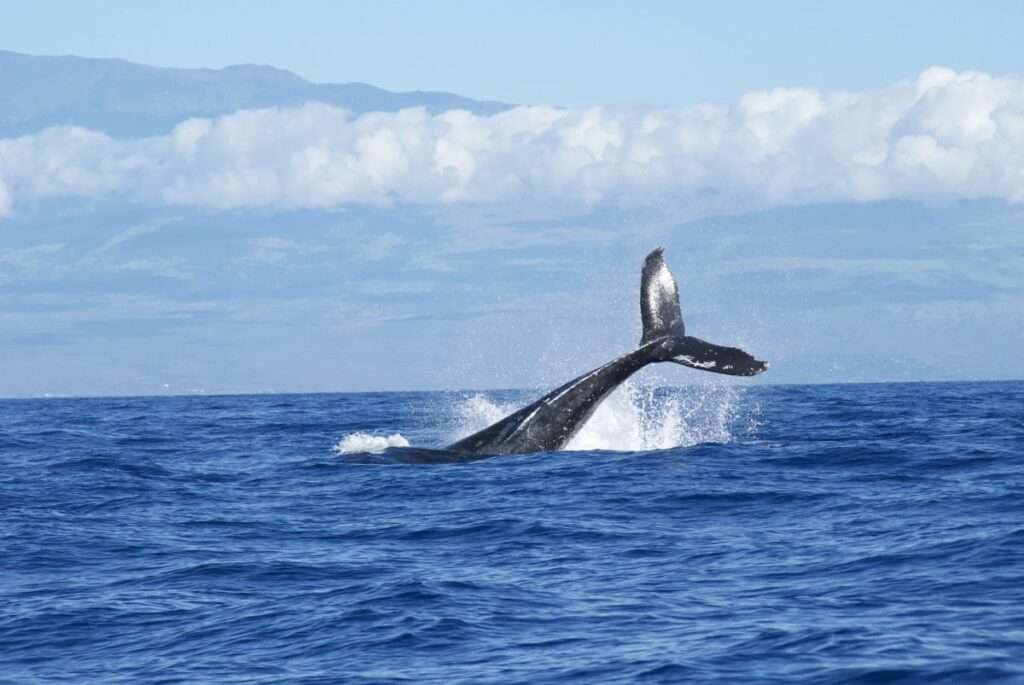
Humpback whales are famous for their acrobatic displays, including breaching and tail-slapping. Witnessing their elegant movements is a remarkable experience.

Preparing for Your Whale Watching Adventure

Before embarking on your whale watching journey, there are a few essential tips to keep in mind:

Booking a Reputable Tour

Choose a reputable tour operator that prioritizes the safety and well-being of both passengers and marine life. Ensure they have certified guides with extensive knowledge of the region.

Packing Essentials

Pack essentials such as sunscreen, sunglasses, a hat, and a light jacket. Seasickness medication may also come in handy for those prone to motion sickness.

The Magic of Whale Watching

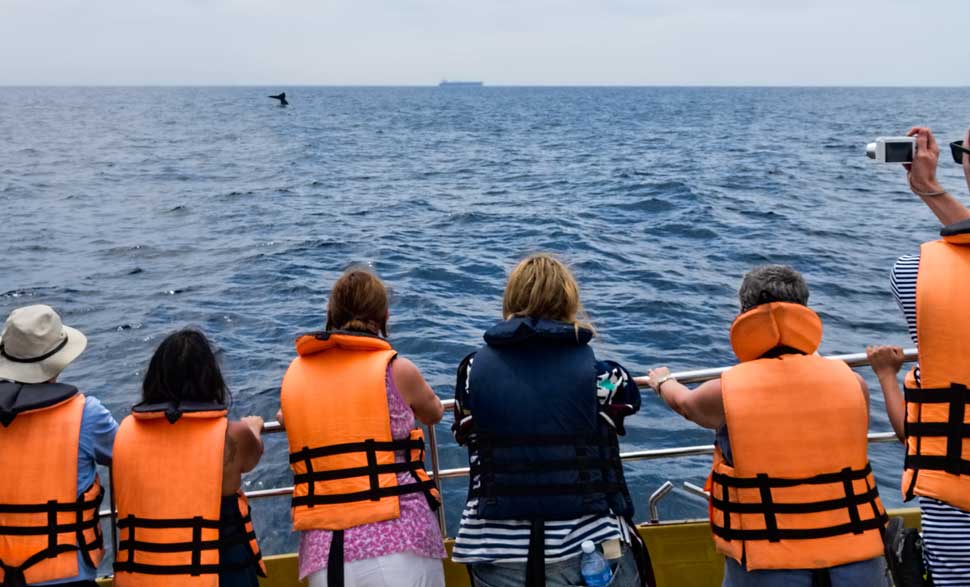
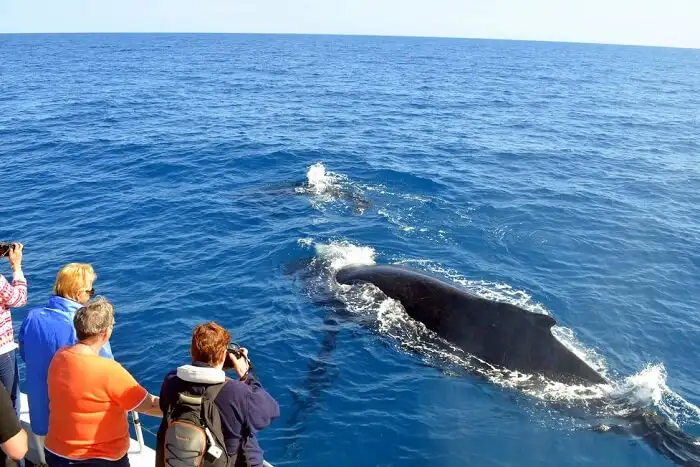
As you set sail from Mirissa’s harbor, the anticipation builds. The vastness of the ocean unfolds before you, and the serenity of the open waters is both calming and invigorating. Then, it happens—a majestic creature breaches the surface, and you’re in awe of nature’s grandeur.

The experience of watching these magnificent creatures in their natural habitat is a humbling and transformative one. It reminds us of the importance of preserving our oceans and the incredible biodiversity they harbor.

Blue Whales

Conclusion

Whale watching in Mirissa is an adventure that combines the thrill of the unknown with the wonder of nature. It’s an opportunity to connect with the ocean’s gentle giants and create lasting memories. So, if you’re seeking a unique and awe-inspiring experience, head to Mirissa and embark on a whale watching journey you’ll cherish forever.

FAQs

1. Is it safe to go whale watching in Mirissa?

Yes, it is generally safe to go whale watching in Mirissa, as long as you choose a reputable tour operator that follows safety guidelines and respects marine life.

2. What is the best time of day for whale watching?

Early morning is often the best time for whale watching, as the sea is usually calmer, and marine life is more active.

3. Can children participate in whale watching tours?

Yes, many whale watching tours in Mirissa are family-friendly and welcome children, but it’s essential to check with the tour operator regarding age restrictions and safety measures.

4. Are there any conservation efforts for marine life in Mirissa?

Yes, Mirissa has various conservation initiatives aimed at protecting marine life. Some tour operators also contribute to these efforts through education and conservation programs.

5. What should I do if I encounter dolphins during the tour?

If you encounter dolphins during your whale watching tour, it’s essential to maintain a respectful distance and avoid disturbing them. Your guide will provide guidance on responsible wildlife viewing practices.


SHARE
Verified by MonsterInsights