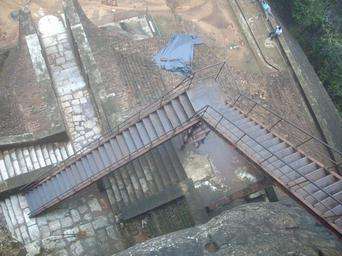
Adam’s Peak | The Mystical Beauty of Spiritual and Natural Wonder

SHARE

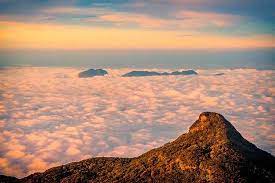
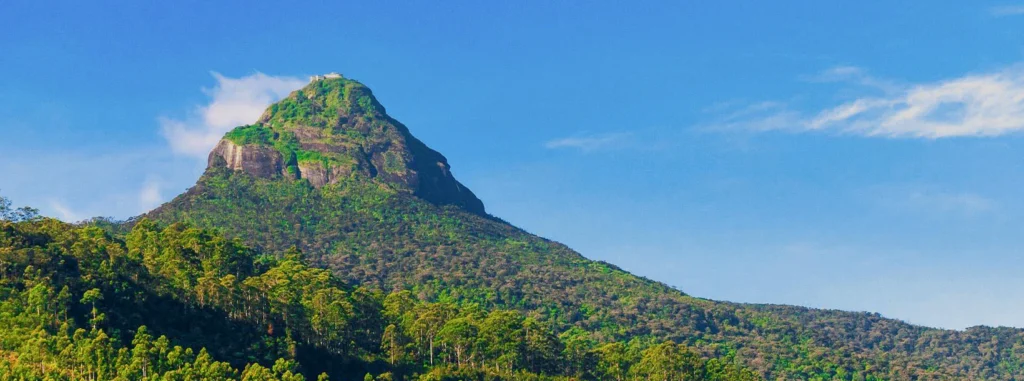
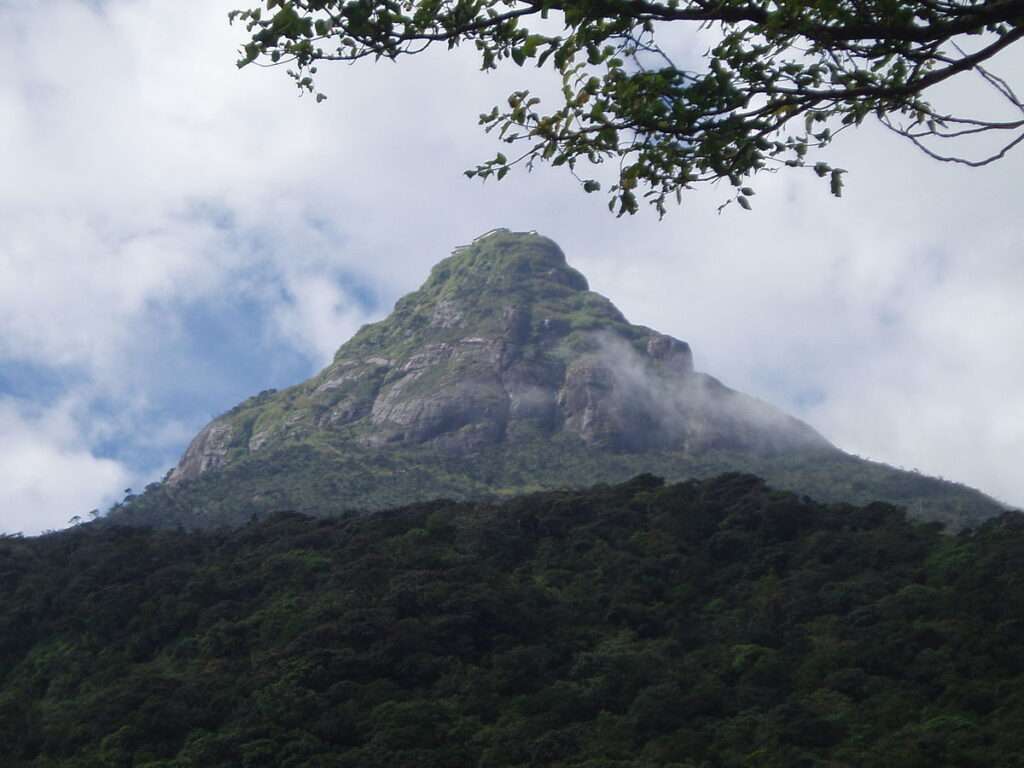
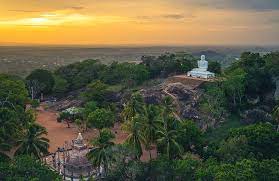
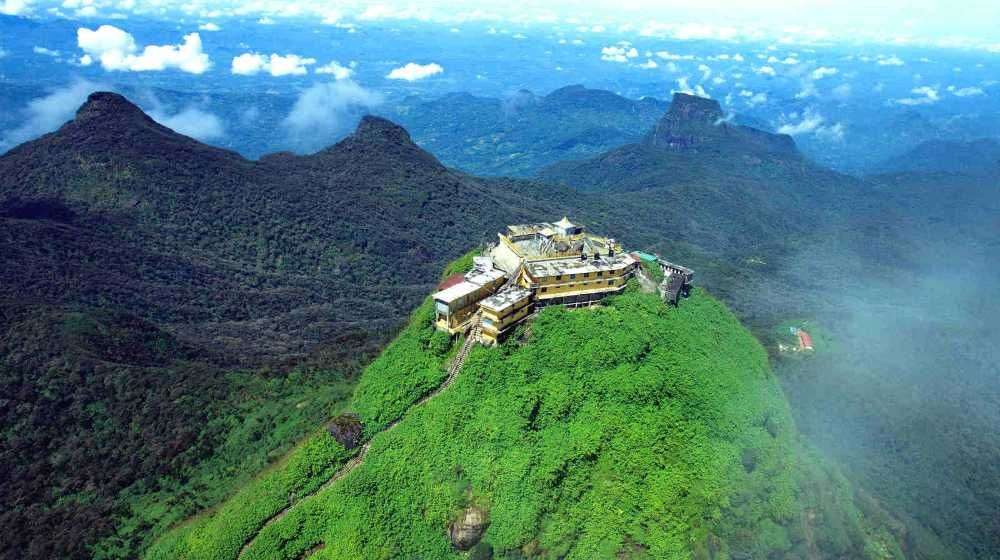
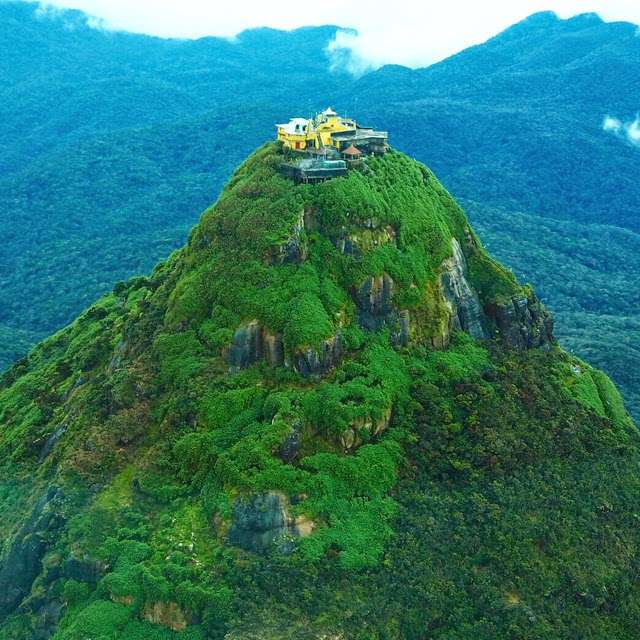
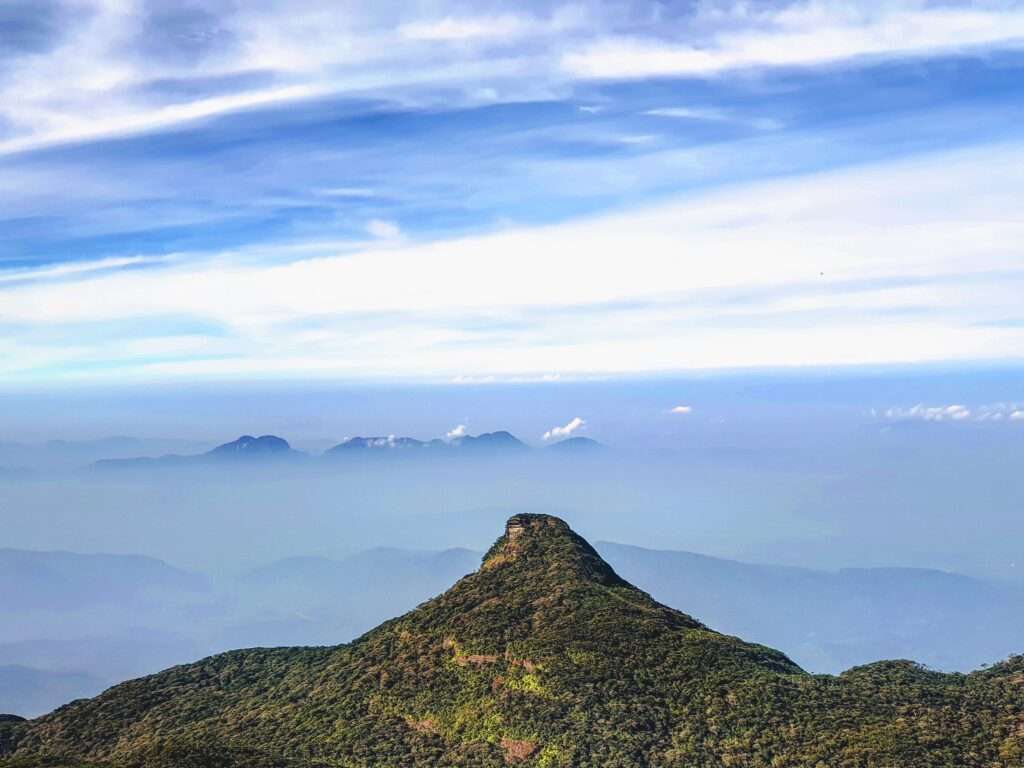
Adam’s Peak, also known as Sri Pada, is a captivating and revered mountain located in the central highlands of Sri Lanka. This iconic landmark holds immense cultural, religious, and natural significance, drawing pilgrims, nature enthusiasts, and curious travelers from all corners of the globe. Rising to a majestic height of 2,243 meters (7,359 feet), the peak offers a journey of both physical exertion and spiritual fulfillment. Let’s embark on a journey to discover the enchanting allure of Adam’s Peak.
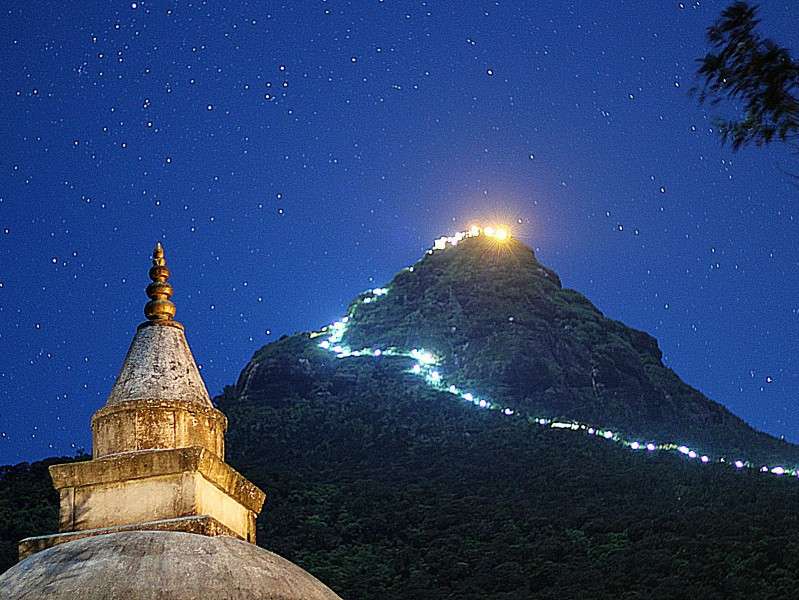
Table of Contents

  1. Introduction
  2. The Mythical and Religious Significance
  3. Breathtaking Natural Beauty
  4. The Challenging Ascent
  5. Sunrise Spectacle
  6. Cultural Diversity and Harmony
  7. Pilgrimage Season and Rituals
  8. Flora and Fauna of the Region
  9. Preserving the Ecological Balance
  10. Local Cuisine and Souvenirs
  11. Accommodation and Nearby Attractions
  12. Weather and Best Time to Visit
  13. Transportation and Accessibility
  14. Capturing Memories: Photography Tips
  15. Conclusion

1. Introduction

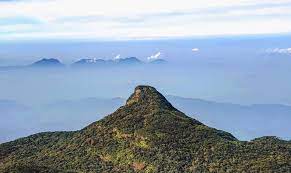
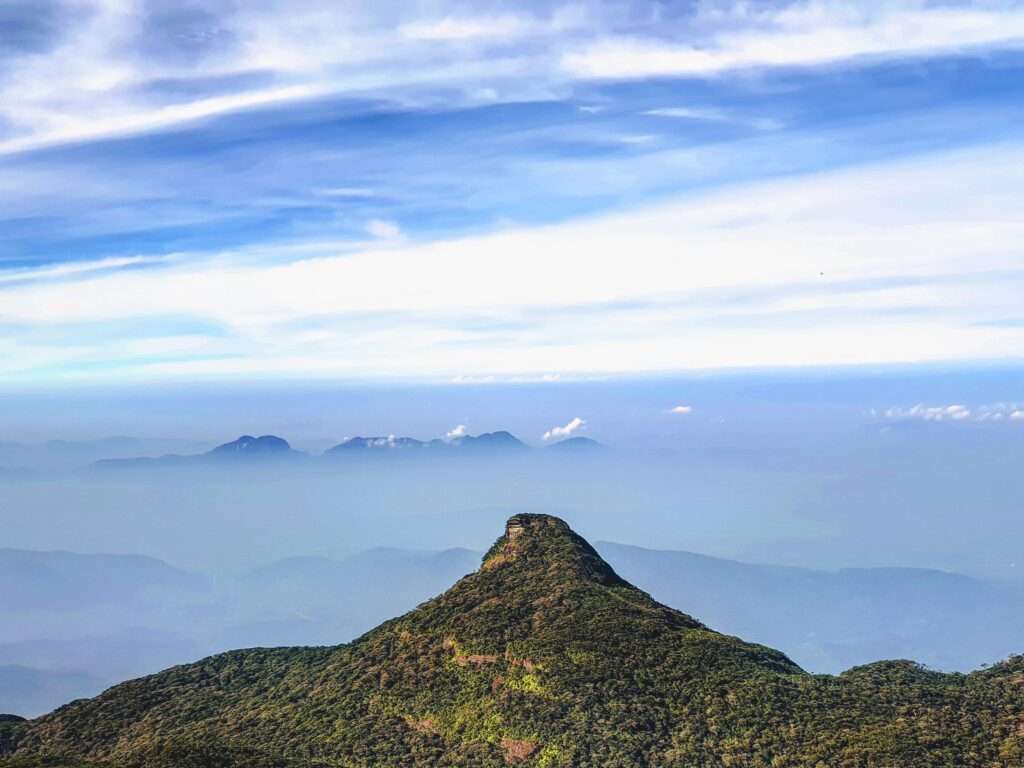
Nestled in the heart of Sri Lanka, Adam’s Peak is an awe-inspiring mountain that has been captivating hearts for centuries. Its distinct pyramid-like silhouette against the horizon beckons travelers to embark on an unforgettable journey.
2. The Mythical and Religious Significance

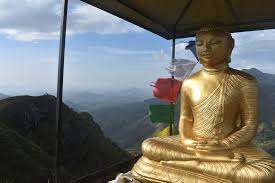
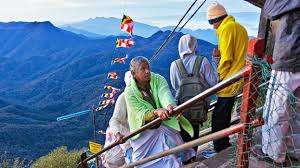
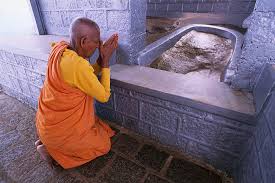
Legend has it that the foot-shaped impression at the summit of Adam’s Peak is attributed to Adam, Buddha, or Lord Shiva, depending on one’s beliefs. For Buddhists, it’s believed to be the footprint of Lord Buddha, while Hindus consider it to be the footprint of Lord Shiva. This diversity of beliefs adds to the mountain’s spiritual magnetism.
3. Breathtaking Natural Beauty

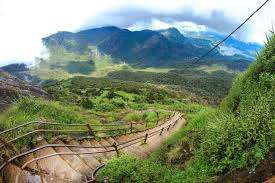
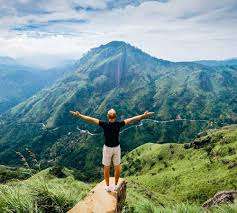
Beyond its spiritual aura, Adam’s Peak boasts breathtaking natural beauty. Lush greenery, cascading waterfalls, and diverse flora adorn the trail, making the journey as visually stunning as it is spiritually enriching.
4. The Challenging Ascent

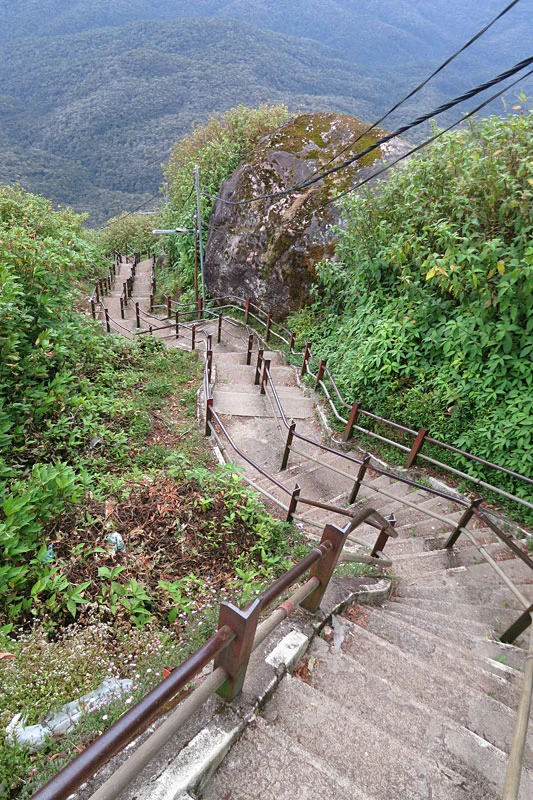
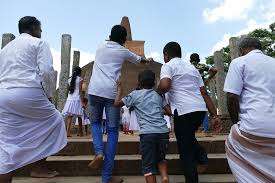
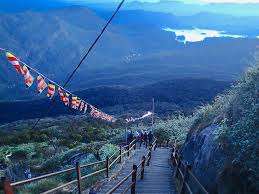
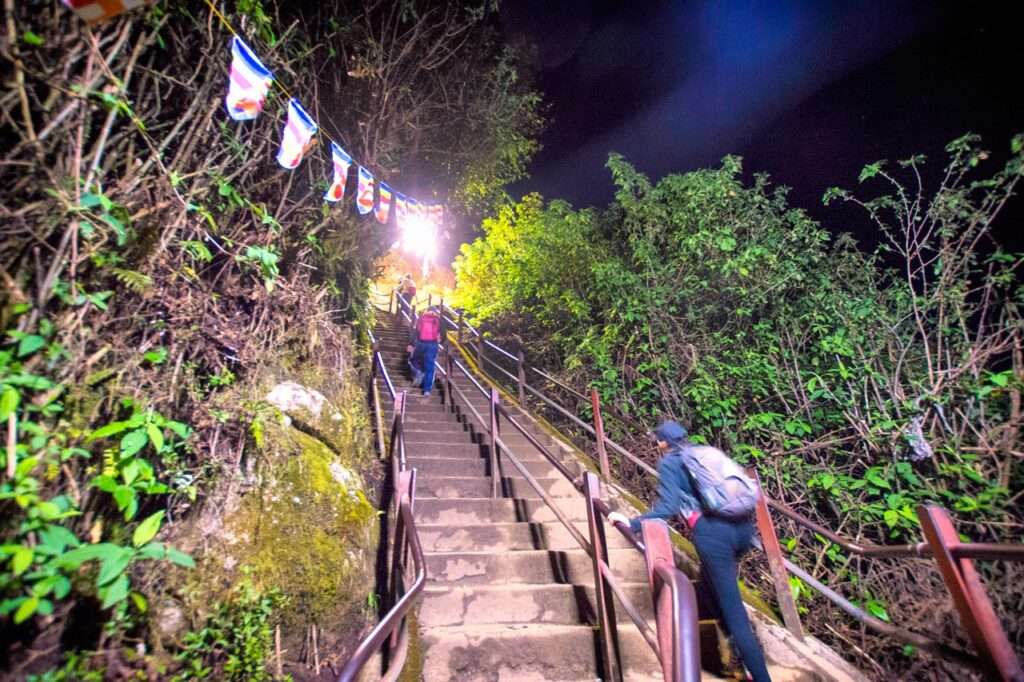
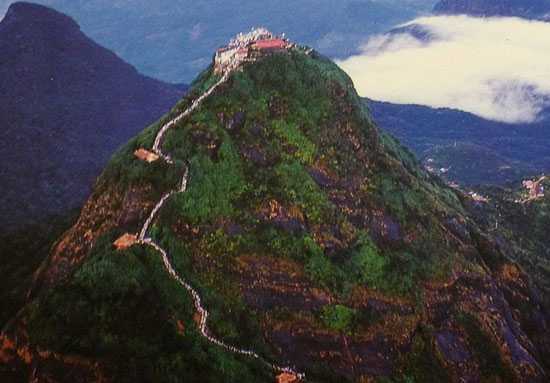
The climb to the summit is not for the faint-hearted. The journey consists of around 5,500 steps, each step fostering a sense of accomplishment. The ascent is arduous but rewarding, with fellow climbers encouraging one another along the way.
5. Sunrise Spectacle

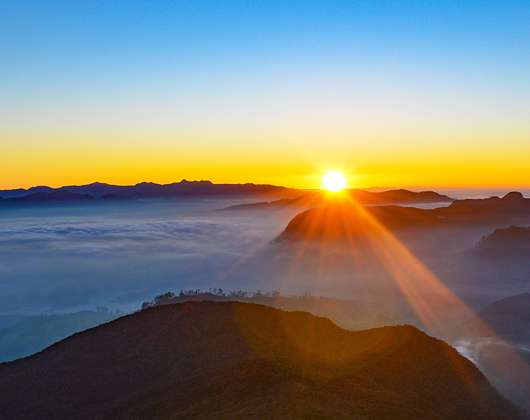
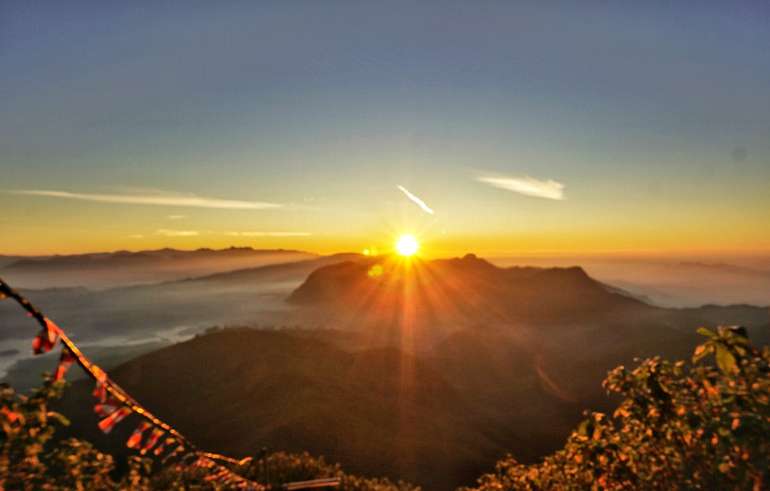
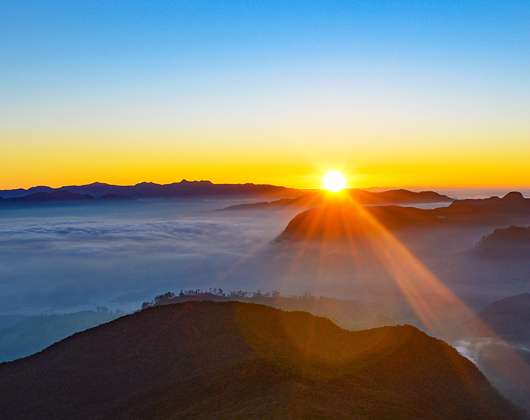
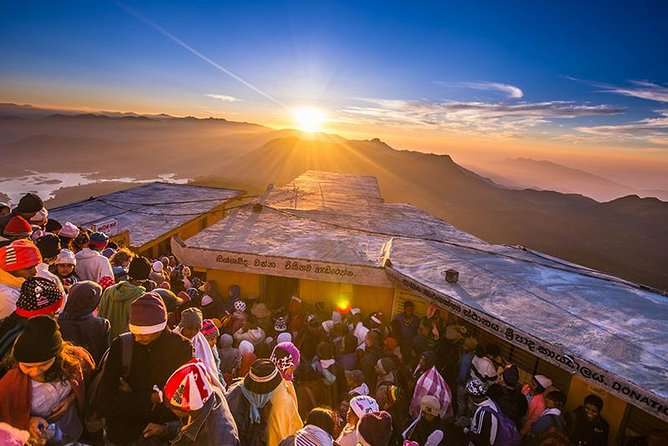
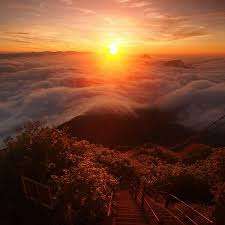
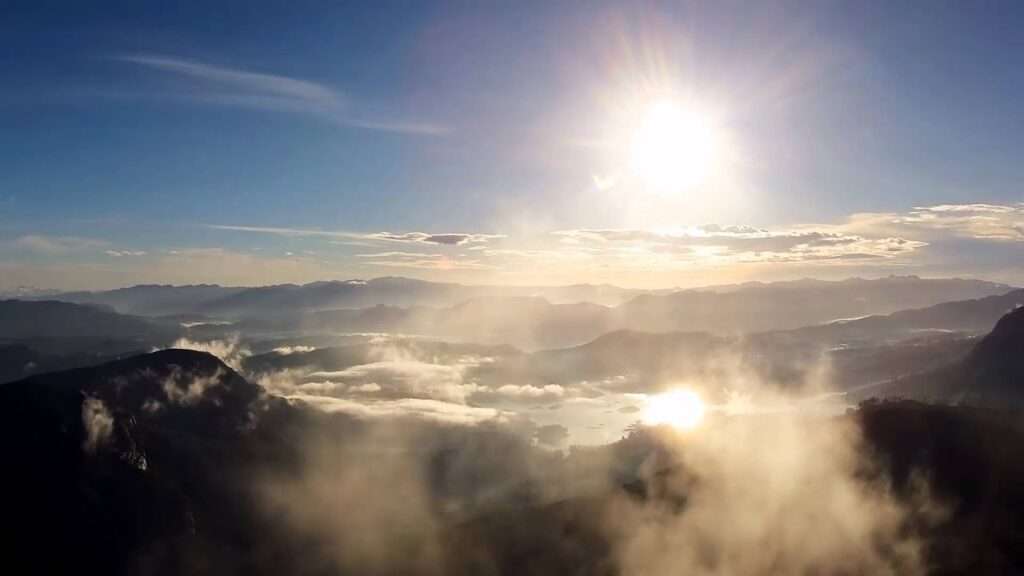
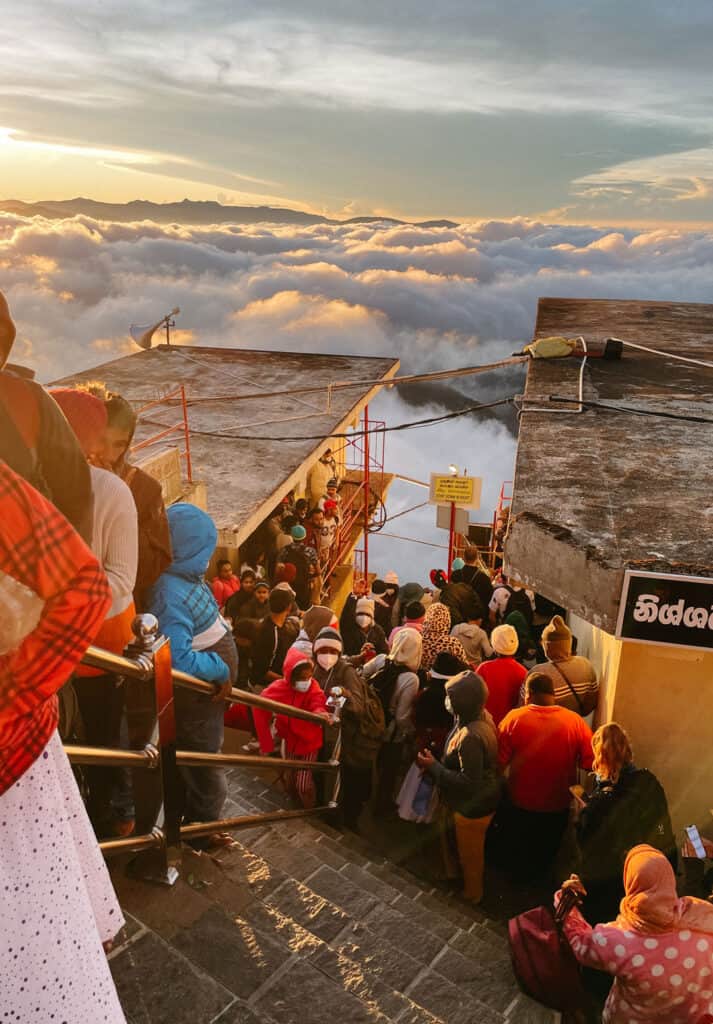
Reaching the summit before dawn rewards trekkers with a celestial spectacle. The sunrise from the peak casts a spellbinding play of colors across the landscape, a sight that’s etched into memory forever.
6. Cultural Diversity and Harmony

Adam’s Peak is a harmonious convergence of various faiths. Pilgrims of different religions ascend the mountain, showcasing the island nation’s religious coexistence.
7. Pilgrimage Season and Rituals

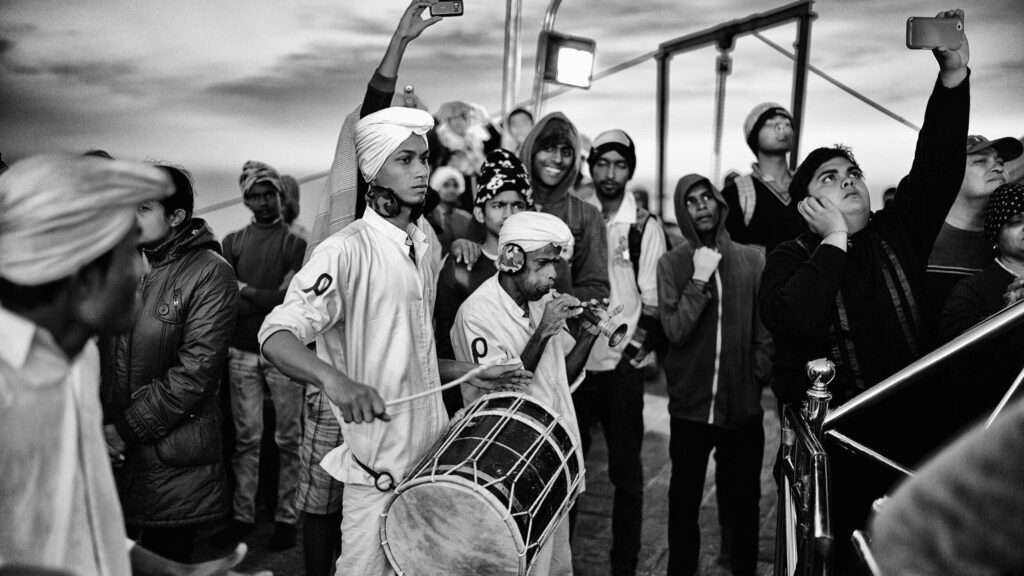
The pilgrimage season typically begins in December and extends until May. Pilgrims undertake this journey to seek blessings, perform rituals, and experience a sense of unity with fellow devotees.

8. Flora and Fauna of the Region

The ascent through diverse ecosystems introduces trekkers to an array of flora and fauna. From dense forests to open terrain, the journey offers an opportunity to connect with nature.
9. Preserving the Ecological Balance

Efforts are underway to ensure responsible tourism to preserve the fragile ecosystem of Adam’s Peak. Trekkers are encouraged to minimize their environmental footprint and respect the sanctity of the place.
10. Local Cuisine and Souvenirs

Exploring the nearby villages offers a chance to savor local delicacies and purchase traditional souvenirs, creating a deeper connection to the local culture.

11. Accommodation and Nearby Attractions

Various accommodations cater to the needs of trekkers. Nearby attractions like tea plantations and waterfalls provide an opportunity to extend your journey.

12. Weather and Best Time to Visit

The best time to visit is during the pilgrimage season when the weather is conducive to trekking. However, be prepared for occasional rain and cooler temperatures.

13. Transportation and Accessibility

Accessing Adam’s Peak is relatively convenient, with transportation options available from major cities. Buses and trains offer scenic routes to the starting point of the trek.

14. Capturing Memories: Photography Tips

Photographers will find Adam’s Peak a paradise for capturing both natural beauty and cultural diversity. Sunrise and sunset shots are especially magical.

15. Conclusion

Adam’s Peak stands as a testament to the harmonious coexistence of culture, spirituality, and nature. The journey to the summit is more than a physical climb—it’s a journey of the soul, offering an experience that touches the heart and mind alike.

FAQs

  1. Is the trek to Adam’s Peak suitable for beginners? The trek can be challenging, so it’s recommended to have a reasonable level of fitness before attempting it.
  2. Can I visit Adam’s Peak during the offseason? While the pilgrimage season is the ideal time, some trekkers do visit during the offseason, but be prepared for more unpredictable weather.
  3. Are there any age restrictions for the trek? There’s no strict age limit, but keep in mind that the climb involves a considerable number of steps and can be physically demanding.
  4. Are there guides available for the trek? Yes, local guides are available to assist you on the trek, providing insights into the mountain’s history and significance.
  5. Is camping allowed on the peak? Camping at the summit is not encouraged due to the need for environmental conservation.
SHARE

The Most Impressive Ancient Kingdom of Sri Lanka – Anuradhapura

SHARE

Introduction to Anuradhapura

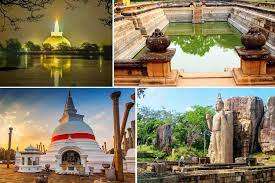
Anuradhapura, Sri Lanka’s ancient capital, stands as a UNESCO World Heritage Site and a symbol of the island’s rich history and cultural heritage. Famed for its well-preserved ancient ruins, sacred Buddhist temples, and centuries-old stupas, Anuradhapura is a must-visit destination for anyone interested in Sri Lanka’s past. Located in the North Central Province, this historic city offers visitors an unparalleled journey through the heart of Sinhala civilization and Buddhist tradition. Discover why Anuradhapura remains one of the most important cultural and religious sites in Sri Lanka.

Historical Significance

The Founding of Anuradhapura

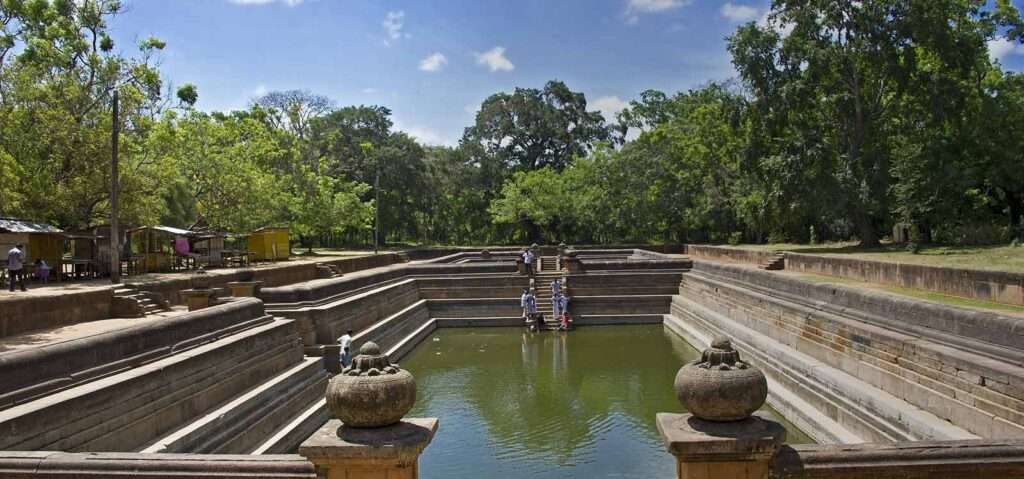
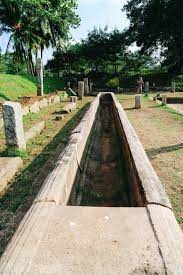
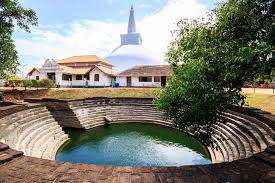
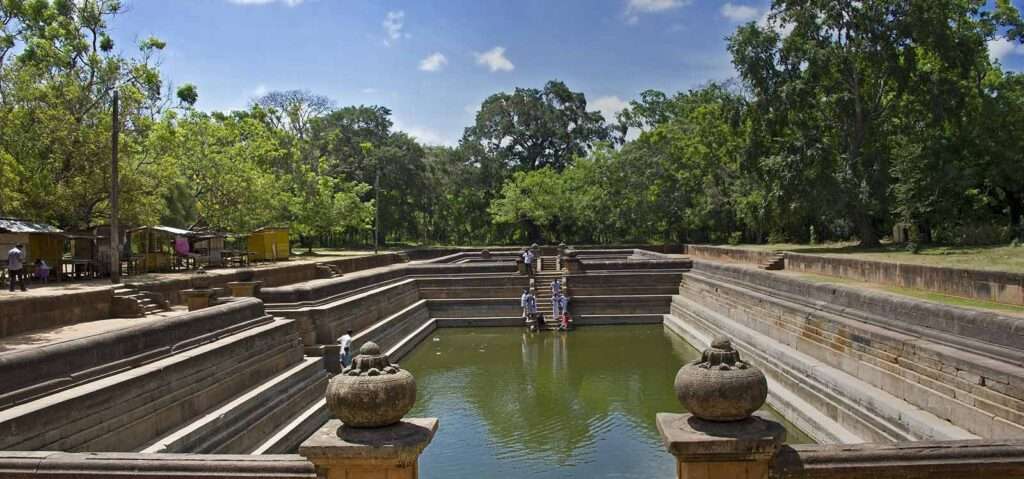
Anuradhapura’s origins trace back to the 5th century BCE when it was established by King Pandukabhaya. It became the first established kingdom in ancient Sri Lanka, marking the beginning of a sophisticated and organized civilization. The city’s layout, including the construction of reservoirs and intricate irrigation systems, demonstrates the advanced engineering skills of its ancient inhabitants.
Buddhism and Anuradhapura

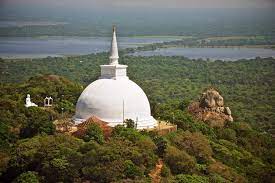
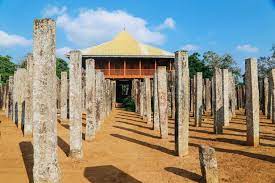
The introduction of Buddhism in the 3rd century BCE by King Devanampiya Tissa, following the missionary work of Mahinda Thera, profoundly influenced Anuradhapura. The city became a major center of Theravada Buddhism, and its landscape is dotted with numerous stupas, monasteries, and temples. The sacred Bodhi Tree, grown from a sapling of the original Bodhi Tree under which Buddha attained enlightenment, remains a pivotal pilgrimage site.

Architectural Marvels

Ruwanwelisaya Stupa

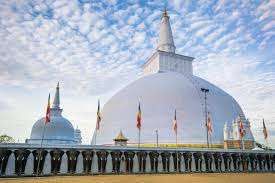
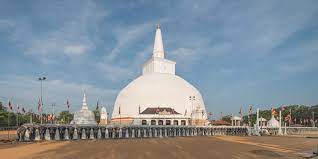
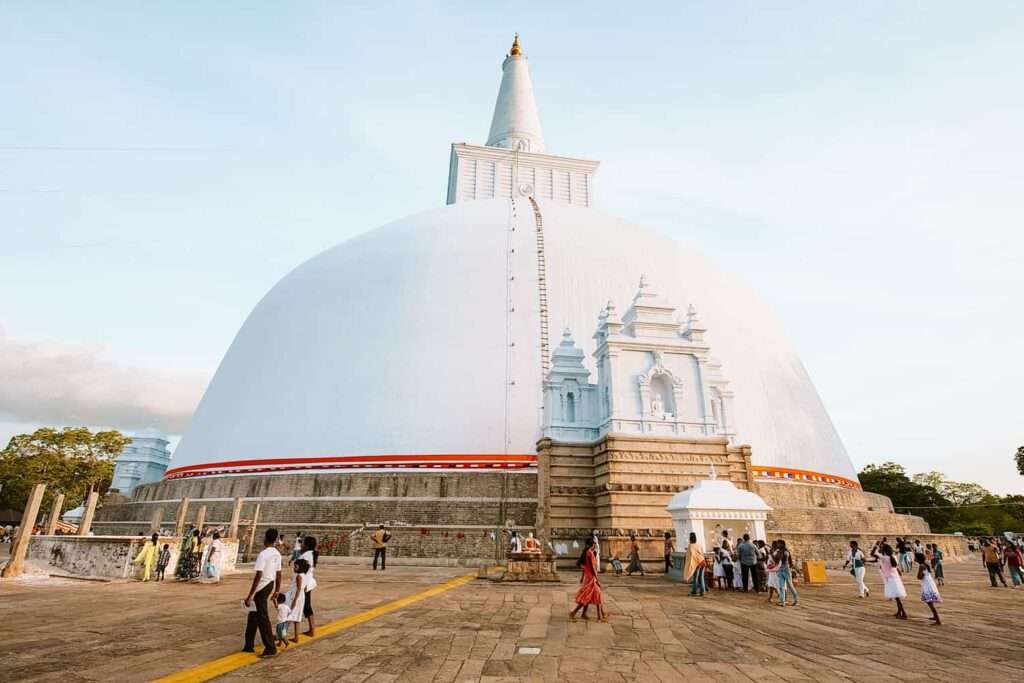
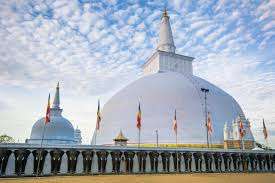
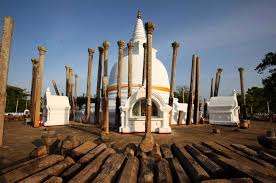
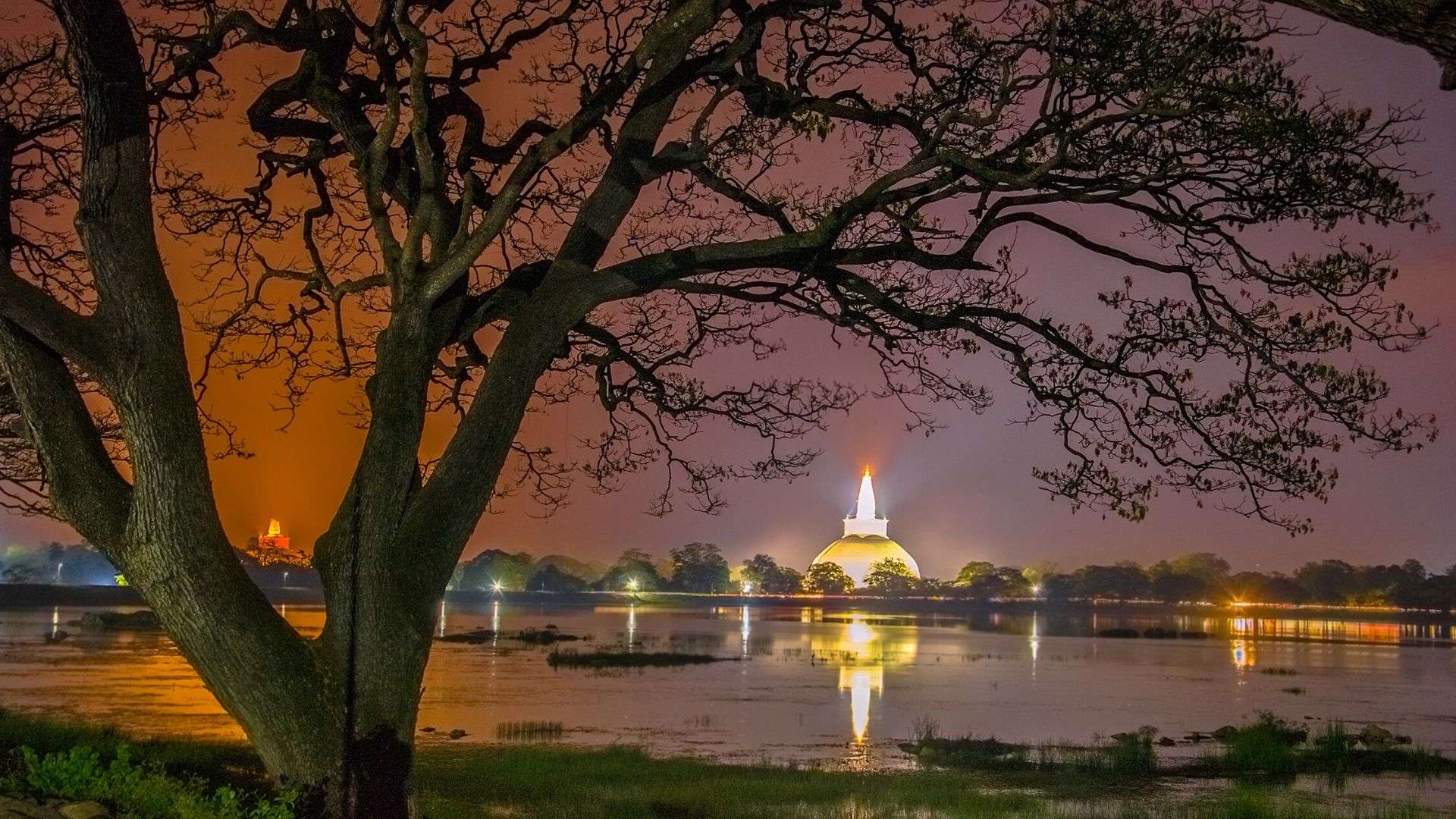
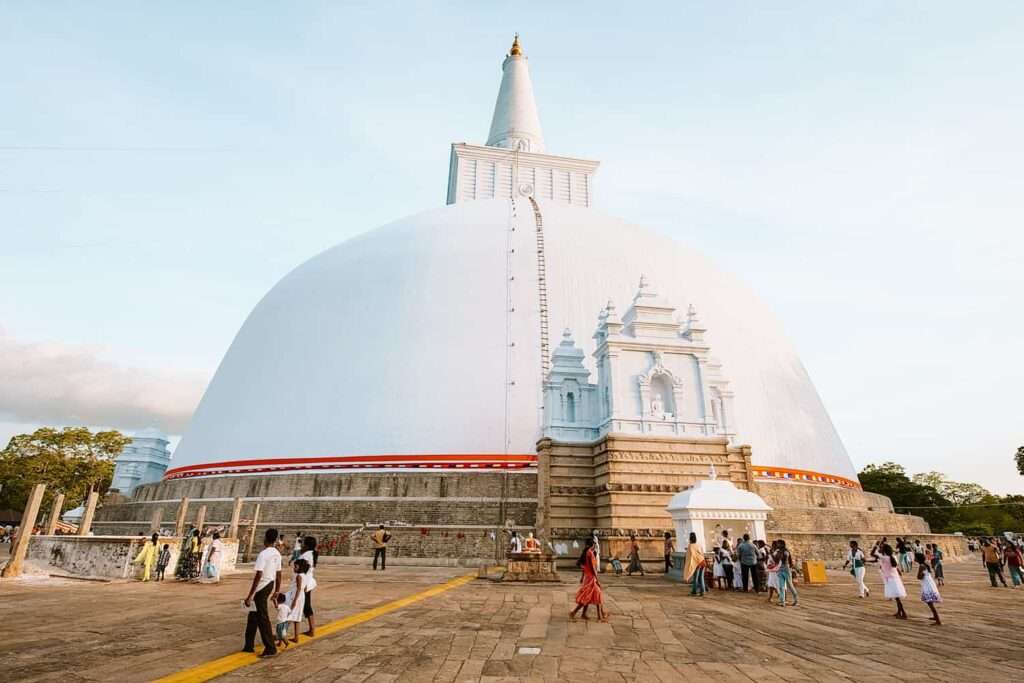
The Ruwanwelisaya Stupa, built by King Dutugemunu in 140 BCE, is one of Anuradhapura’s most iconic structures. This magnificent stupa stands 103 meters tall and has a diameter of 290 meters. Its white dome is a symbol of purity and is revered by Buddhists worldwide. The stupa is surrounded by a stone-paved terrace and a ring of smaller stupas, enhancing its grandeur.

Abhayagiri Monastery Complex

The Abhayagiri Monastery, established in the 2nd century BCE, was one of the largest monasteries in Anuradhapura, accommodating up to 5,000 monks. The centerpiece of this complex is the Abhayagiri Dagoba, standing at 75 meters. The monastery was a hub of Buddhist learning and artistic endeavors, with remnants of intricate carvings and sculptures showcasing the skill of ancient craftsmen.

Jetavanaramaya Stupa

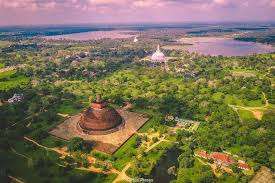
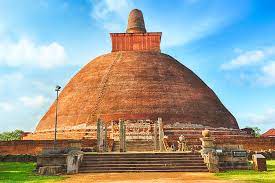
Jetavanaramaya, constructed by King Mahasena in the 3rd century CE, is one of the tallest stupas in the world, originally reaching a height of 122 meters. Though partially ruined, it still stands as a colossal brick structure. Jetavanaramaya reflects the zenith of Sinhalese stupa construction and was an important religious site for centuries.

The Sacred Bodhi Tree

The Jaya Sri Maha Bodhi is the oldest living human-planted tree in the world with a known planting date, planted in 288 BCE. This sacred fig tree, a sapling from the original Bodhi Tree in India, is deeply venerated by Buddhists. The tree symbolizes the rich spiritual heritage of Anuradhapura and attracts pilgrims from around the globe.

Ancient Reservoirs and Irrigation Systems

Tissa Wewa

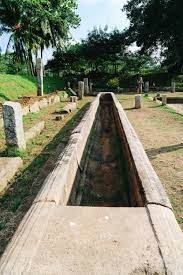
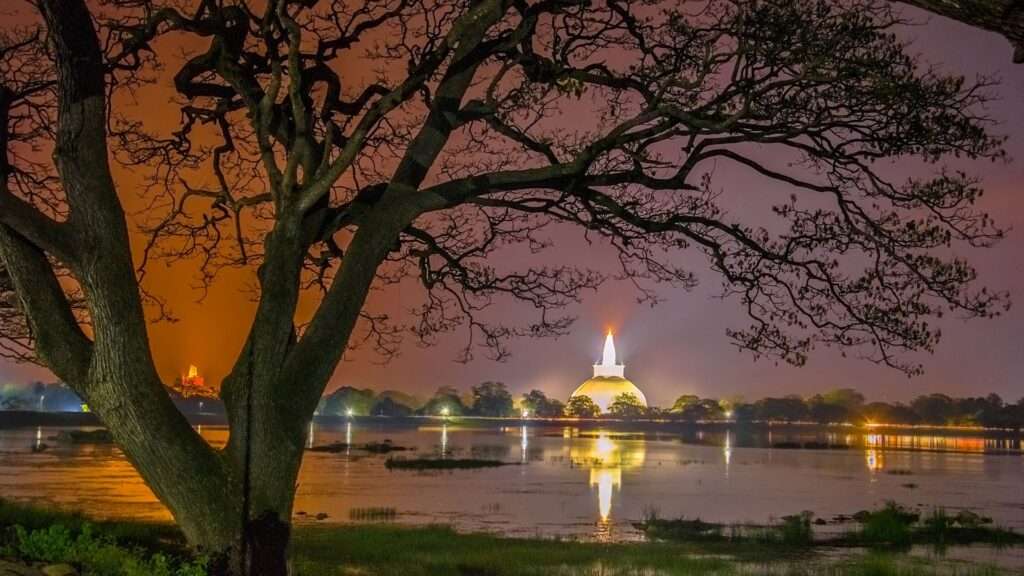
Tissa Wewa, an ancient reservoir built by King Devanampiya Tissa, remains a crucial water source for Anuradhapura. This artificial lake, covering an area of approximately 550 acres, exemplifies the ingenuity of ancient Sri Lankan hydrological engineering. The reservoir supported agriculture and sustained the city’s population for centuries.

Kala Wewa

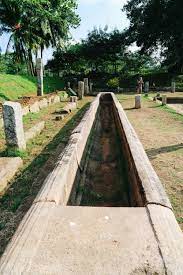
Kala Wewa, constructed by King Dathusena in the 5th century CE, is another marvel of ancient engineering. This massive reservoir, with a capacity of over 123 million cubic meters, played a vital role in the irrigation network of the region. The reservoir is connected to the Jayaganga (Yoda Ela), a 54-mile-long canal that facilitated efficient water distribution.
Cultural and Religious Practices

Poson Festival

The Poson Festival, celebrated in June, commemorates the introduction of Buddhism to Sri Lanka. Anuradhapura becomes a focal point of festivities, with thousands of pilgrims gathering to pay homage at the sacred sites. The city is adorned with lanterns and decorations, and various religious activities, including processions and chanting, take place.

Poya Days

Poya Days, marking the full moon, are significant in the Buddhist calendar. Anuradhapura, with its numerous temples and stupas, becomes a center of worship and reflection. Devotees participate in rituals, offering alms, and engaging in meditation. These observances underscore the city’s enduring spiritual legacy.
Archaeological Discoveries in Anuradhapura

The Moonstone

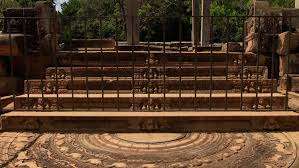
Anuradhapura is renowned for its intricately carved moonstones (Sandakada Pahana). These semi-circular stone slabs are found at the entrances of monasteries and depict a detailed representation of animals, plants, and divine figures. The moonstones are considered masterpieces of ancient Sinhalese art, reflecting religious and cultural symbolism.

The Aukana Buddha Statue

The Aukana Buddha statue, located near Anuradhapura, is a remarkable example of ancient stone carving. This 12-meter tall statue, dating back to the 5th century CE, stands majestically, embodying serenity and grace. It is a testament to the artistic excellence achieved during the Anuradhapura period.

Preservation and Tourism

UNESCO World Heritage Site

Anuradhapura was designated a UNESCO World Heritage Site in 1982, recognizing its outstanding cultural value. Efforts to preserve its monuments and relics are ongoing, ensuring that future generations can appreciate its historical significance. Conservation projects focus on maintaining the structural integrity and aesthetic appeal of the ancient ruins.

Visitor Experience

Tourism plays a pivotal role in Anuradhapura’s economy. The city offers a rich experience for visitors, with guided tours available to explore its archaeological and religious sites. The Anuradhapura Museum provides in-depth insights into the city’s history and culture. Sustainable tourism practices are promoted to protect and enhance the heritage site.

Conclusion

Anuradhapura stands as a beacon of Sri Lanka’s ancient glory, a city where history, culture, and spirituality converge. Its architectural marvels, sacred relics, and innovative engineering continue to inspire awe and reverence. Visiting Anuradhapura is not just a journey through time but an immersion into the heart of a civilization that has profoundly shaped the cultural and religious landscape of Sri Lanka.


SHARE

The Significance of Dambulla Cave Temple

SHARE

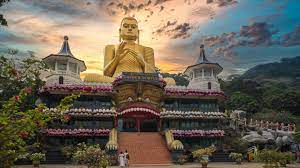
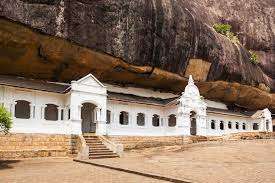
Dambulla, located in the heart of Sri Lanka’s Cultural Triangle, is a captivating destination that draws travelers with its rich history, remarkable cave temple, and scenic landscapes. This enchanting town is a treasure trove of ancient artifacts, religious significance, and natural beauty. In this article, we will delve into the wonders of Dambulla, exploring its cultural marvels, vibrant traditions, and the iconic Dambulla Cave Temple.

Table of Contents

  1. Introduction: Unveiling the Mysteries of Dambulla
  2. The Significance of Dambulla Cave Temple
  3. Exploring the Magnificent Cave Paintings
  4. Marveling at the Golden Buddha Statues
  5. The Surrounding Temples and Sacred Sites
  6. The Cultural Triangle: A Journey through History
  7. Dambulla’s Colorful Festivals and Traditions
  8. Delving into the Local Cuisine and Flavors
  9. Discovering Dambulla’s Natural Beauty
  10. Accommodation Options in Dambulla
  11. Exploring Nearby Attractions
  12. Tips for an Unforgettable Visit to Dambulla
  13. Conclusion
  14. FAQs: Answers to Your Questions about Dambulla

1. Introduction: Unveiling the Mysteries of Dambulla

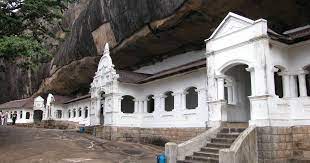
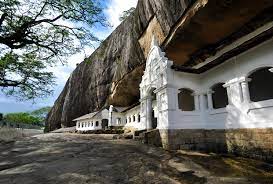
Nestled in the Matale District of Sri Lanka, Dambulla is a small town that carries a significant historical and cultural heritage. This region is renowned for its majestic rock cave temple complex, which dates back to the first century BC. The captivating allure of Dambulla lies in its ability to transport visitors back in time, immersing them in ancient tales and architectural marvels.

2. The Significance of Dambulla Cave Temple

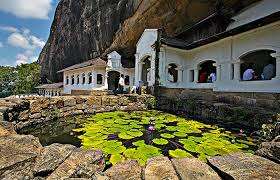
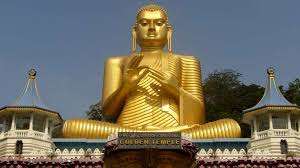
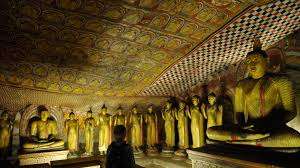
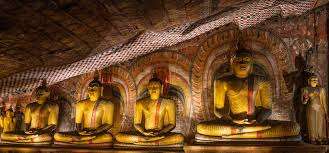
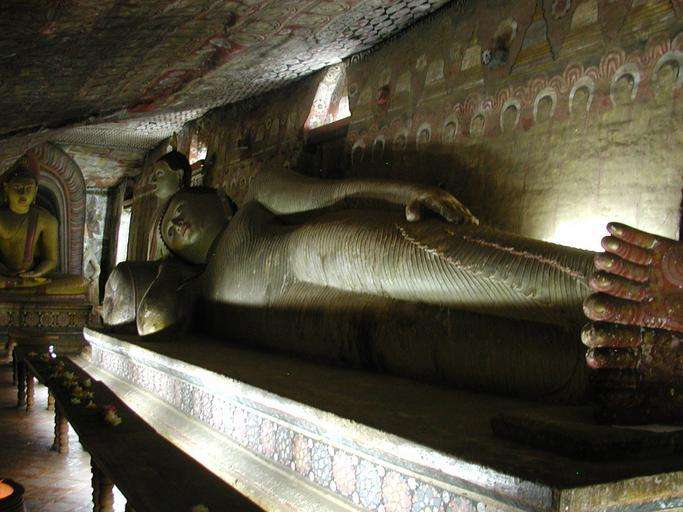
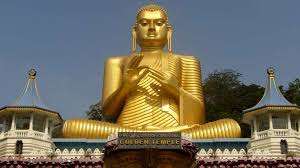
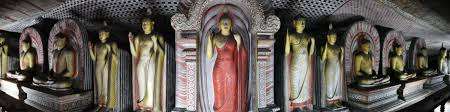
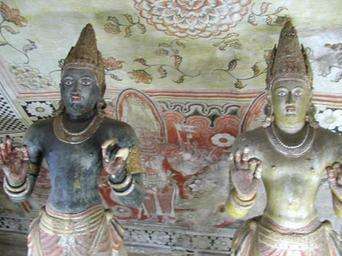
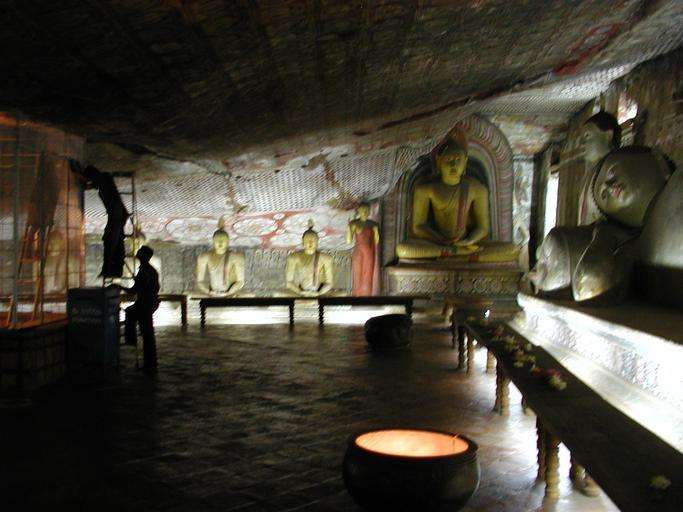
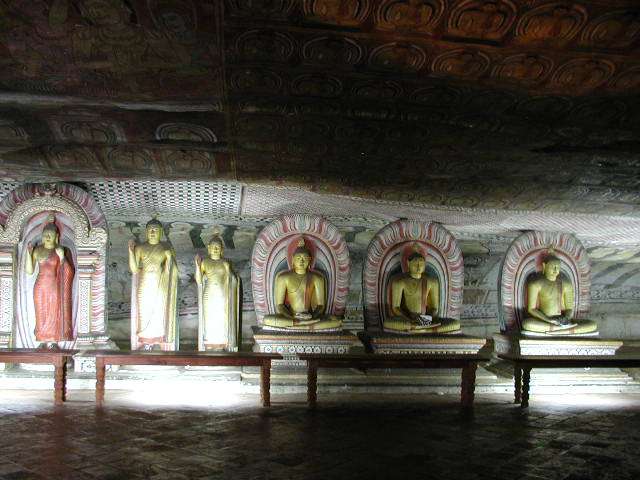
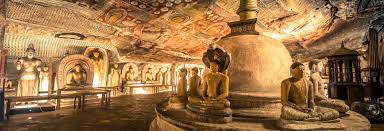
The crown jewel of Dambulla is undoubtedly the Dambulla Cave Temple, also known as the Golden Temple of Dambulla. This UNESCO World Heritage site comprises a series of cave temples that have served as places of worship for over 2,000 years. The caves are home to numerous statues, paintings, and religious artifacts, making it a sacred sanctuary for Buddhist devotees and an awe-inspiring sight for curious explorers.

3. Exploring the Magnificent Cave Paintings

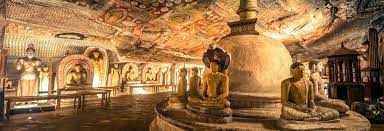
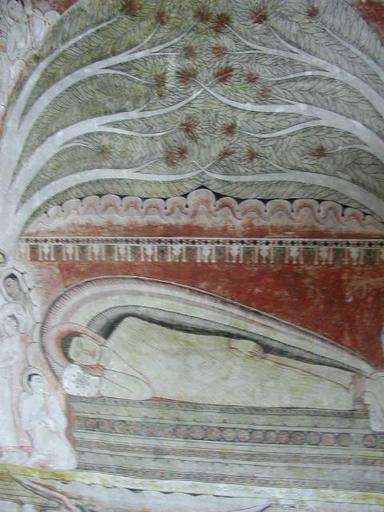
As you enter the darkened chambers of the cave temple, you are greeted by an extraordinary display of ancient frescoes. These vividly colored paintings depict various scenes from the life of Lord Buddha and stories from Buddhist mythology. The intricate details and vibrant hues are a testament to the exceptional artistic talent of the ancient Sri Lankan civilization.
4. Marveling at the Golden Buddha Statues
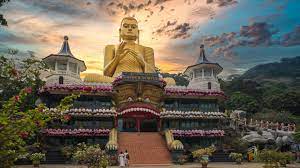
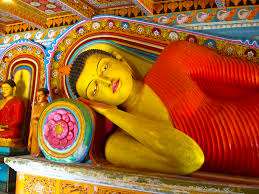
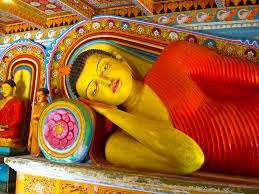
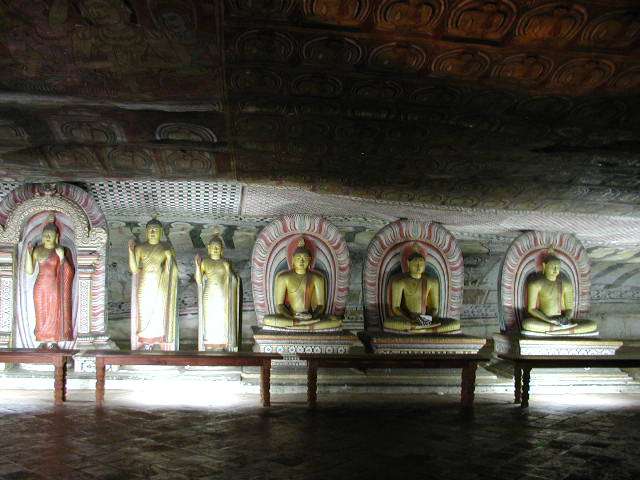
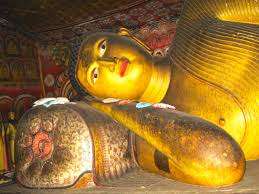
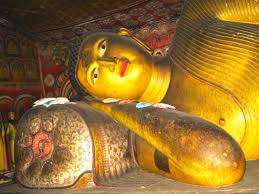
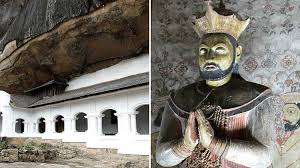
Within the Dambulla Cave Temple, you will encounter a collection of striking Buddha statues, each exuding a sense of tranquility and spiritual significance. The most impressive among them is the 14-meter-long reclining Buddha statue, representing the Buddha’s entry into Parinirvana. The sight of these majestic golden statues leaves a lasting impression on visitors, inviting them to reflect and find solace in the peaceful ambiance of the temple.

5. The Surrounding Temples and Sacred Sites

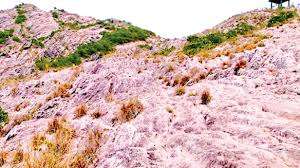
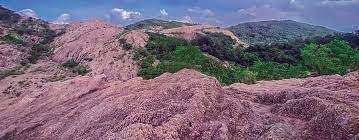
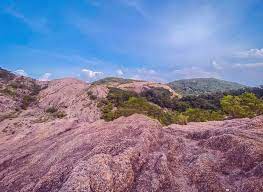
Beyond the renowned Dambulla Cave Temple, the town boasts several other temples and sacred sites that are worth exploring. Among them is the Ironwood Forest Monastery, known as Na Uyana Aranya, offering a serene retreat for meditation enthusiasts. Another notable attraction is the Rose Quartz Mountain Range, famous for its pink quartz mountains and picturesque landscapes.

6. The Cultural Triangle: A Journey through History

Dambulla is part of Sri Lanka’s Cultural Triangle, a region that encompasses several ancient cities and historical landmarks. Within a short distance from Dambulla, you can visit Sigiriya, Polonnaruwa, and Anuradhapura, each with its own distinct historical significance. Exploring these nearby attractions provides a comprehensive understanding of Sri Lanka’s rich past and architectural grandeur.

7. Dambulla’s Colorful Festivals and Traditions

Immersing yourself in Dambulla’s vibrant cultural tapestry means witnessing its colorful festivals and traditions. The Esala Perahera, a grand procession featuring beautifully adorned elephants, traditional dancers, and drummers, is a spectacle that shouldn’t be missed. Other festivals like Vesak and Poson bring the town alive with vibrant decorations and illuminate the night sky with thousands of flickering oil lamps.

8. Delving into the Local Cuisine and Flavors

No visit to Dambulla is complete without indulging in the local cuisine. The town offers a variety of delectable dishes, influenced by its cultural diversity and agricultural abundance. From aromatic rice and curry feasts to mouthwatering street food, the flavors of Dambulla are sure to tantalize your taste buds and leave you craving for more.

9. Discovering Dambulla’s Natural Beauty

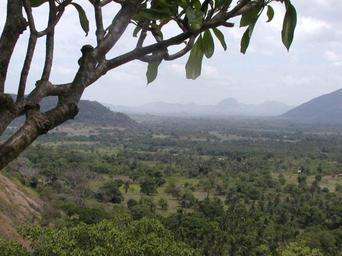
In addition to its cultural and historical marvels, Dambulla also captivates visitors with its natural beauty. The area is blessed with lush greenery, picturesque lakes, and stunning landscapes. Nature lovers can embark on scenic hikes, explore wildlife sanctuaries, or simply unwind amidst the tranquility of the surrounding countryside.

10. Accommodation Options in Dambulla

Dambulla offers a range of accommodation options to suit every traveler’s preferences and budget. From luxurious resorts to cozy guesthouses, there are plenty of choices available. Many establishments provide breathtaking views of the surrounding countryside, allowing guests to immerse themselves in the serene ambiance of Dambulla.

11. Exploring Nearby Attractions

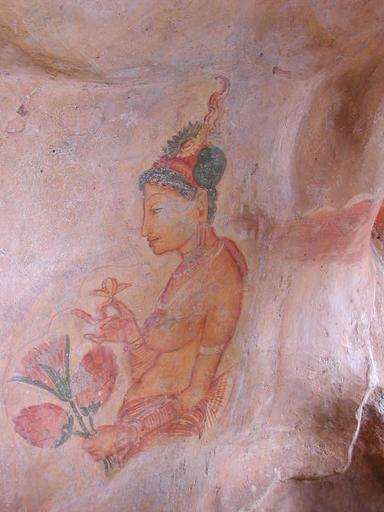
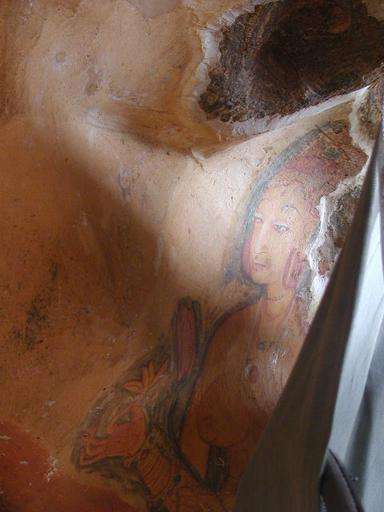
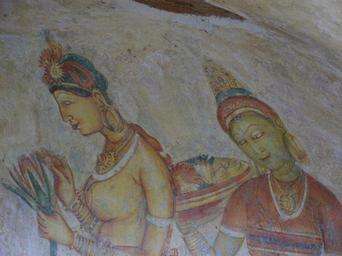
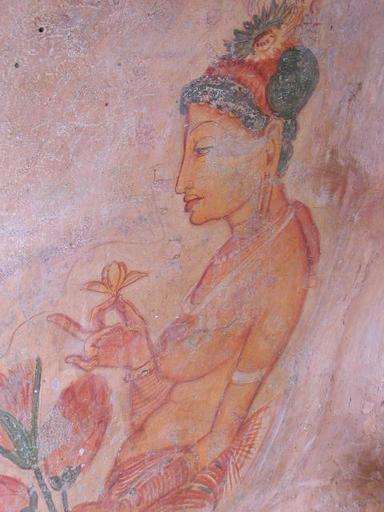
While Dambulla itself is a captivating destination, it serves as an excellent base for exploring nearby attractions. The ancient rock fortress of Sigiriya, with its towering citadel and remarkable frescoes, is a must-visit. Polonnaruwa, a well-preserved medieval city, showcases the grandeur of ancient Sri Lankan civilization. Anuradhapura, with its sacred stupas and sprawling monastic complexes, offers a glimpse into the country’s rich religious heritage.
12. Tips for an Unforgettable Visit to Dambulla

To make the most of your visit to Dambulla, here are some essential tips:

  • Wear comfortable footwear as you will be walking and climbing stairs within the cave temple complex.
  • Respect the religious customs and traditions when visiting the cave temples.
  • Carry a water bottle and stay hydrated, especially during hot weather.
  • Hire a knowledgeable guide to gain deeper insights into the historical and cultural significance of the sites.
  • Plan your visit during off-peak hours to avoid crowds and enjoy a more tranquil experience.

13. Conclusion

Dambulla is a captivating destination that offers a unique blend of history, spirituality, and natural beauty. From the awe-inspiring Dambulla Cave Temple to the surrounding cultural treasures, this town presents an unforgettable journey through Sri Lanka’s rich heritage. Whether you are a history enthusiast, a nature lover, or a spiritual seeker, Dambulla promises to leave an indelible mark on your heart and mind.

FAQs: Answers to Your Questions about Dambulla

  1. Q: How long does it take to explore the Dambulla Cave Temple?
    • A: Exploring the entire cave temple complex usually takes around 1 to 2 hours.
  2. Q: Are there any dress code requirements for visiting the temple?
    • A: It is advisable to dress modestly, covering your shoulders and knees as a sign of respect.
  3. Q: Can I take photographs inside the cave temples?
    • A: Yes, photography is permitted inside the cave temples, but flash photography is prohibited.
  4. Q: Are there any accommodation options within walking distance of the cave temple?
    • A: Yes, there are several hotels and guesthouses located within a short walking distance of the temple complex.
  5. Q: Is it possible to visit Dambulla as a day trip from other cities in Sri Lanka?
    • A: Yes, Dambulla is easily accessible from cities like Colombo, Kandy, and Anuradhapura, making it suitable for day trips.

In conclusion, Dambulla stands as a testament to the rich cultural heritage of Sri Lanka. Its ancient cave temple, vibrant festivals, and natural beauty make it a must-visit destination for travelers seeking a unique and immersive experience. Explore the wonders of Dambulla and uncover the secrets of this enchanting town.


SHARE

Polonnaruwa | Discover the Ancient Kingdom of Sri Lanka

SHARE

Polonnaruwa, located in the North Central Province of Sri Lanka, is a captivating city that holds the remnants of an ancient kingdom. Renowned for its historical significance and architectural marvels, Polonnaruwa attracts countless visitors from around the globe. In this article, we will delve into the rich history, magnificent structures, and cultural heritage of Polonnaruwa, taking you on a fascinating journey through time.

Table of Contents

  1. Introduction to Polonnaruwa
  2. Historical Background
  3. The Golden Age of Polonnaruwa
  4. Archaeological Sites in Polonnaruwa
    • 4.1 Polonnaruwa Royal Palace
    • 4.2 Quadrangle Complex
    • 4.3 Gal Vihara
    • 4.4 Lankatilaka Vihara
    • 4.5 Rankoth Vehera
    • 4.6 Kiri Vehera
  5. Polonnaruwa Museum
  6. Parakrama Samudra: The Sea of Parakrama
  7. Wildlife and Nature in Polonnaruwa
  8. Festivals and Celebrations
  9. Getting to Polonnaruwa
  10. Accommodation Options
  11. Local Cuisine
  12. Tips for Exploring Polonnaruwa
  13. Conclusion
  14. FAQs (Frequently Asked Questions)

Introduction to Polonnaruwa

Polonnaruwa is a city steeped in history and is a UNESCO World Heritage Site. It served as the second capital of Sri Lanka during the medieval period, spanning from the 11th to the 13th century. The city flourished under the rule of the Chola and Sinhalese kings, leaving behind a legacy that astounds visitors to this day.

Historical Background

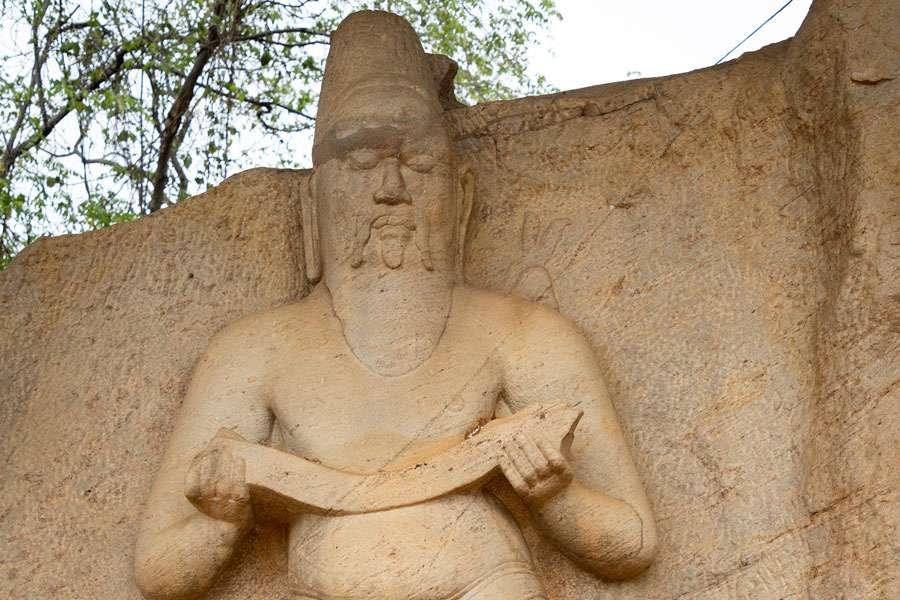
Polonnaruwa rose to prominence in 1070 AD when King Vijayabahu I defeated the Chola invaders and established it as the capital. The subsequent kings, notably King Parakramabahu I, played a pivotal role in shaping the city’s grandeur and prosperity. However, the decline of Polonnaruwa began after repeated invasions, ultimately leading to its abandonment in the 14th century.

The Golden Age of Polonnaruwa

During the reign of King Parakramabahu I, Polonnaruwa experienced its golden age. The king was a visionary ruler who implemented extensive irrigation systems, including the iconic Parakrama Samudra, a vast reservoir that provided water for agriculture and sustenance to the entire kingdom. The city thrived as a prosperous center of trade, art, and culture.

Archaeological Sites in Polonnaruwa

Polonnaruwa boasts a myriad of archaeological wonders that offer a glimpse into the city’s glorious past. Let’s explore some of the prominent sites:

1 Polonnaruwa Royal Palace

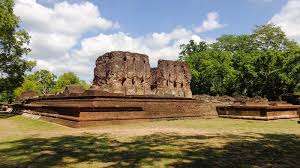
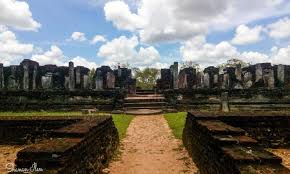
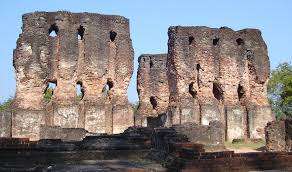
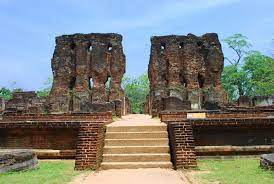
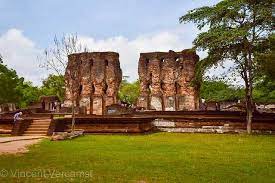
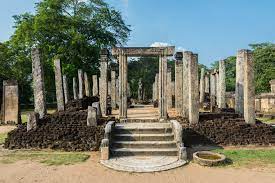
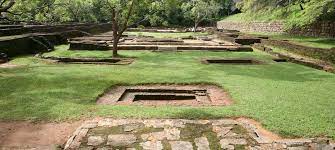
The Polonnaruwa Royal Palace complex was the residence of the ruling monarchs. Although its grandeur has faded over time, you can still witness the layout and architectural elements that reflect the opulence of the ancient kingdom.

2 Quadrangle Complex

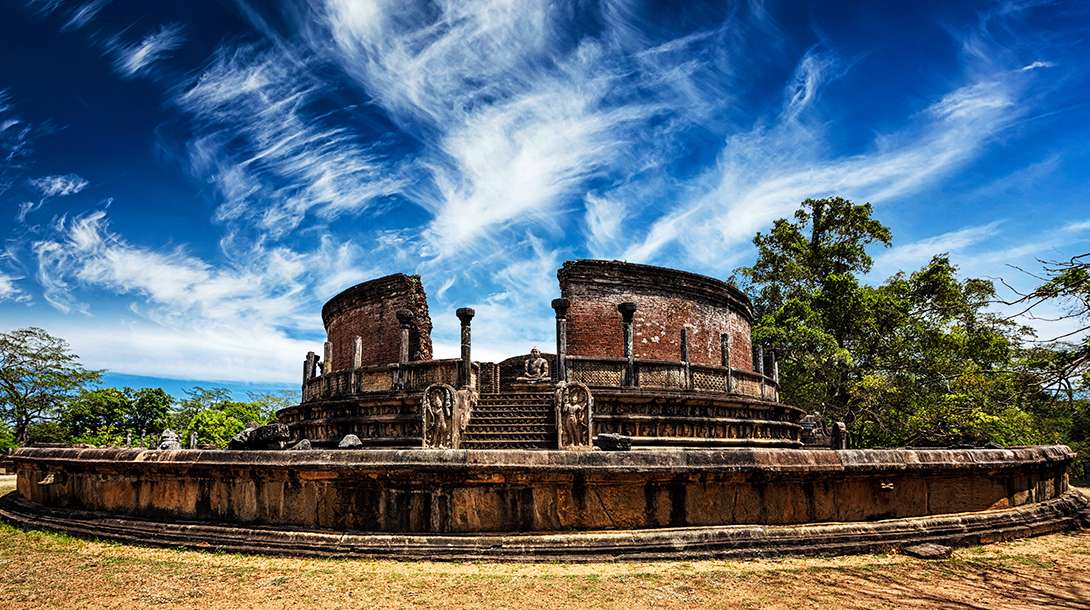
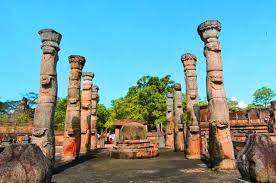
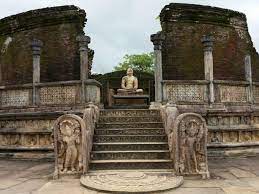
The Quadrangle Complex is a sacred site that houses numerous significant structures, including the Vatadage, a circular relic house believed to have enshrined the tooth relic of the Buddha. The compact layout of the complex showcases the architectural prowess of the era.

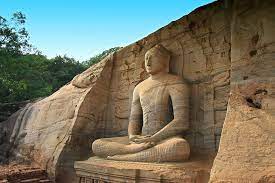
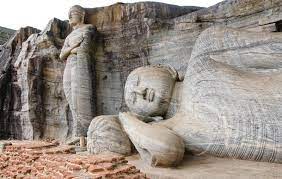
3 Gal Vihara

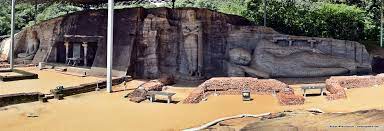
Gal Vihara is a collection of four breathtaking rock-cut statues of the Buddha. Carved into a granite rock face, these statues are masterpieces of ancient Sri Lankan sculpture. The serene expressions and intricate details of the statues are a testament to the artistic skills of the era.

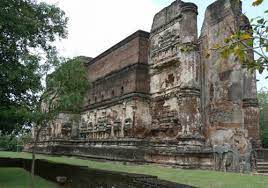
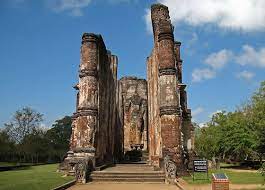
4 Lankatilaka Vihara

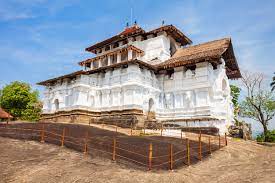
Lankatilaka Vihara is a remarkable brick and stone temple known for its towering image house. The temple’s towering entrance and exquisite carvings showcase the architectural brilliance of Polonnaruwa’s artisans.

5 Rankoth Vehera

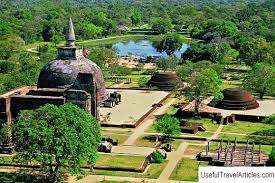
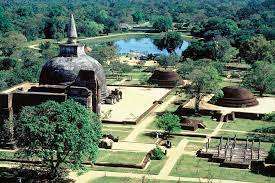
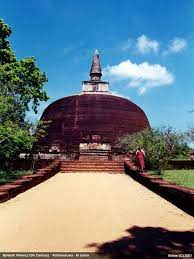
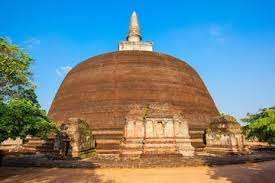
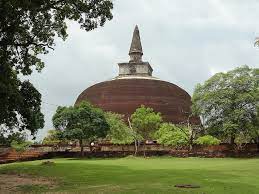
Rankoth Vehera is one of the largest stupas in Polonnaruwa and stands as a symbol of religious devotion. This impressive structure attracts pilgrims and visitors alike, offering a tranquil atmosphere for reflection.
6 Kiri Vehera

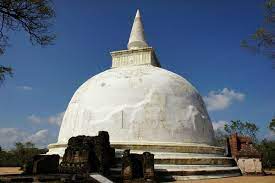
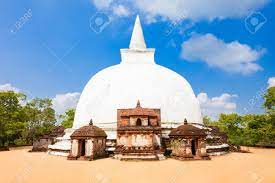
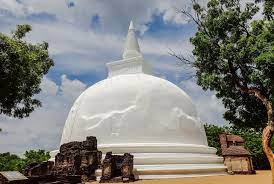
Kiri Vehera, also known as the “Milk Stupa,” is another significant religious site in Polonnaruwa. The stupa’s pristine white color and peaceful surroundings make it a popular spot for meditation and spiritual contemplation.
Polonnaruwa Museum

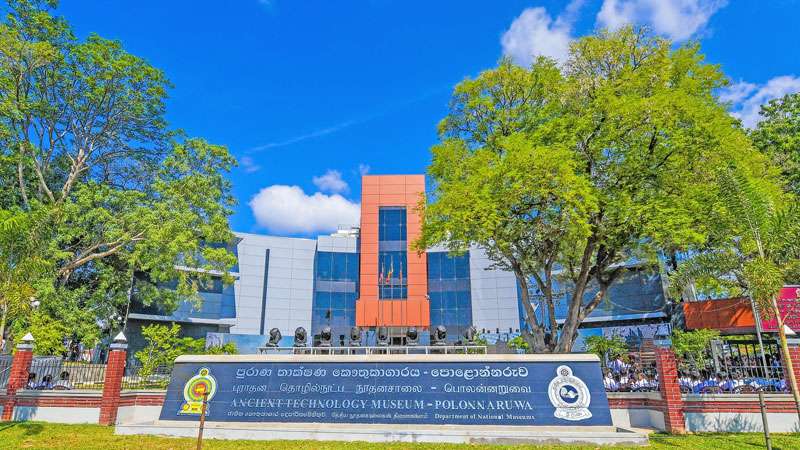
To further immerse yourself in the history of the ancient kingdom, a visit to the Polonnaruwa Museum is a must. The museum houses an extensive collection of artifacts, sculptures, and historical relics that shed light on the city’s past glory.

Parakrama Samudra: The Sea of Parakrama

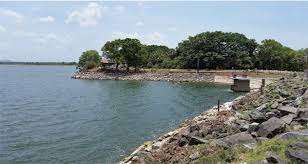
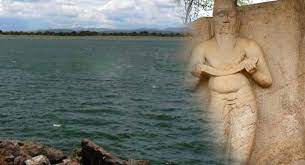
The Parakrama Samudra, a vast man-made reservoir, is one of the most impressive engineering feats of ancient Sri Lanka. Built by King Parakramabahu the Great, this reservoir served as a vital source of irrigation for the city and its surroundings. Spanning over an area of 12,000 acres, the Parakrama Samudra not only sustained agricultural activities but also provided a scenic backdrop to the city. Visitors can enjoy boat rides or leisurely walks along its bunds, immersing themselves in the tranquility of this majestic waterbody.

Wildlife and Nature in Polonnaruwa

Beyond its historical treasures, Polonnaruwa offers breathtaking natural landscapes and abundant wildlife. The nearby Minneriya National Park is famous for its annual gathering of elephants, known as “The Gathering.” Visitors can witness hundreds of elephants congregating around the Minneriya Tank, creating a spectacle of nature like no other.

Festivals and Celebrations

Polonnaruwa comes alive during its vibrant festivals and celebrations. The Esala Perahera, a grand procession held annually, pays homage to the Tooth Relic of the Buddha and attracts throngs of devotees and tourists. The festival features traditional music, dance, and beautifully adorned elephants, adding a touch of enchantment to the city.

Getting to Polonnaruwa

Polonnaruwa is easily accessible from major cities in Sri Lanka. Visitors can reach the city by road, rail, or air. The nearest airport is the Bandaranaike International Airport in Colombo, and from there, you can take a scenic train or bus ride to Polonnaruwa.

Accommodation Options

Polonnaruwa offers a range of accommodation options to suit every traveler’s needs. From luxury hotels to budget-friendly guesthouses, you can find a comfortable place to stay while exploring the city’s treasures.

Local Cuisine

Indulge in the flavors of Polonnaruwa by savoring the local cuisine. The city is known for its delectable rice and curry dishes, traditional sweets, and refreshing fruit juices. Don’t miss the opportunity to sample the unique flavors that reflect the culinary heritage of the region.
Tips for Exploring Polonnaruwa

  • Wear comfortable footwear as you will be walking and exploring various archaeological sites.
  • Stay hydrated and carry water with you, especially during the hot and humid months.
  • Engage with local guides to gain deeper insights into the history and significance of the sites.
  • Respect the cultural and religious customs while visiting temples and sacred sites.
  • Capture memories but remember to be mindful of the historical artifacts and structures.

Conclusion

Polonnaruwa stands as a testament to the glorious past of Sri Lanka. Its ancient ruins, architectural wonders, and rich cultural heritage transport visitors back in time. By exploring Polonnaruwa, you embark on a journey of discovery, unraveling the mysteries of an extraordinary kingdom that flourished centuries ago.

FAQs (Frequently Asked Questions)

  1. Is Polonnaruwa accessible for wheelchair users?
    • Yes, many sites in Polonnaruwa have wheelchair access, allowing everyone to explore and enjoy the historical wonders.
  2. How long does it take to explore Polonnaruwa?
    • It usually takes a full day to explore the major sites in Polonnaruwa. Plan your visit accordingly to make the most of your time.
  3. Are there any guided tours available in Polonnaruwa?
    • Yes, guided tours are available in Polonnaruwa. They provide valuable insights and enhance your understanding of the city’s history.
  4. Can I visit Polonnaruwa as a day trip from Colombo?
    • Yes, it is possible to visit Polonnaruwa as a day trip from Colombo. However, it is recommended to stay overnight to fully immerse yourself in the city’s treasures.
  5. Is photography allowed in Polonnaruwa?
    • Yes, photography is generally allowed in the archaeological sites of Polonnaruwa. However, there may be restrictions in certain areas, so it’s best to check with the authorities on-site.

SHARE

Sigiriya Rock | TUNESCO World Heritage Site

SHARE

Introduction

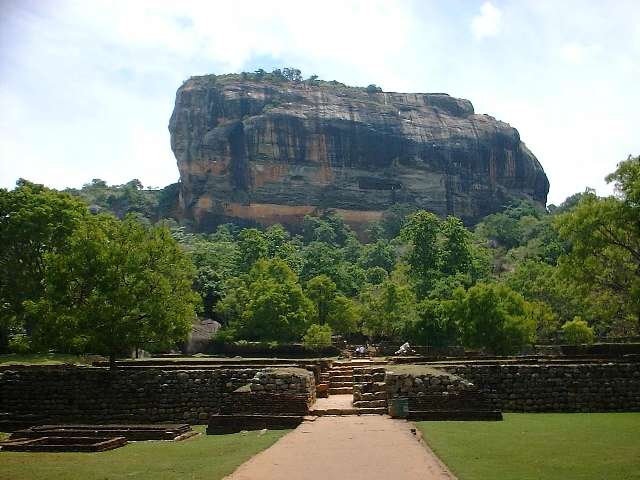
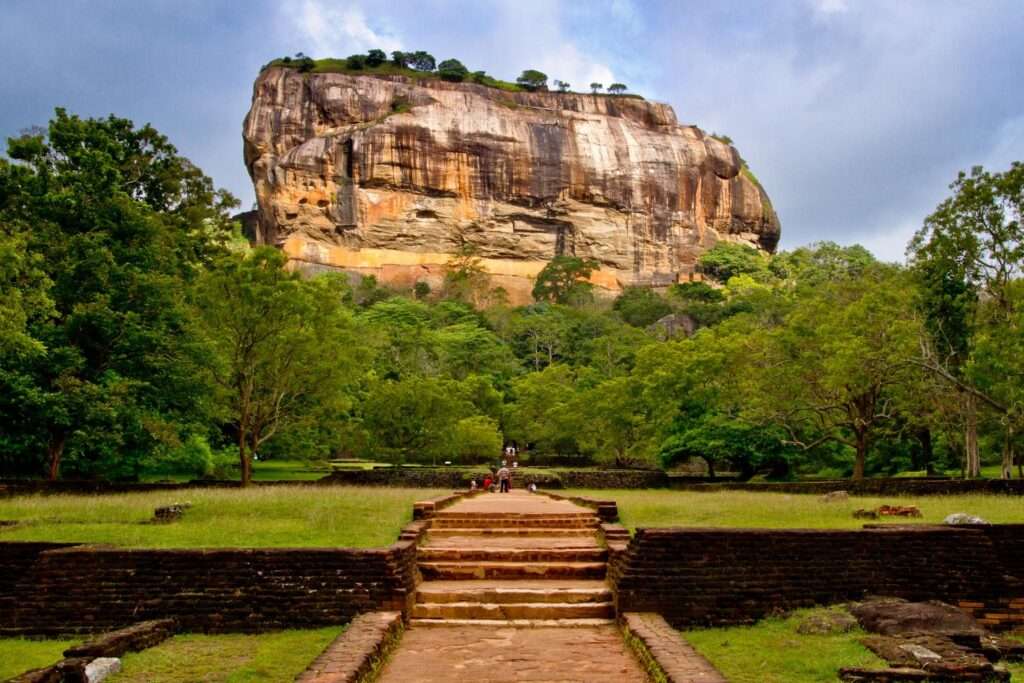
Nestled in the heart of Sri Lanka lies Sigiriya, a mesmerizing ancient rock fortress that stands as a testament to the architectural brilliance of a bygone era. This UNESCO World Heritage Site has captivated travelers and historians alike with its awe-inspiring beauty and rich historical significance. In this article, we will explore the captivating history, remarkable architecture, and intriguing legends surrounding Sigiriya.

Table of Contents

  1. Origins of Sigiriya
  2. The Legendary King Kasyapa
  3. The Magnificent Rock Fortress
  4. The Frescoes of Sigiriya
  5. The Mirror Wall and Graffiti
  6. The Enigmatic Lion’s Paw Terrace
  7. The Beautiful Gardens of Sigiriya
  8. Sigiriya as a Symbol of Power
  9. Restoration and Preservation Efforts
  10. Sigiriya: A UNESCO World Heritage Site
  11. Exploring Sigiriya Today
  12. The Cultural Significance of Sigiriya
  13. Sigiriya: A Haven for Nature Enthusiasts
  14. Sigiriya: A Photographer’s Paradise
  15. Sigiriya: An Iconic Landmark of Sri Lanka

Origins of Sigiriya

Sigiriya’s history dates back over 2,000 years to the time of ancient Sri Lanka. Originally, the site served as a monastery, with several rock shelters housing Buddhist monks. However, it was during the reign of King Kasyapa in the 5th century that Sigiriya transformed into a grand fortress.

The Legendary King Kasyapa

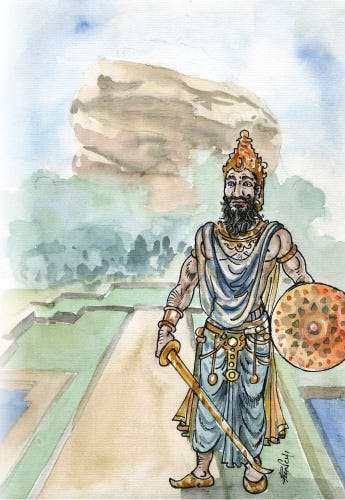
King Kasyapa, driven by a desire for power and fearing reprisal from his brother, seized the throne and made Sigiriya his royal capital. He constructed a magnificent palace atop the towering rock, surrounded by lush gardens and defensive structures.

The Magnificent Rock Fortress

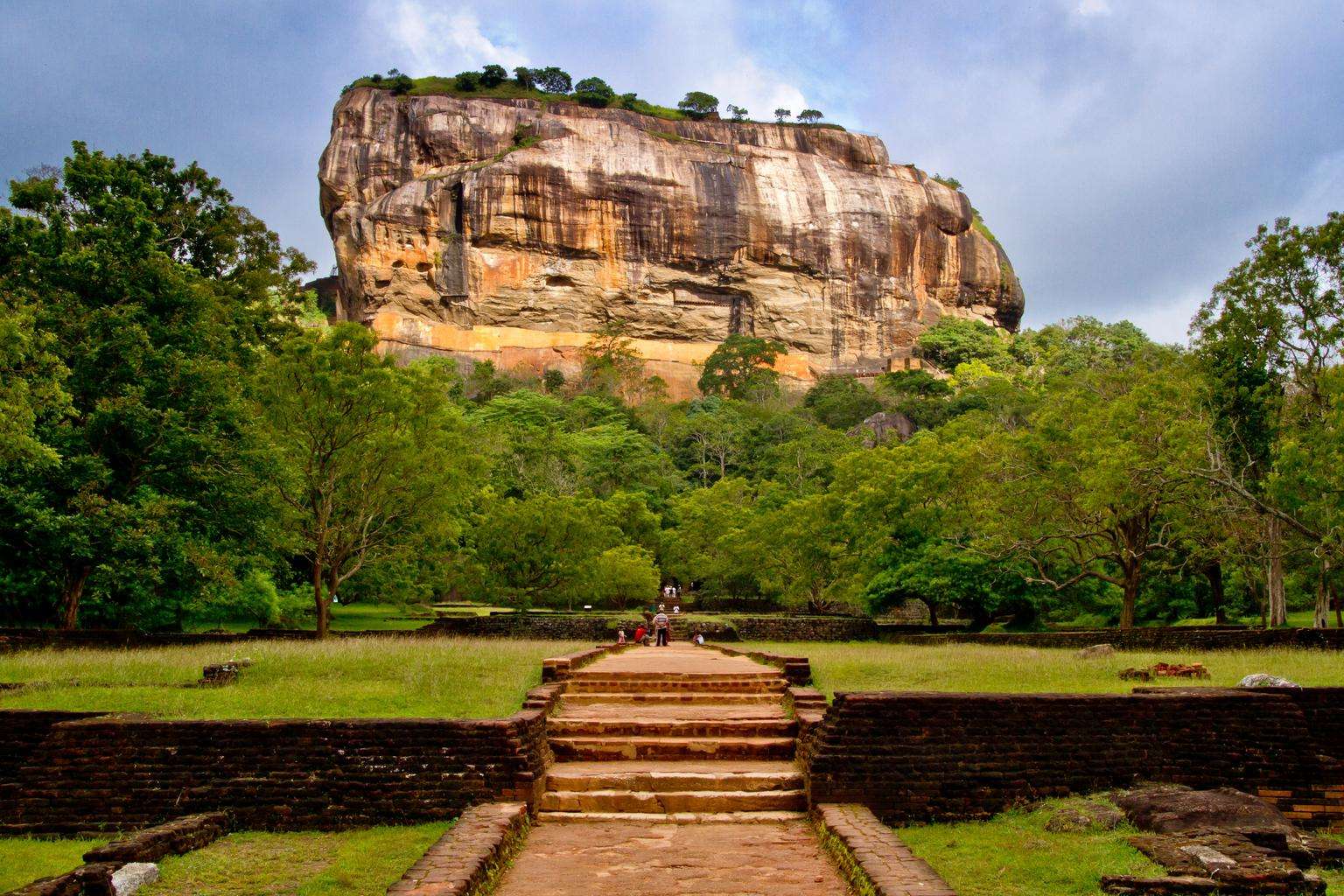
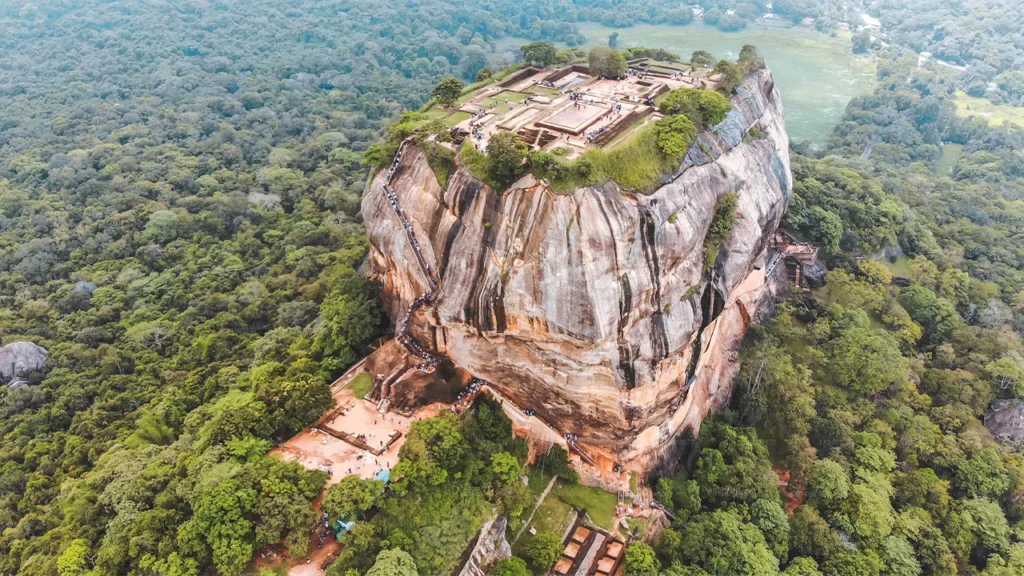
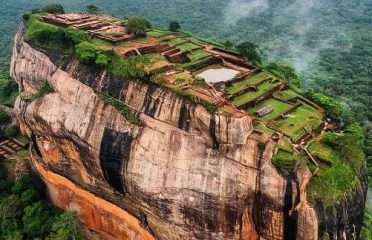
Sigiriya’s strategic location provided natural defenses against potential invaders. The fortress perched on top of a 200-meter-high rock offered panoramic views of the surrounding landscape, enabling the king to monitor his kingdom and detect any threats from afar.

The Frescoes of Sigiriya

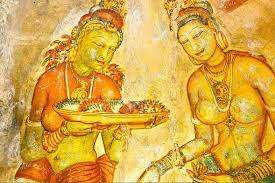
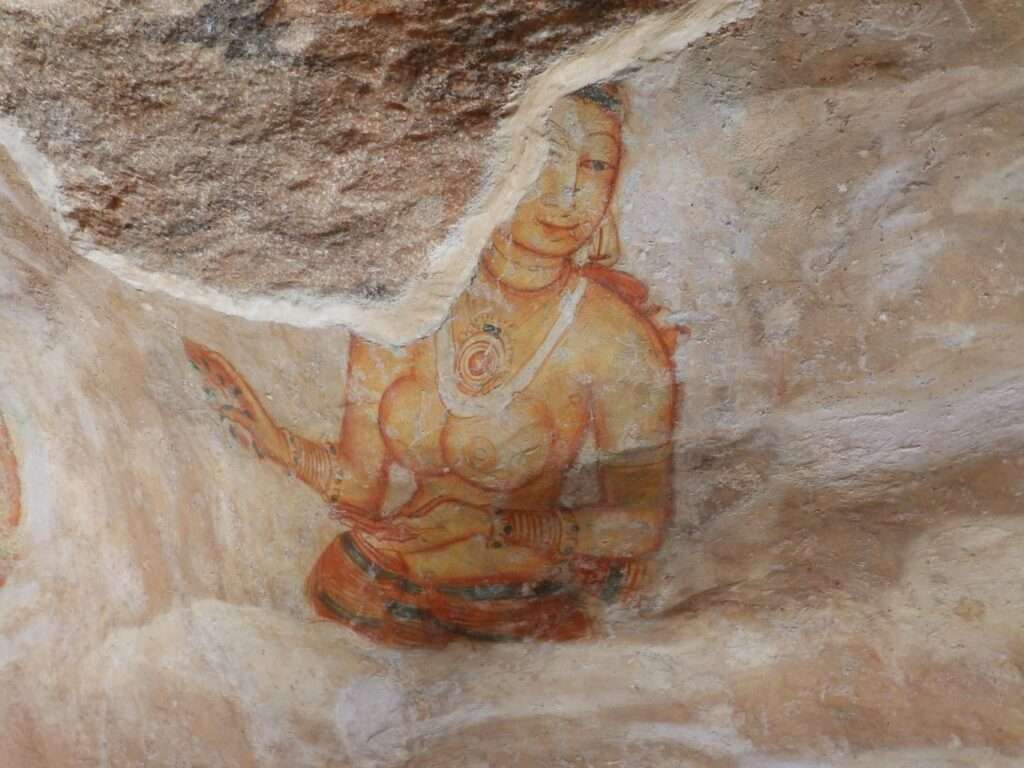
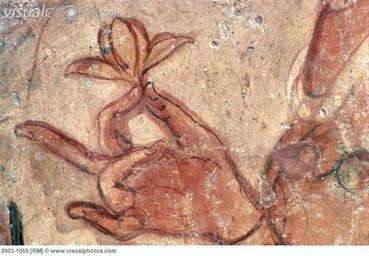
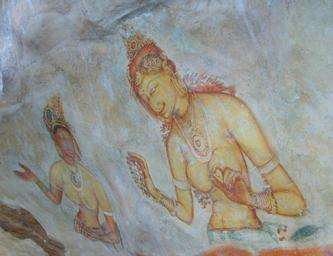
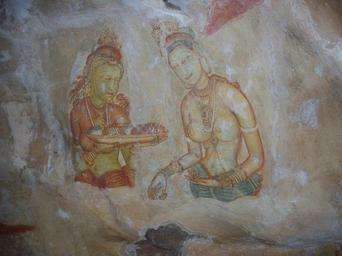
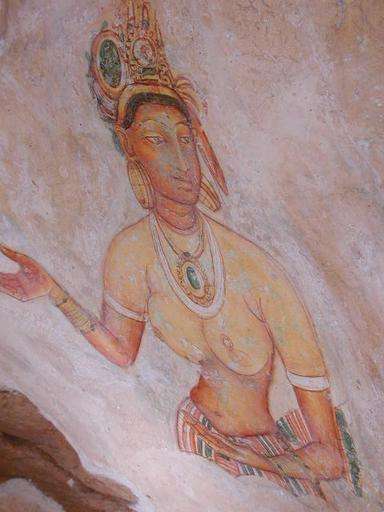
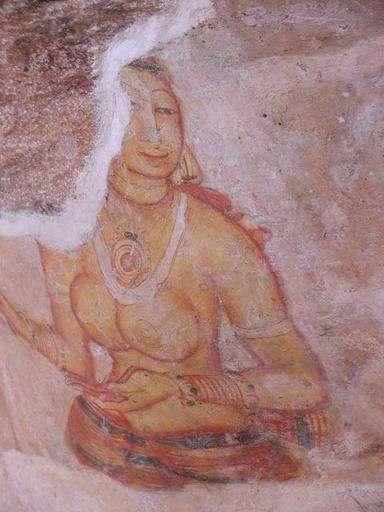
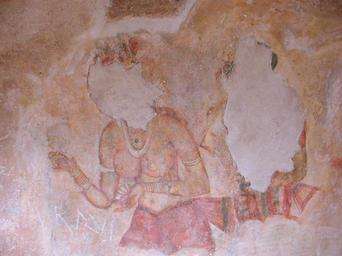
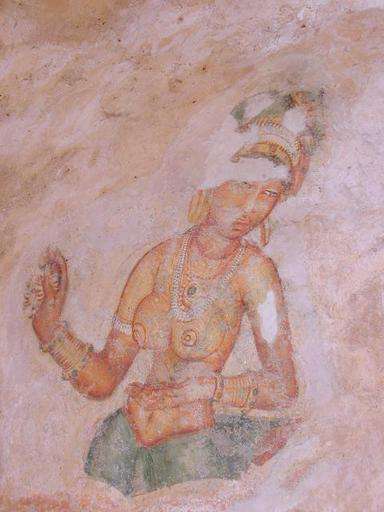
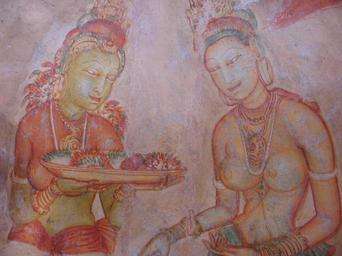
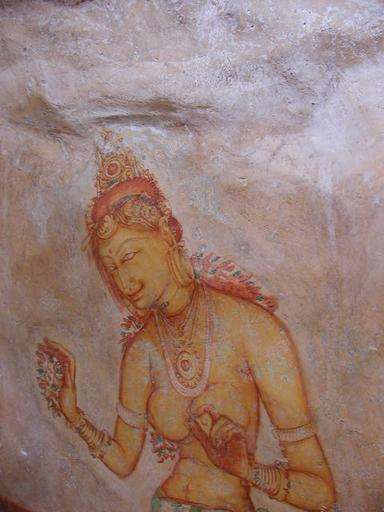
One of the most remarkable features of Sigiriya is its collection of frescoes. These ancient paintings depict the famous Sigiriya maidens, believed to be celestial nymphs. The vibrant colors and intricate details of these frescoes offer a glimpse into the artistic skills and aesthetics of the time.

The Mirror Wall and Graffiti

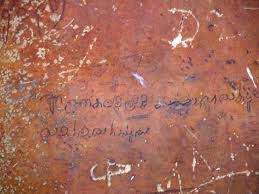
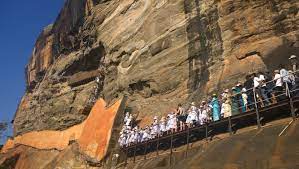
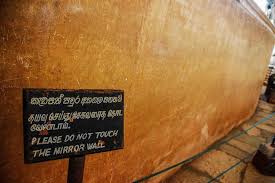
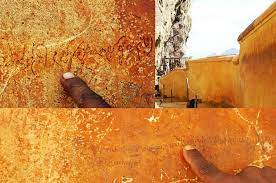
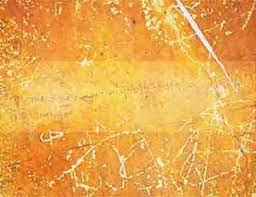
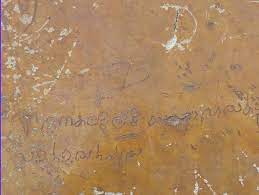
As visitors ascended the rock, they would come across the Mirror Wall, a highly polished surface that once reflected the frescoes in all their glory. Over the centuries, travelers left behind inscriptions and graffiti on the wall, providing valuable insights into the daily life and thoughts of people from various eras.

The Enigmatic Lion’s Paw Terrace

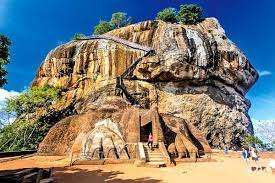
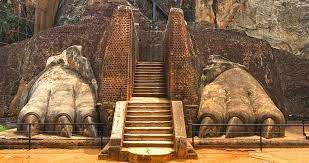
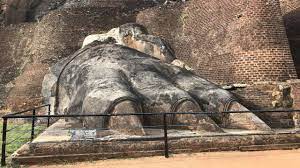
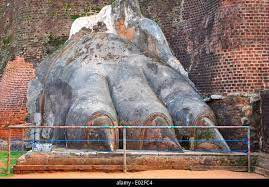
At the summit of Sigiriya, the awe-inspiring Lion’s Paw Terrace awaits. This massive stone structure, shaped like the paws of a lion, served as the entrance to the palace. Unfortunately, only the colossal lion’s paws remain today, with the rest of the lion’s body eroded by time.

The Beautiful Gardens of Sigiriya

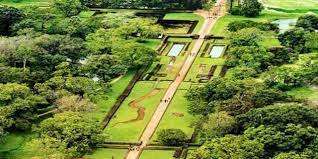
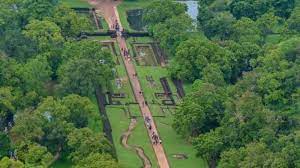
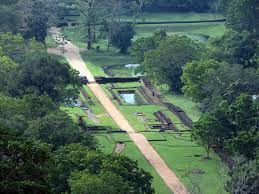
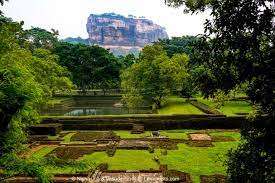
Surrounding the rock fortress are the meticulously designed gardens of Sigiriya. These gardens, adorned with fountains, water gardens, and terraces, showcased the mastery of ancient irrigation systems and landscape architecture. The symmetrical layout and lush greenery added to the grandeur of Sigiriya.

Sigiriya as a Symbol of Power

King Kasyapa’s transformation of Sigiriya into a fortress and palace complex was not merely an architectural feat but also a symbol of his authority and power. The grandeur and opulence of Sigiriya were intended to awe and intimidate visitors and rival kingdoms, solidifying Kasyapa’s position as a formidable ruler.

Restoration and Preservation Efforts

Over the years, Sigiriya has faced natural decay and the ravages of time. However, concerted efforts have been made to restore and preserve this remarkable site. Conservation projects and ongoing maintenance ensure that future generations can continue to marvel at the splendor of Sigiriya.

Sigiriya: A UNESCO World Heritage Site

In recognition of its historical and cultural significance, Sigiriya was declared a UNESCO World Heritage Site in 1982. This prestigious designation acknowledges its outstanding universal value and serves to protect and promote this architectural marvel for generations to come.

Exploring Sigiriya Today

Today, Sigiriya attracts tourists from around the world who come to witness its grandeur and unravel the mysteries of the past. Visitors can ascend the rock via a network of staircases and pathways, exploring the palace ruins, the frescoes, and the enchanting gardens along the way.

The Cultural Significance of Sigiriya

Sigiriya is more than just a rock fortress; it is a cultural symbol of Sri Lanka. The site showcases the architectural brilliance, artistic expression, and advanced engineering techniques of ancient Sri Lankan civilization. It serves as a reminder of the island’s rich cultural heritage and provides valuable insights into its past.

Sigiriya: A Haven for Nature Enthusiasts

Beyond its historical and cultural significance, Sigiriya is also a paradise for nature enthusiasts. The surrounding area boasts lush forests, diverse wildlife, and breathtaking views. Exploring the vicinity of Sigiriya offers opportunities for birdwatching, wildlife spotting, and immersing oneself in the natural beauty of Sri Lanka.

Sigiriya: A Photographer’s Paradise

With its stunning landscapes, intricate architecture, and vibrant flora and fauna, Sigiriya presents endless opportunities for photographers. The play of light and shadow on the rock, the vivid colors of the frescoes, and the symmetrical gardens provide captivating subjects for photographers to capture and preserve the beauty of Sigiriya.

Sigiriya: An Iconic Landmark of Sri Lanka

In conclusion, Sigiriya stands tall as a testament to the ingenuity and creativity of ancient Sri Lankan civilization. Its majestic rock fortress, beautiful frescoes, and stunning gardens continue to enthrall visitors, transporting them back in time to an era of opulence and grandeur. Sigiriya’s UNESCO World Heritage status ensures its preservation for future generations to marvel at and appreciate.

FAQs (Frequently Asked Questions)

  1. Is Sigiriya accessible for all age groups?
    • Yes, while the ascent to the top of the rock can be challenging for some, there are alternative paths and viewpoints that cater to different fitness levels.
  2. Can I hire a guide at Sigiriya?
    • Yes, there are knowledgeable guides available at the site who can provide valuable insights into Sigiriya’s history and significance.
  3. Are there any restrictions on photography at Sigiriya?
    • Photography is allowed at Sigiriya, but there may be certain areas where photography is restricted for preservation purposes.
  4. How long does it take to explore Sigiriya?
    • On average, it takes about 2-3 hours to explore Sigiriya thoroughly, but the duration can vary based on individual preferences.
  5. Are there any nearby attractions to visit along with Sigiriya?
    • Yes, nearby attractions include the Dambulla Cave Temple, Minneriya National Park, and Polonnaruwa, all of which offer unique experiences and further insights into Sri Lanka’s history and natural beauty.

SHARE
Verified by MonsterInsights