Kalutara – A Jewel on Sri Lanka’s Western CoastKalutara

SHARE

Kalutara is a coastal town located in the Western Province of Sri Lanka, approximately 40 kilometers south of Colombo. The town is known for its beautiful beaches, cultural heritage, and religious sites, making it a popular destination for tourists visiting Sri Lanka. In this article, we will explore the history, culture, attractions, and tourism opportunities in Kalutara.
 History
 The history of Kalutara dates back to the 11th century when it was a trading port and a center of Ayurvedic medicine. The town was a major producer of coconut fiber, which was used for the production of ropes, brushes, and mats. The Portuguese arrived in Kalutara in the early 16th century and built a fort in the town to protect their trade interests. The Dutch captured the town in the 17th century and expanded the fortifications.
 In the 19th century, the British took control of Kalutara and developed it into a major center of cinnamon production. The town was also a center of missionary activity, and several Christian churches were built in the area. Today, Kalutara is a bustling town with a rich cultural heritage and a thriving tourism industry.
 Attractions
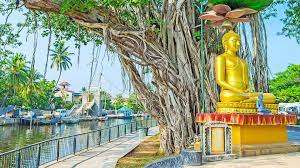
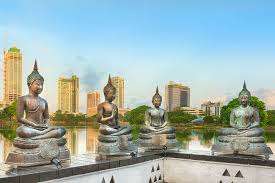
 Kalutara has several attractions that draw tourists to the area. One of the most popular attractions is the Kalutara Bodhiya, a Buddhist temple located on a small hill overlooking the town. The temple is known for its giant Buddha statue, which is one of the tallest in Sri Lanka. The temple also houses a sacred Bodhi tree, which is believed to be a sapling of the original tree under which the Buddha attained enlightenment.
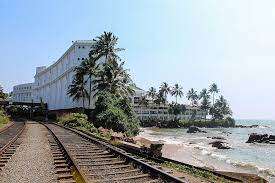
 Another popular attraction in Kalutara is the Richmond Castle, a colonial mansion built in the late 19th century. The mansion was built by a wealthy Sri Lankan landowner and features a mix of British and Sri Lankan architectural styles. The mansion is now open to the public and serves as a museum of Sri Lankan history and culture.
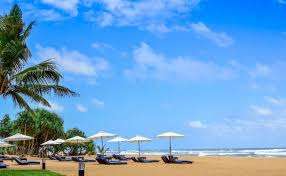
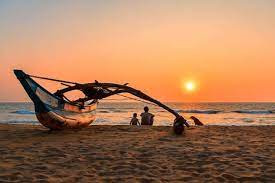
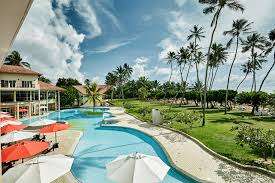
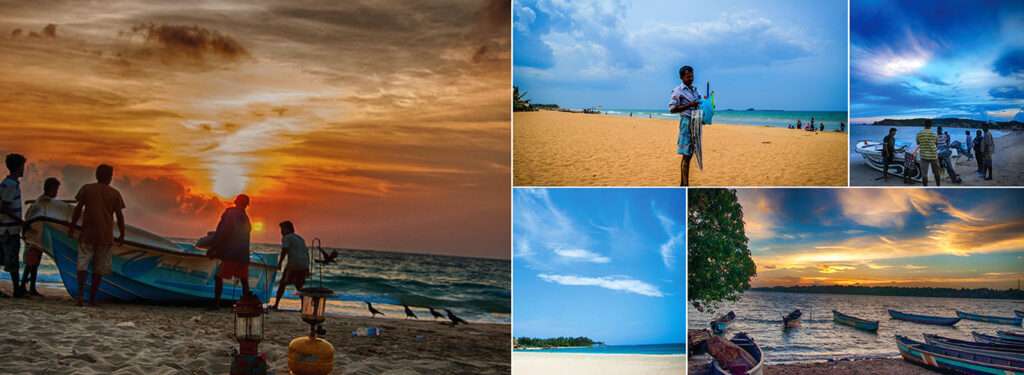
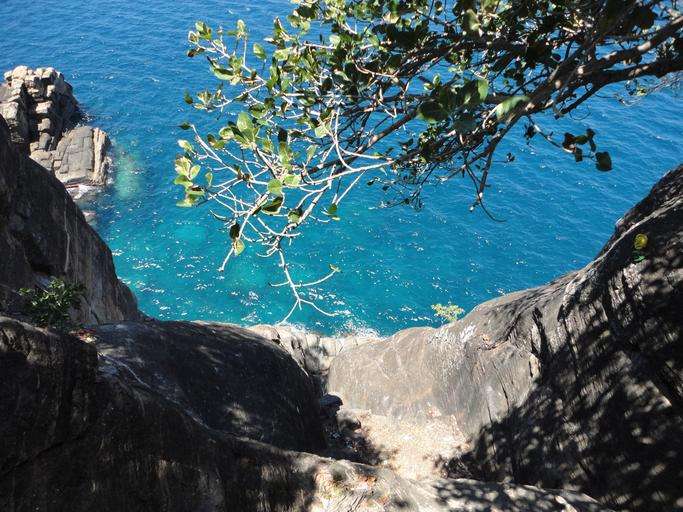
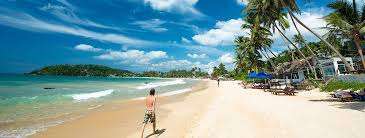
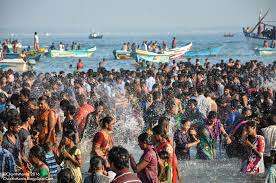
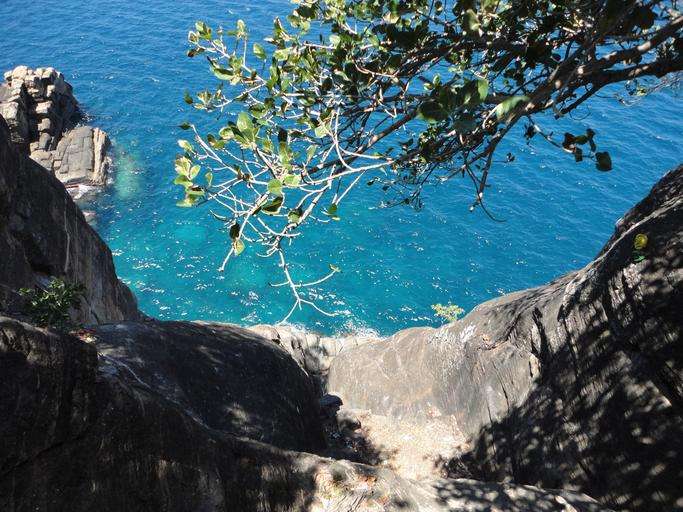
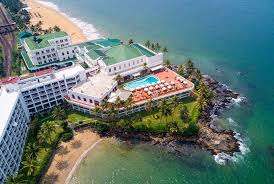
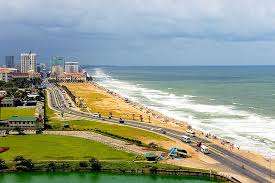
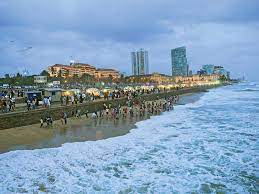
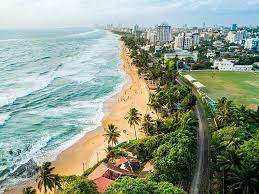
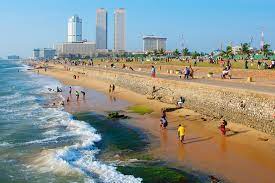
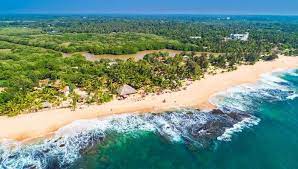
 Kalutara is also known for its beautiful beaches, which stretch for miles along the town’s coastline. The beaches are ideal for swimming, sunbathing, and water sports such as surfing and jet skiing. The beaches are also home to several luxury resorts and hotels, which offer visitors a range of accommodation options.
 Culture
 Kalutara is a town with a rich cultural heritage, and this is reflected in its architecture, art, and cuisine. The town has a mix of traditional Sri Lankan and colonial-era buildings, which give it a unique character. The traditional buildings are made of wood and thatch and feature intricate carvings and decorations.
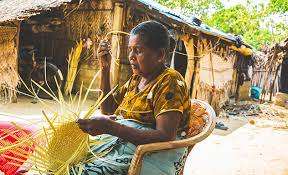
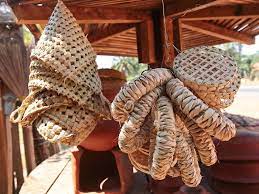
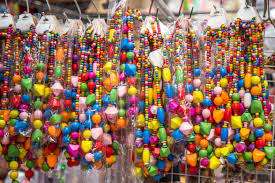
 Kalutara is also known for its traditional crafts, such as coconut shell carving, weaving, and pottery. Visitors can watch craftsmen at work and purchase their products at local markets and shops.
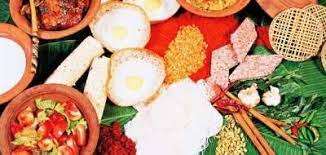
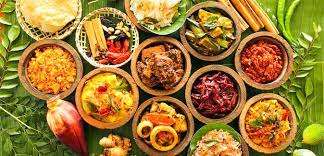
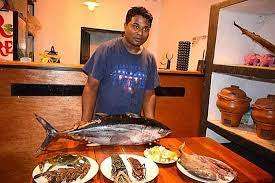
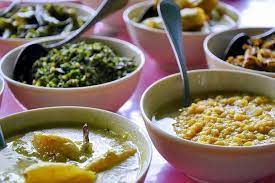
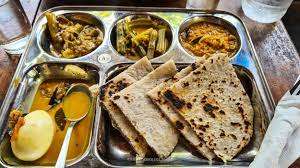
 The cuisine of Kalutara is also a reflection of its cultural heritage. The town is known for its seafood dishes, which feature fresh fish and prawns caught from the nearby ocean. Other popular dishes include rice and curry, hoppers, and roti.
 Tourism
 Kalutara is a popular destination for tourists visiting Sri Lanka, thanks to its beautiful beaches, cultural heritage, and religious sites. The town has several luxury resorts and hotels, which offer visitors a range of accommodation options. Visitors can also stay in guesthouses, homestays, and budget hotels.
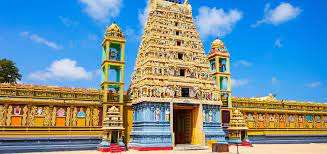
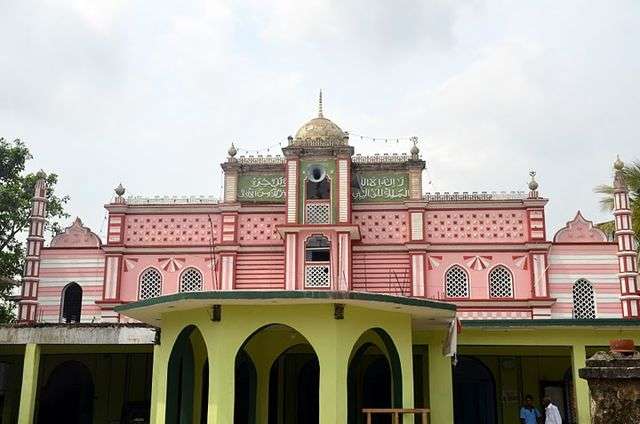
 One of the most popular activities for tourists in Kalutara is visiting the town’s religious sites. The Kalutara Bodhiya is a must-visit destination for Buddhist pilgrims, while the town’s churches and mosques are also popular with visitors.
 Kalutara is home to several beautiful beaches that attract visitors from around the world. The town’s long coastline stretches for several kilometers, offering plenty of opportunities for sunbathing, swimming, and water sports. Here are some of the best beaches in Kalutara:
  1. Kalutara Beach: This is the main beach in Kalutara and is a popular destination for both locals and tourists. The beach is known for its golden sand and calm waters, making it ideal for swimming and sunbathing. The beach is also home to several restaurants and bars, where visitors can enjoy food and drinks while taking in the stunning views.
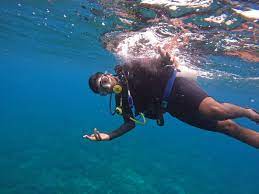
  1. Waskaduwa Beach: Located just a few kilometers south of Kalutara, Waskaduwa Beach is a quieter alternative to Kalutara Beach. The beach is less developed than Kalutara Beach, but still offers plenty of opportunities for swimming, snorkeling, and diving. Visitors can also take a boat tour of the nearby coral reefs and explore the underwater world.
  1. Beruwala Beach: Beruwala Beach is located about 10 kilometers north of Kalutara and is one of the most popular beaches in the area. The beach is known for its long stretch of sand, clear waters, and excellent water sports facilities. Visitors can go jet skiing, banana boating, and parasailing, or simply relax on the beach and soak up the sun.
  1. Bentota Beach: Located about 20 kilometers south of Kalutara, Bentota Beach is one of the most famous beaches in Sri Lanka. The beach is known for its pristine sand and crystal-clear waters, making it a great destination for swimming and water sports. Visitors can also take a boat ride along the Bentota River or explore the nearby mangrove forests.
  1. Moragalla Beach: Moragalla Beach is a quieter alternative to the more crowded beaches in Kalutara. The beach is known for its calm waters and scenic views, and is a great place to relax and enjoy the sun. Visitors can also take a stroll along the beach and enjoy the peaceful surroundings.
Overall, Kalutara’s beaches offer something for everyone, whether you’re looking for a lively beach with plenty of activities or a peaceful spot to relax and unwind. With its stunning coastline and warm waters, Kalutara is a great destination for beach lovers and water sports enthusiasts.
Another popular activity in Kalutara is visiting the Richmond Castle. The mansion is a popular destination for history buffs and those interested in Sri Lankan culture. Visitors can take guided tours of the mansion and learn about its history and architecture.
 
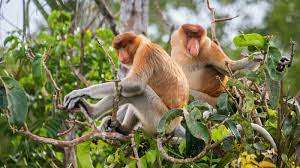
Kalutara is also a great destination for nature lovers. The town is home to several parks and nature reserves, including the Kalutara Bodhiya Forest Reserve and the Kanneliya Forest Reserve. These reserves are home to a variety of flora and fauna, including monkeys, birds, and reptiles.
Visitors to Kalutara can also take part in cultural activities such as traditional dance performances and cookery demonstrations. The town has several cultural centers that offer these activities, giving visitors the chance to learn about Sri Lankan culture and traditions.
 When to Visit
 The best time to visit Kalutara is between December and April, when the weather is dry and sunny. This is also peak tourist season, so visitors can expect crowds and higher prices. The monsoon season in Kalutara runs from May to September, with heavy rains and strong winds. This is not a good time to visit if you want to enjoy the beaches or outdoor activities.
 Conclusion
 Kalutara is a town with a rich cultural heritage and a range of attractions that draw tourists from around the world. The town’s beautiful beaches, religious sites, and cultural activities make it a popular destination for visitors to Sri Lanka. With its range of accommodation options and activities, Kalutara is a great destination for those looking to explore Sri Lankan culture and enjoy the country’s natural beauty.
Here’s an overview of Kalutara:
  • Kalutara Beach: The town is famous for its pristine beaches. Kalutara Beach is a long stretch of golden sand lined with coconut palms. It offers a tranquil setting for sunbathing, swimming, and beach activities.
  • Kalutara Bodhiya: One of the prominent landmarks in Kalutara is the Kalutara Bodhiya, a sacred Buddhist shrine. It is believed to house a sapling from the sacred Bodhi Tree in India under which Lord Buddha attained enlightenment.
  • Richmond Castle: Located in Kalutara, Richmond Castle is a magnificent mansion built during the colonial era. It showcases a blend of architectural styles, including British, Indian, and Moorish influences. The castle is now a popular tourist attraction and offers a glimpse into Sri Lanka’s colonial past.
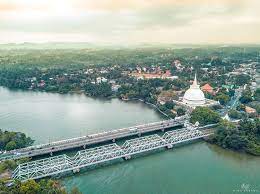
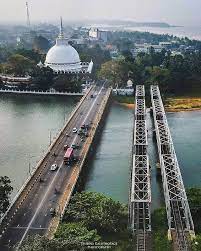
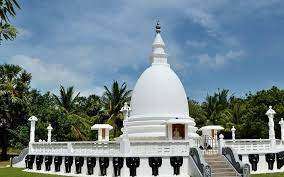
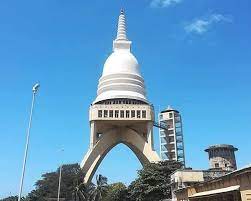
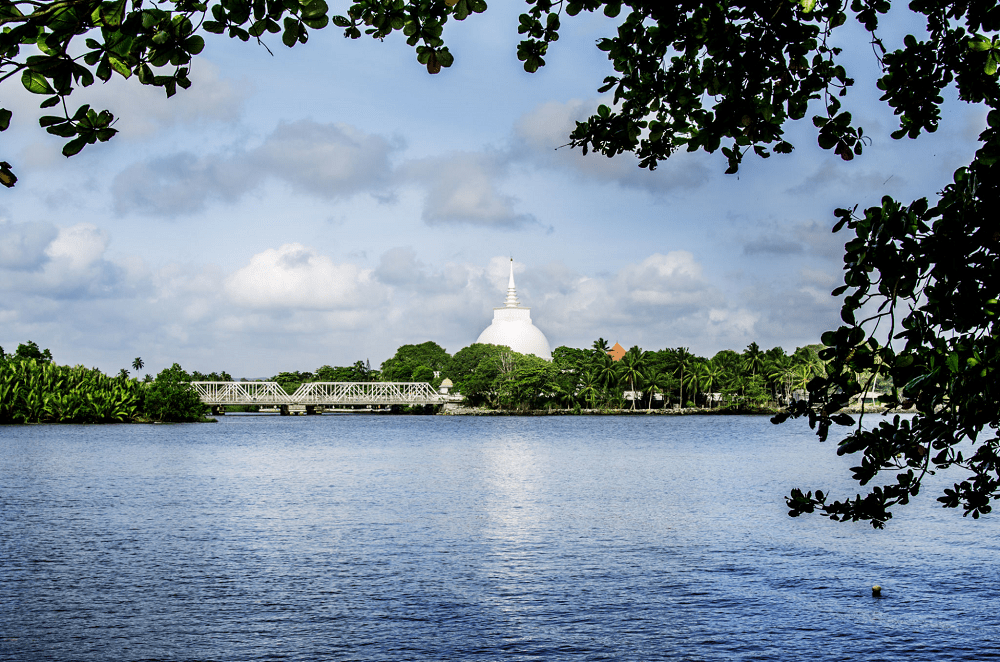
  • Kalutara Vihara: Also known as Gangatilaka Vihara, this temple is known for its impressive architecture and serene atmosphere. It features intricate carvings, colorful murals, and a large white stupa. The temple is situated on a hilltop, offering panoramic views of the surrounding area.
  • Boat Rides on Kalu Ganga: Kalu Ganga, also known as the Black River, flows through Kalutara. Visitors can enjoy boat rides along the river, taking in the scenic beauty, lush greenery, and birdwatching opportunities.
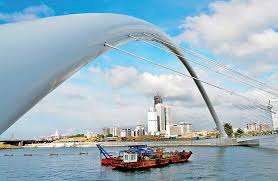
  • Kalutara Bridge: The Kalutara Bridge is a landmark structure that connects the town with the rest of the country. It is an iconic symbol of Kalutara and offers picturesque views of the river and surrounding landscapes.
  • Asokaramaya Buddhist Temple: This temple is known for its tranquil surroundings and meditation centers. It provides a peaceful environment for meditation and spiritual retreats.
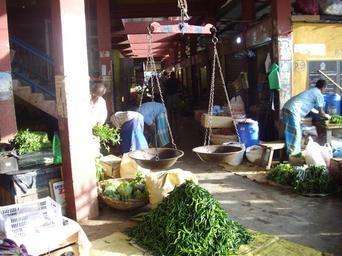
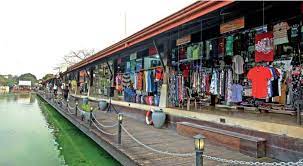
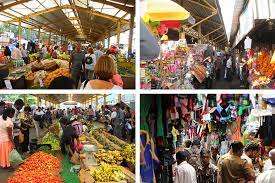
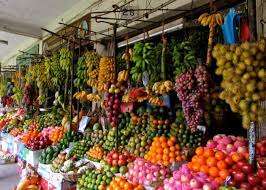
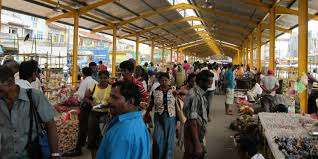
  • Kalutara Market: The bustling market in Kalutara offers a vibrant shopping experience. Visitors can explore the market to find a variety of local produce, handicrafts, spices, and traditional Sri Lankan items.
  • Ayurvedic Wellness: Kalutara is known for its Ayurvedic wellness centers and spas. Visitors can indulge in traditional Ayurvedic treatments, massages, and therapies to relax and rejuvenate.
  • Water Sports: Kalutara’s coastal location makes it a popular destination for water sports enthusiasts. Activities such as jet skiing, banana boat rides, and windsurfing are available for visitors to enjoy.
  • Kalutara Craft Village: The Kalutara Craft Village showcases the traditional arts and crafts of the region. Visitors can witness artisans at work, producing intricate wood carvings, batik textiles, and other handicrafts.
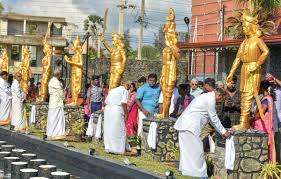
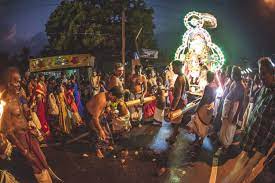
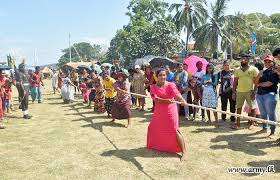
  • Gangatilaka Viharaya Annual Perahera: The Gangatilaka Viharaya in Kalutara hosts an annual grand procession known as the Perahera. It involves beautifully decorated elephants, traditional dancers, and musicians parading through the streets, attracting large crowds.
  • Richmond Wetland: Located near Kalutara, the Richmond Wetland is a biodiversity-rich area. It is home to various bird species, including migratory birds, making it a popular spot for birdwatching.
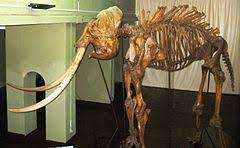
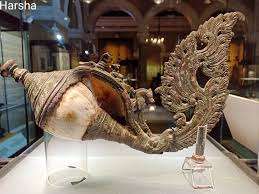
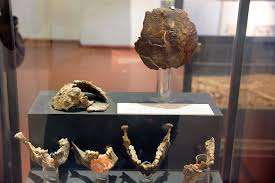
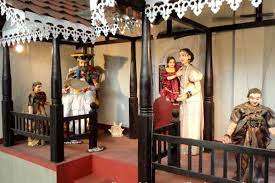
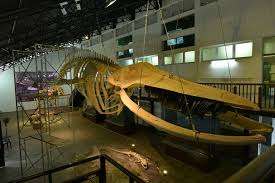
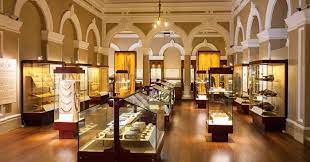
  • Kalutara District Museum: The Kalutara District Museum showcases the history, culture, and heritage of the region. It displays artifacts, archaeological finds, and exhibits that provide insights into the area’s past.
  • Kalutara Puppets Art Center: This center promotes the art of puppetry and offers puppet shows and workshops. Visitors can learn about the traditional Sri Lankan puppetry techniques and enjoy entertaining performances.
  • Thudugala Ella Waterfall: Located near Kalutara, Thudugala Ella is a beautiful waterfall nestled amidst lush greenery. It is a popular spot for picnics and nature lovers.
  • Turtle Conservation Projects: Kalutara is known for its efforts in sea turtle conservation. Visitors can learn about these projects and even participate in turtle hatchery programs, where baby turtles are released into the sea.
  • Kalutara Beach Park: Situated adjacent to the Kalutara Beach, the Beach Park offers a peaceful atmosphere for leisurely walks, jogging, and enjoying the scenic views of the ocean.
  • Kalutara Bodiya New Town: This newly developed area near Kalutara Bodhiya offers a modern shopping experience with malls, boutiques, and restaurants. It is a bustling hub for locals and tourists alike.
  • Adam’s Bridge: Kalutara is located in close proximity to Adam’s Bridge, also known as Rama Setu. It is a chain of limestone shoals connecting Sri Lanka to India and holds religious and mythological significance.
  • Kalutara Chaithya: Situated on the banks of the Kalu Ganga, Kalutara Chaithya is a modern Buddhist shrine with a towering white stupa. It offers a peaceful setting for meditation and religious activities.
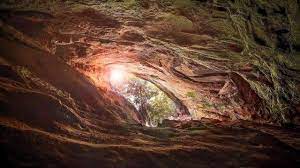
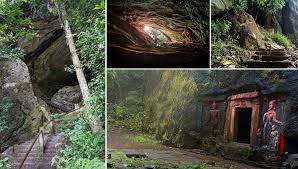
  • Pahiyangala Caves: Located a short distance from Kalutara, Pahiyangala Caves are believed to be one of the oldest prehistoric human settlements in South Asia. The caves provide insights into the early human habitation in the region.
  • Boat Safari on Kalu Ganga: Visitors can take a boat safari along the Kalu Ganga to explore the mangrove forests, spot wildlife, and experience the tranquility of the river.
  • Food and Dining: Kalutara offers a wide range of dining options, from local street food to international cuisine. Visitors can savor fresh seafood, traditional Sri Lankan dishes, and culinary delights at various restaurants and cafes.
  • Kalutara Calido Beach: Located a short distance from the town center, Calido Beach is a picturesque beach with calm waters. It is an ideal spot for swimming, sunbathing, and enjoying the sunset.
  • Kalutara District Secretariat Building: The District Secretariat Building is an architectural landmark in Kalutara. Its colonial-style building showcases the town’s historical significance.
  • Kalutara Railway Station: The Kalutara Railway Station is an important transportation hub and a beautiful colonial-era building. It serves as a gateway to explore other parts of Sri Lanka by train.
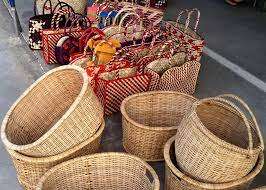
  • Kalutara Basket Center: The Kalutara Basket Center is known for its traditional craftsmanship in creating beautiful handwoven baskets and other products. Visitors can witness the artisans at work and purchase unique souvenirs.
  • Richmond Park: Richmond Park is a public park in Kalutara with lush green spaces, walking paths, and playgrounds. It is a popular spot for locals to relax and enjoy outdoor activities.
  • Kalutara Spice Gardens: Visitors can explore the aromatic world of spices at the Kalutara Spice Gardens. These gardens showcase various spices and herbs used in Sri Lankan cuisine and offer insights into their cultivation and uses.
  • Water Sports: Kalutara’s beaches offer opportunities for water sports activities such as snorkeling, diving, jet skiing, and fishing. Adventure enthusiasts can indulge in thrilling water adventures.
  • Kalutara Saturday Market: The Saturday market in Kalutara is a vibrant open-air market where locals gather to buy and sell fresh produce, spices, handicrafts, and clothing. It provides a glimpse into the local culture and traditions.
  • Ayurveda and Wellness: Kalutara is home to several Ayurvedic wellness centers and spas. Visitors can enjoy Ayurvedic treatments, herbal massages, and therapies for relaxation and rejuvenation.
  • Kalutara Vihara: Kalutara Vihara is a Buddhist temple located near the Kalutara Bridge. It is famous for its large white dagoba and beautiful paintings depicting the life of Lord Buddha.
  • Kalutara Bodhiya Perahera: The Kalutara Bodhiya Perahera is an annual religious procession that takes place in July/August, attracting large crowds. It features colorful parades, traditional dances, and music, showcasing the rich cultural heritage of Sri Lanka.
  • Kalutara Beach: Kalutara is renowned for its pristine beaches, and Kalutara Beach is the main attraction. It offers a picturesque coastline with golden sands and clear turquoise waters. Visitors can enjoy sunbathing, swimming, beach walks, and water sports.
 
  • Kalutara Bridge: The Kalutara Bridge is an iconic landmark in the town. Spanning the Kalu Ganga River, it is a significant engineering marvel and offers stunning views of the river and the surrounding landscape.
  • Gangatilaka Vihara: Also known as the Kalutara Chaithya, Gangatilaka Vihara is a Buddhist temple situated on a hilltop. It features a massive white stupa adorned with intricate carvings and offers panoramic views of the town and the ocean.
  • Richmond Castle: Richmond Castle is a magnificent mansion built during the colonial era. It showcases a blend of architectural styles, including British, Indian, and Islamic influences. Visitors can explore the well-preserved interiors and learn about the history of the place.
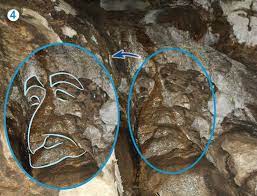
  • Fa Hien Caves: Located in the outskirts of Kalutara, the Fa Hien Caves are named after the Chinese Buddhist monk Fa Hien, who is believed to have resided there. The caves house ancient inscriptions and offer a serene and mystical atmosphere.
  • Brief Garden: Situated in the village of Kalawila, the Brief Garden is a beautifully landscaped garden that was once the home of renowned Sri Lankan architect Geoffrey Bawa. It features lush vegetation, sculptures, and artistic elements that showcase Bawa’s unique style.
  • Kande Viharaya: Kande Viharaya is a Buddhist temple located in Aluthgama, near Kalutara. It is famous for its giant Buddha statue, colorful murals, and the panoramic view it offers from its hilltop location.
  • Boat Rides on Kalu Ganga: Visitors can take boat rides along the Kalu Ganga River, exploring the mangrove forests, spotting birdlife, and experiencing the tranquility of the waterways. It is a peaceful and scenic experience.
  • Kalutara District Museum: The Kalutara District Museum is a small museum that showcases artifacts, photographs, and exhibits related to the history, culture, and traditions of the Kalutara District. It provides insights into the local heritage.
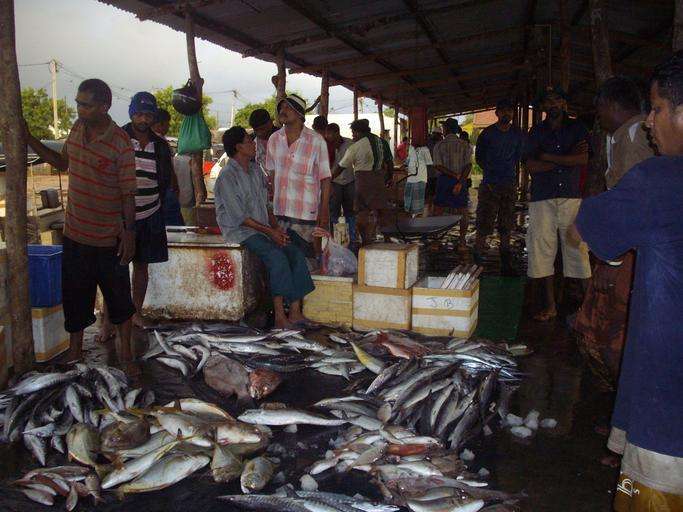
  • Kalutara Fish Market: The bustling Kalutara Fish Market is a vibrant place to witness the local fishing industry in action. Visitors can observe the fishermen bringing in their catches and experience the vibrant atmosphere of the market.
  • Kalutara Bodhiya Temple Fair: The Kalutara Bodhiya Temple hosts an annual fair, attracting large crowds of devotees and visitors. It features religious ceremonies, cultural performances, food stalls, and vibrant festivities.
  • Surfing: Kalutara’s coastal area is known for its surfing spots, particularly near Hikkaduwa and Bentota. Surfing enthusiasts can enjoy riding the waves and experiencing the thrill of the sport.
  • Shopping: Kalutara offers a variety of shopping options, including local markets, boutiques, and craft shops. Visitors can purchase souvenirs, handicrafts, gems, spices, and traditional Sri Lankan products.
  • Water Sports: Kalutara’s beaches provide opportunities for a range of water sports activities, including jet skiing, banana boat rides, kayaking, and windsurfing. Adventurous visitors can enjoy these thrilling experiences.
  • Nightlife: Kalutara has a modest nightlife scene with beachfront bars, pubs, and restaurants offering live music, karaoke, and cultural performances. It is a great way to unwind and enjoy the evening atmosphere.
  • Kalutara Bodhi: The Kalutara Bodhi is a sacred Buddhist tree located near the Kalutara Bridge. It is believed to be a sapling of the Jaya Sri Maha Bodhi in Anuradhapura, one of the oldest trees in the world. The site is considered a place of worship and attracts devotees throughout the year.
  • Mangrove Boat Safari: Kalutara is surrounded by mangrove forests, and visitors can take a boat safari to explore these unique ecosystems. The boat ride offers a chance to observe diverse flora and fauna, including birds, reptiles, and aquatic life.
  • Traditional Handicrafts: Kalutara is known for its traditional handicrafts, including intricate wooden carvings, brassware, and batik textiles. Visitors can visit local workshops and showrooms to witness the craftsmanship and purchase authentic Sri Lankan handicrafts.
  • Kalutara Chaithya Perahera: The Kalutara Chaithya Perahera is an annual religious procession held in Kalutara. It features traditional dancers, drummers, and beautifully decorated elephants parading through the streets, creating a vibrant and colorful spectacle.
  • River Safari on the Kalu Ganga: Visitors can embark on a river safari on the Kalu Ganga, exploring the river’s scenic beauty and wildlife. The safari offers opportunities for birdwatching, observing water monitor lizards, and enjoying the tranquility of the river.
  • Meditation and Yoga Retreats: Kalutara is a popular destination for meditation and yoga retreats. Several wellness centers and retreats offer programs that combine meditation, yoga sessions, and holistic healing practices to promote relaxation and inner peace.
  • Kalutara Basket Weaving: The art of basket weaving is a traditional craft in Kalutara. Visitors can witness the skillful weaving techniques and purchase intricately designed baskets and other woven products as souvenirs.
  • Boat Rides to Mangrove Island: There are boat rides available from Kalutara to Mangrove Island, where visitors can explore the mangrove forests and witness the unique biodiversity of the area. It is a serene and peaceful experience close to nature.
  • Traditional Ayurvedic Treatments: Kalutara is known for its Ayurvedic treatments and wellness centers. Visitors can indulge in rejuvenating Ayurvedic therapies, massages, and spa treatments that promote holistic well-being and relaxation.
  • Turtle Hatcheries: Kalutara is home to several turtle hatcheries where visitors can learn about turtle conservation efforts and witness baby turtles being released into the ocean. It is a unique and educational experience for all ages.
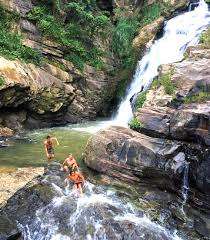
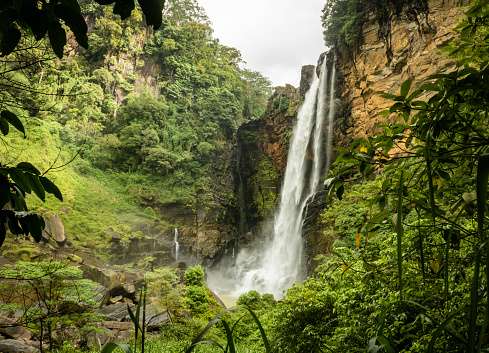
  • Waterfall Visits: Kalutara is surrounded by lush greenery and beautiful waterfalls. Visitors can take short trips to nearby waterfalls such as the Thudugala Ella Waterfall and experience the natural beauty and tranquility of these cascades.
  • Seafood Cuisine: Kalutara is known for its delicious seafood cuisine. Visitors can savor fresh seafood dishes, including prawns, crabs, fish curries, and lobster, prepared in traditional Sri Lankan flavors.
  • Bicycle Tours: Exploring Kalutara and its surroundings on a bicycle is a popular activity for adventure enthusiasts. Bicycle tours allow visitors to discover the scenic landscapes, villages, and cultural sites at their own pace.
  • Golfing: Kalutara is home to a few golf courses where visitors can enjoy a round of golf amidst picturesque surroundings. It is a great opportunity to indulge in the sport while enjoying the natural beauty of the area.
  • Batik Workshops: Batik is a traditional textile art form in Sri Lanka, and visitors to Kalutara can participate in batik workshops. These workshops provide hands-on experience in creating batik designs on fabric using wax and dyes.
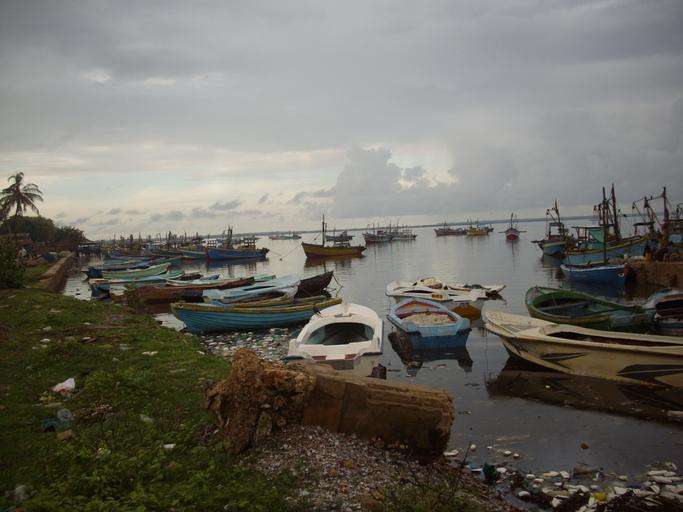
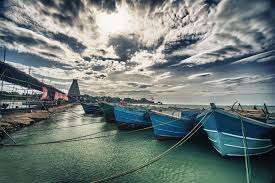
  • Boat Building Industry: Kalutara is known for its boat building industry, where traditional fishing boats and catamarans are constructed. Visitors can witness the craftsmanship involved in building these vessels and learn about the local fishing traditions.
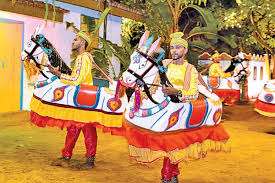
  • Traditional Drumming and Dance Performances: Kalutara offers opportunities to witness traditional drumming and dance performances, showcasing the rich cultural heritage of the region. These performances are often held at cultural centers or during special festivals and events.
  • Cycling along the Coastline: Kalutara’s coastal roads are perfect for cycling enthusiasts. Visitors can rent bicycles and enjoy scenic rides along the coastline, taking in the refreshing sea breeze and picturesque views.
  • Wildlife Excursions: Kalutara is a gateway to various wildlife sanctuaries and national parks in the region. Visitors can embark on wildlife excursions to places like the Sinharaja Forest Reserve, where they can spot unique flora and fauna, including endemic bird species.
  • Spice Gardens: There are spice gardens in Kalutara where visitors can learn about Sri Lanka’s spice industry. These gardens offer guided tours where visitors can explore the cultivation of spices, such as cinnamon, cardamom, and cloves, and learn about their uses in traditional medicine and cooking.
Kalutara offers a diverse range of attractions and experiences, combining natural beauty, cultural heritage, and outdoor activities. Whether you’re interested in exploring historical sites, enjoying water sports, immersing yourself in the local culture, or seeking relaxation and wellness, Kalutara has something to offer every visitor.
SHARE

Jaffna | Exploring the Cultural Hub of Northern Sri Lanka

SHARE

Introduction

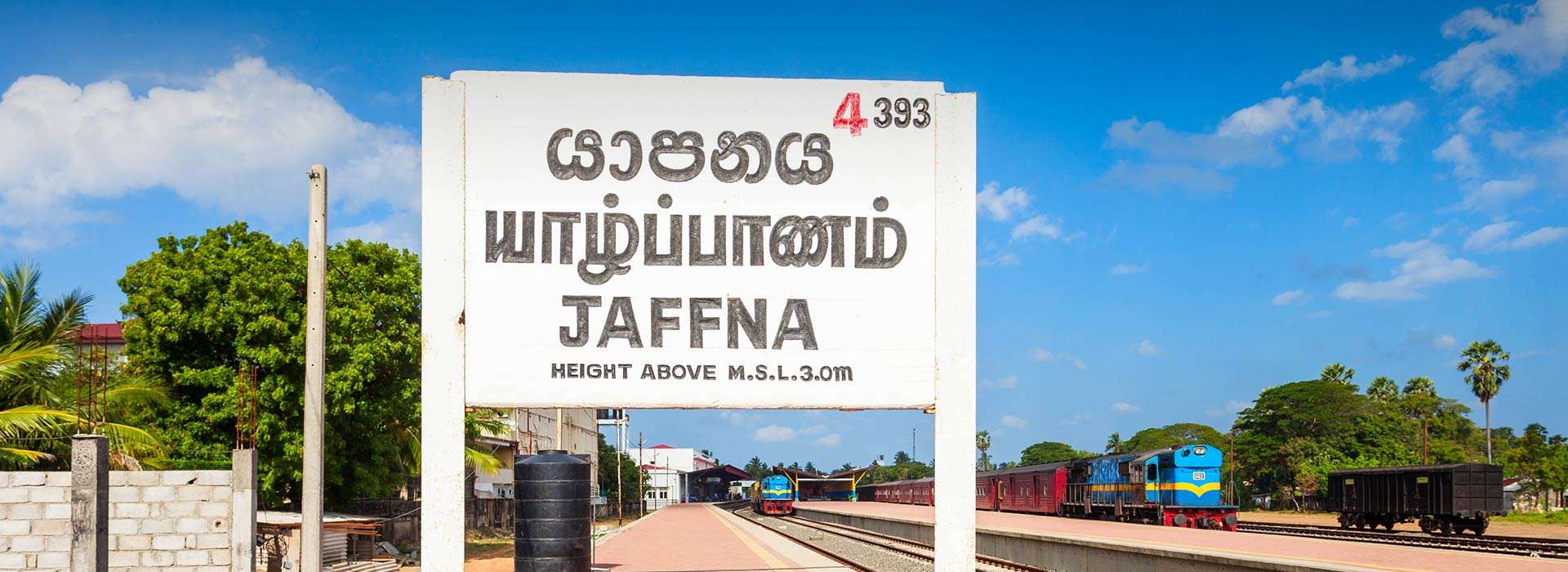
Nestled in the northernmost region of Sri Lanka, Jaffna is a vibrant city that serves as the cultural hub of the region. With its rich history, distinct cuisine, and captivating landmarks, Jaffna offers visitors a unique and immersive experience. In this article, we will delve into the enchanting world of Jaffna, exploring its historical significance, cultural heritage, mouthwatering cuisine, and must-visit attractions. So, let’s embark on a virtual journey to this fascinating city and discover the treasures it holds.


Table of Contents

  1. Historical Significance of Jaffna
  2. Cultural Heritage and Traditions
  3. Exploring Jaffna’s Cuisine
  4. Iconic Landmarks in Jaffna
  5. The Natural Beauty of Jaffna
  6. Festivals and Celebrations
  7. Jaffna’s Arts and Crafts
  8. Religious Sites in Jaffna
  9. Shopping in Jaffna
  10. Jaffna’s Educational Institutions
  11. Discovering the Islands of Jaffna
  12. Transportation in Jaffna
  13. Accommodation Options in Jaffna
  14. Safety Tips for Visitors
  15. Conclusion

Historical Significance of Jaffna

Jaffna has a rich history that dates back centuries. It was a major trading port and played a crucial role in maritime commerce, attracting merchants from around the world. The city has witnessed the influence of various civilizations, including the Chola, Pandyan, and Portuguese, each leaving their mark on its architecture and culture.

Cultural Heritage and Traditions

Jaffna is renowned for its vibrant cultural heritage and traditions. The Tamil community, predominantly residing in this region, has preserved their unique customs and rituals throughout the years. The city’s cultural landscape is adorned with colorful festivals, traditional music and dance forms, and intricate arts and crafts.

Exploring Jaffna’s Cuisine

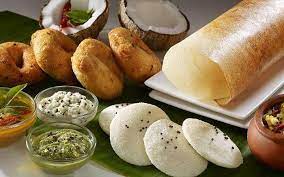
Jaffna’s cuisine is a gastronomic delight, reflecting the region’s rich culinary heritage. The local cuisine features a variety of flavorful dishes, including seafood delicacies, aromatic curries, and traditional sweets. Don’t miss the opportunity to savor signature dishes like crab curry, Jaffna-style dosai, and palmyrah-based treats.

Iconic Landmarks in Jaffna

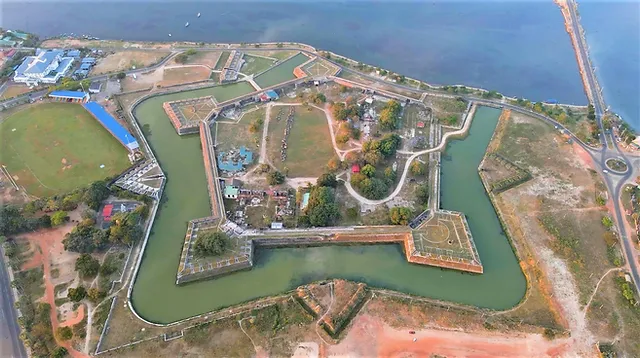
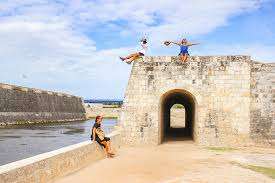
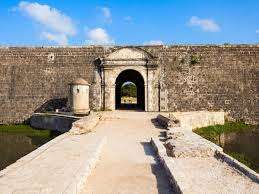
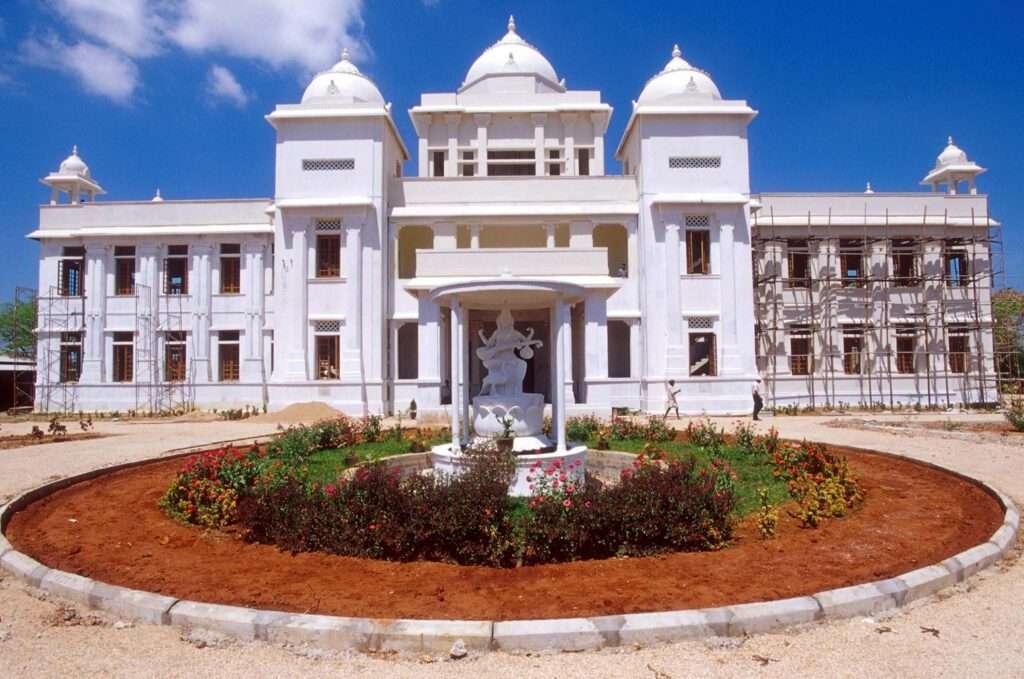
Jaffna boasts several iconic landmarks that showcase its architectural grandeur and historical significance. The Jaffna Fort, a 17th-century Dutch fortification, stands as a testament to the city’s colonial past. Other notable landmarks include the Nallur Kandaswamy Kovil, a magnificent Hindu temple, and the Jaffna Public Library, a symbol of knowledge and cultural revival.

The Natural Beauty of Jaffna

Beyond its historical and cultural treasures, Jaffna is blessed with natural beauty. The city is surrounded by pristine beaches, such as Casuarina Beach and Point Pedro Beach, where visitors can unwind and enjoy the tranquil coastal ambiance. The serene lagoons and picturesque landscapes add to Jaffna’s allure, providing ample opportunities for nature lovers to explore.

Festivals and Celebrations

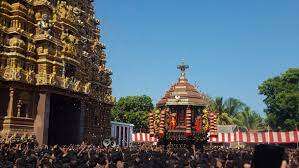
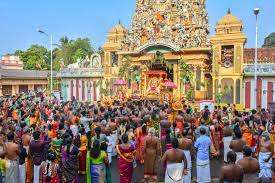
Jaffna is known for its vibrant festivals and celebrations that bring the community together in a joyous spirit. The annual Nallur Festival, dedicated to Lord Murugan, is a grand spectacle featuring colorful processions, traditional music, and elaborate rituals. The Thai Pongal harvest festival and the Karthigai Deepam festival are also celebrated with great enthusiasm.

Jaffna’s Arts and Crafts

The artistic traditions of Jaffna are renowned for their intricacy and beauty. From exquisite wood carvings and pottery to woven textiles and traditional jewelry, Jaffna’s arts and crafts reflect the region’s rich cultural heritage. Visitors can explore local markets and artisan workshops to witness the skilled craftsmanship firsthand.

Religious Sites in Jaffna

Jaffna is home to numerous religious sites that hold great significance for the local community. Apart from the Nallur Kandaswamy Kovil, other notable religious landmarks include the Nagapooshani Amman Kovil, the St. Mary’s Cathedral, and the Jummah Mosque. These places of worship serve as spiritual sanctuaries and architectural marvels.

Shopping in Jaffna

Jaffna offers a unique shopping experience with its bustling markets and traditional bazaars. Visitors can browse through a wide array of handicrafts, spices, textiles, and traditional attire. The Jaffna Central Market is a treasure trove of local produce and spices, where you can immerse yourself in the vibrant sights and aromas of the city.

Jaffna’s Educational Institutions

Jaffna is renowned for its educational institutions, which have played a significant role in shaping the intellectual landscape of Sri Lanka. The University of Jaffna, established in 1974, is a prestigious institution known for its academic excellence. The city also boasts a rich literary tradition, with many renowned writers and scholars hailing from Jaffna.

Discovering the Islands of Jaffna

Jaffna is surrounded by a cluster of enchanting islands that offer a serene and secluded retreat. Nainativu, Delft Island, and Karaitivu are among the islands waiting to be explored. These islands are known for their pristine beaches, diverse wildlife, and remnants of ancient civilizations, making them a paradise for nature enthusiasts and history buffs alike.

Transportation in Jaffna

Getting around Jaffna is relatively easy, with various transportation options available. Bicycles and motorcycles can be rented for exploring the city and its outskirts. Tuk-tuks, a popular mode of transportation, provide a convenient and affordable way to navigate the city streets. Public buses and private taxis are also available for longer journeys.

Accommodation Options in Jaffna

Jaffna offers a range of accommodation options to suit every traveler’s preferences and budget. From luxury hotels to guesthouses and homestays, visitors can find comfortable and welcoming places to stay. Many accommodations provide a glimpse into Jaffna’s traditional architecture and offer warm hospitality that reflects the local culture.

Safety Tips for Visitors

While Jaffna is generally a safe destination, it’s essential to take certain precautions to ensure a smooth and enjoyable trip. It is advisable to stay updated on the current political situation and follow any travel advisories. Respect the local customs and dress modestly when visiting religious sites. Additionally, it’s always recommended to carry a copy of important documents and maintain awareness of your surroundings.

Conclusion

Jaffna is a city that encapsulates the rich heritage and cultural tapestry of northern Sri Lanka. From its historical landmarks and vibrant festivals to its mouthwatering cuisine and natural beauty, Jaffna offers a delightful and immersive experience for visitors. Exploring the city’s hidden gems and connecting with its warm-hearted residents will leave you with lasting memories. So, plan your visit to Jaffna and unlock the treasures of this captivating cultural hub.


FAQs (Frequently Asked Questions)

Q1: How do I reach Jaffna? To reach Jaffna, you can take a domestic flight to the Jaffna International Airport or opt for a scenic train journey from Colombo. There are also bus services available from major cities in Sri Lanka.

Q2: Is Jaffna safe for solo female travelers? Jaffna is generally safe for solo female travelers. However, it is advisable to take basic safety precautions, such as avoiding secluded areas at night and being aware of your surroundings.

Q3: What is the best time to visit Jaffna? The best time to visit Jaffna is during the dry season, which falls between May and September. The weather is pleasant, and it is the ideal time to explore the city’s outdoor attractions.

Q4: Can I try vegetarian food in Jaffna? Yes, Jaffna offers a variety of delicious vegetarian dishes. The cuisine includes flavorful vegetarian curries, dosai, and traditional sweets that cater to vegetarian preferences.

Q5: Are credit cards widely accepted in Jaffna? While some establishments in Jaffna accept credit cards, it is advisable to carry sufficient cash, especially when visiting local markets and smaller establishments.


SHARE

Trincomalee | A Gem on Sri Lanka’s Eastern Coast

SHARE

Trincomalee, located on the northeastern coast of Sri Lanka, is a hidden gem that offers breathtaking beauty, rich history, and a diverse range of attractions. With its pristine beaches, ancient temples, and vibrant culture, Trincomalee has become an increasingly popular destination for travelers seeking an off-the-beaten-path experience. In this article, we will delve into the wonders of Trincomalee, exploring its history, natural wonders, cultural highlights, and more. So pack your bags and get ready to embark on a captivating journey to Trincomalee!

Table of Contents

  1. Introduction
  2. Historical Significance
  3. Natural Splendors
  4. Kanniyai Hot Water Springs
  5. Cultural Heritage
  6. Exquisite Cuisine
  7. Water Sports and Adventure
  8. Peaceful Beaches
  9. Accommodation Options
  10. Festivals and Celebrations
  11. Wildlife Encounters
  12. Exploring the City
  13. Shopping Extravaganza
  14. Local Handicrafts
  15. Sustainable Tourism Efforts
  16. Conclusion

1. Introduction

Nestled on the eastern coast of Sri Lanka, Trincomalee is a coastal town renowned for its scenic beauty and historical significance. The city boasts a rich tapestry of cultural heritage, beautiful beaches, and a wide array of outdoor activities. Whether you’re a history buff, nature lover, or adventure enthusiast, Trincomalee has something to offer for everyone.

2. Historical Significance

Trincomalee’s history dates back to ancient times, with evidence of human habitation dating back over 2,500 years. The city has been ruled by various empires, including the Chola, Pandyan, and Vijayanagara kingdoms. Its strategic location made it a vital trading hub and a coveted prize for many colonial powers. Today, remnants of these historical eras can be explored through ancient ruins, such as the Koneswaram Temple and Fort Frederick.

3. Natural Splendors

Trincomalee is blessed with breathtaking natural beauty. The city is home to some of the most stunning beaches in Sri Lanka, including Nilaveli and Uppuveli. The crystal-clear waters, golden sands, and swaying palm trees create a picturesque setting that is perfect for relaxation and sunbathing. Additionally, Trincomalee is a gateway to the Pigeon Island National Park, a marine sanctuary renowned for its vibrant coral reefs and diverse marine life.

4. Kanniyai Hot Water Springs

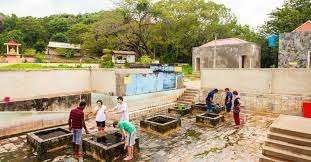
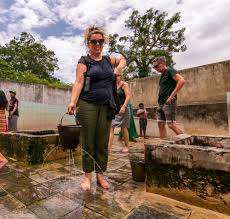
The Kanniyai Hot Water Springs, located in the outskirts of Trincomalee, are a natural wonder that offers a unique experience to visitors. These thermal springs are believed to have healing properties, making them a popular destination for those seeking relaxation and relief from various ailments.

The Kanniyai Hot Water Springs are a result of geothermal activity beneath the Earth’s surface. The hot water that emerges from the springs is heated by volcanic activity and travels through fissures and cracks in the rocks before reaching the surface. The exact temperature of the water can vary, but it is generally warm to hot, providing a soothing and therapeutic experience.

The warm mineral-rich water of the Kanniyai Hot Water Springs is believed to possess healing properties. Many locals and visitors alike claim that soaking in the springs can help alleviate various ailments such as arthritis, rheumatism, and skin conditions. The high mineral content, including sulfur, is said to have therapeutic effects on the body, promoting relaxation and improving blood circulation.

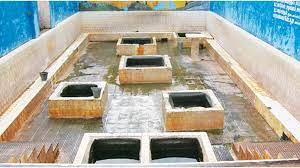
When visiting the Kanniyai Hot Water Springs, it is important to follow certain guidelines to ensure a safe and enjoyable experience. The springs are open to the public, and there may be small bathing enclosures or pools available for visitors to enjoy. It is recommended to check with local authorities or guides for the best time to visit, as the springs may be crowded during peak tourist seasons.

5. Cultural Heritage

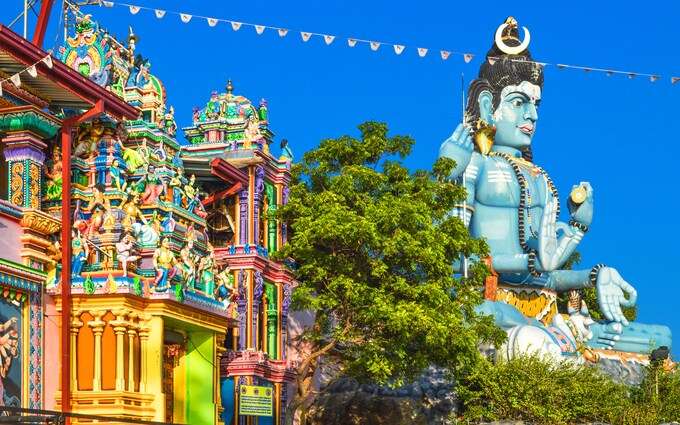
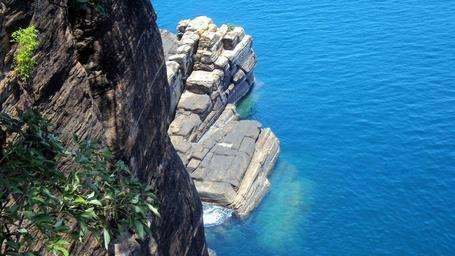
Trincomalee is steeped in cultural heritage, with a blend of Hindu, Buddhist, and Islamic influences. The Koneswaram Temple, perched on a cliff overlooking the sea, is a sacred Hindu pilgrimage site and a testament to the city’s religious significance. The annual Koneswaram Kovil festival attracts devotees from around the world, offering a glimpse into the rich traditions and customs of the region. The city also boasts several Buddhist temples and mosques, showcasing its multicultural fabric.

6. Exquisite Cuisine

No trip to Trincomalee is complete without indulging in its delectable cuisine. The city offers a variety of culinary delights, with an emphasis on fresh seafood dishes. From succulent prawn curries to mouthwatering crab preparations, Trincomalee is a haven for seafood lovers. Don’t forget to try the local delicacy, “kottu roti,” a flavorful dish made from chopped roti, vegetables, and meat.

7. Water Sports and Adventure

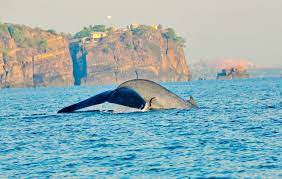
For adventure enthusiasts, Trincomalee is a paradise waiting to be explored. The city offers a plethora of water sports activities, including snorkeling, diving, and whale watching. Embark on a diving excursion to explore the vibrant coral reefs and encounter exotic marine species. If you’re lucky, you might spot magnificent blue whales and dolphins in their natural habitat.

8. Peaceful Beaches

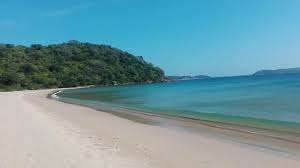
Trincomalee is renowned for its tranquil and secluded beaches, perfect for those seeking solace and serenity. Marble Beach, with its pristine white sands and calm turquoise waters, provides an idyllic setting for relaxation and rejuvenation. Other hidden gems include Kuchchaveli Beach and Seruwila Beach, where you can bask in the sun and immerse yourself in the beauty of nature.

9. Accommodation Options

Trincomalee offers a range of accommodation options to suit every budget and preference. From luxury beach resorts to cozy guesthouses, you’ll find a variety of choices to make your stay comfortable. Many accommodations provide stunning ocean views, easy access to the beach, and world-class amenities to enhance your experience.

10. Festivals and Celebrations

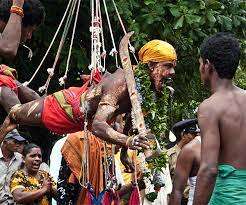
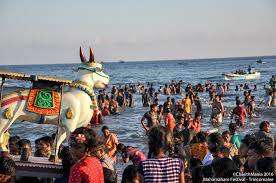
Trincomalee’s vibrant cultural scene comes alive during its numerous festivals and celebrations. The city hosts colorful processions, traditional dance performances, and musical concerts throughout the year. The Vel Festival, which pays homage to the Hindu god Murugan, is a spectacle to behold, with devotees carrying ornately decorated “kavadis” and piercing their bodies with hooks as acts of devotion.

11. Wildlife Encounters

Nature enthusiasts will delight in Trincomalee’s abundant wildlife. The nearby Minneriya National Park is home to a large population of elephants, which can be observed during thrilling jeep safaris. The park also offers sightings of other wildlife, including deer, leopards, and a variety of bird species. A visit to Trincomalee wouldn’t be complete without experiencing the wonders of Sri Lanka’s diverse fauna.

12. Exploring the City

Trincomalee’s bustling streets offer a glimpse into local life and present numerous opportunities for exploration. Take a stroll through the vibrant bazaars, where you can find everything from handicrafts to spices. Visit the Fish Market to witness the daily catch being sold, or delve into the city’s history at the Trincomalee Maritime Museum. Exploring the city on foot allows you to immerse yourself in its unique charm.

13. Shopping Extravaganza

Trincomalee is a shopper’s paradise, offering a wide range of unique souvenirs and traditional crafts. From handwoven textiles to intricately carved wooden figurines, you’ll find a treasure trove of items to take home as mementos. Don’t forget to bargain at the local markets to secure the best deals and immerse yourself in the vibrant atmosphere.

14. Local Handicrafts

Trincomalee is renowned for its traditional handicrafts, which reflect the region’s rich cultural heritage. The city is famous for its exquisite woodcarvings, pottery, and intricate lacework. Supporting local artisans not only allows you to bring home a piece of Trincomalee’s heritage but also contributes to the preservation of these traditional crafts.

15. Sustainable Tourism Efforts

Trincomalee is committed to promoting sustainable tourism practices to preserve its natural and cultural assets for future generations. Efforts are underway to minimize the environmental impact of tourism activities and empower local communities. By supporting eco-friendly initiatives and responsible tourism, visitors can contribute to the preservation of Trincomalee’s unique charm.

16. Conclusion

Trincomalee, with its breathtaking beauty, rich history, and vibrant culture, is a destination that captivates the hearts of all who visit. From pristine beaches to ancient temples, this coastal gem offers a diverse range of attractions for every traveler. Whether you seek relaxation, adventure, or cultural immersion, Trincomalee promises an unforgettable experience. So pack your bags and embark on a journey to discover the wonders of this hidden treasure on Sri Lanka’s eastern coast.


FAQs

  1. Is Trincomalee safe for tourists? Trincomalee is generally considered safe for tourists. However, it’s always advisable to exercise caution and follow safety guidelines while traveling.
  2. How do I get to Trincomalee? Trincomalee can be reached by road or air. The city has its own airport, and there are also bus and train services available from major cities in Sri Lanka.
  3. What is the best time to visit Trincomalee? The best time to visit Trincomalee is during the dry season, which extends from May to October. This period offers favorable weather conditions for outdoor activities and beach exploration.
  4. Can I go whale watching in Trincomalee? Yes, Trincomalee is a popular destination for whale watching. The best time to spot blue whales is from March to April and August to September.
  5. Are there vegetarian food options available in Trincomalee? Yes, Trincomalee offers a variety of vegetarian food options. Many restaurants and eateries cater to vegetarian preferences and provide delicious plant-based meals.

SHARE

The Village of Ella – The Picturesque Village

SHARE

Ella, a picturesque village nestled in the central highlands of Sri Lanka, is a hidden gem that offers a blend of natural beauty, cultural heritage, and adventure. Surrounded by lush green hills, cascading waterfalls, and tea plantations, Ella has become a popular destination for travelers seeking tranquility and a break from the bustling cities. In this article, we will explore the enchanting village of Ella and discover its captivating attractions and experiences.

Table of Contents

  1. Introduction
  2. History of Ella
  3. Getting to Ella
  4. Attractions in Ella
    1. Ella Rock
    2. Nine Arch Bridge
    3. Ravana Falls
    4. Little Adam’s Peak
  5. Tea Plantations and Factory Visits
  6. Ella’s Culinary Delights
  7. Hiking and Trekking Adventures
  8. Yoga and Meditation Retreats
  9. Local Culture and Traditions
  10. Accommodation Options in Ella
  11. Best Time to Visit Ella
  12. Safety Tips for Travelers
  13. Transportation within Ella
  14. Shopping in Ella
  15. Conclusion
  16. FAQs (Frequently Asked Questions)

1. Introduction

Welcome to Ella, a charming village located in the Badulla District of Sri Lanka. With its mild climate, scenic landscapes, and warm hospitality, Ella has gained popularity among both local and international tourists.

2. History of Ella

Ella’s history dates back to the British colonial era when it was an important hub for tea production. The British introduced tea cultivation to this region, taking advantage of its favorable climate and fertile soil. Today, remnants of the colonial era can still be seen in the form of colonial-era bungalows and tea factories.

3. Getting to Ella

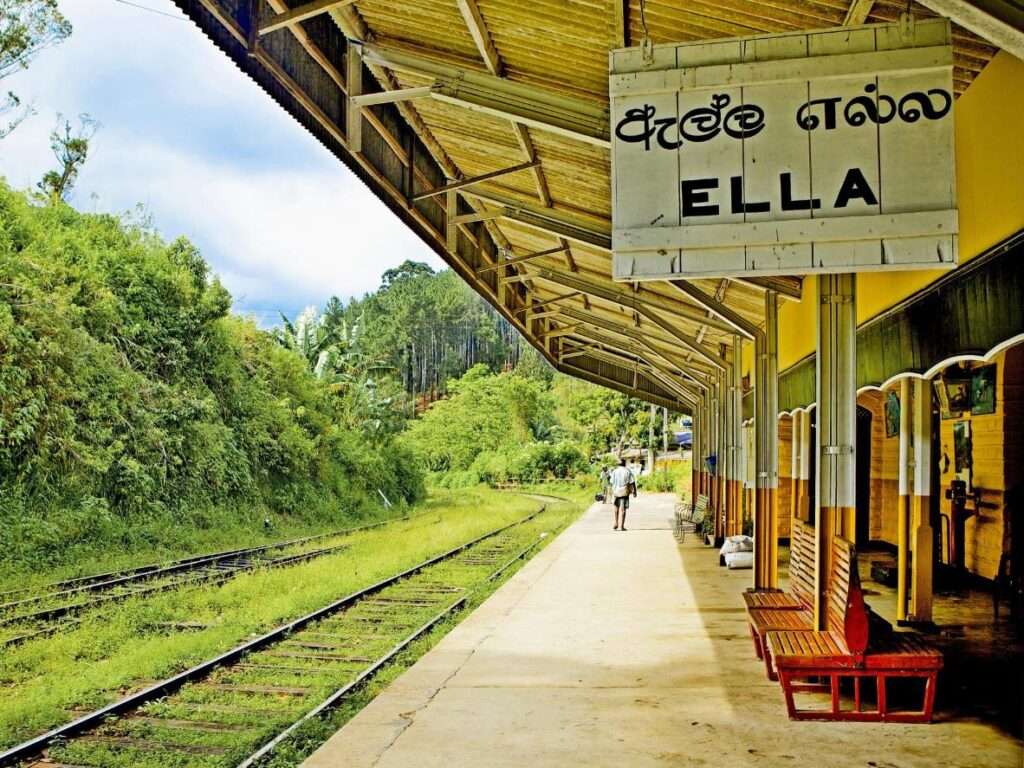
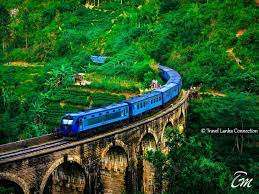
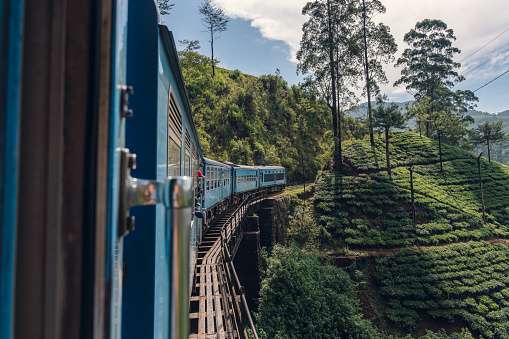
To reach Ella, you can take a scenic train journey from Colombo or Kandy, which offers breathtaking views of the countryside. Alternatively, you can also hire a private vehicle or take a public bus to reach this beautiful village.

4. Attractions in Ella

4.1 Ella Rock

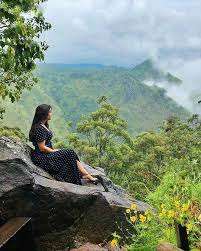
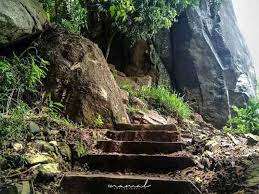
Ella Rock is a popular hiking trail that rewards adventurers with panoramic views of the surrounding hills and tea plantations. The hike takes approximately two to three hours, and the trail passes through lush forests and scenic landscapes.

4.2 Nine Arch Bridge

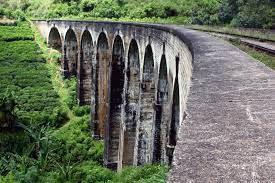
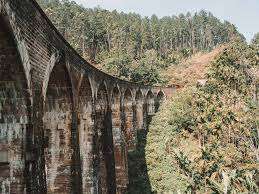
The Nine Arch Bridge is an architectural marvel that attracts visitors from all over the world. This picturesque bridge is made of brick, stone, and cement, and its unique design blends harmoniously with the natural surroundings. It is a perfect spot for photography enthusiasts.

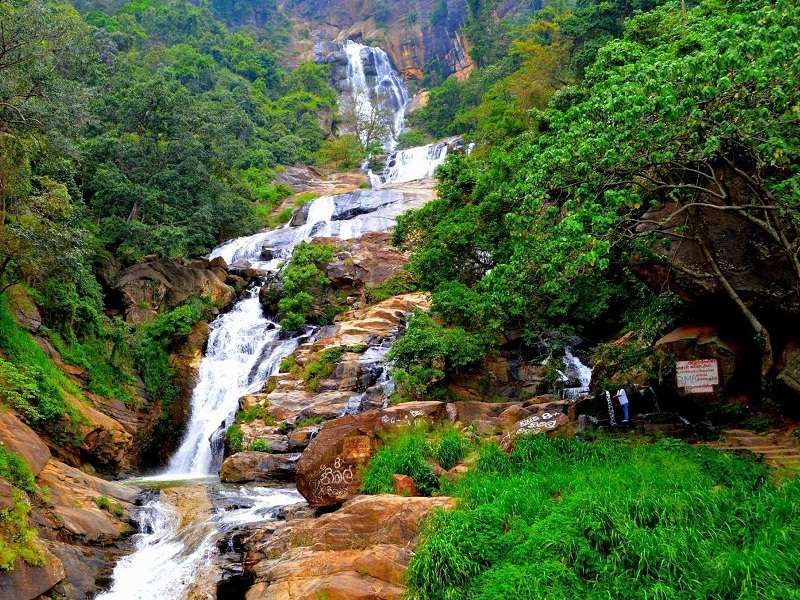
4.3 Ravana Falls

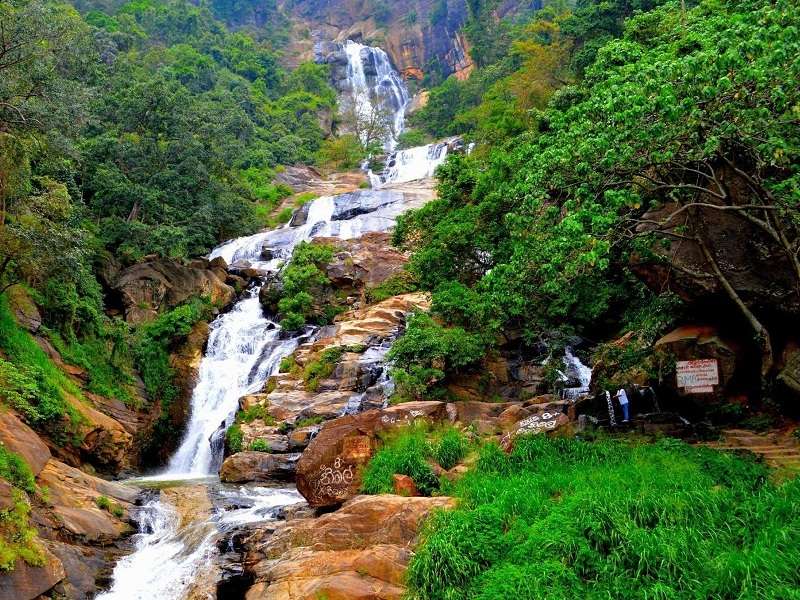
Ravana Falls, named after the mythical character Ravana from the Indian epic Ramayana, is a magnificent waterfall located near Ella. Its cascading waters create a mesmerizing sight, and visitors can take a refreshing dip in the natural pool at the base of the falls.

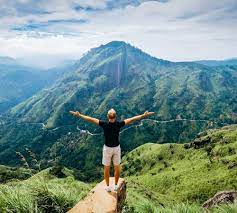
4.4 Little Adam’s Peak

For those seeking a less strenuous hike, Little Adam’s Peak offers a rewarding experience. The trail is relatively easy, and the summit provides breathtaking views of Ella’s lush green valleys and tea plantations.

5. Tea Plantations and Factory Visits

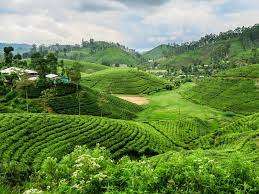
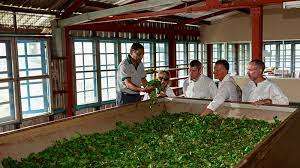
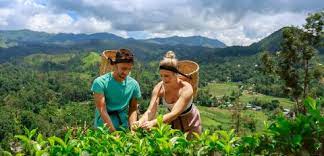
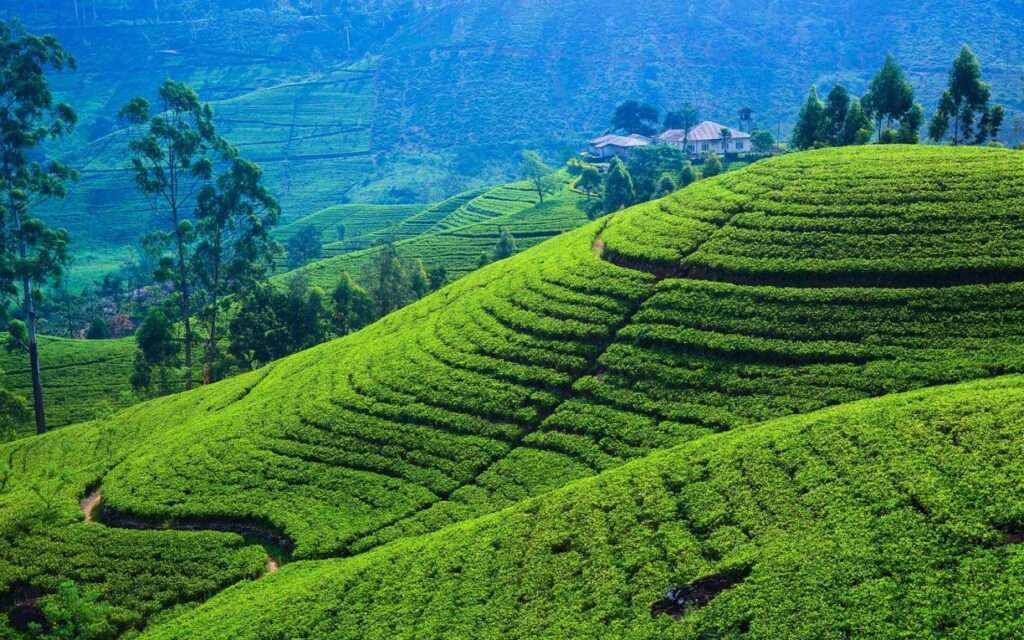
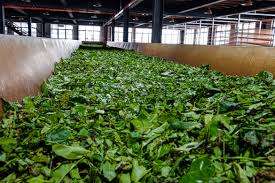
Ella is surrounded by sprawling tea plantations that produce some of Sri Lanka’s finest teas. Visitors can take guided tours of the tea factories to learn about the tea-making process and indulge in tea tasting sessions. It is a great opportunity to savor the flavors of Ceylon tea.

6. Ella’s Culinary Delights

Ella is known for its vibrant culinary scene, offering a variety of cuisines to suit every palate. From traditional Sri Lankan delicacies to international dishes, the village is a food lover’s paradise. Don’t miss the opportunity to try some authentic Sri Lankan rice and curry, hoppers, and kottu roti.

7. Hiking and Trekking Adventures

Apart from Ella Rock and Little Adam’s Peak, the village is surrounded by numerous hiking and trekking trails that cater to adventure enthusiasts. Whether it’s exploring the Diyaluma Falls, embarking on the Demodara Loop trek, or venturing into the Horton Plains National Park, there are plenty of options to satisfy your adventurous spirit.

8. Yoga and Meditation Retreats

Ella’s serene and tranquil environment makes it an ideal destination for yoga and meditation retreats. Many guesthouses and resorts offer yoga classes and meditation sessions, allowing visitors to rejuvenate their mind, body, and soul amidst the natural beauty of Ella.

9. Local Culture and Traditions

Immerse yourself in the rich cultural heritage of Ella by interacting with the friendly locals. Witness traditional ceremonies and rituals, learn about their customs and traditions, and explore the vibrant arts and crafts scene. The locals are always eager to share their stories and make your visit a memorable one.

10. Accommodation Options in Ella

Ella offers a range of accommodation options to suit different budgets and preferences. From cozy guesthouses and boutique hotels to luxury resorts, you can find a place to stay that meets your requirements. Wake up to breathtaking views of misty mountains and enjoy the warm hospitality of the locals.

11. Best Time to Visit Ella

The best time to visit Ella is during the dry season, which falls between December and March. During this period, the weather is pleasant, and you can enjoy clear skies and comfortable temperatures. However, Ella’s beauty shines all year round, and each season brings its own charm.

12. Safety Tips for Travelers

While Ella is generally a safe destination, it’s always advisable to take certain precautions. Avoid walking alone in isolated areas at night and be cautious of your belongings. It’s also essential to stay hydrated and carry a sufficient supply of water during your outdoor activities.

13. Transportation within Ella

Getting around Ella is relatively easy, with tuk-tuks and taxis readily available. You can also rent a bicycle or a scooter to explore the village at your own pace. Walking is another great way to discover Ella’s hidden treasures and immerse yourself in its natural beauty.

14. Shopping in Ella

Ella offers a unique shopping experience, with a variety of handicrafts, souvenirs, and tea-related products available in the local markets. Don’t forget to take home some aromatic Ceylon tea and beautiful handwoven textiles as a memento of your visit.

15. Conclusion

The village of Ella is a paradise for nature lovers, adventure enthusiasts, and those seeking a peaceful retreat. Its idyllic setting, awe-inspiring landscapes, and warm hospitality make it a must-visit destination in Sri Lanka. Whether you’re hiking to Ella Rock, sipping tea in a plantation, or immersing yourself in the local culture, Ella promises an unforgettable experience.

FAQs (Frequently Asked Questions)

  1. Q: How far is Ella from Colombo? A: Ella is located approximately 200 kilometers east of Colombo, and the journey takes around 5-6 hours by road.
  2. Q: Are there any luxury accommodation options in Ella? A: Yes, Ella offers luxury resorts and boutique hotels that provide top-notch amenities and stunning views of the surrounding landscapes.
  3. Q: Can I visit Ella with my family? A: Absolutely! Ella is a family-friendly destination with activities and attractions suitable for all age groups.
  4. Q: Are there any vegan or vegetarian restaurants in Ella? A: Yes, Ella has several vegan and vegetarian-friendly restaurants that serve delicious plant-based meals.
  5. Q: Can I swim in Ravana Falls? A: It is generally safe to swim in the natural pool at the base of Ravana Falls. However, it’s essential to exercise caution and check the water conditions before taking a dip.

In conclusion, the village of Ella offers a delightful escape into nature’s embrace. From its breathtaking viewpoints to its tea-filled valleys, Ella beckons travelers seeking serenity and adventure. Immerse yourself in its beauty, explore its trails, and indulge in the warmth of Sri Lankan hospitality. Ella is waiting to captivate your heart and create memories that will last a lifetime.


SHARE

Colombo | The Vibrant Capital City of Sri Lanka

SHARE

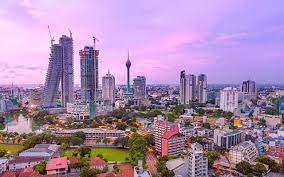
Colombo, the capital city of Sri Lanka, is a vibrant and bustling metropolis that offers a blend of rich history, cultural diversity, and modern development. With its captivating landmarks, bustling markets, and picturesque waterfront, Colombo is a city that seamlessly merges the old and the new. In this article, we will delve into the various aspects that make Colombo a must-visit destination, from its historical sites and cultural treasures to its thriving culinary scene and vibrant nightlife.

Table of Contents

  1. Introduction
  2. Historical Significance of Colombo
  3. Exploring Colombo’s Architectural Marvels
  4. Cultural Delights: Museums and Galleries
  5. Shop ’til You Drop: Colombo’s Markets and Shopping Centers
  6. Indulge in Colombo’s Culinary Delights
  7. Enjoying Colombo’s Nature and Green Spaces
  8. Vibrant Nightlife in Colombo
  9. Places of Worship: Colombo’s Religious Harmony
  10. Festivals and Events in Colombo
  11. Day Trips from Colombo
  12. Colombo’s Beaches: Sun, Sand, and Serenity
  13. Accommodation Options in Colombo
  14. Getting Around in Colombo
  15. Safety Tips for Visitors
  16. Conclusion
  17. Frequently Asked Questions (FAQs)

Introduction

Colombo, located on the western coast of Sri Lanka, serves as the commercial and cultural hub of the country. The city showcases a captivating blend of colonial heritage and modern progress, making it an intriguing destination for travelers from around the world.

Historical Significance of Colombo

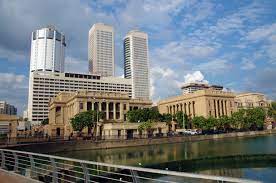
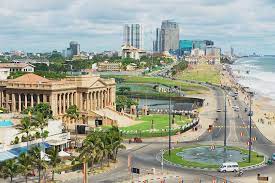
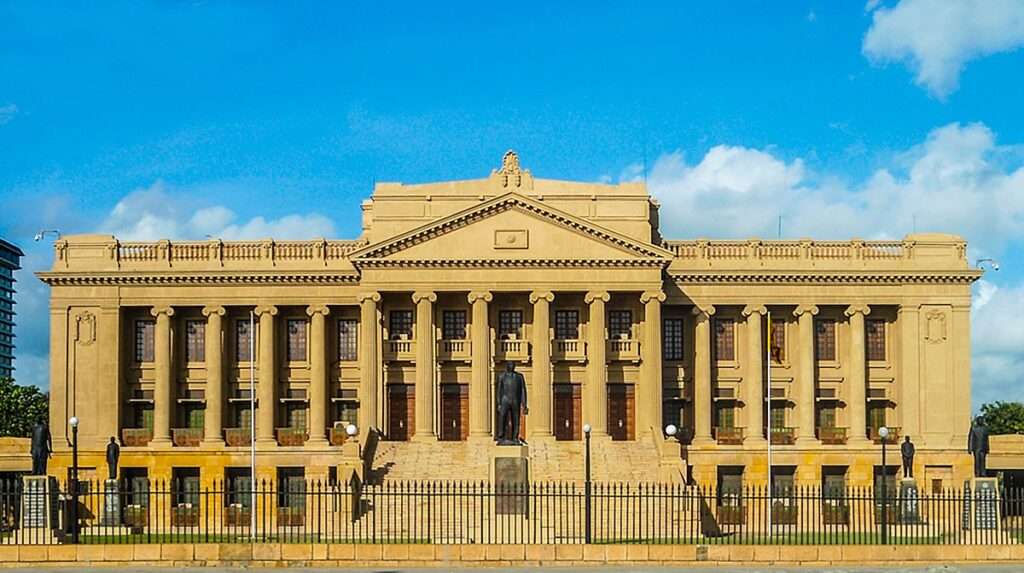
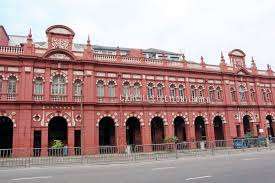
Colombo has a rich history that dates back centuries. The city served as an important trading port for ancient seafarers and witnessed the influences of various colonial powers, including the Portuguese, Dutch, and British. Visitors can explore the remnants of this colonial past in the form of historical buildings, such as the Old Parliament Building and the Colombo Fort.

Exploring Colombo’s Architectural Marvels

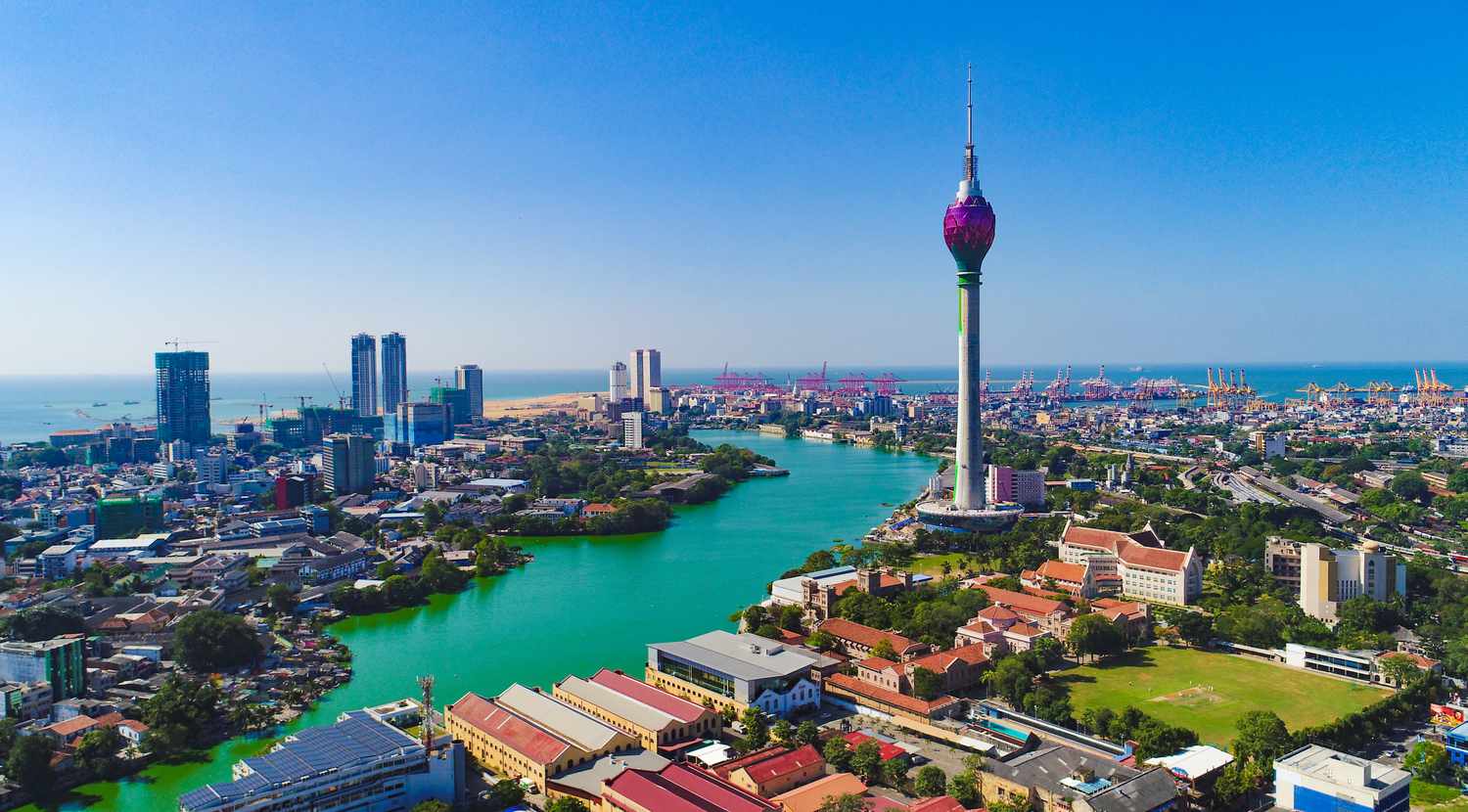
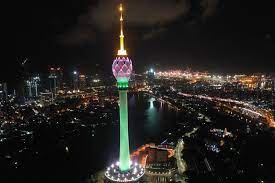
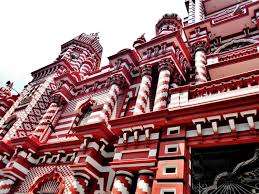
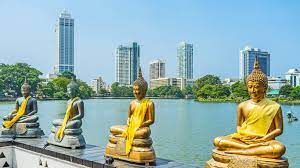
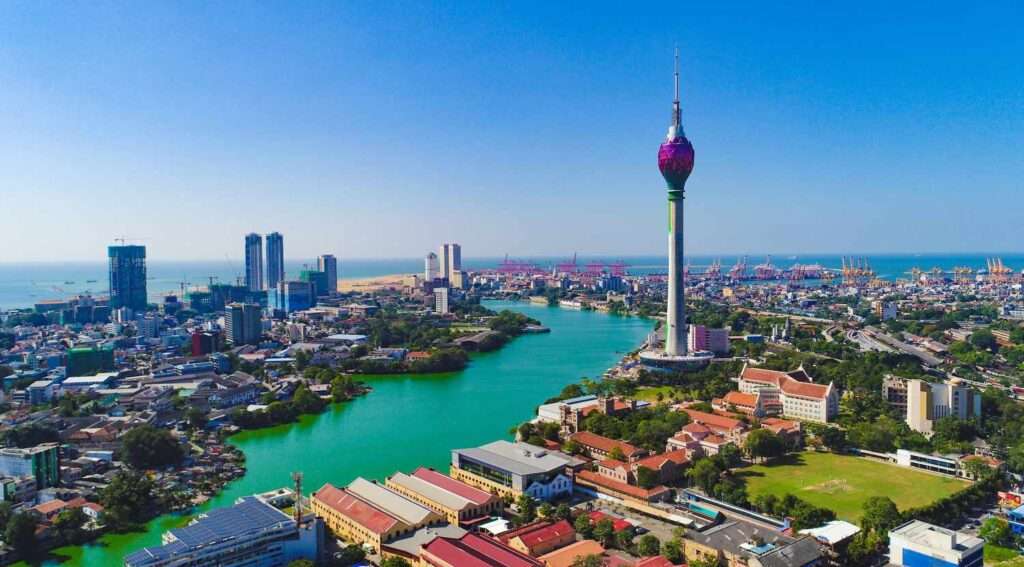
Colombo boasts an array of architectural marvels that reflect its diverse heritage. From the magnificent red-and-white-striped Jami Ul-Alfar Mosque to the grandeur of the Gangaramaya Temple, there are numerous religious and cultural landmarks to discover. The iconic Colombo Lotus Tower, standing tall at 350 meters, offers panoramic views of the cityscape.

Cultural Delights: Museums and Galleries

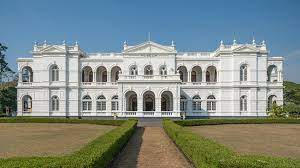
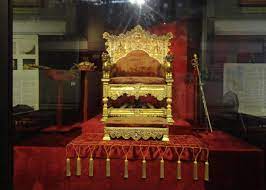
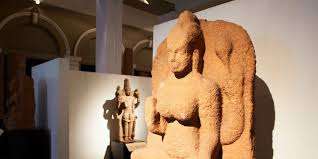
For art and history enthusiasts, Colombo is a treasure trove of museums and galleries. The National Museum of Colombo houses an impressive collection of artifacts that depict the island’s rich past. The Colombo Art Gallery showcases contemporary Sri Lankan art, while the Lionel Wendt Art Center hosts exhibitions and performances.

Shop ’til You Drop: Colombo’s Markets and Shopping Centers

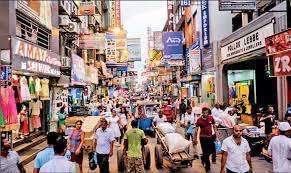
Colombo is a shopper’s paradise, offering a wide range of shopping experiences. From bustling street markets like Pettah Market and Galle Face Green Market to modern shopping complexes like Colombo City Centre and Arcade Independence Square, visitors can find everything from traditional handicrafts to high-end fashion brands.

Indulge in Colombo’s Culinary Delights

Colombo’s food scene is a melting pot of flavors influenced by Sri Lankan, Indian, Malay, and colonial cuisines. Whether you’re craving traditional Sri Lankan rice and curry, flavorful street food, or international gourmet dishes, the city has something to satisfy every palate. Don’t miss the opportunity to try the iconic Sri Lankan dish, “hoppers,” a type of crispy pancake served with various accompaniments.

Enjoying Colombo’s Nature and Green Spaces

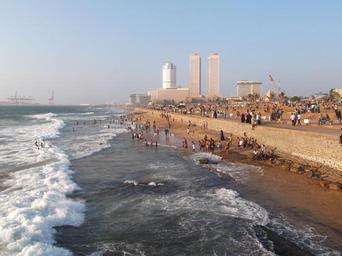
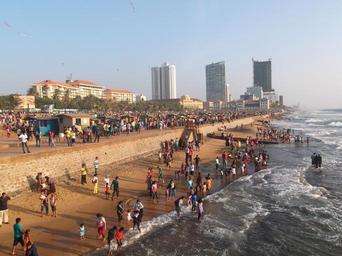
Despite being a bustling city, Colombo offers several serene spots where visitors can escape the urban hustle. The Viharamahadevi Park, known as the “Queen’s Park,” features beautiful gardens, a tranquil lake, and recreational facilities. The Galle Face Green promenade stretches along the coastline, providing a picturesque setting for a leisurely stroll or a family picnic.

Vibrant Nightlife in Colombo

When the sun sets, Colombo comes alive with its vibrant nightlife. The city is dotted with trendy bars, rooftop lounges, and nightclubs where visitors can unwind and dance the night away. The lively atmosphere, live music, and delicious cocktails create an unforgettable experience for those seeking an exciting evening out.

Places of Worship: Colombo’s Religious Harmony

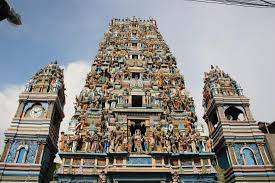
Colombo is known for its religious diversity and the harmonious coexistence of different faiths. The city is home to numerous temples, churches, mosques, and kovils. The iconic Gangaramaya Temple and the serene Sri Kaileswaram Kovil are prime examples of the city’s religious tolerance and architectural splendor.
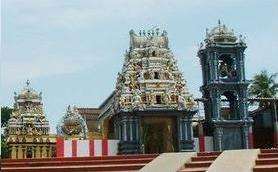
Festivals and Events in Colombo

Throughout the year, Colombo hosts a variety of vibrant festivals and events that celebrate its cultural heritage. The Navam Perahera, Esala Perahera, and Vesak Poya are religious festivals that showcase colorful processions, traditional dances, and beautifully decorated streets. The Colombo International Film Festival and Colombo Art Biennale attract artists and art enthusiasts from across the globe.
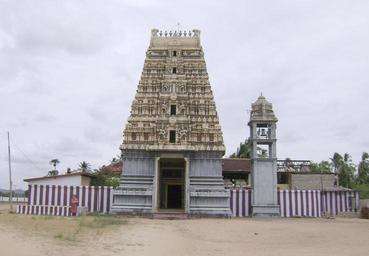
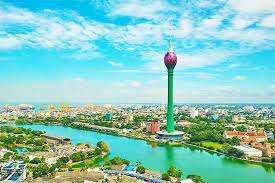
Day Trips from Colombo

Colombo serves as a perfect base for exploring the surrounding areas. Visitors can embark on day trips to nearby attractions, such as the ancient city of Kandy, the picturesque hill country of Nuwara Eliya, or the coastal town of Negombo. These excursions offer a chance to experience the diverse landscapes and cultural treasures of Sri Lanka.

Colombo’s Beaches: Sun, Sand, and Serenity

Although Colombo is not primarily known for its beaches, there are several coastal stretches near the city where visitors can soak up the sun and enjoy the tranquil waters of the Indian Ocean. Mount Lavinia Beach, Negombo Beach, and Bentota Beach are popular choices for beach lovers.

Accommodation Options in Colombo

Colombo offers a wide range of accommodation options to suit every budget and preference. From luxury hotels and boutique villas to budget-friendly guesthouses and serviced apartments, visitors can find a place to stay that caters to their needs. Many hotels in Colombo offer stunning views of the ocean or the city skyline.

Getting Around in Colombo

Navigating Colombo is relatively easy, thanks to its well-connected transportation system. Visitors can choose between taxis, tuk-tuks (three-wheeled vehicles), and ride-sharing services to get around the city. The recently launched Colombo Light Rail Transit (LRT) system provides a convenient and efficient mode of transportation for both locals and tourists.

Safety Tips for Visitors

While Colombo is generally a safe city for tourists, it’s essential to take some precautions to ensure a pleasant and hassle-free stay. It’s advisable to avoid isolated areas at night, keep an eye on personal belongings, and use reputable transportation services. It’s also recommended to dress modestly when visiting religious sites out of respect for local customs.

Conclusion

Colombo, the vibrant capital city of Sri Lanka, offers a captivating blend of history, culture, and modernity. From its historical landmarks and cultural treasures to its culinary delights and bustling markets, there is something for everyone in this diverse and vibrant city. Whether you’re a history buff, a food lover, or an adventure seeker, Colombo promises an unforgettable experience.

Frequently Asked Questions (FAQs)

  1. Is Colombo safe for tourists? Colombo is generally a safe city for tourists. However, it’s essential to take basic safety precautions, such as avoiding isolated areas at night and keeping an eye on your belongings.
  2. What is the best time to visit Colombo? The best time to visit Colombo is during the dry season, which extends from December to March. The weather is pleasant, and there are fewer chances of rainfall.
  3. Are credit cards widely accepted in Colombo? Yes, credit cards are widely accepted in most hotels, restaurants, and shopping centers in Colombo. However, it’s advisable to carry some cash for small businesses and local markets.
  4. What are some must-try dishes in Colombo? Some must-try dishes in Colombo include traditional Sri Lankan rice and curry, seafood delicacies, and street food like “kottu roti” and “isso vade” (prawn fritters).
  5. Are there any day trips from Colombo? Yes, there are several day trips from Colombo to nearby attractions such as Kandy, Galle, and Nuwara Eliya. These trips offer a chance to explore more of Sri Lanka’s cultural and natural wonders.
Booking.com
SHARE

Nuwara Eliya | Beauty of Hill Station in Sri Lanka

SHARE

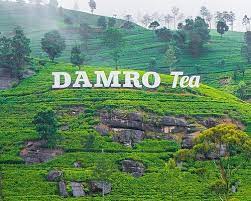
Nuwara Eliya, also known as “Little England,” is a picturesque hill station located in the heart of Sri Lanka. With its enchanting landscapes, cool climate, and rich cultural heritage, it has become a sought-after destination for travelers seeking a unique and memorable experience. In this article, we will explore the breathtaking attractions, outdoor adventures, cultural festivities, and accommodation options that make Nuwara Eliya a must-visit place.

Outline

I. Introduction to Nuwara Eliya

II. The History and Heritage of Nuwara Eliya

III. The Climate and Natural Beauty of Nuwara Eliya

A. The Cool Climate and Tea Plantations

B. The Waterfalls and Scenic Landscapes

IV. Exploring the Attractions in Nuwara Eliya

A. Gregory Lake and Surrounding Activities

B. Horton Plains National Park

C. Hakgala Botanical Gardens

V. The Adventure and Outdoor Activities in Nuwara Eliya

A. Hiking and Trekking Opportunities

B. Golfing and Horse Riding

C. White Water Rafting and Kayaking

VI. The Cultural and Festive Side of Nuwara Eliya

A. The Nuwara Eliya Esala Perahera

B. Visiting Tea Factories and Plantations

VII. Accommodation and Dining Options in Nuwara Eliya

A. Luxury Hotels and Resorts

B. Budget-friendly Guesthouses and Homestays

C. Local Cuisine and Dining Experiences

VIII. Conclusion

Introduction to Nuwara Eliya

Nestled amidst the misty mountains of Sri Lanka’s central highlands, Nuwara Eliya captivates visitors with its natural beauty and serene atmosphere. The town’s colonial charm, reflected in its architecture and well-manicured gardens, adds a touch of nostalgia to the experience. As you step into Nuwara Eliya, you’ll be greeted by a refreshing coolness in the air and the fragrance of tea plantations that blanket the surrounding hills.

The History and Heritage of Nuwara Eliya

Nuwara Eliya’s history dates back to the 19th century when it was established as a retreat for British colonialists. The influence of the British can still be seen in the town’s architecture, including the iconic colonial-style buildings and the picturesque golf course. Exploring the town’s heritage sites and museums provides a glimpse into its fascinating past and the cultural fusion that exists in present-day Nuwara Eliya.

The Climate and Natural Beauty of Nuwara Eliya

A. The Cool Climate and Tea Plantations

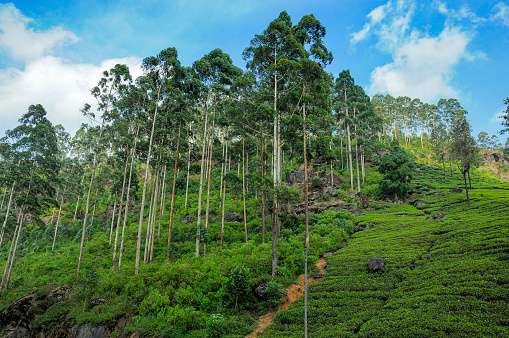
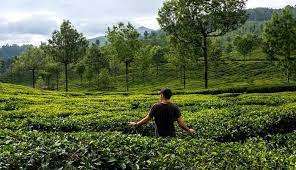
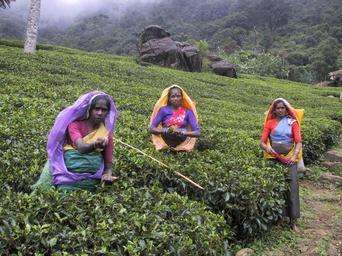
One of the defining features of Nuwara Eliya is its pleasantly cool climate, which contrasts with the tropical weather prevalent in the rest of Sri Lanka. The average temperature ranges from 15°C to 20°C (59°F to 68°F) throughout the year, making it an ideal escape from the heat. The region’s cool climate creates the perfect conditions for tea cultivation, and Nuwara Eliya is renowned for its high-quality tea plantations. Visitors can embark on tea estate tours, witnessing the tea-making process and enjoying a cup of freshly brewed Ceylon tea.

B. The Waterfalls and Scenic Landscapes

Nuwara Eliya’s landscape is adorned with cascading waterfalls, mist-covered mountains, and lush green valleys. A visit to some of the prominent waterfalls, such as Lover’s Leap and St. Clair’s Falls, offers breathtaking views and the opportunity to connect with nature. The picturesque Horton Plains National Park, with its scenic walking trails and World’s End viewpoint, is a must-visit for nature enthusiasts and hikers.

Exploring the Attractions in Nuwara Eliya

A. Gregory Lake and Surrounding Activities

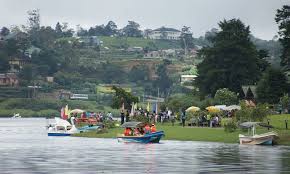
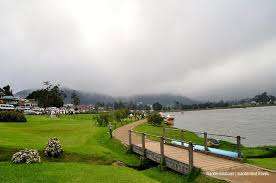
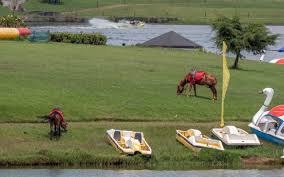
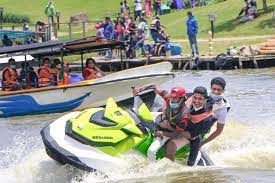
Gregory Lake, an artificial lake built during the colonial era, is a popular recreational spot in Nuwara Eliya. Visitors can enjoy a leisurely boat ride, go horse riding along the lakeside, or simply relax and soak in the tranquil ambiance. The lake is surrounded by well-maintained gardens and is an excellent spot for picnics and family outings.

B. Horton Plains National Park

Horton Plains National Park, a UNESCO World Heritage Site, offers a unique ecosystem and breathtaking natural beauty. The park is home to a diverse range of flora and fauna, including endemic species like the purple-faced langur and the Sri Lankan leopard. The highlight of a visit to Horton Plains is the World’s End, a sheer cliff that provides awe-inspiring views of the surrounding valleys.

C. Hakgala Botanical Gardens

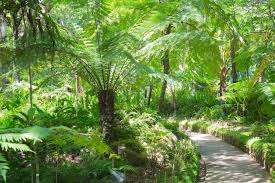
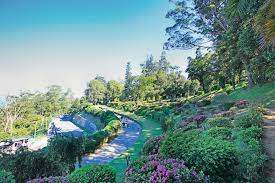
The Hakgala Botanical Gardens, situated on the slopes of the Hakgala Rock, offer a serene setting for nature lovers. The gardens are renowned for their extensive collection of orchids and roses, as well as their picturesque landscapes. Visitors can take leisurely walks, admire the vibrant blooms, and enjoy the panoramic views of the surrounding hills.

The Adventure and Outdoor Activities in Nuwara Eliya

A. Hiking and Trekking Opportunities

Nuwara Eliya provides numerous opportunities for hiking and trekking enthusiasts. The picturesque trails, such as the Moon Plains and the Single Tree Hill, offer stunning views and a chance to immerse yourself in the beauty of nature. Whether you’re an experienced hiker or a beginner, Nuwara Eliya has trails suitable for all levels of fitness and adventure.

B. Golfing and Horse Riding

For those seeking leisurely outdoor activities, Nuwara Eliya boasts a picturesque golf course that offers a unique golfing experience amidst lush greenery and misty mountains. Additionally, horse riding is a popular activity in Nuwara Eliya, allowing visitors to explore the scenic surroundings while enjoying a leisurely ride.

C. White Water Rafting and Kayaking

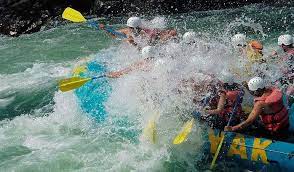
Adventure enthusiasts can get their adrenaline pumping by engaging in thrilling water sports such as white water rafting and kayaking. The nearby Kitulgala region, famous for its pristine rivers and rapids, provides an exciting playground for water sports enthusiasts of all levels.

The Cultural and Festive Side of Nuwara Eliya

A. The Nuwara Eliya Esala Perahera

Nuwara Eliya is known for its vibrant cultural festivals, and the Nuwara Eliya Esala Perahera is a highlight among them. This grand procession features beautifully adorned elephants, traditional dancers, and drummers, creating a mesmerizing spectacle that showcases the rich cultural heritage of Sri Lanka. The festival is held annually and attracts both locals and tourists alike.

B. Visiting Tea Factories and Plantations

A visit to Nuwara Eliya is incomplete without exploring its renowned tea factories and plantations. Visitors can witness the tea-making process, from the plucking of leaves to the production of various tea varieties. Engaging in a tea-tasting session allows you to savor the distinct flavors of Ceylon tea while learning about its historical significance and cultural importance.

Accommodation and Dining Options in Nuwara Eliya

A. Luxury Hotels and Resorts

Nuwara Eliya offers a range of luxury hotels and resorts that provide a blend of colonial elegance and modern comforts. These accommodations offer stunning views, world-class amenities, and exceptional service, ensuring a memorable and indulgent stay for guests.

B. Budget-friendly Guesthouses and Homestays

For budget-conscious travelers, there are several guesthouses and homestays available in Nuwara Eliya. These accommodations provide comfortable rooms, warm hospitality, and an opportunity to experience the local way of life while keeping costs affordable.

C. Local Cuisine and Dining Experiences

Nuwara Eliya boasts a variety of dining options, ranging from traditional Sri Lankan cuisine to international dishes. Visitors can savor local delicacies such as hoppers, kottu roti, and spicy curries, as well as enjoy a selection of teas and freshly baked goods. Exploring the local markets and street food stalls allows you to indulge in the authentic flavors of Nuwara Eliya.

Conclusion

Nuwara Eliya, with its stunning landscapes, pleasant climate, and rich cultural heritage, offers a unique experience for travelers seeking a serene and scenic getaway. From exploring tea plantations and enjoying outdoor adventures to immersing yourself in the cultural festivities and savoring local cuisine, Nuwara Eliya has something for everyone. So pack your bags, breathe in the fresh mountain air, and embark on an unforgettable journey to Nuwara Eliya.

FAQs

  1. What is the best time to visit Nuwara Eliya?
    • The best time to visit Nuwara Eliya is during the months of April to June and September to November when the weather is pleasant and ideal for outdoor activities.
  2. Are there any hiking trails suitable for beginners in Nuwara Eliya?
    • Yes, Nuwara Eliya offers hiking trails suitable for beginners, such as the Lover’s Leap trail and the Moon Plains trail. These trails provide scenic views and are relatively easy to navigate.
  3. Can I visit tea factories and plantations in Nuwara Eliya?
    • Absolutely! Nuwara Eliya is famous for its tea factories and plantations. Visitors can take guided tours and learn about the tea-making process while enjoying breathtaking views of the tea-covered hills.
  4. Is Nuwara Eliya family-friendly?
    • Yes, Nuwara Eliya is a great destination for families. The town offers a range of activities suitable for all ages, including boat rides on Gregory Lake, visits to botanical gardens, and nature walks in Horton Plains National Park.
  5. How do I get to Nuwara Eliya from Colombo?
    • You can reach Nuwara Eliya from Colombo by road or train. The journey takes approximately 4-5 hours by road and 6-7 hours by train, offering scenic views of the countryside along the way.

SHARE
Verified by MonsterInsights