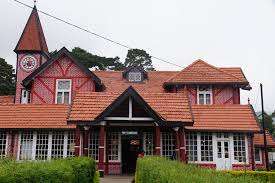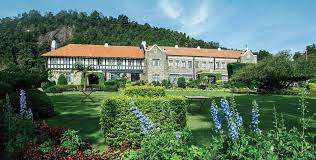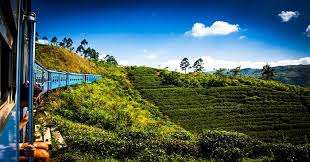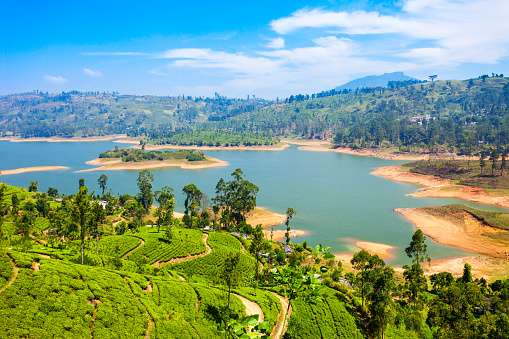
The Village of Ella – The Picturesque Village

SHARE

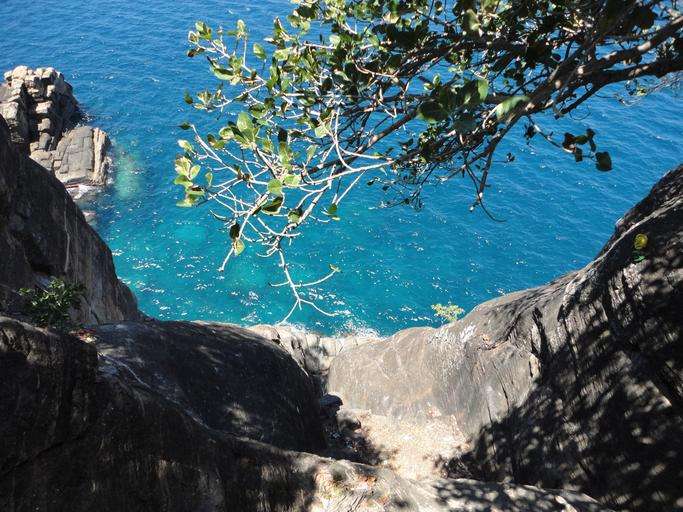
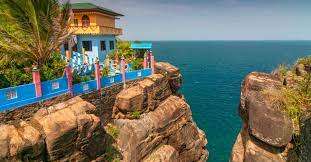
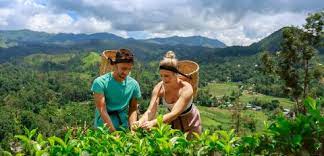
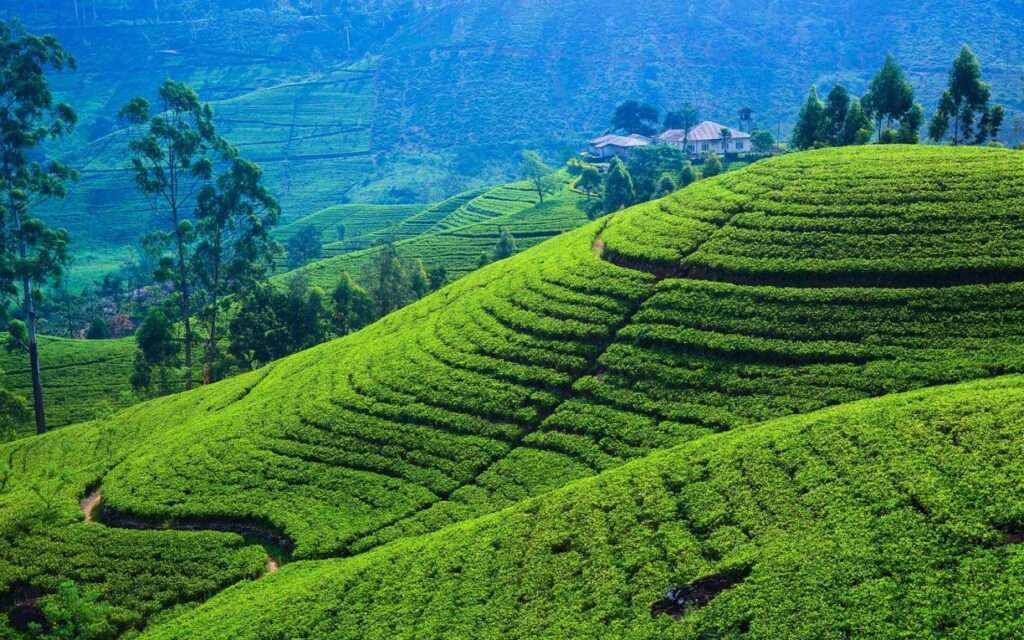
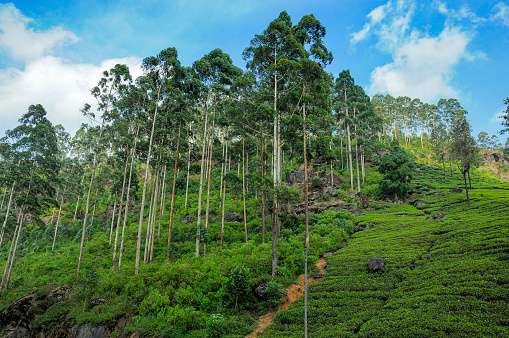
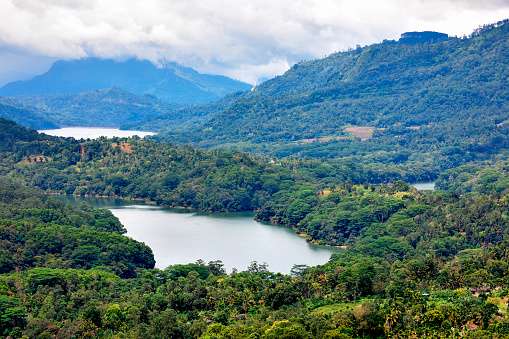
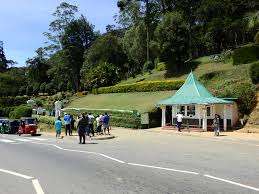
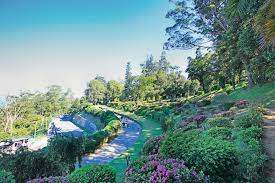
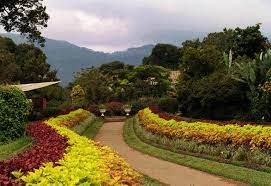
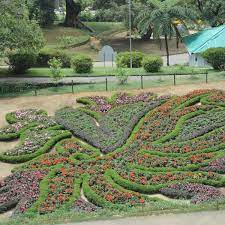
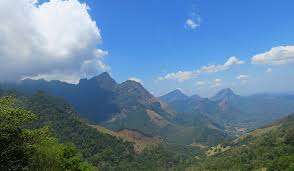
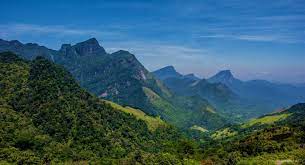
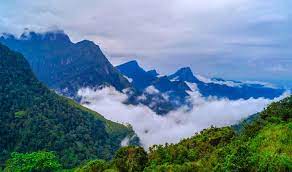
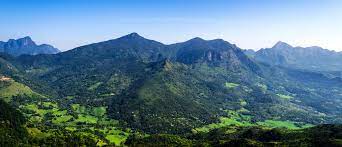
Ella, a picturesque village nestled in the central highlands of Sri Lanka, is a hidden gem that offers a blend of natural beauty, cultural heritage, and adventure. Surrounded by lush green hills, cascading waterfalls, and tea plantations, Ella has become a popular destination for travelers seeking tranquility and a break from the bustling cities. In this article, we will explore the enchanting village of Ella and discover its captivating attractions and experiences.

Table of Contents

  1. Introduction
  2. History of Ella
  3. Getting to Ella
  4. Attractions in Ella
    1. Ella Rock
    2. Nine Arch Bridge
    3. Ravana Falls
    4. Little Adam’s Peak
  5. Tea Plantations and Factory Visits
  6. Ella’s Culinary Delights
  7. Hiking and Trekking Adventures
  8. Yoga and Meditation Retreats
  9. Local Culture and Traditions
  10. Accommodation Options in Ella
  11. Best Time to Visit Ella
  12. Safety Tips for Travelers
  13. Transportation within Ella
  14. Shopping in Ella
  15. Conclusion
  16. FAQs (Frequently Asked Questions)

1. Introduction

Welcome to Ella, a charming village located in the Badulla District of Sri Lanka. With its mild climate, scenic landscapes, and warm hospitality, Ella has gained popularity among both local and international tourists.

2. History of Ella

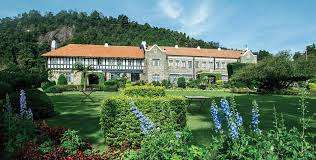
Ella’s history dates back to the British colonial era when it was an important hub for tea production. The British introduced tea cultivation to this region, taking advantage of its favorable climate and fertile soil. Today, remnants of the colonial era can still be seen in the form of colonial-era bungalows and tea factories.

3. Getting to Ella

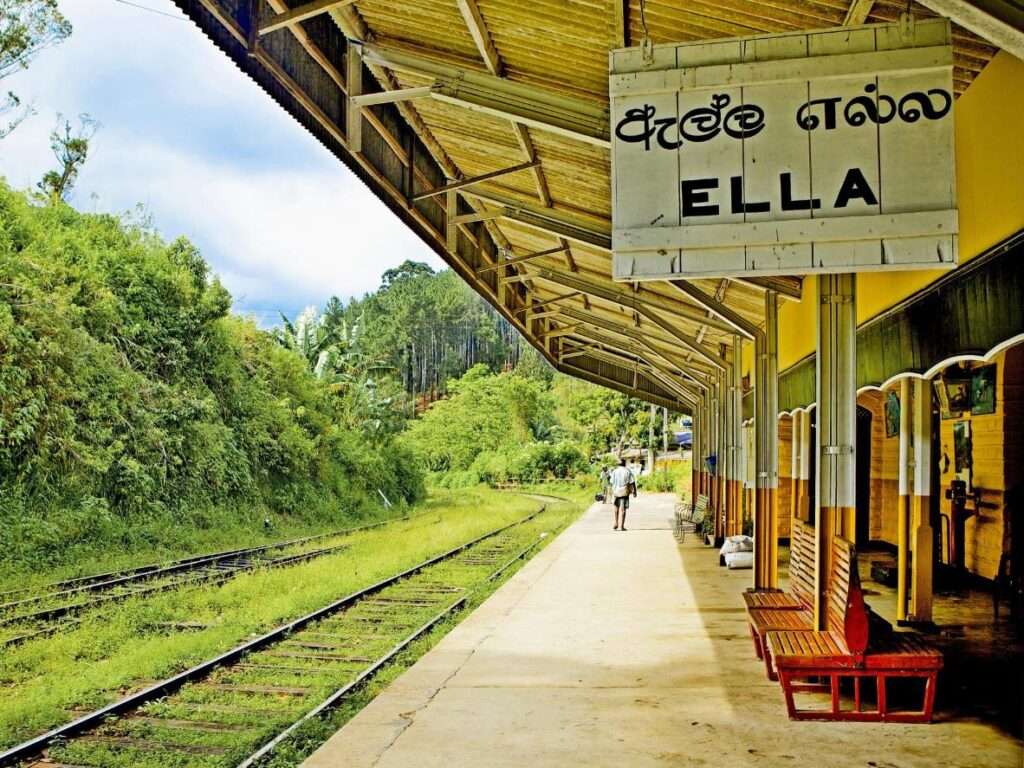
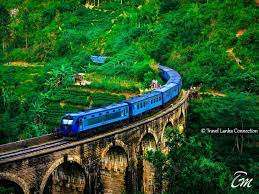
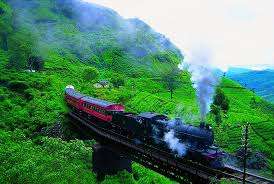
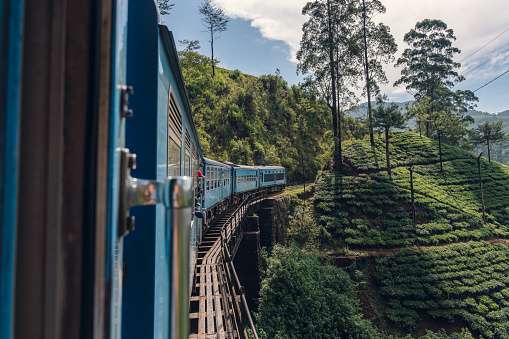
To reach Ella, you can take a scenic train journey from Colombo or Kandy, which offers breathtaking views of the countryside. Alternatively, you can also hire a private vehicle or take a public bus to reach this beautiful village.

4. Attractions in Ella

4.1 Ella Rock

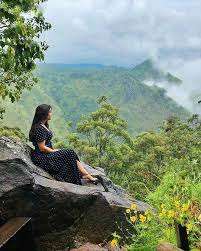
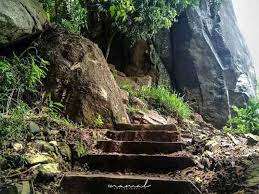
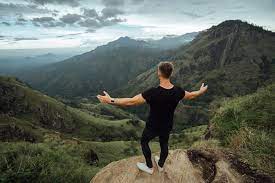
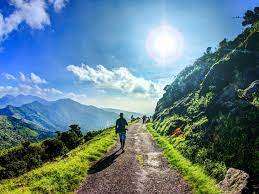
Ella Rock is a popular hiking trail that rewards adventurers with panoramic views of the surrounding hills and tea plantations. The hike takes approximately two to three hours, and the trail passes through lush forests and scenic landscapes.

4.2 Nine Arch Bridge

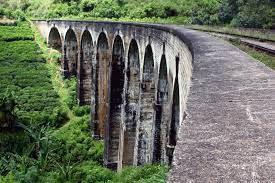
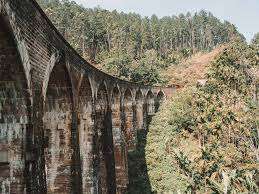
The Nine Arch Bridge is an architectural marvel that attracts visitors from all over the world. This picturesque bridge is made of brick, stone, and cement, and its unique design blends harmoniously with the natural surroundings. It is a perfect spot for photography enthusiasts.

4.3 Ravana Falls

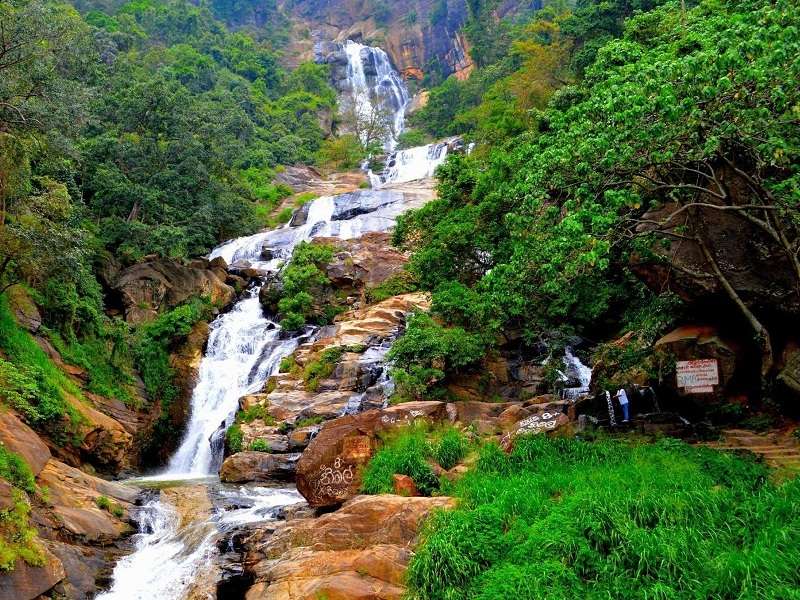
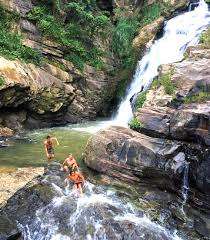
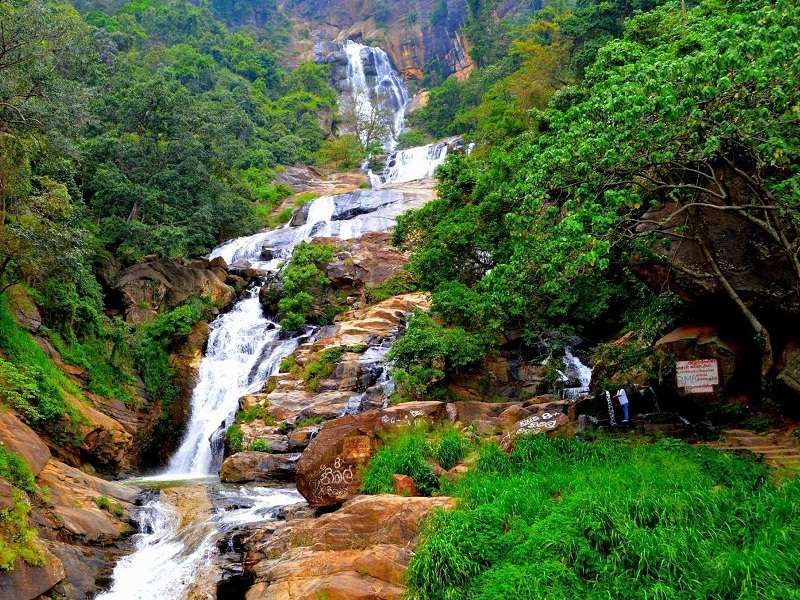
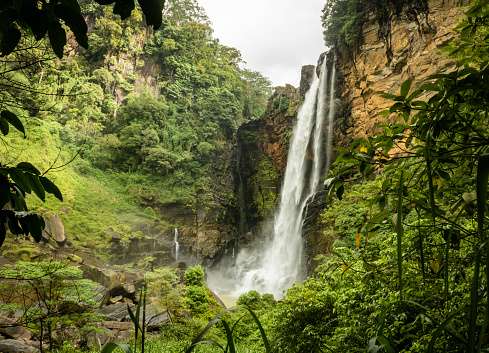
Ravana Falls, named after the mythical character Ravana from the Indian epic Ramayana, is a magnificent waterfall located near Ella. Its cascading waters create a mesmerizing sight, and visitors can take a refreshing dip in the natural pool at the base of the falls.

4.4 Little Adam’s Peak

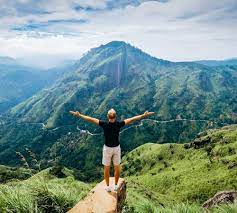
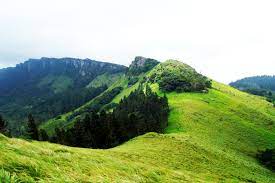
For those seeking a less strenuous hike, Little Adam’s Peak offers a rewarding experience. The trail is relatively easy, and the summit provides breathtaking views of Ella’s lush green valleys and tea plantations.

5. Tea Plantations and Factory Visits

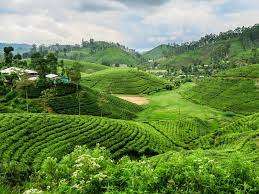
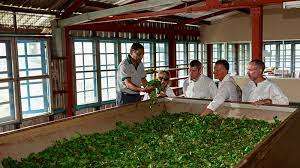
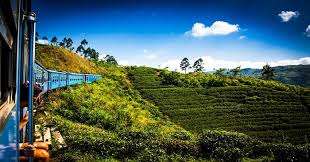
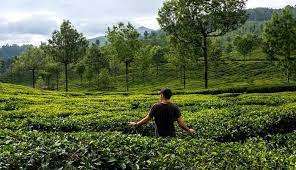
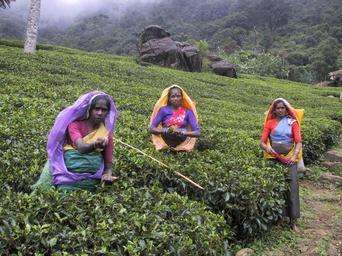
Ella is surrounded by sprawling tea plantations that produce some of Sri Lanka’s finest teas. Visitors can take guided tours of the tea factories to learn about the tea-making process and indulge in tea tasting sessions. It is a great opportunity to savor the flavors of Ceylon tea.

6. Ella’s Culinary Delights

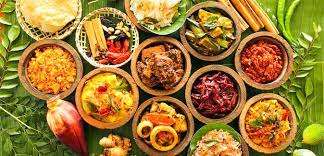
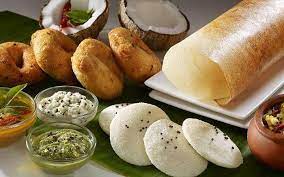
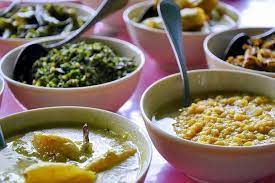
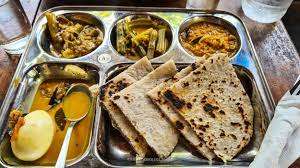
Ella is known for its vibrant culinary scene, offering a variety of cuisines to suit every palate. From traditional Sri Lankan delicacies to international dishes, the village is a food lover’s paradise. Don’t miss the opportunity to try some authentic Sri Lankan rice and curry, hoppers, and kottu roti.

7. Hiking and Trekking Adventures

Apart from Ella Rock and Little Adam’s Peak, the village is surrounded by numerous hiking and trekking trails that cater to adventure enthusiasts. Whether it’s exploring the Diyaluma Falls, embarking on the Demodara Loop trek, or venturing into the Horton Plains National Park, there are plenty of options to satisfy your adventurous spirit.

8. Yoga and Meditation Retreats

Ella’s serene and tranquil environment makes it an ideal destination for yoga and meditation retreats. Many guesthouses and resorts offer yoga classes and meditation sessions, allowing visitors to rejuvenate their mind, body, and soul amidst the natural beauty of Ella.

9. Local Culture and Traditions

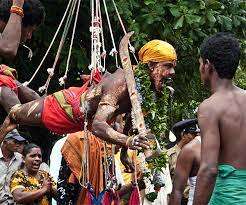
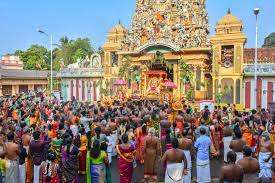
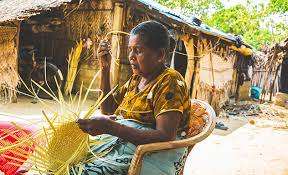
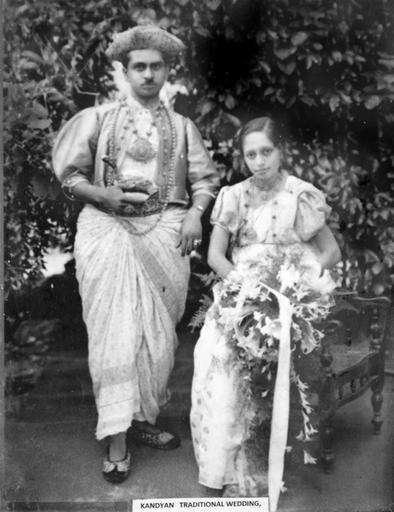
Immerse yourself in the rich cultural heritage of Ella by interacting with the friendly locals. Witness traditional ceremonies and rituals, learn about their customs and traditions, and explore the vibrant arts and crafts scene. The locals are always eager to share their stories and make your visit a memorable one.

10. Accommodation Options in Ella

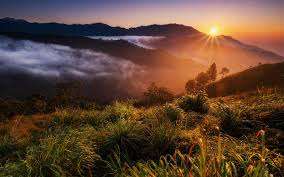
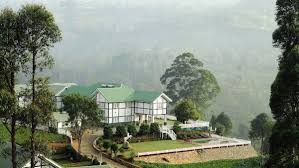
Ella offers a range of accommodation options to suit different budgets and preferences. From cozy guesthouses and boutique hotels to luxury resorts, you can find a place to stay that meets your requirements. Wake up to breathtaking views of misty mountains and enjoy the warm hospitality of the locals.
11. Best Time to Visit Ella

The best time to visit Ella is during the dry season, which falls between December and March. During this period, the weather is pleasant, and you can enjoy clear skies and comfortable temperatures. However, Ella’s beauty shines all year round, and each season brings its own charm.

12. Safety Tips for Travelers

While Ella is generally a safe destination, it’s always advisable to take certain precautions. Avoid walking alone in isolated areas at night and be cautious of your belongings. It’s also essential to stay hydrated and carry a sufficient supply of water during your outdoor activities.

13. Transportation within Ella

Getting around Ella is relatively easy, with tuk-tuks and taxis readily available. You can also rent a bicycle or a scooter to explore the village at your own pace. Walking is another great way to discover Ella’s hidden treasures and immerse yourself in its natural beauty.

14. Shopping in Ella

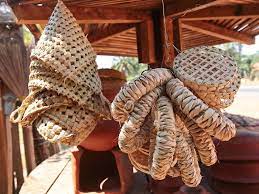
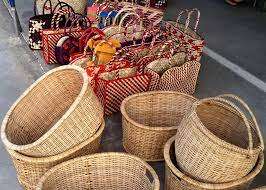
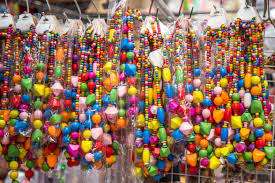
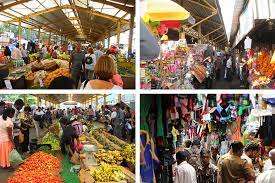
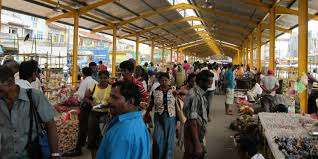
Ella offers a unique shopping experience, with a variety of handicrafts, souvenirs, and tea-related products available in the local markets. Don’t forget to take home some aromatic Ceylon tea and beautiful handwoven textiles as a memento of your visit.

15. Conclusion

The village of Ella is a paradise for nature lovers, adventure enthusiasts, and those seeking a peaceful retreat. Its idyllic setting, awe-inspiring landscapes, and warm hospitality make it a must-visit destination in Sri Lanka. Whether you’re hiking to Ella Rock, sipping tea in a plantation, or immersing yourself in the local culture, Ella promises an unforgettable experience.

FAQs (Frequently Asked Questions)

  1. Q: How far is Ella from Colombo? A: Ella is located approximately 200 kilometers east of Colombo, and the journey takes around 5-6 hours by road.
  2. Q: Are there any luxury accommodation options in Ella? A: Yes, Ella offers luxury resorts and boutique hotels that provide top-notch amenities and stunning views of the surrounding landscapes.
  3. Q: Can I visit Ella with my family? A: Absolutely! Ella is a family-friendly destination with activities and attractions suitable for all age groups.
  4. Q: Are there any vegan or vegetarian restaurants in Ella? A: Yes, Ella has several vegan and vegetarian-friendly restaurants that serve delicious plant-based meals.
  5. Q: Can I swim in Ravana Falls? A: It is generally safe to swim in the natural pool at the base of Ravana Falls. However, it’s essential to exercise caution and check the water conditions before taking a dip.

In conclusion, the village of Ella offers a delightful escape into nature’s embrace. From its breathtaking viewpoints to its tea-filled valleys, Ella beckons travelers seeking serenity and adventure. Immerse yourself in its beauty, explore its trails, and indulge in the warmth of Sri Lankan hospitality. Ella is waiting to captivate your heart and create memories that will last a lifetime.


SHARE

Colombo | The Vibrant Capital City of Sri Lanka

SHARE

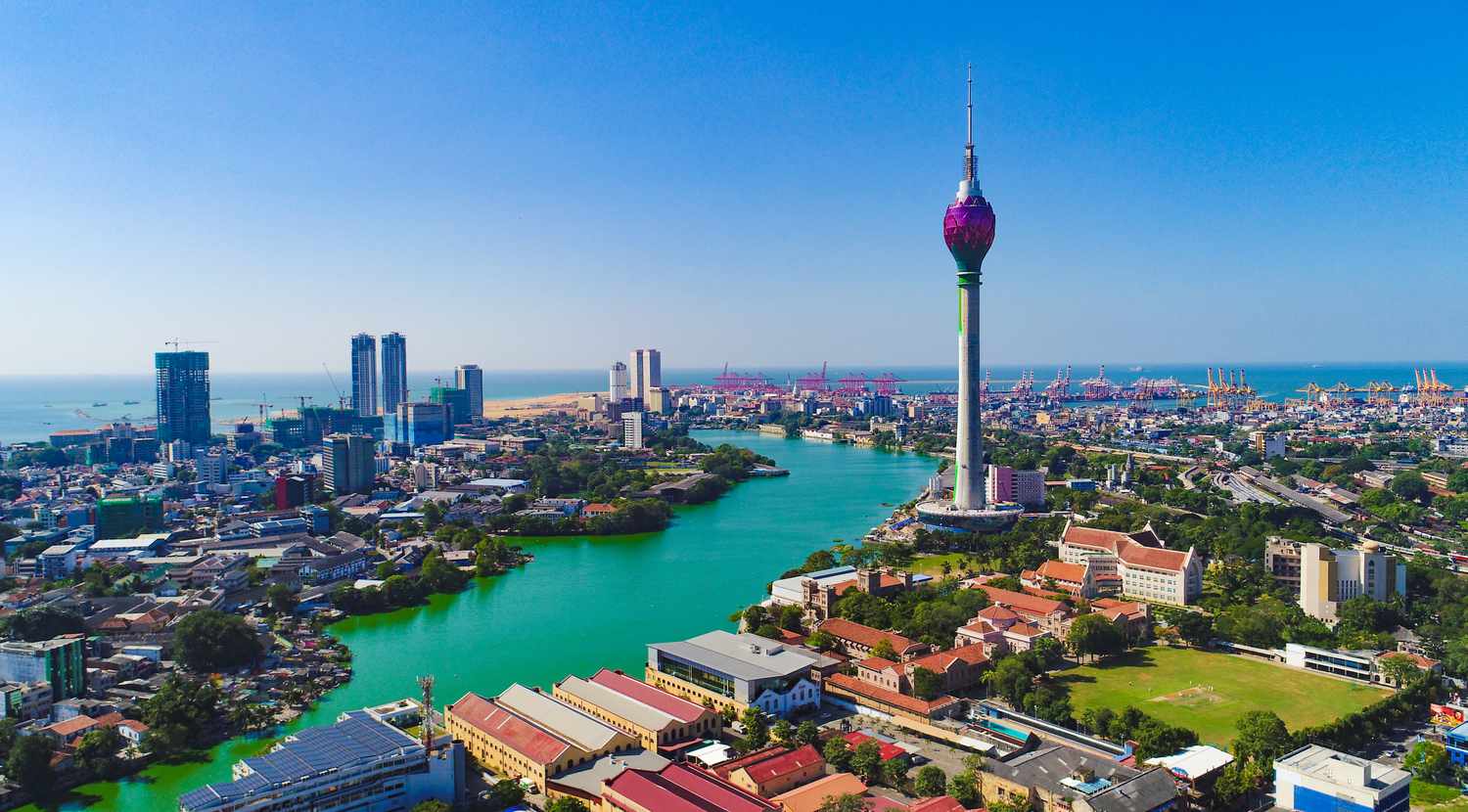
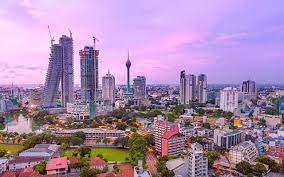
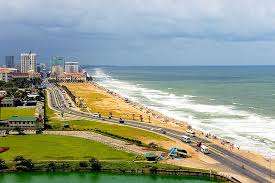
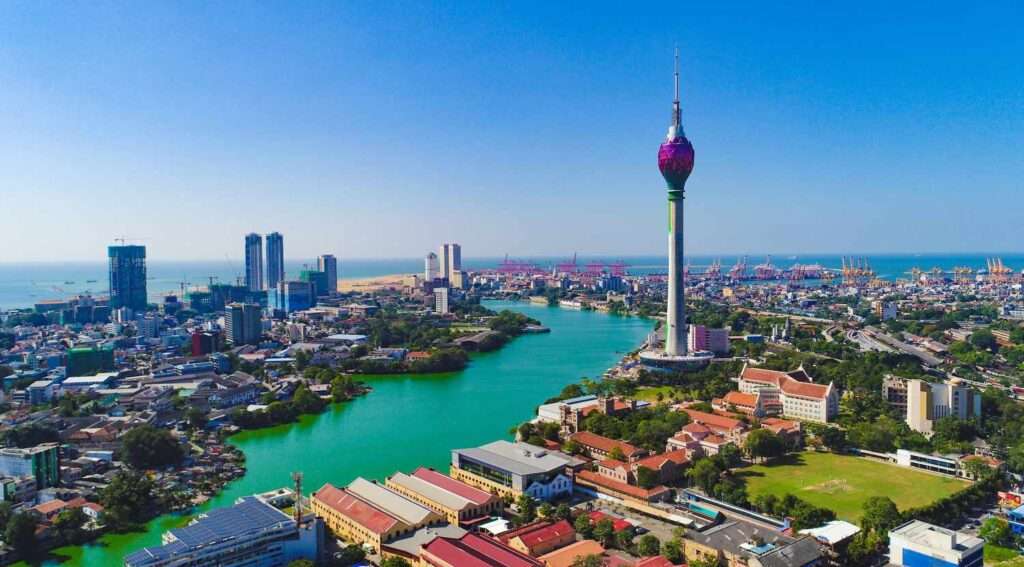
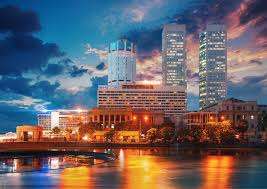
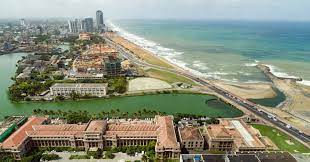
Colombo, the capital city of Sri Lanka, is a vibrant and bustling metropolis that offers a blend of rich history, cultural diversity, and modern development. With its captivating landmarks, bustling markets, and picturesque waterfront, Colombo is a city that seamlessly merges the old and the new. In this article, we will delve into the various aspects that make Colombo a must-visit destination, from its historical sites and cultural treasures to its thriving culinary scene and vibrant nightlife.

Table of Contents

  1. Introduction
  2. Historical Significance of Colombo
  3. Exploring Colombo’s Architectural Marvels
  4. Cultural Delights: Museums and Galleries
  5. Shop ’til You Drop: Colombo’s Markets and Shopping Centers
  6. Indulge in Colombo’s Culinary Delights
  7. Enjoying Colombo’s Nature and Green Spaces
  8. Vibrant Nightlife in Colombo
  9. Places of Worship: Colombo’s Religious Harmony
  10. Festivals and Events in Colombo
  11. Day Trips from Colombo
  12. Colombo’s Beaches: Sun, Sand, and Serenity
  13. Accommodation Options in Colombo
  14. Getting Around in Colombo
  15. Safety Tips for Visitors
  16. Conclusion
  17. Frequently Asked Questions (FAQs)

Introduction

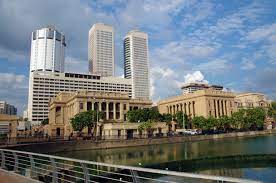
Colombo, located on the western coast of Sri Lanka, serves as the commercial and cultural hub of the country. The city showcases a captivating blend of colonial heritage and modern progress, making it an intriguing destination for travelers from around the world.

Historical Significance of Colombo

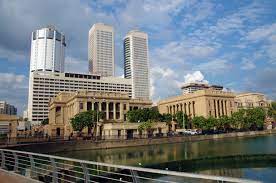
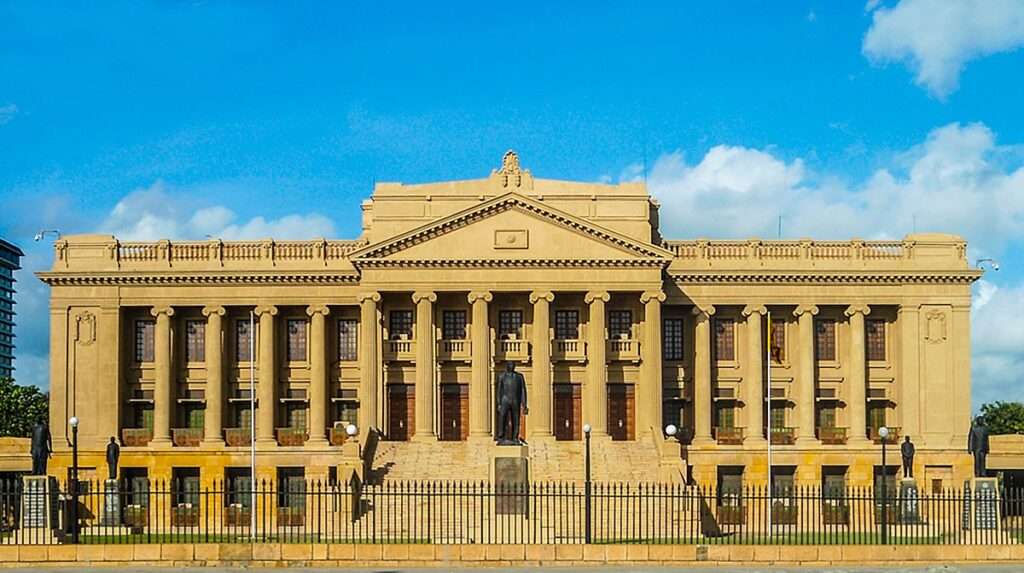
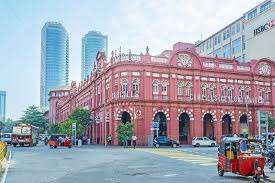
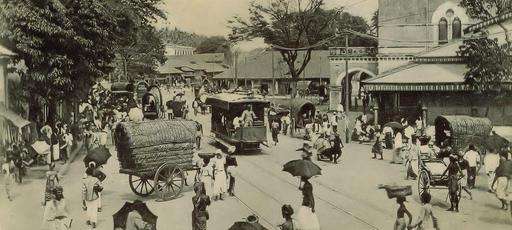
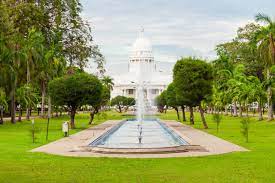
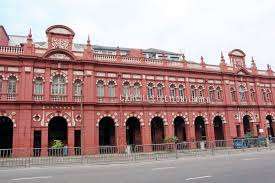
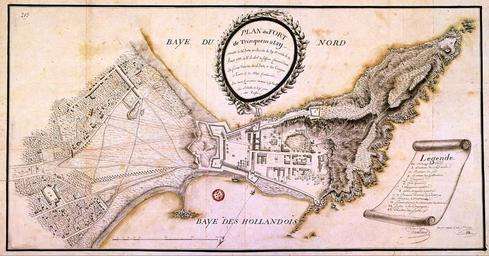
Colombo has a rich history that dates back centuries. The city served as an important trading port for ancient seafarers and witnessed the influences of various colonial powers, including the Portuguese, Dutch, and British. Visitors can explore the remnants of this colonial past in the form of historical buildings, such as the Old Parliament Building and the Colombo Fort.

Exploring Colombo’s Architectural Marvels

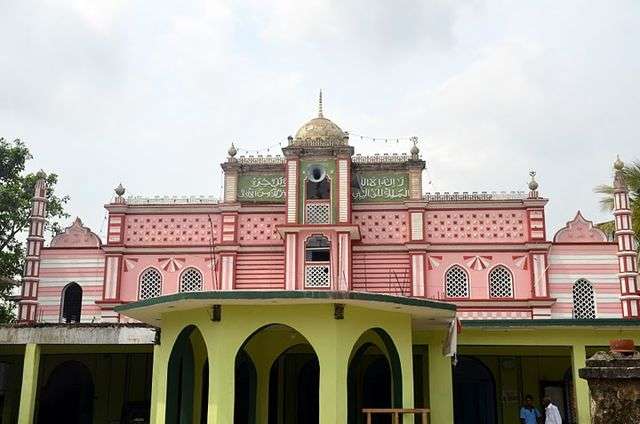
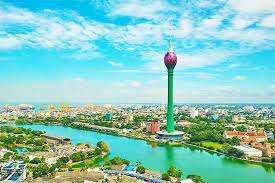
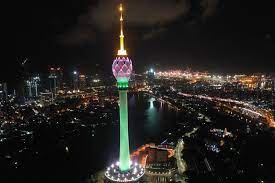
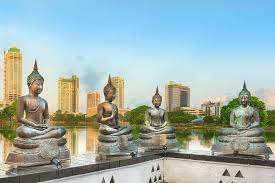
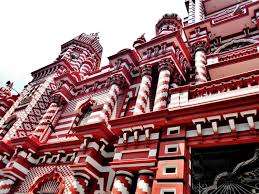
Colombo boasts an array of architectural marvels that reflect its diverse heritage. From the magnificent red-and-white-striped Jami Ul-Alfar Mosque to the grandeur of the Gangaramaya Temple, there are numerous religious and cultural landmarks to discover. The iconic Colombo Lotus Tower, standing tall at 350 meters, offers panoramic views of the cityscape.

Cultural Delights: Museums and Galleries

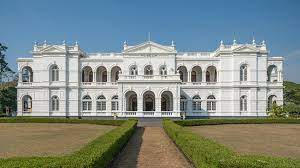
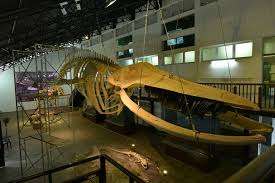
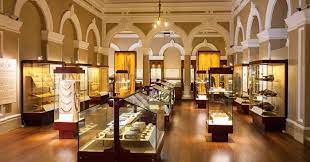
For art and history enthusiasts, Colombo is a treasure trove of museums and galleries. The National Museum of Colombo houses an impressive collection of artifacts that depict the island’s rich past. The Colombo Art Gallery showcases contemporary Sri Lankan art, while the Lionel Wendt Art Center hosts exhibitions and performances.

Shop ’til You Drop: Colombo’s Markets and Shopping Centers

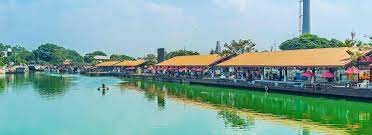
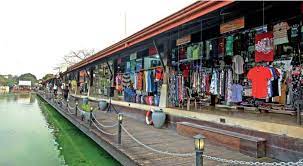
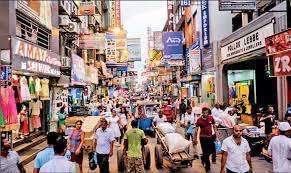
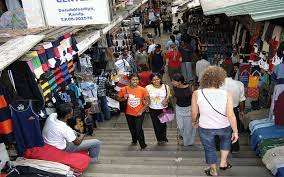
Colombo is a shopper’s paradise, offering a wide range of shopping experiences. From bustling street markets like Pettah Market and Galle Face Green Market to modern shopping complexes like Colombo City Centre and Arcade Independence Square, visitors can find everything from traditional handicrafts to high-end fashion brands.

Indulge in Colombo’s Culinary Delights

Colombo’s food scene is a melting pot of flavors influenced by Sri Lankan, Indian, Malay, and colonial cuisines. Whether you’re craving traditional Sri Lankan rice and curry, flavorful street food, or international gourmet dishes, the city has something to satisfy every palate. Don’t miss the opportunity to try the iconic Sri Lankan dish, “hoppers,” a type of crispy pancake served with various accompaniments.
Enjoying Colombo’s Nature and Green Spaces

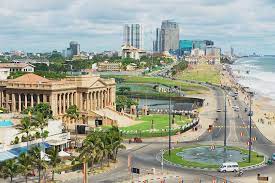
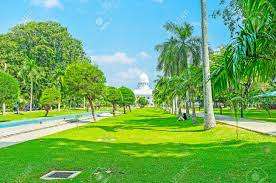
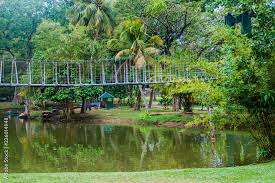
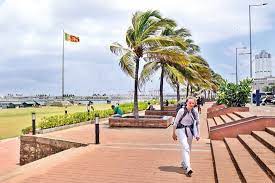
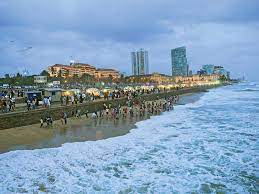
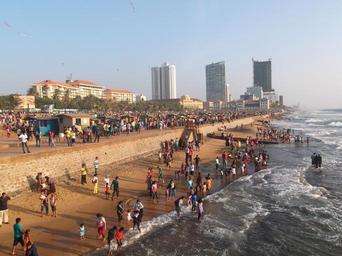
Despite being a bustling city, Colombo offers several serene spots where visitors can escape the urban hustle. The Viharamahadevi Park, known as the “Queen’s Park,” features beautiful gardens, a tranquil lake, and recreational facilities. The Galle Face Green promenade stretches along the coastline, providing a picturesque setting for a leisurely stroll or a family picnic.

Vibrant Nightlife in Colombo

When the sun sets, Colombo comes alive with its vibrant nightlife. The city is dotted with trendy bars, rooftop lounges, and nightclubs where visitors can unwind and dance the night away. The lively atmosphere, live music, and delicious cocktails create an unforgettable experience for those seeking an exciting evening out.

Places of Worship: Colombo’s Religious Harmony

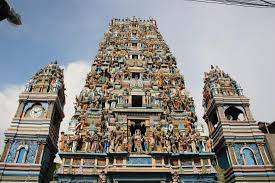
Colombo is known for its religious diversity and the harmonious coexistence of different faiths. The city is home to numerous temples, churches, mosques, and kovils. The iconic Gangaramaya Temple and the serene Sri Kaileswaram Kovil are prime examples of the city’s religious tolerance and architectural splendor.

Festivals and Events in Colombo

Throughout the year, Colombo hosts a variety of vibrant festivals and events that celebrate its cultural heritage. The Navam Perahera, Esala Perahera, and Vesak Poya are religious festivals that showcase colorful processions, traditional dances, and beautifully decorated streets. The Colombo International Film Festival and Colombo Art Biennale attract artists and art enthusiasts from across the globe.

Day Trips from Colombo

Colombo serves as a perfect base for exploring the surrounding areas. Visitors can embark on day trips to nearby attractions, such as the ancient city of Kandy, the picturesque hill country of Nuwara Eliya, or the coastal town of Negombo. These excursions offer a chance to experience the diverse landscapes and cultural treasures of Sri Lanka.

Colombo’s Beaches: Sun, Sand, and Serenity

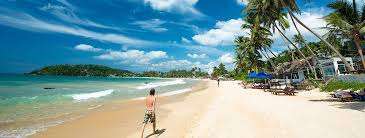
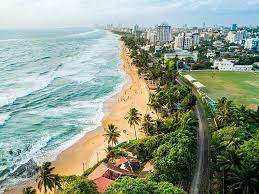
Although Colombo is not primarily known for its beaches, there are several coastal stretches near the city where visitors can soak up the sun and enjoy the tranquil waters of the Indian Ocean. Mount Lavinia Beach, Negombo Beach, and Bentota Beach are popular choices for beach lovers.

Accommodation Options in Colombo

Colombo offers a wide range of accommodation options to suit every budget and preference. From luxury hotels and boutique villas to budget-friendly guesthouses and serviced apartments, visitors can find a place to stay that caters to their needs. Many hotels in Colombo offer stunning views of the ocean or the city skyline.

Getting Around in Colombo

Navigating Colombo is relatively easy, thanks to its well-connected transportation system. Visitors can choose between taxis, tuk-tuks (three-wheeled vehicles), and ride-sharing services to get around the city. The recently launched Colombo Light Rail Transit (LRT) system provides a convenient and efficient mode of transportation for both locals and tourists.

Safety Tips for Visitors

While Colombo is generally a safe city for tourists, it’s essential to take some precautions to ensure a pleasant and hassle-free stay. It’s advisable to avoid isolated areas at night, keep an eye on personal belongings, and use reputable transportation services. It’s also recommended to dress modestly when visiting religious sites out of respect for local customs.

Conclusion

Colombo, the vibrant capital city of Sri Lanka, offers a captivating blend of history, culture, and modernity. From its historical landmarks and cultural treasures to its culinary delights and bustling markets, there is something for everyone in this diverse and vibrant city. Whether you’re a history buff, a food lover, or an adventure seeker, Colombo promises an unforgettable experience.

Frequently Asked Questions (FAQs)

  1. Is Colombo safe for tourists? Colombo is generally a safe city for tourists. However, it’s essential to take basic safety precautions, such as avoiding isolated areas at night and keeping an eye on your belongings.
  2. What is the best time to visit Colombo? The best time to visit Colombo is during the dry season, which extends from December to March. The weather is pleasant, and there are fewer chances of rainfall.
  3. Are credit cards widely accepted in Colombo? Yes, credit cards are widely accepted in most hotels, restaurants, and shopping centers in Colombo. However, it’s advisable to carry some cash for small businesses and local markets.
  4. What are some must-try dishes in Colombo? Some must-try dishes in Colombo include traditional Sri Lankan rice and curry, seafood delicacies, and street food like “kottu roti” and “isso vade” (prawn fritters).
  5. Are there any day trips from Colombo? Yes, there are several day trips from Colombo to nearby attractions such as Kandy, Galle, and Nuwara Eliya. These trips offer a chance to explore more of Sri Lanka’s cultural and natural wonders.
Booking.com
SHARE

Nuwara Eliya | Beauty of Hill Station in Sri Lanka

SHARE

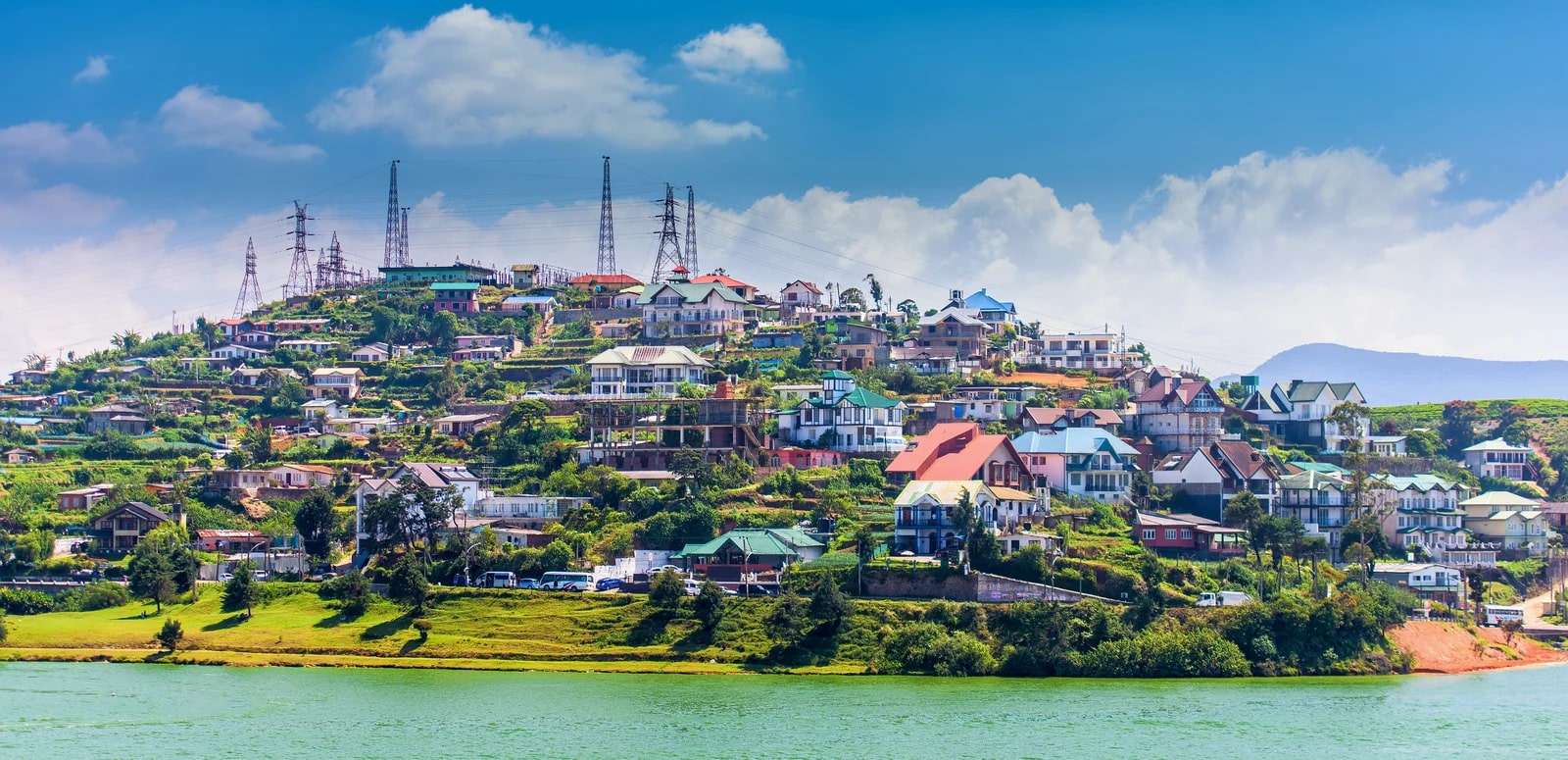
Nuwara Eliya, also known as “Little England,” is a picturesque hill station located in the heart of Sri Lanka. With its enchanting landscapes, cool climate, and rich cultural heritage, it has become a sought-after destination for travelers seeking a unique and memorable experience. In this article, we will explore the breathtaking attractions, outdoor adventures, cultural festivities, and accommodation options that make Nuwara Eliya a must-visit place.

Outline

I. Introduction to Nuwara Eliya

II. The History and Heritage of Nuwara Eliya

III. The Climate and Natural Beauty of Nuwara Eliya

A. The Cool Climate and Tea Plantations

B. The Waterfalls and Scenic Landscapes

IV. Exploring the Attractions in Nuwara Eliya

A. Gregory Lake and Surrounding Activities

B. Horton Plains National Park

C. Hakgala Botanical Gardens

V. The Adventure and Outdoor Activities in Nuwara Eliya

A. Hiking and Trekking Opportunities

B. Golfing and Horse Riding

C. White Water Rafting and Kayaking

VI. The Cultural and Festive Side of Nuwara Eliya

A. The Nuwara Eliya Esala Perahera

B. Visiting Tea Factories and Plantations

VII. Accommodation and Dining Options in Nuwara Eliya

A. Luxury Hotels and Resorts

B. Budget-friendly Guesthouses and Homestays

C. Local Cuisine and Dining Experiences

VIII. Conclusion

Introduction to Nuwara Eliya

Nestled amidst the misty mountains of Sri Lanka’s central highlands, Nuwara Eliya captivates visitors with its natural beauty and serene atmosphere. The town’s colonial charm, reflected in its architecture and well-manicured gardens, adds a touch of nostalgia to the experience. As you step into Nuwara Eliya, you’ll be greeted by a refreshing coolness in the air and the fragrance of tea plantations that blanket the surrounding hills.

The History and Heritage of Nuwara Eliya

Nuwara Eliya’s history dates back to the 19th century when it was established as a retreat for British colonialists. The influence of the British can still be seen in the town’s architecture, including the iconic colonial-style buildings and the picturesque golf course. Exploring the town’s heritage sites and museums provides a glimpse into its fascinating past and the cultural fusion that exists in present-day Nuwara Eliya.

The Climate and Natural Beauty of Nuwara Eliya

A. The Cool Climate and Tea Plantations

One of the defining features of Nuwara Eliya is its pleasantly cool climate, which contrasts with the tropical weather prevalent in the rest of Sri Lanka. The average temperature ranges from 15°C to 20°C (59°F to 68°F) throughout the year, making it an ideal escape from the heat. The region’s cool climate creates the perfect conditions for tea cultivation, and Nuwara Eliya is renowned for its high-quality tea plantations. Visitors can embark on tea estate tours, witnessing the tea-making process and enjoying a cup of freshly brewed Ceylon tea.

B. The Waterfalls and Scenic Landscapes

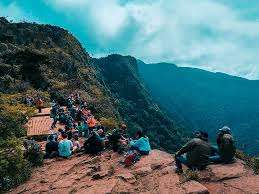
Nuwara Eliya’s landscape is adorned with cascading waterfalls, mist-covered mountains, and lush green valleys. A visit to some of the prominent waterfalls, such as Lover’s Leap and St. Clair’s Falls, offers breathtaking views and the opportunity to connect with nature. The picturesque Horton Plains National Park, with its scenic walking trails and World’s End viewpoint, is a must-visit for nature enthusiasts and hikers.

Exploring the Attractions in Nuwara Eliya

A. Gregory Lake and Surrounding Activities

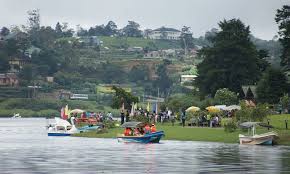
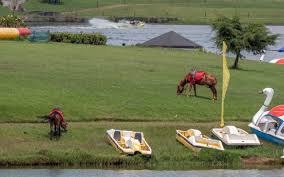
Gregory Lake, an artificial lake built during the colonial era, is a popular recreational spot in Nuwara Eliya. Visitors can enjoy a leisurely boat ride, go horse riding along the lakeside, or simply relax and soak in the tranquil ambiance. The lake is surrounded by well-maintained gardens and is an excellent spot for picnics and family outings.

B. Horton Plains National Park

Horton Plains National Park, a UNESCO World Heritage Site, offers a unique ecosystem and breathtaking natural beauty. The park is home to a diverse range of flora and fauna, including endemic species like the purple-faced langur and the Sri Lankan leopard. The highlight of a visit to Horton Plains is the World’s End, a sheer cliff that provides awe-inspiring views of the surrounding valleys.

C. Hakgala Botanical Gardens

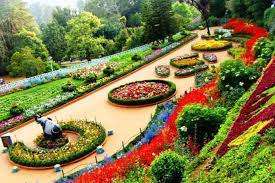
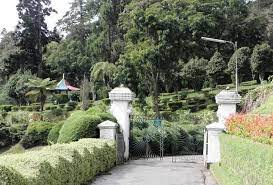
The Hakgala Botanical Gardens, situated on the slopes of the Hakgala Rock, offer a serene setting for nature lovers. The gardens are renowned for their extensive collection of orchids and roses, as well as their picturesque landscapes. Visitors can take leisurely walks, admire the vibrant blooms, and enjoy the panoramic views of the surrounding hills.

The Adventure and Outdoor Activities in Nuwara Eliya

A. Hiking and Trekking Opportunities

Nuwara Eliya provides numerous opportunities for hiking and trekking enthusiasts. The picturesque trails, such as the Moon Plains and the Single Tree Hill, offer stunning views and a chance to immerse yourself in the beauty of nature. Whether you’re an experienced hiker or a beginner, Nuwara Eliya has trails suitable for all levels of fitness and adventure.

B. Golfing and Horse Riding

For those seeking leisurely outdoor activities, Nuwara Eliya boasts a picturesque golf course that offers a unique golfing experience amidst lush greenery and misty mountains. Additionally, horse riding is a popular activity in Nuwara Eliya, allowing visitors to explore the scenic surroundings while enjoying a leisurely ride.

C. White Water Rafting and Kayaking

Adventure enthusiasts can get their adrenaline pumping by engaging in thrilling water sports such as white water rafting and kayaking. The nearby Kitulgala region, famous for its pristine rivers and rapids, provides an exciting playground for water sports enthusiasts of all levels.

The Cultural and Festive Side of Nuwara Eliya

A. The Nuwara Eliya Esala Perahera

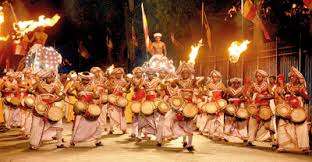
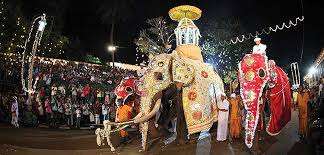
Nuwara Eliya is known for its vibrant cultural festivals, and the Nuwara Eliya Esala Perahera is a highlight among them. This grand procession features beautifully adorned elephants, traditional dancers, and drummers, creating a mesmerizing spectacle that showcases the rich cultural heritage of Sri Lanka. The festival is held annually and attracts both locals and tourists alike.

B. Visiting Tea Factories and Plantations

A visit to Nuwara Eliya is incomplete without exploring its renowned tea factories and plantations. Visitors can witness the tea-making process, from the plucking of leaves to the production of various tea varieties. Engaging in a tea-tasting session allows you to savor the distinct flavors of Ceylon tea while learning about its historical significance and cultural importance.

Accommodation and Dining Options in Nuwara Eliya

A. Luxury Hotels and Resorts

Nuwara Eliya offers a range of luxury hotels and resorts that provide a blend of colonial elegance and modern comforts. These accommodations offer stunning views, world-class amenities, and exceptional service, ensuring a memorable and indulgent stay for guests.

B. Budget-friendly Guesthouses and Homestays

For budget-conscious travelers, there are several guesthouses and homestays available in Nuwara Eliya. These accommodations provide comfortable rooms, warm hospitality, and an opportunity to experience the local way of life while keeping costs affordable.

C. Local Cuisine and Dining Experiences

Nuwara Eliya boasts a variety of dining options, ranging from traditional Sri Lankan cuisine to international dishes. Visitors can savor local delicacies such as hoppers, kottu roti, and spicy curries, as well as enjoy a selection of teas and freshly baked goods. Exploring the local markets and street food stalls allows you to indulge in the authentic flavors of Nuwara Eliya.

Conclusion

Nuwara Eliya, with its stunning landscapes, pleasant climate, and rich cultural heritage, offers a unique experience for travelers seeking a serene and scenic getaway. From exploring tea plantations and enjoying outdoor adventures to immersing yourself in the cultural festivities and savoring local cuisine, Nuwara Eliya has something for everyone. So pack your bags, breathe in the fresh mountain air, and embark on an unforgettable journey to Nuwara Eliya.

FAQs

  1. What is the best time to visit Nuwara Eliya?
    • The best time to visit Nuwara Eliya is during the months of April to June and September to November when the weather is pleasant and ideal for outdoor activities.
  2. Are there any hiking trails suitable for beginners in Nuwara Eliya?
    • Yes, Nuwara Eliya offers hiking trails suitable for beginners, such as the Lover’s Leap trail and the Moon Plains trail. These trails provide scenic views and are relatively easy to navigate.
  3. Can I visit tea factories and plantations in Nuwara Eliya?
    • Absolutely! Nuwara Eliya is famous for its tea factories and plantations. Visitors can take guided tours and learn about the tea-making process while enjoying breathtaking views of the tea-covered hills.
  4. Is Nuwara Eliya family-friendly?
    • Yes, Nuwara Eliya is a great destination for families. The town offers a range of activities suitable for all ages, including boat rides on Gregory Lake, visits to botanical gardens, and nature walks in Horton Plains National Park.
  5. How do I get to Nuwara Eliya from Colombo?
    • You can reach Nuwara Eliya from Colombo by road or train. The journey takes approximately 4-5 hours by road and 6-7 hours by train, offering scenic views of the countryside along the way.

SHARE

Kandy – Mesmerizing Hill Capital of Sri Lanka

SHARE

Introduction

Nestled amidst the lush green hills of Sri Lanka, Kandy stands as a captivating city that entices travelers from across the globe. Known as the cultural and spiritual heart of the island, this enchanting destination offers a harmonious blend of ancient traditions, natural beauty, and a vibrant cityscape. In this article, we will delve into the wonders of Kandy, exploring its rich history, iconic attractions, cultural festivals, culinary delights, and more. So, fasten your seatbelts as we embark on a virtual journey to this mesmerizing hill capital.

Table of Contents

  1. The Historical Significance of Kandy
  2. Top Attractions in Kandy
    1. The Temple of the Tooth Relic
    2. Peradeniya Botanical Gardens
    3. Kandy Lake
    4. Udawatta Kele Sanctuary
  3. Cultural Festivals in Kandy
    1. Esala Perahera
    2. Kandy Perehera Museum
  4. Exploring Kandy’s Natural Beauty
    1. Knuckles Mountain Range
    2. Hanthana Mountain Range
  5. Kandy’s Exquisite Cuisine
    1. Traditional Sri Lankan Food
    2. Kandyan Sweetmeats
  6. Shopping in Kandy
    1. Kandy City Center
    2. Street Markets and Souvenirs
  7. Accommodation Options in Kandy
    1. Luxury Hotels and Resorts
    2. Budget-Friendly Guesthouses
  8. Transportation in Kandy
    1. Tuk-tuks and Taxis
    2. Public Buses and Trains
  9. Safety and Travel Tips for Visitors
  10. Conclusion
  11. FAQs (Frequently Asked Questions)

The Historical Significance of Kandy

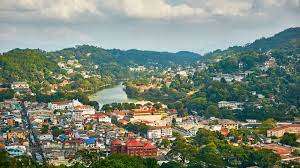
Kandy holds great historical significance as it served as the last capital of the ancient kings of Sri Lanka. This UNESCO World Heritage Site is home to many historical landmarks that portray the rich cultural heritage of the country. From ancient temples to colonial-era architecture, Kandy’s historical treasures leave visitors in awe.

Top Attractions in Kandy

The Temple of the Tooth Relic

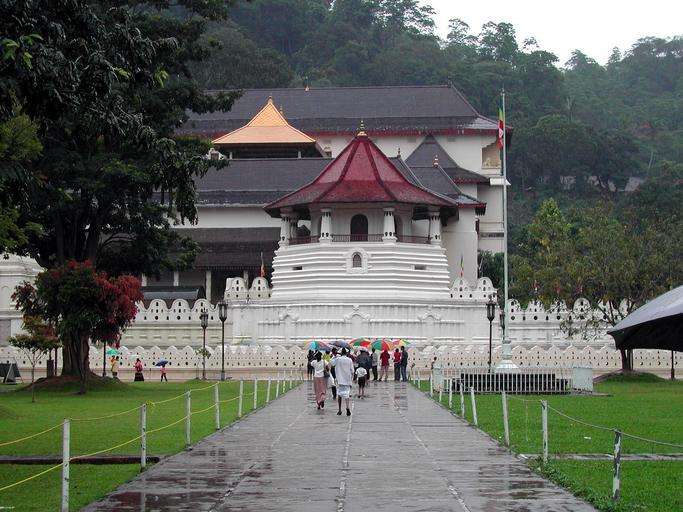
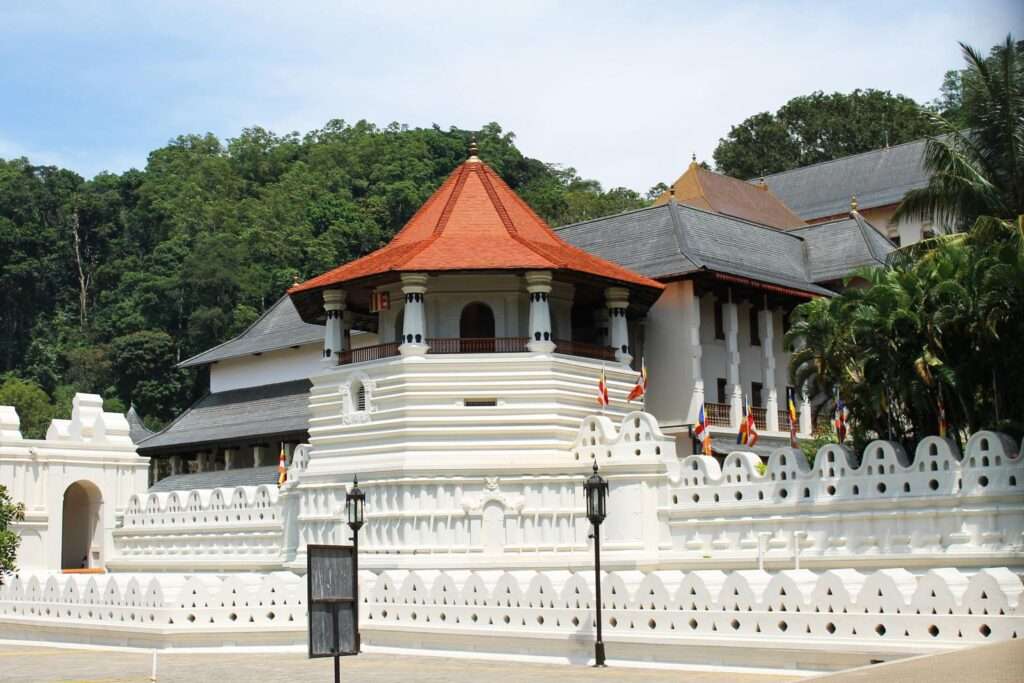
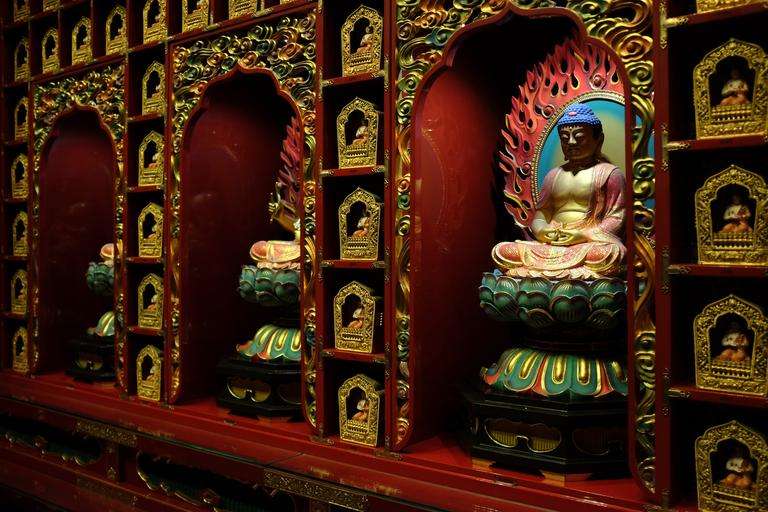
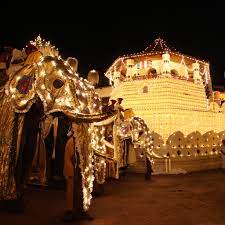
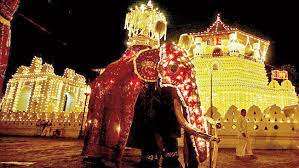
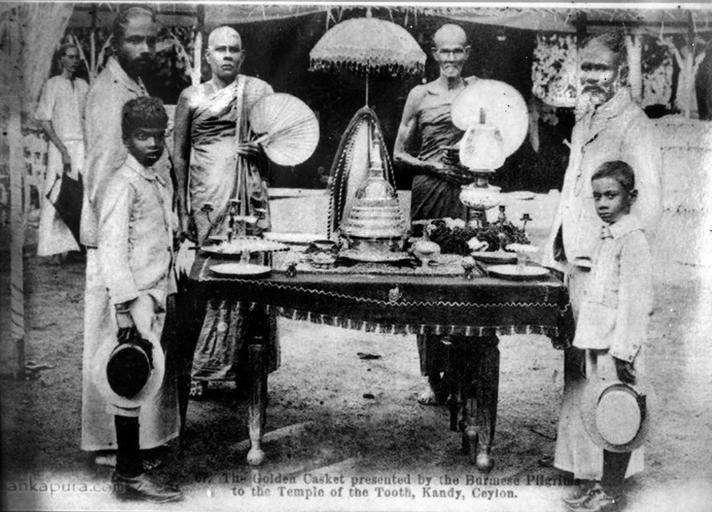
The Temple of the Tooth Relic, locally known as Sri Dalada Maligawa, is the most sacred Buddhist temple in Sri Lanka. It houses the sacred tooth relic of Lord Buddha and attracts pilgrims and tourists alike. The temple’s stunning architecture, intricate wood carvings, and religious rituals create a captivating experience.

Peradeniya Botanical Gardens

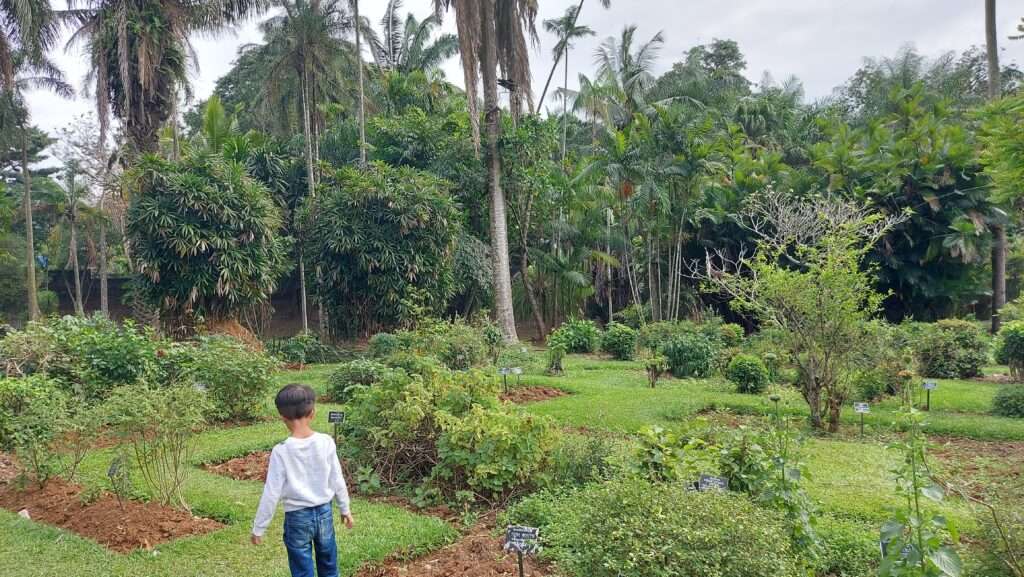
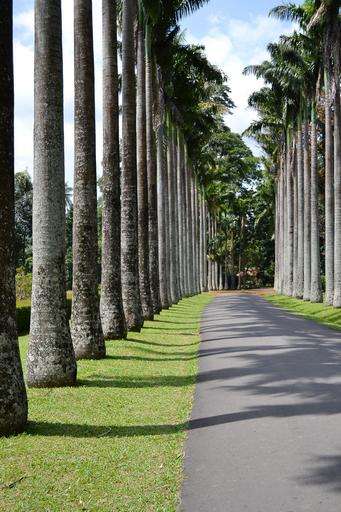
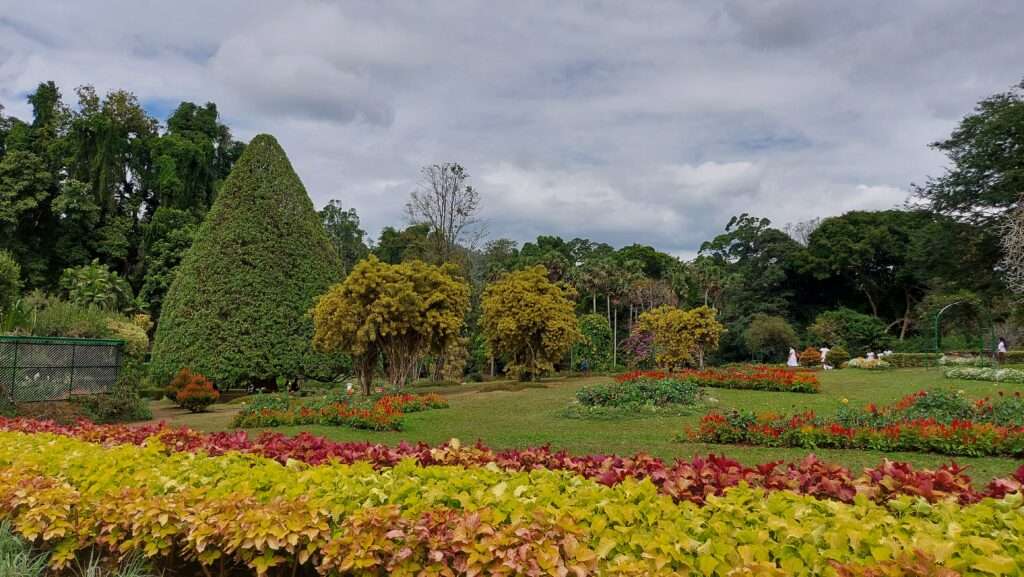
Spread across 147 acres, the Peradeniya Botanical Gardens is a paradise for nature lovers. It showcases a vast collection of tropical flora, including majestic palm trees, orchids, and medicinal plants. Strolling through the gardens offers a serene escape into nature’s embrace.
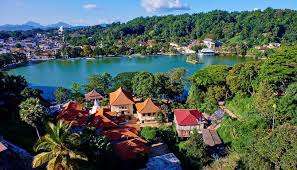
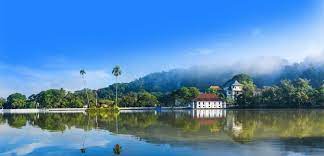
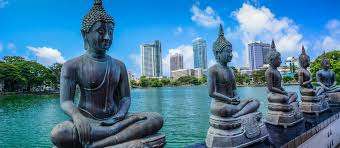
Kandy Lake

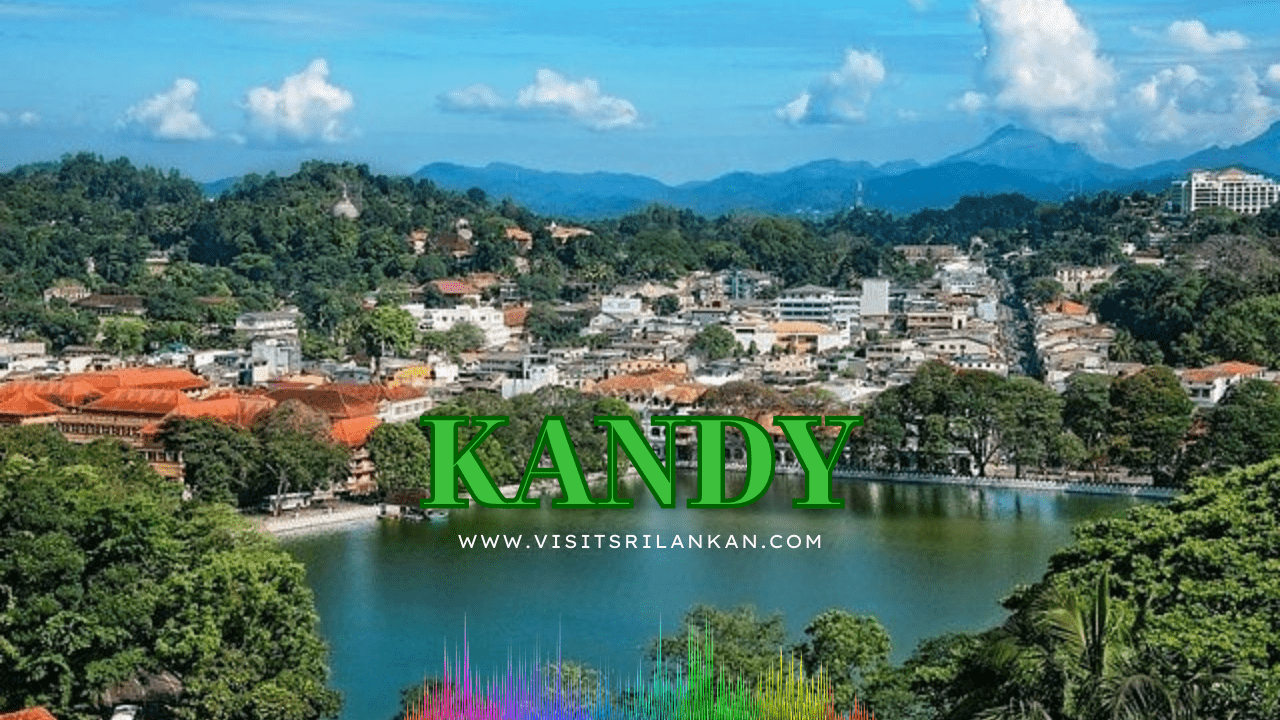
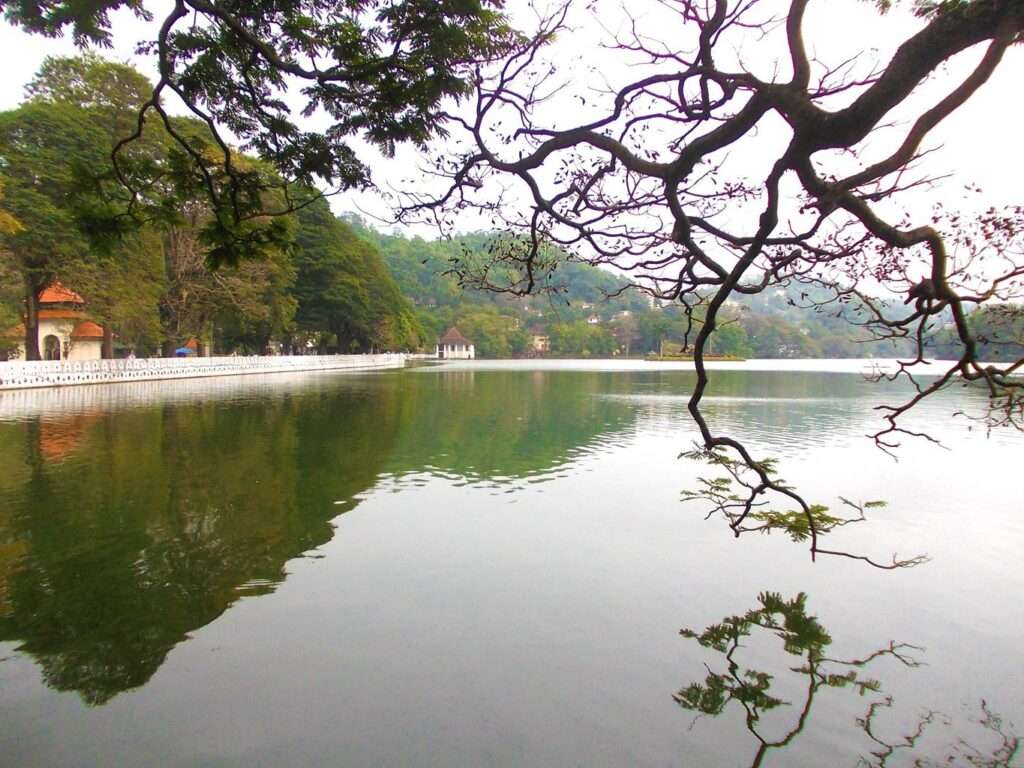
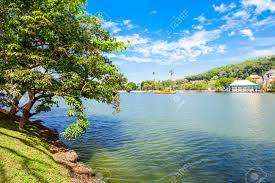
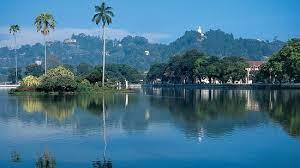
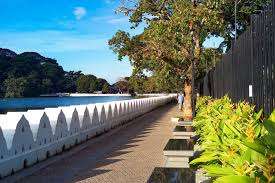
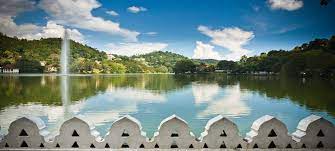
Kandy Lake, also known as Kiri Muhuda (Milky Ocean), is an iconic feature of the city. Built in the 19th century, the lake offers a tranquil ambiance and picturesque views. Visitors can enjoy a leisurely walk along its shores, capturing beautiful moments amidst the lush surroundings.

Udawatta Kele Sanctuary

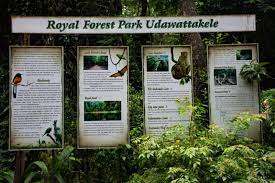
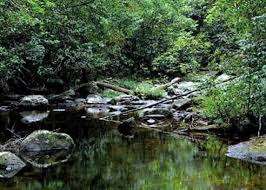
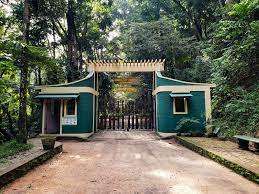
Nature enthusiasts shouldn’t miss the opportunity to explore the Udawatta Kele Sanctuary. This forest reserve, located behind the Temple of the Tooth Relic, is home to diverse wildlife, including monkeys, birds, and butterflies. A guided trek through the sanctuary reveals hidden gems and breathtaking vistas.

Cultural Festivals in Kandy

Esala Perahera

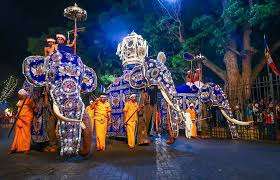
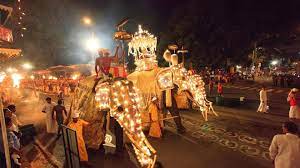
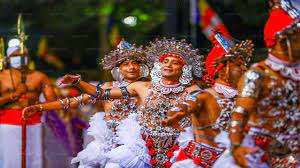
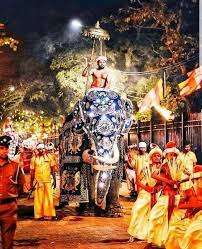
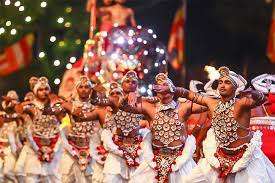
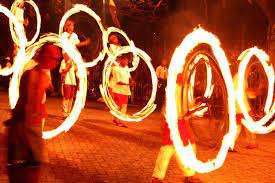
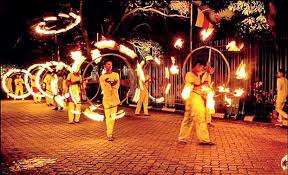
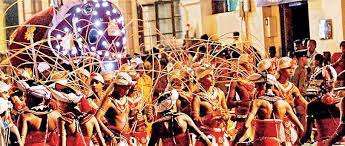
The Esala Perahera is an extravagant cultural festival celebrated in Kandy, usually in July or August. This grand procession showcases traditional dancers, drummers, and elaborately adorned elephants parading through the streets. It commemorates the sacred tooth relic and attracts thousands of spectators from around the world.
Kandy Perehera Museum

For a deeper understanding of the Esala Perahera, a visit to the Kandy Perehera Museum is highly recommended. Here, visitors can explore the history and significance of the festival through vibrant exhibits, artifacts, and multimedia presentations.

Exploring Kandy’s Natural Beauty

Knuckles Mountain Range

Adventure seekers and nature lovers can embark on a trek to the Knuckles Mountain Range. This scenic paradise offers hiking trails through misty mountains, dense forests, and cascading waterfalls. The breathtaking views and untouched wilderness create an unforgettable experience.

Hanthana Mountain Range

Hanthana Mountain Range, located just outside Kandy, provides another opportunity for outdoor exploration. Its hiking trails lead to panoramic viewpoints, tea plantations, and traditional villages. The refreshing climate and lush landscapes make it a favorite among trekkers.

Kandy’s Exquisite Cuisine

Traditional Sri Lankan Food

Kandy is a food lover’s haven, offering a delightful array of traditional Sri Lankan dishes. From aromatic rice and curry to spicy street food, the city tantalizes the taste buds with its diverse flavors. Don’t miss the chance to savor Kandyan delicacies like “Ambul Thiyal” (sour fish curry) and “Kola Kenda” (herbal porridge).

Kandyan Sweetmeats

Indulge in the sweet side of Kandy by sampling its famous sweetmeats. These delectable treats, made from jaggery, rice flour, and coconut, are often shaped into intricate designs. “Kavum,” “Kokis,” and “Halapa” are must-tries for those with a sweet tooth.

Shopping in Kandy

Kandy City Center

For a modern shopping experience, head to Kandy City Center. This shopping mall houses a variety of local and international brands, offering clothing, accessories, electronics, and more. It’s the perfect place to shop for souvenirs and enjoy a meal at one of the many restaurants.

Street Markets and Souvenirs

To immerse yourself in the local culture, explore the vibrant street markets of Kandy. These bustling markets offer a treasure trove of handicrafts, gemstones, spices, and traditional garments. Bargaining skills come in handy to secure the best deals.
Accommodation Options in Kandy

Luxury Hotels and Resorts

Kandy boasts a range of luxury hotels and resorts that offer world-class amenities and breathtaking views. From boutique hotels in colonial buildings to luxurious resorts nestled in the hills, these accommodations provide a serene and opulent retreat.

Budget-Friendly Guesthouses

Travelers on a budget can find comfortable guesthouses and homestays in Kandy. These affordable options offer a cozy ambiance and a chance to interact with locals, providing an authentic experience of Sri Lankan hospitality.

Transportation in Kandy

Tuk-tuks and Taxis

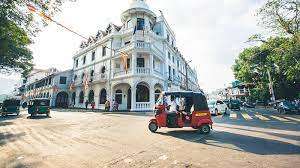
Getting around Kandy is convenient with the availability of tuk-tuks and taxis. Tuk-tuks are three-wheeled vehicles that offer a fun and adventurous way to explore the city. Taxis provide a more comfortable and private mode of transportation.

Public Buses and Trains

For a budget-friendly option, public buses are a popular choice. They connect Kandy with various destinations across the island. Travelers can also enjoy scenic train rides, especially the iconic journey from Kandy to Ella, offering breathtaking views of tea plantations and mountains.

Safety and Travel Tips for Visitors

  • Respect local customs and dress modestly when visiting religious sites.
  • Be cautious of your belongings and avoid displaying valuable items in crowded areas.
  • Stay hydrated and use sunscreen, as Kandy’s climate can be hot and humid.
  • Consult with a reputable tour guide for a deeper understanding of the city’s history and culture.
  • Follow COVID-19 safety guidelines and stay updated on travel restrictions and requirements.
Conclusion

Kandy, with its historical charm, cultural festivities, natural wonders, and delectable cuisine, offers an unforgettable experience for every traveler. Whether you seek spiritual enlightenment, adventure in the mountains, or a taste of Sri Lankan heritage, Kandy will captivate you with its beauty and allure. So, pack your bags, embark on this incredible journey, and let Kandy weave its magic upon you.

FAQs (Frequently Asked Questions)

1. When is the best time to visit Kandy?

The best time to visit Kandy is during the months of December to April when the weather is pleasant and rainfall is minimal.

2. How can I witness the Esala Perahera festival?

To witness the Esala Perahera festival, plan your visit around July or August. You can secure a spot along the procession route or book a ticket for a grandstand seat.

3. Are there any eco-friendly accommodations in Kandy?

Yes, Kandy offers eco-friendly accommodations that promote sustainability and minimize environmental impact. Look for hotels and resorts with eco-certifications or eco-friendly practices.
4. Can I hire a guide for trekking in the Knuckles Mountain Range?
Yes, it is highly recommended to hire a local guide for trekking in the Knuckles Mountain Range. They possess in-depth knowledge of the trails, wildlife, and ensure your safety.

5. How far is Kandy from Colombo, the capital city of Sri Lanka?

Kandy is located approximately 115 kilometers (71 miles) northeast of Colombo, and the journey takes around 3-4 hours by road.


SHARE
Verified by MonsterInsights