
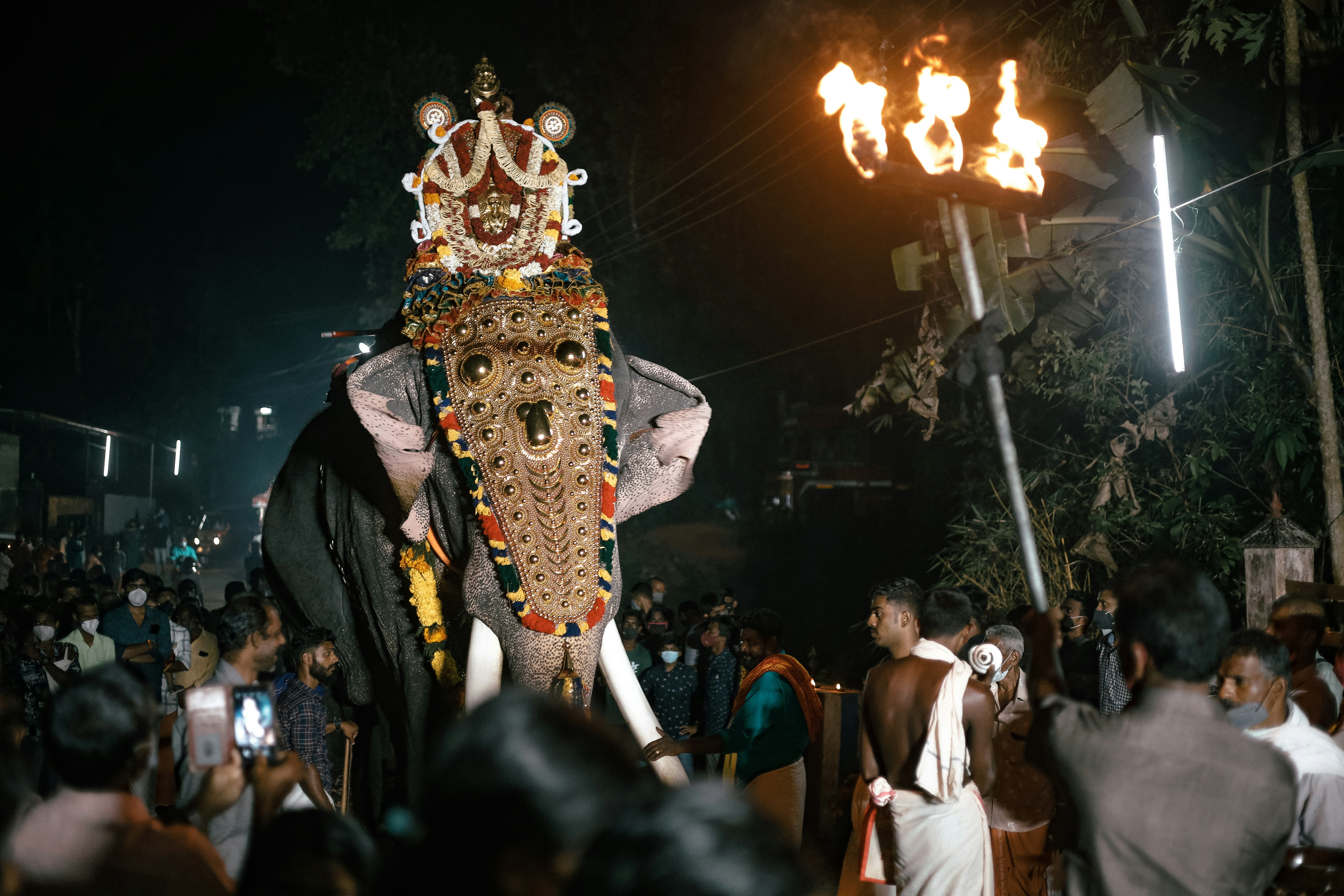
The History and Significance of the Esala Perahera
The Esala Perahera, held annually in Kandy, Sri Lanka, is a vibrant testament to the country’s rich historical and cultural heritage. The origins of this grand festival can be traced back to the ancient Kandyan Kingdom, with its roots deeply embedded in the traditions and religious practices of Buddhism. Historically, the festival commemorates the arrival of the sacred tooth relic of the Buddha, which is housed within the Temple of the Sacred Tooth Relic.
This relic is not merely a physical artifact; it represents a profound spiritual connection for Buddhists. Thus, the Esala Perahera serves as a homage to the relic, showcasing the reverence and devotion of the Buddhist community in Sri Lanka. The festival is characterized by a series of elaborate processions filled with vibrant decorations, traditional dances, and ceremonies that manifest the cultural heritage of the nation. The significance of the event lies not only in its religious devotion but also in its role as a unifying force for the diverse communities across Sri Lanka, as people from various backgrounds come together to partake in this splendid festival.
Over the centuries, the Esala Perahera has evolved into a massive celebration, drawing both local and international visitors. Its rituals are imbued with symbols and meanings that reflect the Buddhist faith and Sri Lankan culture. For instance, the presence of caparisoned elephants, dancers, drummers, and fire performers enlivens the streets, portraying a spectacle that embodies centuries of tradition. Furthermore, the festival resonates with the themes of purification, merit-making, and cultural continuation, ensuring that the historical significance of the Esala Perahera remains relevant in contemporary society. As such, it stands as a beacon of Kandy’s cultural landscape, celebrated with great enthusiasm each year.
Processions and Cultural Elements of the Esala Perahera
The Esala Perahera is one of the most majestic and culturally rich festivals in Sri Lanka, held annually in Kandy. At the heart of this vibrant celebration are the various processions, each with its own unique significance and characteristics. The festival primarily features two main processions: the Kumbal Perahera and the Randoli Perahera, which take place in successive nights leading up to the final grand procession.
The Kumbal Perahera marks the initial phase, focusing on the veneration of the sacred tooth relic of Lord Buddha. Processions during this stage feature breathtaking displays, where traditionally adorned elephants participate, showcasing the elegance and majesty of these remarkable creatures. These caparisoned elephants are adorned with intricate textiles and ornaments, symbolizing the rich cultural heritage of Sri Lanka.






As the festival progresses, the Randoli Perahera unfolds, highlighted by a more elaborate and larger spectacle. This stage is renowned for its captivating performances that include traditional dancers, drummers, and whip crackers. The dancers, dressed in colorful attire and intricate masks, tell stories through their movements, enhancing the religious themes associated with the procession. The drumming provides a lively rhythm, entrancing attendees while the whip crackers showcase their skills, adding an exhilarating atmosphere to the event.
A central element of the Esala Perahera is the sacred casket procession, during which the replica of the relic is carried through the streets with great reverence. This procession holds immense spiritual significance, as it symbolizes the dissemination of supreme wisdom and teachings of Buddhism across the community. It is a moment of great devotion, reflecting the unwavering faith of the spectators, who gather to capture a glimpse of the sacred casket as it passes through Kandy.
Festival Schedule, Viewing Locations, and Travel Tips
The Esala Perahera, an annual festival celebrated in Kandy, Sri Lanka, showcases the rich cultural heritage of the region. Scheduled to take place during the full moon of the Esala month (typically July or August), the festival spans ten days, culminating in the grand procession known as the Diya Gamedda, which is renowned for its colorful parades and majestic elephants. Attendees can expect vibrant displays of traditional drumming, dance performances, and the iconic relic casket that holds the Sacred Tooth Relic of Buddha. The main festivities occur on the final five nights, particularly the last night, which is the most opulent and well-attended.
To make the most of this extraordinary event, choosing the right viewing location is crucial. Prime spots include strategically located areas around the Temple of the Tooth, such as the Maligawa entrance and the Kandy Lake viewing platform. Additionally, securing tickets for grandstand seating provides an unobstructed view of the parades, allowing visitors to fully appreciate the intricacies of the procession. It is advisable to purchase tickets in advance through authorized vendors as they can sell out quickly, particularly for peak days.
When attending the Esala Perahera, dressing modestly is important due to the religious significance of the festival. Lightweight, breathable clothing is recommended due to the warm weather, but attire should also be respectful, avoiding revealing outfits. For photography enthusiasts, it is essential to be mindful of photography etiquette; flash photography may be prohibited in certain areas, particularly during religious moments, so it’s best to seek permission when in doubt. By adhering to these guidelines, visitors can enhance their experience and participate in the celebration respectfully.
Accommodation, Transportation, and Nearby Attractions
Finding suitable accommodation in Kandy during the Esala Perahera festival is essential for a comfortable visit. The city offers a range of lodging options that cater to various budgets. For budget travelers, hostels and guesthouses such as the Kandy View Hotel and The Backpacker’s Hostel provide economical yet pleasant stays. Mid-range options like the Hotel Hilltop and OZO Kandy blend comfort with affordability, featuring modern amenities and beautiful views. For those seeking luxury, the Earl’s Regency Hotel and Mahaweli Reach Hotel offer an upscale experience, complete with fine dining and premium services.
Transportation options are plentiful in Kandy, especially during the festival period. The city is accessible via public bus services, which connect Kandy with major cities in Sri Lanka. Additionally, the Kandy railway station serves as a hub for train travel, offering a scenic journey through the hills. Once in Kandy, tuk-tuks are a popular mode of transport for short distances and can be easily hailed throughout the city. For a more comfortable experience, visitors can opt for taxis or app-based ride services.
While in Kandy, there are several nearby attractions worth exploring. The Temple of the Tooth, a UNESCO World Heritage site, is a must-see, renowned for housing the sacred relic of the Buddha. Nature enthusiasts will appreciate the serene Royal Botanical Gardens at Peradeniya, where a diverse collection of flora thrives. Additionally, the Kandy Lake, situated in the heart of the city, offers a picturesque setting for leisurely strolls and relaxation. Visitors can also immerse themselves in local culture at the Kandy Cultural Centre, which showcases traditional dance and arts. By taking advantage of these accommodation, transportation, and attraction options, visitors can enhance their travel experience during the Esala Perahera festival in Kandy.
