The Dowa Temple – Bandarawala
Tucked away amidst the misty hills of Bandarawela, Sri Lanka, lies a hidden gem that emanates tranquility and spiritual serenity. The Dowa Temple, with its rich history and breathtaking surroundings, is a testament to the island’s cultural and religious heritage. Join us as we delve into the captivating allure of the Dowa Temple and the captivating experiences it offers.
After exploring the historical and spiritual significance of Dowa Temple, visitors can embark on a trek to Ella Rock, marvel at the beauty of Ravana Falls, enjoy the panoramic views from Lipton’s Seat, witness the architectural wonder of the Nine Arches Bridge, or immerse themselves in nature at Handana Birds Park. For more information about Sri Lanka and its attractions, visit the Sri Lanka Tourism Board and for visa and travel requirements, check the Sri Lanka Immigration & Visa Services
Introduction: A Spiritual Oasis – Dowa Temple
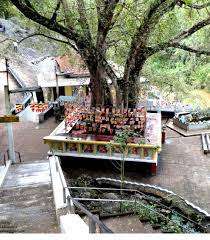
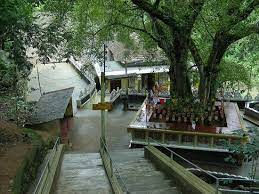
Nestled amidst the lush landscapes of Bandarawela, the Dowa Temple is a haven for those seeking spiritual solace and a deep connection with history. Surrounded by mist-kissed hills and gentle breezes, this temple offers a serene escape from the bustle of modern life.
A Glimpse into History: Origins and Significance of Dowa Temple
The Dowa Temple carries a history that dates back centuries. Originally established during the Kandyan Kingdom, this temple holds deep significance for both locals and pilgrims. Its origins are steeped in folklore and legend, adding an air of mystery to its ancient walls.
Architectural Marvel: The Cave Temple
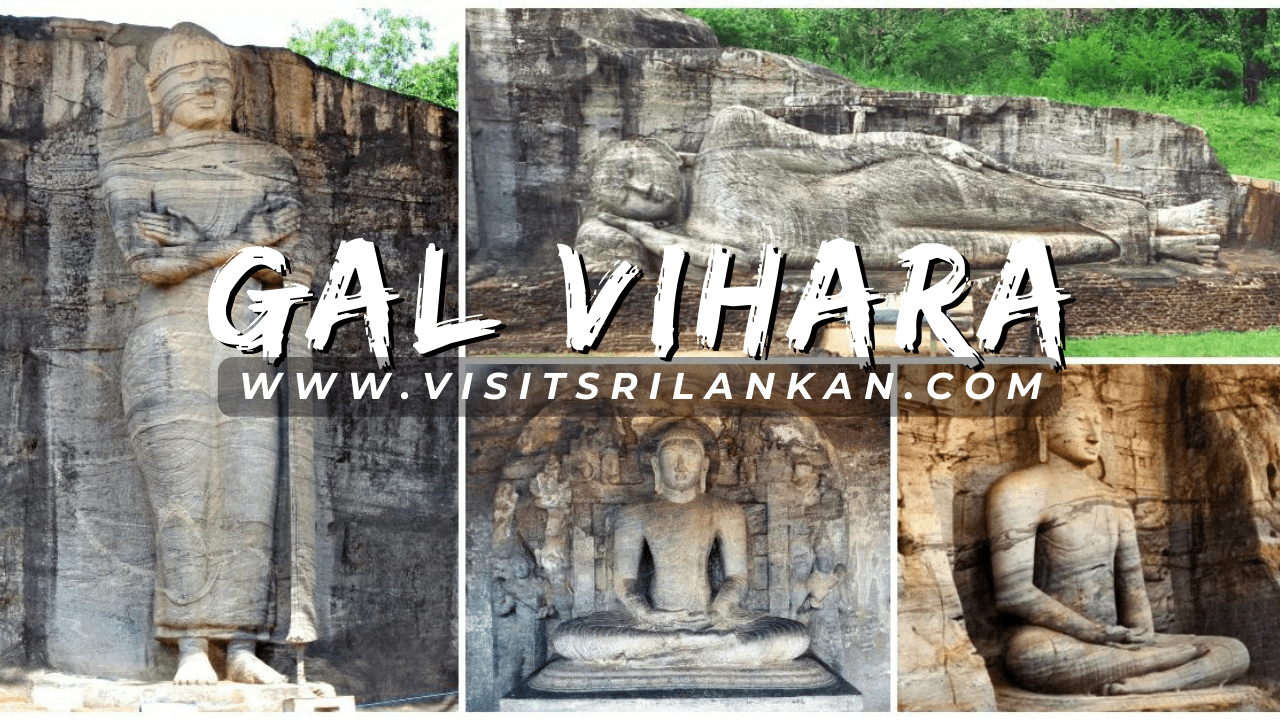
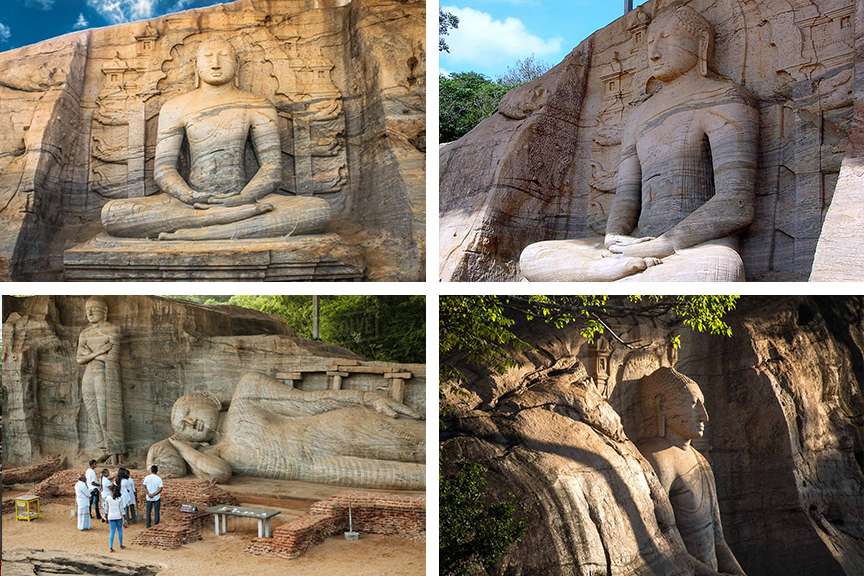
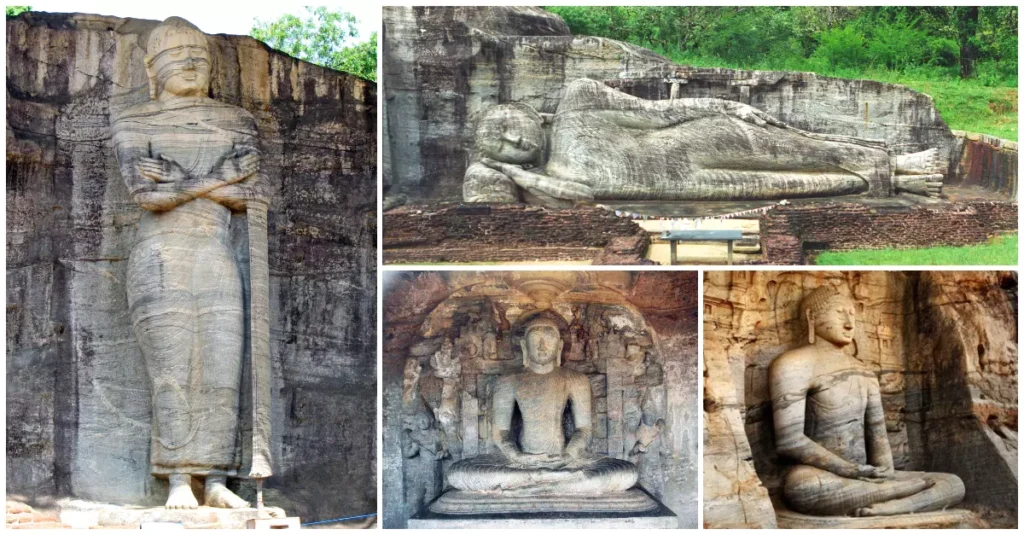
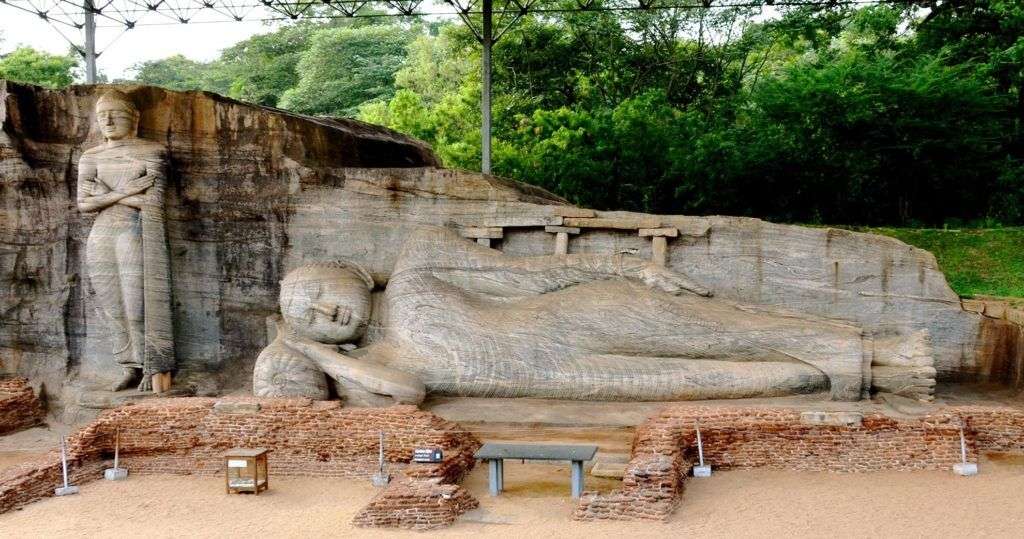
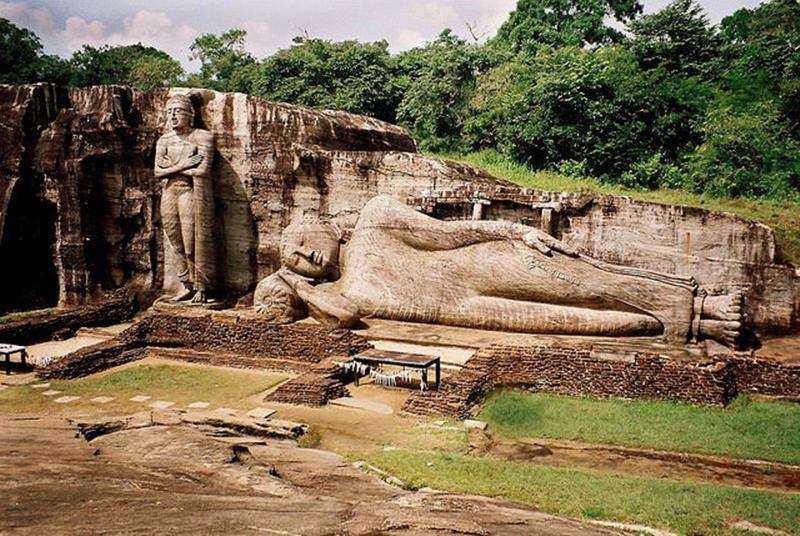
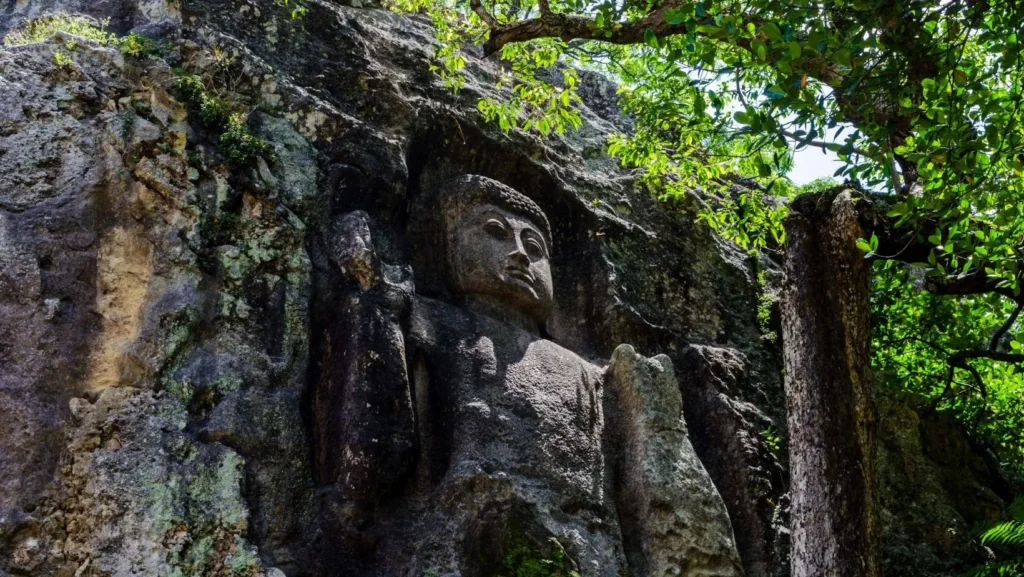
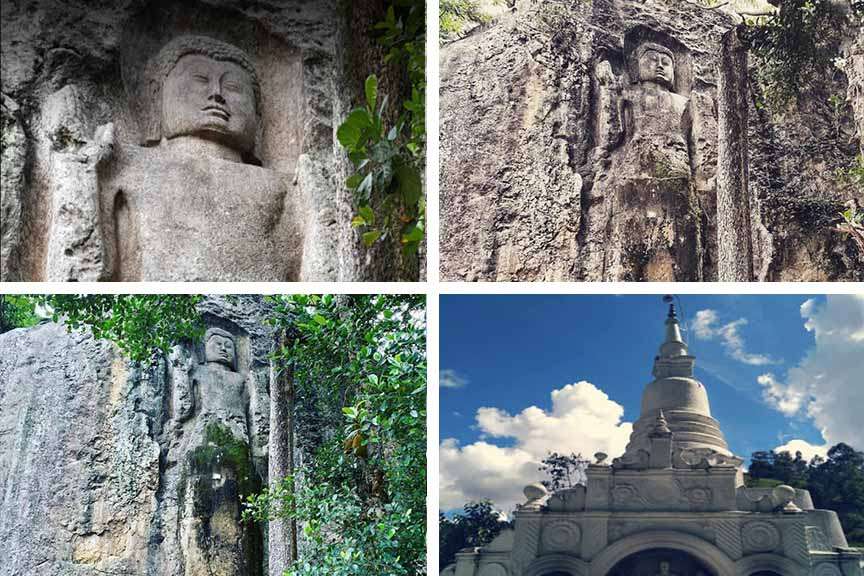
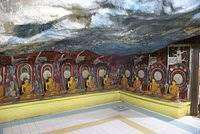
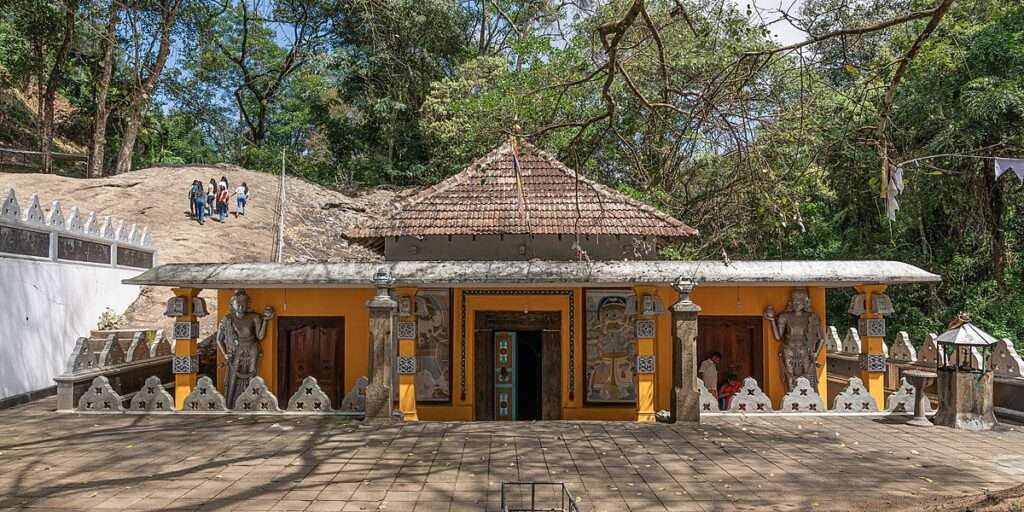
One of the most remarkable features of the Dowa Temple is its cave-like structure carved into the rock face. This architectural marvel seamlessly blends with the natural surroundings, creating a harmonious blend of human craftsmanship and nature’s beauty.
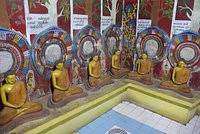
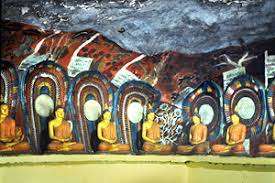
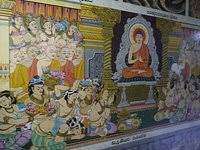
Statue of Peace: Majestic Buddha Image at Dowa Temple
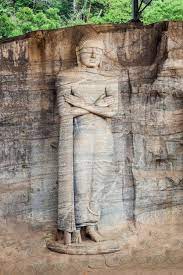
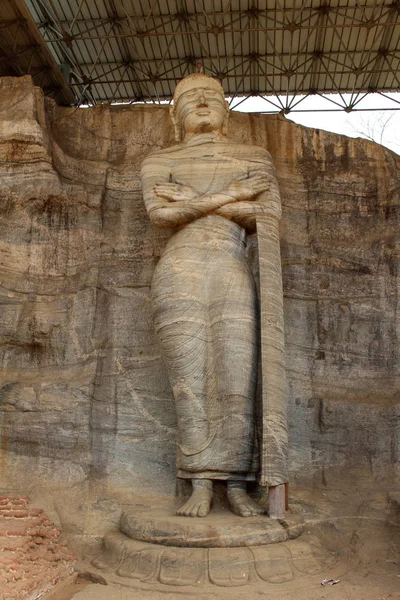
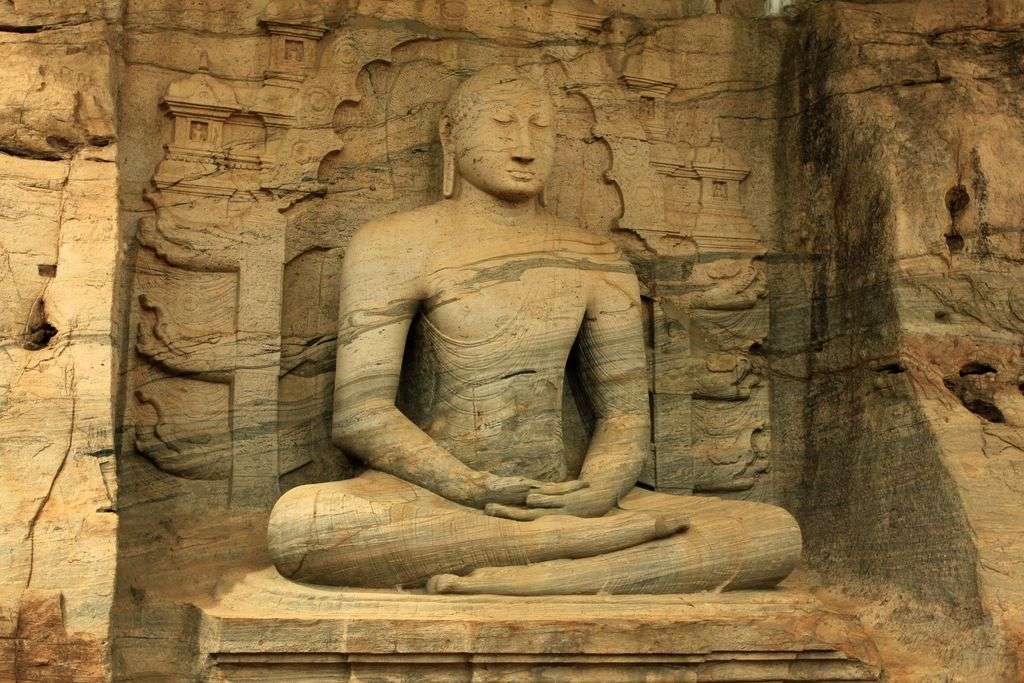
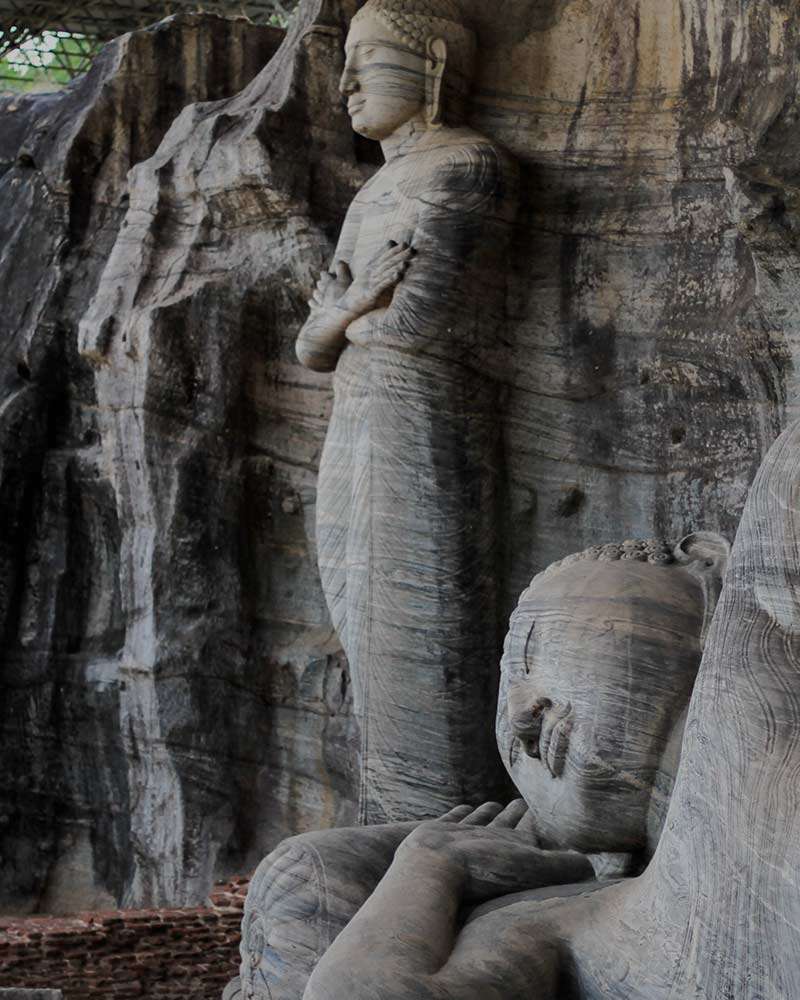
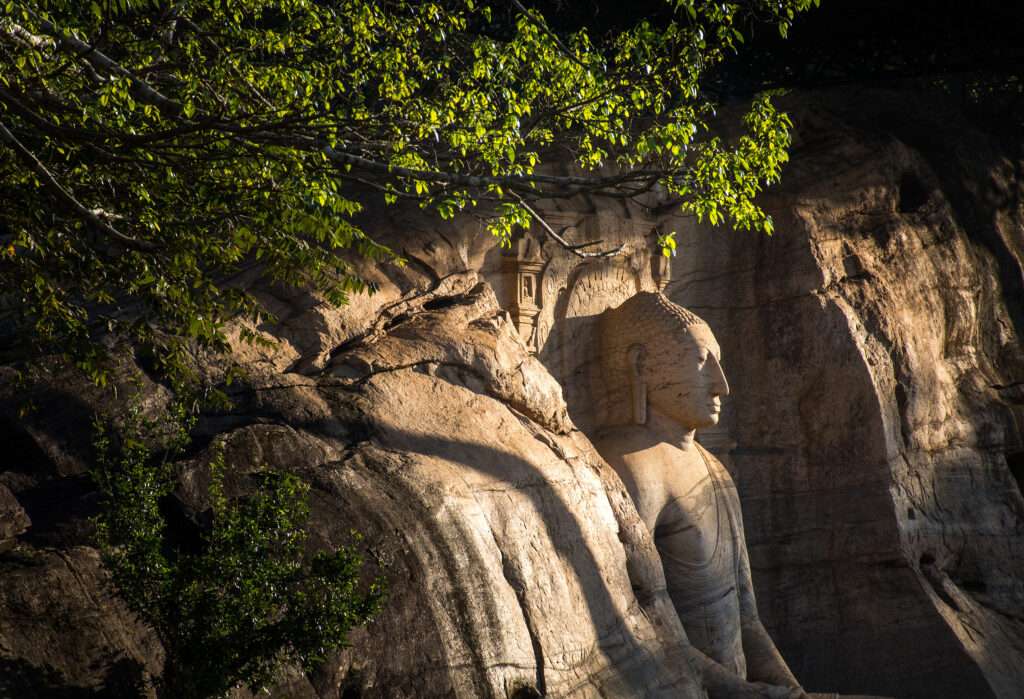
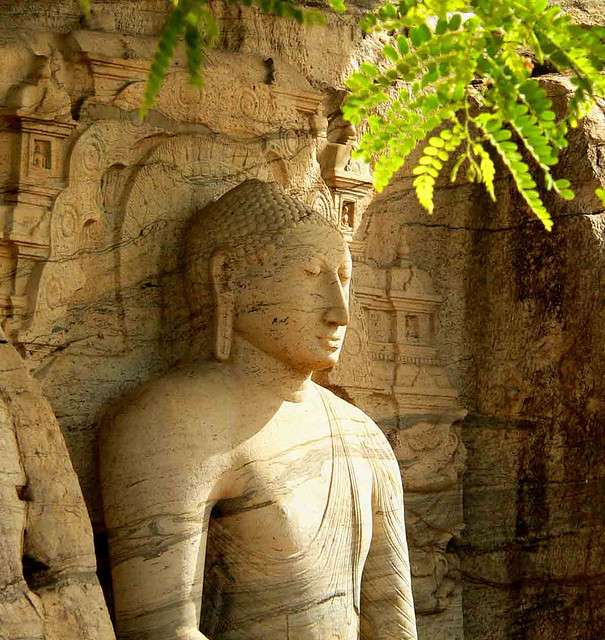
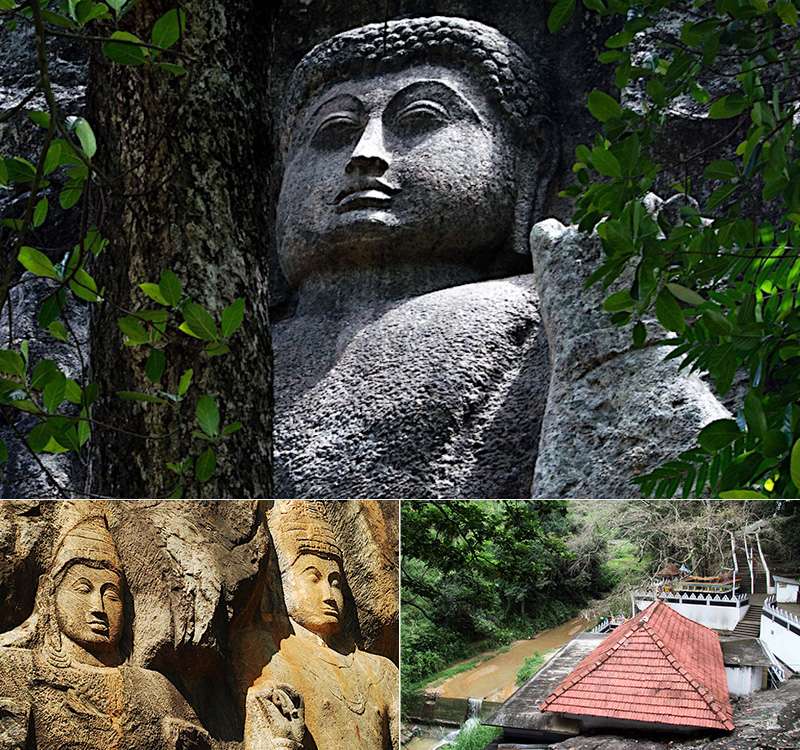
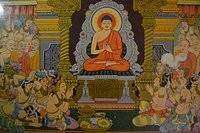
At the heart of the temple’s sanctum stands a magnificent Buddha statue that exudes a sense of peace and tranquility. The statue’s sheer size and intricate detailing evoke a sense of awe, inviting visitors to pause and reflect.
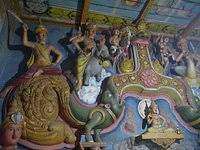
Panoramic Views: Embracing Natural Beauty
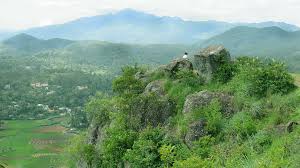
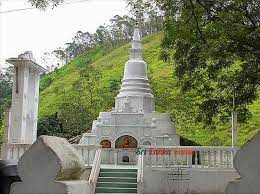
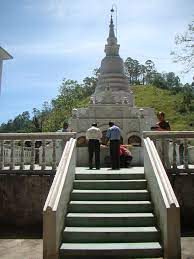
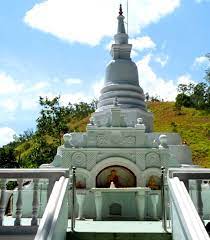
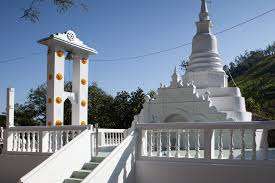
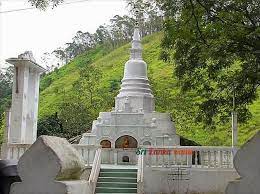
Perched atop a hill, the Dowa Temple offers panoramic views of the rolling hills, mist-shrouded valleys, and lush greenery. The temple’s vantage point provides a serene setting to soak in the beauty of nature, making it a photographer’s paradise.
Religious Practices: A Hub of Devotion
The temple is a hub of religious activities, drawing devotees and curious visitors alike. The rhythmic chanting of prayers, the lighting of oil lamps, and the fragrance of incense create an atmosphere of devotion that resonates deep within.
Festivals and Celebrations: Vibrant Cultural Gatherings at Dowa Temple
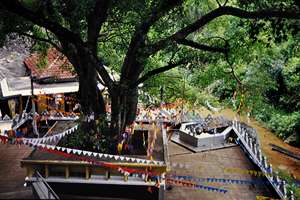
The Dowa Temple comes alive during festivals and celebrations. Vibrant processions, traditional dances, and intricate decorations turn the temple grounds into a colorful spectacle, offering a glimpse into the heart of Sri Lankan culture.
Rejuvenating Mind and Soul: Meditation and Retreats
For those seeking to find inner peace, the Dowa Temple offers meditation retreats. Surrounded by nature’s tranquility, these retreats provide a serene environment for self-discovery and reflection.
Exploring the Surroundings: Nature Walks and Beyond the Dowa Temple
Beyond the temple, the surrounding area beckons with its scenic trails and nature walks. Embark on a journey to discover hidden waterfalls, tea plantations, and the unique flora and fauna that call this region home.
Preserving the Past: Temple Conservation Efforts
Efforts are underway to preserve the historical and cultural heritage of the Dowa Temple. Conservation initiatives ensure that this sacred site continues to inspire generations to come.
How to Reach: Accessible Routes
The Dowa Temple is accessible from various points within Bandarawela. Whether you choose to drive or take a leisurely stroll through the charming streets, reaching the temple is an adventure in itself.
Visitor Information: Timings and Guidelines
Before visiting, it’s advisable to familiarize yourself with the temple’s timings and guidelines. Respecting local customs and traditions enhances the experience for both visitors and the temple’s regular devotees.
Conclusion: A Journey of Inner Harmony
The Dowa Temple in Bandarawela isn’t just a physical place; it’s a journey into the depths of one’s soul. Surrounded by nature’s beauty and steeped in history, this temple offers an opportunity to find inner harmony and connect with the essence of Sri Lanka’s spiritual legacy.
FAQs
- Is there an entrance fee to visit the Dowa Temple? The temple typically does not charge an entrance fee, but donations for maintenance are appreciated.
- Are visitors allowed to take photographs within the temple premises? Yes, photography is generally allowed, but it’s important to be respectful of the surroundings and fellow visitors.
- Can visitors participate in the temple’s religious practices? While visitors are welcome to observe and experience the temple’s practices, it’s advisable to do so with reverence and understanding.
- Are there any nearby attractions to explore after visiting the temple? Absolutely! Bandarawela and its surroundings offer various attractions, including tea estates, waterfalls, and scenic viewpoints.
- Are there any accommodations available near the Dowa Temple? Bandarawela offers a range of accommodations to suit different preferences and budgets, ensuring a comfortable stay for visitors.