The Best Ocean Adventure – Mirissa

SHARE

Introduction

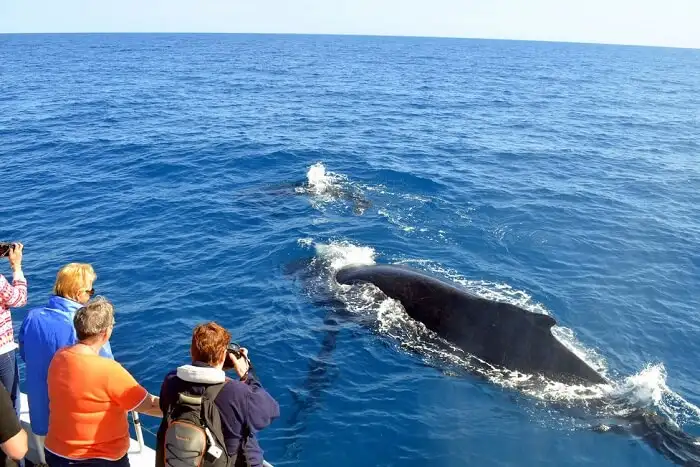
Whale watching in Mirissa has become an increasingly popular activity for travelers seeking a unique and awe-inspiring experience. Located on the southern coast of Sri Lanka, Mirissa offers an enchanting opportunity to witness these majestic marine giants in their natural habitat. In this article, we will take you on a journey through the world of whale watching in Mirissa, exploring everything from the best time to visit to the mesmerizing species you can encounter.

After experiencing the thrill of whale watching in Sri Lanka, visitors can explore the nearby Mirissa, enjoy the coastal beauty of Trincomalee, relax at the beaches of Kalpitiya, or visit the historic Dondra Point. For more information about Sri Lanka and its attractions, visit the Sri Lanka Tourism Board and for visa and travel requirements, check the Sri Lanka Immigration & Visa Services. Learn more about whale-watching tours on our site: VisitSriLankan.com

whale

Why Choose Mirissa for Whale Watching?

Mirissa, nestled along the picturesque coastline of Sri Lanka, has gained recognition as one of the premier destinations for whale watching. But what sets it apart from other locations?

Whale watching in Mirissa

Abundance of Marine Life

Mirissa’s waters are teeming with marine life, thanks to its location in the Indian Ocean. The convergence of warm and cold currents creates an ideal environment for a rich biodiversity of marine species, including various types of whales and dolphins.

Guaranteed Sightings

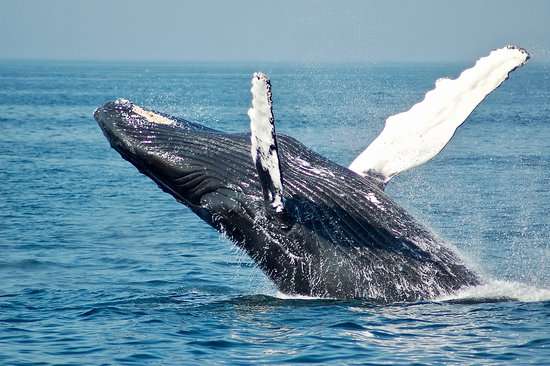
One of the standout features of Mirissa is its reputation for guaranteed sightings. The chances of spotting whales during your excursion are exceptionally high, ensuring an unforgettable experience.

When to Visit Mirissa for Whale Watching

To make the most of your whale watching adventure in Mirissa, it’s crucial to plan your trip during the right season.


Peak Season (November to April)

The peak season for whale watching in Mirissa is from November to April. During these months, the ocean remains calm, and the chances of spotting blue whales, the largest animals on Earth, are at their highest.

Off-Peak Season (May to October)

The off-peak season, from May to October, offers a different but equally captivating experience. This is when you’re more likely to encounter sperm whales and other species. It’s a great option if you prefer a quieter and less crowded experience.

Types of Whales You Can Spot

Mirissa is home to a diverse range of whale species, each with its unique characteristics and allure.
Blue Whales

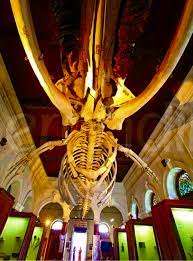
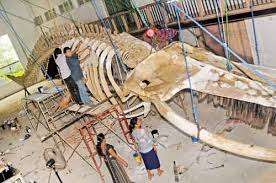
The blue whale, often referred to as the gentle giant of the ocean, can grow up to 100 feet in length. Seeing these majestic creatures breach the surface is a sight to behold.

Sperm Whales

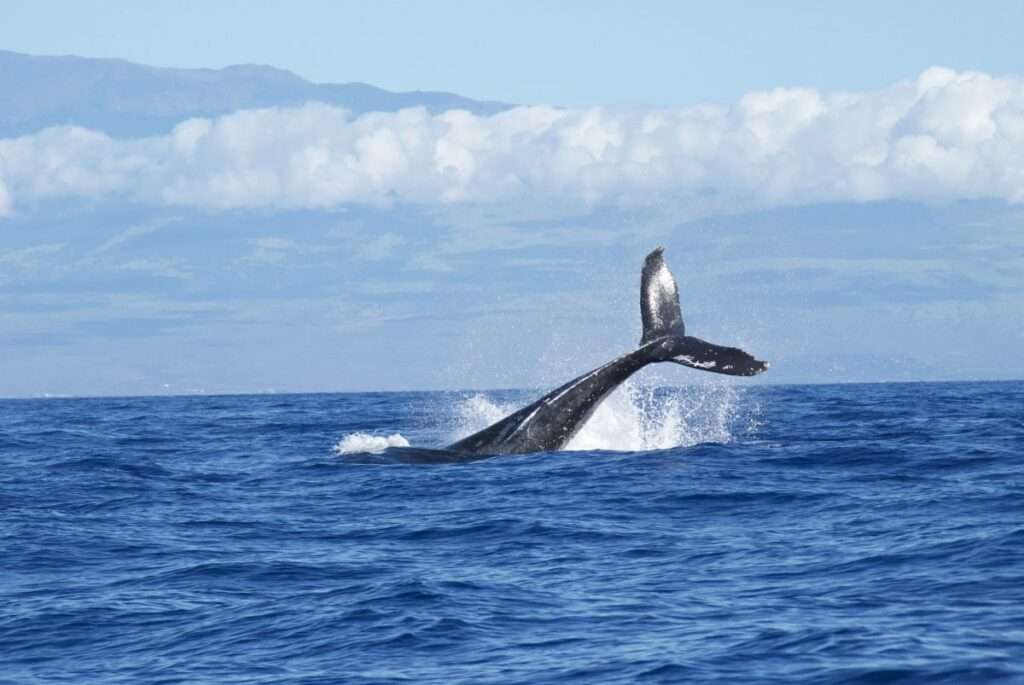
Sperm whales, known for their massive heads and oil-producing spermaceti organ, are a common sight in Mirissa. They are renowned for their distinctive dives and tail flukes.

Humpback Whales

Humpback whales are famous for their acrobatic displays, including breaching and tail-slapping. Witnessing their elegant movements is a remarkable experience.

Preparing for Your Whale Watching Adventure

Before embarking on your whale watching journey, there are a few essential tips to keep in mind:

Booking a Reputable Tour

Choose a reputable tour operator that prioritizes the safety and well-being of both passengers and marine life. Ensure they have certified guides with extensive knowledge of the region.

Packing Essentials

Pack essentials such as sunscreen, sunglasses, a hat, and a light jacket. Seasickness medication may also come in handy for those prone to motion sickness.

The Magic of Whale Watching

As you set sail from Mirissa’s harbor, the anticipation builds. The vastness of the ocean unfolds before you, and the serenity of the open waters is both calming and invigorating. Then, it happens—a majestic creature breaches the surface, and you’re in awe of nature’s grandeur.

The experience of watching these magnificent creatures in their natural habitat is a humbling and transformative one. It reminds us of the importance of preserving our oceans and the incredible biodiversity they harbor.

Blue Whales

Conclusion

Whale watching in Mirissa is an adventure that combines the thrill of the unknown with the wonder of nature. It’s an opportunity to connect with the ocean’s gentle giants and create lasting memories. So, if you’re seeking a unique and awe-inspiring experience, head to Mirissa and embark on a whale watching journey you’ll cherish forever.

FAQs

1. Is it safe to go whale watching in Mirissa?

Yes, it is generally safe to go whale watching in Mirissa, as long as you choose a reputable tour operator that follows safety guidelines and respects marine life.

2. What is the best time of day for whale watching?

Early morning is often the best time for whale watching, as the sea is usually calmer, and marine life is more active.

3. Can children participate in whale watching tours?

Yes, many whale watching tours in Mirissa are family-friendly and welcome children, but it’s essential to check with the tour operator regarding age restrictions and safety measures.

4. Are there any conservation efforts for marine life in Mirissa?

Yes, Mirissa has various conservation initiatives aimed at protecting marine life. Some tour operators also contribute to these efforts through education and conservation programs.

5. What should I do if I encounter dolphins during the tour?

If you encounter dolphins during your whale watching tour, it’s essential to maintain a respectful distance and avoid disturbing them. Your guide will provide guidance on responsible wildlife viewing practices.

SHARE

Accessible and Beautiful | Rathna Ella

SHARE

Accessible and Beautiful | Rathna Ella

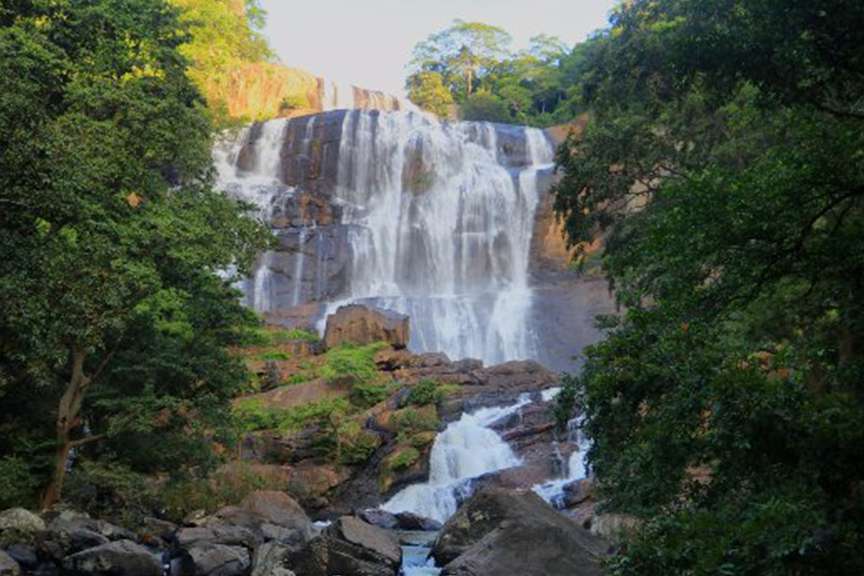
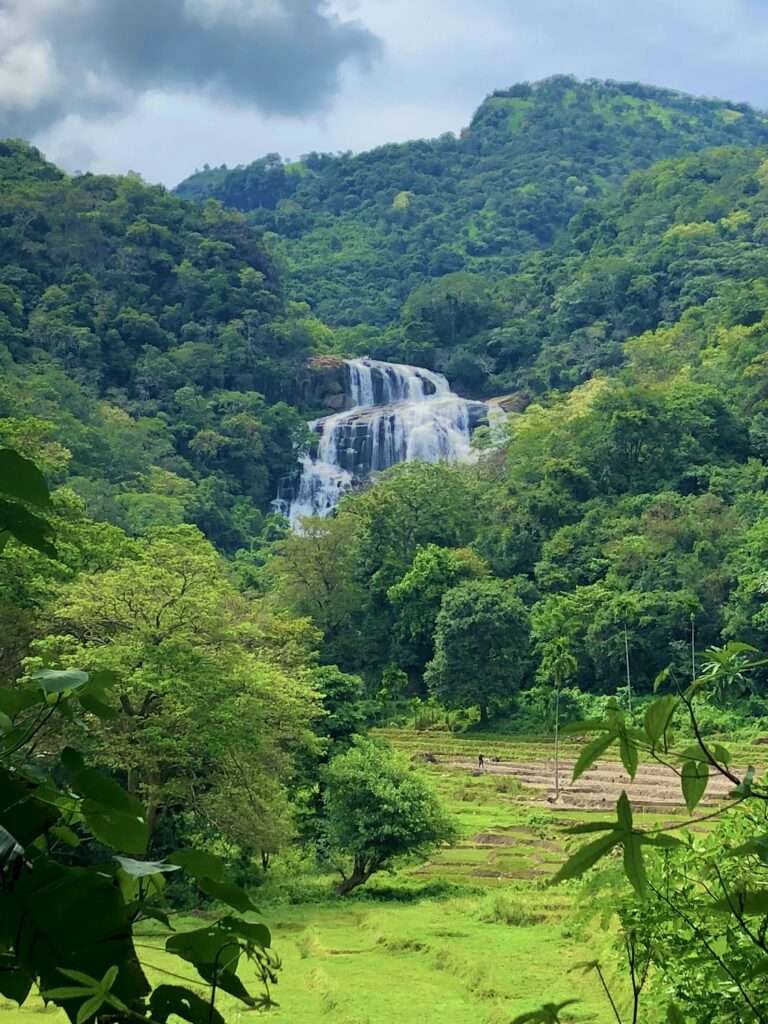
Nestled in the heart of Sri Lanka, amidst lush greenery and pristine landscapes, lies a hidden gem known as Rathna Ella in Hasalaka. This enchanting waterfall, often overshadowed by its more famous counterparts, is a must-visit destination for nature enthusiasts and adventure seekers. In this article, we will take you on a journey to discover the beauty, mystery, and allure of Rathna Ella.

After experiencing the breathtaking Rathna Ella Waterfall, visitors can explore the nearby Diyaluma Falls, enjoy the tranquility of Koslanda Falls, immerse themselves in nature at Thangamale Sanctuary, hike through Horton Plains National Park, or experience the scenic beauty of Ohiya. For more information about Sri Lanka and its attractions, visit the Sri Lanka Tourism Board and for visa and travel requirements, check the Sri Lanka Immigration & Visa Services.

Rathna Ella

Unveiling Rathna Ella’s Beauty

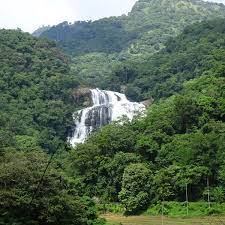
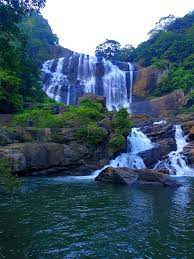
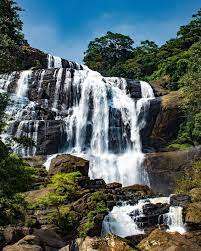
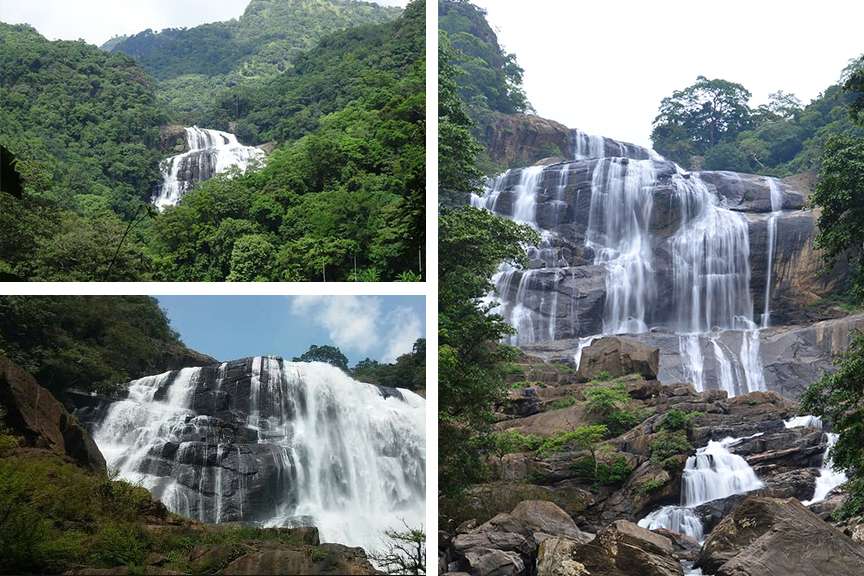
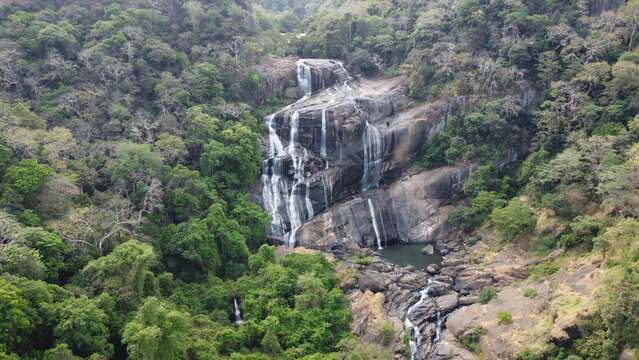
Rathna Ella, which translates to “Golden Falls,” is aptly named for its stunning golden hue that glistens in the sunlight. Tucked away in the central highlands of Sri Lanka, this waterfall cascades gracefully from a height of approximately 111 feet (34 meters). The water plunges into a crystal-clear pool below, creating a picturesque scene that will leave you mesmerized.

Rathna Ella

The Journey to Rathna Ella

1. Getting There

Reaching Rathna Ella can be an adventure in itself. The journey begins in Kandy, a vibrant city in Sri Lanka, where you can hire a private vehicle or take a scenic bus ride to Hasalaka.

2. Trekking through the Forest

Upon arriving in Hasalaka, the real adventure commences. A trek through dense forests and tea plantations awaits you. It’s advisable to hire a local guide who can navigate the trails and provide valuable insights into the area’s flora and fauna.

Rathna Ella

Experiencing the Magic

3. A Refreshing Dip

As you approach Rathna Ella, the sound of rushing water grows louder, heightening your anticipation. The cool mist from the waterfall greets you as you draw nearer. Take a refreshing dip in the pool beneath the falls and feel the stresses of daily life wash away.

4. Picnic Amidst Nature

Rathna Ella offers the perfect setting for a picnic. Spread out a blanket, savor a delicious meal, and enjoy the symphony of nature’s sounds. Don’t forget to capture the moment with your camera; the scenery is postcard-worthy.

Rathna Ella

The Hidden Treasures

5. A Cave of Legends

Adjacent to Rathna Ella is a mystical cave known as the “Batadomba Lena.” It’s believed to be a place of historical significance and is home to an array of fascinating rock formations and cave paintings.

6. Birdwatching Paradise

For birdwatching enthusiasts, Rathna Ella and its surrounding forests are a paradise. Keep your binoculars handy, and you might spot some of Sri Lanka’s exotic avian residents.

Safety Tips and Considerations

7. Respect Nature

While exploring Rathna Ella, it’s crucial to respect the environment. Avoid littering, and follow the guidance of your local guide to protect the delicate ecosystem.

8. Safety First

Ensure your safety by wearing appropriate footwear and carrying essentials like water, insect repellent, and sunscreen.

Conclusion

Rathna Ella in Hasalaka is a testament to the untamed beauty of nature. Its secluded location, golden waters, and surrounding mysteries make it a destination worth exploring. So, if you’re seeking a unique adventure off the beaten path, make your way to Rathna Ella and immerse yourself in the tranquility of this hidden gem.

Frequently Asked Questions

1. How difficult is the trek to Rathna Ella?

The trek can be moderately challenging, but with a local guide, it becomes more manageable for all skill levels.

2. Can you swim in the pool beneath Rathna Ella?

Yes, the pool is suitable for swimming, but always exercise caution and check with your guide for safety recommendations.

3. Are there accommodations near Rathna Ella?

While there are no accommodations at the waterfall itself, you can find lodging options in Hasalaka and Kandy.

4. What is the best time to visit Rathna Ella?

The best time to visit is during the dry season, from December to April, when the weather is most favorable for trekking and exploring.

5. Is Rathna Ella suitable for families with children?

Yes, Rathna Ella can be a great family adventure, but ensure children are supervised, especially near the waterfall and pool areas.


SHARE

Rathnapura-The Paradise of Gems In the World

SHARE

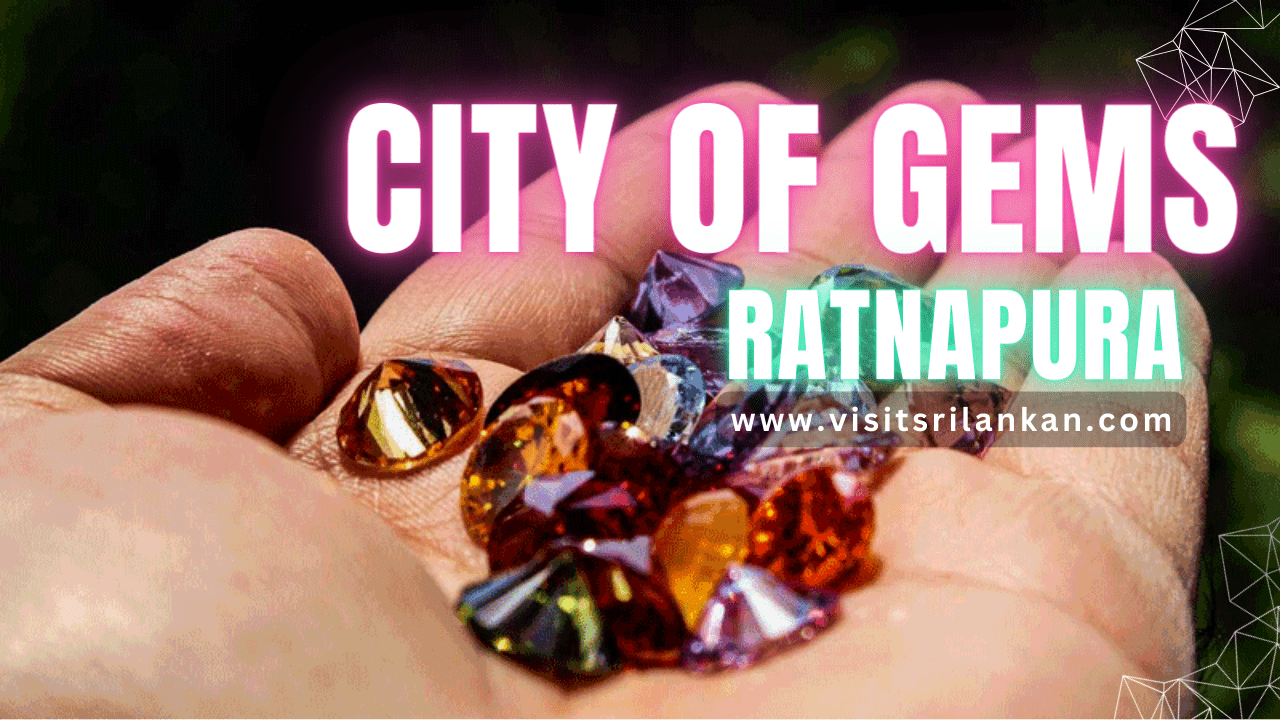
The City of Gems In Asia – Rathnapura

Rathnapura

Rathnapura, a name that resonates with the sparkle of gemstones, is a city located in the heart of Sri Lanka. Often referred to as the “City of Gems,” Rathnapura boasts a rich cultural heritage, stunning natural landscapes, and a thriving gemstone industry that has fascinated people from all corners of the globe. In this article, we’ll take you on a journey through the enchanting realms of Rathnapura, uncovering its hidden treasures, vibrant culture, and the allure of its gem trade.

After exploring the vibrant city of Ratnapura, visitors can embark on a spiritual journey to Adam’s Peak, admire the unique Bopath Ella Falls, delve into history at Batadombalena Cave, enjoy the natural beauty of Duwili Ella Falls, or experience the rich biodiversity of the Peak Wilderness Sanctuary. For more information about Sri Lanka and its attractions, visit the Sri Lanka Tourism Board and for visa and travel requirements, check the Sri Lanka Immigration & Visa Services

The Geological Marvel

Rathnapura’s geological significance is at the core of its reputation as the gem capital of Sri Lanka. Situated in the Sabaragamuwa Province, this city is nestled amid the Ratnapura District, where the earth’s crust has generously bestowed a bounty of precious gemstones.

Rathnapura

Precious Stones Underground

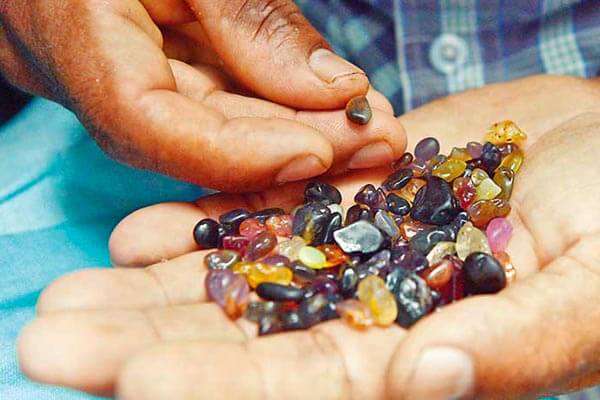
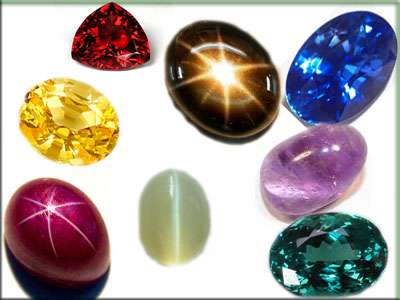
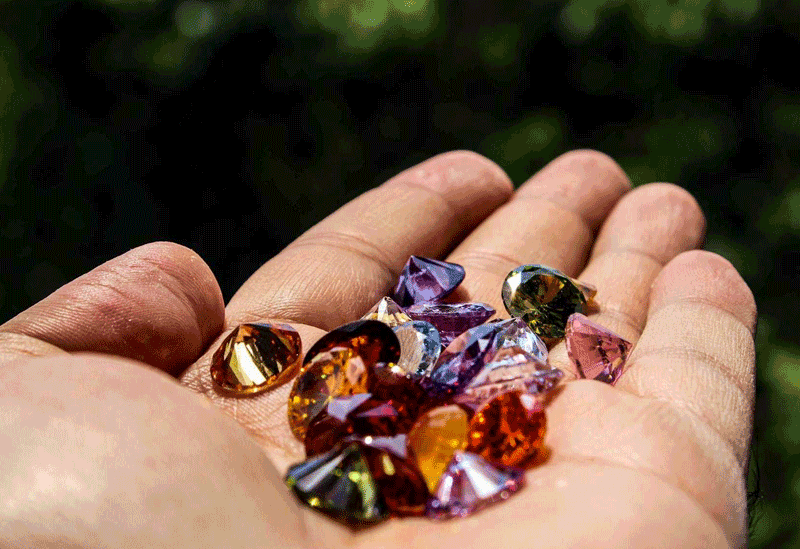
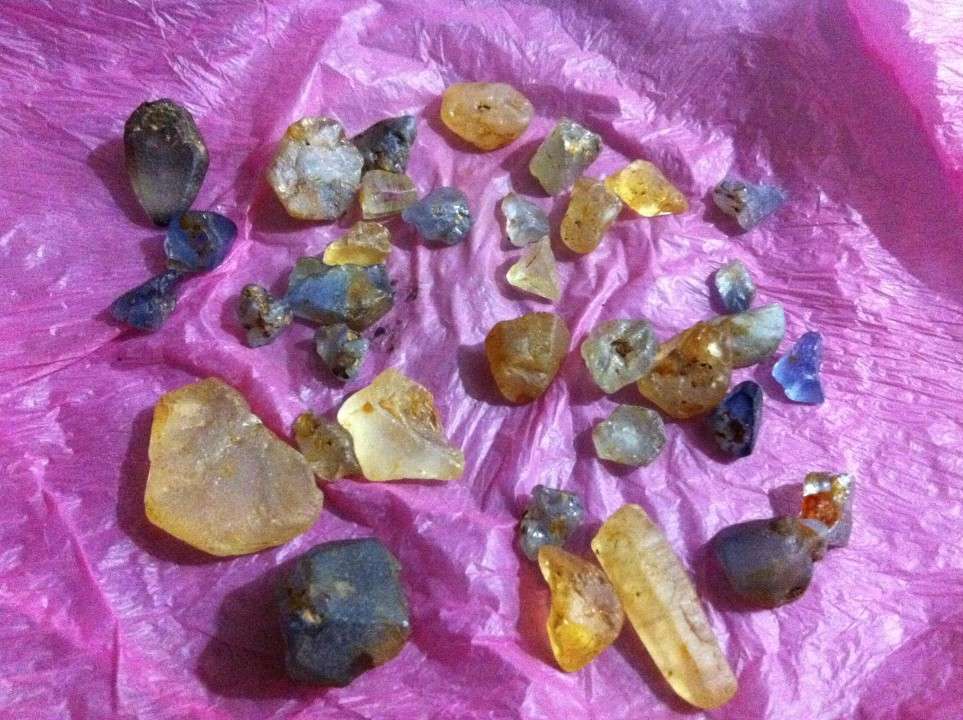
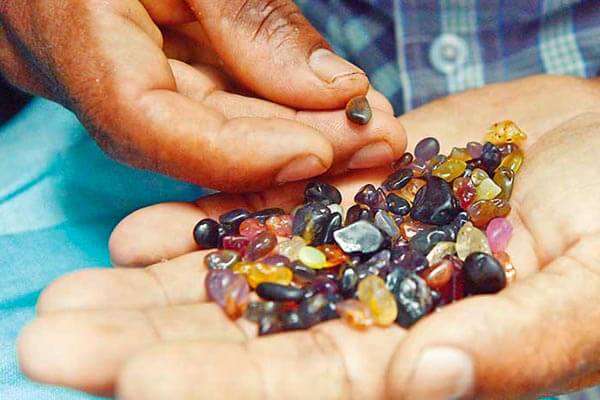
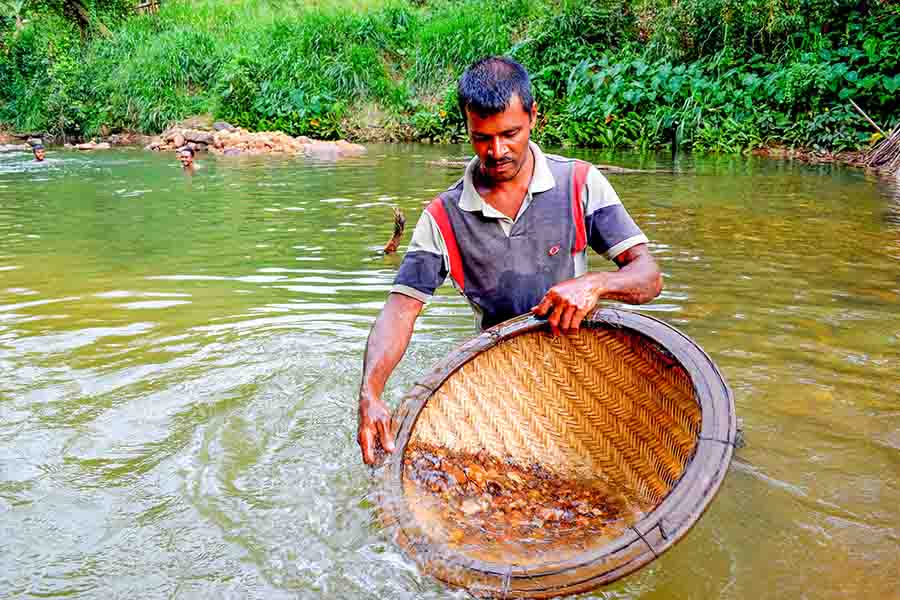
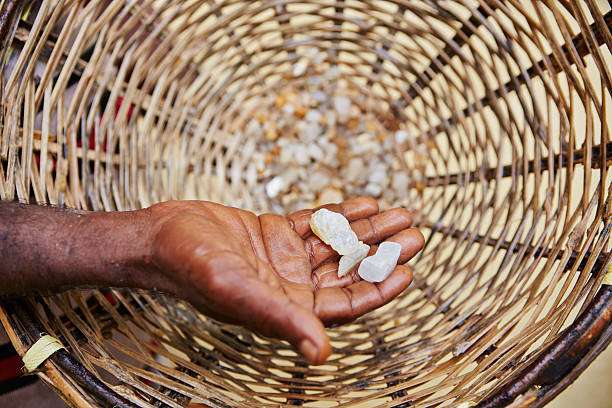
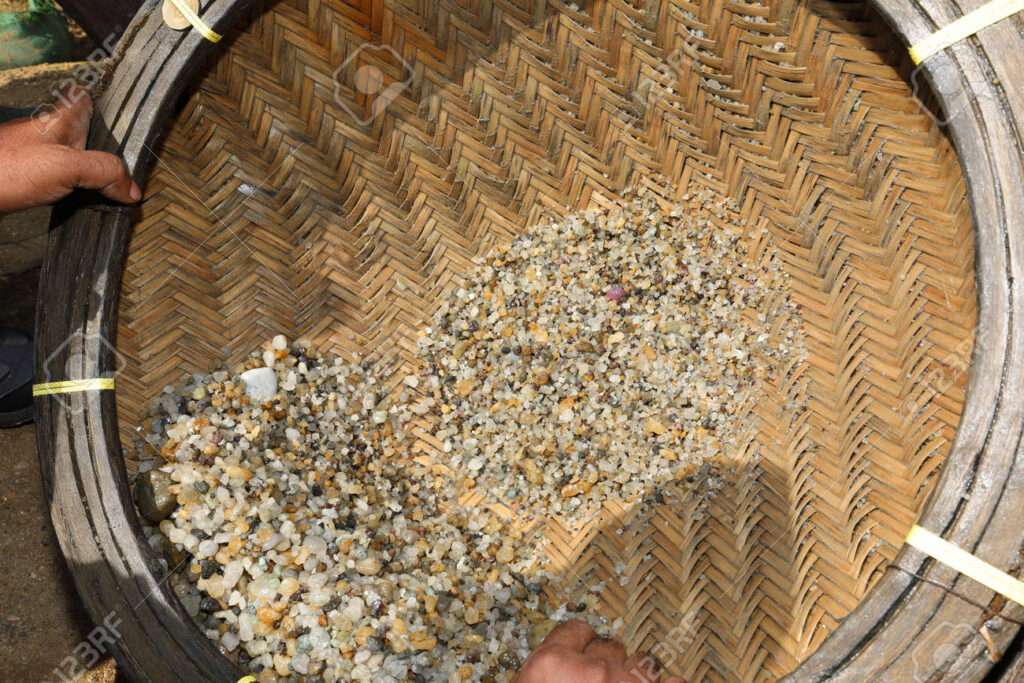
Rathnapura is famed for its deposits of rubies, sapphires, and cat’s-eye chrysoberyls. These gems have been meticulously mined for centuries, drawing the attention of gem collectors, jewelers, and adventurers from far and wide.

The Gem Markets

Visiting Rathnapura means immersing oneself in a bustling marketplace, filled with the glittering allure of gemstones.

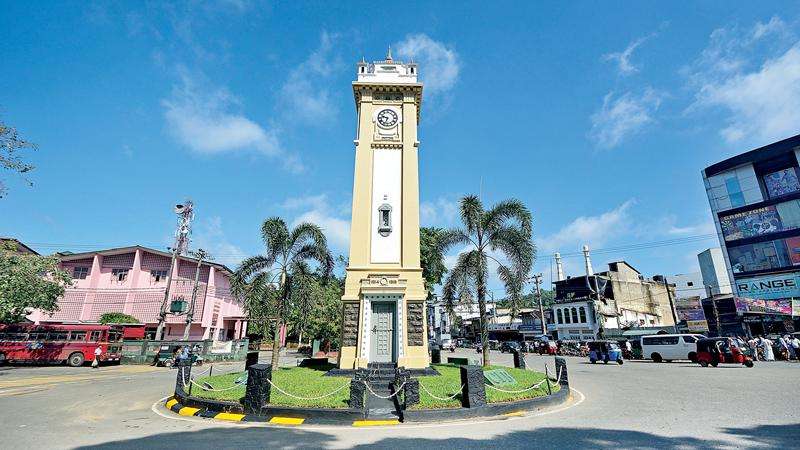
Ratnapura Gem Market

The Ratnapura Gem Market, located in the city center, is a vibrant hub where gem merchants gather to showcase their treasures. Here, you can find a wide range of gemstones, from the mesmerizing blue sapphires to the fiery rubies that have captured hearts for generations.

The Art of Gem Cutting

To appreciate the true beauty of Rathnapura’s gems, one must understand the meticulous craft of gem cutting.

Master Gem Cutters

The city is home to master gem cutters who transform raw gemstones into dazzling works of art. The precision and artistry involved in this process are awe-inspiring.

The Cultural Heritage

Rathnapura’s charm extends beyond its gemstones. The city is steeped in rich cultural heritage.

Temples and Festivals

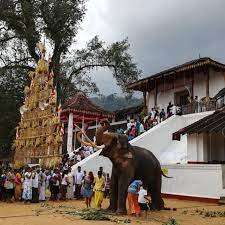
Rathnapura boasts several ancient temples, each with its own unique history and architectural beauty. The city comes alive during religious festivals, where vibrant processions and traditional ceremonies create an unforgettable experience.

Natural Wonders

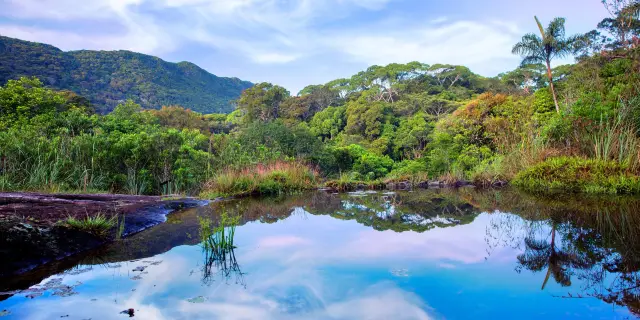
Beyond the world of gemstones and culture, Rathnapura is blessed with stunning natural landscapes.

Hike

Adam’s Peak

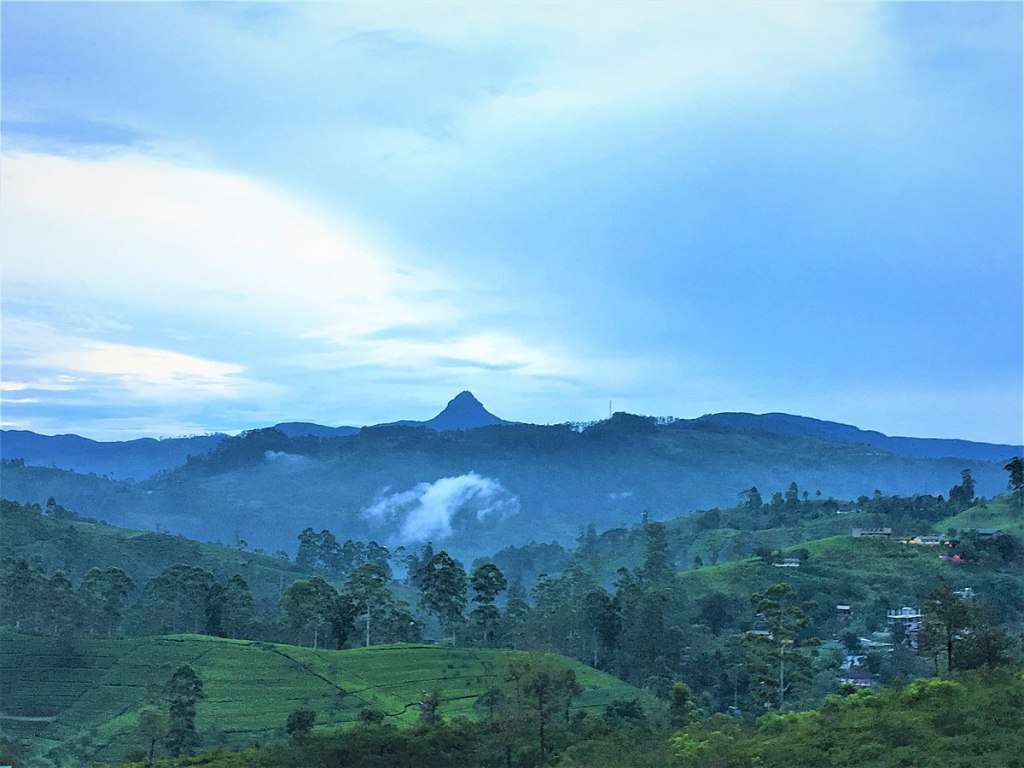
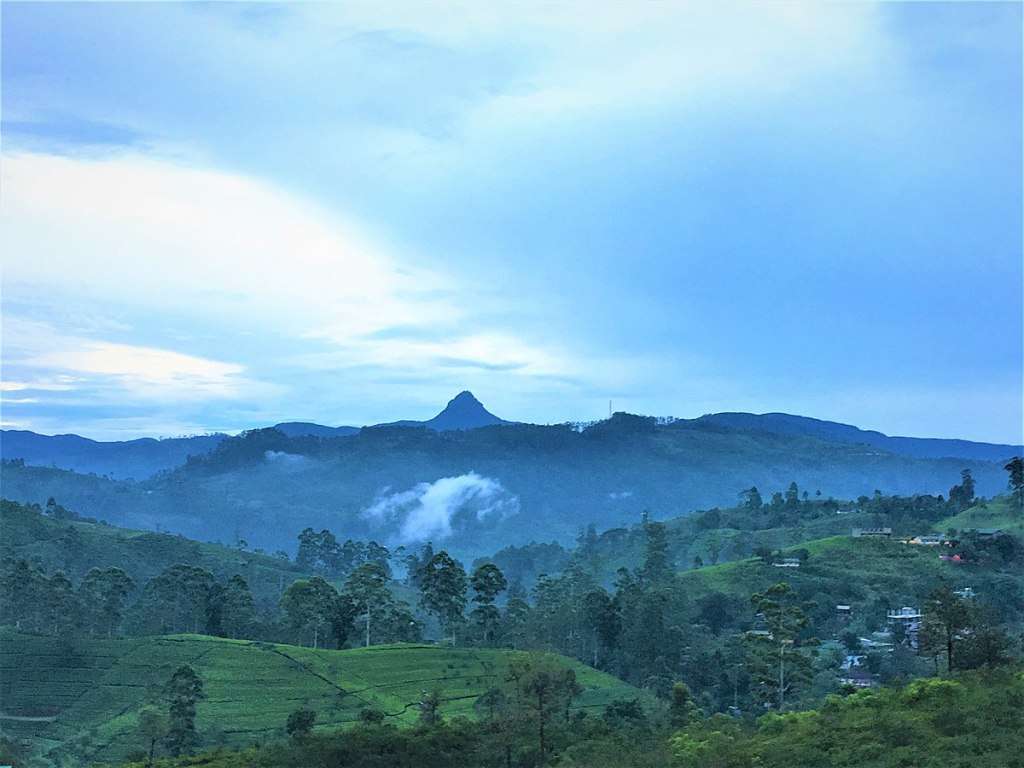
The iconic Adam’s Peak, also known as Sri Pada, is a revered pilgrimage site. It offers a breathtaking sunrise view that is worth the challenging trek to the summit.

Conclusion

In conclusion, Rathnapura is not just a city; it is a treasure trove of history, culture, and natural wonders. Its gemstone industry has made it famous, but it is the warmth of its people and the splendor of its surroundings that make it truly remarkable.

Frequently Asked Questions

  1. What makes Rathnapura’s gemstones special? Rathnapura’s gemstones are renowned for their quality and variety. The city’s rich geological deposits have given rise to exquisite rubies, sapphires, and more.
  2. How can I visit Rathnapura’s gem markets? Rathnapura’s gem markets are open to the public. You can visit them during regular business hours and explore the dazzling array of gemstones on display.
  3. Are there guided tours available in Rathnapura? Yes, Rathnapura offers guided tours that provide insights into the gemstone industry, cultural heritage, and natural attractions of the city.
  4. What is the best time to visit Rathnapura? The best time to visit Rathnapura is during the dry season, from December to April, when the weather is pleasant and outdoor activities are more enjoyable.
  5. Can I purchase gemstones in Rathnapura and take them home? Yes, you can purchase gemstones in Rathnapura, but it’s essential to follow legal procedures and ensure that you are buying from reputable sources to avoid any issues when taking them home.

SHARE

The Best Guide to Visit the Sri Lankan National Museum

SHARE

Sri Lankan National Museum

Sri Lankan National Museum

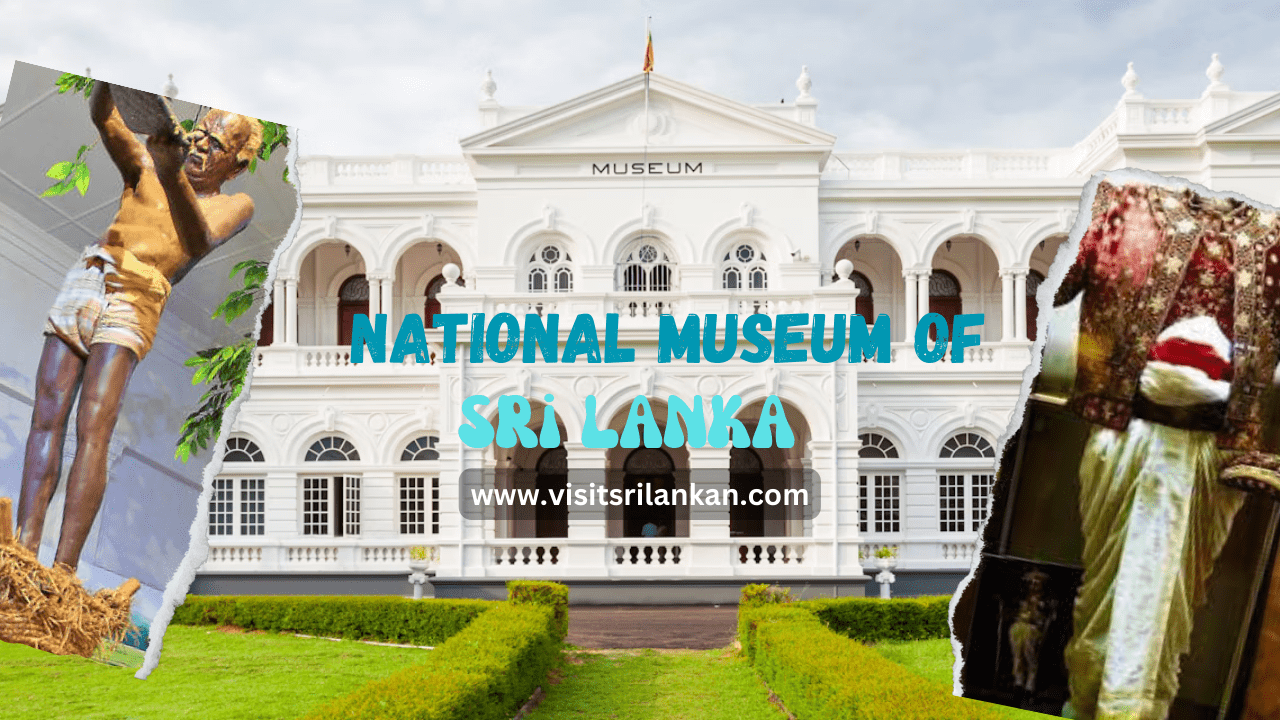
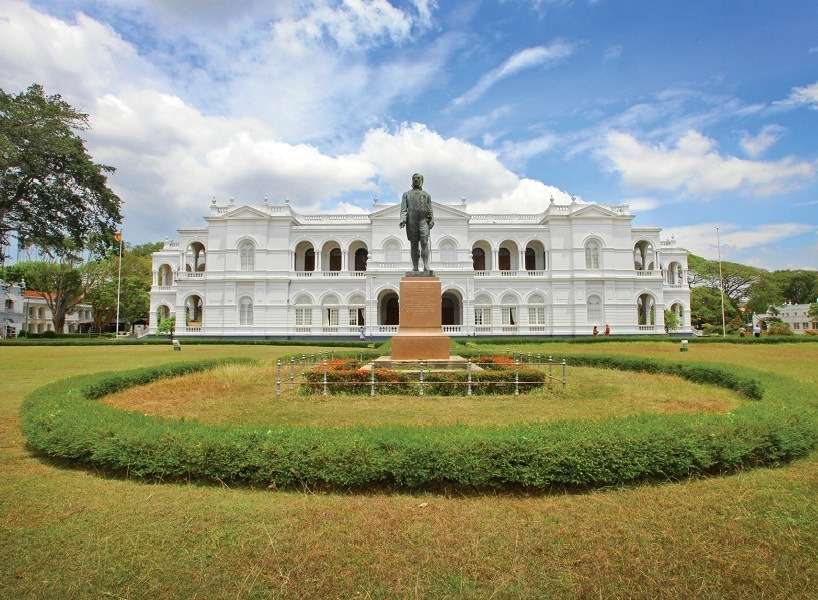
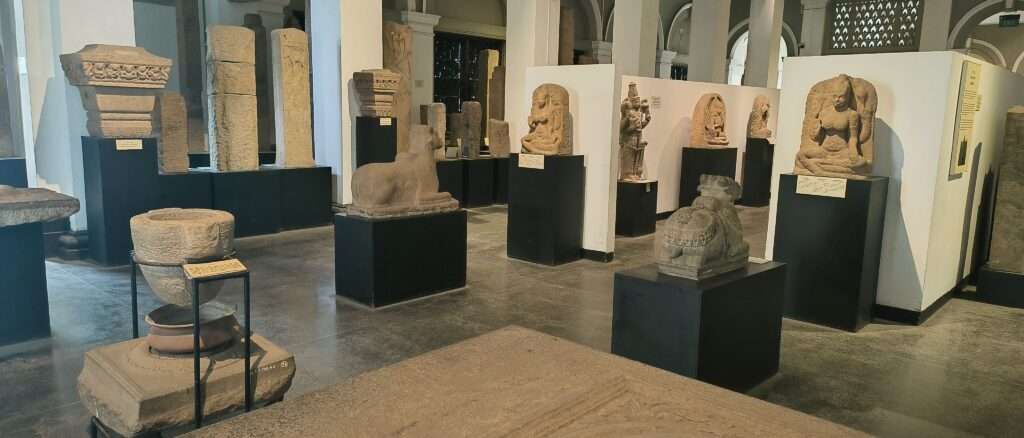
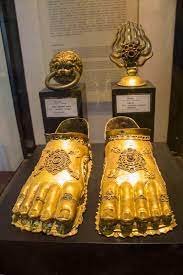
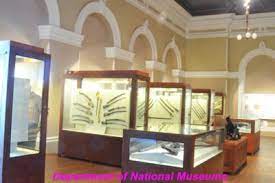
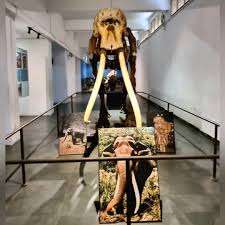
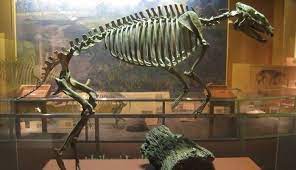
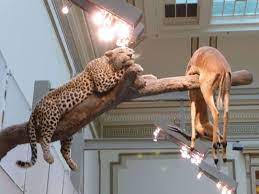
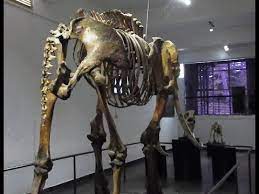
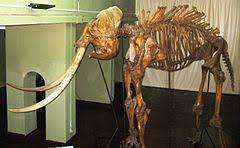
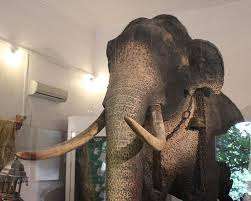
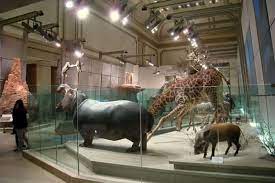
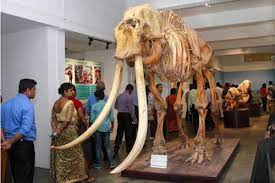
The Sri Lankan National Museum stands as a testament to the island nation’s rich and diverse cultural heritage. Nestled in the heart of Colombo, the capital city, this museum serves as a treasure trove of historical artifacts, art pieces, and archaeological wonders that provide a captivating glimpse into Sri Lanka’s past. In this article, we’ll take an enchanting journey through the halls of the National Museum, uncovering its significance, key exhibits, and the stories they tell.

After exploring the rich history at the Sri Lanka National Museum, visitors can enjoy a peaceful walk in Viharamahadevi Park, visit the sacred Gangaramaya Temple, learn about the nation’s history at Independence Memorial Hall, relax at Galle Face Green, or explore the vibrant Colombo Fort. For more information about Sri Lanka and its attractions, visit the Sri Lanka Tourism Board and for visa and travel requirements, check the Sri Lanka Immigration & Visa Services

1. Introduction

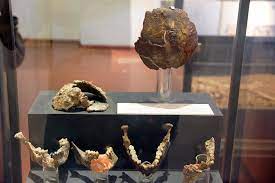
The National Museum of Sri Lanka, founded in 1877, holds the distinction of being the oldest museum in the country. Its impressive collection offers visitors an opportunity to journey through time and witness the evolution of Sri Lankan culture, art, and history.

Sri Lankan National Museum

2. A Glimpse into History of Sri Lankan National Museum

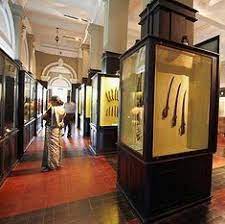
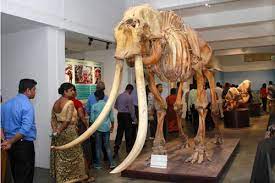
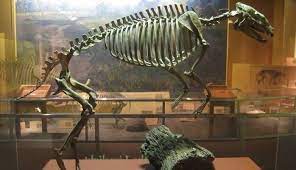
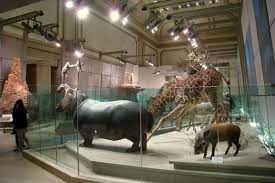
Stepping into the museum is like stepping back in time. The vast corridors are adorned with relics that span millennia, showcasing the island’s remarkable journey from prehistoric times to the modern era.

3. Architectural Marvel of the Museum

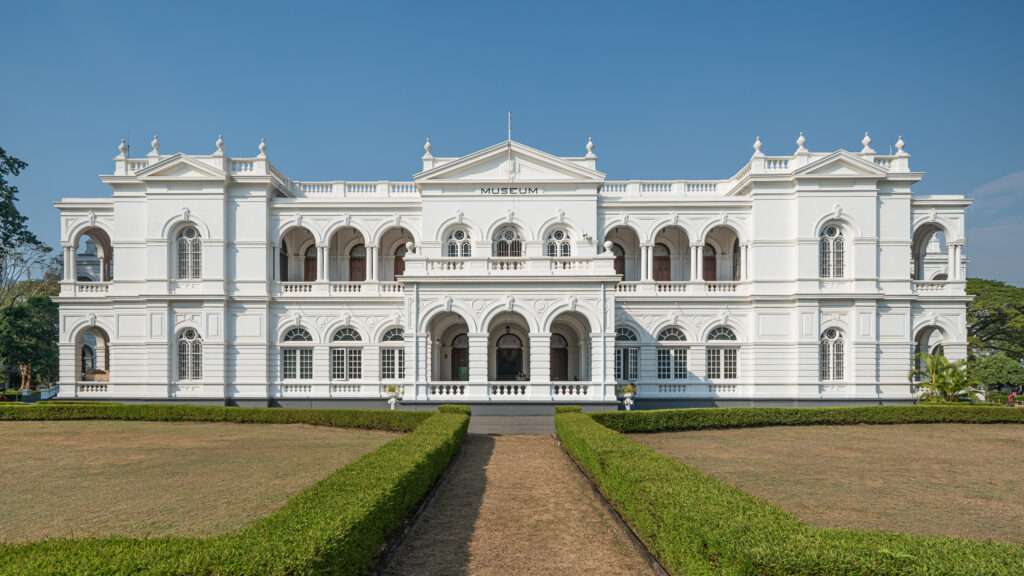
The museum’s architecture is an attraction in itself, blending colonial and traditional elements. The stately facade welcomes visitors, hinting at the treasures that lie within.

Sri Lankan National Museum

4. Exquisite Artifacts on Display

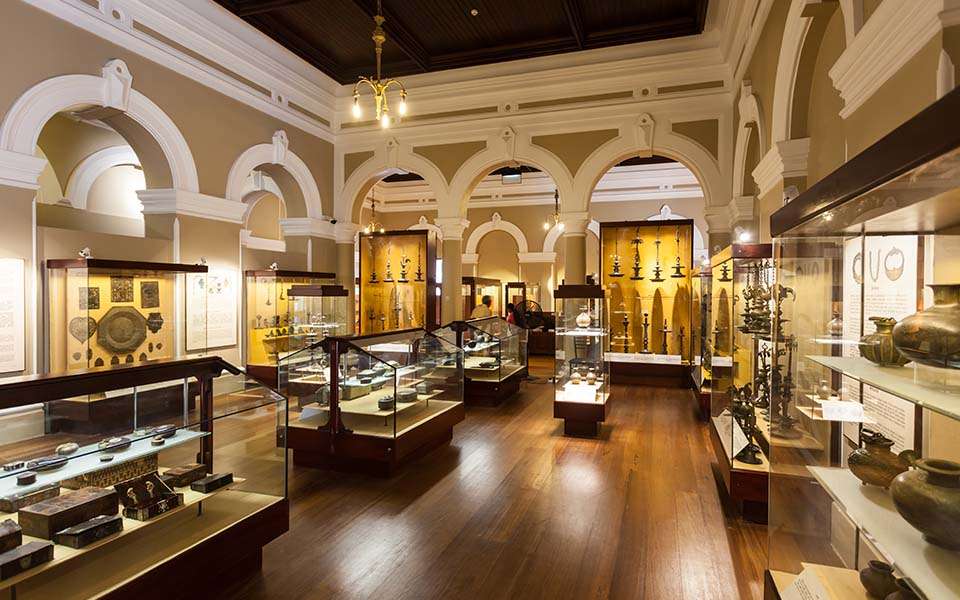
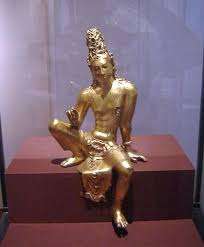
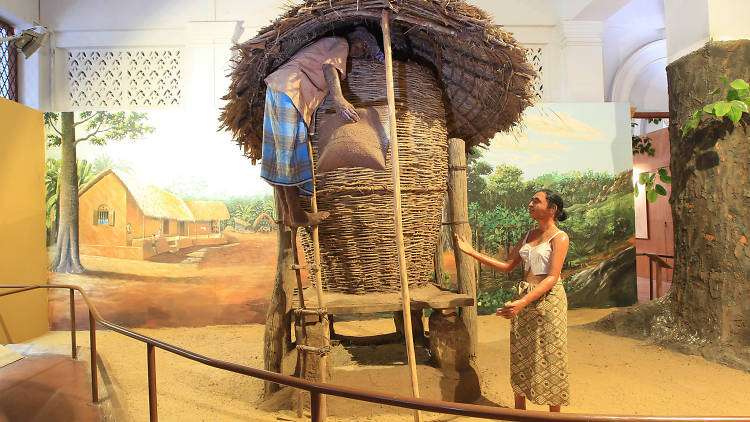
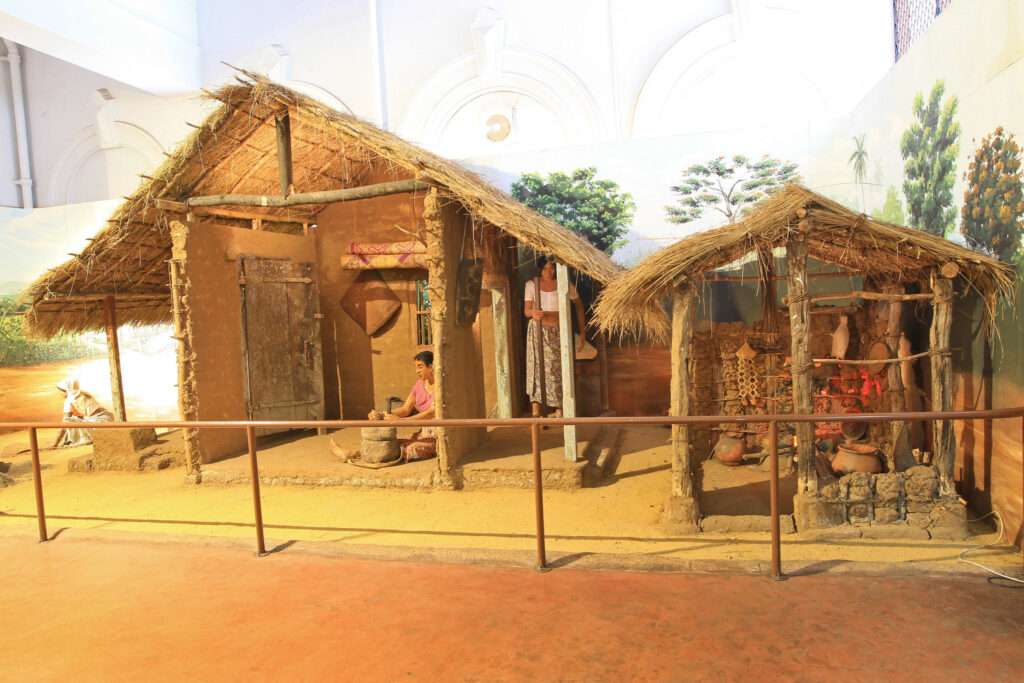
Each exhibit hall within the museum is a trove of exquisite artifacts. Intricately carved sculptures, delicate pottery, and ancient manuscripts offer a glimpse into the artistic prowess of generations past.

Sri Lankan National Museum

5. Buddhist Heritage Collection at Sri Lankan National Museum

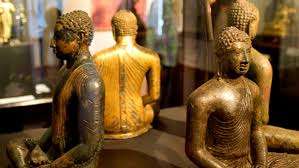
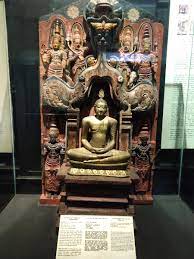
Sri Lanka’s rich Buddhist heritage takes center stage with a dedicated collection of artifacts. Statues, relics, and paintings narrate the story of Buddhism’s profound influence on the island.

6. Ancient Kingdoms and Monarchies

The rise and fall of ancient kingdoms are beautifully depicted through artifacts that depict royal life, governance, and cultural practices.

7. Numismatic Treasures in Sri Lankan National Museum

The museum boasts an impressive collection of coins and currency notes, showcasing the evolution of trade, economy, and craftsmanship over centuries.
8. Colonial Era Chronicles

The colonial period comes to life through exhibits that detail the interactions between Sri Lanka and colonial powers, shedding light on a complex historical era.

9. Cultural Diversity and Ethnographic Displays

Sri Lanka’s vibrant cultural diversity is celebrated through ethnographic displays that highlight the traditions, rituals, and lifestyles of various communities.
Sri Lankan National Museum

10. Textiles and Traditional Costumes in Sri Lankan National Museum
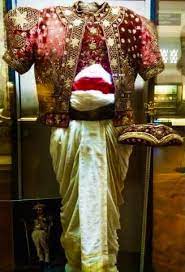
The elegance of Sri Lankan attire unfolds through a range of textiles and traditional costumes, reflecting the island’s deep-rooted fashion heritage.

11. Folk Art and Traditional Crafts

The creativity and craftsmanship of local artisans are showcased through folk art and traditional crafts, offering insights into everyday life throughout history.

12. Sri Lankan Theatre and Music

The museum also pays homage to the performing arts, with exhibits that delve into the captivating world of Sri Lankan theatre, music, and dance.

13. Preserving Maritime History

Given its strategic location, maritime history is a crucial part of Sri Lanka’s story. The museum’s maritime exhibit explores the nation’s seafaring heritage.

14. Modern and Contemporary Art at Sri Lankan National Museum

The journey through history culminates in a celebration of modern and contemporary art, reflecting the island’s evolution into the 21st century.

15. Educational Programs and Outreach

The National Museum is not only a repository of artifacts but also a center of learning. It hosts educational programs, workshops, and lectures to engage visitors of all ages.
16. Conclusion

The National Museum of Sri Lanka stands as a custodian of the nation’s heritage, offering a captivating journey through time, culture, and art. It serves as a reminder of the island’s rich and diverse past, shaping its present and future.

17. FAQs

  1. What are the museum’s opening hours? The museum is open from 9:00 AM to 6:00 PM every day except on public holidays.

  2. Is photography allowed inside the museum? Yes, photography is allowed, but without flash.
  3. Are guided tours available for visitors? Absolutely! The museum offers guided tours that provide in-depth insights into the exhibits.
  4. Is there an entrance fee for visitors? Yes, there’s a nominal entrance fee for visitors, with discounted rates for students and seniors.
  5. Can I purchase souvenirs at the museum? Of course! The museum has a gift shop where you can find a variety of souvenirs and cultural items.

SHARE

Asia’s Best Birds Park & Birds Research Center | Hambantota

SHARE

Asia’s Best Birds Park & Birds Research Center | Hambantota

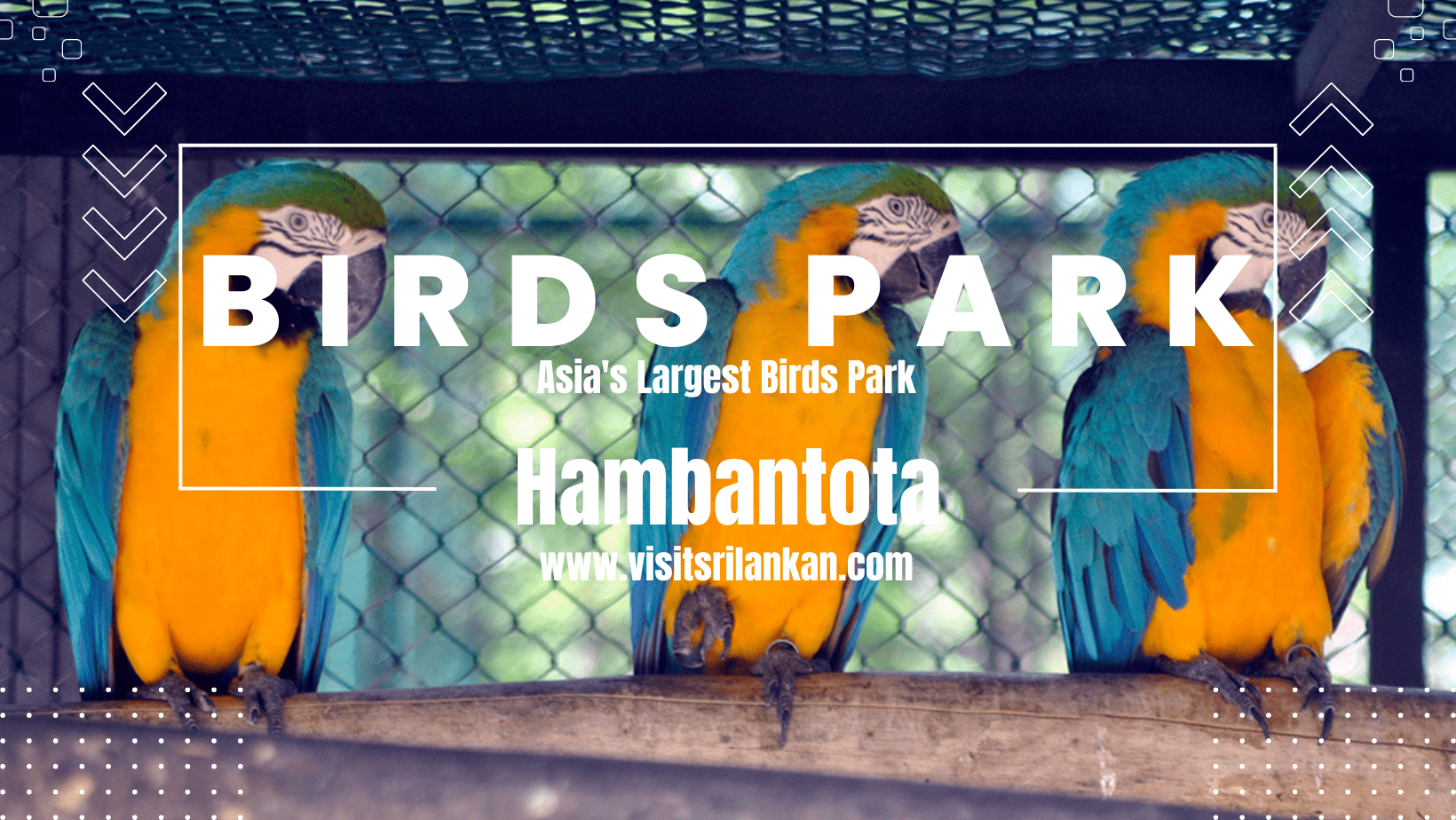
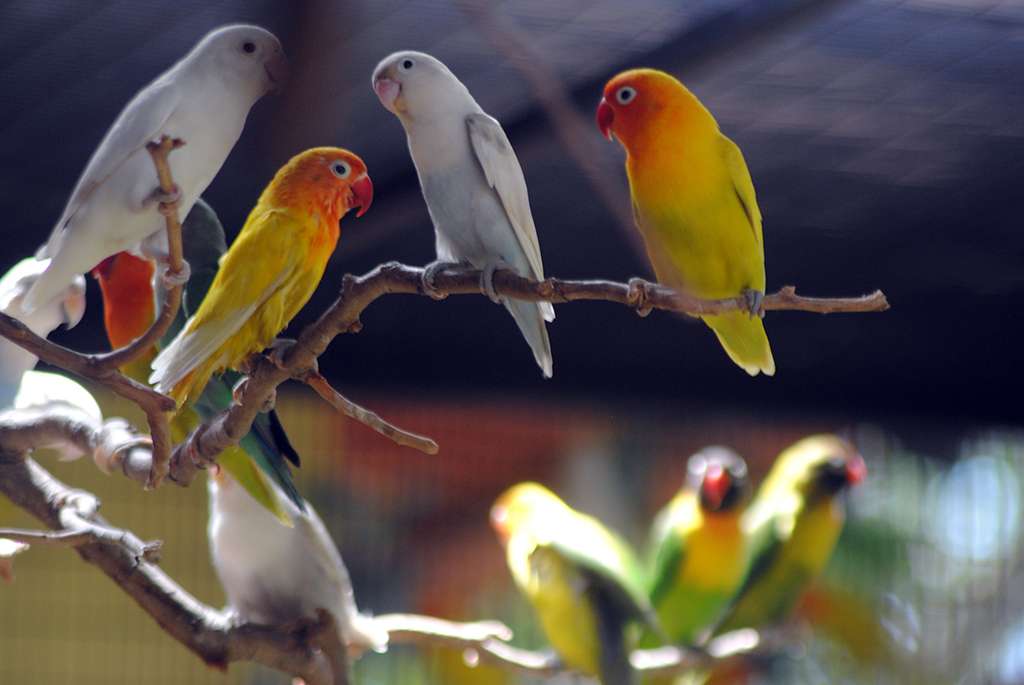
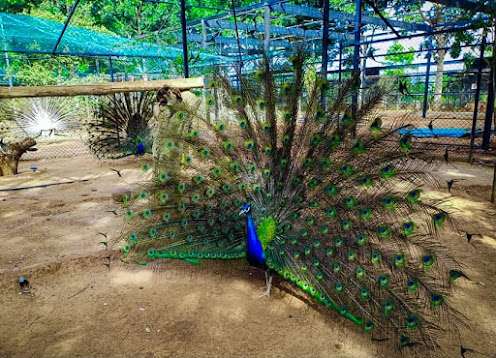
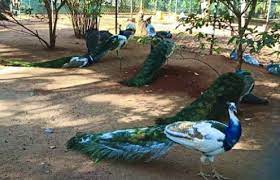
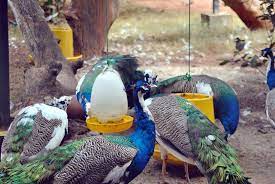
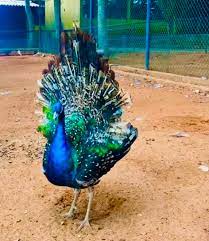
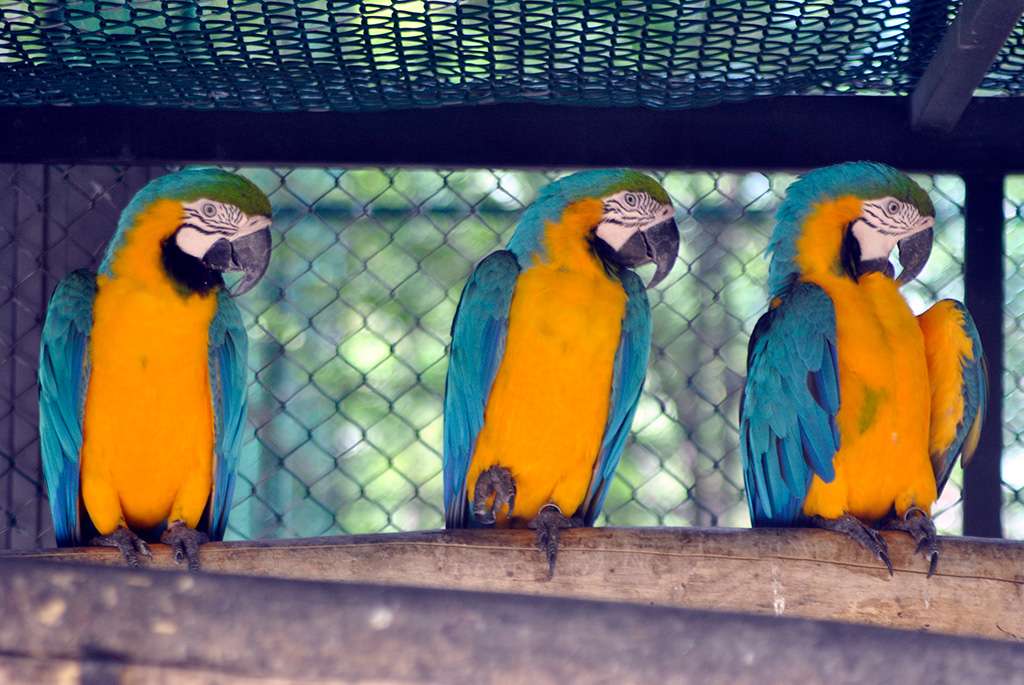
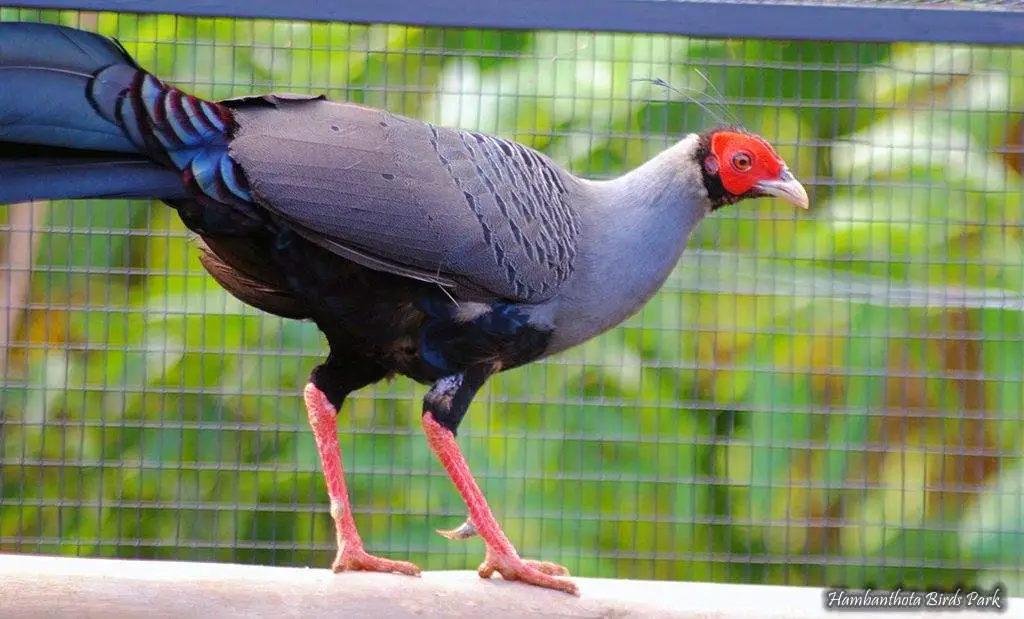
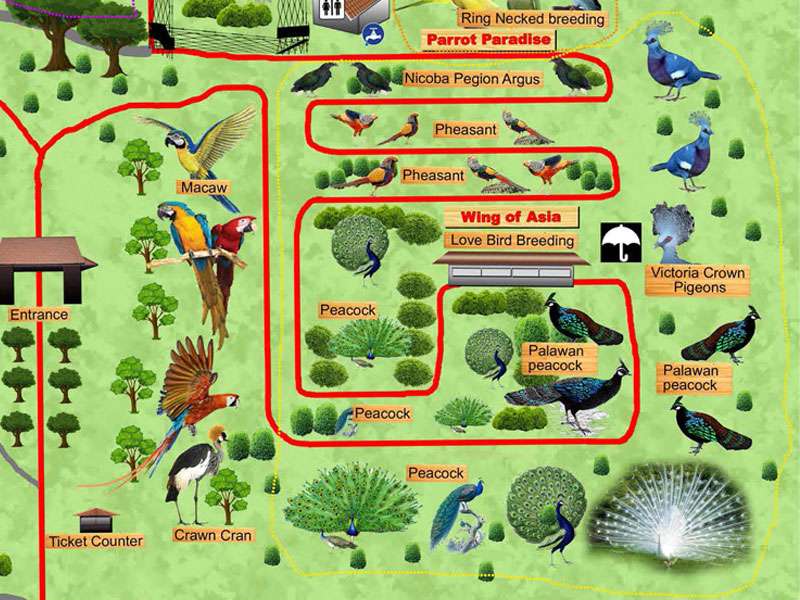
Nestled in the heart of the picturesque city of Hambantota, Sri Lanka, lies a hidden gem that appeals to nature enthusiasts and bird lovers alike – the Hambantota Birds Park. This sprawling avian haven boasts a diverse range of species, lush landscapes, and immersive experiences that allow visitors to connect with the world of birds in ways they never thought possible. This is the largest Birds park in Asia.

After exploring the diverse avian species at Hambantota Birds Park, visitors can venture to nearby Bundala National Park, renowned for its migratory waterfowl; Kumana National Park, a haven for bird enthusiasts; or Handana Birds Park, located in the central highlands, offering a unique bird-watching experience. For more information about Sri Lanka and its attractions, visit the Sri Lanka Tourism Board and for visa and travel requirements, check the Sri Lanka Immigration & Visa Services

hambantota-birds-park

A Natural Paradise for Feathered Friends -Hambantota Birds Park

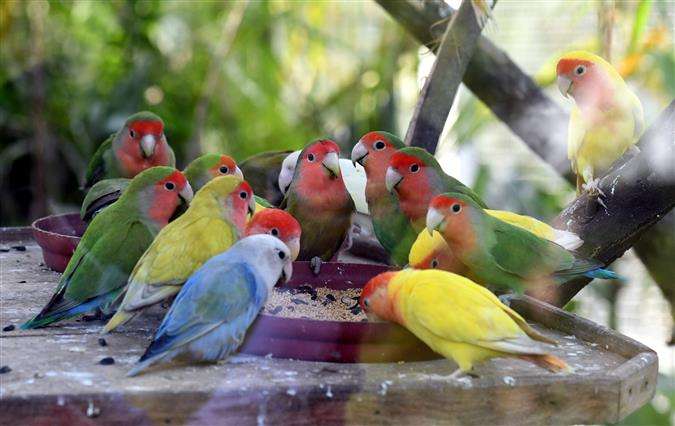
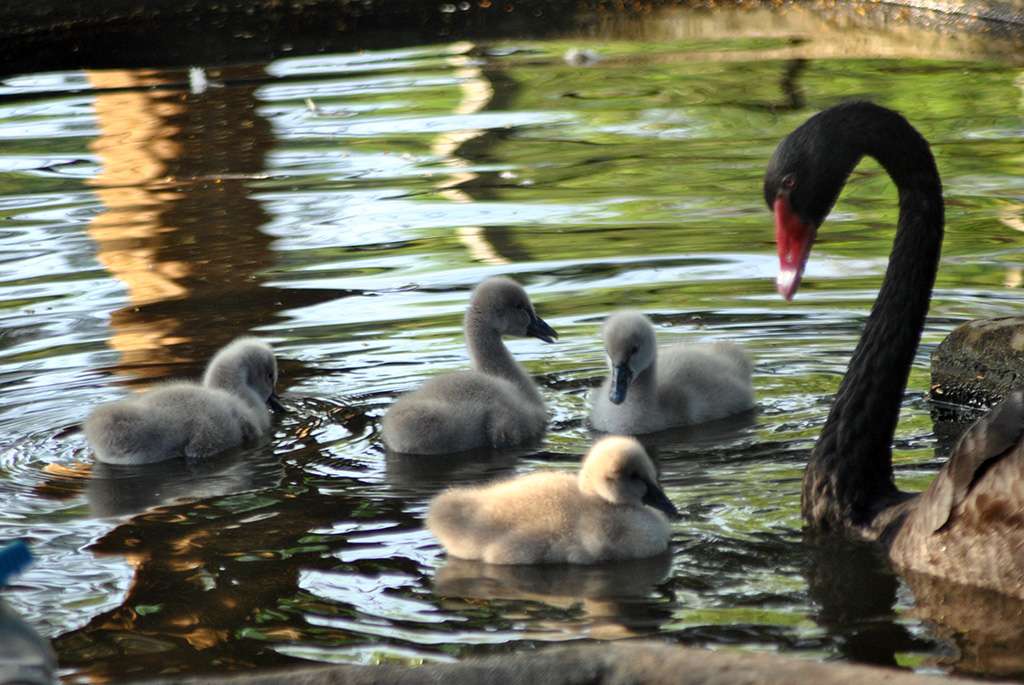
Hambantota Birds Park isn’t just another wildlife attraction; it’s a sanctuary for birds and a testament to the wonders of nature. With its sprawling landscapes and carefully curated habitats, the park offers a glimpse into the lives of numerous avian species, both native and exotic.

Getting Acquainted with Hambantota Birds Park

Nestled against the backdrop of lush greenery and tranquil water bodies, the Hambantota Birds Park welcomes visitors with open arms. The well-designed pathways and signage make navigation a breeze, ensuring that guests can explore the park at their own pace.

Exploring the Avian Biodiversity – Hambantota Birds Park

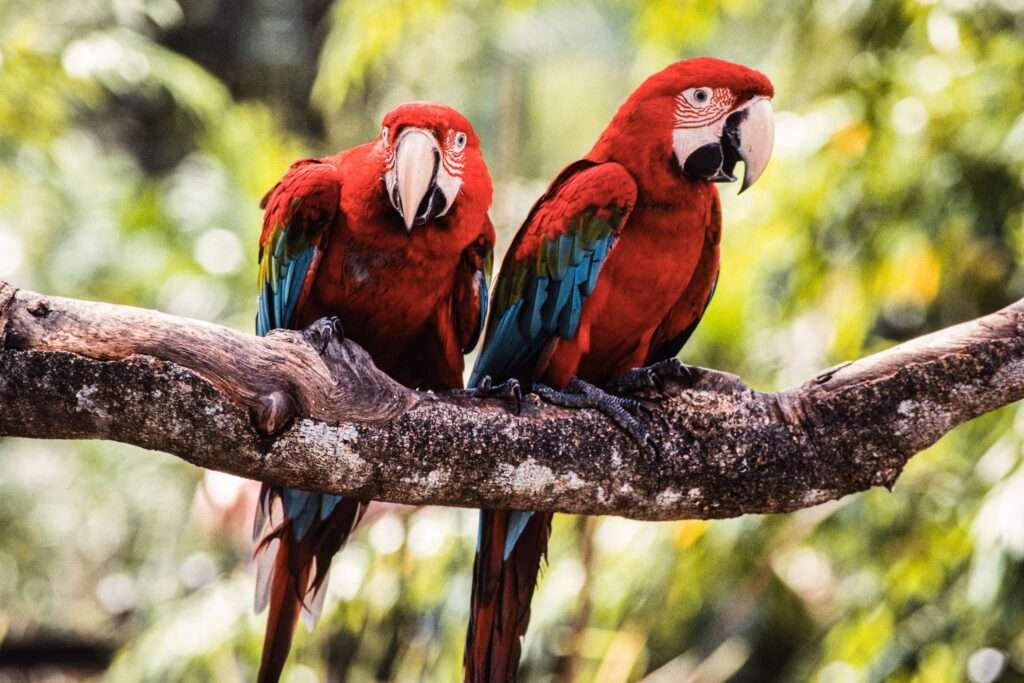
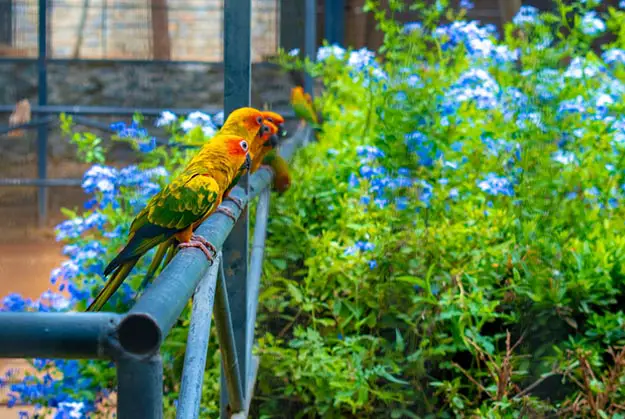
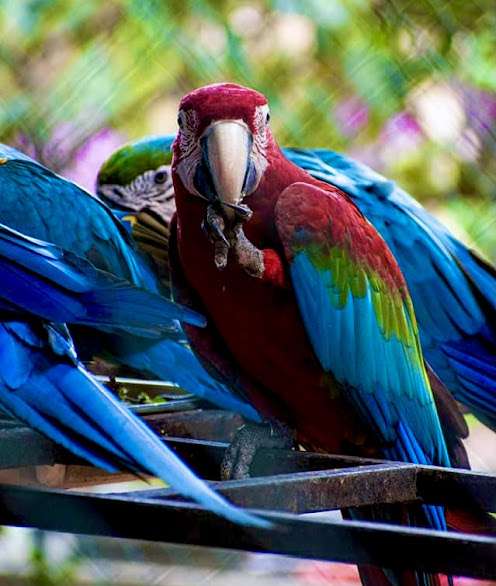
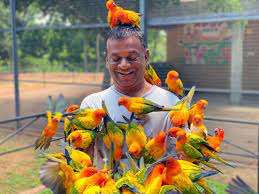
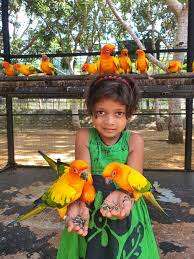
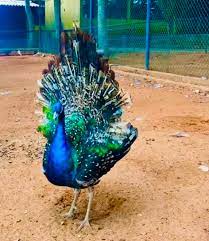
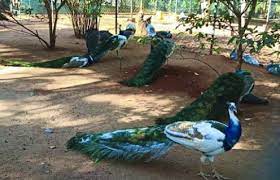
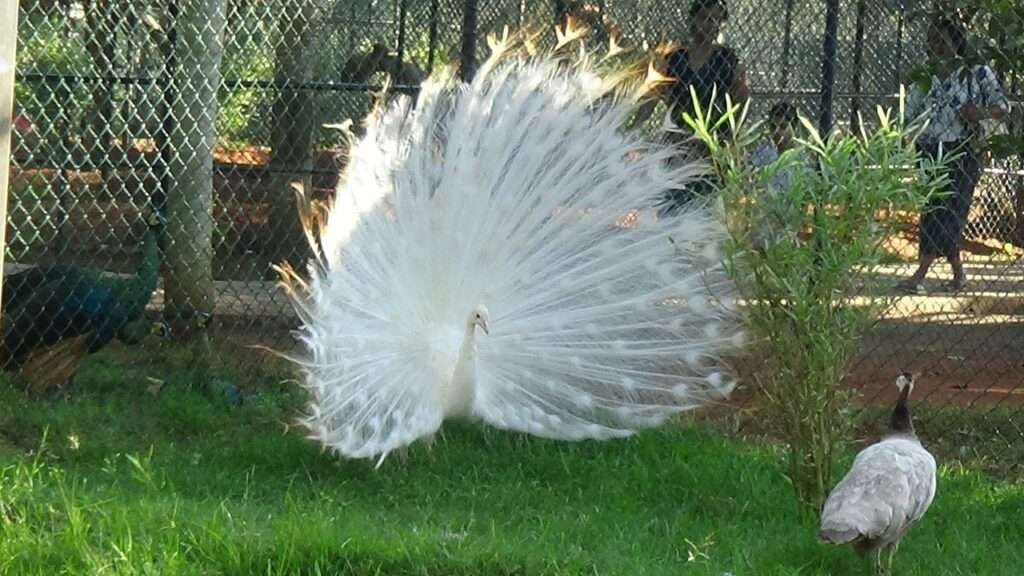
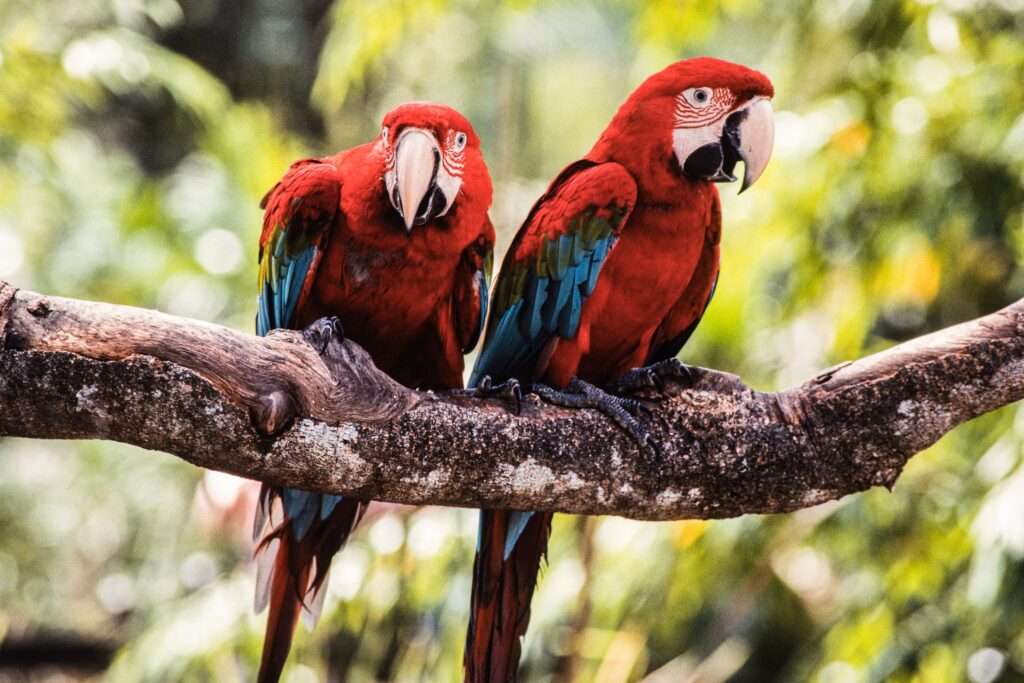
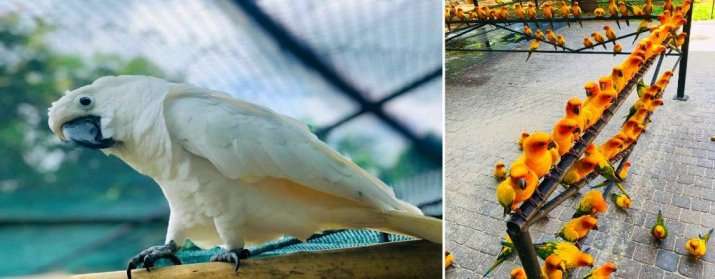
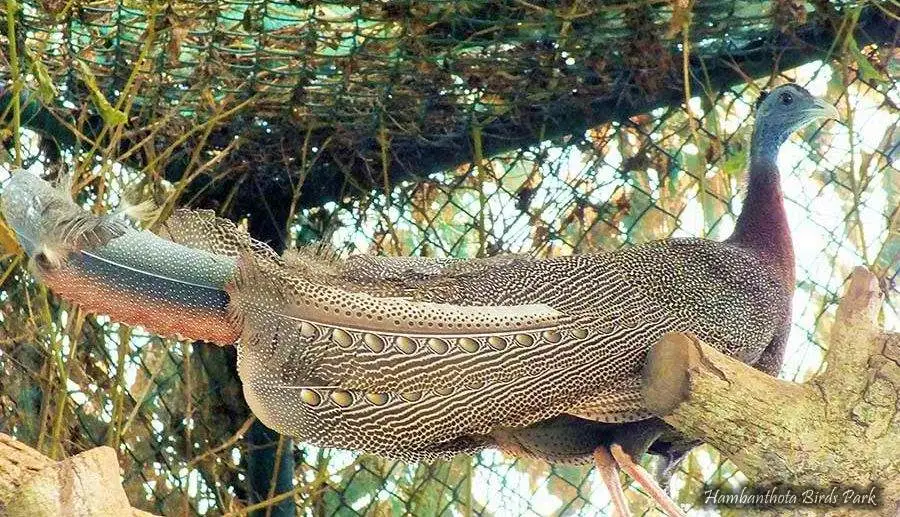
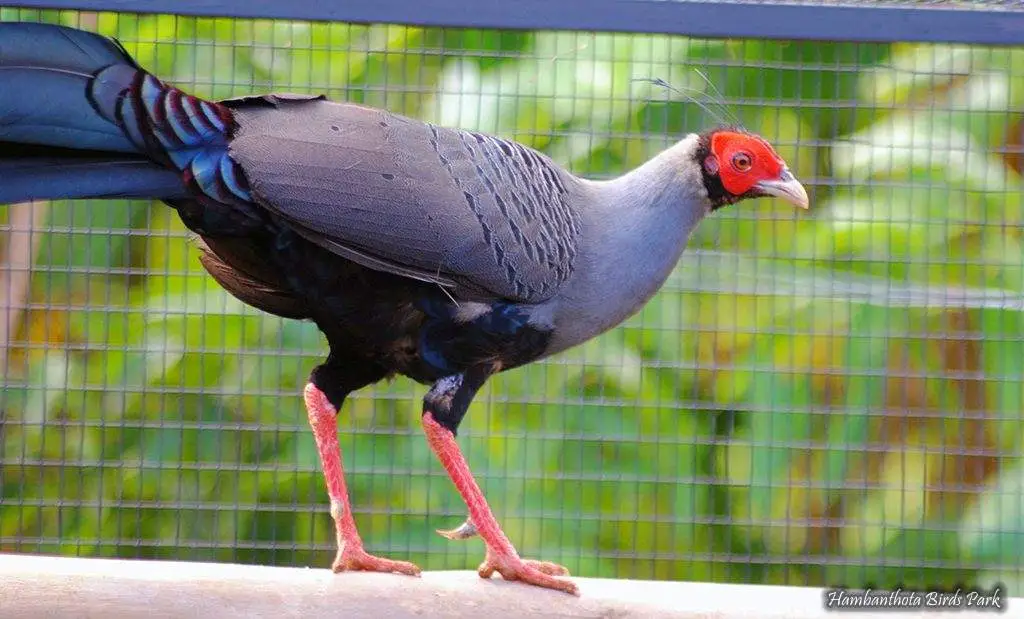
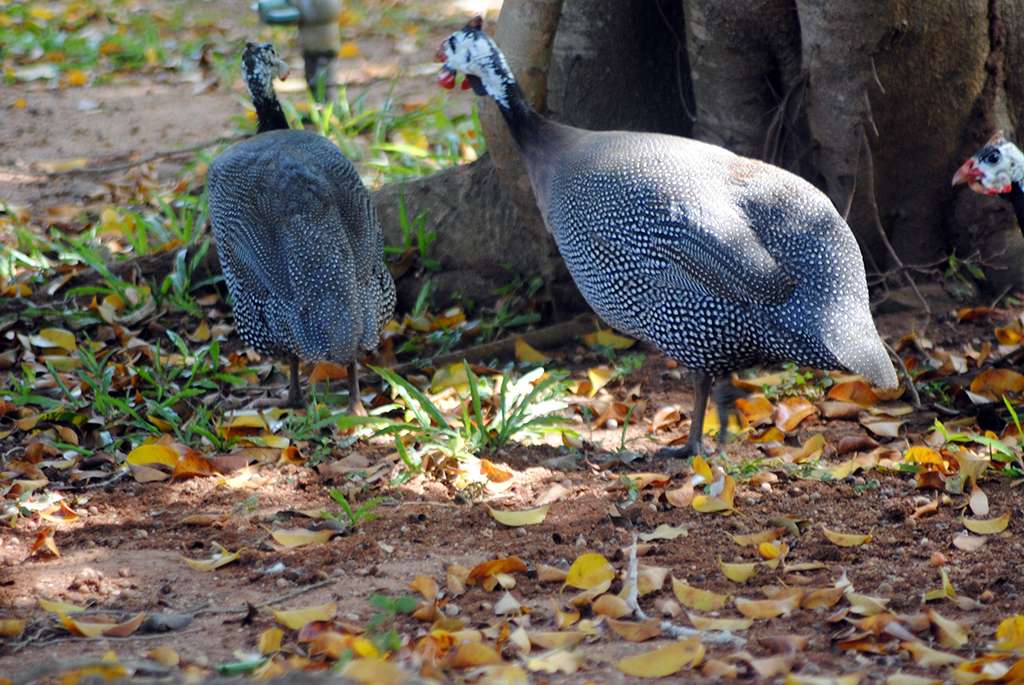
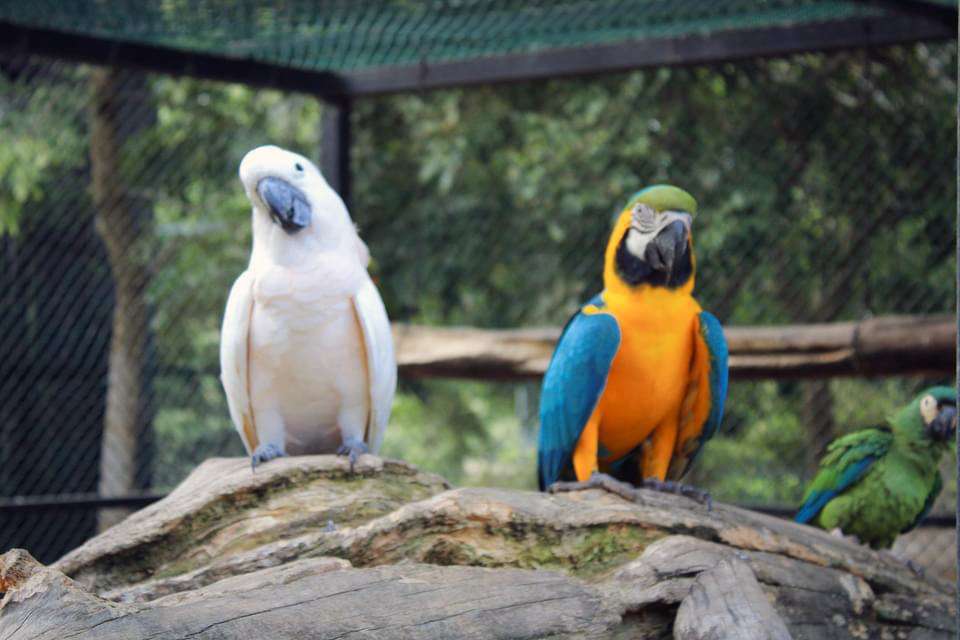
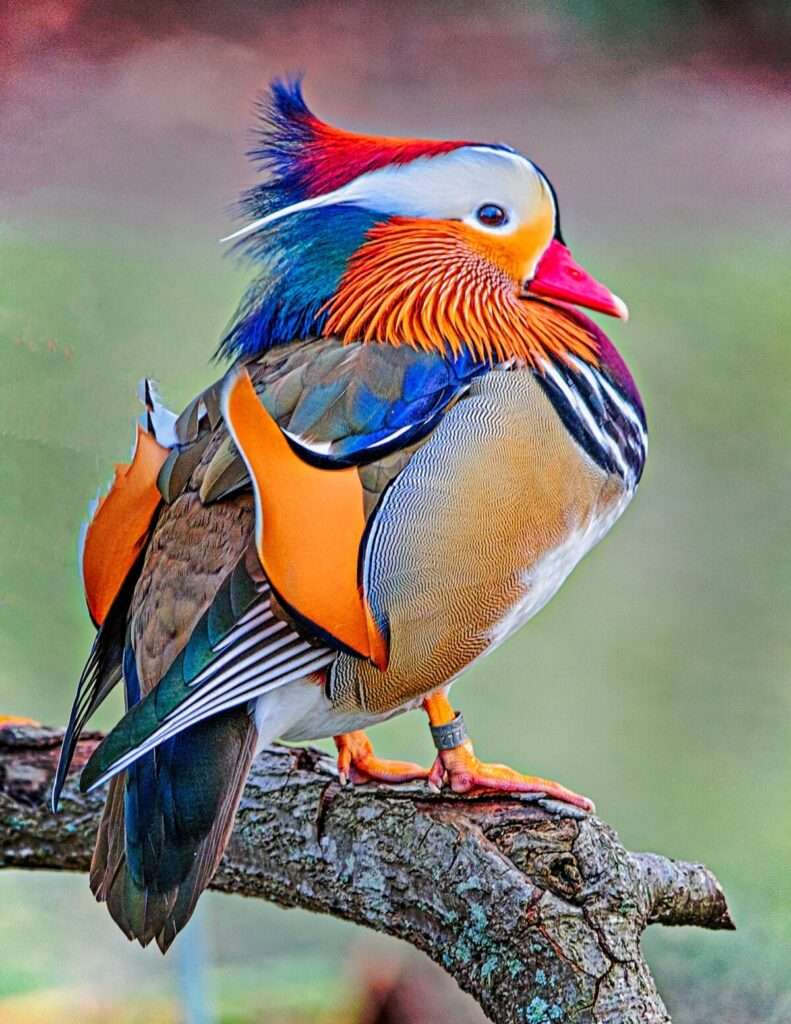
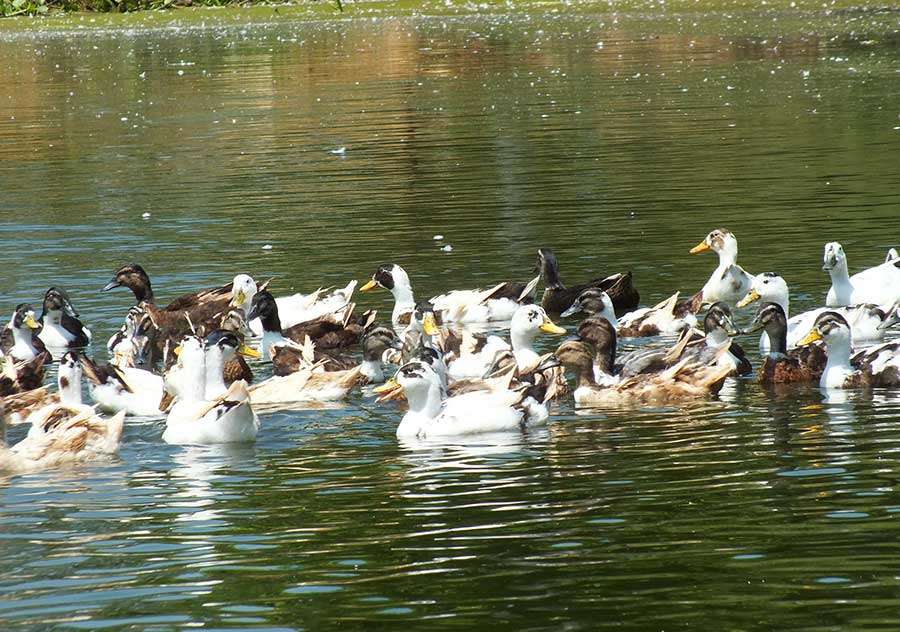
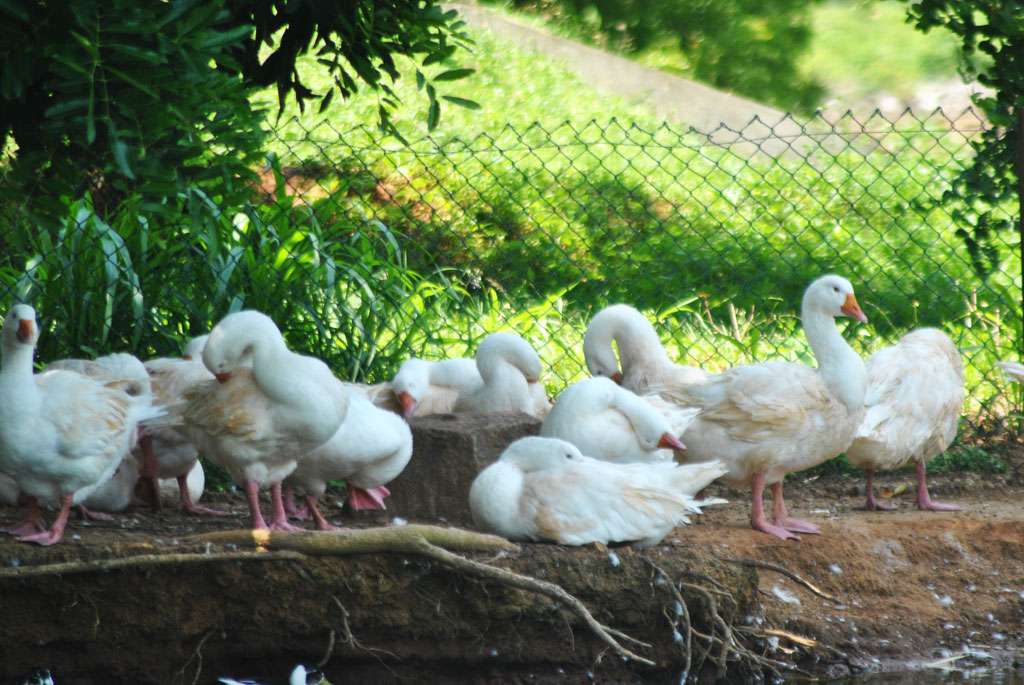
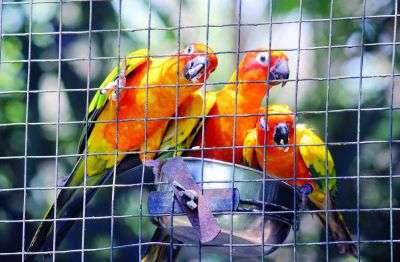
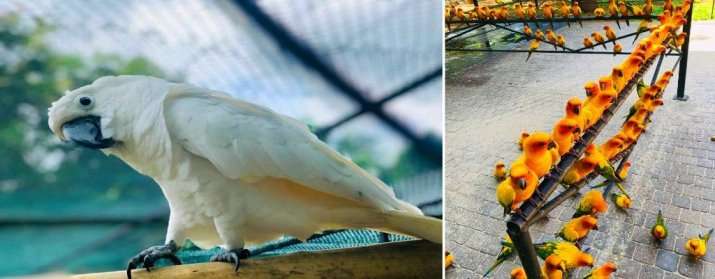
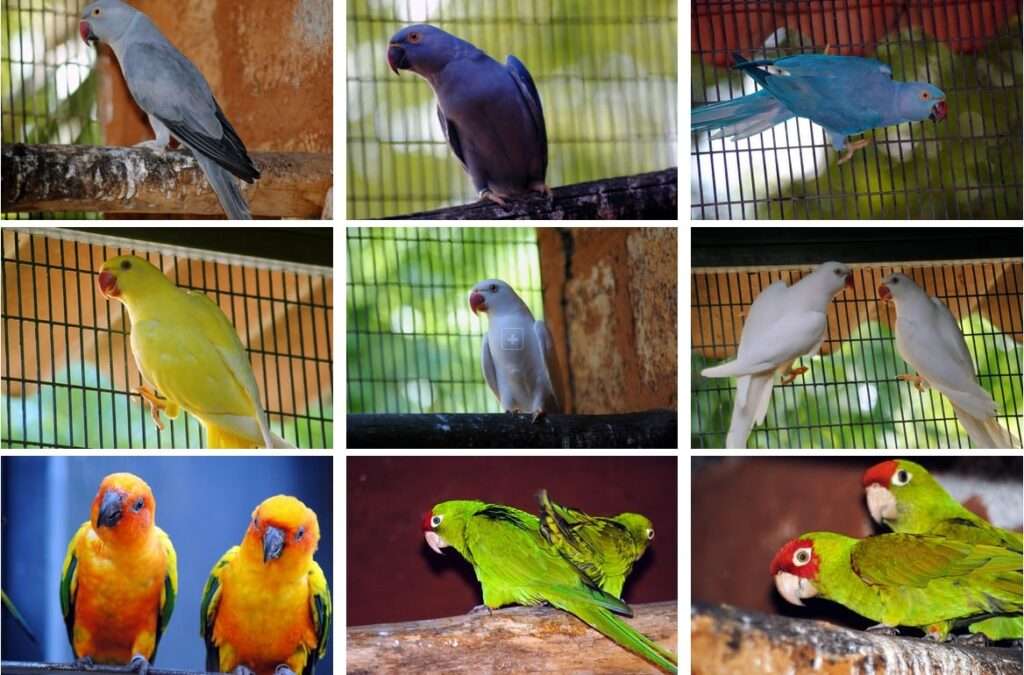
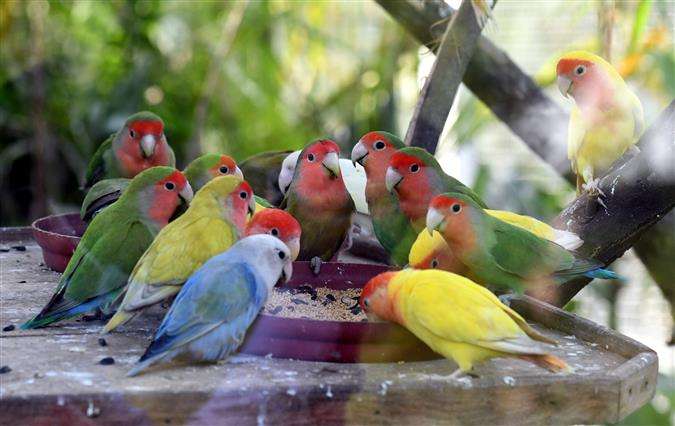
From vibrantly colored parrots to majestic birds of prey, the park is home to an impressive variety of feathered residents. Visitors can marvel at the kaleidoscope of colors, observe unique behaviors, and even spot some rare and endangered species.

Interactive Exhibits: Learning While Having Fun at Hambantota Birds Park

Education takes center stage at Hambantota Birds Park. Interactive exhibits provide fascinating insights into avian adaptations, migration patterns, and the importance of bird conservation. These exhibits engage visitors of all ages, making learning about birds an enjoyable experience.

Feeding Sessions: A Close Encounter with Nature

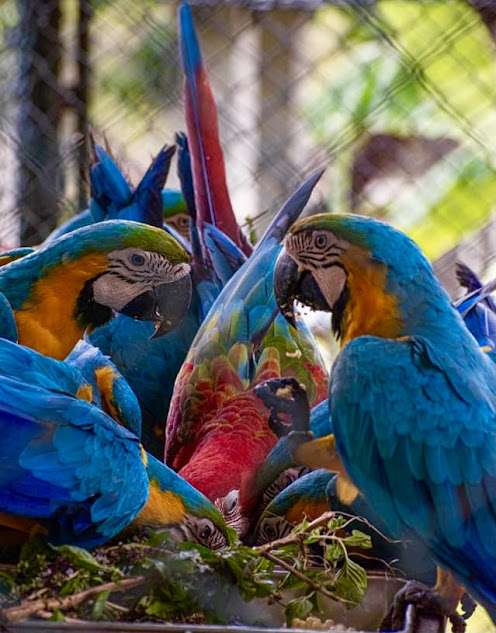
One of the park’s highlights is the scheduled feeding sessions. Witnessing the birds as they gather for their meals is a sight to behold. Visitors have the opportunity to observe the birds up close and learn about their dietary habits and preferences from knowledgeable staff members.

The Art of Conservation: Protecting Endangered Species

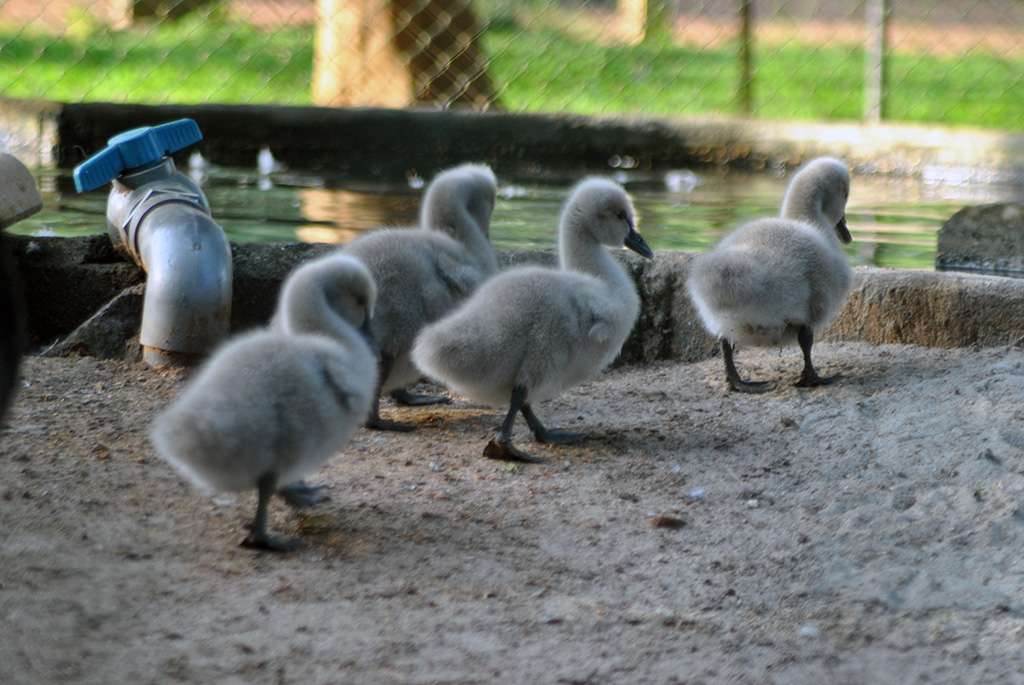
Hambantota Birds Park goes beyond being a recreational space. It plays a vital role in avian conservation efforts. The park actively participates in breeding programs for endangered species, contributing to their preservation and eventual reintroduction into the wild.

Capturing Memories: Photography Tips and Tricks

For photography enthusiasts, the park offers endless opportunities to capture stunning shots of birds in their natural habitats. From intricate plumage details to in-flight action shots, the park’s serene ambiance and well-placed photo stations cater to photographers of all levels.

Relaxation Amidst Nature: Picnic Areas and Gardens

The park isn’t just about birds – it’s a haven for relaxation. Scenic picnic areas, tranquil gardens, and shaded walkways provide the perfect settings for families, couples, and individuals to unwind and immerse themselves in the serenity of nature.

The Flamingo Lagoon: A Pink Spectacle

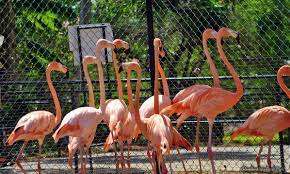
Among the many attractions, the Flamingo Lagoon stands out as a breathtaking spectacle. The graceful dance of pink flamingos against the backdrop of shimmering water is a sight that leaves an indelible mark on visitors.

Aviary Design and Landscaping

The park’s aviaries are meticulously designed to mirror the natural habitats of the birds. The landscaping not only enhances the visual appeal but also creates a harmonious environment where birds can thrive and guests can feel connected to nature.

Shop for a Cause: Souvenirs and Gifts

Visitors can extend their support for bird conservation by shopping at the park’s gift store. From handcrafted souvenirs to eco-friendly merchandise, every purchase contributes to the park’s mission of protecting avian species and their habitats.

Visiting Practicalities: Location and Timings

Hambantota Birds Park is conveniently located within the city, making it easily accessible for both locals and tourists. The park’s timings are designed to accommodate early morning and late afternoon visits, ensuring a comfortable experience even in tropical climates.

Ticket Prices and Guided Tours

Admission prices are affordable, with special rates for children, students, and groups. Guided tours led by knowledgeable experts offer deeper insights into the park’s conservation efforts, making them an excellent choice for those seeking a more enriching experience.

Plan Your Visit: Tips for an Enjoyable Experience

To make the most of your visit, consider bringing a pair of binoculars, wearing comfortable clothing and footwear, and carrying a refillable water bottle. Don’t forget your camera to capture the stunning moments you’ll encounter.

Conclusion: Embracing the Wonders of Hambantota Birds Park

Hambantota Birds Park is more than just a place to observe birds; it’s an immersive journey into the world of avian wonders. Through interactive experiences, conservation efforts, and the sheer beauty of nature, the park invites visitors to reconnect with the environment and appreciate the marvels of feathered creatures.

hambantota-birds-park

FAQs

1. Can I bring my own food to the park for a picnic? Yes, you’re welcome to bring your own food and have a picnic in the designated areas.

2. Are there any special discounts for senior citizens? Yes, senior citizens can enjoy discounted admission rates to the park.

3. Are guided tours available in languages other than English? Currently, guided tours are primarily conducted in English, but the park is working on introducing tours in other languages as well.

4. Can I host a private event or photography session in the park? Yes, you can inquire about hosting private events or photography sessions through the park’s official website.

5. Is Hambantota Birds Park wheelchair-friendly? Absolutely, the park is designed to be accessible to all visitors, including those with mobility challenges.


SHARE

The Dowa Temple | A Unique heritage temple in Sri Lanka

SHARE

The Dowa Temple – Bandarawala

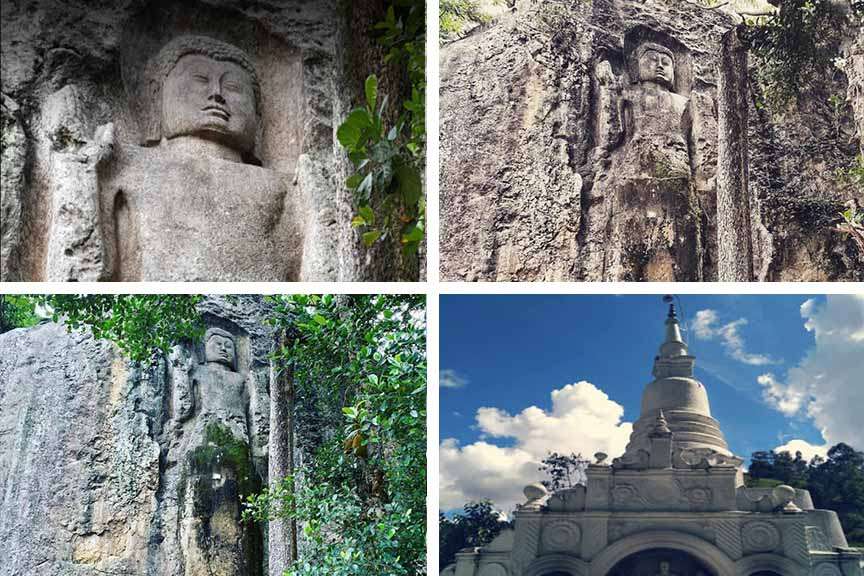
Tucked away amidst the misty hills of Bandarawela, Sri Lanka, lies a hidden gem that emanates tranquility and spiritual serenity. The Dowa Temple, with its rich history and breathtaking surroundings, is a testament to the island’s cultural and religious heritage. Join us as we delve into the captivating allure of the Dowa Temple and the captivating experiences it offers.

After exploring the historical and spiritual significance of Dowa Temple, visitors can embark on a trek to Ella Rock, marvel at the beauty of Ravana Falls, enjoy the panoramic views from Lipton’s Seat, witness the architectural wonder of the Nine Arches Bridge, or immerse themselves in nature at Handana Birds Park. For more information about Sri Lanka and its attractions, visit the Sri Lanka Tourism Board and for visa and travel requirements, check the Sri Lanka Immigration & Visa Services

Dowa Temple

Introduction: A Spiritual Oasis – Dowa Temple

Nestled amidst the lush landscapes of Bandarawela, the Dowa Temple is a haven for those seeking spiritual solace and a deep connection with history. Surrounded by mist-kissed hills and gentle breezes, this temple offers a serene escape from the bustle of modern life.

Dowa Temple

A Glimpse into History: Origins and Significance of Dowa Temple

The Dowa Temple carries a history that dates back centuries. Originally established during the Kandyan Kingdom, this temple holds deep significance for both locals and pilgrims. Its origins are steeped in folklore and legend, adding an air of mystery to its ancient walls.

Dowa Temple

Architectural Marvel: The Cave Temple

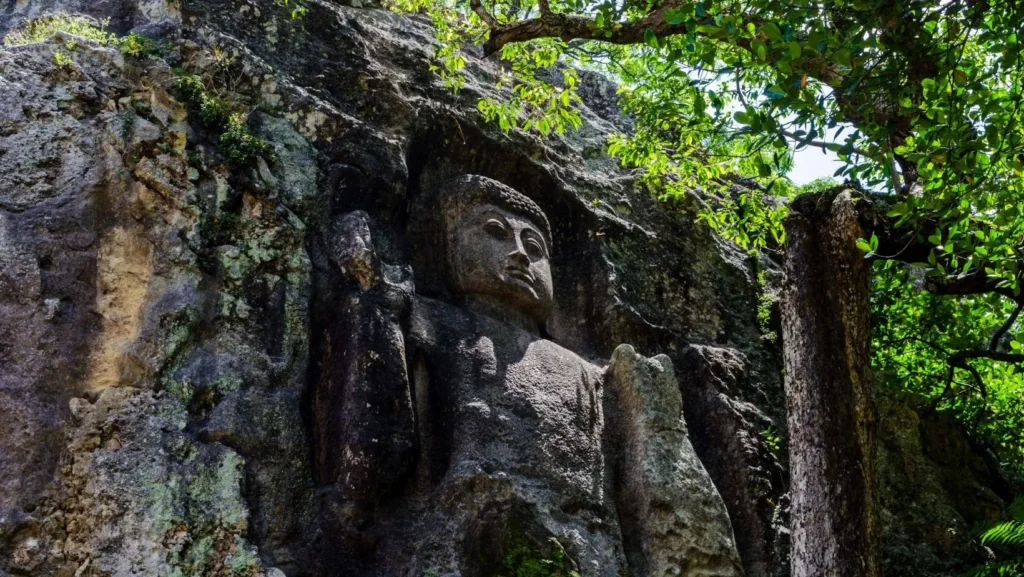
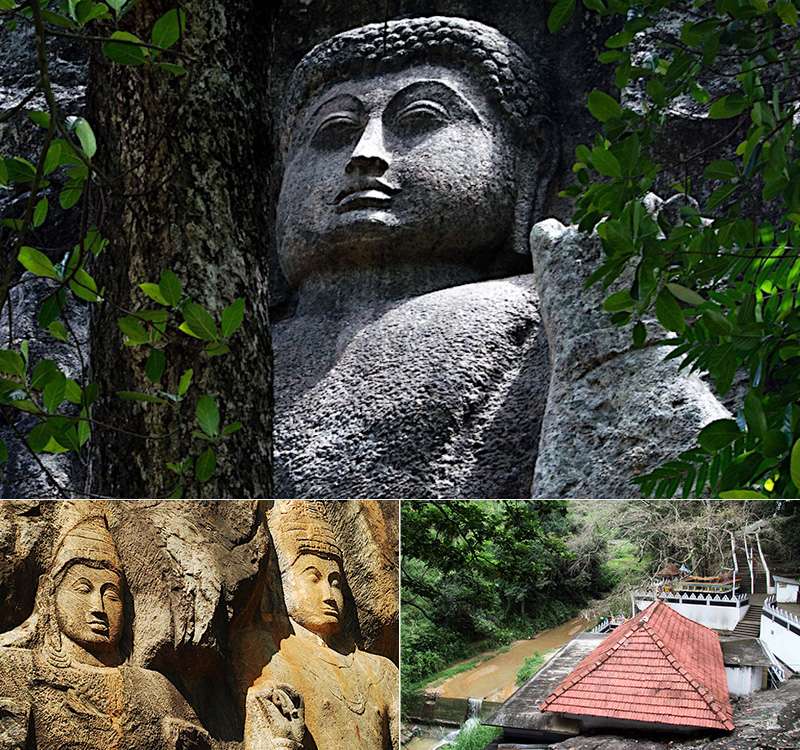
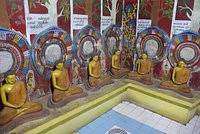
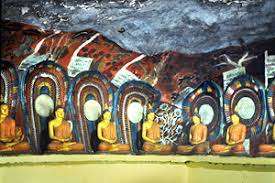
One of the most remarkable features of the Dowa Temple is its cave-like structure carved into the rock face. This architectural marvel seamlessly blends with the natural surroundings, creating a harmonious blend of human craftsmanship and nature’s beauty.

Statue of Peace: Majestic Buddha Image at Dowa Temple

At the heart of the temple’s sanctum stands a magnificent Buddha statue that exudes a sense of peace and tranquility. The statue’s sheer size and intricate detailing evoke a sense of awe, inviting visitors to pause and reflect.

Panoramic Views: Embracing Natural Beauty

Perched atop a hill, the Dowa Temple offers panoramic views of the rolling hills, mist-shrouded valleys, and lush greenery. The temple’s vantage point provides a serene setting to soak in the beauty of nature, making it a photographer’s paradise.

Religious Practices: A Hub of Devotion

The temple is a hub of religious activities, drawing devotees and curious visitors alike. The rhythmic chanting of prayers, the lighting of oil lamps, and the fragrance of incense create an atmosphere of devotion that resonates deep within.

Festivals and Celebrations: Vibrant Cultural Gatherings at Dowa Temple

The Dowa Temple comes alive during festivals and celebrations. Vibrant processions, traditional dances, and intricate decorations turn the temple grounds into a colorful spectacle, offering a glimpse into the heart of Sri Lankan culture.

Rejuvenating Mind and Soul: Meditation and Retreats

For those seeking to find inner peace, the Dowa Temple offers meditation retreats. Surrounded by nature’s tranquility, these retreats provide a serene environment for self-discovery and reflection.

Dowa Temple

Exploring the Surroundings: Nature Walks and Beyond the Dowa Temple

Beyond the temple, the surrounding area beckons with its scenic trails and nature walks. Embark on a journey to discover hidden waterfalls, tea plantations, and the unique flora and fauna that call this region home.

Preserving the Past: Temple Conservation Efforts

Efforts are underway to preserve the historical and cultural heritage of the Dowa Temple. Conservation initiatives ensure that this sacred site continues to inspire generations to come.

How to Reach: Accessible Routes

The Dowa Temple is accessible from various points within Bandarawela. Whether you choose to drive or take a leisurely stroll through the charming streets, reaching the temple is an adventure in itself.

Visitor Information: Timings and Guidelines

Before visiting, it’s advisable to familiarize yourself with the temple’s timings and guidelines. Respecting local customs and traditions enhances the experience for both visitors and the temple’s regular devotees.

Conclusion: A Journey of Inner Harmony

The Dowa Temple in Bandarawela isn’t just a physical place; it’s a journey into the depths of one’s soul. Surrounded by nature’s beauty and steeped in history, this temple offers an opportunity to find inner harmony and connect with the essence of Sri Lanka’s spiritual legacy.

FAQs

  1. Is there an entrance fee to visit the Dowa Temple? The temple typically does not charge an entrance fee, but donations for maintenance are appreciated.
  2. Are visitors allowed to take photographs within the temple premises? Yes, photography is generally allowed, but it’s important to be respectful of the surroundings and fellow visitors.
  3. Can visitors participate in the temple’s religious practices? While visitors are welcome to observe and experience the temple’s practices, it’s advisable to do so with reverence and understanding.
  4. Are there any nearby attractions to explore after visiting the temple? Absolutely! Bandarawela and its surroundings offer various attractions, including tea estates, waterfalls, and scenic viewpoints.
  5. Are there any accommodations available near the Dowa Temple? Bandarawela offers a range of accommodations to suit different preferences and budgets, ensuring a comfortable stay for visitors.

SHARE
Verified by MonsterInsights