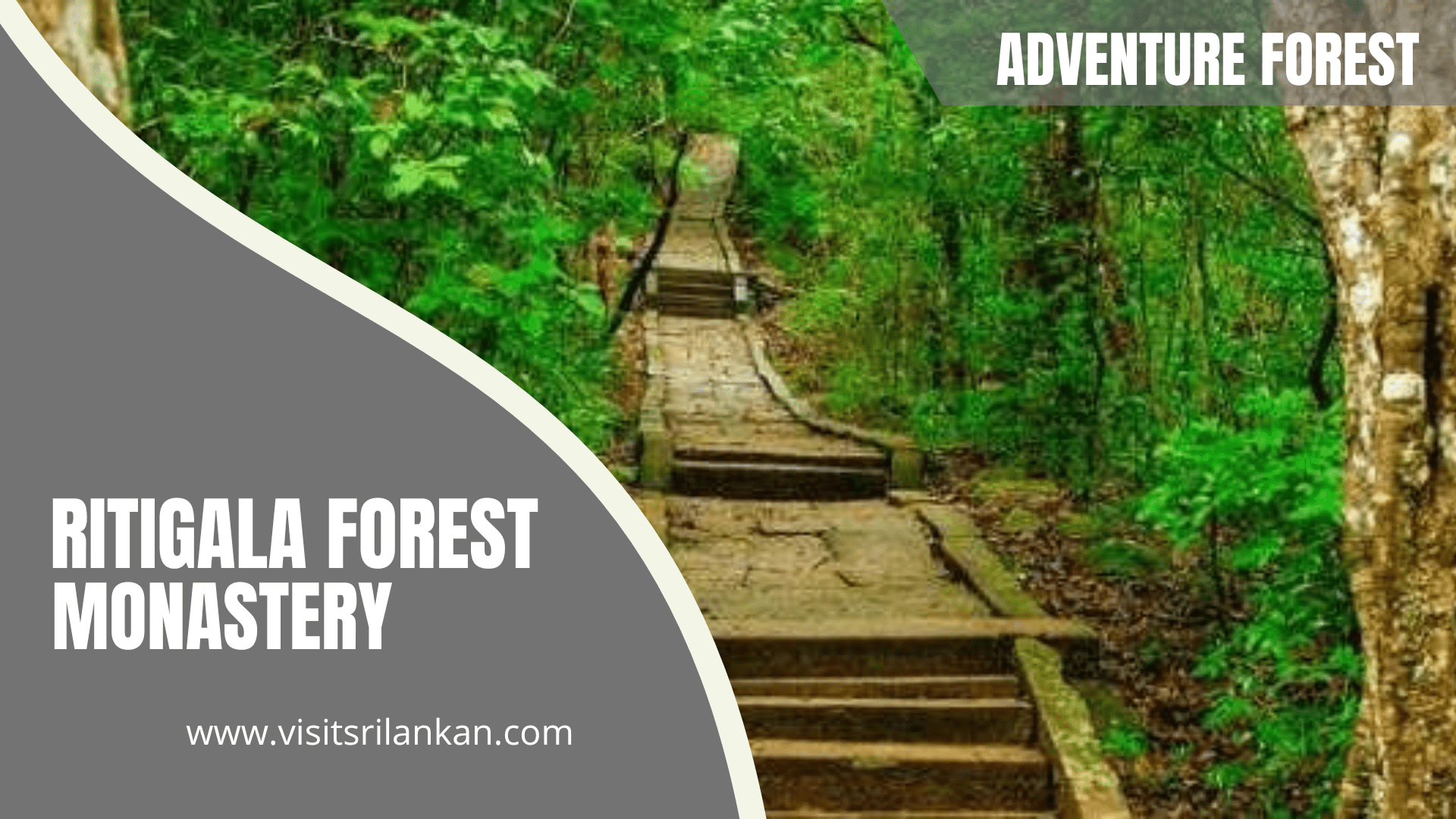
Ritigala Forest Monastery – Ascetics in the Wilderness

Introduction

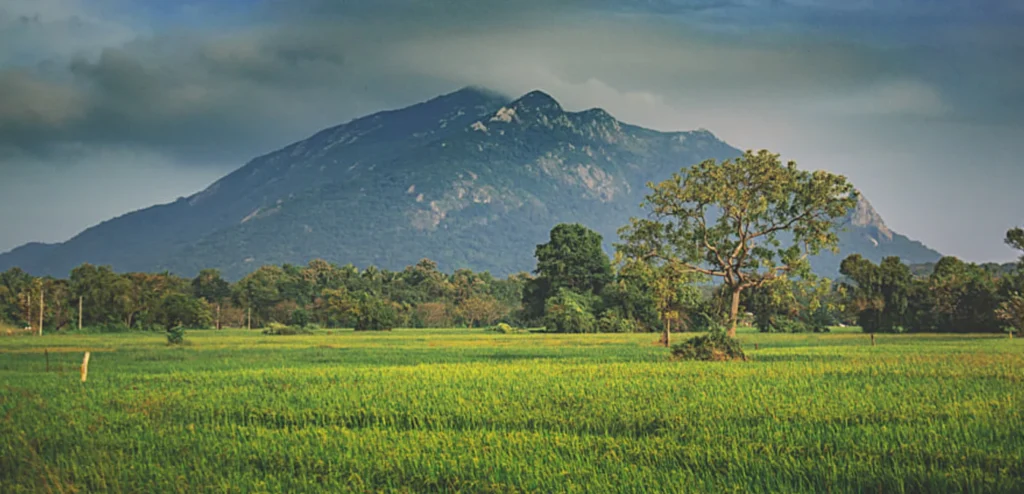
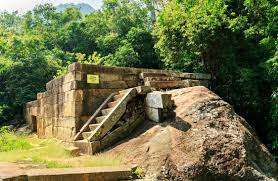
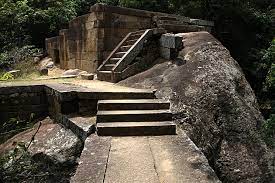
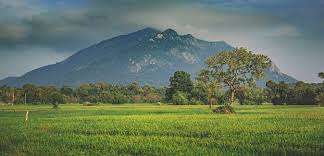
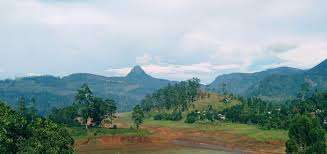
Nestled amidst the lush greenery of Sri Lanka, the Ritigala Forest Monastery stands as a majestic testament to ancient Buddhist heritage. This secluded sanctuary, enveloped by the serene Ritigala mountain range, has captured the imagination of countless visitors for centuries. In this article, we delve into the mystical charm of the Ritigala Forest Monastery, exploring its history, architecture, and significance in the Buddhist world.

Unveiling the Enigma: The Legend of Ritigala

The first whispers of Ritigala’s existence date back to the ancient chronicles of Sri Lanka. Legend has it that the monastery traces its roots to the time of Lord Buddha himself, who, during his third visit to the island, blessed this land with his divine presence. As the story goes, a fragment of the Buddha’s skull bone was enshrined here, making Ritigala a sacred place of veneration.

The Archaeological Wonder: Ritigala’s Layout and Architecture

1. The Lost City within the Forest

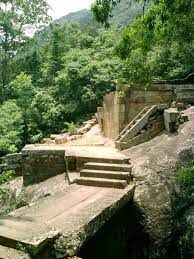
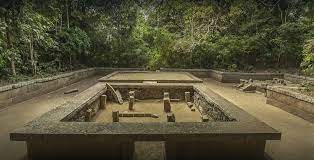
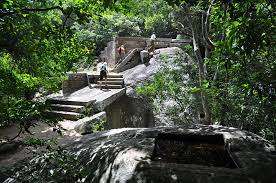
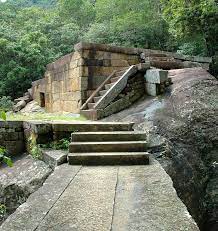
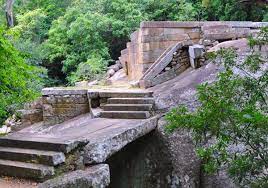
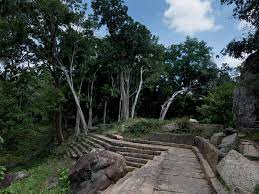
Ritigala Forest Monastery spans a vast area of approximately 24 square kilometers, boasting a complex network of pathways, stairways, and buildings. This ancient monastic city lay hidden amidst the dense forest for centuries, gradually revealing its archaeological wonders to modern-day explorers.

2. The Terrace Complex

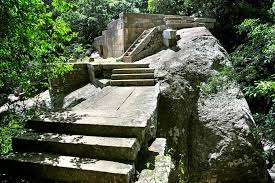
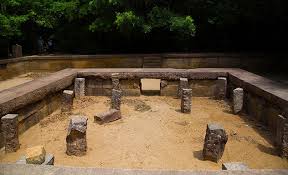
One of the most striking features of Ritigala is its unique terrace complex. This series of terraces, aligned with remarkable precision, once hosted meditation cells and other monastic structures. The layout showcases a remarkable understanding of ancient architecture and town planning.

3. The Meditation Ponds

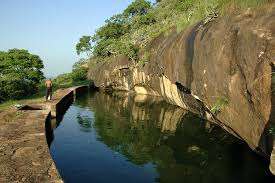
Scattered throughout the monastery, the meditation ponds offer a glimpse into the spiritual practices of the monks who once resided here. These reservoirs served both as water sources and serene spots for meditation and contemplation.

4. The Stone Inscriptions

Steeped in history, Ritigala boasts several stone inscriptions that provide valuable insights into the daily lives and religious practices of its inhabitants. These inscriptions remain a fascinating puzzle for historians and archaeologists to decipher.

The Monastic Life: Ascetics in the Wilderness

1. Solitude and Contemplation

Ritigala Forest Monastery was renowned for attracting hermit monks seeking solitude and seclusion. Far away from the hustle and bustle of civilization, these ascetics delved deep into their spiritual journey, finding peace amidst nature’s embrace.

2. The Monk’s Routine

Through the annals of time, the monastery’s residents followed a strict routine, revolving around meditation, prayer, and self-discipline. Their austere lifestyle reflected a profound commitment to the teachings of Lord Buddha.

Rediscovery and Preservation: Reviving Ritigala

1. Archaeological Excavations

The 19th and 20th centuries witnessed numerous archaeological excavations at Ritigala, unearthing its ancient treasures and allowing the world to reconnect with its past. These efforts have significantly contributed to our understanding of Sri Lanka’s historical and religious legacy.

2. Conservation Initiatives

Recognizing the significance of Ritigala, various conservation projects have been initiated to preserve this cultural heritage. Such endeavors aim to safeguard the monastery for future generations and promote eco-tourism while maintaining ecological balance.

The Spiritual Journey: Visiting Ritigala Today

1. Trekking through the Wilderness

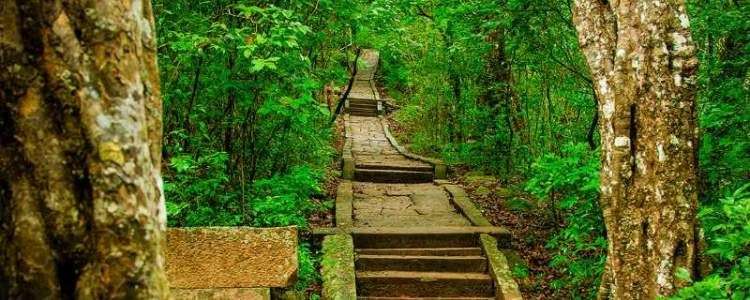
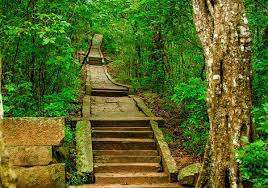
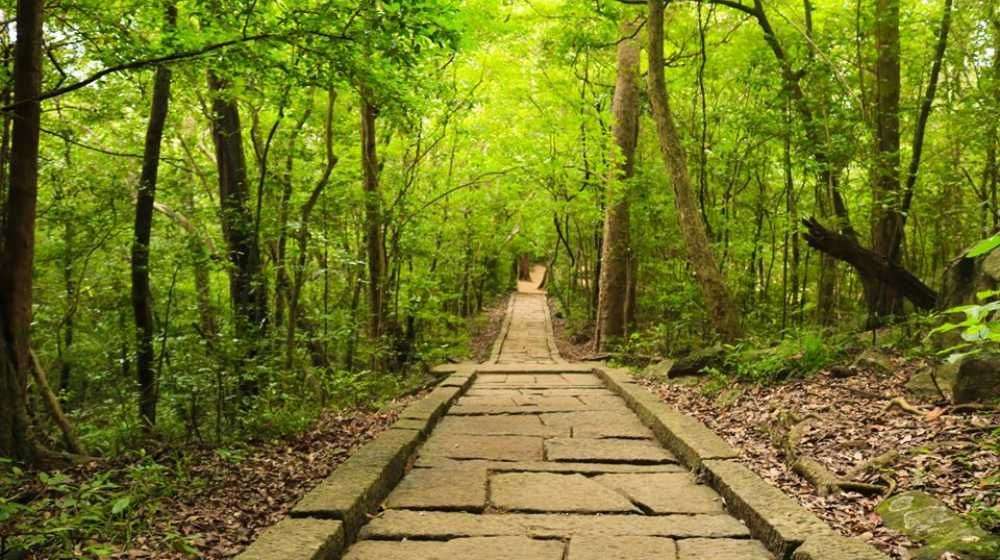
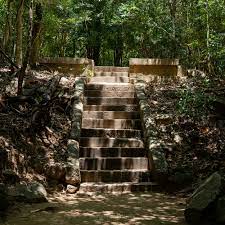
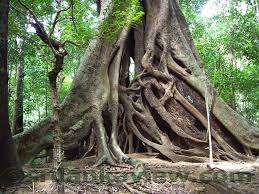
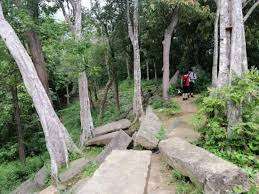
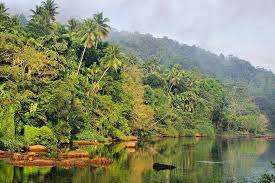
As you embark on the journey to Ritigala, you are greeted by a captivating trek through the dense forest. The lush foliage, rare flora, and wildlife sightings make the experience truly enchanting.

2. Exploring the Ruins

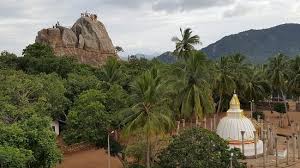
Stepping into the monastery is like stepping back in time. Visitors can wander through the remnants of ancient structures, imagining the spiritual fervor that once permeated these grounds.

3. Meditation and Reflection

In the midst of this tranquil haven, meditation takes on a whole new meaning. Many visitors find solace and inner peace in the embrace of Ritigala’s serene atmosphere.

Conclusion

Ritigala Forest Monastery stands as a living testament to a bygone era of spiritual dedication and architectural brilliance. Its timeless allure beckons travelers from all corners of the world to witness the harmony between humanity and nature. As we explore this mystical sanctuary, we find ourselves entwined in the rich tapestry of history, embracing the wisdom of the ancient monks who once sought enlightenment within these sacred grounds.

FAQs About Ritigala Forest Monastery

1. Can anyone visit Ritigala Forest Monastery?

Absolutely! Ritigala Forest Monastery is open to visitors from all walks of life who wish to experience its spiritual ambiance and historical significance.

2. Are there guided tours available at the monastery?

Yes, guided tours are available, allowing visitors to gain in-depth insights into the monastery’s history and its significance in Buddhism.

3. What is the best time to visit Ritigala?

The best time to visit is during the dry season, from May to September, when the weather is pleasant and trekking conditions are ideal.

4. Is there an entrance fee to visit Ritigala Forest Monastery?

Yes, there is a nominal entrance fee to help support the maintenance and conservation efforts at the monastery.

5. Are there accommodation options near Ritigala?

Yes, there are hotels and guesthouses available in the surrounding areas, ensuring a comfortable stay for visitors.

Mihintale A Beautiful Buddhist Rock Temple in Sri Lanka

Introduction

Mihintale, a sacred Buddhist site and historic hill near Anuradhapura in Sri Lanka. Renowned as the birthplace of Buddhism in Sri Lanka, Mihintale offers visitors a unique journey through ancient temples, spiritual landmarks, and breathtaking natural beauty. Explore the rich history, religious importance, and stunning views that make Mihintale Rock a must-visit destination for travelers and pilgrims alike.

The Legend of Mihintale

Mihintale is renowned as the cradle of Buddhism in Sri Lanka, as it is the place where Buddhism was first introduced to the island. The story goes back to the 3rd century BC when Emperor Ashoka of India, a devout Buddhist, sent his son Mahinda Thero as a missionary to spread the teachings of Buddha to Sri Lanka.

The Meeting of Mahinda Thero and King Devanampiya Tissa

The historic encounter between Mahinda Thero and King Devanampiya Tissa took place on Mihintale’s sacred slopes. Mahinda Thero, carrying the message of peace and compassion, engaged the king in a profound conversation that eventually led to the conversion of the king and his people to Buddhism.

The Stupas and Monasteries

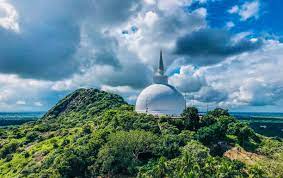
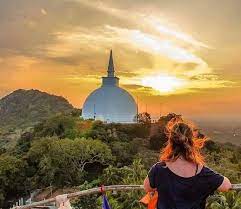
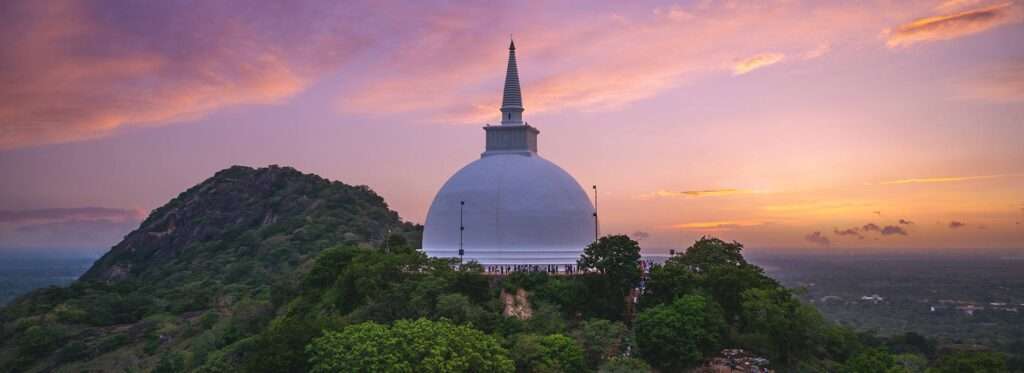
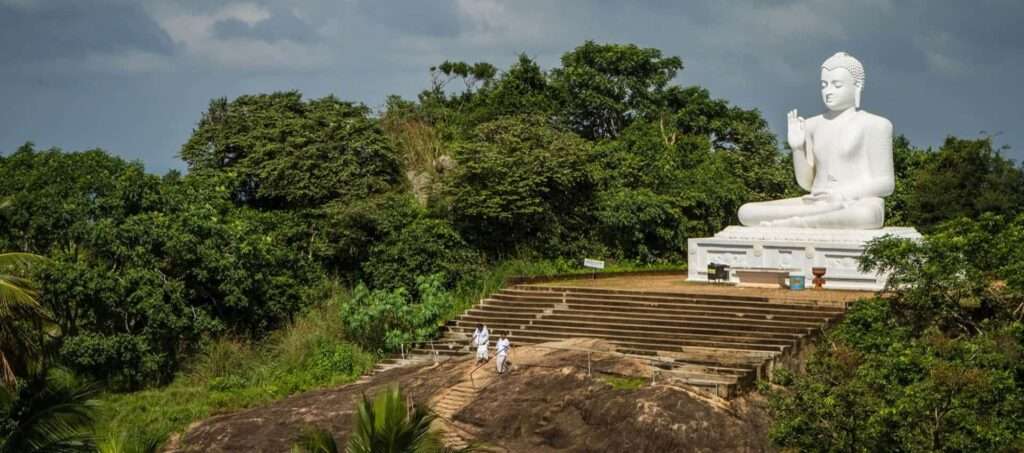
Mihintale is adorned with numerous stupas, monasteries, and ancient ruins, reflecting its significance as an ancient monastic complex. The most prominent among them is the Maha Stupa, also known as the Kantaka Chetiya, which stands majestically atop the hill. The Ambasthala Dagoba, with its unique umbrella-shaped structure, is another remarkable architectural wonder found here.

The Kantaka Chetiya Perahera

Every year, a grand procession known as the Kantaka Chetiya Perahera is held to honor the Maha Stupa. This vibrant cultural event brings together devotees, dancers, and musicians from all over the country, creating a mesmerizing spectacle that showcases the rich traditions and religious fervor of Sri Lanka.

Natural Beauty and Pilgrimage

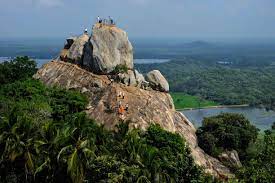
Beyond its historical and religious significance, Mihintale is blessed with breathtaking natural beauty. The hilltop offers panoramic views of the surrounding landscapes, including lush forests, serene lakes, and the distant ancient city of Anuradhapura. For pilgrims and visitors alike, Mihintale provides a tranquil setting for contemplation and spiritual reflection.

The Aradhana Gala and the Arahant Mahinda

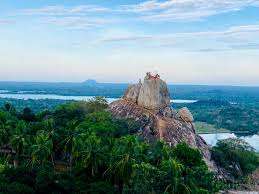
The Aradhana Gala, a large rock plateau on Mihintale, is believed to be the spot where Arahant Mahinda meditated and communed with the king. This site holds immense spiritual importance for Buddhists and attracts many devotees seeking blessings and spiritual enlightenment.

The Mihintale Rajamaha Viharaya

The Mihintale Rajamaha Viharaya, an active monastery at the foot of the hill, continues to play a crucial role in preserving the Buddhist heritage of Mihintale. Monks residing here engage in religious activities and impart the teachings of Buddha to devotees and pilgrims.

The Annual Poson Festival

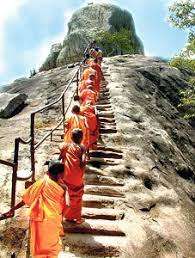
The Poson Festival, celebrated in June, commemorates the arrival of Buddhism to Sri Lanka. During this festival, Mihintale becomes a hub of religious activities, drawing large crowds of pilgrims who climb the sacred hill to pay homage to the ancient monastic complex.

Conservation Efforts and Cultural Heritage

Preserving the historical and natural heritage of Mihintale is of utmost importance. Various conservation efforts have been undertaken to safeguard the ancient ruins and maintain the ecological balance of the area. Visitors are encouraged to respect the site’s sanctity and leave no trace of their visit to ensure its longevity for future generations.

Conclusion

Mihintale, with its profound historical and spiritual significance, is a place of reverence and awe. As you climb the sacred hill and explore its ancient ruins, you will feel a deep sense of connection to the past and the enduring teachings of Buddhism. Mihintale stands as a testament to the enduring power of faith and serves as a beacon of tranquility and enlightenment for all who visit.

FAQs

  1. How do I reach Mihintale? Mihintale is located approximately 13 kilometers east of Anuradhapura. You can easily reach it by road from the ancient city.
  2. Is there an entrance fee to visit Mihintale? Yes, there is a nominal entrance fee for visitors to Mihintale, which helps with the maintenance and conservation of the site.
  3. Can I visit Mihintale during the Poson Festival? Absolutely! The Poson Festival is a great time to visit Mihintale to witness the vibrant celebrations and immerse yourself in the festive atmosphere.
  4. Are there any dress code requirements to enter Mihintale? Yes, as a place of religious significance, visitors are required to dress modestly, covering their shoulders and knees.
  5. Can I take photographs at Mihintale? Yes, photography is allowed at Mihintale, but be mindful of the sacredness of the site and avoid using flash near religious statues and relics.

Kithulgala | A Thrilling Adventure Destination

Are you an adventure enthusiast seeking an exhilarating experience amidst nature’s bounty? Look no further than Kithulgala, a picturesque town nestled in the heart of Sri Lanka. Known for its stunning landscapes, thrilling water activities, and lush greenery, Kithulgala is a haven for adrenaline junkies and nature lovers alike. In this article, we will delve into the captivating beauty of Kithulgala, highlighting its attractions, adventure sports, natural wonders, and more.

Table of Contents

  1. Introduction to Kithulgala
  2. A Glimpse into Kithulgala’s History
  3. Natural Splendors of Kithulgala
    • 3.1 The Kelani River: A Lifeline of Kithulgala
    • 3.2 Dense Rainforests and Biodiversity
  4. Adventure Sports in Kithulgala
    • 4.1 Whitewater Rafting: An Adrenaline Rush
    • 4.2 Canyoning: Exploring Rugged Terrains
    • 4.3 Jungle Trekking: Immersion in Nature’s Lap
    • 4.4 Bird Watching: A Paradise for Avian Enthusiasts
  5. Exploring Kithulgala’s Film Connections
  6. Kithulgala as a Tranquil Retreat
    • 6.1 Accommodation Options: Where to Stay in Kithulgala
  7. Culinary Delights of Kithulgala
    • 7.1 Traditional Sri Lankan Cuisine
    • 7.2 Refreshing Tropical Fruits
  8. How to Reach Kithulgala
  9. Safety Measures and Tips for Visitors
  10. Conclusion

1. Introduction to Kithulgala

Nestled in the Sabaragamuwa Province of Sri Lanka, Kithulgala is a small yet captivating town known for its natural wonders and thrilling adventures. Located approximately 90 kilometers northeast of Colombo, the country’s capital, Kithulgala offers a perfect escape from the bustling city life. The town’s pristine beauty and tranquil surroundings make it an ideal destination for nature enthusiasts and adventure seekers.

2. A Glimpse into Kithulgala’s History

With a rich historical background, Kithulgala has played a significant role in Sri Lanka’s past. The town’s name is derived from “Kele Kutha Gala,” which translates to “the boulder of the forest rock.” This name signifies the area’s rocky terrain and dense forests, which have witnessed various historical events over the centuries.

3. Natural Splendors of Kithulgala

3.1 The Kelani River: A Lifeline of Kithulgala

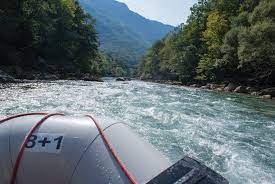
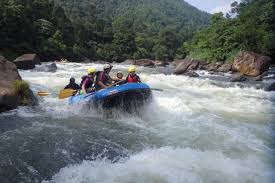
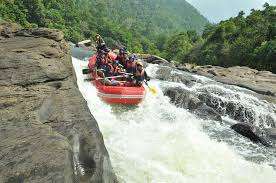
The Kelani River gracefully flows through the heart of Kithulgala, adding to the town’s natural charm. This pristine river is not only a picturesque sight but also a hub for thrilling water activities. Rafting down the rapids of the Kelani River is a popular adventure sport that attracts adrenaline enthusiasts from around the world.

3.2 Dense Rainforests and Biodiversity

Kithulgala is blessed with lush rainforests that are home to a diverse range of flora and fauna. As you venture into the dense forests, you’ll be mesmerized by the vibrant hues of tropical flowers, the symphony of chirping birds, and the playful antics of monkeys swinging from tree to tree. Exploring the nature trails in Kithulgala is an experience that will leave you in awe of Mother Nature’s creations.

4. Adventure Sports in Kithulgala

4.1 Whitewater Rafting: An Adrenaline Rush

Whitewater rafting is undoubtedly the highlight of Kithulgala’s adventure sports scene. The gushing rapids of the Kelani River offer a thrilling and adrenaline-pumping experience for both beginners and experienced rafters. Strap on your safety gear, grab a paddle, and navigate through the exhilarating twists and turns of the river while being surrounded by breathtaking scenery.

4.2 Canyoning: Exploring Rugged Terrains

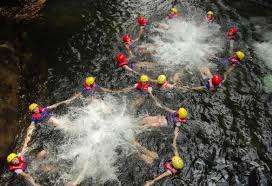
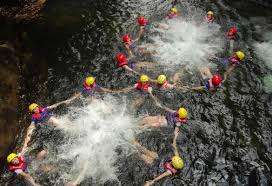
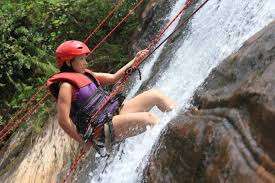
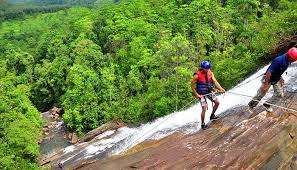
For those seeking an adrenaline rush combined with exploration, canyoning in Kithulgala is a must-try adventure. Descend through steep canyons, rappel down waterfalls, and plunge into crystal-clear pools. This thrilling activity allows you to get up close and personal with the untouched beauty of Kithulgala’s rugged landscapes.

4.3 Jungle Trekking: Immersion in Nature’s Lap

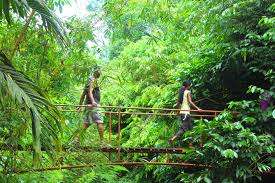
Embark on a trekking adventure through the lush jungles of Kithulgala. Follow winding trails, cross swaying suspension bridges, and discover hidden waterfalls along the way. Jungle trekking is not only a thrilling experience but also an opportunity to witness the abundant wildlife and learn about the region’s unique ecosystem.

4.4 Bird Watching: A Paradise for Avian Enthusiasts

Kithulgala is a haven for bird watchers, boasting a wide variety of avian species. From colorful kingfishers to elusive endemic birds, the town offers ample opportunities to spot and photograph these winged wonders. Grab your binoculars and immerse yourself in the melodious symphony of Kithulgala’s birdlife.

5. Exploring Kithulgala’s Film Connections

Kithulgala has also gained recognition in the world of cinema. The town’s breathtaking landscapes have been featured in several renowned films, including the iconic adventure movie “The Bridge on the River Kwai.” Exploring Kithulgala allows you to retrace the steps of famous actors and directors, immersing yourself in the magic of the silver screen.

6. Kithulgala as a Tranquil Retreat

Apart from its thrilling adventures, Kithulgala also offers a serene and tranquil environment for relaxation. The town’s scenic beauty, coupled with its warm hospitality, makes it an ideal retreat for those seeking solace amidst nature. There are various accommodation options available, ranging from cozy guesthouses to luxury eco-resorts, ensuring a comfortable stay for every visitor.

7. Culinary Delights of Kithulgala

7.1 Traditional Sri Lankan Cuisine

Indulge your taste buds with the flavors of Sri Lankan cuisine in Kithulgala. Sample mouthwatering rice and curry, aromatic seafood dishes, and delectable local delicacies prepared with fresh spices and tropical ingredients. Don’t miss the opportunity to savor the authentic flavors of this island nation.

7.2 Refreshing Tropical Fruits

Kithulgala’s proximity to lush fruit orchards ensures an abundance of tropical fruits. Treat yourself to juicy pineapples, succulent mangoes, and tangy papayas, among other refreshing delights. These fresh and exotic fruits make for a perfect snack while exploring the wonders of Kithulgala.

8. How to Reach Kithulgala

Kithulgala is easily accessible from major cities in Sri Lanka. If you’re traveling from Colombo, you can reach Kithulgala by road in approximately two to three hours, depending on traffic conditions. Buses and private taxis are available for convenient transportation. Alternatively, you can also opt for a scenic train journey to nearby railway stations and then continue the rest of the way by road.

9. Safety Measures and Tips for Visitors

While Kithulgala offers thrilling adventures, it’s essential to prioritize safety during your visit. Here are a few tips to ensure a safe and enjoyable experience:

  • Always follow the instructions provided by experienced guides during adventure sports.
  • Wear appropriate safety gear and use certified equipment.
  • Stay hydrated and protect yourself from the sun’s rays.
  • Respect the natural environment and avoid littering.
  • Check the weather conditions before planning outdoor activities.

10. Conclusion

Kithulgala is a treasure trove of natural beauty and thrilling adventures. Whether you’re seeking an adrenaline rush or a peaceful retreat amidst nature, this enchanting town has something to offer every traveler. From whitewater rafting on the Kelani River to exploring dense rainforests and savoring local cuisine, Kithulgala promises an unforgettable experience. So pack your bags, embark on a journey to Kithulgala, and create memories that will last a lifetime.

FAQs

  1. Is Kithulgala suitable for beginners in adventure sports?
    • Yes, Kithulgala offers adventure sports suitable for beginners, such as whitewater rafting with experienced guides.
  2. Are there any age restrictions for adventure activities in Kithulgala?
    • The age restrictions vary depending on the specific activity. It’s best to check with the adventure sports providers for detailed information.
  3. Can I visit Kithulgala as a day trip from Colombo?
    • Yes, Kithulgala can be visited as a day trip from Colombo, offering a thrilling adventure experience within a short distance from the city.
  4. Are there vegetarian and vegan food options available in Kithulgala?
    • Yes, many restaurants and accommodations in Kithulgala offer vegetarian and vegan food options to cater to different dietary preferences.
  5. Is it safe to swim in the Kelani River?
    • It is generally safe to swim in designated areas of the Kelani River. However, it’s advisable to consult with locals or guides to ensure you swim in safe sections.

Dehiwala Zoo | A Fascinating Journey into Wildlife

Introduction

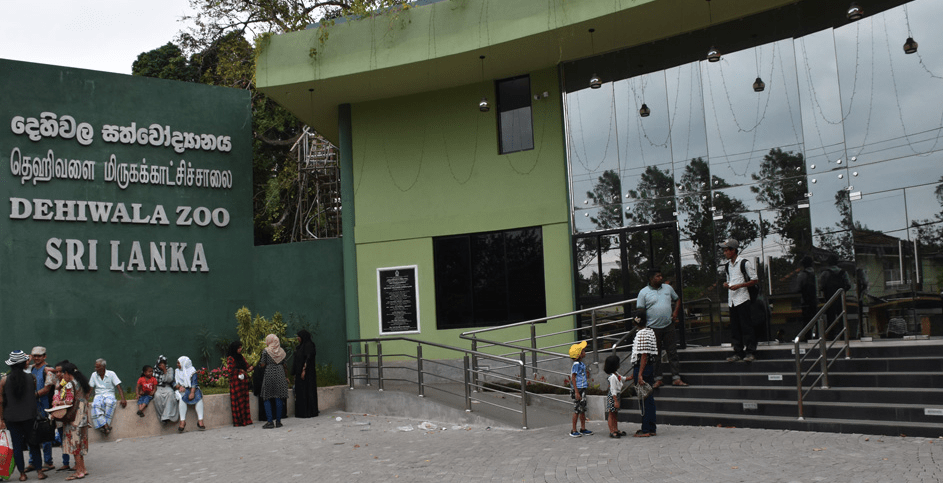
Welcome to the captivating world of Dehiwala Zoo, a renowned zoological garden located in Dehiwala-Mount Lavinia, Sri Lanka. This article will take you on an exhilarating journey through the diverse range of animal species, educational exhibits, and conservation efforts that make Dehiwala Zoo a must-visit destination for nature enthusiasts, families, and wildlife lovers alike.

Table of Contents

  1. History and Location
  2. Layout and Attractions
  3. Exotic Wildlife
  4. Educational Initiatives
  5. Conservation Efforts
  6. Interactions and Experiences
  7. Events and Entertainment
  8. Dining and Refreshments
  9. Visitor Facilities
  10. Sustainability and Environmental Responsibility
  11. Zoo’s Contribution to Research
  12. Local and International Collaborations
  13. Future Developments
  14. Visiting Information
  15. Conclusion

1. History and Location

Dehiwala Zoo, officially known as the National Zoological Gardens of Sri Lanka, was established in 1936 and is one of the oldest zoos in Asia. It is situated approximately 10 kilometers south of Colombo, the capital city of Sri Lanka. The zoo spans over 30 acres of lush greenery and provides a safe haven for various species of animals.

2. Layout and Attractions

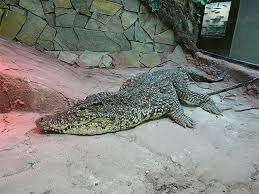
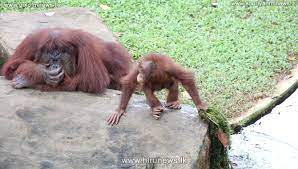
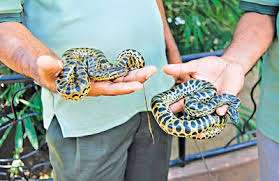
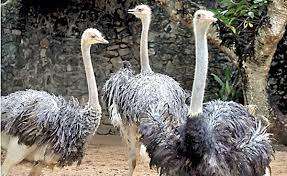
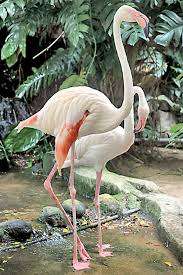
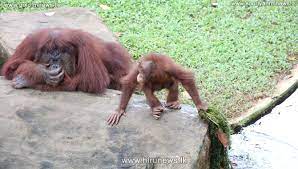
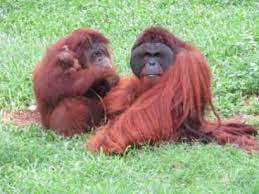
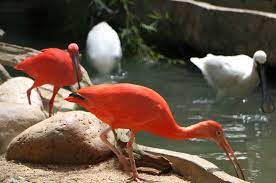
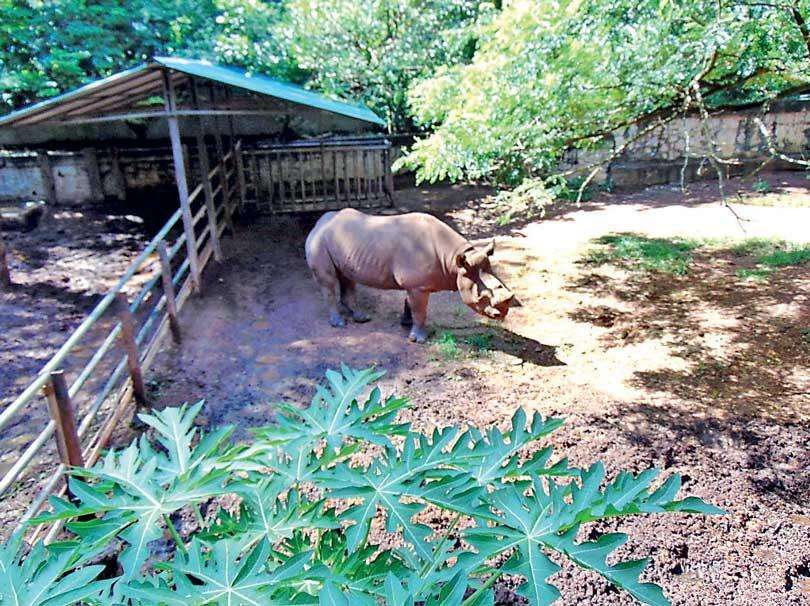
The zoo is thoughtfully designed with spacious enclosures that closely resemble the natural habitats of the animals. Visitors can explore different sections, each dedicated to specific types of animals such as mammals, birds, reptiles, and fish. There are also separate areas for nocturnal animals, primates, and a butterfly garden. The zoo boasts an impressive collection of over 300 species, including both native and exotic animals.

3. Exotic Wildlife

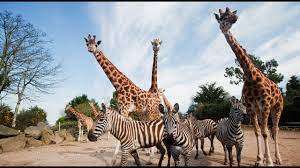
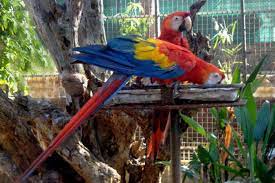
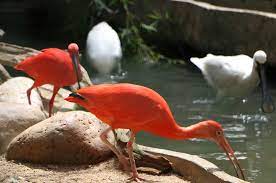
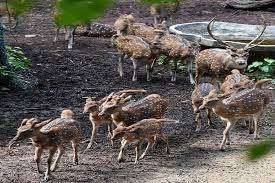
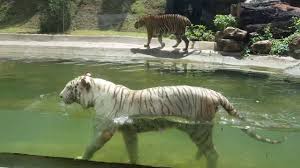
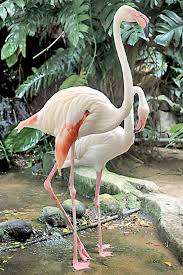
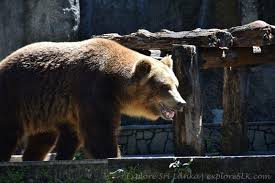
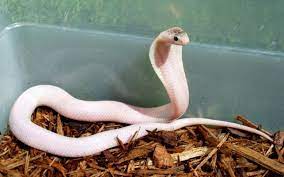
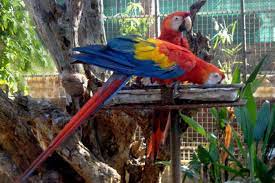
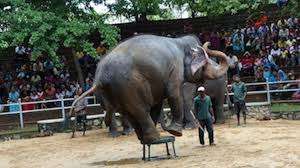
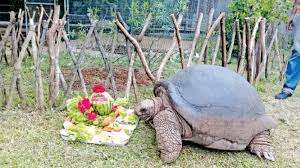
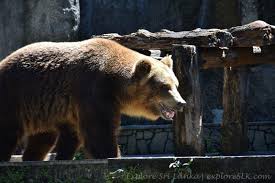
At Dehiwala Zoo, visitors have the opportunity to witness an extraordinary variety of wildlife from all corners of the globe. From majestic lions and graceful elephants to colorful birds and slithering reptiles, the zoo is home to an array of captivating creatures. Visitors can observe rare species like the white tiger, jaguar, giraffe, zebra, and many more up close and personal.

4. Educational Initiatives

Dehiwala Zoo plays a vital role in promoting wildlife education and awareness. It offers informative and interactive exhibits that teach visitors about the importance of biodiversity, conservation, and animal welfare. The zoo organizes educational programs, guided tours, and workshops to enlighten visitors, especially children, about the wonders of the natural world and the need for its preservation.

5. Conservation Efforts

As an advocate for wildlife conservation, Dehiwala Zoo actively participates in breeding programs and conservation initiatives. The zoo collaborates with local and international organizations to protect endangered species, rehabilitate injured animals, and contribute to global conservation efforts. By raising awareness and implementing sustainable practices, the zoo strives to create a better future for the world’s wildlife.

6. Interactions and Experiences

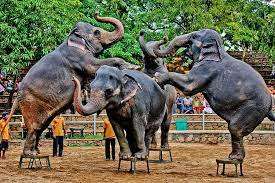
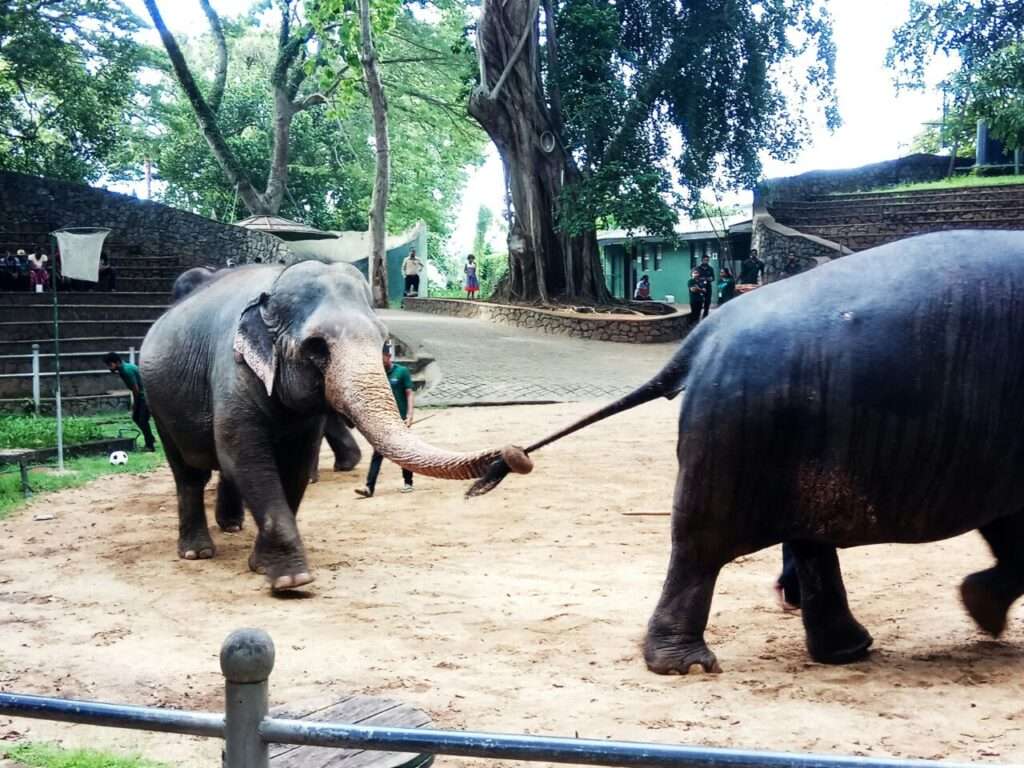
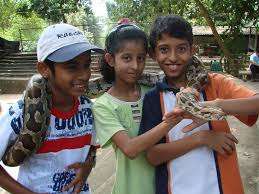
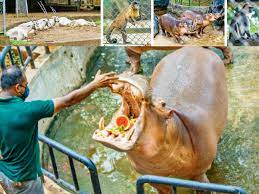
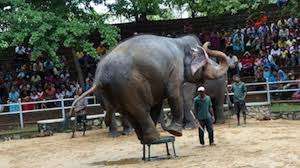
Visitors to Dehiwala Zoo can engage in various exciting experiences to make their visit even more memorable. They can take part in feeding sessions, where they can hand-feed elephants, giraffes, and other friendly animals. Additionally, visitors can enjoy elephant rides, watch captivating animal shows, and have the opportunity to hold and take pictures with certain reptiles under expert supervision.

7. Events and Entertainment

Dehiwala Zoo hosts a range of exciting events throughout the year, catering to visitors of all ages. These events include wildlife exhibitions, cultural performances, nature-themed festivals, and special shows featuring talented animals. The zoo’s calendar is filled with delightful activities, ensuring there is always something new and captivating to experience during every visit.

8. Dining and Refreshments

To enhance visitors’ experiences, Dehiwala Zoo offers a selection of dining options and refreshment stalls within its premises. Whether you crave a quick snack or a full meal, you can find a variety of local and international cuisine to satisfy your taste buds. The zoo provides ample seating areas where visitors can relax, enjoy their meals, and recharge before continuing their exploration.

9. Visitor Facilities

Dehiwala Zoo prioritizes visitor comfort and convenience by providing essential facilities. These include restrooms, baby care rooms, first aid stations, wheelchair accessibility, and ample parking spaces. Friendly staff members are available throughout the zoo to assist visitors with any queries or concerns, ensuring a pleasant and hassle-free experience for everyone.

10. Sustainability and Environmental Responsibility

The zoo is committed to practicing sustainable operations and promoting environmental responsibility. It actively implements waste management systems, promotes recycling, and encourages the use of renewable energy sources. By setting an example and raising awareness among visitors, Dehiwala Zoo aims to inspire environmentally conscious behaviors that contribute to a greener future.

11. Zoo’s Contribution to Research

Dehiwala Zoo actively engages in scientific research projects and collaborates with universities and conservation organizations. The zoo’s dedicated research team conducts studies on animal behavior, reproduction, and conservation techniques. Through these efforts, valuable knowledge is gained, which can be applied to enhance the welfare and conservation of various animal species.

12. Local and International Collaborations

Dehiwala Zoo actively collaborates with local and international partners to foster wildlife conservation and exchange knowledge. Through partnerships with reputable organizations, the zoo contributes to global conservation strategies, shares best practices, and participates in the exchange of endangered species for breeding purposes. These collaborations play a crucial role in the long-term preservation of biodiversity.

13. Future Developments

The management of Dehiwala Zoo continually strives to enhance visitor experiences and the welfare of its animal residents. With ongoing improvements and expansion plans, the zoo aims to introduce new exhibits, increase the diversity of species, and implement advanced conservation technologies. These future developments will ensure that Dehiwala Zoo remains at the forefront of wildlife conservation and education.

14. Visiting Information

  • Opening Hours: Dehiwala Zoo is open from 8:30 am to 6:00 pm every day, including public holidays.
  • Entrance Fees: The entrance fees vary for locals and foreign visitors. Children and senior citizen discounts are available.
  • Getting There: The zoo is easily accessible by public transportation, taxi, or private vehicle. Parking facilities are available.
  • Safety Guidelines: Visitors are advised to follow safety guidelines, respect the animals, and refrain from any actions that may harm or disturb them.

Conclusion

Dehiwala Zoo offers an unforgettable experience, immersing visitors in the wonders of the animal kingdom and promoting wildlife conservation. From its rich history and diverse wildlife collection to its educational initiatives and sustainability efforts, the zoo is a testament to the beauty and importance of our natural world. So, plan your visit to Dehiwala Zoo and embark on a remarkable journey filled with discovery, adventure, and a deeper appreciation for the incredible creatures that share our planet.

Frequently Asked Questions

1. Can I bring outside food and drinks to Dehiwala Zoo?

Yes, visitors are allowed to bring outside food and non-aloholic beverages to Dehiwala Zoo. However, there are also dining options and refreshment stalls available within the zoo premises.

2. Are there any age restrictions for interacting with the animals?

Certain animal interactions may have age restrictions or specific guidelines for safety purposes. It is recommended to check with the zoo staff or refer to the guidelines provided at the respective animal exhibits.

3. Does Dehiwala Zoo offer guided tours?

Yes, Dehiwala Zoo offers guided tours conducted by knowledgeable staff members. These tours provide insightful information about the different animal species, their habitats, and conservation efforts.

4. Are there any special discounts or offers for group visits?

Dehiwala Zoo may offer special discounts or offers for group visits, such as school trips or large tour groups. It is advisable to contact the zoo administration in advance to inquire about any available discounts and make necessary arrangements.

5. How can I contribute to the conservation efforts of Dehiwala Zoo?

You can contribute to the conservation efforts of Dehiwala Zoo by supporting their initiatives, spreading awareness about wildlife conservation, and participating in their fundraising programs. Additionally, you can follow sustainable practices in your own life to help protect the environment and preserve biodiversity.

Get ready to embark on a thrilling adventure at Dehiwala Zoo, where you’ll encounter fascinating wildlife, gain knowledge about conservation, and create lasting memories. Plan your visit today and embrace the magic of this remarkable zoological garden.

The Natural Marvel of Madulsima Mini World’s End

Are you a nature enthusiast seeking a unique and awe-inspiring destination? Look no further than Madulsima Mini World’s End in Sri Lanka. Nestled amidst the lush greenery of the country’s central highlands, this picturesque location offers a captivating experience that will leave you in awe. Also, Madulsima offers a perfect setting for camping enthusiasts to immerse themselves in nature’s embrace. In this article, we will take you on a virtual journey to Madulsima Mini World’s End, exploring its stunning landscapes, rich biodiversity, and the adventures that await.

Table of Contents

  1. Introduction: Unveiling the Wonder
  2. The Natural Marvel of Madulsima Mini World’s End
    • 2.1 The Majestic Cliffs, Panoramic Views and Camping
    • 2.2 The Enchanting Waterfalls
    • 2.3 The Flourishing Flora and Fauna
  3. Exploring the Treasures of Madulsima Mini World’s End
    • 3.1 Hiking Trails and Nature Walks
    • 3.2 Birdwatching and Wildlife Spotting
    • 3.3 Photography Opportunities
  4. How to Reach Madulsima Mini World’s End
    • 4.1 From Colombo
    • 4.2 From Kandy
    • 4.3 From Nuwara Eliya
  5. Best Time to Visit Madulsima Mini World’s End
  6. Essential Tips for a Memorable Trip
    • 6.1 Dress Appropriately and Carry Essentials
    • 6.2 Hire a Local Guide
    • 6.3 Respect Nature and Wildlife
  7. Conclusion

1. Introduction: Unveiling the Wonder

Madulsima Mini World’s End is a hidden gem located in the Badulla District of Sri Lanka. This natural wonder is renowned for its breathtaking cliffs, lush greenery, and stunning vistas that resemble the famous World’s End in Horton Plains National Park. However, what sets Madulsima Mini World’s End apart is its serene and less crowded ambiance, allowing visitors to immerse themselves in the tranquility of nature.

2. The Natural of Madulsima Mini World’s End

2.1 The Majestic Cliffs, Panoramic Views and Camping

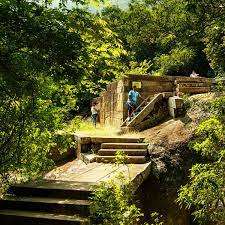
At Madulsima Mini World’s End, you’ll be greeted by dramatic cliffs that offer panoramic views of the surrounding landscapes. As you stand on the edge, you’ll feel like you’re on top of the world, with vast valleys and mist-covered mountains stretching as far as the eye can see. The sight of clouds rolling in and the gentle breeze brushing against your face will create a sense of serenity and wonder. Madulsima offers a perfect setting for camping enthusiasts to immerse themselves in nature’s embrace.

2.2 The Enchanting Waterfalls

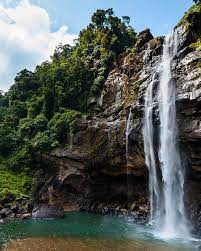
One of the highlights of Madulsima Mini World’s End is the presence of enchanting waterfalls. The cascading waters create a soothing ambiance while adding to the visual splendor of the location. The most famous waterfall in the area is the Diyaluma Falls, which plunges from a staggering height and forms a natural pool at its base. Taking a dip in the crystal-clear waters surrounded by lush greenery is an experience you won’t want to miss.
2.3 The Flourishing Flora and Fauna

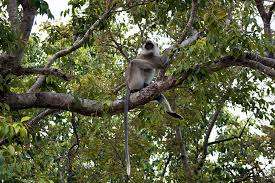
Madulsima Mini World’s End is a haven for biodiversity enthusiasts. The region is teeming with a diverse range of plant species, including endemic orchids, ferns, and mosses. As you explore the area, you’ll encounter numerous birds, butterflies, and small mammals, adding a touch of magic to your journey. Keep your camera ready to capture the vibrant colors and unique wildlife that call this place home.
3. Exploring the Treasures of Madulsima Mini World’s End
3.1 Hiking Trails and Nature Walks

For adventure seekers and nature lovers, Madulsima Mini World’s End offers a network of hiking trails and nature walks. These paths wind through the captivating landscapes, allowing you to immerse yourself in the sights, sounds, and scents of the wilderness. Whether you’re an experienced hiker or a novice explorer, there are trails suitable for all levels of fitness.

3.2 Birdwatching and Wildlife Spotting

Birdwatching enthusiasts will be delighted by the avian diversity in Madulsima Mini World’s End. From colorful endemic species to migratory birds, the area provides ample opportunities for birdwatching. In addition, keep an eye out for monkeys, deer, and other wildlife that roam freely in their natural habitat. Observing these creatures in their element will create lasting memories.

3.3 Photography Opportunities

With its stunning landscapes and abundant flora and fauna, Madulsima Mini World’s End offers endless possibilities for photography enthusiasts. Capture the vibrant colors of flowers, the elegance of butterflies, and the awe-inspiring views from the cliffs. Don’t forget to immortalize the magical moments spent amidst nature’s masterpiece.
4. How to Reach Madulsima Mini World’s End
4.1 From Colombo

If you’re traveling from Colombo, the capital city of Sri Lanka, you can reach Madulsima Mini World’s End by taking a scenic train ride to Badulla. From Badulla, hire a local taxi or tuk-tuk to reach the location.

4.2 From Kandy

Travelers coming from Kandy can take a train or bus to Badulla and then proceed to Madulsima Mini World’s End by road.

4.3 From Nuwara Eliya

From the picturesque town of Nuwara Eliya, you can hire a taxi or tuk-tuk to reach Madulsima Mini World’s End. The journey will treat you to breathtaking views of tea plantations and mist-covered mountains.

5. Best Time to Visit Madulsima Mini World’s End

The best time to visit Madulsima Mini World’s End is during the dry season, which spans from January to March and July to September. During these months, the weather is pleasant, and you’ll have a higher chance of clear skies, offering uninterrupted views of the landscapes. However, keep in mind that the region experiences occasional showers, so it’s advisable to carry appropriate rain gear.

6. Essential Tips for a Memorable Trip

6.1 Dress Appropriately and Carry Essentials

When visiting Madulsima Mini World’s End, it’s essential to wear comfortable clothing and sturdy footwear suitable for outdoor activities. Additionally, carry sunblock, insect repellent, drinking water, and a camera to capture the memories.

6.2 Hire a Local Guide

To make the most of your trip and learn about the flora, fauna, and local culture, consider hiring a local guide. They can provide valuable insights, ensure your safety, and take you to hidden gems off the beaten path.

6.3 Respect Nature and Wildlife

While exploring Madulsima Mini World’s End, it’s crucial to respect the environment and wildlife. Refrain from littering, plucking flowers, or disturbing animals. By preserving the natural beauty, we can ensure future generations can enjoy this mesmerizing destination.

7. Conclusion

Madulsima Mini World’s End is a true wonder that showcases the beauty of Sri Lanka’s natural landscapes. From the majestic cliffs and panoramic views to the enchanting waterfalls and flourishing flora and fauna, every moment spent in this serene location is filled with awe and tranquility. Whether you embark on hiking trails, indulge in birdwatching, or capture breathtaking photographs, Madulsima Mini World’s End offers an unforgettable experience for nature enthusiasts and adventure seekers alike.

Plan your visit during the dry season, dress appropriately, and hire a local guide to maximize your trip’s potential. Remember to respect the environment and wildlife, leaving behind only footprints and taking away cherished memories. As you witness the magic of Madulsima Mini World’s End, you’ll realize why it’s a destination worth exploring and cherishing.


FAQs (Frequently Asked Questions)

1. Is Madulsima Mini World’s End suitable for beginners in hiking?

Yes, Madulsima Mini World’s End offers hiking trails suitable for hikers of all levels, including beginners. Just make sure to choose a trail that matches your fitness level and always prioritize safety.

2. Can I swim in the natural pool at Diyaluma Falls?

Yes, you can take a refreshing swim in the natural pool at the base of Diyaluma Falls. It’s a delightful experience, but remember to exercise caution and respect any safety guidelines in place.

3. Are there accommodation options near Madulsima Mini World’s End?

While Madulsima Mini World’s End itself does not offer accommodation, you can find various hotels, guesthouses, and resorts in nearby towns like Badulla and Nuwara Eliya.

4. Can I visit Madulsima Mini World’s End during the rainy season?

While it’s advisable to visit during the dry season for better weather conditions, you can still visit Madulsima Mini World’s End during the rainy season. Just be prepared for occasional showers and make sure to carry appropriate rain gear.

5. Are there any restrictions on photography in Madulsima Mini World’s End?

Photography is permitted and encouraged in Madulsima Mini World’s End. Capture the stunning landscapes, vibrant flora, and diverse wildlife. However, always be mindful of your surroundings and respect any guidelines or restrictions related to protected areas or wildlife conservation.

Botanical Garden – Peradeniya | Explore its Diverse Flora

Discover the enchanting beauty of Peradeniya Botanical Garden, a renowned research and conservation center. Explore its diverse flora, educational programs, and sustainable practices. Plan your visit now!

Peradeniya Botanical Garden is a mesmerizing oasis of botanical wonders. From its rich history and layout to its educational programs and conservation efforts, this article provides a comprehensive guide to one of nature’s masterpieces.

Introduction

Peradeniya Botanical Garden is a paradise for nature enthusiasts, nestled in the heart of Sri Lanka. If you’re looking for a breathtaking experience, this garden offers a unique blend of beauty, educational opportunities, and conservation efforts. Let’s embark on a journey to discover the wonders of Peradeniya Botanical Garden together.

Did you know that Peradeniya Botanical Garden is home to over 4,000 species of plants?

As I strolled through the lush green pathways of Peradeniya Botanical Garden, I was captivated by the symphony of colors and scents that surrounded me. It was a truly enchanting experience that left an indelible mark on my heart.

Peradeniya Botanical Garden offers a myriad of benefits to its visitors. Its serene atmosphere provides an escape from the bustling city life, allowing you to reconnect with nature. The garden’s carefully curated collection of plants showcases the beauty and diversity of Sri Lanka’s flora. Whether you’re a botany enthusiast or simply seeking a peaceful retreat, Peradeniya Botanical Garden has something to offer everyone.

This article aims to serve as a comprehensive guide to Peradeniya Botanical Garden, providing valuable information about its history, layout, flora and fauna, educational programs, events, visitor tips, and sustainability efforts. Whether you’re planning a visit or seeking knowledge about this botanical wonder, this guide has got you covered.

History of Peradeniya Botanical Garden

Established in 1821, Peradeniya Botanical Garden holds a rich historical significance. Initially conceived as a pleasure garden for Kandyan royalty, it has evolved into a prominent research and conservation center over the years. The garden’s establishment was spearheaded by the British colonial administration, who recognized its potential as a hub for botanical studies.

Layout and Features of the Garden

Peradeniya Botanical Garden spans across 147 acres, featuring a meticulously designed layout that seamlessly blends natural beauty with architectural marvels. The garden is home to several iconic features, including the giant Javan fig tree, which stands as a testament to the passage of time. The Orchid House, a true gem of the garden, showcases a stunning collection of orchid species from around the world. Additionally, visitors can explore themed sections dedicated to medicinal plants, palms, spices, and much more.

Flora and Fauna

Peradeniya Botanical Garden boasts an extensive collection of plant species, making it a botanical haven. From vibrant orchids and towering palms to exotic tropical plants, the garden showcases the diversity of Sri Lanka’s flora. Conservation efforts play a vital role in preserving rare and endangered plant species within the garden’s boundaries. The garden’s lush greenery also attracts a variety of bird species, providing an opportunity for birdwatching enthusiasts to indulge in their passion.

Educational and Research Opportunities

Peradeniya Botanical Garden offers a range of educational programs aimed at fostering a deeper understanding of botany and environmental conservation. These programs cater to students, researchers, and nature enthusiasts alike. The garden also serves as a research hub, conducting projects that contribute to botanical knowledge and conservation efforts. By visiting the garden, you not only gain knowledge but also support vital research initiatives.

Events and Activities

Throughout the year, Peradeniya Botanical Garden hosts a myriad of events and activities that add vibrancy to its serene surroundings. Flower shows, held annually, showcase the garden’s floral splendor and attract visitors from all corners of the globe. Guided tours provide an immersive experience, allowing visitors to delve deeper into the garden’s history and significance. The garden also collaborates with other organizations to organize special events, further enriching the visitor experience.

Tips for Visitors

Planning a visit to Peradeniya Botanical Garden? Here are some practical tips to make your experience even more enjoyable:

  1. Timing is key: The best time to visit is during the early morning or late afternoon when the weather is pleasant, and the garden is less crowded.
  2. Entry fees: The garden charges a nominal entry fee, with discounted rates available for students and senior citizens. Make sure to check the latest pricing information before your visit.
  3. Navigation made easy: Guided tours and detailed maps are available to help you navigate the expansive garden effortlessly.
  4. Respect nature: To preserve the garden’s beauty and integrity, follow the guidelines provided, such as refraining from littering and avoiding stepping on delicate plants.

Sustainability and Conservation Efforts

Peradeniya Botanical Garden takes pride in its sustainable practices and commitment to conservation. Water conservation measures, such as rainwater harvesting and efficient irrigation systems, ensure the garden’s lush greenery thrives while minimizing water wastage. Waste management strategies, including recycling initiatives, contribute to reducing the garden’s environmental footprint. The garden actively promotes environmental awareness through various educational programs and initiatives, inspiring visitors to become stewards of nature.

Frequently Asked Questions

How can I reach Peradeniya Botanical Garden?

Answer: Peradeniya Botanical Garden is easily accessible from major cities in Sri Lanka. If you’re traveling from Colombo, you can take a train or bus to Kandy and then reach the garden via a short tuk-tuk or taxi ride.

Are there any entrance fees?

Answer: Yes, there is a nominal entrance fee for visiting Peradeniya Botanical Garden. The fee varies based on the visitor category, with discounted rates available for students and senior citizens. Please refer to the official website for the latest pricing information.

Can I bring food or have a picnic in the garden?

Answer: Peradeniya Botanical Garden has designated picnic areas where you can enjoy your meals amidst the natural beauty. However, it is advisable to follow the garden’s policies and guidelines regarding food consumption and cleanliness.

Are pets allowed in Peradeniya Botanical Garden?

Answer: Unfortunately, pets are not allowed inside the garden premises to ensure the safety and wellbeing of both the animals and the plant life.

Are there restroom facilities in the garden?

Answer: Yes, there are restroom facilities available within Peradeniya Botanical Garden for visitors’ convenience.

Can I take photographs in Peradeniya Botanical Garden?

Answer: Photography is allowed in the garden; however, certain areas or exhibits may have restrictions or special guidelines. Please adhere to the signage and instructions provided to protect the plants and maintain the garden’s serene ambiance.

Peradeniya Botanical Garden is a true gem of Sri Lanka, where nature’s beauty, educational opportunities, and conservation efforts harmoniously coexist. From its historical significance to its layout and diverse flora, the garden offers a captivating experience for visitors of all ages. Immerse yourself in its wonders, learn about botanical research, and be inspired to become a champion of conservation. Plan your visit to Peradeniya Botanical Garden and witness nature’s masterpiece firsthand.

Verified by MonsterInsights