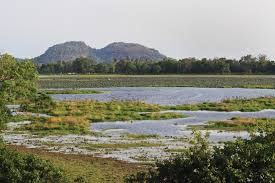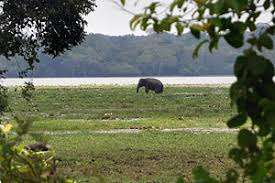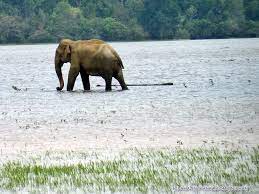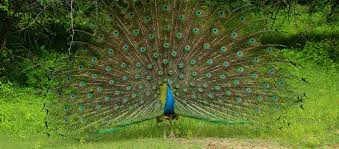
Sigiriya Rock | TUNESCO World Heritage Site

SHARE

Introduction

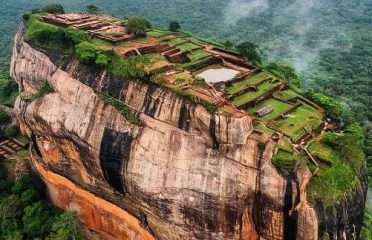
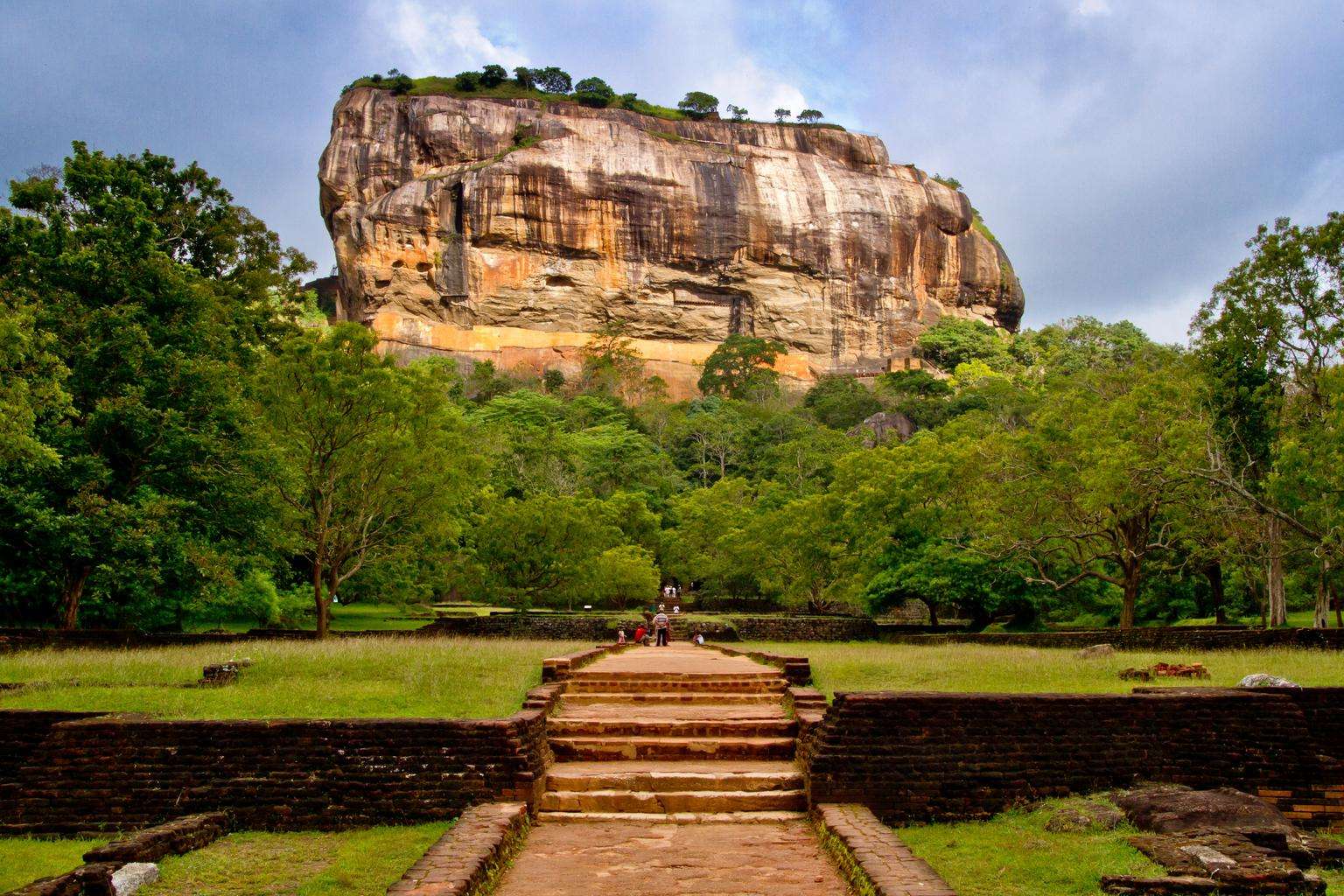
Nestled in the heart of Sri Lanka lies Sigiriya, a mesmerizing ancient rock fortress that stands as a testament to the architectural brilliance of a bygone era. This UNESCO World Heritage Site has captivated travelers and historians alike with its awe-inspiring beauty and rich historical significance. In this article, we will explore the captivating history, remarkable architecture, and intriguing legends surrounding Sigiriya.

Table of Contents

  1. Origins of Sigiriya
  2. The Legendary King Kasyapa
  3. The Magnificent Rock Fortress
  4. The Frescoes of Sigiriya
  5. The Mirror Wall and Graffiti
  6. The Enigmatic Lion’s Paw Terrace
  7. The Beautiful Gardens of Sigiriya
  8. Sigiriya as a Symbol of Power
  9. Restoration and Preservation Efforts
  10. Sigiriya: A UNESCO World Heritage Site
  11. Exploring Sigiriya Today
  12. The Cultural Significance of Sigiriya
  13. Sigiriya: A Haven for Nature Enthusiasts
  14. Sigiriya: A Photographer’s Paradise
  15. Sigiriya: An Iconic Landmark of Sri Lanka

Origins of Sigiriya

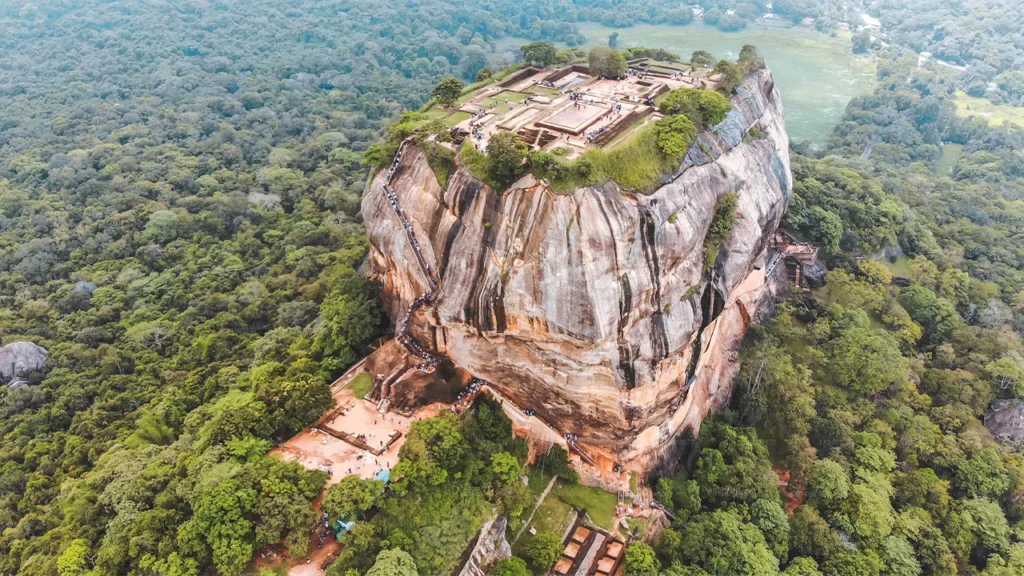
Sigiriya’s history dates back over 2,000 years to the time of ancient Sri Lanka. Originally, the site served as a monastery, with several rock shelters housing Buddhist monks. However, it was during the reign of King Kasyapa in the 5th century that Sigiriya transformed into a grand fortress.
The Legendary King Kasyapa

King Kasyapa, driven by a desire for power and fearing reprisal from his brother, seized the throne and made Sigiriya his royal capital. He constructed a magnificent palace atop the towering rock, surrounded by lush gardens and defensive structures.

The Magnificent Rock Fortress

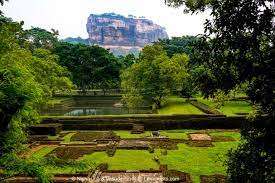
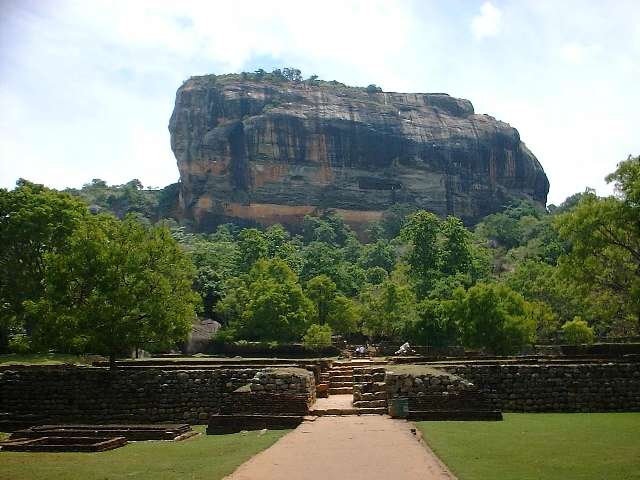
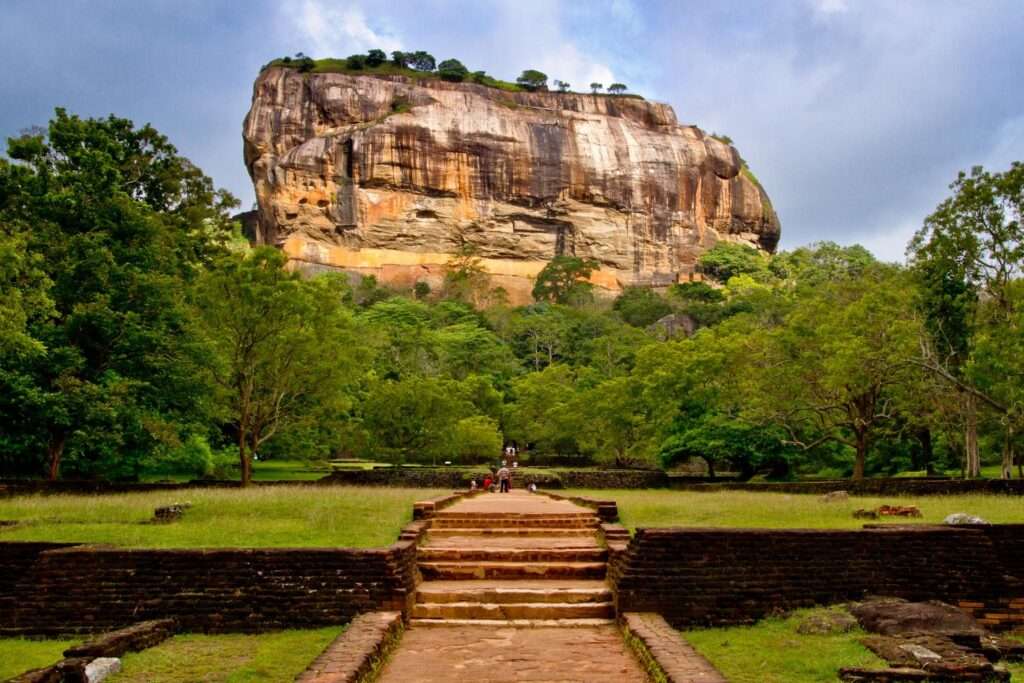
Sigiriya’s strategic location provided natural defenses against potential invaders. The fortress perched on top of a 200-meter-high rock offered panoramic views of the surrounding landscape, enabling the king to monitor his kingdom and detect any threats from afar.
The Frescoes of Sigiriya

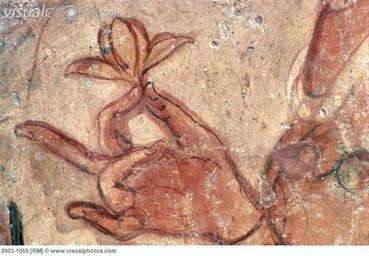
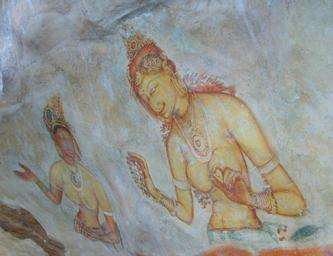
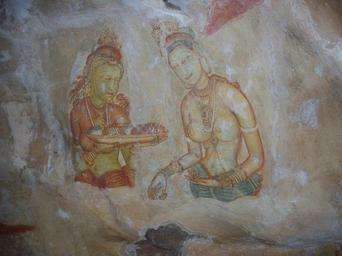
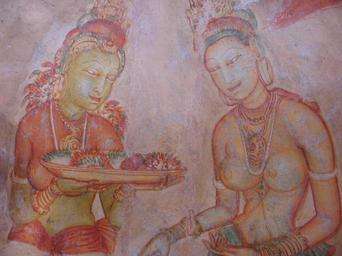
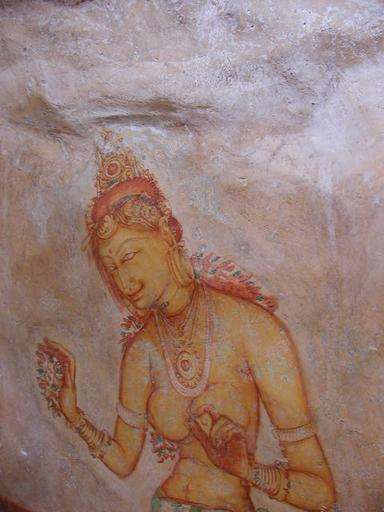
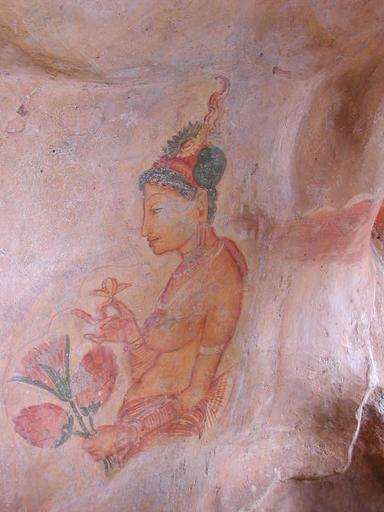
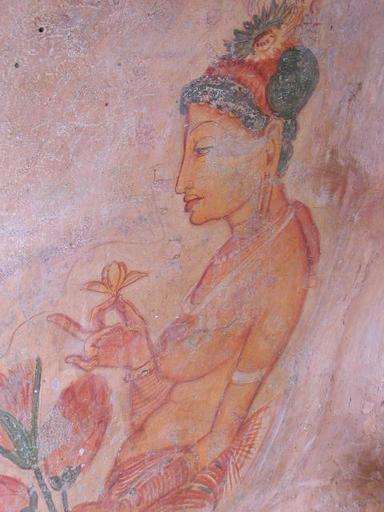
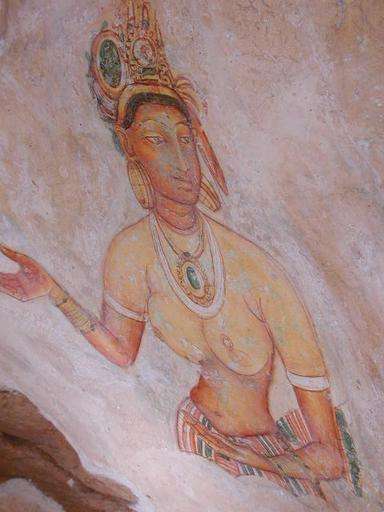
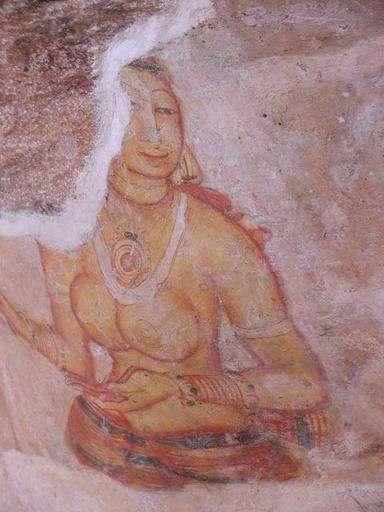
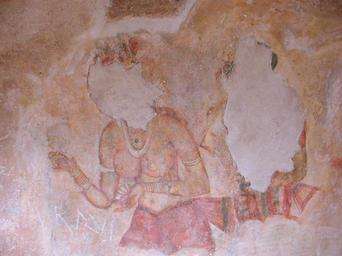
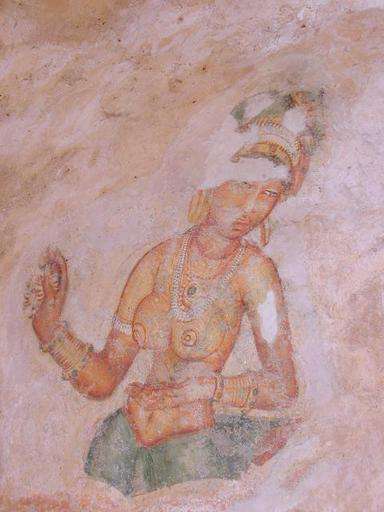
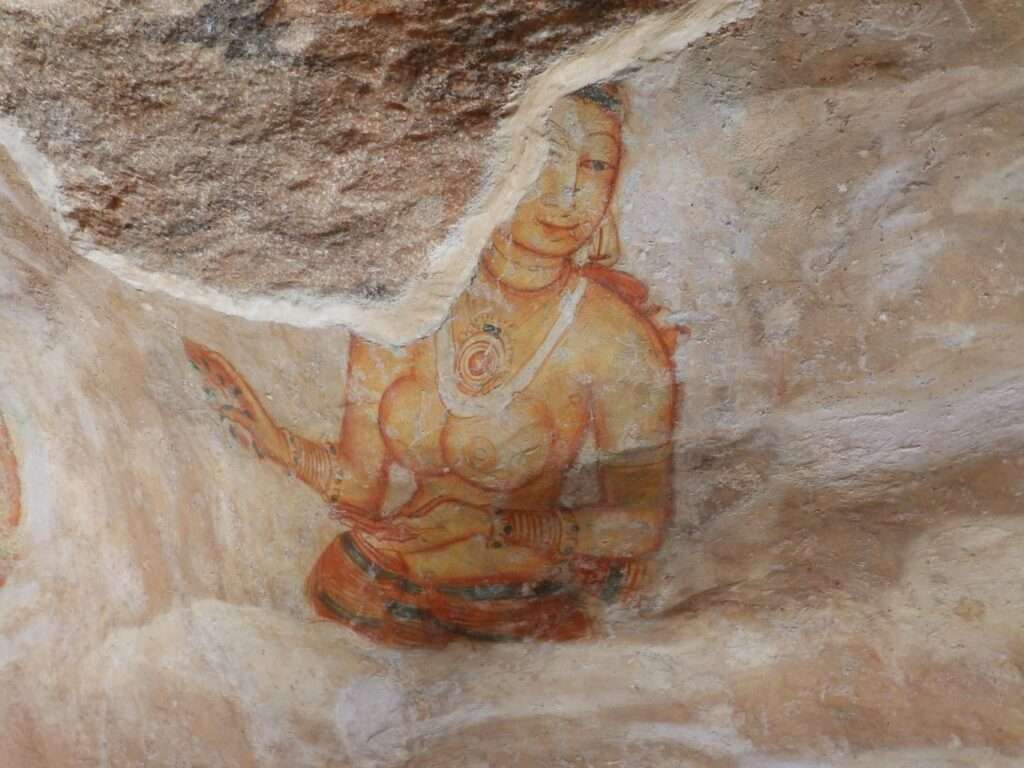
One of the most remarkable features of Sigiriya is its collection of frescoes. These ancient paintings depict the famous Sigiriya maidens, believed to be celestial nymphs. The vibrant colors and intricate details of these frescoes offer a glimpse into the artistic skills and aesthetics of the time.

The Mirror Wall and Graffiti

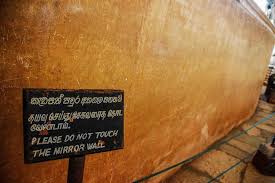
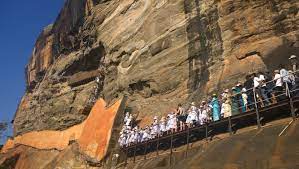
As visitors ascended the rock, they would come across the Mirror Wall, a highly polished surface that once reflected the frescoes in all their glory. Over the centuries, travelers left behind inscriptions and graffiti on the wall, providing valuable insights into the daily life and thoughts of people from various eras.

The Enigmatic Lion’s Paw Terrace

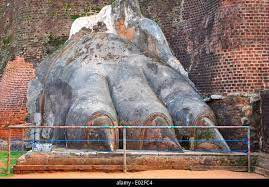
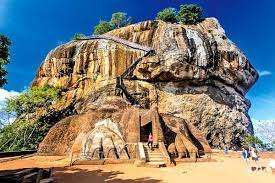
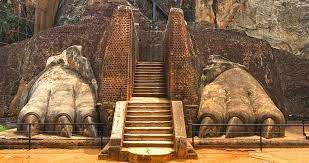
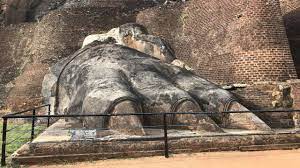
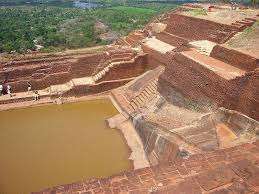
At the summit of Sigiriya, the awe-inspiring Lion’s Paw Terrace awaits. This massive stone structure, shaped like the paws of a lion, served as the entrance to the palace. Unfortunately, only the colossal lion’s paws remain today, with the rest of the lion’s body eroded by time.
The Beautiful Gardens of Sigiriya

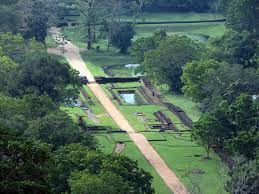
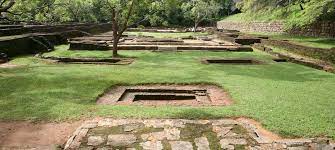
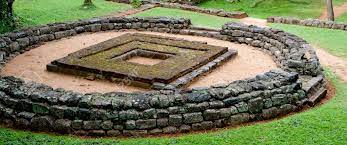
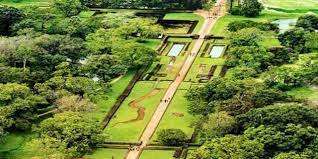
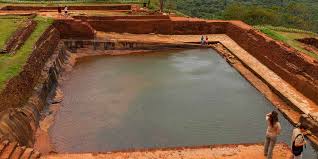
Surrounding the rock fortress are the meticulously designed gardens of Sigiriya. These gardens, adorned with fountains, water gardens, and terraces, showcased the mastery of ancient irrigation systems and landscape architecture. The symmetrical layout and lush greenery added to the grandeur of Sigiriya.
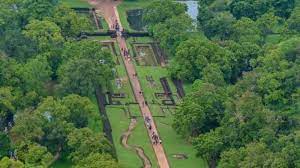
Sigiriya as a Symbol of Power

King Kasyapa’s transformation of Sigiriya into a fortress and palace complex was not merely an architectural feat but also a symbol of his authority and power. The grandeur and opulence of Sigiriya were intended to awe and intimidate visitors and rival kingdoms, solidifying Kasyapa’s position as a formidable ruler.

Restoration and Preservation Efforts

Over the years, Sigiriya has faced natural decay and the ravages of time. However, concerted efforts have been made to restore and preserve this remarkable site. Conservation projects and ongoing maintenance ensure that future generations can continue to marvel at the splendor of Sigiriya.

Sigiriya: A UNESCO World Heritage Site

In recognition of its historical and cultural significance, Sigiriya was declared a UNESCO World Heritage Site in 1982. This prestigious designation acknowledges its outstanding universal value and serves to protect and promote this architectural marvel for generations to come.
Exploring Sigiriya Today

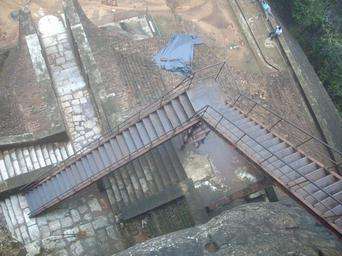
Today, Sigiriya attracts tourists from around the world who come to witness its grandeur and unravel the mysteries of the past. Visitors can ascend the rock via a network of staircases and pathways, exploring the palace ruins, the frescoes, and the enchanting gardens along the way.

The Cultural Significance of Sigiriya

Sigiriya is more than just a rock fortress; it is a cultural symbol of Sri Lanka. The site showcases the architectural brilliance, artistic expression, and advanced engineering techniques of ancient Sri Lankan civilization. It serves as a reminder of the island’s rich cultural heritage and provides valuable insights into its past.

Sigiriya: A Haven for Nature Enthusiasts

Beyond its historical and cultural significance, Sigiriya is also a paradise for nature enthusiasts. The surrounding area boasts lush forests, diverse wildlife, and breathtaking views. Exploring the vicinity of Sigiriya offers opportunities for birdwatching, wildlife spotting, and immersing oneself in the natural beauty of Sri Lanka.

Sigiriya: A Photographer’s Paradise

With its stunning landscapes, intricate architecture, and vibrant flora and fauna, Sigiriya presents endless opportunities for photographers. The play of light and shadow on the rock, the vivid colors of the frescoes, and the symmetrical gardens provide captivating subjects for photographers to capture and preserve the beauty of Sigiriya.

Sigiriya: An Iconic Landmark of Sri Lanka

In conclusion, Sigiriya stands tall as a testament to the ingenuity and creativity of ancient Sri Lankan civilization. Its majestic rock fortress, beautiful frescoes, and stunning gardens continue to enthrall visitors, transporting them back in time to an era of opulence and grandeur. Sigiriya’s UNESCO World Heritage status ensures its preservation for future generations to marvel at and appreciate.

FAQs (Frequently Asked Questions)

  1. Is Sigiriya accessible for all age groups?
    • Yes, while the ascent to the top of the rock can be challenging for some, there are alternative paths and viewpoints that cater to different fitness levels.
  2. Can I hire a guide at Sigiriya?
    • Yes, there are knowledgeable guides available at the site who can provide valuable insights into Sigiriya’s history and significance.
  3. Are there any restrictions on photography at Sigiriya?
    • Photography is allowed at Sigiriya, but there may be certain areas where photography is restricted for preservation purposes.
  4. How long does it take to explore Sigiriya?
    • On average, it takes about 2-3 hours to explore Sigiriya thoroughly, but the duration can vary based on individual preferences.
  5. Are there any nearby attractions to visit along with Sigiriya?
    • Yes, nearby attractions include the Dambulla Cave Temple, Minneriya National Park, and Polonnaruwa, all of which offer unique experiences and further insights into Sri Lanka’s history and natural beauty.

SHARE

Kandy – Mesmerizing Hill Capital of Sri Lanka

SHARE

Introduction

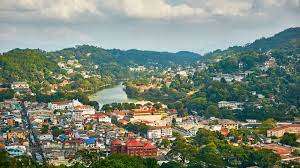
Nestled amidst the lush green hills of Sri Lanka, Kandy stands as a captivating city that entices travelers from across the globe. Known as the cultural and spiritual heart of the island, this enchanting destination offers a harmonious blend of ancient traditions, natural beauty, and a vibrant cityscape. In this article, we will delve into the wonders of Kandy, exploring its rich history, iconic attractions, cultural festivals, culinary delights, and more. So, fasten your seatbelts as we embark on a virtual journey to this mesmerizing hill capital.

Table of Contents

  1. The Historical Significance of Kandy
  2. Top Attractions in Kandy
    1. The Temple of the Tooth Relic
    2. Peradeniya Botanical Gardens
    3. Kandy Lake
    4. Udawatta Kele Sanctuary
  3. Cultural Festivals in Kandy
    1. Esala Perahera
    2. Kandy Perehera Museum
  4. Exploring Kandy’s Natural Beauty
    1. Knuckles Mountain Range
    2. Hanthana Mountain Range
  5. Kandy’s Exquisite Cuisine
    1. Traditional Sri Lankan Food
    2. Kandyan Sweetmeats
  6. Shopping in Kandy
    1. Kandy City Center
    2. Street Markets and Souvenirs
  7. Accommodation Options in Kandy
    1. Luxury Hotels and Resorts
    2. Budget-Friendly Guesthouses
  8. Transportation in Kandy
    1. Tuk-tuks and Taxis
    2. Public Buses and Trains
  9. Safety and Travel Tips for Visitors
  10. Conclusion
  11. FAQs (Frequently Asked Questions)

The Historical Significance of Kandy

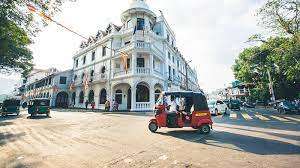
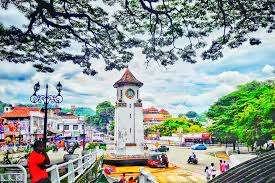
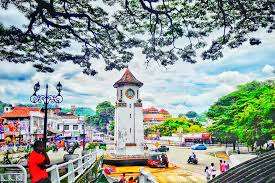
Kandy holds great historical significance as it served as the last capital of the ancient kings of Sri Lanka. This UNESCO World Heritage Site is home to many historical landmarks that portray the rich cultural heritage of the country. From ancient temples to colonial-era architecture, Kandy’s historical treasures leave visitors in awe.

Top Attractions in Kandy

The Temple of the Tooth Relic

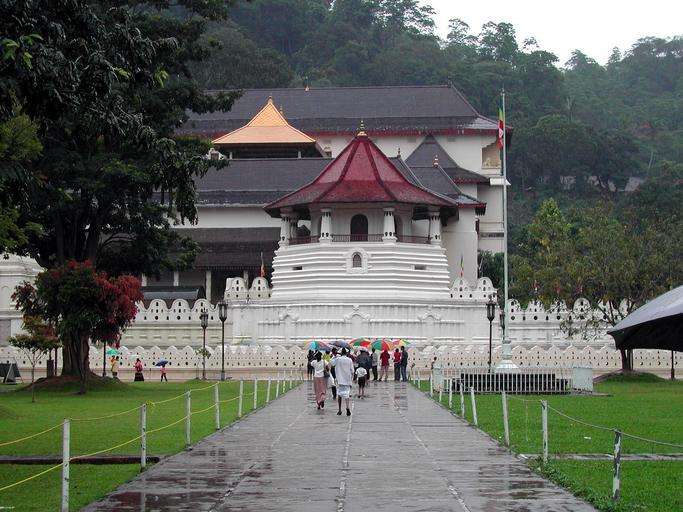
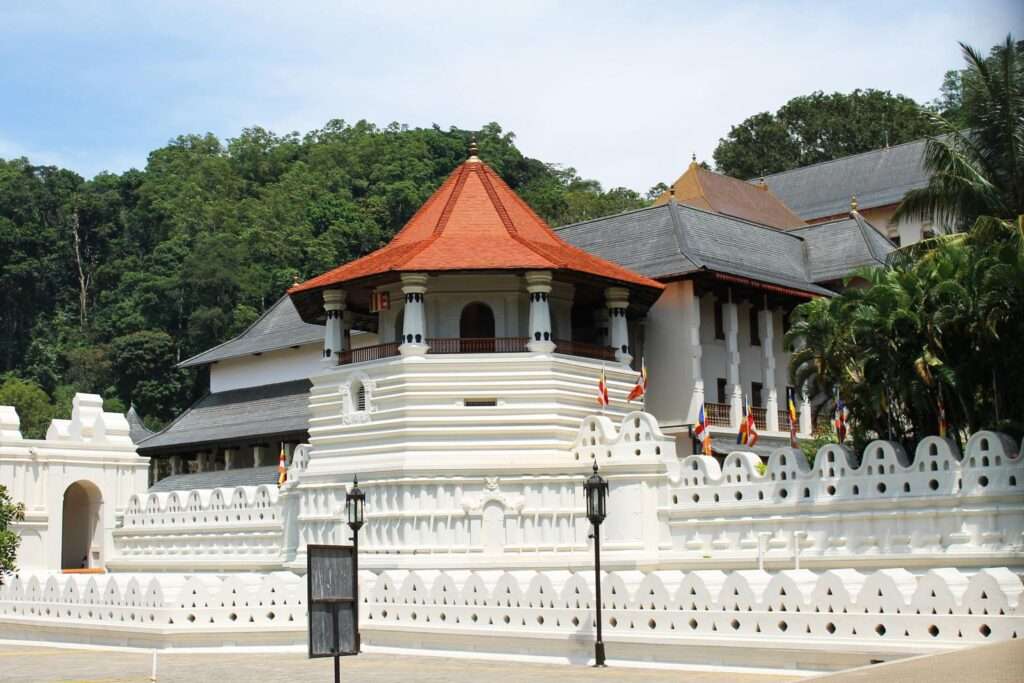
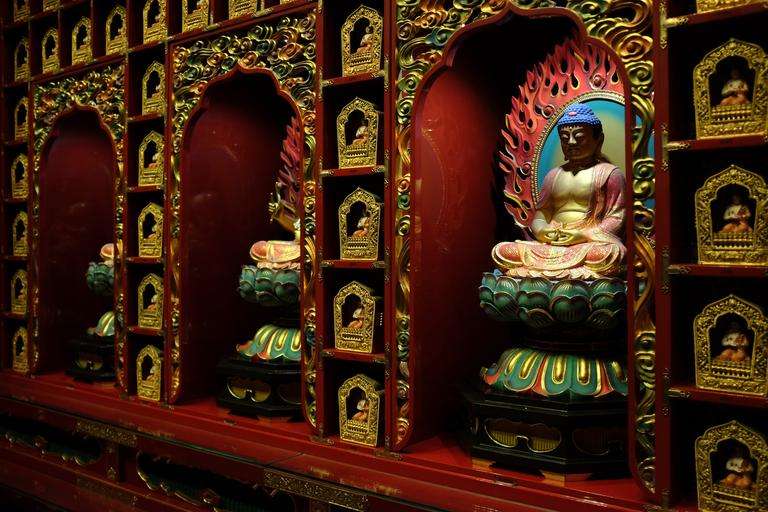
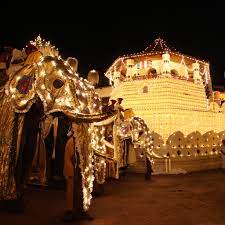
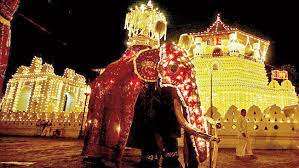
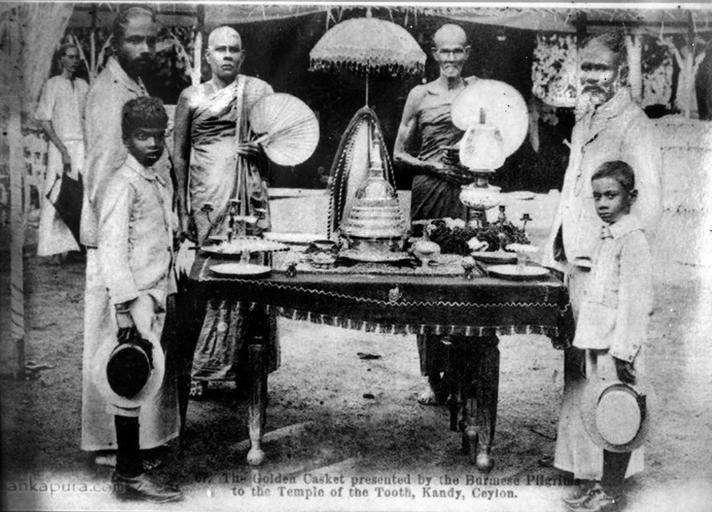
The Temple of the Tooth Relic, locally known as Sri Dalada Maligawa, is the most sacred Buddhist temple in Sri Lanka. It houses the sacred tooth relic of Lord Buddha and attracts pilgrims and tourists alike. The temple’s stunning architecture, intricate wood carvings, and religious rituals create a captivating experience.

Peradeniya Botanical Gardens

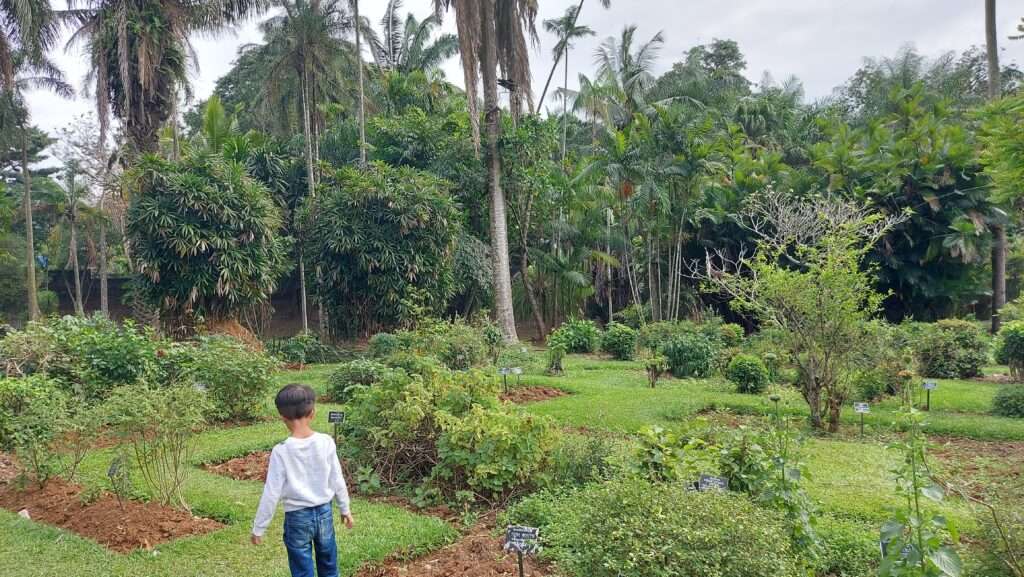
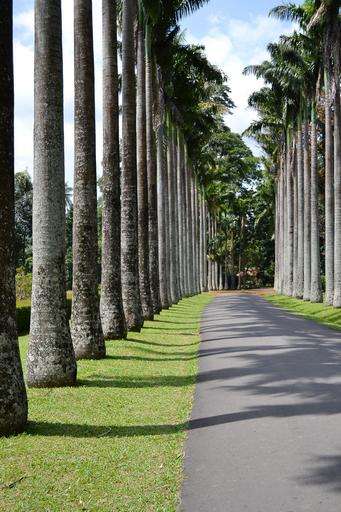
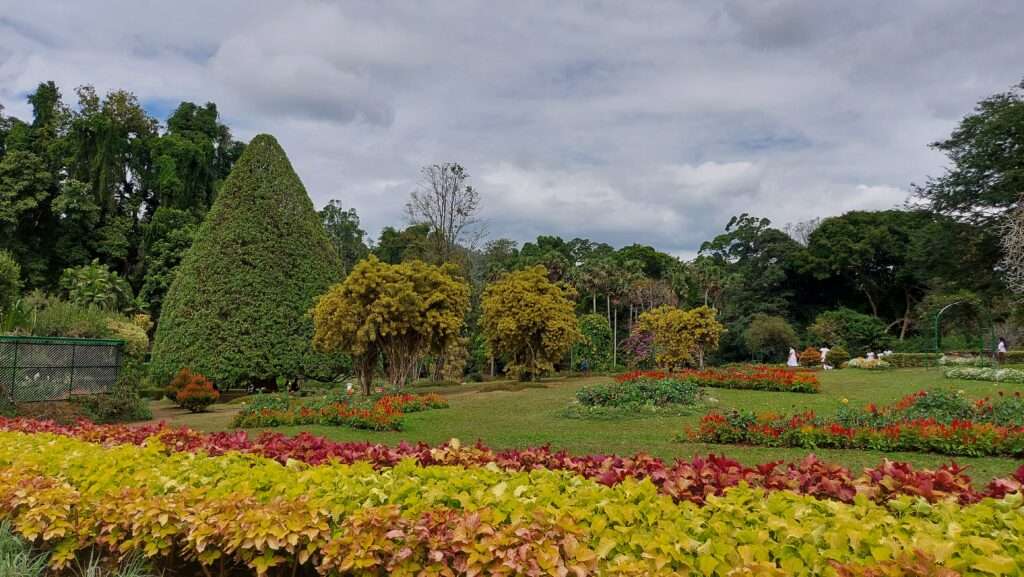
Spread across 147 acres, the Peradeniya Botanical Gardens is a paradise for nature lovers. It showcases a vast collection of tropical flora, including majestic palm trees, orchids, and medicinal plants. Strolling through the gardens offers a serene escape into nature’s embrace.

Kandy Lake

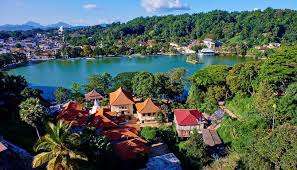
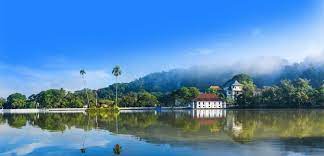
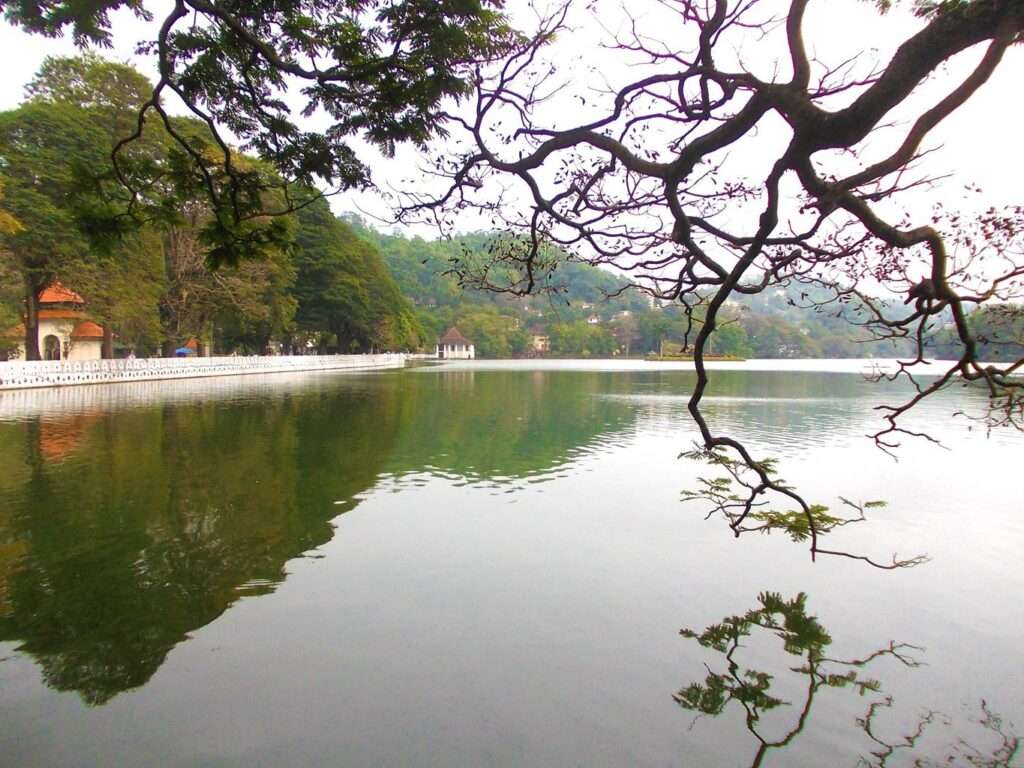
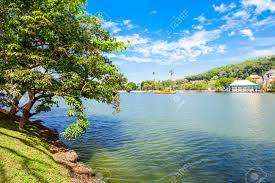
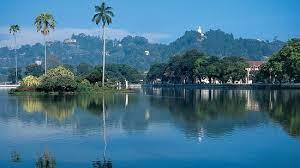
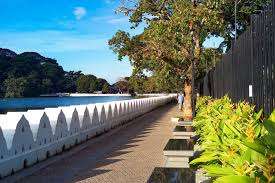
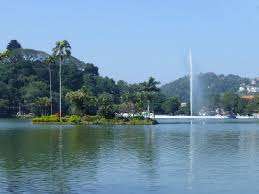
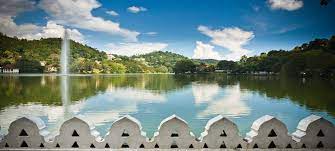
Kandy Lake, also known as Kiri Muhuda (Milky Ocean), is an iconic feature of the city. Built in the 19th century, the lake offers a tranquil ambiance and picturesque views. Visitors can enjoy a leisurely walk along its shores, capturing beautiful moments amidst the lush surroundings.

Udawatta Kele Sanctuary

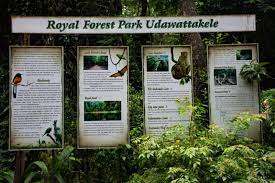
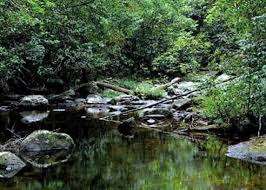
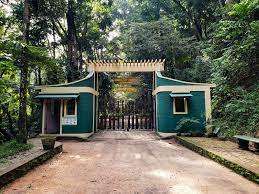
Nature enthusiasts shouldn’t miss the opportunity to explore the Udawatta Kele Sanctuary. This forest reserve, located behind the Temple of the Tooth Relic, is home to diverse wildlife, including monkeys, birds, and butterflies. A guided trek through the sanctuary reveals hidden gems and breathtaking vistas.

Cultural Festivals in Kandy

Esala Perahera

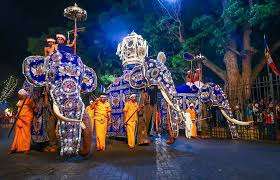
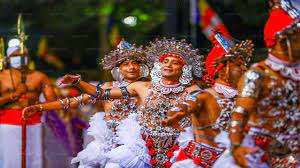
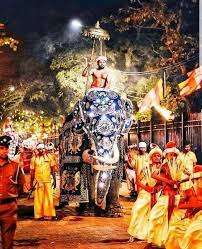
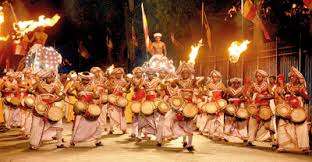
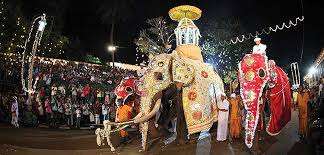
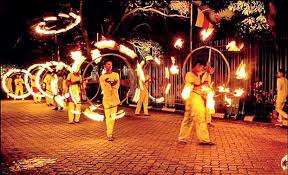
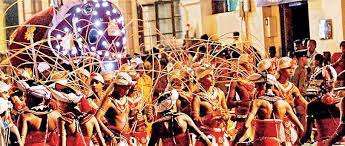
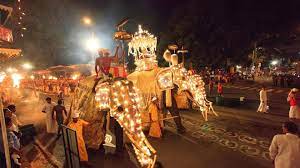
The Esala Perahera is an extravagant cultural festival celebrated in Kandy, usually in July or August. This grand procession showcases traditional dancers, drummers, and elaborately adorned elephants parading through the streets. It commemorates the sacred tooth relic and attracts thousands of spectators from around the world.

Kandy Perehera Museum

For a deeper understanding of the Esala Perahera, a visit to the Kandy Perehera Museum is highly recommended. Here, visitors can explore the history and significance of the festival through vibrant exhibits, artifacts, and multimedia presentations.

Exploring Kandy’s Natural Beauty

Knuckles Mountain Range

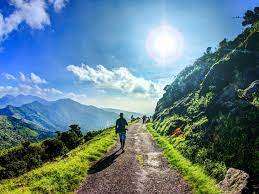
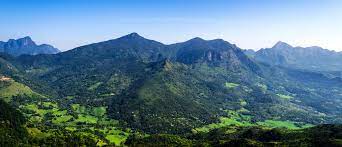
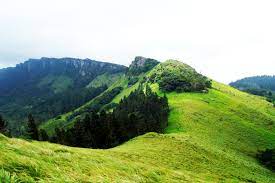
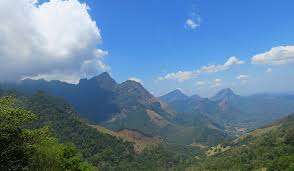
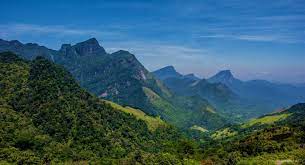
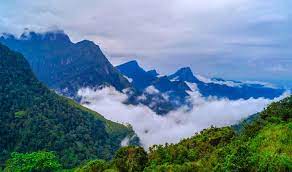
Adventure seekers and nature lovers can embark on a trek to the Knuckles Mountain Range. This scenic paradise offers hiking trails through misty mountains, dense forests, and cascading waterfalls. The breathtaking views and untouched wilderness create an unforgettable experience.

Hanthana Mountain Range

Hanthana Mountain Range, located just outside Kandy, provides another opportunity for outdoor exploration. Its hiking trails lead to panoramic viewpoints, tea plantations, and traditional villages. The refreshing climate and lush landscapes make it a favorite among trekkers.

Kandy’s Exquisite Cuisine

Traditional Sri Lankan Food

Kandy is a food lover’s haven, offering a delightful array of traditional Sri Lankan dishes. From aromatic rice and curry to spicy street food, the city tantalizes the taste buds with its diverse flavors. Don’t miss the chance to savor Kandyan delicacies like “Ambul Thiyal” (sour fish curry) and “Kola Kenda” (herbal porridge).

Kandyan Sweetmeats

Indulge in the sweet side of Kandy by sampling its famous sweetmeats. These delectable treats, made from jaggery, rice flour, and coconut, are often shaped into intricate designs. “Kavum,” “Kokis,” and “Halapa” are must-tries for those with a sweet tooth.

Shopping in Kandy

Kandy City Center

For a modern shopping experience, head to Kandy City Center. This shopping mall houses a variety of local and international brands, offering clothing, accessories, electronics, and more. It’s the perfect place to shop for souvenirs and enjoy a meal at one of the many restaurants.

Street Markets and Souvenirs

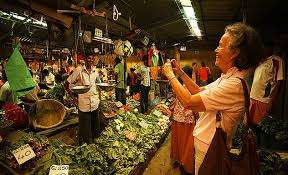
To immerse yourself in the local culture, explore the vibrant street markets of Kandy. These bustling markets offer a treasure trove of handicrafts, gemstones, spices, and traditional garments. Bargaining skills come in handy to secure the best deals.

Accommodation Options in Kandy

Luxury Hotels and Resorts

Kandy boasts a range of luxury hotels and resorts that offer world-class amenities and breathtaking views. From boutique hotels in colonial buildings to luxurious resorts nestled in the hills, these accommodations provide a serene and opulent retreat.

Budget-Friendly Guesthouses

Travelers on a budget can find comfortable guesthouses and homestays in Kandy. These affordable options offer a cozy ambiance and a chance to interact with locals, providing an authentic experience of Sri Lankan hospitality.

Transportation in Kandy

Tuk-tuks and Taxis

Getting around Kandy is convenient with the availability of tuk-tuks and taxis. Tuk-tuks are three-wheeled vehicles that offer a fun and adventurous way to explore the city. Taxis provide a more comfortable and private mode of transportation.

Public Buses and Trains

For a budget-friendly option, public buses are a popular choice. They connect Kandy with various destinations across the island. Travelers can also enjoy scenic train rides, especially the iconic journey from Kandy to Ella, offering breathtaking views of tea plantations and mountains.

Safety and Travel Tips for Visitors

  • Respect local customs and dress modestly when visiting religious sites.
  • Be cautious of your belongings and avoid displaying valuable items in crowded areas.
  • Stay hydrated and use sunscreen, as Kandy’s climate can be hot and humid.
  • Consult with a reputable tour guide for a deeper understanding of the city’s history and culture.
  • Follow COVID-19 safety guidelines and stay updated on travel restrictions and requirements.

Conclusion

Kandy, with its historical charm, cultural festivities, natural wonders, and delectable cuisine, offers an unforgettable experience for every traveler. Whether you seek spiritual enlightenment, adventure in the mountains, or a taste of Sri Lankan heritage, Kandy will captivate you with its beauty and allure. So, pack your bags, embark on this incredible journey, and let Kandy weave its magic upon you.

FAQs (Frequently Asked Questions)

1. When is the best time to visit Kandy?

The best time to visit Kandy is during the months of December to April when the weather is pleasant and rainfall is minimal.

2. How can I witness the Esala Perahera festival?

To witness the Esala Perahera festival, plan your visit around July or August. You can secure a spot along the procession route or book a ticket for a grandstand seat.

3. Are there any eco-friendly accommodations in Kandy?

Yes, Kandy offers eco-friendly accommodations that promote sustainability and minimize environmental impact. Look for hotels and resorts with eco-certifications or eco-friendly practices.

4. Can I hire a guide for trekking in the Knuckles Mountain Range?

Yes, it is highly recommended to hire a local guide for trekking in the Knuckles Mountain Range. They possess in-depth knowledge of the trails, wildlife, and ensure your safety.

5. How far is Kandy from Colombo, the capital city of Sri Lanka?

Kandy is located approximately 115 kilometers (71 miles) northeast of Colombo, and the journey takes around 3-4 hours by road.


SHARE

Lahugala National Park | Exploring Sri Lanka’s Hidden Gem

SHARE

If you’re an adventurous traveler seeking to escape the bustling crowds and immerse yourself in nature’s wonders, Lahugala in Sri Lanka is a hidden gem worth discovering. Tucked away in the southeastern part of the country, Lahugala offers a serene and enchanting experience that will leave you captivated. From its lush landscapes and diverse wildlife to its ancient ruins and cultural heritage, Lahugala has something for everyone. In this article, we will take you on a journey to explore the beauty and charm of Lahugala, uncovering its secrets and attractions that make it a must-visit destination.

Table of Contents

  1. Introduction
  2. The History of Lahugala
  3. Getting to Lahugala
  4. Lahugala National Park: A Wildlife Wonderland
  5. Lahugala Tank: A Man-Made Marvel
  6. The Ancient Rock Temple of Magul Maha Viharaya
  7. The Enigmatic Godavaya Archaeological Site
  8. Experiencing Lahugala’s Cultural Festivals
  9. Traditional Handicrafts of Lahugala
  10. Indulging in Local Cuisine
  11. Accommodation Options in Lahugala
  12. Exploring Nearby Attractions
  13. Sustainable Tourism Initiatives in Lahugala
  14. Tips for a Memorable Trip to Lahugala
  15. Conclusion

Introduction

Nestled in the Ampara District of Sri Lanka, Lahugala is a destination that beckons nature enthusiasts, history buffs, and culture lovers alike. Away from the well-trodden tourist paths, Lahugala offers a tranquil setting where you can immerse yourself in the beauty of untouched wilderness and connect with the rich heritage of the region. Whether you’re embarking on a solo adventure or traveling with your family, Lahugala promises to leave an indelible mark on your heart.

The History of Lahugala

The history of Lahugala dates back centuries, with evidence of human settlements and ancient civilizations found in the area. The region has been ruled by various kingdoms, including the Anuradhapura, Polonnaruwa, and Kandy kingdoms. Lahugala played a significant role in the country’s history, serving as a strategic location for trade and defense. The remnants of ancient temples, monasteries, and royal complexes stand as a testament to the rich historical legacy of Lahugala.

Getting to Lahugala

To reach Lahugala, you can take a scenic drive from Colombo, the capital city of Sri Lanka, or from the nearby town of Ampara. The journey offers breathtaking views of the countryside, with picturesque landscapes and traditional villages along the way. You can also opt to take public transportation, such as buses or trains, which provide a more immersive experience of local life.

Lahugala National Park: A Wildlife Wonderland

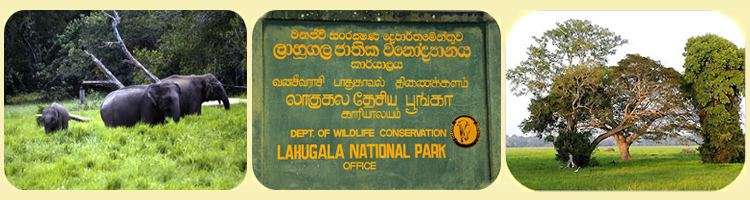
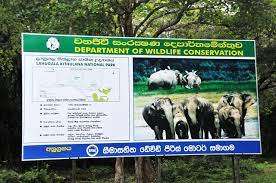
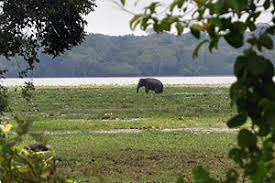
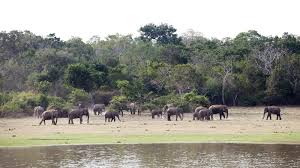
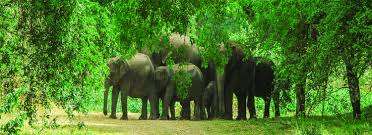
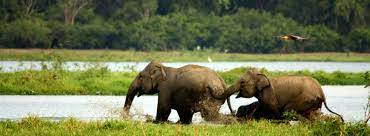
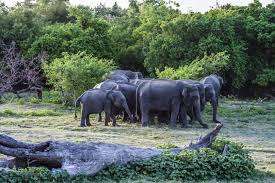
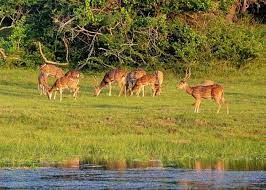
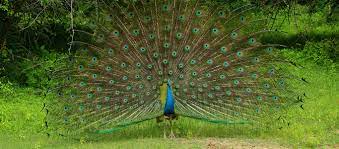
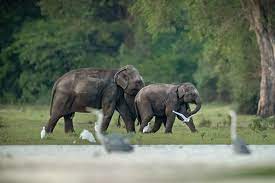
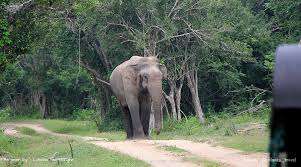
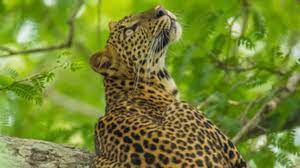
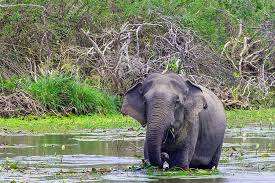
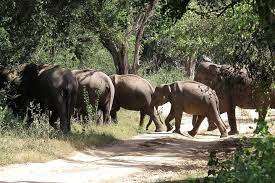
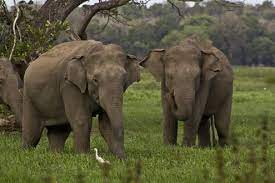
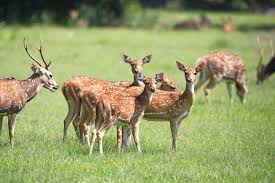
One of the main highlights of Lahugala is its national park, a sanctuary for wildlife enthusiasts. Spread across an expansive area, Lahugala National Park is home to a diverse range of animal and bird species. As you venture into the park, you’ll have the chance to spot elephants, leopards, deer, monkeys, and a myriad of colorful birdlife. Guided safaris and nature walks allow you to explore the park’s hidden treasures while learning about its unique ecosystem.

Lahugala Tank: A Man-Made Marvel

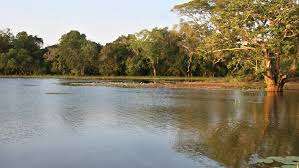
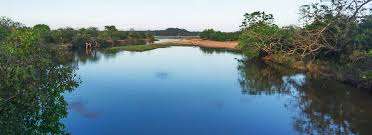
The Lahugala Tank, an ancient irrigation reservoir, is a testament to the advanced engineering skills of ancient Sri Lankans. Built during the reign of King Datusena in the 5th century, the tank served as a vital water source for agriculture in the region. Today, it stands as a picturesque site, surrounded by lush greenery and offering a peaceful ambiance. Visitors can take leisurely walks along the tank’s bunds, enjoying the tranquility and spotting wildlife that frequents the area.

The Ancient Rock Temple of Magul Maha Viharaya

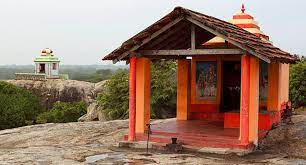
Perched atop a rocky outcrop, the Magul Maha Viharaya is an ancient Buddhist temple that holds great historical and religious significance. Believed to have been established during the reign of King Kavantissa in the 2nd century BC, the temple features intricate stone carvings and paintings. The serene atmosphere and panoramic views from the temple premises make it a must-visit site for spiritual seekers and history enthusiasts.

The Enigmatic Godavaya Archaeological Site

For archaeology enthusiasts, the Godavaya site near Lahugala offers a captivating glimpse into the past. This archaeological site showcases the remnants of a once-thriving port city that flourished during ancient times. Excavations have unearthed artifacts, pottery, and architectural structures, shedding light on the region’s trade and cultural interactions. Exploring Godavaya allows you to unravel the mysteries of this ancient civilization and appreciate its historical significance.

Experiencing Lahugala’s Cultural Festivals

Lahugala is known for its vibrant cultural festivals that celebrate the local traditions and customs. The Lahugala Perahera, a grand procession of elephants adorned with colorful garments and traditional dancers, is a spectacle that shouldn’t be missed. The rhythmic beats of traditional drums and the mesmerizing performances create an atmosphere filled with joy and excitement. Attending these festivals provides a unique opportunity to immerse yourself in the local culture and witness the deep-rooted traditions of Lahugala.

Traditional Handicrafts of Lahugala

Lahugala is renowned for its exquisite handicrafts, which are a testament to the creativity and craftsmanship of the local artisans. From intricately woven baskets and mats to vibrant hand-painted masks and pottery, the handicrafts of Lahugala reflect the region’s cultural heritage. Visitors can explore workshops and interact with the artisans to gain insights into their traditional techniques and purchase unique souvenirs to commemorate their visit.

Indulging in Local Cuisine

No trip to Lahugala is complete without savoring the authentic flavors of Sri Lankan cuisine. The region’s culinary delights feature a delightful blend of aromatic spices, fresh seafood, and tropical fruits. Don’t miss the opportunity to try traditional dishes such as rice and curry, hoppers, and string hoppers. Engage your taste buds and embark on a culinary adventure that will leave you craving for more.

Accommodation Options in Lahugala

Lahugala offers a range of accommodation options to suit various preferences and budgets. From eco-lodges nestled in the heart of nature to comfortable guesthouses and hotels, there’s something for every traveler. Staying amidst the lush surroundings of Lahugala allows you to wake up to the sounds of birds chirping and immerse yourself in the tranquility of the area.

Exploring Nearby Attractions

While Lahugala itself has much to offer, it also serves as a gateway to several nearby attractions. Within a short distance, you can visit the iconic Yala National Park, renowned for its leopard sightings, or explore the ancient city of Polonnaruwa, a UNESCO World Heritage site. These excursions allow you to further expand your exploration and make the most of your visit to this captivating region.

Sustainable Tourism Initiatives in Lahugala

Lahugala is committed to promoting sustainable tourism practices to preserve its natural beauty and cultural heritage. Local communities actively participate in conservation efforts and engage in eco-friendly initiatives. By supporting responsible tourism, visitors contribute to the preservation of Lahugala’s unique ecosystems and the well-being of its residents.

Tips for a Memorable Trip to Lahugala

  • Pack light and comfortable clothing suitable for the tropical climate.
  • Apply sunscreen and carry insect repellent for protection against the sun and bugs.
  • Stay hydrated by carrying a water bottle and drink plenty of fluids.
  • Respect the local customs and traditions while visiting temples and cultural sites.
  • Engage with the local community and learn about their way of life.
  • Capture the beauty of Lahugala through photography but remember to be mindful of the environment and wildlife.
  • Plan your visit during the dry season (April to September) for optimal wildlife sightings.

Conclusion

Lahugala offers a remarkable travel experience for those seeking an off-the-beaten-path adventure in Sri Lanka. From its breathtaking natural landscapes to its historical sites and vibrant cultural traditions, Lahugala has something to captivate every traveler. Embrace the tranquility, immerse yourself in the wonders of nature, and connect with the rich heritage of this hidden gem. Explore Lahugala and create memories that will last a lifetime.

FAQs

1. Is Lahugala a safe destination to visit?

Yes, Lahugala is considered a safe destination for travelers. However, it is always advisable to take necessary precautions and follow any travel advisories issued by the local authorities.

2. What is the best time to visit Lahugala?

The best time to visit Lahugala is during the dry season, which runs from April to September. During this time, the weather is pleasant, and wildlife sightings are more frequent.

3. Are there any accommodation options within Lahugala National Park?

No, there are no accommodation options within Lahugala National Park. However, there are several places to stay in the nearby town of Lahugala and other surrounding areas.

4. Can I spot elephants in Lahugala National Park?

Yes, Lahugala National Park is home to a significant population of elephants. Safari tours within the park offer excellent opportunities to spot these majestic creatures in their natural habitat.

5. Are there any restrictions on photography within Lahugala?

While there are no specific restrictions on photography, it is essential to be respectful of the environment and wildlife. Avoid using flash photography or disturbing the animals for ethical reasons.

In conclusion

Lahugala is a captivating destination that offers a perfect blend of natural beauty, historical richness, and cultural heritage. Embark on a journey to this hidden gem in Sri Lanka and discover its wonders for yourself. From exploring wildlife-filled national parks to marveling at ancient temples and indulging in local traditions, Lahugala promises an unforgettable experience that will leave you with cherished memories. So pack your bags, embrace the adventure, and immerse yourself in the magic of Lahugala.


SHARE

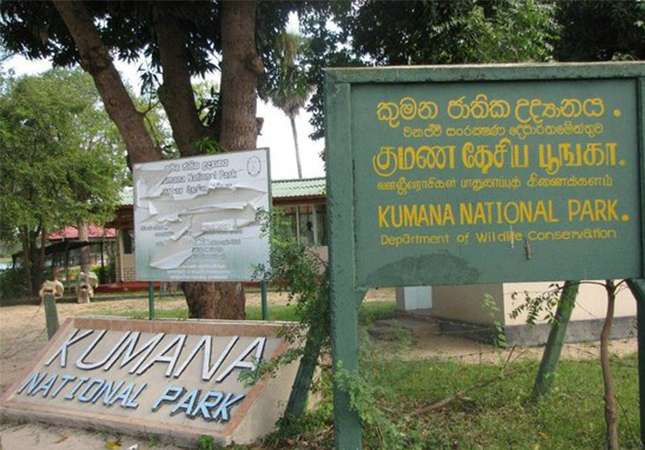
Kumana National Park | A Wildlife Paradise in Sri Lanka

SHARE

Table of Contents

  1. Introduction
  2. Location and History
  3. Biodiversity and Wildlife
  4. Bird Watching at Kumana National Park
  5. Mammals and Reptiles
  6. Flora and Fauna
  7. Ecotourism and Conservation
  8. Best Time to Visit
  9. Getting There
  10. Accommodation Options
  11. Tips for Visitors
  12. Activities and Attractions
  13. Conclusion
  14. FAQs

Introduction

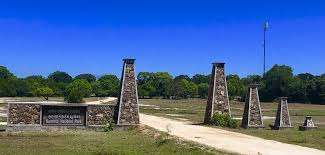
Nestled on the southeastern coast of Sri Lanka, Kumana National Park stands as a pristine wildlife sanctuary that captivates nature enthusiasts from around the world. Spanning across vast stretches of lush forests, wetlands, and picturesque landscapes, this national park offers a unique and unforgettable wildlife experience. In this article, we will explore the beauty and wonders of Kumana National Park, from its rich biodiversity to its conservation efforts.

Location and History

Kumana National Park is located in the Ampara District of Sri Lanka, approximately 391 kilometers away from the capital city of Colombo. Established in 1970, it was originally declared a wildlife sanctuary to protect the nesting grounds of migratory birds. Over the years, the park has expanded in size and significance, evolving into one of the most renowned national parks in Sri Lanka.

Biodiversity and Wildlife

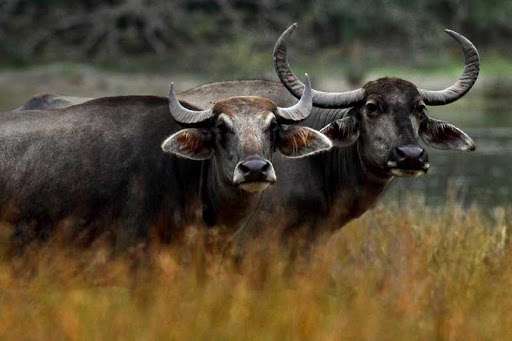
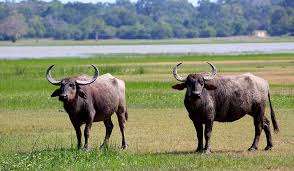
Kumana National Park is renowned for its remarkable biodiversity. The park is home to a wide variety of animals, including elephants, leopards, sloth bears, and water buffaloes. It also boasts an impressive array of reptiles, such as crocodiles, snakes, and turtles. Visitors can witness these majestic creatures in their natural habitats, creating lasting memories and unique encounters with nature.

Bird Watching at Kumana National Park

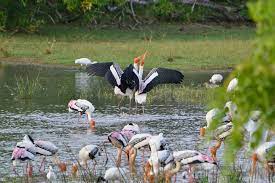
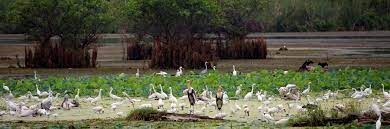
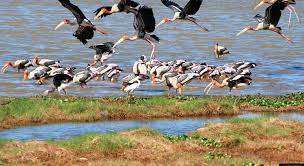
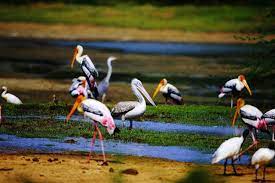
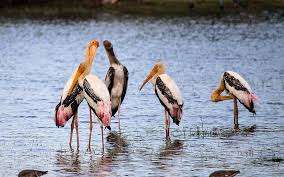
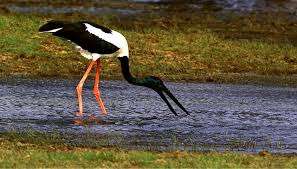
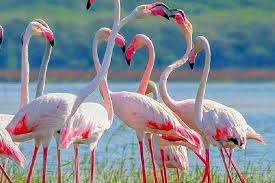
One of the main attractions of Kumana National Park is its vibrant birdlife. The park is a paradise for birdwatchers, as it serves as a significant nesting and breeding ground for numerous migratory and resident bird species. Over 200 species of birds have been recorded here, including rare and endangered species like the black-necked stork, great thick-knee, and Indian pitta. The serene Kumana Villu, a large natural mangrove swamp, is a hot spot for bird enthusiasts.

Mammals and Reptiles

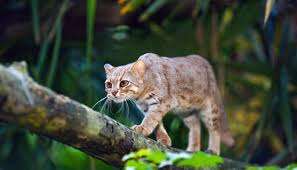
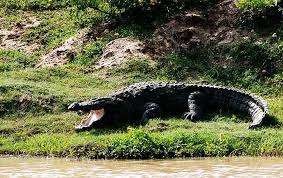
Apart from its avian population, Kumana National Park is teeming with a diverse range of mammals and reptiles. The park provides sanctuary to several mammal species, including the Sri Lankan elephant, Sri Lankan leopard, and fishing cat. Reptiles such as the mugger crocodile, Indian python, and various species of turtles can also be found in the park. The lush vegetation and pristine water bodies create an ideal habitat for these creatures to thrive.

Flora and Fauna

Kumana National Park boasts a rich tapestry of flora and fauna. The park’s vegetation consists of dense tropical forests, mangrove swamps, and grasslands, creating a unique ecosystem. Towering kumbuk trees, vibrant orchids, and colorful water lilies add to the park’s scenic beauty. The diverse flora sustains the park’s wildlife, providing shelter and nourishment to its inhabitants.

Ecotourism and Conservation

Kumana National Park plays a vital role in ecotourism and conservation efforts in Sri Lanka. The park’s management focuses on sustainable practices to preserve its delicate ecosystems. Visitors can engage in responsible tourism activities such as guided nature walks, safari tours, and educational programs that raise awareness about conservation. By supporting ecotourism initiatives, visitors contribute to the long-term preservation of Kumana National Park and its biodiversity.

Best Time to Visit

The best time to visit Kumana National Park is during the dry season, which typically spans from May to September. During this time, water levels recede, and animals gather around the remaining water sources, making wildlife sightings more frequent. The park’s vibrant bird population is also at its peak during the breeding season, which occurs from April to July.

Getting There

Kumana National Park is easily accessible from various parts of Sri Lanka. The nearest town is Arugam Bay, which is approximately 10 kilometers away. Visitors can reach Arugam Bay by bus or taxi from major cities like Colombo or Trincomalee. From Arugam Bay, it is a short drive to the park’s entrance.

Accommodation Options

There are several accommodation options available near Kumana National Park, catering to different budgets and preferences. Visitors can choose from luxury resorts, eco-lodges, guesthouses, and camping sites. Staying in proximity to the park allows visitors to maximize their time exploring the wilderness and immersing themselves in the natural beauty of the surroundings.

Tips for Visitors

  • Carry insect repellent and sunscreen to protect yourself from the sun and insects.
  • Dress in comfortable and lightweight clothing suitable for tropical climates.
  • Bring binoculars and a camera to enhance your wildlife viewing experience.
  • Follow the instructions of park authorities and maintain a safe distance from the animals.
  • Do not litter or disturb the natural environment. Respect the park’s rules and regulations.

Activities and Attractions

Kumana National Park offers a range of activities and attractions for visitors to enjoy. These include:

  • Safari tours: Embark on an exciting jeep safari through the park’s wilderness, accompanied by knowledgeable guides.
  • Birdwatching excursions: Explore the park’s diverse birdlife by taking guided birdwatching tours or leisurely walks.
  • Nature trails: Discover the park’s hidden gems by exploring its nature trails, allowing you to immerse yourself in its breathtaking landscapes.
  • Photography opportunities: Capture stunning photographs of the park’s wildlife, flora, and picturesque scenery.
  • Cultural experiences: Visit nearby villages to learn about the local culture and traditions, enriching your overall experience.

Conclusion

Kumana National Park is a true haven for nature lovers and wildlife enthusiasts. Its extraordinary biodiversity, captivating landscapes, and commitment to conservation make it a must-visit destination in Sri Lanka. By immersing yourself in the wonders of Kumana National Park, you contribute to the preservation of this natural treasure for future generations to cherish.

FAQs

1. Is it safe to visit Kumana National Park? Yes, it is safe to visit Kumana National Park. However, visitors are advised to follow the instructions of park authorities and maintain a safe distance from the animals.

2. How can I reach Kumana National Park? Kumana National Park is easily accessible from major cities in Sri Lanka. Visitors can reach the nearest town of Arugam Bay by bus or taxi and then proceed to the park’s entrance.

3. What is the best time to visit Kumana National Park? The best time to visit Kumana National Park is during the dry season, which is from May to September. During this time, wildlife sightings are more frequent, and the park’s bird population is at its peak.

4. Can I go on a safari in Kumana National Park? Yes, safari tours are available in Kumana National Park. Visitors can embark on exciting jeep safaris accompanied by knowledgeable guides.

5. Are there accommodation options near Kumana National Park? Yes, there are several accommodation options available near Kumana National Park. Visitors can choose from luxury resorts, eco-lodges, guesthouses, and camping sites.


SHARE

Okanda | Discover the Untouched Paradise of Sri Lanka

SHARE

Introduction

Welcome to Okanda, a hidden gem nestled in the eastern coast of Sri Lanka. This enchanting destination is renowned for its untouched beauty, pristine beaches, and captivating wildlife. Whether you are a nature lover, adventure enthusiast, or simply seeking tranquility, Okanda offers an extraordinary experience like no other. In this article, we will delve into the wonders of Okanda, exploring its natural wonders, cultural heritage, and the myriad of activities that await you in this tropical paradise.

Table of Contents

  1. The Origins of Okanda
  2. Unveiling Okanda’s Natural Beauty
    1. Okanda Beach: A Secluded Haven
    2. Kumana National Park: Wildlife Wonderland
    3. Okanda Pillayar Kovil: A Spiritual Retreat
    4. Okanda Lagoon: Serenity at its Best
  3. Adventure Awaits: Activities in Okanda
    1. Surfing and Water Sports
    2. Birdwatching in Kumana National Park
    3. Jungle Trekking to Okanda Pillayar Kovil
    4. Canoeing in Okanda Lagoon
  4. Immerse in Okanda’s Cultural Heritage
    1. The Legend of Okanda Devale
    2. Traditional Fishing in Okanda
    3. Authentic Sri Lankan Cuisine
  5. Accommodation Options in Okanda
    1. Luxury Resorts by the Beach
    2. Eco-Lodges amidst Nature
    3. Homestays for Authentic Experiences
  6. Getting to Okanda
    1. By Air: Colombo to Mattala Rajapaksa International Airport
    2. By Road: From Colombo to Okanda
  7. Conclusion
  8. FAQs

The Origins of Okanda

Okanda is a coastal village located in the Ampara District of Sri Lanka. Steeped in legend and history, this serene destination holds immense cultural significance to the local communities. According to folklore, Okanda is believed to be the place where Lord Hanuman landed during the Ramayana epic. The area is adorned with ancient temples and historical sites, creating an atmosphere of mystique and reverence.

Unveiling Okanda’s Natural Beauty

Okanda Beach: A Secluded Haven

Okanda Beach is a pristine stretch of golden sand bordered by the shimmering turquoise waters of the Indian Ocean. This secluded haven offers a tranquil escape from the bustling city life. Visitors can bask in the sun, take refreshing dips in the crystal-clear waters, or simply relish the breathtaking views. The beach is also a popular spot for surfing, attracting both beginners and experienced surfers with its consistent waves.

Kumana National Park: Wildlife Wonderland

Nestled adjacent to the Indian Ocean, Kumana National Park is a haven for wildlife enthusiasts and birdwatchers. Spread across an expansive area, the park is home to a diverse array of flora and fauna. Visitors can embark on exhilarating safari tours, spotting elephants, leopards, crocodiles, and a myriad of bird species. The highlight of Kumana National Park is the “Yala East” bird sanctuary, which serves as a nesting ground for numerous migratory birds.

Okanda Pillayar Kovil: A Spiritual Retreat

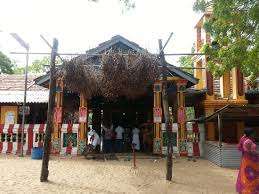
Okanda Pillayar Kovil is an ancient Hindu temple dedicated to Lord Ganesha, situated amidst lush greenery and serene surroundings. Devotees and visitors flock to this spiritual retreat to seek blessings and immerse themselves in the tranquility of the temple. The architecture and intricate carvings of the temple are a sight to behold, showcasing the rich cultural heritage of Sri Lanka.

Okanda Lagoon: Serenity at its Best

Okanda Lagoon is a picturesque body of water surrounded by mangroves and dense vegetation. This tranquil oasis offers a serene environment, perfect for birdwatching, canoeing, and exploring the unique ecosystem. Visitors can witness the vibrant avian species that call the lagoon home or embark on a canoeing adventure, gliding through the calm waters while immersing themselves in the beauty of nature.

Adventure Awaits: Activities in Okanda

Surfing and Water Sports

Okanda Beach’s consistent waves make it an ideal destination for surfers of all levels. Whether you’re a beginner or an experienced surfer, the waves offer thrilling rides and a chance to connect with the power of the ocean. Additionally, Okanda provides opportunities for other water sports such as snorkeling, jet skiing, and paddleboarding, allowing visitors to indulge in exciting aquatic adventures.

Birdwatching in Kumana National Park

Kumana National Park’s diverse ecosystems attract a plethora of bird species, making it a paradise for birdwatching enthusiasts. As you venture into the park, you’ll have the opportunity to witness the vibrant plumage and melodious calls of endemic and migratory birds. Keep your binoculars ready as you explore the park’s various trails, capturing rare moments of avian beauty.

Jungle Trekking to Okanda Pillayar Kovil

Embark on a jungle trek to Okanda Pillayar Kovil, immersing yourself in the lush greenery and tropical landscapes. The trek offers a unique opportunity to connect with nature while discovering hidden waterfalls, encountering wildlife, and soaking in the tranquility of the surroundings. As you reach the temple, feel a sense of awe and spirituality, leaving you with lasting memories of this enchanting journey.

Canoeing in Okanda Lagoon

Take a leisurely canoe ride along the gentle currents of Okanda Lagoon, surrounded by the vibrant greenery of mangroves. Glide through the calm waters, exploring the nooks and crannies of the lagoon’s ecosystem. Witness the rich biodiversity of the mangroves, spot colorful birds perched on the branches, and embrace the serenity of this captivating environment.

Immerse in Okanda’s Cultural Heritage

The Legend of Okanda Devale

According to local folklore, Okanda Devale holds a significant place in the Ramayana epic. It is believed that Lord Hanuman landed on Okanda Beach during his quest to rescue Lord Rama’s wife, Sita. The temple complex showcases intricate sculptures and paintings depicting the events of the Ramayana, captivating visitors with its historical and cultural significance.

Traditional Fishing in Okanda

Experience the traditional fishing methods practiced by the local community in Okanda. Join the fishermen as they venture out to sea, casting their nets and bringing in their catch of the day. Learn about their sustainable fishing practices and listen to fascinating stories passed down through generations. This immersive experience provides a glimpse into the vibrant livelihoods of the coastal communities.

Authentic Sri Lankan Cuisine

Indulge your taste buds with the flavors of Sri Lanka by savoring the authentic cuisine available in Okanda. From mouthwatering seafood delicacies to aromatic rice and curry dishes, the local restaurants and eateries offer a culinary journey that tantalizes the senses. Don’t miss the opportunity to try traditional Sri Lankan favorites such as hoppers, kottu roti, and spicy sambols, ensuring a memorable gastronomic adventure.

Accommodation Options in Okanda

Luxury Resorts by the Beach

For those seeking luxury and comfort, Okanda boasts a range of exquisite beachfront resorts. These resorts offer opulent accommodations, state-of-the-art facilities, and stunning ocean views. Indulge in spa treatments, relish gourmet cuisine, and unwind in the lap of luxury, creating an unforgettable experience amidst the natural beauty of Okanda.

Eco-Lodges amidst Nature

Experience the harmony between nature and comfort by staying in eco-lodges nestled amidst the lush greenery of Okanda. These eco-friendly accommodations blend seamlessly with the surroundings, providing a unique and immersive stay. Wake up to the melodies of birds, breathe in the fresh air, and reconnect with nature, all while enjoying the comforts of a cozy and sustainable lodging.

Homestays for Authentic Experiences

For a more authentic and culturally immersive stay, consider opting for homestays in Okanda. The warm hospitality of the locals will make you feel like part of the community. Engage in meaningful interactions, learn about their traditions and customs, and gain a deeper understanding of the local way of life. This personalized experience offers a glimpse into the true essence of Okanda’s culture and heritage.

Getting to Okanda

By Air: Colombo to Mattala Rajapaksa International Airport

The nearest international airport to Okanda is the Mattala Rajapaksa International Airport, located in Hambantota. From Colombo, you can catch a domestic flight to this airport, which offers convenient connections to various destinations within Sri Lanka. Upon arrival, you can arrange private transfers or hire a vehicle to reach Okanda, enjoying a scenic drive through the coastal landscapes.

By Road: From Colombo to Okanda

If you prefer a road trip, you can embark on a journey from Colombo to Okanda. The approximately 350-kilometer drive takes you along picturesque coastal roads and through charming towns, allowing you to witness the scenic beauty of Sri Lanka. You can rent a car or hire a private driver for a comfortable and hassle-free journey.

Conclusion

Okanda, with its untouched beauty, rich cultural heritage, and abundance of activities, offers an extraordinary experience for travelers seeking a tropical paradise. From pristine beaches to captivating wildlife, this hidden gem in Sri Lanka has something to offer every adventurer and nature lover. Immerse yourself in the tranquility, explore the natural wonders, indulge in authentic experiences, and create memories that will last a lifetime. Okanda awaits, ready to unveil its magic to those who dare to seek it.

FAQs

  1. Q: Is Okanda suitable for family vacations?
    • A: Yes, Okanda offers a range of activities and accommodations suitable for families, including beach outings, wildlife safaris, and family-friendly resorts.
  2. Q: Can I visit Okanda throughout the year?
    • A: Yes, Okanda’s tropical climate makes it a year-round destination. However, it’s advisable to check weather conditions and plan your visit accordingly.
  3. Q: Are there any restrictions for visiting religious sites in Okanda?
    • A: While the temples and religious sites are open to visitors, it’s important to respect the customs and traditions observed in these sacred places.
  4. Q: What are the popular water sports available in Okanda?
    • A: Surfing, snorkeling, jet skiing, and paddleboarding are popular water sports activities in Okanda, offering thrilling experiences for adventure enthusiasts.
  5. Q: Are there options for vegetarian and vegan dining in Okanda?
    • A: Yes, many restaurants and eateries in Okanda offer vegetarian and vegan options, catering to various dietary preferences.

SHARE

Arugambay – A World Famous Surfing Point in Sri Lanka

SHARE

Arugambay – A World Famous Surfing Point in Sri Lanka

ArugamBay is a picturesque coastal town located on the eastern coast of Sri Lanka. Renowned for its stunning beaches and world-class surf breaks, this tropical paradise has become a popular destination for surfers from around the globe. In this article, we will delve into the allure of Arugam Bay, exploring its pristine beaches, vibrant surf culture, and other attractions that make it a must-visit place for both experienced surfers and leisure travelers.

“After exploring the vibrant Arugambay Pottuvil area, visitors can discover the nearby Arugam Bay, renowned for its world-class surfing spots; take a tranquil boat ride in the Pottuvil Lagoon; embark on a safari in Kumana National Park; visit the historic Muhudu Maha Vihara; or hike up to Elephant Rock for stunning views. For more information about Sri Lanka and its attractions, visit the Sri Lanka Tourism Board and for visa and travel requirements, check the Sri Lanka Immigration & Visa Services

The Magnificent Beaches of Arugam Bay

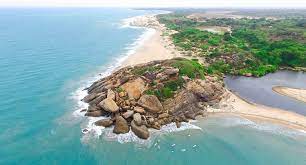
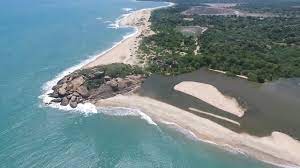
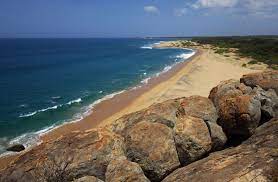
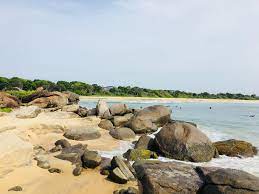
Arugam Bay is blessed with pristine and idyllic beaches that stretch along its coastline. The soft golden sands, turquoise waters, and swaying palm trees create a picture-perfect setting for beach lovers. The main beach in Arugam Bay is an ideal spot for sunbathing, swimming, and beach volleyball. Visitors can also find quieter and more secluded beaches nearby, offering a peaceful retreat away from the crowds.

The Thriving Surf Culture

Arugam Bay is a surfer’s paradise, attracting wave enthusiasts from all corners of the world. The town has developed a vibrant surf culture with surf schools, board rentals, and competitions. Whether you’re a beginner eager to catch your first wave or an experienced surfer seeking a thrilling challenge, Arugam Bay has something for everyone.

Surf Breaks: A Surfer’s Dream Come True

Arugam Bay boasts an impressive lineup of surf breaks that cater to surfers of all levels. The most famous of them all is the Main Point, a right-hand point break that offers long rides and powerful waves. Other popular breaks include Whiskey Point, Elephant Rock, and Peanut Farm, each providing unique surfing experiences. Surfers can ride the waves, perfect their skills, and enjoy the exhilarating rush that comes with conquering the surf.

Wildlife and Nature

Beyond its sandy beaches and surfing spots, Arugam Bay is surrounded by natural beauty. The area is home to the Lahugala National Park, where visitors can embark on safari adventures and witness a diverse array of wildlife, including elephants, leopards, and various bird species. The nearby Kumana National Park is renowned for its avian population, making it a birdwatcher’s paradise.
Local Cuisine and Nightlife

Arugam Bay offers a delightful culinary experience, showcasing a fusion of Sri Lankan and international cuisines. From freshly caught seafood to traditional rice and curry dishes, visitors can indulge in a range of flavors. The town also comes alive at night, with beachside bars and restaurants hosting live music events and creating a vibrant atmosphere for travelers to enjoy.

Accommodation Options

Arugam Bay provides a wide range of accommodation options to suit every budget and preference. From cozy guesthouses and beachfront resorts to eco-lodges nestled amidst lush greenery, there is something for everyone. Travelers can choose to stay in the heart of the town or opt for a more secluded retreat to immerse themselves in the natural surroundings.

Exploring the Surrounding Areas

While Arugam Bay is a destination in itself, there are also several nearby attractions worth exploring. Pottuvil, a neighboring town, is home to the historic Pottuvil Point, which offers breathtaking views of the Indian Ocean. The ancient Muhudu Maha Viharaya temple and the scenic Kudumbigala Monastery are also worth a visit.

Safety Tips for Surfers

Surfing can be an exhilarating experience, but it’s essential to prioritize safety. Here are some tips for surfers visiting Arugam Bay:
  • Always assess the surf conditions before entering the water.
  • Stay within your skill level and choose breaks suitable for your abilities.
  • Respect the local surf etiquette and be mindful of other surfers.
  • Be aware of potential hazards such as rocks and reef formations.
  • Wear proper sun protection and stay hydrated during long surf sessions.

Transportation and Getting There

Arugam Bay is easily accessible from major cities in Sri Lanka. The closest airport is the Bandaranaike International Airport in Colombo, from where visitors can take a domestic flight or hire a private transfer to reach Arugam Bay. Public buses and trains also connect the town with other parts of the country, offering a more budget-friendly option for travel.
Best Time to Visit Arugam Bay

The best time to visit Arugam Bay is from April to October when the surf conditions are at their peak. During this period, the town experiences consistent swells and offshore winds, creating ideal surfing conditions. However, even outside of these months, Arugam Bay’s natural beauty and relaxed atmosphere make it a worthwhile destination for travelers seeking a coastal escape.

Essential Items to Pack for Your Trip

When planning a trip to Arugam Bay, consider packing the following essential items:

  • Surfboard and surfing gear
  • Sunscreen and sun protection accessories
  • Lightweight and breathable clothing for warm weather
  • Insect repellent
  • Travel adapter for electrical outlets
  • First aid kit
  • Reusable water bottle to minimize plastic waste

Tips for Beginner Surfers

If you’re new to surfing, Arugam Bay is an excellent place to learn and improve your skills. Here are a few tips for beginner surfers:

  • Take lessons from experienced surf instructors.
  • Start on smaller waves and gradually progress to larger breaks.
  • Practice proper paddling and balance techniques.
  • Be patient and persistent; surfing takes time to master.
  • Enjoy the process and have fun in the water!

Sustainable Tourism Efforts

Arugam Bay is committed to sustainable tourism practices to protect its natural environment. Local initiatives focus on preserving the coastal ecosystem, reducing plastic waste, and promoting responsible tourism. Travelers are encouraged to support these efforts by practicing eco-friendly habits and respecting the local culture and environment.

Capturing Memories: Photography in Arugam Bay

Arugam Bay offers breathtaking landscapes and vibrant cultural scenes that are perfect for photography enthusiasts. From golden sunsets and crashing waves to bustling markets and friendly locals, every corner of this tropical paradise provides opportunities for capturing stunning images. Remember to respect people’s privacy and seek permission when taking portraits or entering sacred spaces.

Conclusion

Arugam Bay is a captivating destination that combines the thrill of surfing with the beauty of nature and rich cultural experiences. With its magnificent beaches, world-class surf breaks, diverse wildlife, and warm hospitality, this coastal town offers a unique escape for travelers seeking an unforgettable adventure. Whether you’re a seasoned surfer or simply in search of a tropical paradise, Arugam Bay is sure to leave a lasting impression.

FAQs

1. Is Arugam Bay suitable for beginners in surfing? Yes, Arugam Bay has breaks suitable for surfers of all levels, including beginners. There are surf schools available that provide lessons and guidance to help beginners learn and enjoy their surfing experience.

2. Can I rent surfboards and equipment in Arugam Bay? Yes, there are surf shops and rental services in Arugam Bay where you can rent surfboards and other equipment needed for surfing.

3. Are there other water activities available in Arugam Bay apart from surfing? Yes, apart from surfing, visitors can also enjoy activities such as snorkeling, diving, and paddleboarding in the clear waters of Arugam Bay.
4. Are there options for vegetarian or vegan food in Arugam Bay? Yes, Arugam Bay offers a variety of dining options, including vegetarian and vegan-friendly restaurants that serve delicious plant-based meals.
5. Is Arugam Bay a family-friendly destination? Yes, Arugam Bay is a family-friendly destination with accommodations and activities suitable for all ages. Families can enjoy beach time, explore nature, and engage in water sports together.


SHARE
Verified by MonsterInsights