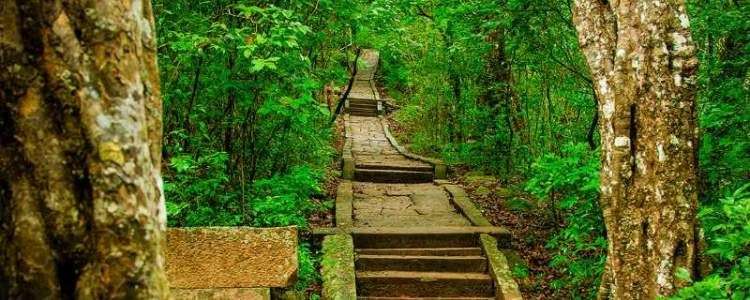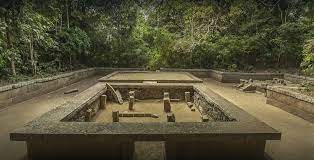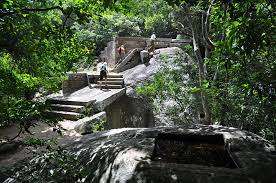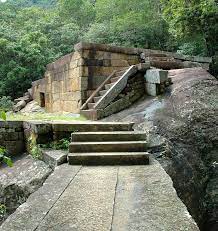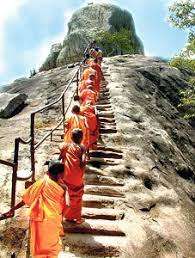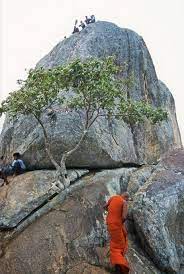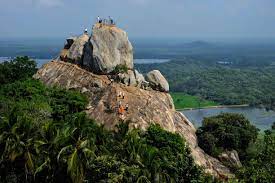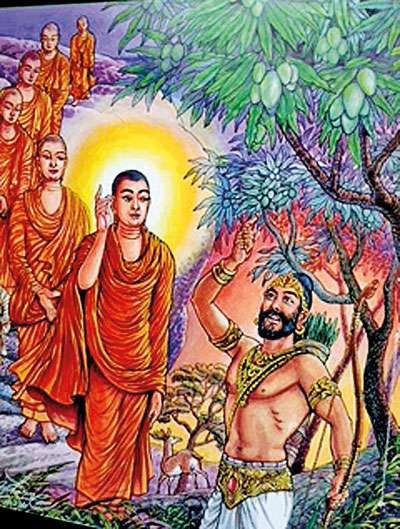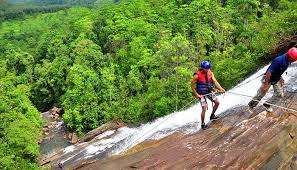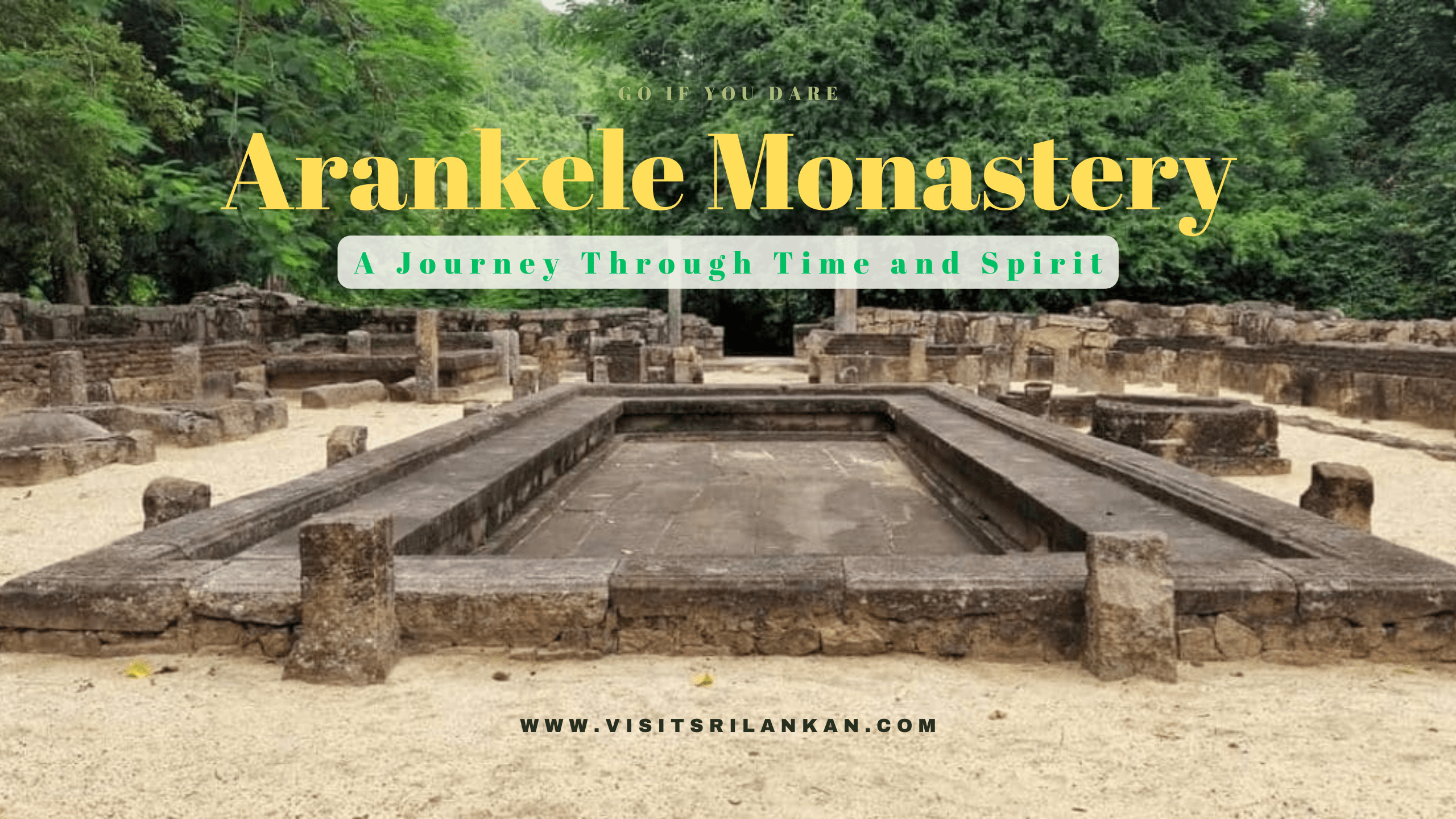
Arankele Monastery | A Journey Through Time and Spirit

SHARE

Outline:

  1. Introduction
  2. The History of Arankele Monastery (H1)
    • Origins and Founding (H2)
    • Growth and Development (H2)
  3. Architecture and Design (H1)
    • Main Buildings and Structures (H2)
    • Art and Sculptures (H2)
  4. Monastic Life at Arankele (H1)
    • Daily Routines and Practices (H2)
    • Spiritual Teachings and Traditions (H2)
  5. Renowned Monks and Teachers (H1)
    • Influential Figures in Arankele’s History (H2)
    • Their Contributions to Buddhism (H2)
  6. Arankele’s Cultural and Historical Significance (H1)
    • Contributions to Buddhism in the Region (H2)
    • Preservation Efforts and Tourist Attractions (H2)
  7. Conclusion
  8. FAQs

Introduction:

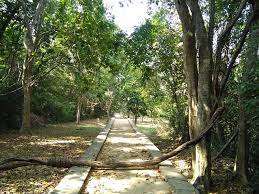
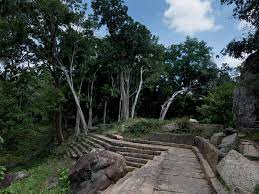
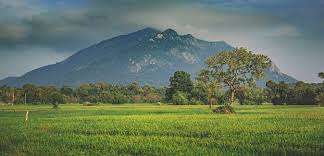
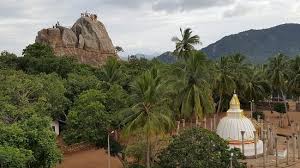
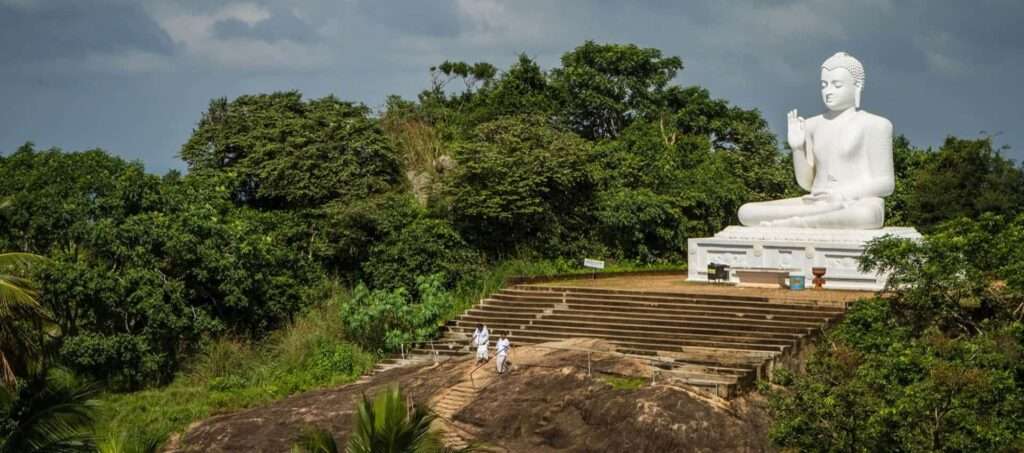
Nestled amidst the lush greenery and tranquil landscapes of Sri Lanka, Arankele Monastery stands as a testament to the rich heritage and spiritual traditions of Buddhism. This ancient monastery, steeped in history, has captivated the hearts of pilgrims and history enthusiasts alike. In this article, we embark on a journey through time to explore the captivating history, architecture, monastic life, and cultural significance of Arankele Monastery.
1. The History of Arankele Monastery:

Origins and Founding:

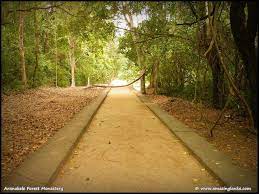
Arankele Monastery traces its roots back to the 6th century BCE, during the reign of King Kavantissa. It is believed to have been founded by the revered monk, Ven. Mahinda, who played a pivotal role in introducing Buddhism to Sri Lanka. The serene surroundings of the monastery were chosen with great care to provide a peaceful environment for meditation and spiritual practices.
Growth and Development:

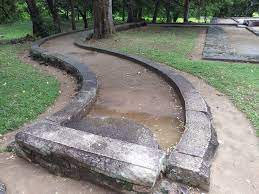
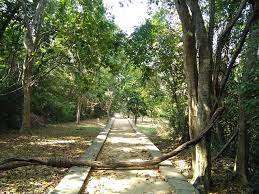
Over the centuries, Arankele Monastery flourished and expanded under the patronage of various rulers and generous devotees. It served as a center for Buddhist learning, attracting scholars and monks from far-flung regions. The monastery’s growth mirrored the spread of Buddhism across the island, becoming a significant hub of religious and cultural activities.
2. Architecture and Design:

Main Buildings and Structures:

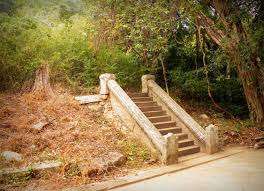
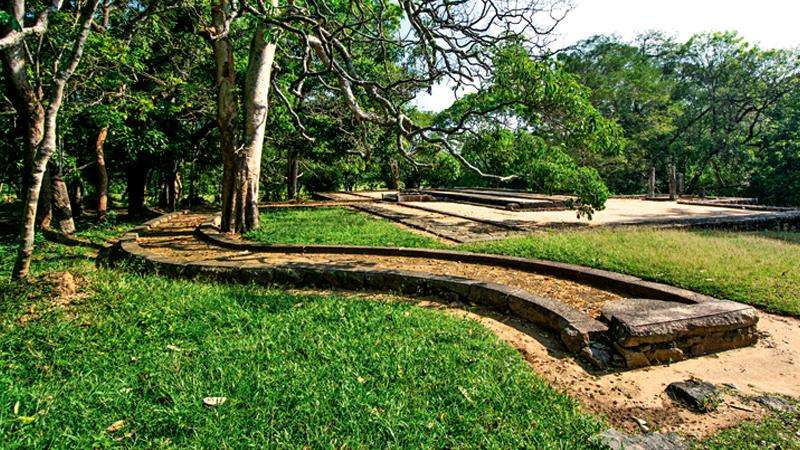
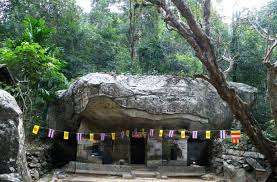
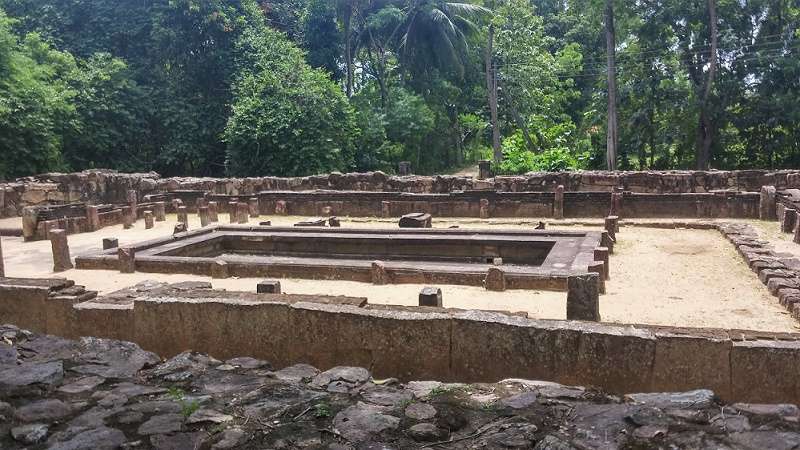
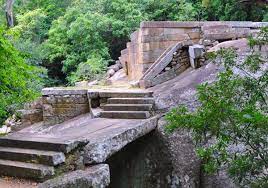
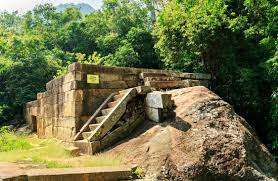
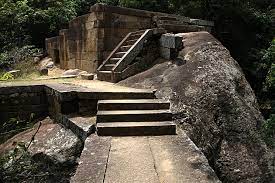
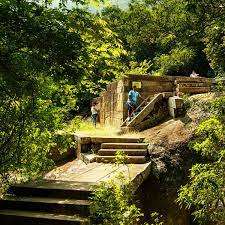
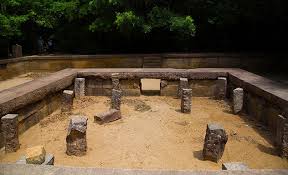
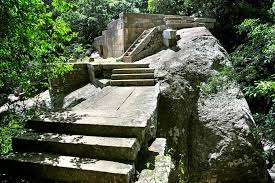
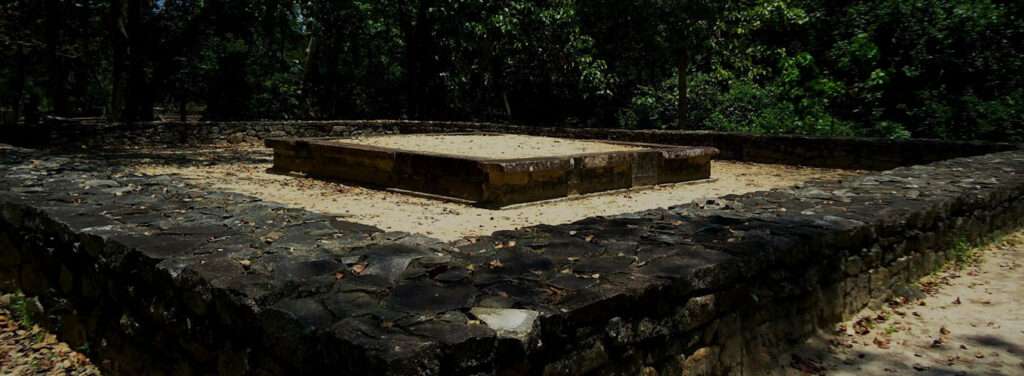
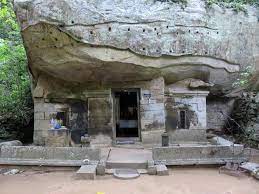
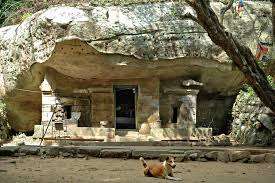
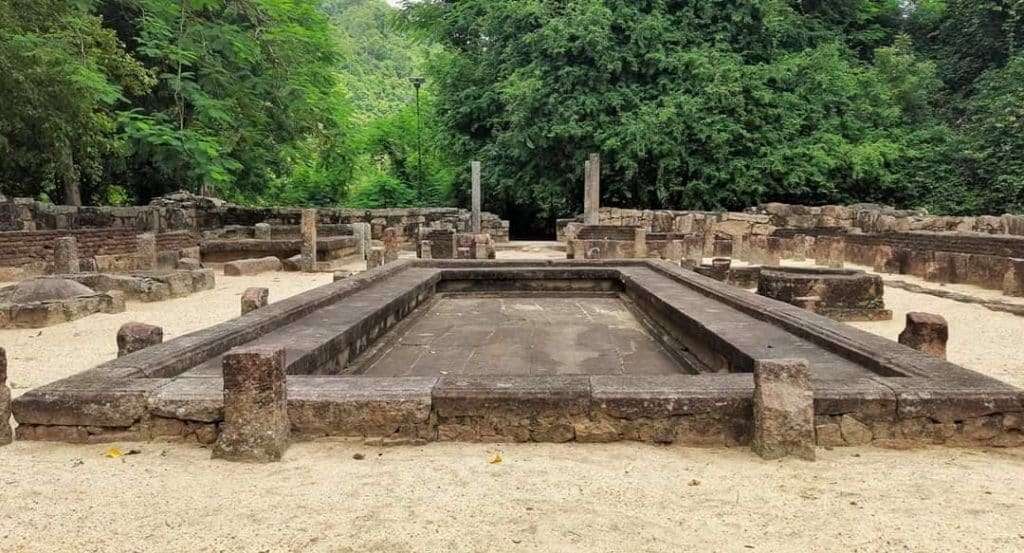
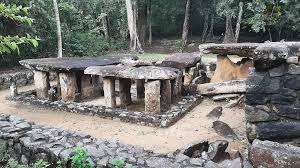
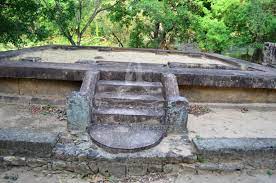
Arankele Monastery boasts an awe-inspiring architectural marvel, reflecting a harmonious blend of ancient Sinhalese craftsmanship and Buddhist symbolism. The main stupa, a symbol of enlightenment, rises majestically against the skyline, drawing visitors into a world of spiritual transcendence. The image house, viharas, and meditation halls stand as silent witnesses to the skilled craftsmanship and devotion of the artisans who built them.
Art and Sculptures:

The walls of Arankele Monastery are adorned with exquisite frescoes and intricate carvings that narrate stories from the life of Lord Buddha. The sculptures of Bodhisattvas and other divine beings evoke a sense of awe and wonder, leaving visitors mesmerized by their beauty and artistry. These art forms not only showcase the artistic brilliance of ancient Sri Lanka but also serve as a means of imparting spiritual teachings to the devotees.
3. Monastic Life at Arankele:

Daily Routines and Practices:

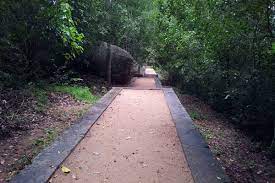
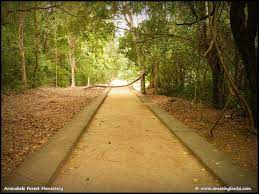
Life within the monastery follows a disciplined routine that revolves around meditation, study, and communal practices. The monks engage in early morning chanting and meditation, seeking inner peace and enlightenment. The tranquil atmosphere and natural surroundings of Arankele Monastery provide an ideal setting for contemplation and self-discovery.
Spiritual Teachings and Traditions:

At Arankele Monastery, the teachings of Lord Buddha are revered and passed down through generations of monastic disciples. The resident monks conduct Dhamma talks and discussions, imparting profound wisdom and guidance to both fellow monks and lay practitioners. The monastery serves as a spiritual sanctuary, nurturing the growth of the Buddhist community.

4. Renowned Monks and Teachers:

Influential Figures in Arankele’s History:

Throughout its long history, Arankele Monastery has been blessed with the presence of enlightened monks and revered teachers. Ven. Kassapa Thera, one of the most eminent figures in the monastery’s history, made significant contributions to the spread of Theravada Buddhism. His teachings and writings have had a lasting impact on Buddhist philosophy.
Their Contributions to Buddhism:

The great monks of Arankele Monastery played instrumental roles in preserving and propagating Buddhist scriptures and teachings. Their profound insights and dedication to the Dhamma enriched the spiritual landscape of Sri Lanka and influenced the evolution of Buddhism in Southeast Asia.

5. Arankele’s Cultural and Historical Significance:

Contributions to Buddhism in the Region:

Arankele Monastery stands as a living legacy of Sri Lanka’s profound Buddhist heritage. It has been a vital center for preserving ancient scriptures, fostering monastic education, and nurturing spiritual seekers. The monastery’s influence has transcended borders, attracting pilgrims and scholars from different corners of the world.

Preservation Efforts and Tourist Attractions:

With the passage of time, Arankele Monastery faced various challenges, but dedicated conservation efforts have ensured its preservation for future generations. Today, the monastery stands as a captivating tourist attraction, drawing visitors from around the globe who seek solace in its serene ambiance and wish to witness the brilliance of ancient Buddhist architecture.

Conclusion:

Arankele Monastery is not merely a historical site but a living embodiment of Sri Lanka’s spiritual and cultural identity. Its ancient walls resonate with the echoes of profound wisdom and devotion that have enriched countless lives over the millennia. Visiting this sacred site provides an opportunity to connect with the essence of Buddhism and immerse oneself in the tranquility of a bygone era.

FAQs:

  1. Is Arankele Monastery still an active place of worship?
    • Yes, Arankele Monastery continues to be a vibrant center of monastic life and spiritual practice.
  2. Can visitors meditate within the monastery premises?
    • Yes, visitors are welcome to meditate and experience the serene ambiance of the monastery.
  3. Are there any specific dress code requirements for visitors?
    • While there are no strict dress code requirements, it is advisable to dress modestly out of respect for the sacred site.
  4. Is photography allowed inside the monastery?
    • Yes, photography is usually allowed, but visitors are requested to refrain from using flash or disrupting the peaceful atmosphere.
  5. Are there any accommodation options available for those who wish to stay longer?
    • Some basic accommodations may be available for monastic guests, but nearby towns offer more extensive lodging options for tourists.

Embarking on a pilgrimage to Arankele Monastery is not just a physical journey but a spiritual odyssey that allows one to delve deep into the profound teachings of Buddhism while marveling at the timeless beauty of ancient architecture.


SHARE

Dondra Lighthouse | A Guiding Beacon of Couthern Coast

SHARE

Introduction

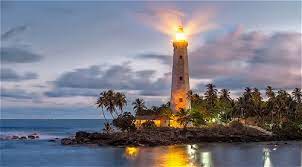
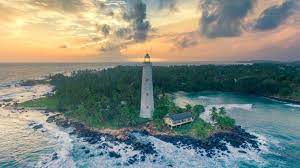
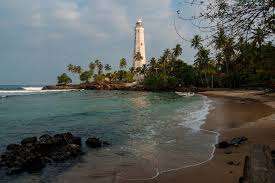
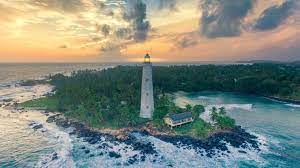
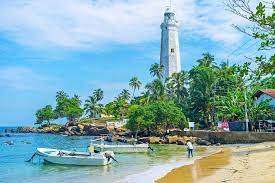
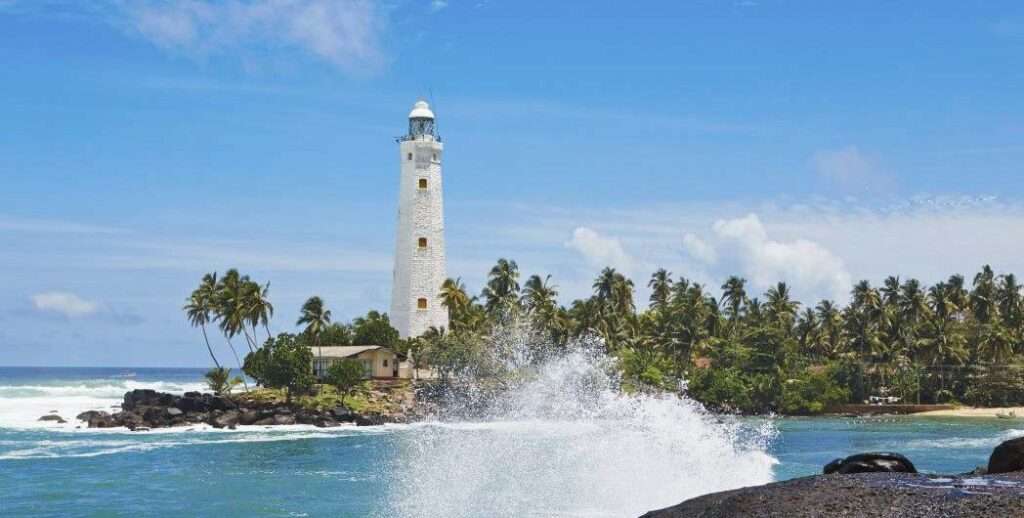
The Dondra Lighthouse, situated on the southernmost tip of Sri Lanka, is an iconic structure that has been guiding ships and sailors since its construction in the 19th century. This historical landmark stands tall as a symbol of maritime heritage, illuminating the Indian Ocean’s vast expanse and safeguarding vessels from treacherous waters. In this article, we will delve into the rich history of the Dondra Lighthouse, its significance to the local community and tourists alike, and the breathtaking views it offers to those who visit.

A Historical Marvel: The Construction of Dondra Lighthouse

Early Navigational Challenges

The treacherous coastline of Sri Lanka’s southern region has always posed challenges for sailors navigating the Indian Ocean. The lack of adequate navigational aids led to numerous shipwrecks, loss of life, and cargo. To address this issue, the British colonial administration, during the 19th century, recognized the necessity of a lighthouse to improve maritime safety.

The Visionary Design

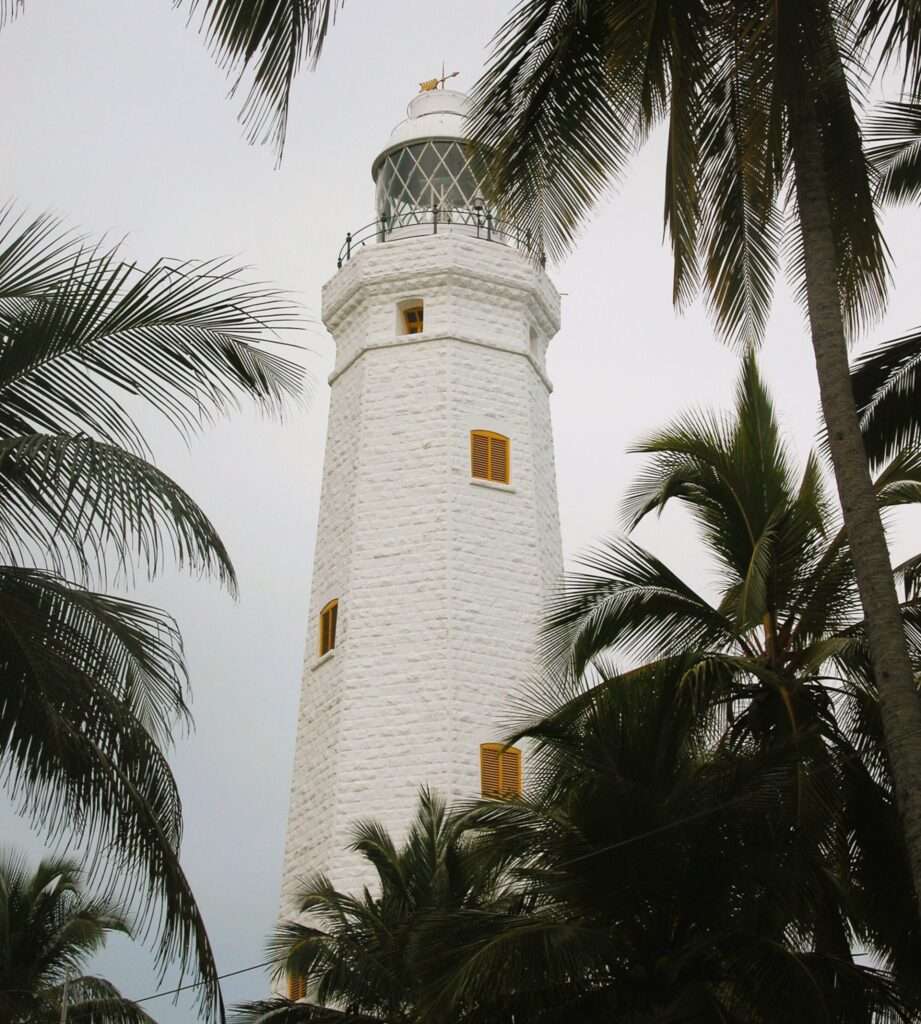
Designed by renowned Scottish engineer James Douglass, the Dondra Lighthouse was constructed in 1889. Its architecture showcases a harmonious blend of British and Indo-Saracenic influences, reflecting the colonial era’s prevailing architectural trends.

Guiding Light for Over a Century

For more than a century, the Dondra Lighthouse has stood tall, guiding countless ships through the darkness of the night. Initially fueled by oil lamps, the lighthouse underwent modernization over the years, adopting electric lamps and other technological advancements, without compromising its historical charm.

The Significance of Dondra Lighthouse

A Symbol of Maritime Heritage

The Dondra Lighthouse holds immense significance as a symbol of Sri Lanka’s maritime heritage. It stands as a tribute to the maritime history of the island nation and the invaluable contribution of its sailors and lighthouse keepers in ensuring safe navigation.

Boosting Local Economy and Tourism

Apart from its historical significance, the lighthouse has become a major attraction for both local and international tourists. Its majestic structure and picturesque surroundings draw visitors from far and wide, providing an economic boost to the local communities through tourism.

Awe-Inspiring Views and Sunsets

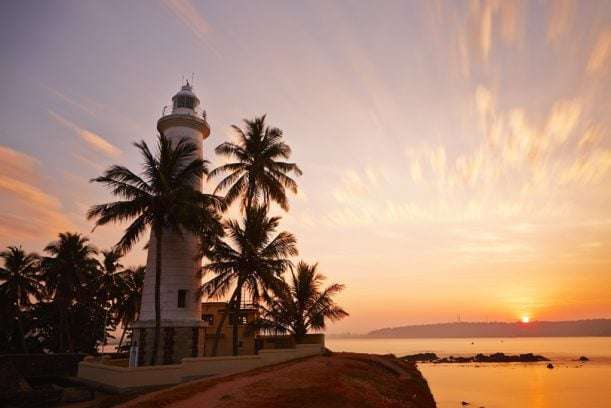
Perched atop a rocky outcrop, the Dondra Lighthouse offers panoramic views of the Indian Ocean and the surrounding landscapes. Tourists flock to witness the breathtaking sunsets, where the sun seems to melt into the horizon, casting a golden glow over the vast sea.

The Lighthouse Keepers: Guardians of the Light

Throughout its existence, the Dondra Lighthouse has relied on the dedication and commitment of lighthouse keepers to ensure its efficient operation. These keepers, often residing near the lighthouse with their families, have been unsung heroes, braving the elements to keep the light shining bright.

The Cultural and Social Impact

Inspiring Local Art and Literature

The iconic Dondra Lighthouse has not only captured the hearts of tourists but also inspired numerous artists, writers, and poets. Its portrayal in paintings, literature, and local folklore adds to its cultural significance, connecting it deeply with the fabric of Sri Lankan society.

Ceremonies and Festivals

The Dondra Lighthouse has become a focal point for local ceremonies and festivals. One such significant celebration is the annual lighting of the lighthouse, which attracts both locals and visitors, making it a vibrant cultural event.

Conclusion

The Dondra Lighthouse, with its rich history and cultural importance, stands as a beacon of hope and a testament to human ingenuity. Its enduring presence has guided countless sailors and continues to mesmerize tourists with its timeless beauty. The lighthouse is not just a structure but a living testament to the enduring connection between Sri Lanka and the sea.

FAQs

  1. Can visitors climb the Dondra Lighthouse?Unfortunately, the interior of the lighthouse is not accessible to the public. However, visitors can explore the surrounding area and admire the exterior beauty.
  2. What is the best time to visit Dondra Lighthouse?The best time to visit is during the late afternoon, to witness the stunning sunset views over the Indian Ocean.
  3. Is there an entry fee to visit the lighthouse?Yes, there is a nominal entry fee for tourists to visit the lighthouse and its premises.
  4. Are there any guided tours available?Yes, guided tours are available for tourists interested in learning about the lighthouse’s history and architecture.
  5. Can I take photographs of the lighthouse?Absolutely! Photography enthusiasts will find numerous opportunities to capture the beauty of the Dondra Lighthouse.

SHARE

Lipton’s Seat | The Significance to Sir Thomas Lipton

SHARE

Introduction

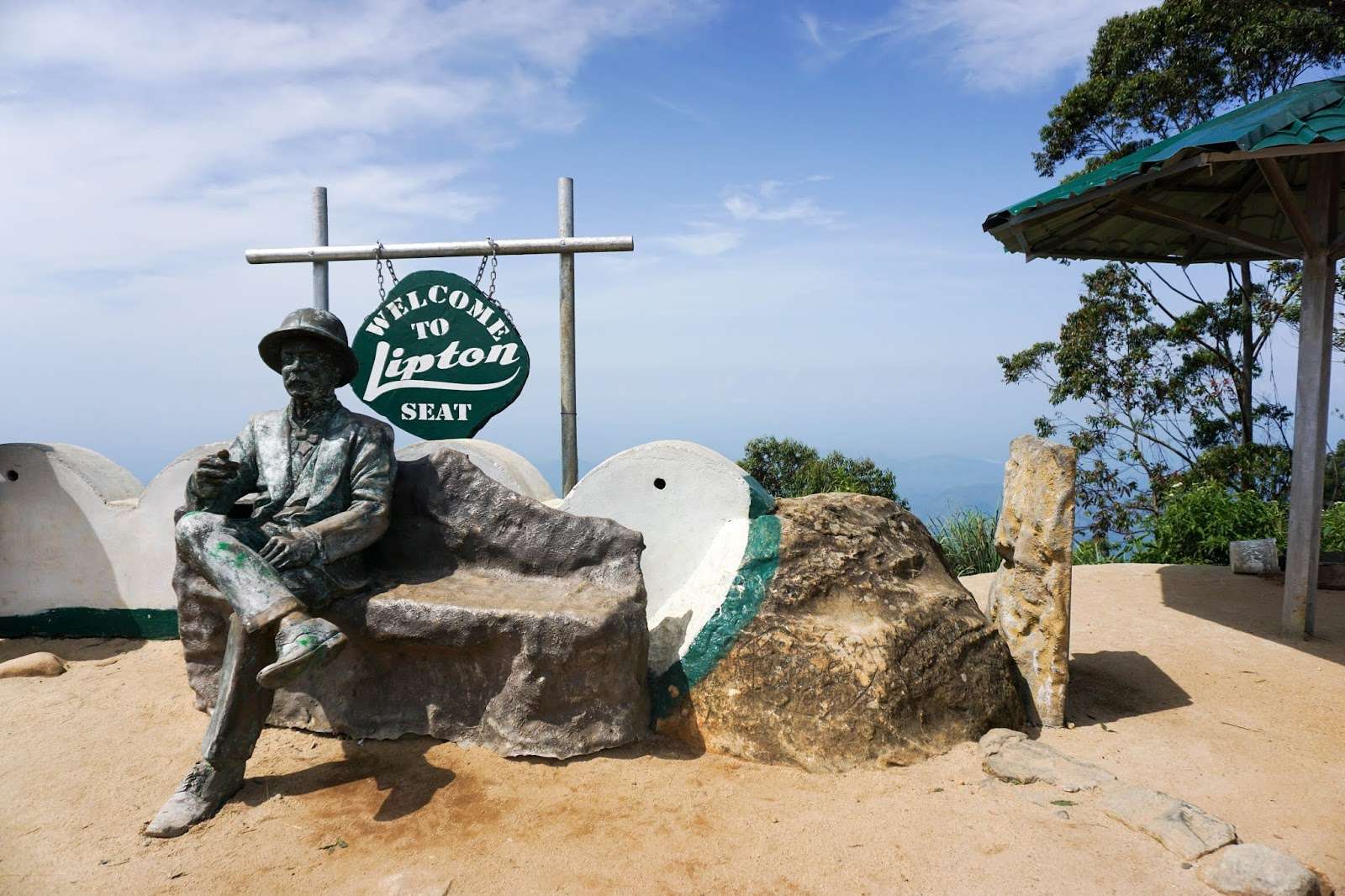
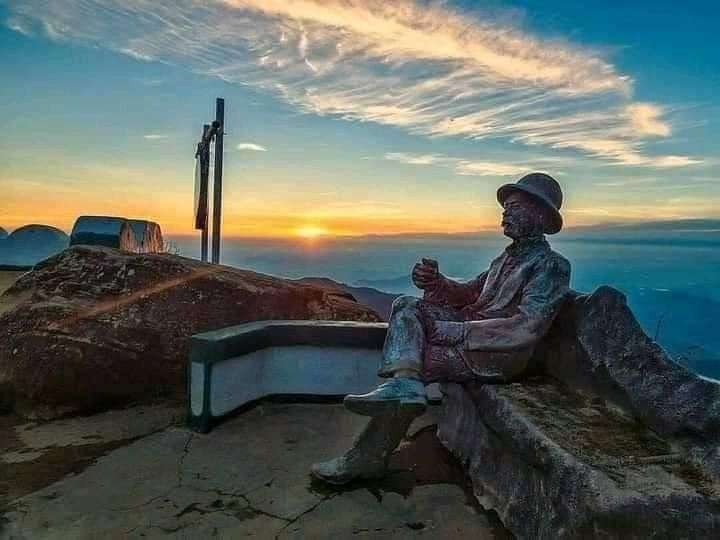
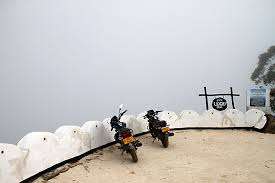
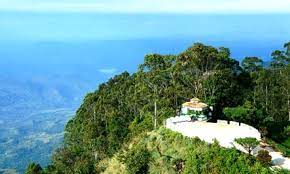
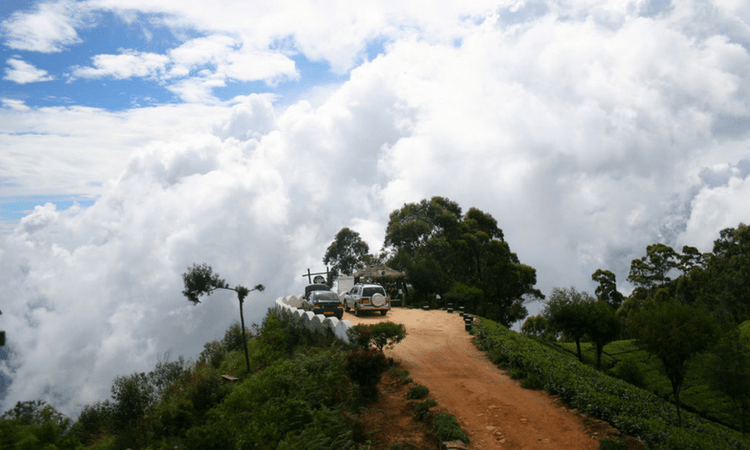
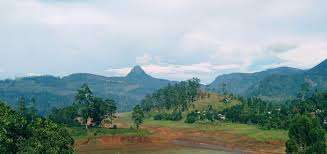
When it comes to exploring the diverse and mesmerizing landscapes of Sri Lanka, Lipton’s Seat stands tall, quite literally. Nestled amidst the lush hills of Haputale, this iconic viewpoint offers a breathtaking panoramic view that captivates the hearts of visitors from all around the world. In this article, we will take you on a virtual journey to Lipton’s Seat, exploring its history, significance, natural beauty, and how to get the most out of your visit.

Table of Contents

  1. The Legacy of Sir Thomas Lipton
  2. The Enchanting Journey to Lipton’s Seat
  3. Embracing Nature’s Masterpiece
    • The Verdant Surroundings
    • Misty Mornings and Golden Sunsets
    • Biodiversity and Wildlife
  4. Experiencing Sri Lanka’s Tea Culture
    • A Brief History of Ceylon Tea
    • The Tea Plantations of Lipton’s Seat
    • Tea Tasting and Factory Tours
  5. Unraveling Lipton’s Seat’s Mystique
    • Folklore and Local Legends
    • A Meeting Place of Gods and Spirits
    • The Mythical Stairway to Heaven
  6. Best Time to Visit Lipton’s Seat
  7. How to Reach Lipton’s Seat
    • From Haputale Town
    • By Train
    • Trekking Adventures
  8. Tips for an Enriching Visit
    • Dress Comfortably for the Climate
    • Bring Your Camera and Binoculars
    • Respect the Environment and Locals
    • Be Prepared for Changing Weather
  9. Conclusion

The Legacy of Sir Thomas Lipton

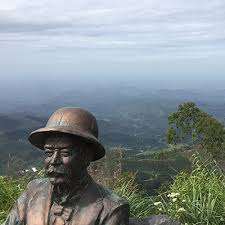
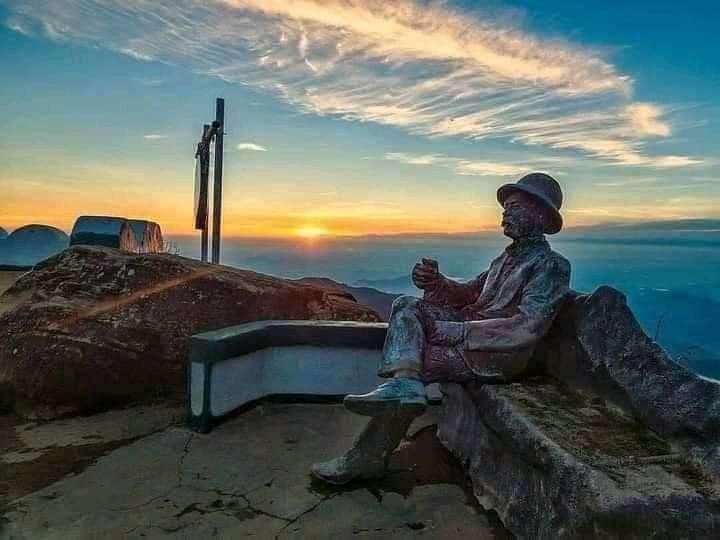
Lipton’s Seat owes its name and historical significance to Sir Thomas Lipton, a Scottish entrepreneur, and tea magnate. He was renowned for his significant contributions to the tea industry in Sri Lanka during the colonial era. Sir Thomas Lipton’s passion for tea cultivation led him to establish vast tea estates in the region, and the viewpoint of Lipton’s Seat was his favorite spot to oversee his flourishing tea empire.

The Enchanting Journey to Lipton’s Seat

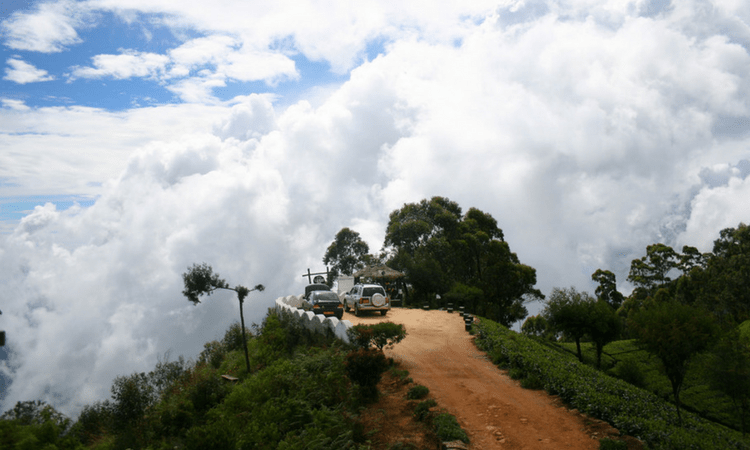
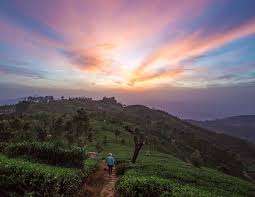
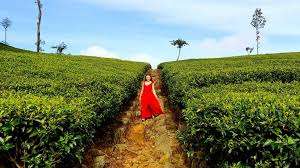
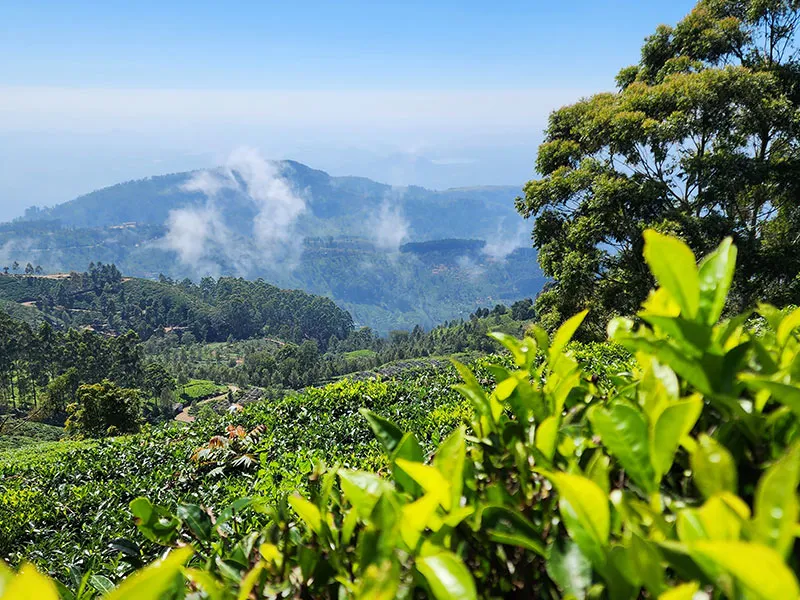
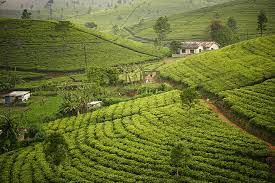
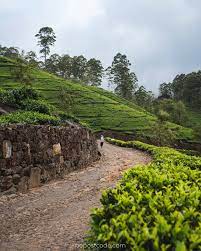
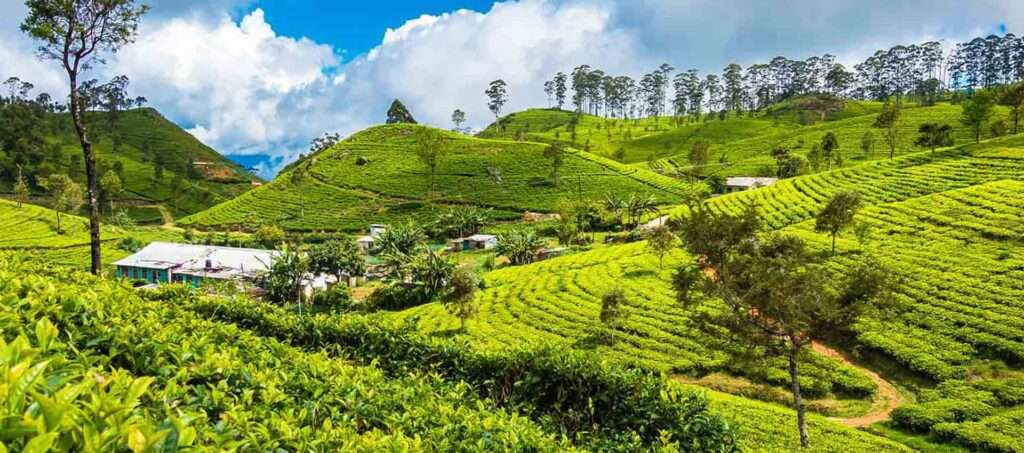
As you venture towards Lipton’s Seat, you’ll be rewarded with a journey through stunning landscapes and picturesque tea plantations. The scenic route takes you along winding roads and lush hills, offering glimpses of terraced tea gardens that seem to stretch endlessly into the horizon. The journey itself becomes an unforgettable part of the Lipton’s Seat experience.

Embracing Nature’s Masterpiece

The Verdant Surroundings

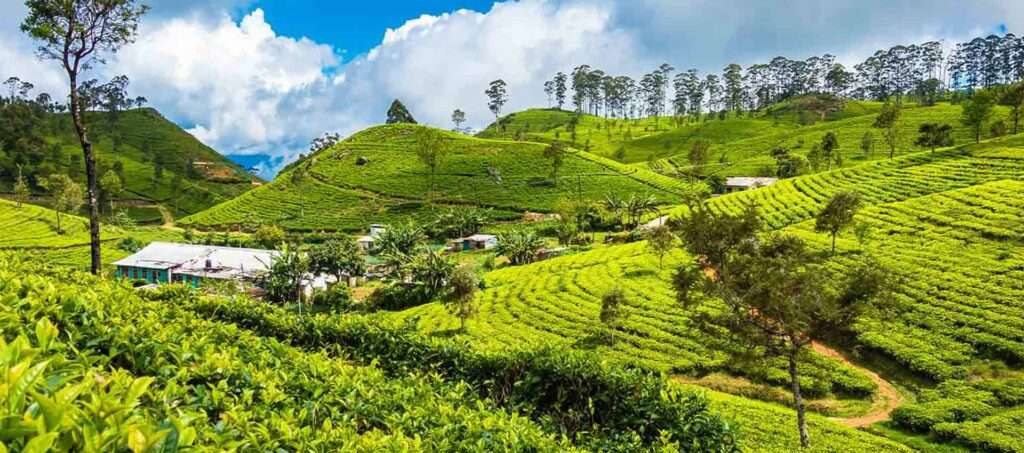
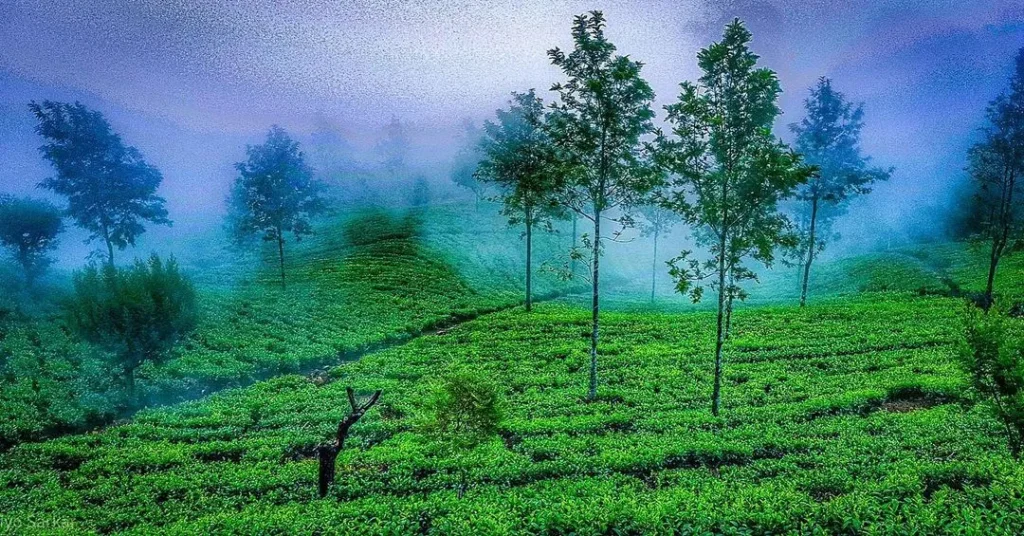
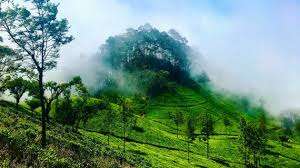
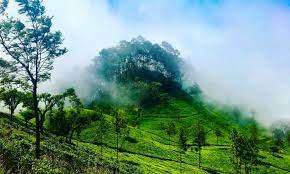
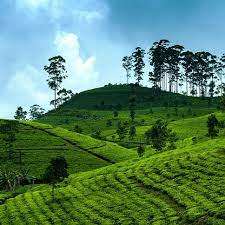
Arriving at Lipton’s Seat, you’ll be greeted by a sea of emerald-green tea bushes that carpet the rolling hills. The symphony of colors and the gentle rustling of leaves create an atmosphere of tranquility, making it an ideal place for relaxation and meditation.

Misty Mornings and Golden Sunsets

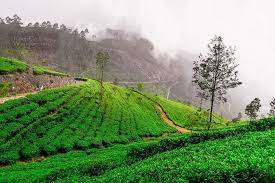
The early mornings at Lipton’s Seat are often veiled in a mystical blanket of mist, adding an ethereal touch to the already enchanting landscape. During the evening, the setting sun paints the skies with hues of gold and orange, casting a magical glow over the hills.

Biodiversity and Wildlife

Lipton’s Seat is not just about tea plantations; it is also a sanctuary for a diverse array of flora and fauna. Keep an eye out for colorful birds, playful monkeys, and even elusive leopards that inhabit the surrounding forests.

Experiencing Sri Lanka’s Tea Culture

A Brief History of Ceylon Tea

Sri Lanka, formerly known as Ceylon, has a rich tea heritage that dates back to the 19th century. Introduced by the British, the island’s favorable climate and fertile soil proved ideal for cultivating tea. Today, Ceylon tea is renowned globally for its exceptional quality and taste.

The Tea Plantations of Lipton’s Seat

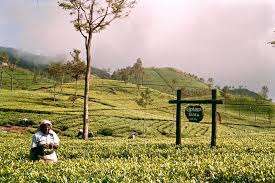
At Lipton’s Seat, you can witness the meticulous process of tea cultivation. Local tea pluckers skillfully harvest the tea leaves, and the plantations offer guided tours where you can learn about the tea-making process from leaf to cup.

Tea Tasting and Factory Tours

No visit to Lipton’s Seat is complete without indulging in a delightful tea tasting session. You’ll get the chance to savor a variety of teas and appreciate the nuances of each blend. Additionally, factory tours provide insight into the tea production methods, making it an educational and enjoyable experience.

Unraveling Lipton’s Seat’s Mystique

Folklore and Local Legends

Lipton’s Seat holds a special place in the hearts of locals, as it is enveloped in captivating folklore and mythical tales. From ancient legends of spirits to tales of love and bravery, the site exudes an air of mystery and enchantment.

A Meeting Place of Gods and Spirits

According to local beliefs, Lipton’s Seat is considered a sacred location where gods and spirits gather. It is believed that the spirits protect the tea estates, bringing blessings and prosperity to those who nurture the land.

The Mythical Stairway to Heaven

One of the most intriguing aspects of Lipton’s Seat is the “Stairway to Heaven.” This natural formation, shaped like a staircase, appears as if it leads directly to the heavens. Witnessing this awe-inspiring sight leaves visitors with a sense of wonder and reverence.

Best Time to Visit Lipton’s Seat

The best time to visit Lipton’s Seat is during the dry season, from January to April, and from June to September. During these months, the weather is pleasant, and the skies are clear, offering unobstructed views of the breathtaking surroundings.

How to Reach Lipton’s Seat

From Haputale Town

The journey to Lipton’s Seat begins from Haputale town, where you can hire a tuk-tuk or a taxi to reach the viewpoint. The ride is around 7 kilometers long, taking you through scenic landscapes and lush greenery.

By Train

For a more adventurous route, you can take the train from Haputale to Dambethenna, which is the nearest railway station to Lipton’s Seat. The train ride itself is an experience, passing through numerous tunnels and offering stunning vistas of the tea estates.

Trekking Adventures

For nature enthusiasts and adventurers, trekking to Lipton’s Seat is a popular option. There are several trekking trails that lead you through forests, tea gardens, and small villages, providing an up-close and personal encounter with nature.
Tips for an Enriching Visit

  • Dress comfortably for the climate, as the weather can change quickly in the hills.
  • Bring your camera and binoculars to capture the stunning views and wildlife.
  • Respect the environment and locals, and avoid littering.
  • Be prepared for changing weather conditions, including sudden rain showers.

Conclusion

Lipton’s Seat offers more than just a breathtaking view; it is a gateway to the rich history, culture, and natural wonders of Sri Lanka. As you stand at this vantage point, you’ll be immersed in the beauty and mystique that has enchanted travelers for generations. Whether you are a nature lover, history buff, or simply seeking tranquility, Lipton’s Seat promises an experience that will leave you with cherished memories.

FAQs

  1. Is Lipton’s Seat suitable for all ages?
    • Yes, Lipton’s Seat is accessible to people of all ages. However, keep in mind that the terrain might be uneven in certain areas.
  2. Can I buy fresh tea from the plantations?
    • Absolutely! Many tea estates offer fresh tea for purchase, making for a delightful souvenir.
  3. Are there any accommodations near Lipton’s Seat?
    • While there are no accommodations directly at Lipton’s Seat, you can find several hotels and guesthouses in nearby towns like Haputale.
  4. Are there any local guides available at the viewpoint?
    • Yes, local guides are available at Lipton’s Seat. They can enhance your experience by providing valuable insights and stories.
  5. Can I visit Lipton’s Seat during sunrise and sunset?
    • Yes, visiting during sunrise or sunset offers a magical experience as you witness the sky’s stunning colors blending with the landscape.

SHARE

Ritigala Forest Monastery – Ascetics in the Wilderness

SHARE

Introduction

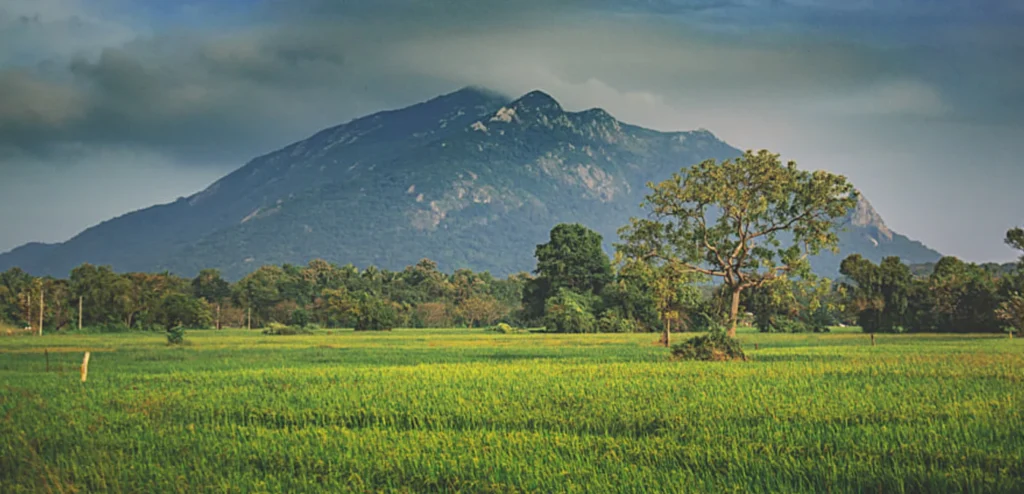
Nestled amidst the lush greenery of Sri Lanka, the Ritigala Forest Monastery stands as a majestic testament to ancient Buddhist heritage. This secluded sanctuary, enveloped by the serene Ritigala mountain range, has captured the imagination of countless visitors for centuries. In this article, we delve into the mystical charm of the Ritigala Forest Monastery, exploring its history, architecture, and significance in the Buddhist world.

Unveiling the Enigma: The Legend of Ritigala

The first whispers of Ritigala’s existence date back to the ancient chronicles of Sri Lanka. Legend has it that the monastery traces its roots to the time of Lord Buddha himself, who, during his third visit to the island, blessed this land with his divine presence. As the story goes, a fragment of the Buddha’s skull bone was enshrined here, making Ritigala a sacred place of veneration.

The Archaeological Wonder: Ritigala’s Layout and Architecture

1. The Lost City within the Forest

Ritigala Forest Monastery spans a vast area of approximately 24 square kilometers, boasting a complex network of pathways, stairways, and buildings. This ancient monastic city lay hidden amidst the dense forest for centuries, gradually revealing its archaeological wonders to modern-day explorers.

2. The Terrace Complex

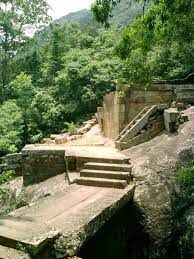
One of the most striking features of Ritigala is its unique terrace complex. This series of terraces, aligned with remarkable precision, once hosted meditation cells and other monastic structures. The layout showcases a remarkable understanding of ancient architecture and town planning.

3. The Meditation Ponds

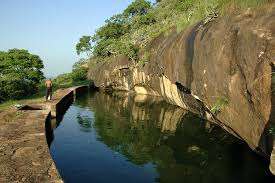
Scattered throughout the monastery, the meditation ponds offer a glimpse into the spiritual practices of the monks who once resided here. These reservoirs served both as water sources and serene spots for meditation and contemplation.

4. The Stone Inscriptions

Steeped in history, Ritigala boasts several stone inscriptions that provide valuable insights into the daily lives and religious practices of its inhabitants. These inscriptions remain a fascinating puzzle for historians and archaeologists to decipher.

The Monastic Life: Ascetics in the Wilderness

1. Solitude and Contemplation

Ritigala Forest Monastery was renowned for attracting hermit monks seeking solitude and seclusion. Far away from the hustle and bustle of civilization, these ascetics delved deep into their spiritual journey, finding peace amidst nature’s embrace.

2. The Monk’s Routine

Through the annals of time, the monastery’s residents followed a strict routine, revolving around meditation, prayer, and self-discipline. Their austere lifestyle reflected a profound commitment to the teachings of Lord Buddha.

Rediscovery and Preservation: Reviving Ritigala

1. Archaeological Excavations

The 19th and 20th centuries witnessed numerous archaeological excavations at Ritigala, unearthing its ancient treasures and allowing the world to reconnect with its past. These efforts have significantly contributed to our understanding of Sri Lanka’s historical and religious legacy.

2. Conservation Initiatives

Recognizing the significance of Ritigala, various conservation projects have been initiated to preserve this cultural heritage. Such endeavors aim to safeguard the monastery for future generations and promote eco-tourism while maintaining ecological balance.

The Spiritual Journey: Visiting Ritigala Today

1. Trekking through the Wilderness

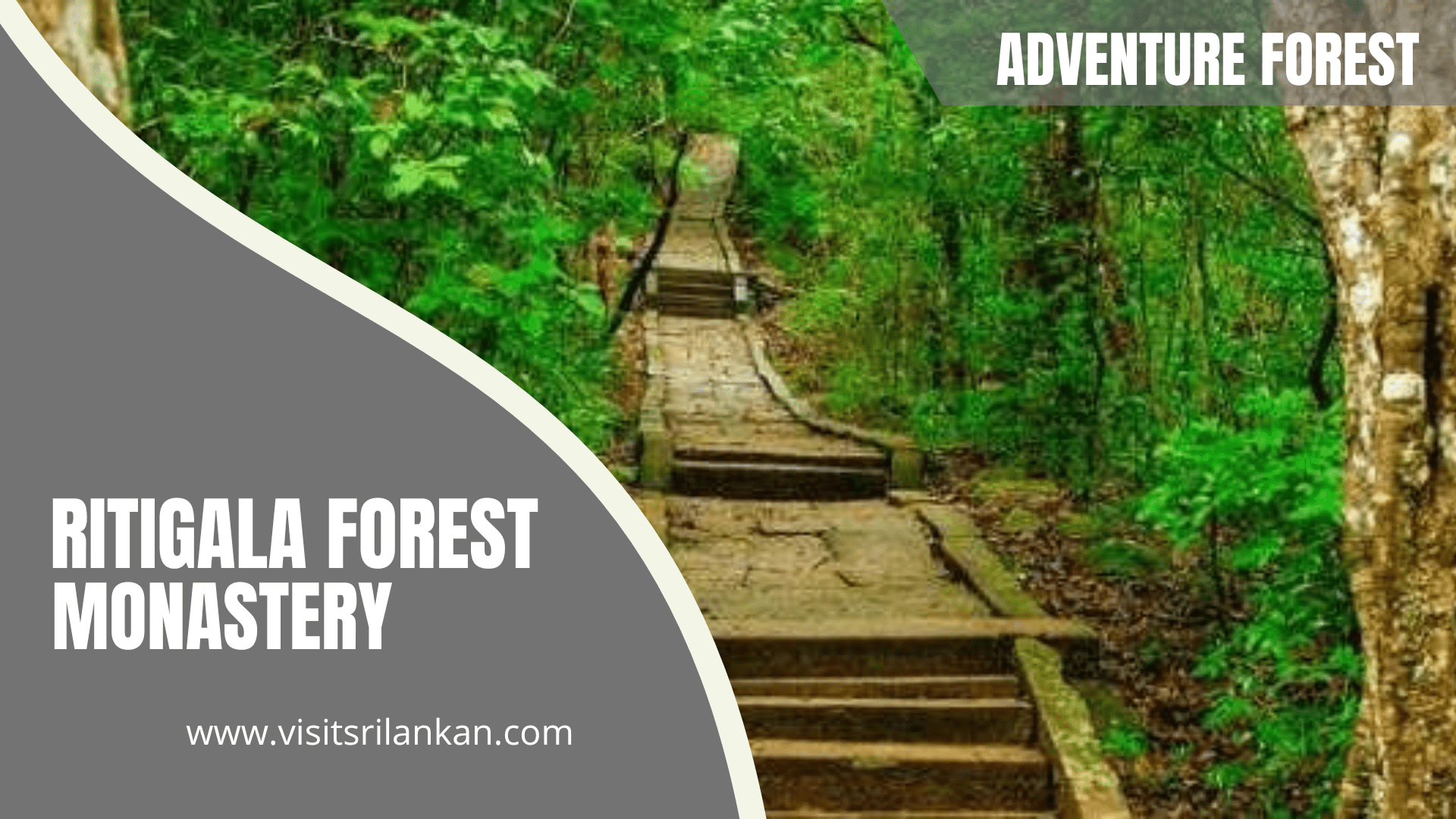
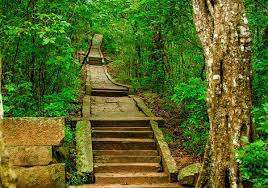
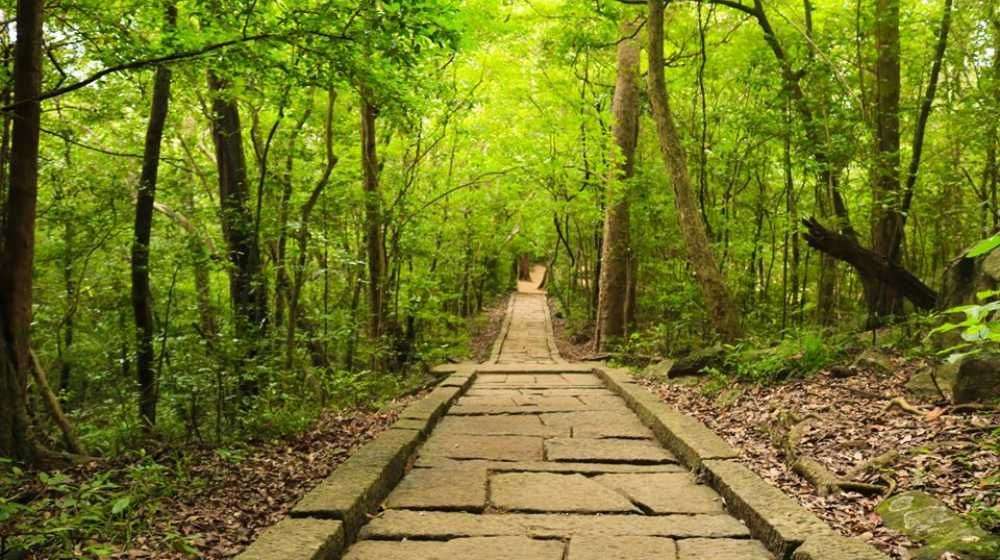
As you embark on the journey to Ritigala, you are greeted by a captivating trek through the dense forest. The lush foliage, rare flora, and wildlife sightings make the experience truly enchanting.

2. Exploring the Ruins

Stepping into the monastery is like stepping back in time. Visitors can wander through the remnants of ancient structures, imagining the spiritual fervor that once permeated these grounds.

3. Meditation and Reflection

In the midst of this tranquil haven, meditation takes on a whole new meaning. Many visitors find solace and inner peace in the embrace of Ritigala’s serene atmosphere.

Conclusion

Ritigala Forest Monastery stands as a living testament to a bygone era of spiritual dedication and architectural brilliance. Its timeless allure beckons travelers from all corners of the world to witness the harmony between humanity and nature. As we explore this mystical sanctuary, we find ourselves entwined in the rich tapestry of history, embracing the wisdom of the ancient monks who once sought enlightenment within these sacred grounds.
FAQs About Ritigala Forest Monastery

1. Can anyone visit Ritigala Forest Monastery?

Absolutely! Ritigala Forest Monastery is open to visitors from all walks of life who wish to experience its spiritual ambiance and historical significance.

2. Are there guided tours available at the monastery?

Yes, guided tours are available, allowing visitors to gain in-depth insights into the monastery’s history and its significance in Buddhism.

3. What is the best time to visit Ritigala?

The best time to visit is during the dry season, from May to September, when the weather is pleasant and trekking conditions are ideal.

4. Is there an entrance fee to visit Ritigala Forest Monastery?

Yes, there is a nominal entrance fee to help support the maintenance and conservation efforts at the monastery.

5. Are there accommodation options near Ritigala?

Yes, there are hotels and guesthouses available in the surrounding areas, ensuring a comfortable stay for visitors.


SHARE

Mihintale A Beautiful Buddhist Rock Temple in Sri Lanka

SHARE

Introduction

Mihintale, a sacred Buddhist site and historic hill near Anuradhapura in Sri Lanka. Renowned as the birthplace of Buddhism in Sri Lanka, Mihintale offers visitors a unique journey through ancient temples, spiritual landmarks, and breathtaking natural beauty. Explore the rich history, religious importance, and stunning views that make Mihintale Rock a must-visit destination for travelers and pilgrims alike.

The Legend of Mihintale

Mihintale is renowned as the cradle of Buddhism in Sri Lanka, as it is the place where Buddhism was first introduced to the island. The story goes back to the 3rd century BC when Emperor Ashoka of India, a devout Buddhist, sent his son Mahinda Thero as a missionary to spread the teachings of Buddha to Sri Lanka.

The Meeting of Mahinda Thero and King Devanampiya Tissa

The historic encounter between Mahinda Thero and King Devanampiya Tissa took place on Mihintale’s sacred slopes. Mahinda Thero, carrying the message of peace and compassion, engaged the king in a profound conversation that eventually led to the conversion of the king and his people to Buddhism.

The Stupas and Monasteries

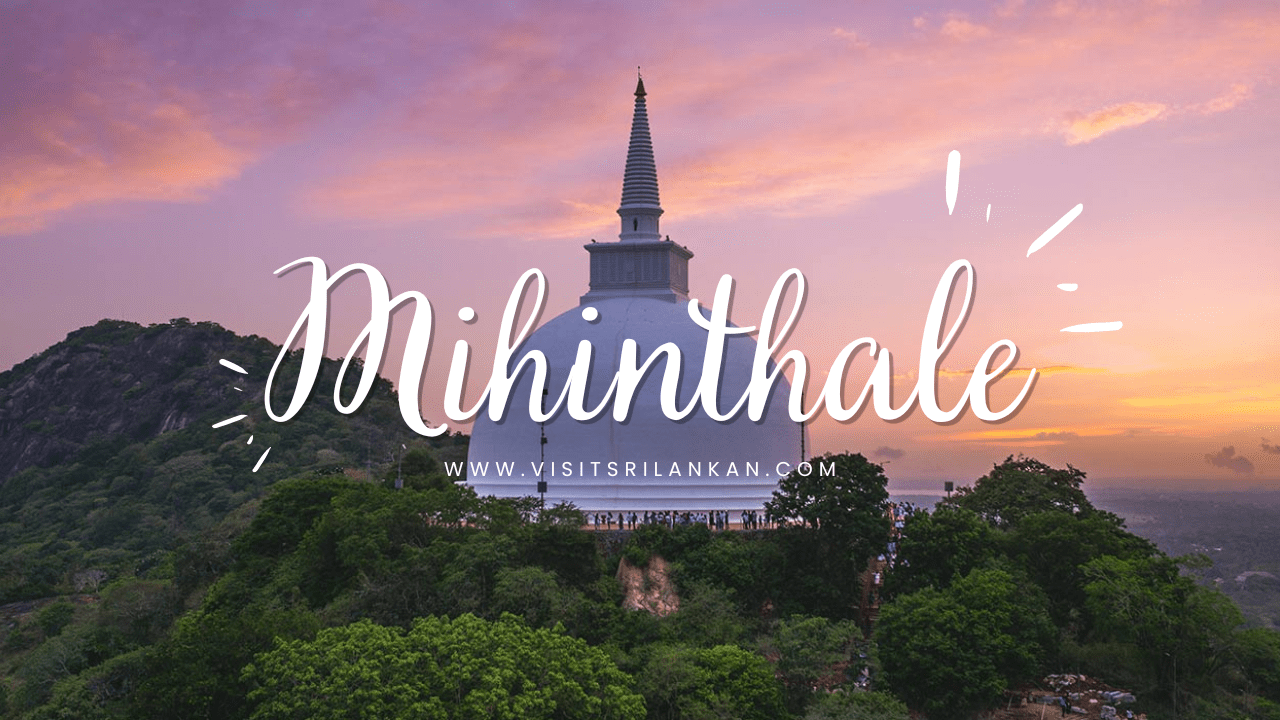
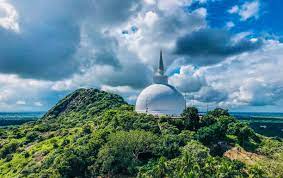
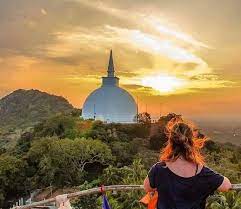
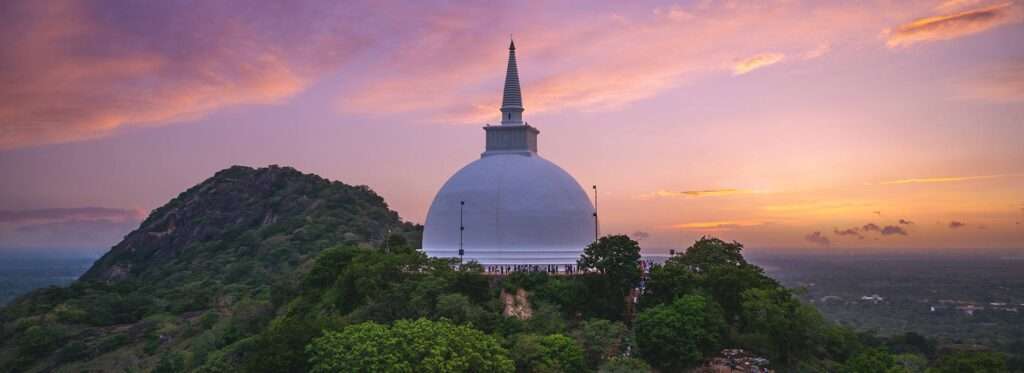
Mihintale is adorned with numerous stupas, monasteries, and ancient ruins, reflecting its significance as an ancient monastic complex. The most prominent among them is the Maha Stupa, also known as the Kantaka Chetiya, which stands majestically atop the hill. The Ambasthala Dagoba, with its unique umbrella-shaped structure, is another remarkable architectural wonder found here.
The Kantaka Chetiya Perahera

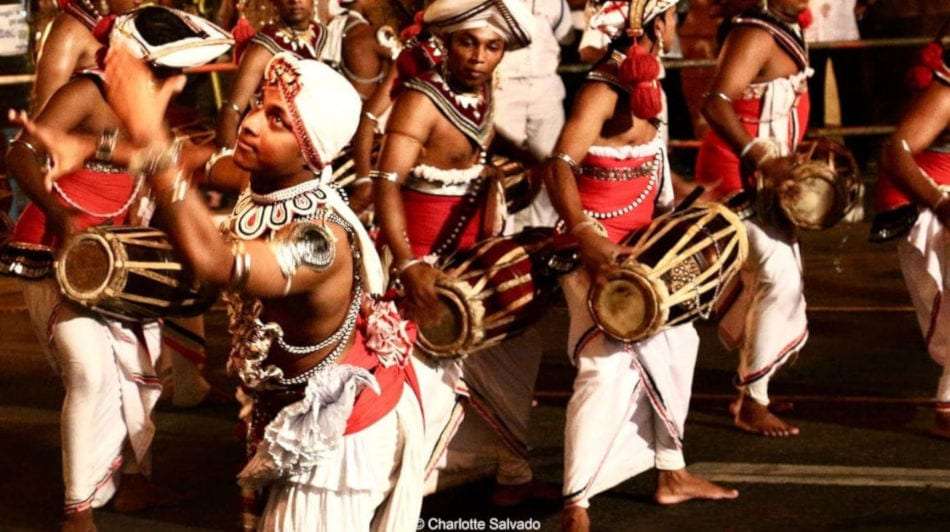
Every year, a grand procession known as the Kantaka Chetiya Perahera is held to honor the Maha Stupa. This vibrant cultural event brings together devotees, dancers, and musicians from all over the country, creating a mesmerizing spectacle that showcases the rich traditions and religious fervor of Sri Lanka.

Natural Beauty and Pilgrimage

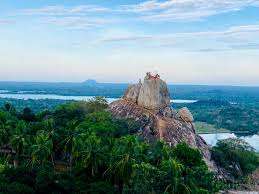
Beyond its historical and religious significance, Mihintale is blessed with breathtaking natural beauty. The hilltop offers panoramic views of the surrounding landscapes, including lush forests, serene lakes, and the distant ancient city of Anuradhapura. For pilgrims and visitors alike, Mihintale provides a tranquil setting for contemplation and spiritual reflection.

The Aradhana Gala and the Arahant Mahinda

The Aradhana Gala, a large rock plateau on Mihintale, is believed to be the spot where Arahant Mahinda meditated and communed with the king. This site holds immense spiritual importance for Buddhists and attracts many devotees seeking blessings and spiritual enlightenment.

The Mihintale Rajamaha Viharaya

The Mihintale Rajamaha Viharaya, an active monastery at the foot of the hill, continues to play a crucial role in preserving the Buddhist heritage of Mihintale. Monks residing here engage in religious activities and impart the teachings of Buddha to devotees and pilgrims.
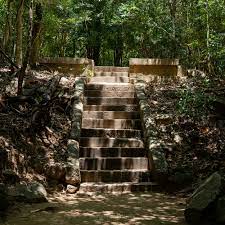
The Annual Poson Festival

The Poson Festival, celebrated in June, commemorates the arrival of Buddhism to Sri Lanka. During this festival, Mihintale becomes a hub of religious activities, drawing large crowds of pilgrims who climb the sacred hill to pay homage to the ancient monastic complex.

Conservation Efforts and Cultural Heritage

Preserving the historical and natural heritage of Mihintale is of utmost importance. Various conservation efforts have been undertaken to safeguard the ancient ruins and maintain the ecological balance of the area. Visitors are encouraged to respect the site’s sanctity and leave no trace of their visit to ensure its longevity for future generations.

Conclusion

Mihintale, with its profound historical and spiritual significance, is a place of reverence and awe. As you climb the sacred hill and explore its ancient ruins, you will feel a deep sense of connection to the past and the enduring teachings of Buddhism. Mihintale stands as a testament to the enduring power of faith and serves as a beacon of tranquility and enlightenment for all who visit.

FAQs

  1. How do I reach Mihintale? Mihintale is located approximately 13 kilometers east of Anuradhapura. You can easily reach it by road from the ancient city.
  2. Is there an entrance fee to visit Mihintale? Yes, there is a nominal entrance fee for visitors to Mihintale, which helps with the maintenance and conservation of the site.
  3. Can I visit Mihintale during the Poson Festival? Absolutely! The Poson Festival is a great time to visit Mihintale to witness the vibrant celebrations and immerse yourself in the festive atmosphere.
  4. Are there any dress code requirements to enter Mihintale? Yes, as a place of religious significance, visitors are required to dress modestly, covering their shoulders and knees.
  5. Can I take photographs at Mihintale? Yes, photography is allowed at Mihintale, but be mindful of the sacredness of the site and avoid using flash near religious statues and relics.

SHARE

Kithulgala | A Thrilling Adventure Destination

SHARE

Are you an adventure enthusiast seeking an exhilarating experience amidst nature’s bounty? Look no further than Kithulgala, a picturesque town nestled in the heart of Sri Lanka. Known for its stunning landscapes, thrilling water activities, and lush greenery, Kithulgala is a haven for adrenaline junkies and nature lovers alike. In this article, we will delve into the captivating beauty of Kithulgala, highlighting its attractions, adventure sports, natural wonders, and more.

Table of Contents

  1. Introduction to Kithulgala
  2. A Glimpse into Kithulgala’s History
  3. Natural Splendors of Kithulgala
    • 3.1 The Kelani River: A Lifeline of Kithulgala
    • 3.2 Dense Rainforests and Biodiversity
  4. Adventure Sports in Kithulgala
    • 4.1 Whitewater Rafting: An Adrenaline Rush
    • 4.2 Canyoning: Exploring Rugged Terrains
    • 4.3 Jungle Trekking: Immersion in Nature’s Lap
    • 4.4 Bird Watching: A Paradise for Avian Enthusiasts
  5. Exploring Kithulgala’s Film Connections
  6. Kithulgala as a Tranquil Retreat
    • 6.1 Accommodation Options: Where to Stay in Kithulgala
  7. Culinary Delights of Kithulgala
    • 7.1 Traditional Sri Lankan Cuisine
    • 7.2 Refreshing Tropical Fruits
  8. How to Reach Kithulgala
  9. Safety Measures and Tips for Visitors
  10. Conclusion

1. Introduction to Kithulgala

Nestled in the Sabaragamuwa Province of Sri Lanka, Kithulgala is a small yet captivating town known for its natural wonders and thrilling adventures. Located approximately 90 kilometers northeast of Colombo, the country’s capital, Kithulgala offers a perfect escape from the bustling city life. The town’s pristine beauty and tranquil surroundings make it an ideal destination for nature enthusiasts and adventure seekers.

2. A Glimpse into Kithulgala’s History

With a rich historical background, Kithulgala has played a significant role in Sri Lanka’s past. The town’s name is derived from “Kele Kutha Gala,” which translates to “the boulder of the forest rock.” This name signifies the area’s rocky terrain and dense forests, which have witnessed various historical events over the centuries.

3. Natural Splendors of Kithulgala

3.1 The Kelani River: A Lifeline of Kithulgala

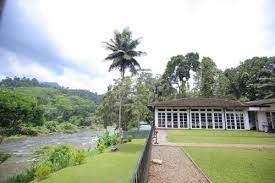
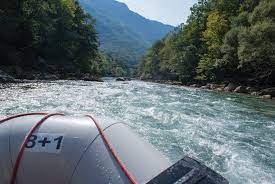
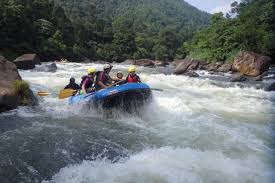
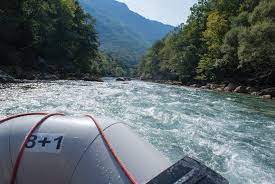
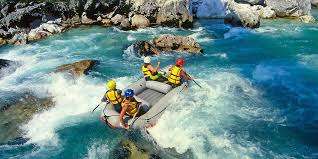
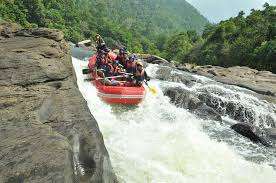
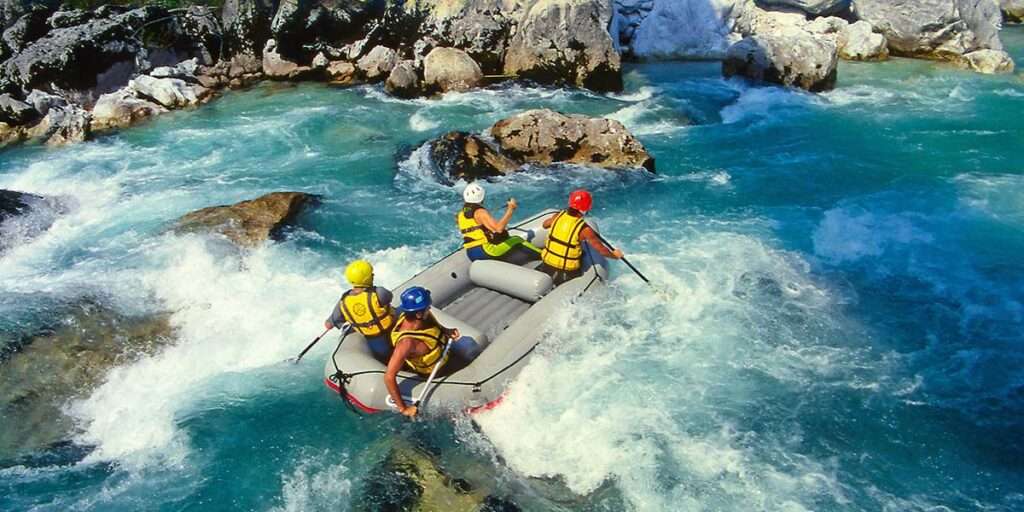
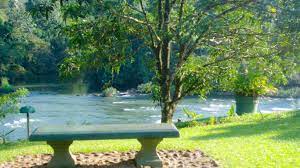
The Kelani River gracefully flows through the heart of Kithulgala, adding to the town’s natural charm. This pristine river is not only a picturesque sight but also a hub for thrilling water activities. Rafting down the rapids of the Kelani River is a popular adventure sport that attracts adrenaline enthusiasts from around the world.

3.2 Dense Rainforests and Biodiversity

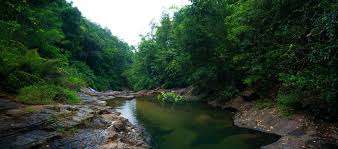
Kithulgala is blessed with lush rainforests that are home to a diverse range of flora and fauna. As you venture into the dense forests, you’ll be mesmerized by the vibrant hues of tropical flowers, the symphony of chirping birds, and the playful antics of monkeys swinging from tree to tree. Exploring the nature trails in Kithulgala is an experience that will leave you in awe of Mother Nature’s creations.

4. Adventure Sports in Kithulgala

4.1 Whitewater Rafting: An Adrenaline Rush

Whitewater rafting is undoubtedly the highlight of Kithulgala’s adventure sports scene. The gushing rapids of the Kelani River offer a thrilling and adrenaline-pumping experience for both beginners and experienced rafters. Strap on your safety gear, grab a paddle, and navigate through the exhilarating twists and turns of the river while being surrounded by breathtaking scenery.

4.2 Canyoning: Exploring Rugged Terrains

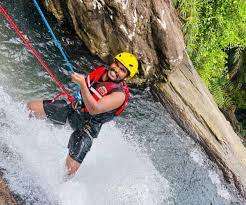
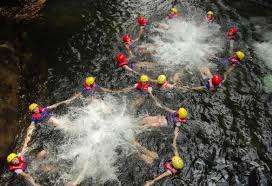
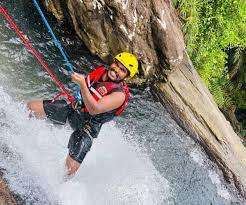
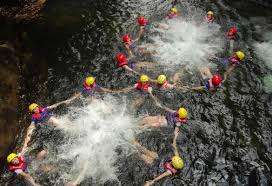
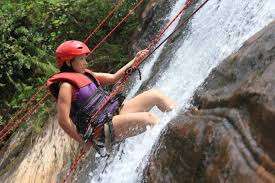
For those seeking an adrenaline rush combined with exploration, canyoning in Kithulgala is a must-try adventure. Descend through steep canyons, rappel down waterfalls, and plunge into crystal-clear pools. This thrilling activity allows you to get up close and personal with the untouched beauty of Kithulgala’s rugged landscapes.

4.3 Jungle Trekking: Immersion in Nature’s Lap

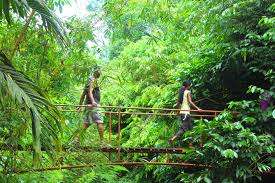
Embark on a trekking adventure through the lush jungles of Kithulgala. Follow winding trails, cross swaying suspension bridges, and discover hidden waterfalls along the way. Jungle trekking is not only a thrilling experience but also an opportunity to witness the abundant wildlife and learn about the region’s unique ecosystem.

4.4 Bird Watching: A Paradise for Avian Enthusiasts

Kithulgala is a haven for bird watchers, boasting a wide variety of avian species. From colorful kingfishers to elusive endemic birds, the town offers ample opportunities to spot and photograph these winged wonders. Grab your binoculars and immerse yourself in the melodious symphony of Kithulgala’s birdlife.

5. Exploring Kithulgala’s Film Connections

Kithulgala has also gained recognition in the world of cinema. The town’s breathtaking landscapes have been featured in several renowned films, including the iconic adventure movie “The Bridge on the River Kwai.” Exploring Kithulgala allows you to retrace the steps of famous actors and directors, immersing yourself in the magic of the silver screen.

6. Kithulgala as a Tranquil Retreat

Apart from its thrilling adventures, Kithulgala also offers a serene and tranquil environment for relaxation. The town’s scenic beauty, coupled with its warm hospitality, makes it an ideal retreat for those seeking solace amidst nature. There are various accommodation options available, ranging from cozy guesthouses to luxury eco-resorts, ensuring a comfortable stay for every visitor.

7. Culinary Delights of Kithulgala

7.1 Traditional Sri Lankan Cuisine

Indulge your taste buds with the flavors of Sri Lankan cuisine in Kithulgala. Sample mouthwatering rice and curry, aromatic seafood dishes, and delectable local delicacies prepared with fresh spices and tropical ingredients. Don’t miss the opportunity to savor the authentic flavors of this island nation.

7.2 Refreshing Tropical Fruits

Kithulgala’s proximity to lush fruit orchards ensures an abundance of tropical fruits. Treat yourself to juicy pineapples, succulent mangoes, and tangy papayas, among other refreshing delights. These fresh and exotic fruits make for a perfect snack while exploring the wonders of Kithulgala.

8. How to Reach Kithulgala

Kithulgala is easily accessible from major cities in Sri Lanka. If you’re traveling from Colombo, you can reach Kithulgala by road in approximately two to three hours, depending on traffic conditions. Buses and private taxis are available for convenient transportation. Alternatively, you can also opt for a scenic train journey to nearby railway stations and then continue the rest of the way by road.

9. Safety Measures and Tips for Visitors

While Kithulgala offers thrilling adventures, it’s essential to prioritize safety during your visit. Here are a few tips to ensure a safe and enjoyable experience:

  • Always follow the instructions provided by experienced guides during adventure sports.
  • Wear appropriate safety gear and use certified equipment.
  • Stay hydrated and protect yourself from the sun’s rays.
  • Respect the natural environment and avoid littering.
  • Check the weather conditions before planning outdoor activities.

10. Conclusion

Kithulgala is a treasure trove of natural beauty and thrilling adventures. Whether you’re seeking an adrenaline rush or a peaceful retreat amidst nature, this enchanting town has something to offer every traveler. From whitewater rafting on the Kelani River to exploring dense rainforests and savoring local cuisine, Kithulgala promises an unforgettable experience. So pack your bags, embark on a journey to Kithulgala, and create memories that will last a lifetime.

FAQs

  1. Is Kithulgala suitable for beginners in adventure sports?
    • Yes, Kithulgala offers adventure sports suitable for beginners, such as whitewater rafting with experienced guides.
  2. Are there any age restrictions for adventure activities in Kithulgala?
    • The age restrictions vary depending on the specific activity. It’s best to check with the adventure sports providers for detailed information.
  3. Can I visit Kithulgala as a day trip from Colombo?
    • Yes, Kithulgala can be visited as a day trip from Colombo, offering a thrilling adventure experience within a short distance from the city.
  4. Are there vegetarian and vegan food options available in Kithulgala?
    • Yes, many restaurants and accommodations in Kithulgala offer vegetarian and vegan food options to cater to different dietary preferences.
  5. Is it safe to swim in the Kelani River?
    • It is generally safe to swim in designated areas of the Kelani River. However, it’s advisable to consult with locals or guides to ensure you swim in safe sections.

SHARE
Verified by MonsterInsights