Pidurangala Rock | Hiking for Sunset & Best view of Sigiria
Introduction abou Pidurangala Rock
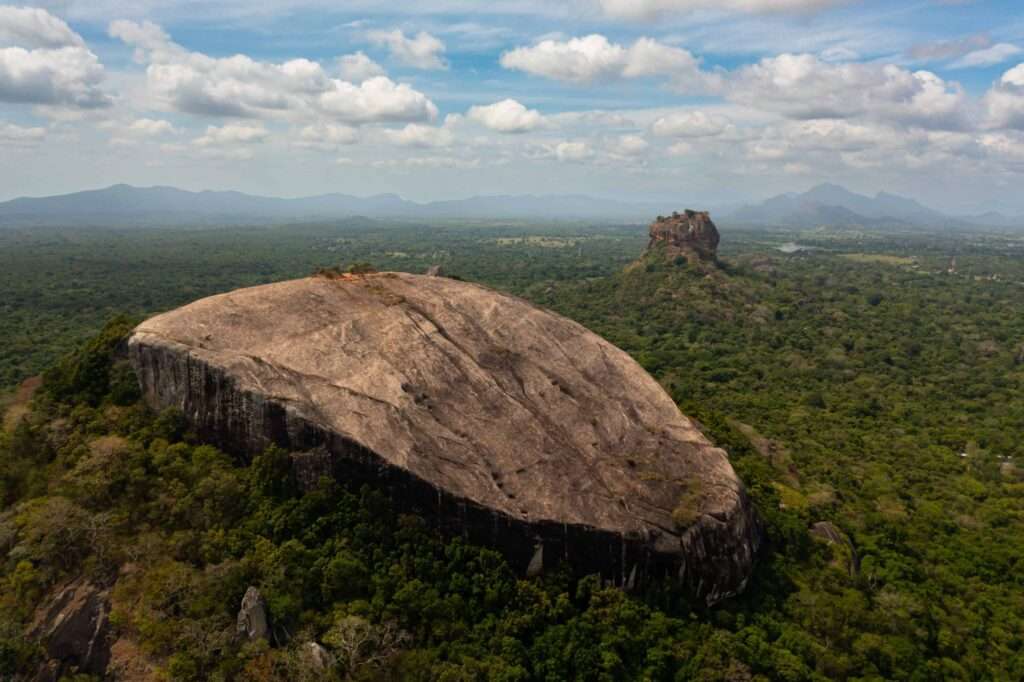
Nestled in the heart of Sri Lanka’s cultural triangle, Pidurangala Rock stands as a majestic monolith with a history intertwined with the nearby Sigiriya Rock Fortress. While Sigiriya often steals the spotlight, Pidurangala offers an equally mesmerizing experience with its breathtaking views, rich history, and challenging hike. This guide will take you through everything you need to know about embarking on the Pidurangala Rock hike, ensuring you make the most of this unforgettable adventure.
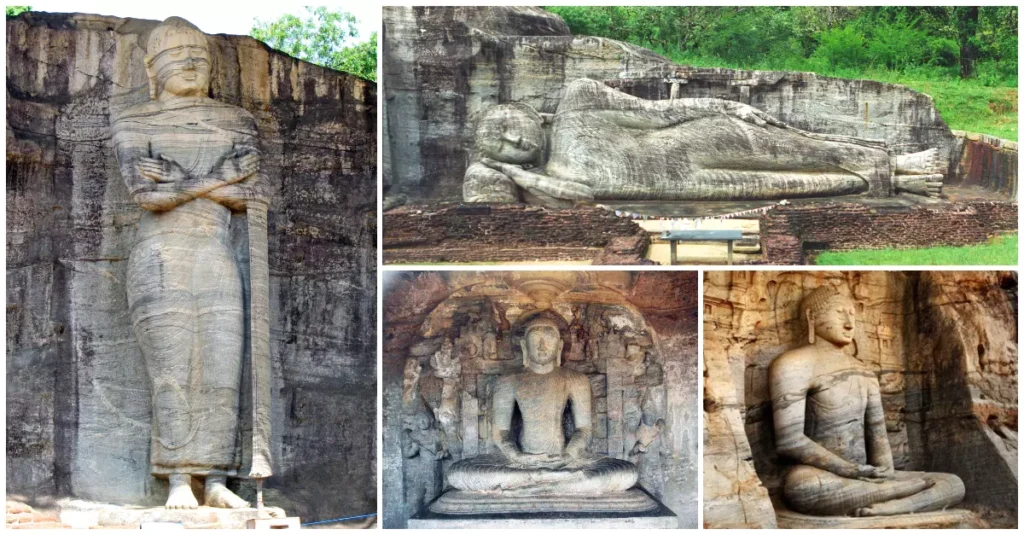
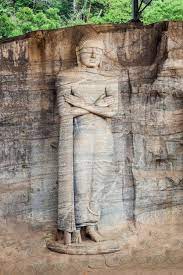
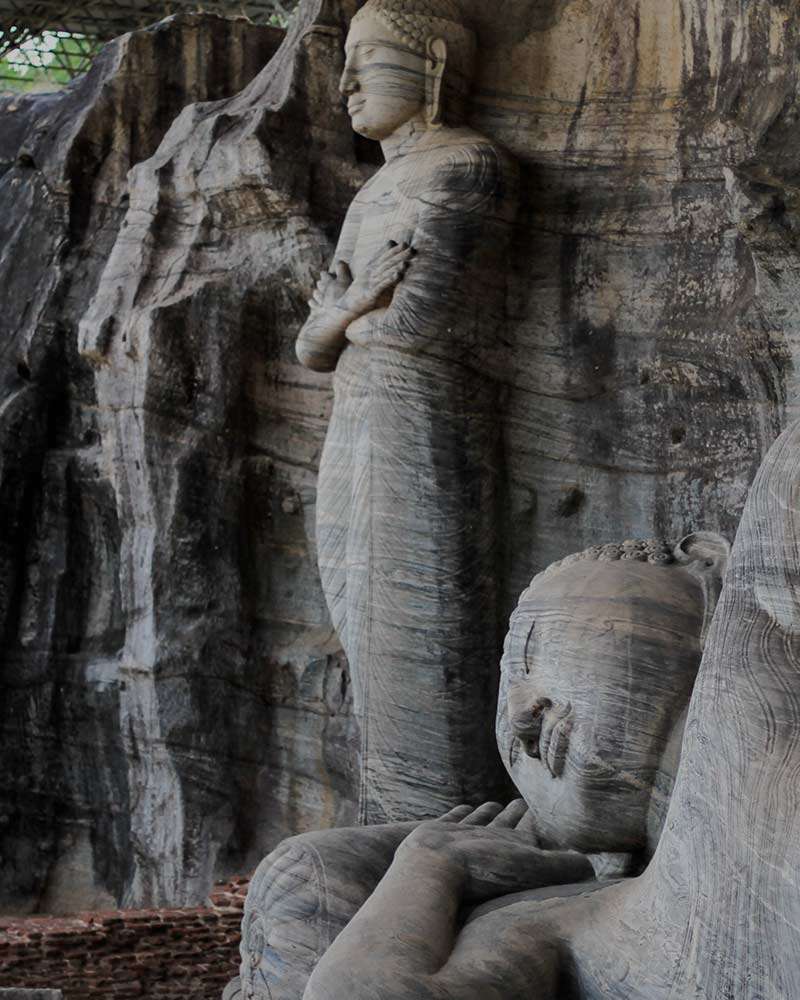
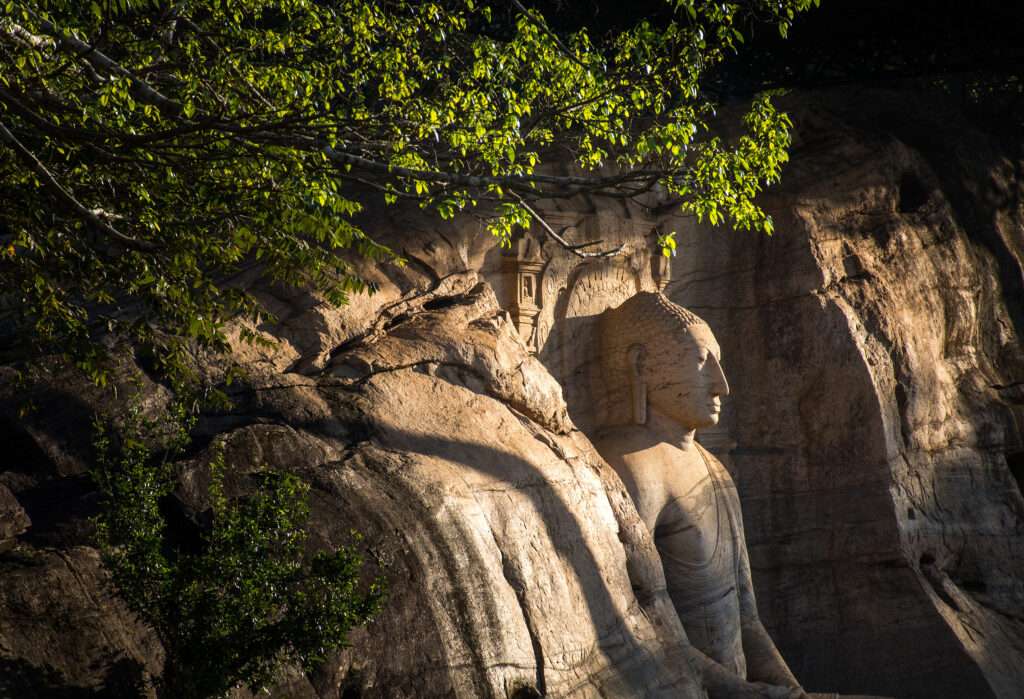
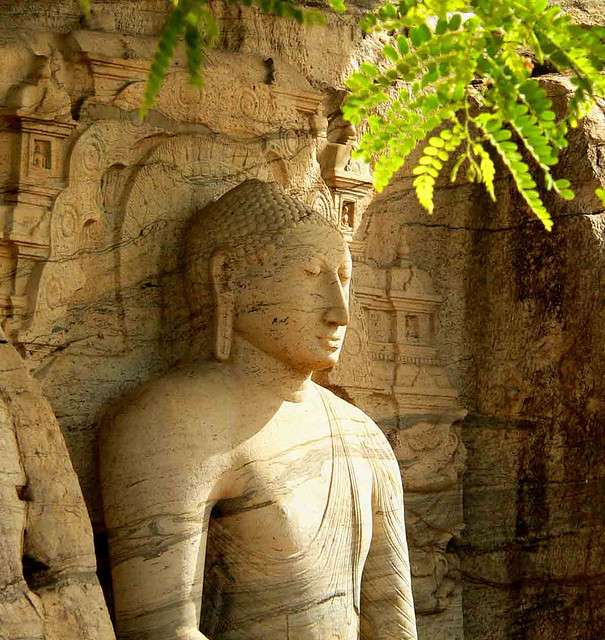
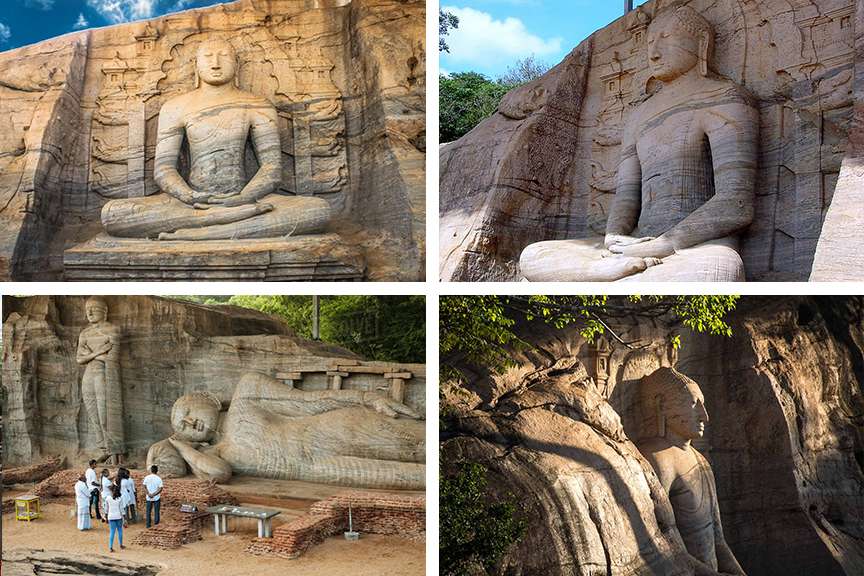
After conquering the summit of Pidurangala Rock, adventurers can explore the nearby Sigiriya Rock Fortress, delve into the ancient murals of Dambulla Cave Temple, witness the majestic elephants at Minneriya National Park, admire the towering Aukana Buddha Statue, or embark on a safari in the serene village of Habarana
Historical Significance of Pidurangala Rock
Pidurangala Rock is more than just a hiking destination; it is a site of immense historical and cultural importance. The name “Pidurangala” translates to “offered piles of gold,” a reference to the monastery that once thrived here. The rock and its surroundings have been inhabited for over 2,500 years, serving as a monastic complex for Buddhist monks. In the 5th century, King Kasyapa moved monks to Pidurangala to clear the way for the construction of the Sigiriya Fortress, adding to its historical allure.
Getting to Pidurangala Rock
Location: Pidurangala Rock is located in the Matale District of Sri Lanka, near the town of Dambulla. It is approximately 170 kilometers northeast of Colombo.
Transportation:
- By Car: The most convenient way to reach Pidurangala is by car. It is a 3-4 hour drive from Colombo, passing through scenic landscapes and local villages.
- By Public Transport: You can take a bus from Colombo to Dambulla, and then a tuk-tuk or taxi to Pidurangala.
- By Train: The nearest train station is in Habarana, from where you can take a taxi or tuk-tuk.
Best Time to Visit Pidurangala Rock
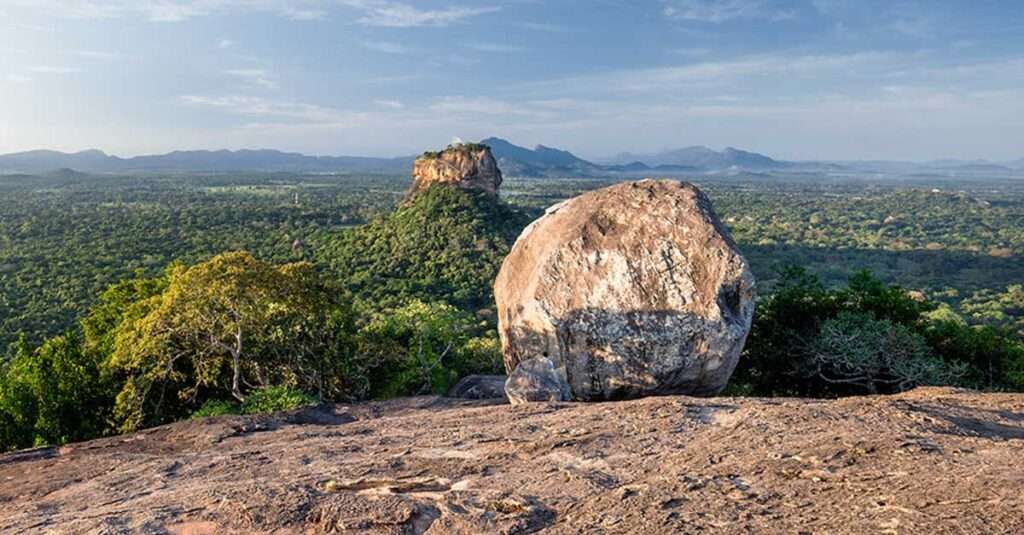
The ideal time to visit Pidurangala Rock is during the dry season, from December to April. During this period, the weather is pleasant, and the trails are less slippery. The hike is best undertaken early in the morning or late in the afternoon to avoid the midday heat and to catch the sunrise or sunset, offering stunning views over Sigiriya and the surrounding landscape.
Preparing for the Hike on Pidurangala Rock
What to Wear
- Comfortable Hiking Shoes: The trail to the top of Pidurangala is rocky and uneven. Sturdy footwear is essential for a safe hike.
- Lightweight, Breathable Clothing: The hike can be physically demanding, and the weather can be hot and humid. Wear moisture-wicking fabrics to stay comfortable.
- Hat and Sunglasses: Protect yourself from the sun, especially during midday hikes.
- Insect Repellent: The forested areas can have mosquitoes and other insects.
What to Bring
- Water: Carry at least 1-2 liters of water to stay hydrated.
- Snacks: Energy bars or fruits are good options to keep your energy levels up.
- Camera: To capture the breathtaking views from the top.
- Flashlight: If you plan to hike early in the morning or late in the evening, a flashlight is essential.
The Hike: What to Expect
Trail Overview
The hike up Pidurangala Rock is relatively short, taking about 30-45 minutes to reach the summit. However, it is moderately challenging due to the steep and uneven terrain. The trail can be divided into two main sections:

- The Forested Path: The initial part of the hike takes you through a dense forest with a well-marked trail. This section is relatively easy, with a gradual ascent.
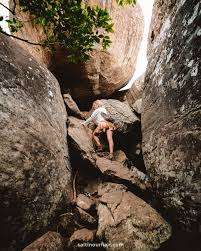
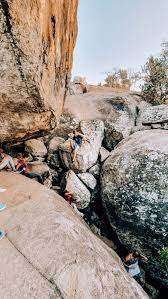
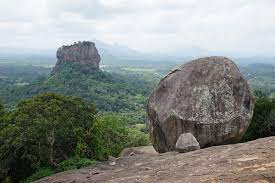
- The Rocky Climb: The second part of the hike involves scrambling over large boulders. This section requires some climbing and can be challenging, especially for those who are not experienced hikers. Careful footing is necessary.
Points of Interest in Pidurangala Rock
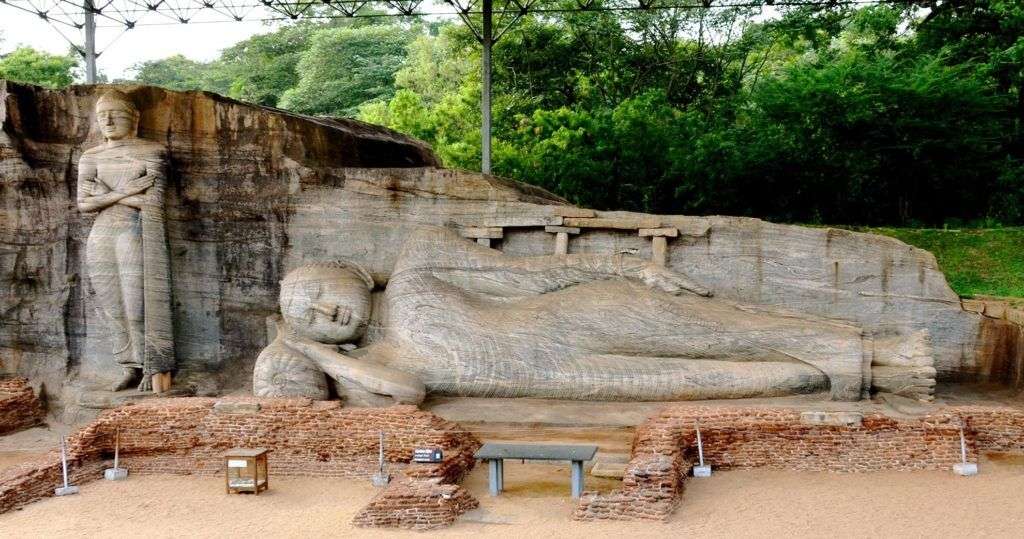
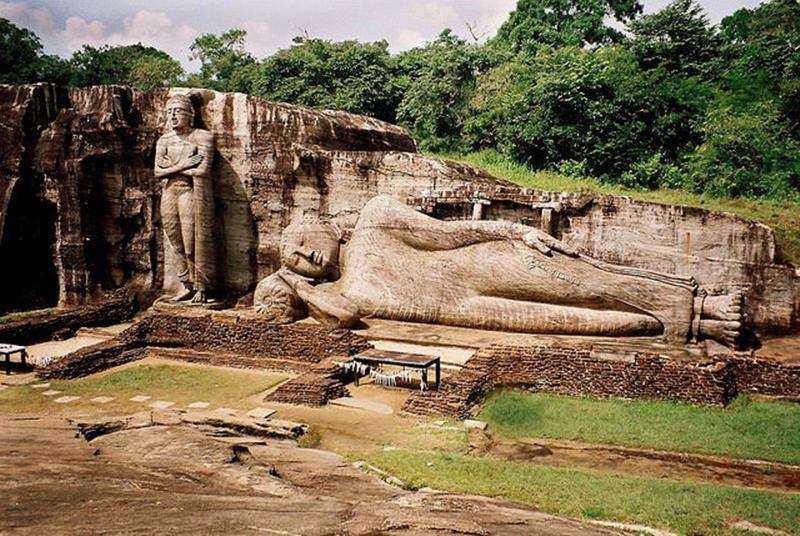
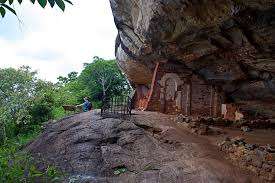
- Ancient Temple: Halfway up the trail, you will encounter an ancient Buddhist temple. The temple is home to a reclining Buddha statue, partially damaged but still a significant historical artifact.
- Cave Paintings: Look out for cave paintings and inscriptions along the way, offering a glimpse into the rock’s historical and cultural significance.
The Summit
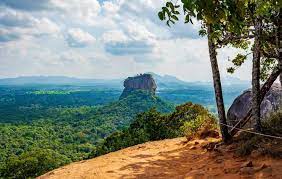
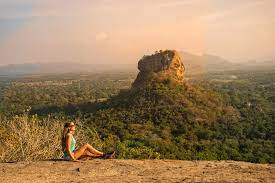
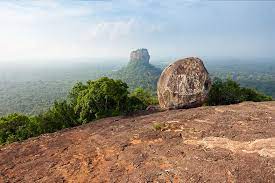
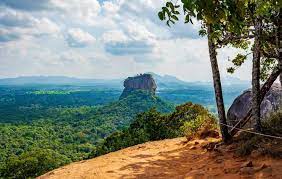
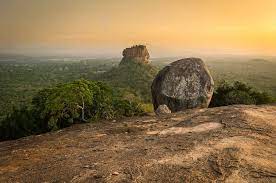
Reaching the summit of Pidurangala Rock is a rewarding experience. The flat rock surface at the top provides a panoramic view of the surrounding landscape. The highlight is the unobstructed view of Sigiriya Rock Fortress, rising majestically from the plains below. The summit is an ideal spot for photography, meditation, and simply soaking in the natural beauty.
Safety Tips To Pidurangala Rock
- Stay on the Path: Stick to the marked trail to avoid getting lost or encountering dangerous wildlife.
- Watch Your Step: The rocky sections can be slippery, especially after rain. Take your time and ensure you have secure footing.
- Stay Hydrated: Drink plenty of water before, during, and after the hike to avoid dehydration.
- Respect the Environment: Do not litter. Carry back all your trash and respect the natural and historical sites.
Nearby Attractions
Sigiriya Rock Fortress
Just a short distance from Pidurangala, Sigiriya Rock Fortress is a must-visit. This UNESCO World Heritage Site features ancient frescoes, mirror walls, and the impressive Lion’s Gate. The climb to the top, while steep, offers stunning views and a deep dive into Sri Lanka’s history.
Dambulla Cave Temple
Located about 20 kilometers from Pidurangala, the Dambulla Cave Temple is another UNESCO World Heritage Site. The complex consists of five caves adorned with beautiful Buddhist murals and statues, offering a serene and spiritual experience.
Minneriya National Park
For wildlife enthusiasts, a visit to Minneriya National Park is highly recommended. The park is famous for its large elephant herds, especially during the dry season when the “Elephant Gathering” takes place around the Minneriya Tank.
Conclusion
The Pidurangala Rock hike is a journey through history, nature, and breathtaking beauty. It offers a unique perspective on Sri Lanka’s rich cultural heritage and natural splendor. Whether you are a seasoned hiker or a history enthusiast, Pidurangala promises an experience that is both challenging and immensely rewarding. As you stand atop the rock, gazing at the horizon, you will understand why this hidden gem is a favorite among those who seek adventure off the beaten path.