The Best Ocean Adventure – Mirissa

SHARE

Introduction

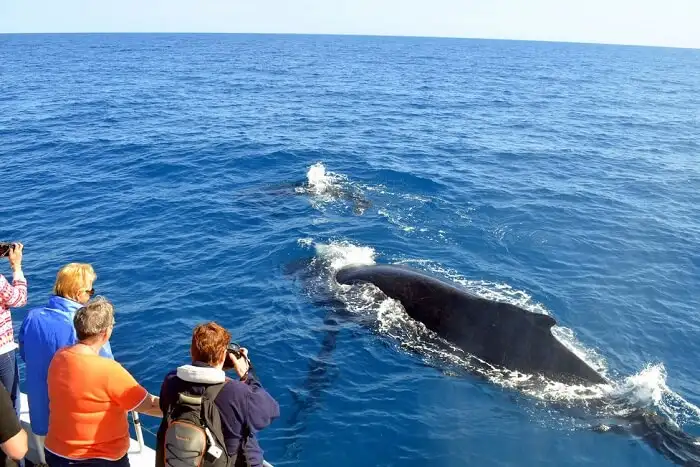
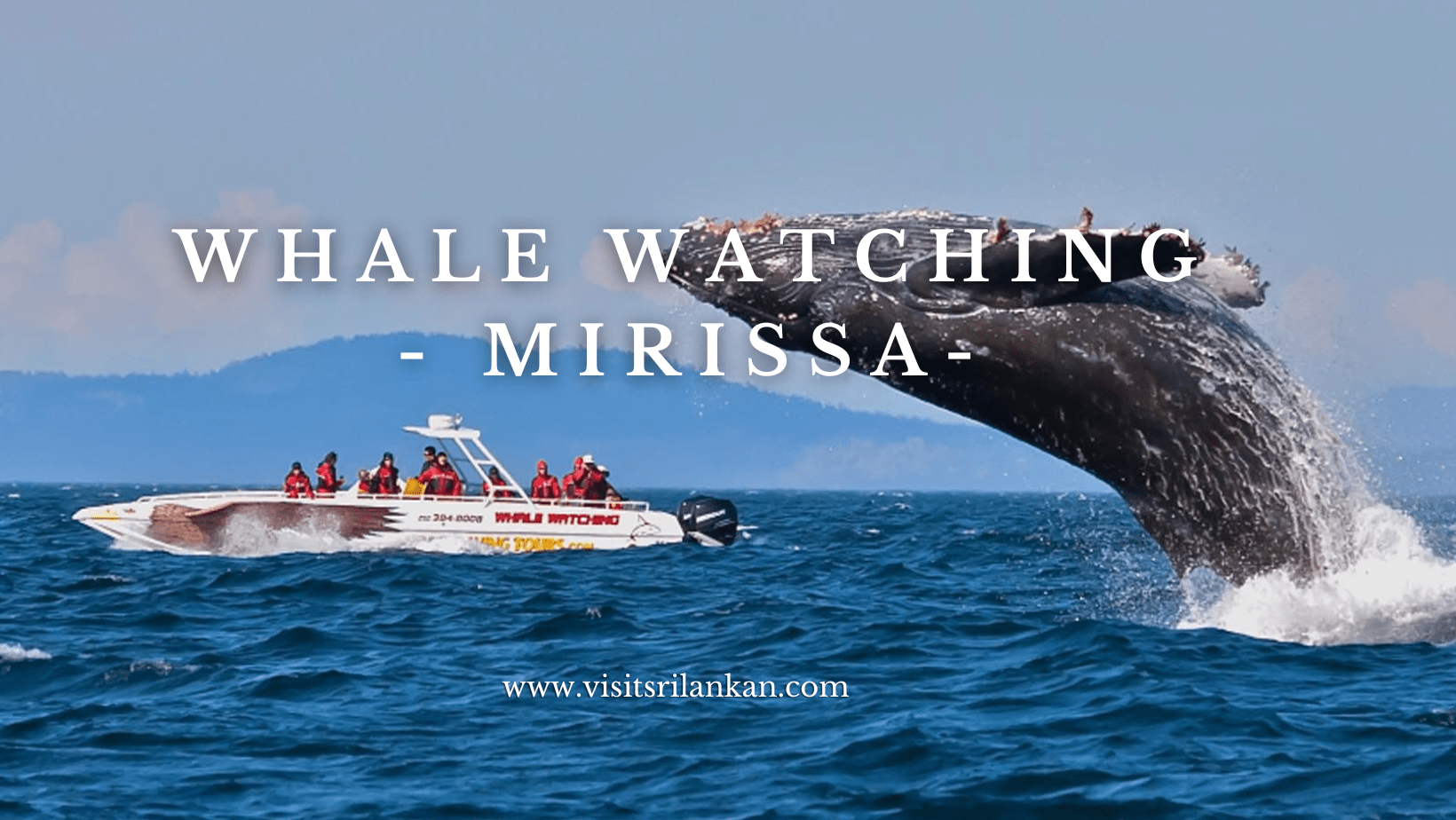
Whale watching in Mirissa has become an increasingly popular activity for travelers seeking a unique and awe-inspiring experience. Located on the southern coast of Sri Lanka, Mirissa offers an enchanting opportunity to witness these majestic marine giants in their natural habitat. In this article, we will take you on a journey through the world of whale watching in Mirissa, exploring everything from the best time to visit to the mesmerizing species you can encounter.

After experiencing the thrill of whale watching in Sri Lanka, visitors can explore the nearby Mirissa, enjoy the coastal beauty of Trincomalee, relax at the beaches of Kalpitiya, or visit the historic Dondra Point. For more information about Sri Lanka and its attractions, visit the Sri Lanka Tourism Board and for visa and travel requirements, check the Sri Lanka Immigration & Visa Services. Learn more about whale-watching tours on our site: VisitSriLankan.com

whale

Why Choose Mirissa for Whale Watching?

Mirissa, nestled along the picturesque coastline of Sri Lanka, has gained recognition as one of the premier destinations for whale watching. But what sets it apart from other locations?
Whale watching in Mirissa

Abundance of Marine Life

Mirissa’s waters are teeming with marine life, thanks to its location in the Indian Ocean. The convergence of warm and cold currents creates an ideal environment for a rich biodiversity of marine species, including various types of whales and dolphins.
Guaranteed Sightings

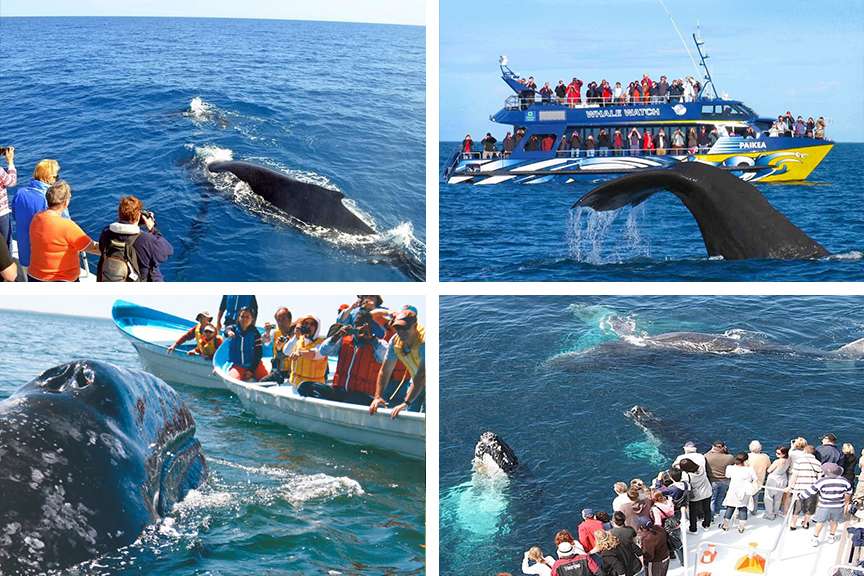
One of the standout features of Mirissa is its reputation for guaranteed sightings. The chances of spotting whales during your excursion are exceptionally high, ensuring an unforgettable experience.

When to Visit Mirissa for Whale Watching

To make the most of your whale watching adventure in Mirissa, it’s crucial to plan your trip during the right season.
Peak Season (November to April)

The peak season for whale watching in Mirissa is from November to April. During these months, the ocean remains calm, and the chances of spotting blue whales, the largest animals on Earth, are at their highest.

Off-Peak Season (May to October)

The off-peak season, from May to October, offers a different but equally captivating experience. This is when you’re more likely to encounter sperm whales and other species. It’s a great option if you prefer a quieter and less crowded experience.

Types of Whales You Can Spot

Mirissa is home to a diverse range of whale species, each with its unique characteristics and allure.
Blue Whales

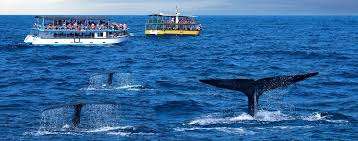
The blue whale, often referred to as the gentle giant of the ocean, can grow up to 100 feet in length. Seeing these majestic creatures breach the surface is a sight to behold.

Sperm Whales

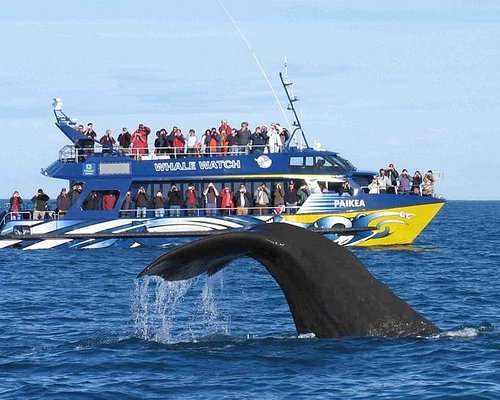
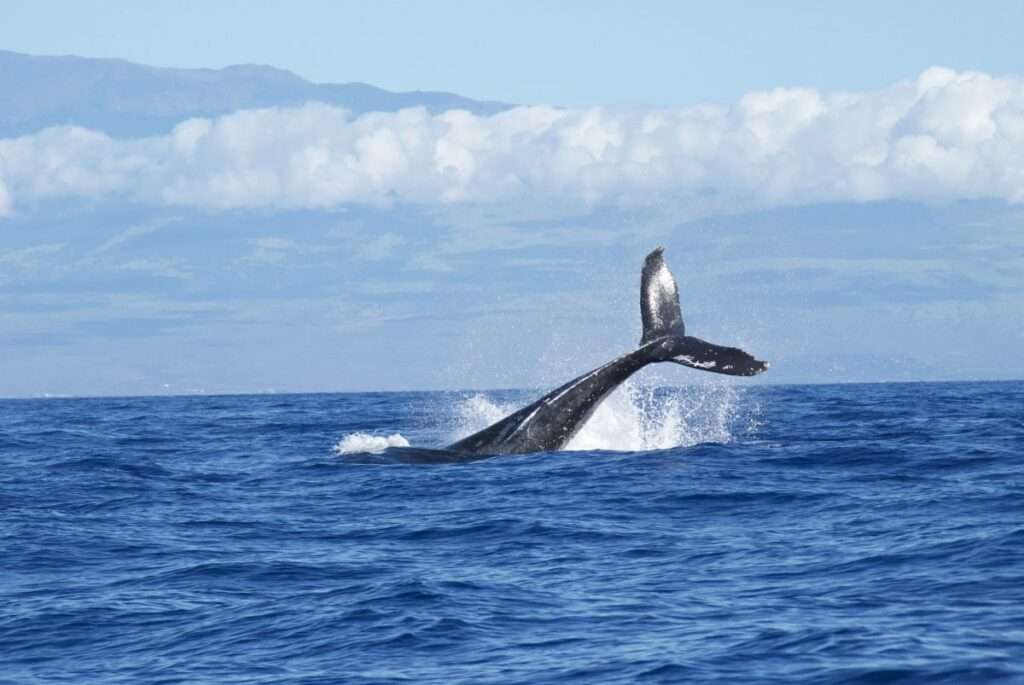
Sperm whales, known for their massive heads and oil-producing spermaceti organ, are a common sight in Mirissa. They are renowned for their distinctive dives and tail flukes.

Humpback Whales

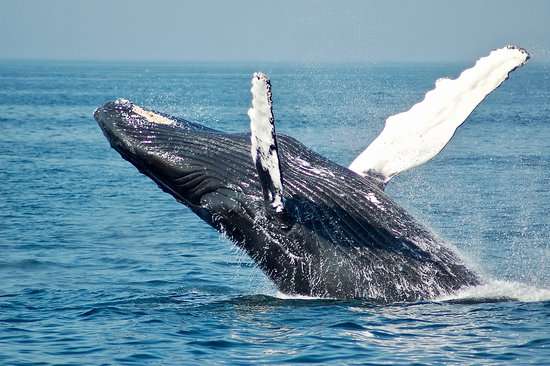
Humpback whales are famous for their acrobatic displays, including breaching and tail-slapping. Witnessing their elegant movements is a remarkable experience.

Preparing for Your Whale Watching Adventure

Before embarking on your whale watching journey, there are a few essential tips to keep in mind:

Booking a Reputable Tour

Choose a reputable tour operator that prioritizes the safety and well-being of both passengers and marine life. Ensure they have certified guides with extensive knowledge of the region.

Packing Essentials

Pack essentials such as sunscreen, sunglasses, a hat, and a light jacket. Seasickness medication may also come in handy for those prone to motion sickness.

The Magic of Whale Watching

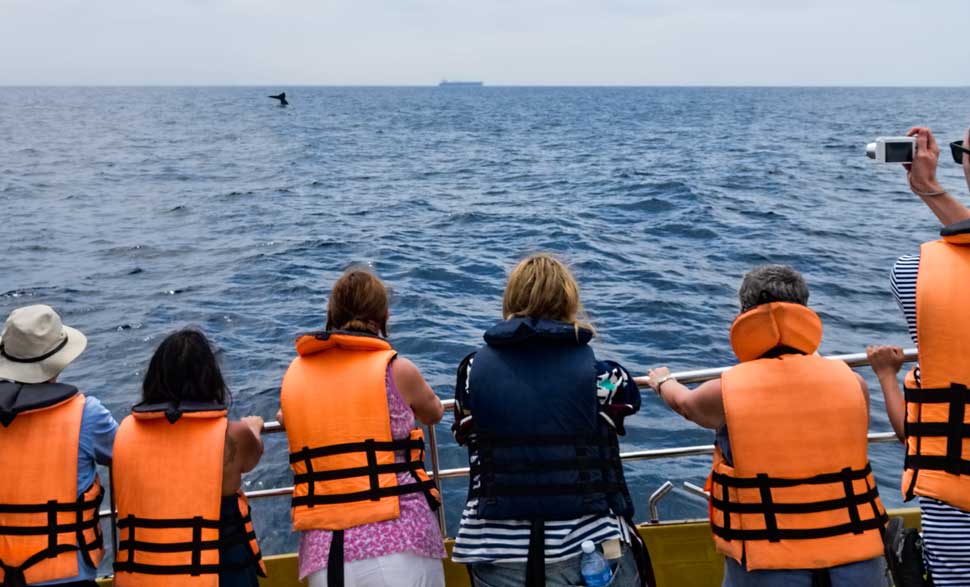
As you set sail from Mirissa’s harbor, the anticipation builds. The vastness of the ocean unfolds before you, and the serenity of the open waters is both calming and invigorating. Then, it happens—a majestic creature breaches the surface, and you’re in awe of nature’s grandeur.

The experience of watching these magnificent creatures in their natural habitat is a humbling and transformative one. It reminds us of the importance of preserving our oceans and the incredible biodiversity they harbor.

Blue Whales

Conclusion

Whale watching in Mirissa is an adventure that combines the thrill of the unknown with the wonder of nature. It’s an opportunity to connect with the ocean’s gentle giants and create lasting memories. So, if you’re seeking a unique and awe-inspiring experience, head to Mirissa and embark on a whale watching journey you’ll cherish forever.

FAQs

1. Is it safe to go whale watching in Mirissa?

Yes, it is generally safe to go whale watching in Mirissa, as long as you choose a reputable tour operator that follows safety guidelines and respects marine life.

2. What is the best time of day for whale watching?

Early morning is often the best time for whale watching, as the sea is usually calmer, and marine life is more active.

3. Can children participate in whale watching tours?

Yes, many whale watching tours in Mirissa are family-friendly and welcome children, but it’s essential to check with the tour operator regarding age restrictions and safety measures.

4. Are there any conservation efforts for marine life in Mirissa?

Yes, Mirissa has various conservation initiatives aimed at protecting marine life. Some tour operators also contribute to these efforts through education and conservation programs.

5. What should I do if I encounter dolphins during the tour?

If you encounter dolphins during your whale watching tour, it’s essential to maintain a respectful distance and avoid disturbing them. Your guide will provide guidance on responsible wildlife viewing practices.
SHARE

top surfing beaches and destinations in Sri Lanka

SHARE

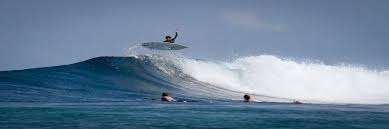
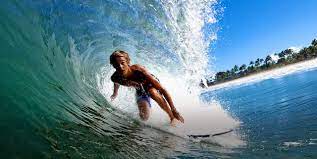
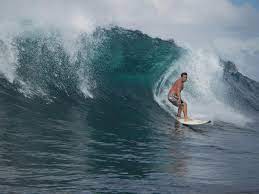
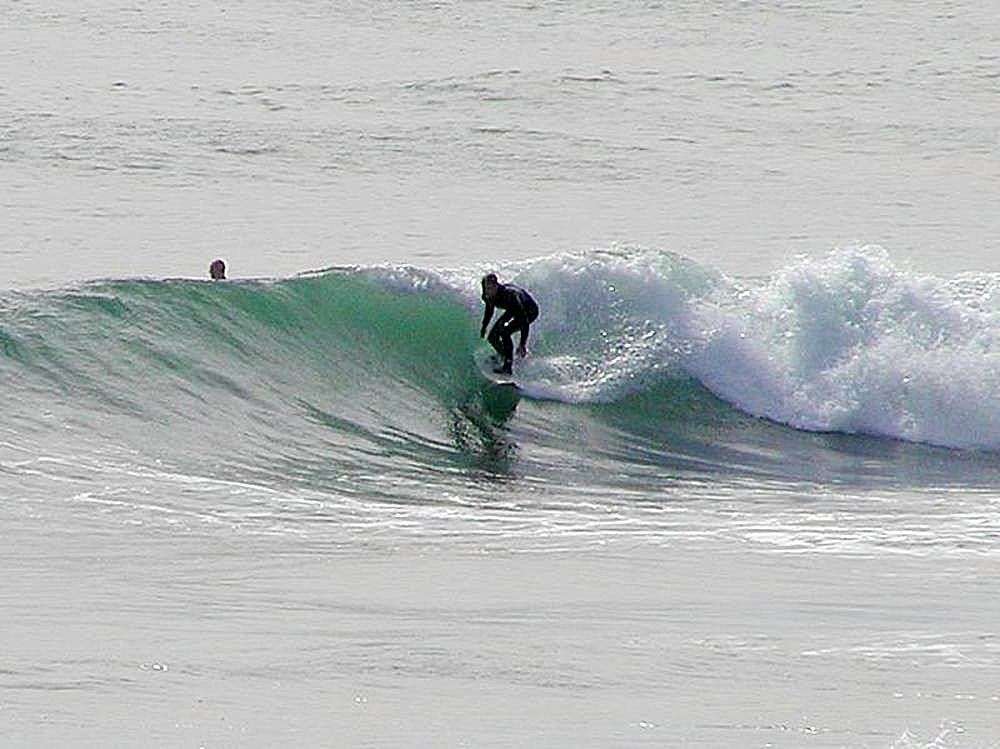
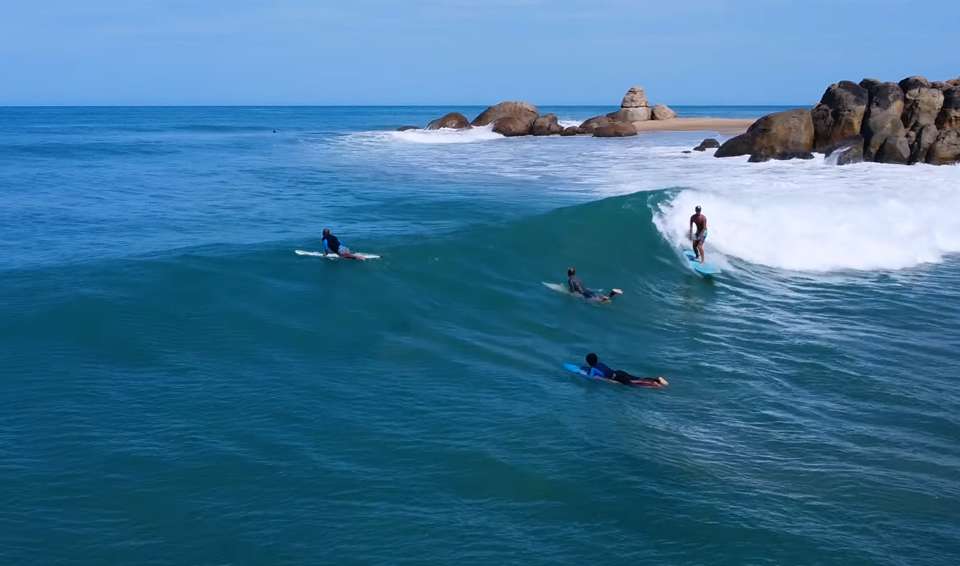
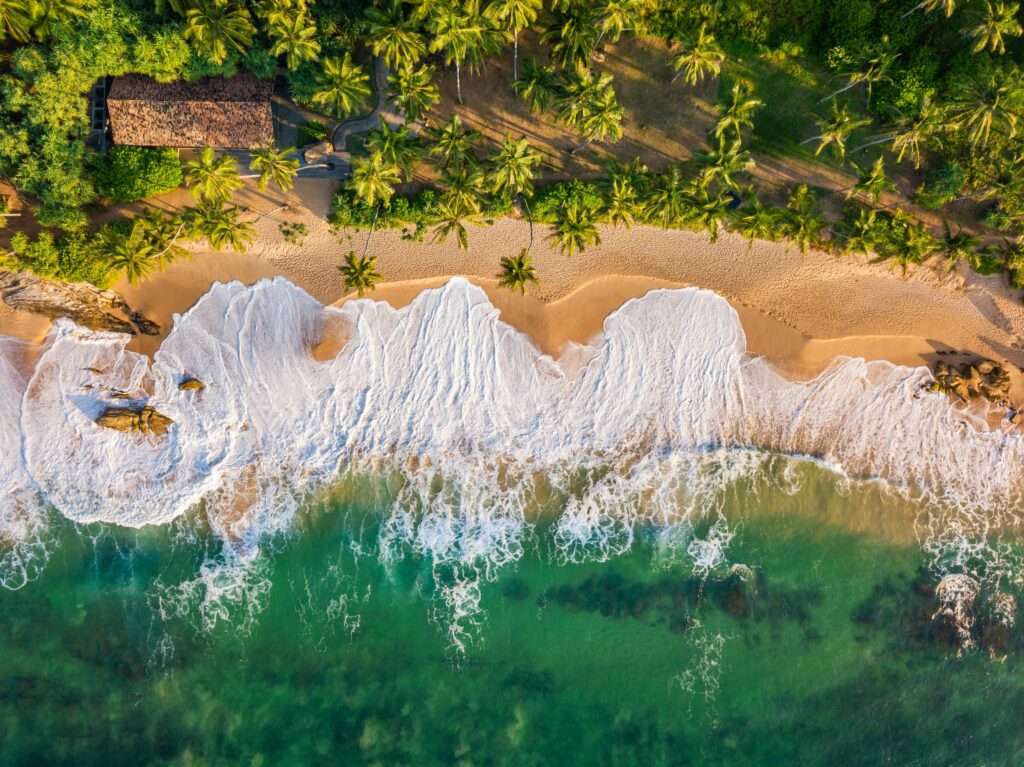
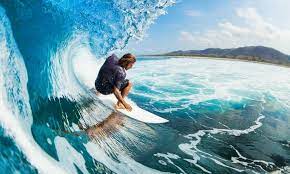
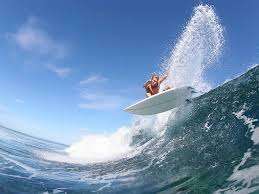
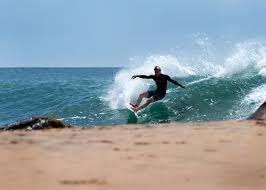
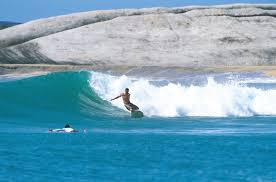
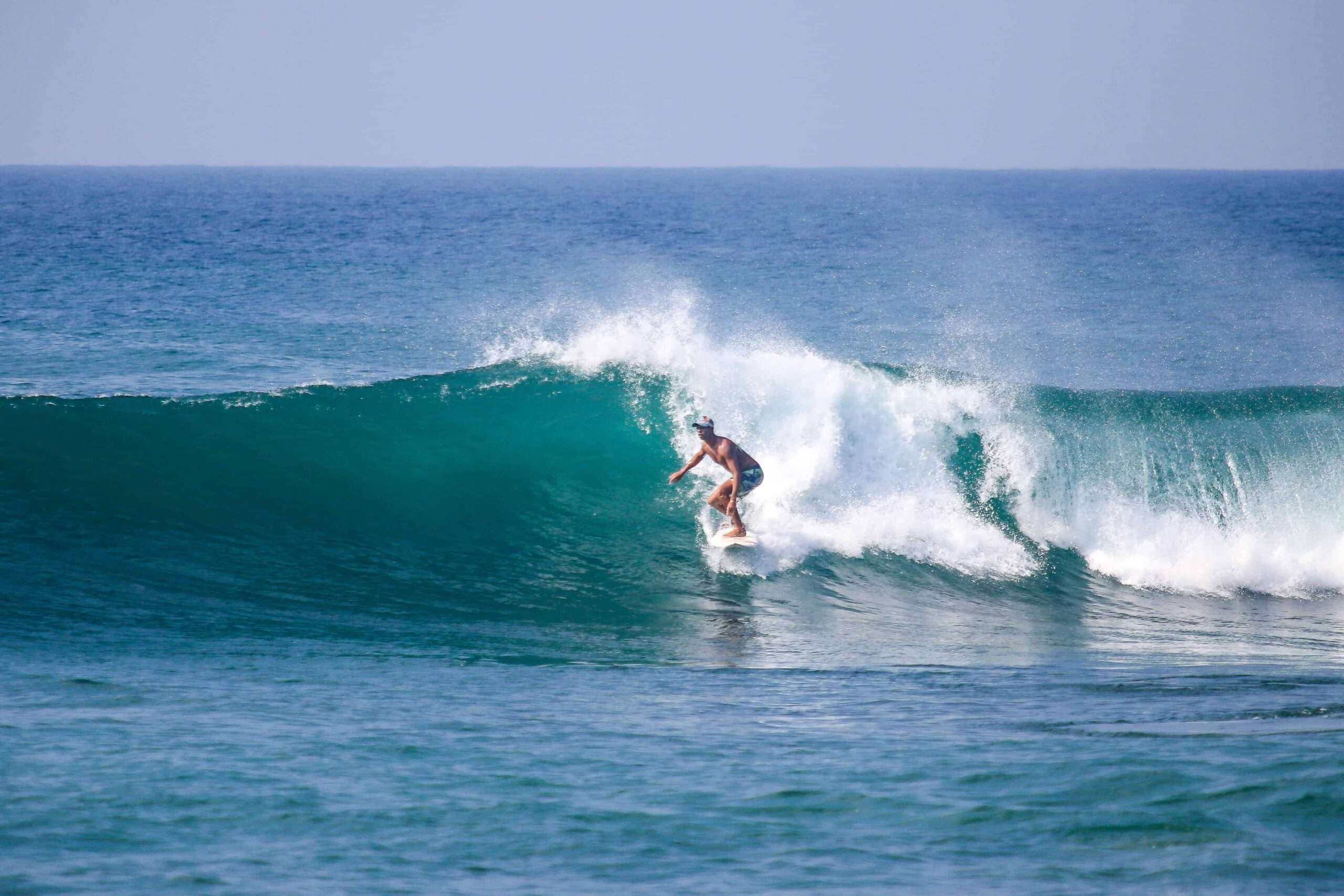
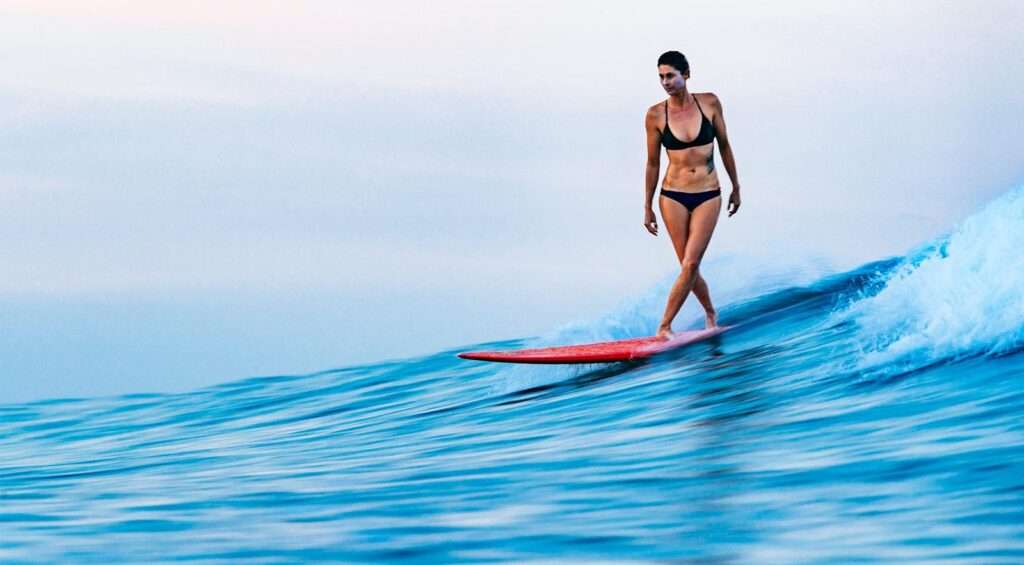
Sri Lanka is a world-renowned destination for surfers, offering a diverse range of top surfing beaches and surf points along its beautiful coastline. From the famous waves of Arugam Bay to the hidden gems of the south and west coasts, Sri Lanka attracts surfers of all skill levels seeking the perfect ride. Whether you’re a beginner or a seasoned pro, the island’s warm waters, consistent swells, and vibrant surf culture make it an ideal spot for your next surfing adventure. In this guide, discover the best surfing destinations in Sri Lanka and find out which beaches offer the ultimate wave-riding experience.

Surfing in Sri Lanka | Best Surf Spots & Travel Guide

Arugam Bay:

Arugam Bay is the most popular surfing destination in Sri Lanka, and for good reason. Located on the east coast of the country, the bay offers some of the best surf breaks in the world, including the famous “Main Point.” The surf season runs from April to October, with the best waves usually in August and September.

While Arugam Bay and Whiskey Point are must-visit surfing destinations, travelers can also explore the vibrant city of Galle, enjoy nature at Victoria Park, or take a break at Rajapaksa Park.

Weligama:

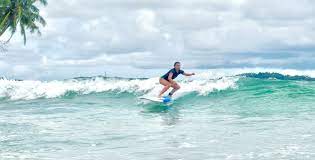
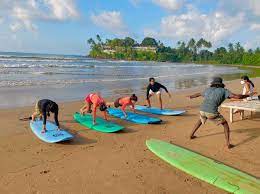
Weligama is a small town on the south coast of Sri Lanka that is known for its beginner-friendly surf breaks. The beach is long and sandy, and the waves are usually small and gentle. There are several surf schools in the area that offer lessons for beginners.

Mirissa:

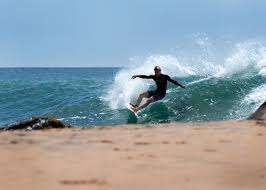
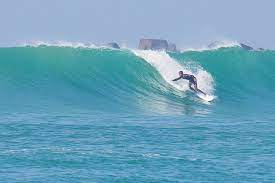
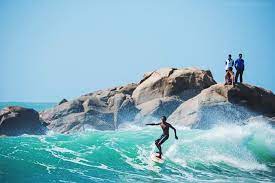
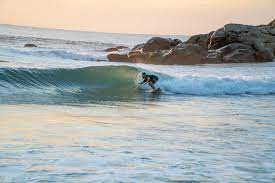
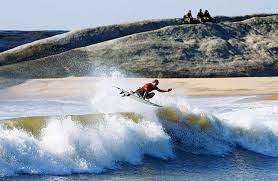
Mirissa is another popular surf spot on the south coast of Sri Lanka. The waves are generally larger than in Weligama, but still suitable for beginners. The beach is also a great place to relax and watch the surfers in action.

Hikkaduwa:

Hikkaduwa is a coastal town on the west coast of Sri Lanka that offers a range of surf breaks suitable for all levels. The waves are usually best from November to April, and the beach is known for its lively atmosphere and nightlife.

Unawatuna:

Unawatuna is a beautiful beach town on the south coast of Sri Lanka that is known for its clear waters and coral reefs. The surf breaks here are usually best from November to April, and there are several surf schools in the area that offer lessons for beginners.

Pottuvil Point:

Pottuvil Point is located on the east coast of Sri Lanka, near Arugam Bay. The surf break here is known for its long, fast waves, and is popular among experienced surfers. The best time to surf here is from April to October.

Kabalana Beach:

Kabalana Beach is located on the south coast of Sri Lanka, near the town of Ahangama. The surf break here is known for its consistent waves, and is suitable for surfers of all levels. The best time to surf here is from November to April.

Elephant Rock:

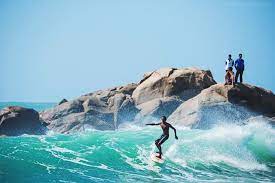
Located near Arugam Bay, Elephant Rock is a popular surf spot that offers both left and right-hand waves. The waves here can go up to six feet, and the spot is suitable for intermediate and advanced surfers.

Whiskey Point:

Another surf spot located near Arugam Bay, Whiskey Point is known for its consistent waves that are suitable for both beginners and intermediate surfers. Surf schools are also available here for those who want to take lessons.

Surfers visiting Whiskey Point can also explore nearby Arugam Bay, enjoy the waves at Peanut Farm Beach, or relax at the scenic Elephant Rock.

Peanut Farm:

Located in Matara, Peanut Farm is a popular surf spot that is suitable for intermediate and advanced surfers. The waves here can go up to eight feet, and the spot is known for its right-hand waves.

Okanda:

Located near Arugam Bay, Okanda is a secluded beach that is known for its powerful waves that are suitable for advanced surfers. The beach is surrounded by lush forests and offers a stunning view of the Indian Ocean.

Secret Point:

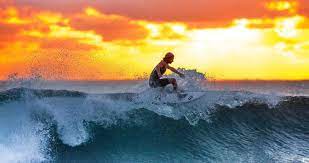
Located near Mirissa, Secret Point is a popular surf spot that offers both left and right-hand waves. The spot is suitable for intermediate and advanced surfers, and the waves here can go up to six feet. The beach is also known for its stunning sunsets, making it a great spot for photography.

In addition to these popular surf spots, Sri Lanka also offers many other beaches and breaks that are worth exploring. Whether you’re a beginner or an experienced surfer, there’s no shortage of waves to catch in this tropical paradise. Just remember to always follow local surf etiquette, respect the environment, and have fun!

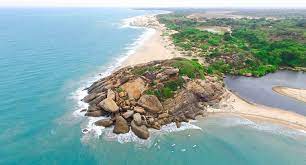
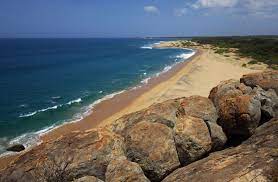
With over 1,300 kilometers of coastline, the country offers a range of surf breaks suitable for both beginners and experienced surfers.

Seasons and transportation options to surfing points in Sri Lanka:

1. Seasons: Sri Lanka has two primary surf seasons:

  • The southwest coast experiences the main surf season from November to April. During this time, surf spots like Hikkaduwa, Weligama, Mirissa, and Matara on the south and west coasts offer favorable conditions with consistent waves.
  • The east coast experiences its surf season from April to October. Arugam Bay and its surrounding areas, including Pottuvil Point and Whiskey Point, are the main attractions during this time, providing excellent surf conditions.

2. Transport Options:

  • Private Transport: Hiring a private vehicle, such as a car or a van, is a convenient option to reach surf spots in Sri Lanka. It gives you the flexibility to travel at your own pace and explore multiple surf spots. Private transport can be arranged through local rental services or with the assistance of your hotel.
  • Public Buses: Sri Lanka has an extensive network of public buses that connect major cities and towns. It is an affordable option to travel to popular surf spots. However, be prepared for longer travel times and potential crowded conditions, especially during peak seasons.
  • Tuk-tuks: Tuk-tuks, three-wheeled motorized vehicles, are a common mode of transport in Sri Lanka. They are readily available and can be a convenient and economical option for short-distance travel within towns or from your accommodation to nearby surf spots.
  • Surf School/Shuttle Services: Many surf schools and surf camps in popular surfing areas offer transportation services for their guests. These services typically include transportation to and from the surf spots as part of their surf packages or lessons. Check with your chosen surf school or accommodation for availability.
  • Train: Sri Lanka’s train system covers some coastal areas, making it a scenic option to reach certain surf spots. However, train schedules may not be as frequent or reliable as buses, so it’s essential to plan accordingly and check the train timings in advance.

It’s advisable to plan your transportation in advance, considering the distance between your accommodation and the surf spots, as well as the availability of transportation options in the specific area. Local knowledge and guidance from your hotel, surf schools, or experienced surfers can be valuable in determining the best transportation options to reach your desired surf spots.

Arugam Bay surfing paradise → Whiskey Point

Beautiful coastal city → Galle

Iconic waterfalls → Diyaluma Waterfalls

Peaceful green escape → Victoria Park Nuwara Eliya

Family-friendly park → Handana Birds Park

Relaxing nature spot → Rajapaksa Park Negombo


SHARE
Verified by MonsterInsights