The Hidden Charms of Diyaluma Waterfalls | A Complete Exploration
Introduction to Diyaluma Waterfalls
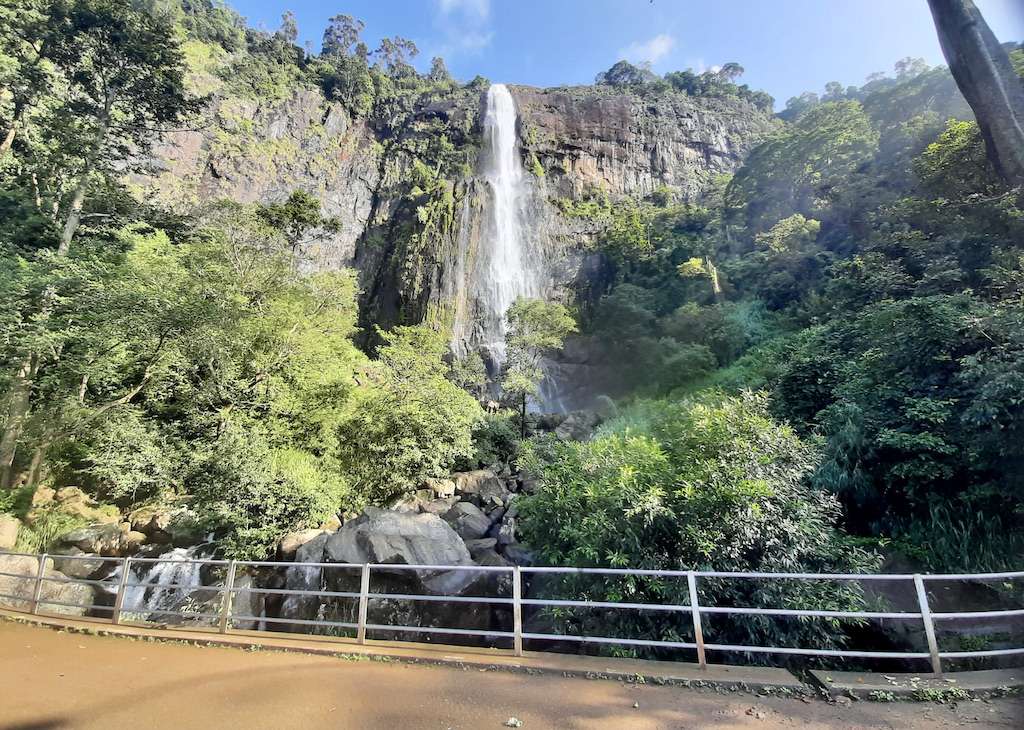
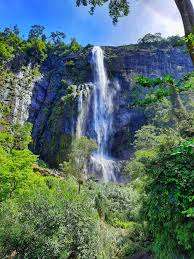
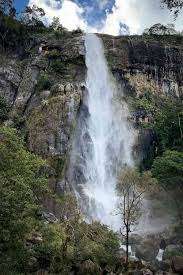
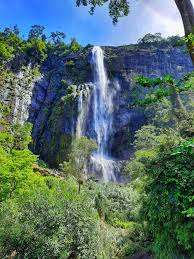
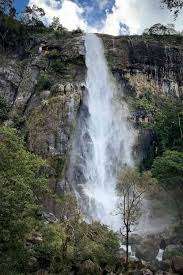
Diyaluma Waterfalls is one of Sri Lanka’s most enchanting natural wonders. Nestled in the heart of the island, this majestic cascade offers a breathtaking view and an unforgettable experience for travelers and nature enthusiasts alike. Standing at 220 meters, it is the second-highest waterfall in Sri Lanka, drawing visitors with its spectacular drop and serene surroundings.
After experiencing the beauty of Diyaluma Falls, visitors can embark on a trek to Ella Rock, admire the architectural marvel of Nine Arches Bridge, enjoy the scenic views at Lipton’s Seat, or explore the diverse ecosystems of Horton Plains National Park

Brief Overview of Sri Lanka’s Natural Beauty
Sri Lanka is known for its lush landscapes, diverse wildlife, and rich cultural heritage. From golden beaches to verdant tea plantations and towering mountains, the island is a paradise for those who love nature. Diyaluma Waterfalls is a shining example of Sri Lanka’s natural beauty, offering a glimpse into the country’s pristine wilderness.
The Legend Behind Diyaluma Waterfalls
Mythological Origins
The name Diyaluma is derived from the Sinhalese words “diya” meaning water and “luma” meaning light. According to local legend, the waterfall was created by the gods as a gift to the earth. It is said that the waters of Diyaluma possess healing properties, and many believe that the falls are blessed by divine powers.
Local Folktales and Stories
One popular folktale tells the story of a prince who fell in love with a commoner. Unable to marry her due to their different social statuses, the prince and his beloved decided to leap from the top of the waterfall, hoping to be united in the afterlife. The locals believe that their spirits still reside in the area, watching over the falls.
Cultural Significance
Diyaluma holds a special place in the hearts of the Sri Lankan people. It is not just a natural attraction but a site of cultural and historical importance. Many traditional ceremonies and rituals are performed here, especially during the dry season when the flow of water diminishes.
Geographical Location of Diyaluma Waterfalls
Where is Diyaluma Waterfalls?
Diyaluma Waterfalls is located near the town of Koslanda in the Badulla District of Sri Lanka. It is situated in the central highlands, a region known for its stunning scenery and cool climate.
Nearby Cities and Landmarks around Diyaluma Waterfalls
The waterfall is conveniently located near several major cities and landmarks. It is about 200 kilometers from Colombo, the capital city, and 30 kilometers from Ella, a popular tourist destination known for its picturesque landscapes and hiking trails. The historic town of Haputale and the Horton Plains National Park are also within easy reach.
How to Get There
Getting to Diyaluma is relatively easy. You can take a bus or hire a private vehicle from Colombo, which takes around 5-6 hours. For those already in Ella, a 45-minute drive will bring you to the falls. There are also several train routes that offer scenic journeys through the highlands, although a combination of train and taxi is often required.
The Formation of Diyaluma Falls
Geological Background
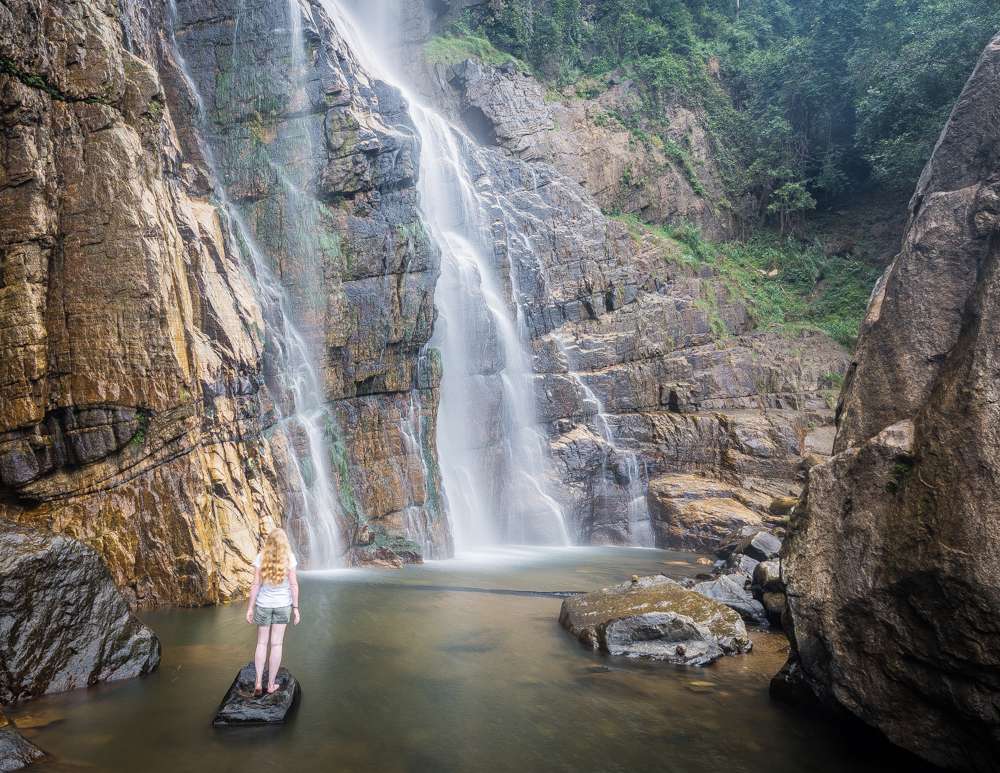
Diyaluma Waterfalls was formed over millions of years due to the geological activity in the region. The waterfall cascades down a rocky cliff, which was created by volcanic eruptions and subsequent erosion. The layers of rock, including granite and gneiss, give the falls their unique appearance and structure.
Unique Rock Formations
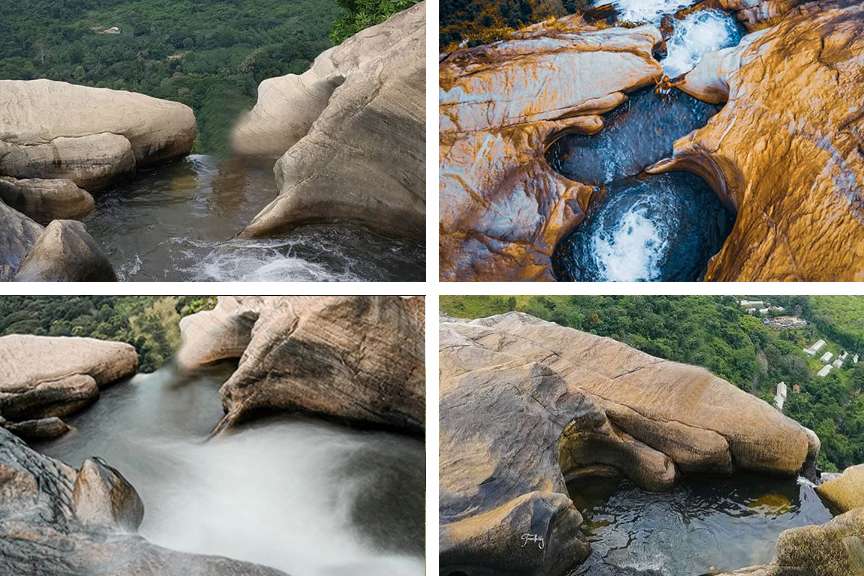
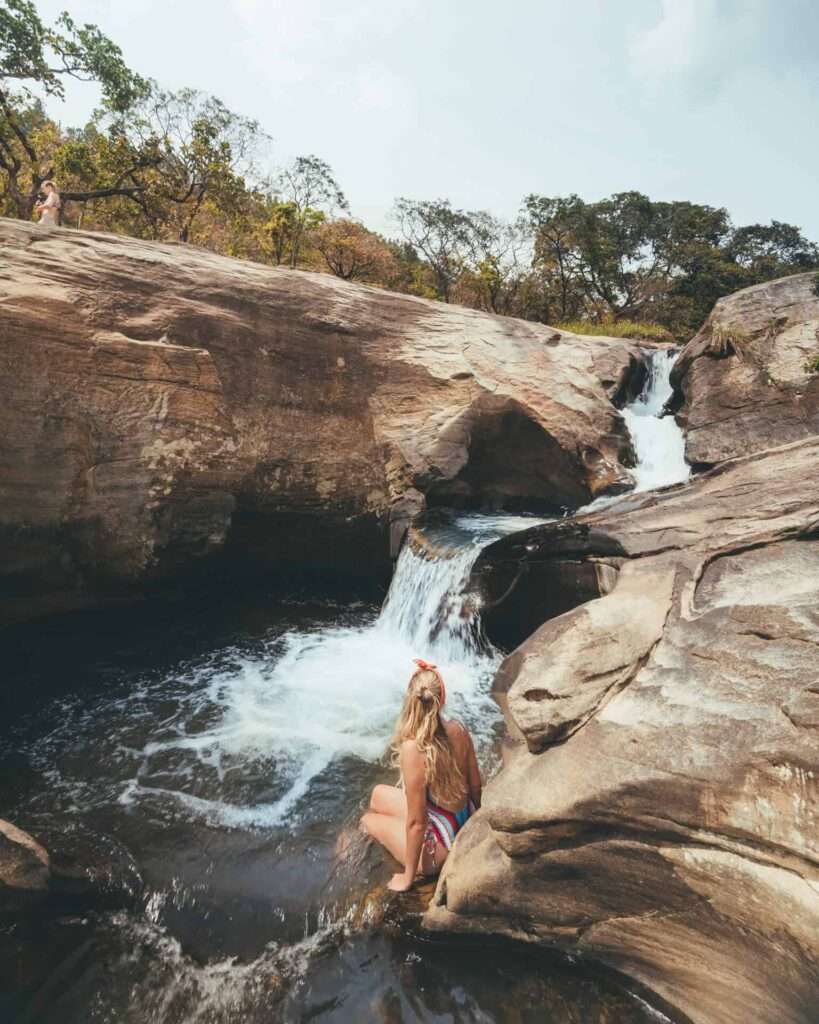
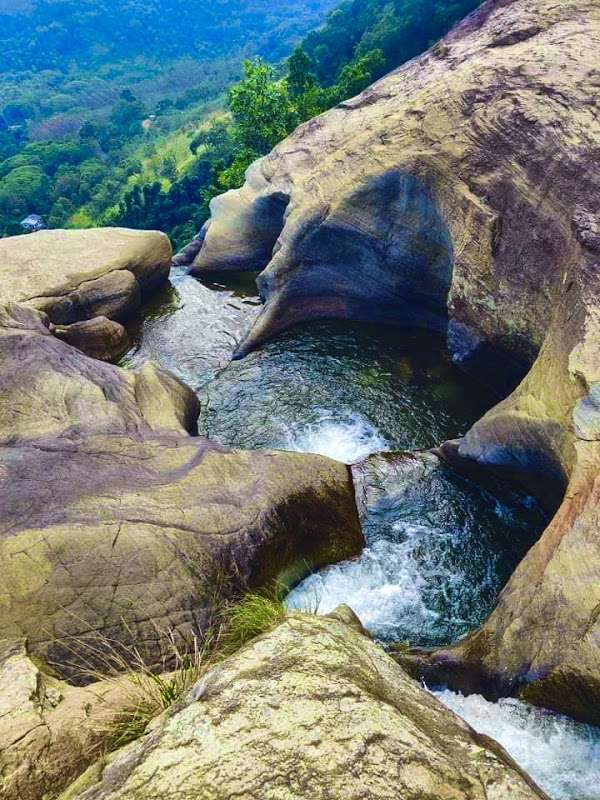
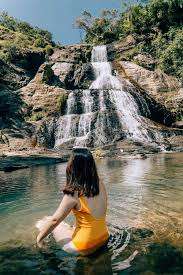
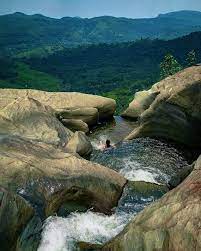
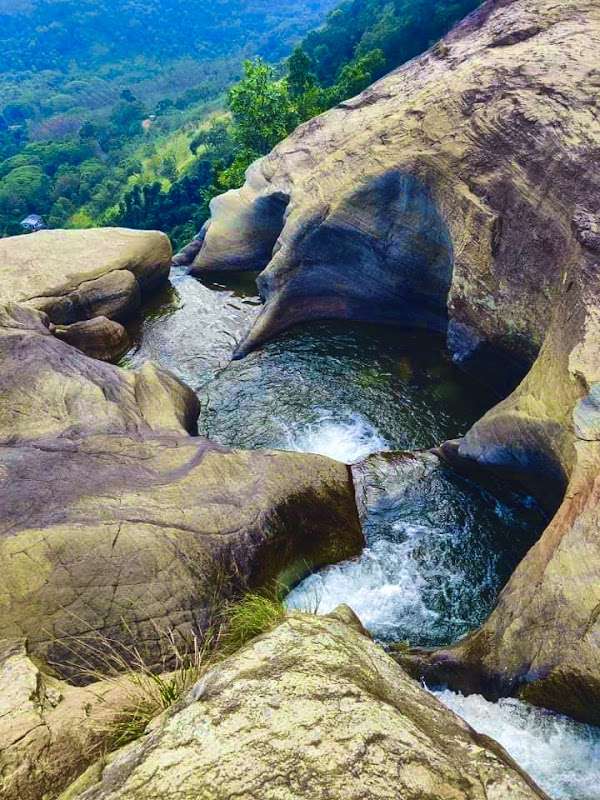
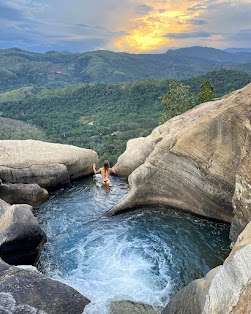
The cliff face at Diyaluma is adorned with fascinating rock formations. Over time, the flow of water has sculpted the rocks into intricate shapes and patterns. Some of the rocks form natural pools and terraces, which add to the waterfall’s charm and allure.
Seasonal Changes
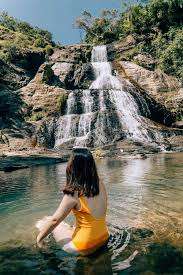
The appearance of Diyaluma Waterfalls changes dramatically with the seasons. During the rainy season, the falls are at their most powerful, with water thundering down the cliff in a spectacular display. In the dry season, the flow reduces, revealing the underlying rock formations and creating tranquil pools that are perfect for swimming.
Flora and Fauna
Diverse Plant Life
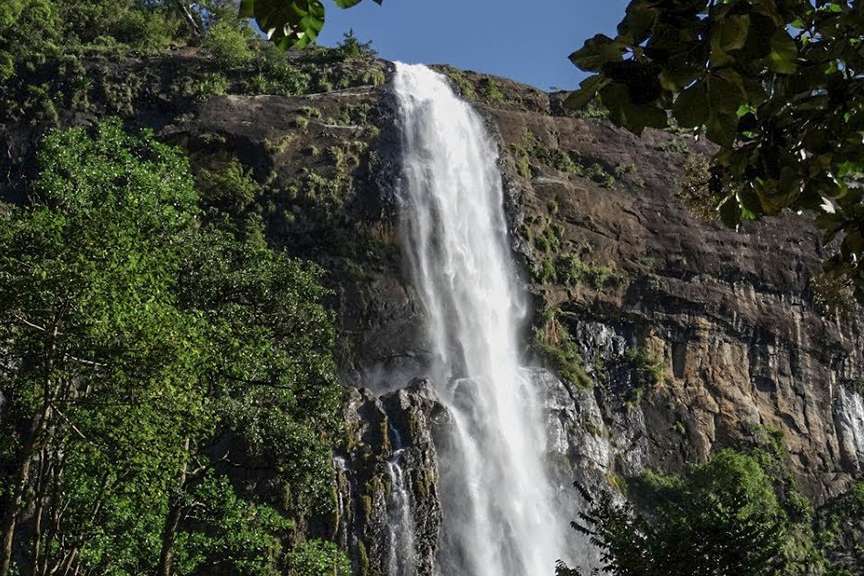
The area around Diyaluma Waterfalls is rich in biodiversity. The lush vegetation includes a variety of trees, shrubs, and flowering plants. Many of these species are endemic to Sri Lanka, adding to the ecological significance of the region.
Wildlife Around Diyaluma
The waterfall and its surroundings are home to a diverse range of wildlife. Visitors might spot monkeys, deer, and various bird species. The area is also a habitat for several rare and endangered animals, making it an important site for conservation.
Conservation Efforts
Efforts are being made to preserve the natural beauty and ecological balance of Diyaluma Waterfalls. Local communities, along with environmental organizations, are working to protect the area from deforestation, pollution, and other threats. These initiatives aim to ensure that future generations can enjoy this natural wonder.
Activities and Adventures
Hiking Trails
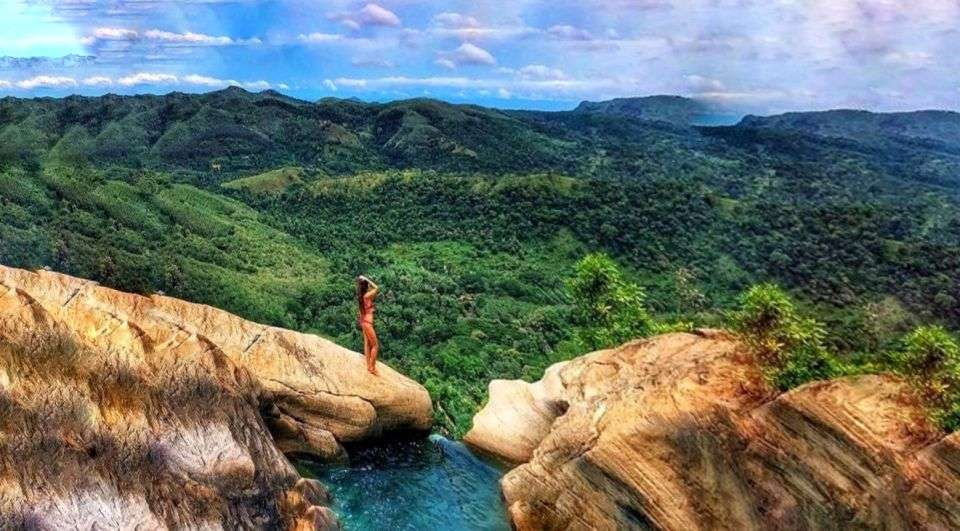
One of the best ways to experience Diyaluma Waterfalls is by hiking. Several trails lead to the top and bottom of the falls, each offering unique perspectives and challenges. The most popular route starts from Poonagala, winding through tea plantations and forests before reaching the falls.
Swimming and Picnicking
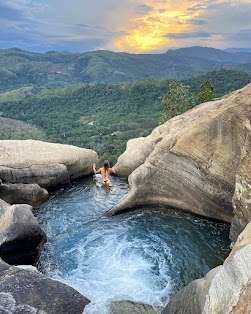
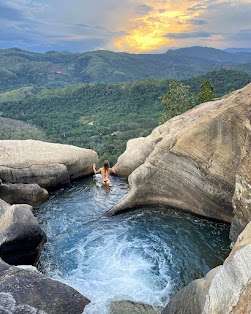
The natural pools at the base and top of the falls are perfect for a refreshing swim. Many visitors also enjoy picnicking by the water, surrounded by the sounds of nature. It’s a great way to relax and soak in the beauty of the area.
Photography Spots
Diyaluma Waterfalls is a photographer’s dream. The dramatic drop, lush greenery, and unique rock formations provide endless opportunities for stunning shots. Early morning and late afternoon are the best times for capturing the falls in the best light.
Best Time to Visit
Ideal Seasons
The best time to visit Diyaluma Waterfalls is during the dry season, from May to September. During this period, the weather is pleasant, and the falls are accessible. The reduced water flow also makes it safer for swimming and exploring the rock pools.
Weather Considerations
Sri Lanka’s weather can be unpredictable, so it’s important to check the forecast before planning your trip. The monsoon season, from October to April, brings heavy rains that can make the trails slippery and dangerous. Always be prepared for sudden changes in weather.
Avoiding Crowds
To avoid the crowds, try to visit Diyaluma Waterfalls on weekdays or early in the morning. The site is popular with both locals and tourists, so weekends and holidays can be quite busy. Early risers will also have the added benefit of catching the falls in the soft morning light.
Accommodation and Dining
Nearby Hotels and Resorts
There are several accommodation options near Diyaluma Waterfalls, ranging from luxury resorts to budget-friendly guesthouses. Some popular choices include the Melheim Resort in Haputale and the Ella Jungle Resort. These places offer comfortable stays with stunning views and easy access to the falls.
Local Restaurants
For dining, you can find a variety of local and international cuisines in the nearby towns. Ella is particularly known for its vibrant food scene, with plenty of cafes and restaurants serving delicious Sri Lankan dishes as well as western fare. Don’t miss trying the local specialty, hoppers, a type of fermented rice pancake.
Camping Options
For those who love the outdoors, camping near Diyaluma Waterfalls is a fantastic option. There are several designated camping sites where you can set up your tent and enjoy a night under the stars. Just be sure to follow all guidelines to protect the environment and ensure your safety.
Safety Tips
Staying Safe on the Trails
Hiking to Diyaluma Waterfalls can be challenging, so it’s important to be prepared. Wear sturdy footwear, carry plenty of water, and pack a first aid kit. Always stay on marked trails and be mindful of your surroundings to avoid accidents.
Water Safety
While swimming in the natural pools is a highlight for many visitors, it’s essential to exercise caution. Avoid swimming alone, be aware of strong currents, and never dive into unfamiliar waters. The rocks can be slippery, so take your time and watch your step.
Wildlife Awareness
The area around Diyaluma Waterfalls is home to various wildlife, including some potentially dangerous animals. Always respect their habitat and keep a safe distance. If you encounter any wildlife, do not attempt to feed or provoke them.
Local Culture and Community
Interaction with Locals
The people living near Diyaluma Waterfalls are known for their hospitality. Take the time to interact with them, learn about their way of life, and appreciate their culture. Many locals are involved in eco-tourism and can offer valuable insights and tips.
Community Initiatives
Supporting local community initiatives is a great way to give back and ensure sustainable tourism. Many projects focus on conservation, education, and improving living conditions for residents. Your visit can make a positive impact by contributing to these efforts.
Supporting Local Economy
When you visit Diyaluma Waterfalls, consider buying local products and services. This not only enhances your experience but also supports the local economy. From handmade crafts to home-cooked meals, there are plenty of ways to enjoy and contribute to the community.
Photography Tips
Capturing the Perfect Shot
To capture the beauty of Diyaluma Waterfalls, timing and perspective are key. Early morning light is ideal for soft, natural hues, while late afternoon offers dramatic shadows. Experiment with different angles and compositions to find the perfect shot.
Best Equipment to Use
A good camera and a sturdy tripod are essential for photographing waterfalls. A wide-angle lens can help capture the full extent of the falls, while a polarizing filter can reduce glare and enhance colors. Don’t forget extra batteries and memory cards!
Editing and Sharing
After your visit, take the time to edit your photos to bring out the best in them. Simple adjustments to brightness, contrast, and saturation can make a big difference. Share your images on social media and travel blogs to inspire others to visit this beautiful destination.
Sustainable Tourism
Eco-Friendly Practices
As visitors, it’s our responsibility to protect the natural beauty of Diyaluma Waterfalls. Follow eco-friendly practices like carrying reusable water bottles, avoiding plastic, and disposing of waste properly. Leave no trace and encourage others to do the same.
Minimizing Environmental Impact
Be mindful of your impact on the environment. Stick to designated paths to prevent soil erosion, avoid picking plants or disturbing wildlife, and use eco-friendly products. Small actions can make a big difference in preserving the area for future visitors.
Supporting Conservation Efforts
Many organizations work to conserve the natural beauty and biodiversity of Diyaluma Waterfalls. Consider donating to or volunteering with these groups. Your support can help protect this stunning location for generations to come.
Personal Experiences at Diyaluma Waterfalls
Traveler Testimonials
Hearing from other travelers can provide valuable insights and inspiration. Many visitors have shared their experiences at Diyaluma Waterfalls, highlighting the breathtaking views, the thrill of hiking, and the joy of swimming in the natural pools.
Memorable Moments
From watching the sunrise over the falls to enjoying a picnic by the water, there are countless memorable moments to be had at Diyaluma. Each visit offers something unique, making it a place that many return to time and again.
Must-Do Activities
Whether it’s hiking to the top of the falls, taking a dip in the pools, or simply soaking in the scenery, there are plenty of activities to enjoy. Make the most of your visit by planning ahead and including these must-do experiences in your itinerary.
FAQs about Diyaluma Waterfalls
Frequently Asked Questions
Q: How tall is Diyaluma Waterfalls?
A: Diyaluma Waterfalls is 220 meters tall, making it the second-highest waterfall in Sri Lanka.
Q: Is it safe to swim at Diyaluma Waterfalls?
A: Yes, it is generally safe to swim in the natural pools, but always exercise caution and be aware of strong currents and slippery rocks.
Q: What is the best time to visit Diyaluma Waterfalls?
A: The best time to visit is during the dry season, from May to September, when the weather is pleasant and the falls are easily accessible.
Q: How can I get to Diyaluma Waterfalls?
A: Diyaluma is accessible by bus, private vehicle, or a combination of train and taxi from major cities like Colombo and Ella.
Q: Are there any accommodation options near Diyaluma Waterfalls?
A: Yes, there are several hotels, resorts, guesthouses, and camping sites near Diyaluma Waterfalls to suit various budgets and preferences.
Conclusion of Diyaluma Waterfalls
Reflecting on the Experience
Visiting Diyaluma Waterfalls is a magical experience that offers a perfect blend of adventure, relaxation, and natural beauty. From the thrilling hikes to the serene pools, every moment spent here is one to cherish.
Encouragement to Visit Diyaluma Waterfalls
If you’re planning a trip to Sri Lanka, Diyaluma Waterfalls should be at the top of your list. Its stunning vistas and peaceful surroundings make it a must-visit destination for nature lovers and adventure seekers alike.
Final Thoughts about Diyaluma Waterfalls
Diyaluma Waterfalls is more than just a tourist attraction; it’s a testament to the beauty and power of nature. By visiting and supporting conservation efforts, you can help preserve this magnificent site for future generations to enjoy.
| Best waterfalls in Sri Lanka | Waterfalls Guide |
| Places to visit in Sri Lanka | Sri Lanka Travel Guide |
| Hotels near Diyaluma Waterfalls | Accommodation in Badulla |
| Adventure activities in Sri Lanka | Adventure Tours |
| Explore Ravana Falls | Ravana Fall |