The Hidden Charms of Diyaluma Waterfalls | A Complete Exploration

SHARE

The Hidden Charms of Diyaluma Waterfalls | A Complete Exploration

Introduction to Diyaluma Waterfalls

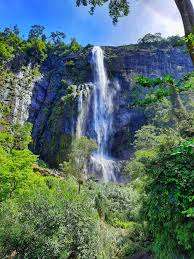
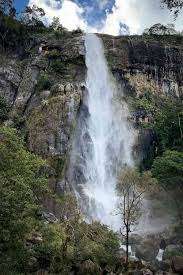
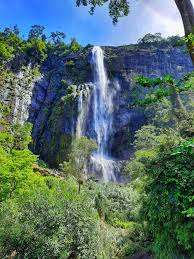
Diyaluma Waterfalls is one of Sri Lanka’s most enchanting natural wonders. Nestled in the heart of the island, this majestic cascade offers a breathtaking view and an unforgettable experience for travelers and nature enthusiasts alike. Standing at 220 meters, it is the second-highest waterfall in Sri Lanka, drawing visitors with its spectacular drop and serene surroundings.

After experiencing the beauty of Diyaluma Falls, visitors can embark on a trek to Ella Rock, admire the architectural marvel of Nine Arches Bridge, enjoy the scenic views at Lipton’s Seat, or explore the diverse ecosystems of Horton Plains National Park

Diyaluma Waterfalls

Brief Overview of Sri Lanka’s Natural Beauty

Sri Lanka is known for its lush landscapes, diverse wildlife, and rich cultural heritage. From golden beaches to verdant tea plantations and towering mountains, the island is a paradise for those who love nature. Diyaluma Waterfalls is a shining example of Sri Lanka’s natural beauty, offering a glimpse into the country’s pristine wilderness.
Diyaluma Waterfalls

The Legend Behind Diyaluma Waterfalls

Mythological Origins

The name Diyaluma is derived from the Sinhalese words “diya” meaning water and “luma” meaning light. According to local legend, the waterfall was created by the gods as a gift to the earth. It is said that the waters of Diyaluma possess healing properties, and many believe that the falls are blessed by divine powers.

Local Folktales and Stories

One popular folktale tells the story of a prince who fell in love with a commoner. Unable to marry her due to their different social statuses, the prince and his beloved decided to leap from the top of the waterfall, hoping to be united in the afterlife. The locals believe that their spirits still reside in the area, watching over the falls.

Cultural Significance

Diyaluma holds a special place in the hearts of the Sri Lankan people. It is not just a natural attraction but a site of cultural and historical importance. Many traditional ceremonies and rituals are performed here, especially during the dry season when the flow of water diminishes.

Geographical Location of Diyaluma Waterfalls
Diyaluma Waterfalls

Where is Diyaluma Waterfalls?

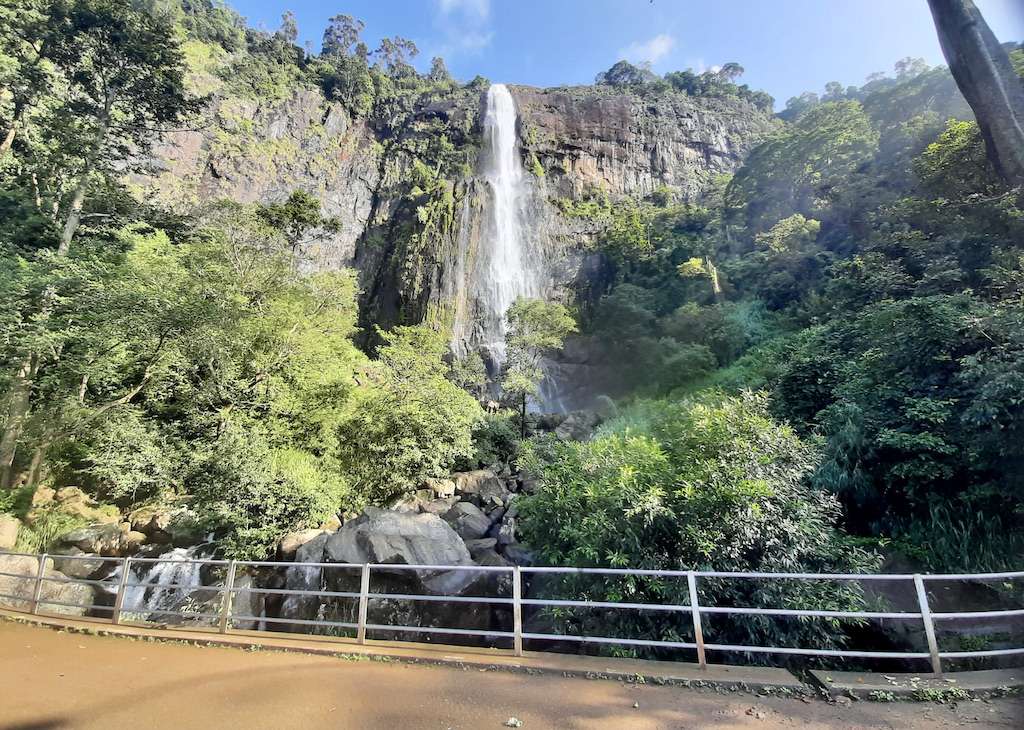
Diyaluma Waterfalls is located near the town of Koslanda in the Badulla District of Sri Lanka. It is situated in the central highlands, a region known for its stunning scenery and cool climate.

Accommodation in Badulla

Nearby Cities and Landmarks around Diyaluma Waterfalls

The waterfall is conveniently located near several major cities and landmarks. It is about 200 kilometers from Colombo, the capital city, and 30 kilometers from Ella, a popular tourist destination known for its picturesque landscapes and hiking trails. The historic town of Haputale and the Horton Plains National Park are also within easy reach.

How to Get There

Getting to Diyaluma is relatively easy. You can take a bus or hire a private vehicle from Colombo, which takes around 5-6 hours. For those already in Ella, a 45-minute drive will bring you to the falls. There are also several train routes that offer scenic journeys through the highlands, although a combination of train and taxi is often required.
Diyaluma Waterfalls

The Formation of Diyaluma Falls

Geological Background

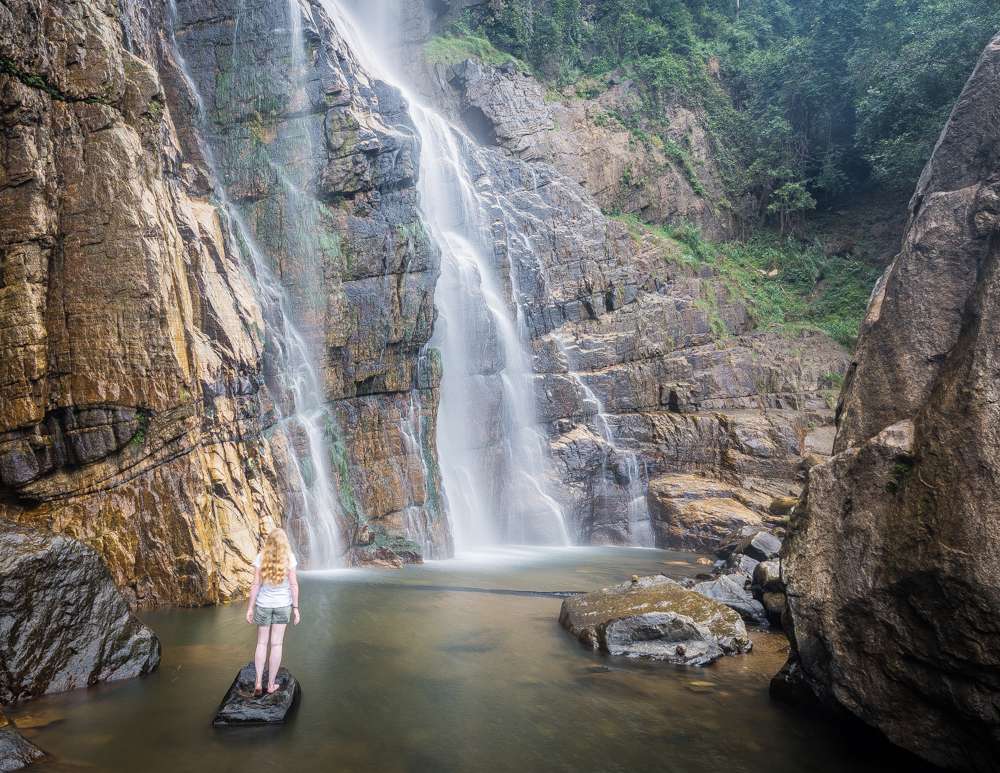
Diyaluma Waterfalls was formed over millions of years due to the geological activity in the region. The waterfall cascades down a rocky cliff, which was created by volcanic eruptions and subsequent erosion. The layers of rock, including granite and gneiss, give the falls their unique appearance and structure.

Unique Rock Formations

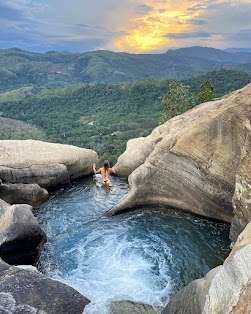
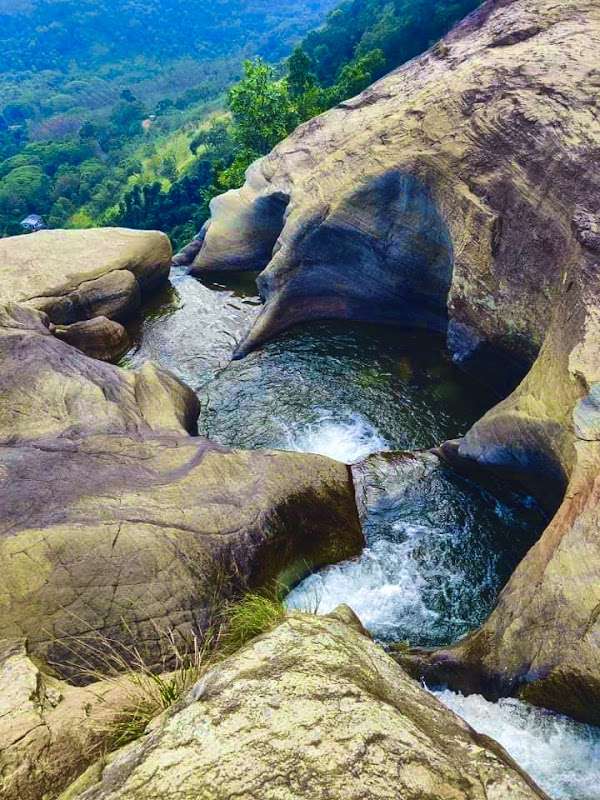
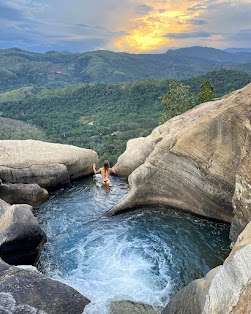
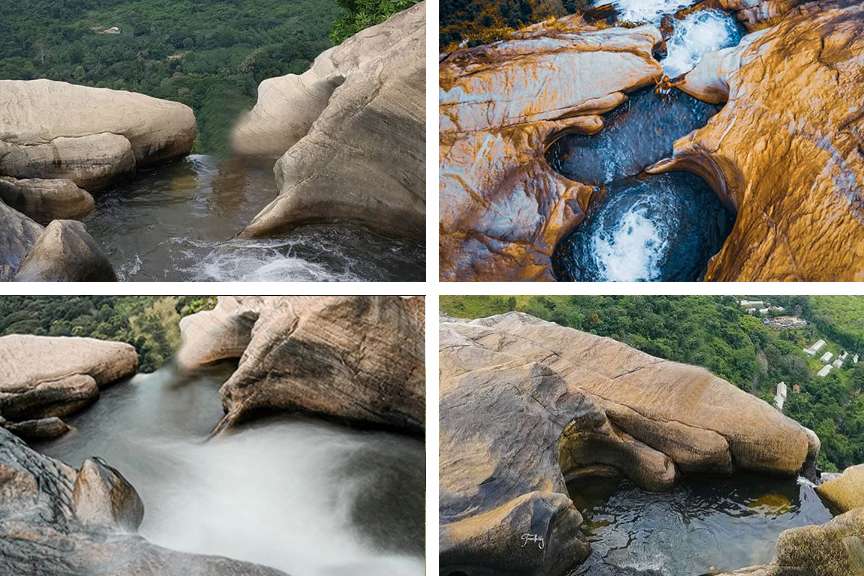
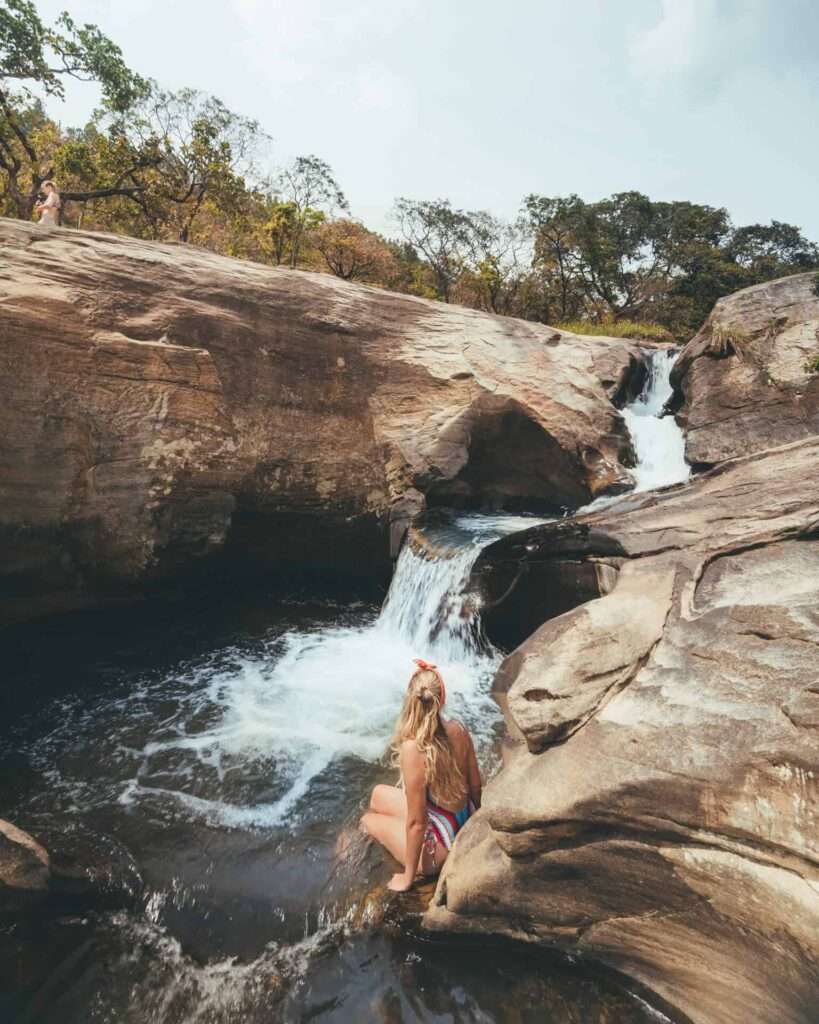
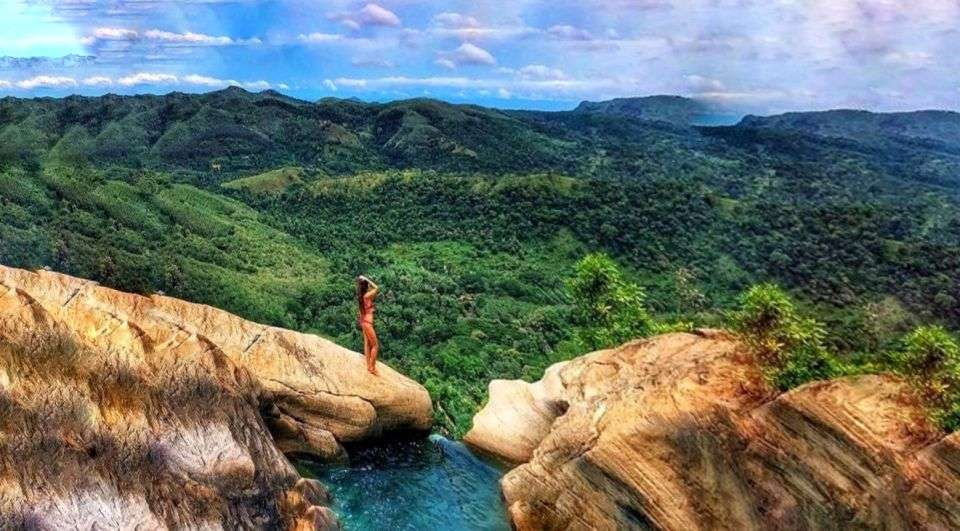
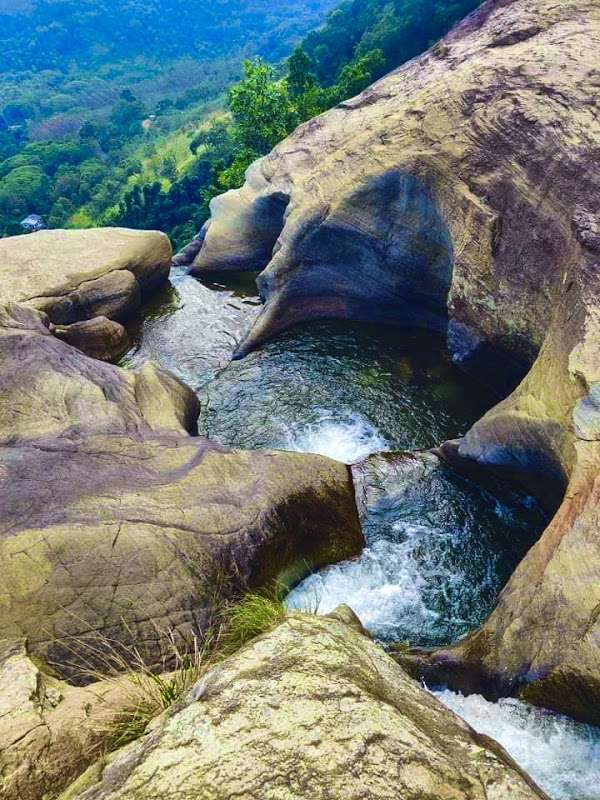
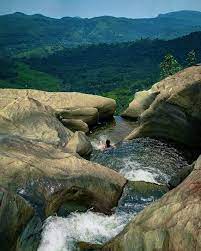
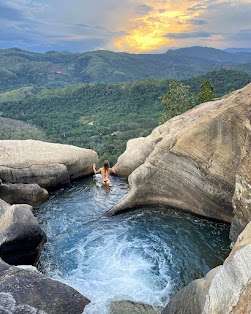
The cliff face at Diyaluma is adorned with fascinating rock formations. Over time, the flow of water has sculpted the rocks into intricate shapes and patterns. Some of the rocks form natural pools and terraces, which add to the waterfall’s charm and allure.
Diyaluma Waterfalls

Seasonal Changes

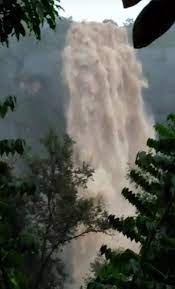
The appearance of Diyaluma Waterfalls changes dramatically with the seasons. During the rainy season, the falls are at their most powerful, with water thundering down the cliff in a spectacular display. In the dry season, the flow reduces, revealing the underlying rock formations and creating tranquil pools that are perfect for swimming.

Flora and Fauna

Diverse Plant Life

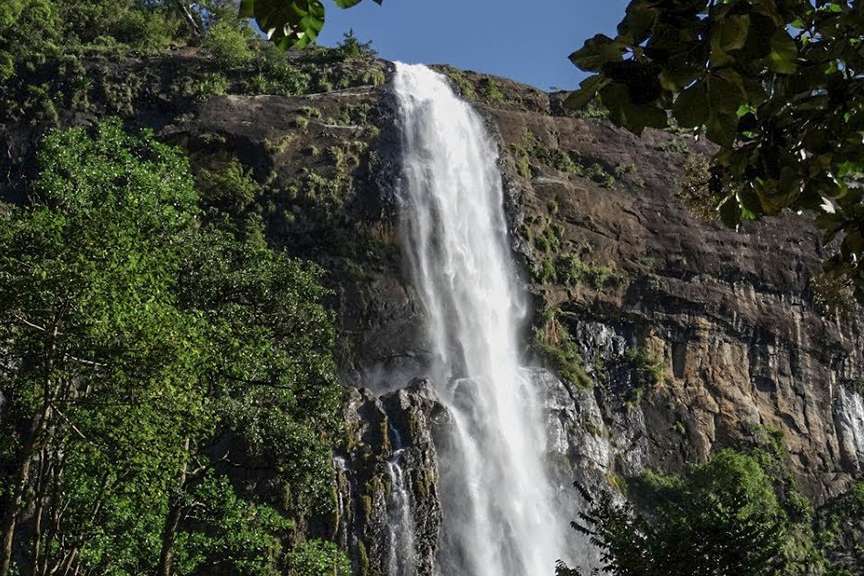
The area around Diyaluma Waterfalls is rich in biodiversity. The lush vegetation includes a variety of trees, shrubs, and flowering plants. Many of these species are endemic to Sri Lanka, adding to the ecological significance of the region.
Wildlife Around Diyaluma

The waterfall and its surroundings are home to a diverse range of wildlife. Visitors might spot monkeys, deer, and various bird species. The area is also a habitat for several rare and endangered animals, making it an important site for conservation.

Conservation Efforts

Efforts are being made to preserve the natural beauty and ecological balance of Diyaluma Waterfalls. Local communities, along with environmental organizations, are working to protect the area from deforestation, pollution, and other threats. These initiatives aim to ensure that future generations can enjoy this natural wonder.

Activities and Adventures
Diyaluma Waterfalls

Hiking Trails

One of the best ways to experience Diyaluma Waterfalls is by hiking. Several trails lead to the top and bottom of the falls, each offering unique perspectives and challenges. The most popular route starts from Poonagala, winding through tea plantations and forests before reaching the falls.
Swimming and Picnicking

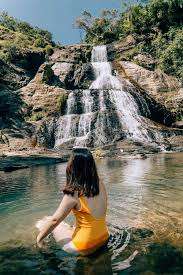
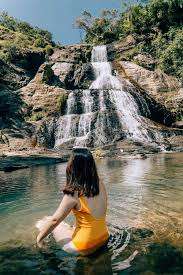
The natural pools at the base and top of the falls are perfect for a refreshing swim. Many visitors also enjoy picnicking by the water, surrounded by the sounds of nature. It’s a great way to relax and soak in the beauty of the area.
Photography Spots

Diyaluma Waterfalls is a photographer’s dream. The dramatic drop, lush greenery, and unique rock formations provide endless opportunities for stunning shots. Early morning and late afternoon are the best times for capturing the falls in the best light.

Best Time to Visit

Ideal Seasons

The best time to visit Diyaluma Waterfalls is during the dry season, from May to September. During this period, the weather is pleasant, and the falls are accessible. The reduced water flow also makes it safer for swimming and exploring the rock pools.

Weather Considerations

Sri Lanka’s weather can be unpredictable, so it’s important to check the forecast before planning your trip. The monsoon season, from October to April, brings heavy rains that can make the trails slippery and dangerous. Always be prepared for sudden changes in weather.

Avoiding Crowds

To avoid the crowds, try to visit Diyaluma Waterfalls on weekdays or early in the morning. The site is popular with both locals and tourists, so weekends and holidays can be quite busy. Early risers will also have the added benefit of catching the falls in the soft morning light.

Accommodation and Dining

Nearby Hotels and Resorts

There are several accommodation options near Diyaluma Waterfalls, ranging from luxury resorts to budget-friendly guesthouses. Some popular choices include the Melheim Resort in Haputale and the Ella Jungle Resort. These places offer comfortable stays with stunning views and easy access to the falls.

Local Restaurants

For dining, you can find a variety of local and international cuisines in the nearby towns. Ella is particularly known for its vibrant food scene, with plenty of cafes and restaurants serving delicious Sri Lankan dishes as well as western fare. Don’t miss trying the local specialty, hoppers, a type of fermented rice pancake.

Camping Options

For those who love the outdoors, camping near Diyaluma Waterfalls is a fantastic option. There are several designated camping sites where you can set up your tent and enjoy a night under the stars. Just be sure to follow all guidelines to protect the environment and ensure your safety.

Safety Tips

Staying Safe on the Trails

Hiking to Diyaluma Waterfalls can be challenging, so it’s important to be prepared. Wear sturdy footwear, carry plenty of water, and pack a first aid kit. Always stay on marked trails and be mindful of your surroundings to avoid accidents.

Water Safety

While swimming in the natural pools is a highlight for many visitors, it’s essential to exercise caution. Avoid swimming alone, be aware of strong currents, and never dive into unfamiliar waters. The rocks can be slippery, so take your time and watch your step.

Wildlife Awareness

The area around Diyaluma Waterfalls is home to various wildlife, including some potentially dangerous animals. Always respect their habitat and keep a safe distance. If you encounter any wildlife, do not attempt to feed or provoke them.
Local Culture and Community

Interaction with Locals

The people living near Diyaluma Waterfalls are known for their hospitality. Take the time to interact with them, learn about their way of life, and appreciate their culture. Many locals are involved in eco-tourism and can offer valuable insights and tips.

Community Initiatives

Supporting local community initiatives is a great way to give back and ensure sustainable tourism. Many projects focus on conservation, education, and improving living conditions for residents. Your visit can make a positive impact by contributing to these efforts.

Supporting Local Economy

When you visit Diyaluma Waterfalls, consider buying local products and services. This not only enhances your experience but also supports the local economy. From handmade crafts to home-cooked meals, there are plenty of ways to enjoy and contribute to the community.

Photography Tips

Capturing the Perfect Shot

To capture the beauty of Diyaluma Waterfalls, timing and perspective are key. Early morning light is ideal for soft, natural hues, while late afternoon offers dramatic shadows. Experiment with different angles and compositions to find the perfect shot.

Best Equipment to Use

A good camera and a sturdy tripod are essential for photographing waterfalls. A wide-angle lens can help capture the full extent of the falls, while a polarizing filter can reduce glare and enhance colors. Don’t forget extra batteries and memory cards!

Editing and Sharing

After your visit, take the time to edit your photos to bring out the best in them. Simple adjustments to brightness, contrast, and saturation can make a big difference. Share your images on social media and travel blogs to inspire others to visit this beautiful destination.

Sustainable Tourism

Eco-Friendly Practices

As visitors, it’s our responsibility to protect the natural beauty of Diyaluma Waterfalls. Follow eco-friendly practices like carrying reusable water bottles, avoiding plastic, and disposing of waste properly. Leave no trace and encourage others to do the same.

Minimizing Environmental Impact

Be mindful of your impact on the environment. Stick to designated paths to prevent soil erosion, avoid picking plants or disturbing wildlife, and use eco-friendly products. Small actions can make a big difference in preserving the area for future visitors.

Supporting Conservation Efforts

Many organizations work to conserve the natural beauty and biodiversity of Diyaluma Waterfalls. Consider donating to or volunteering with these groups. Your support can help protect this stunning location for generations to come.

Personal Experiences at Diyaluma Waterfalls

Traveler Testimonials

Hearing from other travelers can provide valuable insights and inspiration. Many visitors have shared their experiences at Diyaluma Waterfalls, highlighting the breathtaking views, the thrill of hiking, and the joy of swimming in the natural pools.

Memorable Moments

From watching the sunrise over the falls to enjoying a picnic by the water, there are countless memorable moments to be had at Diyaluma. Each visit offers something unique, making it a place that many return to time and again.

Must-Do Activities

Whether it’s hiking to the top of the falls, taking a dip in the pools, or simply soaking in the scenery, there are plenty of activities to enjoy. Make the most of your visit by planning ahead and including these must-do experiences in your itinerary.

FAQs about Diyaluma Waterfalls

Frequently Asked Questions

Q: How tall is Diyaluma Waterfalls?
A: Diyaluma Waterfalls is 220 meters tall, making it the second-highest waterfall in Sri Lanka.

Q: Is it safe to swim at Diyaluma Waterfalls?
A: Yes, it is generally safe to swim in the natural pools, but always exercise caution and be aware of strong currents and slippery rocks.

Q: What is the best time to visit Diyaluma Waterfalls?
A: The best time to visit is during the dry season, from May to September, when the weather is pleasant and the falls are easily accessible.

Q: How can I get to Diyaluma Waterfalls?
A: Diyaluma is accessible by bus, private vehicle, or a combination of train and taxi from major cities like Colombo and Ella.

Q: Are there any accommodation options near Diyaluma Waterfalls?
A: Yes, there are several hotels, resorts, guesthouses, and camping sites near Diyaluma Waterfalls to suit various budgets and preferences.

Conclusion of Diyaluma Waterfalls

Reflecting on the Experience

Visiting Diyaluma Waterfalls is a magical experience that offers a perfect blend of adventure, relaxation, and natural beauty. From the thrilling hikes to the serene pools, every moment spent here is one to cherish.

Encouragement to Visit Diyaluma Waterfalls

If you’re planning a trip to Sri Lanka, Diyaluma Waterfalls should be at the top of your list. Its stunning vistas and peaceful surroundings make it a must-visit destination for nature lovers and adventure seekers alike.

Final Thoughts about Diyaluma Waterfalls

Diyaluma Waterfalls is more than just a tourist attraction; it’s a testament to the beauty and power of nature. By visiting and supporting conservation efforts, you can help preserve this magnificent site for future generations to enjoy.

Best waterfalls in Sri LankaWaterfalls Guide
Places to visit in Sri LankaSri Lanka Travel Guide
Hotels near Diyaluma WaterfallsAccommodation in Badulla
Adventure activities in Sri LankaAdventure Tours
Explore Ravana FallsRavana Fall

VISIT SRI LANKA


SHARE

The Best Lagoon Safri in Sri Lanka-Pottuvil Lagoon

SHARE

The Best Lagoon Safri in Sri Lanka-Pottuvil Lagoon

Pottuvil Lagoon

Pottuvil Lagoon & Safari: Exploring Nature’s Wonderland

Pottuvil Lagoon

Introduction to Pottuvil Lagoon

Pottuvil Lagoon, nestled in the eastern shores of Sri Lanka, is a mesmerizing ecological gem awaiting discovery. This enchanting destination is celebrated for its diverse ecosystems, offering a paradise for nature enthusiasts and wildlife aficionados.

After exploring the serene Pottuvil Lagoon, visitors can unwind at the nearby Arugam Bay, catch waves at Whiskey Point, embark on a safari in Kumana National Park, visit the historic Muhudu Maha Vihara, or observe wildlife in Lahugala Kitulana National Park.

The Rich Biodiversity of Pottuvil Lagoon

Mangrove Ecosystem

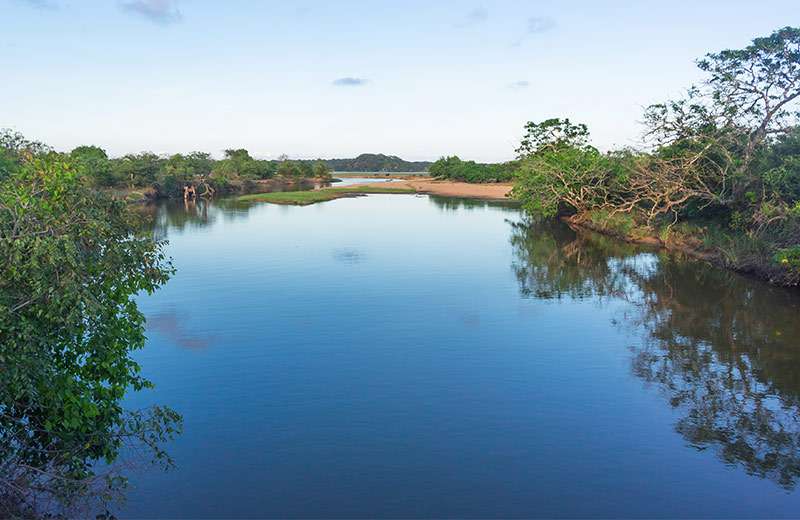
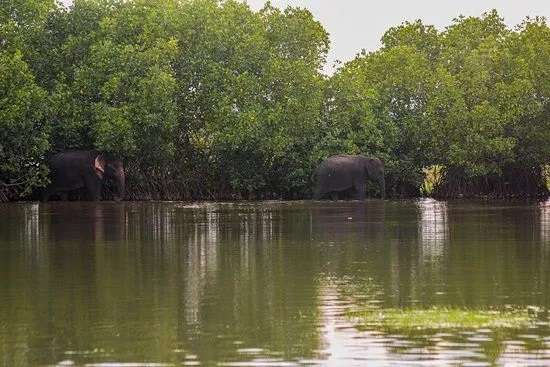
At the heart of Pottuvil Lagoon lies a thriving mangrove forest, a sanctuary for numerous species. These mangroves not only serve as a crucial habitat for wildlife but also act as a protective shield against coastal erosion.

Pottuvil Lagoon
Pottuvil Lagoon

Birdlife and Wildlife

Pottuvil Lagoon

The lagoon is a haven for avian wonders, with a myriad of bird species painting the skies. Among them are vibrant kingfishers, majestic eagles, and elusive waterfowl. Beyond the avian marvels, the lagoon hosts a diverse array of wildlife, including monitor lizards, crocodiles, and even elephants that occasionally visit its banks.

Safari Experience at Pottuvil Lagoon

Pottuvil Lagoon

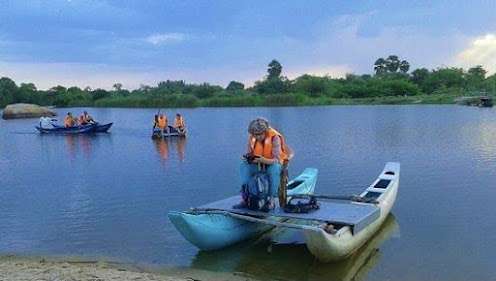
Embark on an unforgettable safari adventure through the tranquil waters of Pottuvil Lagoon. Glide across the serene waters on a boat, unveiling the hidden treasures of this biodiverse haven. The safari offers unparalleled opportunities for wildlife spotting, where each turn brings a new spectacle of nature’s wonders.

Conservation Efforts and Challenges

Despite its allure, Pottuvil Lagoon faces environmental challenges. However, various conservation initiatives strive to safeguard this ecosystem, aiming to preserve its natural splendor for future generations.

Local Community and Tourism

The local community plays a pivotal role in sustaining the lagoon’s beauty. With an influx of tourists, efforts are being made to balance conservation with responsible tourism, ensuring that the community benefits while preserving the ecosystem.

Pottuvil Lagoon

The Beauty of Sunset at Pottuvil Lagoon

As the day bids adieu, the lagoon transforms into a canvas painted with vibrant hues during sunset, creating a breathtaking panorama that leaves a lasting impression.

Pottuvil Lagoon

Activities Beyond Safari

Apart from the enthralling safari, visitors can engage in an array of water sports or explore nearby attractions, enriching their experience in this natural wonderland.

Pottuvil Lagoon

Best Time to Visit Pottuvil Lagoon

The optimal time to visit Pottuvil Lagoon is during the dry season, typically from May to September, offering a clearer and more enjoyable experience.

How to Reach Pottuvil Lagoon

Pottuvil Lagoon is accessible via various transportation modes, ensuring convenience for travelers. Visitors can reach it via road or opt for guided tours that provide a seamless journey.

For Booking and Gudency Click Here!

Accommodation Options

Several accommodations cater to different preferences, ranging from eco-lodges to resorts, ensuring a comfortable stay amidst nature’s embrace.

Preserving Pottuvil Lagoon: Call to Action

Preservation of this natural wonder relies on collective efforts. Responsible tourism and conservation actions are integral in ensuring the longevity of Pottuvil Lagoon’s splendor.

Conclusion

Pottuvil Lagoon stands as a testament to nature’s artistry, captivating all who venture into its embrace. Its delicate balance of wildlife, ecosystem, and community involvement beckons travelers to experience its charm responsibly.


SHARE

The Best Guide to Visit the Sri Lankan National Museum

SHARE

Sri Lankan National Museum

Sri Lankan National Museum

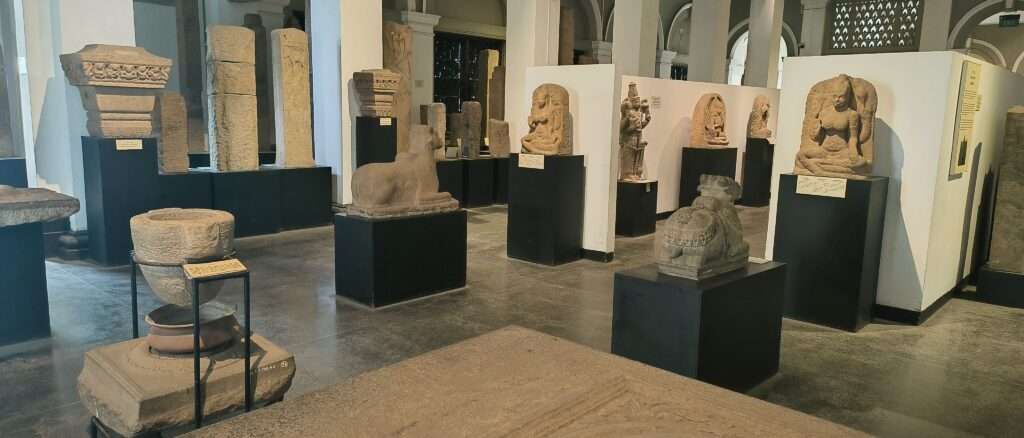
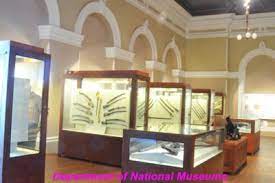
The Sri Lankan National Museum stands as a testament to the island nation’s rich and diverse cultural heritage. Nestled in the heart of Colombo, the capital city, this museum serves as a treasure trove of historical artifacts, art pieces, and archaeological wonders that provide a captivating glimpse into Sri Lanka’s past. In this article, we’ll take an enchanting journey through the halls of the National Museum, uncovering its significance, key exhibits, and the stories they tell.

After exploring the rich history at the Sri Lanka National Museum, visitors can enjoy a peaceful walk in Viharamahadevi Park, visit the sacred Gangaramaya Temple, learn about the nation’s history at Independence Memorial Hall, relax at Galle Face Green, or explore the vibrant Colombo Fort. For more information about Sri Lanka and its attractions, visit the Sri Lanka Tourism Board and for visa and travel requirements, check the Sri Lanka Immigration & Visa Services

1. Introduction

The National Museum of Sri Lanka, founded in 1877, holds the distinction of being the oldest museum in the country. Its impressive collection offers visitors an opportunity to journey through time and witness the evolution of Sri Lankan culture, art, and history.

Sri Lankan National Museum

2. A Glimpse into History of Sri Lankan National Museum

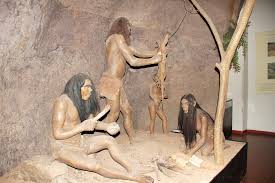
Stepping into the museum is like stepping back in time. The vast corridors are adorned with relics that span millennia, showcasing the island’s remarkable journey from prehistoric times to the modern era.

3. Architectural Marvel of the Museum

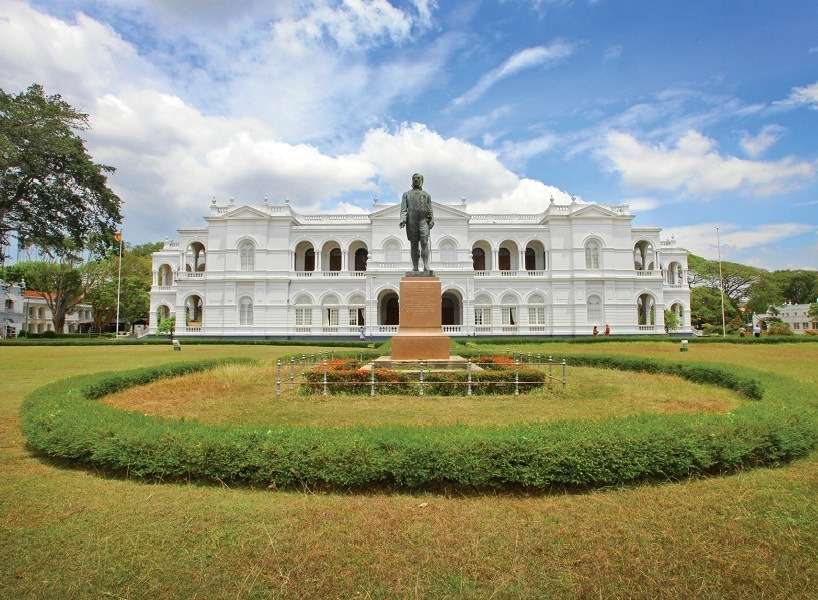
The museum’s architecture is an attraction in itself, blending colonial and traditional elements. The stately facade welcomes visitors, hinting at the treasures that lie within.

Sri Lankan National Museum

4. Exquisite Artifacts on Display

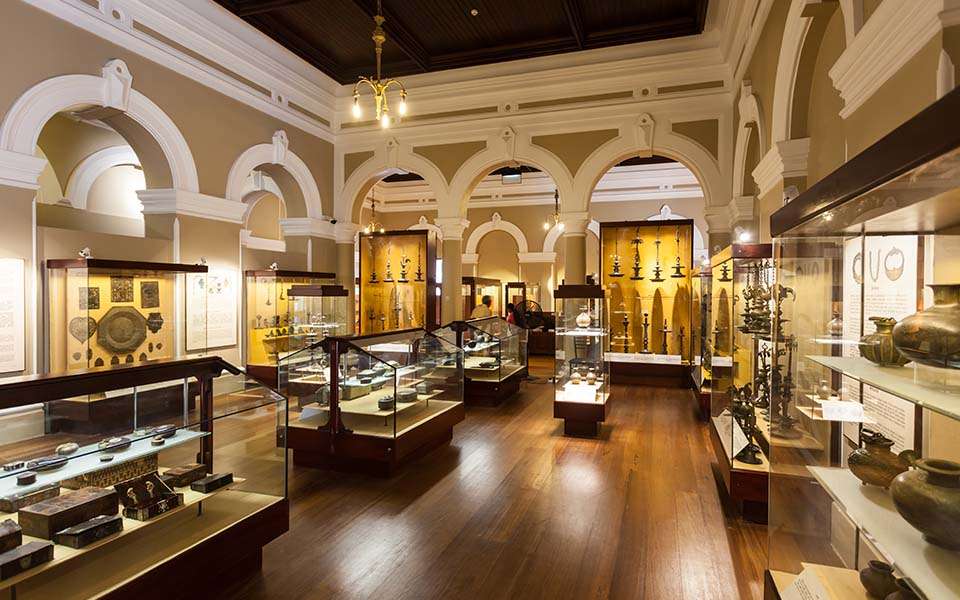
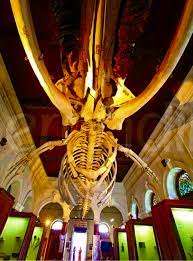
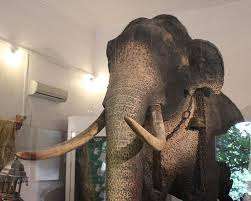
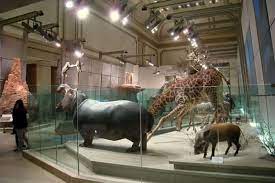
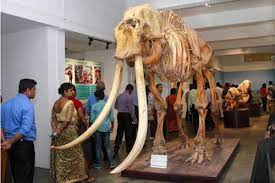
Each exhibit hall within the museum is a trove of exquisite artifacts. Intricately carved sculptures, delicate pottery, and ancient manuscripts offer a glimpse into the artistic prowess of generations past.

Sri Lankan National Museum

5. Buddhist Heritage Collection at Sri Lankan National Museum

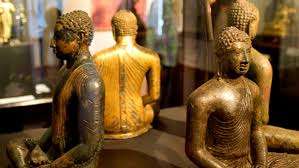
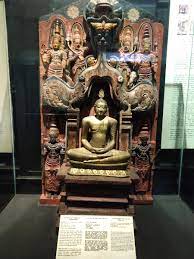
Sri Lanka’s rich Buddhist heritage takes center stage with a dedicated collection of artifacts. Statues, relics, and paintings narrate the story of Buddhism’s profound influence on the island.

6. Ancient Kingdoms and Monarchies

The rise and fall of ancient kingdoms are beautifully depicted through artifacts that depict royal life, governance, and cultural practices.

7. Numismatic Treasures in Sri Lankan National Museum

The museum boasts an impressive collection of coins and currency notes, showcasing the evolution of trade, economy, and craftsmanship over centuries.

8. Colonial Era Chronicles

The colonial period comes to life through exhibits that detail the interactions between Sri Lanka and colonial powers, shedding light on a complex historical era.

9. Cultural Diversity and Ethnographic Displays

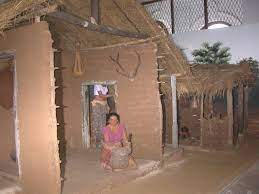
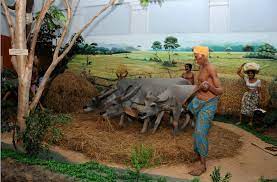
Sri Lanka’s vibrant cultural diversity is celebrated through ethnographic displays that highlight the traditions, rituals, and lifestyles of various communities.

Sri Lankan National Museum

10. Textiles and Traditional Costumes in Sri Lankan National Museum

The elegance of Sri Lankan attire unfolds through a range of textiles and traditional costumes, reflecting the island’s deep-rooted fashion heritage.

11. Folk Art and Traditional Crafts

The creativity and craftsmanship of local artisans are showcased through folk art and traditional crafts, offering insights into everyday life throughout history.

12. Sri Lankan Theatre and Music

The museum also pays homage to the performing arts, with exhibits that delve into the captivating world of Sri Lankan theatre, music, and dance.

13. Preserving Maritime History

Given its strategic location, maritime history is a crucial part of Sri Lanka’s story. The museum’s maritime exhibit explores the nation’s seafaring heritage.

14. Modern and Contemporary Art at Sri Lankan National Museum

The journey through history culminates in a celebration of modern and contemporary art, reflecting the island’s evolution into the 21st century.

15. Educational Programs and Outreach

The National Museum is not only a repository of artifacts but also a center of learning. It hosts educational programs, workshops, and lectures to engage visitors of all ages.

16. Conclusion

The National Museum of Sri Lanka stands as a custodian of the nation’s heritage, offering a captivating journey through time, culture, and art. It serves as a reminder of the island’s rich and diverse past, shaping its present and future.

17. FAQs

  1. What are the museum’s opening hours? The museum is open from 9:00 AM to 6:00 PM every day except on public holidays.
  2. Is photography allowed inside the museum? Yes, photography is allowed, but without flash.
  3. Are guided tours available for visitors? Absolutely! The museum offers guided tours that provide in-depth insights into the exhibits.
  4. Is there an entrance fee for visitors? Yes, there’s a nominal entrance fee for visitors, with discounted rates for students and seniors.
  5. Can I purchase souvenirs at the museum? Of course! The museum has a gift shop where you can find a variety of souvenirs and cultural items.

SHARE

Asia’s Best Birds Park & Birds Research Center | Hambantota
SHARE

Asia’s Best Birds Park & Birds Research Center | Hambantota

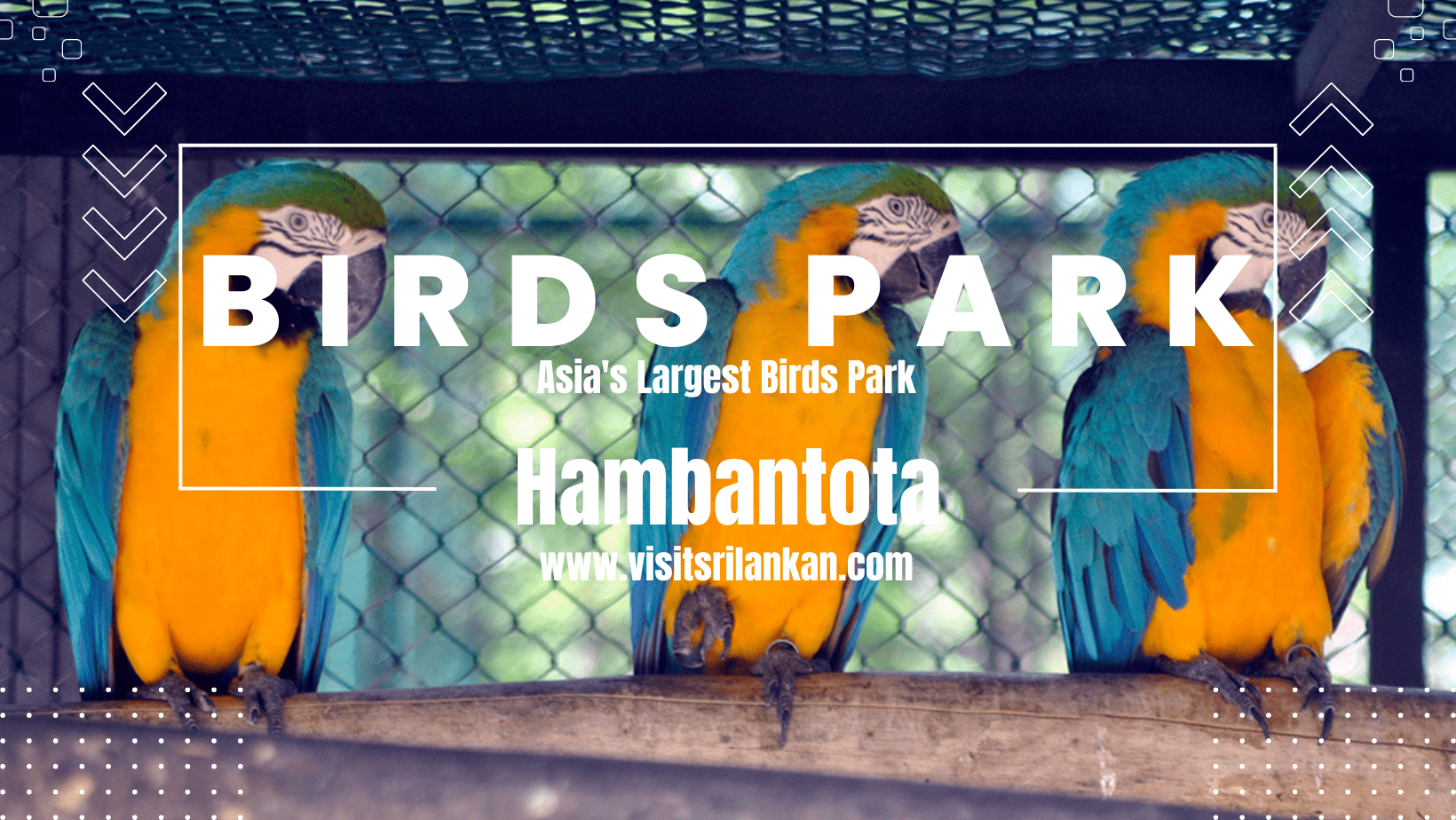
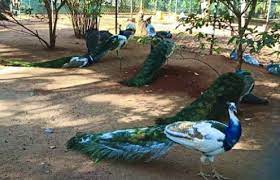
Nestled in the heart of the picturesque city of Hambantota, Sri Lanka, lies a hidden gem that appeals to nature enthusiasts and bird lovers alike – the Hambantota Birds Park. This sprawling avian haven boasts a diverse range of species, lush landscapes, and immersive experiences that allow visitors to connect with the world of birds in ways they never thought possible. This is the largest Birds park in Asia.

After exploring the diverse avian species at Hambantota Birds Park, visitors can venture to nearby Bundala National Park, renowned for its migratory waterfowl; Kumana National Park, a haven for bird enthusiasts; or Handana Birds Park, located in the central highlands, offering a unique bird-watching experience. For more information about Sri Lanka and its attractions, visit the Sri Lanka Tourism Board and for visa and travel requirements, check the Sri Lanka Immigration & Visa Services

hambantota-birds-park

A Natural Paradise for Feathered Friends -Hambantota Birds Park

Hambantota Birds Park isn’t just another wildlife attraction; it’s a sanctuary for birds and a testament to the wonders of nature. With its sprawling landscapes and carefully curated habitats, the park offers a glimpse into the lives of numerous avian species, both native and exotic.

Getting Acquainted with Hambantota Birds Park

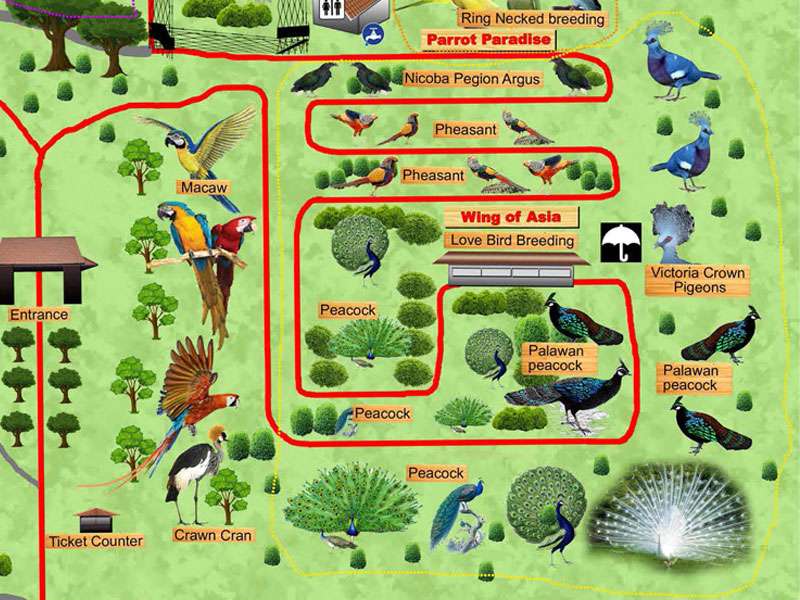
Nestled against the backdrop of lush greenery and tranquil water bodies, the Hambantota Birds Park welcomes visitors with open arms. The well-designed pathways and signage make navigation a breeze, ensuring that guests can explore the park at their own pace.

Exploring the Avian Biodiversity – Hambantota Birds Park

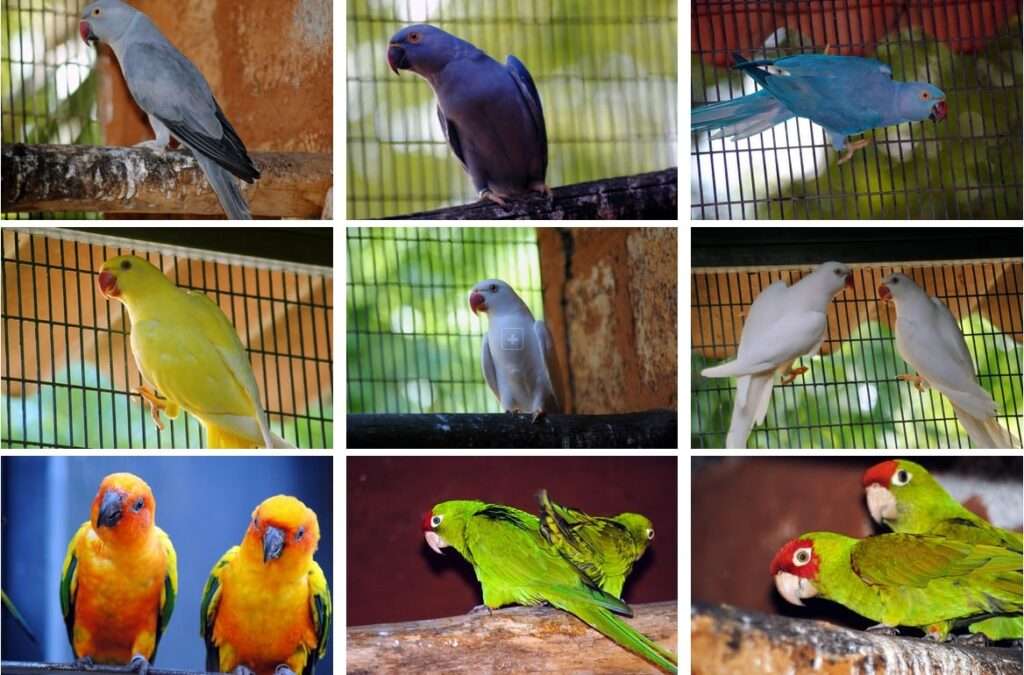
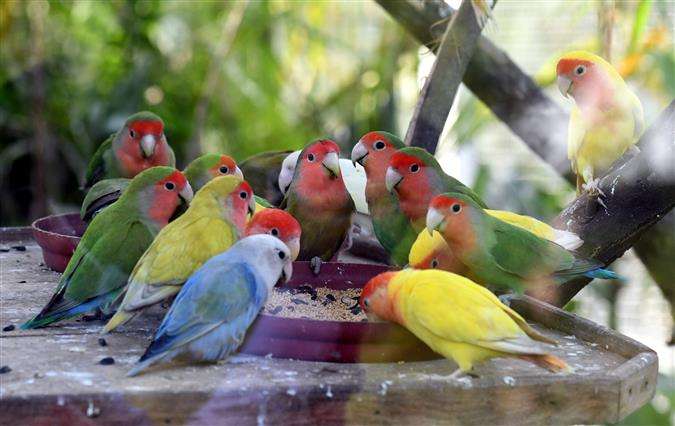
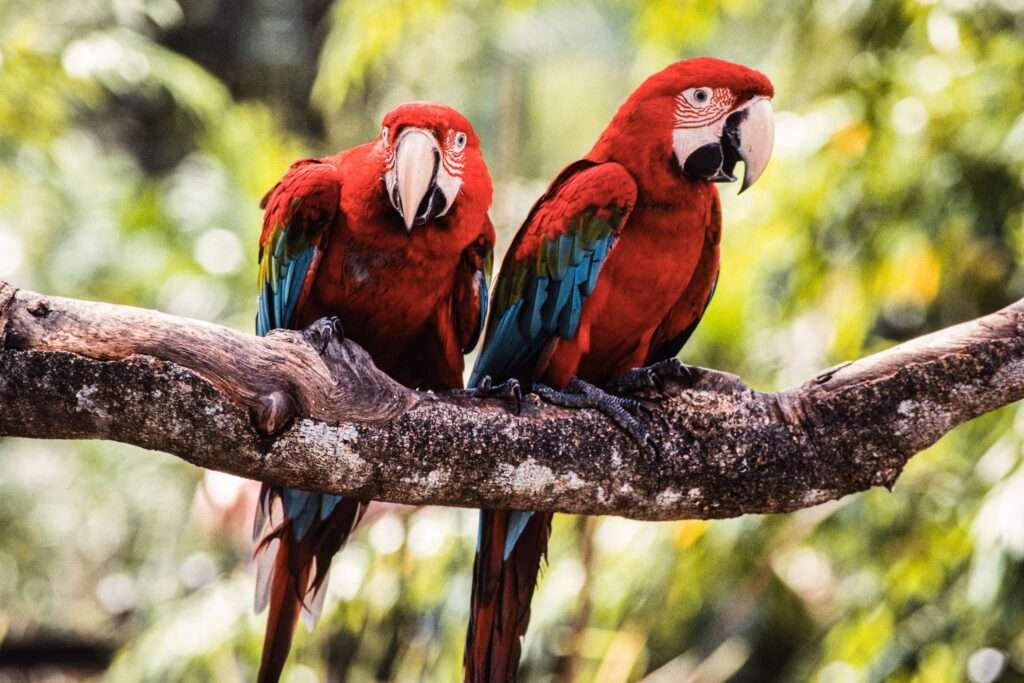
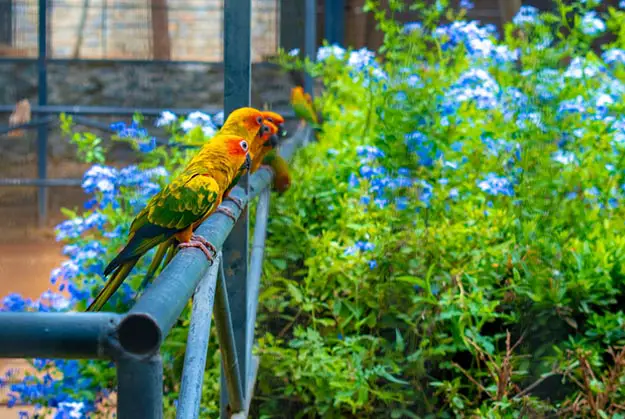
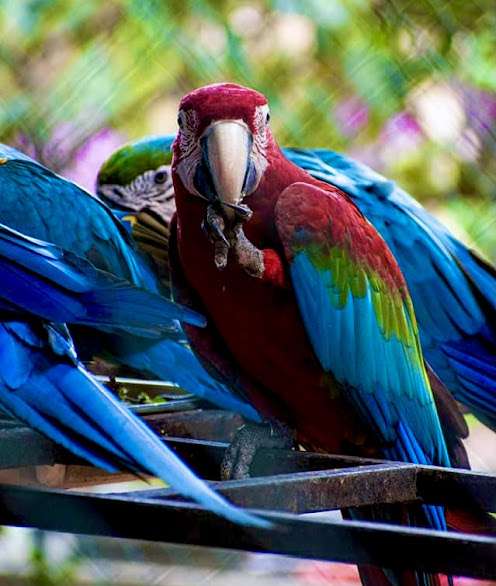
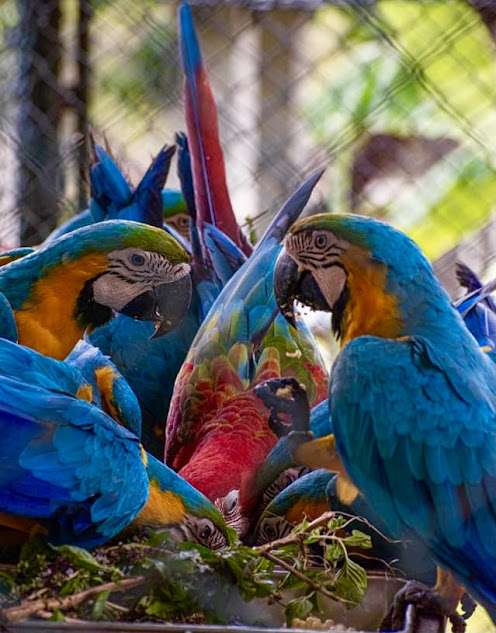
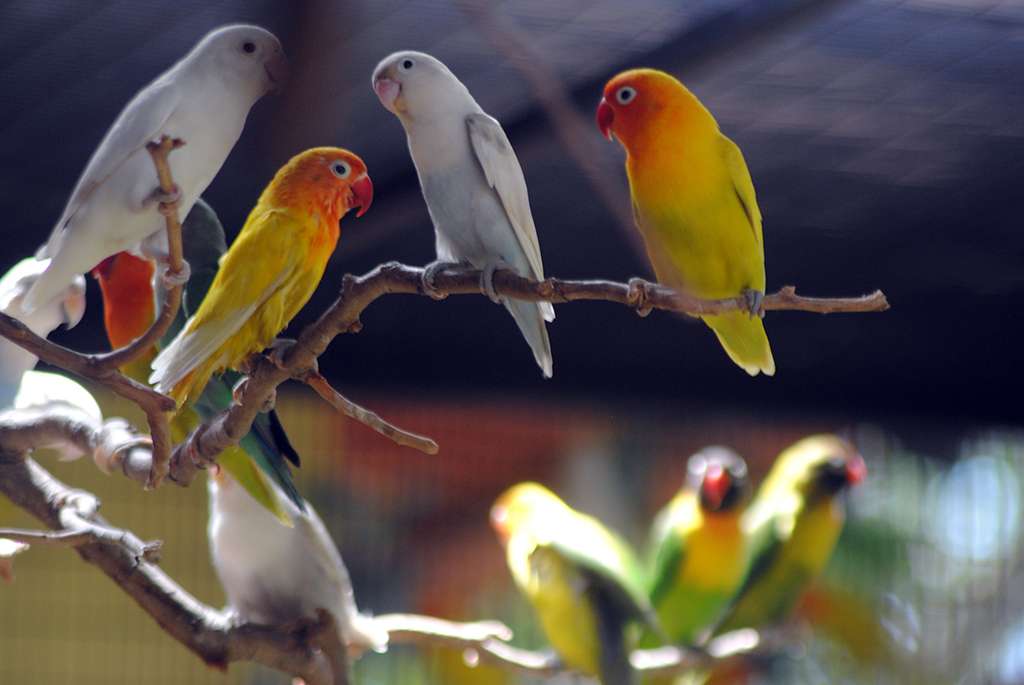
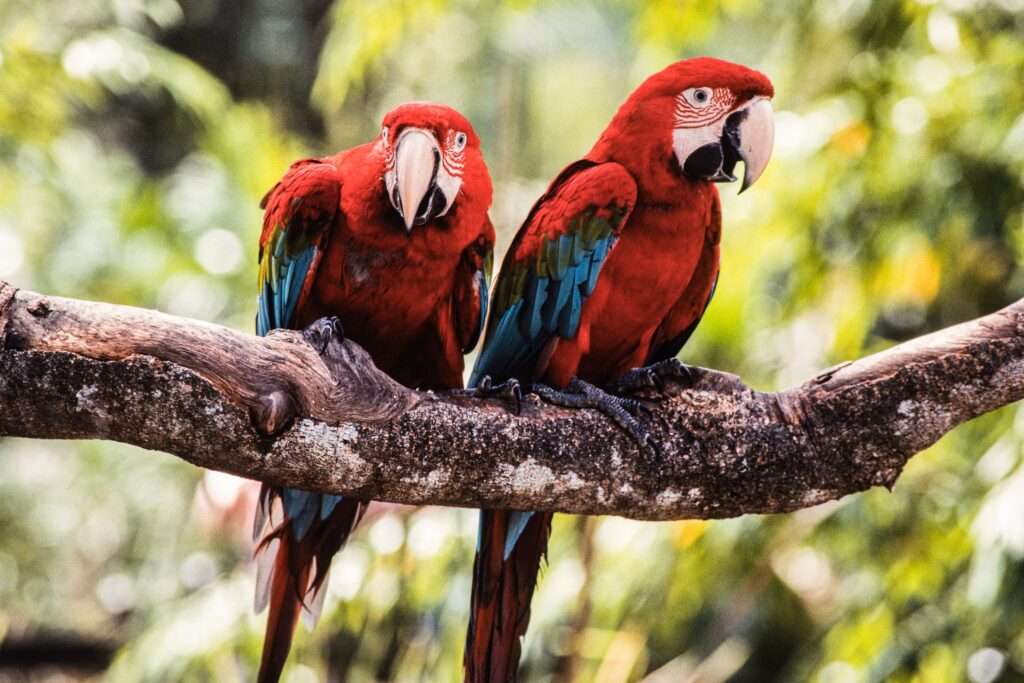
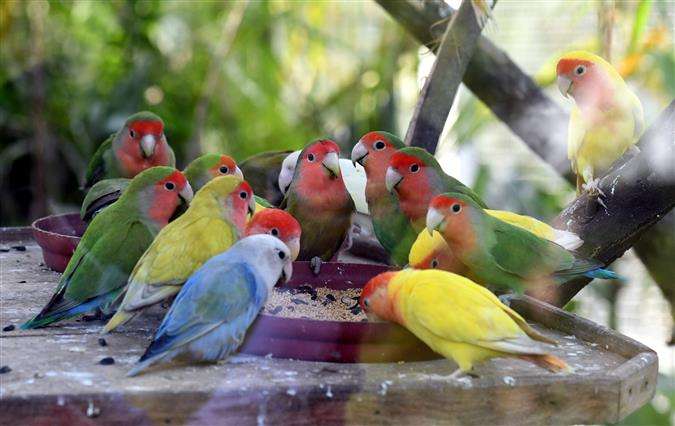
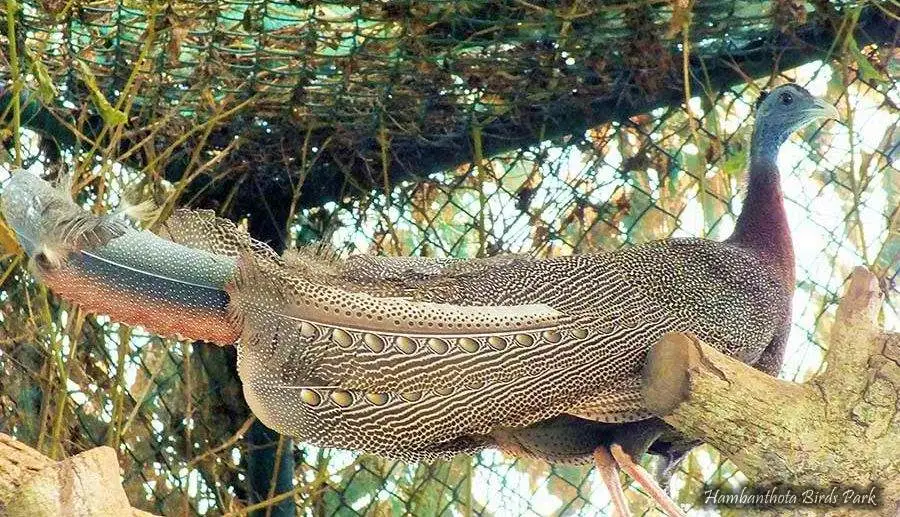
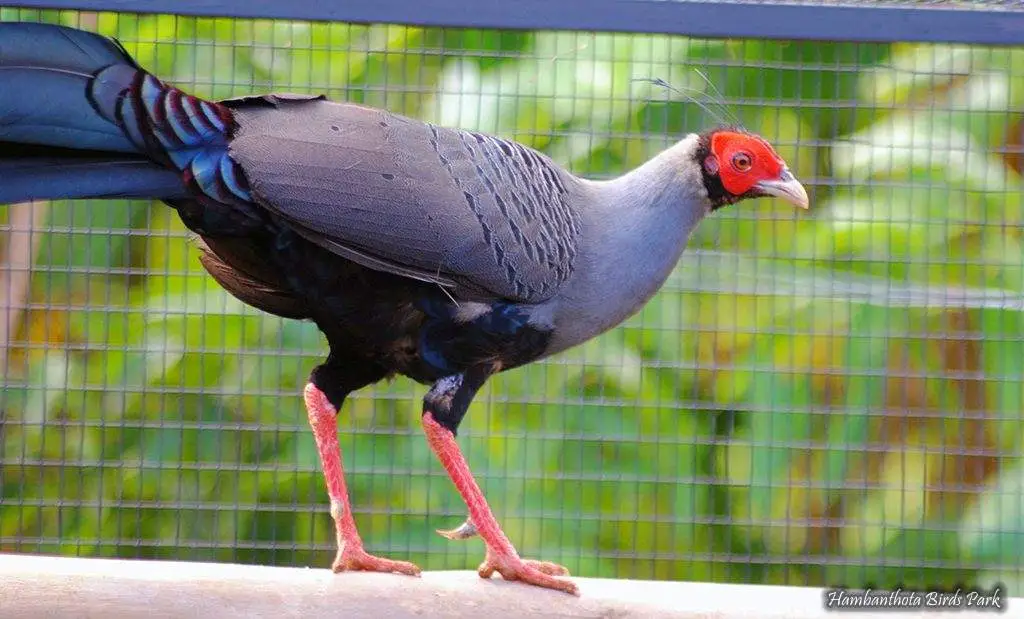
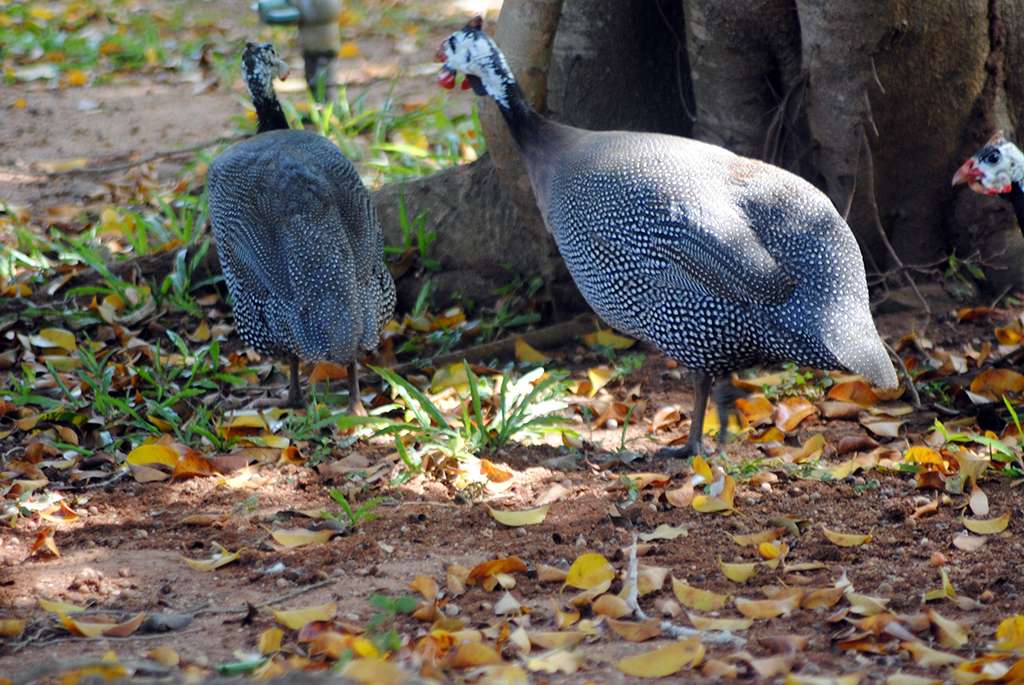
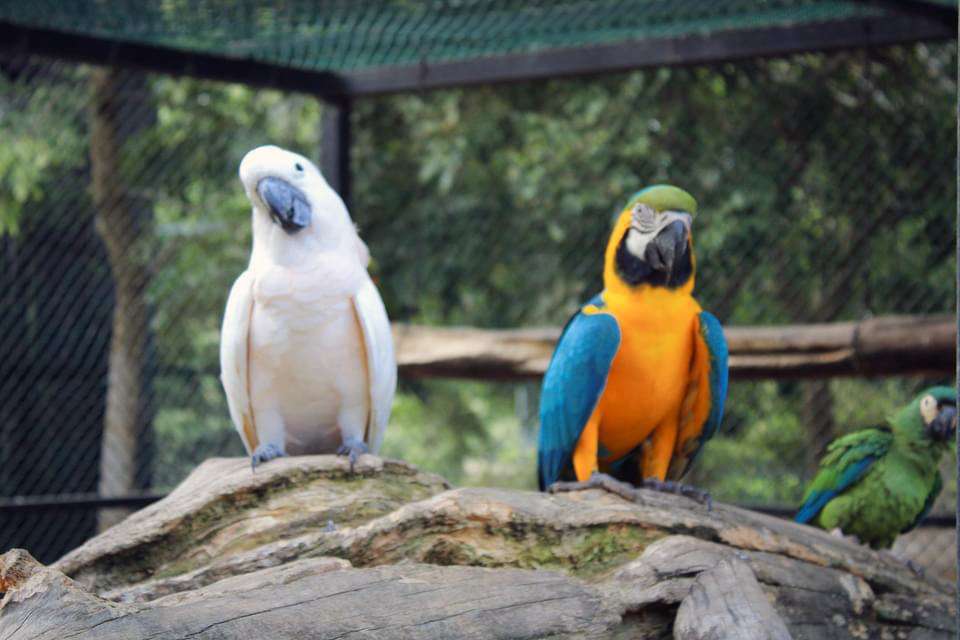
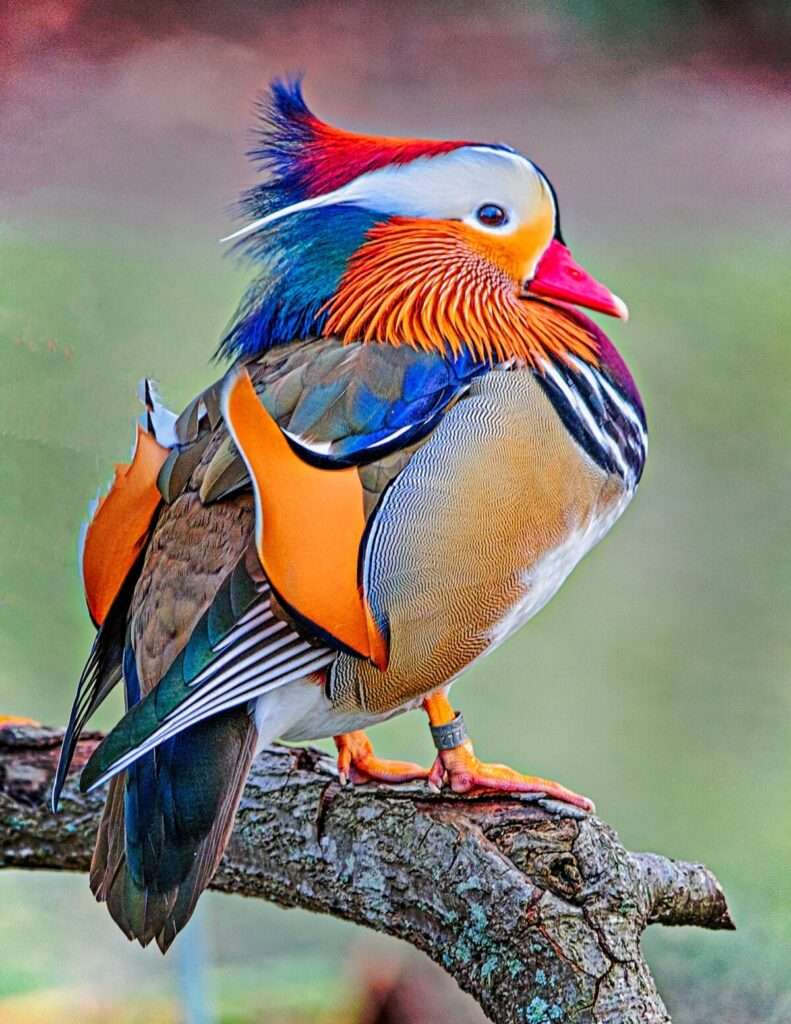
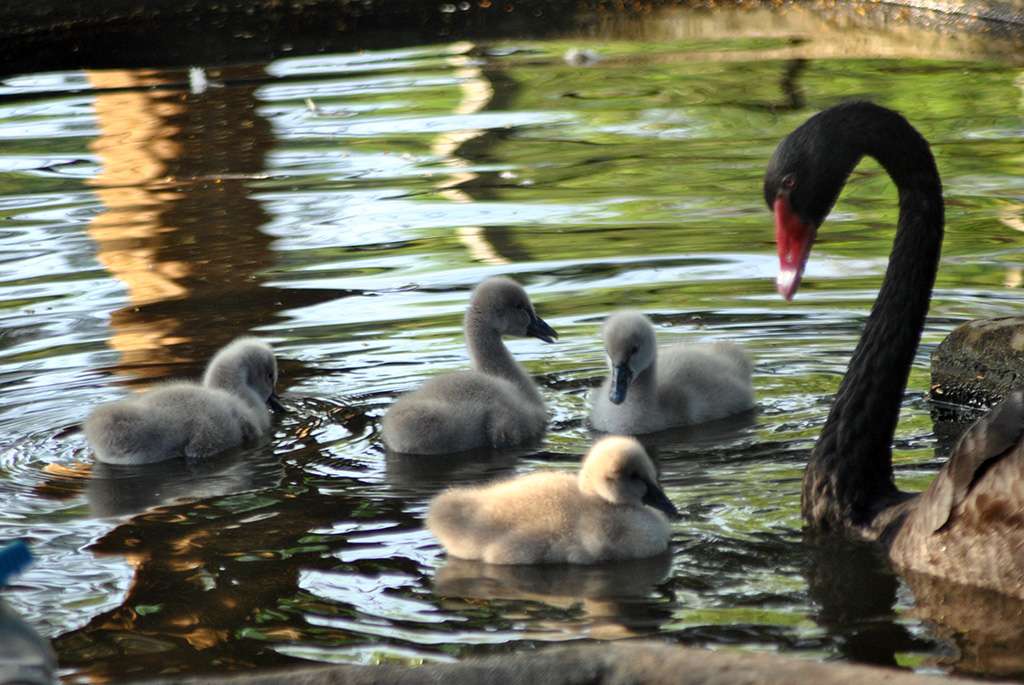
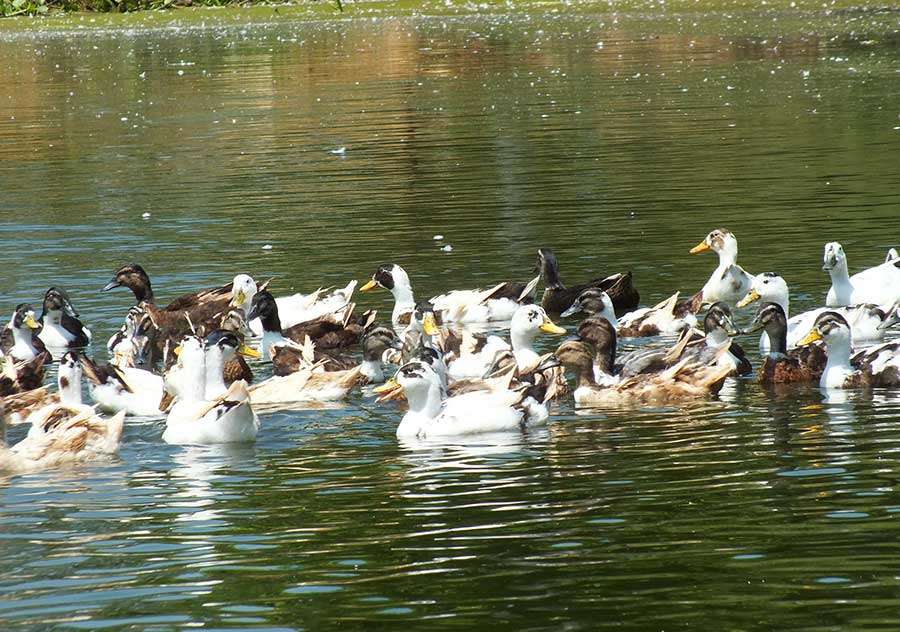
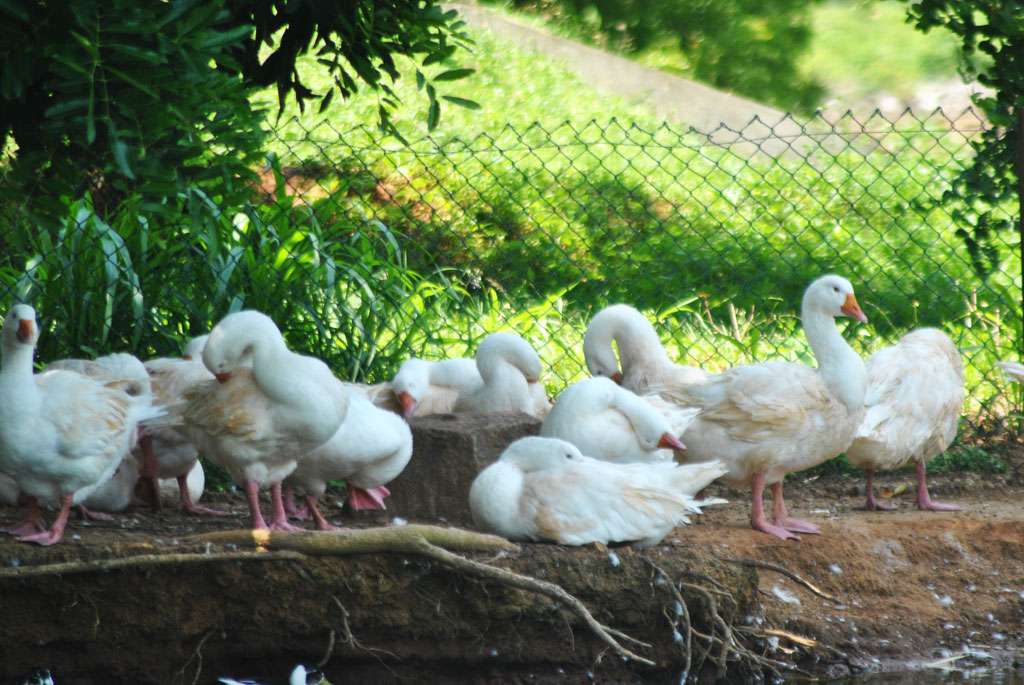
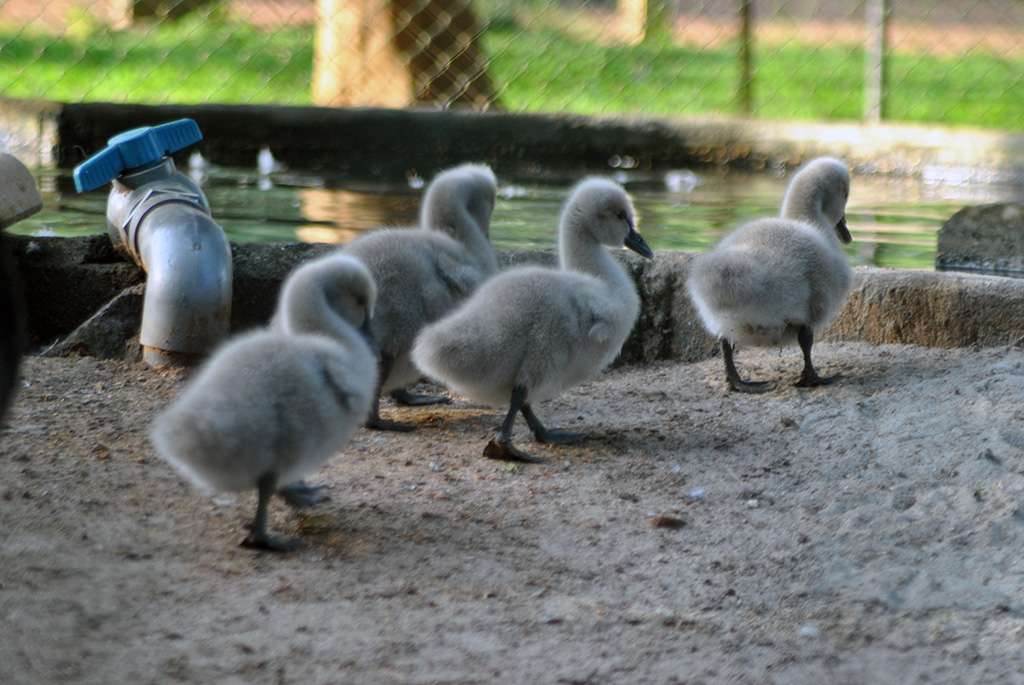
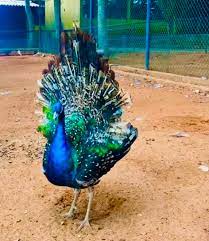
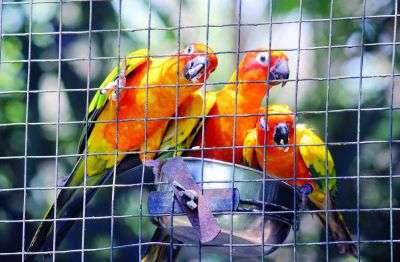
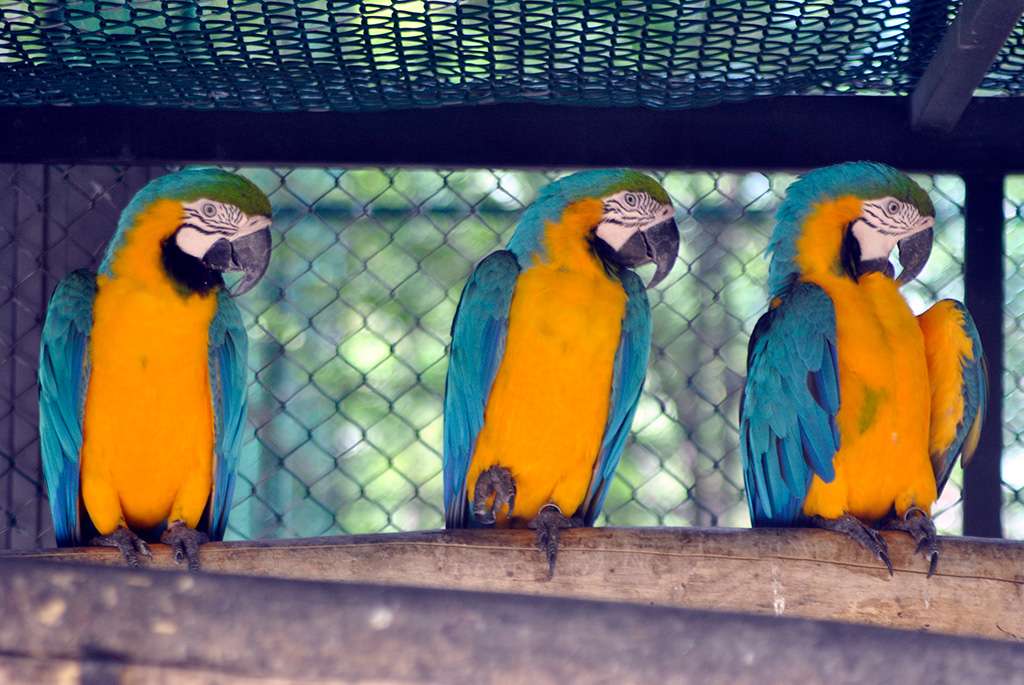
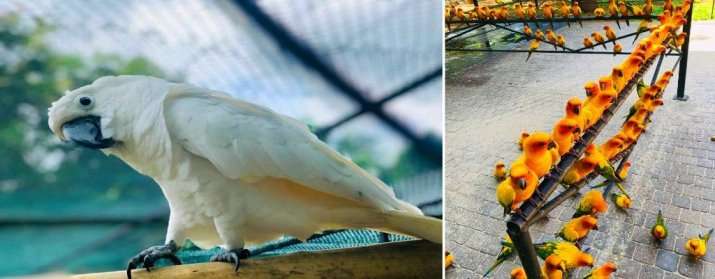
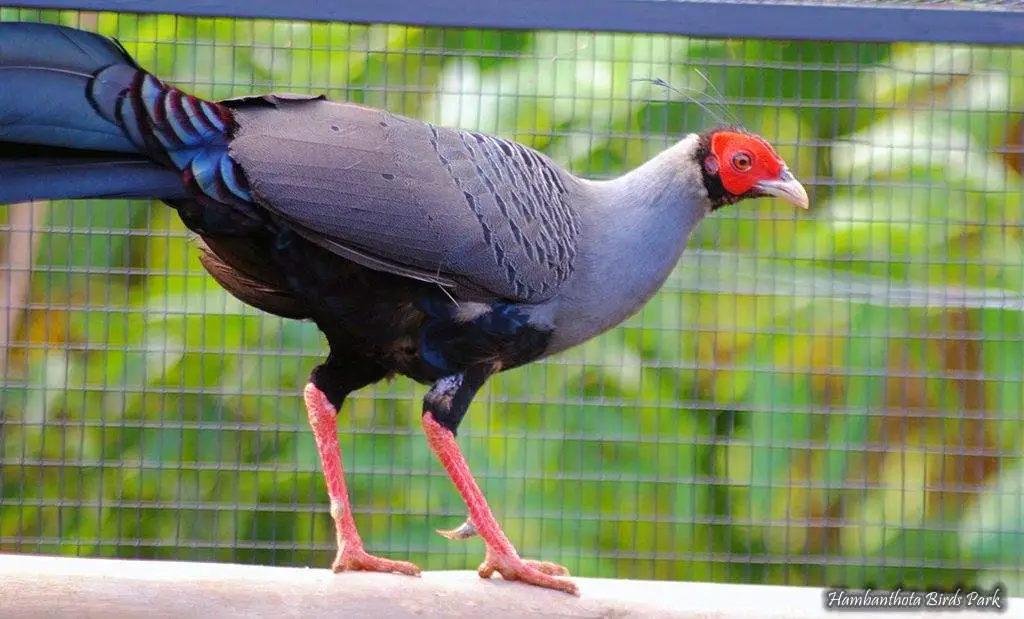
From vibrantly colored parrots to majestic birds of prey, the park is home to an impressive variety of feathered residents. Visitors can marvel at the kaleidoscope of colors, observe unique behaviors, and even spot some rare and endangered species.

Interactive Exhibits: Learning While Having Fun at Hambantota Birds Park

Education takes center stage at Hambantota Birds Park. Interactive exhibits provide fascinating insights into avian adaptations, migration patterns, and the importance of bird conservation. These exhibits engage visitors of all ages, making learning about birds an enjoyable experience.

Feeding Sessions: A Close Encounter with Nature

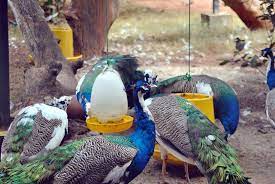
One of the park’s highlights is the scheduled feeding sessions. Witnessing the birds as they gather for their meals is a sight to behold. Visitors have the opportunity to observe the birds up close and learn about their dietary habits and preferences from knowledgeable staff members.

The Art of Conservation: Protecting Endangered Species

Hambantota Birds Park goes beyond being a recreational space. It plays a vital role in avian conservation efforts. The park actively participates in breeding programs for endangered species, contributing to their preservation and eventual reintroduction into the wild.

Capturing Memories: Photography Tips and Tricks

For photography enthusiasts, the park offers endless opportunities to capture stunning shots of birds in their natural habitats. From intricate plumage details to in-flight action shots, the park’s serene ambiance and well-placed photo stations cater to photographers of all levels.

Relaxation Amidst Nature: Picnic Areas and Gardens

The park isn’t just about birds – it’s a haven for relaxation. Scenic picnic areas, tranquil gardens, and shaded walkways provide the perfect settings for families, couples, and individuals to unwind and immerse themselves in the serenity of nature.

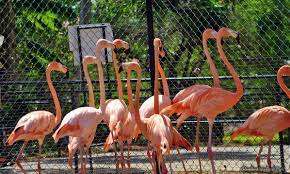
The Flamingo Lagoon: A Pink Spectacle

Among the many attractions, the Flamingo Lagoon stands out as a breathtaking spectacle. The graceful dance of pink flamingos against the backdrop of shimmering water is a sight that leaves an indelible mark on visitors.

Aviary Design and Landscaping

The park’s aviaries are meticulously designed to mirror the natural habitats of the birds. The landscaping not only enhances the visual appeal but also creates a harmonious environment where birds can thrive and guests can feel connected to nature.

Shop for a Cause: Souvenirs and Gifts

Visitors can extend their support for bird conservation by shopping at the park’s gift store. From handcrafted souvenirs to eco-friendly merchandise, every purchase contributes to the park’s mission of protecting avian species and their habitats.

Visiting Practicalities: Location and Timings

Hambantota Birds Park is conveniently located within the city, making it easily accessible for both locals and tourists. The park’s timings are designed to accommodate early morning and late afternoon visits, ensuring a comfortable experience even in tropical climates.

Ticket Prices and Guided Tours

Admission prices are affordable, with special rates for children, students, and groups. Guided tours led by knowledgeable experts offer deeper insights into the park’s conservation efforts, making them an excellent choice for those seeking a more enriching experience.

Plan Your Visit: Tips for an Enjoyable Experience

To make the most of your visit, consider bringing a pair of binoculars, wearing comfortable clothing and footwear, and carrying a refillable water bottle. Don’t forget your camera to capture the stunning moments you’ll encounter.

Conclusion: Embracing the Wonders of Hambantota Birds Park

Hambantota Birds Park is more than just a place to observe birds; it’s an immersive journey into the world of avian wonders. Through interactive experiences, conservation efforts, and the sheer beauty of nature, the park invites visitors to reconnect with the environment and appreciate the marvels of feathered creatures.

hambantota-birds-park

FAQs

1. Can I bring my own food to the park for a picnic? Yes, you’re welcome to bring your own food and have a picnic in the designated areas.

2. Are there any special discounts for senior citizens? Yes, senior citizens can enjoy discounted admission rates to the park.

3. Are guided tours available in languages other than English? Currently, guided tours are primarily conducted in English, but the park is working on introducing tours in other languages as well.

4. Can I host a private event or photography session in the park? Yes, you can inquire about hosting private events or photography sessions through the park’s official website.

5. Is Hambantota Birds Park wheelchair-friendly? Absolutely, the park is designed to be accessible to all visitors, including those with mobility challenges.


SHARE

The Dowa Temple | A Unique heritage temple in Sri Lanka
SHARE

The Dowa Temple – Bandarawala

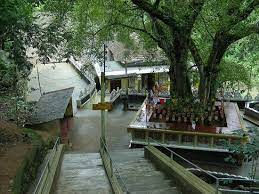
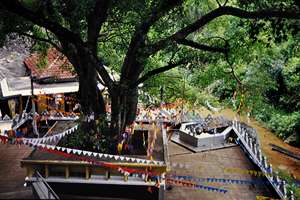
Tucked away amidst the misty hills of Bandarawela, Sri Lanka, lies a hidden gem that emanates tranquility and spiritual serenity. The Dowa Temple, with its rich history and breathtaking surroundings, is a testament to the island’s cultural and religious heritage. Join us as we delve into the captivating allure of the Dowa Temple and the captivating experiences it offers.

After exploring the historical and spiritual significance of Dowa Temple, visitors can embark on a trek to Ella Rock, marvel at the beauty of Ravana Falls, enjoy the panoramic views from Lipton’s Seat, witness the architectural wonder of the Nine Arches Bridge, or immerse themselves in nature at Handana Birds Park. For more information about Sri Lanka and its attractions, visit the Sri Lanka Tourism Board and for visa and travel requirements, check the Sri Lanka Immigration & Visa Services

Dowa Temple

Introduction: A Spiritual Oasis – Dowa Temple

Nestled amidst the lush landscapes of Bandarawela, the Dowa Temple is a haven for those seeking spiritual solace and a deep connection with history. Surrounded by mist-kissed hills and gentle breezes, this temple offers a serene escape from the bustle of modern life.

Dowa Temple

A Glimpse into History: Origins and Significance of Dowa Temple

The Dowa Temple carries a history that dates back centuries. Originally established during the Kandyan Kingdom, this temple holds deep significance for both locals and pilgrims. Its origins are steeped in folklore and legend, adding an air of mystery to its ancient walls.

Dowa Temple

Architectural Marvel: The Cave Temple

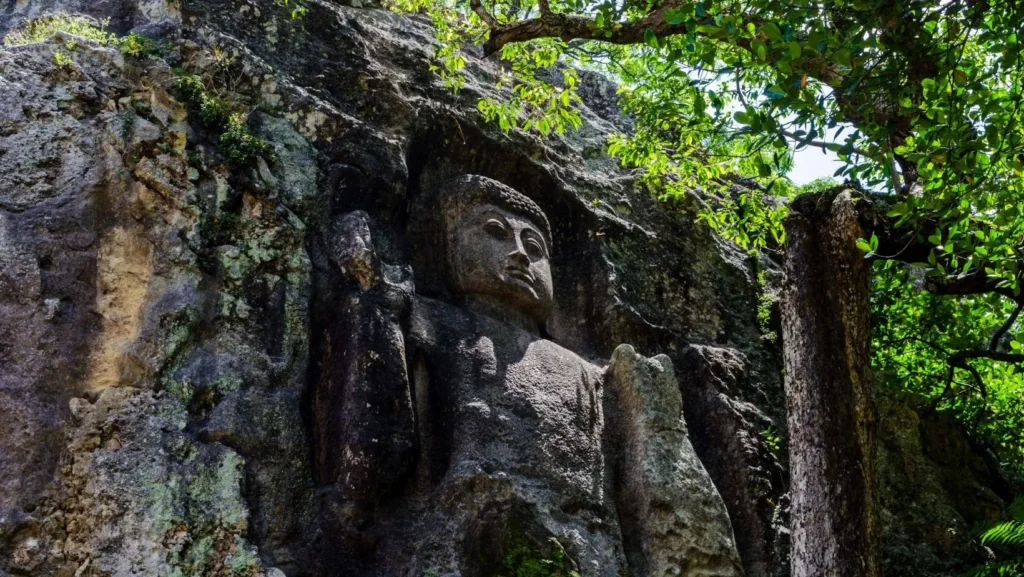
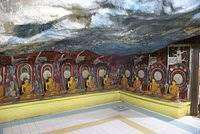
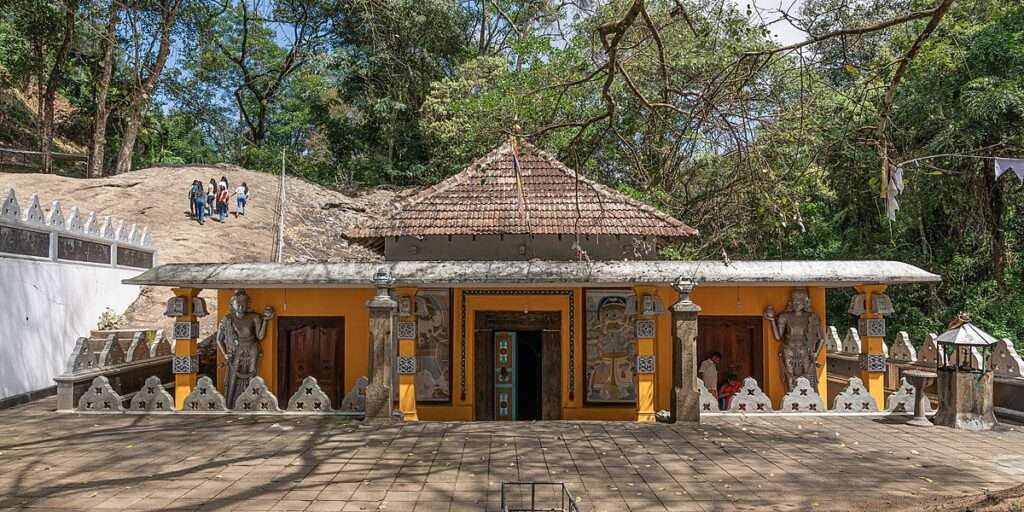
One of the most remarkable features of the Dowa Temple is its cave-like structure carved into the rock face. This architectural marvel seamlessly blends with the natural surroundings, creating a harmonious blend of human craftsmanship and nature’s beauty.

Statue of Peace: Majestic Buddha Image at Dowa Temple

At the heart of the temple’s sanctum stands a magnificent Buddha statue that exudes a sense of peace and tranquility. The statue’s sheer size and intricate detailing evoke a sense of awe, inviting visitors to pause and reflect.

Panoramic Views: Embracing Natural Beauty

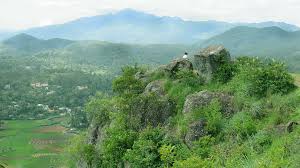
Perched atop a hill, the Dowa Temple offers panoramic views of the rolling hills, mist-shrouded valleys, and lush greenery. The temple’s vantage point provides a serene setting to soak in the beauty of nature, making it a photographer’s paradise.

Religious Practices: A Hub of Devotion

The temple is a hub of religious activities, drawing devotees and curious visitors alike. The rhythmic chanting of prayers, the lighting of oil lamps, and the fragrance of incense create an atmosphere of devotion that resonates deep within.

Festivals and Celebrations: Vibrant Cultural Gatherings at Dowa Temple

The Dowa Temple comes alive during festivals and celebrations. Vibrant processions, traditional dances, and intricate decorations turn the temple grounds into a colorful spectacle, offering a glimpse into the heart of Sri Lankan culture.

Rejuvenating Mind and Soul: Meditation and Retreats

For those seeking to find inner peace, the Dowa Temple offers meditation retreats. Surrounded by nature’s tranquility, these retreats provide a serene environment for self-discovery and reflection.

Dowa Temple

Exploring the Surroundings: Nature Walks and Beyond the Dowa Temple

Beyond the temple, the surrounding area beckons with its scenic trails and nature walks. Embark on a journey to discover hidden waterfalls, tea plantations, and the unique flora and fauna that call this region home.

Preserving the Past: Temple Conservation Efforts

Efforts are underway to preserve the historical and cultural heritage of the Dowa Temple. Conservation initiatives ensure that this sacred site continues to inspire generations to come.

How to Reach: Accessible Routes

The Dowa Temple is accessible from various points within Bandarawela. Whether you choose to drive or take a leisurely stroll through the charming streets, reaching the temple is an adventure in itself.

Visitor Information: Timings and Guidelines

Before visiting, it’s advisable to familiarize yourself with the temple’s timings and guidelines. Respecting local customs and traditions enhances the experience for both visitors and the temple’s regular devotees.

Conclusion: A Journey of Inner Harmony

The Dowa Temple in Bandarawela isn’t just a physical place; it’s a journey into the depths of one’s soul. Surrounded by nature’s beauty and steeped in history, this temple offers an opportunity to find inner harmony and connect with the essence of Sri Lanka’s spiritual legacy.

FAQs

  1. Is there an entrance fee to visit the Dowa Temple? The temple typically does not charge an entrance fee, but donations for maintenance are appreciated.
  2. Are visitors allowed to take photographs within the temple premises? Yes, photography is generally allowed, but it’s important to be respectful of the surroundings and fellow visitors.
  3. Can visitors participate in the temple’s religious practices? While visitors are welcome to observe and experience the temple’s practices, it’s advisable to do so with reverence and understanding.
  4. Are there any nearby attractions to explore after visiting the temple? Absolutely! Bandarawela and its surroundings offer various attractions, including tea estates, waterfalls, and scenic viewpoints.
  5. Are there any accommodations available near the Dowa Temple? Bandarawela offers a range of accommodations to suit different preferences and budgets, ensuring a comfortable stay for visitors.

SHARE

Kataragama Sri Lanka – A Complete Visitor Guide for Travelers

SHARE

Kataragama – The Famous Pilgrimage Town in Sri Lanka

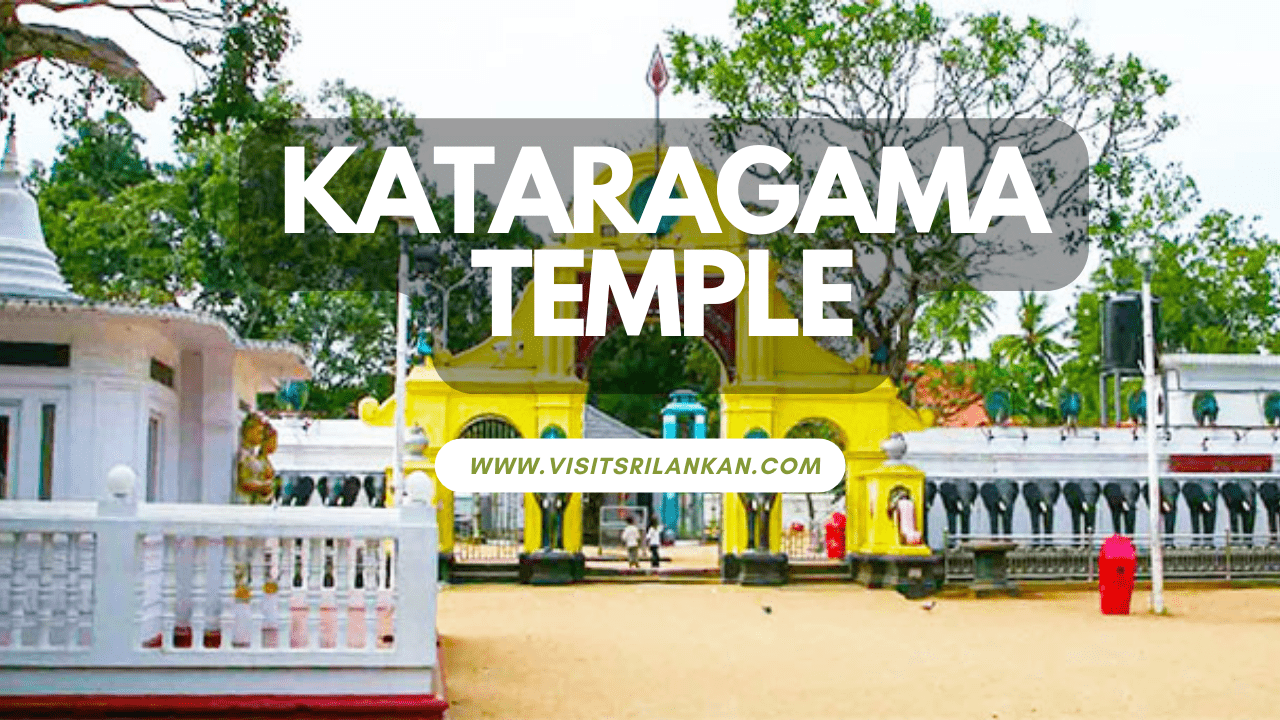
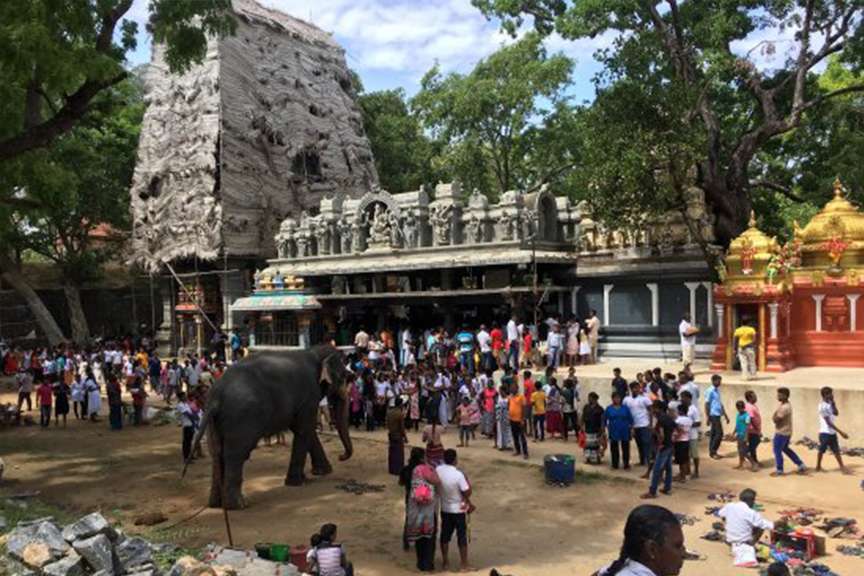
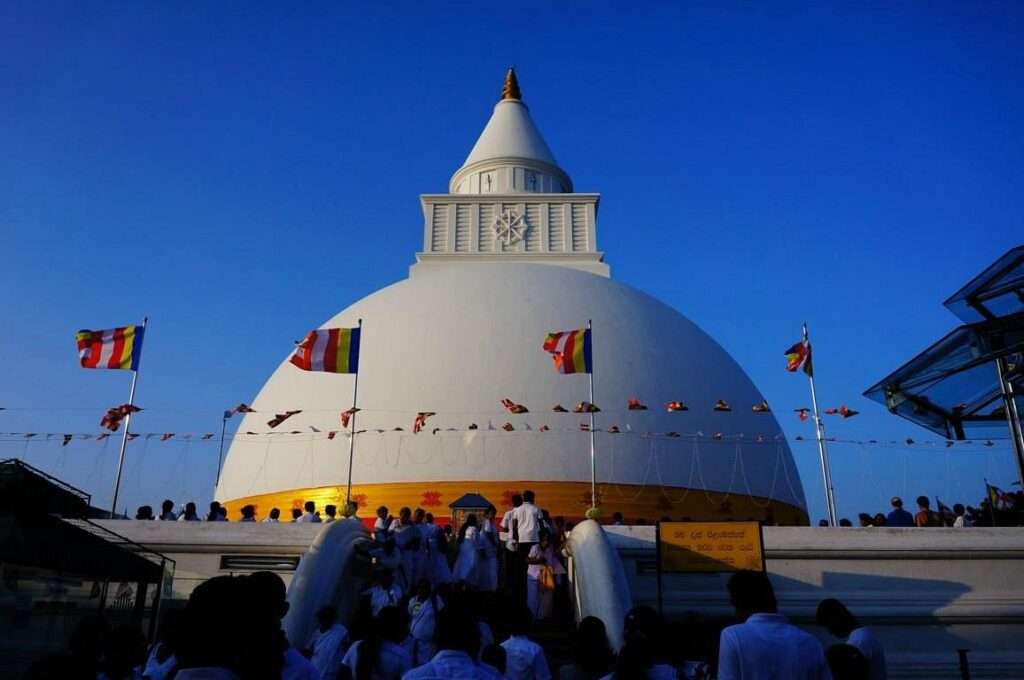
The Kataragama Temple, nestled in the heart of Sri Lanka, stands as a captivating testament to the island’s rich cultural tapestry and spiritual heritage. This sacred sanctuary, steeped in centuries of history, beckons pilgrims and curious travelers alike to delve into its mystical aura and unravel the secrets it holds. Let’s embark on a journey to discover the enchanting allure of the Kataragama Temple and the spiritual significance it carries.

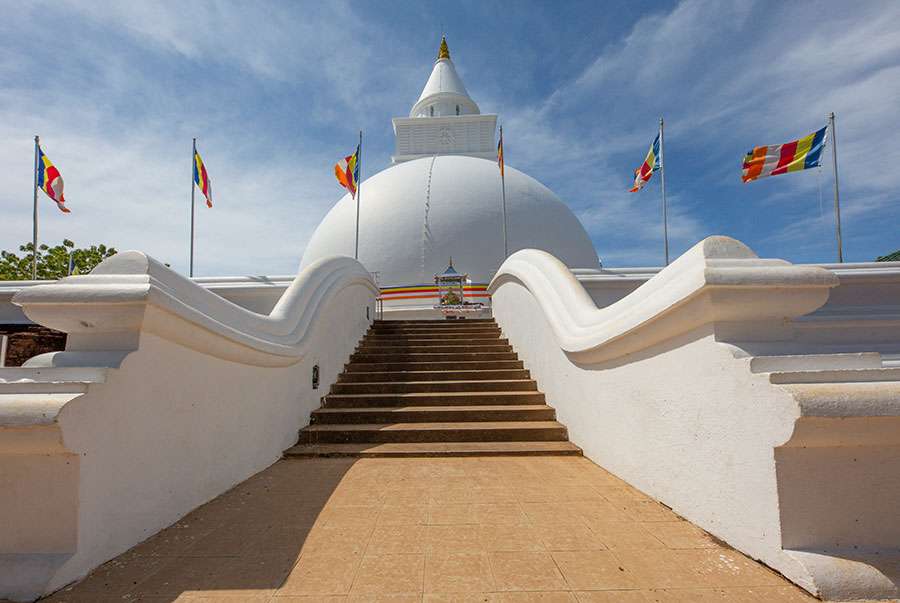
After visiting the sacred Kataragama Temple, travelers can explore the nearby Kirivehera, a revered Buddhist stupa; the tranquil Sella Kataragama, dedicated to Lord Ganesha; the scenic Vedahiti Kanda, believed to be the abode of the deity; the sacred Menik Ganga, where devotees perform rituals; or embark on a safari in Yala National Park, known for its diverse wildlife.”

Kataragama Temple

Introduction – Kataragama Temple

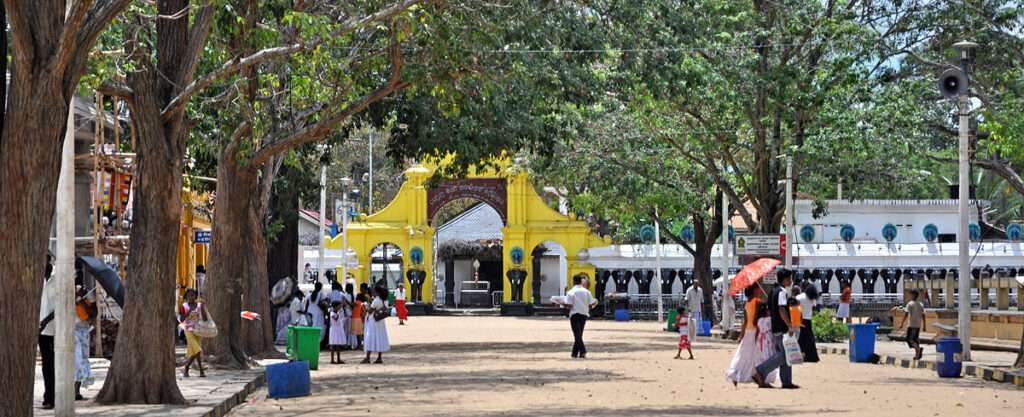
Nestled within the verdant landscapes of Sri Lanka, the Kataragama Temple stands as a testament to the island’s vibrant spiritual mosaic. This article takes you on a captivating journey through the temple’s historical origins, intricate architecture, diverse religious practices, and its role as a focal point of cultural significance.

Kataragama Temple

Historical Origins of Kataragama Temple

The roots of Kataragama Temple can be traced back to ancient times, where it emerged as a sacred place of worship for multiple faiths, including Buddhism, Hinduism, and indigenous beliefs. The amalgamation of these diverse traditions has given rise to a unique and harmonious spiritual sanctuary.

Kataragama Temple

Architectural Marvels: A Glimpse into the Temple’s Design

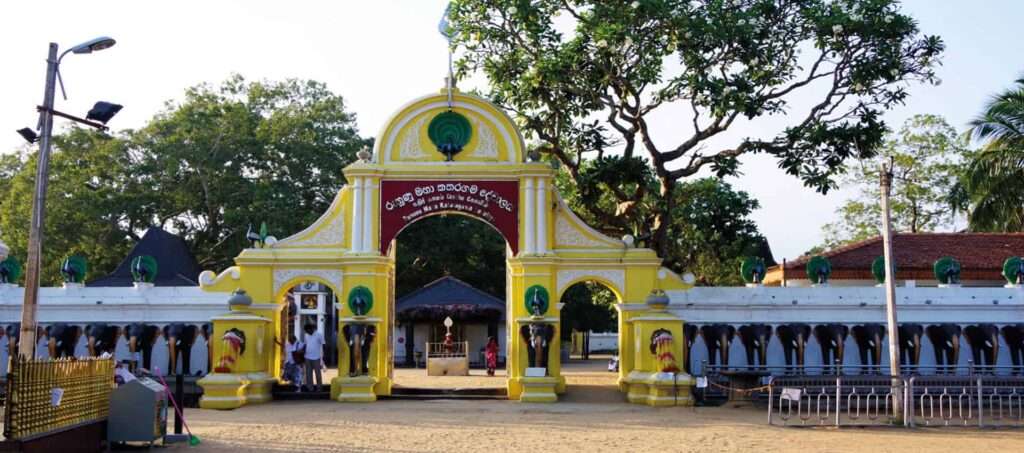
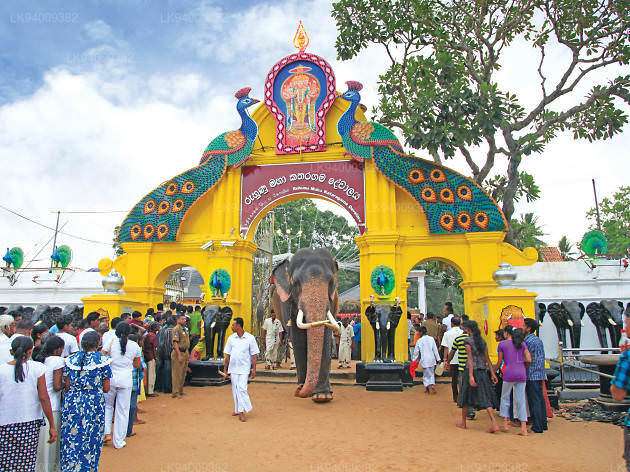
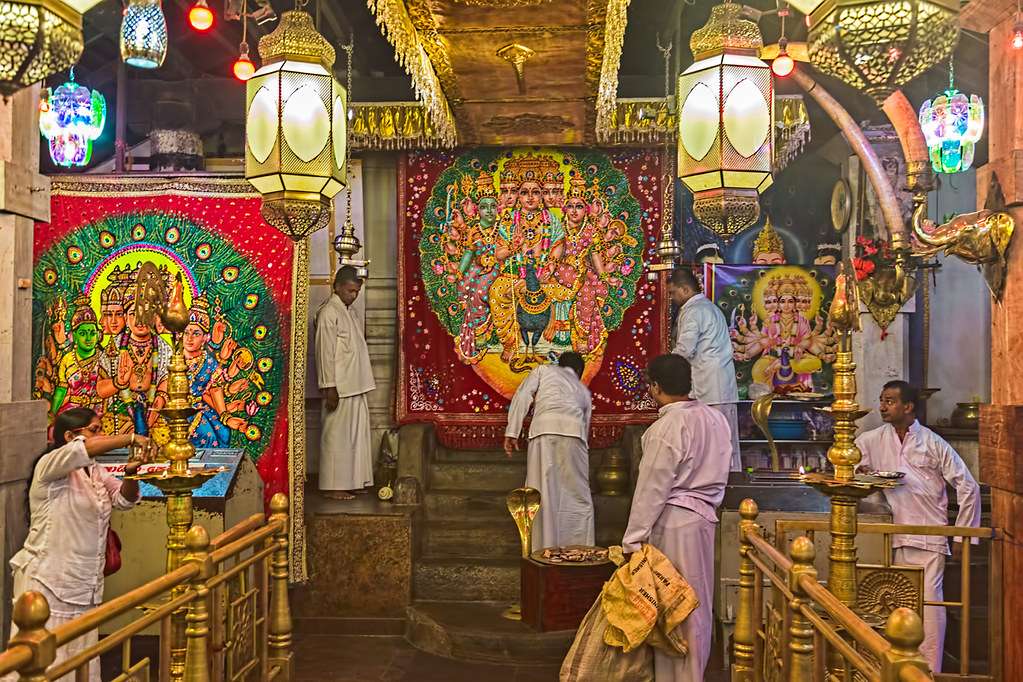
The temple’s architecture is a breathtaking fusion of intricate carvings, vibrant paintings, and ornate sculptures. The towering gopurams (entrance towers) adorned with colorful depictions of deities and mythical creatures provide a glimpse into the temple’s artistic grandeur.

Kataragama Temple

Religious Significance and Multicultural Harmony – Kataragama Temple

Kataragama Temple stands as a symbol of religious coexistence and harmony. It is a revered pilgrimage site for Buddhists, Hindus, and devotees of indigenous beliefs. This convergence of faiths highlights the unity that can emerge from diversity.

The Annual Esala Festival: A Grand Celebration

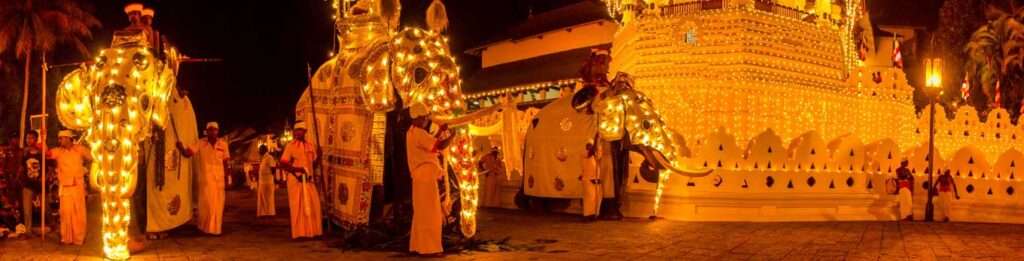
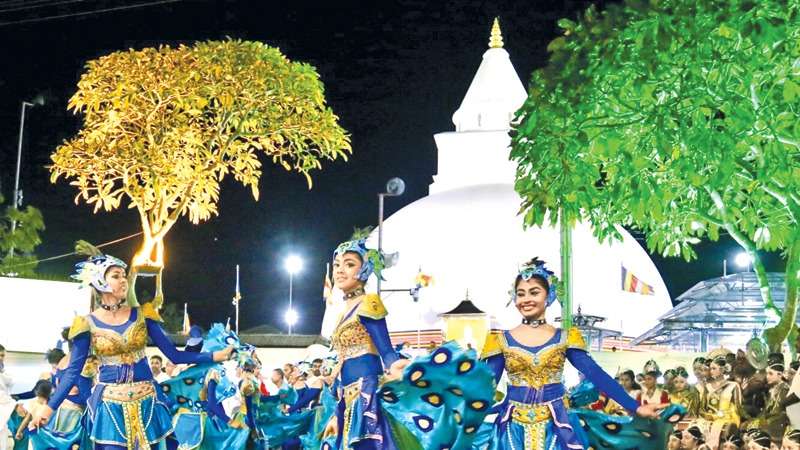
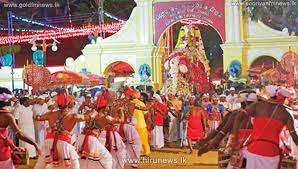
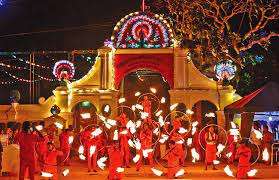
One of the most vibrant events held at the temple is the annual Esala Festival. This grand celebration brings together thousands of devotees in a procession, showcasing elaborate rituals, traditional music, and captivating dance performances.

Kataragama Temple

Legends and Myths: Stories of Lord Kataragama

The temple is associated with Lord Kataragama, a revered deity known for his role as a guardian and protector. Intriguing myths and legends surround him, adding an air of mystique to the temple’s ambiance.

Rituals and Worship Practices

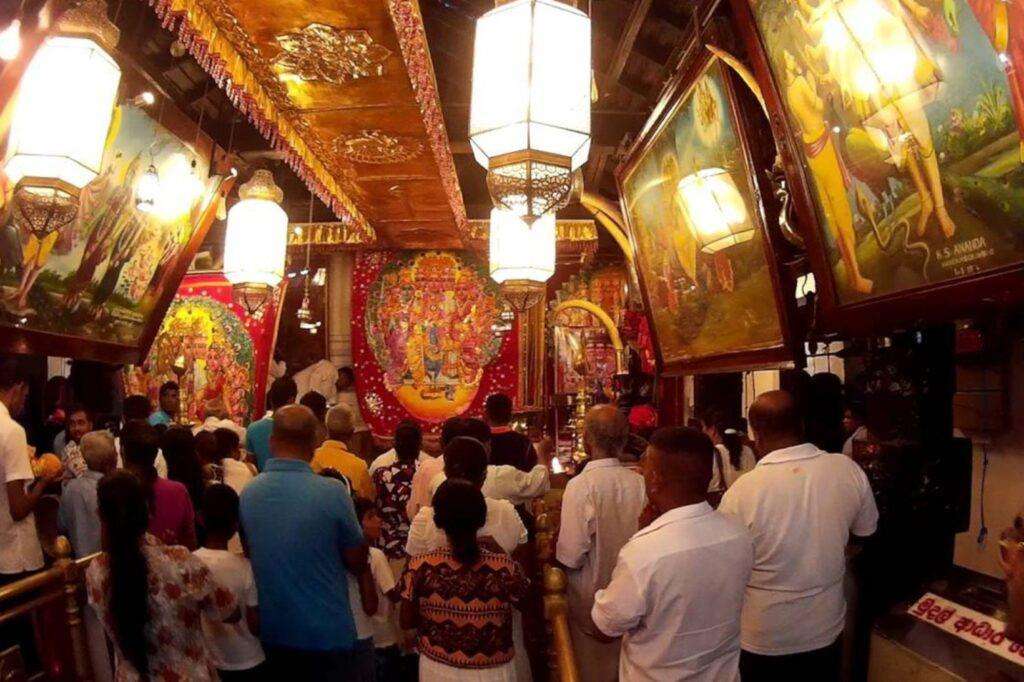
Devotees partake in a variety of rituals and worship practices at the temple. From lighting oil lamps to offering fruits and flowers, these acts of devotion foster a deep spiritual connection with the divine.

Kataragama Temple

The Divine Complex: Structures Within the Temple Grounds – Kataragama Temple

The temple complex houses various structures, each dedicated to different deities and purposes. These include shrines, meditation chambers, and bathing areas that provide pilgrims with a holistic spiritual experience.

Spiritual Healing and Miracles

Many believe in the temple’s power to heal ailments and provide protection. Devotees share anecdotes of miraculous recoveries and divine interventions, adding to the temple’s reputation as a sacred haven.

Kataragama Temple and Ecotourism

Beyond its religious significance, Kataragama Temple is situated in a region of ecological importance. Its proximity to wildlife reserves and lush landscapes makes it a focal point for eco-conscious travelers seeking both spiritual solace and natural beauty.

Preservation Efforts and Modern Challenges

Preserving the historical and cultural integrity of the temple faces modern challenges. Conservation efforts strive to maintain the temple’s authenticity while addressing the impact of tourism and urbanization.

Visitor’s Guide: Experiencing the Temple Firsthand

For those eager to experience the temple’s allure in person, this section offers a practical guide, from transportation options to respectful behavior within the temple grounds.

Cultural Impact and Influence

Kataragama Temple’s influence extends beyond its spiritual significance. It has played a pivotal role in shaping local culture, influencing art, music, and festivals that celebrate the island’s heritage.

Kataragama: Beyond the Temple Walls

Venture beyond the temple to explore the surrounding region, where vibrant markets, local cuisine, and traditional craftsmanship offer a glimpse into the everyday lives of the people who call this land home.

Conclusion

The Kataragama Temple stands as a bridge between history and spirituality, a testament to the enduring power of faith and cultural diversity. Its enchanting aura continues to draw pilgrims and wanderers alike, inviting them to partake in its rich tapestry of rituals, stories, and traditions.

FAQs

  1. How old is Kataragama Temple? The temple’s origins date back centuries, making it a repository of ancient heritage.
  2. Can non-devotees visit the temple? Yes, the temple welcomes visitors of all backgrounds to explore its cultural and spiritual treasures.
  3. What is the significance of the Esala Festival? The Esala Festival is a vibrant celebration of rituals and processions honoring Lord Kataragama.
  4. Are there any accommodations near the temple? Yes, there are various lodgings catering to different budgets available in the vicinity.
  5. How do I reach Kataragama Temple? The temple is accessible by road and offers transportation options from major cities.

SHARE
Verified by MonsterInsights