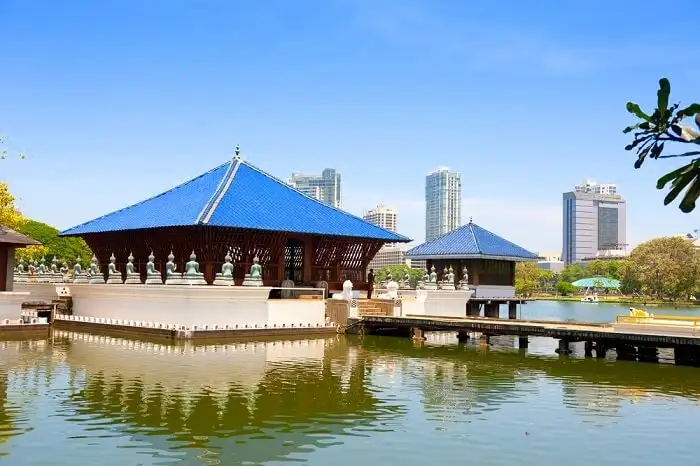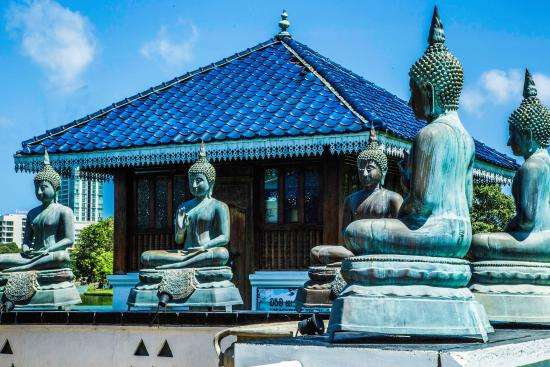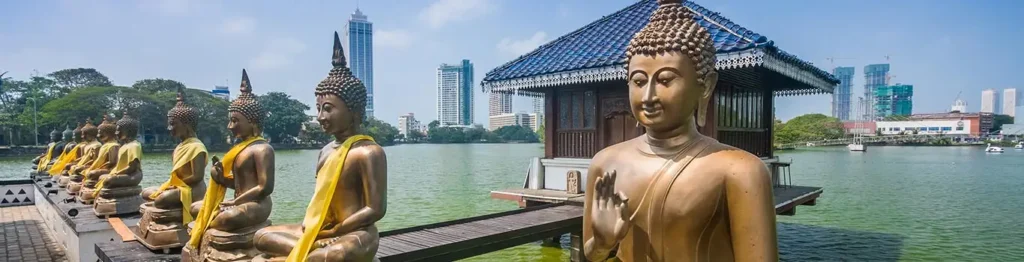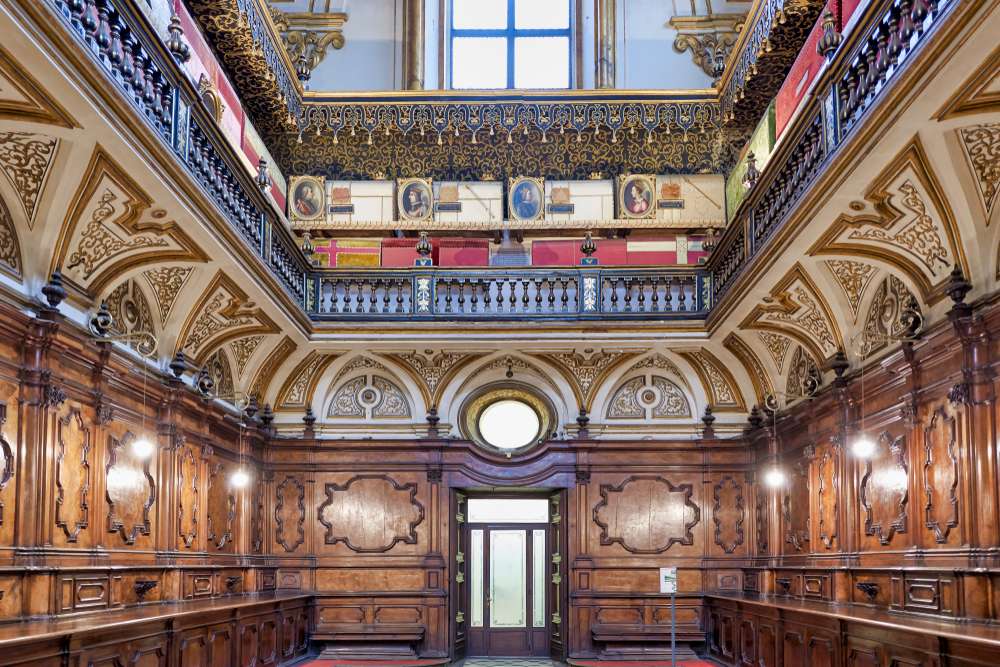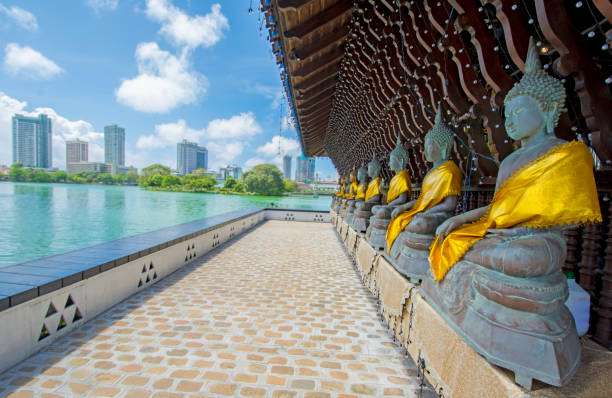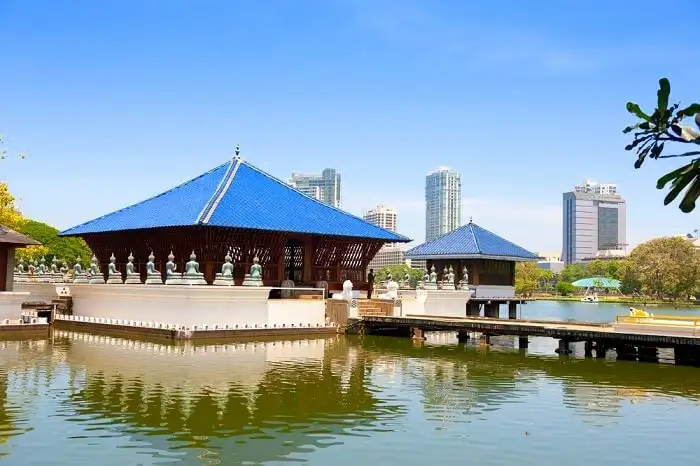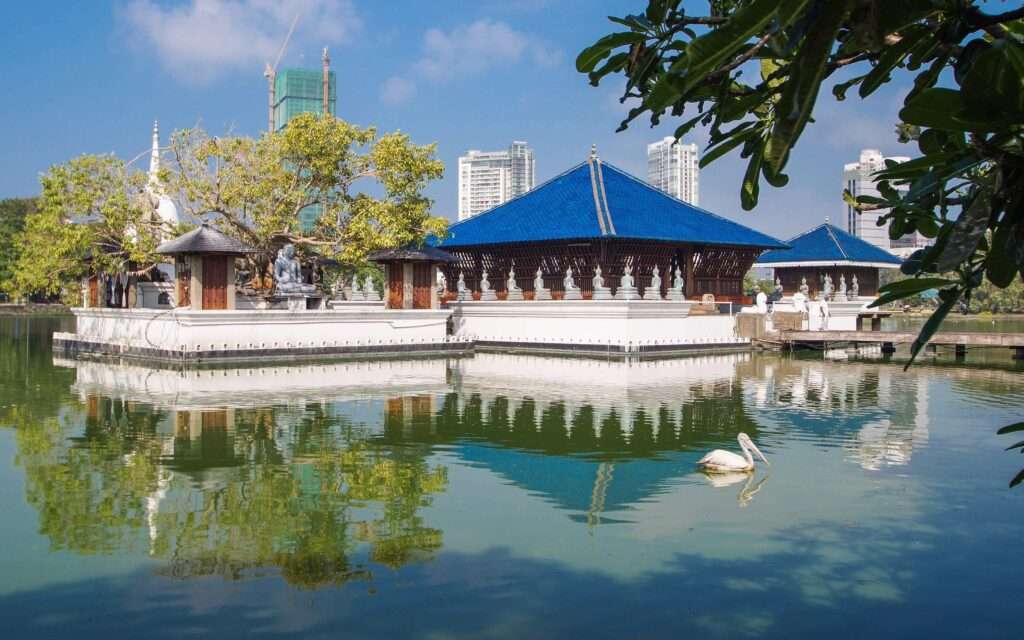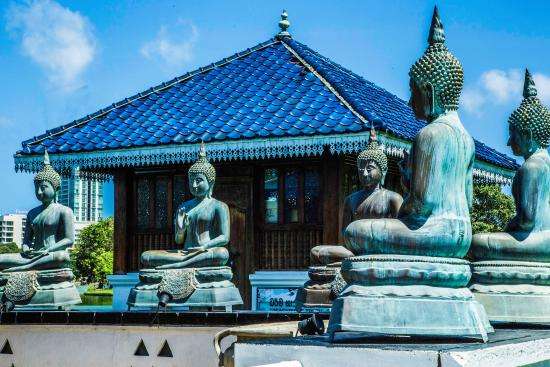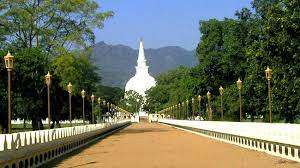
The Dowa Temple | A Unique heritage temple in Sri Lanka

SHARE

The Dowa Temple – Bandarawala

Tucked away amidst the misty hills of Bandarawela, Sri Lanka, lies a hidden gem that emanates tranquility and spiritual serenity. The Dowa Temple, with its rich history and breathtaking surroundings, is a testament to the island’s cultural and religious heritage. Join us as we delve into the captivating allure of the Dowa Temple and the captivating experiences it offers.

After exploring the historical and spiritual significance of Dowa Temple, visitors can embark on a trek to Ella Rock, marvel at the beauty of Ravana Falls, enjoy the panoramic views from Lipton’s Seat, witness the architectural wonder of the Nine Arches Bridge, or immerse themselves in nature at Handana Birds Park. For more information about Sri Lanka and its attractions, visit the Sri Lanka Tourism Board and for visa and travel requirements, check the Sri Lanka Immigration & Visa Services
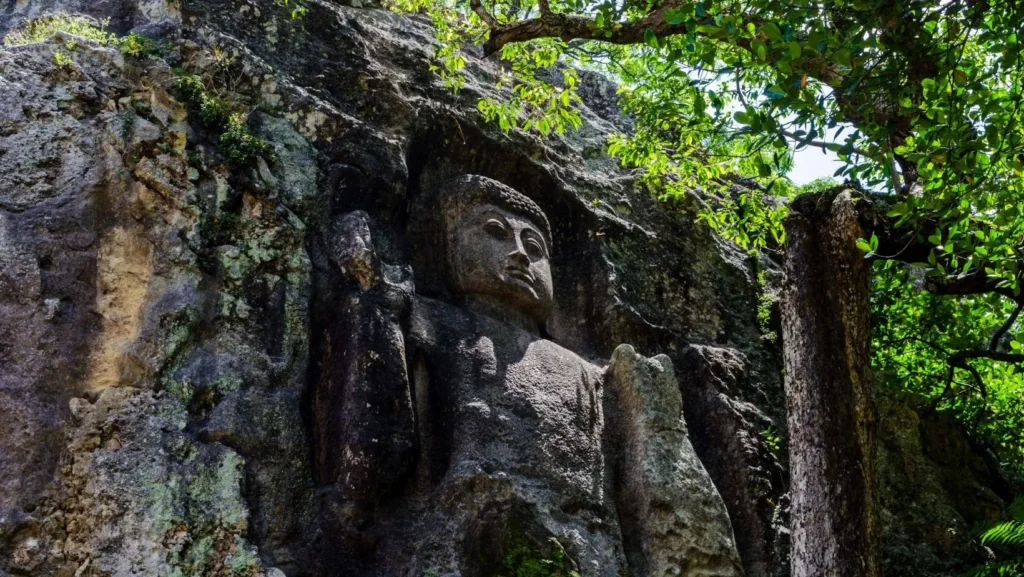
Dowa Temple

Introduction: A Spiritual Oasis – Dowa Temple

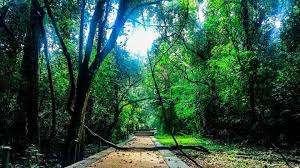
Nestled amidst the lush landscapes of Bandarawela, the Dowa Temple is a haven for those seeking spiritual solace and a deep connection with history. Surrounded by mist-kissed hills and gentle breezes, this temple offers a serene escape from the bustle of modern life.
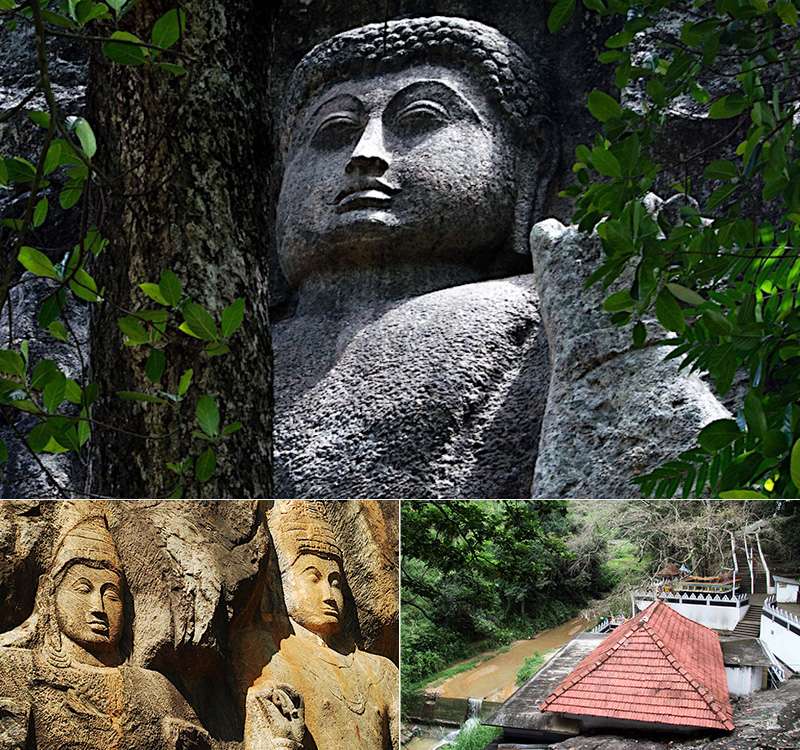
Dowa Temple

A Glimpse into History: Origins and Significance of Dowa Temple

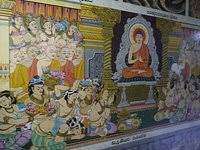
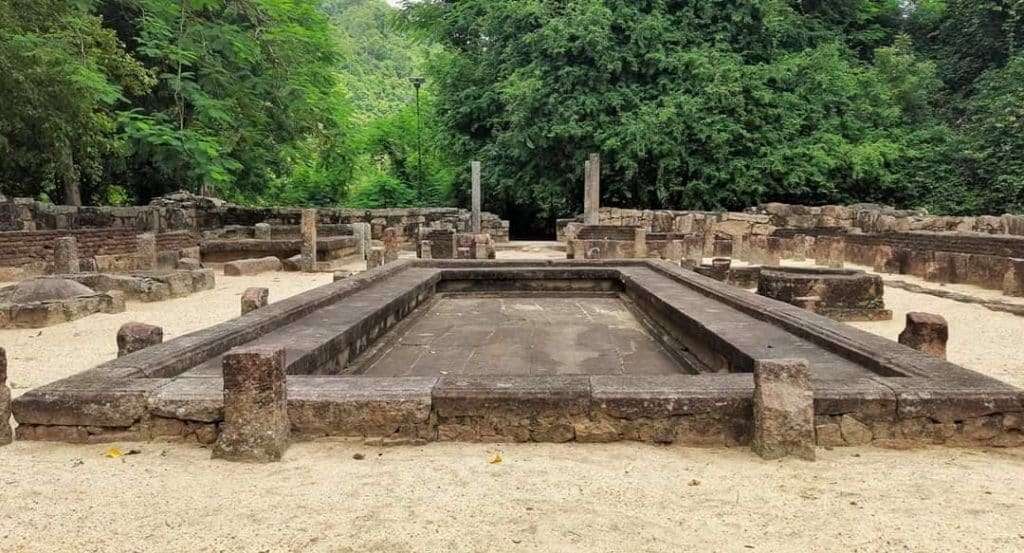
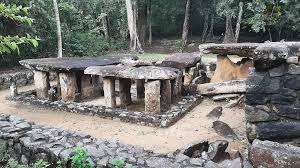
The Dowa Temple carries a history that dates back centuries. Originally established during the Kandyan Kingdom, this temple holds deep significance for both locals and pilgrims. Its origins are steeped in folklore and legend, adding an air of mystery to its ancient walls.
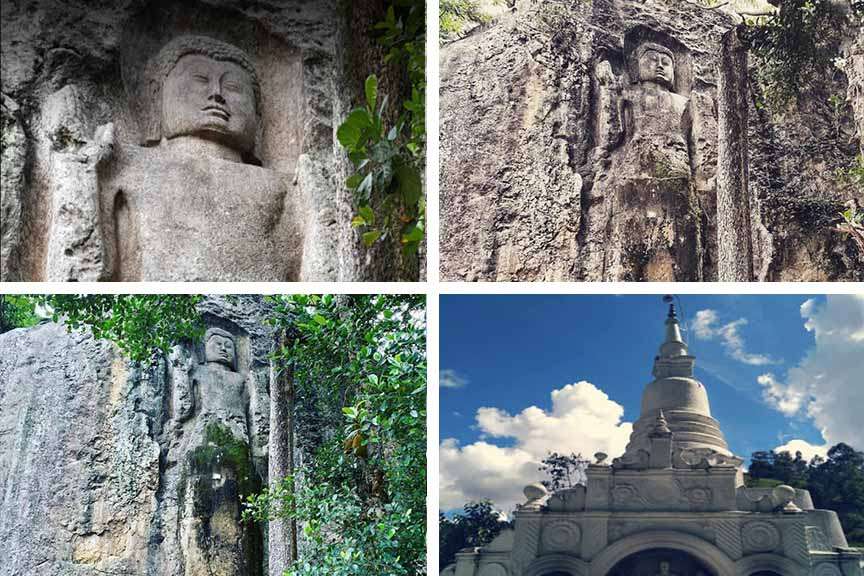
Dowa Temple

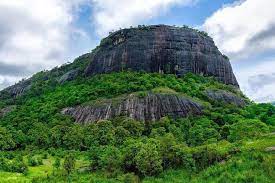
Architectural Marvel: The Cave Temple

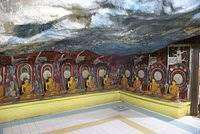
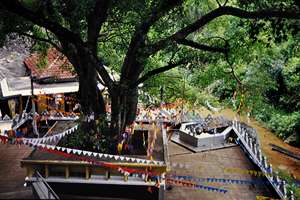
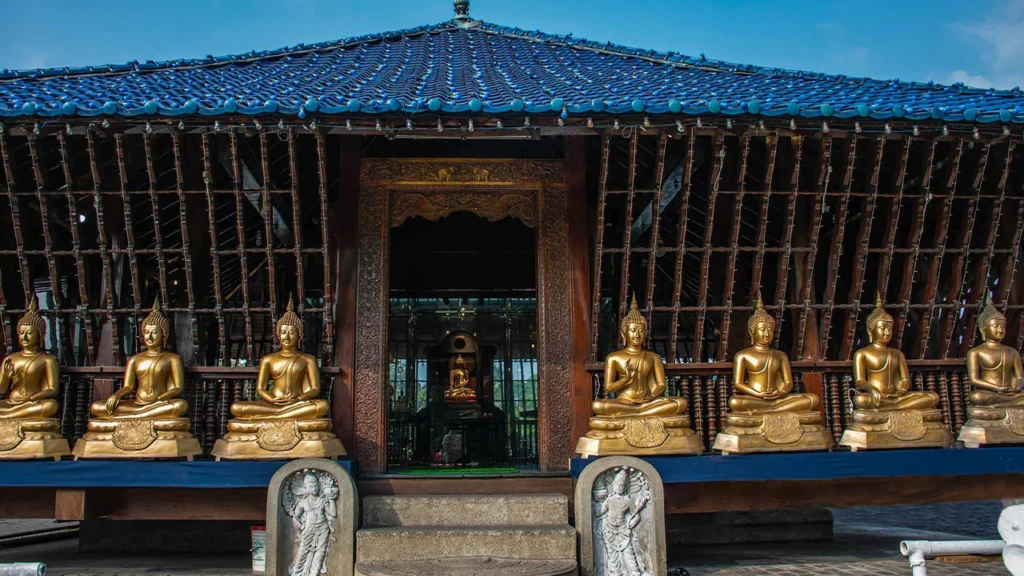
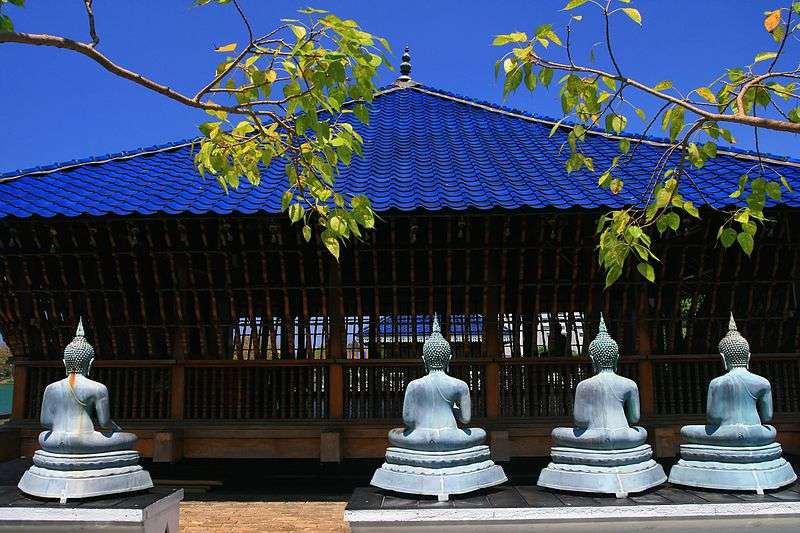
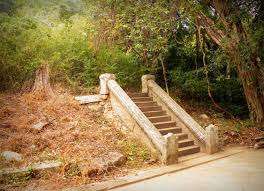
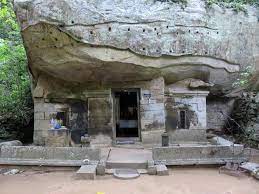
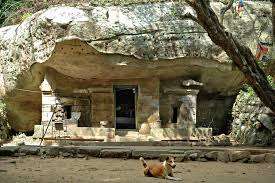
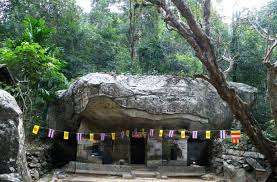
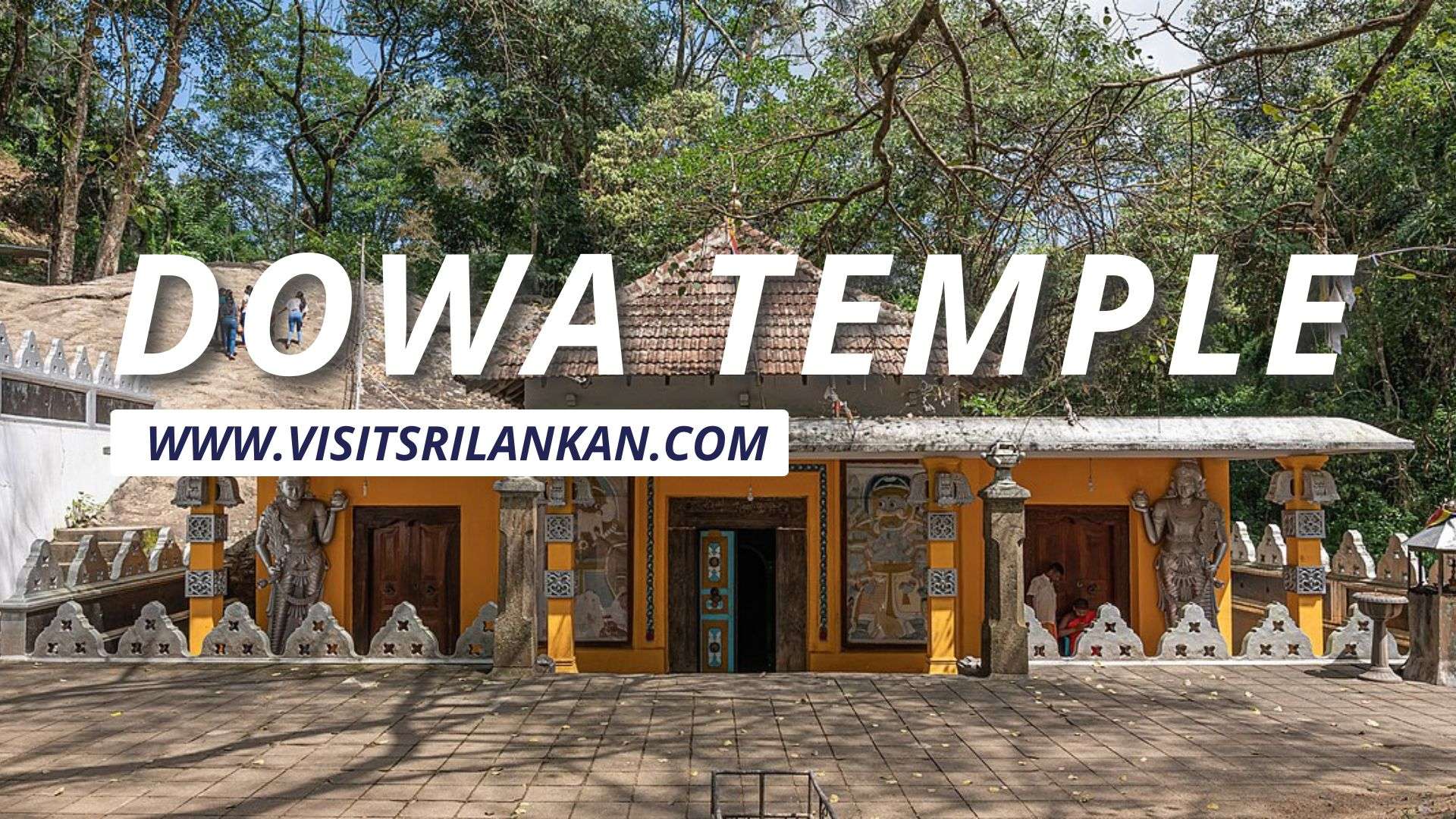
One of the most remarkable features of the Dowa Temple is its cave-like structure carved into the rock face. This architectural marvel seamlessly blends with the natural surroundings, creating a harmonious blend of human craftsmanship and nature’s beauty.
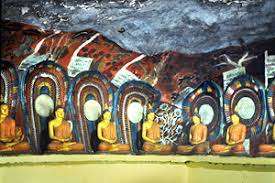
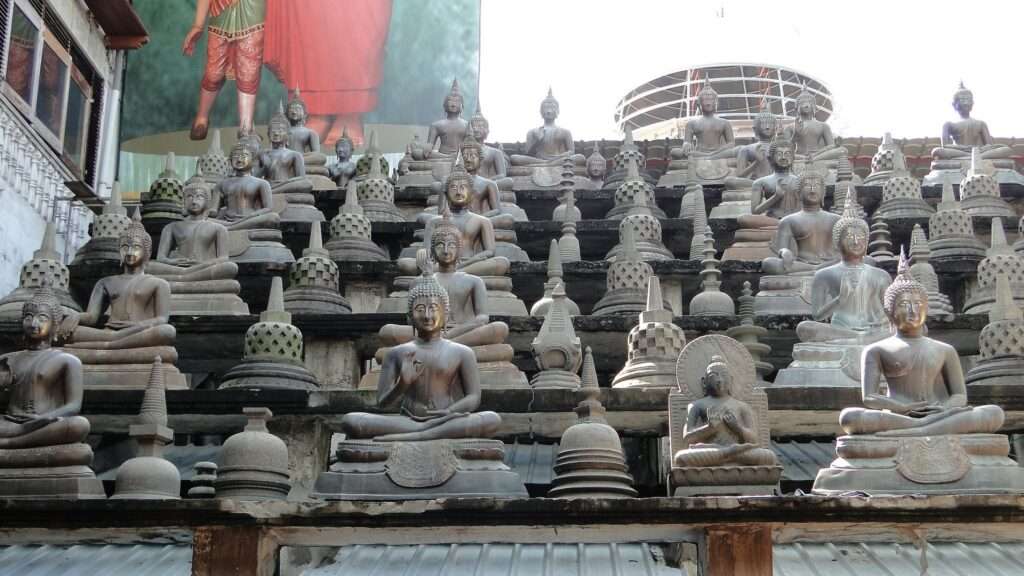
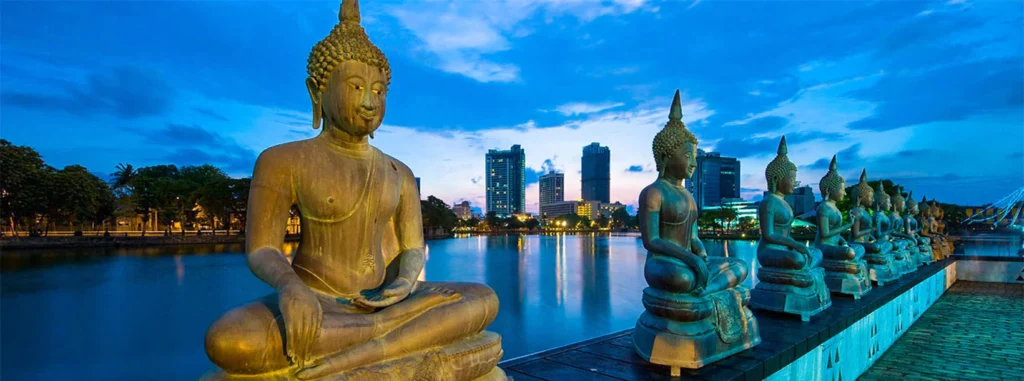
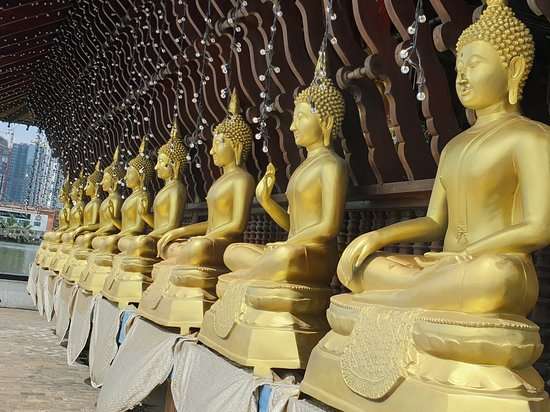
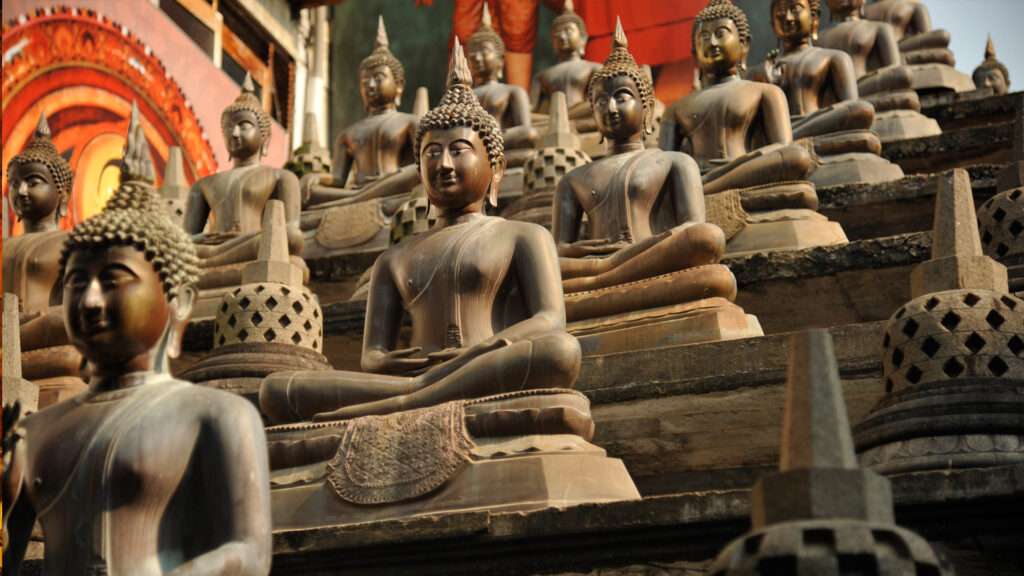
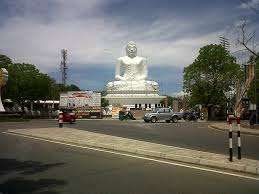
Statue of Peace: Majestic Buddha Image at Dowa Temple

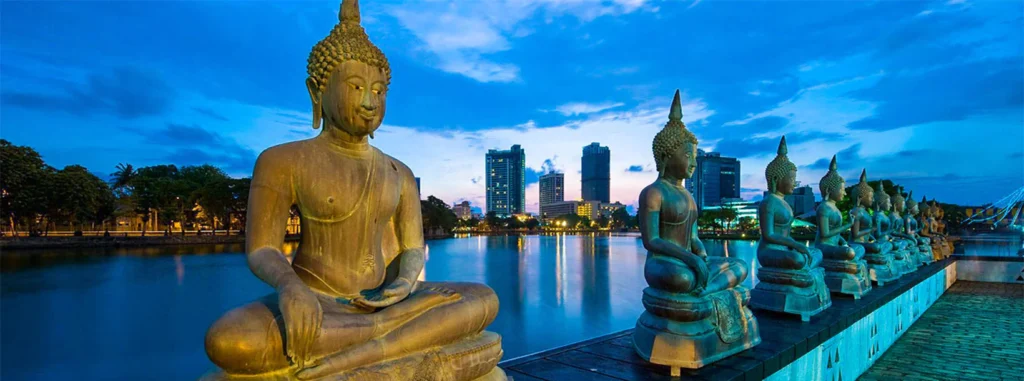
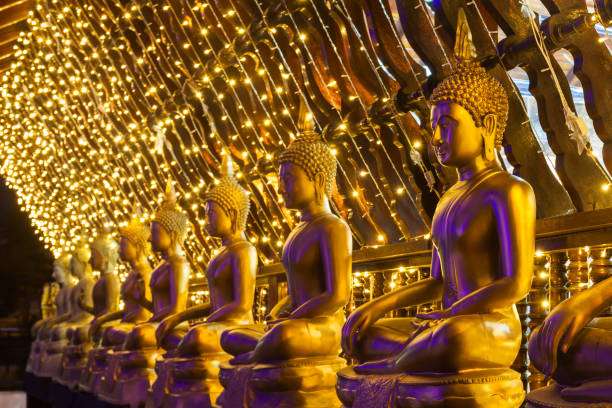
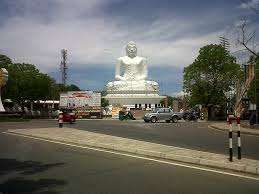
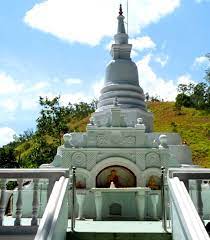
At the heart of the temple’s sanctum stands a magnificent Buddha statue that exudes a sense of peace and tranquility. The statue’s sheer size and intricate detailing evoke a sense of awe, inviting visitors to pause and reflect.
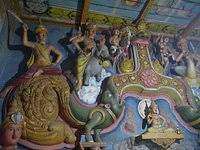
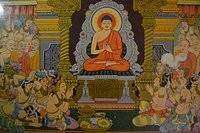
Panoramic Views: Embracing Natural Beauty

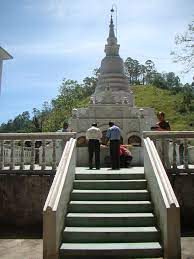
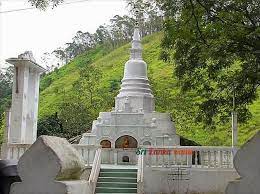
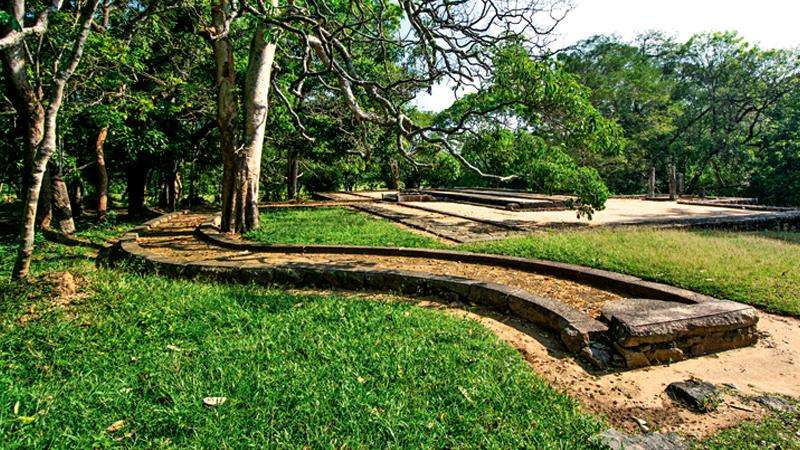
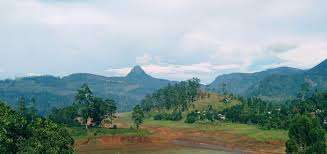
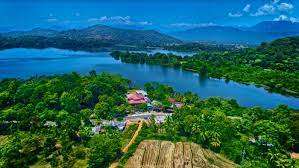
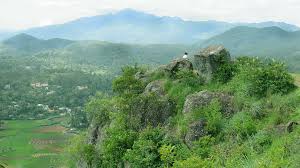
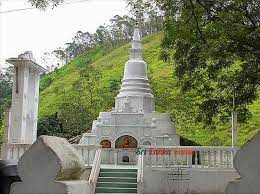
Perched atop a hill, the Dowa Temple offers panoramic views of the rolling hills, mist-shrouded valleys, and lush greenery. The temple’s vantage point provides a serene setting to soak in the beauty of nature, making it a photographer’s paradise.
Religious Practices: A Hub of Devotion

The temple is a hub of religious activities, drawing devotees and curious visitors alike. The rhythmic chanting of prayers, the lighting of oil lamps, and the fragrance of incense create an atmosphere of devotion that resonates deep within.
Festivals and Celebrations: Vibrant Cultural Gatherings at Dowa Temple

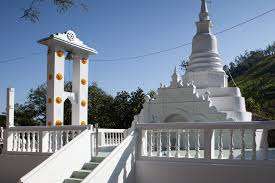
The Dowa Temple comes alive during festivals and celebrations. Vibrant processions, traditional dances, and intricate decorations turn the temple grounds into a colorful spectacle, offering a glimpse into the heart of Sri Lankan culture.
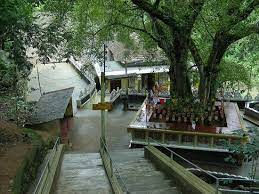
Rejuvenating Mind and Soul: Meditation and Retreats

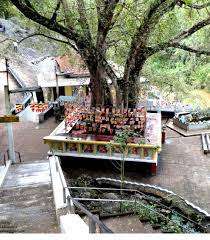
For those seeking to find inner peace, the Dowa Temple offers meditation retreats. Surrounded by nature’s tranquility, these retreats provide a serene environment for self-discovery and reflection.
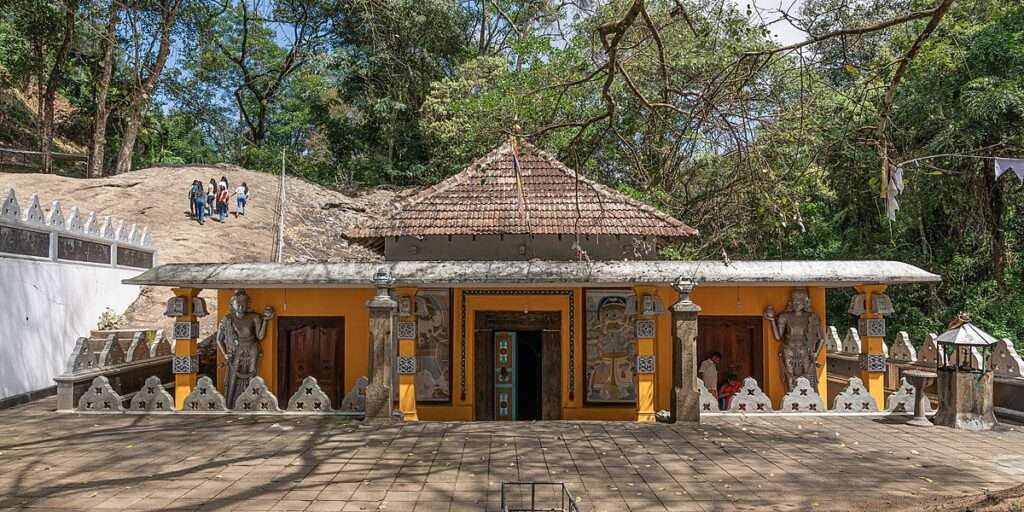
Dowa Temple

Exploring the Surroundings: Nature Walks and Beyond the Dowa Temple

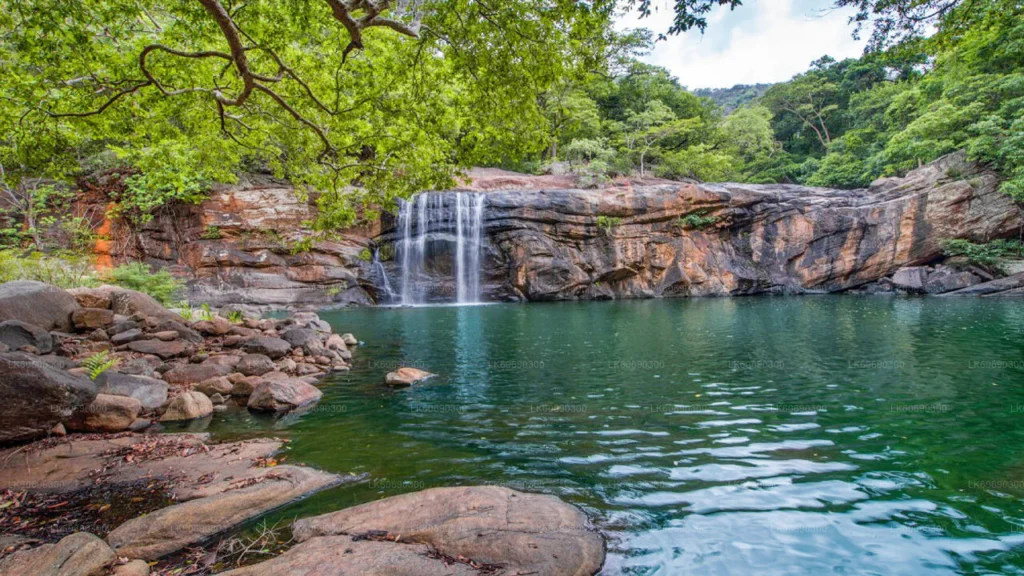
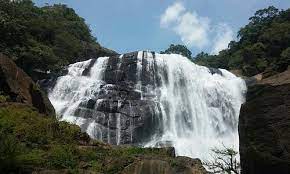
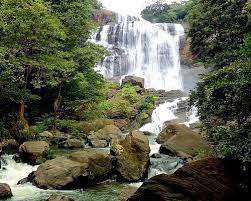
Beyond the temple, the surrounding area beckons with its scenic trails and nature walks. Embark on a journey to discover hidden waterfalls, tea plantations, and the unique flora and fauna that call this region home.

Preserving the Past: Temple Conservation Efforts

Efforts are underway to preserve the historical and cultural heritage of the Dowa Temple. Conservation initiatives ensure that this sacred site continues to inspire generations to come.

How to Reach: Accessible Routes

The Dowa Temple is accessible from various points within Bandarawela. Whether you choose to drive or take a leisurely stroll through the charming streets, reaching the temple is an adventure in itself.

Visitor Information: Timings and Guidelines

Before visiting, it’s advisable to familiarize yourself with the temple’s timings and guidelines. Respecting local customs and traditions enhances the experience for both visitors and the temple’s regular devotees.

Conclusion: A Journey of Inner Harmony

The Dowa Temple in Bandarawela isn’t just a physical place; it’s a journey into the depths of one’s soul. Surrounded by nature’s beauty and steeped in history, this temple offers an opportunity to find inner harmony and connect with the essence of Sri Lanka’s spiritual legacy.

FAQs

  1. Is there an entrance fee to visit the Dowa Temple? The temple typically does not charge an entrance fee, but donations for maintenance are appreciated.
  2. Are visitors allowed to take photographs within the temple premises? Yes, photography is generally allowed, but it’s important to be respectful of the surroundings and fellow visitors.
  3. Can visitors participate in the temple’s religious practices? While visitors are welcome to observe and experience the temple’s practices, it’s advisable to do so with reverence and understanding.
  4. Are there any nearby attractions to explore after visiting the temple? Absolutely! Bandarawela and its surroundings offer various attractions, including tea estates, waterfalls, and scenic viewpoints.
  5. Are there any accommodations available near the Dowa Temple? Bandarawela offers a range of accommodations to suit different preferences and budgets, ensuring a comfortable stay for visitors.
SHARE
SHARE

The Gal Vihara | This Exquisite Rock Temple | Polanaruwa

Nestled within the rich historical tapestry of Sri Lanka lies an architectural gem that transcends time – the Gal Vihara. This exquisite rock temple complex, located in the ancient city of Polonnaruwa, showcases a breathtaking display of ancient Sri Lankan craftsmanship and devotion. Let’s embark on a journey to explore the marvels of Gal Vihara and delve into the secrets it holds.

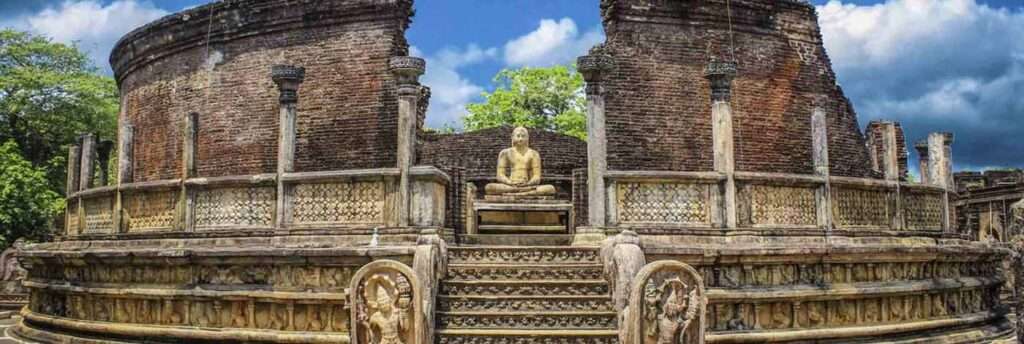
After exploring the remarkable Gal Vihara, visitors can discover the architectural beauty of the Polonnaruwa Vatadage, admire the grandeur of the Rankoth Vehera, visit the towering Lankatilaka Vihara, appreciate the preservation of the Kiri Vehera, or enjoy the serene surroundings of the Parakrama Samudra. For more information about Sri Lanka and its attractions, visit VisitSriLankan.com, the Sri Lanka Tourism Board, and check visa requirements at the Sri Lanka Immigration & Visa Services.

gal Vihara

A Glimpse into History

Origins and Significance

Gal Vihara, also known as the “Stone Temple,” was constructed during the 12th century under the reign of King Parakramabahu I. This sacred site was designed to honor the teachings of Lord Buddha and the principles of Theravada Buddhism. It stands as a testament to the artistic and architectural prowess of the ancient Sinhalese civilization.

gal Vihara

Architectural Splendor

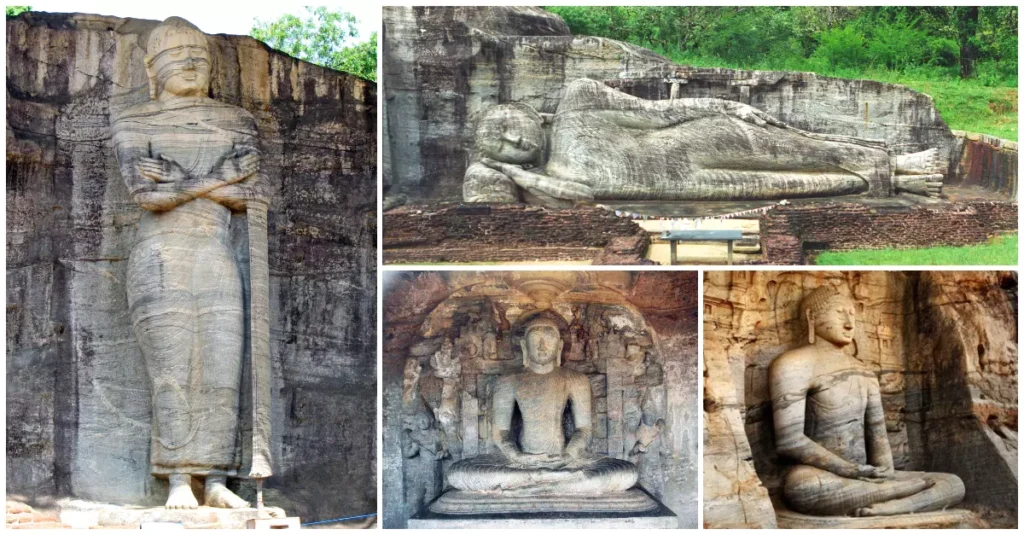
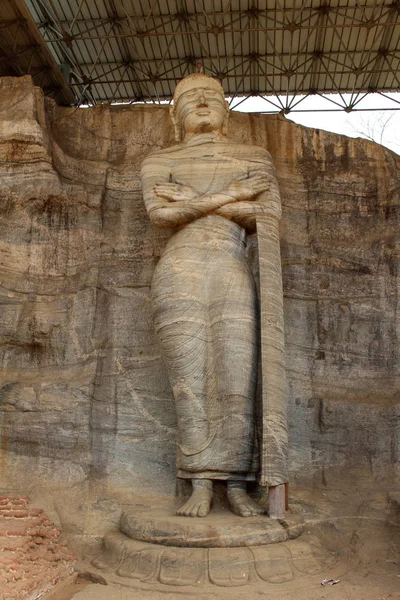
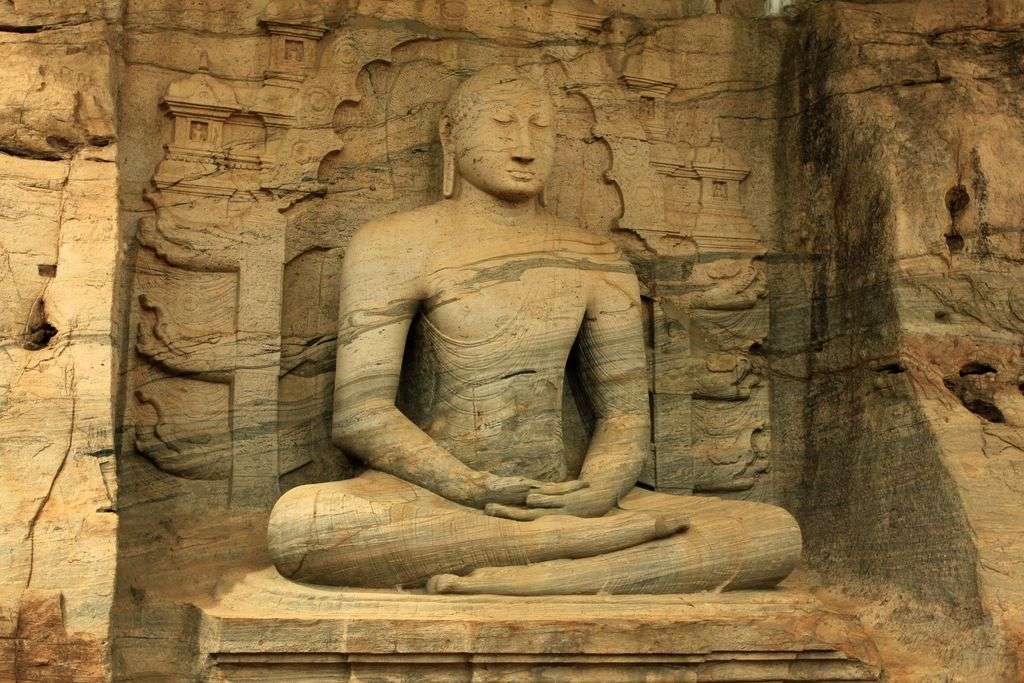
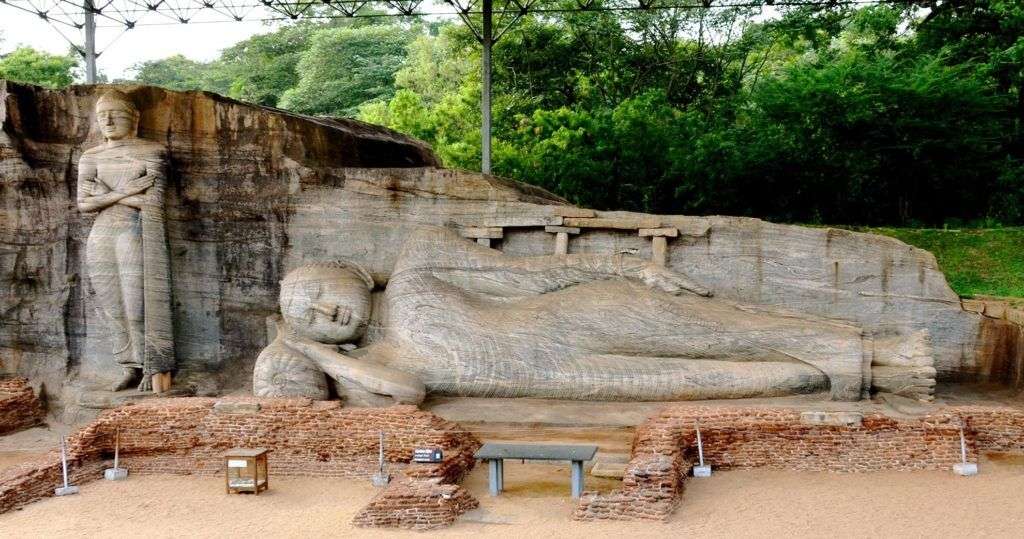
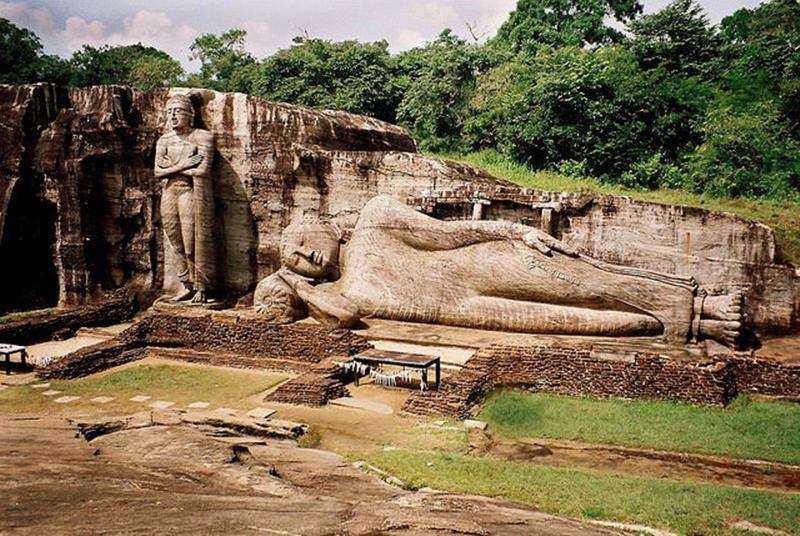
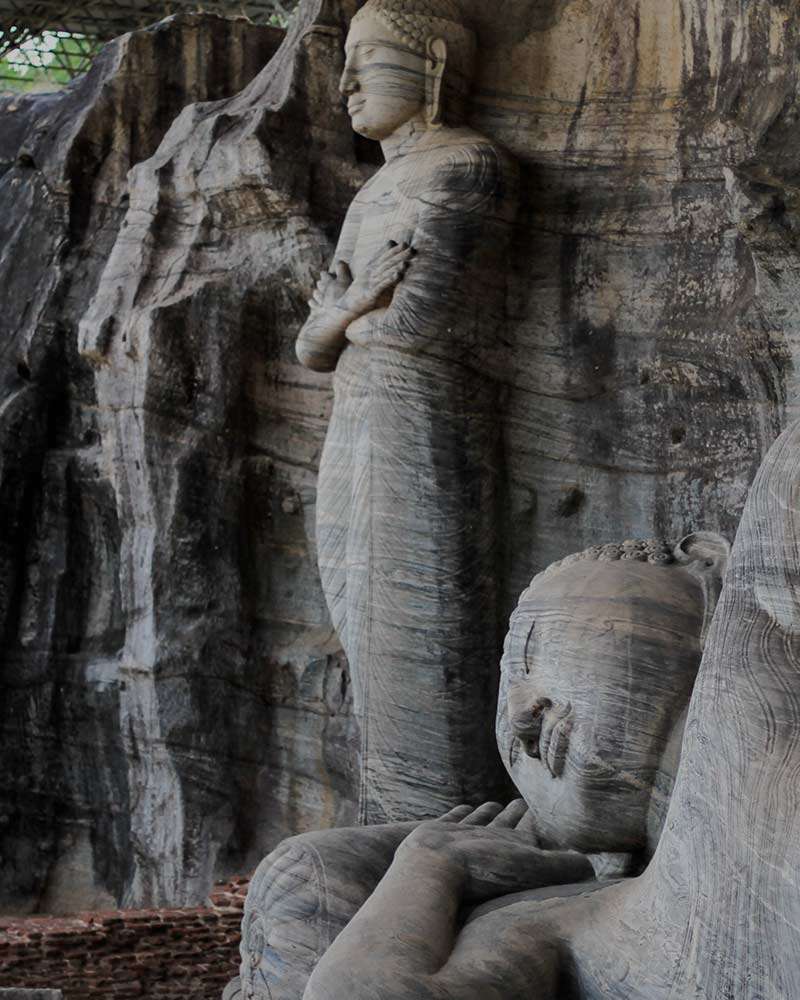
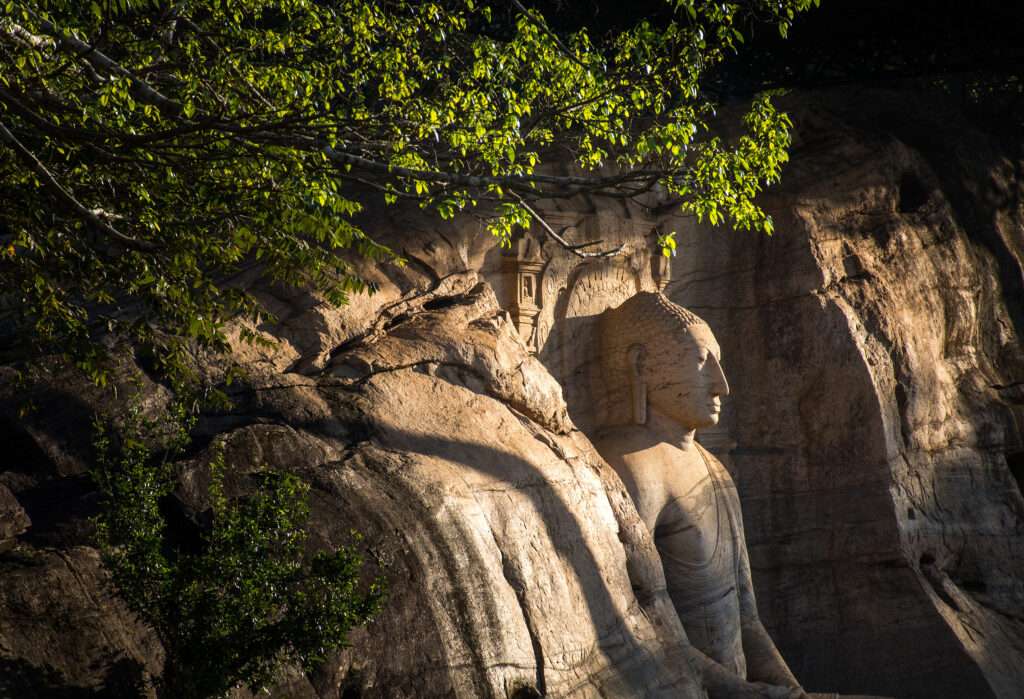
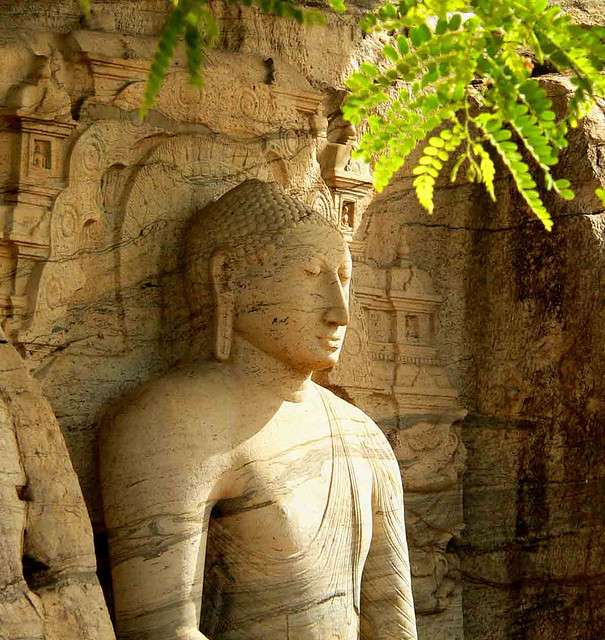
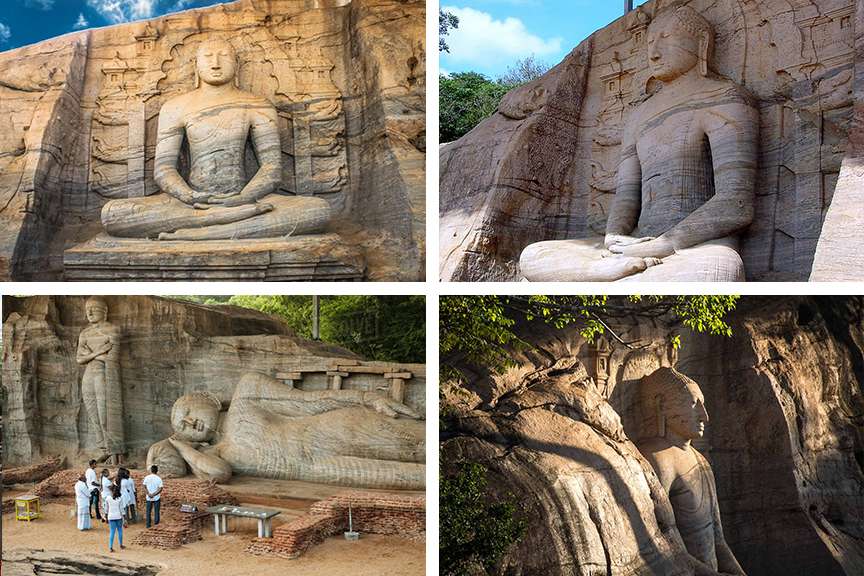
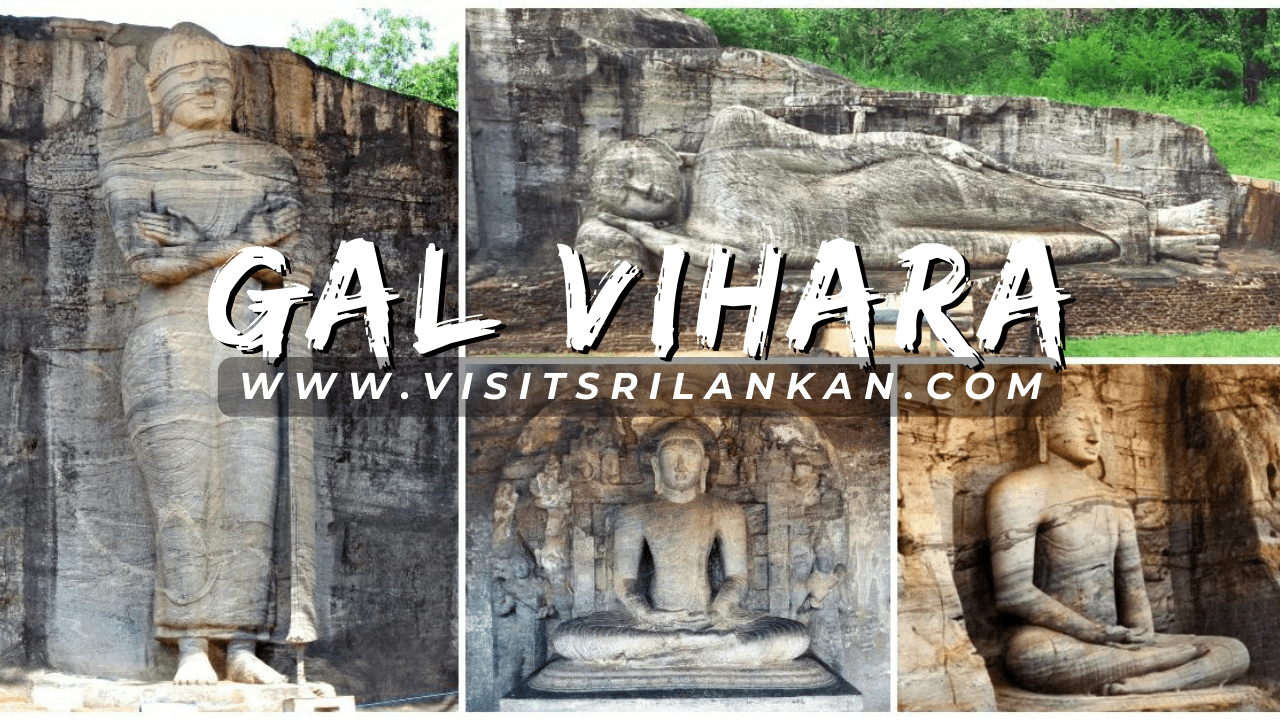
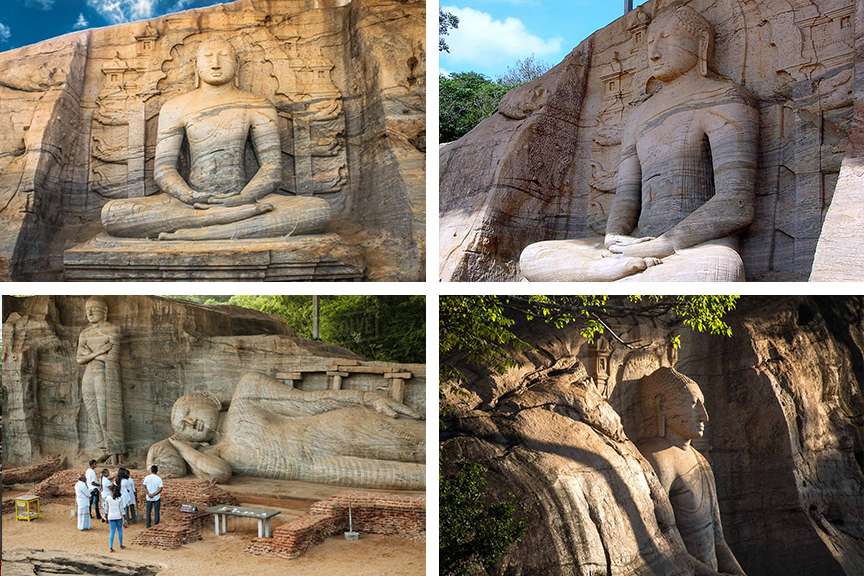
The temple complex consists of four distinct rock-cut statues, each hewn from a single granite rock face. These statues include a standing Buddha, a seated Buddha in meditation, a reclining Buddha, and a smaller figure believed to depict Ananda, a devoted disciple of Buddha. The precision and detail with which these sculptures were carved are awe-inspiring, demonstrating the meticulous craftsmanship of the artisans.

gal Vihara

Artistry and Symbolism

The Standing Buddha

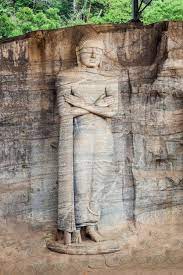
The centerpiece of Gal Vihara is the majestic standing Buddha statue, which rises to a height of over 22 feet. This statue, with its serene expression and graceful posture, embodies the virtues of enlightenment, compassion, and inner peace. The intricately carved robe drapery adds a lifelike dimension to the stone figure.

The Seated Buddha

Adjacent to the standing Buddha is the seated Buddha, captured in a meditative pose known as the “Dhyana Mudra.” This posture symbolizes focused contemplation and self-awareness. The facial expression reflects a state of profound tranquility, inviting visitors to share in the spiritual experience.

gal Vihara

The Reclining Buddha

The reclining Buddha statue, spanning nearly 46 feet in length, portrays Buddha in his final moments before attaining nirvana. The delicate facial features and the graceful curve of the body evoke a sense of serenity, reminding viewers of the impermanence of life and the quest for enlightenment.

Ananda – The Devoted Disciple

The smaller sculpture of Ananda, positioned near the seated Buddha, exemplifies the essence of devotion and humility. Ananda’s presence serves as a reminder of the significance of a faithful disciple in preserving and propagating the teachings of Buddha.

Cultural and Spiritual Significance

Pilgrimage and Reverence

Gal Vihara has long been a pilgrimage site for Buddhists from around the world. Devotees and tourists alike are drawn to its sacred aura, seeking spiritual solace and a connection to the teachings of Buddha. The statues inspire reflection, meditation, and a sense of awe that transcends language and culture.

Preservation Efforts

Efforts to protect and preserve Gal Vihara have been ongoing for centuries. The UNESCO World Heritage Site designation has played a crucial role in safeguarding this treasure for future generations. Conservation initiatives and restoration projects continue to ensure that Gal Vihara remains a living testament to Sri Lanka’s rich heritage.

Conclusion

In the heart of Sri Lanka, the Gal Vihara stands as a testament to the artistic brilliance and spiritual devotion of the ancient world. Its timeless statues, each telling a story of enlightenment and compassion, offer a glimpse into the profound teachings of Buddhism. As we stand before these masterpieces of ancient sculpture, we are reminded of the universal quest for meaning and the enduring power of art to connect us with our shared human experience.

gal Vihara

FAQs about Gal Vihara

  1. What is the significance of the Gal Vihara statues? The Gal Vihara statues hold deep spiritual significance, symbolizing different aspects of Buddha’s journey towards enlightenment.
  2. How were the Gal Vihara statues carved from a single rock? The sculptures were meticulously carved using chisels and other hand tools by skilled artisans, showcasing their exceptional craftsmanship.
  3. Can visitors enter the interior of the statues? No, the statues are solid and not hollow. Visitors can only admire the exterior carvings and intricate details.
  4. Are there any festivals or events celebrated at Gal Vihara? Yes, Vesak, the celebration of Buddha’s birth, enlightenment, and death, is a significant event at Gal Vihara, attracting numerous pilgrims.
  5. Is photography allowed within the temple complex? Yes, photography is allowed, but visitors are often encouraged to be respectful and considerate while taking pictures.

SHARE

Gangaramaya : A Unique Buddhist Temple in Heart of Sri Lanka

SHARE

Table of Contents

  1. Introduction
  2. A Historical Overview
  3. The Architecture and Design
  4. The Vihara and Bo Tree
  5. The Museum
  6. The Annual Nawam Perahera
  7. The Temple’s Role in Buddhist Education
  8. Community Outreach and Welfare
  9. A Melting Pot of Cultures
  10. Preserving Tradition in a Modern World
  11. Finding Inner Peace at Gangaramaya Temple
  12. The Temple’s Relevance in Today’s Society
  13. Popular Misconceptions and Clarifications
  14. Sustainable Practices at Gangaramaya
  15. Conclusion
  16. FAQs

1. Introduction

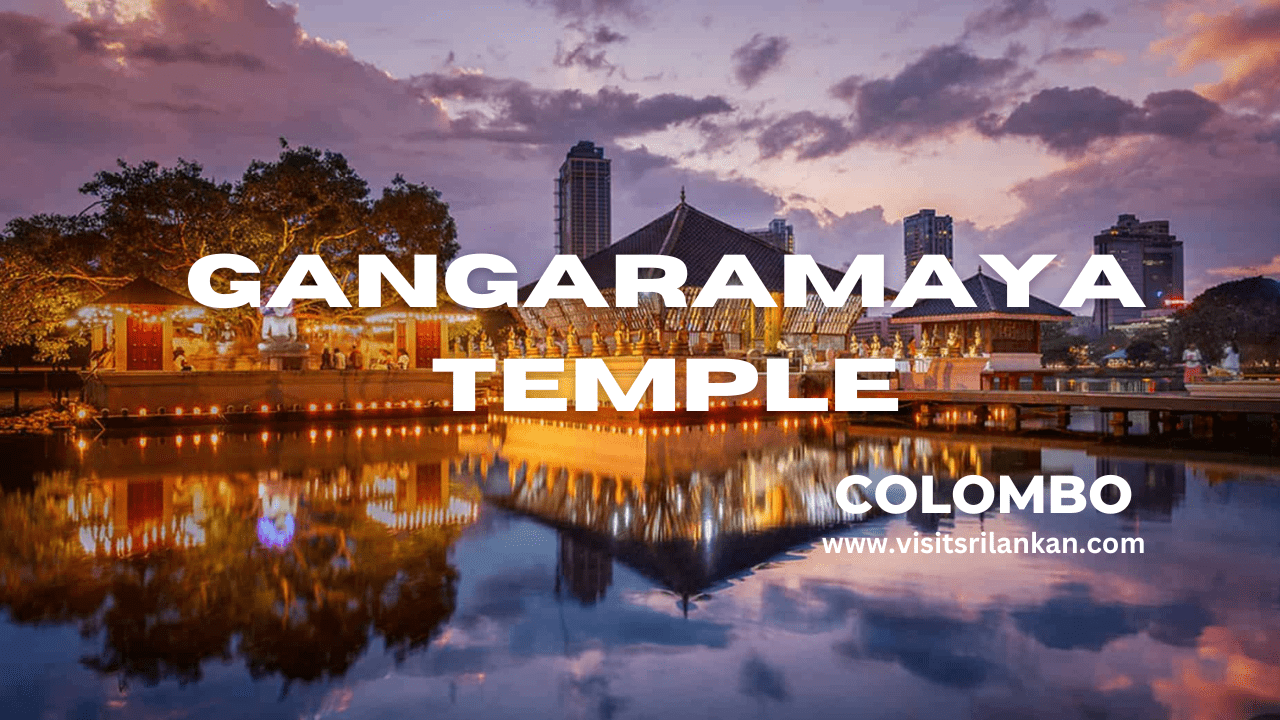
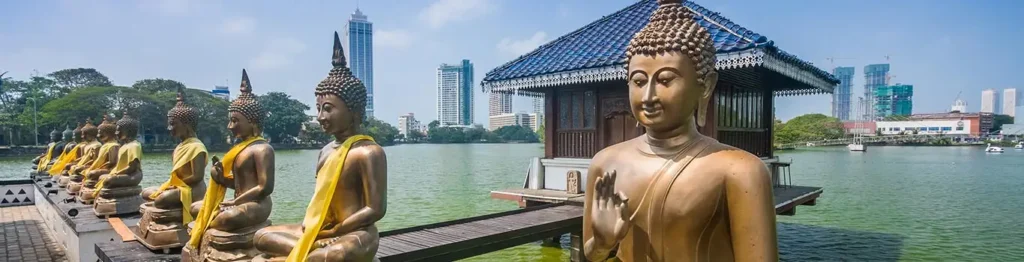
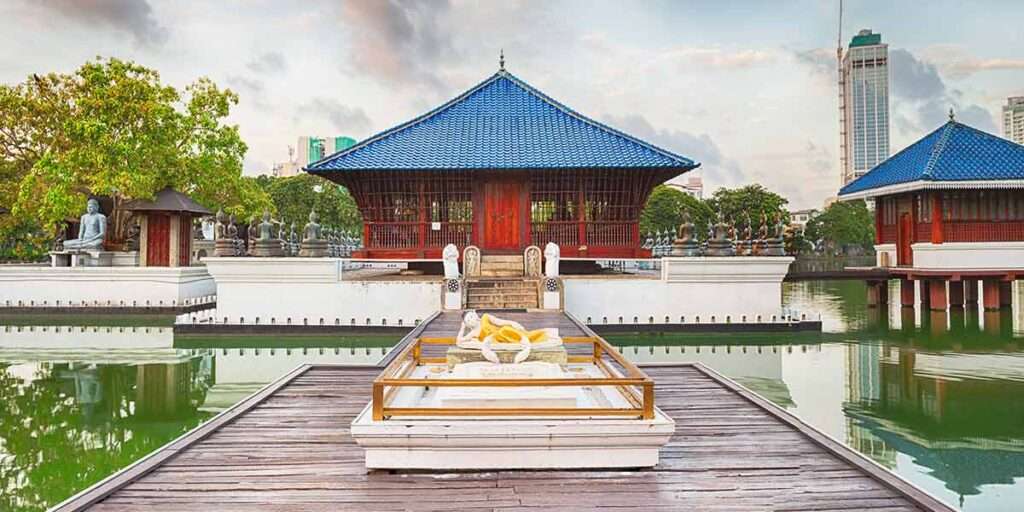
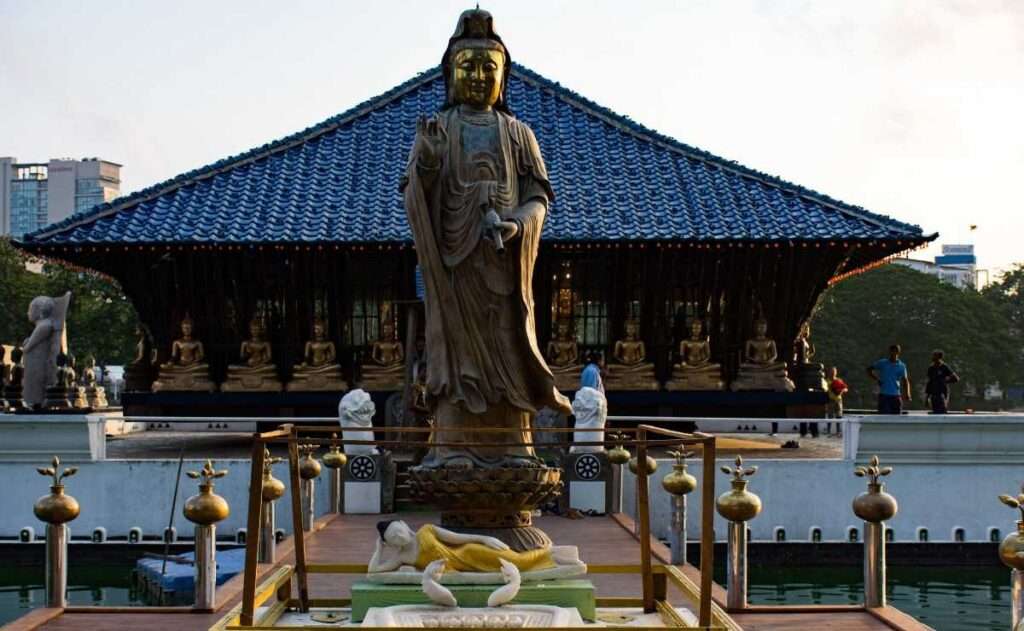
Gangaramaya Temple in Colombo, Sri Lanka, is one of the most famous Buddhist temples in the country, celebrated for its stunning architecture, deep spiritual significance, and vibrant cultural heritage. As a top attraction in Colombo, Gangaramaya Temple blends traditional Sri Lankan, Thai, Indian, and Chinese design elements, making it a must-visit site for travelers and devotees. In this article, discover the temple’s rich history, unique architectural features, sacred shrines, cultural contributions, and its vital role in Sri Lanka’s Buddhist community today.

gangaramaya, gangaramaya temple, gangaramaya colombo, gangaramaya sri lanka, colombo temples, buddhist temple sri lanka, gangaramaya museum, seema malaka, colombo attractions, sri lanka tourism, religious places colombo, gangaramaya visitor guide

2. A Historical Overview

Gangaramaya Temple traces its roots back to the late 19th century when it was established by the renowned scholar-monk Ven. Hikkaduwe Sri Sumangala Nayaka Thera. Since its inception, the temple has played a pivotal role in promoting Buddhism and preserving Sri Lanka’s religious and cultural heritage.

gangaramaya, gangaramaya temple, gangaramaya colombo, gangaramaya sri lanka, colombo temples, buddhist temple sri lanka, gangaramaya museum, seema malaka, colombo attractions, sri lanka tourism, religious places colombo, gangaramaya visitor guide

3. The Architecture and Design

The temple’s architectural design is a remarkable blend of Sri Lankan, Thai, Indian, and Chinese styles. Intricately carved woodwork, vibrant colors, and awe-inspiring statues adorn the premises, creating an enchanting ambiance that captivates visitors from all over the world.

gangaramaya, gangaramaya temple, gangaramaya colombo, gangaramaya sri lanka, colombo temples, buddhist temple sri lanka, gangaramaya museum, seema malaka, colombo attractions, sri lanka tourism, religious places colombo, gangaramaya visitor guide

4. The Vihara and Bo Tree

At the heart of Gangaramaya Temple lies the main Vihara, a sacred sanctuary where monks engage in daily prayers and meditation. Adjacent to the Vihara stands a sacred Bodhi tree, believed to be a sapling of the historic Bodhi tree in India, under which Lord Buddha attained enlightenment.

5. The Museum

The temple houses a fascinating museum that displays an extensive collection of religious artifacts, ancient scriptures, and cultural relics. Visitors can immerse themselves in Sri Lanka’s history and gain a deeper understanding of the country’s Buddhist heritage.

gangaramaya, gangaramaya temple, gangaramaya colombo, gangaramaya sri lanka, colombo temples, buddhist temple sri lanka, gangaramaya museum, seema malaka, colombo attractions, sri lanka tourism, religious places colombo, gangaramaya visitor guide

6. The Annual Nawam Perahera

One of the most captivating events at Gangaramaya Temple is the annual Nawam Perahera, a grand procession filled with color, music, and religious rituals. This vibrant celebration attracts thousands of locals and tourists alike, offering a glimpse into the country’s rich cultural traditions.

7. The Temple’s Role in Buddhist Education

Gangaramaya Temple serves as an educational hub for aspiring monks, providing comprehensive teachings in Buddhist philosophy, scriptures, and meditation. The temple’s commitment to Buddhist education plays a vital role in shaping the spiritual leaders of tomorrow.

8. Community Outreach and Welfare

Beyond its religious significance, Gangaramaya Temple actively engages in community outreach programs. From providing food and shelter to the underprivileged to supporting educational initiatives, the temple strives to uplift the lives of those in need.

9. A Melting Pot of Cultures

The temple’s diverse architecture and cultural events exemplify Sri Lanka’s cultural melting pot. It welcomes people of all backgrounds, fostering a sense of unity and promoting intercultural harmony.

10. Preserving Tradition in a Modern World

In an ever-changing world, Gangaramaya Temple successfully preserves ancient traditions while adapting to contemporary challenges. This ability to strike a balance between tradition and modernity is a remarkable feat.

11. Finding Inner Peace at Gangaramaya Temple

Visitors often describe experiencing a sense of tranquility and inner peace while at Gangaramaya Temple. The serene atmosphere and spiritual energy create a perfect setting for meditation and self-reflection.

12. The Temple’s Relevance in Today’s Society

Despite the challenges posed by the modern world, Gangaramaya Temple remains an essential pillar of Sri Lanka’s cultural and religious identity. Its unwavering commitment to preserving tradition and promoting spirituality continues to inspire generations.

13. Popular Misconceptions and Clarifications

Addressing some common misconceptions about Gangaramaya Temple, it is essential to understand its true essence and significance beyond the external facade.

14. Sustainable Practices at Gangaramaya

The temple takes pride in its efforts towards sustainability and environmental conservation. From energy-efficient practices to waste management, it sets an example for other religious institutions to follow.

15. Conclusion

Gangaramaya Temple stands not only as an architectural marvel but also as a spiritual sanctuary, preserving Sri Lanka’s rich heritage and fostering harmony among diverse cultures. Its role in Buddhist education, community welfare, and cultural celebration remains unparalleled, making it an indispensable landmark in the country’s landscape.

FAQs

  1. Is Gangaramaya Temple open to visitors of all faiths?
    • Yes, the temple warmly welcomes visitors of all religious backgrounds.
  2. How can I witness the Nawam Perahera?
    • The Nawam Perahera is held during the full moon of February. Check the temple’s website for specific dates and details.
  3. Can visitors participate in meditation sessions at the temple?
    • Yes, the temple offers meditation sessions for visitors seeking a serene spiritual experience.
  4. Is photography allowed within the temple premises?
    • Yes, photography is permitted, but please be respectful of sacred areas and follow the guidelines provided.
  5. How can I contribute to the temple’s community outreach programs?
    • Donations and volunteering opportunities are available for those interested in supporting the temple’s charitable initiatives.


SHARE

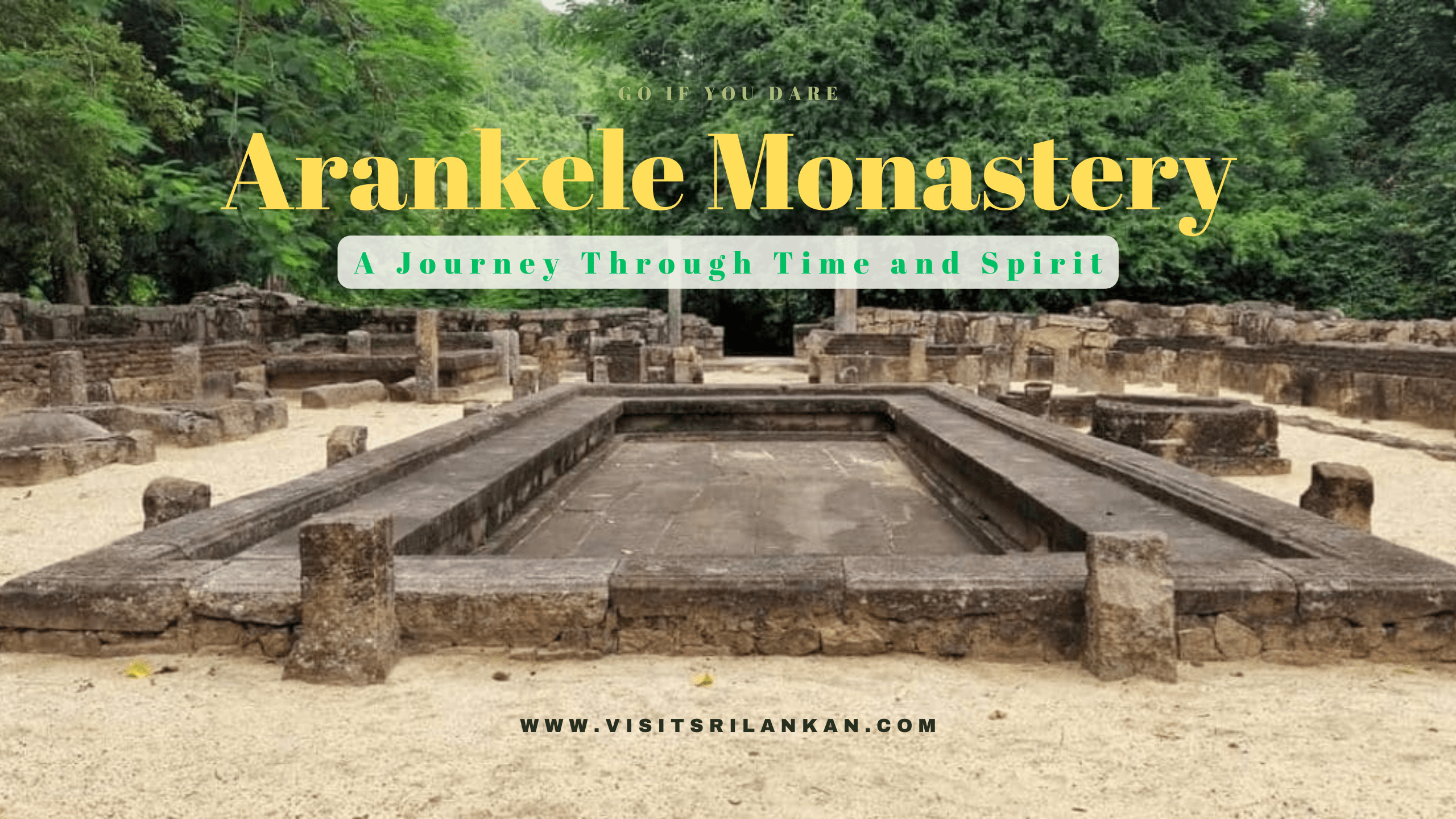
Arankele Monastery | A Journey Through Time and Spirit

SHARE

Outline:

  1. Introduction
  2. The History of Arankele Monastery (H1)
    • Origins and Founding (H2)
    • Growth and Development (H2)
  3. Architecture and Design (H1)
    • Main Buildings and Structures (H2)
    • Art and Sculptures (H2)
  4. Monastic Life at Arankele (H1)
    • Daily Routines and Practices (H2)
    • Spiritual Teachings and Traditions (H2)
  5. Renowned Monks and Teachers (H1)
    • Influential Figures in Arankele’s History (H2)
    • Their Contributions to Buddhism (H2)
  6. Arankele’s Cultural and Historical Significance (H1)
    • Contributions to Buddhism in the Region (H2)
    • Preservation Efforts and Tourist Attractions (H2)
  7. Conclusion
  8. FAQs

Introduction:

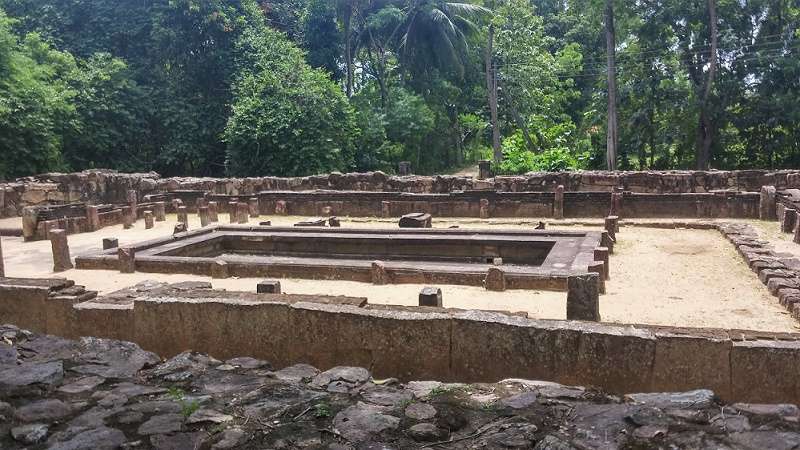
Nestled amidst the lush greenery and tranquil landscapes of Sri Lanka, Arankele Monastery stands as a testament to the rich heritage and spiritual traditions of Buddhism. This ancient monastery, steeped in history, has captivated the hearts of pilgrims and history enthusiasts alike. In this article, we embark on a journey through time to explore the captivating history, architecture, monastic life, and cultural significance of Arankele Monastery.

1. The History of Arankele Monastery:

Origins and Founding:

Arankele Monastery traces its roots back to the 6th century BCE, during the reign of King Kavantissa. It is believed to have been founded by the revered monk, Ven. Mahinda, who played a pivotal role in introducing Buddhism to Sri Lanka. The serene surroundings of the monastery were chosen with great care to provide a peaceful environment for meditation and spiritual practices.

Growth and Development:

Over the centuries, Arankele Monastery flourished and expanded under the patronage of various rulers and generous devotees. It served as a center for Buddhist learning, attracting scholars and monks from far-flung regions. The monastery’s growth mirrored the spread of Buddhism across the island, becoming a significant hub of religious and cultural activities.

2. Architecture and Design:

Main Buildings and Structures:

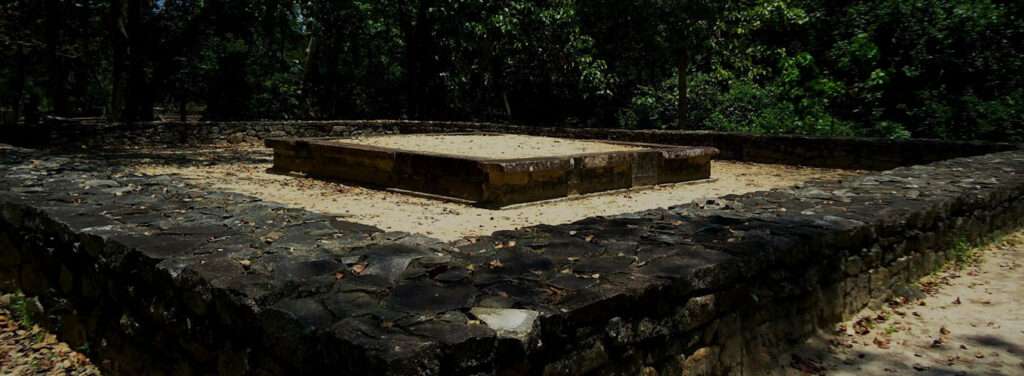
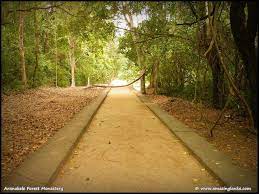
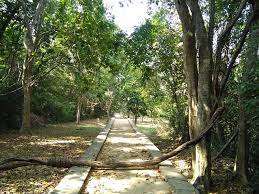
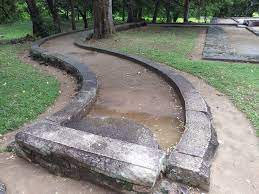
Arankele Monastery boasts an awe-inspiring architectural marvel, reflecting a harmonious blend of ancient Sinhalese craftsmanship and Buddhist symbolism. The main stupa, a symbol of enlightenment, rises majestically against the skyline, drawing visitors into a world of spiritual transcendence. The image house, viharas, and meditation halls stand as silent witnesses to the skilled craftsmanship and devotion of the artisans who built them.

Art and Sculptures:

The walls of Arankele Monastery are adorned with exquisite frescoes and intricate carvings that narrate stories from the life of Lord Buddha. The sculptures of Bodhisattvas and other divine beings evoke a sense of awe and wonder, leaving visitors mesmerized by their beauty and artistry. These art forms not only showcase the artistic brilliance of ancient Sri Lanka but also serve as a means of imparting spiritual teachings to the devotees.

3. Monastic Life at Arankele:

Daily Routines and Practices:

Life within the monastery follows a disciplined routine that revolves around meditation, study, and communal practices. The monks engage in early morning chanting and meditation, seeking inner peace and enlightenment. The tranquil atmosphere and natural surroundings of Arankele Monastery provide an ideal setting for contemplation and self-discovery.

Spiritual Teachings and Traditions:

At Arankele Monastery, the teachings of Lord Buddha are revered and passed down through generations of monastic disciples. The resident monks conduct Dhamma talks and discussions, imparting profound wisdom and guidance to both fellow monks and lay practitioners. The monastery serves as a spiritual sanctuary, nurturing the growth of the Buddhist community.
4. Renowned Monks and Teachers:

Influential Figures in Arankele’s History:

Throughout its long history, Arankele Monastery has been blessed with the presence of enlightened monks and revered teachers. Ven. Kassapa Thera, one of the most eminent figures in the monastery’s history, made significant contributions to the spread of Theravada Buddhism. His teachings and writings have had a lasting impact on Buddhist philosophy.
Their Contributions to Buddhism:

The great monks of Arankele Monastery played instrumental roles in preserving and propagating Buddhist scriptures and teachings. Their profound insights and dedication to the Dhamma enriched the spiritual landscape of Sri Lanka and influenced the evolution of Buddhism in Southeast Asia.

5. Arankele’s Cultural and Historical Significance:

Contributions to Buddhism in the Region:

Arankele Monastery stands as a living legacy of Sri Lanka’s profound Buddhist heritage. It has been a vital center for preserving ancient scriptures, fostering monastic education, and nurturing spiritual seekers. The monastery’s influence has transcended borders, attracting pilgrims and scholars from different corners of the world.

Preservation Efforts and Tourist Attractions:

With the passage of time, Arankele Monastery faced various challenges, but dedicated conservation efforts have ensured its preservation for future generations. Today, the monastery stands as a captivating tourist attraction, drawing visitors from around the globe who seek solace in its serene ambiance and wish to witness the brilliance of ancient Buddhist architecture.

Conclusion:

Arankele Monastery is not merely a historical site but a living embodiment of Sri Lanka’s spiritual and cultural identity. Its ancient walls resonate with the echoes of profound wisdom and devotion that have enriched countless lives over the millennia. Visiting this sacred site provides an opportunity to connect with the essence of Buddhism and immerse oneself in the tranquility of a bygone era.

FAQs:

  1. Is Arankele Monastery still an active place of worship?
    • Yes, Arankele Monastery continues to be a vibrant center of monastic life and spiritual practice.
  2. Can visitors meditate within the monastery premises?
    • Yes, visitors are welcome to meditate and experience the serene ambiance of the monastery.
  3. Are there any specific dress code requirements for visitors?
    • While there are no strict dress code requirements, it is advisable to dress modestly out of respect for the sacred site.
  4. Is photography allowed inside the monastery?
    • Yes, photography is usually allowed, but visitors are requested to refrain from using flash or disrupting the peaceful atmosphere.
  5. Are there any accommodation options available for those who wish to stay longer?
    • Some basic accommodations may be available for monastic guests, but nearby towns offer more extensive lodging options for tourists.

Embarking on a pilgrimage to Arankele Monastery is not just a physical journey but a spiritual odyssey that allows one to delve deep into the profound teachings of Buddhism while marveling at the timeless beauty of ancient architecture.


SHARE

Mihintale A Beautiful Buddhist Rock Temple in Sri Lanka

SHARE

Introduction

Mihintale, a sacred Buddhist site and historic hill near Anuradhapura in Sri Lanka. Renowned as the birthplace of Buddhism in Sri Lanka, Mihintale offers visitors a unique journey through ancient temples, spiritual landmarks, and breathtaking natural beauty. Explore the rich history, religious importance, and stunning views that make Mihintale Rock a must-visit destination for travelers and pilgrims alike.

The Legend of Mihintale

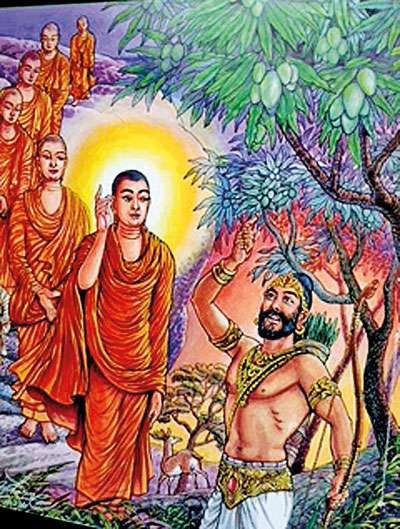
Mihintale is renowned as the cradle of Buddhism in Sri Lanka, as it is the place where Buddhism was first introduced to the island. The story goes back to the 3rd century BC when Emperor Ashoka of India, a devout Buddhist, sent his son Mahinda Thero as a missionary to spread the teachings of Buddha to Sri Lanka.

The Meeting of Mahinda Thero and King Devanampiya Tissa

The historic encounter between Mahinda Thero and King Devanampiya Tissa took place on Mihintale’s sacred slopes. Mahinda Thero, carrying the message of peace and compassion, engaged the king in a profound conversation that eventually led to the conversion of the king and his people to Buddhism.

The Stupas and Monasteries

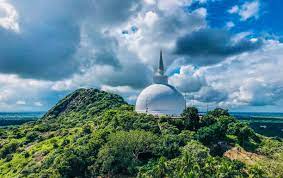
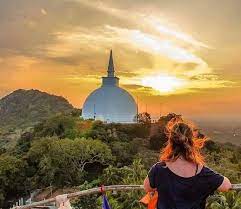
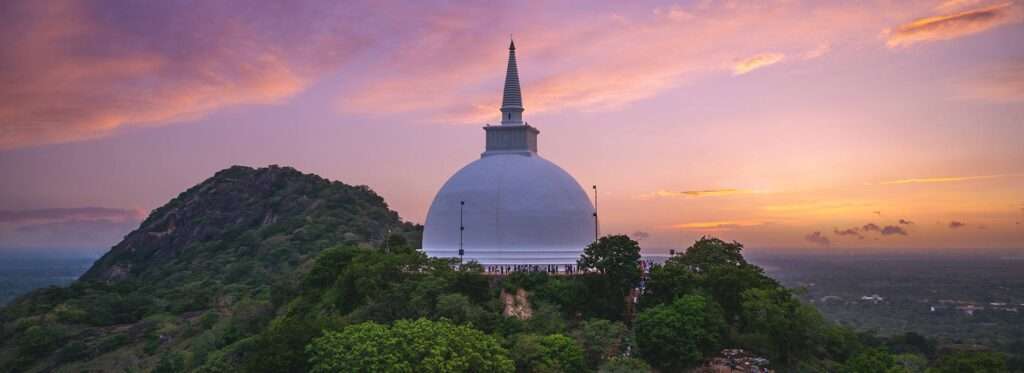
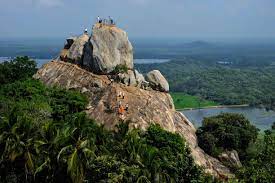
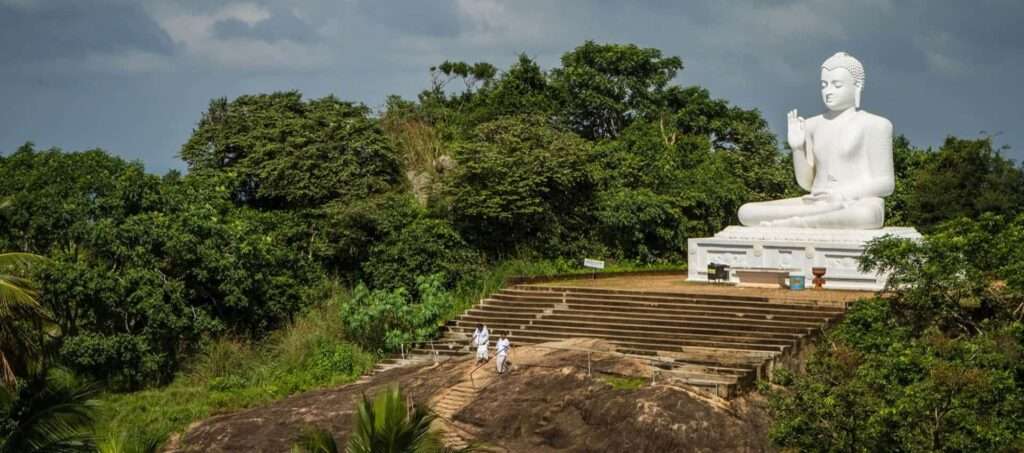
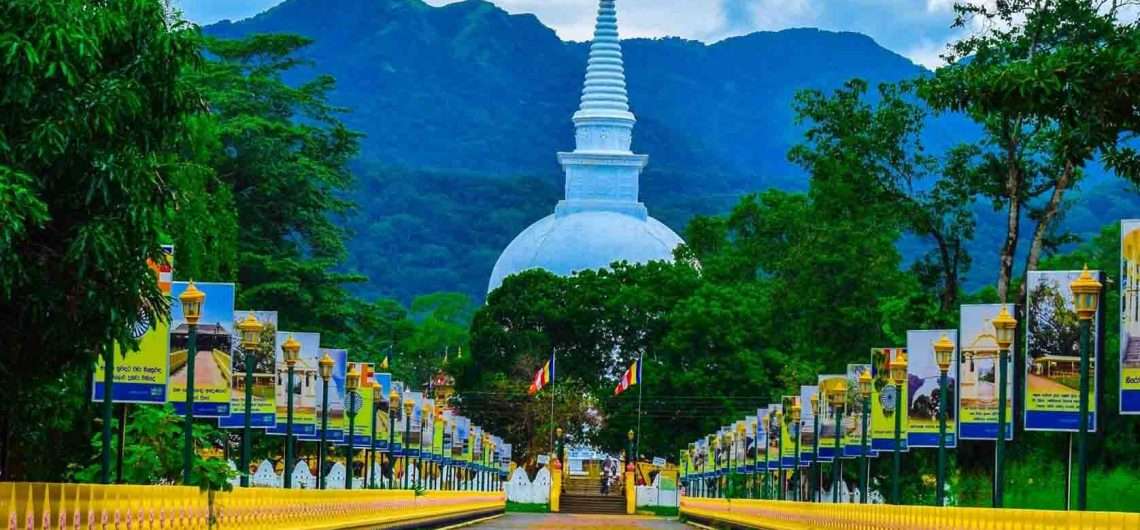
Mihintale is adorned with numerous stupas, monasteries, and ancient ruins, reflecting its significance as an ancient monastic complex. The most prominent among them is the Maha Stupa, also known as the Kantaka Chetiya, which stands majestically atop the hill. The Ambasthala Dagoba, with its unique umbrella-shaped structure, is another remarkable architectural wonder found here.

The Kantaka Chetiya Perahera

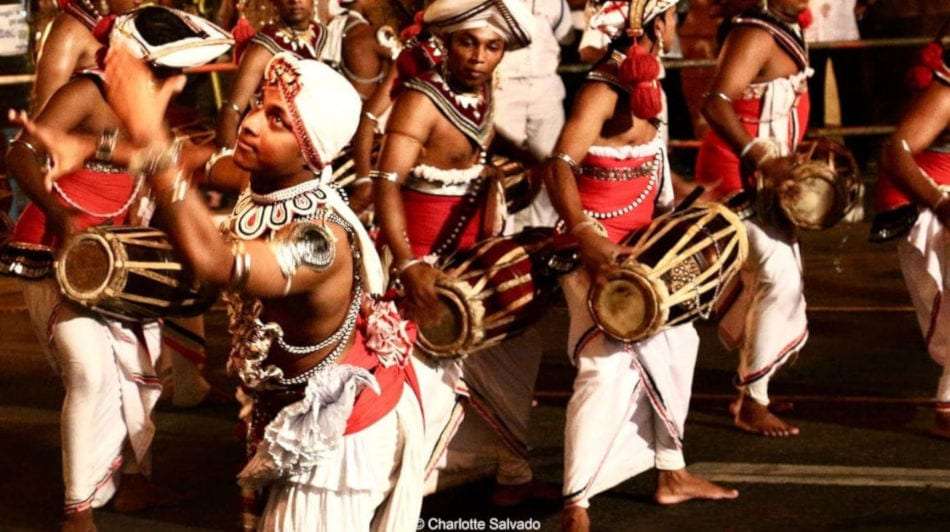
Every year, a grand procession known as the Kantaka Chetiya Perahera is held to honor the Maha Stupa. This vibrant cultural event brings together devotees, dancers, and musicians from all over the country, creating a mesmerizing spectacle that showcases the rich traditions and religious fervor of Sri Lanka.

Natural Beauty and Pilgrimage

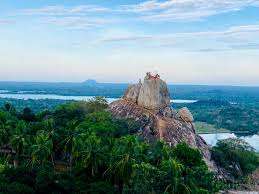
Beyond its historical and religious significance, Mihintale is blessed with breathtaking natural beauty. The hilltop offers panoramic views of the surrounding landscapes, including lush forests, serene lakes, and the distant ancient city of Anuradhapura. For pilgrims and visitors alike, Mihintale provides a tranquil setting for contemplation and spiritual reflection.

The Aradhana Gala and the Arahant Mahinda

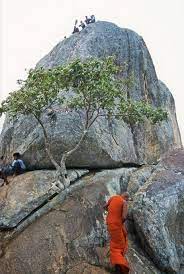
The Aradhana Gala, a large rock plateau on Mihintale, is believed to be the spot where Arahant Mahinda meditated and communed with the king. This site holds immense spiritual importance for Buddhists and attracts many devotees seeking blessings and spiritual enlightenment.

The Mihintale Rajamaha Viharaya

The Mihintale Rajamaha Viharaya, an active monastery at the foot of the hill, continues to play a crucial role in preserving the Buddhist heritage of Mihintale. Monks residing here engage in religious activities and impart the teachings of Buddha to devotees and pilgrims.

The Annual Poson Festival

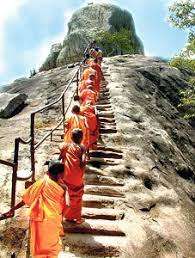
The Poson Festival, celebrated in June, commemorates the arrival of Buddhism to Sri Lanka. During this festival, Mihintale becomes a hub of religious activities, drawing large crowds of pilgrims who climb the sacred hill to pay homage to the ancient monastic complex.

Conservation Efforts and Cultural Heritage

Preserving the historical and natural heritage of Mihintale is of utmost importance. Various conservation efforts have been undertaken to safeguard the ancient ruins and maintain the ecological balance of the area. Visitors are encouraged to respect the site’s sanctity and leave no trace of their visit to ensure its longevity for future generations.

Conclusion

Mihintale, with its profound historical and spiritual significance, is a place of reverence and awe. As you climb the sacred hill and explore its ancient ruins, you will feel a deep sense of connection to the past and the enduring teachings of Buddhism. Mihintale stands as a testament to the enduring power of faith and serves as a beacon of tranquility and enlightenment for all who visit.

FAQs

  1. How do I reach Mihintale? Mihintale is located approximately 13 kilometers east of Anuradhapura. You can easily reach it by road from the ancient city.
  2. Is there an entrance fee to visit Mihintale? Yes, there is a nominal entrance fee for visitors to Mihintale, which helps with the maintenance and conservation of the site.
  3. Can I visit Mihintale during the Poson Festival? Absolutely! The Poson Festival is a great time to visit Mihintale to witness the vibrant celebrations and immerse yourself in the festive atmosphere.
  4. Are there any dress code requirements to enter Mihintale? Yes, as a place of religious significance, visitors are required to dress modestly, covering their shoulders and knees.
  5. Can I take photographs at Mihintale? Yes, photography is allowed at Mihintale, but be mindful of the sacredness of the site and avoid using flash near religious statues and relics.

SHARE

Mahiyangana | Exploring the Rich History and Natural Beauty

SHARE

Mahiyangana, a small town nestled in the Badulla District of Sri Lanka, is a place of immense historical and natural significance. With its captivating legends, ancient temples, and breathtaking landscapes, Mahiyangana offers visitors a unique opportunity to immerse themselves in the rich tapestry of Sri Lankan heritage. In this article, we will delve into the enchanting history, cultural landmarks, and natural wonders that make Mahiyangana a must-visit destination. So, let’s embark on a journey to uncover the hidden gems of Mahiyangana.

Table of Contents

  1. Introduction to Mahiyangana
  2. Legends and Mythology
  3. Historical Landmarks
  4. Cultural Heritage
  5. Mahiyangana Rajamaha Viharaya
  6. Mahiyangana National Museum
  7. Natural Attractions
  8. Udawalawe National Park
  9. Dambana Indigenous Village
  10. The Beauty of Sorabora Wewa
  11. Exploring Mahiyangana Town
  12. Exquisite Local Cuisine
  13. Traditional Festivals
  14. Accommodation Options
  15. Conclusion

1. Introduction to Mahiyangana

Mahiyangana, located in the eastern region of Sri Lanka, is a town steeped in history and natural beauty. It is believed to be one of the earliest inhabited areas in the country, dating back thousands of years. Surrounded by lush greenery, picturesque mountains, and serene lakes, Mahiyangana is a paradise for nature enthusiasts and history buffs alike.

2. Legends and Mythology

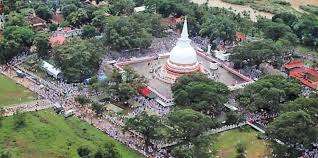
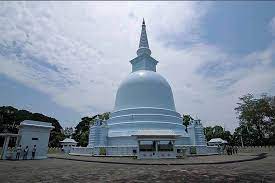
Mahiyangana is shrouded in fascinating legends and mythology that add to its allure. According to popular belief, Lord Buddha visited Mahiyangana during his third visit to Sri Lanka and left his hair relic, known as the “Sakkatissa Relic,” in a stupa. This event holds great significance for Buddhists, making Mahiyangana a revered pilgrimage site.

3. Historical Landmarks

The town boasts several historical landmarks that provide a glimpse into its rich past. The Magul Maha Viharaya, believed to be the location of the royal wedding between King Kavantissa and Princess Viharamahadevi, stands as a testament to the ancient architectural marvels of Mahiyangana. The beautifully carved stone pillars and intricate designs are a treat for history enthusiasts.

4. Cultural Heritage

Mahiyangana’s cultural heritage is vibrant and deeply rooted in its traditions. The town’s inhabitants take great pride in preserving their customs and rituals, which can be witnessed during religious ceremonies and festivals. The harmonious blend of various cultures and traditions is a testament to the multicultural fabric of Sri Lanka.

5. Mahiyangana Rajamaha Viharaya

The Mahiyangana Rajamaha Viharaya is one of the most sacred Buddhist temples in Sri Lanka. This ancient temple is believed to be one of the first establishments in the country. The serene ambiance, intricate architecture, and tranquil surroundings make it an ideal place for meditation and spiritual contemplation.

6. Mahiyangana National Museum

To gain a deeper understanding of the region’s history, a visit to the Mahiyangana National Museum is highly recommended. The museum houses a remarkable collection of artifacts, sculptures, and historical relics, providing visitors with insights into the rich cultural heritage of Mahiyangana and its surrounding areas.

7. Natural Attractions

Nature enthusiasts will find themselves captivated by the natural wonders surrounding Mahiyangana. From lush tea plantations to majestic waterfalls, the region is a treasure trove of scenic beauty. Let’s explore some of the must-visit natural attractions in and around Mahiyangana.

8. Udawalawe National Park

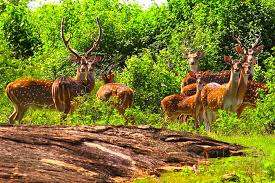
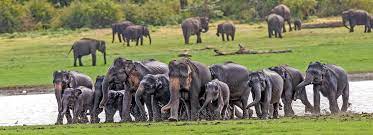
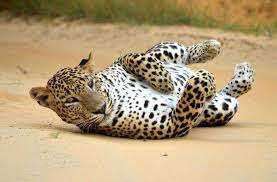
Located in close proximity to Mahiyangana, Udawalawe National Park is a haven for wildlife lovers. Spread over a vast area, the park is home to diverse flora and fauna, including elephants, leopards, and various bird species. A safari through the park offers an unforgettable opportunity to witness these majestic creatures in their natural habitat.

9. Dambana Indigenous Village

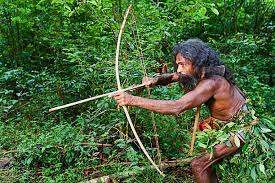
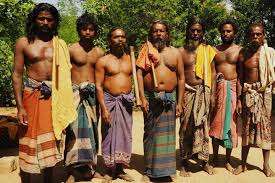
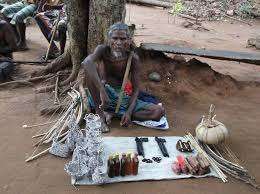
Immerse yourself in the rich cultural heritage of Sri Lanka by visiting the Dambana Indigenous Village near Mahiyangana. This village is inhabited by the indigenous Vedda people, who have preserved their unique way of life for generations. Visitors can engage in cultural activities, witness traditional dances, and learn about their ancient traditions.

10. The Beauty of Sorabora Wewa

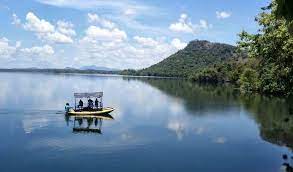
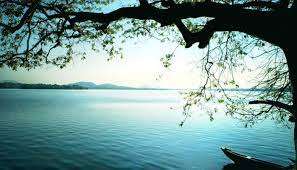
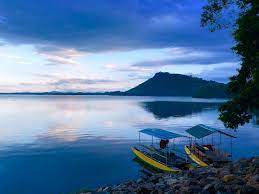
Sorabora Wewa, an ancient reservoir located near Mahiyangana, is a sight to behold. Built by King Dutugemunu in the 2nd century BC, it covers a vast area and is surrounded by scenic landscapes. The tranquil atmosphere and stunning views make it an ideal spot for picnics and leisurely walks.

11. Exploring Mahiyangana Town

Take a stroll through the charming streets of Mahiyangana town and soak in the local ambiance. From bustling markets to quaint shops selling handmade crafts and souvenirs, the town offers a glimpse into the daily lives of its friendly residents. Engage in conversations with locals, savor delicious street food, and experience the warm hospitality for which Sri Lanka is renowned.

12. Exquisite Local Cuisine

No visit to Mahiyangana would be complete without indulging in its delectable local cuisine. From aromatic rice and curry dishes to mouthwatering sweets and snacks, the town offers a gastronomic delight for food enthusiasts. Don’t miss the opportunity to savor authentic Sri Lankan flavors and explore the local culinary traditions.

13. Traditional Festivals

Mahiyangana comes alive during its vibrant festivals, where ancient customs and rituals take center stage. The Esala Perahera, a grand procession held annually, showcases beautifully adorned elephants, traditional dancers, and musicians. The festival offers a captivating spectacle and provides an opportunity to witness the rich cultural heritage of the region.

14. Accommodation Options

Mahiyangana offers a range of accommodation options to suit every traveler’s needs. From luxury resorts to budget-friendly guesthouses, visitors can find a comfortable place to stay and immerse themselves in the town’s unique ambiance. Wake up to picturesque views, warm hospitality, and a memorable stay in Mahiyangana.

15. Conclusion

Mahiyangana, with its deep-rooted history, cultural heritage, and stunning natural beauty, is a destination that should not be missed. Whether you are a history enthusiast, a nature lover, or simply seeking a tranquil escape, Mahiyangana has something to offer everyone. Explore its ancient temples, immerse yourself in the local culture, and create memories that will last a lifetime.

FAQs (Frequently Asked Questions)

  1. Q: What is the best time to visit Mahiyangana?
    • A: The best time to visit Mahiyangana is during the dry season, from May to September, when the weather is pleasant and ideal for outdoor activities.
  2. Q: How can I reach Mahiyangana?
    • A: Mahiyangana can be reached by road from major cities in Sri Lanka. Buses and taxis are available for transportation.
  3. Q: Are there any hiking trails near Mahiyangana?
    • A: Yes, there are several hiking trails in the surrounding mountains and forests, offering stunning views and opportunities for adventure.
  4. Q: Is Mahiyangana suitable for family vacations?
    • A: Absolutely! Mahiyangana offers a range of family-friendly activities and attractions, making it an ideal destination for a memorable family vacation.
  5. Q: Are there any restrictions for visiting the Mahiyangana Rajamaha Viharaya?
    • A: Visitors are advised to dress modestly and remove footwear before entering the temple premises as a sign of respect.

In conclusion, Mahiyangana is a hidden gem in Sri Lanka that combines history, culture, and natural beauty to offer a truly unforgettable experience. Whether you are a history enthusiast, a nature lover, or simply seeking a peaceful retreat, Mahiyangana has something for everyone. Plan your visit to this captivating town and immerse yourself in its rich heritage and scenic landscapes.


SHARE
Verified by MonsterInsights