Rajapaksa Park – A unique park in Sri Lanka

SHARE

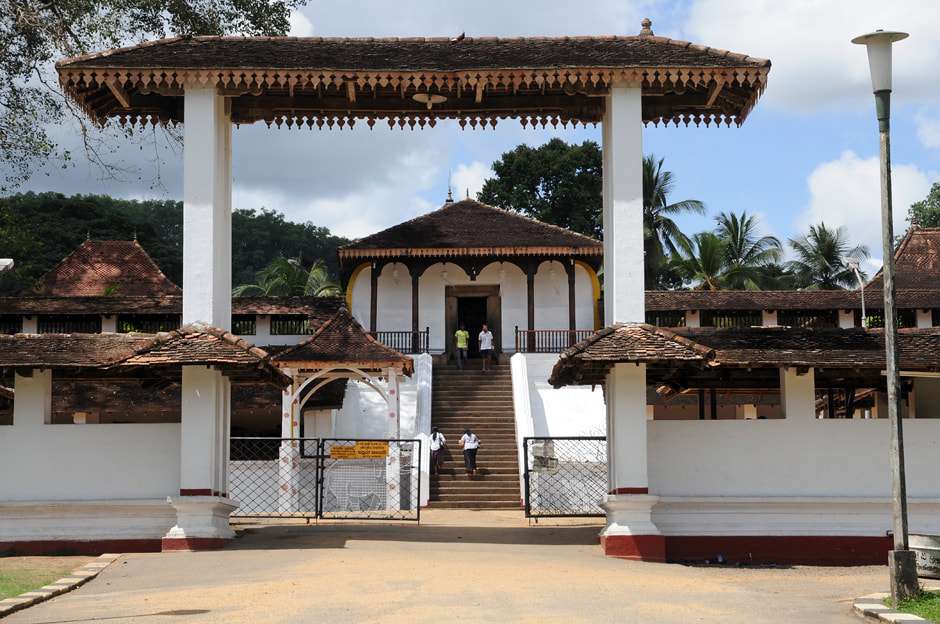
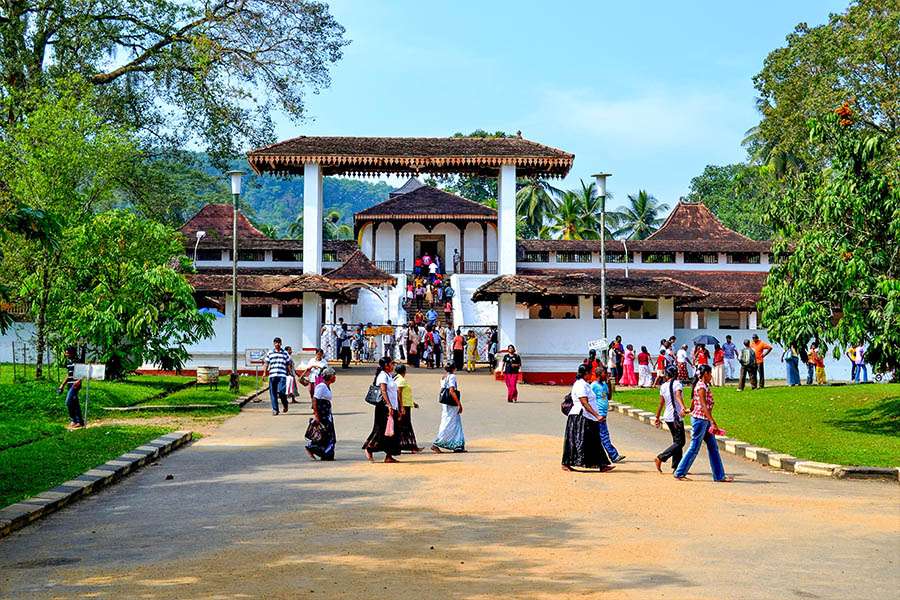
Rajapaksa Park

Rajapaksa Park Sri Lanka

Introduction about Rajapaksa Park Sri Lanka

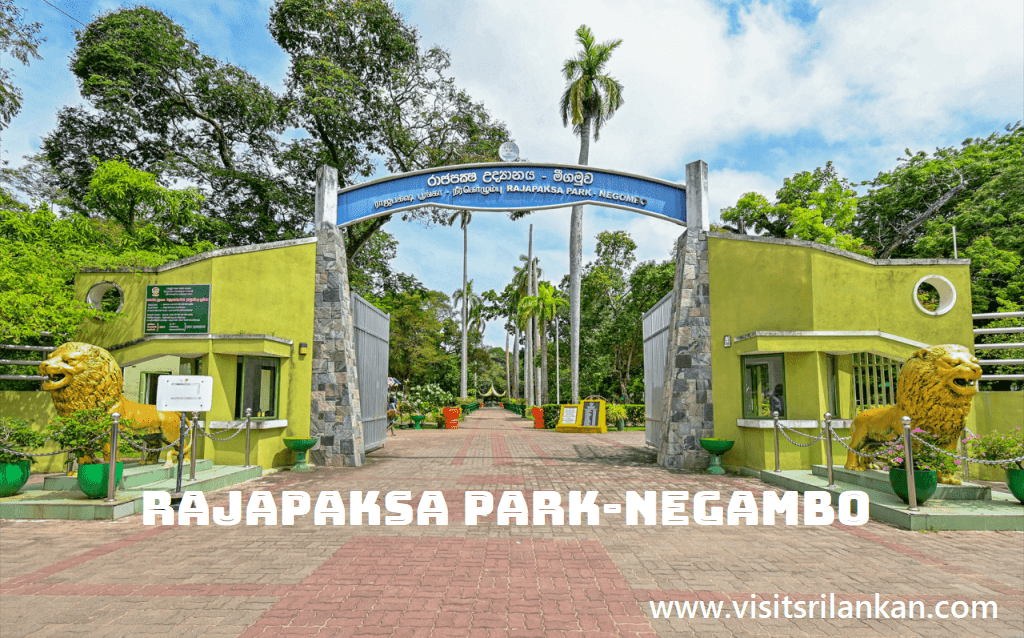
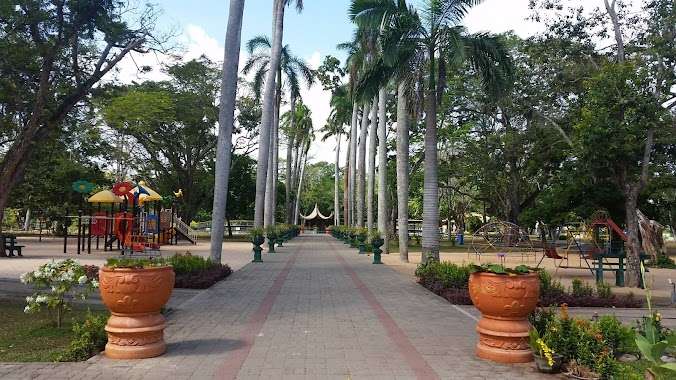
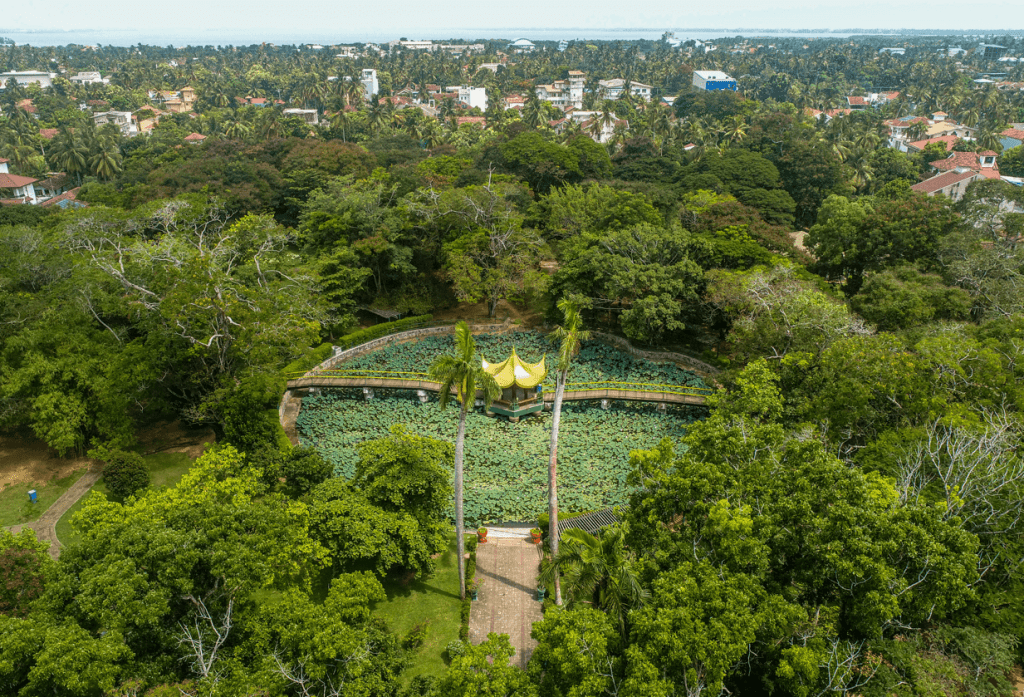
Rajapaksa Park Sri Lanka, Negombo, a vibrant coastal city in Sri Lanka, is famous for its stunning beaches, rich history, and lively markets. Amidst its bustling atmosphere, Rajapaksa Park Negombo offers a peaceful escape for visitors looking to unwind in nature. With its lush greenery, walking trails, and serene ambiance, this park is a must-visit destination for families, couples, and solo travelers alike. Whether you’re seeking a quiet place to relax, a scenic spot for photography, or a pleasant environment for a morning jog, Rajapaksa Park is the perfect place to visit.

After enjoying the tranquility of Rajapaksha Park, visitors can explore the nearby Negombo Beach, delve into history at the Dutch Fort, admire the murals at Angurukaramulla Temple, embark on a boat tour of Negombo Lagoon, or appreciate the architecture of St. Mary’s Church
Rajapaksa Park

A Glimpse into Rajapaksa Park, Negombo

History and Significance

Rajapaksa Park is named after a member of the Rajapaksa family, a well-known political dynasty in Sri Lanka. It was developed as part of an effort to create more green spaces in Negombo, enhancing the city’s appeal as a tourist and recreational destination. The park serves as a peaceful oasis where locals and visitors can connect with nature.
Location and Accessibility at Rajapaksa Park

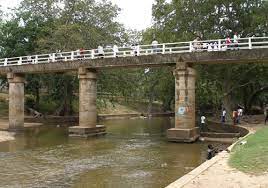
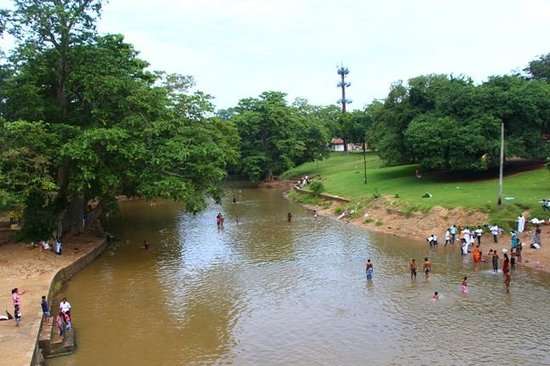
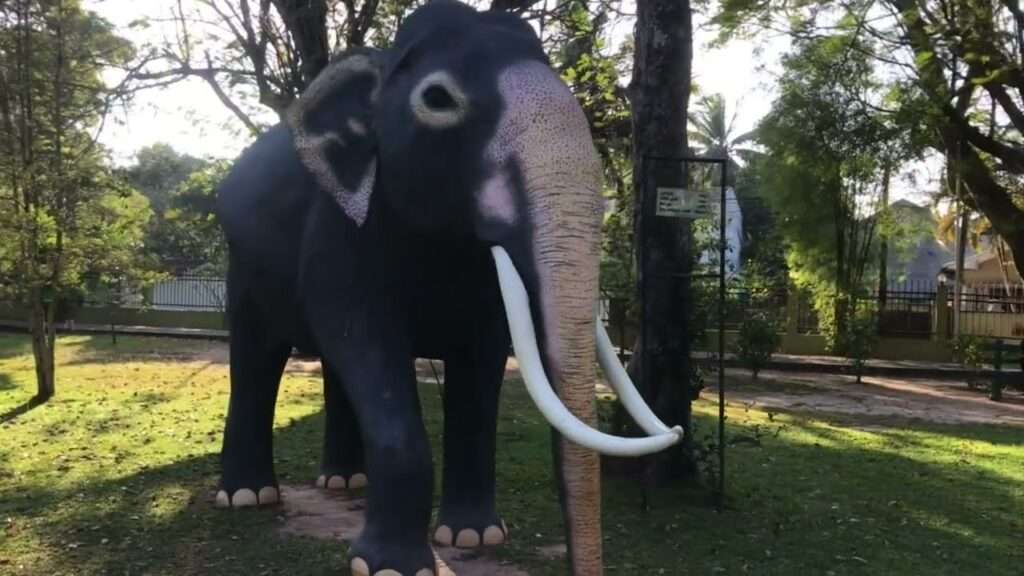
Rajapaksa Park is conveniently located in the heart of Negombo, making it easily accessible from various parts of the city. It is situated near the Dutch Canal, offering a scenic setting that enhances its charm. The park is just a short drive from Negombo Beach, the Fish Market, and St. Mary’s Church, making it an ideal stop for tourists exploring the city.
Rajapaksa Park

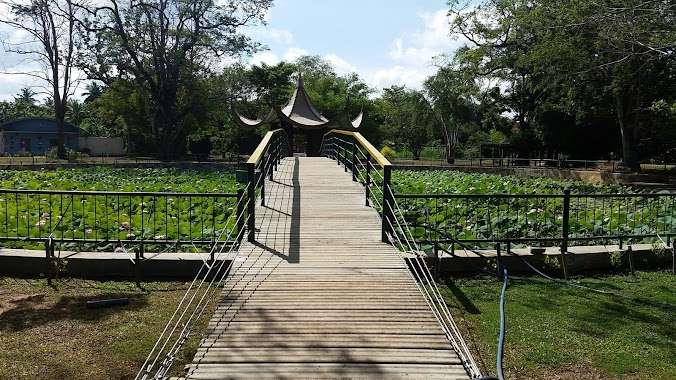
How to Get Rajapaksa Park

  • By Car or Tuk-Tuk: If you’re traveling from Colombo, it takes about 40-50 minutes to reach Negombo via the Katunayake Expressway. From Negombo town, you can take a tuk-tuk or taxi to the park.
  • By Train: The Negombo Railway Station is approximately 10 minutes away from the park by tuk-tuk.
  • By Bus: Several public buses operate between Colombo and Negombo, making the park easily reachable for budget travelers.

Opening Hours and Entry Fees

  • Opening Hours: 6:00 AM – 9:00 PM (daily)
  • Entry Fee: Free (some events or special areas may require a small fee)

Things to Do at Rajapaksa Park

1. Enjoy a Peaceful Walk

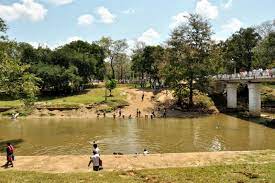
The park features well-maintained walking paths, making it an ideal place for a morning or evening stroll. The lush greenery and gentle breeze from the nearby Dutch Canal provide a relaxing atmosphere.
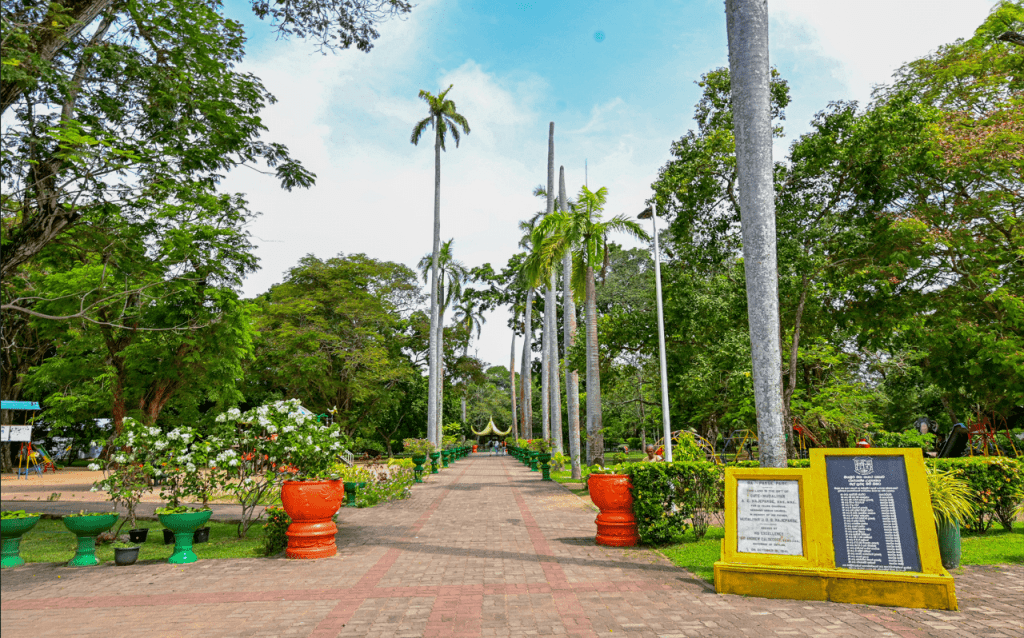
Rajapaksa Park

2. Photography and Sightseeing

Nature lovers and photographers will find plenty of picturesque spots within the park. From the beautifully landscaped gardens to the stunning sunsets by the canal, every corner of Rajapaksa Park is worth capturing.
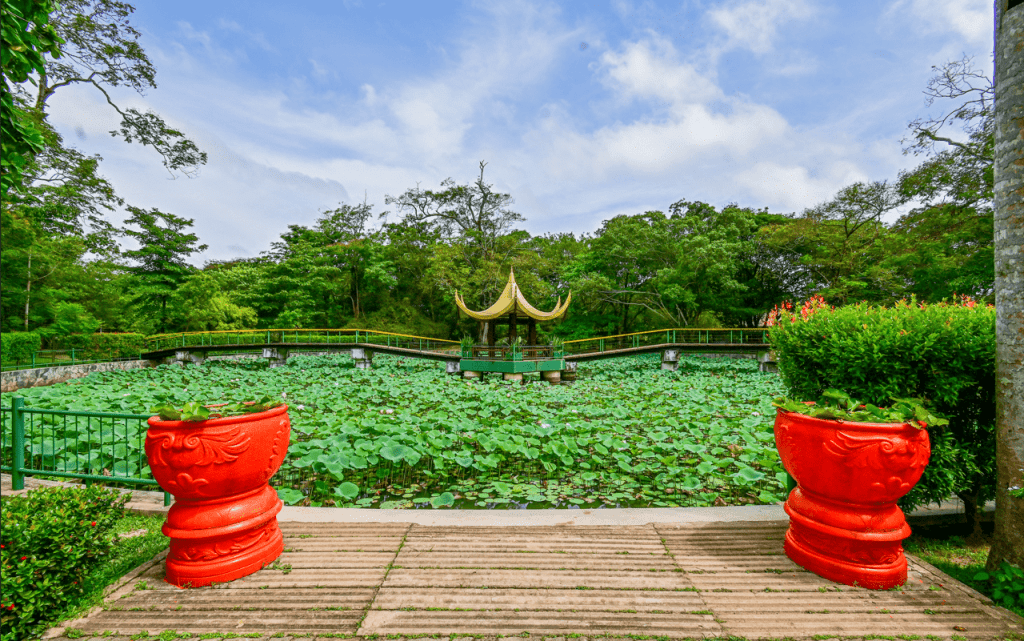
Rajapaksa Park

3. Family Outings and Picnics

With ample seating areas and open spaces, Rajapaksa Park is perfect for family gatherings and picnics. Bring some snacks, relax under the shade of trees, and enjoy quality time with your loved ones.

4. Jogging and Exercise

Fitness enthusiasts can take advantage of the jogging trails within the park. The fresh air and peaceful surroundings create the perfect environment for a morning run or light exercise.

5. Bird Watching and Nature Exploration

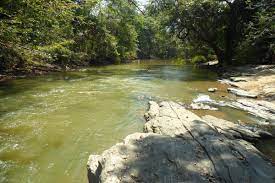
Due to its proximity to the canal and its lush vegetation, Rajapaksa Park attracts various bird species, making it an excellent spot for bird watching. If you’re lucky, you might spot exotic birds during your visit.
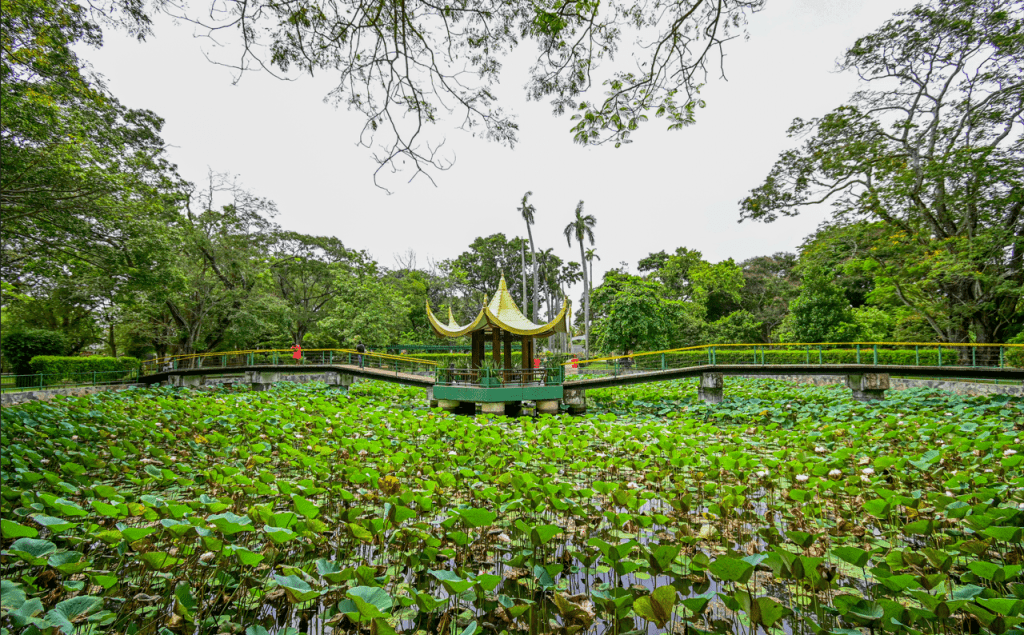
Rajapaksa Park

6. Attend Local Events

The park often hosts cultural events, exhibitions, and community gatherings. Check the local event calendar to see if any special programs coincide with your visit.


Best Time to Visit Rajapaksa Park

The park is open year-round, but the best time to visit is during the early morning or late afternoon when the weather is cooler. December to April is the ideal season, as Sri Lanka experiences less rainfall during this period.


Nearby Attractions

If you’re visiting Rajapaksa Park, consider exploring these nearby attractions:

  • Negombo Beach (2 km): A popular spot for sunbathing, water sports, and seafood restaurants.
  • Dutch Canal (Adjacent to the Park): Enjoy a boat ride or explore the historical significance of this canal built by the Dutch.
  • St. Mary’s Church (3 km): One of the largest and most beautiful churches in Sri Lanka.
  • Negombo Fish Market (3.5 km): Experience the lively atmosphere of one of the country’s biggest fish markets.

Tips for Visiting Rajapaksa Park

✔ Wear Comfortable Shoes: The park has long walking trails, so comfortable footwear is recommended.
✔ Bring Water and Snacks: While there are a few vendors around, it’s always good to carry your own refreshments.
✔ Protect Yourself from the Sun: If visiting during the daytime, wear a hat and use sunscreen.
✔ Respect Nature: Avoid littering and help keep the park clean for others to enjoy.
✔ Stay Safe: If visiting in the evening, stick to well-lit areas and be mindful of your belongings.
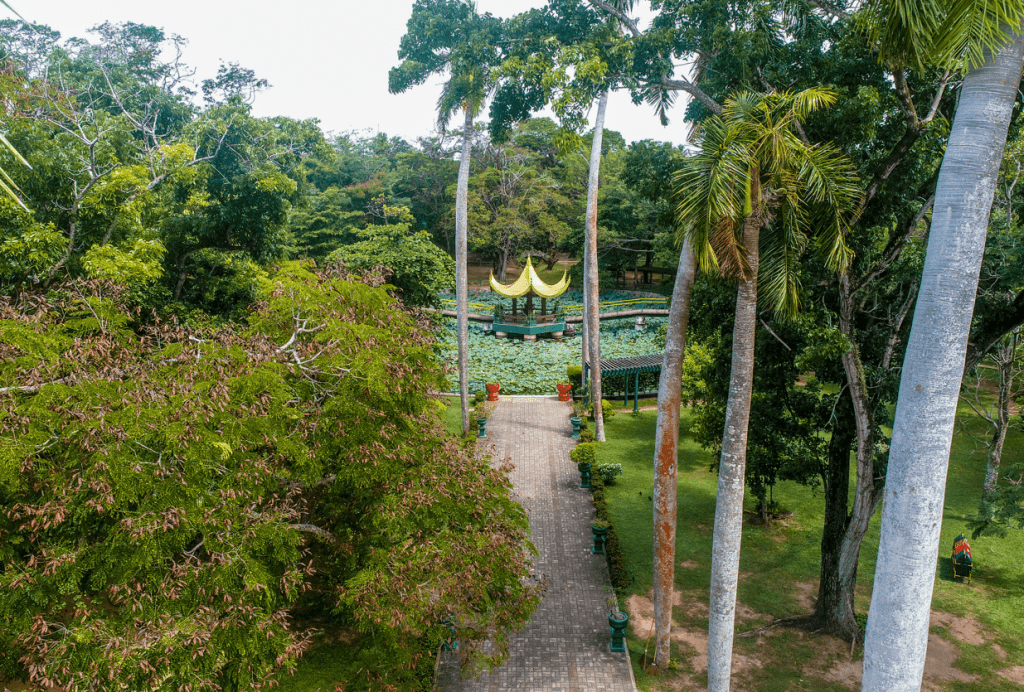
Rajapaksa Park

FAQs about Rajapaksa Park, Negombo

Is Rajapaksa Park suitable for children?
Yes, the park is family-friendly, with open spaces where children can play safely.

Are pets allowed in Rajapaksa Park?
Pets are generally not allowed inside the park to maintain cleanliness and safety for all visitors.

Is there parking available near Rajapaksa Park?
Yes, there is ample parking space near the entrance of the park.

Can I bring food and drinks to the park?
Yes, you can bring your own food for a picnic, but be sure to clean up after yourself.

Are there public restrooms in the park?
Yes, public restrooms are available, but it’s advisable to carry your own tissues or sanitizer.

Is Rajapaksa Park wheelchair accessible?
Yes, the park has paved pathways suitable for wheelchairs and strollers.


Conclusion

Rajapaksa Park in Negombo is a hidden gem offering a tranquil escape from the city’s hustle and bustle. Whether you’re a nature lover, a fitness enthusiast, or someone looking for a peaceful spot to relax, this park has something for everyone. With free entry, stunning landscapes, and proximity to major attractions, it’s a must-visit location in Negombo. So, the next time you’re in Sri Lanka, don’t miss the chance to explore this beautiful green oasis!

Must-visit attractions in Sri LankaSri Lanka Travel Guide
Family-friendly parks in Sri LankaParks Guide / Victoria Park page
Nearby hotels in NegamboAccommodation page for the city
Adventure activities in Sri LankaAdventure Activities page

Nuwara Eliya Travel Guide

Accommodation in Nuwara Eliya

Things to do in NegomboActivities in Negombo
Explore other parks in NegomboOther Parks in Negombo

Adventure Activities in Nuwara Eliya

Top Attractions in Nuwara Eliya

Must-visit attractions in NegomboNegombo Travel Guide
Best hotels in NegomboAccommodation in Negombo

SHARE

Galle Sri Lanka – The Best Coastal City to Visit

SHARE

Galle – A City of Rich in History & Culture

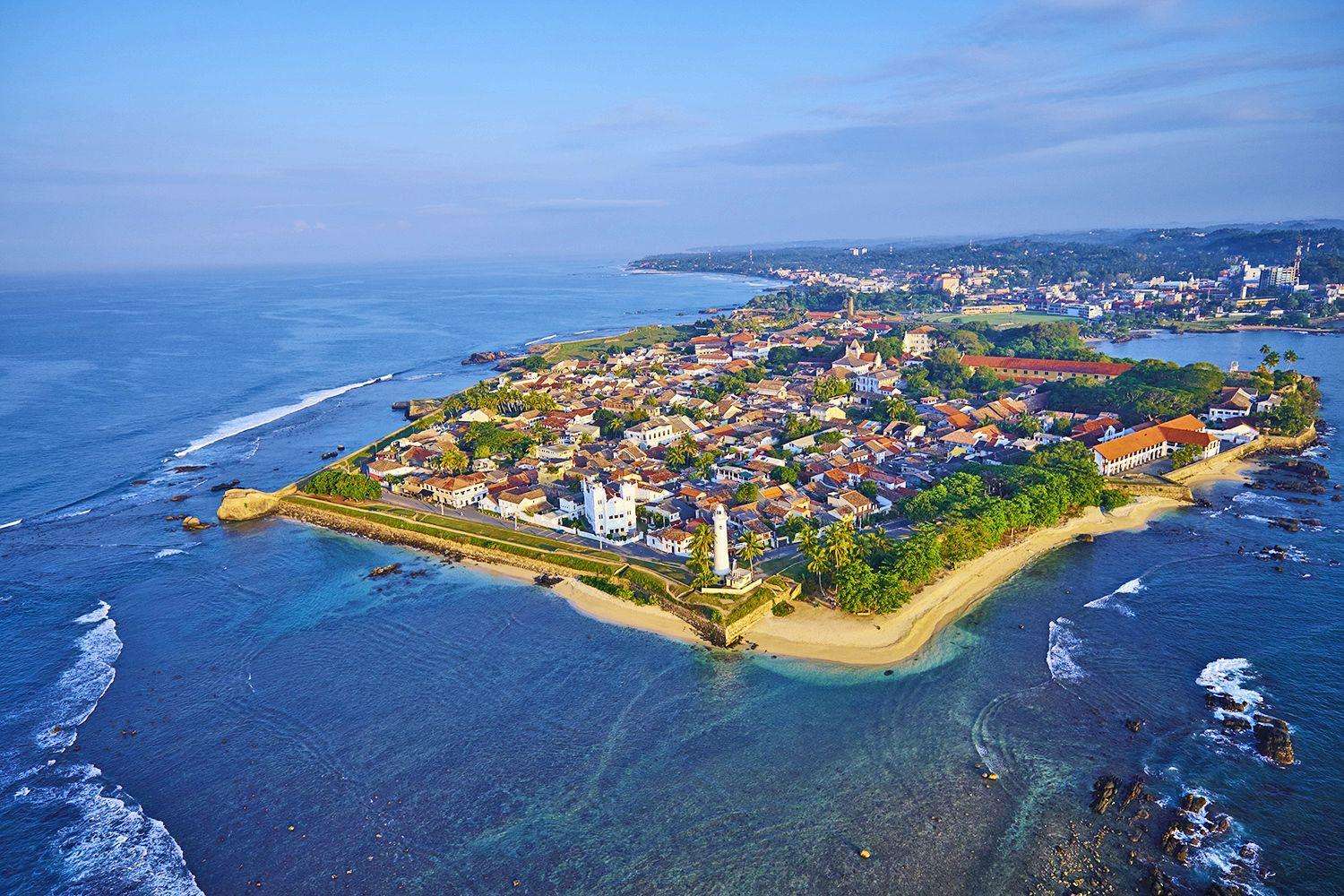
Galle, a city rich in history, culture, and natural beauty, is a gem on the southwestern coast of Sri Lanka. From its ancient fortifications to its vibrant modern culture, Galle offers a unique blend of past and present. In this guide, we will explore the many facets of Galle, from its historical landmarks to its contemporary attractions, providing you with an in-depth understanding of why Galle should be on every traveler’s itinerary.

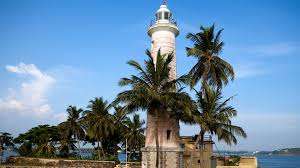
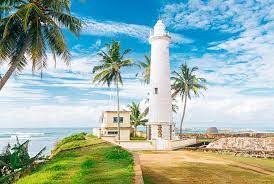
After exploring the historic Galle Dutch Fort, visitors can enjoy the nearby Galle Lighthouse, relax at Unawatuna Beach, immerse themselves in nature at Kanneliya Rain Forest Reserve, or learn about marine conservation at the Sea Turtle Hatchery, Mahamodara

Galle - A City of Rich in History, Culture, and Natural Beauty

During your visit to Galle, you can relax at the stunning Unawatuna Beach, take a short trip to Jungle Beach, or enjoy breathtaking views from the Japanese Peace Pagoda. For more adventure, head towards Hikkaduwa to experience snorkeling and surfing.

Historical Significance of Galle

The Galle Fort: A UNESCO World Heritage Site

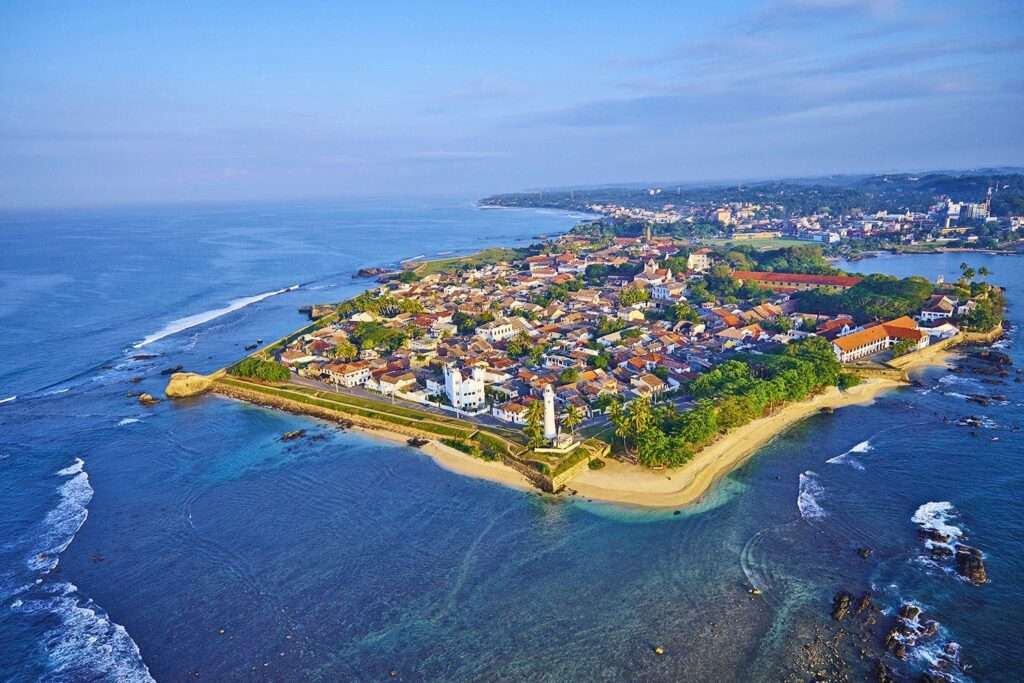
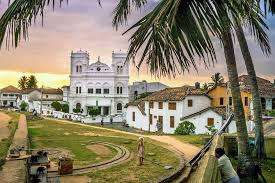
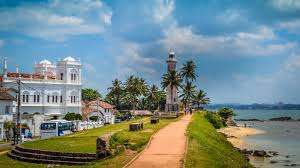
The centerpiece of Galle’s historical charm is undoubtedly the Galle Fort. Constructed by the Portuguese in 1588 and later fortified by the Dutch, the fort is a testament to colonial architecture and military ingenuity. The fort, with its imposing ramparts and bastions, offers breathtaking views of the Indian Ocean. Walking through its cobblestone streets, visitors can explore well-preserved colonial buildings, museums, and churches that narrate the rich history of Galle.

Museums and Cultural Heritage

Galle is home to several museums that offer insights into its storied past. The National Maritime Museum, located within the fort, showcases artifacts from shipwrecks, traditional fishing techniques, and marine biology. The Galle Fort Museum houses a collection of Dutch artifacts, including ceramics, coins, and weaponry, reflecting the city’s colonial heritage. These museums provide a deeper understanding of Galle’s historical and cultural evolution.

Modern Galle: A Blend of Tradition and Contemporary Life

Vibrant Arts and Crafts Scene

Galle has a thriving arts and crafts scene, with numerous galleries and shops showcasing local talent. The Galle Art Trail is a popular event that highlights the work of local artists, featuring paintings, sculptures, and installations. The city is also known for its handcrafted jewelry, lacework, and batik textiles, which make for unique souvenirs.

Culinary Delights

Galle offers a diverse culinary experience, blending traditional Sri Lankan flavors with international cuisine. The city’s numerous cafes and restaurants, such as the renowned Fortaleza and Poonie’s Kitchen, serve a variety of dishes that cater to all palates. From fresh seafood to spicy curries and delectable desserts, Galle’s food scene is a gastronomic adventure.

Natural Beauty and Outdoor Activities

Pristine Beaches

The coastline around Galle is dotted with beautiful beaches that attract both locals and tourists. Unawatuna Beach, with its golden sands and turquoise waters, is perfect for swimming and sunbathing. Jungle Beach, a secluded cove surrounded by lush greenery, offers a tranquil escape. These beaches are not only ideal for relaxation but also provide opportunities for water sports like snorkeling and diving.

Exploring Nature and Wildlife

Nature enthusiasts will find plenty to do in and around Galle. The Kanneliya Forest Reserve, located a short drive from the city, is a biodiversity hotspot, home to numerous endemic species of flora and fauna. Visitors can embark on guided hikes through the forest, witnessing stunning waterfalls and rare wildlife. The Hikkaduwa Coral Reef, another nearby attraction, offers snorkeling and diving experiences to explore vibrant marine life.

Cultural Festivals and Events

Galle Literary Festival

One of the most anticipated events in Galle is the Galle Literary Festival. This annual festival attracts writers, poets, and literary enthusiasts from around the world. Featuring book readings, panel discussions, and workshops, the festival celebrates literature and provides a platform for intellectual exchange. It is a highlight of Galle’s cultural calendar and a must-visit for book lovers.

Traditional Celebrations

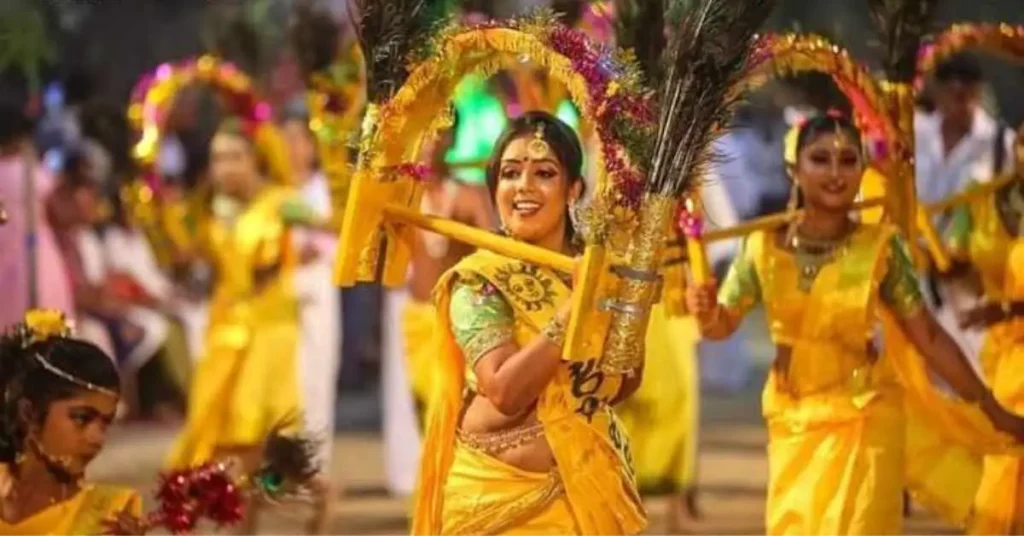
Galle’s cultural vibrancy is also reflected in its traditional festivals. The Sinhala and Tamil New Year, celebrated in April, is marked by colorful parades, traditional games, and delicious feasts. The Esala Perahera, held in July or August, is a spectacular procession featuring dancers, drummers, and elephants adorned with lavish decorations. These festivals offer a glimpse into the rich cultural heritage of Galle and its people.

Accommodation: Where to Stay in Galle

Luxury Hotels and Resorts

Galle offers a range of accommodation options to suit all budgets. For those seeking luxury, there are several high-end hotels and resorts that provide exceptional amenities and services. Amangalla, located within the Galle Fort, offers a blend of colonial elegance and modern comfort. Jetwing Lighthouse, designed by the renowned architect Geoffrey Bawa, provides stunning views of the ocean and exquisite dining experiences.

Boutique Hotels and Guesthouses

For a more intimate experience, Galle boasts numerous boutique hotels and guesthouses. These accommodations often feature unique designs and personalized services. The Fort Printers and Galle Fort Hotel are popular choices, offering charming rooms and a cozy atmosphere. Many of these establishments are housed in restored colonial buildings, adding to the historical charm of your stay.

Getting Around Galle

Transportation Options

Getting around Galle is convenient, with various transportation options available. Tuk-tuks are a popular and affordable way to navigate the city, offering a unique and immersive experience. For longer distances, car rentals and bicycle hires are also available. The city is pedestrian-friendly, especially within the Galle Fort, making it easy to explore on foot.

Day Trips and Excursions

Galle’s strategic location makes it an excellent base for exploring the surrounding areas. Day trips to nearby attractions like Mirissa for whale watching, Yala National Park for a safari experience, and Sinharaja Forest Reserve for a trek through the rainforest are highly recommended. These excursions allow visitors to experience the diverse landscapes and wildlife of Sri Lanka.

Planning Your Visit to Galle

Best Time to Visit

The best time to visit Galle is during the dry season, from November to April, when the weather is pleasant and conducive to outdoor activities. The monsoon season, from May to October, brings heavy rains, which may affect travel plans. However, the off-season can also be a good time to visit for those looking to avoid crowds and enjoy a more tranquil experience.

Travel Tips

When planning your trip to Galle, consider the following tips:

  • Pack light and breathable clothing suitable for the tropical climate.
  • Carry sun protection, including sunscreen, hats, and sunglasses.
  • Stay hydrated and try the local coconut water, known as “king coconut.”
  • Respect local customs and traditions, especially when visiting religious sites.
  • Use insect repellent to protect against mosquitoes.

Conclusion: Why Galle is a Must-Visit Destination

Galle is a city that seamlessly blends the old with the new, offering visitors a rich tapestry of experiences. From its historical fort and cultural festivals to its pristine beaches and natural beauty, Galle has something for everyone. Whether you are a history buff, a nature lover, a foodie, or an art enthusiast, Galle promises an unforgettable journey through its diverse offerings.

Galle Fort

Unawatuna Beach

Sri Lanka Beaches

Accommodation in Galle

Sri Lanka Travel Guide

VISIT SRI LANKA


SHARE

Rathnapura-The Paradise of Gems In the World

SHARE

The City of Gems In Asia – Rathnapura

Rathnapura

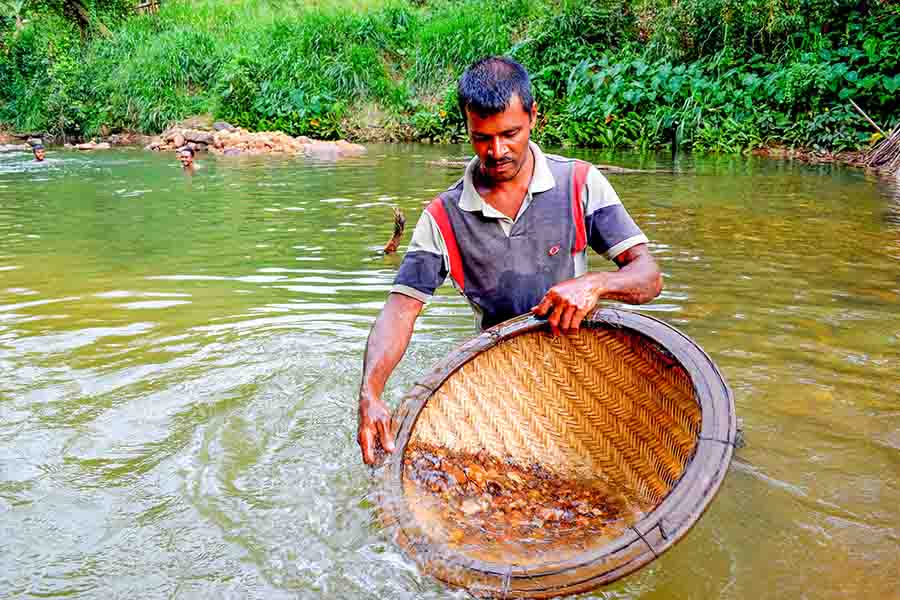
Rathnapura, a name that resonates with the sparkle of gemstones, is a city located in the heart of Sri Lanka. Often referred to as the “City of Gems,” Rathnapura boasts a rich cultural heritage, stunning natural landscapes, and a thriving gemstone industry that has fascinated people from all corners of the globe. In this article, we’ll take you on a journey through the enchanting realms of Rathnapura, uncovering its hidden treasures, vibrant culture, and the allure of its gem trade.

After exploring the vibrant city of Ratnapura, visitors can embark on a spiritual journey to Adam’s Peak, admire the unique Bopath Ella Falls, delve into history at Batadombalena Cave, enjoy the natural beauty of Duwili Ella Falls, or experience the rich biodiversity of the Peak Wilderness Sanctuary. For more information about Sri Lanka and its attractions, visit the Sri Lanka Tourism Board and for visa and travel requirements, check the Sri Lanka Immigration & Visa Services

The Geological Marvel

Rathnapura’s geological significance is at the core of its reputation as the gem capital of Sri Lanka. Situated in the Sabaragamuwa Province, this city is nestled amid the Ratnapura District, where the earth’s crust has generously bestowed a bounty of precious gemstones.

Rathnapura

Precious Stones Underground

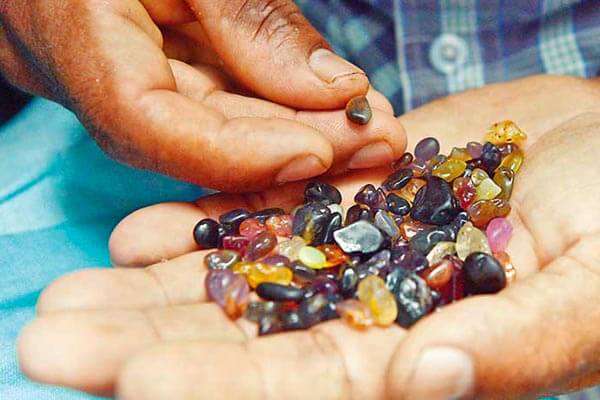
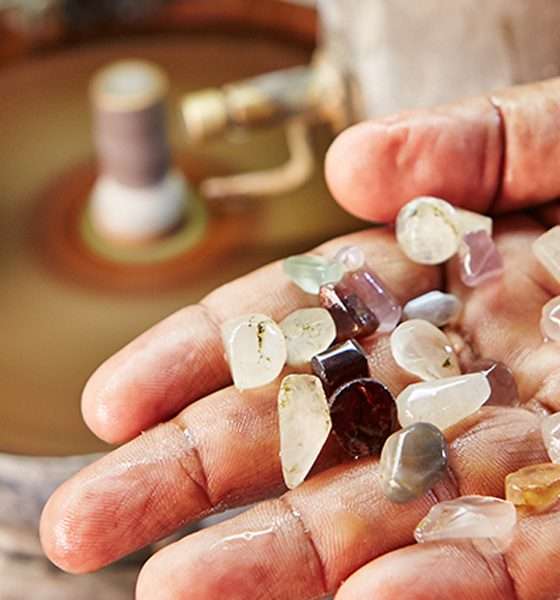
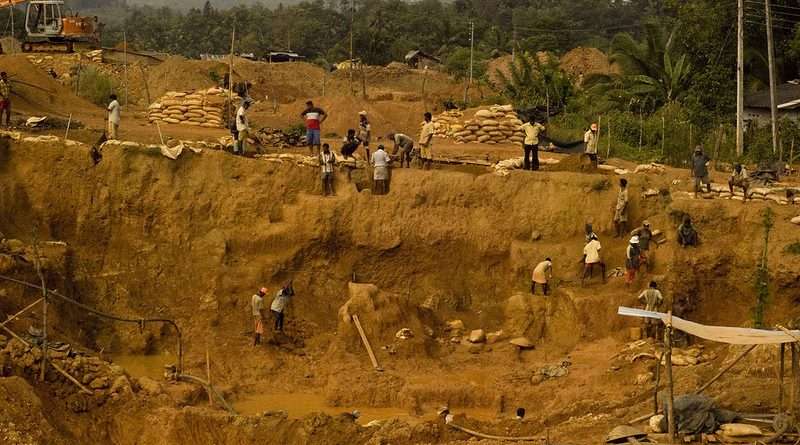
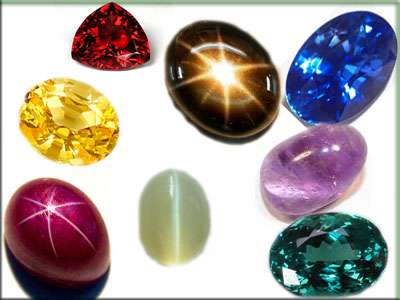
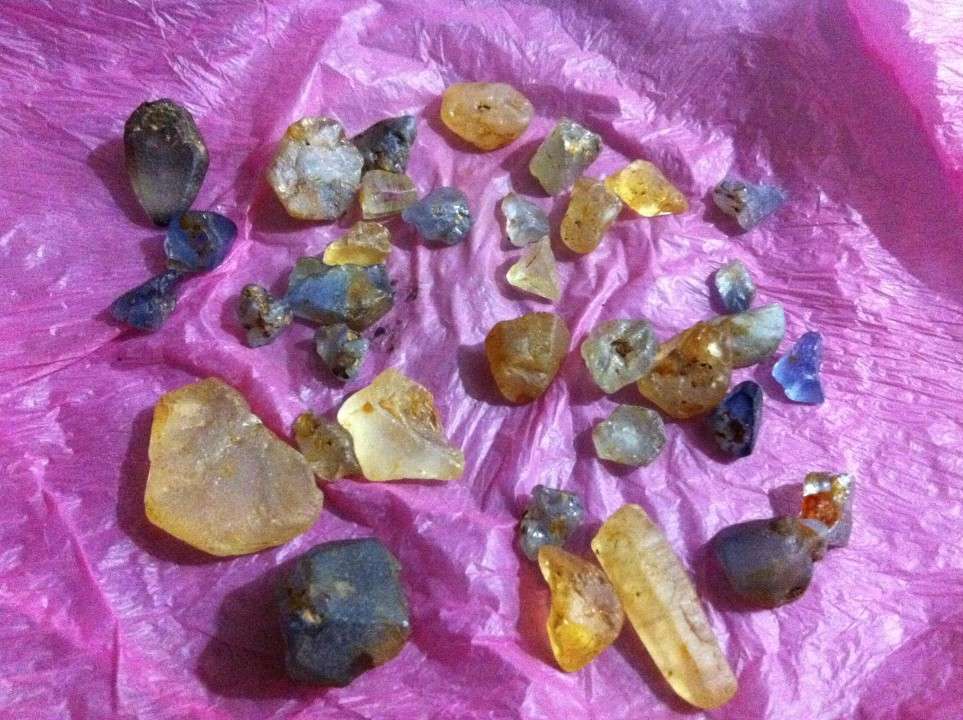
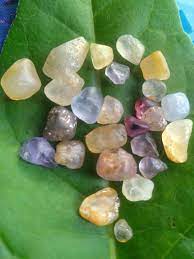
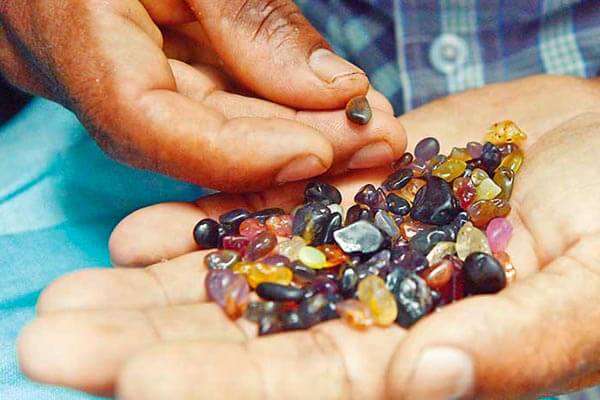
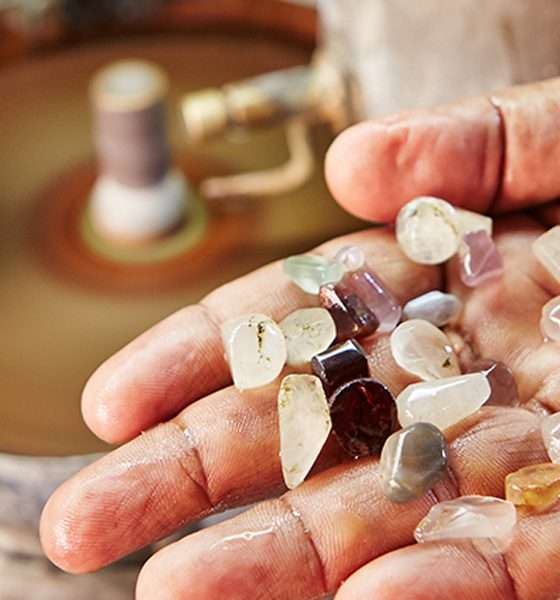
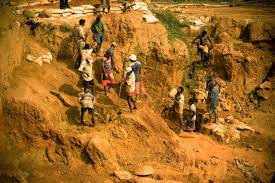
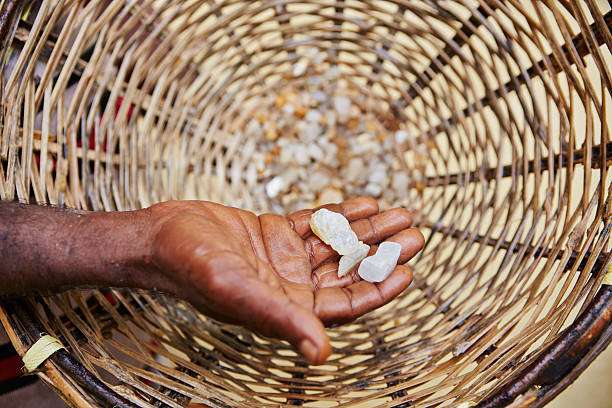
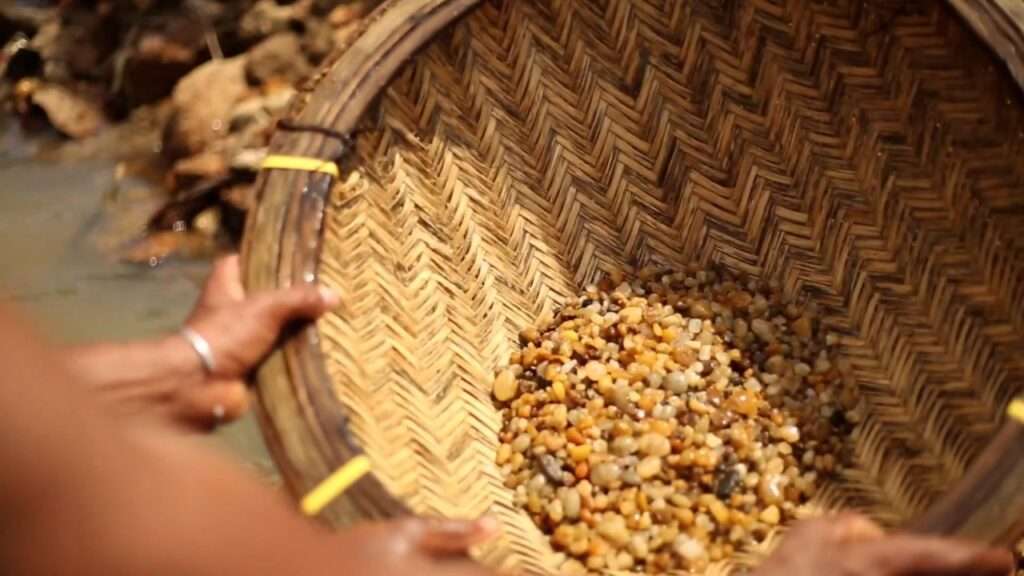
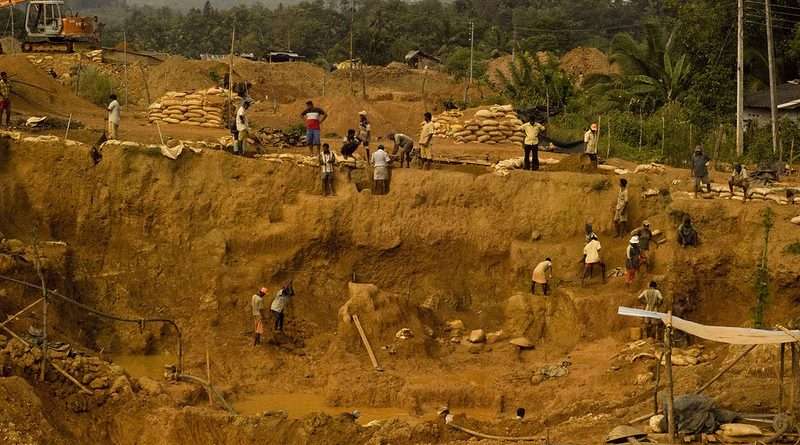
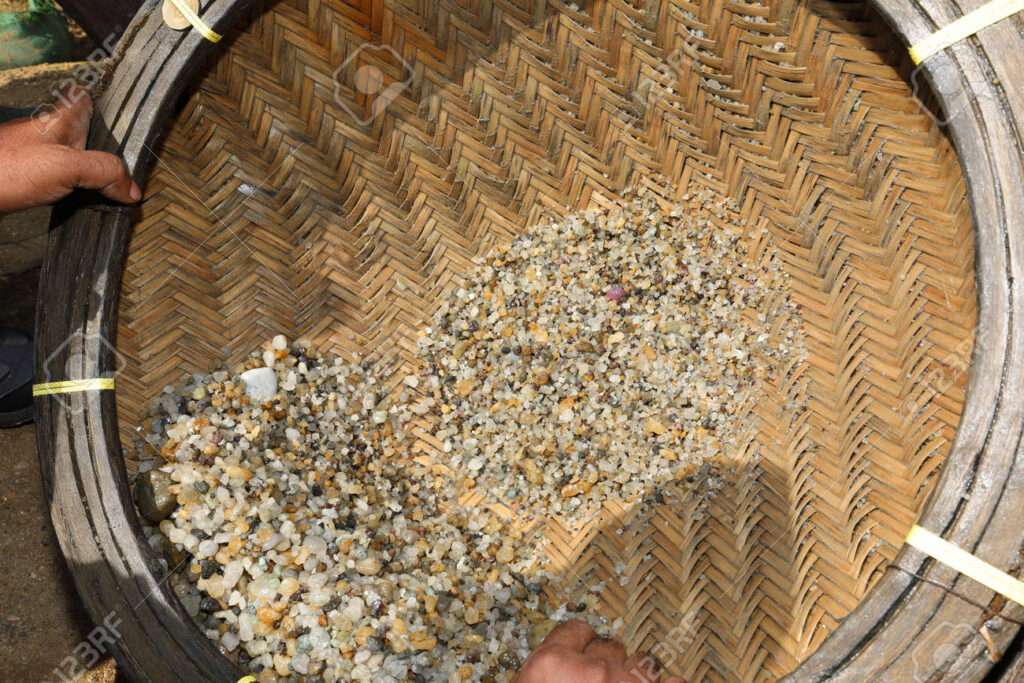
Rathnapura is famed for its deposits of rubies, sapphires, and cat’s-eye chrysoberyls. These gems have been meticulously mined for centuries, drawing the attention of gem collectors, jewelers, and adventurers from far and wide.

The Gem Markets

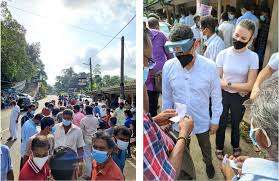
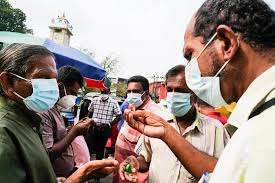
Visiting Rathnapura means immersing oneself in a bustling marketplace, filled with the glittering allure of gemstones.

Ratnapura Gem Market

The Ratnapura Gem Market, located in the city center, is a vibrant hub where gem merchants gather to showcase their treasures. Here, you can find a wide range of gemstones, from the mesmerizing blue sapphires to the fiery rubies that have captured hearts for generations.

The Art of Gem Cutting

To appreciate the true beauty of Rathnapura’s gems, one must understand the meticulous craft of gem cutting.

Master Gem Cutters

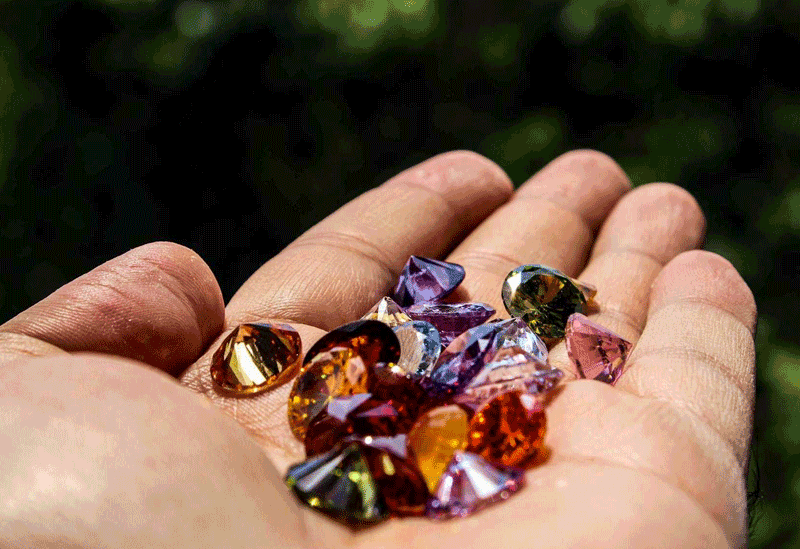
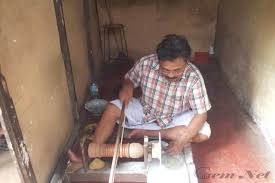
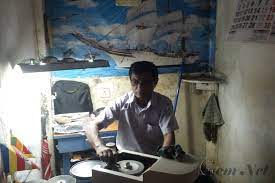
The city is home to master gem cutters who transform raw gemstones into dazzling works of art. The precision and artistry involved in this process are awe-inspiring.

The Cultural Heritage

Rathnapura’s charm extends beyond its gemstones. The city is steeped in rich cultural heritage.

Temples and Festivals

Rathnapura boasts several ancient temples, each with its own unique history and architectural beauty. The city comes alive during religious festivals, where vibrant processions and traditional ceremonies create an unforgettable experience.

Natural Wonders

Beyond the world of gemstones and culture, Rathnapura is blessed with stunning natural landscapes.

Hike

Adam’s Peak

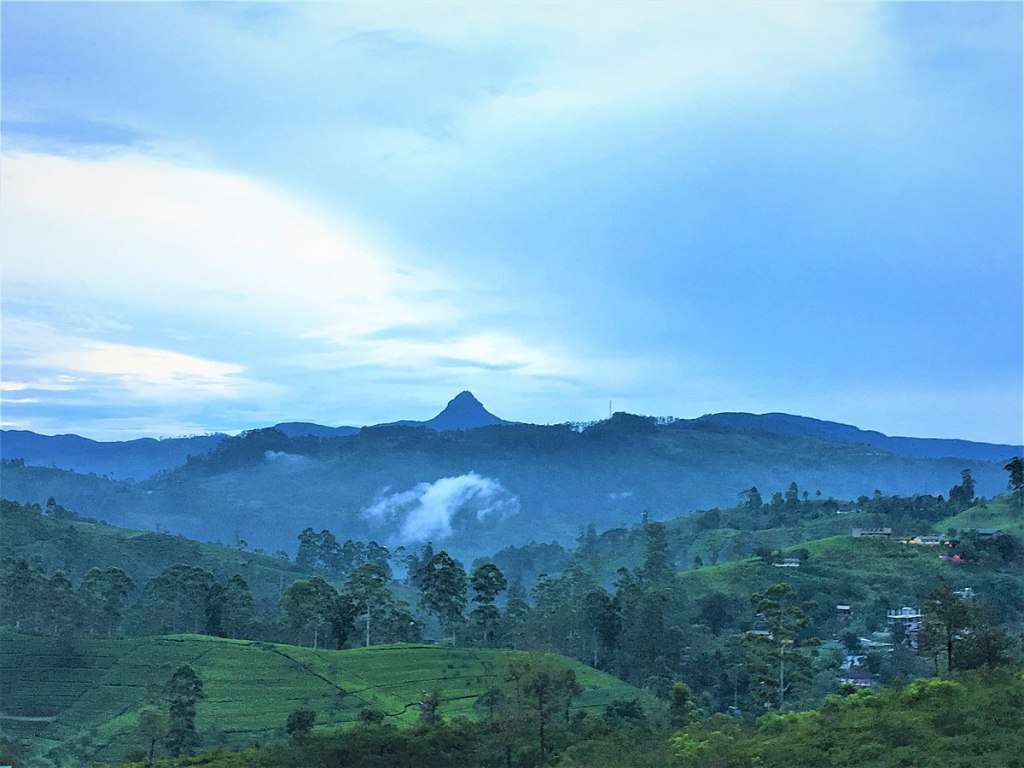
The iconic Adam’s Peak, also known as Sri Pada, is a revered pilgrimage site. It offers a breathtaking sunrise view that is worth the challenging trek to the summit.

Conclusion

In conclusion, Rathnapura is not just a city; it is a treasure trove of history, culture, and natural wonders. Its gemstone industry has made it famous, but it is the warmth of its people and the splendor of its surroundings that make it truly remarkable.

Frequently Asked Questions

  1. What makes Rathnapura’s gemstones special? Rathnapura’s gemstones are renowned for their quality and variety. The city’s rich geological deposits have given rise to exquisite rubies, sapphires, and more.
  2. How can I visit Rathnapura’s gem markets? Rathnapura’s gem markets are open to the public. You can visit them during regular business hours and explore the dazzling array of gemstones on display.
  3. Are there guided tours available in Rathnapura? Yes, Rathnapura offers guided tours that provide insights into the gemstone industry, cultural heritage, and natural attractions of the city.
  4. What is the best time to visit Rathnapura? The best time to visit Rathnapura is during the dry season, from December to April, when the weather is pleasant and outdoor activities are more enjoyable.
  5. Can I purchase gemstones in Rathnapura and take them home? Yes, you can purchase gemstones in Rathnapura, but it’s essential to follow legal procedures and ensure that you are buying from reputable sources to avoid any issues when taking them home.

SHARE

The Best Guide to Visit the Sri Lankan National Museum

SHARE

Sri Lankan National Museum

Sri Lankan National Museum

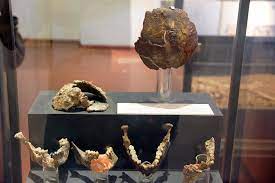
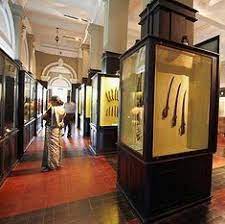
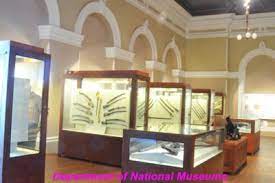
The Sri Lankan National Museum stands as a testament to the island nation’s rich and diverse cultural heritage. Nestled in the heart of Colombo, the capital city, this museum serves as a treasure trove of historical artifacts, art pieces, and archaeological wonders that provide a captivating glimpse into Sri Lanka’s past. In this article, we’ll take an enchanting journey through the halls of the National Museum, uncovering its significance, key exhibits, and the stories they tell.

After exploring the rich history at the Sri Lanka National Museum, visitors can enjoy a peaceful walk in Viharamahadevi Park, visit the sacred Gangaramaya Temple, learn about the nation’s history at Independence Memorial Hall, relax at Galle Face Green, or explore the vibrant Colombo Fort. For more information about Sri Lanka and its attractions, visit the Sri Lanka Tourism Board and for visa and travel requirements, check the Sri Lanka Immigration & Visa Services

1. Introduction

The National Museum of Sri Lanka, founded in 1877, holds the distinction of being the oldest museum in the country. Its impressive collection offers visitors an opportunity to journey through time and witness the evolution of Sri Lankan culture, art, and history.

Sri Lankan National Museum

2. A Glimpse into History of Sri Lankan National Museum

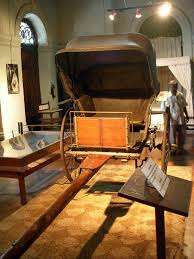
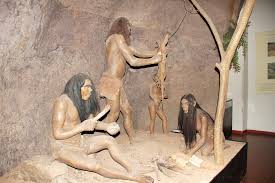
Stepping into the museum is like stepping back in time. The vast corridors are adorned with relics that span millennia, showcasing the island’s remarkable journey from prehistoric times to the modern era.

3. Architectural Marvel of the Museum

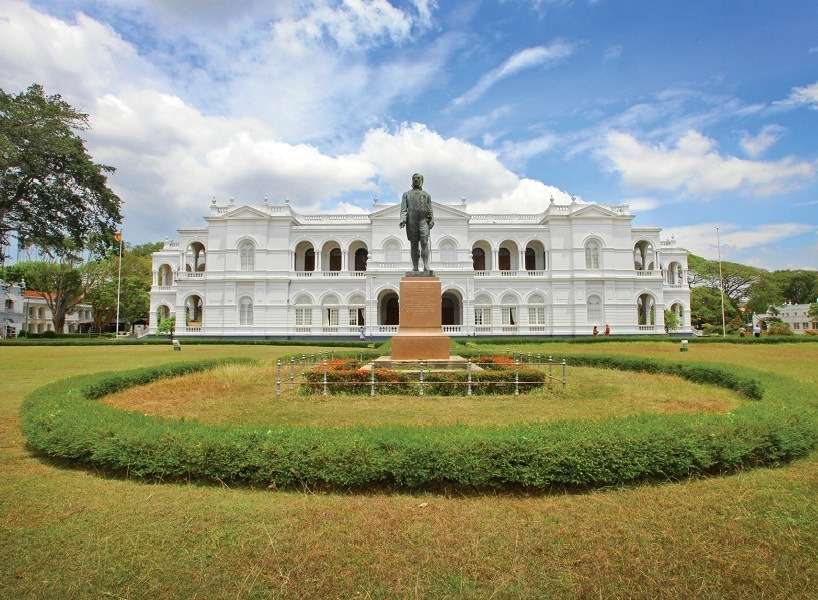
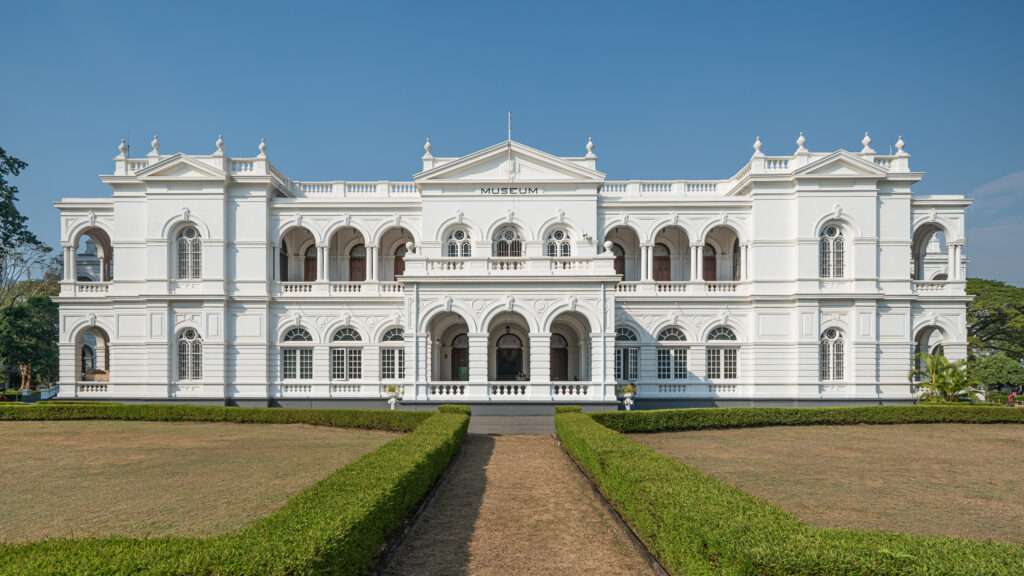
The museum’s architecture is an attraction in itself, blending colonial and traditional elements. The stately facade welcomes visitors, hinting at the treasures that lie within.

Sri Lankan National Museum

4. Exquisite Artifacts on Display

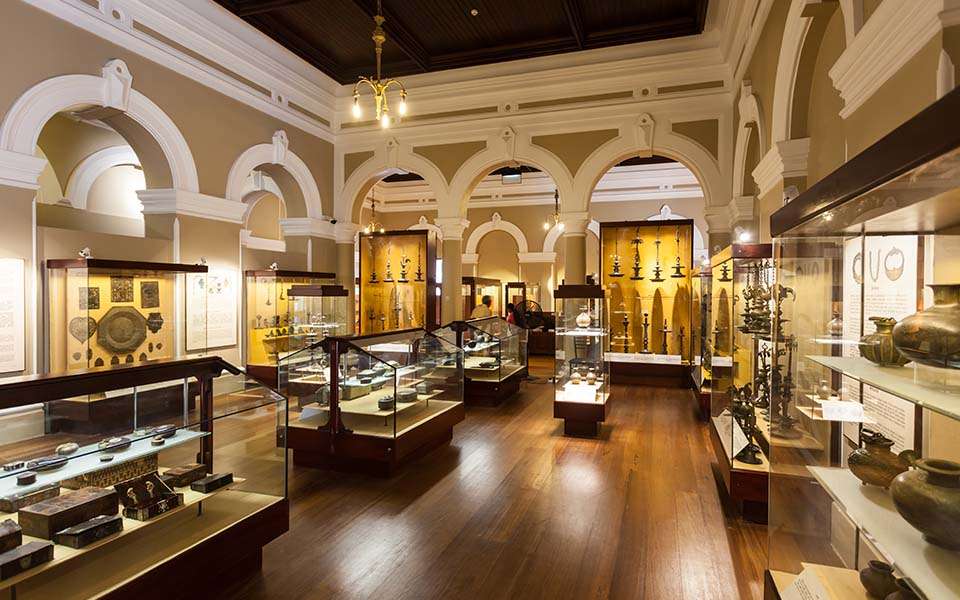
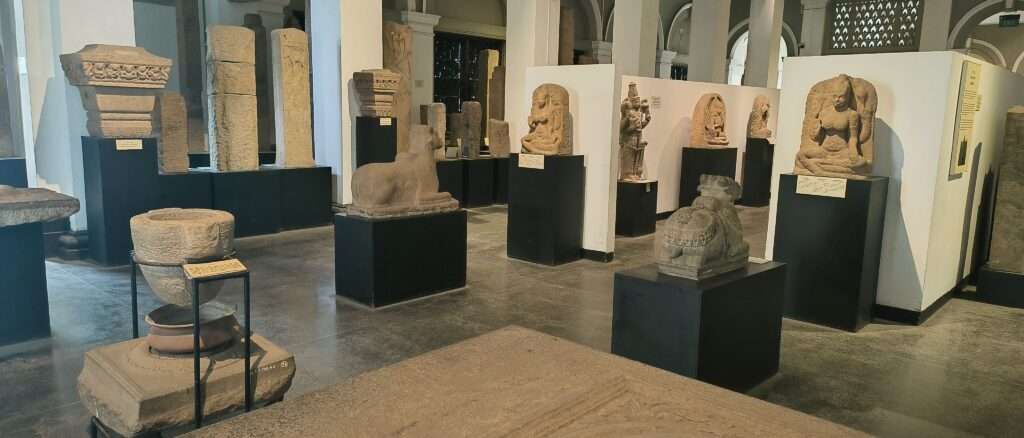
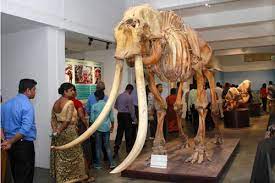
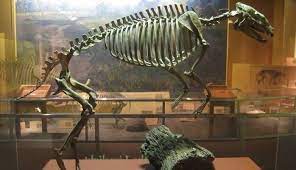
Each exhibit hall within the museum is a trove of exquisite artifacts. Intricately carved sculptures, delicate pottery, and ancient manuscripts offer a glimpse into the artistic prowess of generations past.

Sri Lankan National Museum

5. Buddhist Heritage Collection at Sri Lankan National Museum

Sri Lanka’s rich Buddhist heritage takes center stage with a dedicated collection of artifacts. Statues, relics, and paintings narrate the story of Buddhism’s profound influence on the island.

6. Ancient Kingdoms and Monarchies

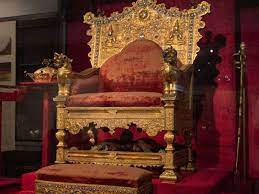
The rise and fall of ancient kingdoms are beautifully depicted through artifacts that depict royal life, governance, and cultural practices.

7. Numismatic Treasures in Sri Lankan National Museum

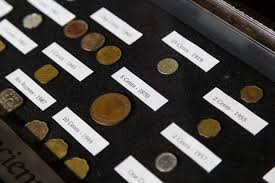
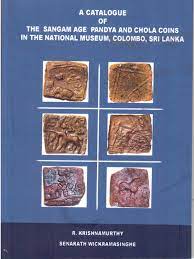
The museum boasts an impressive collection of coins and currency notes, showcasing the evolution of trade, economy, and craftsmanship over centuries.

8. Colonial Era Chronicles

The colonial period comes to life through exhibits that detail the interactions between Sri Lanka and colonial powers, shedding light on a complex historical era.

9. Cultural Diversity and Ethnographic Displays

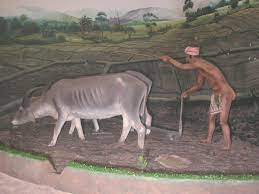
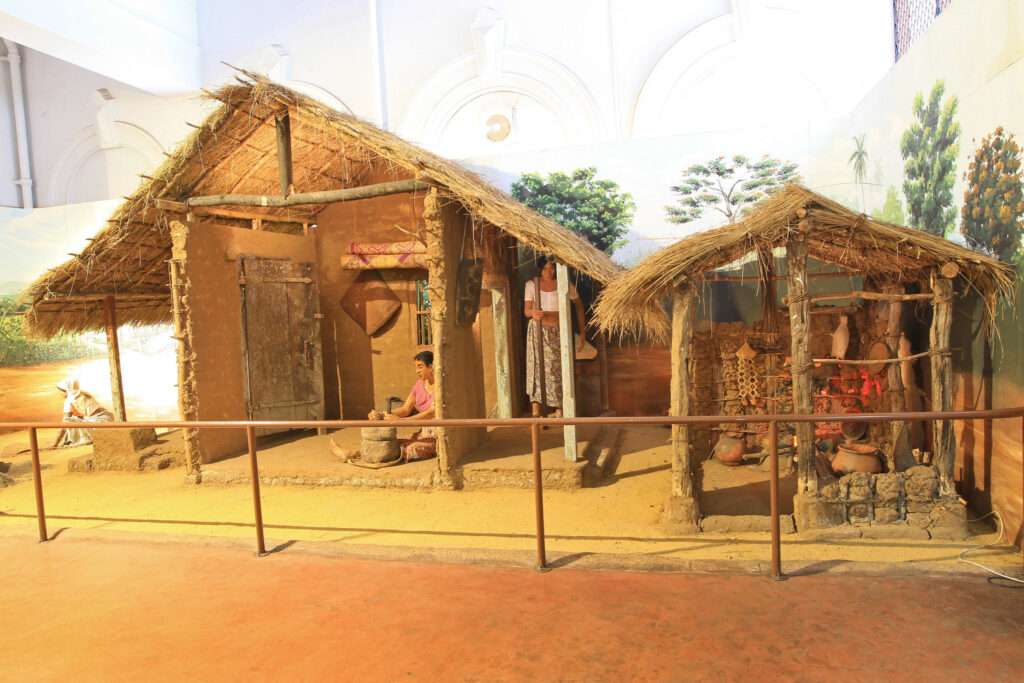
Sri Lanka’s vibrant cultural diversity is celebrated through ethnographic displays that highlight the traditions, rituals, and lifestyles of various communities.

Sri Lankan National Museum

10. Textiles and Traditional Costumes in Sri Lankan National Museum

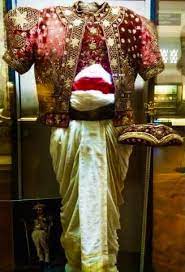
The elegance of Sri Lankan attire unfolds through a range of textiles and traditional costumes, reflecting the island’s deep-rooted fashion heritage.

11. Folk Art and Traditional Crafts

The creativity and craftsmanship of local artisans are showcased through folk art and traditional crafts, offering insights into everyday life throughout history.

12. Sri Lankan Theatre and Music

The museum also pays homage to the performing arts, with exhibits that delve into the captivating world of Sri Lankan theatre, music, and dance.

13. Preserving Maritime History

Given its strategic location, maritime history is a crucial part of Sri Lanka’s story. The museum’s maritime exhibit explores the nation’s seafaring heritage.

14. Modern and Contemporary Art at Sri Lankan National Museum

The journey through history culminates in a celebration of modern and contemporary art, reflecting the island’s evolution into the 21st century.

15. Educational Programs and Outreach

The National Museum is not only a repository of artifacts but also a center of learning. It hosts educational programs, workshops, and lectures to engage visitors of all ages.

16. Conclusion

The National Museum of Sri Lanka stands as a custodian of the nation’s heritage, offering a captivating journey through time, culture, and art. It serves as a reminder of the island’s rich and diverse past, shaping its present and future.

17. FAQs

  1. What are the museum’s opening hours? The museum is open from 9:00 AM to 6:00 PM every day except on public holidays.
  2. Is photography allowed inside the museum? Yes, photography is allowed, but without flash.
  3. Are guided tours available for visitors? Absolutely! The museum offers guided tours that provide in-depth insights into the exhibits.
  4. Is there an entrance fee for visitors? Yes, there’s a nominal entrance fee for visitors, with discounted rates for students and seniors.
  5. Can I purchase souvenirs at the museum? Of course! The museum has a gift shop where you can find a variety of souvenirs and cultural items.

SHARE

Ambewala Dairy Farm | Mini New Zealand | Nuwara Eliya
SHARE

Ambewala Dairy Farm | Mini New Zealand | Nuwara Eliya
Nestled amidst the picturesque landscapes of Nuwara Eliya, Sri Lanka, the Ambewala Dairy Farm stands as a testament to both agricultural excellence and natural beauty. This charming dairy farm has not only carved a niche for itself in the local dairy industry but has also become a popular destination for both locals and tourists seeking a unique experience. In this article, we’ll delve into the fascinating world of Ambewala Dairy Farm, exploring its history, offerings, and the immersive experience it offers to its visitors.

After visiting the renowned Ambewela Dairy Farm, travelers can explore the nearby Horton Plains National Park, enjoy the scenic beauty of Ohiya, witness the majestic Elgin Falls, or experience the historic Ambewela Railway Station. For more information about Sri Lanka and its attractions, visit the Sri Lanka Tourism Board and for visa and travel requirements, check the Sri Lanka Immigration & Visa Services. Learn more about Ambewela Dairy Farm on our site: VisitSriLankan.com

Ambewala Dairy Farm

History and Legacy

The roots of Ambewala Dairy Farm trace back to its inception in the early 1940s. Founded by a group of visionary farmers, the farm was established with a dual purpose – to provide high-quality dairy products to the local community and to harness the fertile lands of Nuwara Eliya. Over the decades, the farm has transformed from a modest establishment to a sprawling dairy haven, combining traditional farming practices with modern technology.

Ambewala Dairy Farm

Breeding Excellence: Caring for the Cows

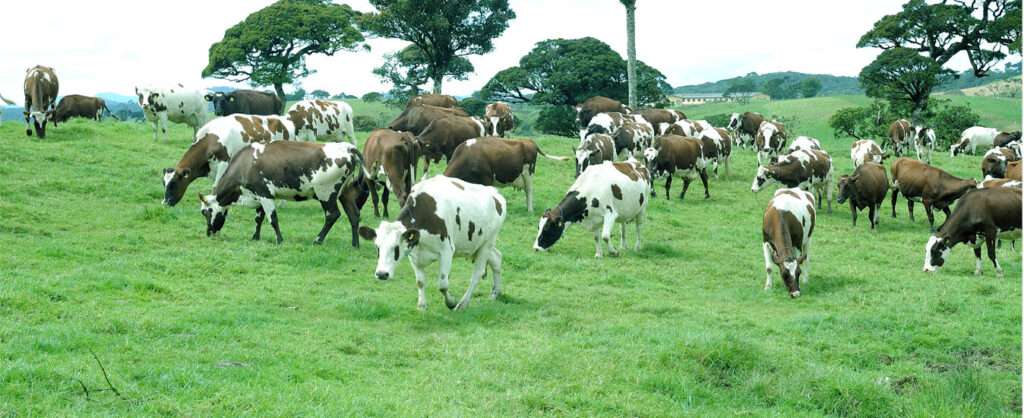
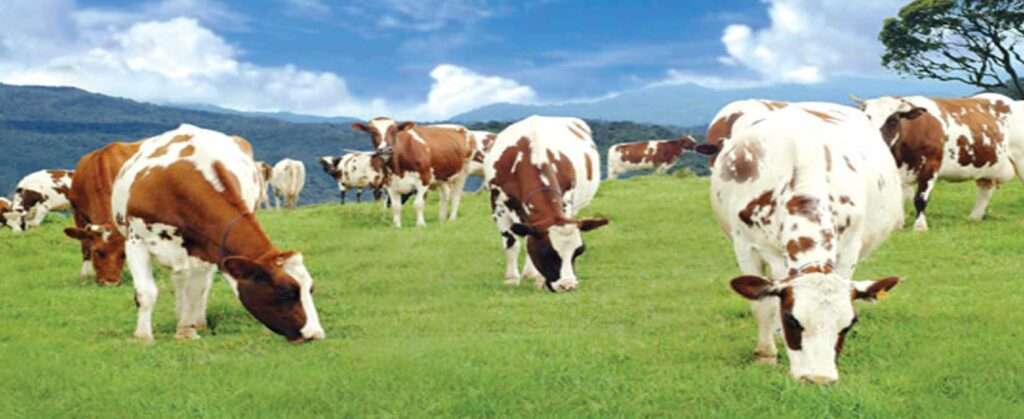
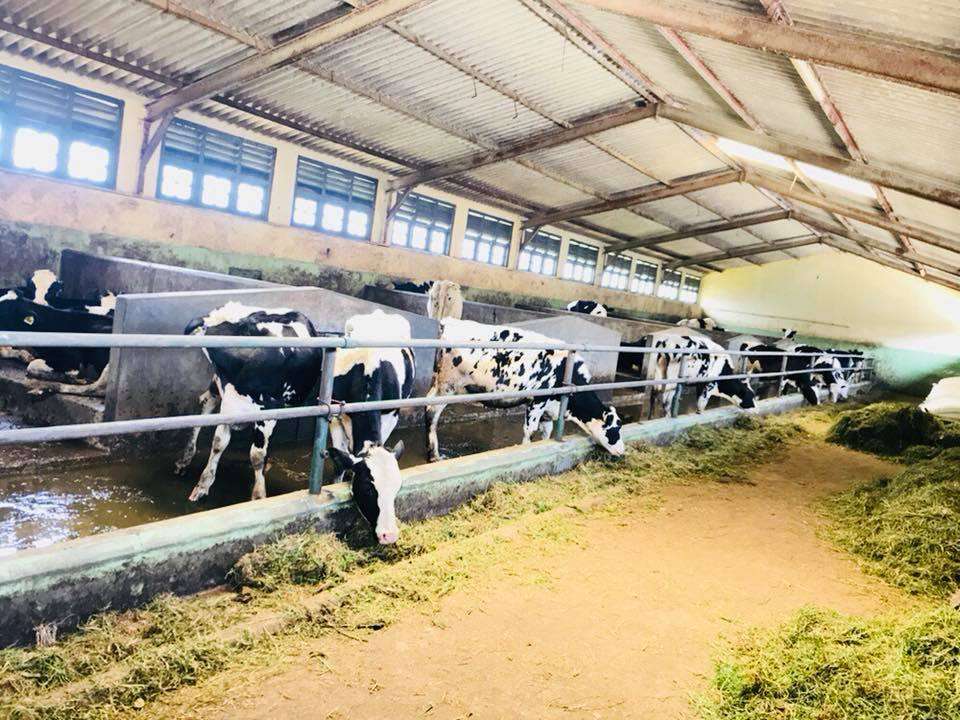
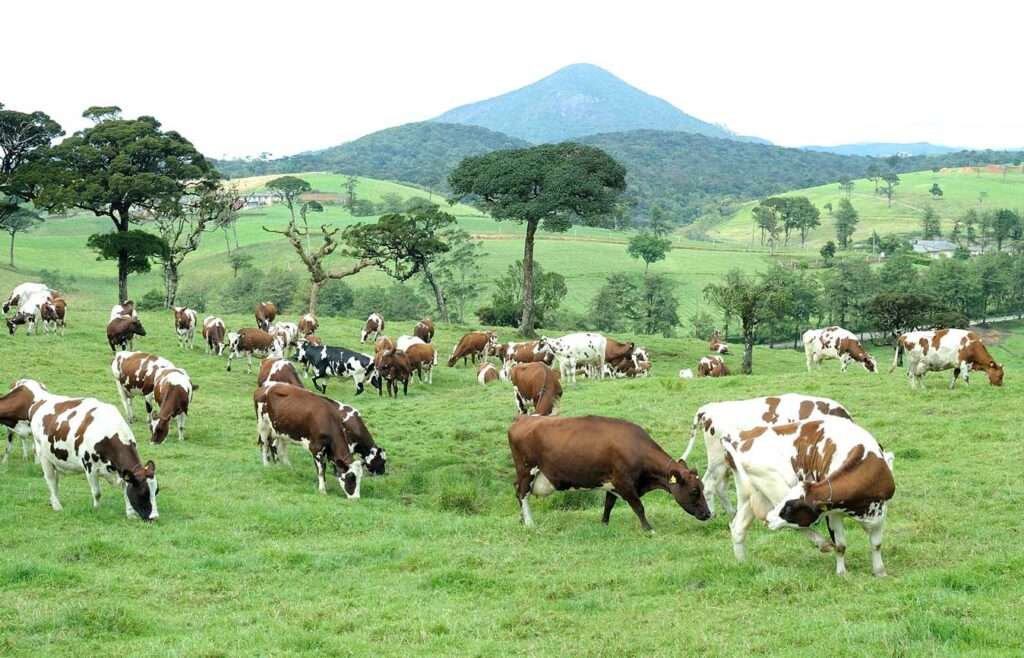
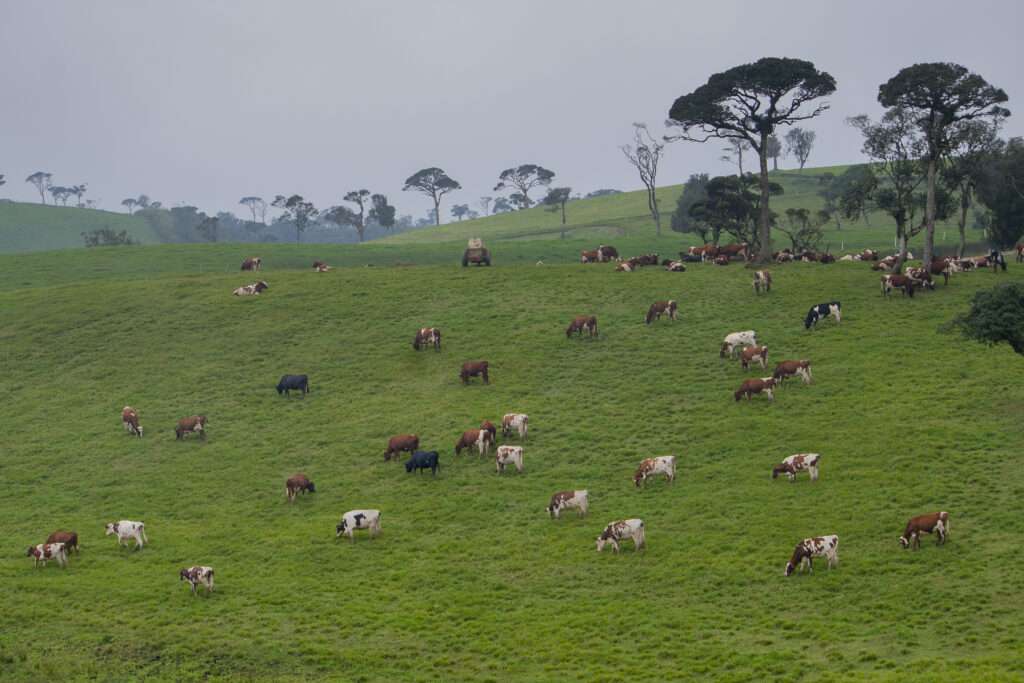
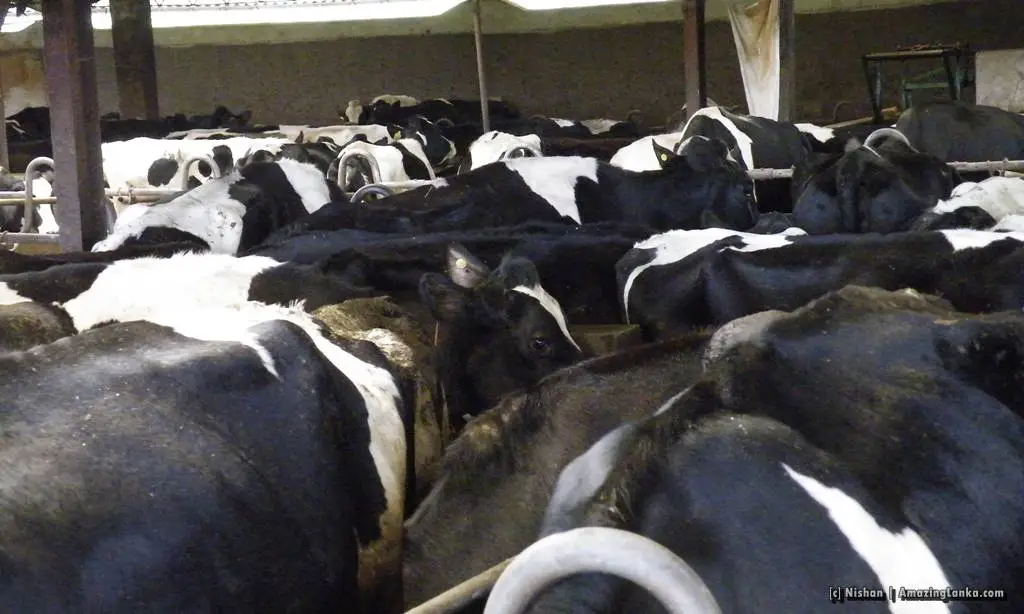
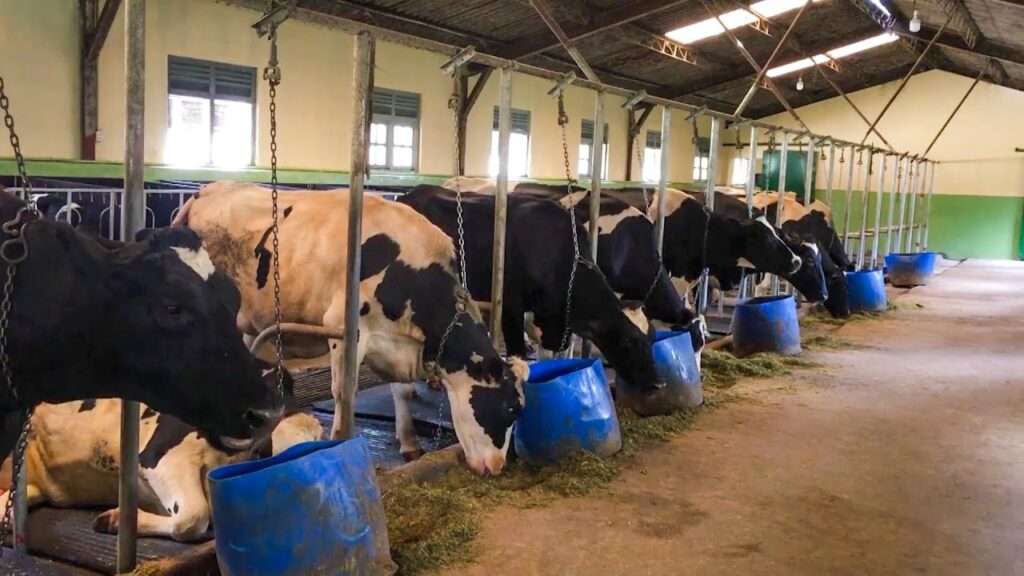
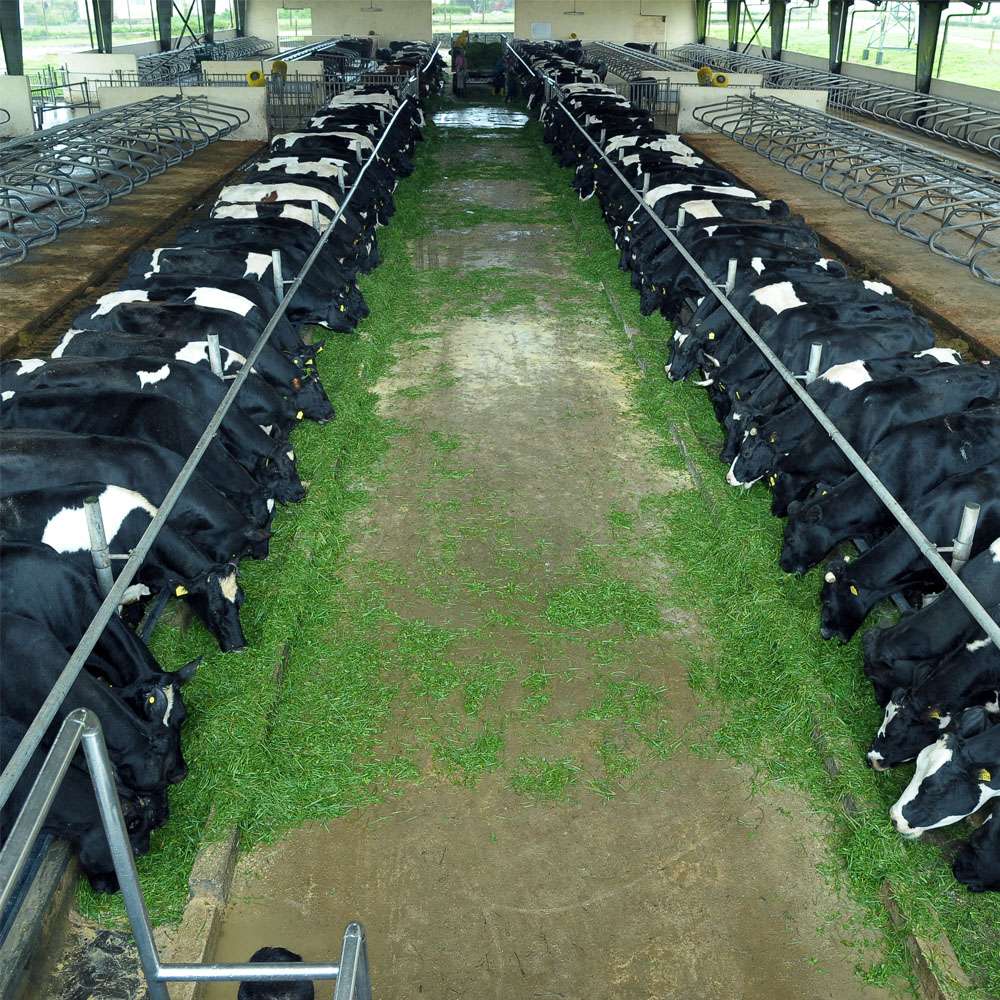
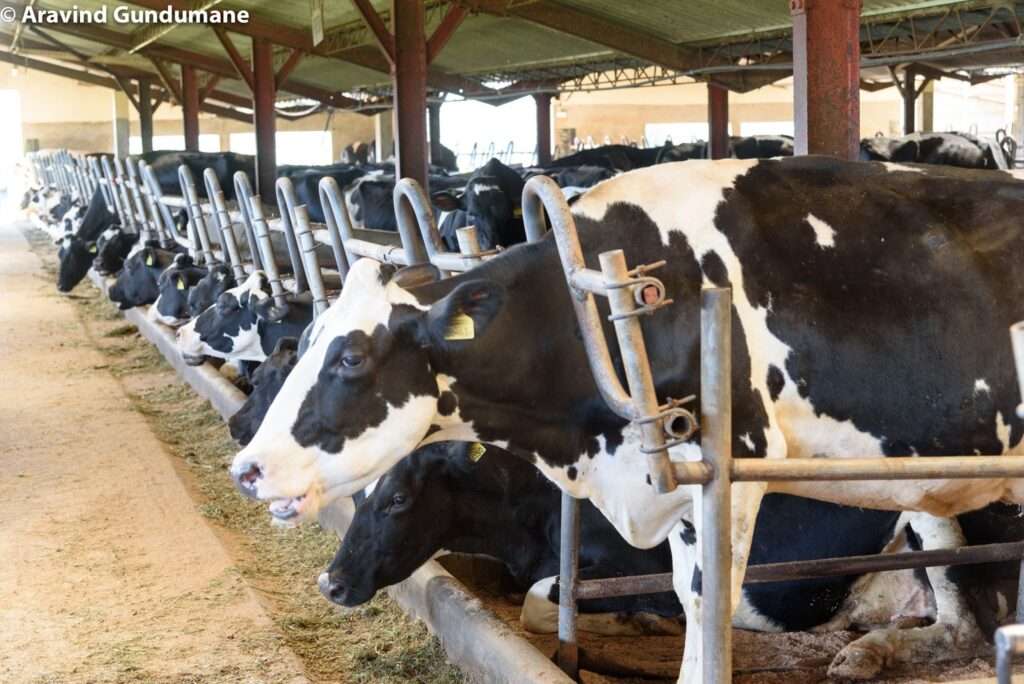
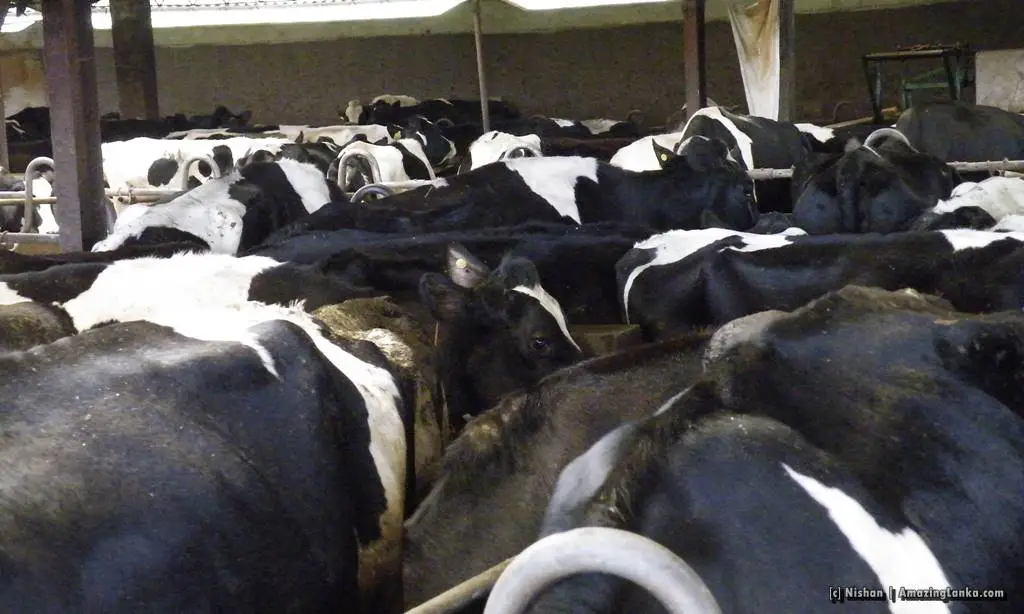
Central to Ambewala’s success is their commitment to breeding and raising high-quality dairy cattle. The farm boasts a diverse herd of cows, meticulously bred for their milk production and resilience to the local climate. Visitors are invited to witness the daily routines of these cows, learn about their diets, and even participate in milking sessions under expert guidance.

From Farm to Table: Dairy Product Range

One of the farm’s standout features is its comprehensive range of dairy products. From fresh milk and yogurt to artisanal cheeses, Ambewala offers a true farm-to-table experience. The processing unit on the farm ensures that the dairy products retain their natural goodness and flavors, making each bite a delightful experience. Tourists and locals alike can purchase these products, taking a piece of Ambewala’s goodness home with them.

Eco-Friendly Practices and Sustainability

Ambewala Dairy Farm’s commitment extends beyond just producing dairy. The farm is dedicated to sustainable practices, including waste reduction, water conservation, and renewable energy utilization. Through guided tours, visitors gain insight into these practices, understanding how a dairy farm can harmonize with the environment while maintaining productivity.

Exploring the Farm: Agro-Tourism Adventures

Beyond the dairy operations, Ambewala offers visitors a chance to explore its lush surroundings through agro-tourism activities. Guided walks through fruit orchards, vegetable gardens, and flower beds showcase the diversity of the farm’s agricultural endeavors. This hands-on experience allows guests to pluck fresh produce and gain a deeper appreciation for the labor that goes into food production.

The Enchanting Landscape of Nuwara Eliya

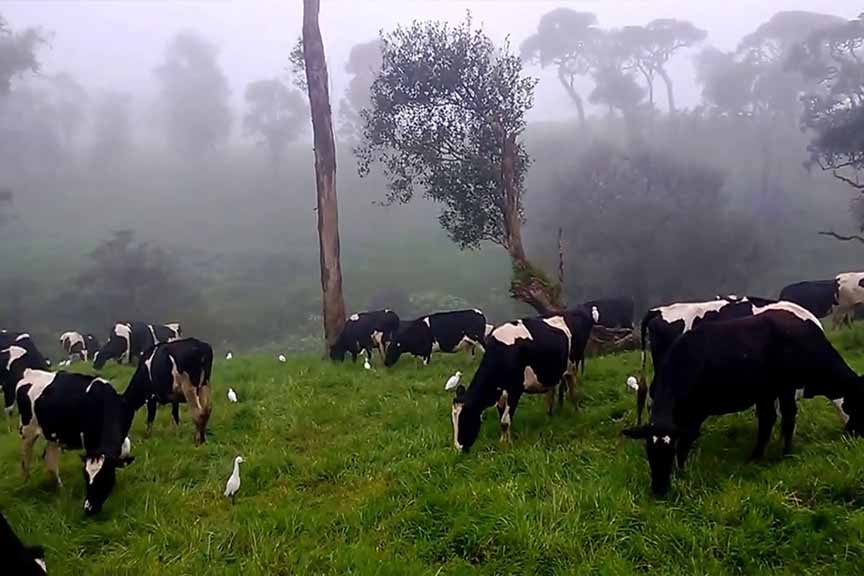
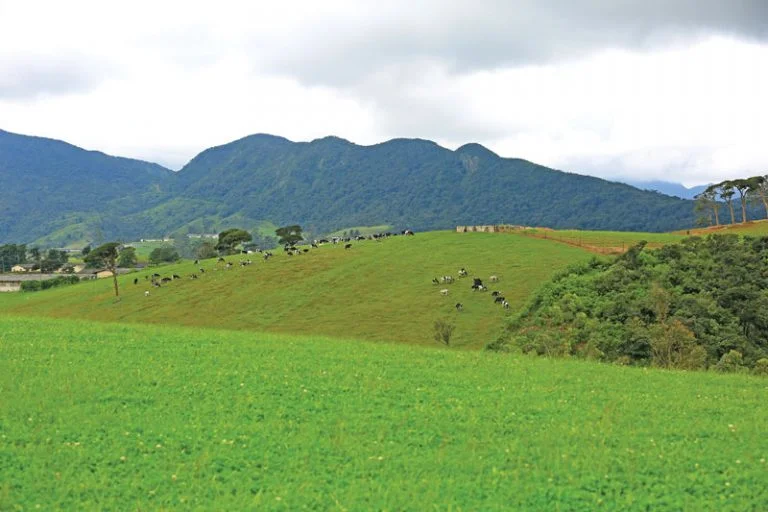
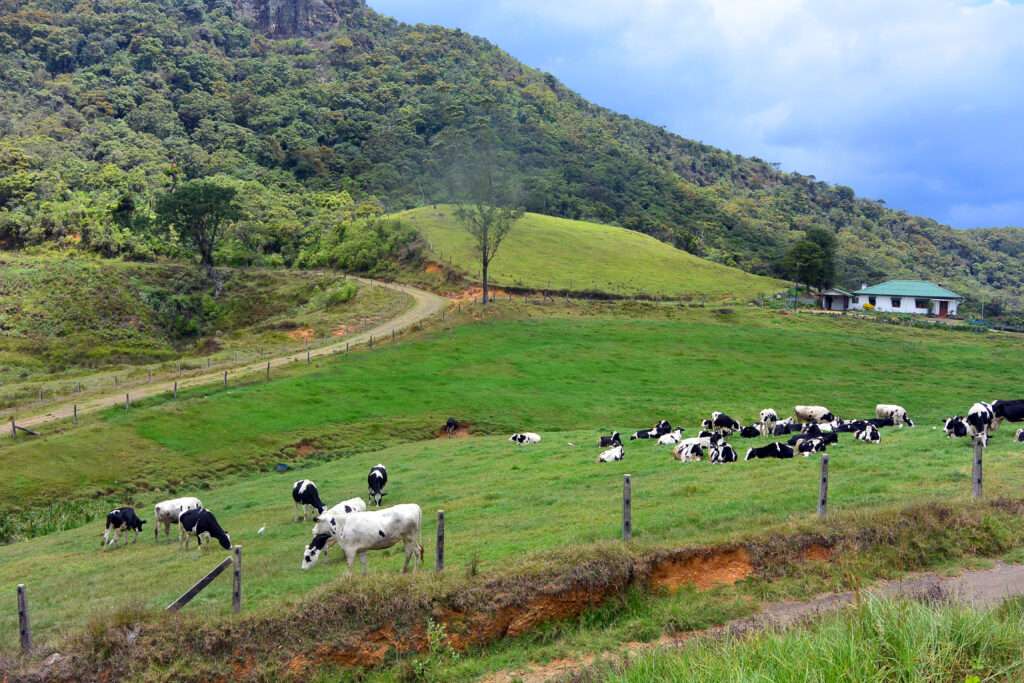
Nuwara Eliya’s misty mountains and cool climate provide the perfect backdrop for Ambewala Dairy Farm. The farm’s location in this scenic region adds to its charm, making it a serene escape from the bustle of city life. Visitors often find themselves captivated by the rolling hills, clear skies, and the tranquil ambiance that envelops the entire area.

Conclusion

In conclusion, Ambewala Dairy Farm in Nuwara Eliya, Sri Lanka, is not just a dairy farm; it’s an embodiment of harmonious coexistence between human innovation and nature’s bounty. With its rich history, sustainable practices, and immersive experiences, the farm offers visitors an opportunity to reconnect with the origins of their food. A visit to Ambewala Dairy Farm is a journey of discovery, education, and appreciation for the beauty of agriculture.

FAQs

1. Can I purchase dairy products directly from Ambewala Dairy Farm? Absolutely! Ambewala offers a range of dairy products that you can buy and take home.

2. Are guided tours available for visitors? Yes, guided tours are available for visitors to explore the farm and its various operations.

3. Can I participate in milking sessions during my visit? Certainly! Ambewala welcomes visitors to experience milking sessions under expert supervision.

4. How can I reach Ambewala Dairy Farm from Nuwara Eliya town? The farm is conveniently accessible by road, and it’s just a short drive from Nuwara Eliya.

5. Is Ambewala Dairy Farm suitable for a family outing? Absolutely. The farm’s serene surroundings and engaging activities make it a perfect destination for families seeking a unique outing.


SHARE

Kataragama Sri Lanka – A Complete Visitor Guide for Travelers

SHARE

Kataragama – The Famous Pilgrimage Town in Sri Lanka

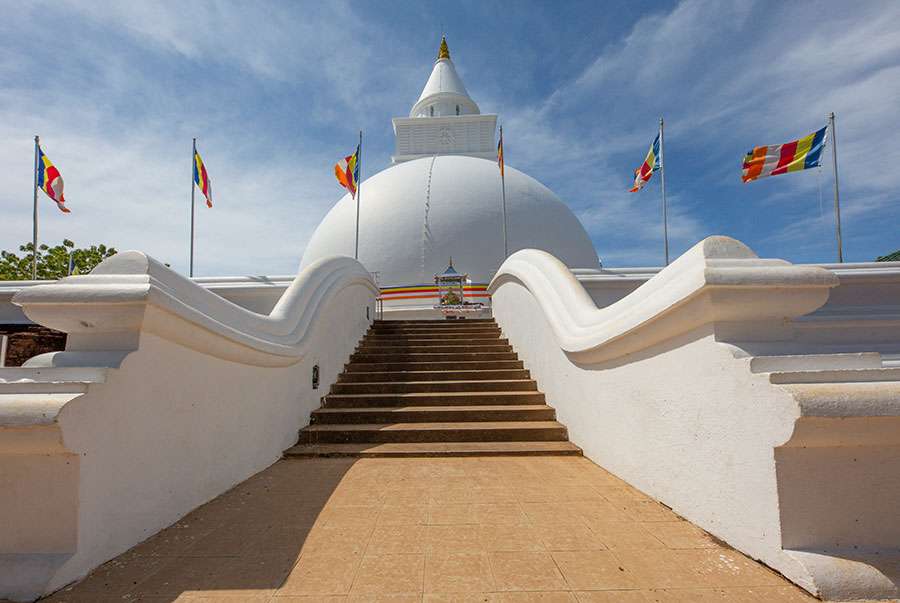
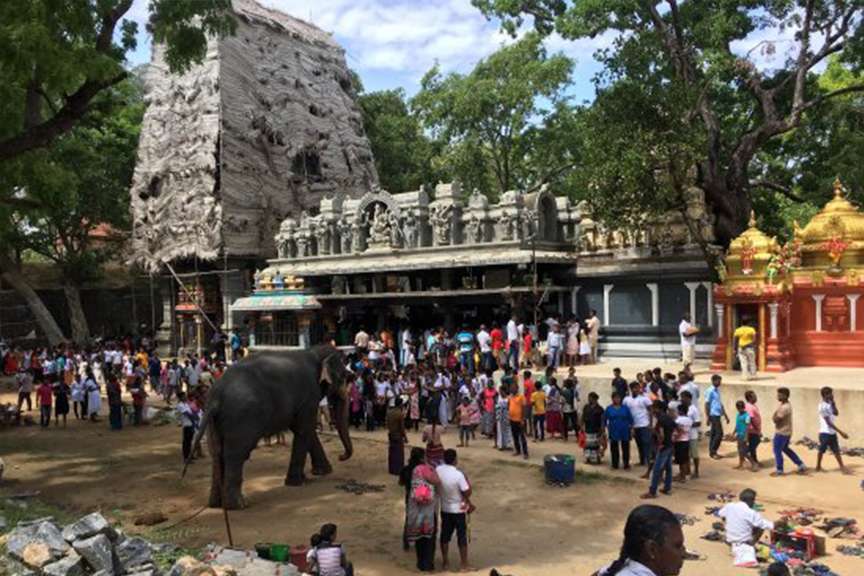
The Kataragama Temple, nestled in the heart of Sri Lanka, stands as a captivating testament to the island’s rich cultural tapestry and spiritual heritage. This sacred sanctuary, steeped in centuries of history, beckons pilgrims and curious travelers alike to delve into its mystical aura and unravel the secrets it holds. Let’s embark on a journey to discover the enchanting allure of the Kataragama Temple and the spiritual significance it carries.

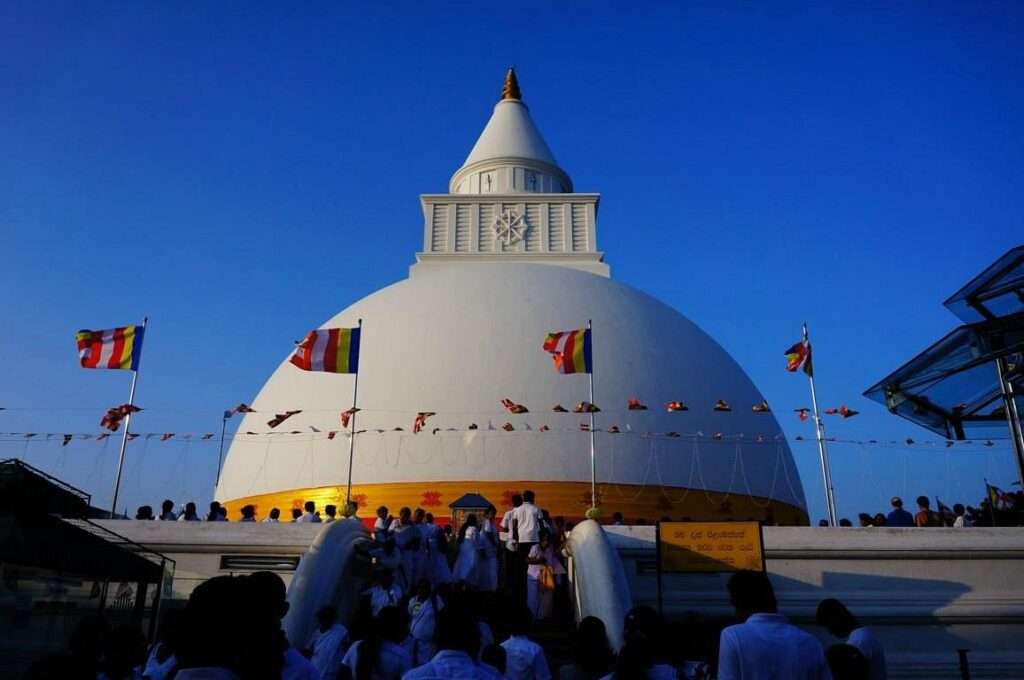
After visiting the sacred Kataragama Temple, travelers can explore the nearby Kirivehera, a revered Buddhist stupa; the tranquil Sella Kataragama, dedicated to Lord Ganesha; the scenic Vedahiti Kanda, believed to be the abode of the deity; the sacred Menik Ganga, where devotees perform rituals; or embark on a safari in Yala National Park, known for its diverse wildlife.”

Kataragama Temple

Introduction – Kataragama Temple

Nestled within the verdant landscapes of Sri Lanka, the Kataragama Temple stands as a testament to the island’s vibrant spiritual mosaic. This article takes you on a captivating journey through the temple’s historical origins, intricate architecture, diverse religious practices, and its role as a focal point of cultural significance.

Kataragama Temple

Historical Origins of Kataragama Temple

The roots of Kataragama Temple can be traced back to ancient times, where it emerged as a sacred place of worship for multiple faiths, including Buddhism, Hinduism, and indigenous beliefs. The amalgamation of these diverse traditions has given rise to a unique and harmonious spiritual sanctuary.

Kataragama Temple

Architectural Marvels: A Glimpse into the Temple’s Design

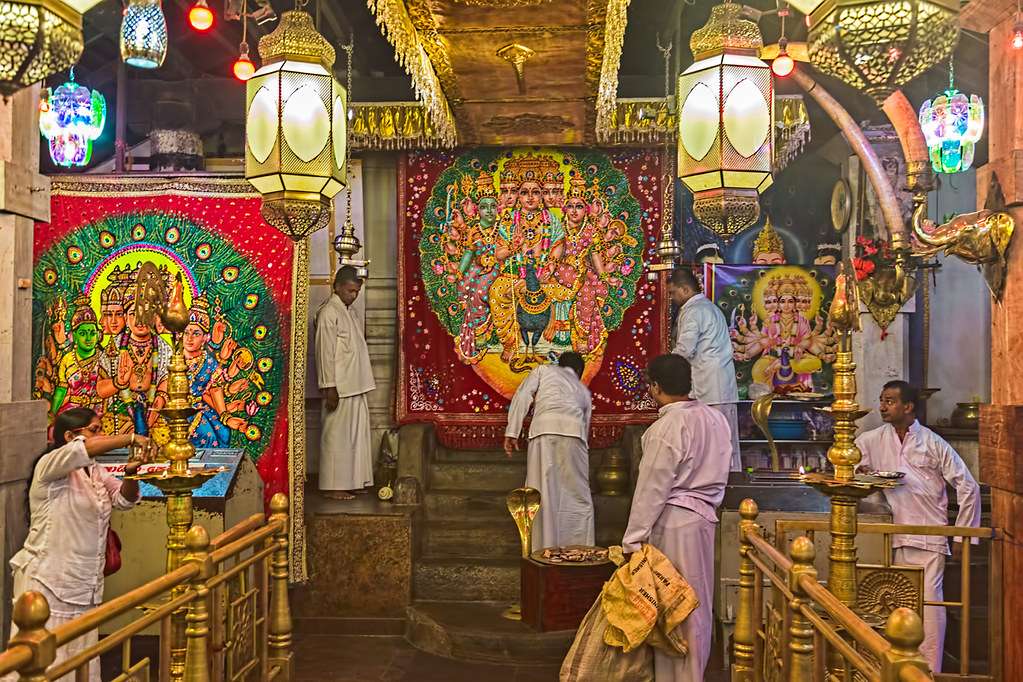
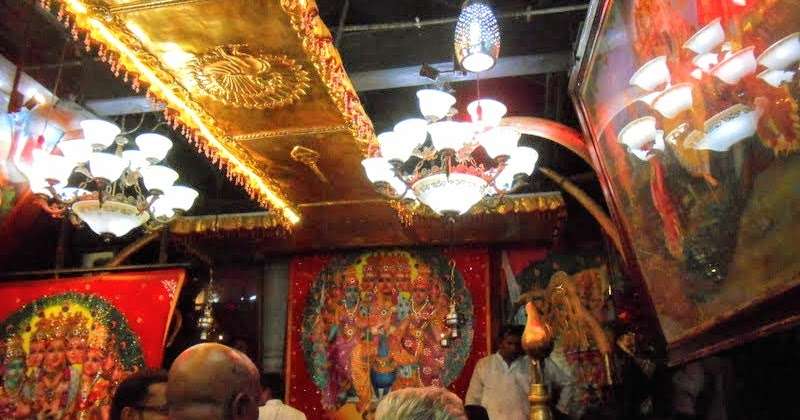
The temple’s architecture is a breathtaking fusion of intricate carvings, vibrant paintings, and ornate sculptures. The towering gopurams (entrance towers) adorned with colorful depictions of deities and mythical creatures provide a glimpse into the temple’s artistic grandeur.

Kataragama Temple

Religious Significance and Multicultural Harmony – Kataragama Temple

Kataragama Temple stands as a symbol of religious coexistence and harmony. It is a revered pilgrimage site for Buddhists, Hindus, and devotees of indigenous beliefs. This convergence of faiths highlights the unity that can emerge from diversity.

The Annual Esala Festival: A Grand Celebration

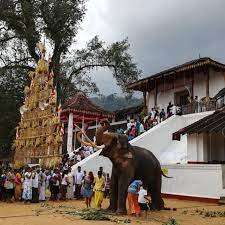
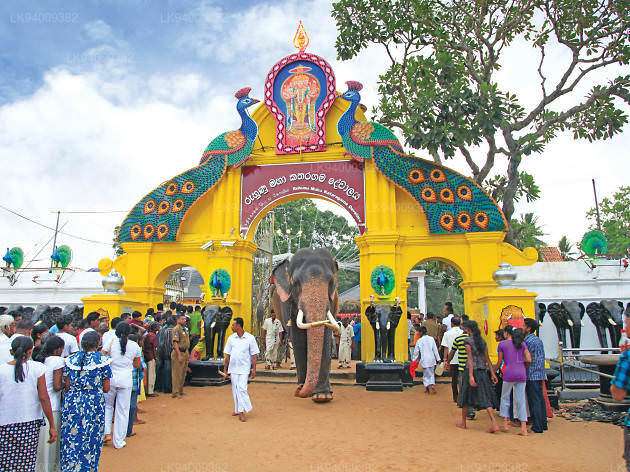
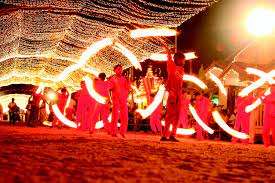
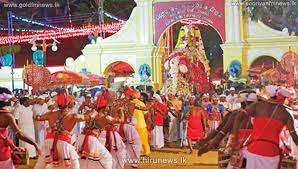
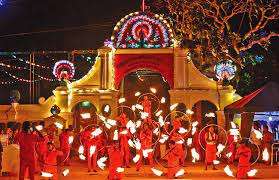
One of the most vibrant events held at the temple is the annual Esala Festival. This grand celebration brings together thousands of devotees in a procession, showcasing elaborate rituals, traditional music, and captivating dance performances.

Kataragama Temple

Legends and Myths: Stories of Lord Kataragama

The temple is associated with Lord Kataragama, a revered deity known for his role as a guardian and protector. Intriguing myths and legends surround him, adding an air of mystique to the temple’s ambiance.

Rituals and Worship Practices

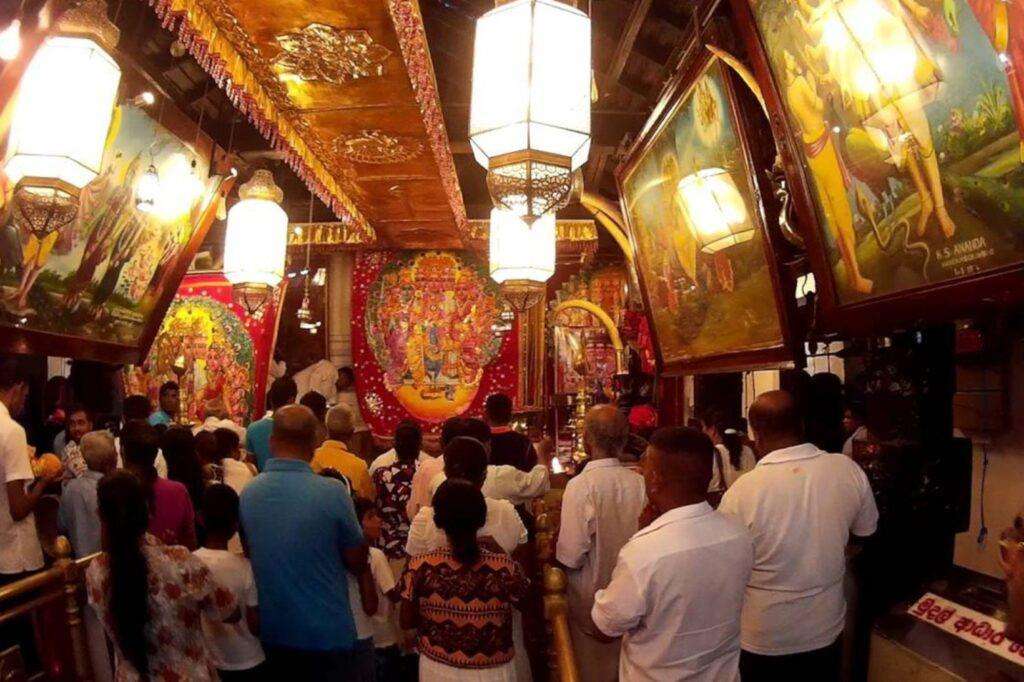
Devotees partake in a variety of rituals and worship practices at the temple. From lighting oil lamps to offering fruits and flowers, these acts of devotion foster a deep spiritual connection with the divine.

Kataragama Temple

The Divine Complex: Structures Within the Temple Grounds – Kataragama Temple

The temple complex houses various structures, each dedicated to different deities and purposes. These include shrines, meditation chambers, and bathing areas that provide pilgrims with a holistic spiritual experience.

Spiritual Healing and Miracles

Many believe in the temple’s power to heal ailments and provide protection. Devotees share anecdotes of miraculous recoveries and divine interventions, adding to the temple’s reputation as a sacred haven.

Kataragama Temple and Ecotourism

Beyond its religious significance, Kataragama Temple is situated in a region of ecological importance. Its proximity to wildlife reserves and lush landscapes makes it a focal point for eco-conscious travelers seeking both spiritual solace and natural beauty.

Preservation Efforts and Modern Challenges

Preserving the historical and cultural integrity of the temple faces modern challenges. Conservation efforts strive to maintain the temple’s authenticity while addressing the impact of tourism and urbanization.

Visitor’s Guide: Experiencing the Temple Firsthand

For those eager to experience the temple’s allure in person, this section offers a practical guide, from transportation options to respectful behavior within the temple grounds.

Cultural Impact and Influence

Kataragama Temple’s influence extends beyond its spiritual significance. It has played a pivotal role in shaping local culture, influencing art, music, and festivals that celebrate the island’s heritage.

Kataragama: Beyond the Temple Walls

Venture beyond the temple to explore the surrounding region, where vibrant markets, local cuisine, and traditional craftsmanship offer a glimpse into the everyday lives of the people who call this land home.

Conclusion

The Kataragama Temple stands as a bridge between history and spirituality, a testament to the enduring power of faith and cultural diversity. Its enchanting aura continues to draw pilgrims and wanderers alike, inviting them to partake in its rich tapestry of rituals, stories, and traditions.

FAQs

  1. How old is Kataragama Temple? The temple’s origins date back centuries, making it a repository of ancient heritage.
  2. Can non-devotees visit the temple? Yes, the temple welcomes visitors of all backgrounds to explore its cultural and spiritual treasures.
  3. What is the significance of the Esala Festival? The Esala Festival is a vibrant celebration of rituals and processions honoring Lord Kataragama.
  4. Are there any accommodations near the temple? Yes, there are various lodgings catering to different budgets available in the vicinity.
  5. How do I reach Kataragama Temple? The temple is accessible by road and offers transportation options from major cities.

SHARE
Verified by MonsterInsights