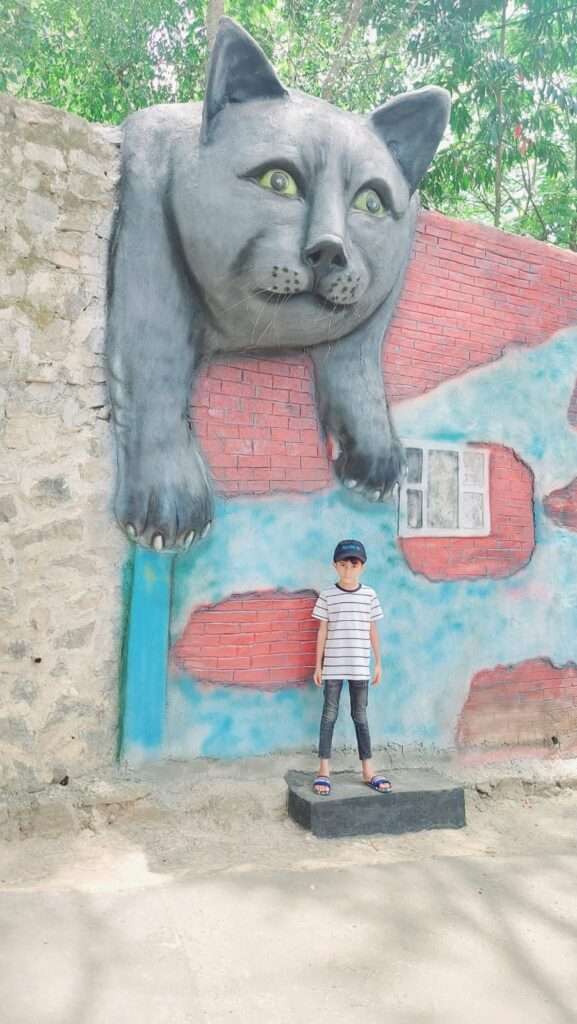
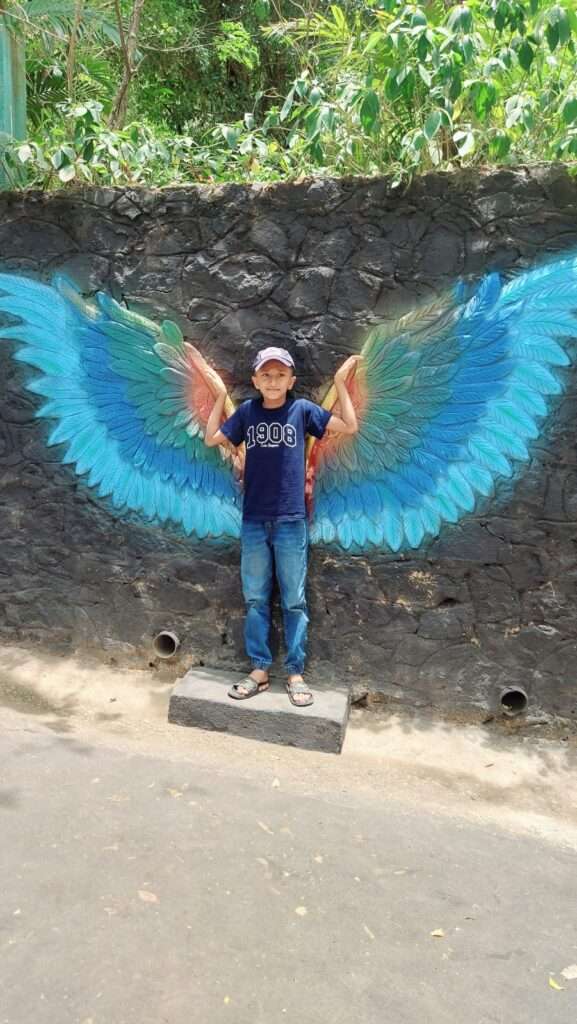
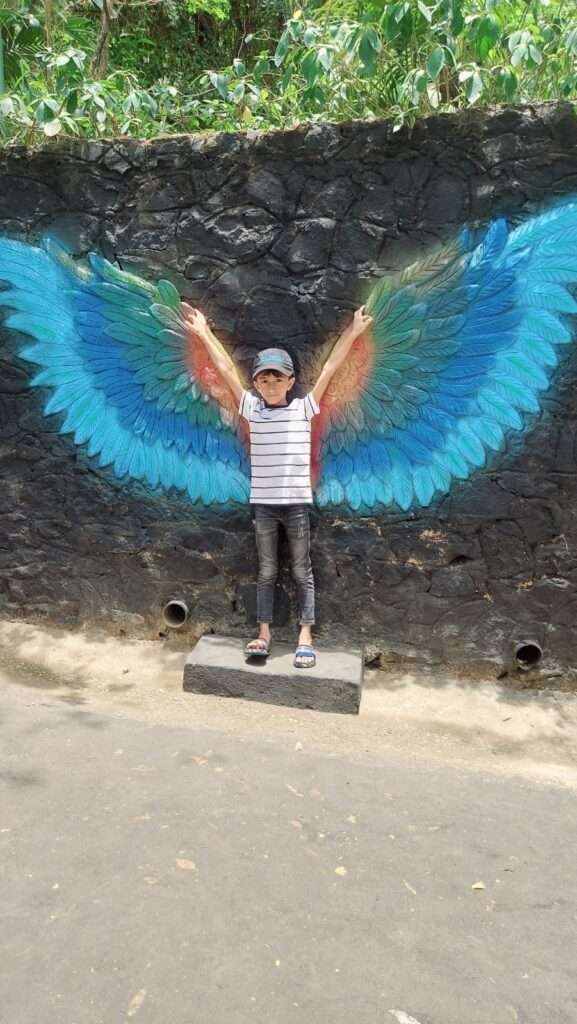
An Amazing Avian Paradise – Handana Birds Park | Kandy
Discover the vibrant Handana Birds Park in Kandy, home to over 500 bird species. This guide covers highlights, tips for visiting, and more.
A Guide to Kandy’s Handana Birds Park
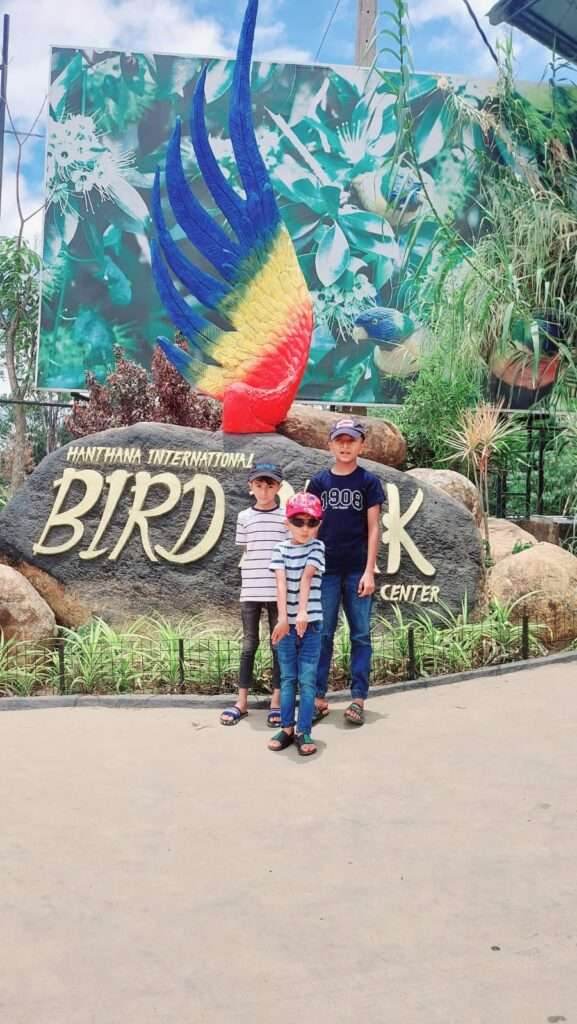
Nestled in the picturesque hill country of Sri Lanka, the Handana Birds Park is a must-visit for nature enthusiasts exploring Kandy. This expansive aviary offers the unique opportunity to walk amongst hundreds of exotic bird species in their natural habitats.
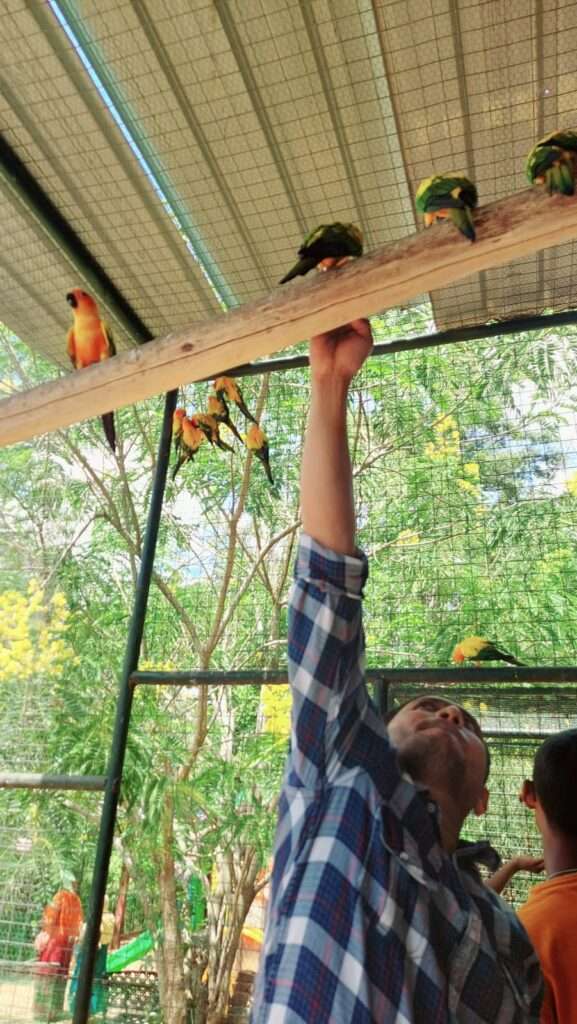
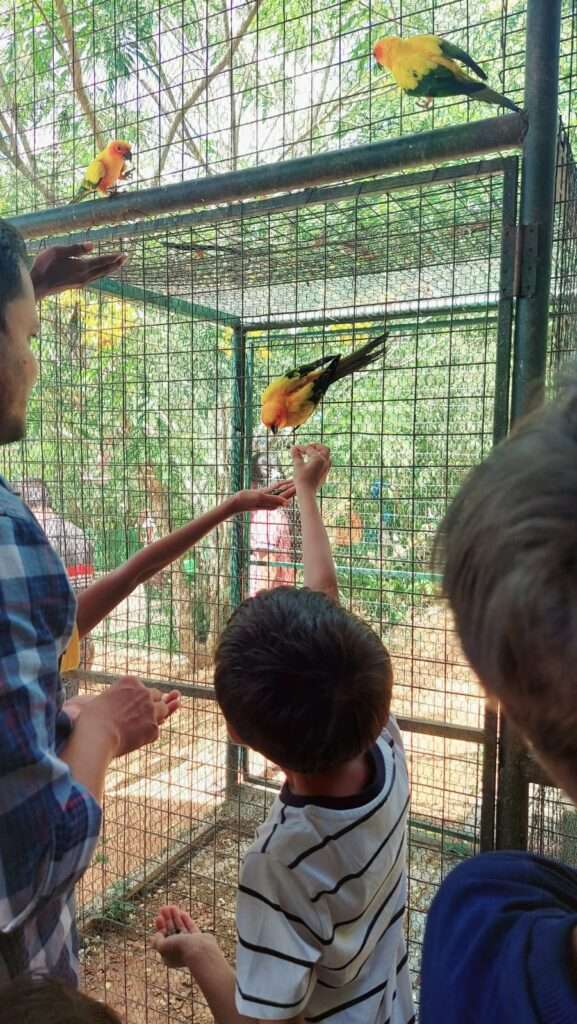
Bird Varieties: With over 500 bird varieties, the park houses an impressive diversity of feathered residents. Spot striking peacocks, vibrantly-hued parrots, majestic eagles, and many endemic species.
Walk-Through Aviaries: Unlike a typical zoo, the Handana Birds Park features large walk-through aviaries where birds can fly freely around you. Get up-close views as you wander along the nature trails.
Butterfly Garden: Adjacent to the aviaries is a serene butterfly garden, home to numerous kaleidoscopic butterfly species native to Sri Lanka.
Tips for Visiting Handana Birds Park
Opening Hours: The park is open daily from 8:30 AM to 6:00 PM.
Entry Fees: $8 USD for adults, $4 USD for children under 12.
What to Bring: Wear comfortable walking shoes, bring sunscreen/hat, and carry a camera to capture the avian wonders.
Feeding Times: Check the feeding schedules to see birds in action during meal times.
Getting to Handana Birds Park
The park is located around 13 km from Kandy city, about a 30-minute drive. Hire a tuk-tuk, taxi or take a Uber to reach easily. Guided tours from Kandy are also an option.
With its incredible avian diversity, serene natural settings, and close proximity to Kandy’s other attractions, the Handana Birds Park offers an immersive and educational outing for all ages. Don’t miss this feathered paradise on your Kandy travels!
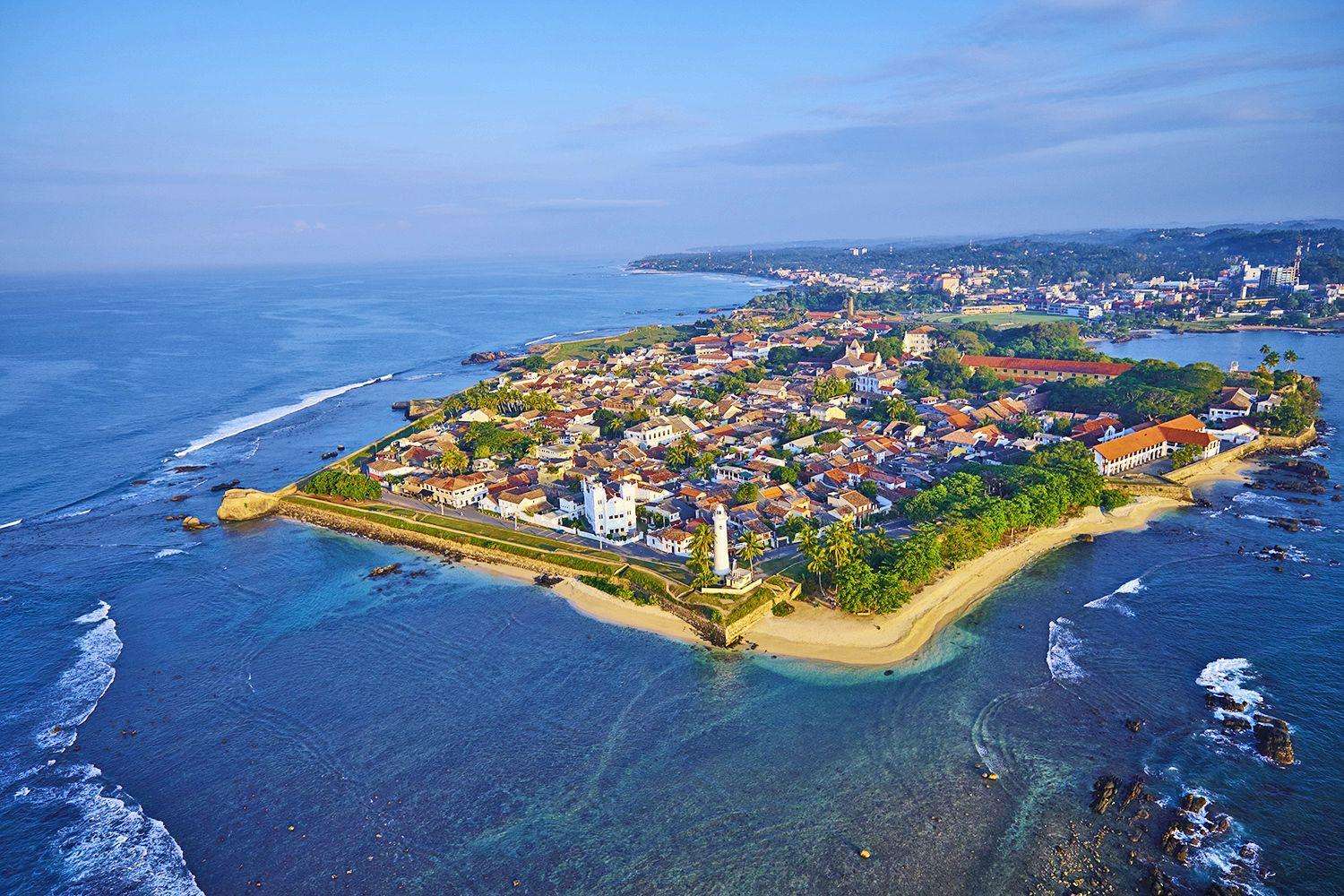
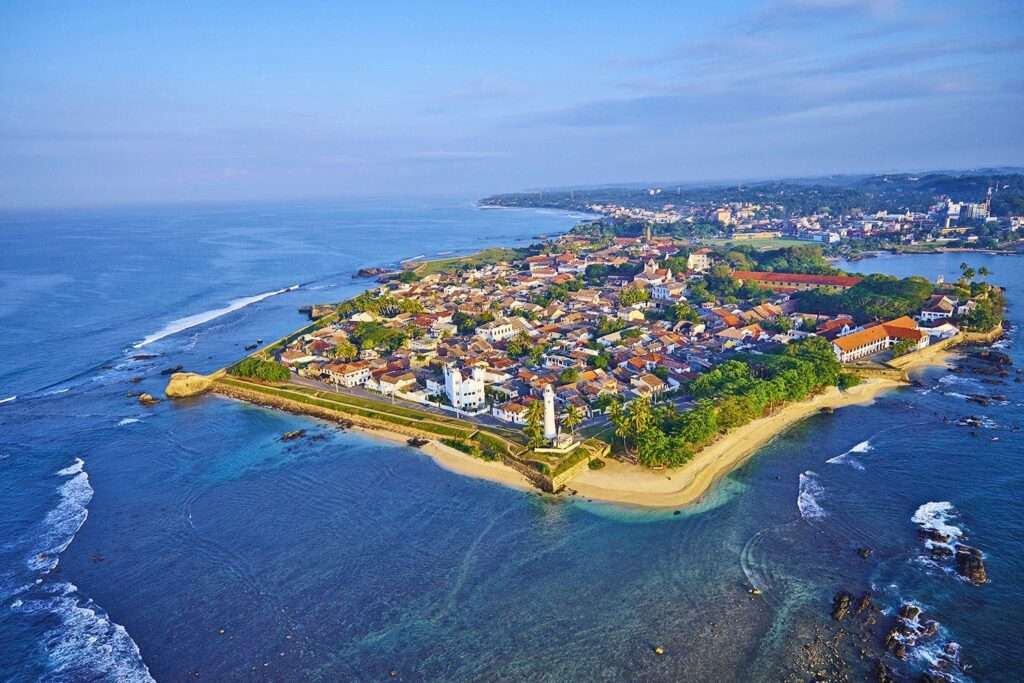
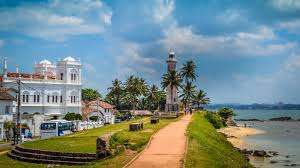
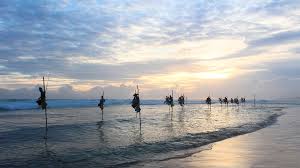
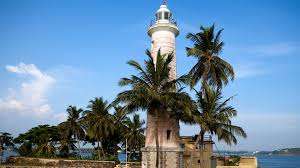
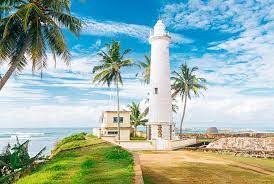
Galle, a city rich in history, culture, and natural beauty, is a gem on the southwestern coast of Sri Lanka. From its ancient fortifications to its vibrant modern culture, Galle offers a unique blend of past and present. In this guide, we will explore the many facets of Galle, from its historical landmarks to its contemporary attractions, providing you with an in-depth understanding of why Galle should be on every traveler’s itinerary.
During your visit to Galle, you can relax at the stunning Unawatuna Beach, take a short trip to Jungle Beach, or enjoy breathtaking views from the Japanese Peace Pagoda. For more adventure, head towards Hikkaduwa to experience snorkeling and surfing.
Historical Significance of Galle
The Galle Fort: A UNESCO World Heritage Site
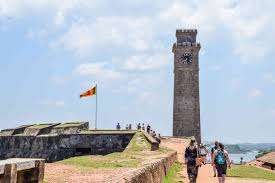
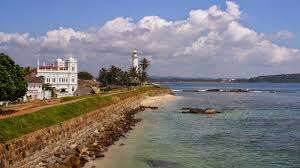
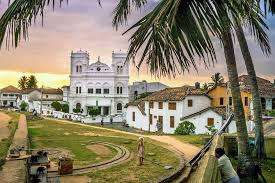
The centerpiece of Galle’s historical charm is undoubtedly the Galle Fort. Constructed by the Portuguese in 1588 and later fortified by the Dutch, the fort is a testament to colonial architecture and military ingenuity. The fort, with its imposing ramparts and bastions, offers breathtaking views of the Indian Ocean. Walking through its cobblestone streets, visitors can explore well-preserved colonial buildings, museums, and churches that narrate the rich history of Galle.
Museums and Cultural Heritage
Galle is home to several museums that offer insights into its storied past. The National Maritime Museum, located within the fort, showcases artifacts from shipwrecks, traditional fishing techniques, and marine biology. The Galle Fort Museum houses a collection of Dutch artifacts, including ceramics, coins, and weaponry, reflecting the city’s colonial heritage. These museums provide a deeper understanding of Galle’s historical and cultural evolution.
Modern Galle: A Blend of Tradition and Contemporary Life
Vibrant Arts and Crafts Scene
Galle has a thriving arts and crafts scene, with numerous galleries and shops showcasing local talent. The Galle Art Trail is a popular event that highlights the work of local artists, featuring paintings, sculptures, and installations. The city is also known for its handcrafted jewelry, lacework, and batik textiles, which make for unique souvenirs.
Culinary Delights
Galle offers a diverse culinary experience, blending traditional Sri Lankan flavors with international cuisine. The city’s numerous cafes and restaurants, such as the renowned Fortaleza and Poonie’s Kitchen, serve a variety of dishes that cater to all palates. From fresh seafood to spicy curries and delectable desserts, Galle’s food scene is a gastronomic adventure.
Natural Beauty and Outdoor Activities
Pristine Beaches
The coastline around Galle is dotted with beautiful beaches that attract both locals and tourists. Unawatuna Beach, with its golden sands and turquoise waters, is perfect for swimming and sunbathing. Jungle Beach, a secluded cove surrounded by lush greenery, offers a tranquil escape. These beaches are not only ideal for relaxation but also provide opportunities for water sports like snorkeling and diving.
Exploring Nature and Wildlife
Nature enthusiasts will find plenty to do in and around Galle. The Kanneliya Forest Reserve, located a short drive from the city, is a biodiversity hotspot, home to numerous endemic species of flora and fauna. Visitors can embark on guided hikes through the forest, witnessing stunning waterfalls and rare wildlife. The Hikkaduwa Coral Reef, another nearby attraction, offers snorkeling and diving experiences to explore vibrant marine life.
Cultural Festivals and Events
Galle Literary Festival
One of the most anticipated events in Galle is the Galle Literary Festival. This annual festival attracts writers, poets, and literary enthusiasts from around the world. Featuring book readings, panel discussions, and workshops, the festival celebrates literature and provides a platform for intellectual exchange. It is a highlight of Galle’s cultural calendar and a must-visit for book lovers.
Traditional Celebrations
Galle’s cultural vibrancy is also reflected in its traditional festivals. The Sinhala and Tamil New Year, celebrated in April, is marked by colorful parades, traditional games, and delicious feasts. The Esala Perahera, held in July or August, is a spectacular procession featuring dancers, drummers, and elephants adorned with lavish decorations. These festivals offer a glimpse into the rich cultural heritage of Galle and its people.
Accommodation: Where to Stay in Galle
Luxury Hotels and Resorts
Galle offers a range of accommodation options to suit all budgets. For those seeking luxury, there are several high-end hotels and resorts that provide exceptional amenities and services. Amangalla, located within the Galle Fort, offers a blend of colonial elegance and modern comfort. Jetwing Lighthouse, designed by the renowned architect Geoffrey Bawa, provides stunning views of the ocean and exquisite dining experiences.
Boutique Hotels and Guesthouses
For a more intimate experience, Galle boasts numerous boutique hotels and guesthouses. These accommodations often feature unique designs and personalized services. The Fort Printers and Galle Fort Hotel are popular choices, offering charming rooms and a cozy atmosphere. Many of these establishments are housed in restored colonial buildings, adding to the historical charm of your stay.
Getting Around Galle
Transportation Options
Getting around Galle is convenient, with various transportation options available. Tuk-tuks are a popular and affordable way to navigate the city, offering a unique and immersive experience. For longer distances, car rentals and bicycle hires are also available. The city is pedestrian-friendly, especially within the Galle Fort, making it easy to explore on foot.
Day Trips and Excursions
Galle’s strategic location makes it an excellent base for exploring the surrounding areas. Day trips to nearby attractions like Mirissa for whale watching, Yala National Park for a safari experience, and Sinharaja Forest Reserve for a trek through the rainforest are highly recommended. These excursions allow visitors to experience the diverse landscapes and wildlife of Sri Lanka.
Planning Your Visit to Galle
Best Time to Visit
The best time to visit Galle is during the dry season, from November to April, when the weather is pleasant and conducive to outdoor activities. The monsoon season, from May to October, brings heavy rains, which may affect travel plans. However, the off-season can also be a good time to visit for those looking to avoid crowds and enjoy a more tranquil experience.
Travel Tips
When planning your trip to Galle, consider the following tips:
Pack light and breathable clothing suitable for the tropical climate.
Carry sun protection, including sunscreen, hats, and sunglasses.
Stay hydrated and try the local coconut water, known as “king coconut.”
Respect local customs and traditions, especially when visiting religious sites.
Use insect repellent to protect against mosquitoes.
Conclusion: Why Galle is a Must-Visit Destination
Galle is a city that seamlessly blends the old with the new, offering visitors a rich tapestry of experiences. From its historical fort and cultural festivals to its pristine beaches and natural beauty, Galle has something for everyone. Whether you are a history buff, a nature lover, a foodie, or an art enthusiast, Galle promises an unforgettable journey through its diverse offerings.
Pidurangala Rock | Hiking for Sunset & Best view of Sigiria
Introduction abou Pidurangala Rock
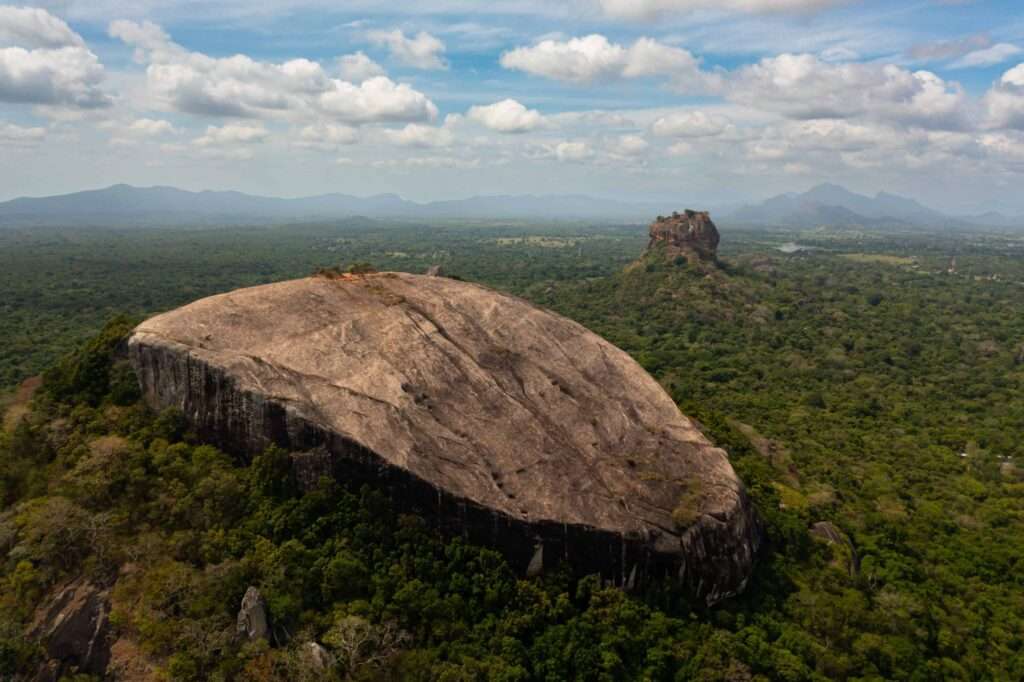
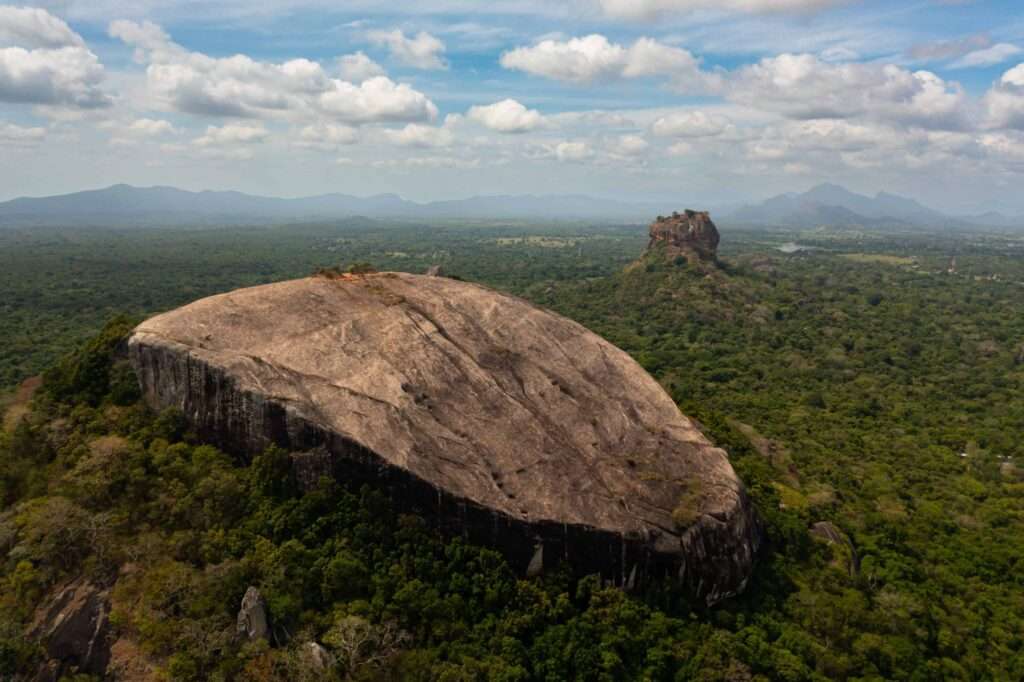
Nestled in the heart of Sri Lanka’s cultural triangle, Pidurangala Rock stands as a majestic monolith with a history intertwined with the nearby Sigiriya Rock Fortress. While Sigiriya often steals the spotlight, Pidurangala offers an equally mesmerizing experience with its breathtaking views, rich history, and challenging hike. This guide will take you through everything you need to know about embarking on the Pidurangala Rock hike, ensuring you make the most of this unforgettable adventure.
Pidurangala Rock is more than just a hiking destination; it is a site of immense historical and cultural importance. The name “Pidurangala” translates to “offered piles of gold,” a reference to the monastery that once thrived here. The rock and its surroundings have been inhabited for over 2,500 years, serving as a monastic complex for Buddhist monks. In the 5th century, King Kasyapa moved monks to Pidurangala to clear the way for the construction of the Sigiriya Fortress, adding to its historical allure.
Getting to Pidurangala Rock
Location: Pidurangala Rock is located in the Matale District of Sri Lanka, near the town of Dambulla. It is approximately 170 kilometers northeast of Colombo.
Transportation:
By Car: The most convenient way to reach Pidurangala is by car. It is a 3-4 hour drive from Colombo, passing through scenic landscapes and local villages.
By Public Transport: You can take a bus from Colombo to Dambulla, and then a tuk-tuk or taxi to Pidurangala.
By Train: The nearest train station is in Habarana, from where you can take a taxi or tuk-tuk.
Best Time to Visit Pidurangala Rock
The ideal time to visit Pidurangala Rock is during the dry season, from December to April. During this period, the weather is pleasant, and the trails are less slippery. The hike is best undertaken early in the morning or late in the afternoon to avoid the midday heat and to catch the sunrise or sunset, offering stunning views over Sigiriya and the surrounding landscape.
Preparing for the Hike on Pidurangala Rock
What to Wear
Comfortable Hiking Shoes: The trail to the top of Pidurangala is rocky and uneven. Sturdy footwear is essential for a safe hike.
Lightweight, Breathable Clothing: The hike can be physically demanding, and the weather can be hot and humid. Wear moisture-wicking fabrics to stay comfortable.
Hat and Sunglasses: Protect yourself from the sun, especially during midday hikes.
Insect Repellent: The forested areas can have mosquitoes and other insects.
What to Bring
Water: Carry at least 1-2 liters of water to stay hydrated.
Snacks: Energy bars or fruits are good options to keep your energy levels up.
Camera: To capture the breathtaking views from the top.
Flashlight: If you plan to hike early in the morning or late in the evening, a flashlight is essential.
The Hike: What to Expect
Trail Overview
The hike up Pidurangala Rock is relatively short, taking about 30-45 minutes to reach the summit. However, it is moderately challenging due to the steep and uneven terrain. The trail can be divided into two main sections:
The Forested Path: The initial part of the hike takes you through a dense forest with a well-marked trail. This section is relatively easy, with a gradual ascent.
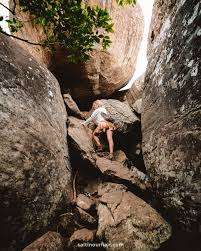
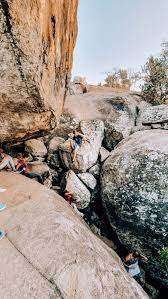
The Rocky Climb: The second part of the hike involves scrambling over large boulders. This section requires some climbing and can be challenging, especially for those who are not experienced hikers. Careful footing is necessary.
Points of Interest in Pidurangala Rock
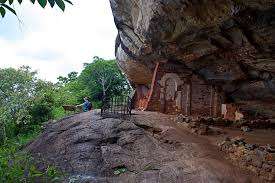
Ancient Temple: Halfway up the trail, you will encounter an ancient Buddhist temple. The temple is home to a reclining Buddha statue, partially damaged but still a significant historical artifact.
Cave Paintings: Look out for cave paintings and inscriptions along the way, offering a glimpse into the rock’s historical and cultural significance.
The Summit
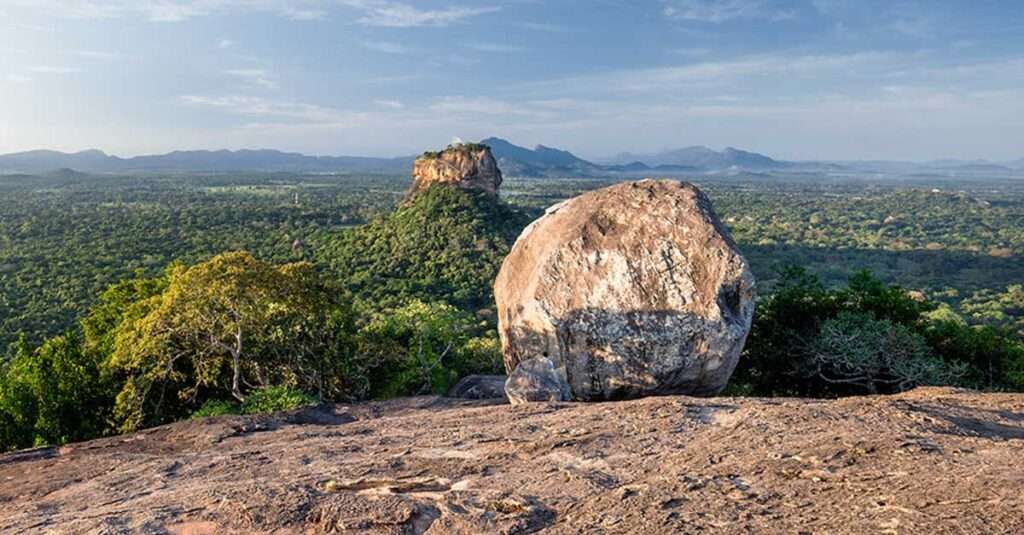
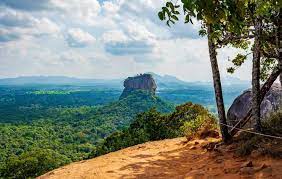
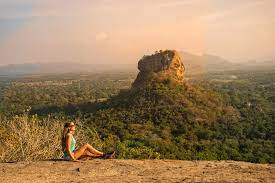
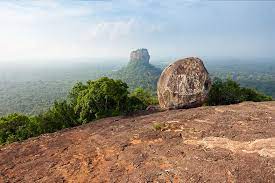
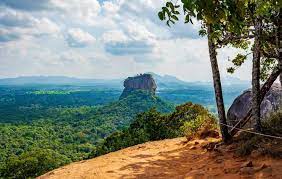
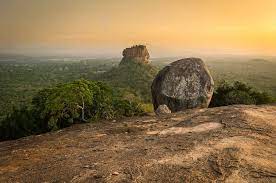
Reaching the summit of Pidurangala Rock is a rewarding experience. The flat rock surface at the top provides a panoramic view of the surrounding landscape. The highlight is the unobstructed view of Sigiriya Rock Fortress, rising majestically from the plains below. The summit is an ideal spot for photography, meditation, and simply soaking in the natural beauty.
Safety Tips To Pidurangala Rock
Stay on the Path: Stick to the marked trail to avoid getting lost or encountering dangerous wildlife.
Watch Your Step: The rocky sections can be slippery, especially after rain. Take your time and ensure you have secure footing.
Stay Hydrated: Drink plenty of water before, during, and after the hike to avoid dehydration.
Respect the Environment: Do not litter. Carry back all your trash and respect the natural and historical sites.
Nearby Attractions
Sigiriya Rock Fortress
Just a short distance from Pidurangala, Sigiriya Rock Fortress is a must-visit. This UNESCO World Heritage Site features ancient frescoes, mirror walls, and the impressive Lion’s Gate. The climb to the top, while steep, offers stunning views and a deep dive into Sri Lanka’s history.
Dambulla Cave Temple
Located about 20 kilometers from Pidurangala, the Dambulla Cave Temple is another UNESCO World Heritage Site. The complex consists of five caves adorned with beautiful Buddhist murals and statues, offering a serene and spiritual experience.
Minneriya National Park
For wildlife enthusiasts, a visit to Minneriya National Park is highly recommended. The park is famous for its large elephant herds, especially during the dry season when the “Elephant Gathering” takes place around the Minneriya Tank.
Conclusion
The Pidurangala Rock hike is a journey through history, nature, and breathtaking beauty. It offers a unique perspective on Sri Lanka’s rich cultural heritage and natural splendor. Whether you are a seasoned hiker or a history enthusiast, Pidurangala promises an experience that is both challenging and immensely rewarding. As you stand atop the rock, gazing at the horizon, you will understand why this hidden gem is a favorite among those who seek adventure off the beaten path.
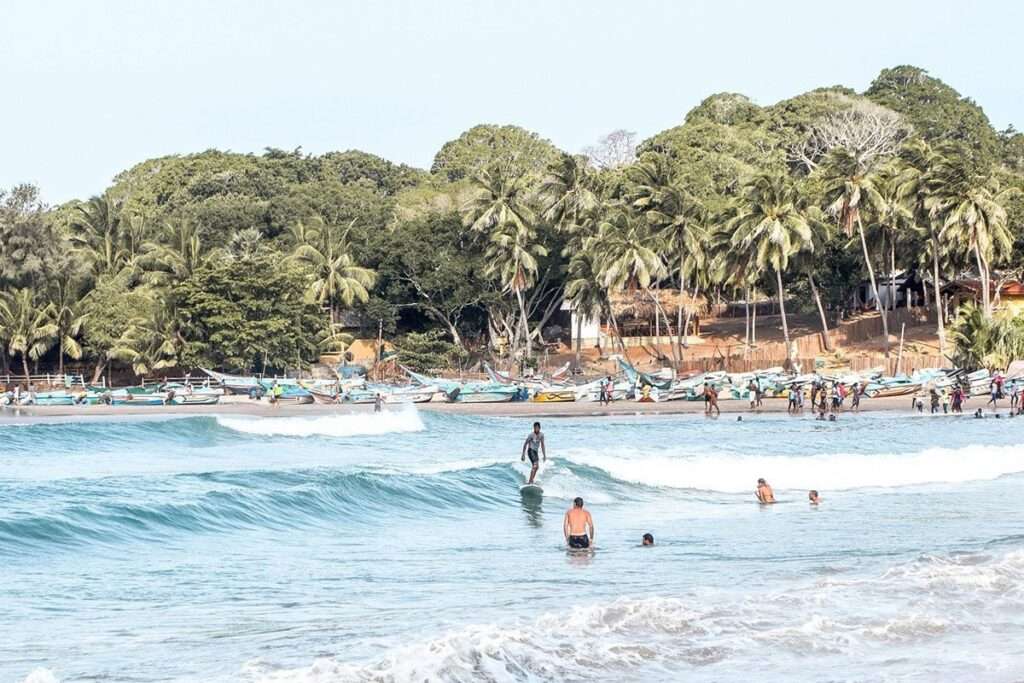
Imagine a place where the waves are perfect, the weather is idyllic, and the vibe is always chill. Welcome to Arugam Bay, a hidden gem on the eastern coast of Sri Lanka, known for its world-class surfing. Whether you’re a seasoned pro or a beginner eager to catch your first wave, Arugam Bay offers something for everyone. But what makes this destination truly special? Let’s dive in and find out.
Arugam Bay is located on the southeast coast of Sri Lanka, about 320 kilometers from Colombo. This crescent-shaped bay is renowned for its natural beauty and fantastic surf conditions. Getting here is relatively easy; you can either fly into Colombo and take a domestic flight to Batticaloa or opt for a scenic road trip.
The climate in Arugam Bay is tropical, with two main seasons: the dry season (April to October) and the wet season (November to March). The best time to visit for surfing is during the dry season when the waves are at their peak.
The Surf Spots
Main Point
Main Point is the crown jewel of Arugam Bay. Known for its consistent and powerful right-hand breaks, it’s a favorite among experienced surfers. The best conditions are during the early morning hours when the waves are clean and less crowded.
Whiskey Point
Located north of Arugam Bay, Whiskey Point is perfect for both beginners and intermediate surfers. The waves here are mellower compared to Main Point, making it an excellent spot to practice and improve your skills. The ideal time to surf here is between May and October.
Pottuvil Point
Pottuvil Point offers long, peeling right-hand waves that can provide rides of up to 800 meters. It’s less crowded than Main Point, offering a more relaxed surfing experience. The best time to surf here is during the mid-year months.
Peanut Farm
Peanut Farm, located south of Arugam Bay, is another fantastic spot for surfers of all levels. Known for its playful waves and scenic backdrop, it’s a must-visit. Surf conditions are best during the dry season, especially from June to September.
Okanda
Okanda is a bit off the beaten path but well worth the visit. The waves here are consistent and powerful, suitable for advanced surfers. The spot is less crowded, offering a serene and challenging surf experience. The best conditions are usually found between May and October.
Surf Schools and Rentals
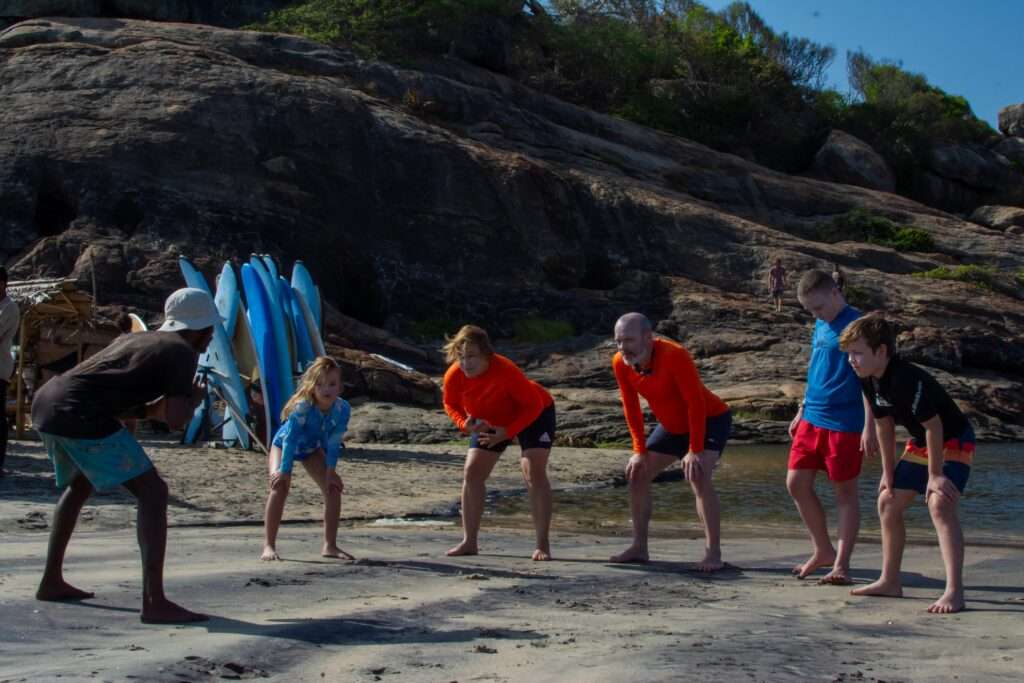
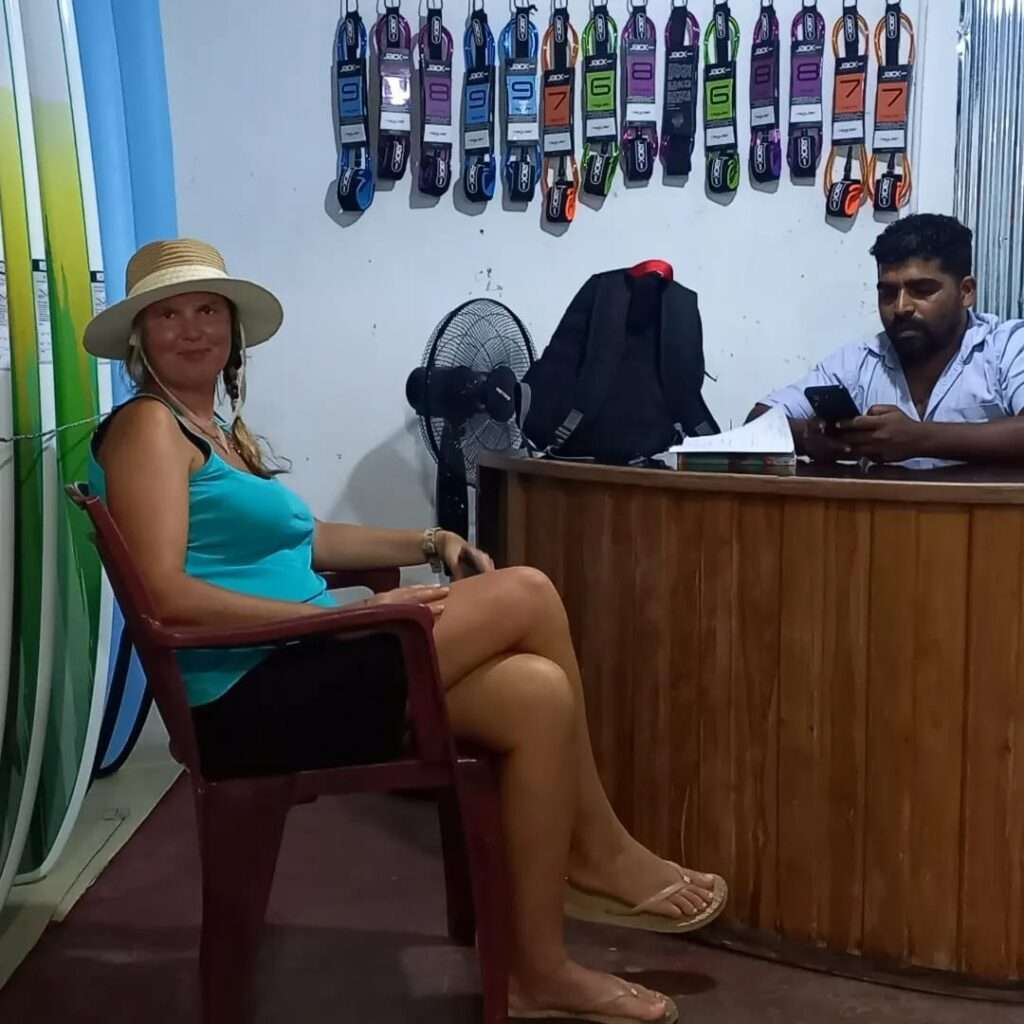
If you’re new to surfing or want to polish your skills, Arugam Bay has several surf schools offering lessons for all levels. Popular ones include Sana Surf School, Paddyway Surf, Surf n Sun and Hideaway Surf School. Rental shops are also plentiful, with a range of boards available at reasonable prices, typically around $10 to $15 per day.
Arugam Bay hosts several annual surfing competitions that draw international talent. The most notable is the Sri Lanka Pro Surf competition, part of the World Surf League (WSL). Whether you’re looking to compete or simply enjoy the spectacle, these events are a highlight of the surf calendar.
Accommodation Options
Arugam Bay offers a wide range of accommodations to suit all budgets. For budget travelers, places like The Long Hostel and Beach Hut are great options. Mid-range accommodations include Bay Vista and The Blue Wave Hotel. For those seeking luxury, Kottukal Beach House and The Danish Villa provide a more upscale experience.
Local Cuisine and Dining
Exploring local cuisine is a must in Arugam Bay. Try traditional Sri Lankan dishes like rice and curry, kottu roti, and fresh seafood. Popular dining spots include Hideaway Cafe, The Seahorse Inn, and Gecko Restaurant, all offering delicious meals and a relaxed atmosphere.
Other Activities in Arugam Bay
Beyond surfing, Arugam Bay offers a variety of other activities. Yoga and wellness retreats are popular, providing a perfect balance to the intense surfing sessions. For nature lovers, wildlife safaris in nearby national parks like Kumana are a must. Cultural tours to ancient temples and local villages offer a deeper insight into Sri Lankan heritage.
Safety Tips for Surfers
Safety is paramount when surfing in Arugam Bay. Always check the local surf conditions and be aware of rip currents. It’s also important to respect local regulations and customs. Wearing a rash guard or wetsuit can protect against sunburn and minor injuries.
Sustainable Surfing Practices
As surfers, it’s crucial to protect the environment. Arugam Bay is a pristine location, and we can keep it that way by practicing sustainable surfing. Avoid using single-use plastics, participate in beach clean-ups, and respect the marine life.
Personal Experiences and Testimonials
Many surfers who visit Arugam Bay fall in love with its charm and return year after year. Stories from seasoned surfers highlight the friendly community, consistent waves, and the overall laid-back vibe of the area. It’s not just a surf spot; it’s a home away from home.
Getting Around Arugam Bay
Navigating Arugam Bay is straightforward. Tuk-tuks are the most common mode of transport and can be hired for short trips. For those looking to explore further, renting a scooter is a convenient option.
Preparing for Your Trip
Packing for Arugam Bay should include all your surf essentials: board, wetsuit, and wax. Don’t forget sunscreen, a hat, and light, breathable clothing. It’s also wise to bring some local currency for small purchases.
Conclusion
Arugam Bay is a surfing paradise that caters to all levels of surfers. Its stunning landscapes, consistent waves, and vibrant culture make it an irresistible destination. Whether you’re there to ride the waves or soak up the local charm, Arugam Bay promises an unforgettable experience.
FAQs
What is the best time of year to surf in Arugam Bay? The best time to surf in Arugam Bay is during the dry season, from April to October, when the waves are at their best.
Are there beginner-friendly surf spots in Arugam Bay? Yes, spots like Whiskey Point and Peanut Farm are great for beginners due to their gentler waves.
What should I pack for a surfing trip to Arugam Bay? Pack your surfboard, wetsuit, wax, sunscreen, hat, light clothing, and local currency for small purchases.
Can I rent surf equipment locally? Yes, there are plenty of rental shops offering a range of surfboards and gear at reasonable prices.
Are there other activities besides surfing in Arugam Bay? Absolutely! You can enjoy yoga retreats, wildlife safaris, cultural tours, and savoring the local cuisine.
The Best Adventure Hike in Sri Lanka – World’s End
Introduction to World’s End Nuwara Eliya
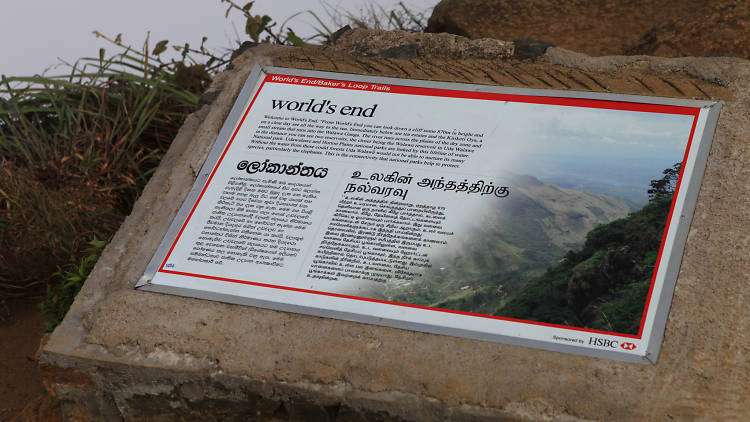
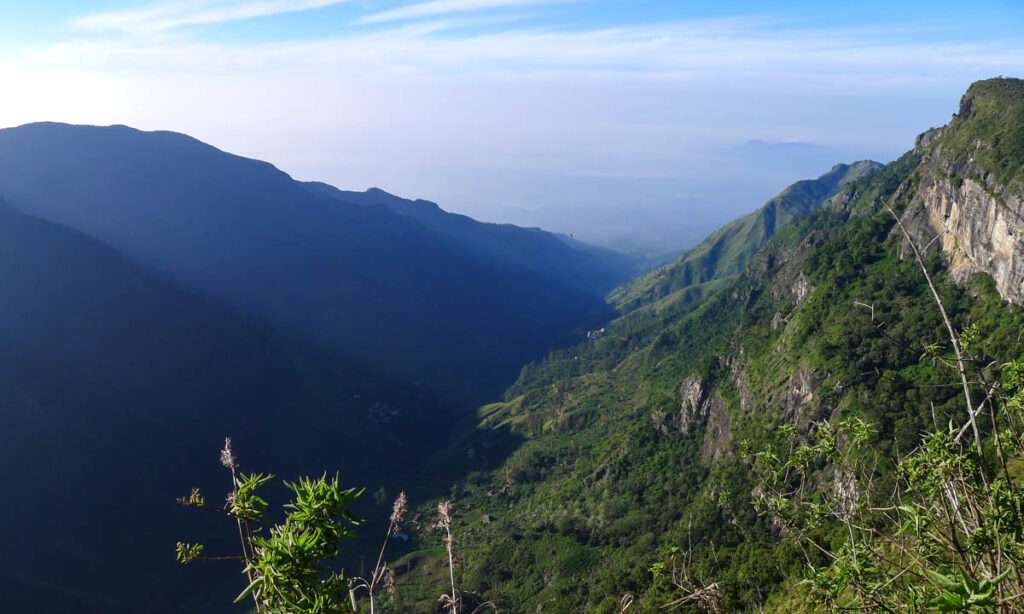
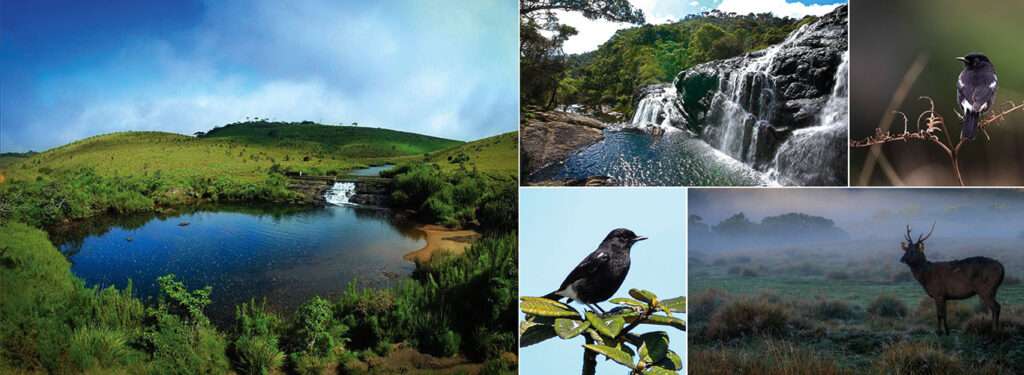
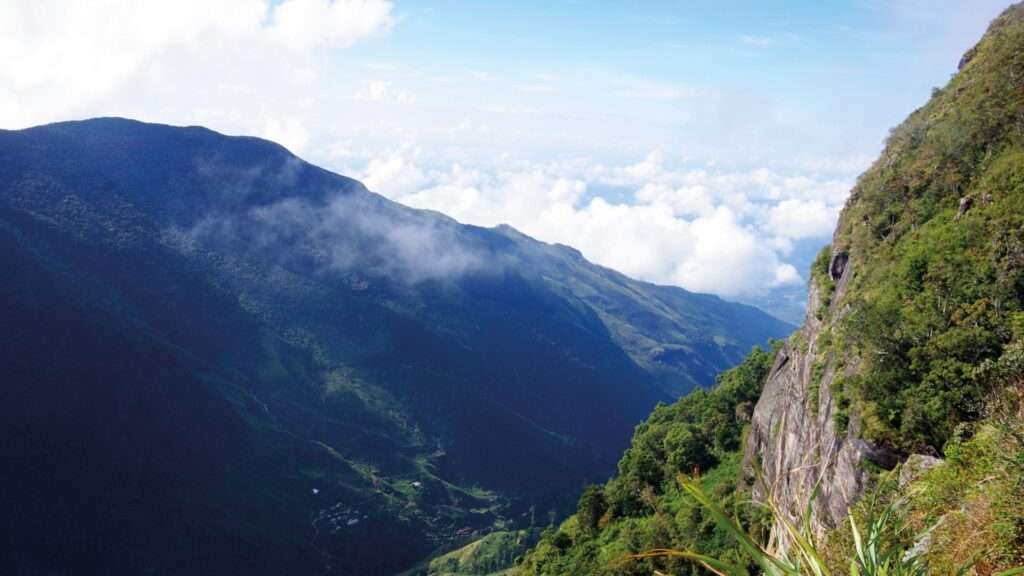
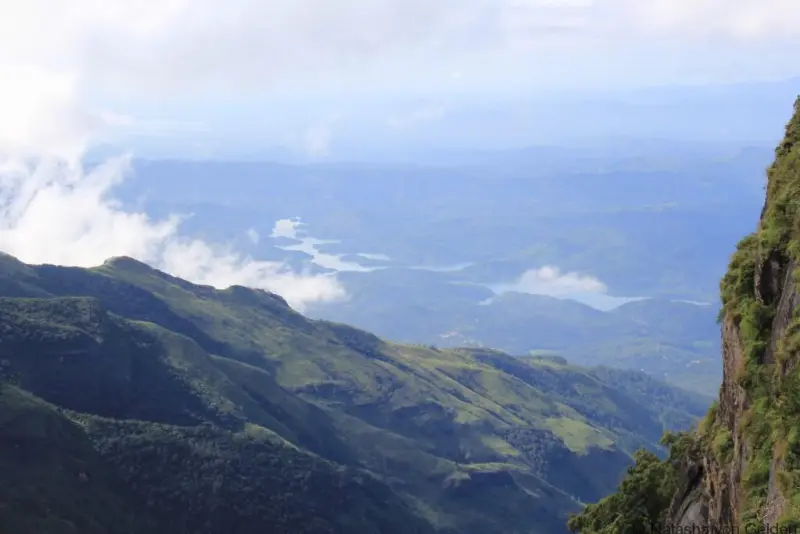
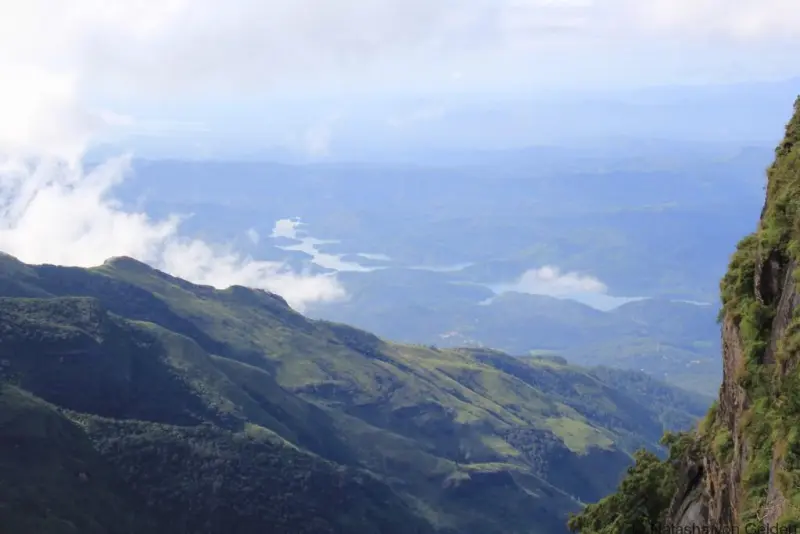
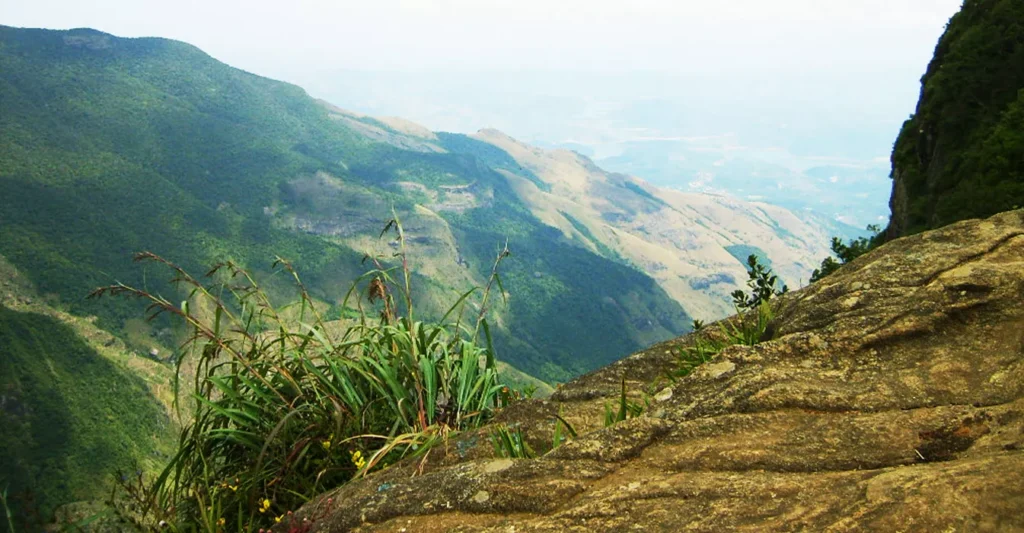
Nestled in the heart of Sri Lanka’s lush, rolling landscapes, World’s End in Nuwara Eliya stands as one of the most awe-inspiring natural attractions in the world. This sheer precipice, located within the Horton Plains National Park, offers breathtaking views that stretch as far as the eye can see, plummeting nearly 4,000 feet to the valley below. The combination of its dramatic drop, serene surroundings, and the rich biodiversity of the area makes it a must-visit destination for travelers and nature enthusiasts alike.
To reach World’s End, visitors must first travel to Horton Plains National Park, a UNESCO World Heritage Site known for its montane grassland and cloud forest. The park is situated approximately 32 kilometers from Nuwara Eliya, a quaint town often referred to as “Little England” due to its colonial-era architecture and cool climate.
Visitors typically enter the park through the Pattipola or Ohiya gates, with Pattipola being the more commonly used entrance. The journey to these gates can be made by private vehicle, taxi, or guided tour. Once inside the park, a well-marked trail leads adventurers through diverse landscapes towards the main attraction.
The Scenic Hike to World’s End
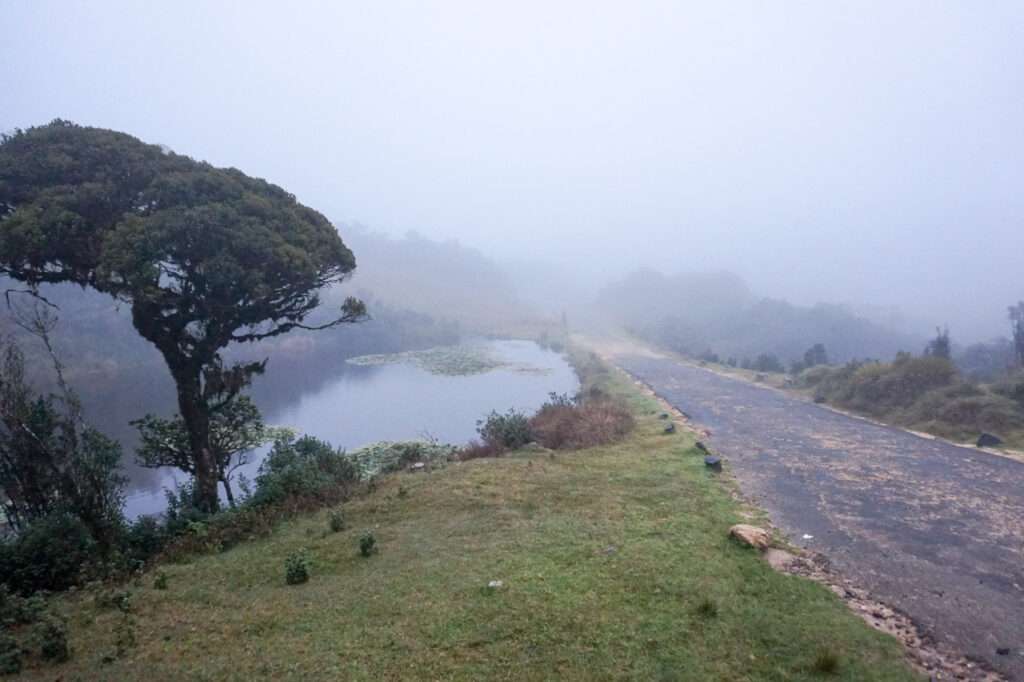
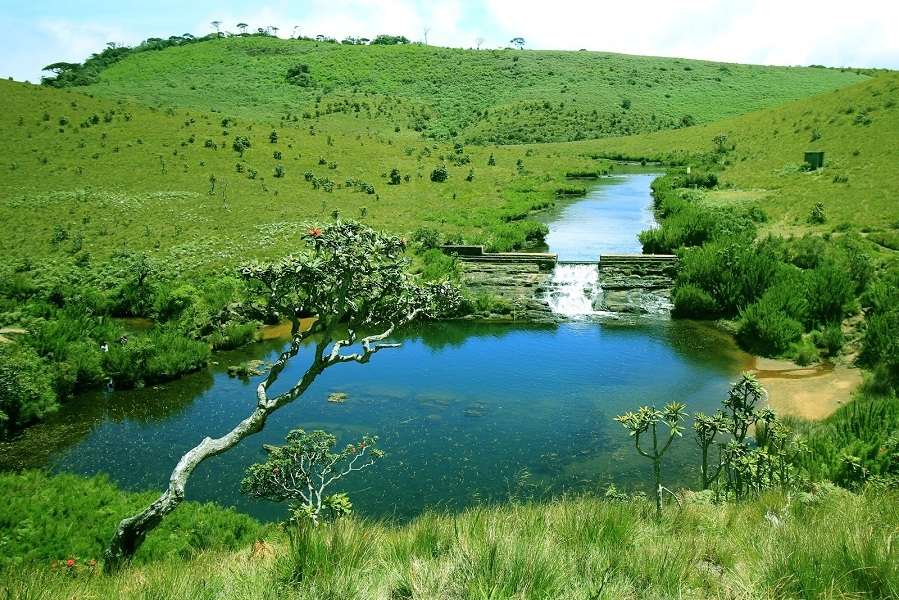
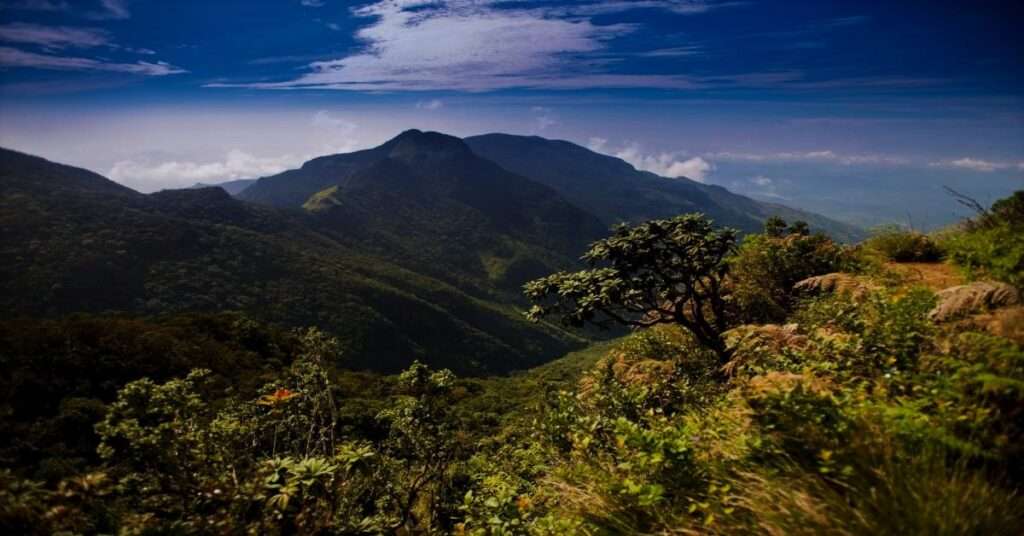
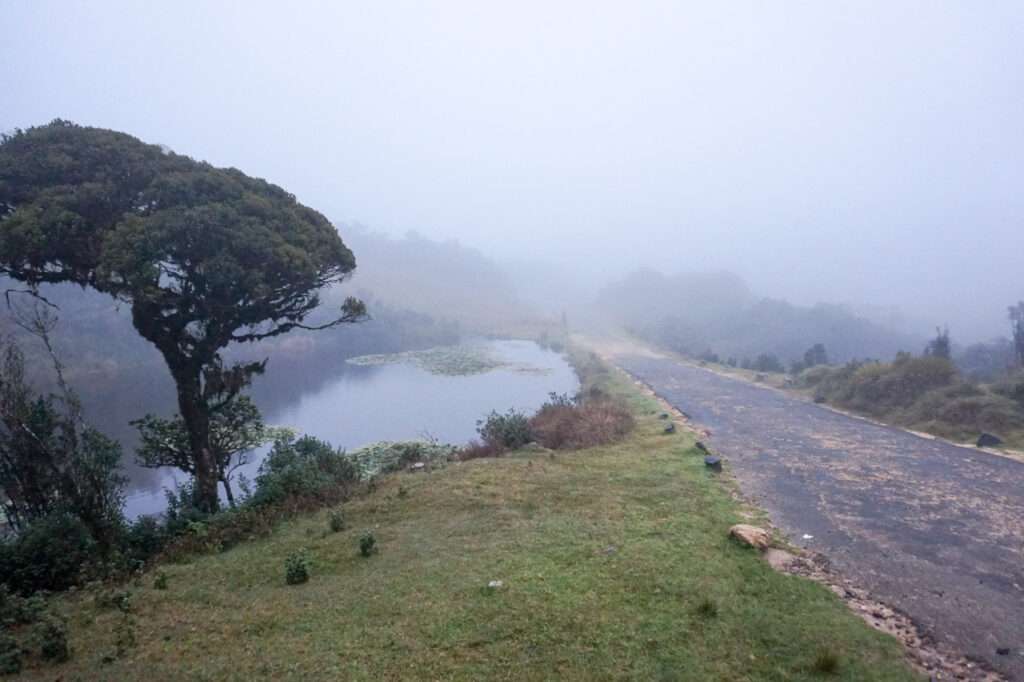
The hike to World’s End is an 8-kilometer loop trail that begins at the park’s entrance. The trail is moderately challenging, with a combination of flat paths and gradual inclines. As hikers traverse the park, they are treated to stunning views of the surrounding valleys, mist-covered grasslands, and vibrant flora and fauna.
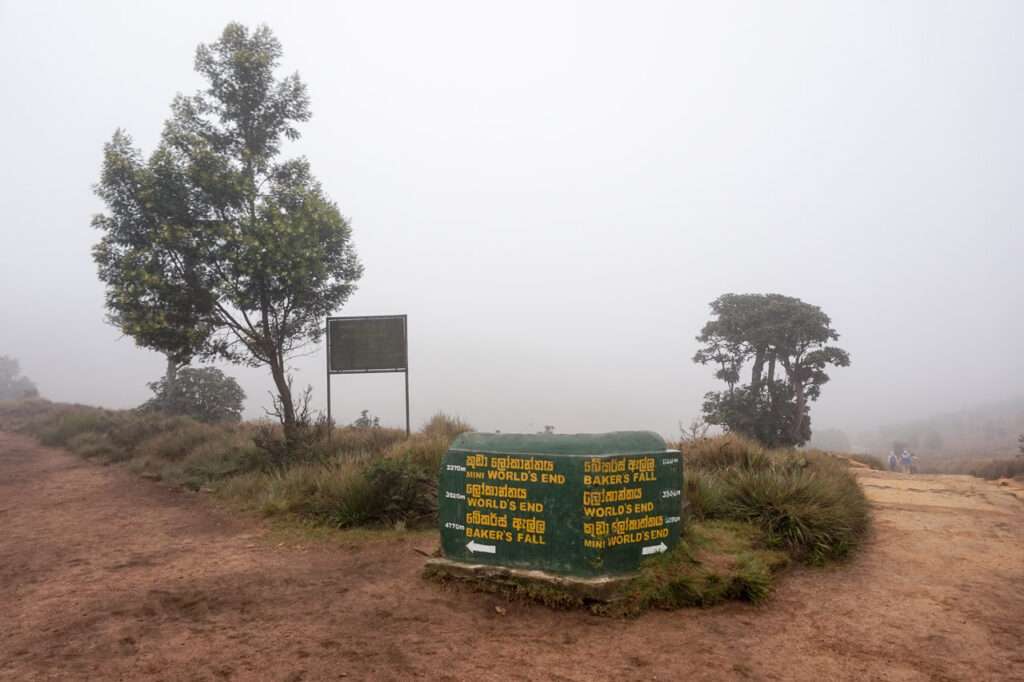
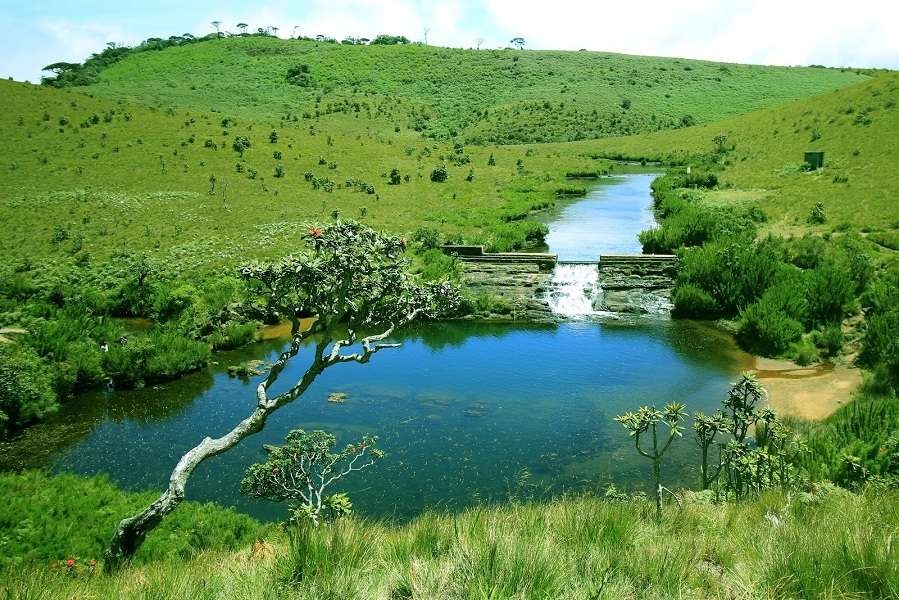
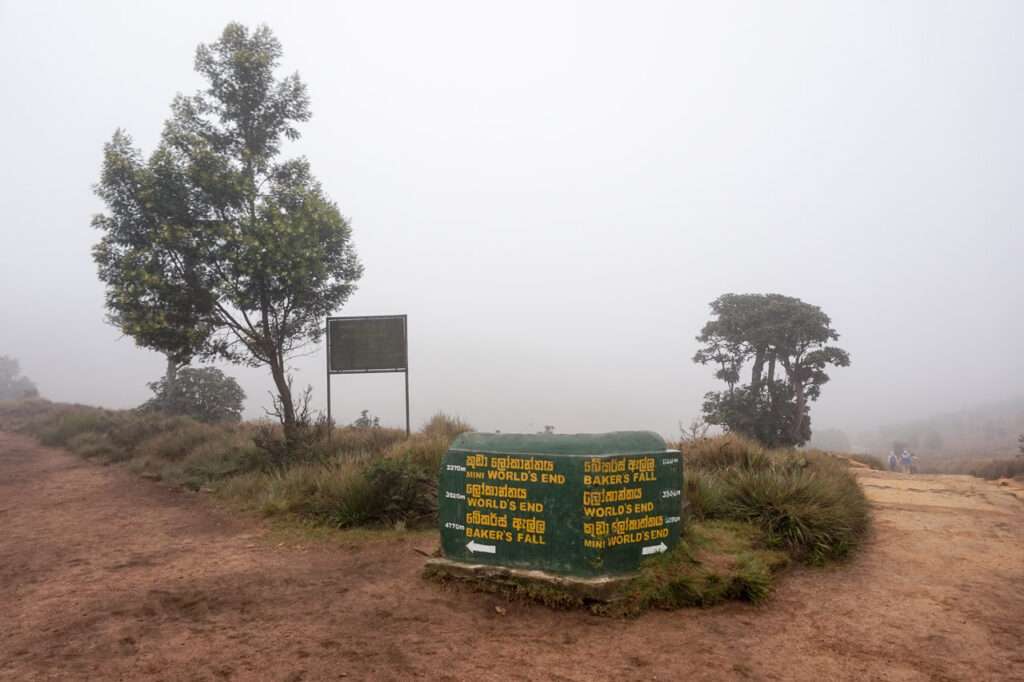
Key points along the trail include Baker’s Falls, a picturesque waterfall named after the famed British explorer Sir Samuel Baker, and the smaller Mini World’s End, which offers a preview of the main attraction. The entire hike can take between 2 to 4 hours, depending on pace and stops.
Experiencing World’s End
The Majestic View
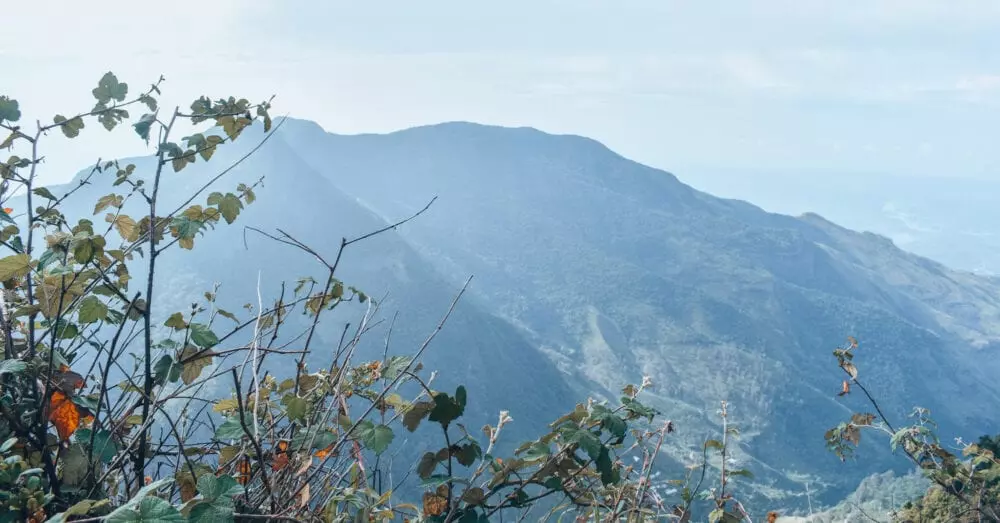
Upon reaching World’s End, visitors are greeted with a jaw-dropping panorama. On clear days, the vista extends all the way to the southern coast of Sri Lanka, over 80 kilometers away. The sight of the sheer cliff face dropping off into seemingly infinite space creates a profound sense of awe and wonder.
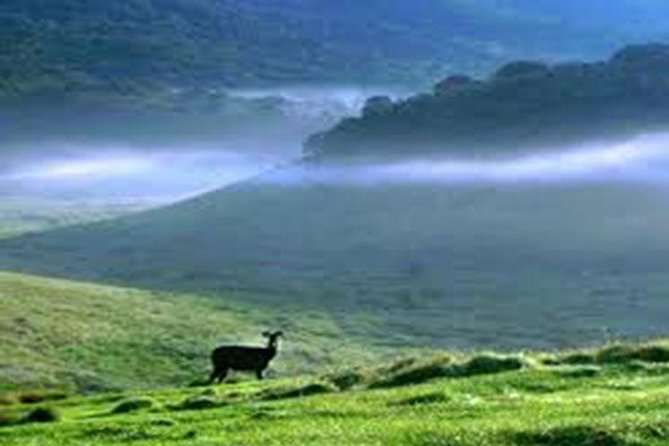
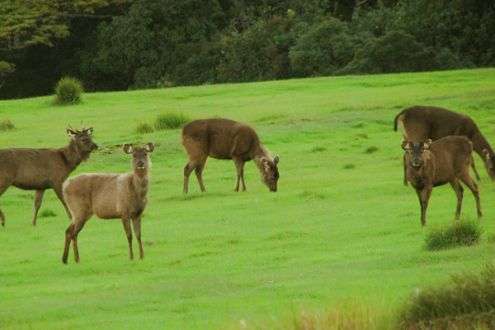
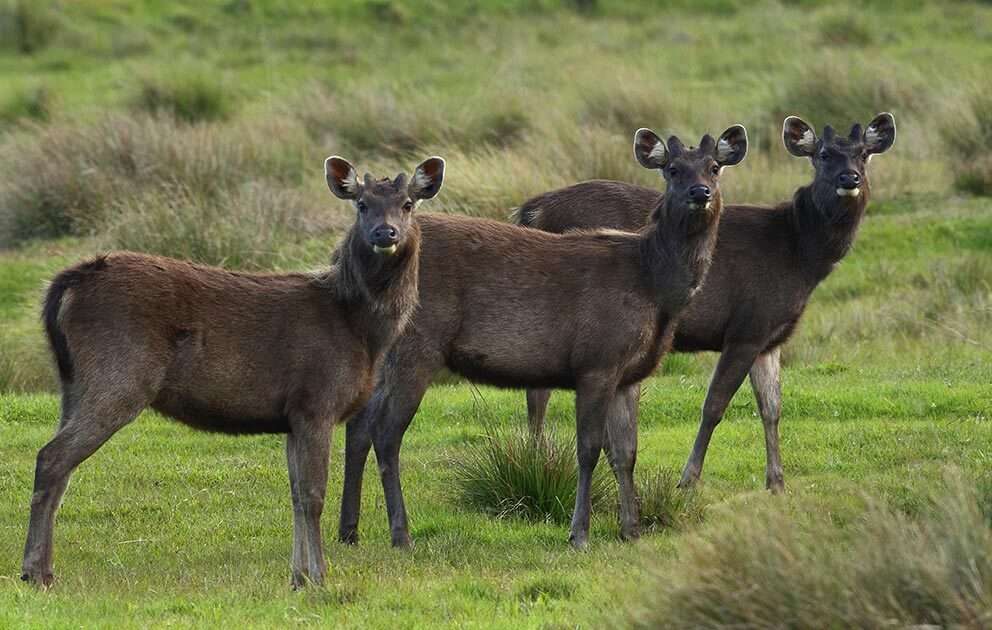
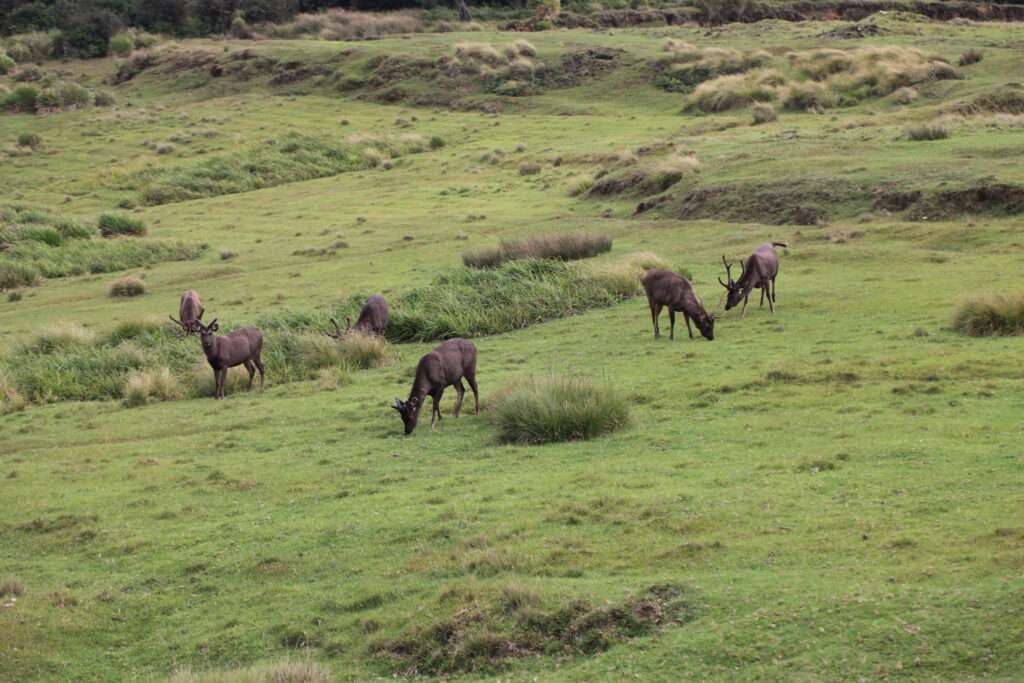
The best time to experience World’s End is early in the morning, ideally before 10 AM, as the area is prone to cloud cover later in the day. The early hours also offer cooler temperatures and the chance to see wildlife, such as the endemic Sri Lankan sambar deer.
Flora and Fauna Extravaganza
Horton Plains National Park is a biodiversity hotspot, home to numerous endemic species of plants and animals. The park’s unique ecosystem supports a range of flora, from grasslands to cloud forests. Rhododendrons and orchids are particularly notable, adding splashes of color to the verdant landscape.
Birdwatchers will find Horton Plains to be a paradise, with over 20 endemic bird species, including the Sri Lanka whistling thrush and the yellow-eared bulbul. Mammals such as the toque macaque, purple-faced langur, and the elusive Sri Lankan leopard also inhabit the park.
Sunrise Spectacle
Elevate your experience by witnessing the sunrise at World’s End. As the first light of day graces the landscape, the mist dissipates, revealing a tapestry of colors that paint the sky. It’s a moment of pure serenity and natural beauty that etches itself into your memory.
Trails and Treks
Embark on exhilarating treks through well-marked trails. Each path offers a unique perspective of World’s End, providing hikers with an opportunity to absorb the serenity of the surroundings. From Mini World’s End to Baker’s Falls, every trail is a journey into the heart of nature.
Conservation Efforts
Discover the conservation initiatives that safeguard the pristine environment of World’s End Nuwara Eliya. Learn about the sustainable practices in place to preserve the delicate balance between tourism and ecological preservation.
Local Delights
Immerse yourself in the local culture and savor the culinary delights of Nuwara Eliya. From aromatic teas to delectable local dishes, the region offers a gastronomic experience that complements the natural splendor.
FAQs: Unveiling the Mysteries
What is the best time to visit World’s End Nuwara Eliya?
The best time to visit is from December to March when the weather is clear, and you can witness the breathtaking sunrise.
Are guided tours available?
Yes, guided tours are available, providing valuable insights into the history, flora, and fauna of World’s End.
Is it necessary to book tickets in advance?
It’s advisable to book tickets in advance, especially during peak seasons, to ensure a seamless and timely entry.
Can children participate in the treks?
While some trails are family-friendly, others may require a certain level of fitness. Choose the trail that suits your group’s abilities.
Are there accommodation options near World’s End?
Nuwara Eliya offers a range of accommodations, from cozy guesthouses to luxurious resorts, catering to diverse preferences.
Are drones allowed for photography?
Drones are not permitted within the national park to preserve the tranquility and safety of the area.
Conclusion: Embracing Nature’s Gift
In conclusion, a visit to World’s End Nuwara Eliya is not just a journey; it’s a communion with nature at its finest. The captivating landscapes, diverse wildlife, and immersive experiences create memories that last a lifetime. As you explore this natural marvel, let the serenity of World’s End rejuvenate your spirit and leave you with a profound appreciation for the wonders of our planet.
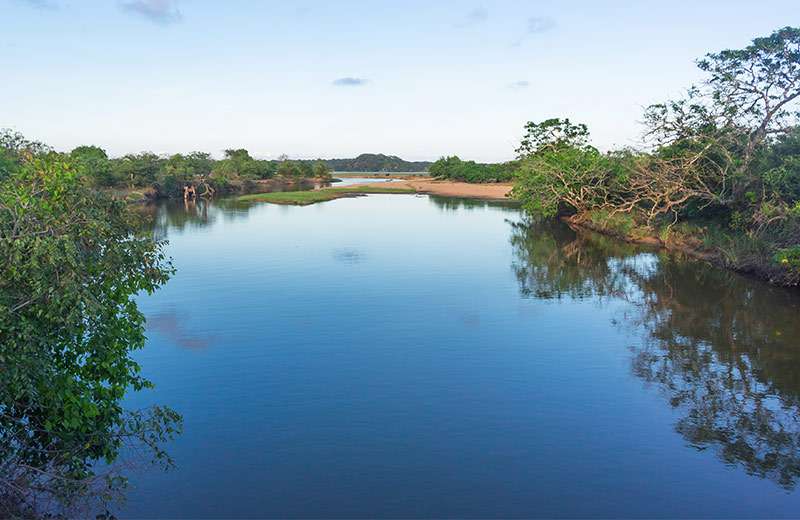
Pottuvil Lagoon, nestled in the eastern shores of Sri Lanka, is a mesmerizing ecological gem awaiting discovery. This enchanting destination is celebrated for its diverse ecosystems, offering a paradise for nature enthusiasts and wildlife aficionados.
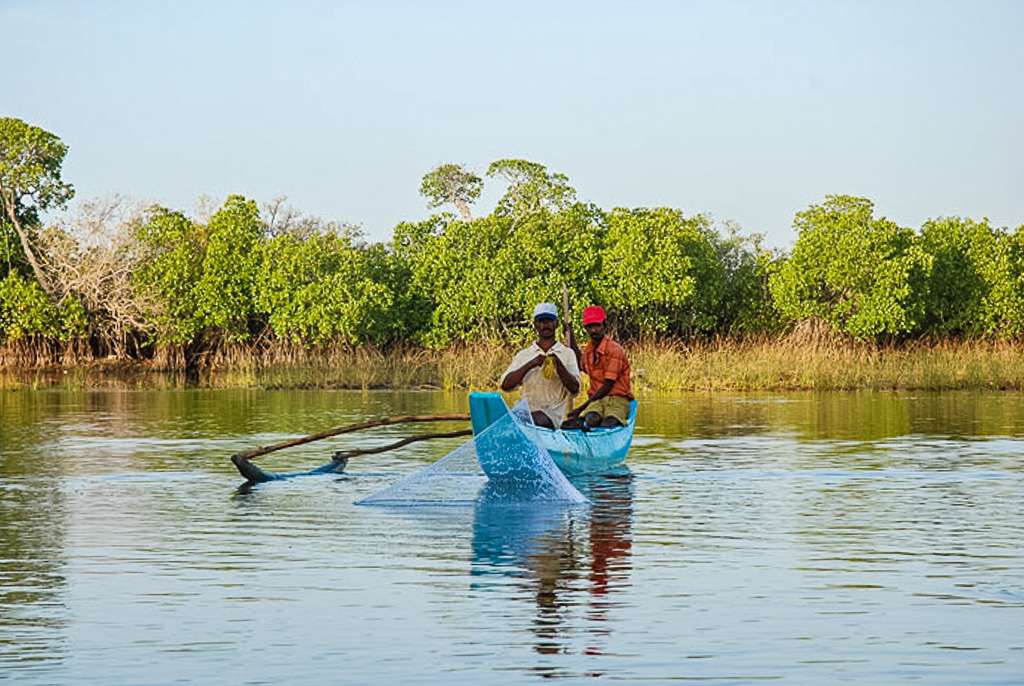
At the heart of Pottuvil Lagoon lies a thriving mangrove forest, a sanctuary for numerous species. These mangroves not only serve as a crucial habitat for wildlife but also act as a protective shield against coastal erosion.
Birdlife and Wildlife
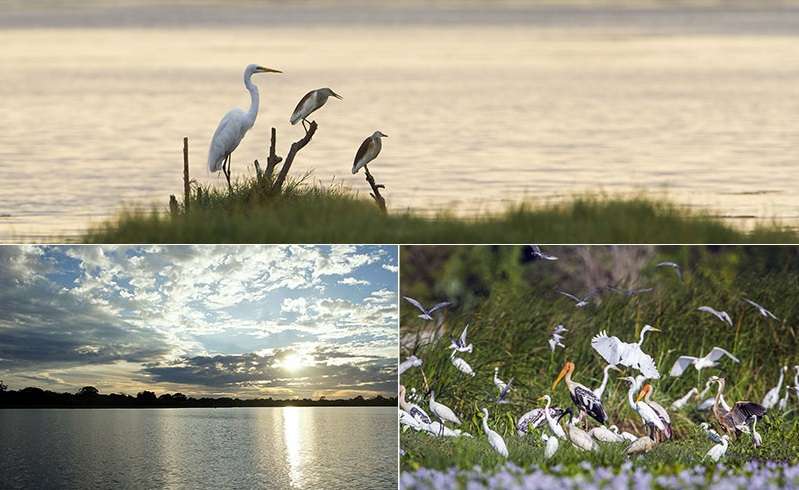
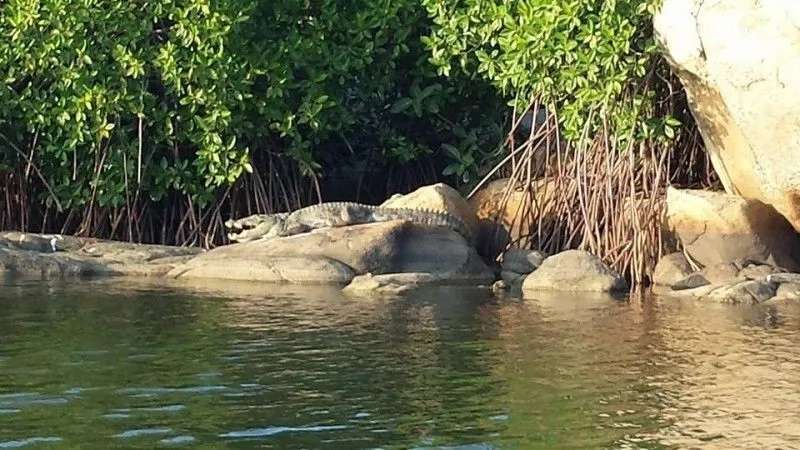
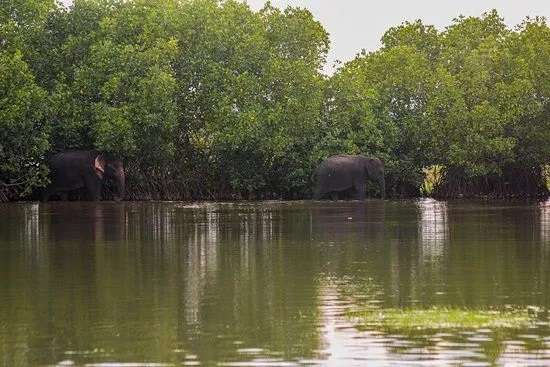
The lagoon is a haven for avian wonders, with a myriad of bird species painting the skies. Among them are vibrant kingfishers, majestic eagles, and elusive waterfowl. Beyond the avian marvels, the lagoon hosts a diverse array of wildlife, including monitor lizards, crocodiles, and even elephants that occasionally visit its banks.
Safari Experience at Pottuvil Lagoon
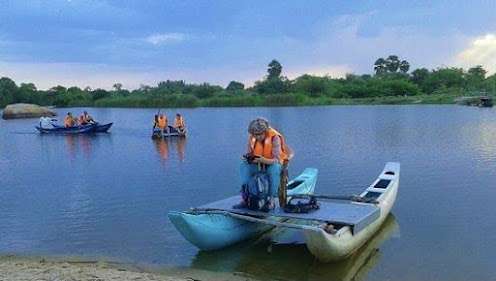
Embark on an unforgettable safari adventure through the tranquil waters of Pottuvil Lagoon. Glide across the serene waters on a boat, unveiling the hidden treasures of this biodiverse haven. The safari offers unparalleled opportunities for wildlife spotting, where each turn brings a new spectacle of nature’s wonders.
Conservation Efforts and Challenges
Despite its allure, Pottuvil Lagoon faces environmental challenges. However, various conservation initiatives strive to safeguard this ecosystem, aiming to preserve its natural splendor for future generations.
Local Community and Tourism
The local community plays a pivotal role in sustaining the lagoon’s beauty. With an influx of tourists, efforts are being made to balance conservation with responsible tourism, ensuring that the community benefits while preserving the ecosystem.
The Beauty of Sunset at Pottuvil Lagoon
As the day bids adieu, the lagoon transforms into a canvas painted with vibrant hues during sunset, creating a breathtaking panorama that leaves a lasting impression.
Activities Beyond Safari
Apart from the enthralling safari, visitors can engage in an array of water sports or explore nearby attractions, enriching their experience in this natural wonderland.
Best Time to Visit Pottuvil Lagoon
The optimal time to visit Pottuvil Lagoon is during the dry season, typically from May to September, offering a clearer and more enjoyable experience.
How to Reach Pottuvil Lagoon
Pottuvil Lagoon is accessible via various transportation modes, ensuring convenience for travelers. Visitors can reach it via road or opt for guided tours that provide a seamless journey.
Several accommodations cater to different preferences, ranging from eco-lodges to resorts, ensuring a comfortable stay amidst nature’s embrace.
Preserving Pottuvil Lagoon: Call to Action
Preservation of this natural wonder relies on collective efforts. Responsible tourism and conservation actions are integral in ensuring the longevity of Pottuvil Lagoon’s splendor.
Conclusion
Pottuvil Lagoon stands as a testament to nature’s artistry, captivating all who venture into its embrace. Its delicate balance of wildlife, ecosystem, and community involvement beckons travelers to experience its charm responsibly.